Feeds:
Posts
Comments

Archive for September, 2011

I really like Michelle Aldredge’s blog on writing and the arts, Gwarlingo. (The word gwarlingo, Aldredge says, is Welsh for the rushing sound a grandfather clock makes before striking, “the movement before the moment.”)

See my post about Gwarlingo and artistic Japanese manhole covers here.

This week Aldredge wrote that she had recently “stumbled across a small online collection of rare color images taken by photographers from the Farm Security Administration and Office of War Information. The … photograph of Jack Whinery and his family was so remarkable and surprising that I immediately began exploring the online archive of the Library of Congress, which owns the images. The 1,610 Kodachrome transparencies were produced by FSA and OWI photographers like John Vachon, Marion Post Wolcott, Jack Delano, and Russell Lee. They are less well known and far less extensive than their black and white images, but their rarity only increases their impact.”

Check out the America in Transition photos.
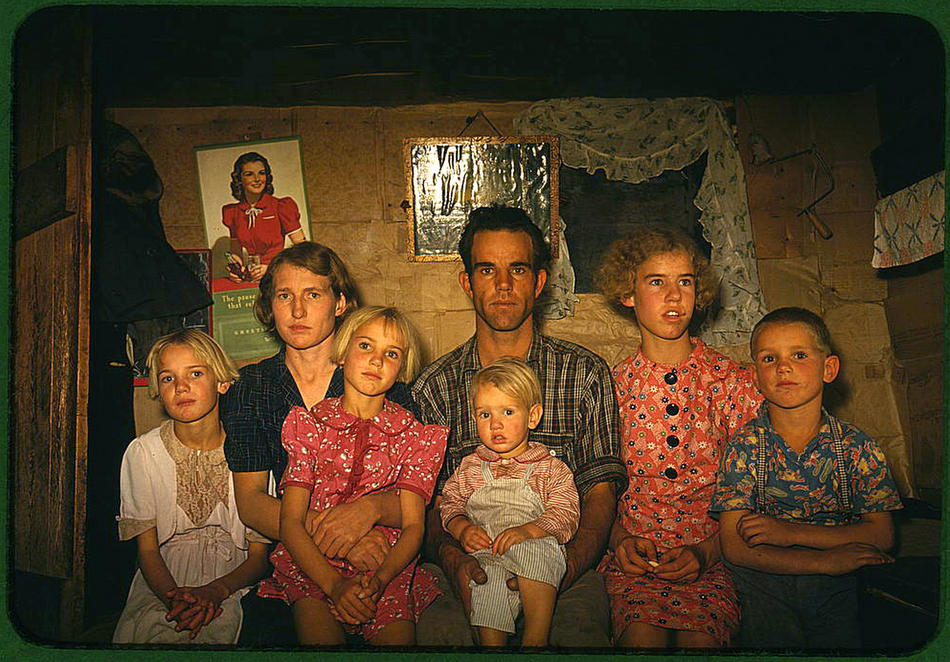
*Jack Whinery, homesteader, and his family. Pie Town, New Mexico, October 1940. Photo by Russell Lee. Prints and Photographs Division, Library of Congress*

Another great Gwarlingo post was on poetry bombing.

“Since 2001,” writes Aldredge, “the Chilean art collective Casagrande has been staging ‘Poetry Rain’ projects in cities like Warsaw, Berlin, Santiago de Chile, Dubrovnik, and Guernica – all cities that have suffered aerial bombings in their history. The most recent event took place in Berlin in 2010 and was part of the Long Night of Museums. Crowds of thousands gathered in the city’s Lustgarten as 100,000 poems rained down from the sky.” Read more here.

I also found a happy video.
Read Full Post »

Nicholas Kristof writes in the NY Times about a Kenyan called Jane, who was pushed out when her husband took a second wife and who found herself supporting her children through prostitution. That is, until she joined a remarkable nonprofit and made a better life for herself through sewing. She takes used wedding gowns and bridesmaid gowns and cuts them up to create several smaller dresses that she can sell.

Kristof writes that in 1999, Jane was fortunate to find “an antipoverty organization called Jamii Bora, which means ‘good families’ in Swahili. The group, founded by 50 street beggars with the help of a Swedish woman, Ingrid Munro, who still lives in Nairobi, became Kenya’s largest microfinance organization, with more than 300,000 members. But it also runs entrepreneurship training, a sobriety campaign to reduce alcoholism, and a housing program to help slum-dwellers move to the suburbs.” Jane became an entrepreneur, was able to get her children into good schools, and rejoiced to see them thriving.

But as Kristof explains, the lives of the working poor tend to remain one accident or illness away from upheaval. Jane’s daughter was hurt in a traffic accident and treatment for the injury sucked up all Jane’s savings, affecting her ability to pay for school.

Kristof likes to go beyond traditional reporting in his columns and give readers a way to help, so you might want to check his blog.

More on Jamii Bora:


Read Full Post »

Huck Gutman, the chief of staff for Vermont Senator Bernie Sanders, is a man who knows the value of putting your head into a poem once in a while and leaving the chaos behind. And according to the Boston Globe, an increasing number of people are signing up for his poetry listserv.

“The chief of staff for the Senate’s liberal firebrand has created an unlikely patch of common ground. That place lies in the power of the poetry that longtime University of Vermont professor Huck Gutman … distributes by e-mail to 1,700 readers who include all the Senate chiefs of staff, several White House staffers, university presidents, academics, journalists, and former students.” Read more.

Wallace Stegner has written, “No place is a place until it has a poet.” In fact, there are countries where poetry, ancient and modern, is core to national identity. Perhaps surprising to Americans, one such country is Iran.

I have blogged about Mirrors of the Unseen: Journeys in Iran before. It’s taking me a while to finish it because, for a travel book, it is seriously intellectual. (Here is a post in which author Jason Elliot describes the earliest known electric battery. And here is my post called “Horse Agrees Not To Be Extinct.”)

One of the most intriguing aspects of Elliot’s book is how many ordinary people he meets who have interests that would seem quite high brow to the average Westerner. Workmen who know all about ancient architecture. Postal employees who are still angry that the Greeks twisted the facts about Persia hundreds of years ago. And people who love poetry.

In one anecdote, Elliot makes a vague poetic reference to a seatmate on an airplane who encourages him to go on and read from the blind poet Rudaqi. “I read the first couplet in Persian,” writes Elliot, “but before I could reach the second [my seatmate] said, ‘No, no, it’s like this.’ ” He reads the rest with deep feeling, adding, “Poetry … makes us very emotional.”

Similarly, at a private home, Elliot watches a man rapt and gently swaying to a musical recitation of classical poetry. The man turns out to be the Foreign Minister.

And when Elliot goes to see the chief of immigration police in Isfahan on a routine matter, he interrupts him reading a poetry book and observes that “the final syllables as he stood up, with an unmistakably distant look on his face, were still fading visibly from his lips.”

Read Full Post »

I would like to tell you about Woophy, the international photo-sharing site. One of many great things about Woophy is its home page, which features a map of the world with each photo’s location. Do click on it.

I have uploaded photos to Woophy off and on since first reading about it in the Wall Street Journal. (That was when I was still reading the WSJ, which used to be full of great articles. I was one of the 170 people who cancelled their subscriptions the day Rupert Murdoch bought the paper. I know this because the WSJ wrote the next day that 170 subscribers out of 1.7 milion had cancelled.)

Woophy has always been managed by unpaid volunteers, and in recent years they struggled to keep up with the work. Loyalists worldwide helped out. Now Woophy has crossed a threshold and has partnered with a travel company. I’m glad because I would like to see it survive. I particularly enjoyed getting comments from far-away places whenever I posted a picture.

Here’s Wikipedia’s description: “Woophy (World of photography) is a photo sharing website and an online community where members can put their photos on a world map. Founded in 2005 by Joris van Hoytema, Hoyte van Hoytema and Marcel Geenevasen, the site has over 39,300 members and contains around a million photos from over 43,000 cities and villages in the world. Most of the uploaded pictures are from surroundings, buildings, nature and problems in the world. Woophy also has an active forum where photographers discuss their photos in a critical way. Woophy now has a finance deal with Eurobookings.com which should enable it to survive through the use of advertising.”

Woophians are planning a meeting in Madrid next spring. See photos of a previous Woophy forum (with music):


Read Full Post »

I have not been blogging that long for Luna & Stella, but already interesting things have happened. For example, one customer who found the blog decided Suzanne’s Mom was OK and probably Suzanne’s business was, too. She became a Luna & Stella customer.

Another interesting thing occurred after I blogged about an artist I once knew, Lucille Corcos. I had written her up with the goal of creating an entry for her on Wikipedia. (The entry is still to come. I need a good block of time to make the changes Wikipedia asked for.)

Soon I began to notice in my WordPress site statistics that someone was doing Internet searches on “Lucille Corcos.” I wondered if it might be one of her sons. Sure enough, I eventually received an e-mail from artist Joel Corcos Levy, saying, “Who are you and when were you in our house?” So I e-mailed him, and we had a nice back-and-forth. He generously sent me a piece of his mother’s art, an illustration for a children’s book.

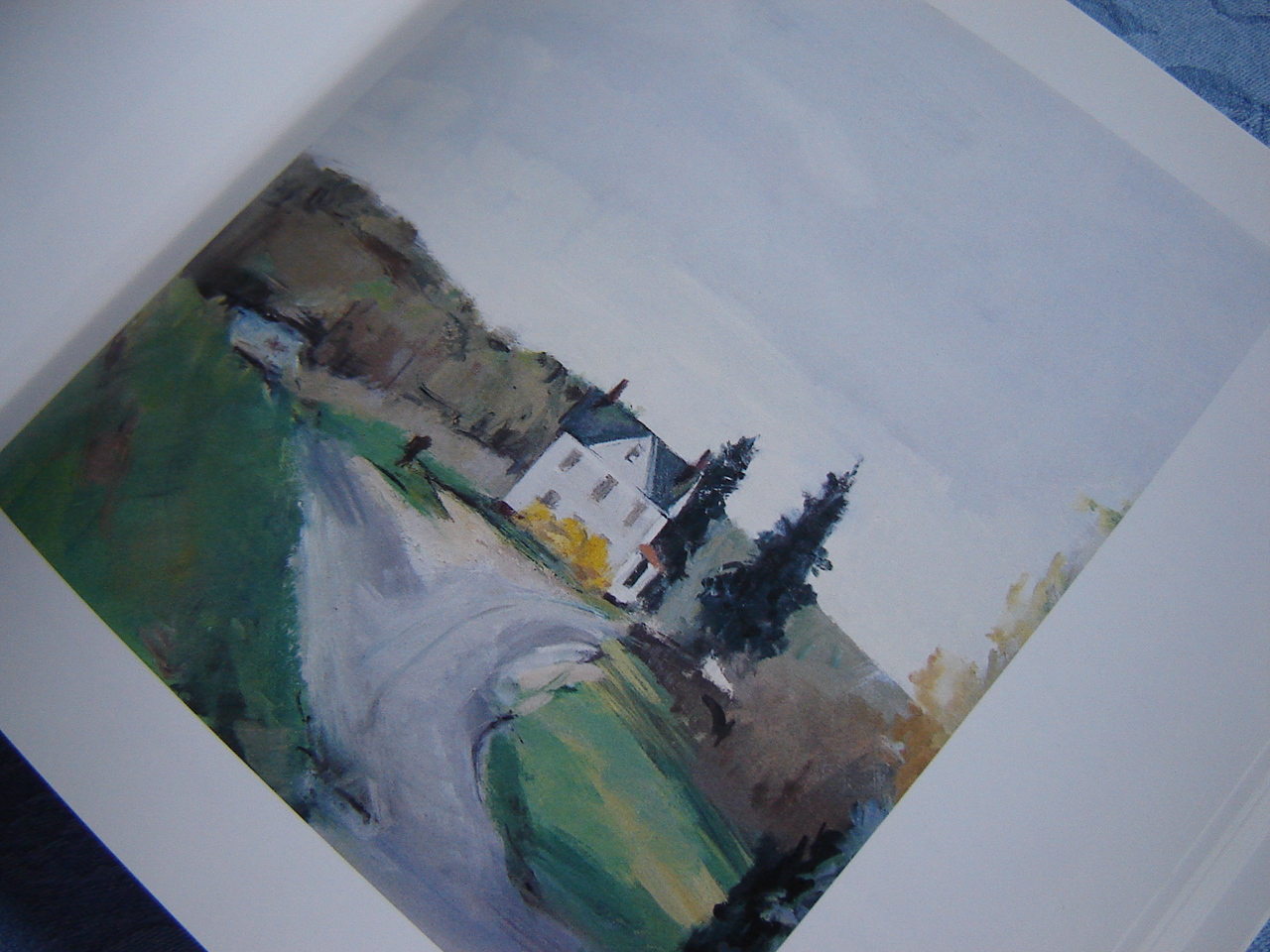
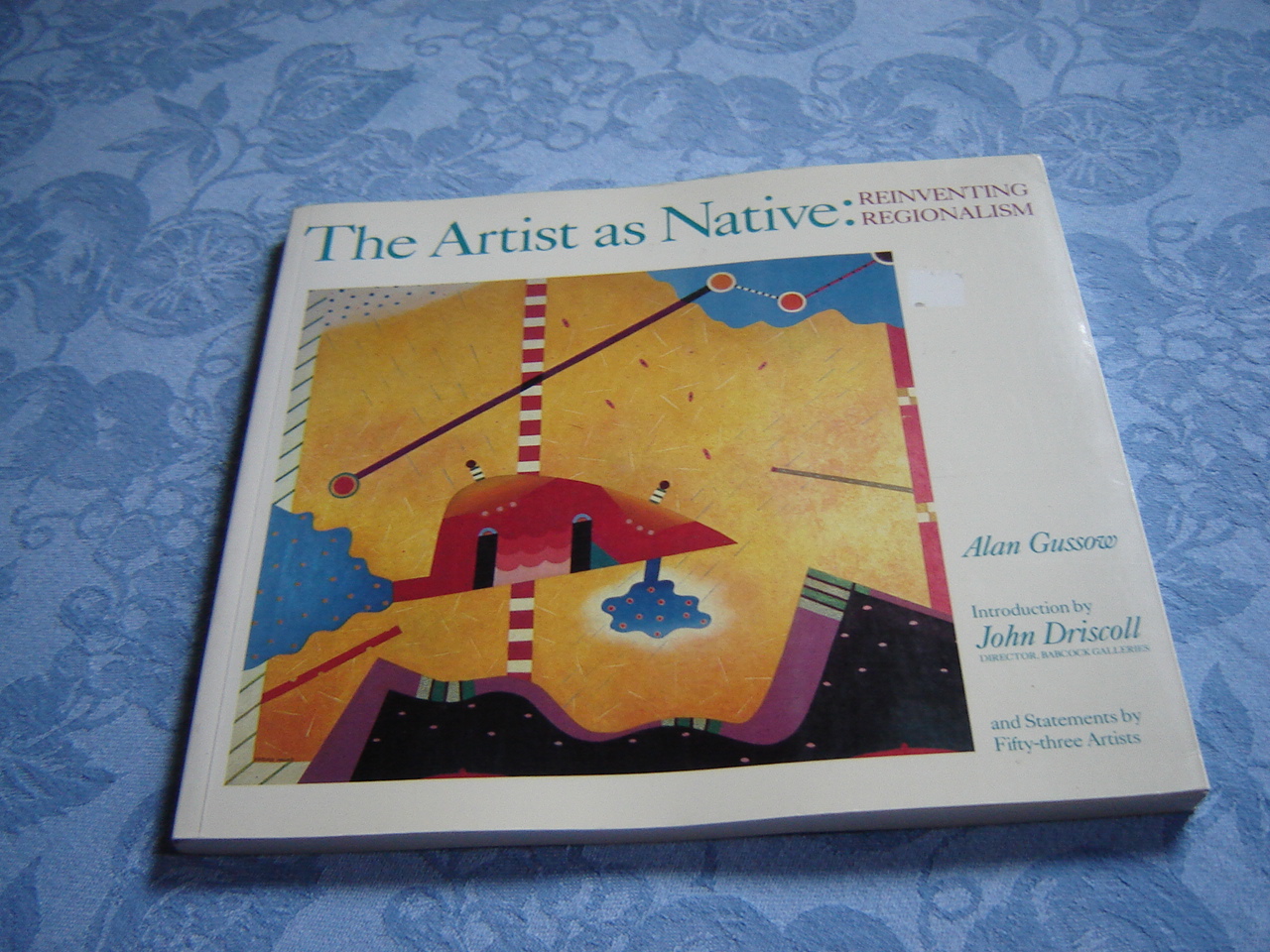
Joel himself appears in an art book called The Artist as Native: Reinventing Regionalism, by Alan Gussow. The book features Joel’s painting of the Davies farmhouse and pine trees. Nice, huh? The other selections are great, too.

Not sure if Joel is OK with having this on the web. I’ll take it down if asked.

Read Full Post »

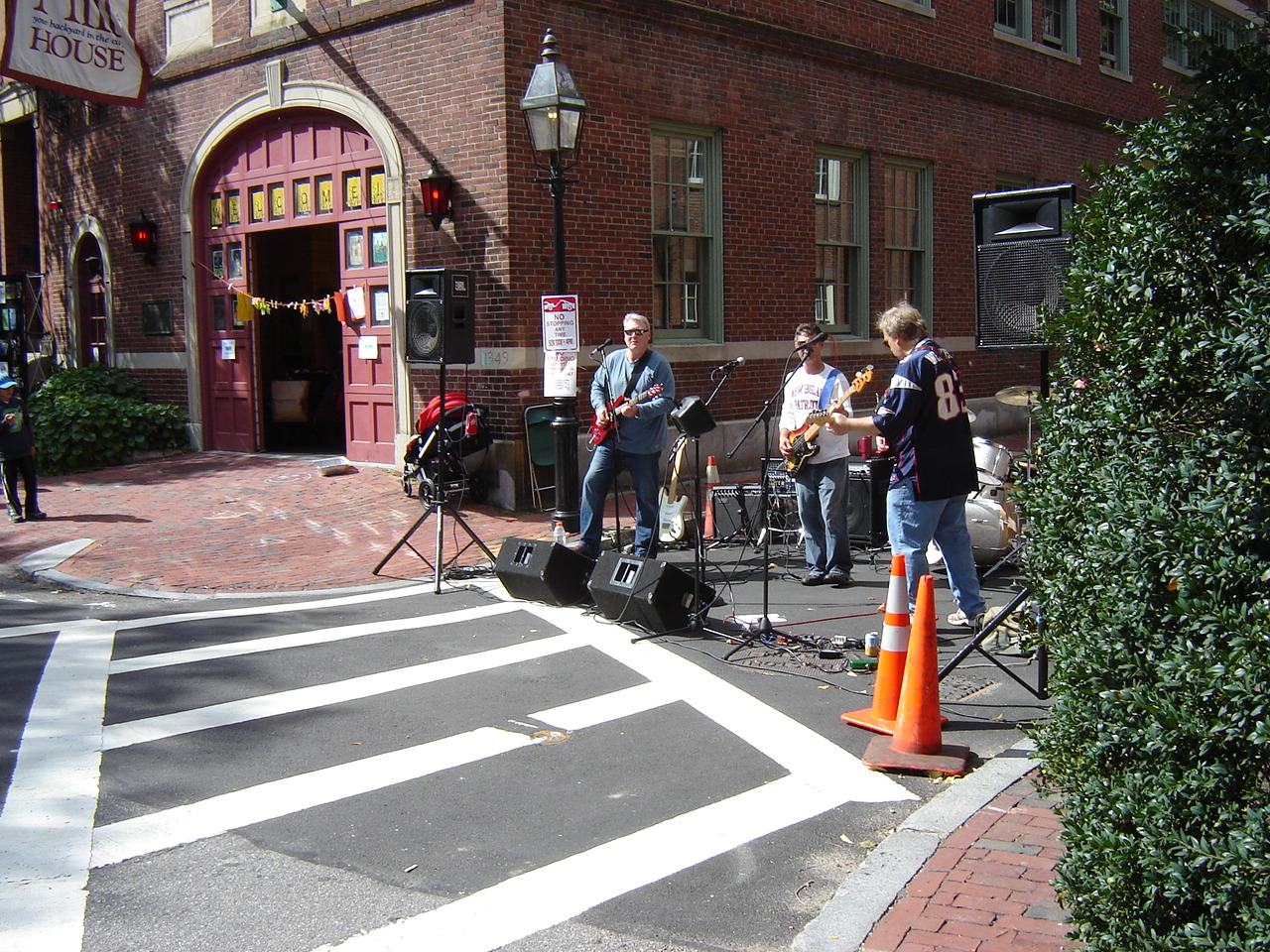
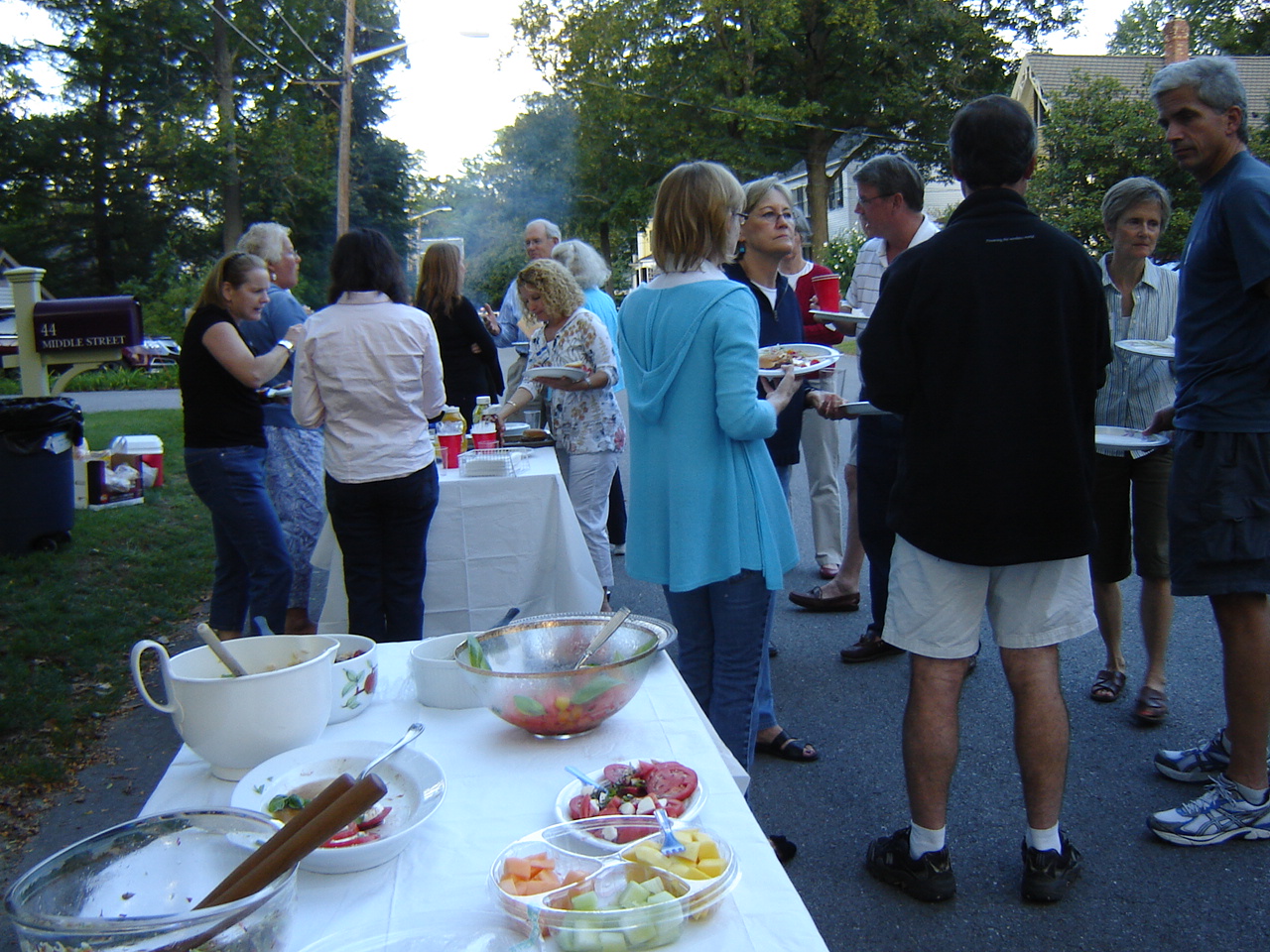
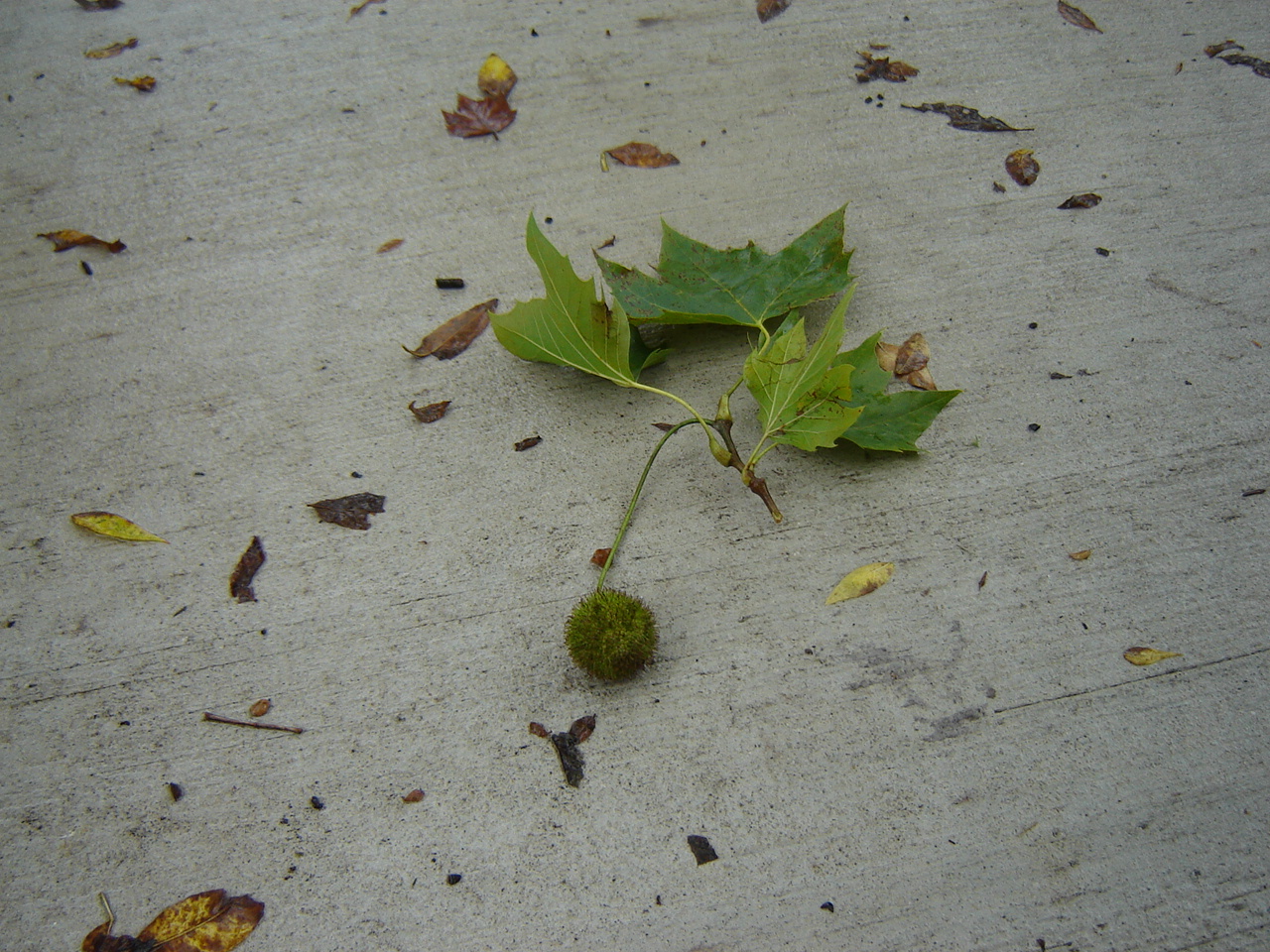
This is the time of year for walnut trees to bear fruit, for bees to bring in the last of the wine, and for block parties. Beacon Hill’s party is way more elaborate than any block party in Concord and is considered a time to raise funds for a cause. See if you can guess which party is which.

Orchard
by H. D.

I saw the first pear
as it fell—
the honey-seeking, golden-banded,
the yellow swarm
was not more fleet than I,
(spare us from loveliness)
and I fell prostrate
crying:
you have flayed us
with your blossoms,
spare us the beauty
of fruit-trees.

The honey-seeking
paused not,
the air thundered their song,
and I alone was prostrate.

O rough-hewn
god of the orchard,
I bring you an offering—
do you, alone unbeautiful,
son of the god,
spare us from loveliness:

these fallen hazel-nuts,
stripped late of their green sheaths,
grapes, red-purple,
their berries
dripping with wine,
pomegranates already broken,
and shrunken figs
and quinces untouched,
I bring you as offering.

Read Full Post »

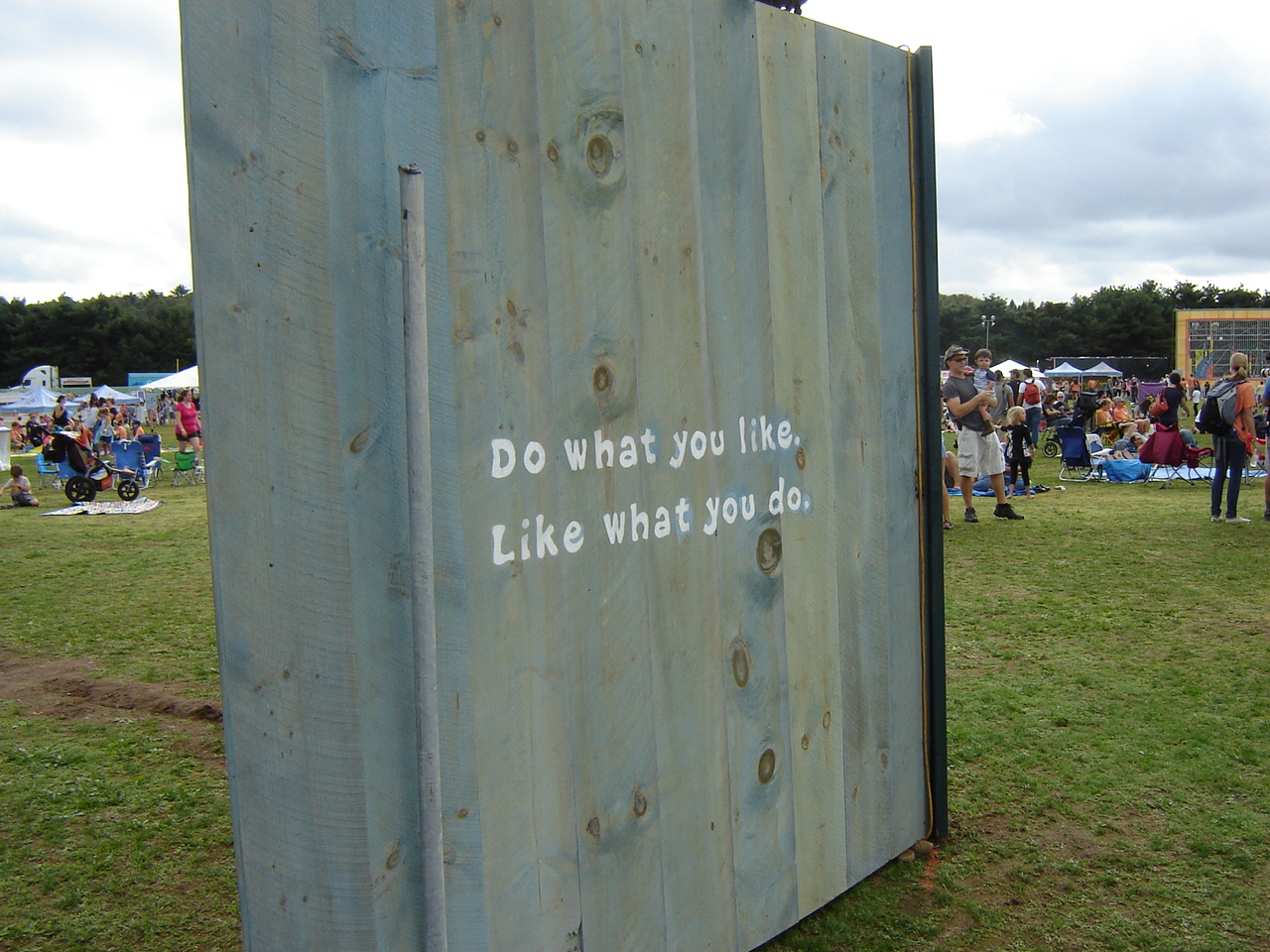
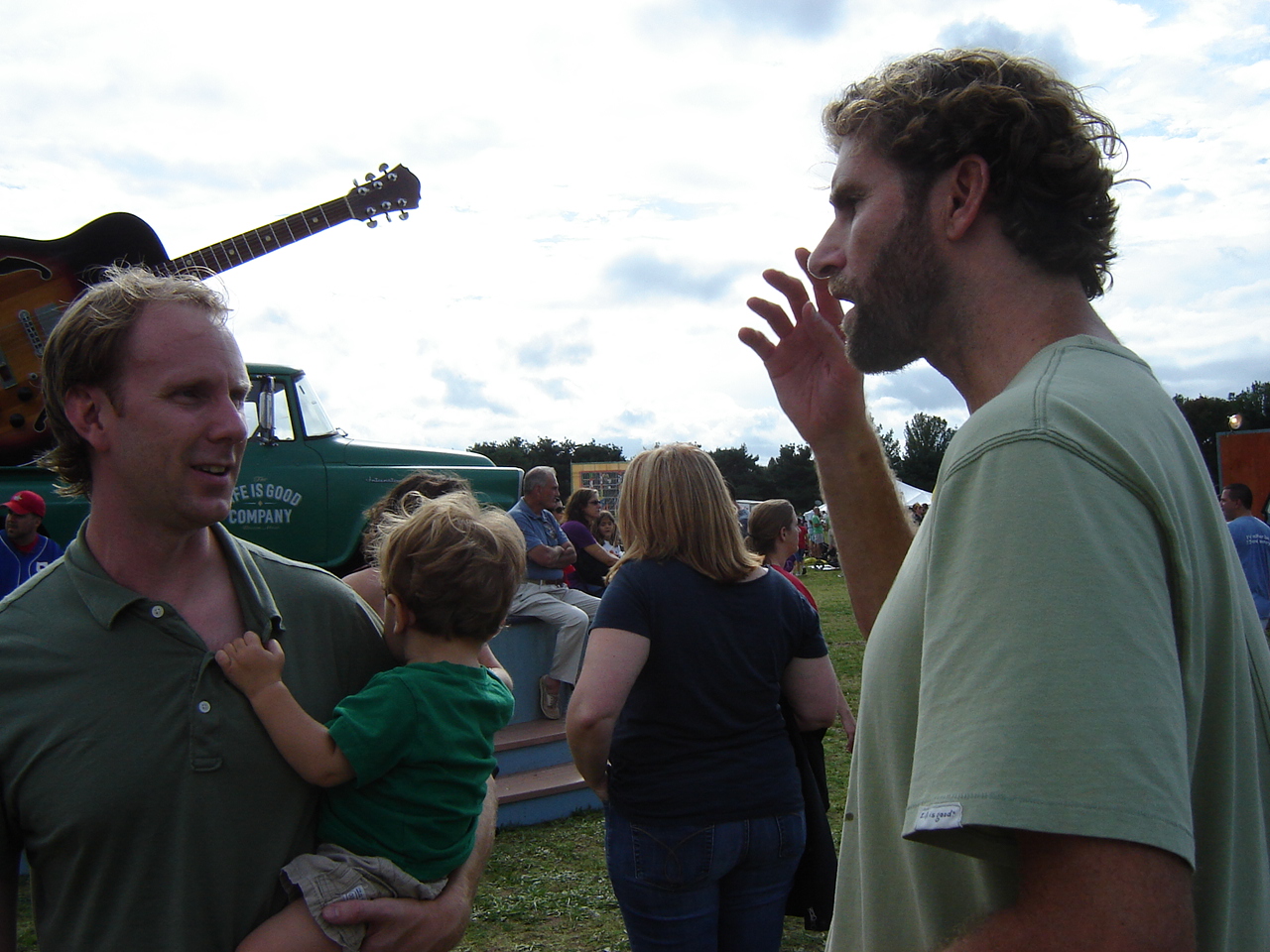
We went to the first day of a family-oriented music festival in Canton (MA) put on to raise money for a charity called The Life is good Playmakers. “The Life is good Playmakers provide innovative training and support to frontline child care professionals dedicated to helping children overcome life-threatening challenges, including violence, illness and extreme poverty.” This year the Life is good Kids Foundation is training 1,200 new playmakers around the country to help 20,000 kids.

The rain held off, and a fine time was had by people of all ages. Tell me if this is too many pictures.

John catches up with CEO Bert.

Read Full Post »

I tend to think that our creativity comes from our memories, because no one who has ever been or ever will be has exactly the same collection of memories bouncing off one another in exactly the same way.

A recent NY Times science story on a successful artist who got viral encephalitis — and suffered damage to the part of the brain where memories form — doesn’t exactly contradict that view, but it sure raises a lot of questions.

“She is still able to make art, though it is simpler and more childlike than her professional work. Her case is rare, experts say, because few accomplished artists continue to create after sustaining severe brain damage.

“Now scientists at Johns Hopkins University hope Ms. Johnson can help them answer longstanding questions: What parts of the brain are needed for creativity? With little access to one’s life experience, how does an artist create?

“And as Michael McCloskey, a professor of cognitive science at Hopkins, put it, Ms. Johnson’s case ‘raises interesting questions about identity: Here you’ve lost an awful lot of what makes you who you are — what’s left for art?’ ” Read about her.

Although the artist doesn’t seem sad, I think it’s sad to lose memories. I want to keep mine — the bad with the good.

Enjoy this amazing Moray McLaren video about memory, called with irony “We Got Time.”

“Time is a memory
“And memories can make you sad
“With time still in front of me
“Oh we can get it back”

Read Full Post »

I like to think I know something about the nonwork interests of my colleagues, interests that may be — in spite of their workday professionalism — at least as much a part of who they are as their jobs. There’s the woman employed as a customer service rep who gets her kicks out of Tough Mudder competitions (extreme sports in mud). Or the editor who bakes bread every day. Or the economist who composes choral music and creates arrangements for flute choir.

Everyone has at least one other life.

But I guess if you’re not physically in the same office, if don’t have lunch together or chat in the ladies room or on the subway, you never find out about people’s other lives.

That’s why I was utterly floored this week when a hard-driving, business-oriented colleague in the Washington office sent around an e-mail saying she would be away from her desk for a month at an artist retreat in Korea. Huh?

Says I, “Oh! Are you an artist?”

Says she: “Yes” and sends me her website.

Oh, my gosh. This is who she really is: a sculptor and installation artist with a record of shows and a gorgeous portfolio. How does she even find time to be hard-driving and business-oriented in the day job?

It makes me wonder what else I’m missing, whose real life is right in front of me and I’m not noticing.

Read Full Post »

Happy International Peace Day!

A woman from the public works department placed flags of all nations in special sidewalk holes in Concord at 5:30 this morning and will take them down tomorrow. I told her I always liked seeing them, and she agreed they are “festive.”

According to the International Day of Peace website, Peace Day “provides an opportunity for individuals, organizations and nations to create practical acts of peace on a shared date. It was established by a United Nations resolution in 1981 to coincide with the opening of the General Assembly. The first Peace Day was celebrated in September 1982.”

There is also a United Nations Day, in October, and Concord’s collection of flags will come back for that.

During her years heading up a local group of U.N. supporters, Charmaine’s mother made sure that Concord had flags. But the town seems to have fully embraced the idea of displaying them, so up they go and down they come two times a year. I often wonder if they get updated, given that nations reinvent themselves so often these days.

Here’s a word from Ban Ki-moon, secretary general of the United Nations.

Read Full Post »

Just a quick post to say that there are some lovely blogs on WordPress, where Suzanne’s Mom’s blog is housed. I recently noticed two in particular I wanted to share.

The first features the Modern Museum of Glass Art in Copenhagen.

The second has photos of cool cut-paper art. Enjoy.


Read Full Post »

Years ago, when we were living near Rochester, New York, it was pointed out to me that poverty in rural areas was often worse than in cities because people were more isolated and there were fewer services. That winter I contacted an outreach coordinator who had put out a call for warm clothing. I offered to drop off some clothes we no longer needed.

The coordinator, an African American, believed deeply that dropping off clothes was not the same as understanding what the need was. She herself had grown up in a family of migrant farm workers and was acquainted with grief. When she was small, I later learned, her family had even been assigned to a chicken coop for their housing.

The coordinator knew a family who needed my clothes, and she thought I should go with her to make the delivery. Somewhat reluctantly, I agreed.

I will never forget the wary, beaten-down look in the eyes of a young woman living with family members in a tumble-down old house. After handing over the donation, the coordinator and I hung around for a brief, awkward chat. I could see that my contribution could not scratch the surface of the family’s need and was mostly for my conscience (which is not a reason to give up on donations, of course).

The main thing that has changed in the America in 30-plus years is that greater percentages of Americans are poor.

That is why some photojournalists, outraged at the lack of serious coverage in the mainstream media and recognizing that a picture is worth a thousand words, have founded an organization to fight poverty called American Poverty. See their recent photos here.

Perhaps you know the work of Walker Evans and James Agee in the Great Depression. The photographers’ new antipoverty site may, like Walker and Agee’s “Let Us Now Praise Famous Men,” provoke the question, “Is this America?”

Read Full Post »

Check out this story in the Boston Globe. It seems especially timely given the increasing numbers of people growing their own food and the concerns about many others who are struggling.

“Every summer, 40 million backyard farmers produce more food than they can use, while people in their communities go hungry. If only they could link up. Enter Gary Oppenheimer, 59, of West Milford, N.J. He was directing a community garden a couple of years ago when inspiration struck. In May 2009, AmpleHarvest.org hit the Internet, connecting food pantries and gardeners. In just 150 days, Rosie’s Place in Boston became the 1,000th pantry on the site, and the growth has continued. As of Labor Day, 4,188 pantries were listed, in all states. Oppenheimer says the nonprofit organization is actively seeking grant funding to sustain what has sprung up.” Read more here.

If you have extra produce from your garden, you can go to AmpleHarvest to find a food pantry near you.

Photographs: Sandra M. Kelly

Read Full Post »

Gene Sharp (founder of the Albert Einstein Institution and the go-to guy on nonviolent revolution) is proof that one and one and 50 make a million. Sharp is one man, but his writings have had a powerful influence on many of the players in the 2011 Arab Spring and democracy movements elsewhere.

Today I went with Jane’s family to see a movie about Sharp at the Boston Film Festival. (Jane’s cousin, Ruaridh Arrow, directed it.) It’s a remarkable film. There were interviews with organizers of nonviolent change in Serbia, Ukraine, Egypt, Syria, and beyond. The documentary was interspersed with news footage and video from recent uprisings around the world. A key message is that change takes strategic planning (you can’t wing it) and is a kind of armed resistance, only people are armed with ideas for undermining the pillars that support an oppressive regime. In addition to conducting research on the subject of nonviolence, Sharp has offered a list of 198 techniques that effect change.

After a standing ovation, a frail Gene Sharp, 83, his assistant, Jamila Raqib, and nonviolent-change trainer Col. Robert Helvey, retired, came up on the stage with the director and took audience questions. Raqib was asked about the funding for the Albert Einstein Institution, which operates out of a small space in East Boston. She said that likely funders back off because the ideas do relate to overthrowing a government. The institution is struggling.

I wish you could have been there to hear a young woman stand up and say that she is Egyptian and took  part in the January uprising. She said the overthrow of the government was easy but the rebuilding is hard. She wanted to know if any studies had been done comparing the transitions to democracy of other uprisings. When Sharp said that studies had yet to be done, I couldn’t help thinking what a good use of new funding such research might be. The film itself was funded by large and small donations from around the world through Kickstarter, which I blogged about here. Perhaps it can kickstart nonviolent change elsewhere.

Update: Gene Sharp died at his home in East Boston on January 28, 2018. He was 90.

Read Full Post »

Do you remember seeing a René Magritte painting called “Ceci n’est pas une pipe”? It took me a while to get what he meant. It was a picture of a pipe, after all. Why would he call it “This is not a pipe.”

(Oh, right. It’s not a real pipe. You can’t fill it with tobacco. You can’t smoke it.)

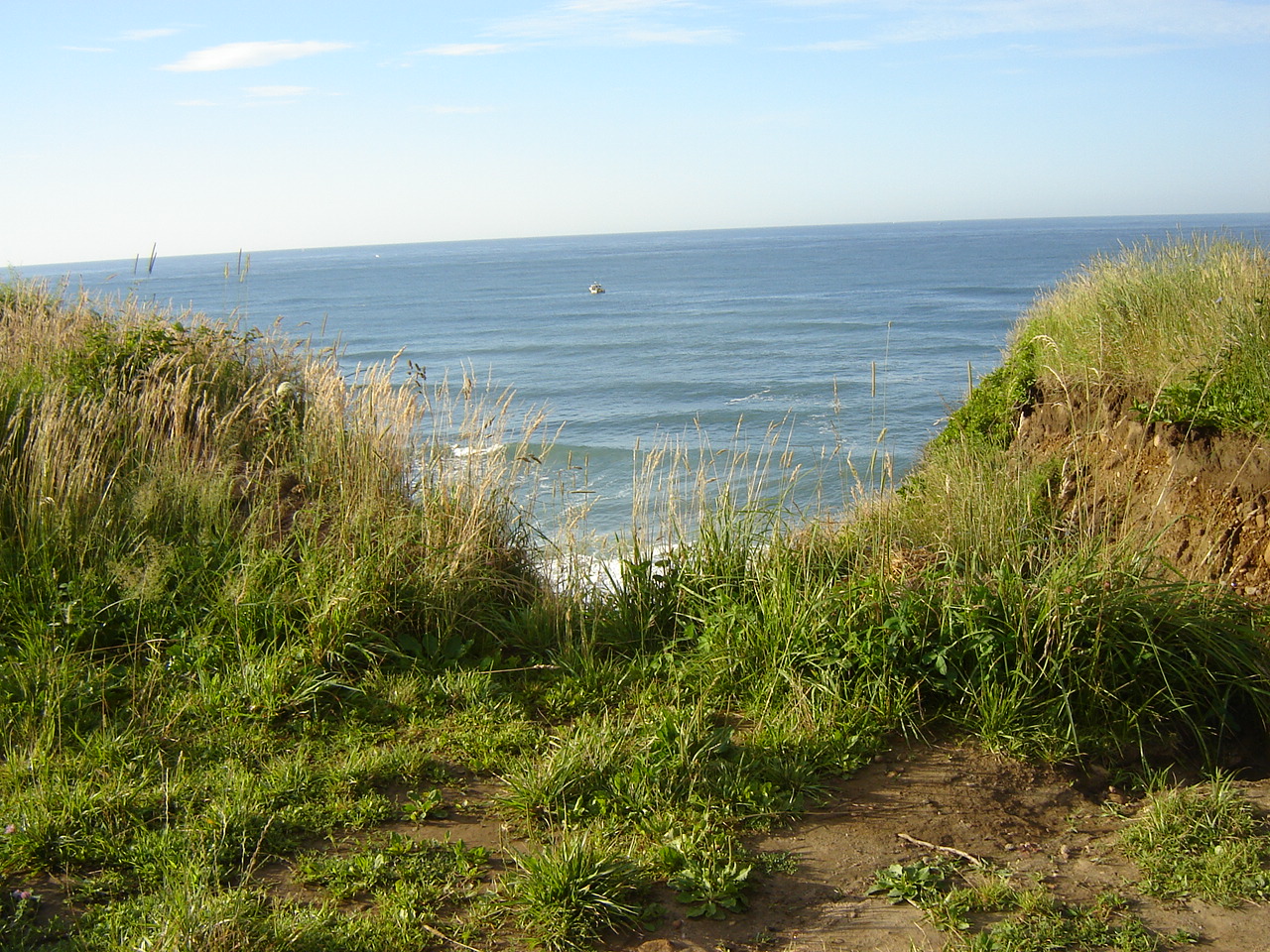
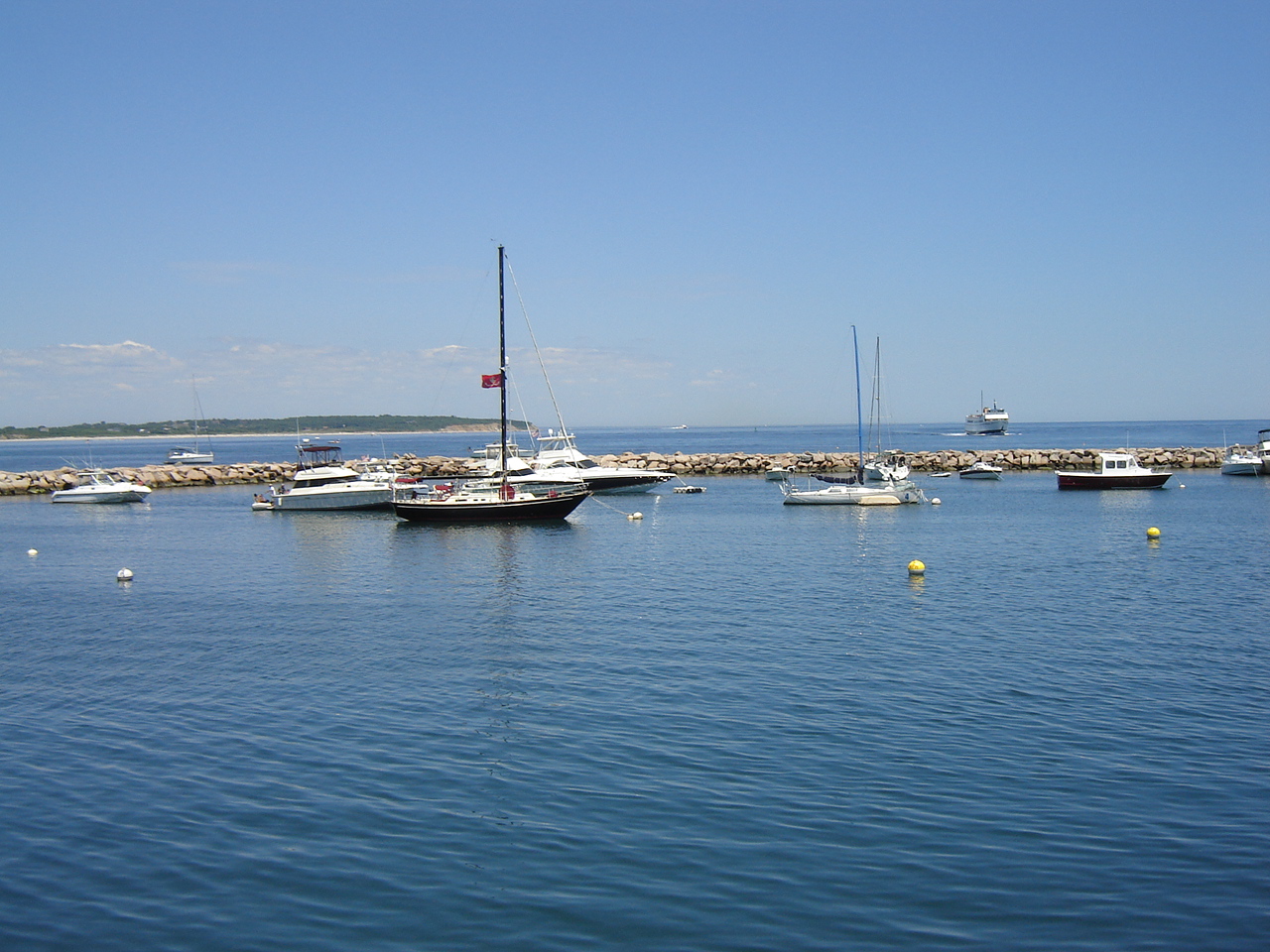
In the same spirit, I am posting pictures of not-summer.

On a warm July day, I took my photos of blue skies, beach paths, and small boats, and the next thing I knew we were having a Labor Day clambake. Within two days, summer was over, and a curtain of cold, windy rain descended. Along with the September mindset, my husband says.

Ceci ne’est pas l’été. Au revoir.

Read Full Post »

Older Posts »