Feeds:
Posts
Comments

Posts Tagged ‘fitchburg’

Photos: John and Suzanne’s Mom.
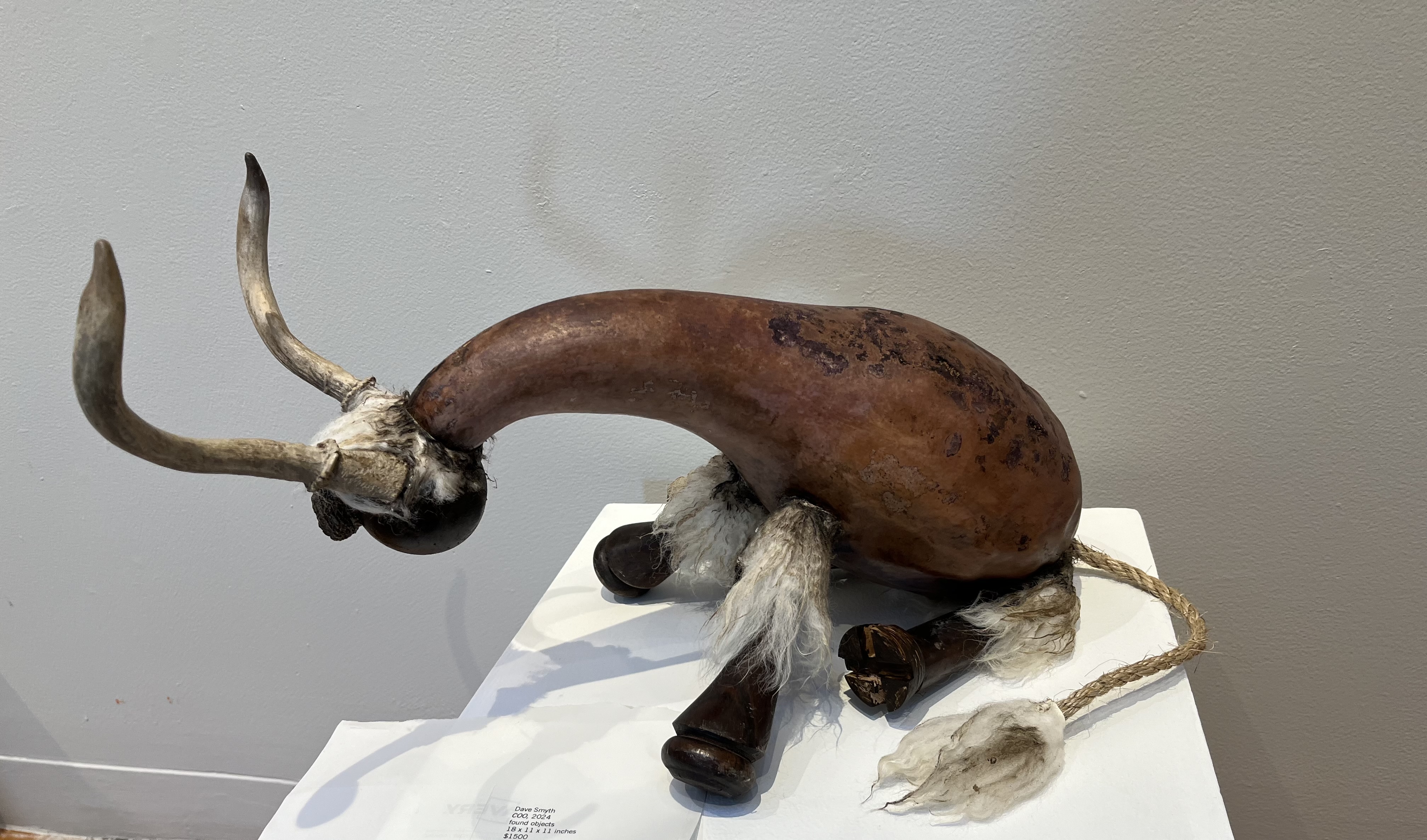
A gourd-body bull by Dave Smyth is being shown at Concord Art’s juried member show, 2025. Don’t you love how artists see potential that so many of us miss?

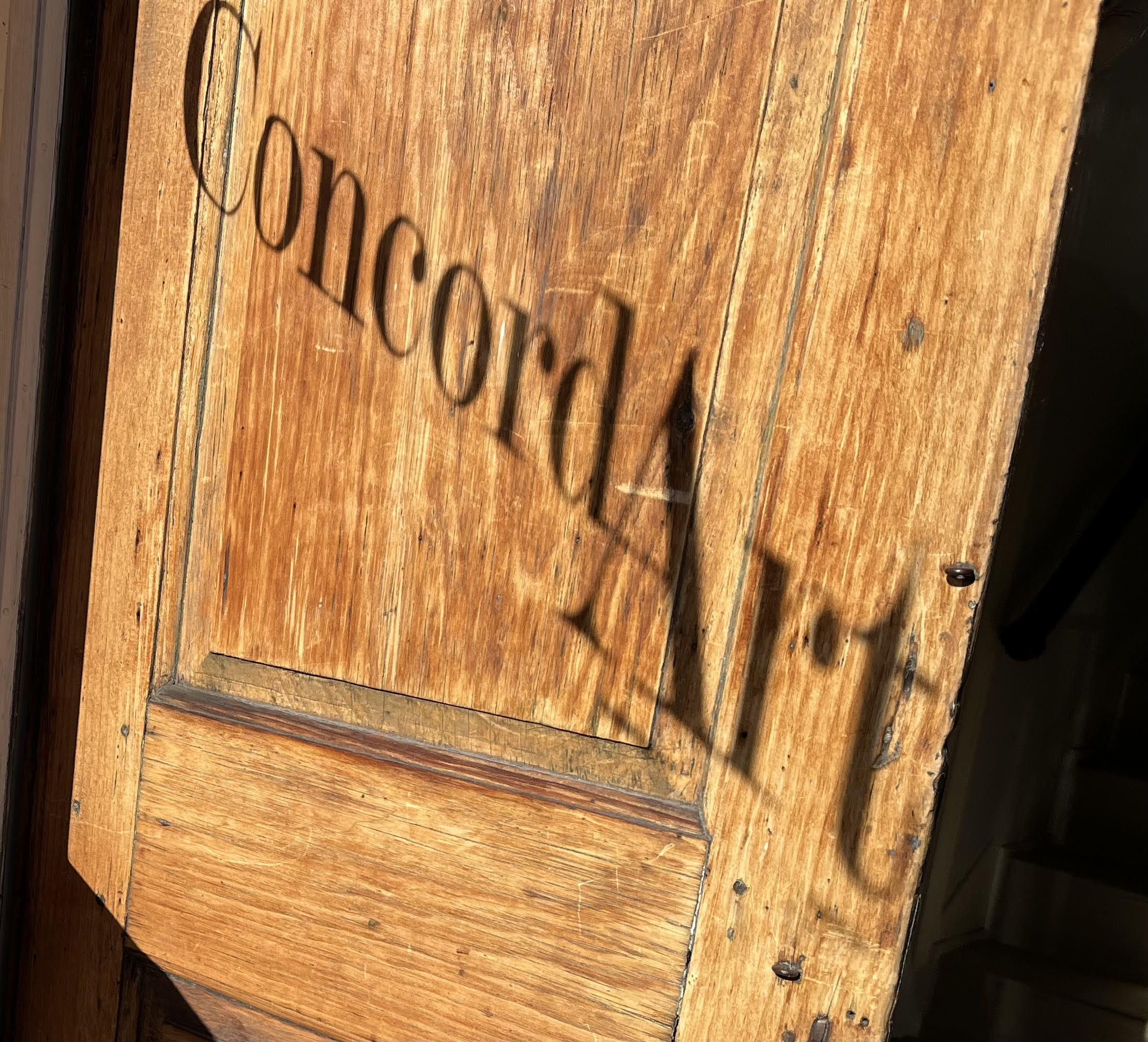
Today’s pictures are mostly from art exhibits I attended this month. The show at Concord Art, above, was in the process of being set up when Meredith and I went. She aims to submit work for the next show and has appeared in several earlier ones.

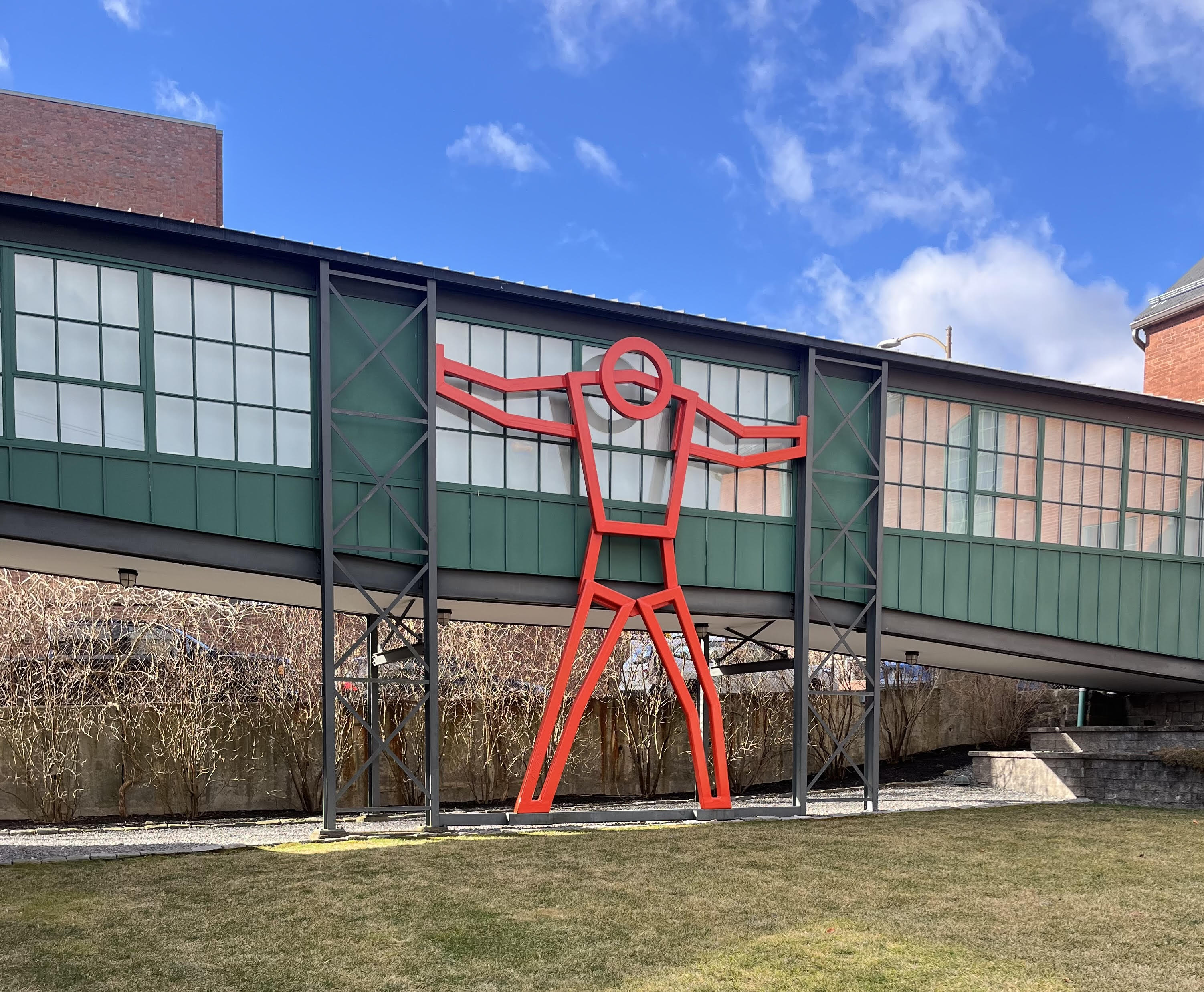
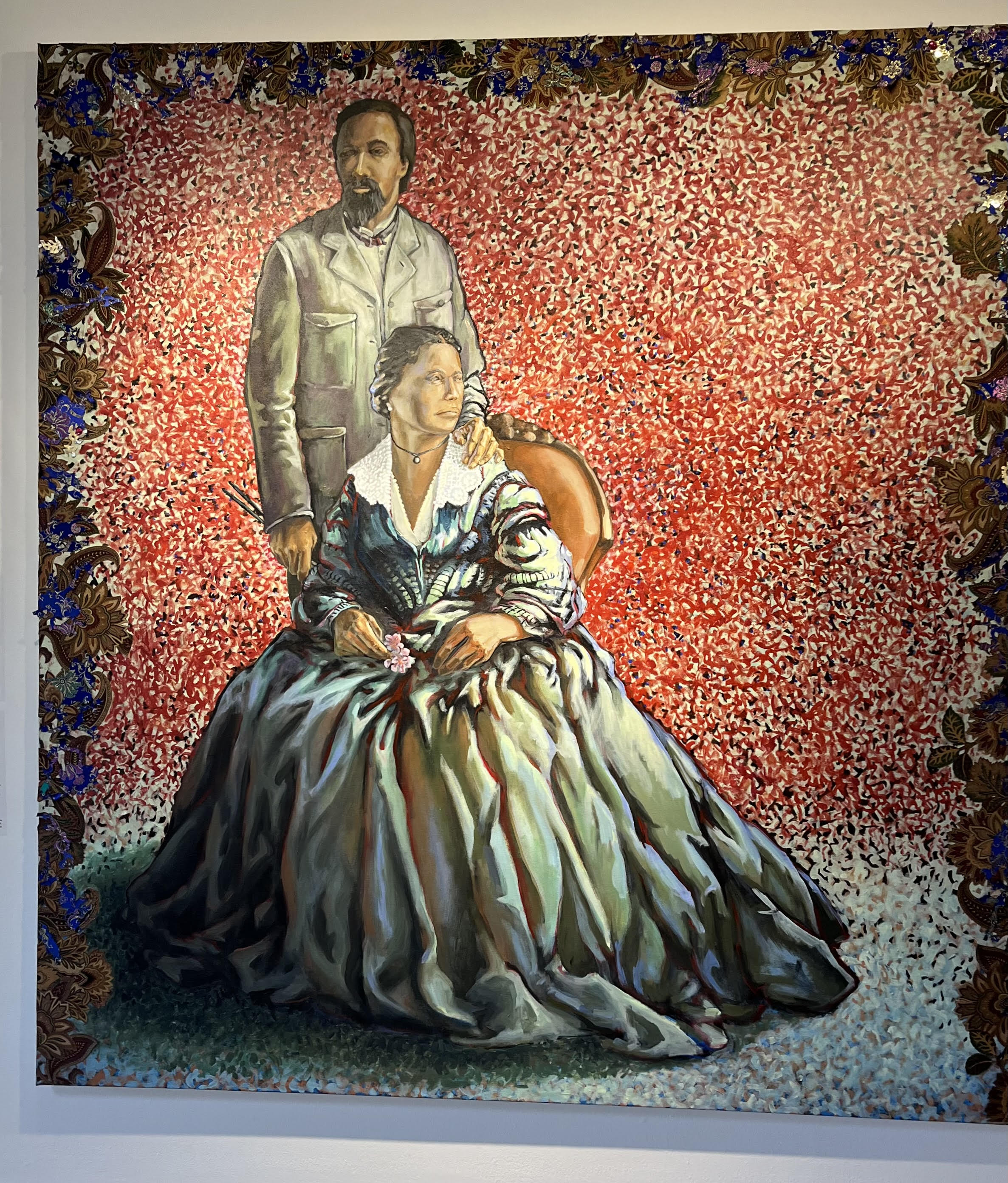
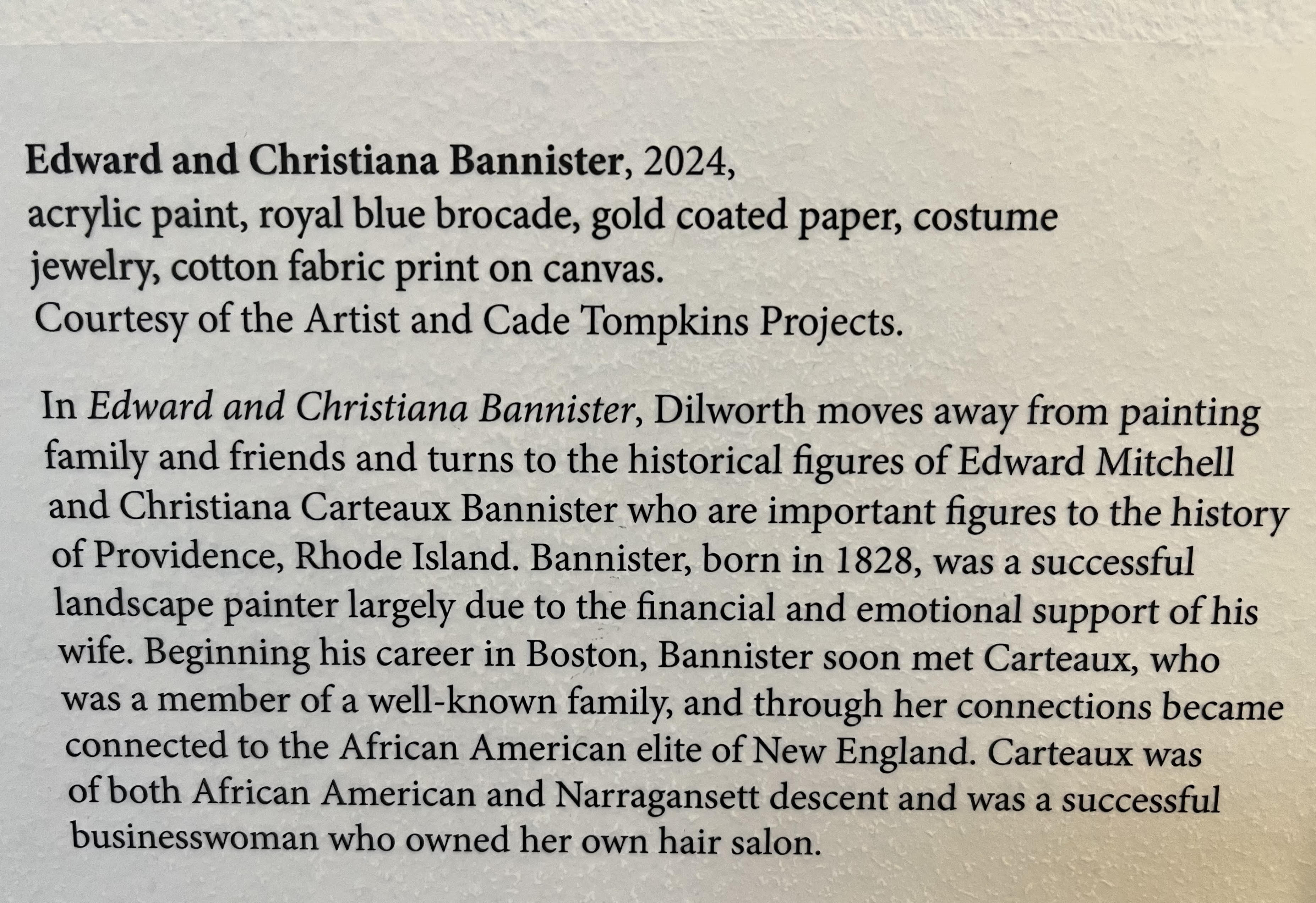
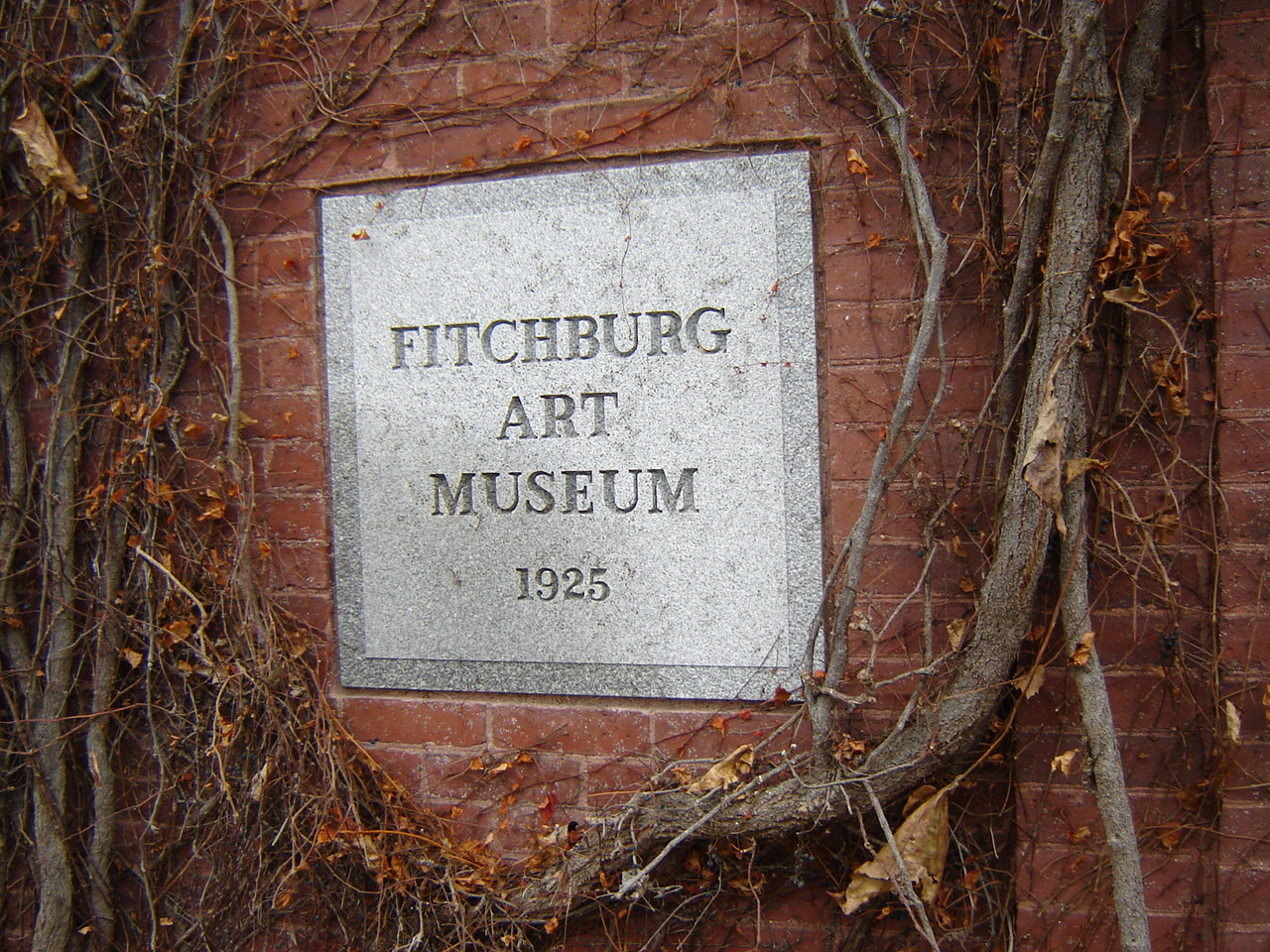
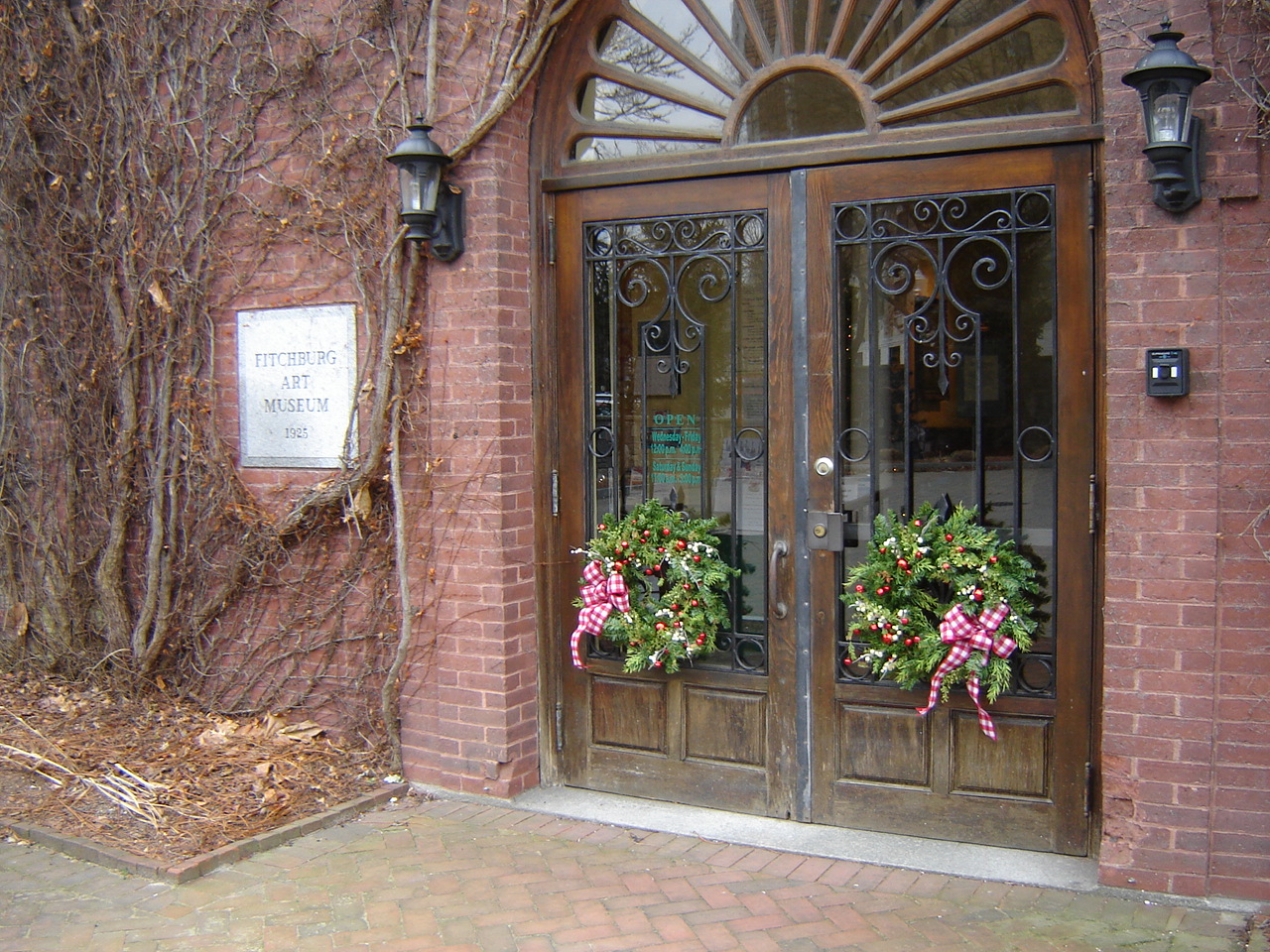
The orange giant who is holding up the world is at the Fitchburg Art Museum, where Ann and I took in several exhibits — in particular the Bob Dilworth. Born in Virginia, Dilworth taught art for many years in Rhode Island. I liked learning more about noted 19th century Black landscape painter Edward Bannister, seen in the portrait with his wife. Dilworth’s paintings, which he often worked on for years, feature a collage-like effect from the layering of textiles, stenciling, more.

I knew about Bannister before, but was glad to read something about his wife here.

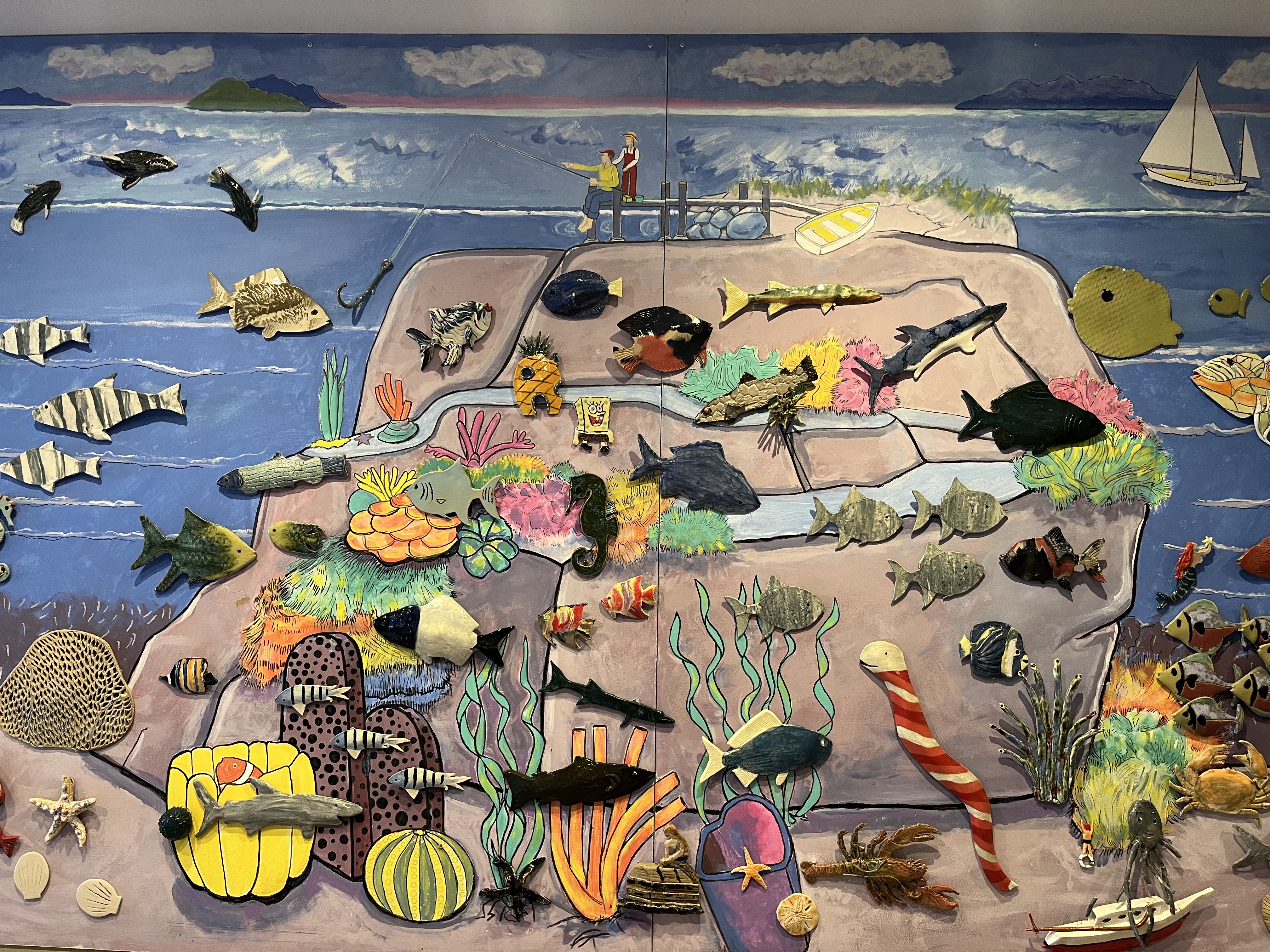
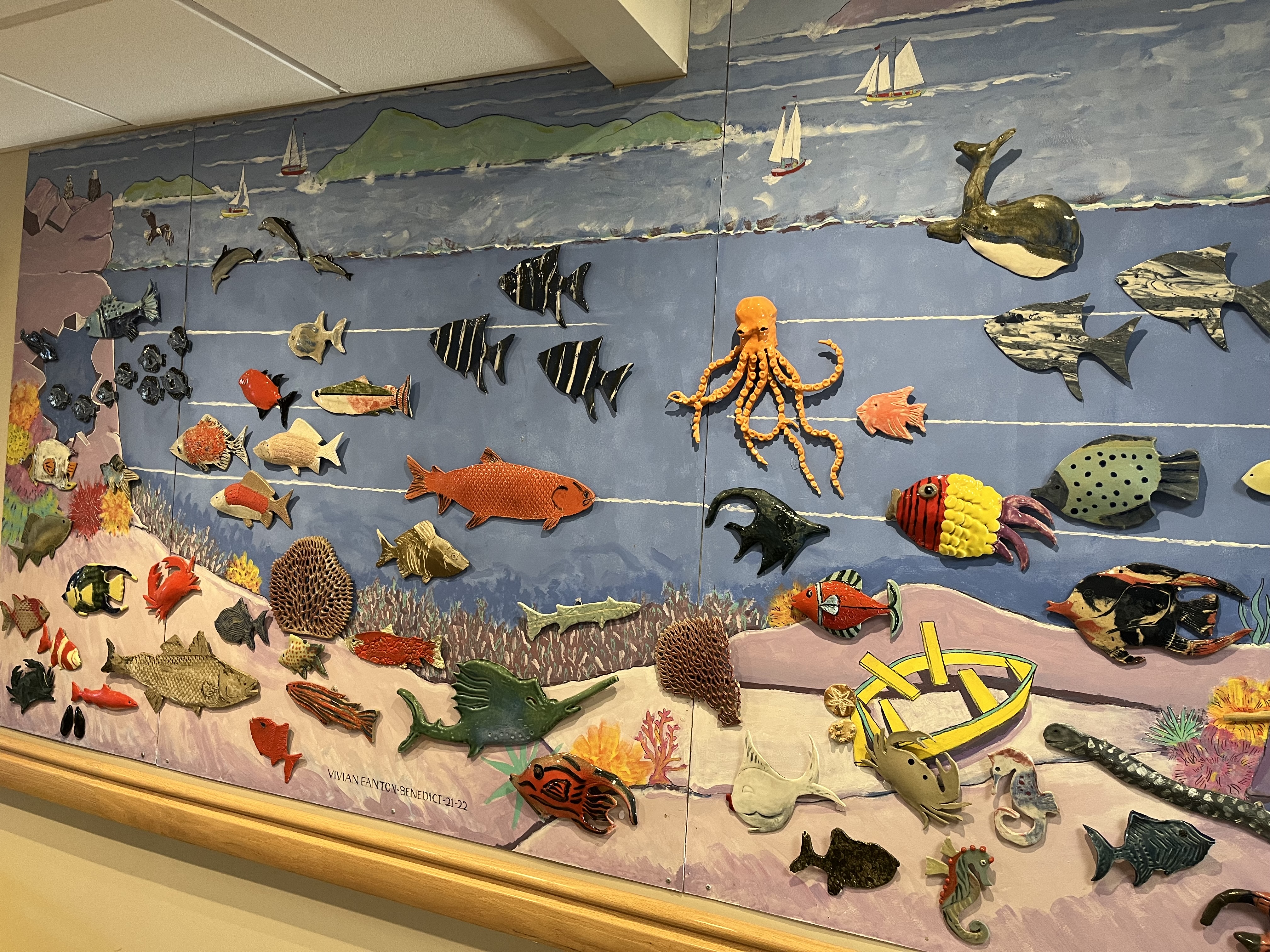
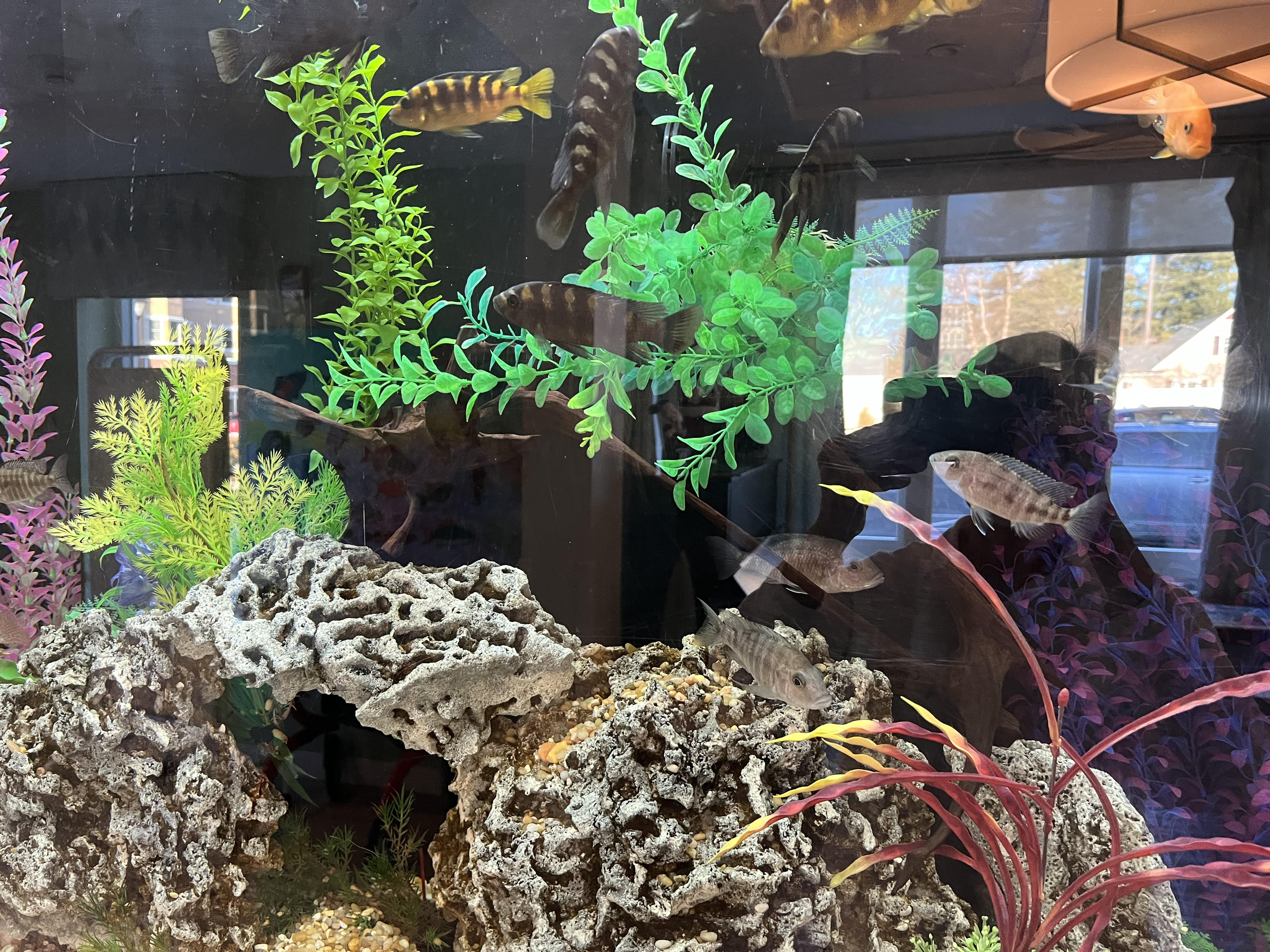
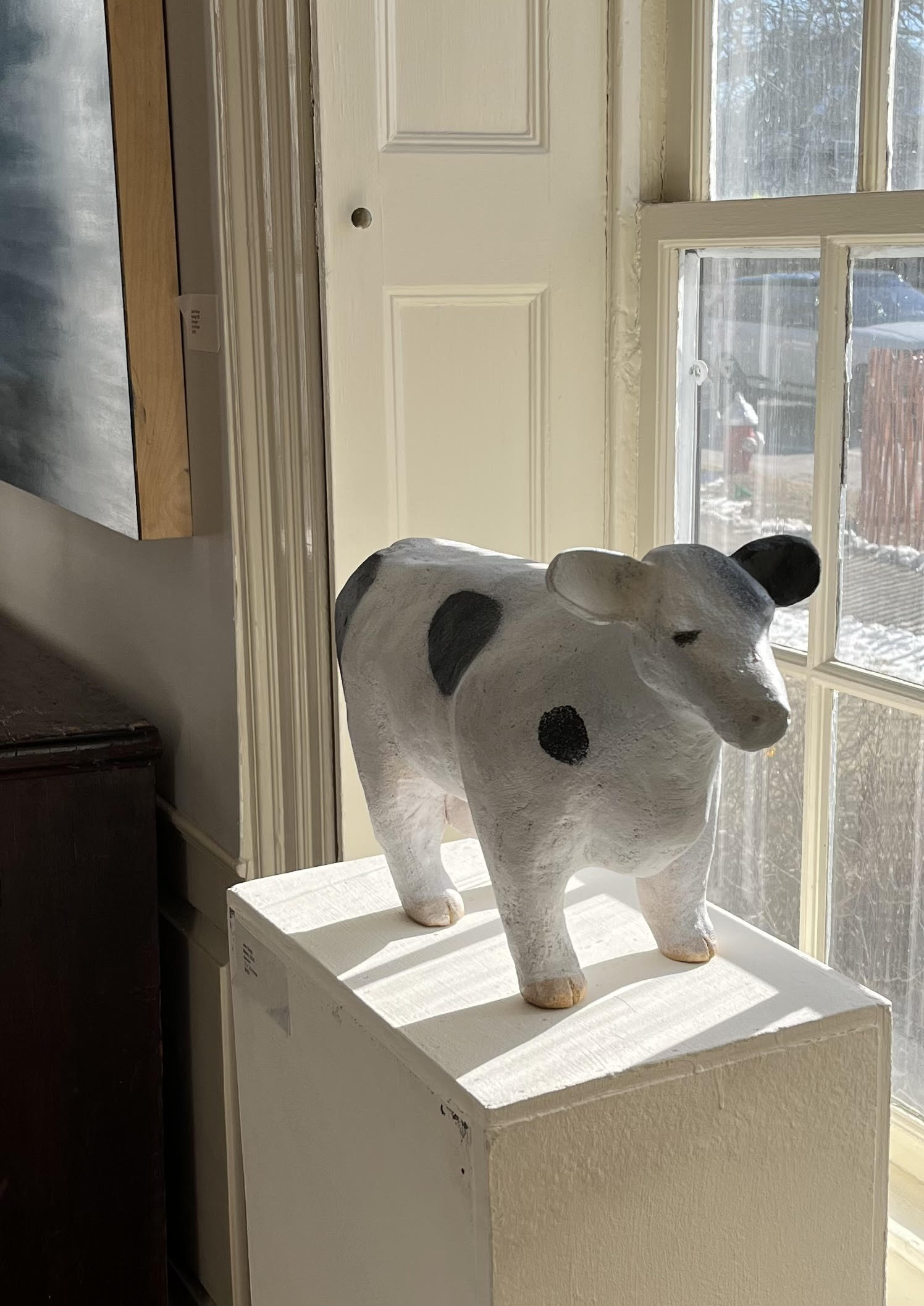
The next two photos do not show such professional work but rather are ceramics created by people of many skill levels who live in my retirement community. They made sea creatures for display in the nursing building. There’s a marine theme throughout that section, including a big salt water fish tank. I visited a friend there, and now I visit her in the memory-care building.

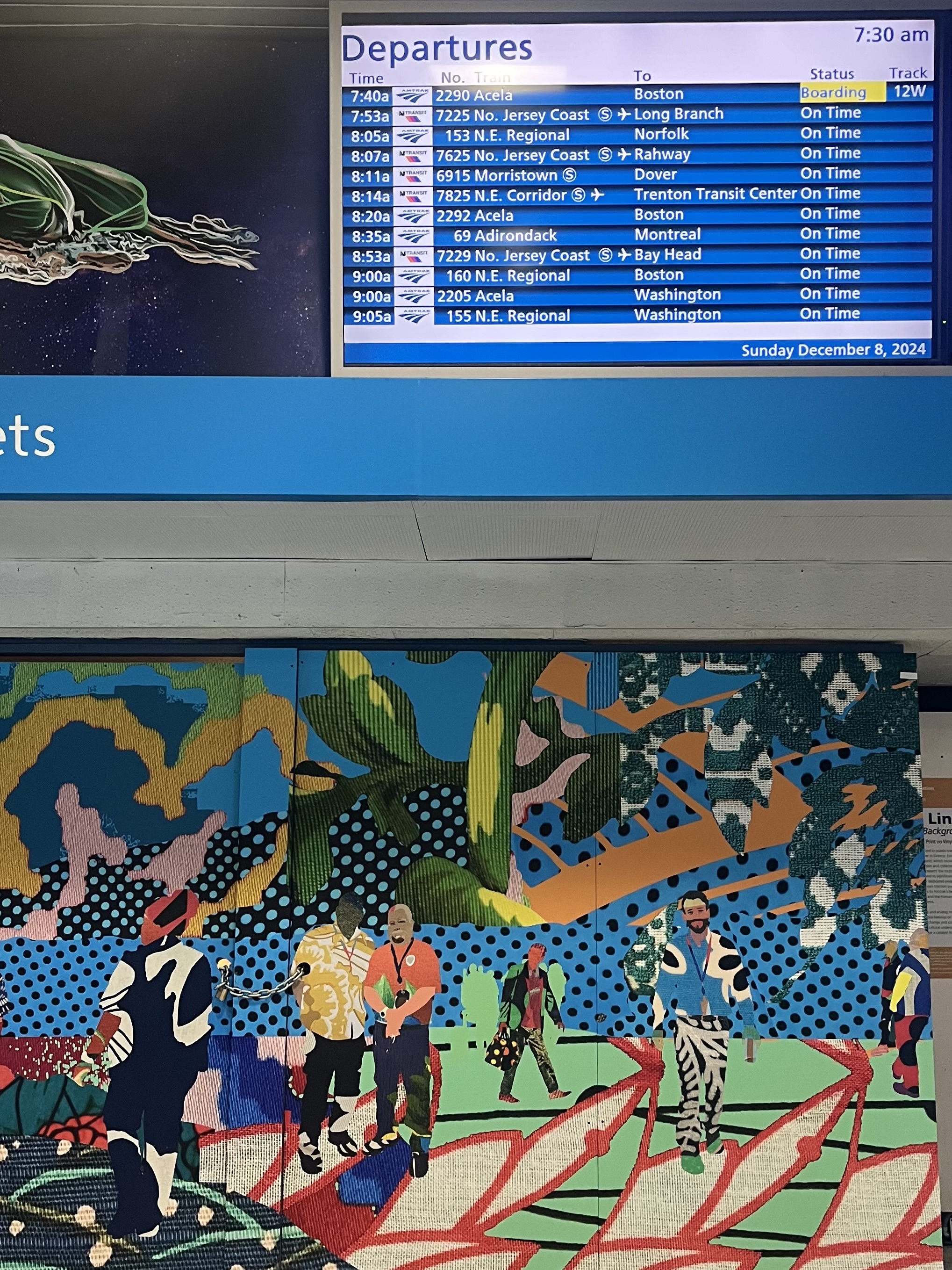
The final photo is actually from my December trip to New York City. There is loads of public art in Penn Station. Nice to have something to look at if your are too early for your train!
Read Full Post »

Today I met up with Asakiyume and her daughter the Animator in Fitchburg, a run-down postindustrial city with a lovely little museum, established in 1929 by artist and one-time resident Eleanor Norcross. The show we came for, on graphic art, was put together by the Norman Rockwell Museum in Stockbridge, Mass., and is traveling to New York. Definitely worthwhile. So is the Fitchburg Art Museum itself.

I enjoyed seeing what caught the attention of my companions among the wide variety of graphic styles and stories. For me, the book by Brian Fies on his mother’s cancer and a different book illustrating Kafka’s Metamorphosis were of special interest.

One fun thing was an actual bedroom set up to suggest where a typical comic-loving teen might hang out. The Animator scrutinized the book collection and pronounced the teen’s taste eclectic.

I recognized the art of Lynd Ward, although I did not know he created novels without words. The series in the museum was the novel Gods’ Man, described at the Library of America site:

“Gods’ Man (1929), the audaciously ambitious work that made Ward’s reputation, is a modern morality play, an allegory of the deadly bargain a striving young artist often makes with life.”

If you scroll down at the website, you can see woodcuts from the book.

Asakiyume asked me how I knew about Lynd Ward, and I had a vague memory of a children’s book, possibly of folk tales. I don’t think the book I remembered was The Little Red Lighthouse and the Great Gray Bridge although Ward was the illustrator. It might have been The Biggest Bear.

Read Full Post »

Heard this interview today on the great environmental radio show Living on Earth. Tom Montgomery Fate talks about  trying to “live deliberately” like H.D.  Thoreau and connecting to nature and memories of his father in the woodland cabin he often escapes to. His book is  Cabin Fever: A Suburban Father’s Search for the Wild.

In the elementary school Suzanne attended, all second-graders learn about Thoreau, and as a parent volounteer, I went with her class to the cabin site at Walden Pond. The children had a quiz sheet with questions like, “What sounds would Thoreau have heard in his cabin?” The teacher asks,  “An airplane?” (All the kids say, “No-o-o!”) When the Living on Earth interviewer asked the author about his own retreat being near a noisy highway and a short walk to a pub, I was surprised that he didn’t point out that a Boston-Fitchburg train ran right along the edge of Walden Pond in Thoreau’s day, and that the famous naturalist had an easy walk back home to Concord for a Sunday dinner with his mother. Fate did explain that the Walden mystique was all about a mindset and keeping a balance between what’s important and the often numbing dailiness of modern life.

Asakiyume comments: Living deliberately. Something that’s very important to me about that concept is the notion that you can do it anywhere, in any circumstances. I’ll grant that some circumstances make it really hard: if you’re in a job you hate, or a relationship you hate–basically, if there’s some part of your life that’s putting a huge negative drain on you–I think it’s very hard. But I do think that living deliberately can be done in a suburb, in the country, in a city… not just in the wilderness. I think Thoreau wanted to mark, in actual space, his separation from mundane daily life, and I understand that. But I think it’s the mindset, not the location, that’s important.  

Read Full Post »