Feeds:
Posts
Comments

Posts Tagged ‘italian’

Photo: Amy via Louisiana Radio Network.
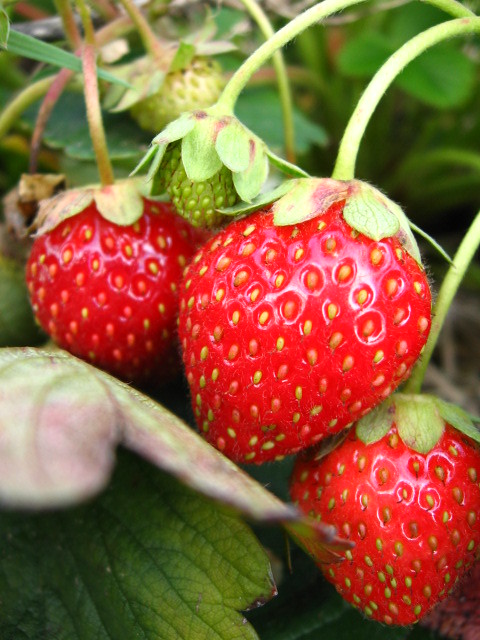
Do you know where to find the “Strawberry Capital of the World”?

When I was volunteering last spring with the Ukrainian media team, we often chatted by text when work was slow, and Leilya happened to mention that Louisiana was the strawberry capital of the world.

She said the strawberries started in February! This year’s Ponchatoula Strawberry Festival is scheduled for April 14 to 16, so you still have time to get down there.

The festival website says, “Since 1972, the Ponchatoula Strawberry Festival has attracted visitors from near and far to celebrate our local strawberry farmers, non-profits, and our special community, flourishing into the largest free harvest festival in the state of Louisiana.”

Events seem to include non-strawberry events, such as rides, an egg toss, and a ceremony for fallen heroes: “Join us in Veterans Square, commonly referred to as the Strawberry Parking Lot, to witness history as we support our Fallen First Responders and Wounded Veterans from 9/11. The Ponchatoula Strawberry Festival is proud to bring the Tunnel To Towers Foundation’s 9/11 Never Forget Mobile Exhibit to Louisiana for the first time! This high-tech exhibit will sit among local Veteran booths, representatives from our country’s Military Forces, and the ‘Spirit of Louisiana’ Fire Truck.”

To learn more about the actual strawberries, I turned to the Strawberry Marketing Board, here: “Louisiana’s strawberry industry dates back to the 1800s when the Great Economic Migration brought a wave of Italians and Hungarians to America with hopes of finding work. Many moved to Louisiana and began strawberry farms in the warmer weather and rich soil.”

“The Louisiana State University (LSU) Ag Center, here, adds, “Tangipahoa Parish is still the leading strawberry-producing parish, growing 75% of the total acres in Louisiana and accounting for 79% of the state’s total gross farm value. Louisiana strawberries can be found in grocery stores, farmers markets and roadside stands as early as November, December and January.

“Early fall is the time to plant strawberries. Home gardeners can successfully grow strawberries with even a small area, plenty of sun and some TLC. … Strawberry plants are typically sold in local garden centers as bare-root plants, but they also can be found as transplants. Plants can be purchased online, too.

“In Louisiana, we need to plant short-day or day-neutral strawberry varieties. Short-day plants begin to produce flowers when the days shorten during fall and winter. They initiate flower buds when there is 14 hours of daylight per day or less. Day neutral means day length doesn’t affect flower production. These strawberries will blossom and set fruit no matter how long or short the days are.”

There was also a piece at Fox News, here.

Every year there are signs that spring is on its way. One of the earliest comes on Feb. 27 when National Strawberry Day is observed.

“While the industry has shrunk over the decades, Southeast Louisiana still holds a strong presence in the strawberry industry with most of the production concentrated in the eastern part of the Florida Parishes.”

The state’s marketing board website, also notes, “The crop peaked in 1931, with Tangipahoa Parish becoming the most important center of distribution as farms along the City of New Orleans rail line could ship as far north as Chicago and even by commercial truck on Highway 51. The activity was so heavy in the area that there was a boom of people moving into the area to farm and experiment with the fertile soil and temperatures to create new breeds of berries.

The Klondyke strawberry was cultivated in Tangipahoa Parish around the Independence area and the name was given to reflect how the growing industry at the time was like the ‘gold rush’ that occurred in the American west and Alaska just prior to the Civil War.

“Today, most Louisiana farms are small and independently run and some allow the public to come to pick their own berries to buy on-site.”

“The Louisiana radio network noted in February that the crop did not get the ideal weather this year.

“As we approach the peak of strawberry season, Springfield strawberry farmer, Trey Harris said it’s been a tough year so far weather-wise. He said production is down from this time last year, but the current unseasonably warm temps are speeding things up.

“ ‘But I see a lot of blooms, a lot of green fruit coming really strong right now. We’ve just to … hope that we can get some really sunny days like today and cold nights so we don’t just get overflooded with berries right now,’ said Harris.

“Harris said highs in the 80s and lows in the 70s are causing a growth spurt among strawberries. And while you might assume strawberry farmers welcome rain, Harris said they are able to control water consumption, and too much water and fog at this point can affect the taste of strawberries.

“ ‘We really don’t want rain at all, we don’t want any rain on the strawberries because it’s going to make them taste like water,’ said Harris. … He said its vital residents support locally grown berries now more than ever.

“ ‘That’s why it’s very important that the people in Louisiana buy strawberries from all of us local farmers. We only have a few Louisiana strawberry… maybe 15 farmers left.’ ”
Read Full Post »

Photo: Teagan Ferraby/ Unsplash.
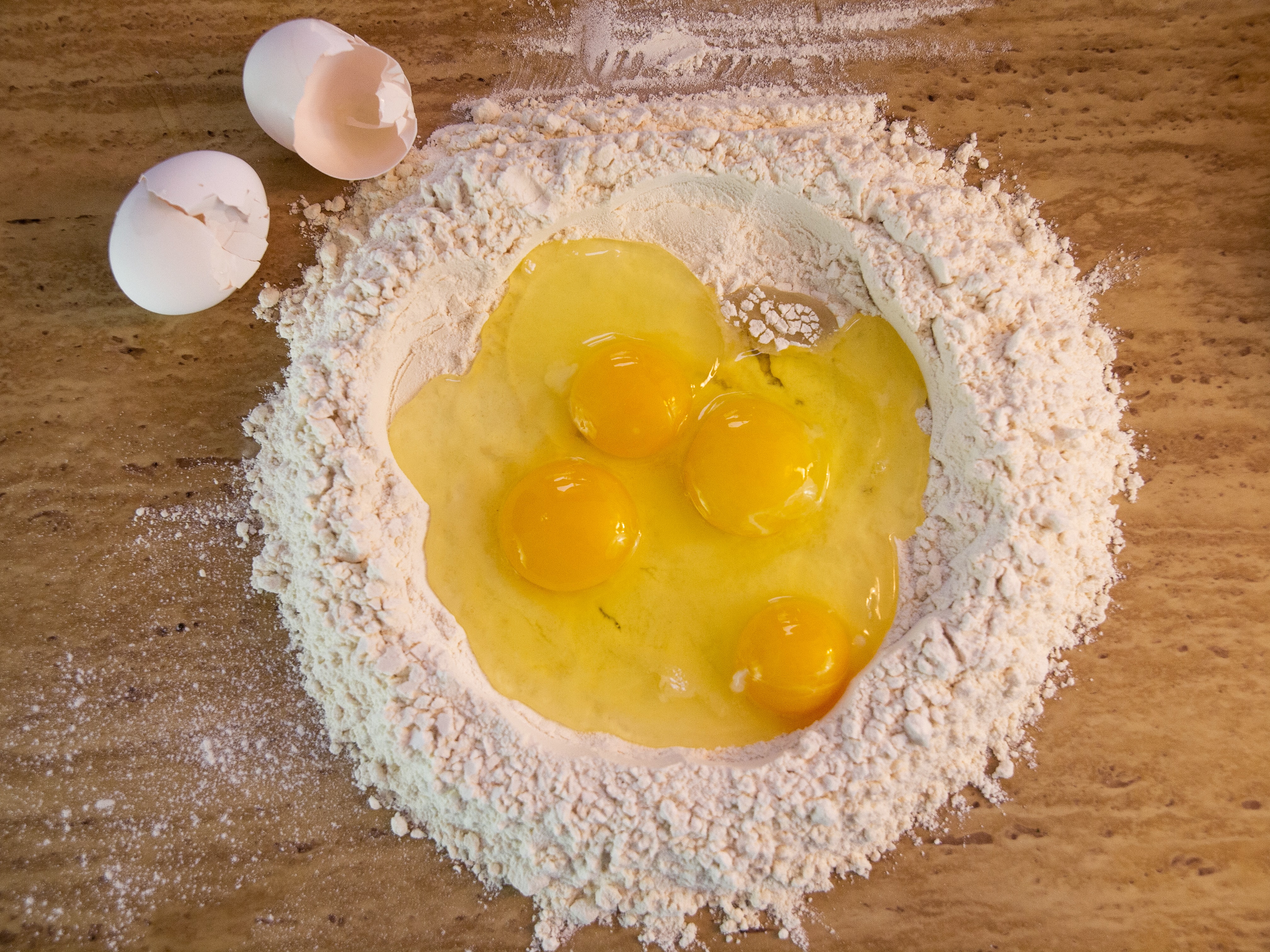
Making pasta from scratch.

This one is for my friend Sandra, who makes many Italian dishes the way her mother taught her. For example, she makes a labor-intensive pasta at Christmas in quantities that can feed a large extended family, including great great nephews.

Sydney Page writes at the Washington Post, “After all the food is served at this New York restaurant, customers clap for the grandmother who cooked it. It’s not scripted, but it happens every night.

“The Staten Island establishment, run by women known as ‘nonnas of the world,’ is as much a celebration of the people who toil in the kitchen as the places they hail from. …

“There are about a dozen women who cook regularly at Enoteca Maria, a casual 30-seat Italian eatery. Its menu is made and executed by a rotating group of international women, most of whom are matriarchs.

“The nonnas — the Italian word for grandmothers — include Maria Gialanella, 88. She has amassed such a following that some customers come only on nights they know she is in the kitchen. She even has her own Instagram page.

“Seeing strangers taste her culinary creations, she said, gives her immense pleasure and pride.

“ ‘Everybody likes it, so I’m very happy,’ said Gialanella, an Italian immigrant known for making ravioli by hand, rich ragus, soups and other family recipes she learned growing up near Naples.

“Gialanella, who moved to the United States in 1961 and worked as a seamstress, said that 10 years ago, her daughter heard about Enoteca Maria and encouraged her to become a cook there.

“ ‘It’s nice with the other nonnas,’ said Gialanella, who has six grandchildren. ‘I like every food.’

“Restaurant owner Joe Scaravella is a huge fan.

“ ‘She is not even 5 feet tall, but she’s a powerhouse,’ said Scaravella, who opened the eatery in 2007. ‘She goes around and does selfies. She spends the night hugging people.’

“Initially, you had to be an Italian grandmother like Gialanella to join the kitchen staff, but about nine years ago, Scaravella decided to broaden the cooking criteria.

” ‘They just have to be women that can bring their culture forward,’ he explained, adding that the cooks — all of whom are called ‘nonna’ by patrons, regardless of their background — range in age from 50 to 90, and possess a deep knowledge of their culture’s unique cuisine. While most are grandmothers, some are not. …

“In the beginning, the restaurant served only Italian fare — to reflect Scaravella’s roots. He opened the eatery after losing several family members, including his grandmother and his mother, both born in Italy, as well as his sister. They were all excellent cooks, he said. …

“At the time, Scaravella had spent more than 17 years working for the Metropolitan Transportation Authority and had no experience running a restaurant — let alone working in one.

“ ‘I had no idea what I was doing,’ he said. ‘No business plan or anything.’

“On a whim, he used the money his mother, Maria, had left behind to purchase a vacant storefront and decided to name his new restaurant after her. … Scaravella wanted his restaurant to serve the traditional Italian classics that he was desperately missing. It was the women in his family who dominated the kitchen.

“ ‘There were a lot of ladies at home that had all this information,’ said Scaravella. His mother and grandmother, for instance, knew ‘the secret to a good meat ball’ and ‘how to repurpose stale bread.’

“ ‘My whole life, I never wanted to go to an Italian restaurant, because it just never hit the spot,’ he continued. ‘These ladies, they’re the source. They are the vessels that carry this information forward.’

Given that his own matriarchs were gone, Scaravella embarked on a quest to find some nonnas who could prepare authentic, warming meals. …

“Before opening the restaurant, Scaravella put an advertisement in the local Italian American newspaper, seeking nonnas who could cook regional dishes from different parts of Italy. He was stunned by the response.

“ ‘I invited these ladies to my home. They showed up with plates of food,’ said Scaravella. ‘That was really the birthplace of the idea.’

“From there, he opened Enoteca Maria’s doors, staffing the kitchen with genuine nonnas who prepared everything from lasagna to chicken cacciatore. The concept, Scaravella said, was meant to mimic the experience of going to his nonna’s house for a meal.

“ ‘There’s a certain safeness when you go to your grandmother’s house, generally,’ he explained. ‘That is a strong memory and it’s very comforting, and I just really needed to be comforted.’

“The restaurant quickly took off. A few years later, Scaravella began inviting grandmothers from other cultures to cook their classics in his kitchen, and it got even busier.

“ ‘There are so many different people from so many different cultures,’ he said. ‘It just made sense to feature everybody’s grandmother.’ …

“Scaravella and the restaurant manager, Paola Vento, organize the weekly schedule and work with the nonnas to determine the menu. Typically, visiting nonnas are hired to cook at the restaurant about once a month, Scaravella said, though some come more often, and others come only once or twice a year.

“ ‘My favorite part of the job is getting to work with the grandmothers,’ said Vento, adding that the daily highlight is when customers clap for the visiting nonnas at the end of the evening. ‘You have to see the faces of the nonnas. They are so proud and so excited that they were able to share a part of their culture through food.’

“Many of the nonnas, Vento said, have become close friends. Although they speak different languages and come from different places, they have found ways to bond — mainly, through food.

“ ‘There’s a lot of love in the room,’ she said.

“To become a visiting nonna, there is one criteria: ‘They have to have a love for cooking, and that’s it,’ Vento said.

“While there is no required test, many prospective cooks attend a one-on-one free class offered at the restaurant called ‘nonnas in training.‘ …

“While Scaravella misses his own nonna, he said that his heart — and stomach — feel full again. What started as an effort to reconnect with his roots has allowed others to do the same.

“ ‘It’s hundreds of years of culture coming out of those fingertips,’ he said. ‘It’s beautiful stuff.’ ”

More at the Post, here. Can anyone share a picture of their grandmother in the kitchen? One of mine sold jellies, but I don’t have a photo.

Read Full Post »

Self-Portrait as Saint Catherine by Artemisia Gentileschi, a painter whose reputation is second only to Caravaggio among 17th-century Italian artists.

Lately, I’ve been following a really cool twitter feed called Women’s Art, @womensart1. It’s astonishing how many women, known and unknown, have been creating beautiful works over the centuries. Paintings, embroidery, sculpture, photos, quilts — you name it. The pictures have been an absolute treat.

Speaking of women’s art, I just learned about Artemisia Gentileschi, a painter whose reputation is apparently second only to Caravaggio among 17th-century Italian artists.

Paul Jeromack reported at Art Newspaper that she recently scored a big price at auction. Too bad she doesn’t get to benefit.

“A previously unknown Self-Portrait as Saint Catherine,” writes Jeromack, “sold at Drouot in Paris on 19 December for an artist record of €2,360,600 [about $2.9 million]. …

“The work, which dates from the same period (1614-16) as another Saint Catherine picture by the artist held by the Uffizi, was discovered by auctioneer Christophe Joron-Derem and presented in his sale of European paintings. …

“Lionised as an icon of feminist empowerment and artistic accomplishment since the 1970s … Gentileschi was canny enough to exploit her singular fame as a female painter in the form of self-portraits in the guise of religious or allegorical figures (her most notable depiction by another artist is by her friend Simon Vouet, who portrayed her with her brushes and palette and a wonderfully commanding swagger).  …

“Despite the artist’s popularity, she is not represented in many important museums: neither of the National Galleries in London or Washington, DC, nor the Getty, nor the Louvre, which curiously did not pre-empt the sale under French patrimony laws. While the picture’s relatively modest size of 71 sq. cm would endear it to private collectors, one hopes a major museum would be astute enough to acquire it.” More here.

Don’t you love it when someone “discovers” a lost masterpiece? That’s what I dream of — finding a masterpiece at a garage sale. Or like the blogger Things I Find in the Garbage, finding something amazing dumped on the curb.

Read Full Post »

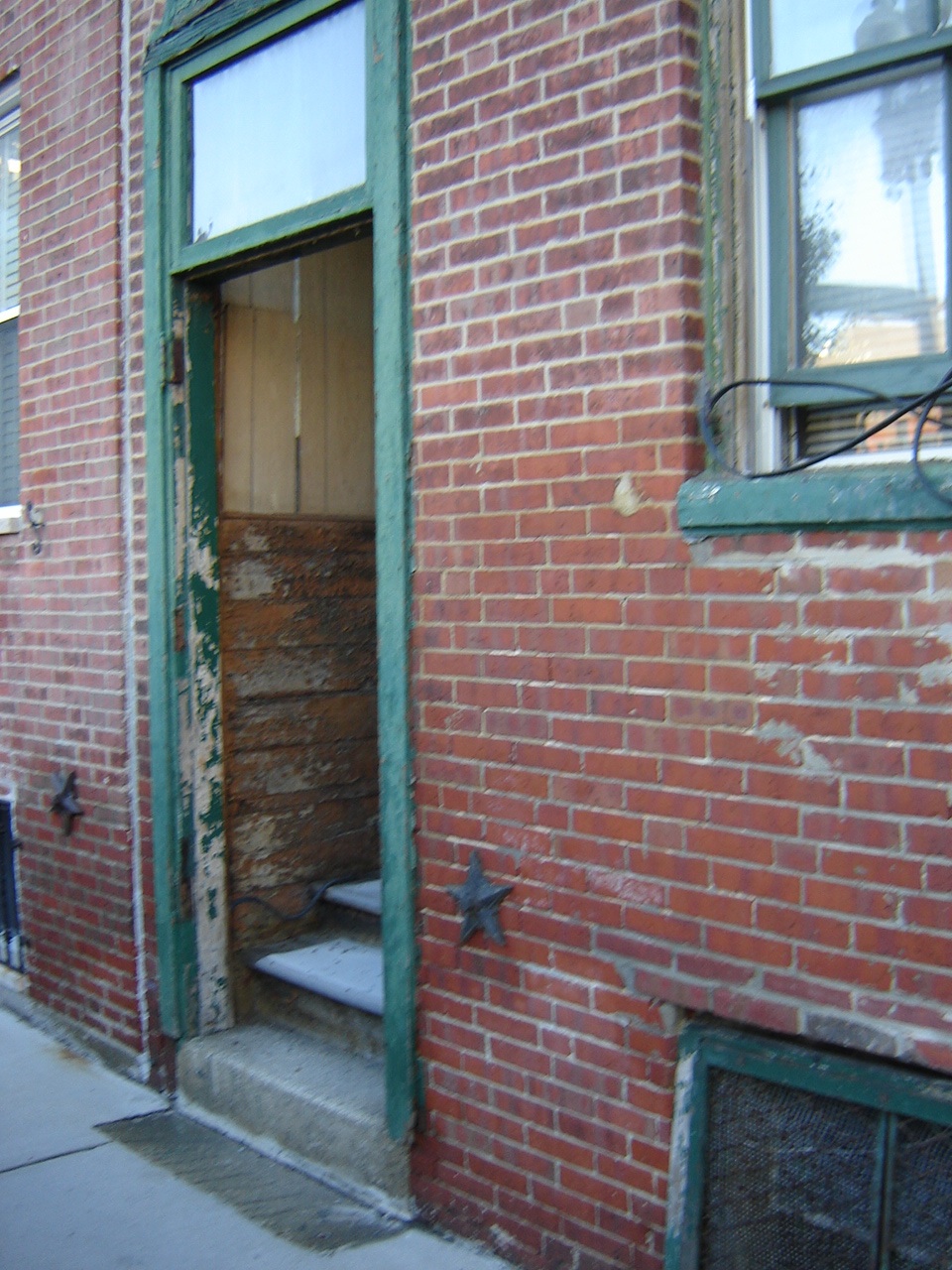
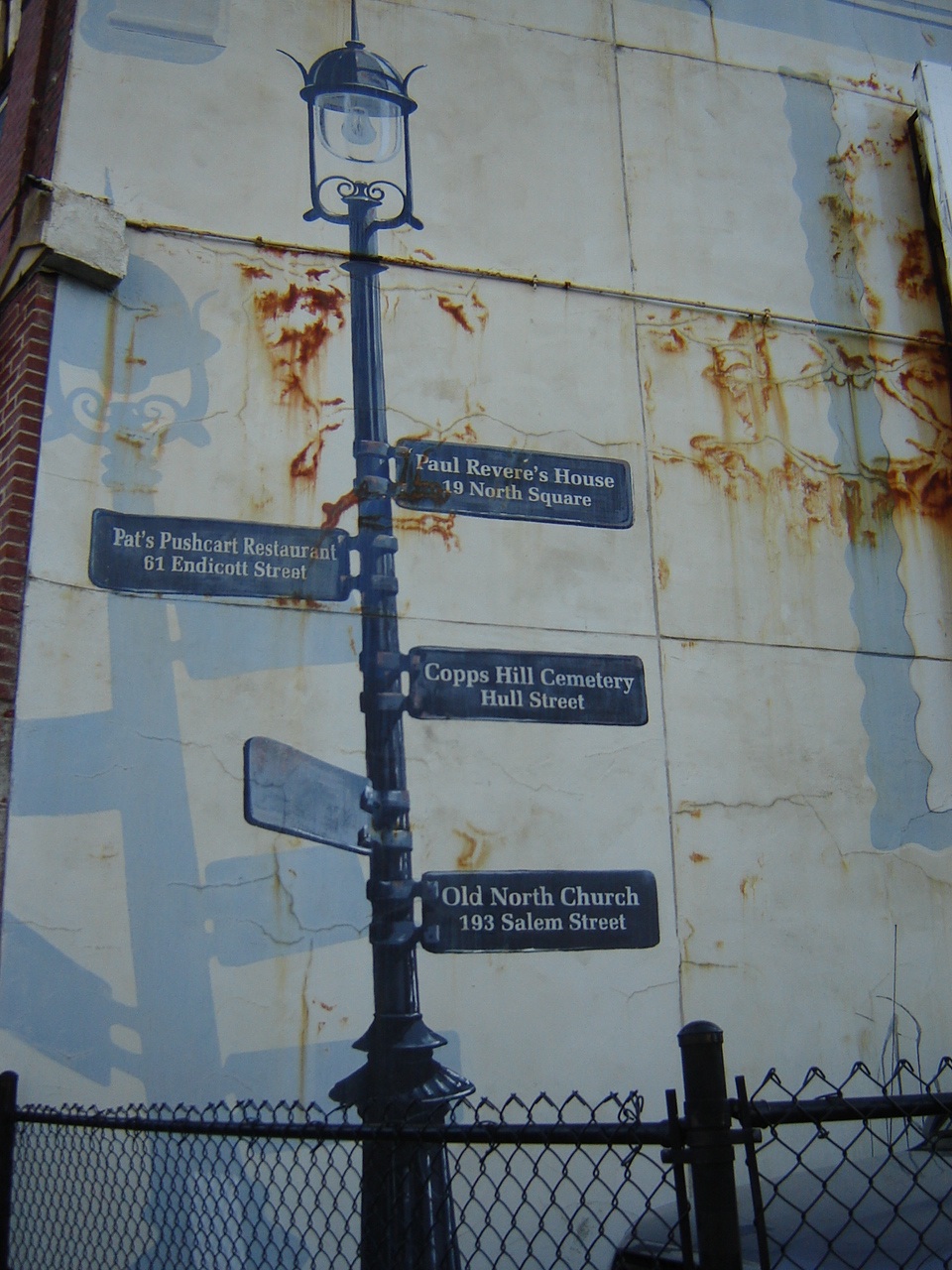
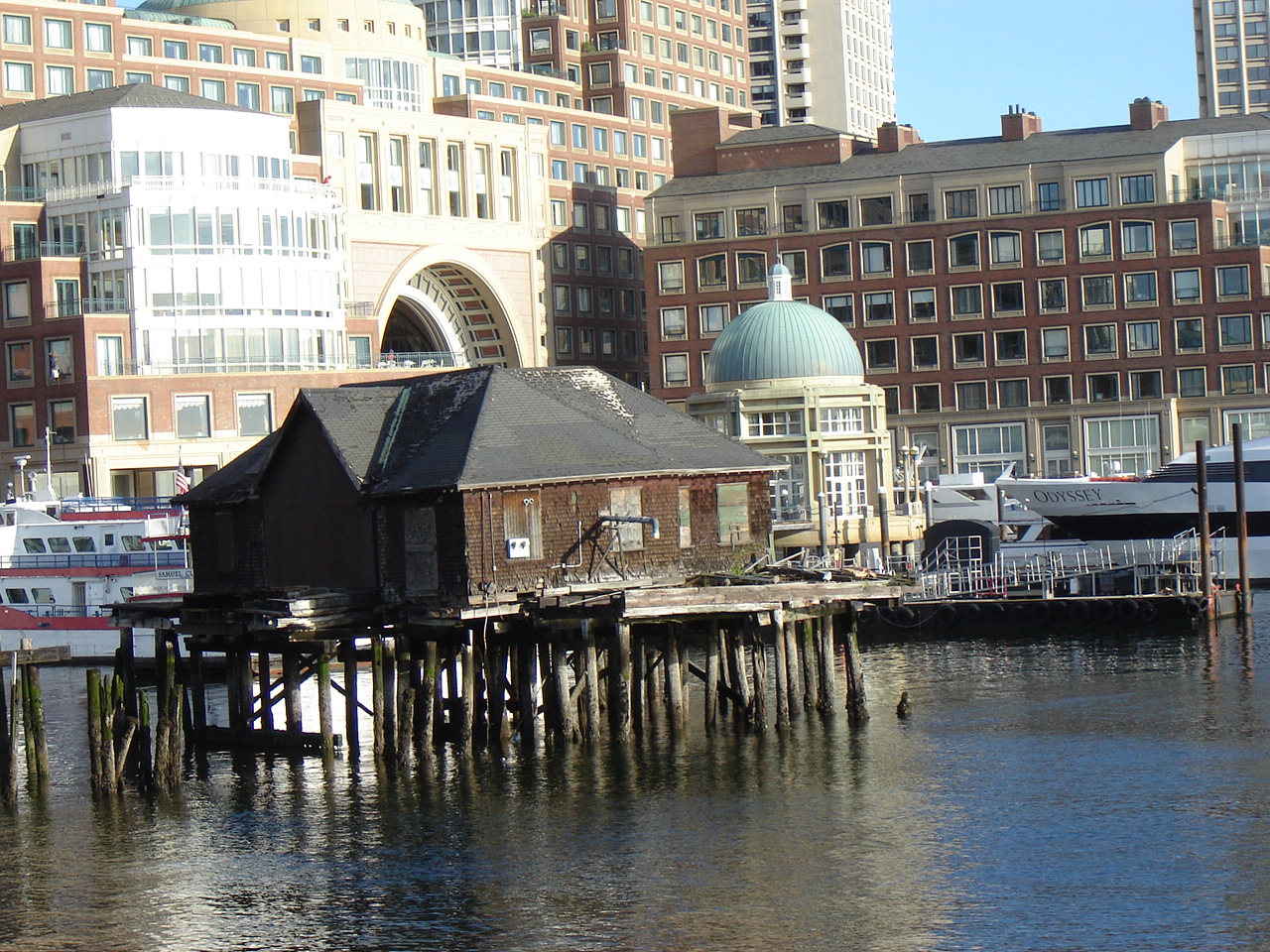
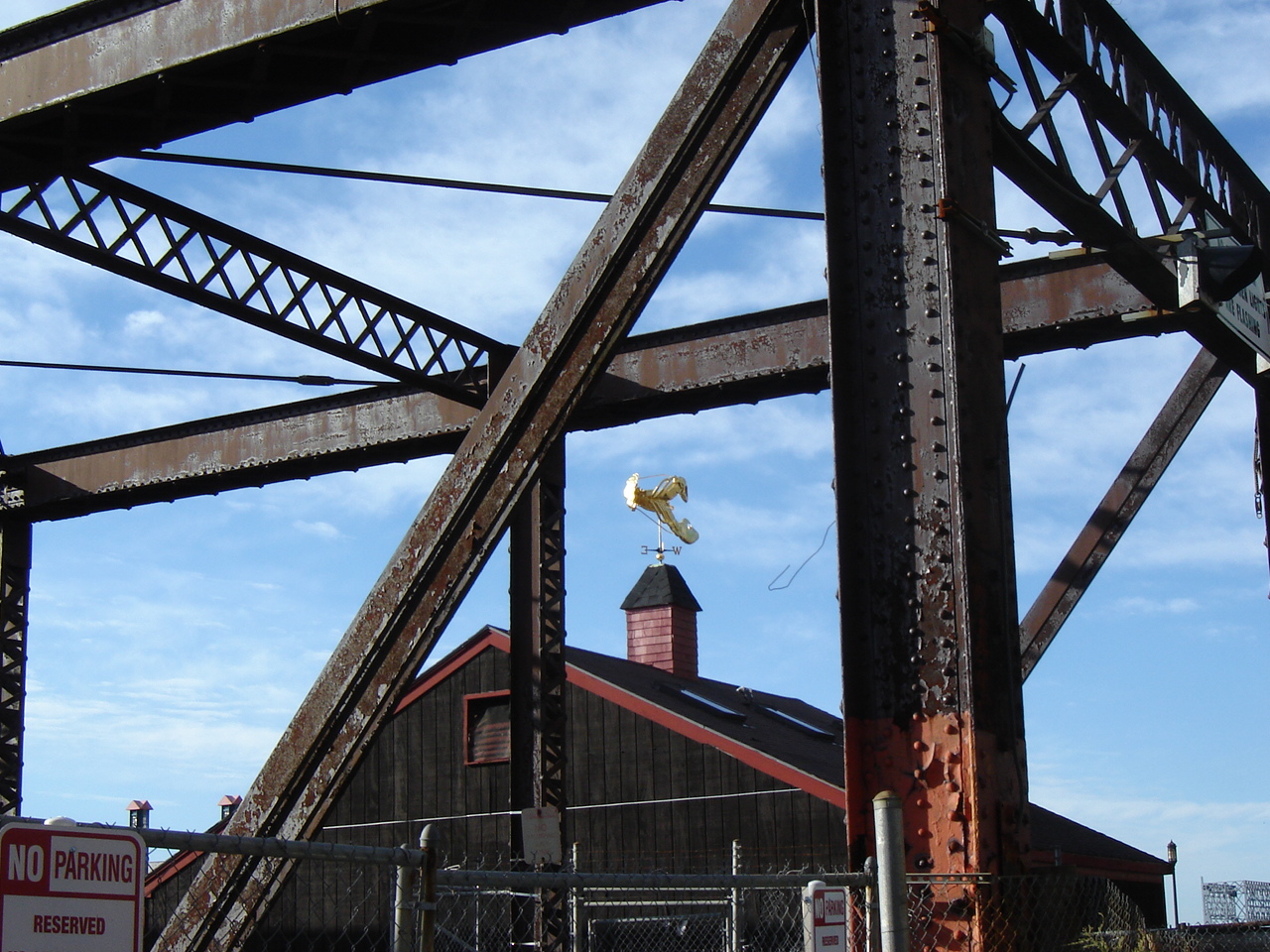
Near where I work in Boston, there is something new to see every day.

Here are two shots of the ever picturesque North End. 

Here are shots of the harbor post-Irene and the James Hook & Co. golden lobster.

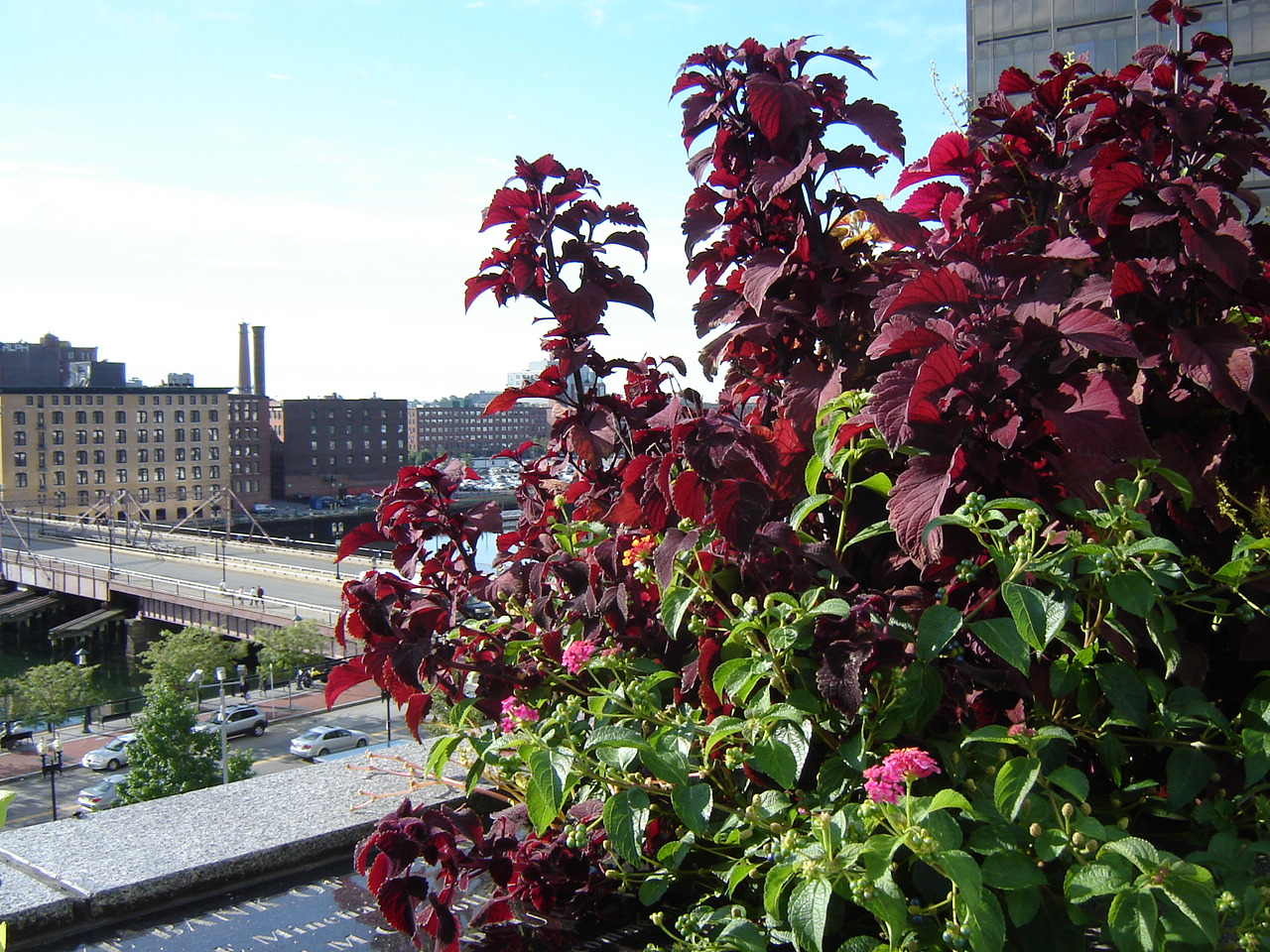
And here are the deep red plants that attracted a hummingbird outside the cafeteria yesterday. He didn’t show up today for his screen test, so I borrowed someone else’s hummingbird.

Read Full Post »