Photo: PenguinRandomHouse.
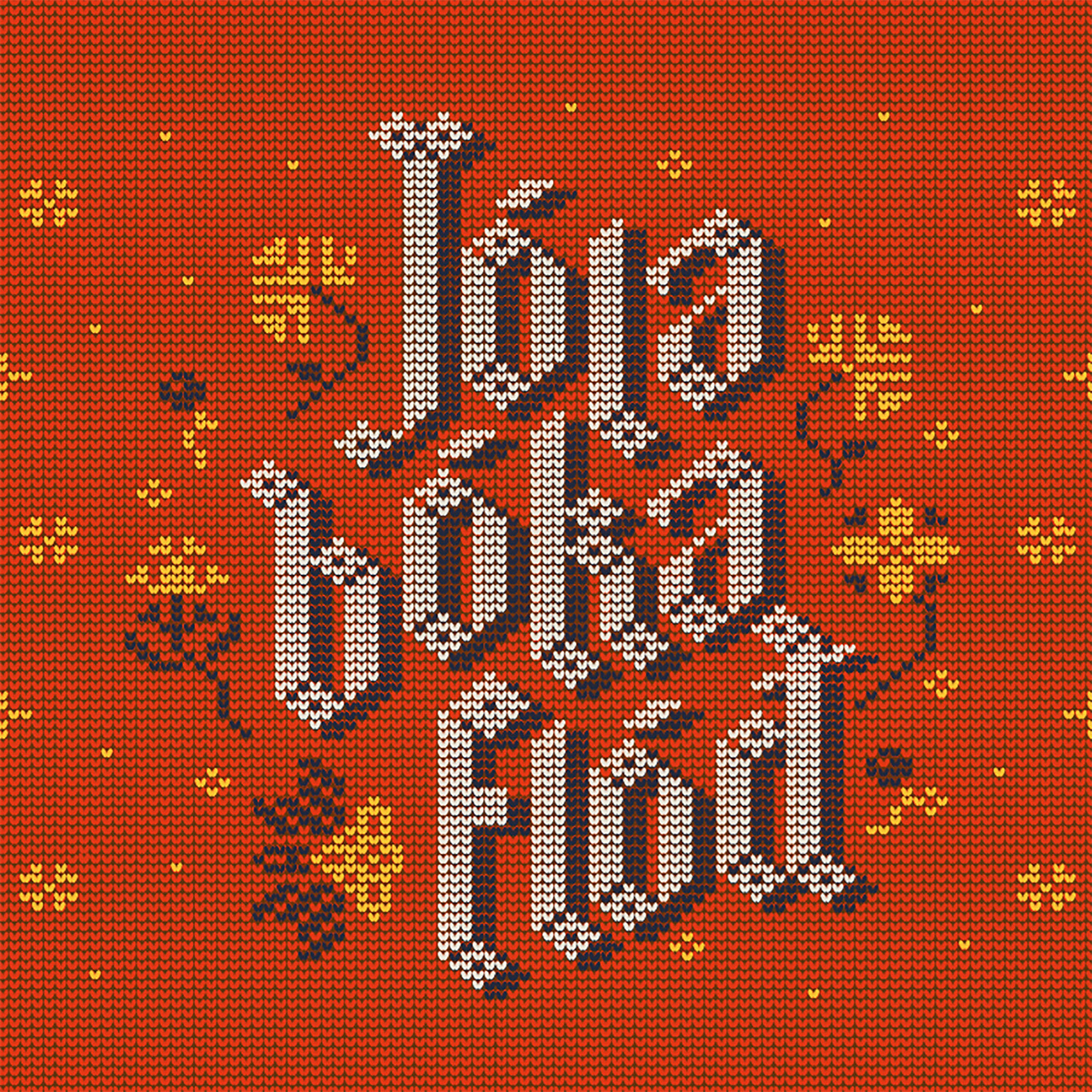
In Iceland, Christmas Eve signals the long-awaited “book flood,” Jólabókaflóð. Icelanders love to read. And the prime minister writes books herself.
Up at a Vermont ski lodge as Christmas approached, Suzanne’s family experienced the power outage from the latest winter storm. What is there to do in darkness but read a book by candlelight — or at least by headlamp? They did.
In Iceland, where winters are especially dark, Icelanders love to read.
David Mouriquand reports, “Euronews Culture was recently in Reykjavík for the European Film Awards, and while in the city, we sat down with Iceland’s Prime Minister Katrín Jakobsdóttir, one of only eight women in power in Europe.
“She made her mark on the global cultural map this year when she published her first thriller novel, entitled Reykjavík, which she co-wrote with best-selling author of the ‘Dark Iceland’ series Ragnar Jónasson.
“Jakobsdóttir, former minister of education, science and culture, is the chairperson of the Left-Green movement and has been serving as the prime minister since 2017. …
“I’d be remiss not to mention the fact that you published a novel this year, a crime novel. It’s not the first time that this has happened in Iceland, as one of your predecessors, Davíð Oddsson, published a novel when he was in office. What is it about writing and the crime / noir genre that appeals to you?
“I used to study crime fiction. I studied Icelandic literature and crime fiction was my main topic, so I have always enjoyed crime. In fiction, not in reality! And I actually was writing my master’s thesis when the Icelandic crime novel was flourishing and becoming rather big. It has become even bigger in the last decade or so. And it has been a longstanding dream to write a novel of my own, but I definitely would not have done it if I didn’t have this co-author (Ragnar Jónasson), who pushed me and said: ‘We have to do this together!’
“I must admit that I really enjoyed writing it, and I think that even us politicians can be creative. I think it’s very good for us, because sometimes we are not very creative in our politics! And it’s because the writing time was during the time of the pandemic, when I was totally absorbed in the virus and was getting, let’s say, obsessed with the virus and its effects and what we were doing.
“So having this kind of pet project to think about sometimes late in the evening or when I had an hour or two actually saved my mental health during the pandemic.
“The more I thought about you writing your novel, the more I thought: Wouldn’t the world be a better place if world leaders took the time to embrace a creative outlet? So, tap dancing for Biden, or oil painting for Macron… Terrible ideas, granted, but as you say, it’s very good for politicians to get creative…
“I definitely think that the world would be a better place! Not just politicians, but all of us. I don’t think we all do major works of art, but I think it’s a very healthy thing to really grow and nurture that creative strength that I think we all have. I don’t think we do enough of it. So, yes definitely, the world would be a better place.” More at EuroNewsCulture, here.
Sara Miller Llana at the Christian Science Monitor stresses that Iceland as a whole is a book-loving country: “Hördur Gudmundsson spends the better part of his day with a book in his hands – but only in winter.
“As the skies darken, he will spend full mornings at his favorite bookstore, IÐA Zimsen, near the Icelandic capital’s harbor. After supper he’ll turn to his hobby: bookbinding. He’s already bound all the works of Iceland’s most famous author, Nobel laureate Halldór Laxness, and now is deep into the works of Gunnar Gunnarsson.
“By Icelandic standards, this doesn’t make him a fringe book buff. Iceland is known as one of the world’s most literary countries, when it comes to the love of both reading and writing.
‘It must be in our mother’s milk,’ says Mr. Gudmundsson, a retired trades teacher.
“Books in Reykjavík, the first nonnative English-speaking city to be designated a UNESCO City of Literature, are everywhere. At one breakfast spot, the counter serves as a giant bookshelf. Tomes are piled onto the sills of steamed-up cafe windows.
“The streets of Reykjavík are an ode to the characters of the medieval sagas. Written in the 13th and 14th centuries, the Icelandic sagas retell the exploits of Norse settlers beginning in the ninth century. The works are a source of pride and a pillar of Iceland’s literary sensibilities. Tours in Iceland’s only city take visitors to the birthplaces of authors like Mr. Laxness and the scenes of plot twists in Nordic noir, a booming genre.” More here.
The WordPress site Jólabókaflóð.org posted the “founding story,” here.
And if you search on the word “Jólabókaflóð,” you will find lots of other fun articles.


 Suzanne's Mom's Blog