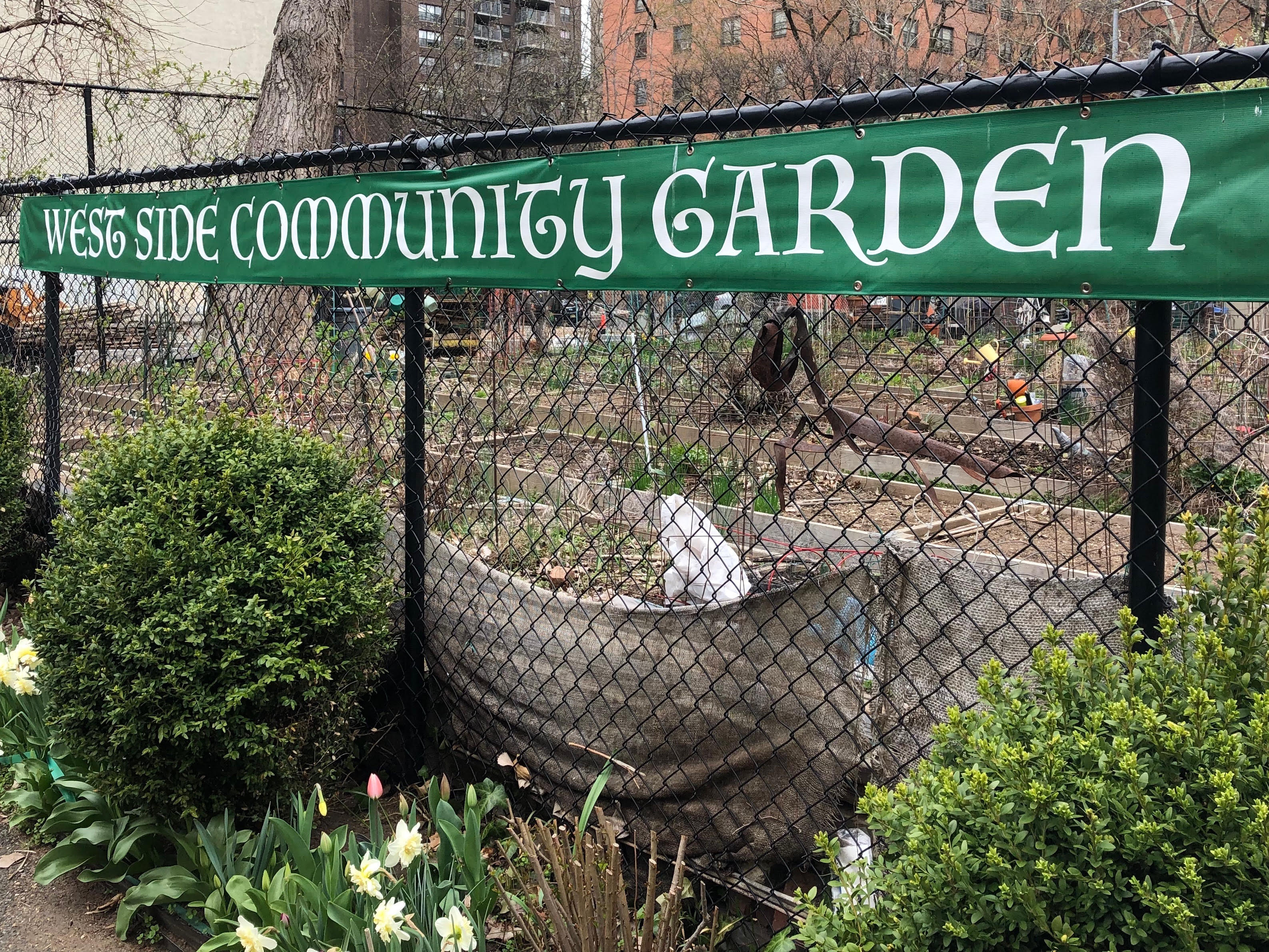
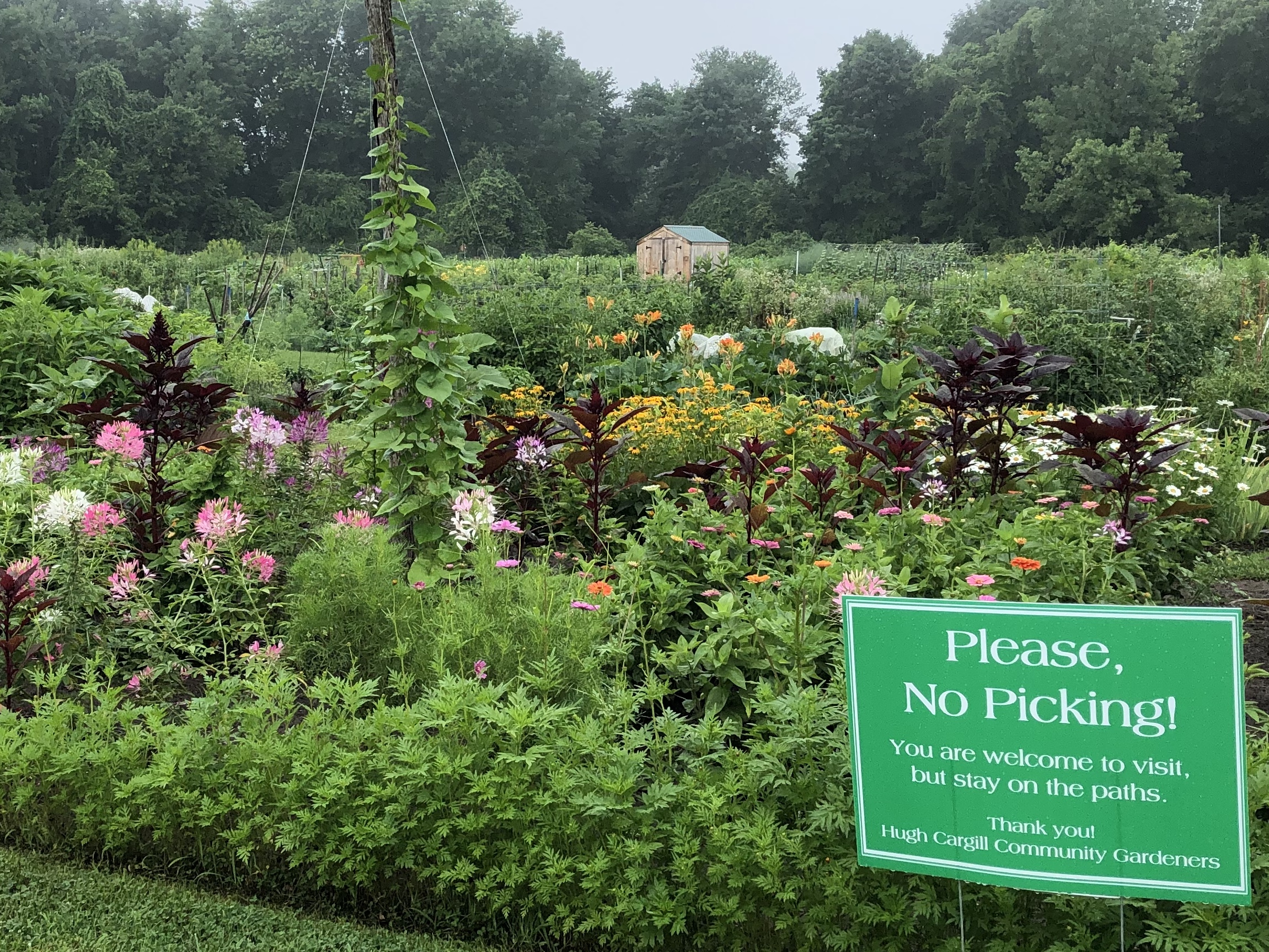
Photos: John and Suzanne’s Mom.
My paternal grandmother, as the wife of a once-renowned Alpine gardener in Syracuse, New York, cherished this quote from Dorothy Frances Gurney: “The kiss of the sun for pardon,/ The song of the birds for mirth,/ One is nearer God’s Heart in a garden/ Than anywhere else on earth.”
Lacking profound insight into that particular claim, I will just say that gardening is good for one’s observational skills and hence one’s mental health, as a recent Washington Post article suggests.
Catie Marron wrote, “I often keep a single flower in a small bottle on my desk, where I can enjoy it. I learn a lot from studying that flower’s cycle.
“It’s an idea I got from the philosopher and author Alain de Botton, who once remarked that we unfairly dismiss museum postcards of prominent paintings. ‘Our culture sees them as tiny, pale shadows of the far superior originals hanging on the walls a few metres away,’ he observed, ‘but the encounter we have with the postcard may be deeper, more perceptive and more valuable to us, because the card allows us to bring our own reactions to it.’
“[As] with the postcard, that single flower invites us to study every detail more deeply. Even over just a few days, the changes are breathtaking. I’ve witnessed the magic of a peony going from hot pink to pale coral, watched a tulip’s petals double in size and seen a rose clinging to the last glimmers of its fading bloom. …
“It was a new sensibility for me, one I didn’t have before I began gardening seriously and closely observing these single blooms on my desk. Once I started digging in the dirt, I noticed ecosystems I had taken for granted. I’d pause to study a surprising color combination on a single flower or a mix of plants. I’d catch myself mid-stride if I recognized a plant but it looked different from similar varieties I’d seen before. Soon, looking carefully at plant life became a habit.
“Much has been written and said about gardening’s practical health benefits, and those effects are real and important. But less is shared about the way that gardening can reshape what you notice, and how that can impact your days. Gardener’s eyes can lead you to gaze at the texture of turf, the imaginative plantings on a brownstone stoop, the splendor of a February cherry blossom. …
The best thing about gardener’s eyes is that you bring them with you everywhere — and everywhere there is something to see. …
“I’ve been awed by the great, formal gardens I’ve visited, but I’ve been just as absorbed by my own modest vegetable garden, where plant growth and renewal always offer something new to capture my attention.
“Well-developed gardener’s eyes can also make you aware of how little you know, a feeling shared by the renowned garden designer Beth Chatto, who experienced this during a visit to Benton End, the home and gardens of Sir Cedric Morris and Arthur Lett-Haines. Morris was an artist-gardener who crafted ‘a bewildering, mind-stretching, eye-widening canvas of color, textures and shapes, created primarily with bulbous and herbaceous plants,’ Chatto said in Hortus Revisited, edited by David Wheeler. …
” ‘That first afternoon, there were far too many unknown plants for me to see, let alone recognize,’ she wrote. ‘You may look, but you will not see, without knowledge to direct your mind.’ That’s how I felt in my first gardening forays: I was looking, but not seeing. After years of reading about plants and simply spending more time in gardens big and small, I was able to see more clearly.
“That vision didn’t only come by watching plant life. I also learned to watch gardeners themselves. That was based, in part, on the unexpected advice of Tom Coward, the head gardener of Gravetye Manor in Sussex, England. I once bumped into Coward while walking around Gravetye. At that time, I was a new gardener, and I asked if he had any tips for a fresh practitioner of the craft. His guidance: Find a knowledgeable gardener, and watch what they do. …
“If you are new to gardening and feel confused, visit more gardens, spend an afternoon at your local nursery and talk to the gardeners. Ask questions and listen to their stories. Gardeners tend to be unfailingly patient and generous, because they too had to learn the trade in the same slow and circuitous manner. They know the feeling of gardeners’ eyes moving from muddled to clear.”
More at the Post, here.


 Suzanne's Mom's Blog