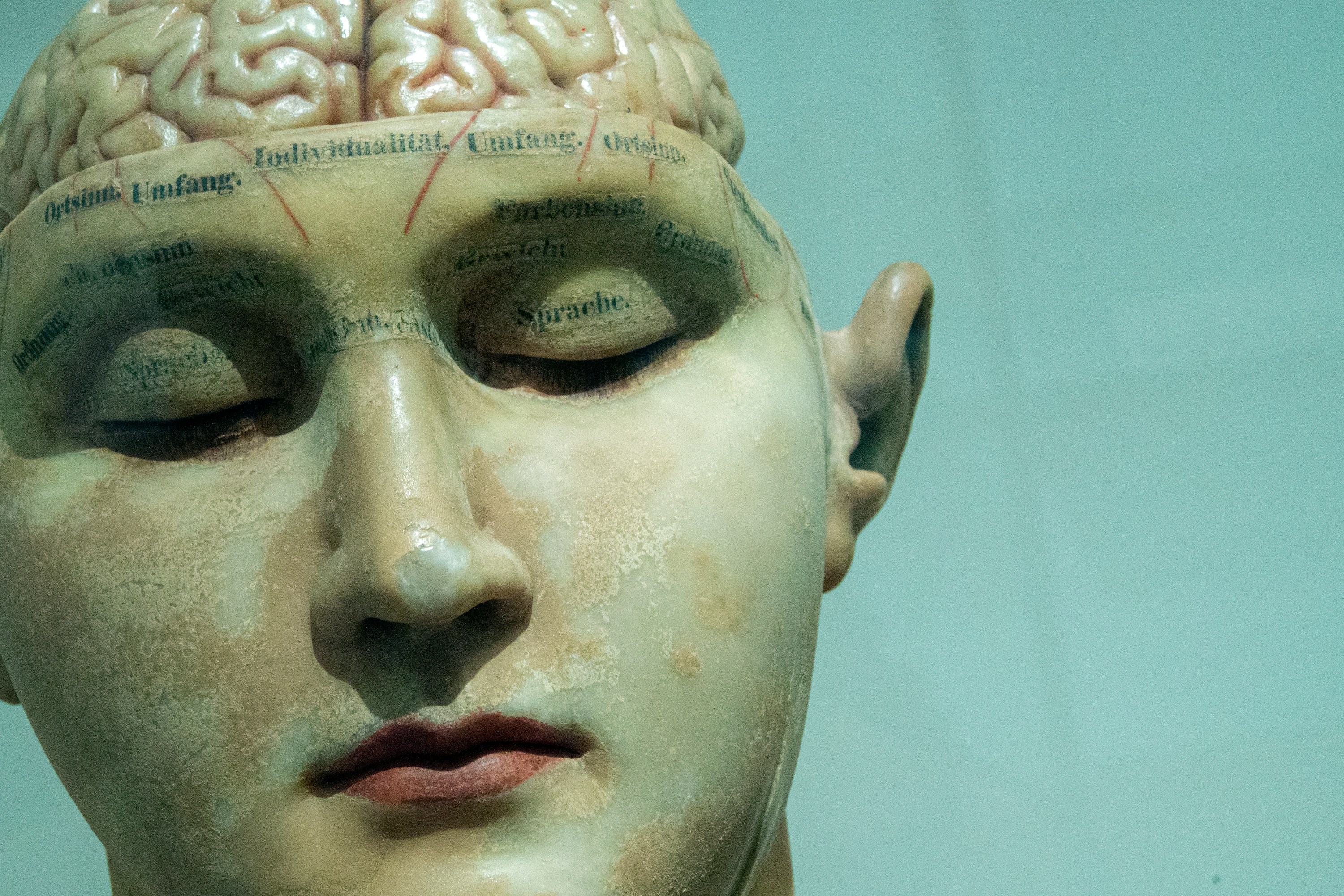
Photo: David Matos via Unsplash.
I take naps pretty regularly. Not just because I am tired but because my brain needs a rest. And I’m a big believer in letting the sleeping, unconscious brain sort out things that have me going around in circles when awake. That’s why I was impressed with the presidential candidate who wanted to “sleep on it” before choosing a running mate. To me, that was really smart. Often when you “sleep on it,” vibes you have unconsciously picked up when awake become more clear to you.
Now let’s look at some research on letting your brain take rests.
Jamie Friedlander Serrano writes at the Washington Post, “Downtime is a necessary part of life. Science shows it helps us to be healthier, more focused, more productive and more creative. Yet, somehow, we often lose sight of this.
“ ‘Downtime is important for our health and our body, but also for our minds,’ says Elissa Epel, a professor in the psychiatry department at the School of Medicine at the University of California at San Francisco.
“Epel and others acknowledge that many of us feel as though we’re wasting time if we aren’t getting things done, but research points to the costs of always being ‘on’ and the importance of giving our brains a break. Our brains aren’t built to handle constant activity.
“Even the briefest moments of idle time, or pauses, are important, says Robert Poynton, author of Do Pause: You Are Not a To-Do List.
“Short pauses — whether you take a few breaths before entering a room or walk through the woods for 10 minutes — can lead to necessary self-reflection.
“ ‘I think we feel that we need to be getting on with things,’ says Poynton, who is an associate fellow at the University of Oxford in England. But ‘if we’re always getting on with things, we haven’t taken any time to decide or examine whether what we’re getting on with is the most interesting, important, fruitful, delightful, pleasurable or healthy thing.’ …
“Well-established research has shown that low-level daily stress can create such intense wear and tear on our body’s physiological systems that we see accelerated aging in our cells, says Epel, who co-wrote the book The Telomere Effect. Epel added: ‘Mindfulness-based interventions can slow biological aging by interrupting chronic stress, giving us freedom to deal with difficult situations without the wear and tear — and giving our bodies a break.’ …
“One small study published in the journal Cognition found that those who took short breaks had better focus on a task when compared with those who didn’t take a break. [And a 2022 meta-analysis published in the journal PLOS One looked at how ‘micro-breaks’ can affect well-being. The review found that breaks as short as 10 minutes can boost vigor and reduce fatigue. …
“In 2021, when many Americans were working remotely all the time, Microsoft conducted a study that followed two groups of people: The first had back-to-back Zoom meetings, and the other group took 10-minute meditation breaks between meetings. Microsoft monitored brain activity of 14 participants in the study using an electroencephalogram (EEG).
“In the first group, ‘what you see is a brain that’s filled with cortisol and adrenaline,’ says Celeste Headlee, a journalist and author of Do Nothing: How to Break Away From Overworking, Overdoing, and Underliving. ‘It’s tired, it’s stressed, it’s probably more irritable, and it’s probably less compassionate.’ The other group? ‘You can see in brilliant color what a difference [the breaks] make,’ she says. ‘Those are brains that are relaxed.’ …
“New research has begun showing the negative effects our cellphones can have on our health. Smartphone addiction (which [James Danckert, a professor of cognitive neuroscience at the University of Waterloo in Ontario, Canada, and co-author of Out of My Skull: The Psychology of Boredom] says afflicts 4 to 8 percent of people) is becoming increasingly common worldwide.
“It has been linked to physical health problems, such as digital eyestrain and cervical disc degeneration, as well as anxiety and depression. Some recent research also suggests it can affect the structure of our brains: Two studies found smartphone addiction was correlated with lower white matter integrity and lower gray matter volume in the brain. …
“Most Americans think of downtime as something that is extra or indulgent — a treat that has to be earned only after we’ve done all of our productive tasks, says Amber Childs, a psychologist and associate professor at Yale School of Medicine’s Department of Psychiatry. But research would suggest the opposite: Downtime is a basic human need.”
More at the Post, here.

 Suzanne's Mom's Blog