Feeds:
Posts
Comments

Posts Tagged ‘volcanic’

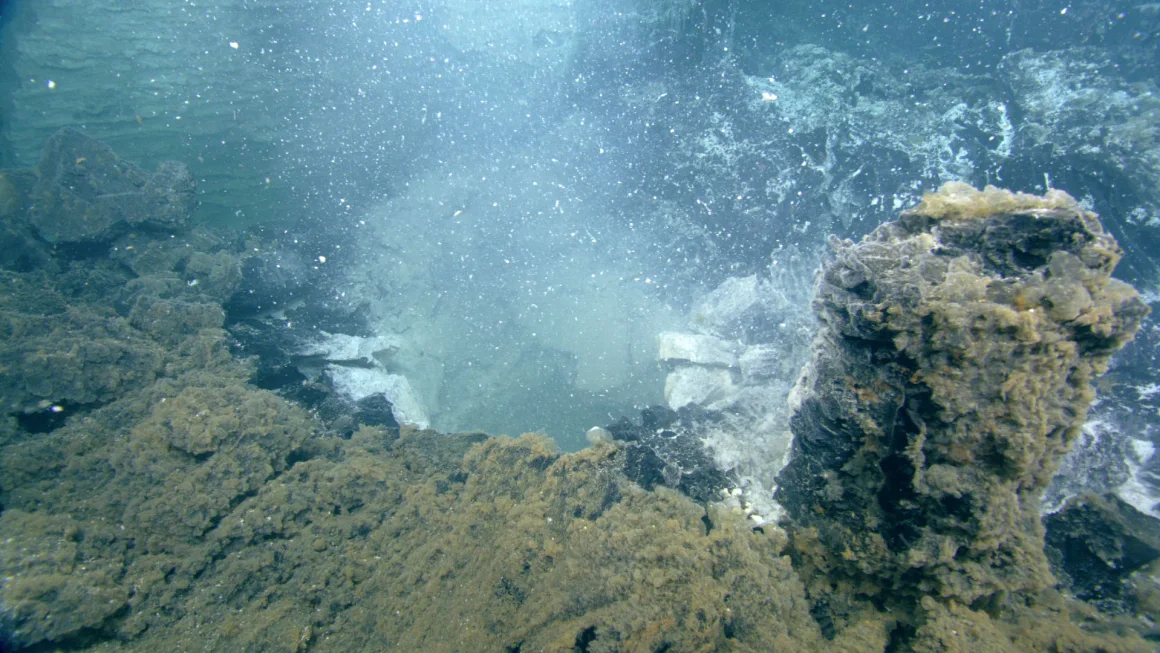
Photo: UW/NSF-OOI/CSSF-ROPOS via CNN Science.
White clouds of microbial waste billow from the seafloor — the result of a volcanic eruption. 

Rachel Carson thought it would be hard for humans to pollute the oceans because they were so vast. I guess she was wrong about that, but the oceans’ vastness does make them likely to remain a source of wonder and discovery — mysterious no matter how much we study them.

Today’s example of deep-sea wonder comes from the New York Times, where Maya Wei-Haas reports that scientists have witnessed a volcanic eruption that had never been experienced in person.

“Andrew Wozniak, a chemical oceanographer at the University of Delaware,” she writes, “struggled to process what his eyes were taking in. Dr. Wozniak was parked on the bottom of the Pacific Ocean beneath nearly 1.6 miles of water in Alvin, a research submersible. As far as he could see lay a mostly barren expanse of jet-black rock.

“Just a day before, at this same spot, a vibrant ecosystem had thrived in the sweltering waters of the Tica hydrothermal vent, about 1,300 miles west of Costa Rica. Creatures inhabited every inch of the rocky seafloor, writhing in a patchwork of life. The crimson tips of giant tube worms waggled in the current, tangling around clusters of mussels. Buglike crustaceans scuttled through the scene while ghostly white fish languidly prowled for their next kill.

“Now, only a single cluster of tube worms remained in the blackened terrain, all dead. A haze of particulates filled the water as glints of bright orange lava flickered among the rocks.

“ ‘My brain was trying to understand what was going on,’ Dr. Wozniak said. ‘Where did things go?’

“Eventually it clicked: He and the sub’s other passengers were witnessing the tail end of a submarine volcanic eruption that had entombed the flourishing ecosystem under fresh lava rock.

“This was the first time scientists had witnessed a clearly active eruption along the mid-ocean ridge, a volcanic mountain chain that stretches about 40,000 miles around the globe, like the seams of a baseball. The ridge marks the edges of tectonic plates as they pull apart, driving volcanic eruptions and creating fresh crust, or the layer of the Earth we live on, beneath the sea. About 80 percent of Earth’s volcanism happens on the seafloor, with the vast majority occurring along the mid-ocean ridge. …

“Observing such an event live offers a unique opportunity for scientists to study one of our planet’s most fundamental processes: the birth of new seafloor, and its dynamic effects on ocean chemistry, ecosystems, microbial life and more.

“ ‘Being there in real time is just this absolutely phenomenal gift — I’m really jealous,’ said Deborah Kelley, a marine geologist at the University of Washington who was not part of the research team.

“Dr. Wozniak and colleagues sailed on a ship, the R/V Atlantis, before setting out in the Alvin sub. Their original goal was to study carbon flowing from the Tica vent, funded by the National Science Foundation. Hydrothermal vents are like a planetary plumbing system, expelling seawater that’s heated as it seeps through the ocean floor. The process transports both heat and chemicals from Earth’s interior, helping regulate ocean chemistry and feeding a unique community of deep marine life.

“The dive on [on that May] Tuesday morning started like any other. Alyssa Wentzel, an undergraduate at the University of Delaware who joined Dr. Wozniak aboard Alvin, described the enchantment of sinking into the darkness of the ocean depths on the 70-minute journey to the seafloor. As the light vanished, bioluminescent jellies and tiny zooplankton drifted by.

“ ‘It was magical,’ she said. ‘It really takes your words away.’

“But as they approached the site, a darker magic set in as temperatures slowly ticked upward and particles filled the water. The usual dull gray-brown of the seafloor was capped by tendrils of inky rock that glimmered with an abundance of glass — the result of rapid quenching when lava hits chilly water.

“As particulates clouded the view from Alvin, Kaitlyn Beardshear of the Woods Hole Oceanographic Institution, the pilot in command of the day’s journey, slowed the sub, keeping close watch on the temperatures. As they ticked up, so too did concerns for safety of the submersible and the crew. Eventually, the pilot made the call to retreat. …

“The team learned after returning to the ship that sensitive microphones, called hydrophones, aboard the Atlantis had detected the volcanic eruption earlier in the day. It registered as a series of low frequency booms and campfire-like crackle.

“This was the third known eruption at the Tica vent since its discovery in the 1980s. Over the decades, Dan Fornari, a marine geologist at Woods Hole, and his colleagues have closely monitored the site, tracking changes in temperature, water chemistry and more. …

“In 1991, he and his colleagues had arrived at Tica within days of an eruption’s start. It might even have still been active, he said, but they saw no flashes of lava to confirm. This time, he said, there’s no doubt of what the Alvin crew saw. ‘This has been the closest that we ever come to witnessing the initiation of an eruption’ along the mid-ocean ridge, he said.

“The team is continuing to study the volcanic activity. Given safety concerns, they’re collecting data and taking photographs remotely from the Atlantis.

“The data will help researchers unravel the mysteries of deep-sea volcanism and the role it plays in marine ecosystems. ‘All of this has to do with understanding this holistic system that is Earth and ocean,’ Dr. Fornari said. ‘It’s so intertwined, and it’s both complex and beautiful.’ ”

More at the Times, here.
Read Full Post »

New Zealand Christmas Tree, also called ironwood, according to my PictureThis app. The video shows only one very spread-out tree, our “magic tree.”

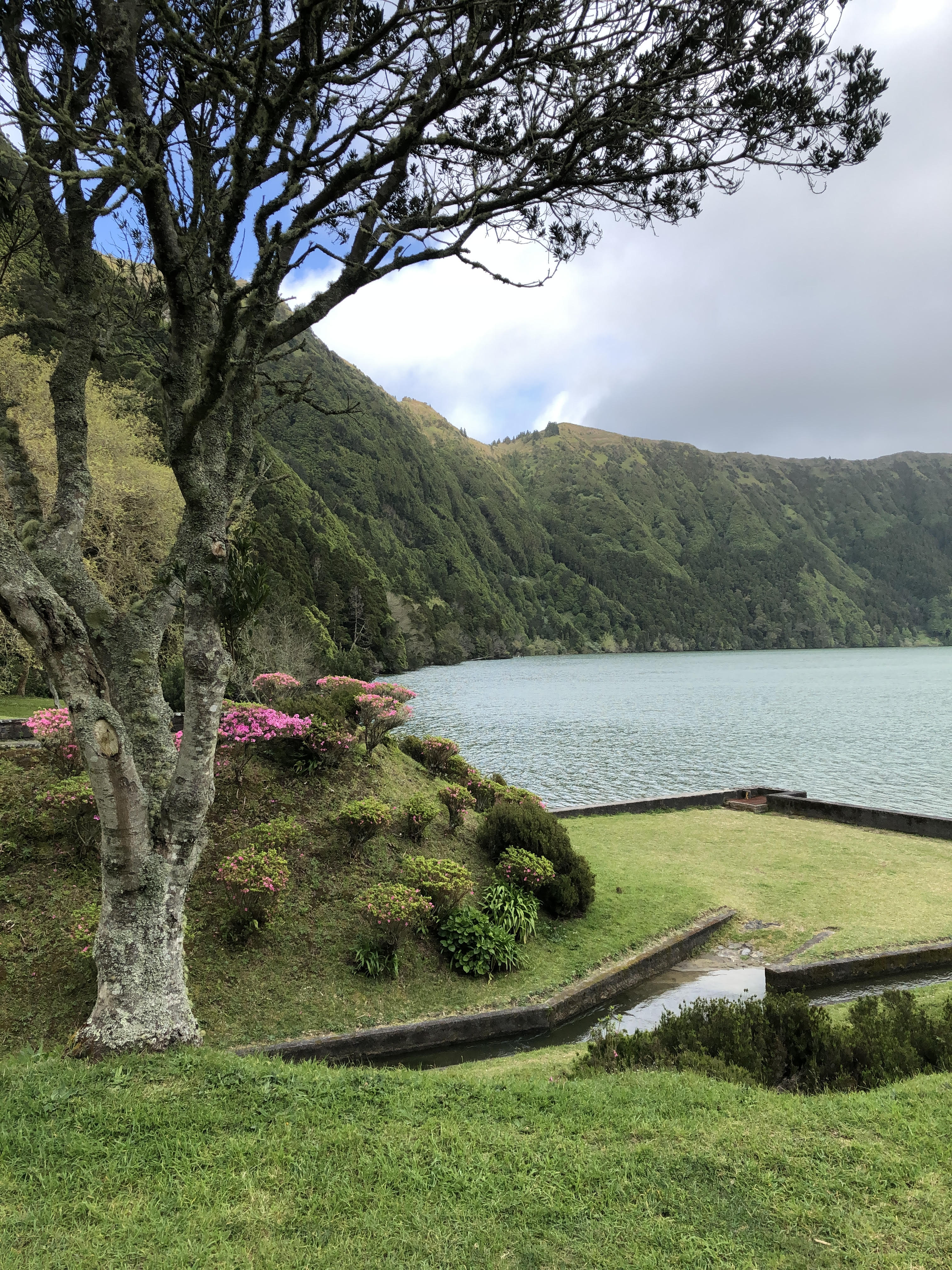
We spent last week in the Azores, courtesy of Suzanne’s organizational skills, Erik’s driving skills, and the kids’ school vacation.

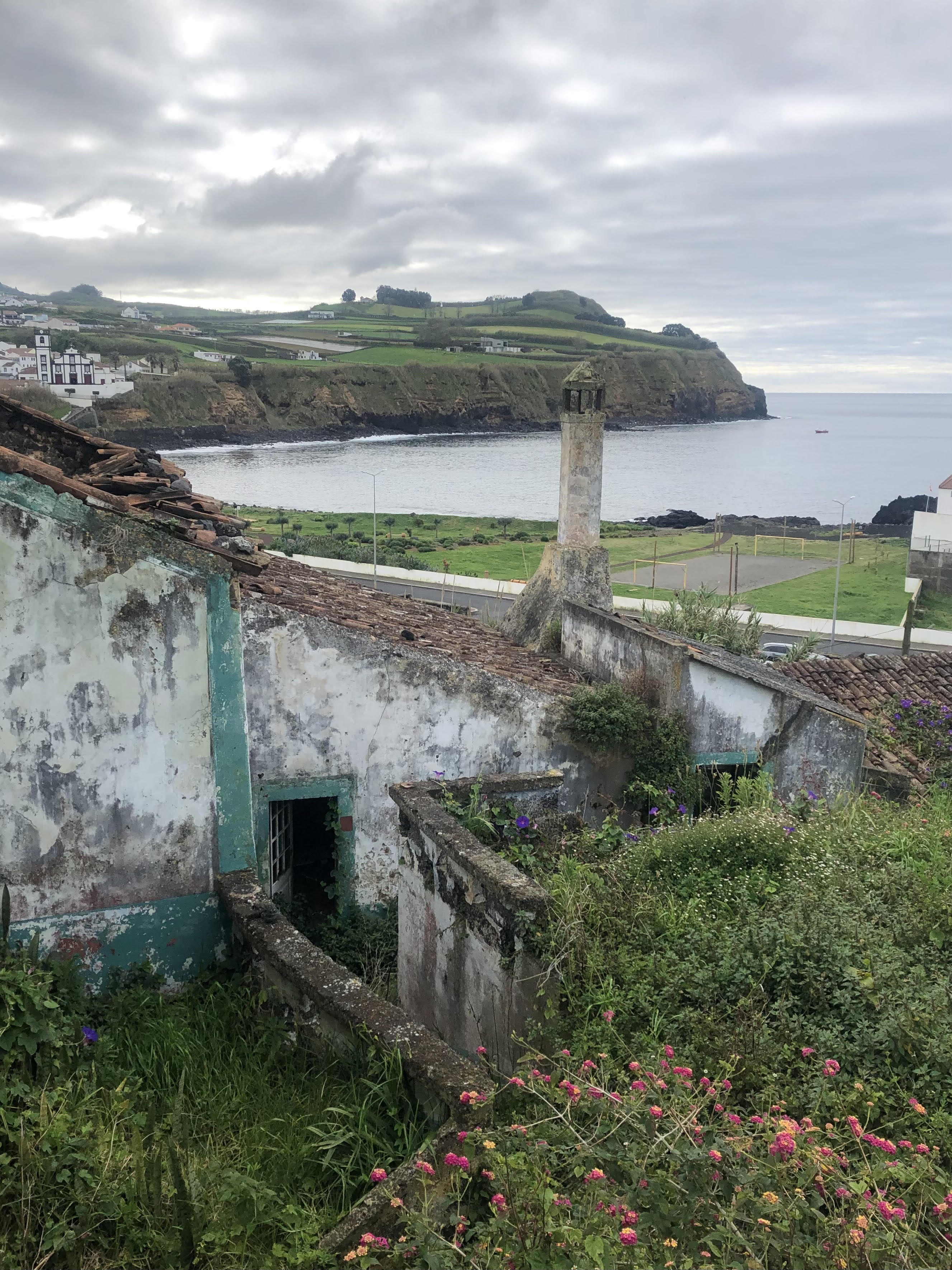
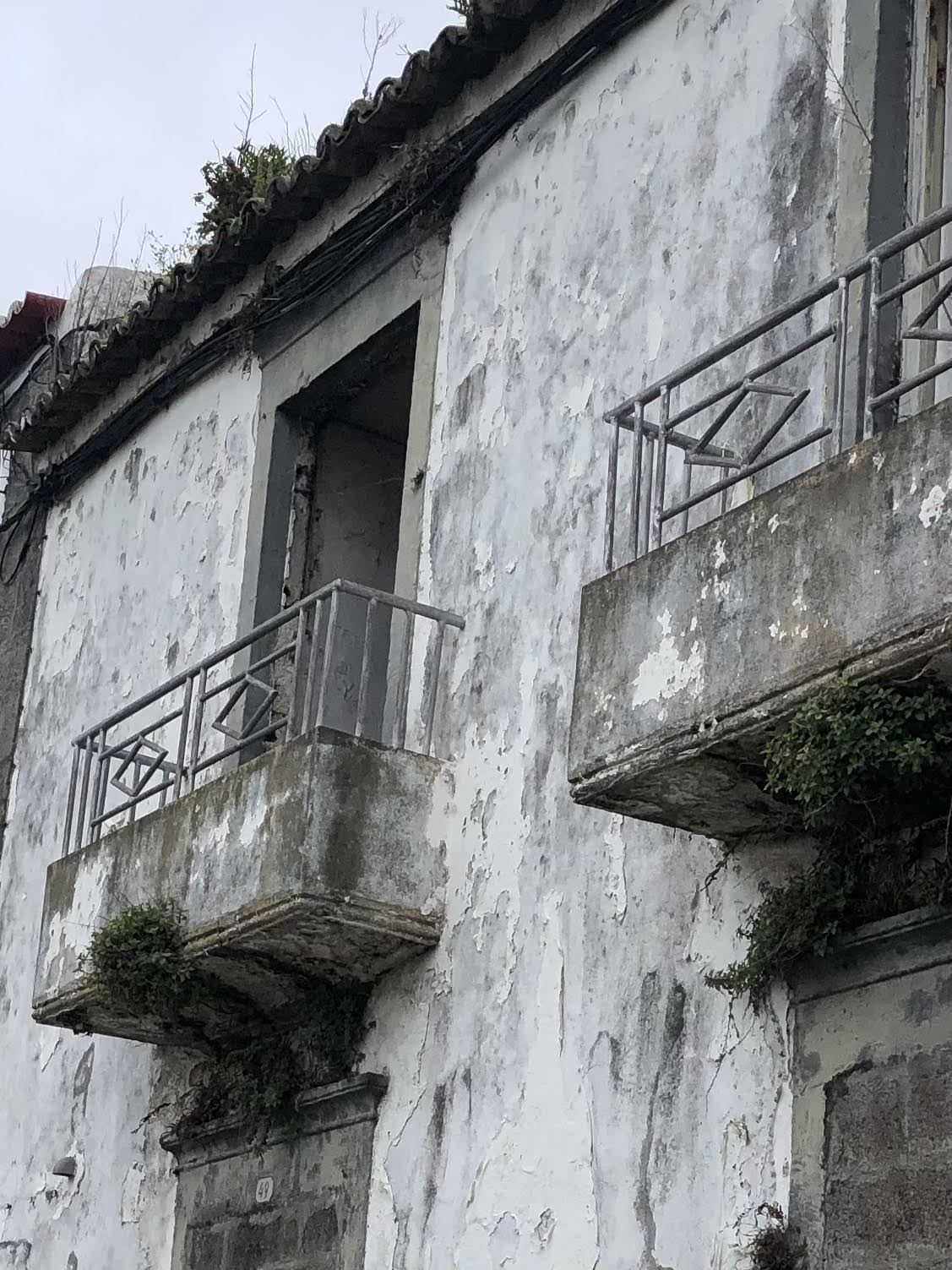
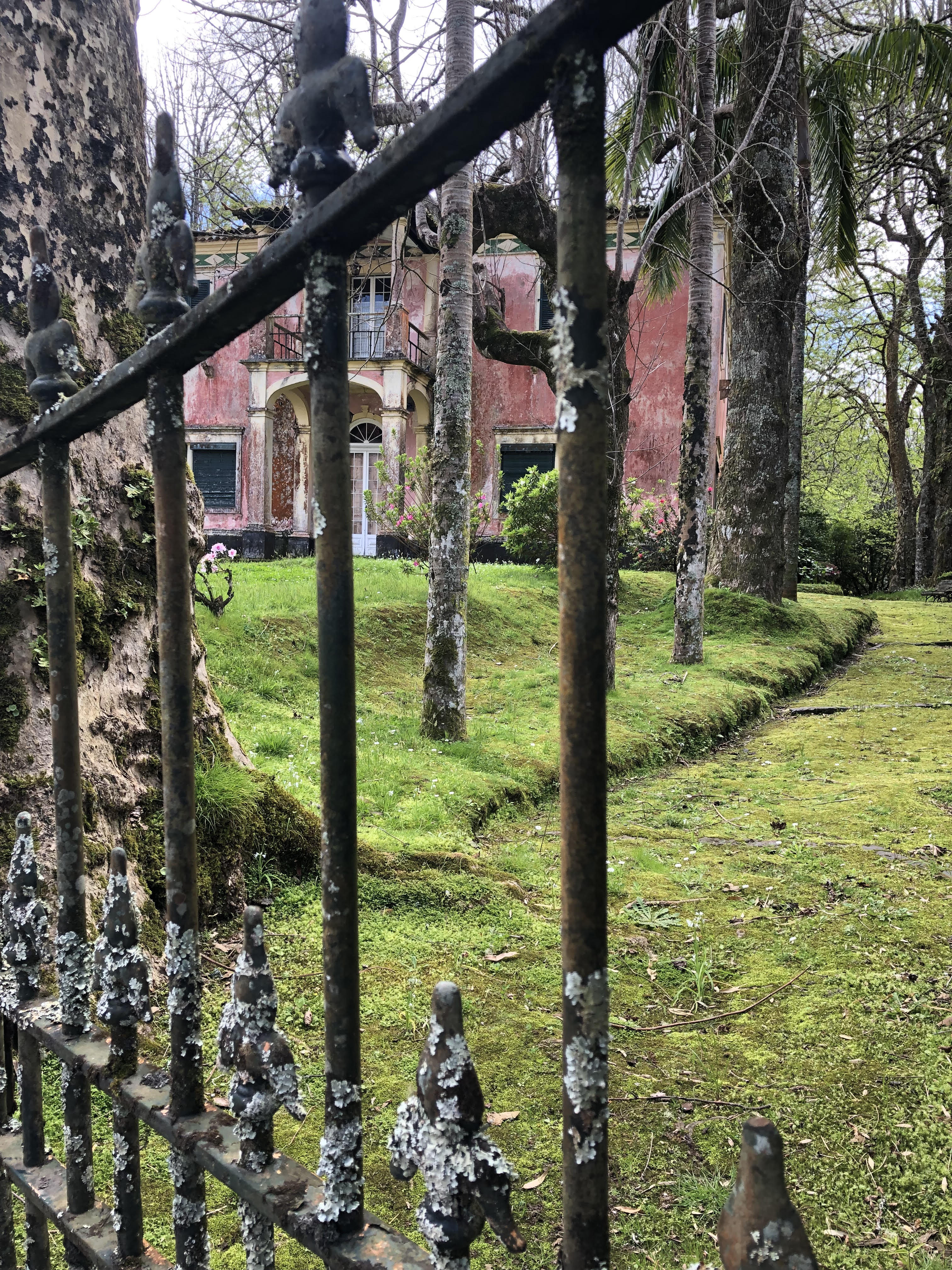
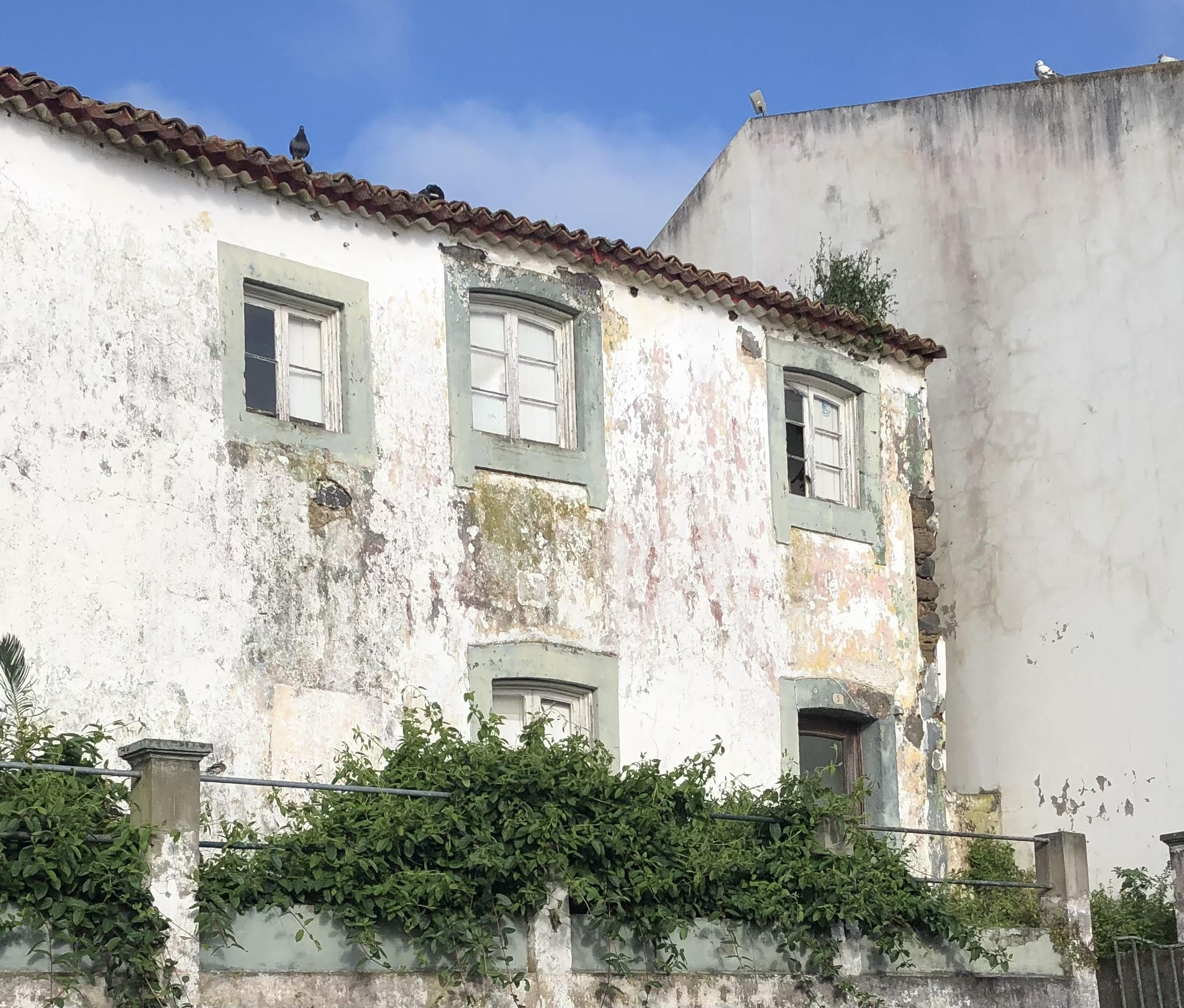
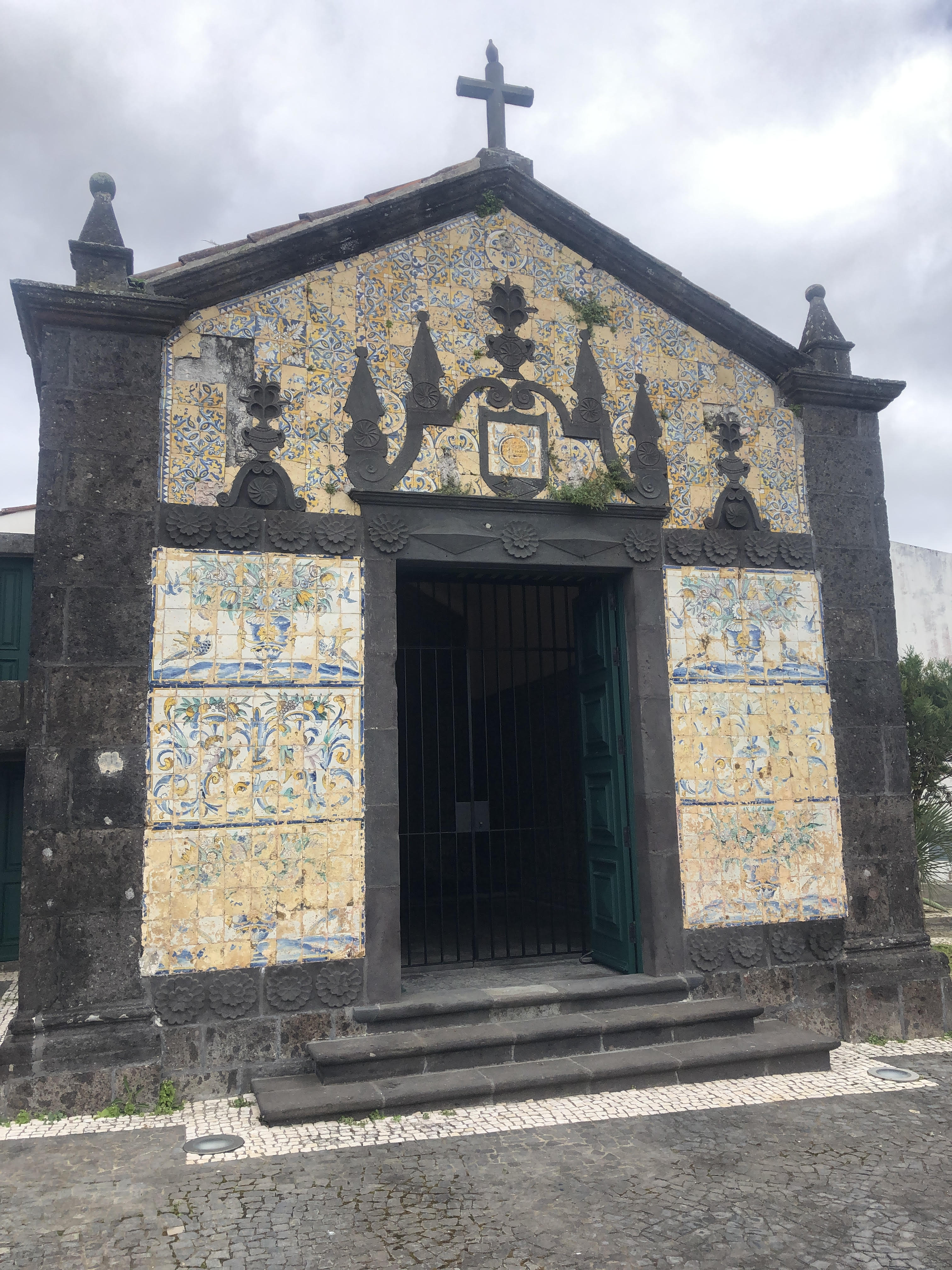
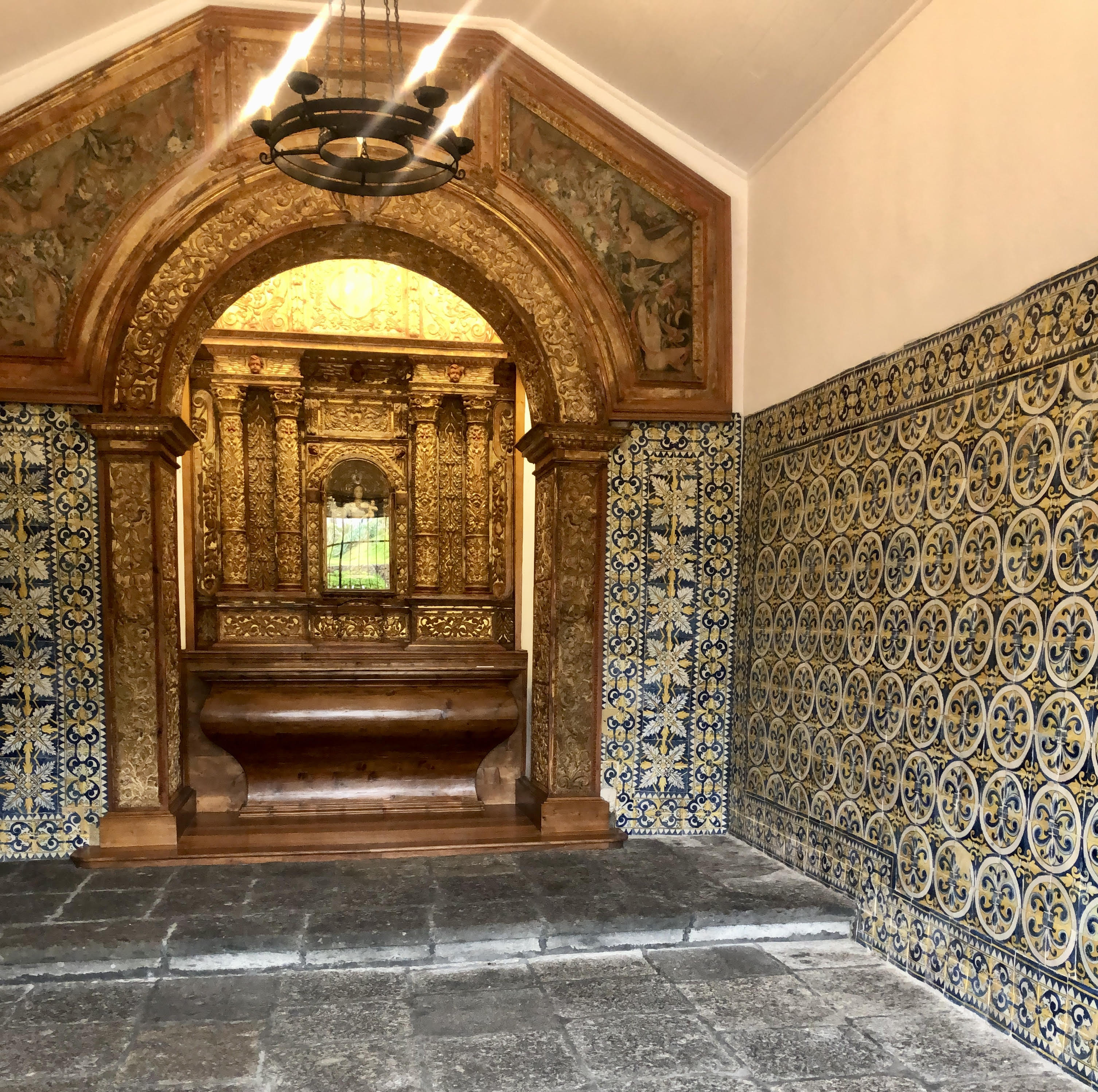
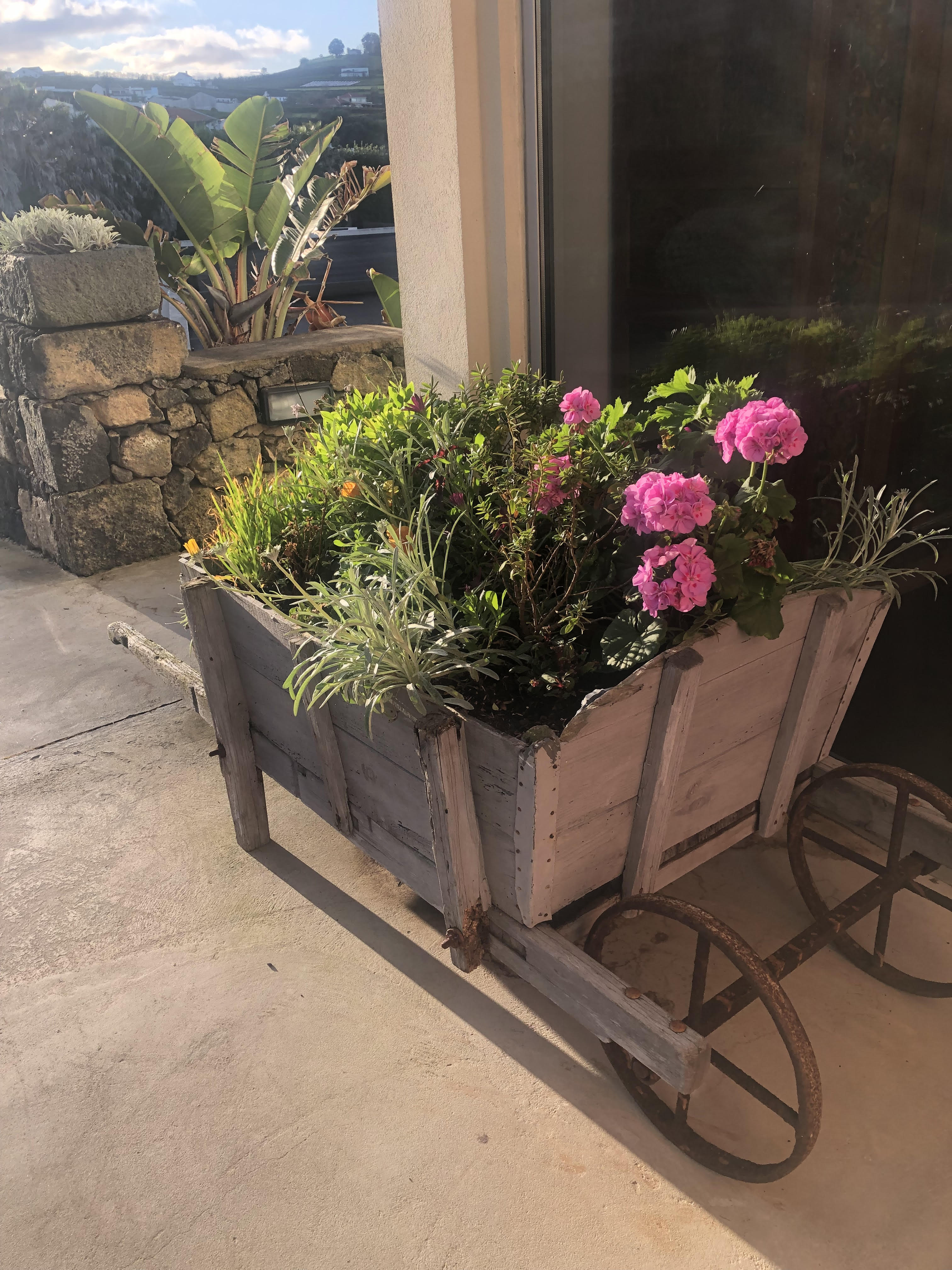
It was beautiful. The Azores are a group of nine volcanic islands in the North Atlantic. The temperature was 50s and 60s F. We were on Sao Miguel island only. I have a lot of pictures to show you, crossing my fingers that you like derelict buildings as much as I do. There were plenty of spiffy modern buildings — some probably vacation homes for people who can handle frequent air travel — but for me, the crumbling, mossy ones were more picturesque.

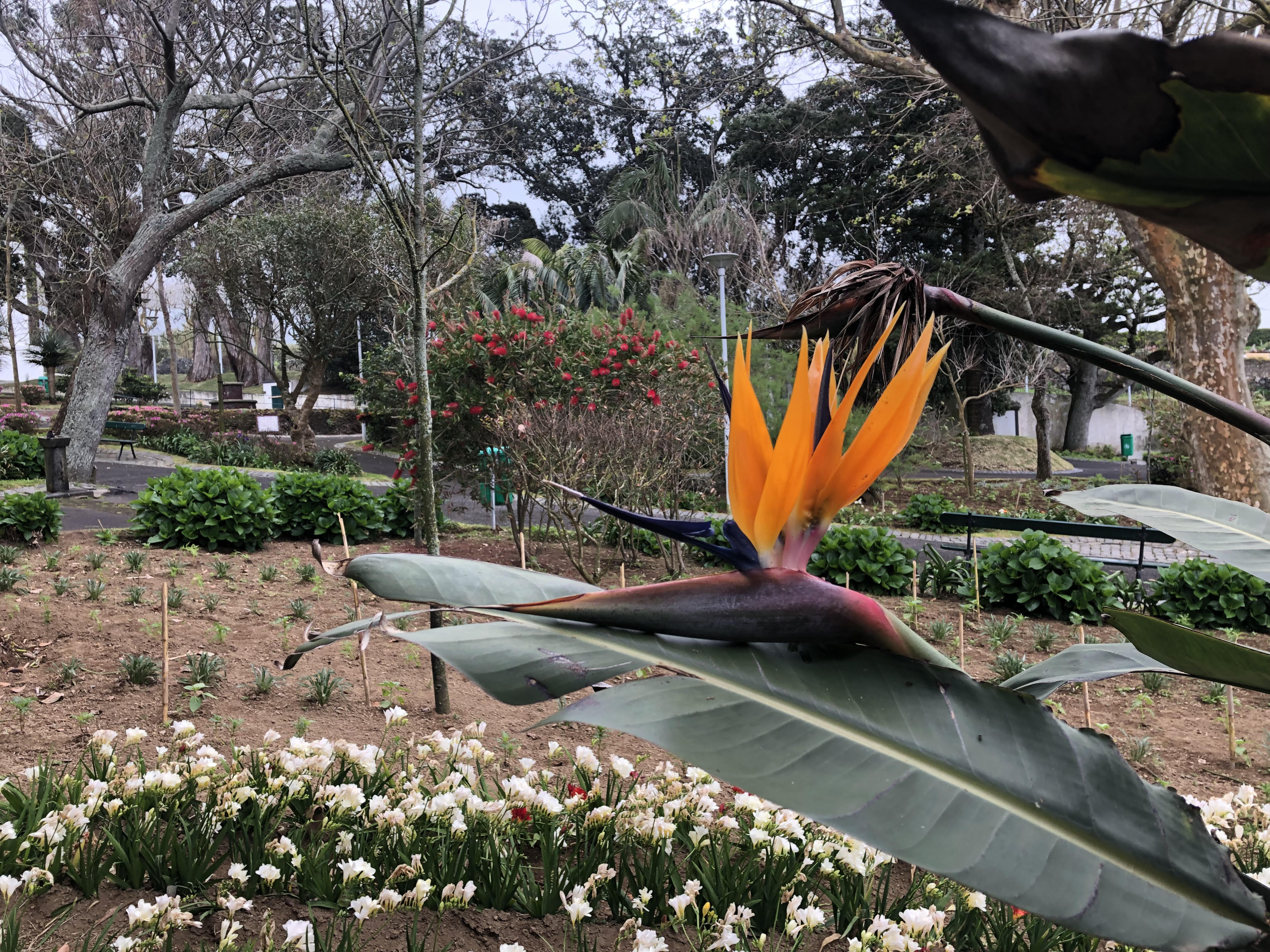
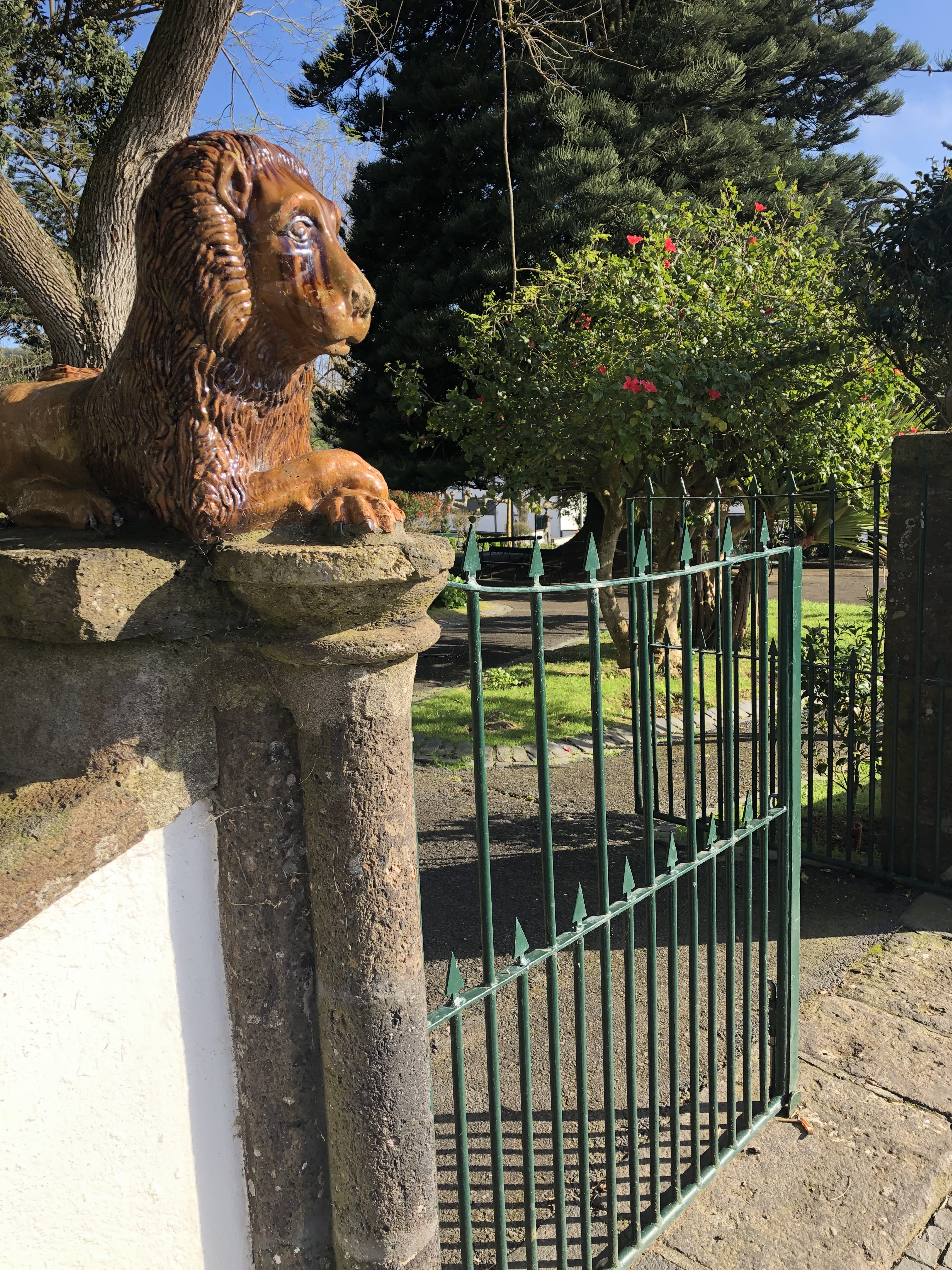
The entrance to the “magic tree” park features a lion gate. The lions are made in the local ceramics factory, where we bought tiles. The flower is bird-of-paradise.

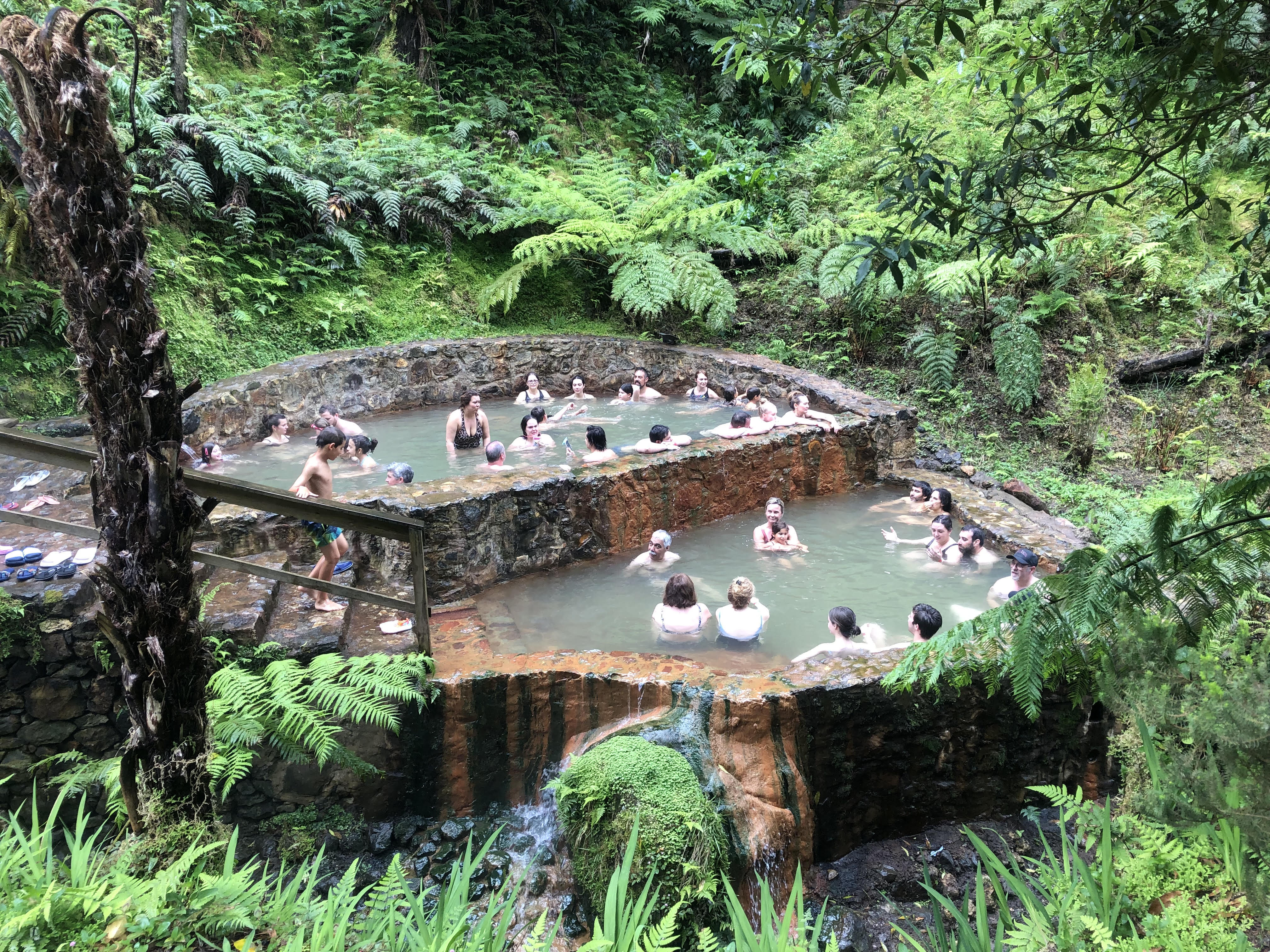
We loved the volcanic hot springs everywhere. Some family members went in a muddy one (muddy from iron in the water). It was about the temperature of a hot tub, 102 F. I joined them when they tried the clear hot springs. Fences protected visitors from the boiling ones.

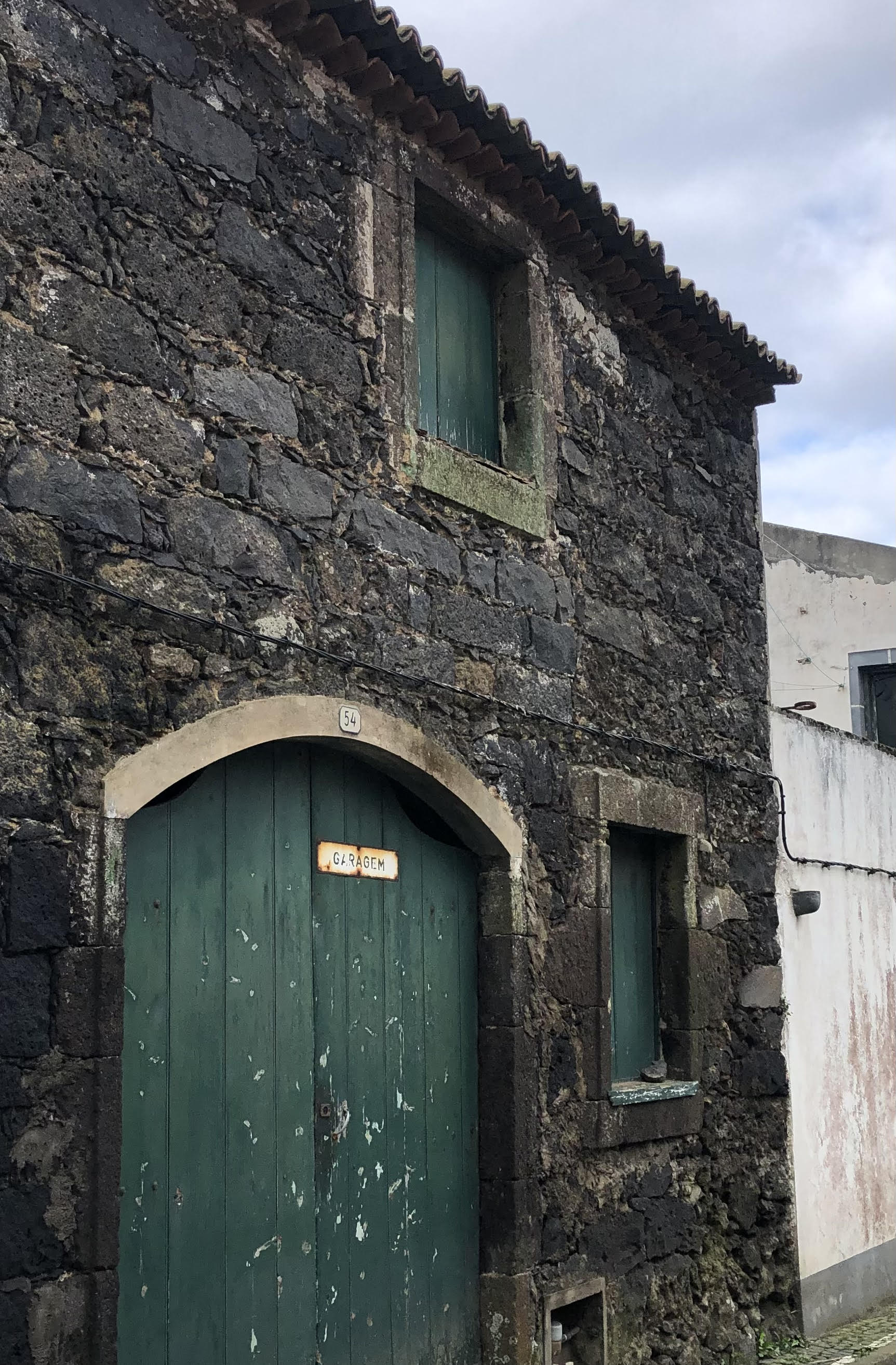
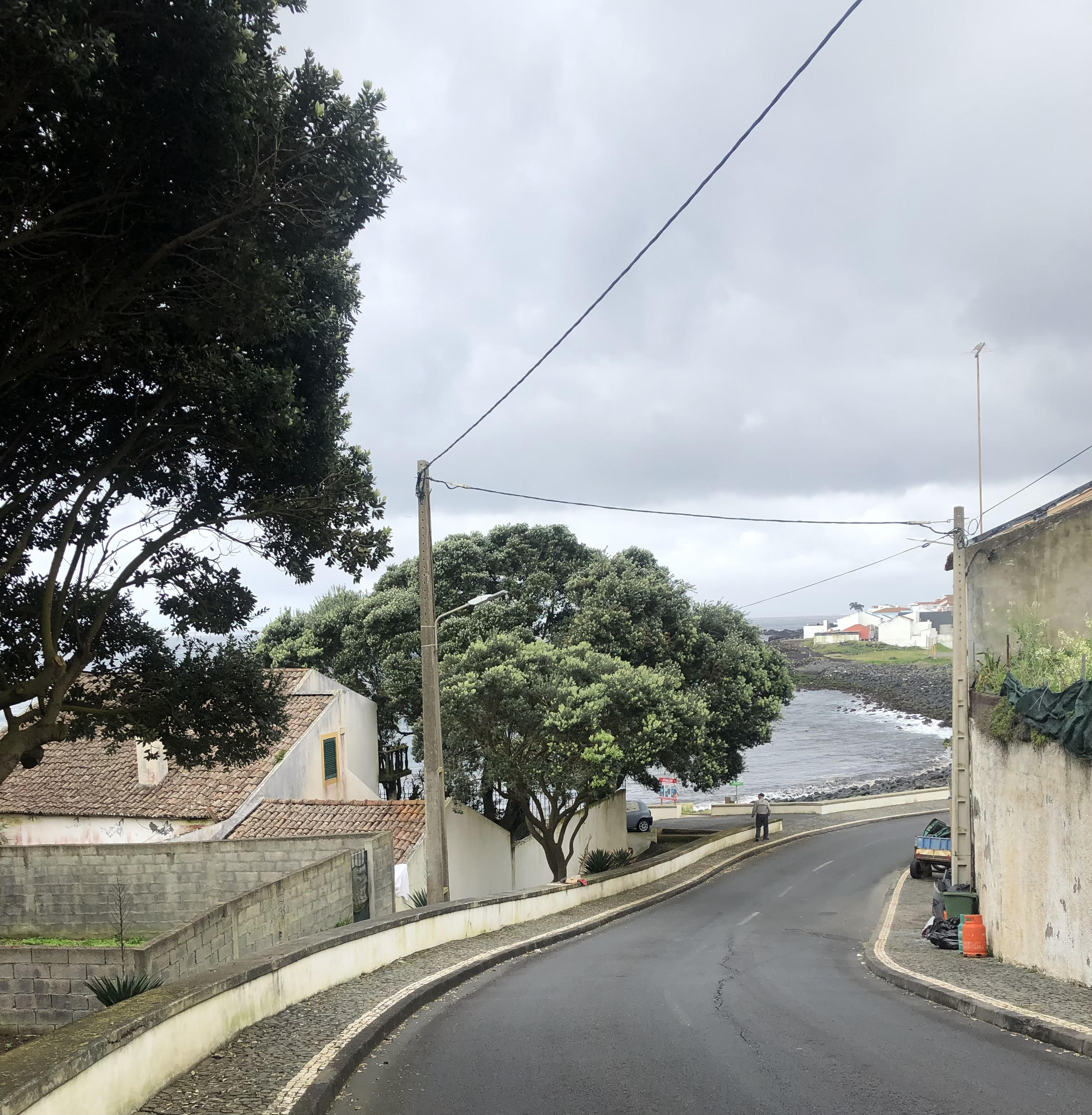
The streets are very narrow. I couldn’t imagine getting in an out of the green garage door below. The sidewalks are nearly nonexistent, and everything stops when the fish van with its loud horn gets stuck behind a grocer loading boxes.

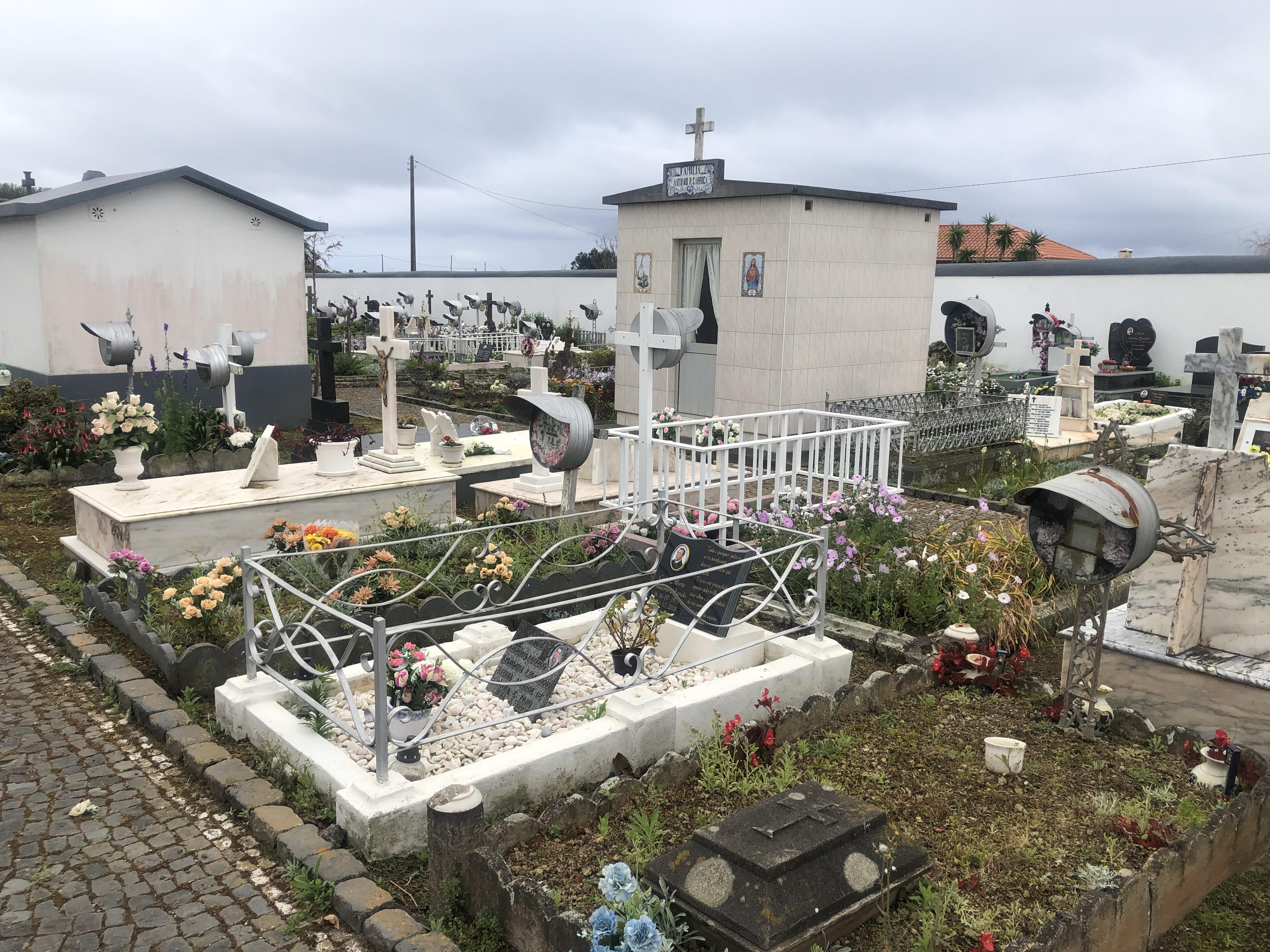
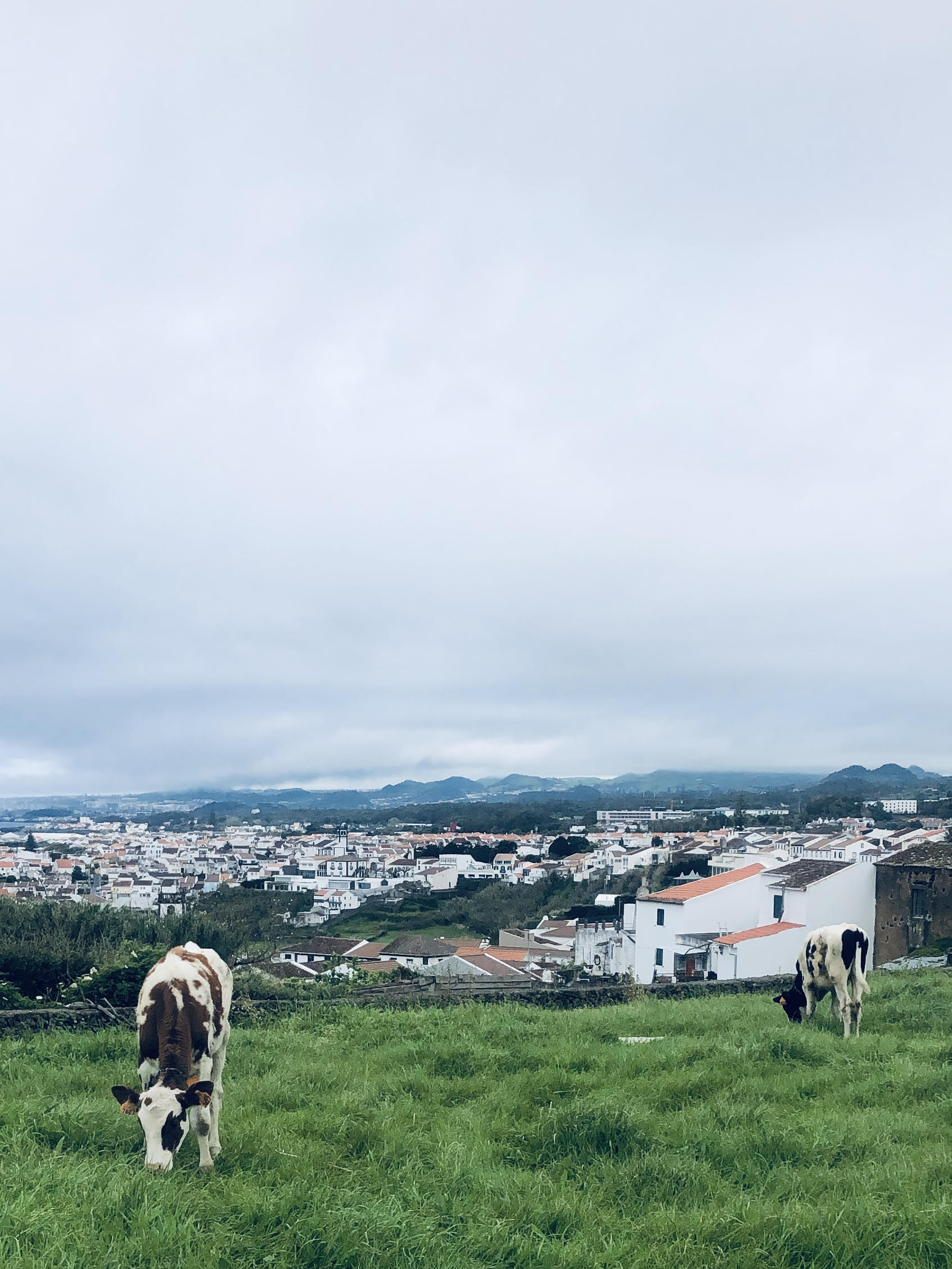
The cemetery was unlike any I have seen before. Nearby, I saw cows grazing. There are more cows than people in the Azores (125,000 as of 2020). Wonderful cheeses. I think I have identified the main dairy cows as Holstein Friesians.

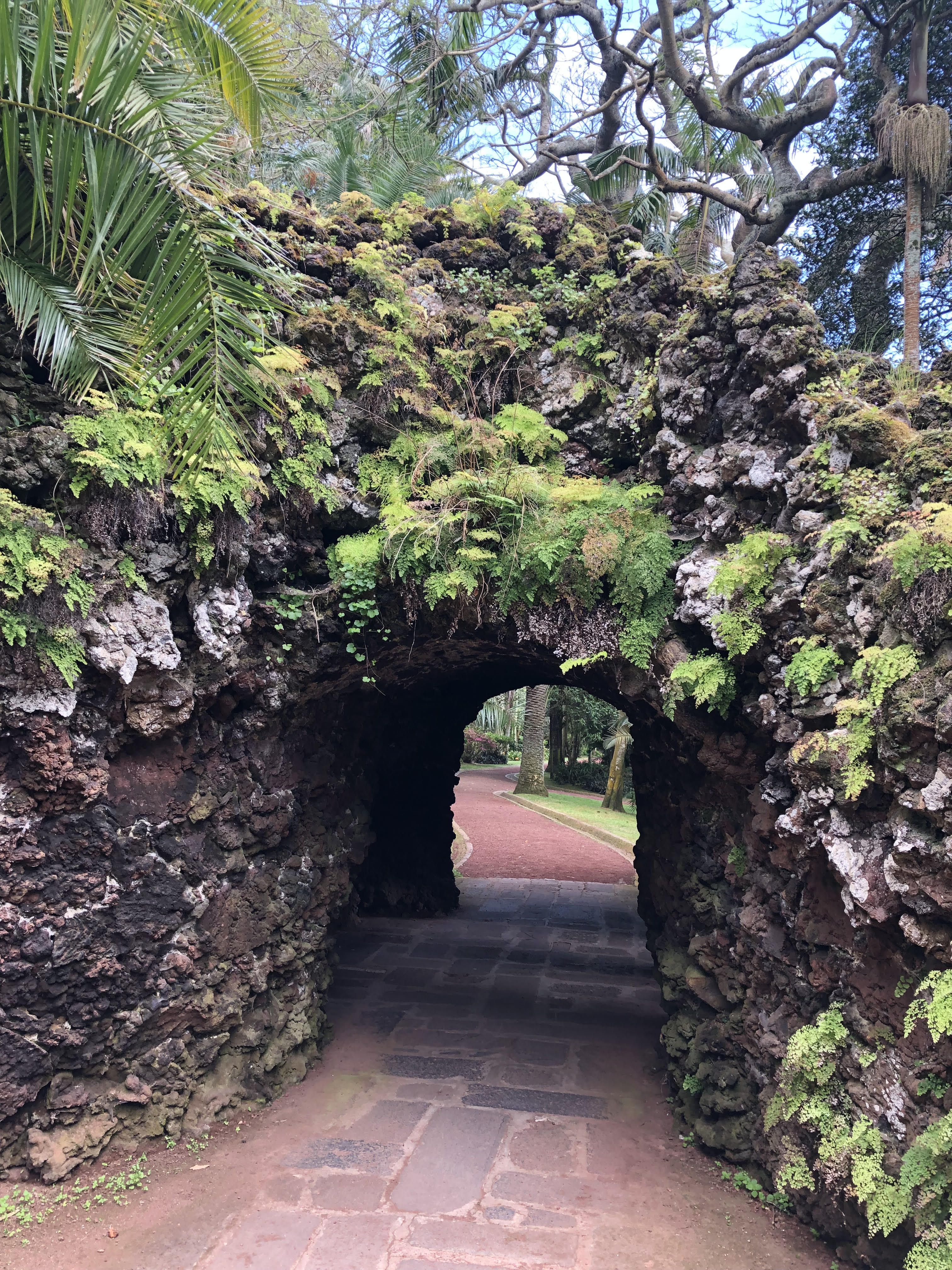
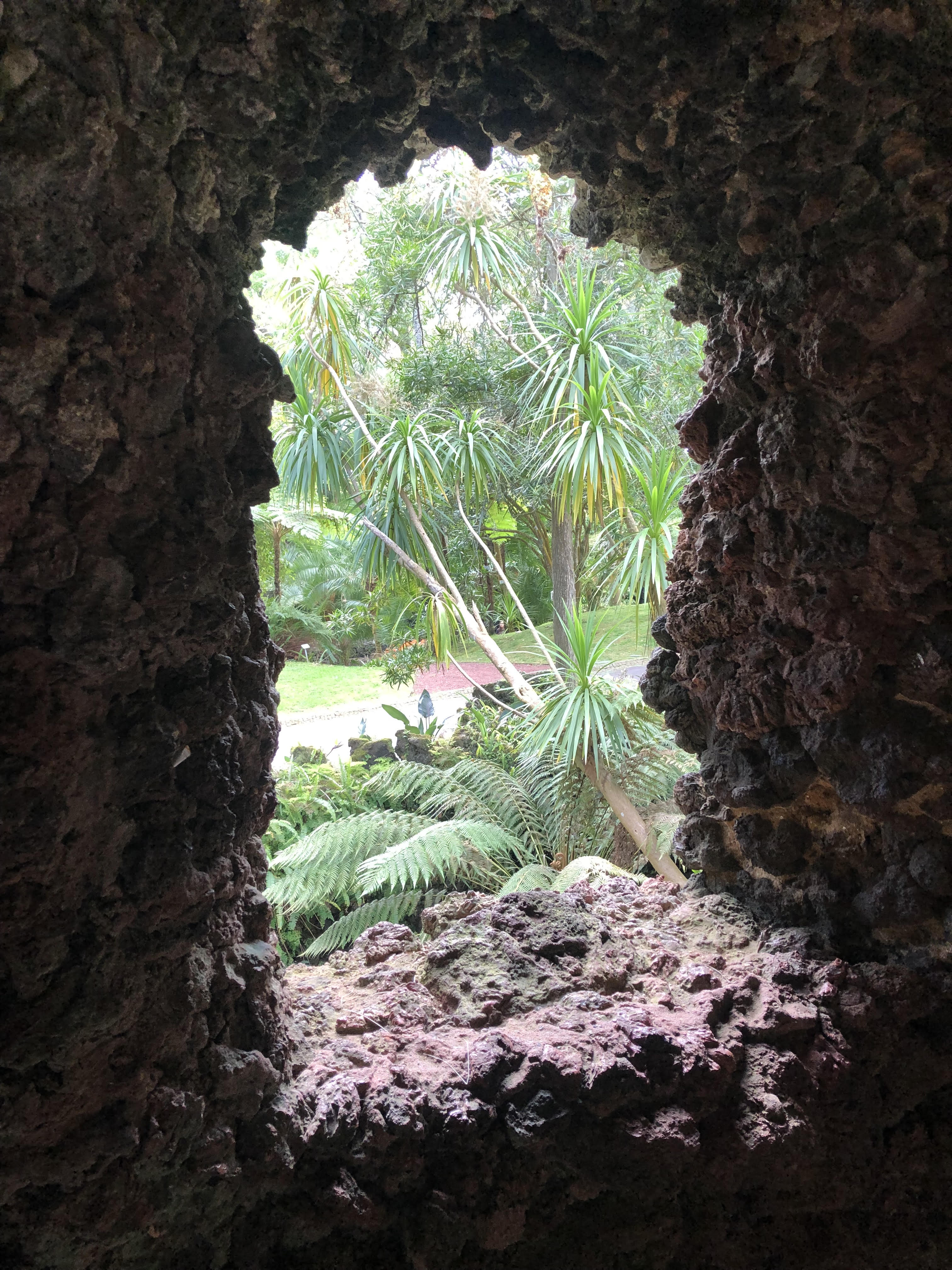
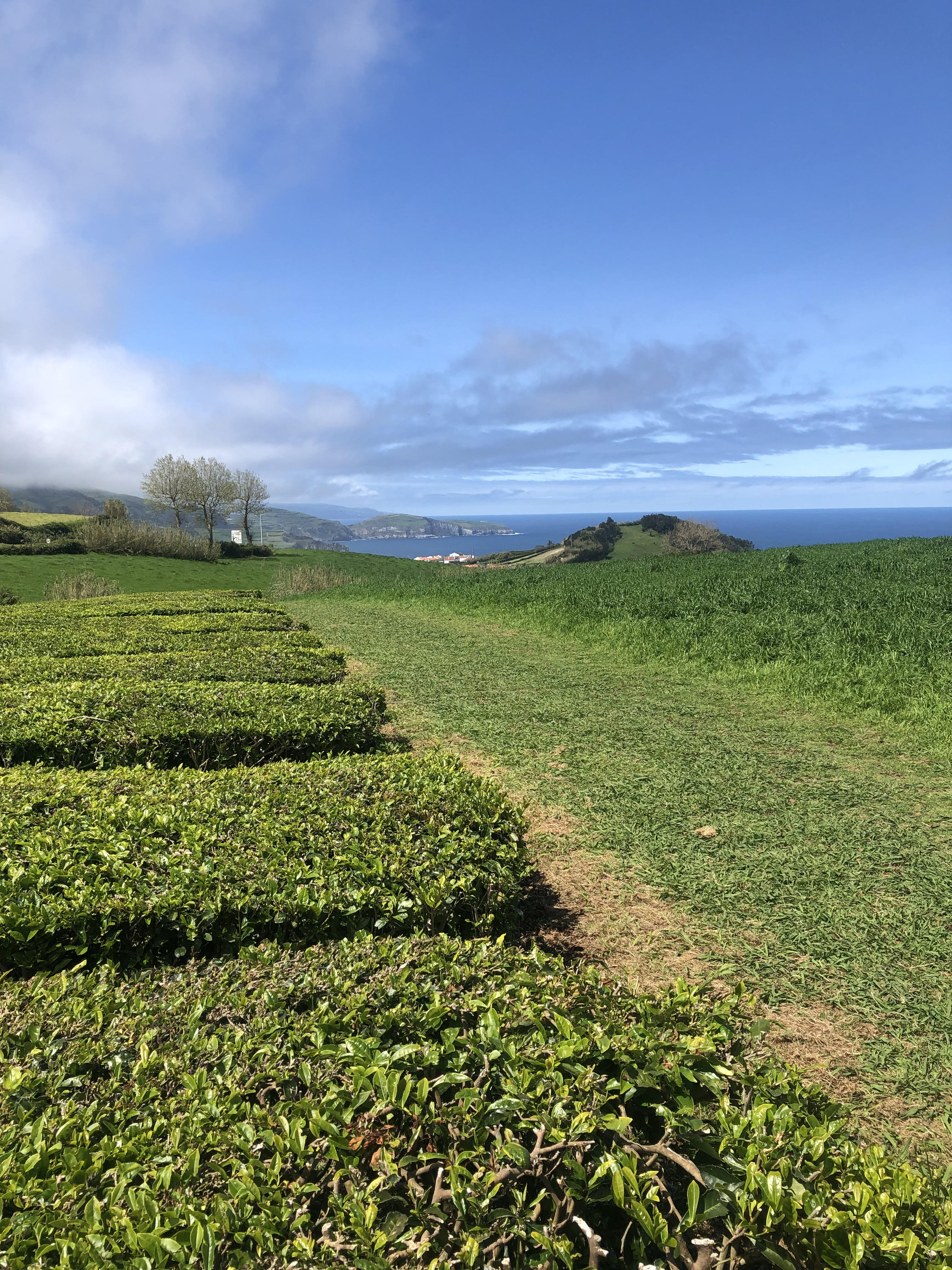
The grotto is in Porta Delgada in one of the many botanical gardens (really the whole island was a botanical garden). Next is the tea plantation, the only one in Europe (Europe because the Azores are part of Portugal).

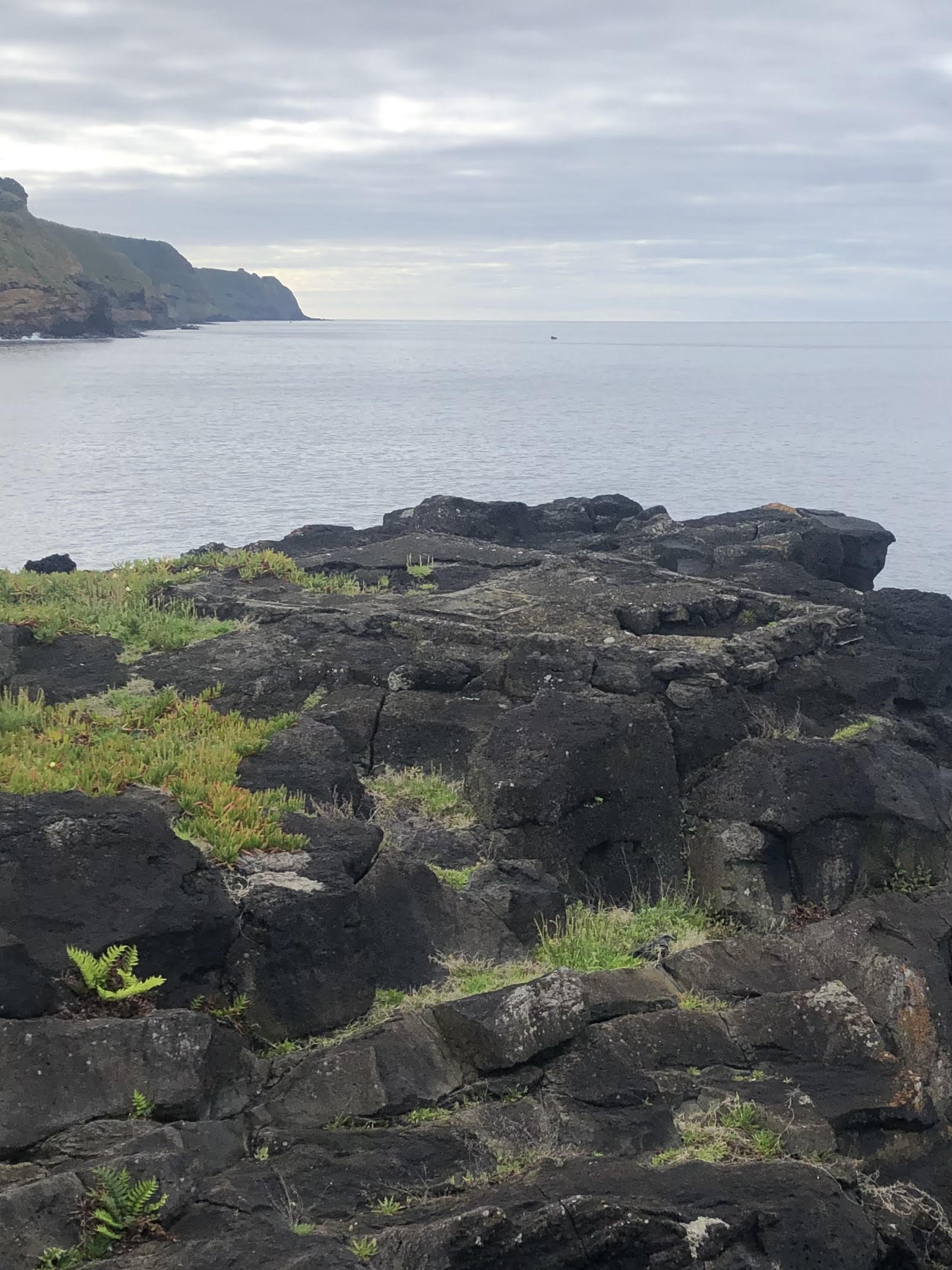
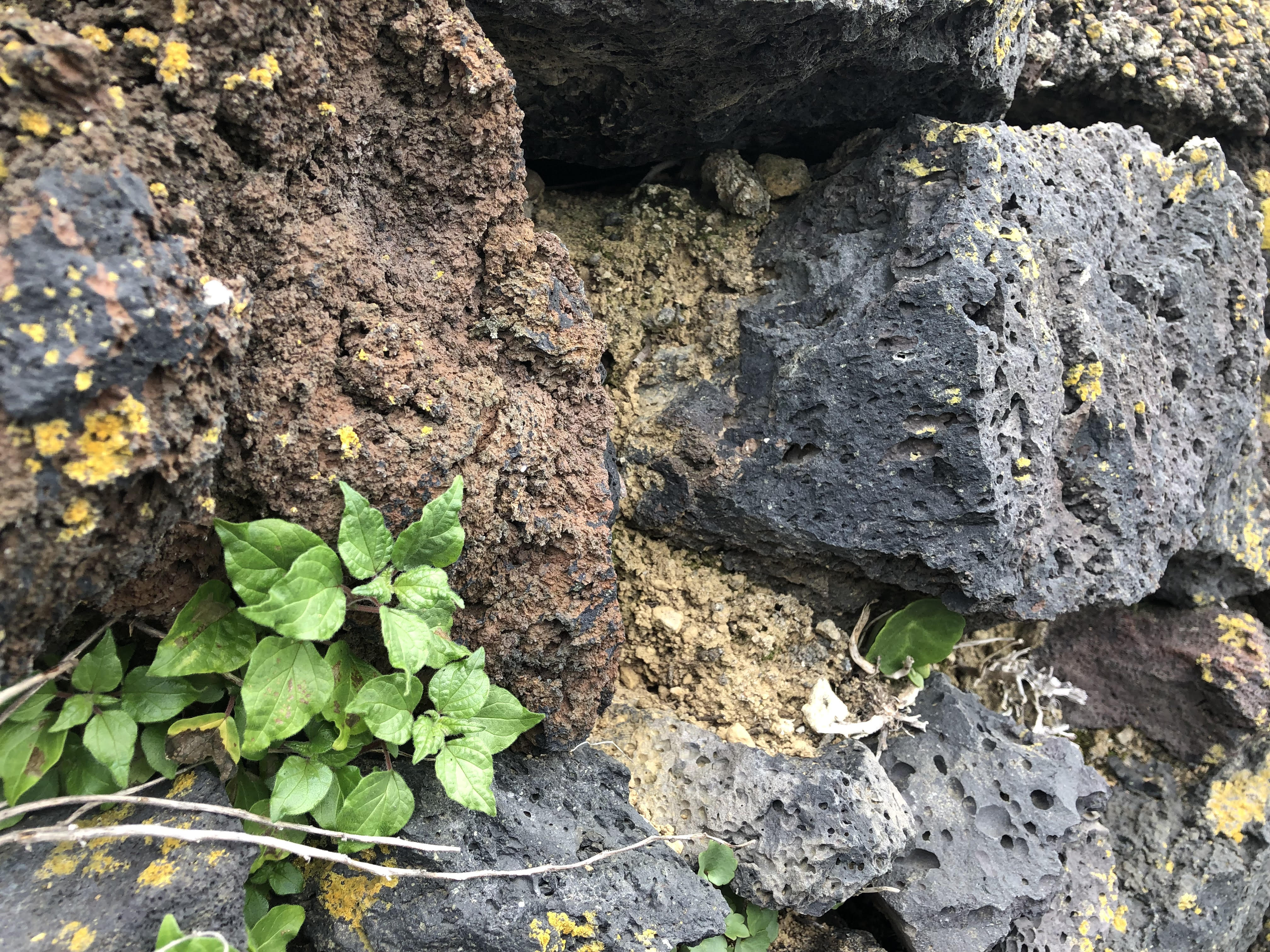
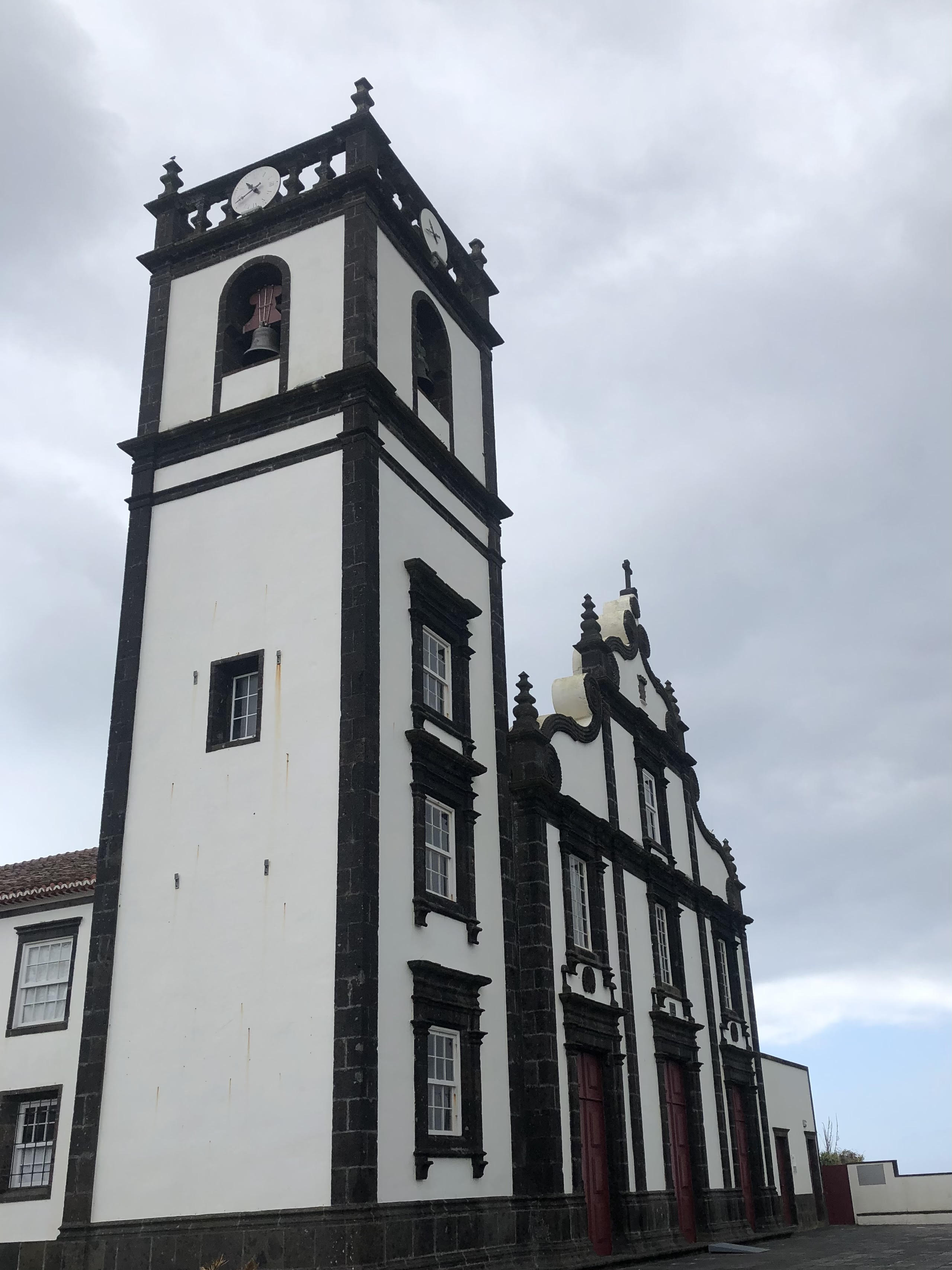
Check out the close-up of the ubiquitous volcanic rock, basalt, used for everything. Water and gases in lava formed the fossil bubbles. The black ornamentation on churches and chapels is “basaltic relief.”

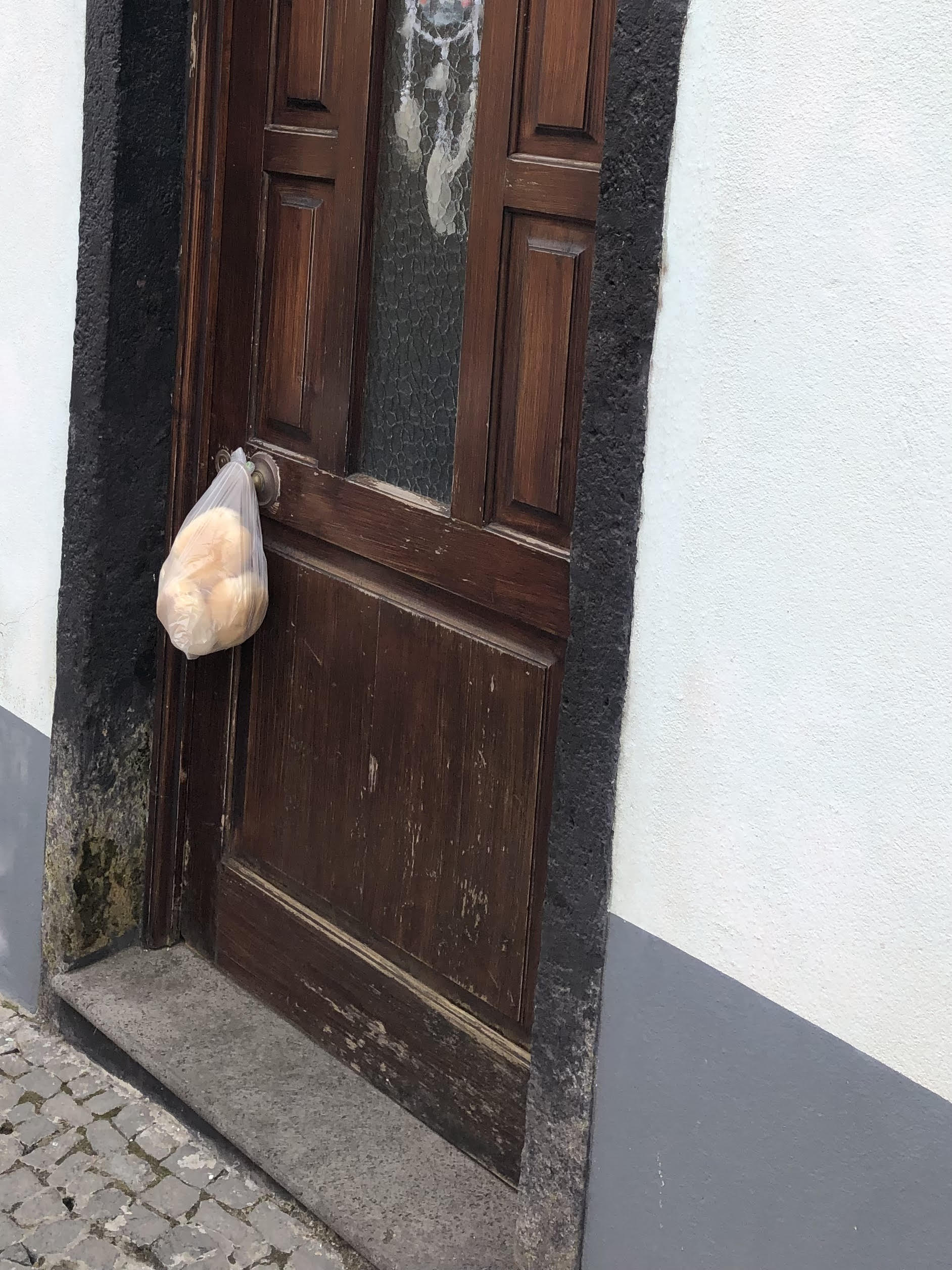
Many homes have early morning bread deliveries that get hung on doorknobs or left on the doorsill.

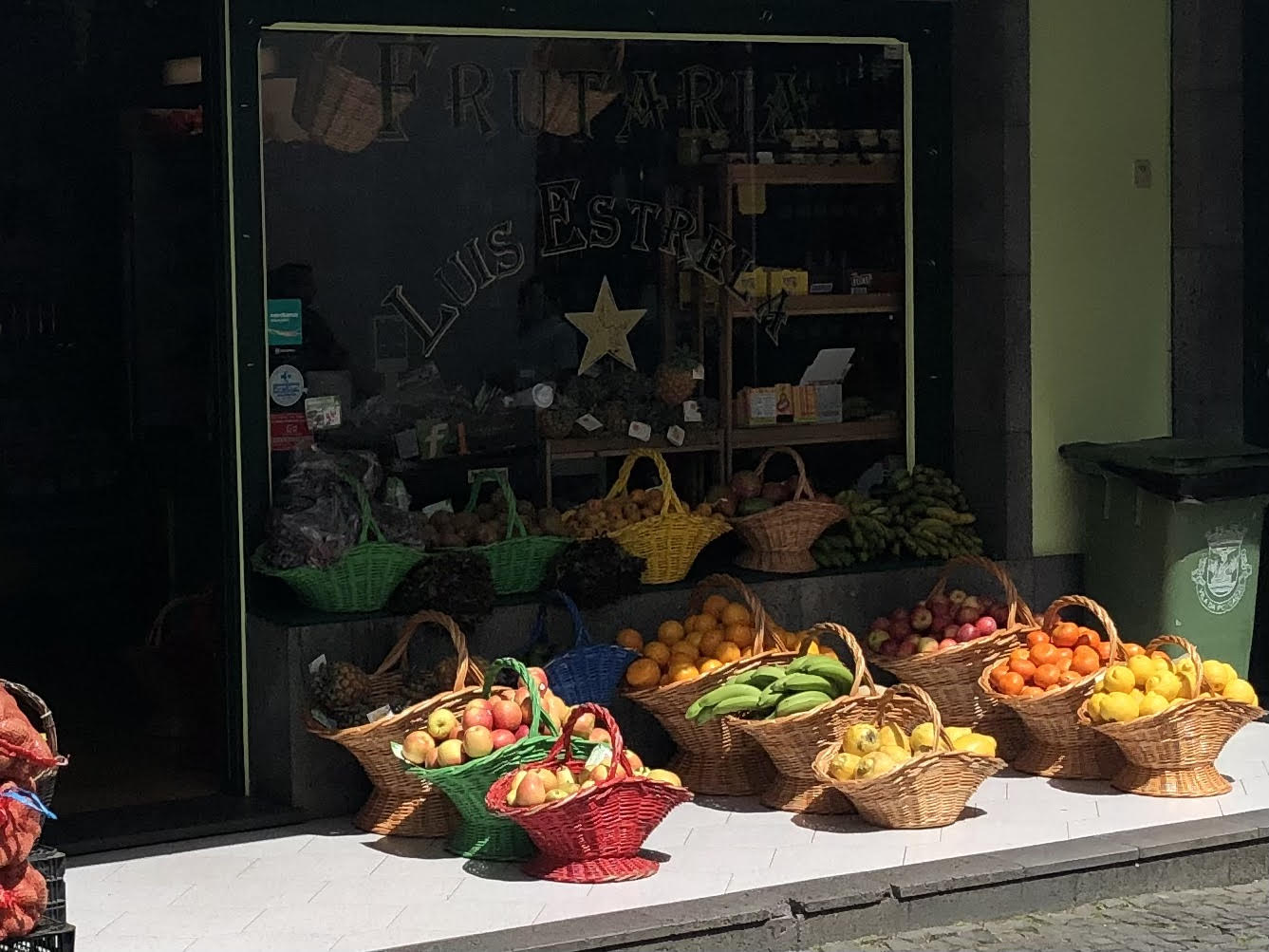
My granddaughter, 8, edited the photo of a market’s fruit baskets.

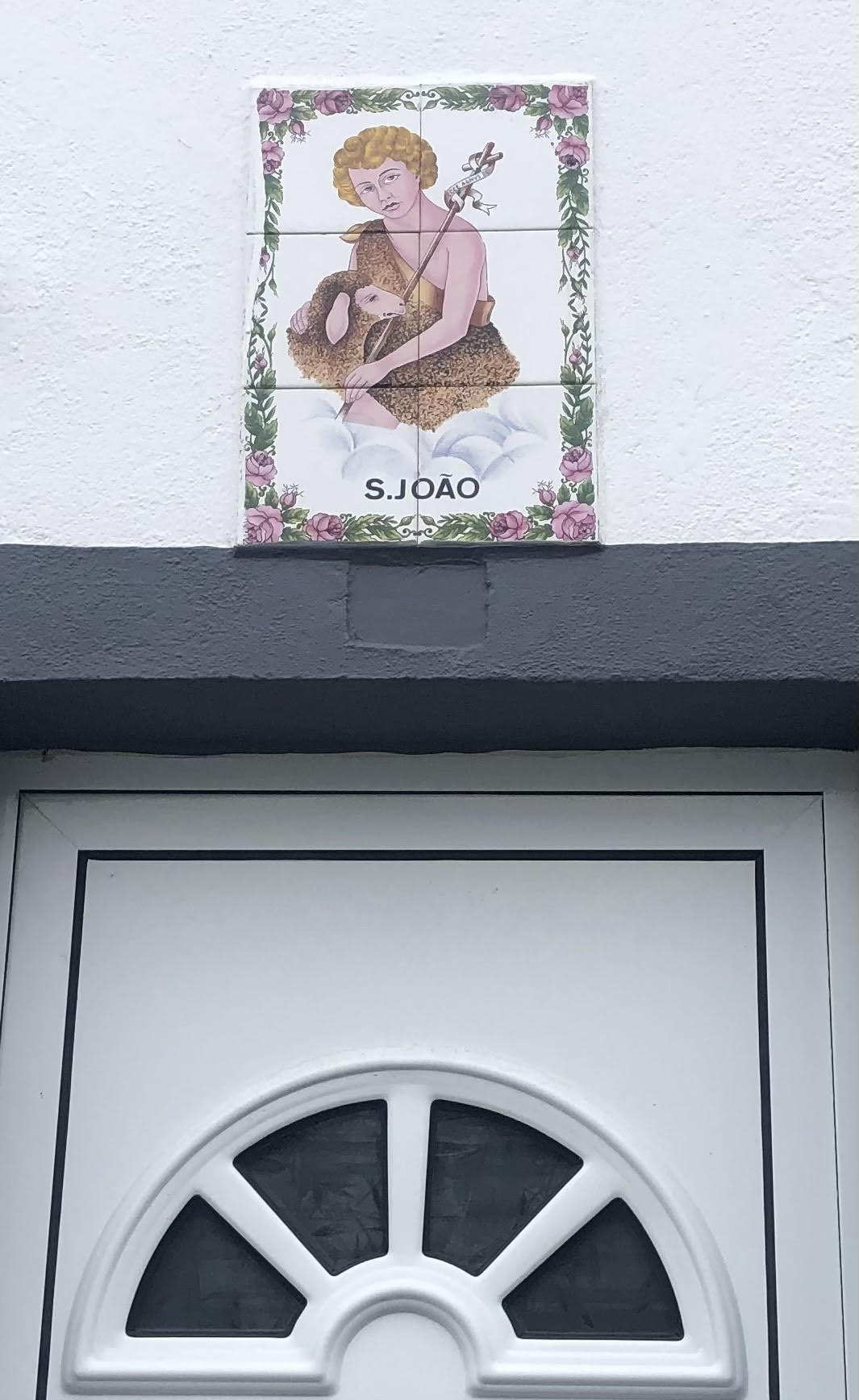
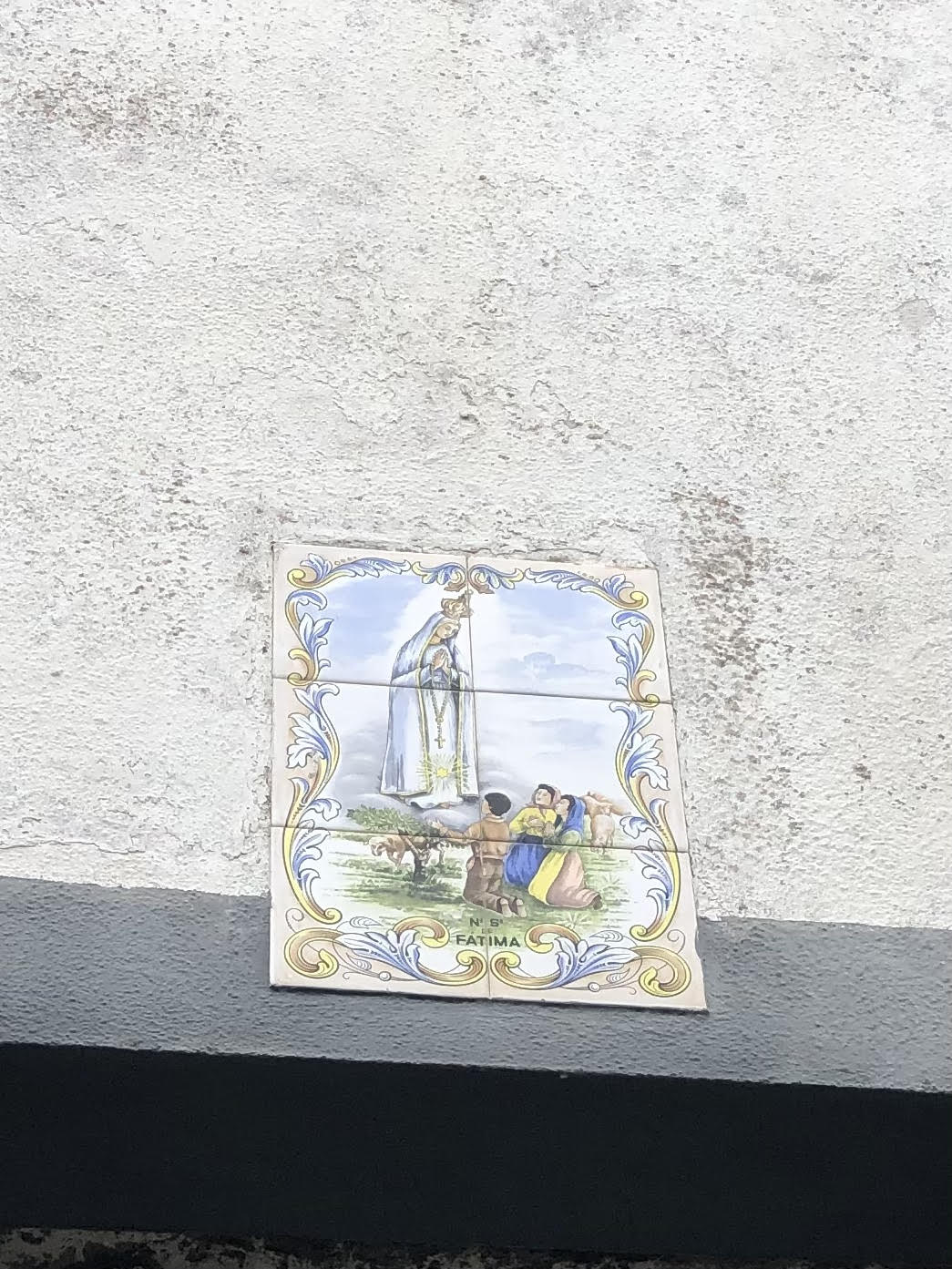
Nearly every home has some kind of saint watching over it, in the form of a ceramic plaque handmade in the factory on Sao Miguel.

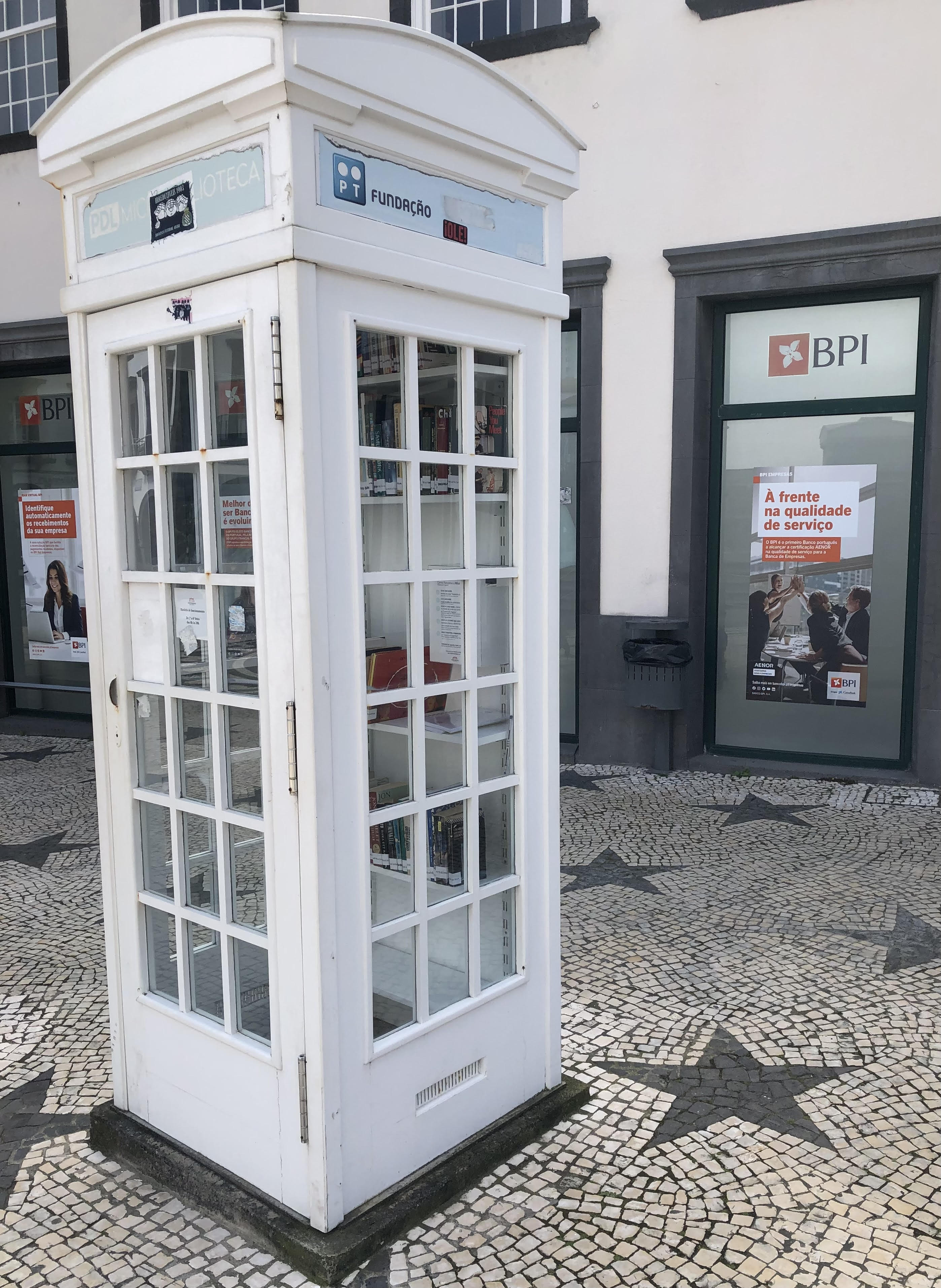
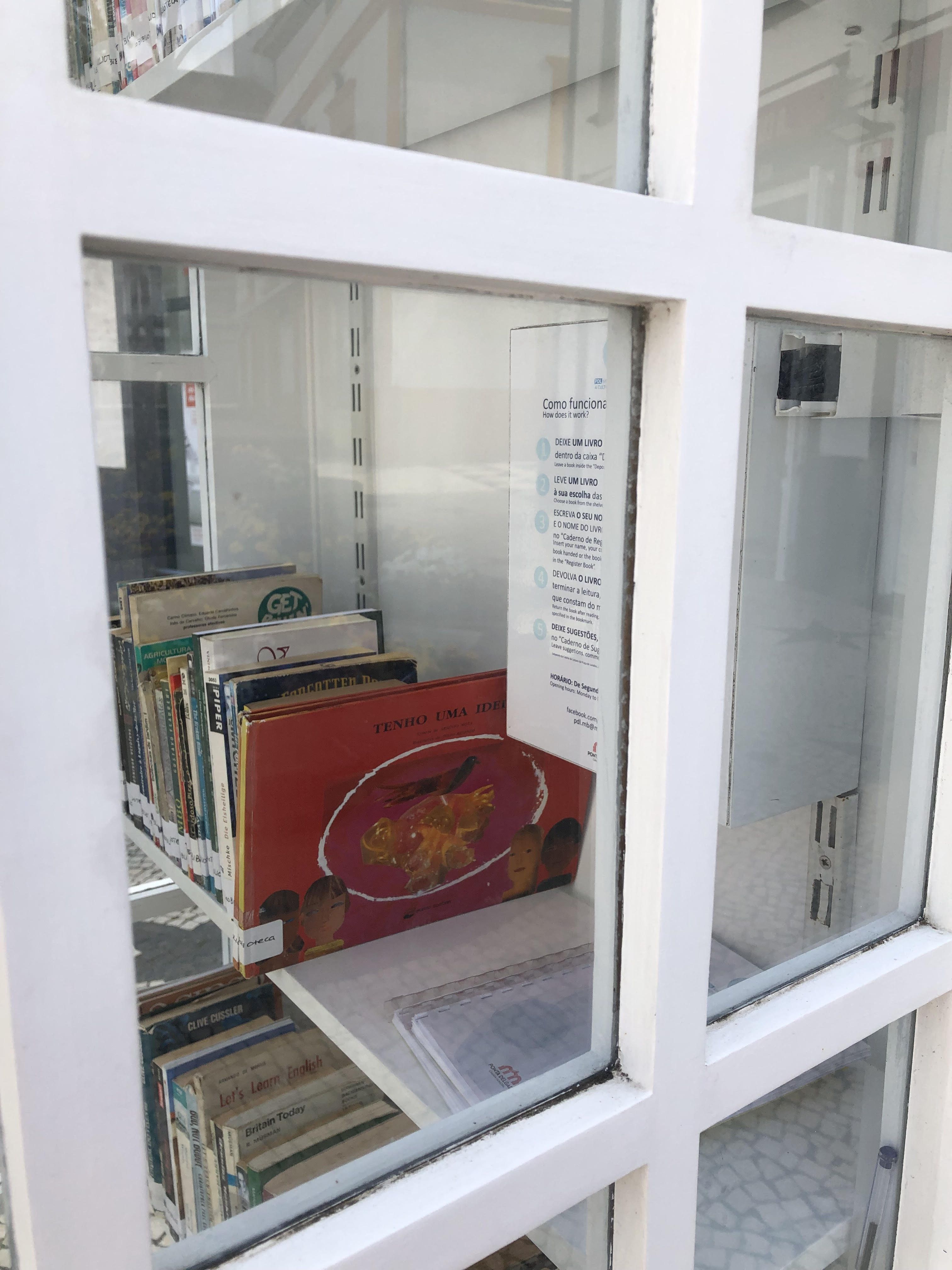
A phone booth had been turned into a little library in Porta Delgada.

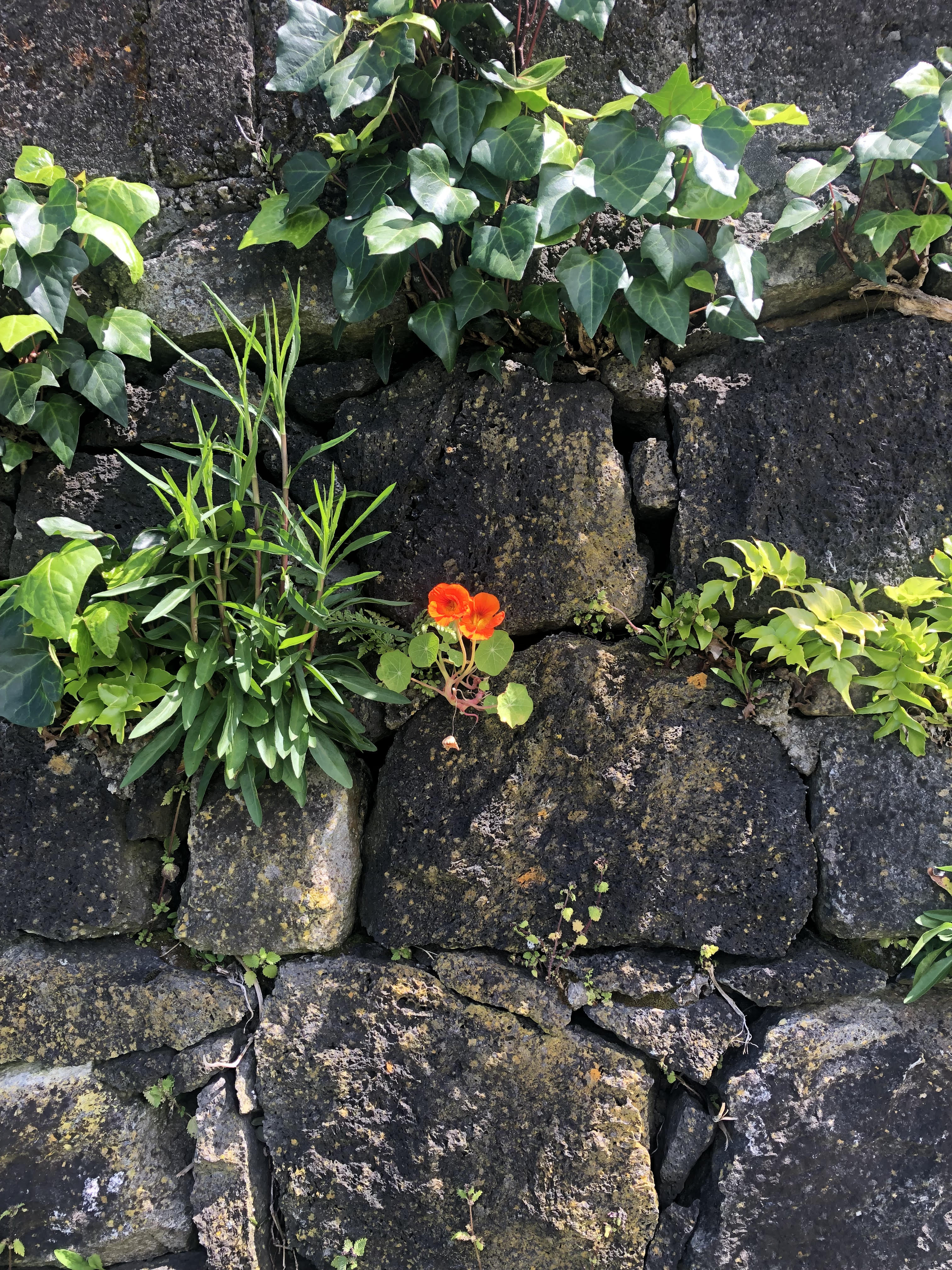
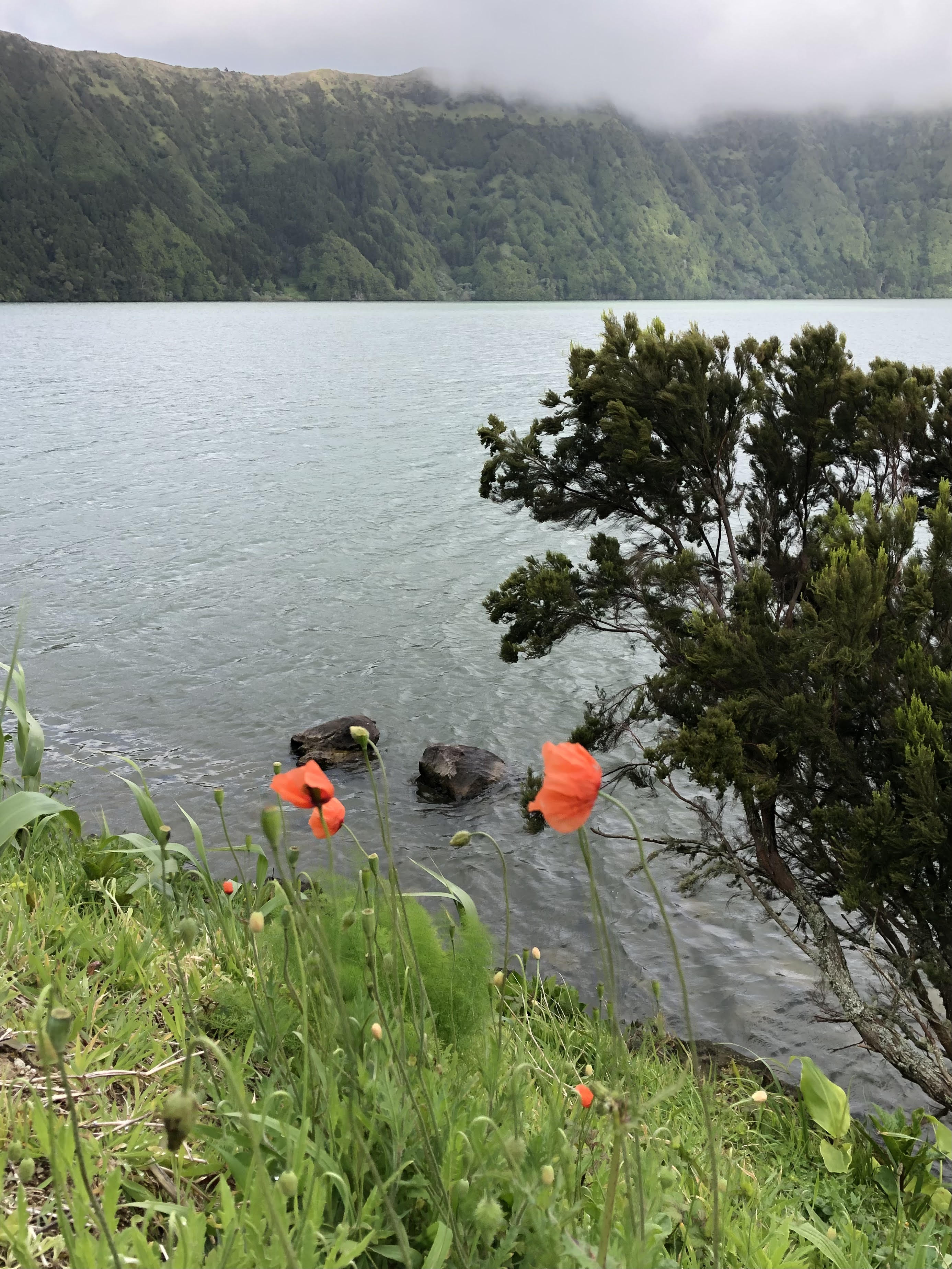
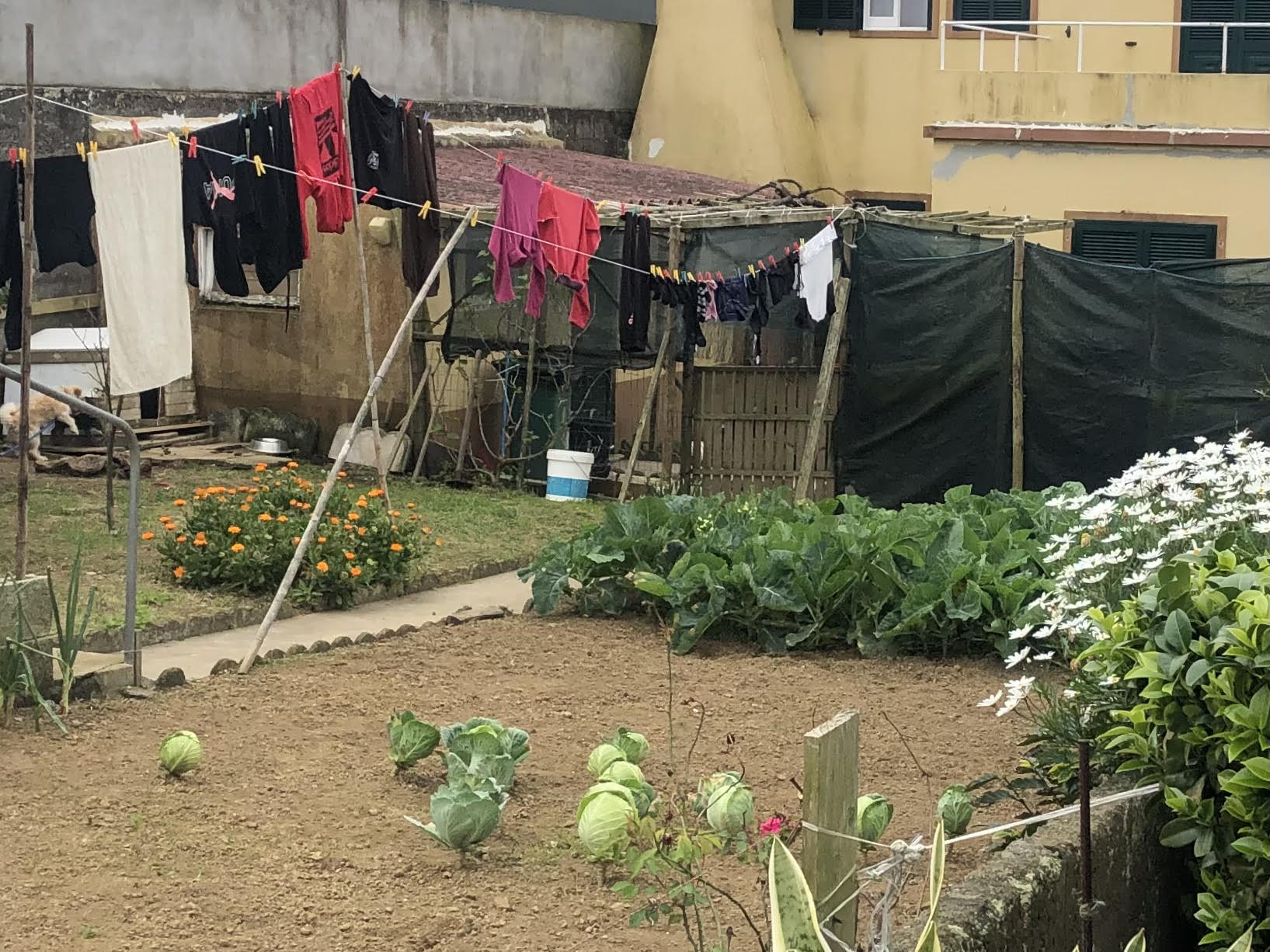
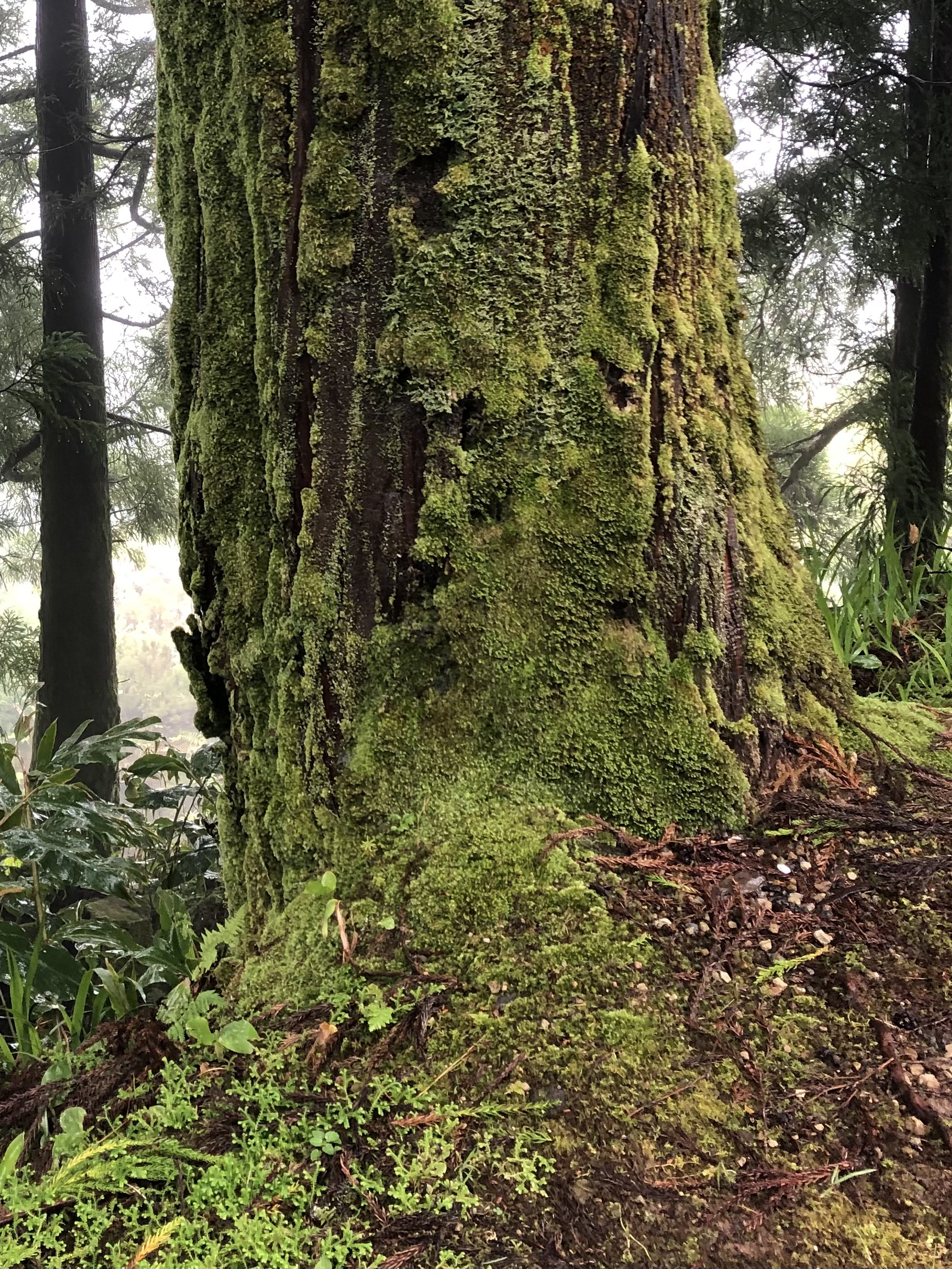
Nasturtiums, poppies, fresh-air laundry, moss. I worked hard at capturing one of each of these common sights.

Boiling volcanic spring.
The farm dog did not want me so near the goats.

Read Full Post »

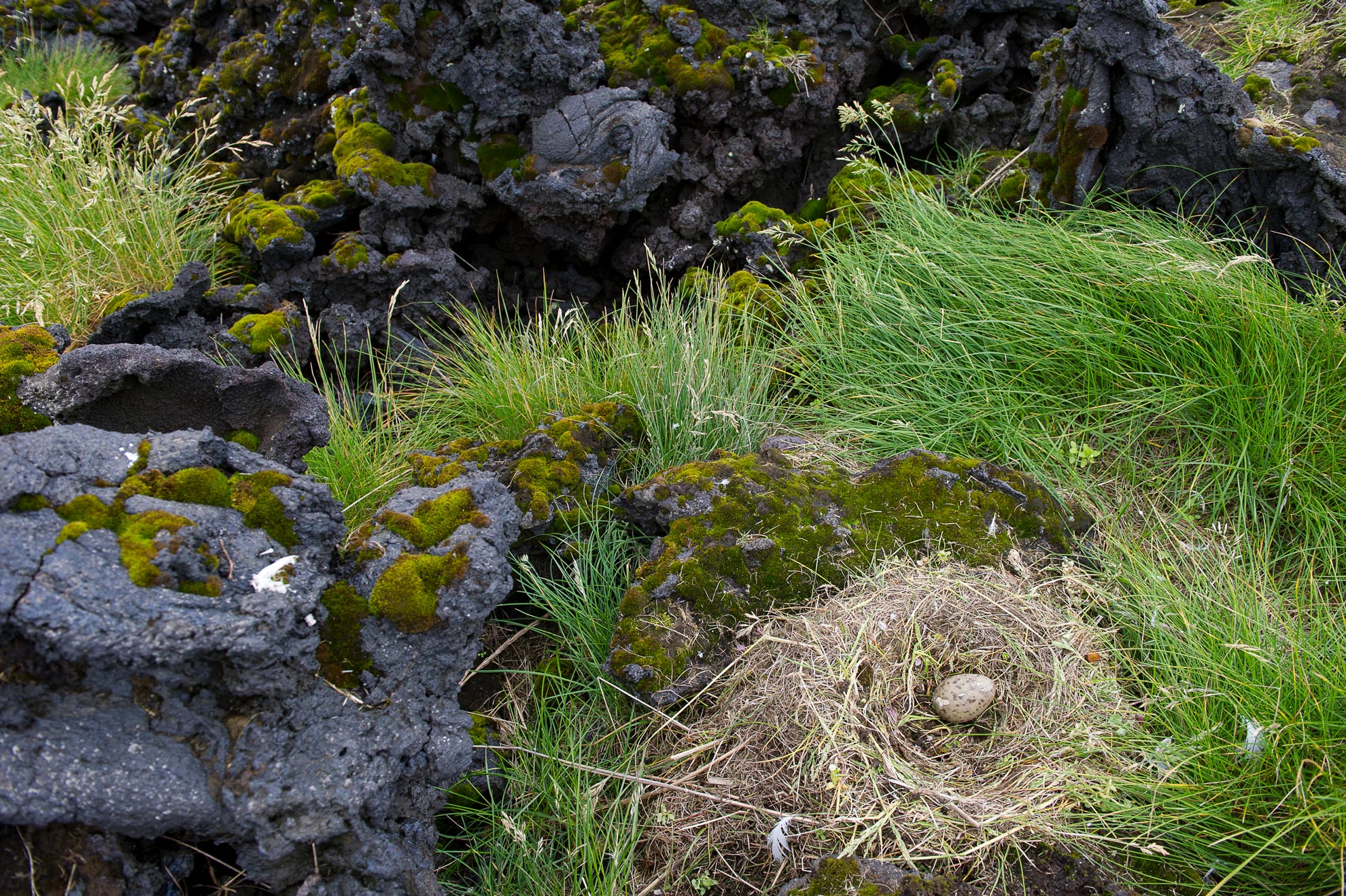
Photo: Chris Linder.
“Though most of [volcanic Surtsey] island is barren,” writes Hugh Powell at Living Bird, “a heart-shaped patch of green in the southwest corner supports lush growth and hundreds of bird nests.”

Anyone who has tried to combat weeds by putting black plastic under paving stones knows how futile that is. The life force has a mind of its own. Weed seeds will blow onto the plastic and colonize it within weeks.

Similarly, a brand-new island of volcanic rock that formed in the North Atlantic is in the process of creating a complex world of its own.

Hugh Powell reports at Living Bird. “Now just shy of 60 years old, the new island of Surtsey, off Iceland, holds clues to a fundamental mystery: What did the Earth look like when it was just born? How does life colonize bare rock?

“In 1963, a volcano erupted underneath the cold waters of the North Atlantic, 10 miles off Iceland’s southwest coast. The eruption lasted for four years. Eventually, the lava and ash cooled into a black-and-tan island named Surtsey, and the first fragile seeds of life started to wash ashore.

“Every year since the island came into being, scientists have visited Surtsey to track its ecological development. Visits to Surtsey require a permit — casual sightseeing stops are strictly prohibited — in order to preserve the island’s ecological integrity. Even today, a researchers’ red-roofed hut and an abandoned lighthouse foundation are the only buildings on Surtsey. …

“The scientists’ annual visits have generated a fascinating timeline of the pace of colonization by plant, bird, and even insect species.

“The first plant to arrive, a sea rocket (Cakile maritima), washed ashore in 1965, while the island was still erupting. By 1970, Black Guillemots had begun to nest, using the black volcanic cliffs as a foothold while getting their food from the sea.

“Over the next two decades, about 20 other plant species arrived, some by wind and some on the feet or in the stomachs of seabirds. A few additional birds set up nests as well, including Northern Fulmars and Black-legged Kittiwakes. But it wasn’t until 1985 that both plant and animal diversity started to shift into a higher gear, thanks to the arrival of an unexpected hero: the humble seagull. …

“Plant diversity had plateaued by the 1970s with fewer than 20 species established, and it didn’t take off again until a gull colony developed in 1986. The gulls — mostly Lesser Black-backed along with Great Black-backed, Herring, and Glaucous — carried with them not just new kinds of seeds, but also fertilizer in the form of nitrogen-rich guano.

“At first the gulls nested on bare black rock, but soon a lush green meadow encircled the colony, fed by gull droppings. By 2013 the meadow spread across 12 hectares (about 30 acres), supporting twice as much plant diversity and five times more biomass than the rest of the island. The number of plant species soared to 64 by 2007. …

“A more complex food web started to develop. Graylag Geese first arrived in 2001 and fed on the thick grasses. As insects like springtails, moths, and beetles began to thrive among the plant growth, insect-eating birds began to appear as well, such as Snow Buntings, White Wagtails, and Meadow Pipits. In 2008 the first ravens arrived, feeding in part on stolen seabird eggs.

“At almost 60 years old, Surtsey is still a geologic infant — its sister islands in Iceland’s Westman archipelago are about 40,000 years old. Researchers think much of the island will erode away. …

“The hard crater walls will become steep-sided seacliffs where murres and Razorbills will nest alongside the fulmars and kittiwakes already present. Atop the island, a thick turf will develop, dominated by just a few grass species. In perhaps a century or two, Atlantic Puffins will nest in the deep soil that develops.

“For now, researchers describe Surtsey as living in something of a golden age. Plant diversity has peaked at 64 species, but it’s beginning to decline as ecological competition starts to squeeze out some of the initial colonists. As the plant community develops, birds continue to find footholds. Some 17 species have nested here so far, with nearly 100 species recorded overall — including tired or off-course migrants for which jagged Surtsey is a welcome piece of terra firma in the North Atlantic.”

More at Living Bird, here. No firewall.
Read Full Post »