I was thinking about houses this past weekend.
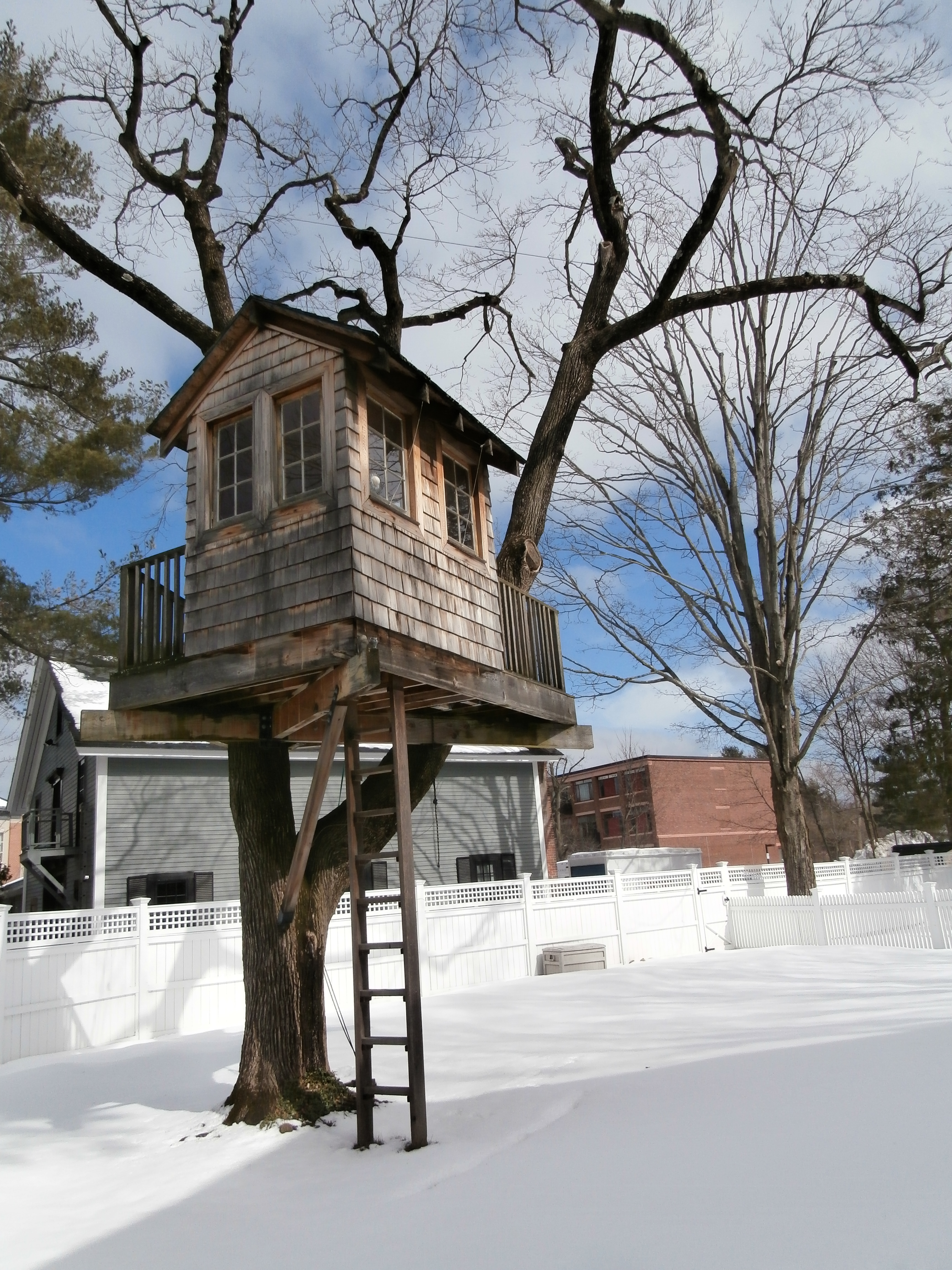
First, there is this house on the grounds of a private school near where I live. I snapped it on my walk.
Second, there is this house on a Hudson River Estate falling down around the ears of the latest, impecunious generation.

Photo of Rokeby, a 43-room house on the Hudson River, by Piotr Redlinski for The New York Times. New York Times story here.
Third, there is a tiny house that a Hampshire College student is living in as a senior project.
James Sullivan writes, “As a child, Hampshire College senior Nara Williams hated being told to pick up after herself. This semester, she’s learning to keep things tidy — very tidy.
“For her senior project, she is living in a 130-square-foot house to explore the realities and benefits of living small.
“A few weeks ago, Williams took delivery on a model home used as a showcase for the Tumbleweed Tiny House Co., a leader in the burgeoning ‘small house’ movement. …
“The housing project, Williams said, is her inquiry into ‘viable alternatives’ to the American dream. Blogging about the experience, she is raising questions about property ownership, material goods, consumption, sustainable living, and other issues in an era marked by housing and environmental concerns.”
Read about Rokeby, the Hudson River estate passed down through too many generations, and read about the tiny house, and pray that no one bequeaths you anything like the former. A tree house or a tiny house are what you want if you prefer to own property and not have property own you.
Update: Omigosh, a scathing memoir is just out on what it was like to grow up at Rokeby — reviewed in the Globe, here

Photo: Darren Durlach/Globe Staff
Boston Globe story here.

 Suzanne's Mom's Blog
I’ve daydreamed about living in a treehouse…
Yes, the 43-room one is for a different era, when the family had scores of servants—and who, anyway, wants to organize scores of servants?? Not me.
LikeLike
The people who put up those houses could afford them, and the houses were their servants. But as poorer generations struggle to keep the estate “in the family,” the estate limits their life options and begins to “own” the owners.
LikeLike
How right you are about houses. But if your house is so much of your identity which it is in society. How could we then try to “shrink” them?
LikeLike
It’s something I’m trying to figure out. It’s not just the house that ties people down, it’s the inherited clocks that never chime, the silver sugar tongs that are never used. You think about their being your great grandmother’s and you can’t quite pare down in the way you would if you wanted to be free.
LikeLike
There was an article from the Times the other day about this. Less is the new More.
LikeLike
I once knew the members of the family that owns Rokeby. Not well, but a little. That house was already falling apart in the 1960s. I think it is very sad to care that much about keeping the estate together. It limits what you can do with your life.
LikeLike