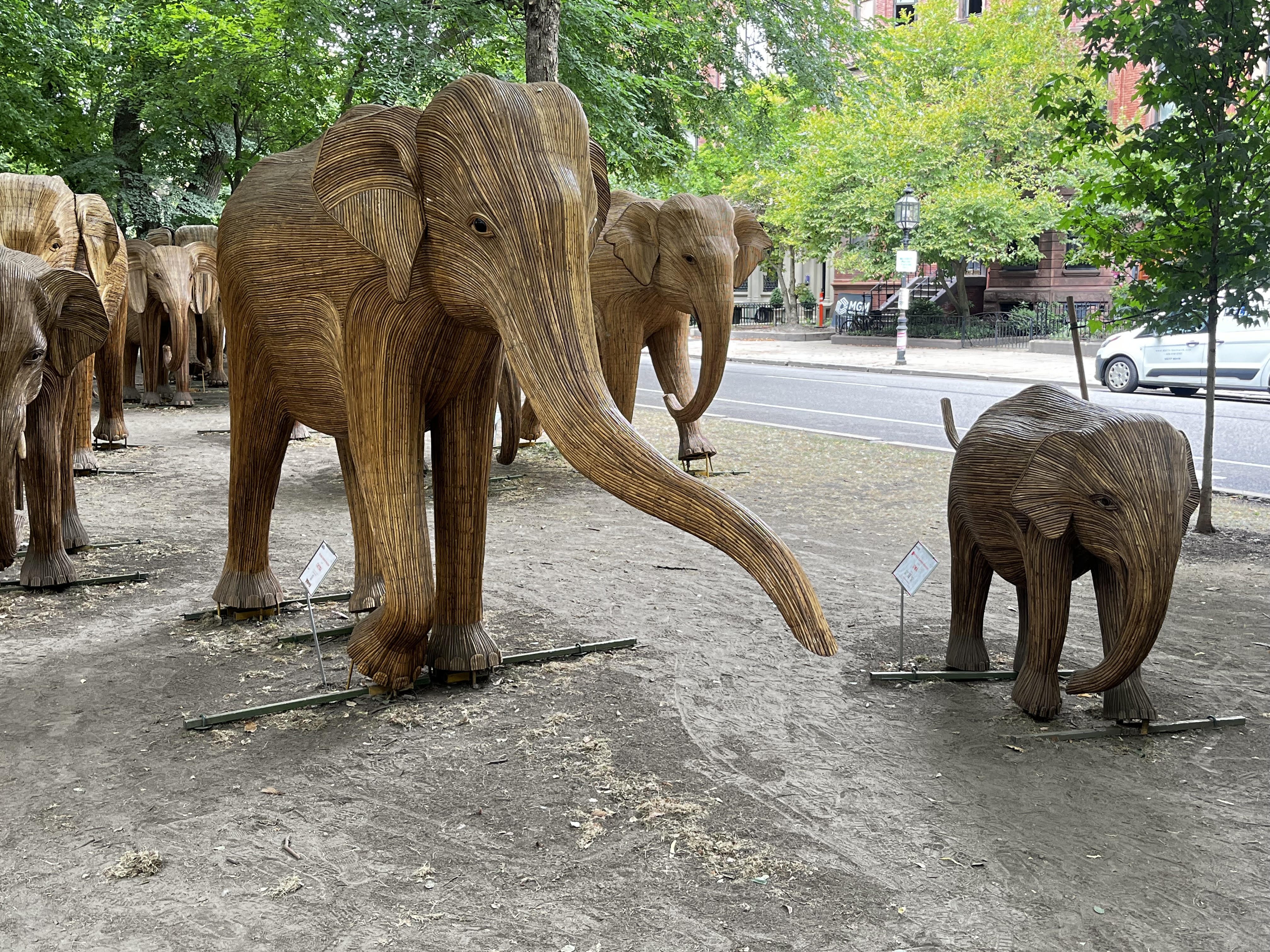
Photos: Suzanne and John’s Mom.
When I first wrote about the Great Elephant Migration in 2024, here, the monumental display was in Newport, Rhode Island. Now it’s in Boston, and my friend and I went by train and subway to see it for ourselves.
There were a hundred elephants. We didn’t manage to see them all. The show stretched at least six, long city blocks along leafy Commonwealth Ave.
Here’s one message: there are humans who coexist comfortably with wild animals in their midst and we could, too. In India, for instance, where these magnificent sculptures come from, elephants pursue their daily activities in and around humans pursuing theirs. In fact, most indigenous people are close to nature like that. The rest of us may love wild animals but follow a principle of separation, usually settling wildlife in protected areas.
Ruth Ganesh, a trustee of Elephant Family USA and co-founder of the Coexistence Collective, told a Forbes reporter in my 2024 post that her organization hopes the herd will spread “this beautiful perspective of coexistence” and teach people to see “other species as our biological kin.”
Asian elephant expert and co-founder of the Real Elephant Collective in India, Tarsh Thekaekara, added, “Animals will survive in human dominated landscapes if people tolerate them.”
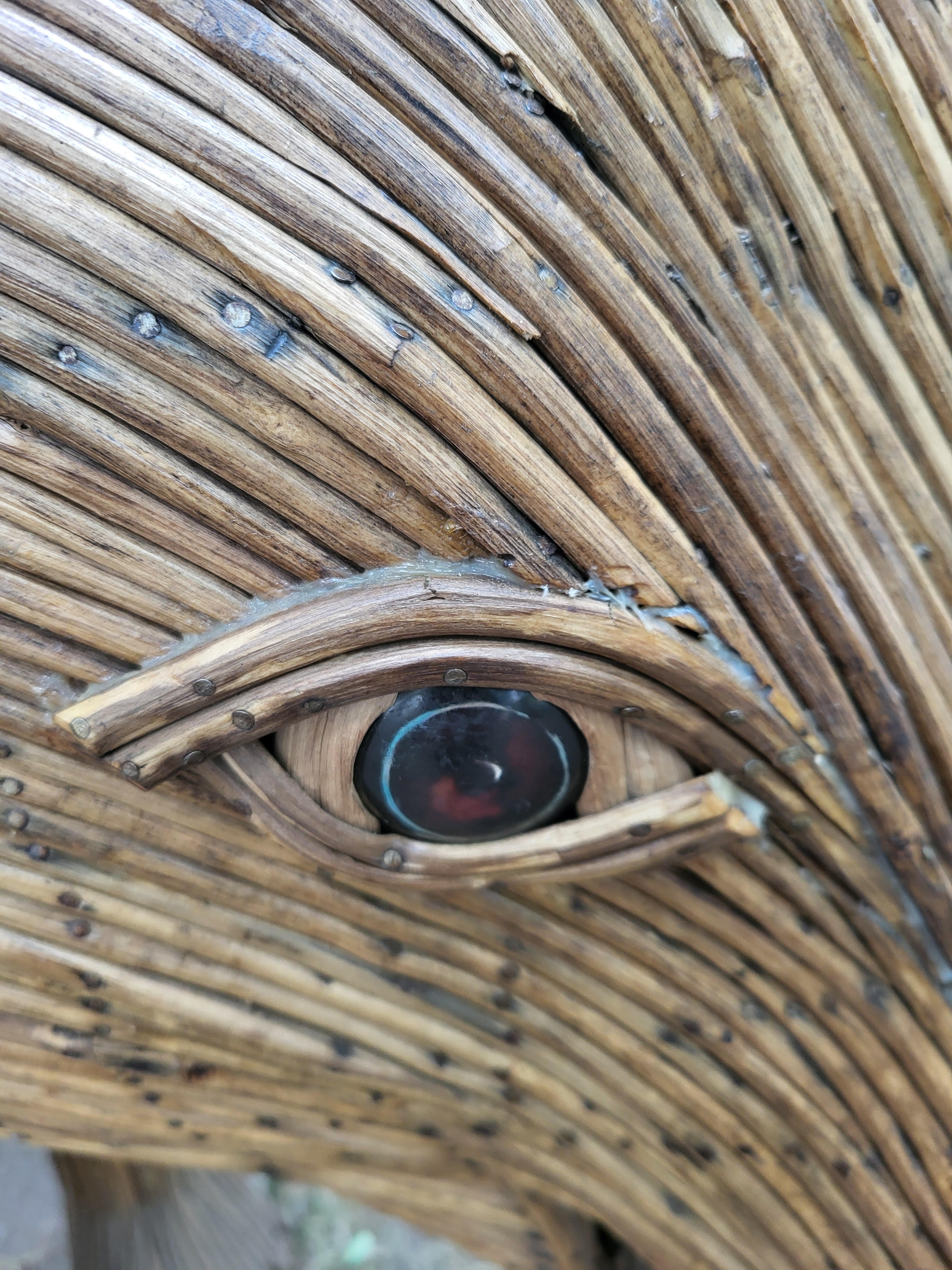
My friend and I found many aspects to this story intriguing. We were curious to know what the handsome elephants were made from. Turns out it’s a plant that’s invasive in India, lantana camara, so weeding them out and using them for art benefits the environment in an additional way. Up close, the weeds look like long, bendable sticks. You could imagine them being used as whips.
Each of the exhibit’s 100 elephants has a unique name because each one is a replica of a real elephant back home.
As Artemisia Luk reported at Boston’s WBUR, indigenous artisans from the Nilgiri Hills in Southern India made the replicas. “Each sculpture takes three to four months to complete and is inspired by a real-life elephant that lives in the region. Currently, Ganesh said that 300 artisans are employed through the initiative. Together, they make up the Real Elephant Collective, and come from Paniya, Soliga, Bettakurumba and Kattunayakan communities. …
“Elephants in the Boston herd sell for up to $22,500 depending on size. Each elephant is paired with a conservation organization, which receives the funds from its sale. In Boston, local beneficiaries include the New England Aquarium’s North Atlantic Right Whale conservation efforts and the Boston Public Art Triennial’s conservation projects. Since 2024, the Great Elephant Migration has raised $1.4 million across cities.
“Baby elephants may be spotted across the city as local businesses and organizations ‘adopt’ them. In New England, permanent installations of the elephants can be spotted in Newport, Rhode Island and Kensington, New Hampshire.
“Boston is the first stop of 2026 for the project after their last installation in Beverly Hills in July 2025. The majority of the elephants were made new and traveled directly from India via ship.”
Blog friends, you have only until September 13 to see this free installation in Boston, but you may have a chance in other cities this year — Rome, for example, Las Vegas, or Washington, D.C.
More at the show’s website, here, and at WBUR, here. Robin Lubbock’s photos at WBUR capture the massive extent of the exhibit. Most of the photos in today’s post are mine.
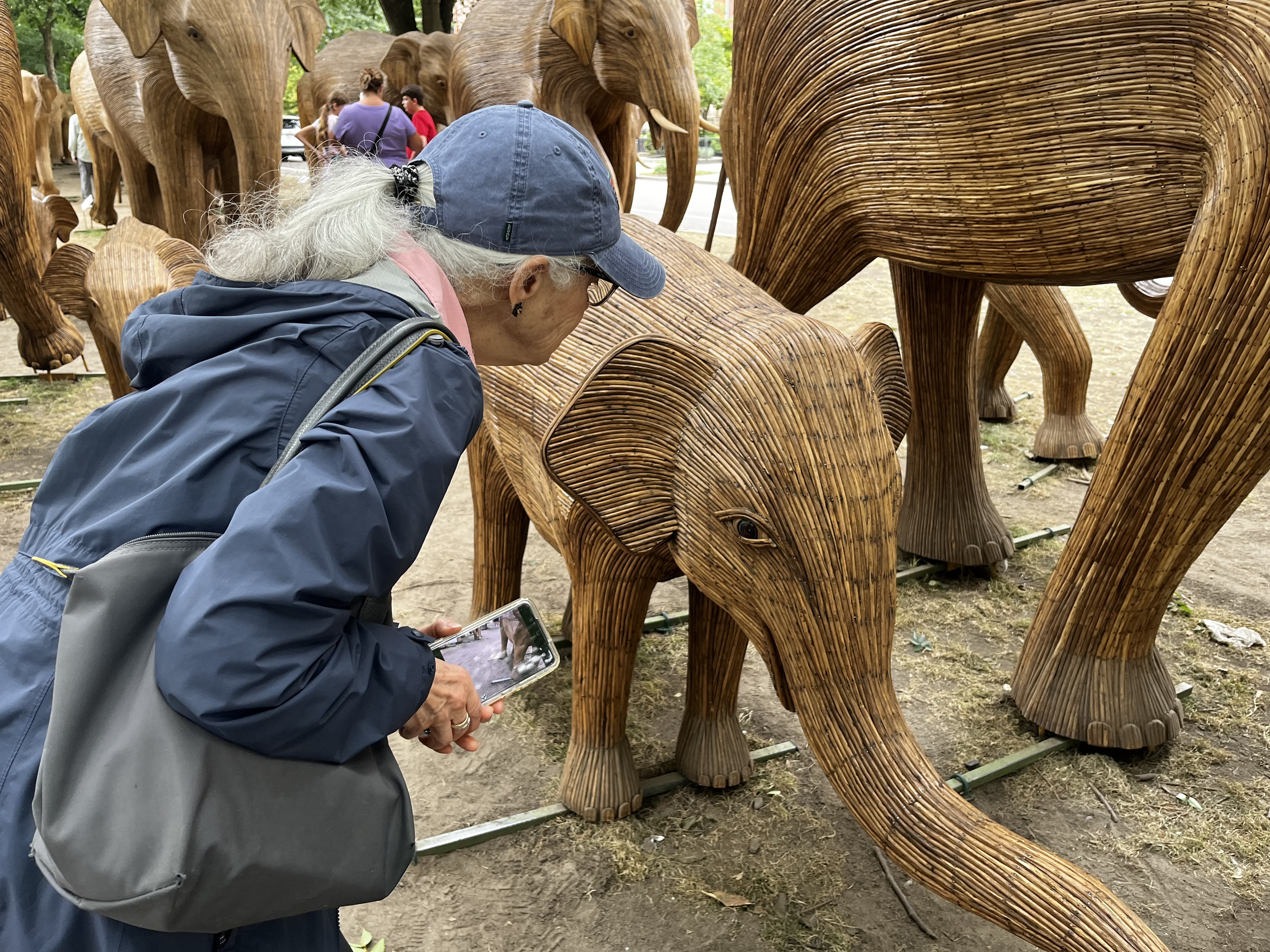
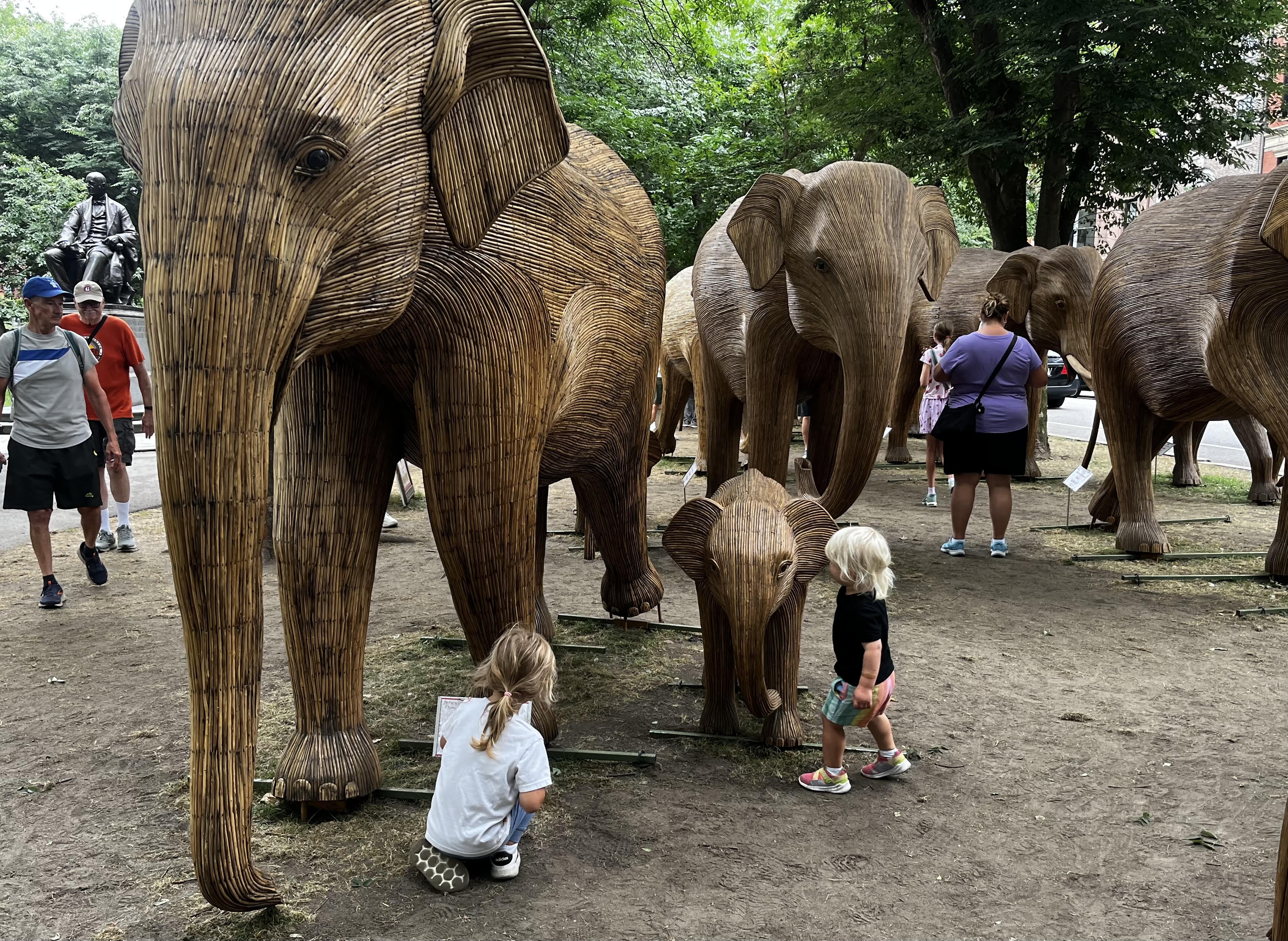
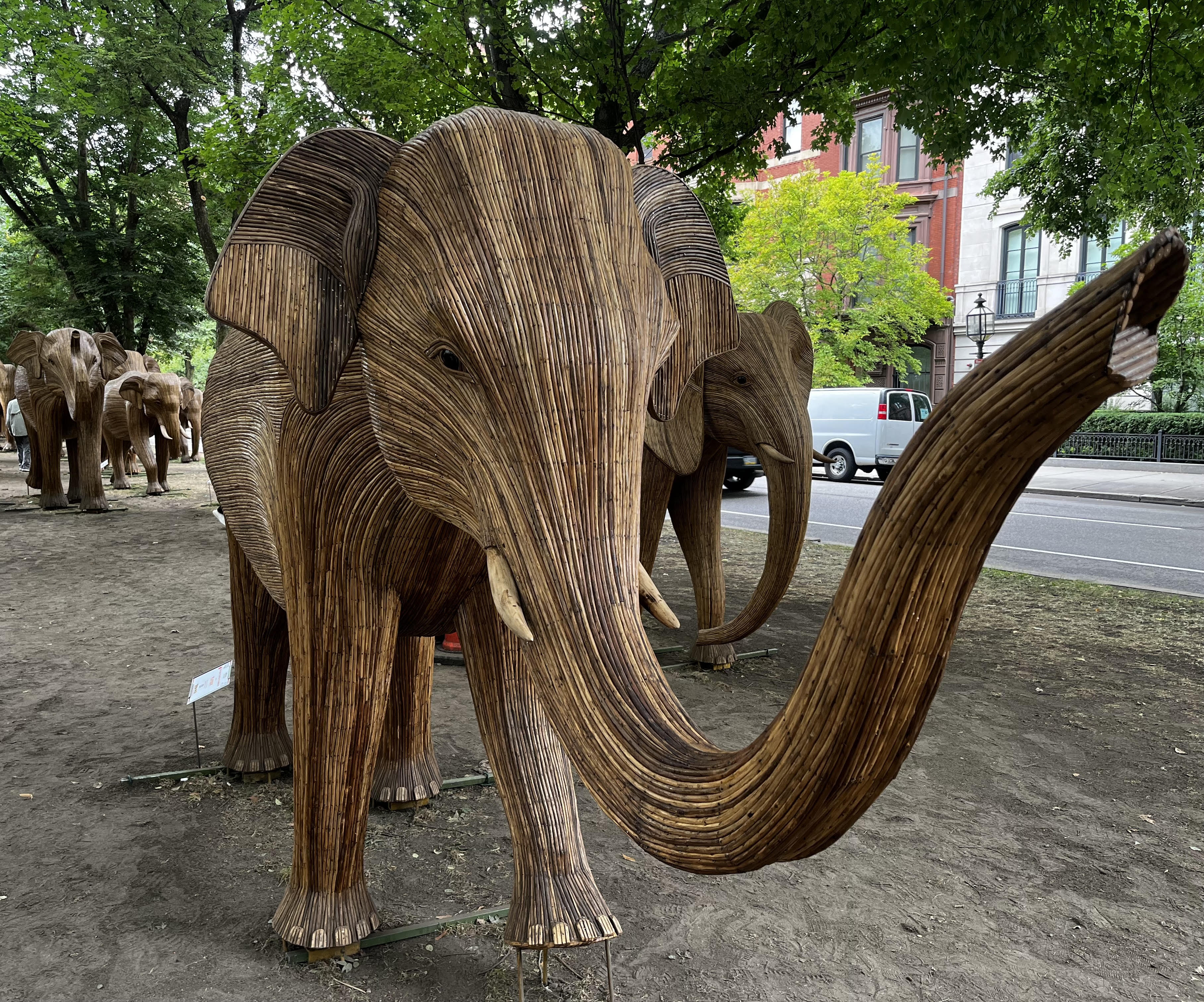
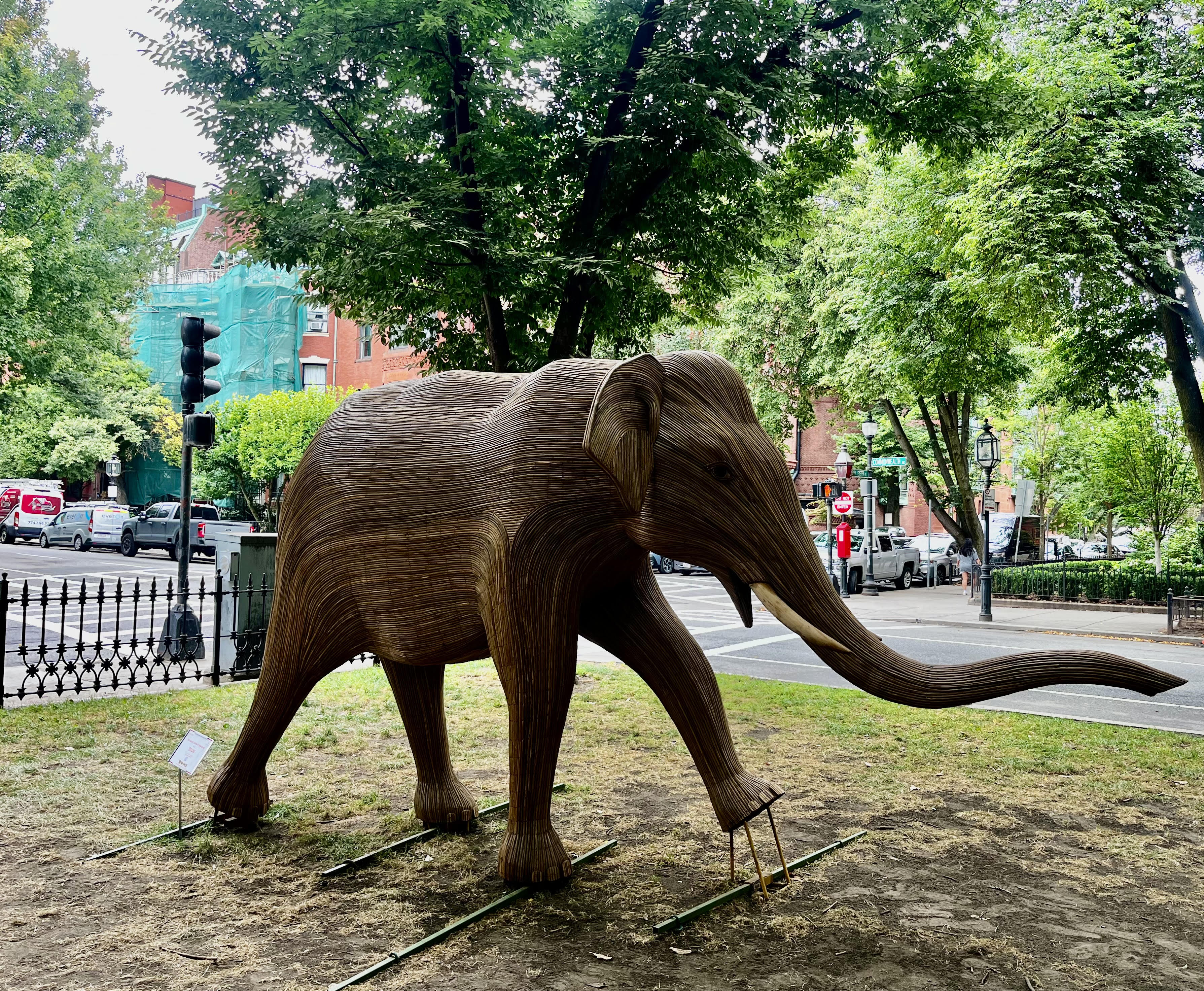
Photo below: Kristina Joyce.


Amazing. The elephants look so alive!
LikeLiked by 1 person
The elephants are beautiful! Living along side with elephants would be a real learning experience! My garden would be history with one elephant walking through it!😀
LikeLike
You are funny, Deb! A trampled garden would be more than a learning experience, but how considerate of you to be open to the idea! I think in America, these folks may just be hoping we can learn to live with bears and bobcats.
LikeLiked by 1 person
Oh Bears and Bobcats aren’t hard to live with .. you get trash cleaned up and in a strong locked container . NEVER feed Bears or coons ,because then they become aggressive. Deer… you just plant things they don’t like to eat.
I learned that Bears are very fond of Strawberries, I had to share those this year! So I guess strawberries are off my list of growing things.😀
LikeLike
There, you see! I should have known. You are already living with our kind of elephants.
LikeLiked by 1 person