Feeds:
Posts
Comments

Posts Tagged ‘ancient art’

Photos: John and Suzanne’s Mom.
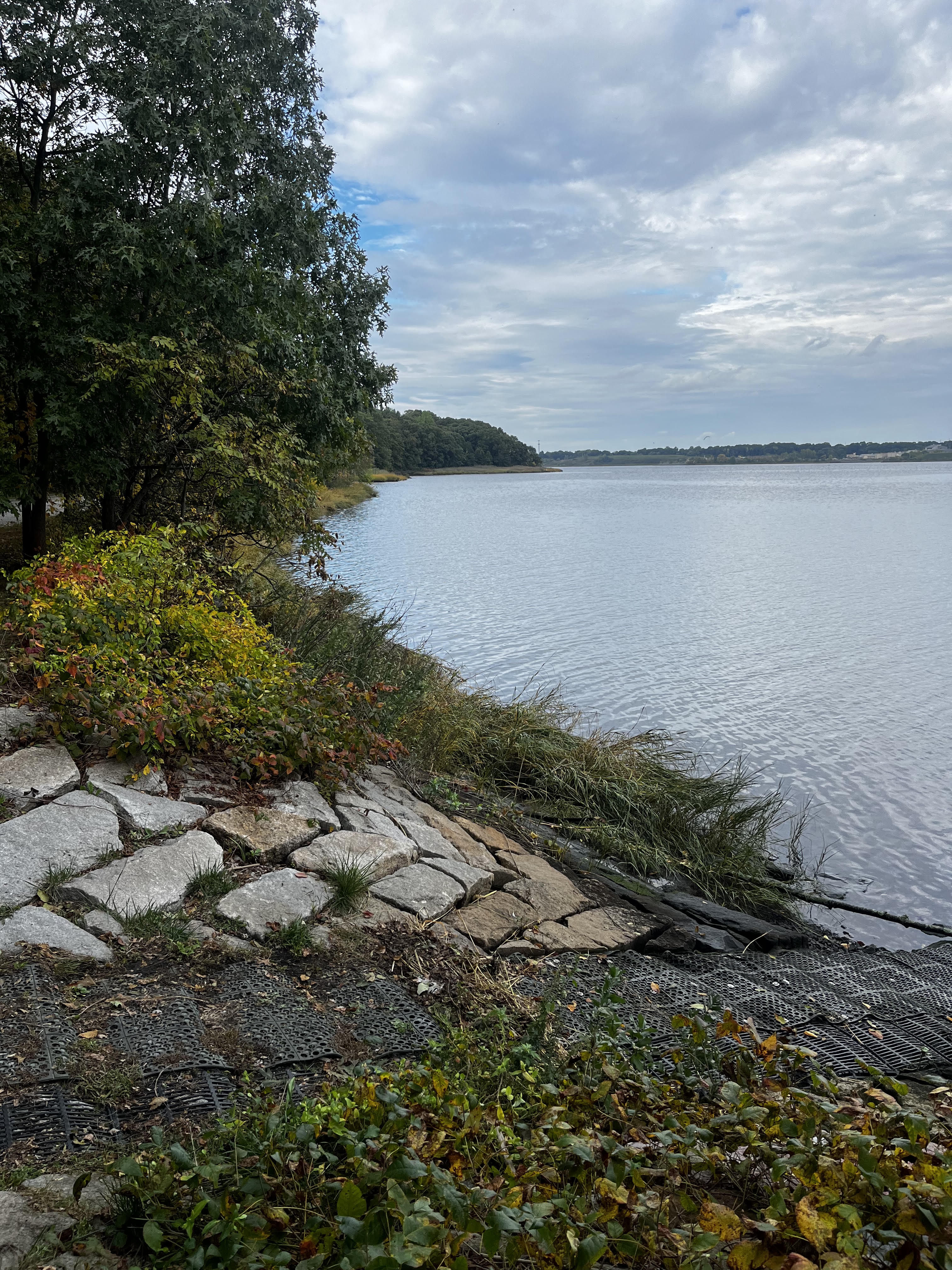
Providence’s Seekonk River in early October.

I’ve been enjoying the changing seasons so much lately, I often forget to take a picture of what I see. I’m just walking along and thinking, “How wonderful!”

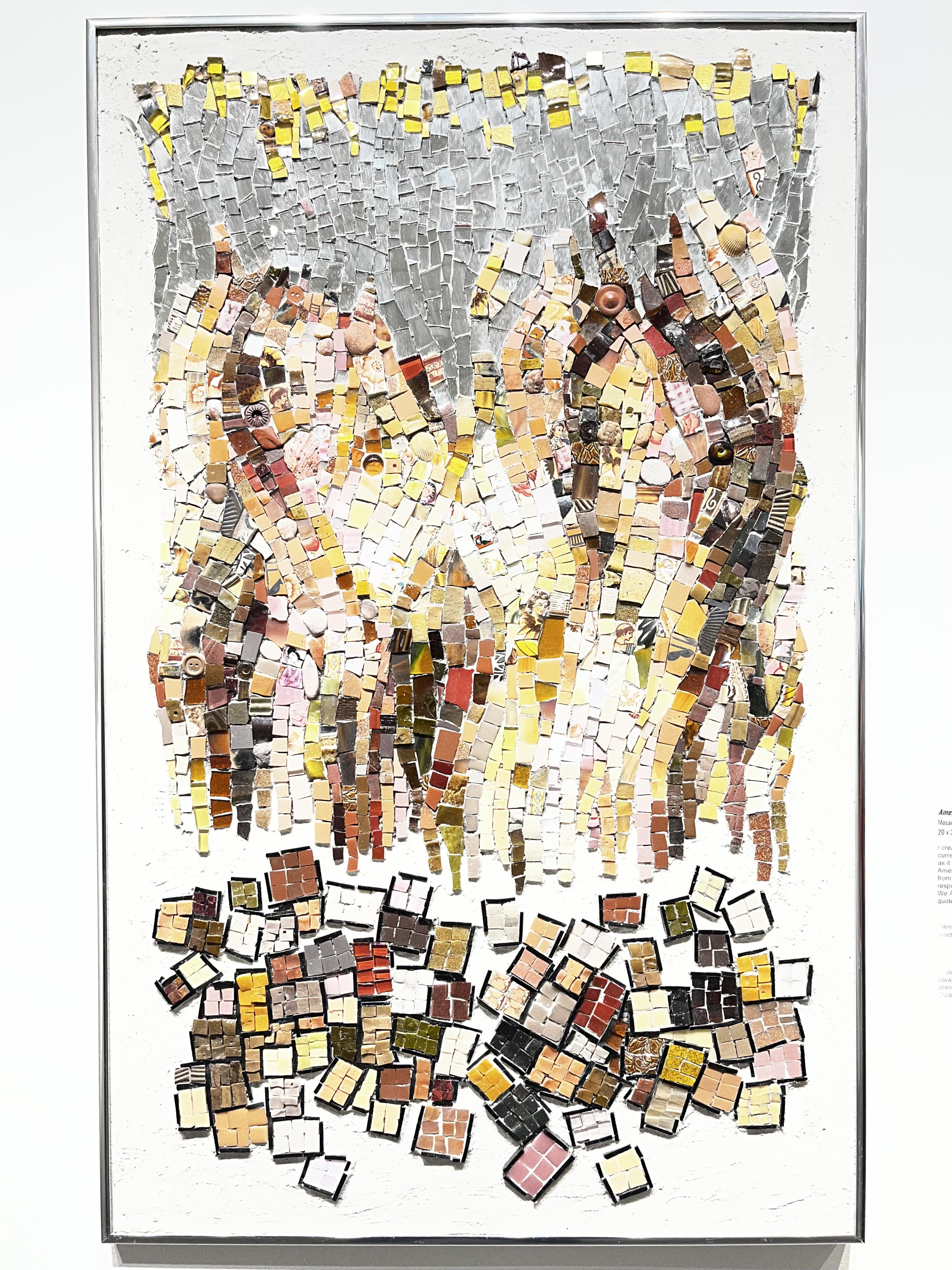
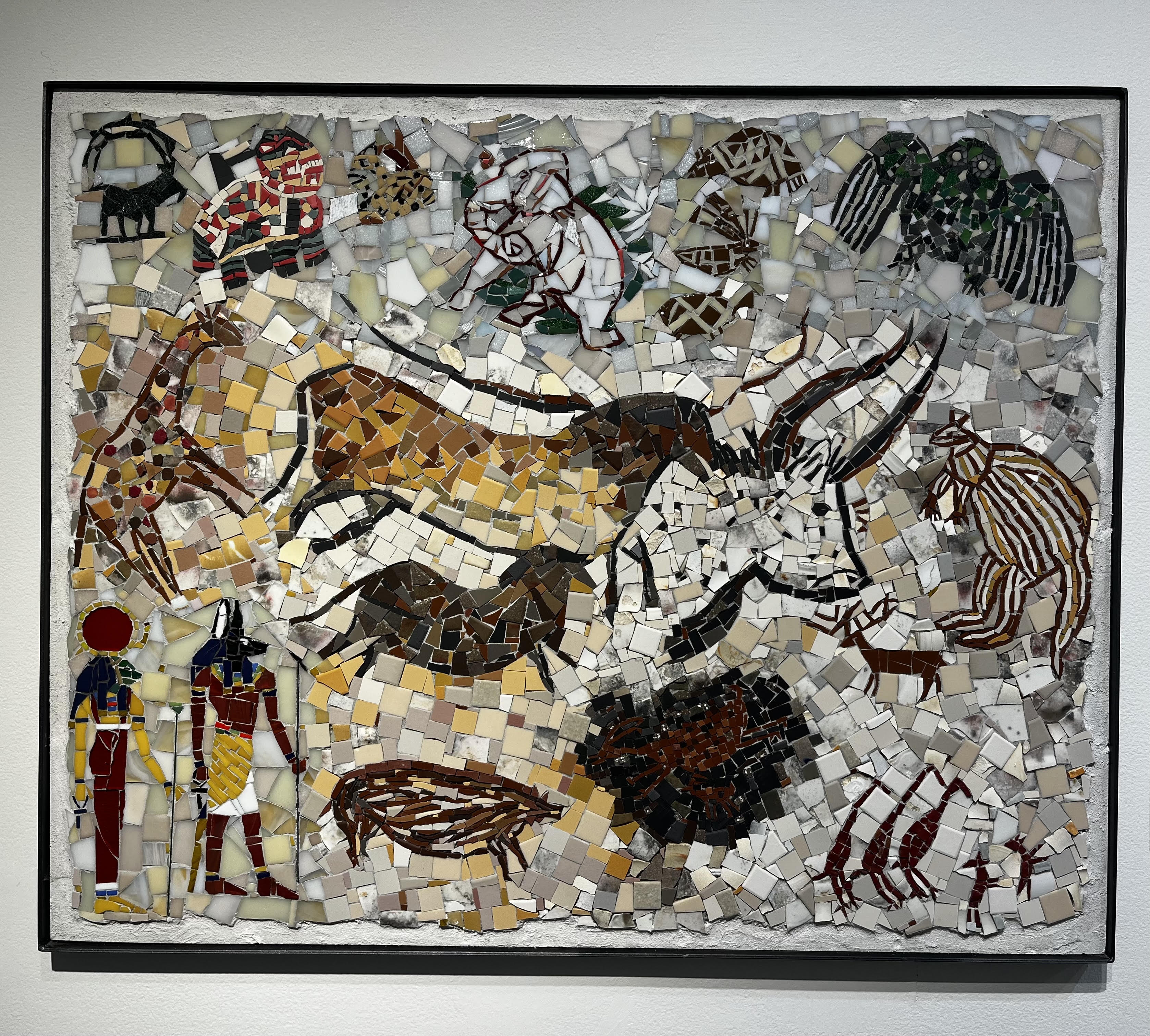
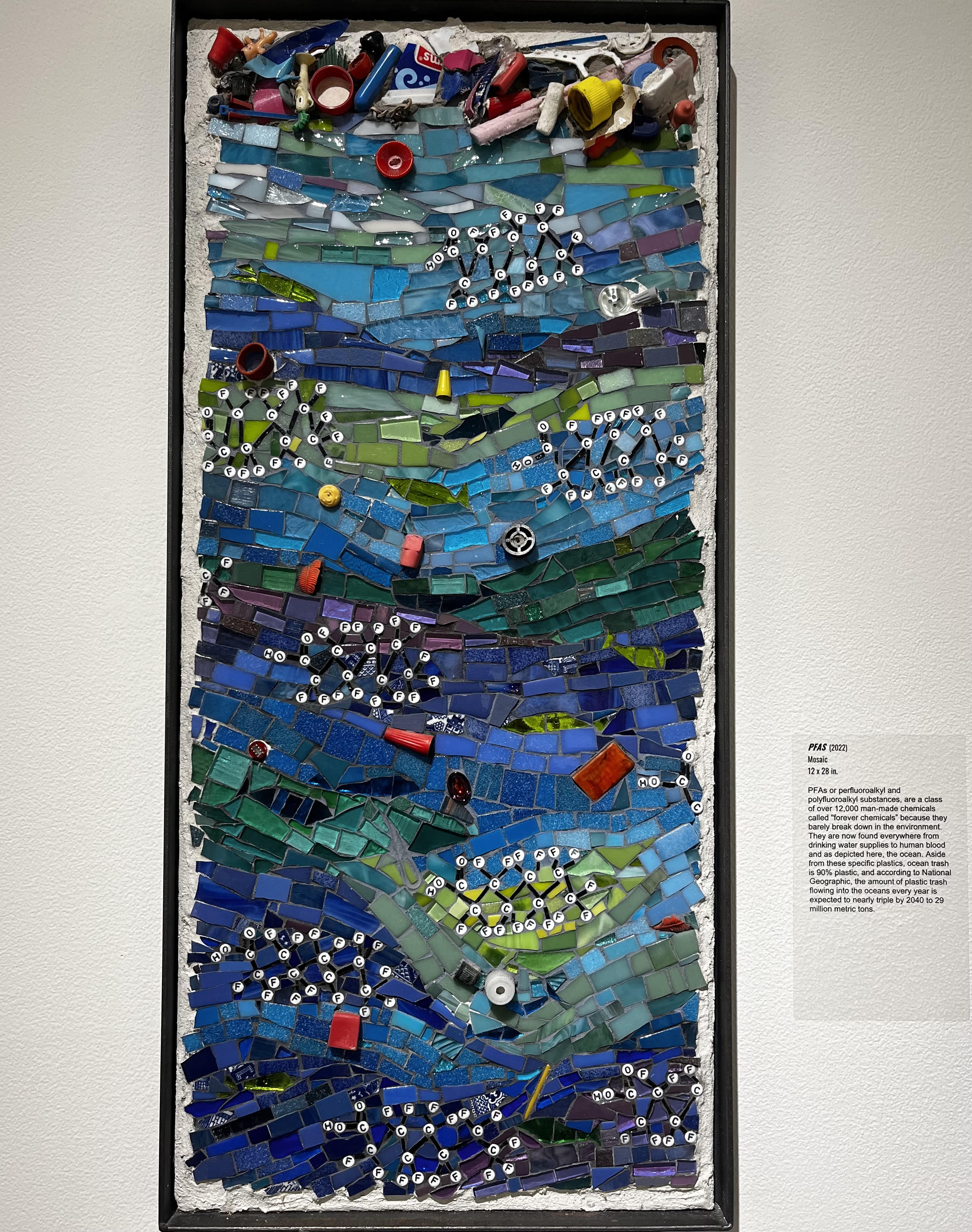
Nevertheless, I have a few nature scenes for you today, and art pieces from a fascinating mosaic show by Cynthia Fisher at Umbrella Arts.

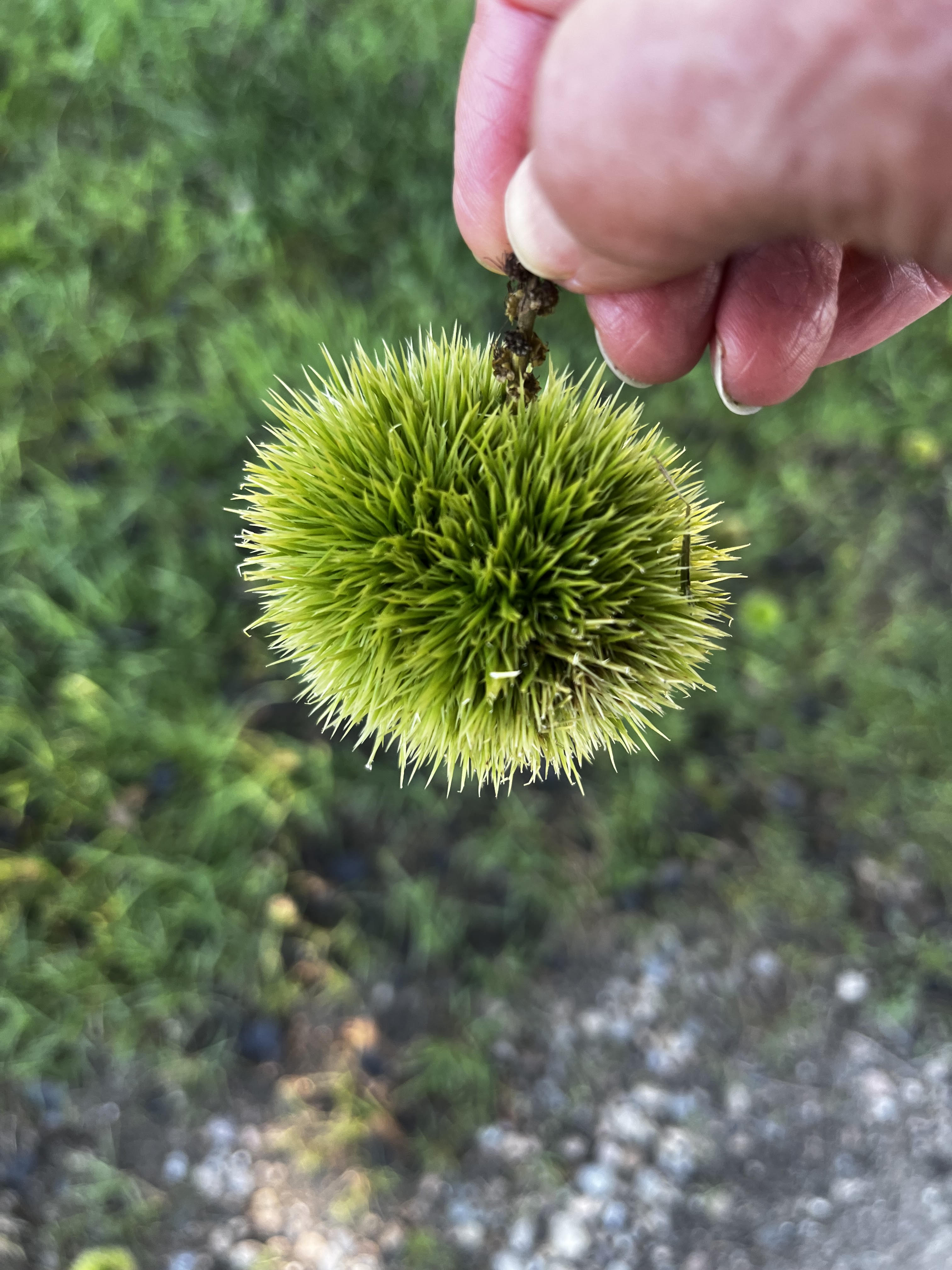
The first shot below is from a tree I pass when taking walks in New Shoreham. My app calls it a Chinese chestnut.

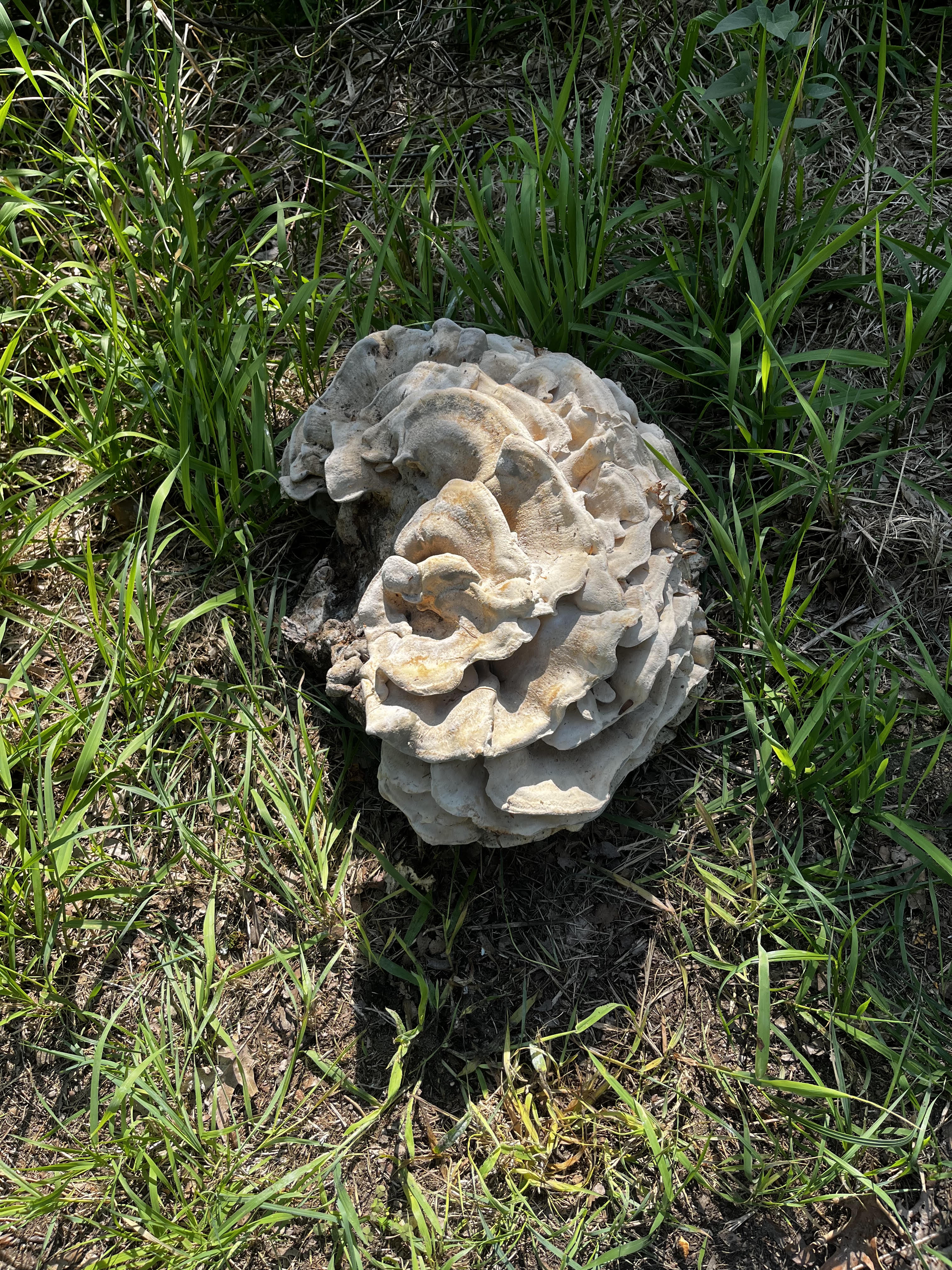
Next is an exotic-looking fungus said to be edible. It’s a Black-staining polybore on a red oak stump. I didn’t take a bite!

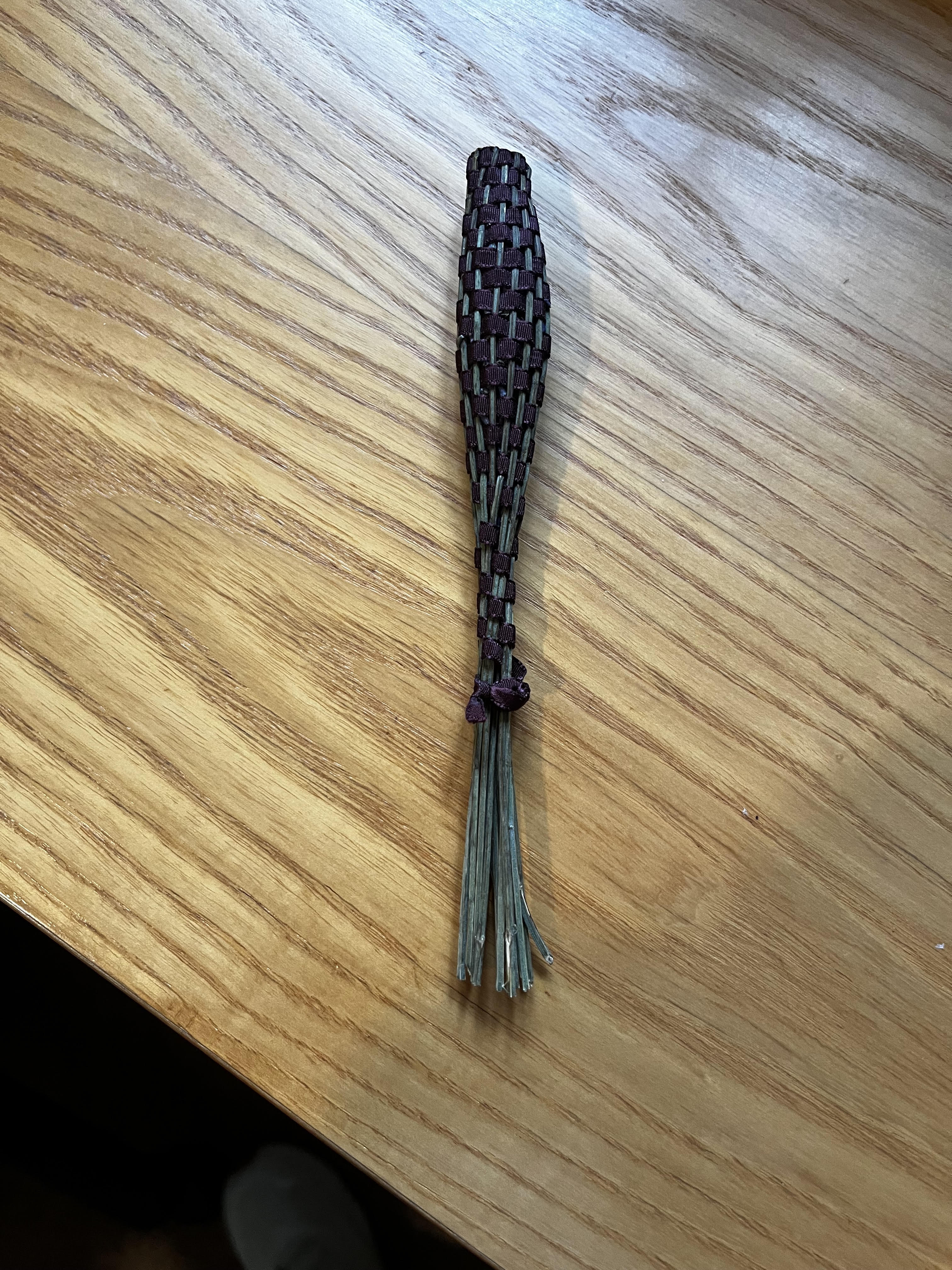
Kristina gave me a sweet-smelling lavender wand, an example of a French folk tradition involving sticks of lavender woven with ribbon. I had never seen one.

The first of Fisher’s mosaics here honors the American “tapestry,” the rainbow of skin colors (and personalities and traditions and cultures) that shows the best of us. Next we see Fisher’s modern version of ancient art, including cave paintings and figures from pyramids. The lovely blue mosaic drew me in but turned out to be a harsh commentary on what we have allowed plastics to do to our waterways. It’s called “PFAS,” pollutants you may know as “forever chemicals.”

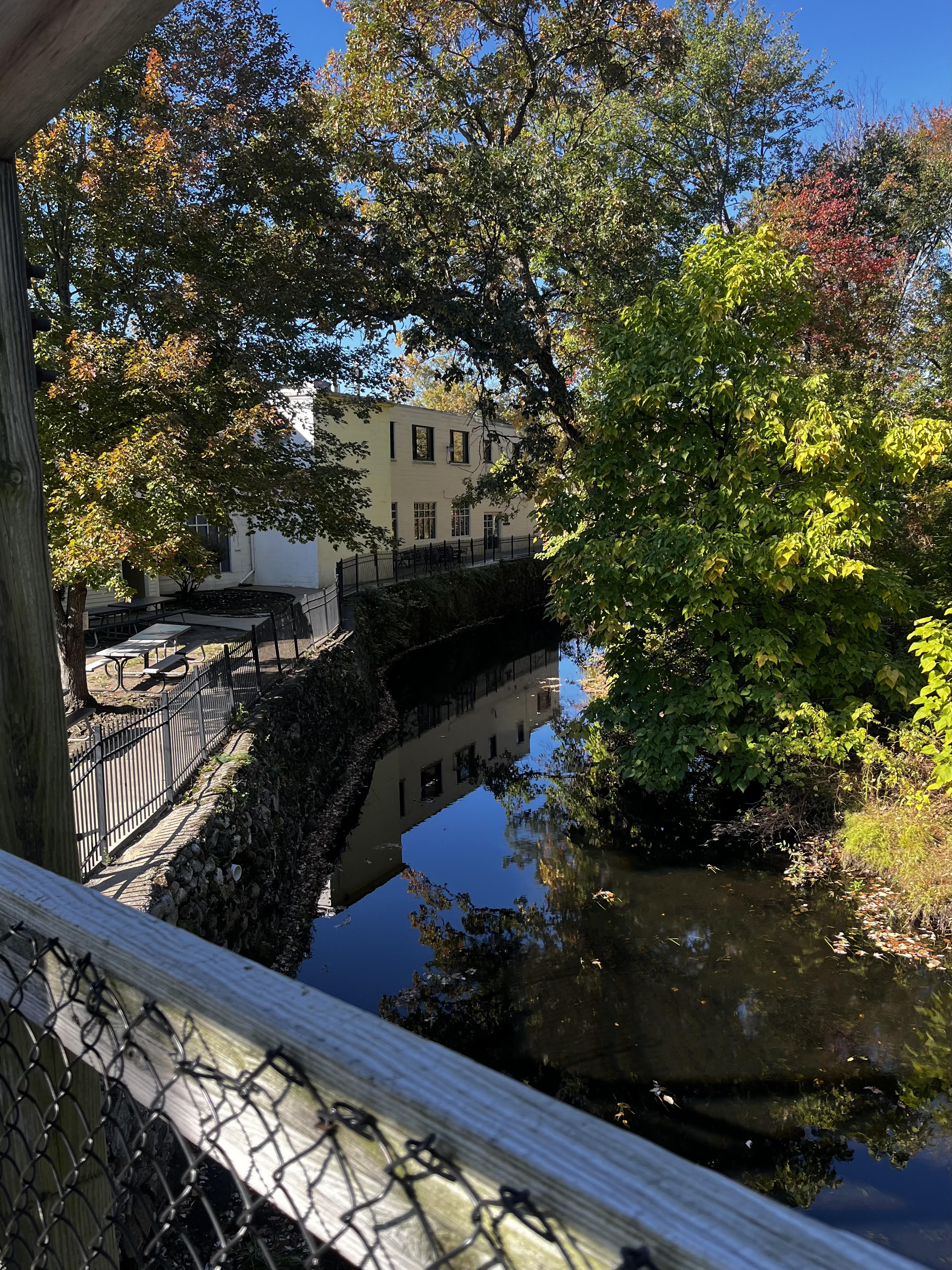
Last is the stream by the Nashoba Bakery in Concord, Massachusetts, a favorite spot to eat a sandwich or pastry. The water is very low, reflecting the drought this year.
Read Full Post »

Photos: Avedis Hadjian.
Estonian canoe maker Mr. Ruukel works on his latest dugout canoe outside his barn in Tohera.

Today I want to share a lovely photo essay from the Christian Science Monitor about a canoe maker in Estonia. Be sure to click through and see all the pictures at the Monitor.

Avedis Hadjian writes, “Aivar Ruukel is one of the last five masters in Estonia who make the Baltic country’s traditional dugout canoe, known as a haabjas. Until the 1960s, it was the conventional means of transportation in the Soomaa, or ‘land of bogs,’ region during the spring floods, locally called the fifth season.

“Mr. Ruukel and Priit-Kalev Parts, another haabjas maker, are the most vocal advocates for preserving the tradition, which is threatened by the making of fiberglass or other modern – often motorized – boats.

“Both Mr. Ruukel and Mr. Parts learned their craft from older masters in the early 1990s, shortly after Estonia gained its independence from the Soviet Union, and are now trying to engage the new generation, training young apprentices in haabjas building. …

“On a gray morning, Aivar Ruukel is scouting for the ideal aspen in the Soomaa, a vast wilderness area in southwestern Estonia. The aspen is the preferred tree for making [the] traditional dugout canoe – an art that is now endangered.

“ ‘The ideal tree should have the shape of a pencil, but every tree is perfect in its own way,’ even if only a few can be used to build the boat, says Mr. Ruukel.

“Some of the trees are covered with black canker, a fungal infection. ‘You can’t make a haabjas out of them, but they are used by woodpeckers to make their nests, so they serve a higher purpose,’ he says.

“Mr. Ruukel is one of the last five masters in the Baltic country who make the canoes. Until the 1960s, it was the conventional means of transportation in the Soomaa [during] the spring floods. …

“Both Mr. Ruukel and Mr. Parts [train] apprentices in haabjas building. A skillful wielding of the axe to hollow out the tree is only part of the required expertise and techniques, which also involve expanding the trunk by filling it with water and then hanging it above a carefully controlled fire.

“What was a necessary means of transportation in the past has now become an Estonian identity marker. In 2021, haabjas building was inscribed on UNESCO’s List of Intangible Cultural Heritage in Need of Urgent Safeguarding.”

More at the Monitor, here.

In the “search” box at this blog, you can find several posts about Estonia, a country that’s interesting in more ways than one. (For example here, here, and here.)

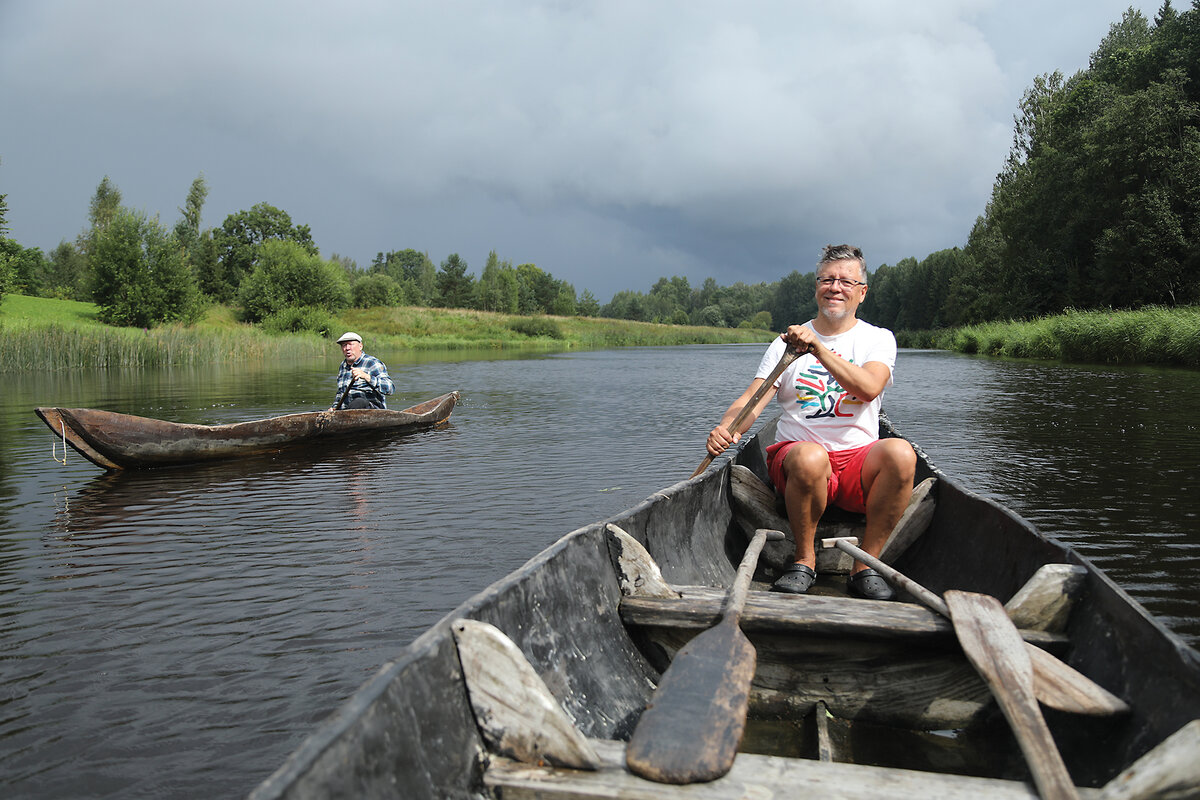
Mr. Ruukel (left) and Jari Hyvönen, his brother-in-law visiting from Finland, paddle in canoes on the Pärnu River.

Read Full Post »