Feeds:
Posts
Comments

Posts Tagged ‘chemicals’

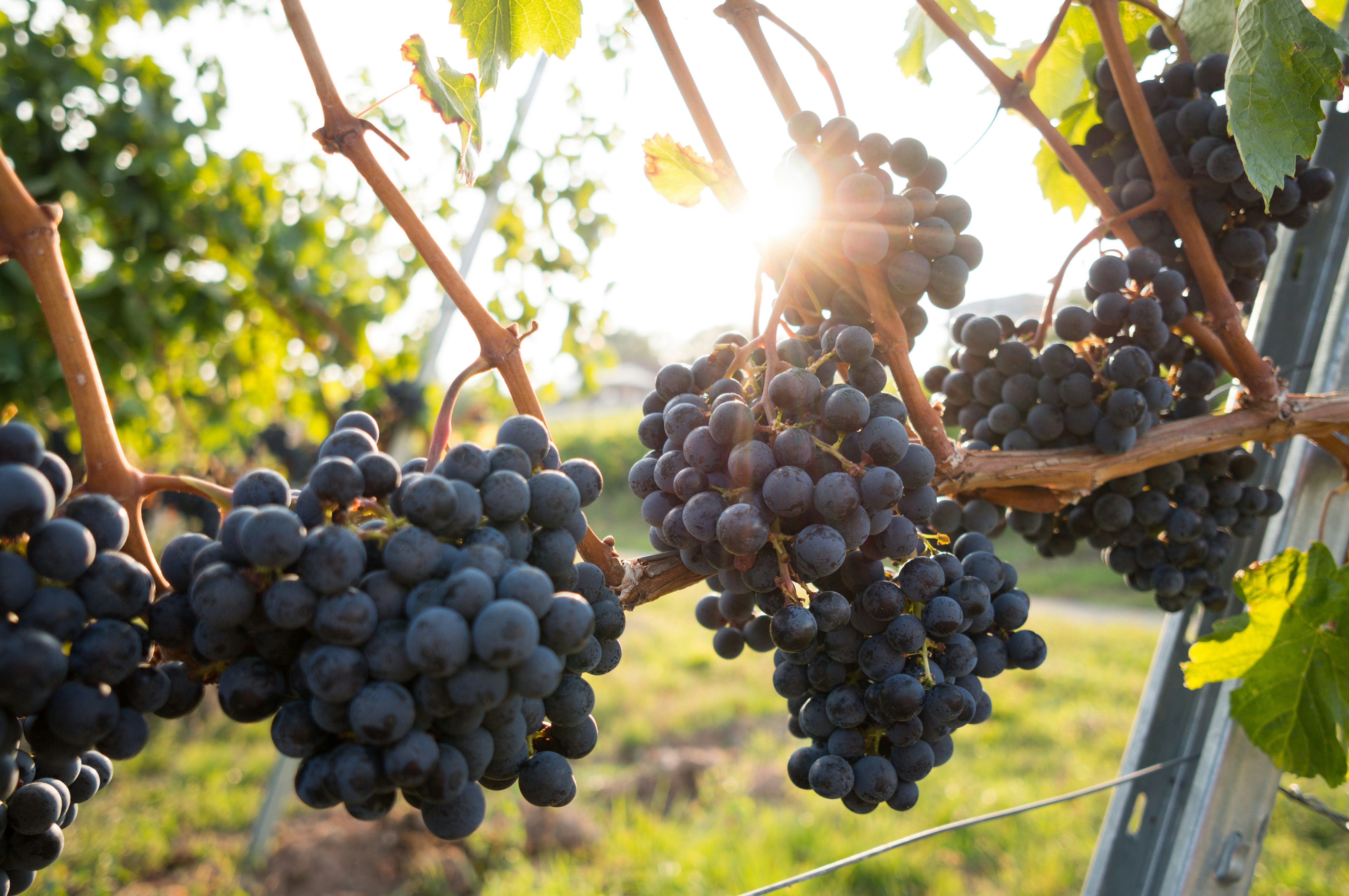
Photo: David Kohler via Unsplash.
Vintners are discovering the importance of bringing back earthworms.

In many parts of the world, growers who have relied on herbicides and pesticides are learning about the benefits of healthier soil, and so they’re getting rid of soil-damaging practices.

In today’s story, we have an example of vintners in the UK who have caught up with recent bio-friendly practices in France. They have not made their changes out of kindness to the planet, although that’s a side effect. They’ve done it to produce a better grape.

Helena Horton writes at the Guardian, “Vineyards are generally the most inhospitable of landscapes for the humble earthworm; the soil beneath vines is usually kept bare and compacted by machinery.

“But scientists and winemakers have been exploring ways to turn vineyards into havens for worms. The bare soil is problematic because worms need vegetation to be broken down by the microorganisms they eat. Pesticides are also highly harmful to the invertebrate, as is the practice of compacting the earth: worms need the soil to be porous so they can move through it.

“Earthworms … aerate soil, and they pull fallen leaves and other organic matter into the earth and recycle them. But their populations have declined by a third in the UK over the past 25 years due to pesticide use and over-tilling of soil.

“Marc-André Selosse, a professor at the National Museum of Natural History in Paris, has been urging vineyards to increase grass and plant cover on their soil, and reduce the amount they till, to save the worms.

“Selosse said: ‘In France, the vineyards are 3% of the agricultural area, and they are using 20% of the chemicals. In vineyards, for the soil there is a lot of treatments, so there’s a lot of compaction, and there is a lot of pesticides used.’ …

“Worms had not yet vanished from the most intensively farmed vineyards, he said, but they did need to be supported with more regenerative practices.

“ ‘I think the worms are at a low level,’ he said. ‘They are just surviving, but they are still there, which means that no one is thinking of buying earthworms for the soil, because they are there. It’s like Sleeping Beauty; they are there at very low level, and we have to wake them. But once again, in soil, we have resilience. It’s one part of biodiversity where they are so numerous that we were not able to kill all of them.’ …

“Selosse said the main thing vineyards could do for worms was to stop tilling the soil – breaking it up and turning it over – even if that means that herbicides such as glyphosate are used instead to remove weeds. … ‘In the future, sooner or later, we’ll have to stop glyphosate also but for now, tilling is the first cause of worm problems.’

“Now some vineyards in the UK are making worm-friendly wine. When Jules and Lucie Phillips, co-owners of Ham Street Wines in Kent, started their vineyard, they were advised to grow conventionally by tilling and using pesticides, but were horrified by the results.

“Jules said: ‘After we did that, we went out and we dug a soil pit immediately after planting, and then also later in the season, and we realized the soil was just dead.’ There were no worms. It was smelling not particularly interesting at all, and the structure was poor.’ …

“The pair had a revelation. ‘We just thought, this is completely the wrong way of farming and we need to do something different. We want life in our soils. And so we began the conversion to organic in that same year, and we’re now certified biodynamic.’

“Rather than using pesticides, they applied herbal teas to the vines to promote plant health, Jules said: ‘For example, horsetail tea has a real high silica content, and that improves the leaf cell wall and means that it’s more resilient.’

“The couple run a no-till system under the vine: ‘We’ve let the cover crop grow really long, and we typically let it grow right up into the canopy up until about flowering, and then we’ll mow it back. And the benefits of that are huge. The cover crop is really growing and really establishing that root structure and getting it to its maximum point. And finally, we put a big mulch on top of the soil that’s going to feed those worms and feed that soil life.’

“This has hugely helped their worm population: ‘We’ve seen our worm counts increase massively from basically none to around 20 or 30 in a spade full. So extrapolate that up to a square metre, and it’s a very decent volume.’

“Rob Poyser, a viticulturist at the regenerative wine consultancy firm Vinescapes, said that growing wildflowers in the vineyards they consult on had also brought great results. ‘We think in between three and five years we can take a bare soil and bring it back to life, into a thriving ecosystem,’ he said. ‘We’ve used things like cover crops to bring this vineyard to life, to build the fertility into this system, and organic matter. We’re bringing life back to these soils we’re using. We’re letting nature do it.’

“Poyser said they allowed wildflowers to grow all over the vineyards, and clients were delighted when clover, for example, sprung up because ‘clovers are great companion plants under the vine for grapevines; they’re also loved by earthworms.’ “

More at the Guardian, here. No paywall.
Read Full Post »

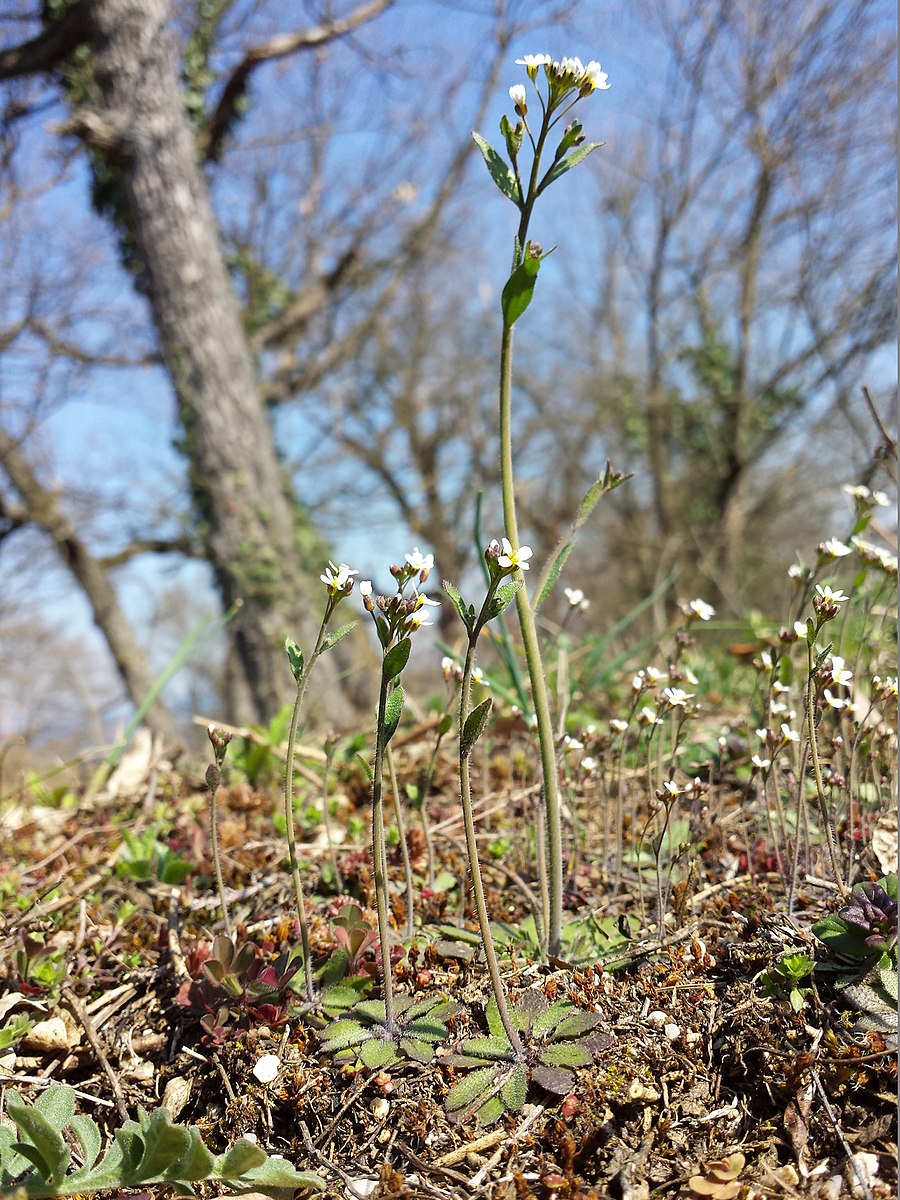
Photo: Stefan Lefnaer via Wikimedia.
In the video below, an Arabidopsis plant warns of danger from a hungry caterpillar.

I think we are lucky to be learning so much about the natural world these days. I didn’t study much science in school, but who wouldn’t love scientific research that reveals such wonders as plants’ communications systems.

Kasha Patel at the Washington Post writes that some plants actually warn their brethren when it’s necessary to increase defenses.

“Trees on our Earth can communicate and warn each other of danger,” she says, “and a new study explains how.

“Injured plants emit certain chemical compounds, which can infiltrate a healthy plant’s inner tissues and activate defenses from within its cells, the new research found. …

“For the first time, researchers have been able to ‘visualize plant-to-plant communication,’ said Masatsugu Toyotasenior author of the study, which was [published] in Nature Communications. ‘We can probably hijack this system to inform the entire plant to activate different stress responses against a future threat or environmental threats, such as drought.’

“The idea of ‘talking’ trees started to take root in the 1980s. Two ecologists placed hundreds of caterpillars and webworms on the branches of willow and alder trees to observe how the trees would respond. They found the attacked trees began producing chemicals that made their leaves unappetizing and indigestible to deter insects. …

The scientists discovered healthy trees of the same species, located 30 or 40 meters away and with no root connections to the damaged trees, also put up the same chemical defenses to prepare against an insect invasion.

“Another pair of scientists around that time found similar results when studying damaged sugar maple and poplar trees. …The trees sent chemical signals to one another through the air, known today as plant eavesdropping. Over the past four decades, scientists have observed this cell-to-cell communication in more than 30 plant species, including lima bean, tobacco, tomato, sage brush and flowering plants in the mustard family.

“But no one knew which compounds were important and how they were being sensed — until now. …

“Plants obviously don’t have ears and eyes, but past research shows they communicate with their surroundings by emitting chemicals known as volatile organic compounds, which we can smell. … Plants can produce an array of these compounds for different purposes. Some are used to attract pollinators or as defense against predators.

“However, one class of these compounds are emitted when a plant is injured: green leafy volatiles. These are emitted by, as the name suggests, pretty much every green plant with leaves, and are produced when a plant experiences physical damage. An example of this compound is the smell released from fresh-cut grass.

“In the new study, Toyota and his colleagues manually crushed leaves and placed caterpillars on Arabidopsis mustard or tomato plants to trigger the emission of various green leafy volatiles. Then, they spread individual fumes to healthy plants to see if the plants would react.

“To track the healthy plants’ responses, the team genetically modified the plants so calcium ions would fluoresce when activated inside individual cells. Calcium signaling is important for cellular functions in most living organisms on Earth, including humans. … Depending on the plant, it can trigger messages to close its leaves or digest an insect.

“After testing many green leafy volatiles, the team found only two seemed to increase calcium ions inside cells. Additionally, they found calcium signaling first increased in guard cells forming the plant’s leaf pores, or stomata — an important finding, because it shows the compounds are absorbed into the plant’s inner tissues. …

“The calcium signaling, Toyota said, is like a switch to turn on the defense responses from the plant. … For example, Toyota said the plant may start producing certain proteins to inhibit insects from munching on them, giving the insects diarrhea. …

“With this new understanding, researchers say plants could be immunized against threats and stressors before they even happen — the equivalent of giving a plant a vaccine. For instance, exposing healthy plants to insect-ridden plants or the associated green leafy volatiles could boost their genetic defenses, so farmers use less pesticides, Kessler said. The revelation could also help make plants more resilient during a drought, signaling the plants to retain more water.”

More at the Post, here.

Read Full Post »

Photo: John and Suzanne’s Mom.
Do we know what’s in our drinking water? University of British Columbia researchers are working on an experimental material to remove toxic “forever chemicals” from water. 

As soon as we learn about a new hazard to humans, it seems, science labs pop up to address it. Lately, we’ve been hearing a lot about “forever chemicals,” dangerous compounds that are often in drinking water. Thank goodness, a variety of labs are on the case.

For example, as Allyson Chiu reports at the Washington Post, Canadian researchers “have developed a method to filter toxic ‘forever chemicals’ from water and potentially destroy the long-lasting compounds permanently.

“Commonly known as ‘forever chemicals’ because they can persist in the environment for years, these hazardous compounds have long troubled environmentalists and regulators. Their harmful effects on human health are well documented, but their ubiquitous use and the challenges in breaking them down have complicated efforts to eliminate them.

“Pressure to do so is growing. In March, the Environmental Protection Agency proposed the nation’s first drinking-water standards requiring water utilities to reduce levels of PFAS — perfluoroalkyl and polyfluoroalkyl substances.

The new technology, described by one of its developers as a ‘Brita filter, but a thousand times better,’ could help address the problem, experts say.

“ ‘The potential impact will be huge,’ said Madjid Mohseni, a professor of chemical and biological engineering at the University of British Columbia who led the research. …

“Polyfluoroalkyl and perfluoroalkyl substances are a class of thousands of different chemicals with varying properties. The highly durable chemicals have been used for decades to make nonstick cookware, moisture-repellent fabrics and flame-retardant equipment, and they are found in other commonly used consumer goods such as cosmetics and food packaging.

“Several U.S. states and other countries have banned certain types of PFAS, and many major companies say they have discontinued their use, but the compounds have shown up in the water supplies of communities across the country and the world. The chemicals have been linked to infertility, thyroid problems and several types of cancer.

“Technologies already exist to remove PFAS from water, but Mohseni and other experts say these approaches have limitations.

“Activated carbon, for example, can filter what is known as long-chain PFAS but does not as effectively trap the shorter-chain variants of the chemicals. Short-chain PFAS, some of which can be toxic at low doses, are becoming more prevalent as many manufacturers use them as a replacement for the long-chain compounds.

“Existing methods also typically create waste products that contain high concentrations of PFAS, which often end up in landfills or are incinerated, said Erik Olson, a senior strategic director at the Natural Resources Defense Council.

“From landfills, the harmful chemicals could leech back into the environment. Burning them is not ideal, either. ‘Only extremely high-temperature incineration can even start to destroy PFAS,’ Olson said. ‘Normal incineration just simply sends PFAS up the smokestack.’

“Mohseni said the material his team developed — which looks like tiny porous plastic beads — can remove long- and short-chain chemicals at rates that match or exceed industry standards. The PFAS it captures could be stripped away, also making the beads potentially reusable or recyclable, he said.

“Additionally, Mohseni said, the team engineered techniques designed to break the leftover PFAS down into harmless compounds.

“The beads eventually could be used in products to filter water in homes, industrial sites and at municipal levels, he added. However, for in-home applications, users would have to send the used filters to centralized locations for regeneration or recycling, and for the PFAS to be broken down fully — somewhat like how some used coffee pods are sent back to manufacturers for recycling, Mohseni said.

“His team’s findings have been published in several peer-reviewed journals.

“Although the technology is promising, experts not involved in the research say it has yet to be proved in real-world settings at scale. The UBC research team has launched pilot trials in British Columbia, but none of the sites are yet sources of drinking water. …

“Removing the chemicals from water and breaking them down is only part of the solution to the PFAS problem, said Cora Young, an associate professor of chemistry at York University in Toronto who studies the chemicals.

“ ‘Destroying PFAS that already exist is a useful thing, but a lot of other approaches have to be used to actually reduce its impact as an environmental problem,’ Young said.”

More at the Post, here. Good on you, Canada!

Read Full Post »

Photo: Goldman Environmental Prize.
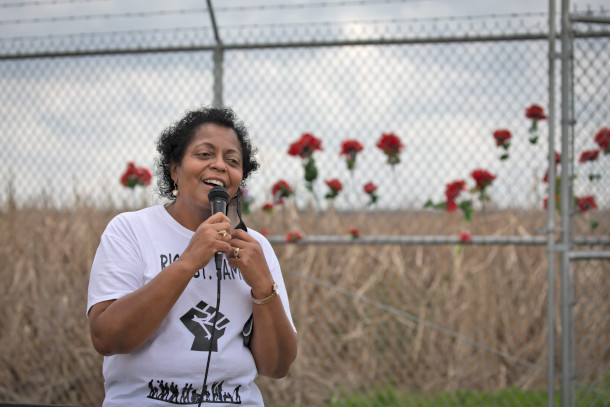
Founder of RISE St. James and 2021 Goldman Environmental Prize winner Sharon Lavigne speaks at the first annual African American Celebration at the grave site of enslaved ancestors at the Buena Vista Cemetery. The land was purchased by Formosa Plastics for a proposed petrochemical complex.

Ever since textile artist Jamie Bourgeois did a fabric-dying experiment with the polluted waters around Louisiana’s Cancer Alley, I’ve been supporting the Louisiana Bucket Brigade and Rise St. James — grassroots nonprofits fighting back against industries like Formosa Plastics.

So I was delighted to see that radio show Living on Earth interviewed a leader of that fight.

“In the aftermath of Hurricane Ida, the communities of the Louisiana region known as ‘Cancer Alley’ were left to deal with destroyed homes, no electricity, and polluted water. That’s on top of the toxic air they breathe every day because of industrial pollution, and Black residents have been fighting for environmental justice there for decades.

“Sharon Lavigne is the founder of RISE St. James and a 2021 Goldman Prize recipient for her work in organizing against a massive Formosa plastics plant, and she joins Host Steve Curwood to discuss the hurricane’s impacts and the health effects of industrial pollution in her community.

“STEVE CURWOOD: The climate emergency is in a downward spiral, as President Joe Biden recently observed when he visited areas hit hard by Hurricane Ida and its aftermath. …

“The poor and disadvantaged are especially hard hit from big cities to places like former farmland along the Mississippi. This 85 mile stretch between Baton Rouge and New Orleans is called Cancer Alley, and it’s the site of some of 150 petrochemical plants, a notorious source of toxic chemicals for locals on a normal day. But in the aftermath of Hurricane Ida many plants released even more pollutants than average as they dealt with high winds, high water and as much as 15 inches of rain.

“Many residents of this region are low income, descendants of the Black slaves who once toiled on the vast sugar plantations of the lower Mississippi. … Sharon Lavigne lives on land bought by her grandfather in St James Parish. She retired as a special education teacher to devote herself full time to advocacy as founder of RISE Saint James, an environmental justice group working to stop even more toxic industrial development in cancer alley. Her organization and others sued Formosa, a Taiwanese company that wants to build an ethane cracking plant nearby. That prompted the Army Corps of Engineers and the courts to require an updated environmental impact statement of the facility and earned Sharon the 2021 Goldman Environmental Prize for North America. …

“SHARON LAVIGNE: I live on the west bank of the Mississippi River in St. James Parish, and Hurricane Ida, it just, it has so much destruction. So many homes have their roof off. Some of the homes are totally demolished. And when it came, it stayed here while it didn’t move fast like it normally moves like hurricanes normally move. So this one was the worst I have ever experienced. …

“In the master bedroom, over half a room, the insulation, and the sheet rock is all on the beat, the carpet is wet. Everything is, I hope, I hope I can salvage the furniture, because that was my mother’s bedroom set. And I hope I can save it but we have to get all the stuff all insulation and sheet rock off of it first, to see how much we can save. … We don’t have electricity right now. We don’t have anything. …

“CURWOOD: Sharon, I understand you’re the founder of RISE St. James. That’s its a grassroots environmental organization. You mobilized against this $12.5 billion plastics manufacturing plant. Now what kinds of toxic pollutants [went] into release? What were the chemicals involved?

“LAVIGNE: Benzene. Benzene is one, and that’s cancer causing. Formaldehyde. There’s a whole bunch of chemicals, a whole lot of greenhouse gases that they’re going to release in the air and into the water. … Even though we have twelve refineries and industries in the fifth district where I live. They don’t care. They want to add some more to us. So once they add this industry to us, we’re not going to be able to live. It’s going to be too much in the air for us to breathe and live. We are having trouble breathing. Now we have people with asthma. We have people with all all types of respiratory illnesses. We have people with cancer all up and down this river. …

“And our governor approved this industry. Our parish officials approved this industry and they live here in St. James. That’s the part that hurt me, because they live here with us. … I don’t care if I don’t have any money. I’m going to fight for my community. And this is where I’ve been all my life. And this is where I want to stay. …

“CURWOOD: What about the location of this plant? …

“LAVIGNE: This plant would be two miles from my home. It would be one mile from a church and a school, public school. And that’s when I said no more. … I didn’t know how many we had, to be honest with you, until I went to a community meeting. And when I went to that meeting, I found out so many things that were going on, and all the chemicals and the people that were sick. One lady was on oxygen and she had cancer. … I said, I asked them, ‘Why don’t we fight from Formosa?’

“And they said, ‘Oh, the governor approved that. And they said the parish council is gonna approve it too and once they approve it, it’s a done deal. There is nothing you could do about it.’ And I told them, ‘We need to do something about it because we have too many. And they said, ‘Oh, Sharon, you are wasting your time. You can’t fight industry.’ …

“I prayed and I asked God what I should do. And he told me to fight. So that’s when I started to fight. I didn’t know what to do to fight. I didn’t know how to do this, this type of thing because I was never involved in involved in environmental issues, I was never involved in anything in the parish. We formed RISE St. James in October of 2018. Then we started meeting other organizations in New Orleans and different places, in that we formed a coalition and we called it Coalition against Death Alley. …

“The governor came down here in 2019, November 1st. … When somebody came to me, and asked me if I will speak to the governor, I said, ‘Sure, I sure would.’

“I said, ‘Governor, I would like you to stop Formosa. Don’t let it come into our neighborhood.’ And this is what he answered me: ‘I’m going to do a health study.’ … I was so hurt. I was so let down because he just threw it off like it was nothing.”

Then the community filed lawsuits. Read more at Living on Earth, here.

Read Full Post »

Photo: Meadowscaping for Biodiversity.
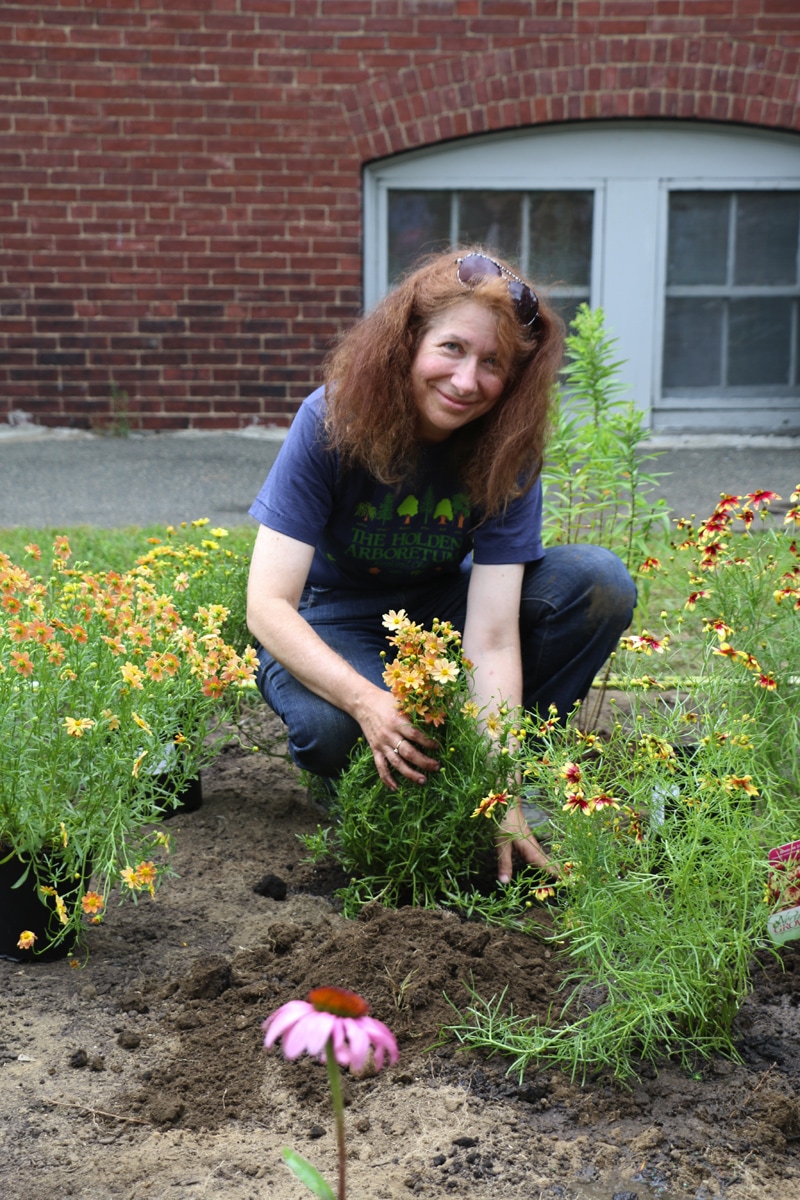
Laura D. Eisener, Massachusetts landscape architect and Meadowscaping design consultant, believes in giving people the skills to create their own environmentally sound landscapes.

For years now, my friend Jean has been spreading the word on biodiversity and the problems posed by our lawns. I think that Jean and her business partner, Barbara, have been especially savvy in teaching the principles of biodiversity to middle school kids in particular. It’s one way to influence a generation of parents addicted to lawn chemicals and at the same time raise the consciousness of a generation that will be responsible for the planet’s future.

Tik Root writes on biodiversity and lawns at the Washington Post: “For many Americans, [summer] means blankets of grassy green for kids to play in, or families to picnic on.

“There are an estimated 40 million to 50 million acres of lawn in the continental United States — that’s nearly as much as all of the country’s national parks combined. In 2020, Americans spent $105 billion keeping their lawns verdant and neat. But our grass addiction comes at an environmental cost.

“According to the Environmental Protection Agency, maintaining those lawns also consumes nearly 3 trillion gallons of water a year as well as 59 million pounds of pesticides, which can seep into our land and waterways.

“Department of Transportation data shows that in 2018, Americans used nearly 3 billion gallons of gasoline running lawn and garden equipment. That’s the equivalent of 6 million passenger cars running for a year.

“As these issues are becoming more prominent in climate change discussion, there are steps you can take to more sustainably manage the impact of your lawn. … Having less grass and more plants is among the most important factors in keeping a yard eco-friendly.

“ ‘Lawn, ecologically, is dead space,’ said Doug Tallamy, an entomologist at the University of Delaware and author of ‘Nature’s Best Hope: A New Approach to Conservation That Starts in Your Yard.’

“The solution, he says, is ultimately less lawn. He recommends people aim to cut the amount of turf grass in their yard in half. … Laying down mulch is one place to start. It quickly kills grass and offers a blank canvas for planting. … Invasive plants, Tallamy said, ‘are ecologically castrating the land around us.’ Native plants, on the other hand, often have deep root structures, making them good for storing water or providing drainage. They have also co-evolved for local conditions. …

“Eric Braun, the water resources manager for the town of Gilbert, Ariz., is quick to emphasize that water-friendly landscapes, also known as xeriscapes, don’t have to look like moonscapes.

“ ‘Xeriscape doesn’t mean one saguaro and a cow skull. It can be very lush and inviting,’ said Braun. ‘The number one thing was showing people that it can be a beautiful landscape.’ he said. …

“More broadly, Tallamy said native landscapes can help refocus our gardens on the ecological purpose of plants, which is to produce food. Plant energy gets passed up the food chain, often via insects. But many insects only eat one native plant species, or group of related plants. So, if we are planting nonnative plants, that food doesn’t necessarily transfer from creature to creature, and the ecosystem can stall.

Monarch butterflies, for example, famously rely on milkweed, and as the plant has become less abundant, the monarch population has plummeted. Bird species are also in decline, as are more than 40 percent of insect species. The United Nations estimates that, globally, 1 million plant and animal species are under threat of extinction.

“Tallamy said native flora better supports native fauna and, as a result, helps combat these declines. Tallamy is a fan of oak trees, which come in 91 native species, grow almost everywhere in the country and attract caterpillars, a key species for supporting other wildlife — to raise a clutch of chicks, a pair of robins needs between 6,000 caterpillars and 9,000 caterpillars in just 16 days, Tallamy said. …

“Others put less emphasis on nativity, and more on the diversity of species and types of plants in a yard.

” ‘Yes, we want natives but let’s be inclusive and not exclude plants that have come from somewhere,’ said Juliet Stromberg, a professor at Arizona State University, who was one of more than a dozen ecologists who wrote a letter arguing that a plant’s origin is less important than its environmental impact.

“ ‘What I would suggest is just loosening the reins a little bit,’ she said. ‘If you’re bringing in the plant that’s the same genus, the insects are going to be fine.’ “

More at the Post, here.

Read Full Post »

large_t_bcyzlmnca3tnmpokvf8h7rlalyd5xo7anjqui3htc

Photo: REUTERS/Toru Hanai
Insects are facing habitat loss across Europe, so London and other cities are taking action.

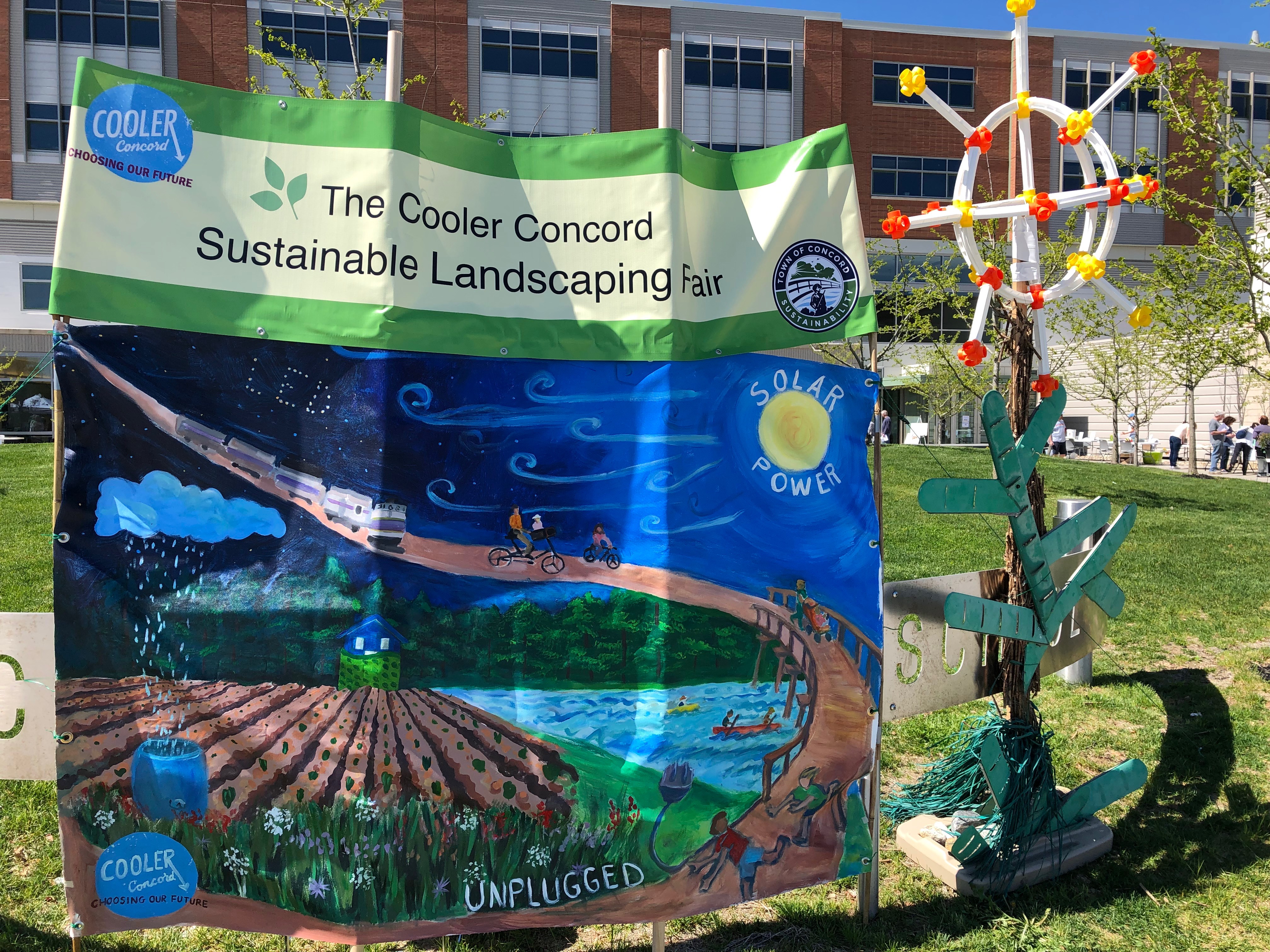
This story is for Jean, whose booth on MeadowScaping for Biodiversity I visited today at the high school’s sustainability event. Forward-thinking students at our school want this town of many lawns and too many lawn chemicals to change its pollinator-killing ways.

Charlotte Edmond at the World Economic Forum reports on how the city of London is getting serious about making bees and other important insects welcome.

“At any one time it’s estimated there are 10 quintillion insects alive. … Many of us hold no great affection for creepy crawlies, so it’s easy to overlook the crucial role they play in supporting ecosystems. Sitting at the bottom of the food web, they are also nature’s waste disposers, crucial to decomposition. Without them we would more than likely go hungry, with many crops needing pollinators to thrive.

But habitat loss and widespread use of insecticides and agrichemicals has led to insect numbers plummeting in recent years.

“In London, as with many other cities, you’re more likely to hear the buzz of cars than insects. But the UK’s capital is looking to give bugs a boost by creating an insect highway through the north-west of the city.

“A seven-mile wildflower corridor is being planted in parkland to provide a safe haven for insects. To support a range of bees and other pollinators, a mixture of seeds has been chosen.

“There has been a catastrophic loss of flower-rich grasslands in England since the 1930s, often as a result of intensive farming or redevelopment of green sites. … Recent studies have shown some species of pollinators in Britain have decreased by up to a third in the past two decades. There has also been a dip in the range of insects seen: in contrast to the sharp decline seen in some species, other insects, particularly those that [eat] crops, have become more prevalent.

“Experts are concerned by the impact the falling bug count will have. The UK government is five years into a strategy to curb pollinator loss, and is working with bodies such as Buglife to introduce more spaces to support pollinating insects. The charity is introducing a network of insect pathways throughout Britain, running through towns and countryside to connect existing wildlife areas together.

“Alongside this, it is working to create ‘urban hotspots’ for insects, transforming mown and unused areas of land by introducing shrubs, flowers and so-called bee hotels.

“Elsewhere, Norway has built a ‘bee highway’ through its capital, Oslo. And Berlin is one of a number of cities around the world to have introduced urban hives in a bid to support bee populations.

“Honey bees, bumblebees, wild bees and other pollinators are estimated to bring at least $25 billion to the European agriculture industry, ensuring pollination for most crops and wild plants.”

For more on London’s biodiversity efforts, go to the World Economic Forum site, here, where you can also find related stories.

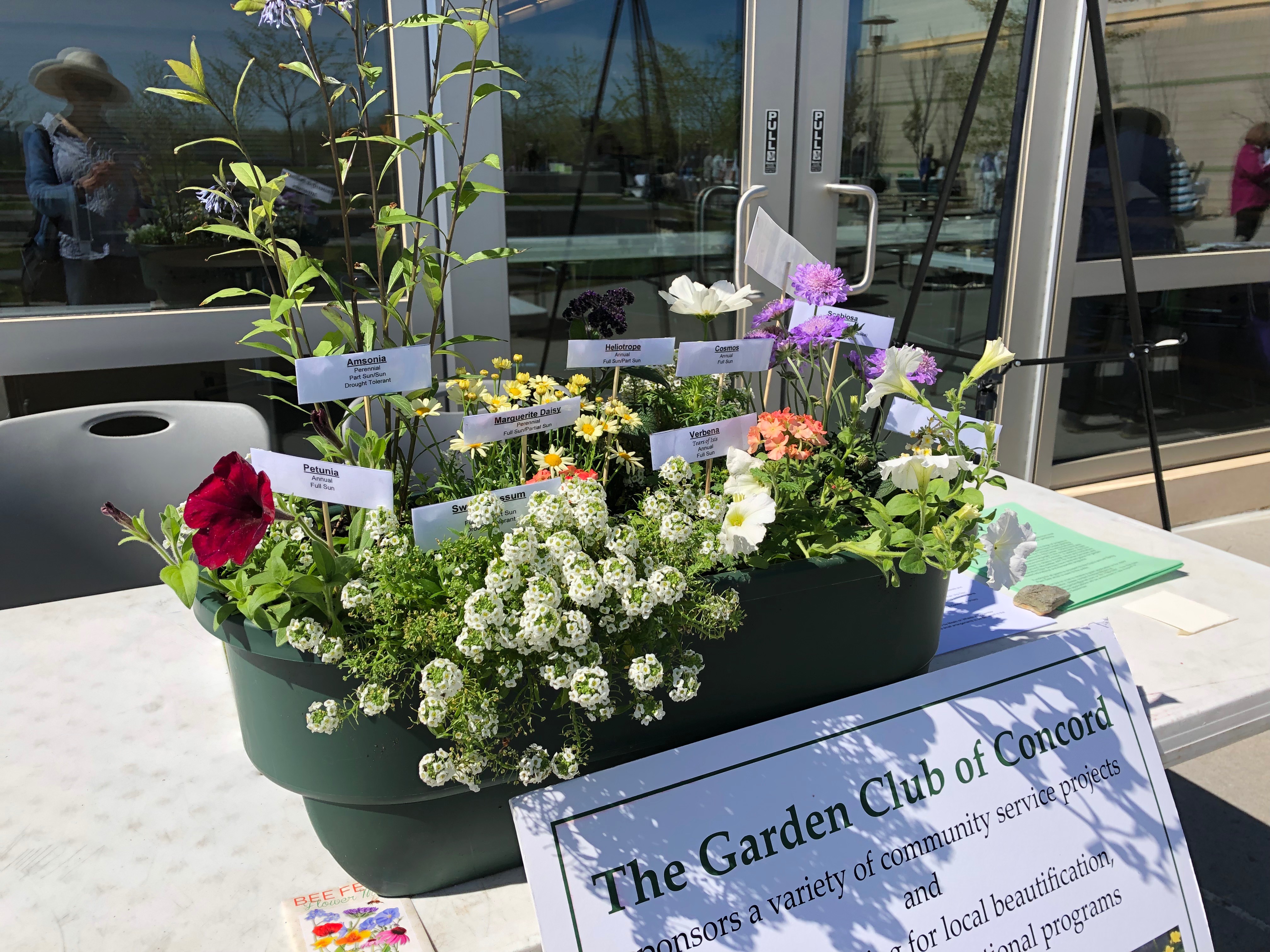
Student-run fair to encourage town residents to use sustainable practices in their yards.

051819-sustainable-landscaping-fair

051819-native-flowers-Massachusetts

051819-MeadowScaping-for-BiodiversityJPG

Read Full Post »