Feeds:
Posts
Comments

Posts Tagged ‘community’

Jay Walljasper appeared recently in the Christian Science Monitor (by way of Shareable). Designated one of The Monitor‘s “change agents,” he has written about ways to build a sense of community in a book called The Great Neighborhood Book.

Walljasper believes that “providing people with ways to come together as friends, neighbors, and citizens creates a firm foundation that enables a neighborhood to solve problems and seize opportunities.

“The neighborhood is the basic building block of human civilization, whether in a big city, small town, or suburban community. It’s also the place where you can have the most influence in making a better world.”

Tips are provided here.

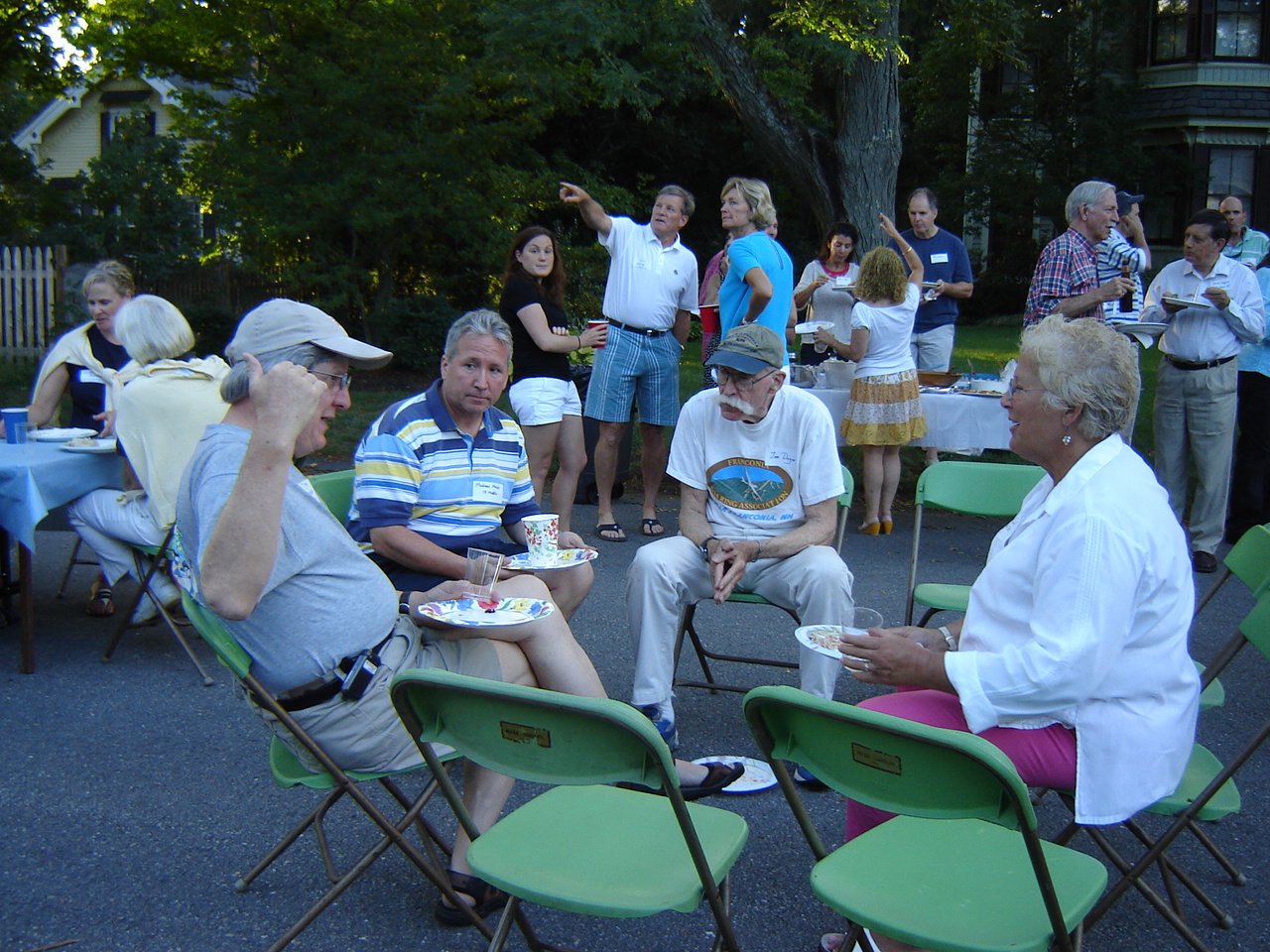
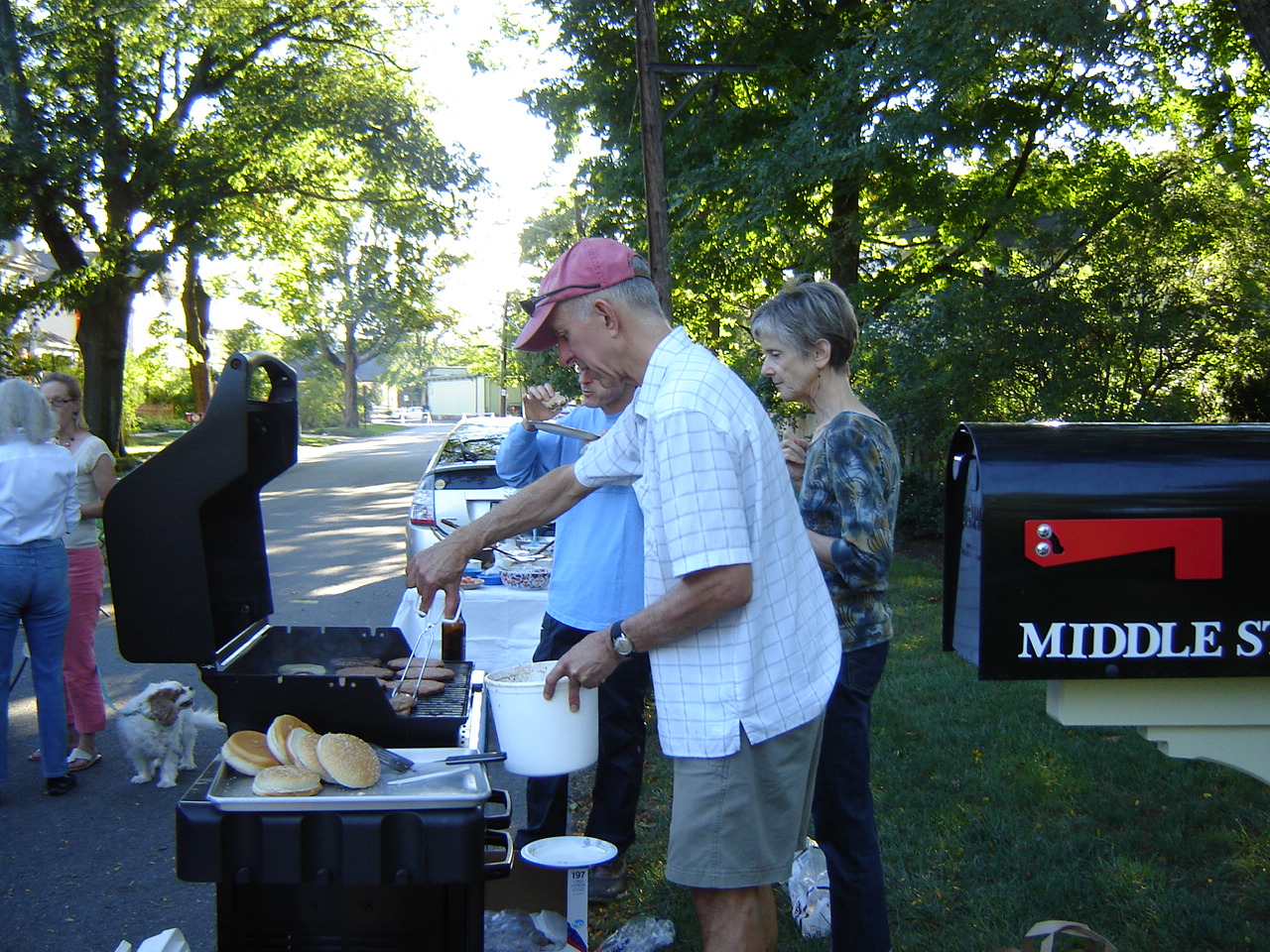
My own neighborhood has block parties on an annual basis. It hasn’t led to solving any major problems, although we did manage to get a rabid raccoon carted away not long ago. Even though most of us meet only once a year, I think we would help one anther if there was a disaster.

Pictures of Sunday’s convivial block party are below, followed by a photo of neighbors somewhere else actually working together on a project. That kind of collaboration probably produces deeper bonding.



Photograph below by Manuel Valdes/AP/File
Two volunteers hold the top of a spiral slide being installed at a neighborhood park in Kent, Wash., in 2011.

Read Full Post »

Evolutionary biologist David Sloan Wilson has just published a book recounting his efforts to apply the principals of his discipline to improving urban life.

The book is called The Neighborhood Project: Using Evolution to Improve My City, One Block at a Time, and it sounds cool.

Mark Oppenheimer writes in the NY Times:

“For years the evolutionary biologist David Sloan Wilson paid little attention to Binghamton, N.Y., where he lived and taught. ‘I hadn’t joined the PTA,’ he writes, ‘attended council meetings, given blood, or served turkey to the homeless on Thanksgiving.’ …

Photographer: Jonathan Cohen

“Five years ago Mr. Wilson, the author of two popular books about Darwin, decided it would be fruitful to apply his training to the (human) animals closer to home. With colleagues at Binghamton University, Mr. Wilson founded the Binghamton Neighborhood Project to use evolutionary theory, along with data collection, to improve the quality of life in his struggling city.”

Although the work is still — evolving — the people he works with make interesting reading as do the experiments.

Oppenheinmer says that the “best chapters describe some of the preliminary work Mr. Wilson’s team has done. For example the Project gave a wide cross section of Binghamton schoolchildren the Development Assessment Profile, a survey that measures sociability, citizenship skills and the conditions that promote such traits. Students rated their agreement with statements like ‘I think it is important to help other people’ and ‘I tell the truth even when it is not easy.’

“The project then figured out where the most trusting, pro-social children lived: which neighborhoods, in other words, seemed to be breeding the most social capital. Using the technology on which Google Earth relies, the project created a krig map — a topographical map representing demographic data — for the city. The valleys showed areas with low social capital, the peaks with high.”

The results have implications for where community-building intiatives might have the most impact. Read the whole review here.

Read Full Post »

Today I was at a conference in Hartford, and I just want to say that I had the best box lunch I have ever had at a conference, maybe the best box lunch ever. The story that goes with it makes it seem even more delightful.

The lunches were catered by The Kitchen, an urban workforce-training effort by Billings Forge Community Works. We had four lunch choices, and I chose the curried chicken-and-grape salad on fruit-and-nut bread, with sides of potato salad, orzo and olive salad, and a just-baked cookie. (There were also local beverages like birch beer and Dangerous Ginger Beer, “hot mon!”)

The story begins with the Melville Charitable Trust, dedicated to “finding and fighting the causes of homelessness.” After its success renovating a building to house nonprofit offices in Frog Hollow, an impoverished section of Hartford, the city asked the Trust to take on a big housing project nearby. The initiative grew into an inspiring example of holistic community development, involving gardens, youth activities, a gourmet restaurant that attracted suburbanites from Day One, and a successful catering facility that has the added benefit of training neighborhood residents in professional food service. We got to see much of this on a tour we took after our meeting and after the box lunch.

Read Full Post »

« Newer Posts