Feeds:
Posts
Comments

Posts Tagged ‘dog’

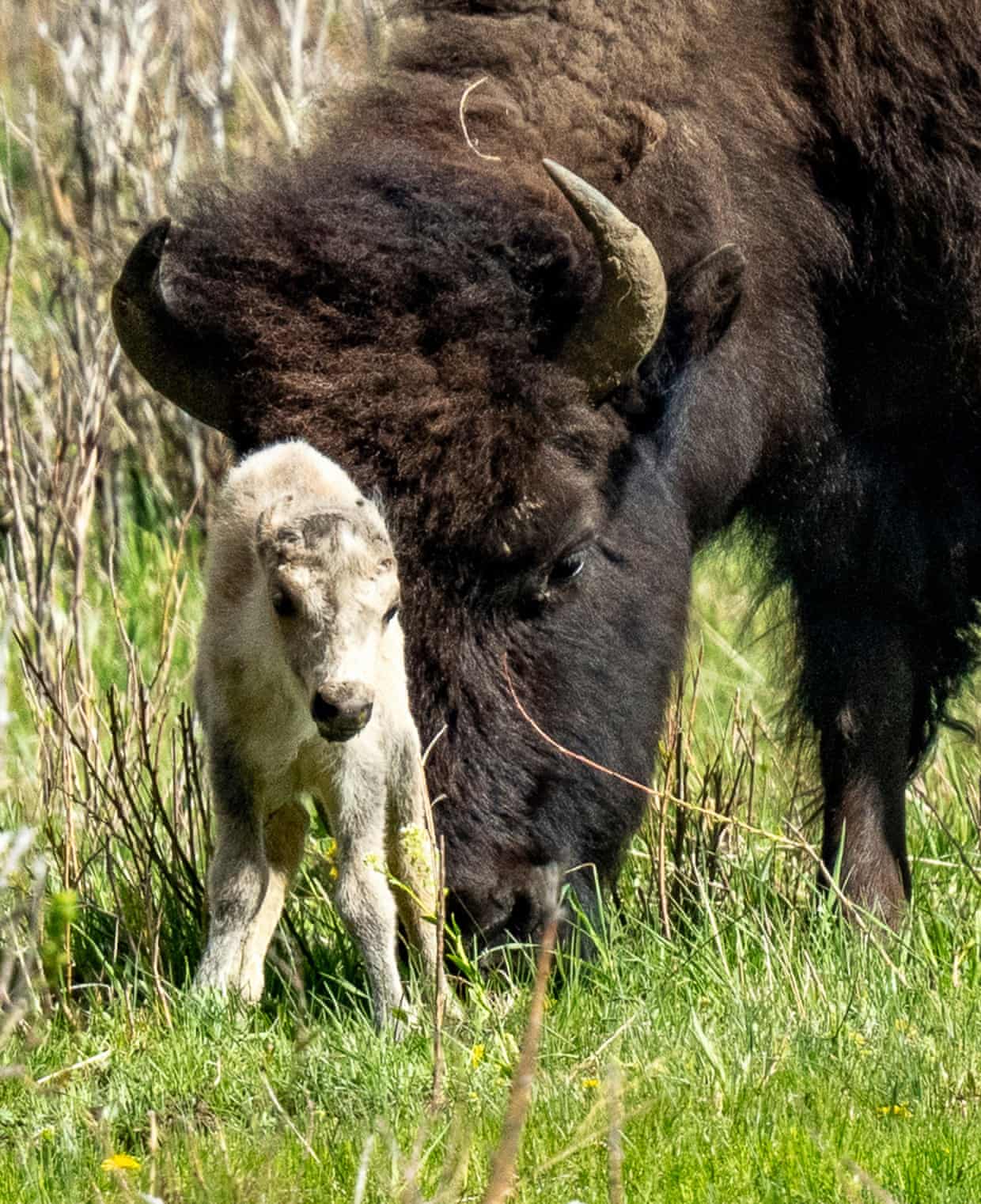
Photo: Erin Braaten/Dancing Aspens Photography via AP.
A rare white buffalo calf in Yellowstone National Park in Wyoming on 4 June 2024. 

In the early days of TV, a show we watched regularly was Rin Tin Tin. It featured a dog and a boy and the US Army patrolling out west. I’m sure there were many elements that would be considered offensive today, but you know, children pick up nice things from anywhere. I can still sing the song about the White Buffalo.

After a white buffalo was born in June, Oliver Milman wrote about the event at the Guardian.

“A rare white buffalo has been born in Yellowstone national park, with the arrival prompting local Lakota Sioux leaders to plan a special celebration, with the calf representing a sign of hope and the need to look after the planet.

“The white calf was reportedly spotted shortly after its birth … by park visitor Erin Braaten, a photographer. She took several shots of the wobbly baby after spotting it amongst a herd of buffalo in the north-eastern corner of the large park, located in Wyoming and a small slice of Montana.

“ ‘I couldn’t believe what I was seeing,’ Braaten told ABC News. ‘It was so surreal. I just knew it was something special and one of the coolest things I’ve ever photographed.’

“Braaten and her family watched the calf and its mother for another half an hour before coming back on each of the following two days to look for the white calf, but with no further sighting. …

“Members of the Lakota Sioux tribe will hold a ceremony to celebrate the arrival at the headquarters of the Buffalo Field Campaign, which advocates for the animals, in West Yellowstone on 26 June.

“The birth of a white buffalo holds a special significance to the tribe, according to the Buffalo Field Campaign. ‘The birth of this calf is both a blessing and warning. We must do more,’ said Chief Arvol Looking Horse, the spiritual leader of the Lakota, Dakota and the Nakota Oyate in South Dakota, according to AP, referring to looking after nature and the environment.

“Tens of millions of buffalo once roamed the plains of the western US, only to be slaughtered on an enormous scale for their hides by settlers, hunters and traders in the 19th century, leaving just a few hundred of the animals unscathed.

“The mass killing of buffalo caused severe harm to native American communities that relied upon the animals as a sustainable food source, as well as being a key cultural touchstone.” More at the Guardian, here.

At a National Park Service (NPS) site, you can read a lot more about the legends surrounding the White Buffalo. For example: “To American Indians, a White Buffalo Calf is the most sacred living thing on earth. The calf is a sign to begin life’s sacred loop. Some American Indians say the birth of a white calf is an omen because the birth takes place in the most unexpected places and often happens among the poorest of people. The birth is sacred within the American Indian communities, because it brings a sense of hope and is a sign that good times are about to happen.” More at NPS, here.

If you go to the YouTube clip below, you will see many happy comments from people who loved the Rin Tin Tin episode about the White Buffalo when they were kids.
Read Full Post »

The book My Cat Likes to Hide in Boxes was a hit with John and Suzanne — and later, their children.

Animal behavior can be fascinating. Some readers may recall my posts about foxes stealing shoes. You may also know the popular author Sy Montgomery, who interprets for the rest of us the mysterious activities of critters from the octopus to the tarantula. Meanwhile at the Washington Post, Marlene Cimons has an interesting look at household pets.

“Bella the beagle loves boxes from Amazon. She tears into them, while ignoring other deliveries. … Little Bit, a recently departed tortoiseshell cat, was similarly obsessed — but with socks. She would raid the laundry basket in the middle of the night and paw through the open suitcases of houseguests, who invariably found themselves one sock short in the morning.

“Pets do quirky things. At least it may seem that way to their humans. But these traits often make perfect sense to the pets, say scientists who study animal behavior. …

“ ‘These behaviors are not invented on the spot,’ says Carlo Siracusa, associate professor of clinical behavior medicine at the University of Pennsylvania School of Veterinary Medicine. ‘[Their ancestors’ behavior has been] adapted to their new lives as domesticated animals now that they are living with humans.’ …

“Dogs, for example, often ‘make their beds’ — as humans describe it — by scrabbling on blankets, sheets or doggy beds, then turning a few times before settling down, a habit that probably comes from an age-old instinct to create a safe, warm place to sleep.

” ‘Think about where animals sleep in nature,’ says Evan MacLean, director of the Arizona Canine Cognition Center at the University of Arizona. ‘They mat down an area before they lay in it.’ …

“Sometimes dogs will paw the ground after pooping. (Advice: Wait a few seconds before bending down to pick up their waste to avoid being hit by flying debris.) They are not burying their feces.

“ ‘They are depositing scent in those areas,’ MacLean says, which may explain their pickiness about a pooping spot. ‘They’re looking for the best part of town to put up a billboard. They want a good place to advertise. Scratching creates a ground disturbance, to catch attention. It’s almost like drawing a picture with a big red marker around it.’

“The signpost is meant for other dogs, another quirk they inherited from wolves, he says. ‘Territory marking is very likely one function of this communication, but there is a lot of other information that might be encoded in odors that we don’t understand well as humans,’ he says. …

“Cats, on the other hand, almost always bury their waste. ‘They are covering their tracks,’ says Monique Udell, director of the Oregon State University Human-Animal Interaction Lab. …

“Mikel Delgado, founder of Feline Minds, a Sacramento cat behavior consulting service, says that some of these traits derive from cats’ wild origins.

“ ‘Cats are highly predatory, they are naturally active at dawn and dusk, they are in the middle of the food chain — both hunters and hunted — with some behaviors that are natural, like scratching, and we can’t train that out of them,’ she says.

“Experts also insist that the reputation of cats as socially aloof is undeserved. They have facial scent glands, and when head-butting their human, they are probably depositing secretions to mark their social partners, says Kristyn Vitale, assistant professor of animal health and behavior at Unity College.

“ ‘Kneading’ is what kittens do to their mothers when nursing to stimulate milk production. Adult cats may ‘knead’ humans when they are feeling relaxed or are trying to calm themselves. … ‘It’s like thumb-sucking in toddlers,’ Udell says.

“While dogs share many behaviors inherited from wolves, they’ve also developed a few of their own, for example, ‘puppy dog eyes,’ the innocent look that humans are helpless to resist.

“ ‘They want to be connected to us,’ says Jeffrey Stevens, director of the Canine Cognition and Human Interaction Lab at the University of Nebraska-Lincoln. … ‘They look at us this way, and it changes our behavior.’

“Like wolves, dogs also like to lick faces. Humans think their pet is kissing them. Sorry, they are not.

“ ‘It’s how wolf puppies get food from their parents’ mouths,’ MacLean says. ‘It also can be a sign of submission. When a lower-ranking individual approaches a higher-ranking one, it gets down real low and licks the dominant one to say: “I’m not a threat to you.” ‘

“There are some behaviors researchers can’t explain, such as ‘Zoomies,’ the term often used to describe frenetic and seemingly random movement by a dog, likely an energy release.

“ ‘My dog runs around in crazy manic circles with her mouth open, her tongue out, ears back and butt tucked in, and if I mess with her while she’s doing it, she gets even more hyper,” [Sarah-Elizabeth Byosiere, director of the Thinking Dog Center at CUNY Hunter College] says. ‘She’s getting something out of her system and can’t focus until she does this. But we have zero science on this.’ “

Angie Johnston, director of the Canine Cognition Center and Social Learning Laboratory at Boston College, says that one of her dogs tap dances. ” ‘When he gets excited, he taps with his front paws, then he jumps up on all four feet and spins around in a circle in midair,’ she says. ‘He does this when he is excited or happy. I don’t know where it comes from.’

“As for Bella, the dog who preferred Amazon boxes over all others, the explanation seems to be her great success in sniffing out the snacks they contained: She smelled protein bars in the Amazon packages. After ripping her way in, she ate almost all of them, except for the few she stuffed behind the sofa cushions for emergencies.

“ ‘She was very fastidious about it,’ says Jeffrey Levi, professor of health management and policy at the Milken Institute School of Public Health at George Washington University, one of Bella’s people. ‘She never eats the wrappers.’

“Little Bit, the sock-addicted cat, was also apparently motivated by smell.

“ ‘Many animals carry around socks and shoes,’ Udell says. ‘Humans produce smells on the bottoms of their feet, so if you want to get closer to your human, there’s nothing like a good smelly sock.’ “

More at the Post, here.

Read Full Post »

Photo: Nathanael Coyne, Flickr, CC BY-NC-ND 2.0.
Native tribes have wonderful stories about relations with animals, including “man’s best friend.”

This morning I got a kick out of talking to Stuga40 in Sweden about my post on dog research and the entertaining corroboration that Hannah sent. So I decided to continue the theme with something from the radio show Living on Earth.

“BOBBY BASCOMB: Many Native American communities belong to a clan which identifies with an animal. There are bear, deer, and loon clans to name a few. Those animals are featured in their traditional stories. So, to hear some of them I called up Joe Bruchac. He is a storyteller and musician with the Nulhegan Abenaki tribe of Vermont and Upstate New York. And Joe carves and plays traditional flutes. …

“JOE BRUCHAC: We say that the flute came to be when a woodpecker made holes in the hollow branch of a tree that was broken off at the end and the wind blew over it and created that first flute music. So when we play the flute, we try to keep in mind, it’s a gift of the trees and the wind, and the birds. A flute could be played for pleasure or to keep yourself from feeling lonely. …

“BASCOMB: I hope to hear some more of your flute music a little later in this segment. But first, can you get us started with a story? I understand you’re going to tell us a traditional story about dogs.

“BRUCHAC: That’s right. They say that long ago, the one we call Gluskonba, the first one in the shape of a human being was walking around. This was the time before the people came to be on this land. Now one of the jobs Gluskonba had been given by the Creator was to make things better for those humans when they got here. And so he thought, I wonder what the animals will do when they see a human being for the first time. I better ask them.

“And so Gluskonba called together a great counsel of all the animal people. And then as he stood before them, he said, ‘I want each of you to come up and when I say the word for human being, tell me what you will do.’ Now the first one to step forward was the bear. In those days bear was so large, he was taller than the tallest trees. His mouth was so huge, he could swallow an entire wigwam. And when Gluskonba said the word ‘alnoba,’ which means human being, the bear said ‘[bear grunt] I will swallow every human being that I see!’

“Gluskonba thought about that. He thought to himself, ‘I do not think human beings will enjoy being swallowed by bears, I’d better do something.’ And so he decided to use one of the powers given to him by the Creator, the power to change things, a power that we human beings also have and often misuse. Gluskonba said to the bear, ‘You have some burrs caught in your fur, let me comb them out with my fingers.’ And so the bear sat down in front of him, and Gluskonba began to run his fingers along the bear’s back and as he did so, combing out those burrs, he also made the bear get smaller and smaller, until the bear was the size that bears are to this day.

“And when Gluskonba said to him, ‘And now what will you do when you see a human being?” that bear looked at itself and said, ‘[bear grunt] I will run away!’ Which is what bears usually do to this day.

“Now the next one to come forward was one we call Kitschy moose: the big moose. Moose by the way, is one of our Abenaki words, it means the strange one, and that moose back then was really strange. It was so large that his antlers were bigger than the biggest pines, they were sharper than the sharpest spears, and when Gluskonba said the word ‘alnoba’ that moose said, ‘I will spear every human being I see, spear them on my horns and throw them over the tree tops, and stomp them with my hooves until they’re as flat as your hand!’

“And again Gluskonba thought, ‘I do not believe human beings will feel much pleasure at being speared and flattened by moose. I’d better do something.’ So he said to that moose, ‘Nidoba, my friend, you appear to be very strong. Let us have a contest, I will hold up my hands and you will try to push me backward.’ The moose agreed, it leaned forward, putting its nose in one of Gluskonba’s hands, its huge horns in the other, and began to push, and push. But Gluskonba did not move. And that moose’s horns got smaller and rounder and the moose itself got very, very, very much smaller than it was before and also his nose got all smushed in. And the moose looked at itself when Gluskonba said, ‘And now what will you do when you see a human being?’ the moose said, ‘Uhh, I will run away.’ Now one after another Gluskonba talked to many animals. There’s almost for everyone a separate story. … But finally, just one animal was remaining.

“It sat there in front of him wagging its tail. It was of course the dog, and Gluskonba said to dog, ‘Nidoba, my friend, are you going to do something to harm the human beings when they arrive here?’ And the dog shook its head and said, ‘No, I’ve been waiting for human beings to come! I want to be their best best friend, I want to play with their children, I want to go hunting with them, I want to live in their houses with them and share their food and even climb in bed with them, I want to be their best best best best friend!’

“And Gluskonba looked at that dog, and he saw that dog’s heart was good. He said ‘Nidoba, my friend, you will be the best friend that human beings will ever have, a better friend than some of them deserve; and so we will know you by this name: Aalamos, the one who walks beside us.’ And so it is that to this day, it is the dog who walks beside us, our best best friend.”

For other delightful animal stories and some Abenaki flute music, click at Living on Earth, here.

Read Full Post »

gjw6gssc7jtv42liwz2xxprp6i

Photo: Craig F. Walker/Boston Globe
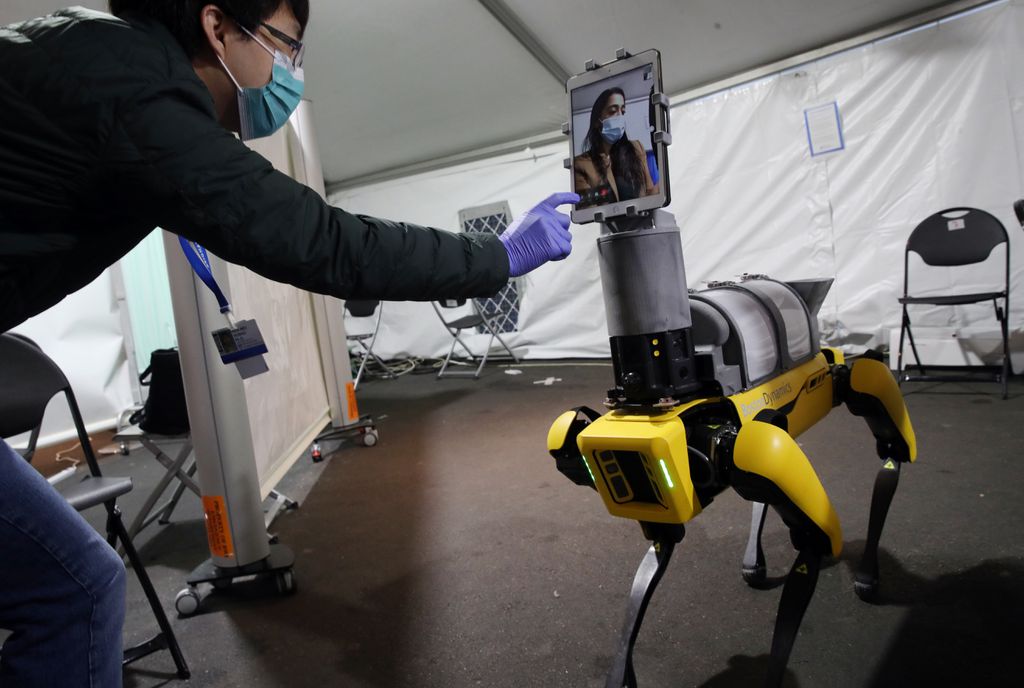
Research scientist Hen-Wei Huang talked about Spot the robot during a demonstration at Brigham and Women’s Hospital in Boston.

When Boston Dynamics first launched its robot dog, people regarded it more as a toy with fancy tricks than as a serious partner in the working world.

Then came coronavirus.

As Hiawatha Bray reports at the Boston Globe, the robot’s remarkable agility is one reason it has become useful for screening potential Covid-19 victims safely.

Bray writes, “At Brigham and Women’s Hospital, the first encounter a potentially infected person might have is not with a doctor or nurse swathed in protective gear, but with a talking, animal-like robot that looks like it might have wandered off the set of ‘Star Wars.’

“Spot, the agile walking robot from Waltham-based Boston Dynamics, gained Internet notoriety for showing off its dance moves on YouTube. But now it’s going to work in the real world, striding into the danger zone, armed only with an iPad. The robot is posted just outside the hospital, not so much as a sentinel, but as an intake worker that will help doctors safely interview people who fear they may have been infected with the coronavirus. …

“The yellow-and-black Spot robot, which resembles a large dog, is positioned inside a big white tent set up in front of the hospital’s main entrance as a triage area for potential COVID-19 cases. It is fitted with an iPad that displays a physician located safely inside the hospital who can use the device’s camera to see the patient’s physical condition. The doctor can talk to the patient through the built-in microphone and a mounted speaker, asking standard diagnostic questions.

“The physician is also able to remotely control Spot, directing the machine to move around for a better perspective of the patient. …

‘Most people have been very excited to be interacting with this robot and mostly see it as something that is cool and fun,’ [said emergency room doctor Farah Dadabhoy].

“Michael Perry, Boston Dynamics’ vice president of business development, said that as early as February the company began receiving inquiries from hospitals worldwide. Was it possible, they asked, to use a Spot robot to conduct triage interviews? …

“Many had set up their COVID triage areas outdoors, on lawns or in parking lots. On such uneven surfaces, ‘traditional robotics doesn’t make sense,’ he said. ‘We need something that can handle this difficult terrain.’ …

“Doctors at the Brigham had also been looking into automated triage. In cooperation with engineers at the Massachusetts Institute of Technology, they worked on remote diagnostic sensors, but they needed a robot to carry them. So in March they reached out to Boston Dynamics.

“The result was a specially modified Spot, featuring the iPad and a little carrying pouch mounted near the robot’s ‘tail.’

“There’s nothing flashy about the pouch, but it’s quite practical. It allows Spot to deliver small items such as bottled water to infected patients, without the need to send in a nurse. Personnel can’t approach a COVID-infected patient, even for something as simple as giving him a bottle of water, without putting on safety gear. … With the medical version of Spot, health care workers can just put the bottle in the pouch and have it marched over to the patient. And the moisture-resistant robot is designed to be sanitized easily.

“The current version of Spot is only good for conducting interviews. But the Brigham will soon deploy an upgraded model with cameras that can measure a patient’s respiration rate and body temperature, with no need to make physical contact. …

The company said it is giving its medical hardware and software designs at no charge to any robotics company that cares to use them. Perry said Boston Dynamics has already had talks with a Canadian maker of wheeled robots.

Read more at the Globe, here.

Spot the Robot Dog in an earlier career as a YouTube dancing sensation.

Read Full Post »

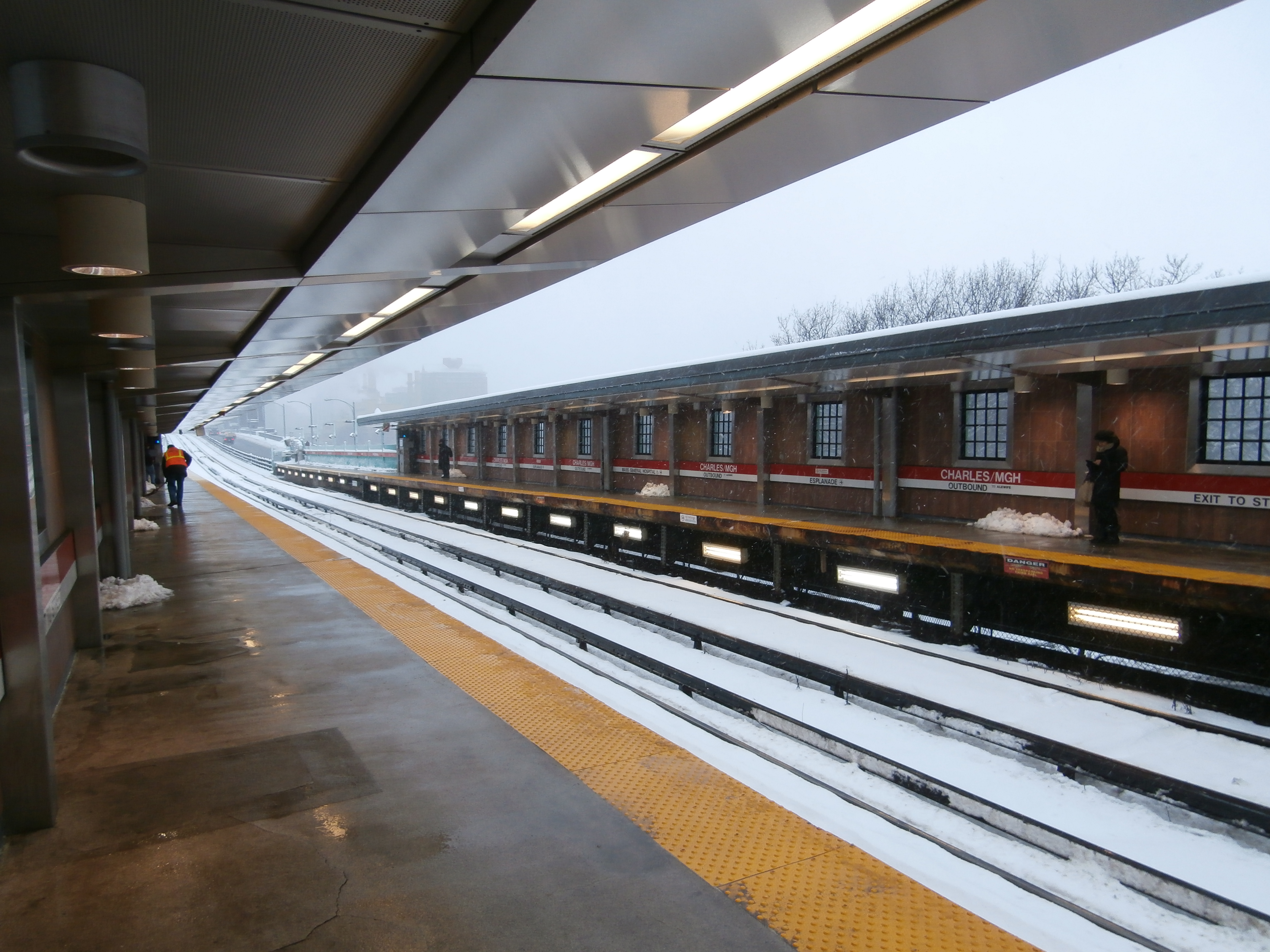
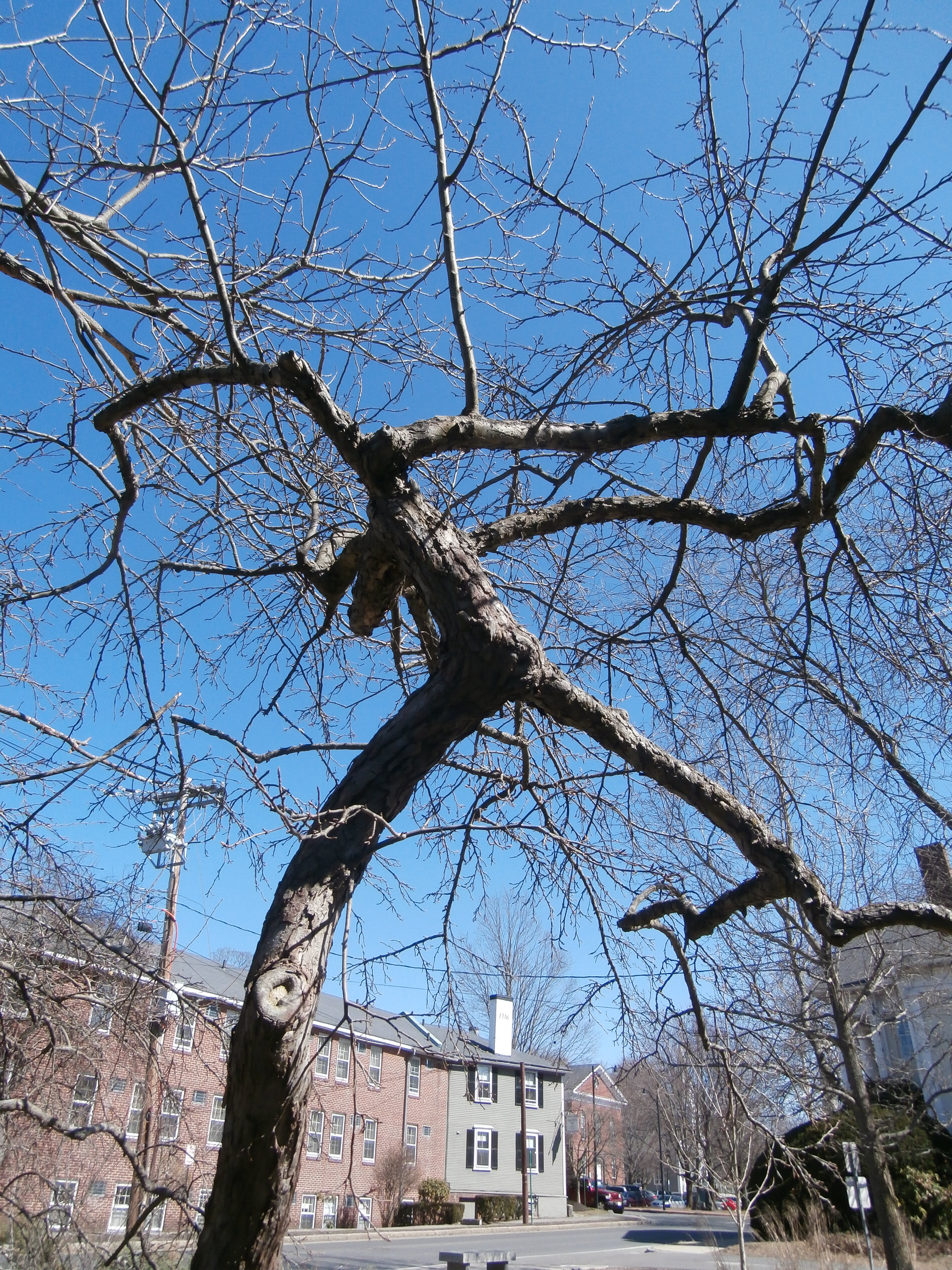
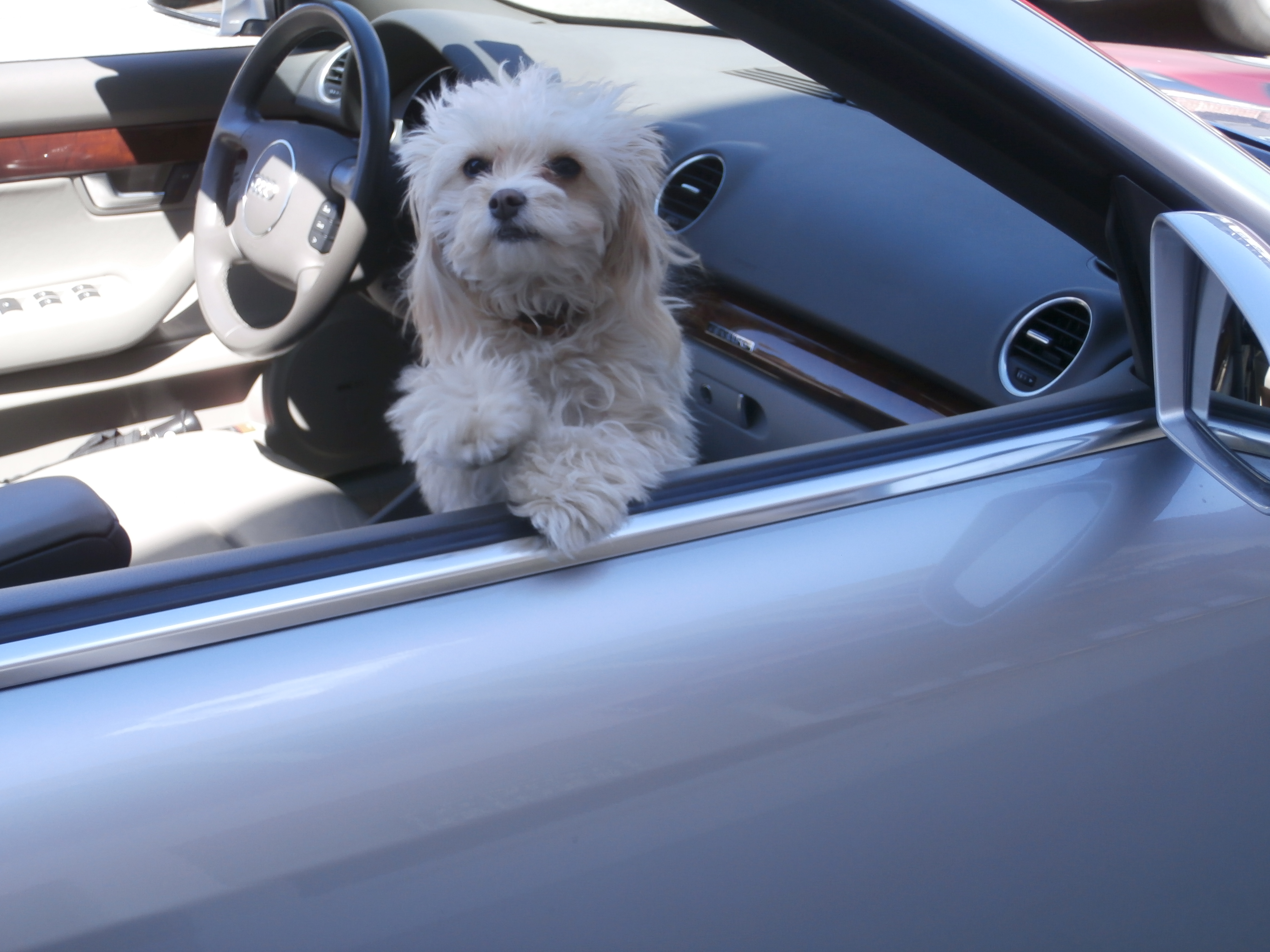
These recent photographs show the changing seasons — from a March storm at a T station to driving with the top down.

The weather changes fast around here — today on my walk I kept zipping and unzipping my coat because the sun kept going in and out of clouds and the temperature kept zooming up and down. As the saying goes, “If you don’t like New England weather, stick around for a few minutes — it will change.”

March-storm-MBTA

bare-branches-in-april

rogue-dog-in-convertible

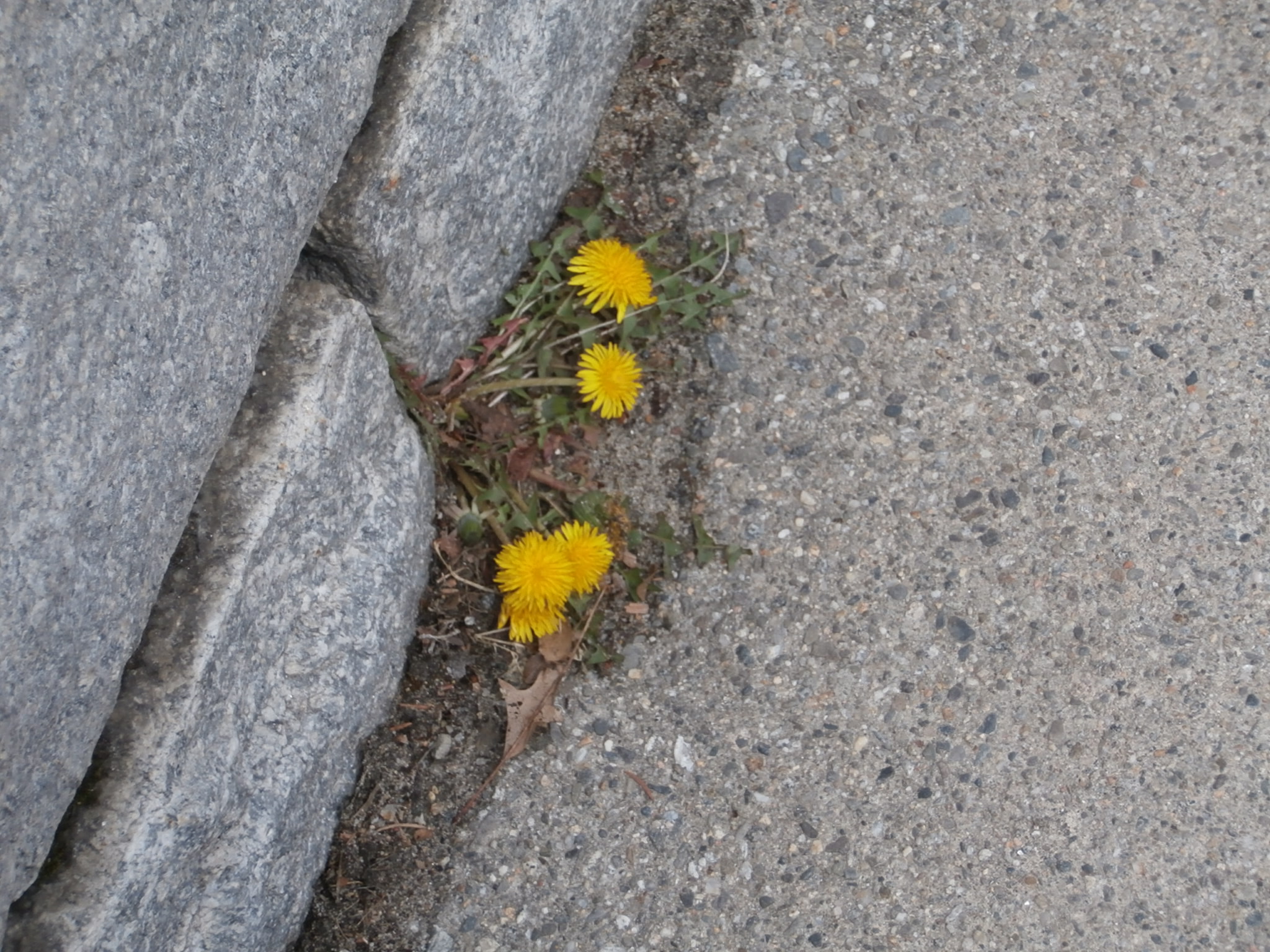
dandelions-in-april

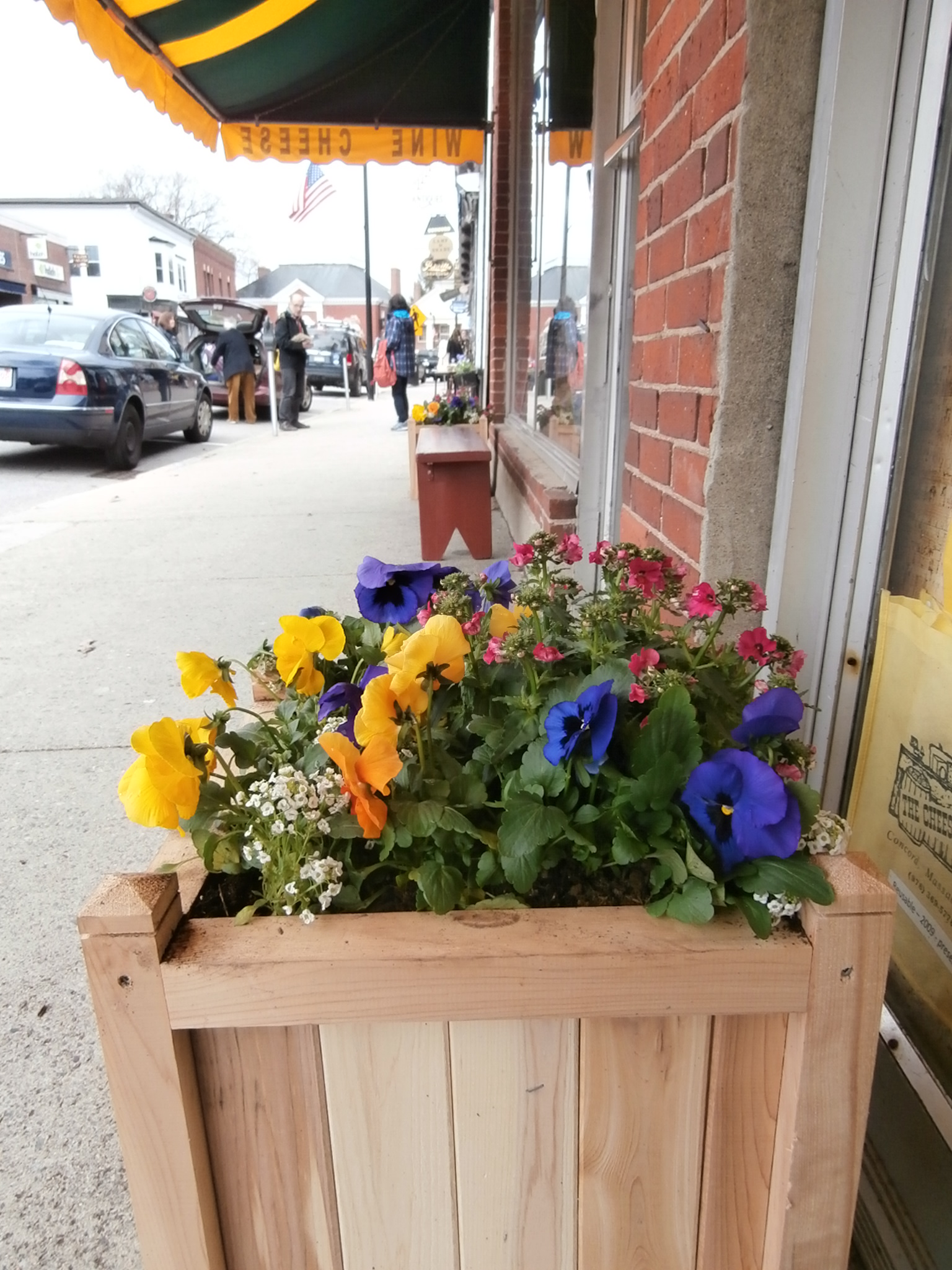
concordma-cheese-shop-flowers

Read Full Post »

The happy faces say it all. The circus is good for Baghdad.

An article by Michael S. Schmidt and Zaid Thaker in today’s NY Times describes the scene. “There were not any tigers because the animals were stuck in Egypt. There were dogs, however, but they were not [the promised] poodles. And the big snake, well, the snake had become sick and had to be evacuated …

“A circus coming to town may be a routine event in most cities. But in battered Baghdad, even if it was not the Greatest Show on Earth, the arrival of the circus was yet another small step in this city’s efforts at building a more normal life. …

“There is not a commanding ringmaster. What it does have, though, are dancers jumping rope, a woman swinging from a trapeze (without a net, but with a harness), and a grand finale of a man clad in an Iraqi flag plunging swords down his throat.  …

“Faisil Falleh, 56, who took his family to the circus on a recent night, said, ‘I haven’t seen anything in my life like this.’  …

“Promoter Jasim Mohammed Saeed said,  ‘Nobody is working in this business in Iraq. It is just us.’ ” Read more here.

If you want to go, it’s $12 for adults, $6 for teens, and free for children. The cotton candy — “lady’s hair” in Arabic — is $1.

Read Full Post »