Feeds:
Posts
Comments

Posts Tagged ‘ecosystem’

John sent a link to a story at Business Insider about a science fair project that could have a real impact on the environment.

Jessica Orwig writes, “This 13-year-old is trying to save the world one ecosystem at a time. Chythanya Murali, an eighth grader from Arkansas, has created a safe, effective, non-conventional method to clean oil spills, by harnessing the cleaning properties of bacteria — specifically the enzymes they use to break down oil particles. These enzymes disassemble oil molecules, making way for the bacteria to convert it into harmless compounds. …

“In 2012, a study found a chilling discovery about the oil-cleaning agents dispersed in the Gulf of Mexico after the Deepwater Horizon oil spill of 2010. When combined with the oil itself, the resulting mixture was 52 times more toxic to small animals like plankton than oil alone. …

” ‘My inspiration for this project began [from] the immense damage caused by the BP oil spill in early 2010.’

“To improve oil-cleaning methods, Murali designed a science fair project that explored the different mixtures of oil-eating enzymes and oil-breaking-down bacterias, to see how they effect the marine environment.

” ‘The combination of bio-additive enzymes and oil-degrading bacteria as a novel combination for short and long-term cleaning, and its effect on ecosystems, was not explored before,’ Murali told Business Insider.

“So it only seemed natural to Murali to combine the two and see what happened. She discovered that in a small-scale aquarium, the combination of her chosen oil-cleaning agents could help remove oil while preserving the health of the overall ecosystem, something that some of the oil-cleaning agents we use today cannot achieve.” Read more here.

Kids are going to save the world, I think.

Photo: Chythanya Murali
Chythanya Murali with her science fair poster.
Read Full Post »

Ron Finley is a man of humble ambitions. He aims to save the planet, beginning with urban gardeners. I heard an interview with him on America’s Test Kitchen as I was driving home today.

From his website: “Let’s grow this seed of urban guerrilla gardening into a school of nourishment and change. Help spread his dream of edible gardens, one city at a time. …

“In part of this effort, Ron is planning to build an urban garden in South Central LA that will serve as an example of a well-balanced, fruit-and-veggie oasis – called ‘HQ.’ Inspired by the idea of turning unused space such as parkways and vacant lots into fruitful endeavors, this garden and gathering place will be a community hub, where people learn about nutrition and join together to plant, work and unwind. HQ will create a myriad of jobs for local residents, and this plot of land will be a self-sufficient ecosystem.”

It all started, according to Ron, when he “wanted a carrot without toxic ingredients I didn’t know how to spell.” He began to plant food near his house, on a strip by a road.

“The City of Los Angeles owns the ‘parkways,’ the neglected dirt areas next to roads where Ron was planting. He was cited for gardening without a permit.”

After Ron “started a petition with fellow green activists, demanding the right to garden and grow food in his neighborhood … the city backed off.” More here.

When asked on America’s Test Kitchen if his gardens were not just about obesity and healthful eating but also about making neighborhoods more livable, Ron said he wanted to do that for the whole planet.

Read Full Post »

I was reading an article by Kathleen Wolf, a social scientist whose “work is based on principles of environmental psychology and focuses on the human dimensions of urban forests and ecosystems.”

The following words struck me: “Interviewees say that merely looking at trees tends to reduce mental and physical stress. A walkable green environment is also thought to increase life satisfaction in later life and even longevity.” Hmm.

So to borrow some words from local honcho H.D. Thoreau, “I went to the woods to see if I could live” longer.

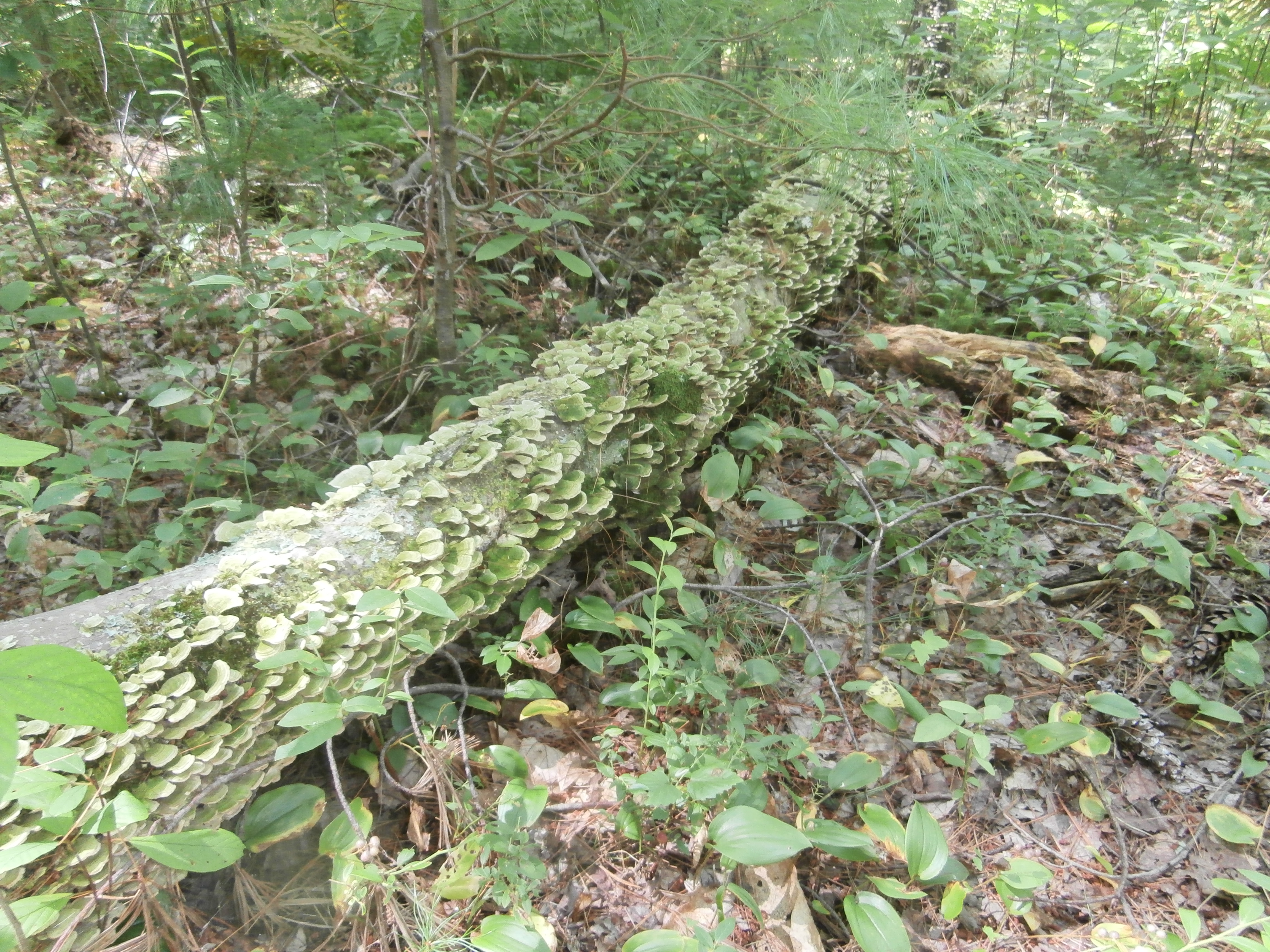
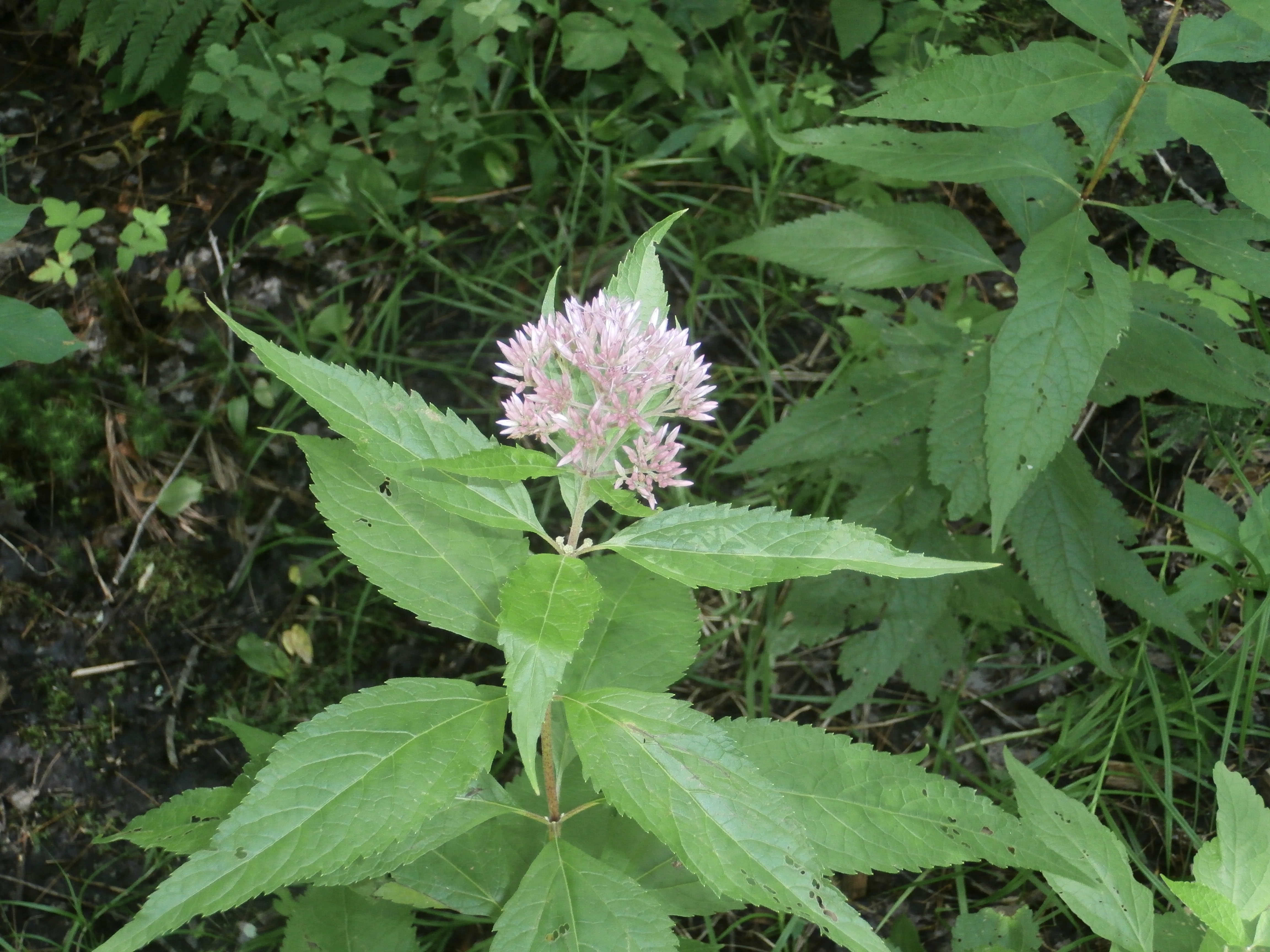
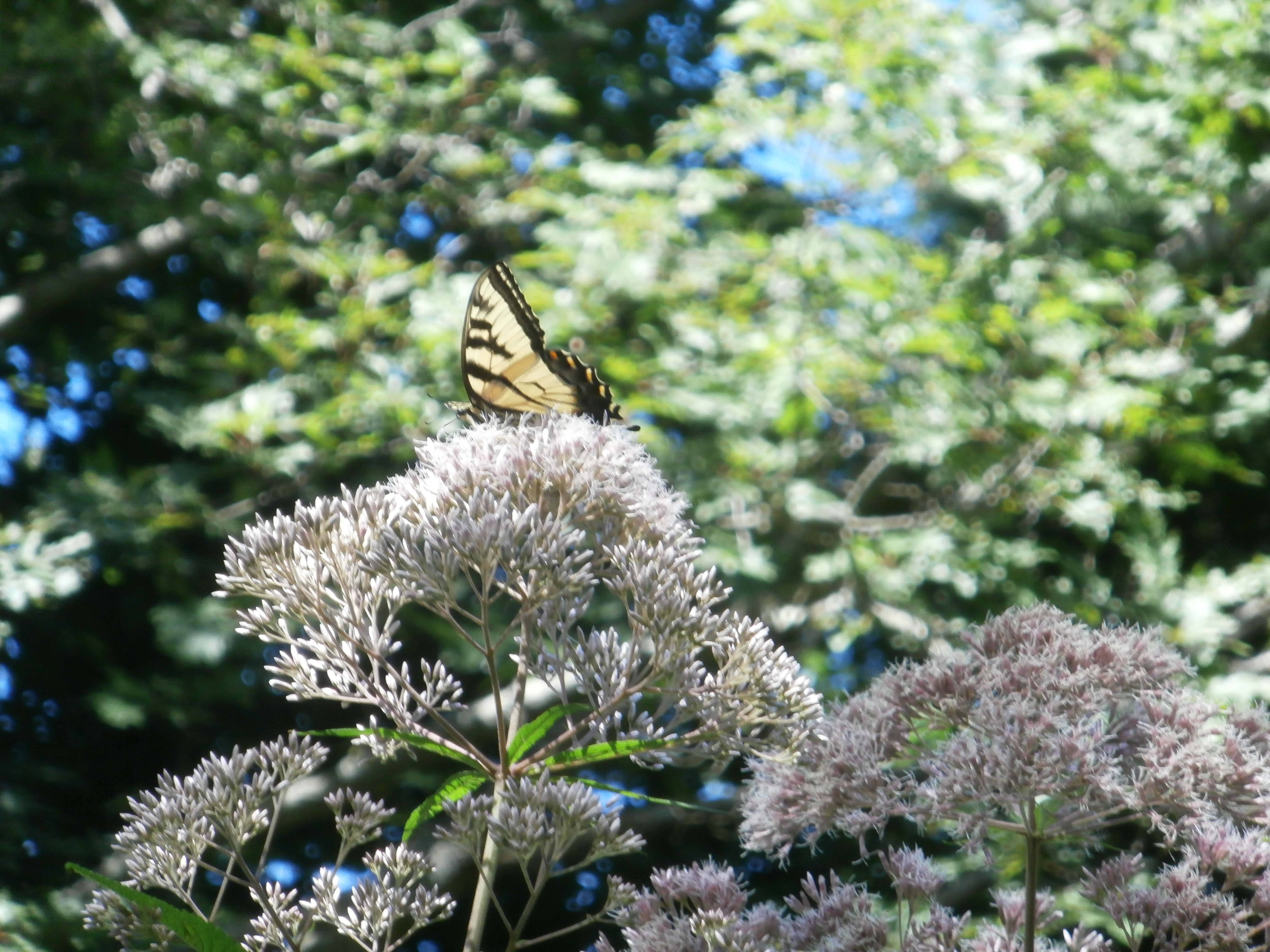
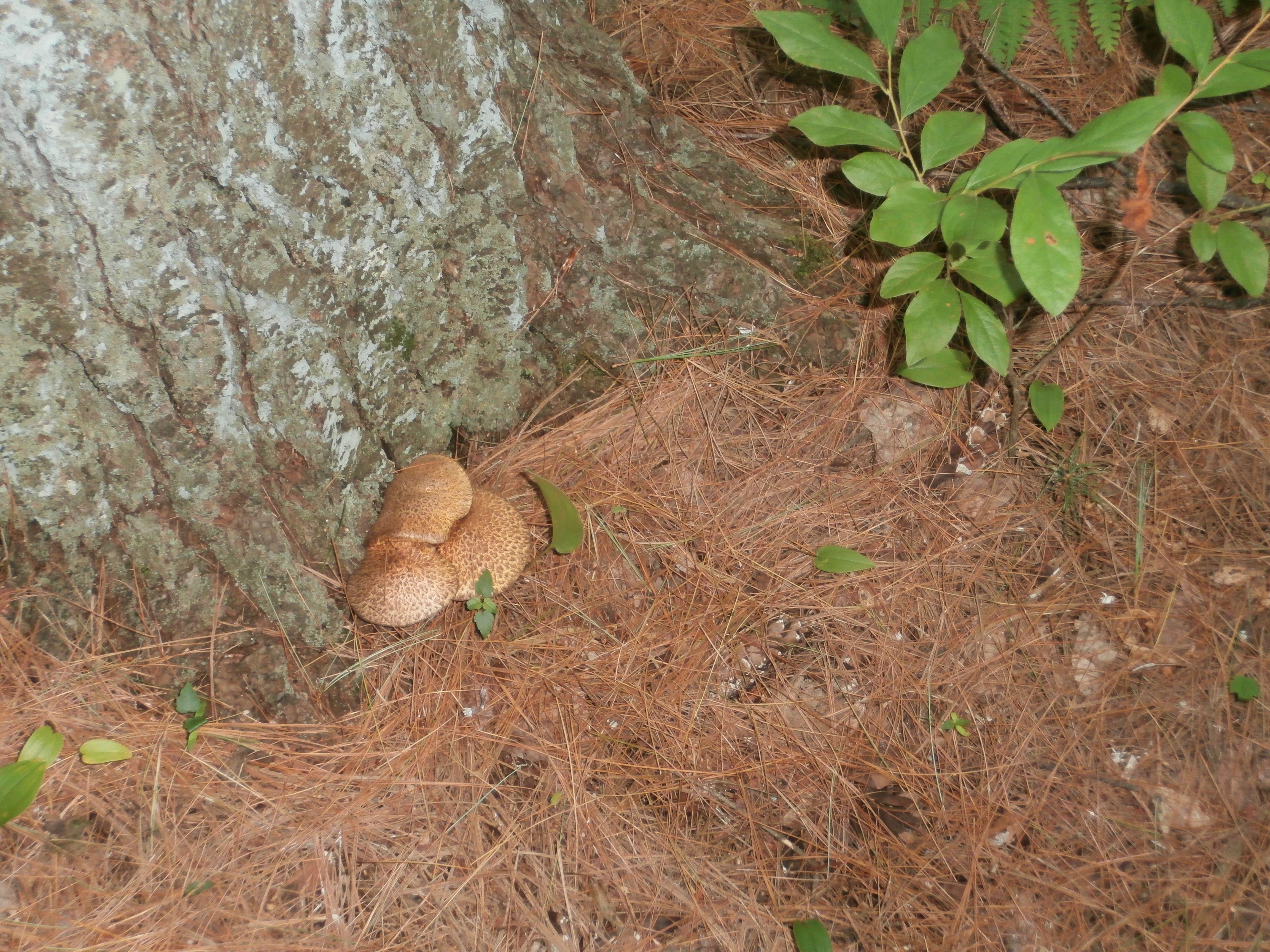
Photos include the Hapgood Wright Town Forest, Joe Pye Weed, an Eastern Tiger Swallowtail, a log like a scaly snake, and various fungi indicating mysteries beneath the surface.

hapgood-wright-town-forest

scaly-snake-log

joe-pye-weed

10-fott-weed-and-swallowtail

fungus

lonely-mushroom

something-is-below-the-surface

Read Full Post »

At Public Radio International’s “The World,” David Leveille has a story on research at Ellesmere Island in northern Canada.  There, University of Alberta biologist Catherine La Farge is finding that some frozen plants are able to begin growing again after 400 years on ice.

“Cold as it may be during the winter,” writes Leveille, “it’s a part of the world where glaciers are melting and ice sheets are breaking up due to climate change.

“One glacier there is called the Tear Drop glacier. As it has melted, some interesting plant life was exposed.”

La Farge’s results, published in the Proceedings of the National Academy of Sciences “suggest that bryophytes, representing the earliest lineages of land plants, may be far more resilient than previously thought, and likely contribute to the establishment, colonization, and maintenance of polar ecosystems.” Who knows what else is under the glacier and about to be thawed out.

More.

Photo: Catherine La Farge
In vitro culture of Aulacomnium turgidum regenerated from emergent Little Ice Age plants beneath the Tear Drop Glacier, Sverdrup Pass, Ellesmere Island, Nunavut.


Read Full Post »

Cathryn J. Prince has a story in the Christian Science Monitor about a research ecologist who thinks we can have our cake and eat it too: that is, have a strong economy and a sustainable future.

Prince writes, “As head of the conservation biology department at Antioch University New England in Keene, NH, [Tom] Wessels isn’t against chopping down trees or clearing land to farm. He just wants to see more people embrace sustainable forest and land management practices.

“Wessels, trained as a research ecologist, says economics plays as much a role in protecting the environment as does saving energy. Think how the adoption of fair trade principles for growing and selling coffee have changed the economics of that industry. Forests can benefit in the same way.

“ ‘Adam Smith, the father of modern economic theory, wrote about this in Wealth of Nations,’ Wessels says. ‘People will act out of self-interest, but they can support each other doing it. …

“Market forces can help to conserve forests and farmlands, says Wessels, who also serves as chair of the Vermont-based Center for Whole Communities. …

“ ‘We are incredibly frivolous about our energy use,’ Wessels says. ‘Any organism or population that is energy wasteful gets selected out of the system.” Charles Darwin explained this when he wrote about survival of the fittest, he says. Survival of the fittest also means survival of the most adaptable, and the most energy efficient, he says. …

“Partnering with more than 400 organizations in 47 states, Whole Communities aims to help create communities where people rely on each other for their food and other needs.

“For example, Wessels would like to see Detroit become a different kind of urban jungle. The city has lost about 50 percent of its population since the late 1980s. Empty lots abound. But now community gardens have begun to fill these open tracts with food crops. The Detroit Food Policy Council and the city government want to make Detroit food secure by 2020 – meaning that everyone will have access to sufficient, safe, and nutritious food.

“ ‘A lot of our focus is around food security,’ Wessels says. ‘Detroit will become a model for other urban areas.’ ” More here.

Photograph: Cathryn J. Prince

Read Full Post »

« Newer Posts