Feeds:
Posts
Comments

Posts Tagged ‘fiber’

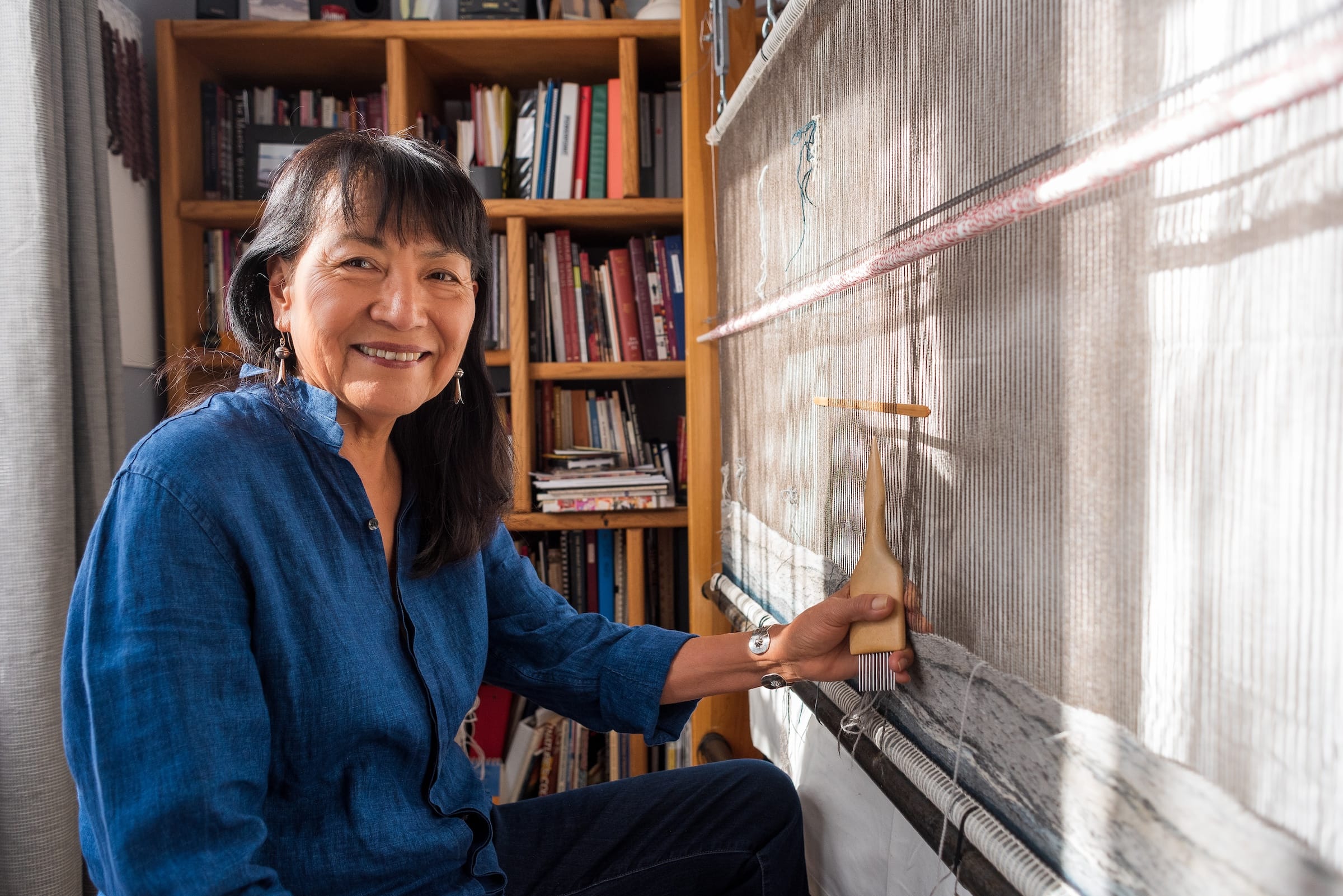
Photo: Peter Ellzey.
DY Begay in her weaving studio in Santa Fe, New Mexico, in 2022.

Traditions often gain strength and durability when the spirit behind them is reinterpreted through a new generation’s sensibilities. A case in point: the way the weaving and dyeing of Diné artist DY Begay has enriched a traditional Navajo craft.

Sháńdíín Brown and Zach Feuer at Hyperallergic recently interviewed the artist.

They write, “For over four decades, artist DY Begay expanded the expressive range of Diné (Navajo) weaving, transforming the form into a language that is entirely her own. She is a Diné Asdzą́ą́ (Navajo woman), born to the Tótsohnii (Big Water) clan and born for the Táchii’nii (Red Running into Water/Earth) clan. Her maternal grandfather is of the Tsénjíkiní (Cliff Dweller) clan and her paternal grandfather is of the Áshįįhí (Salt People) clan. 

“Begay is a fifth-generation weaver who was raised in Tsélání (Cottonwood) on the Navajo Nation, where her family’s sheep flock still resides. Rooted in Diné Bikéyah (Navajo homelands) — from the cliffs of Tsélání to the horizon of the Lukachukai Mountains — her work reflects the blended hues of sunsets, mesas, and mountain ranges, while her use of wool from her family’s flock and natural dyes binds her practice to the land she seeks to honor and protect.

“After graduating from Arizona State University in 1979, Begay moved to New Jersey and immersed herself in the fiber art world of New York City. She studied historic Diné textiles at the Museum of the American Indian, whose collections later became part of the Smithsonian’s National Museum of the American Indian (NMAI). Most of these pieces were created by Diné weavers whose names were not recorded, likely women. She also took inspiration from the work of artists such as Anni Albers, Sheila Hicks, and Lenore Tawney — all of whom trained in modern Western traditions yet studied Indigenous weaving practices. …

“When she returned to Tsélání in 1989, her grandmother, Desbáh Yazzie Nez (1908–2003), saw her weavings and urged her to develop her own compositional sensibility. Begay quickly gained recognition at the Heard Museum Guild Indian Fair and Market as well as the Santa Fe Indian Market, yet she felt restless in her practice. By 1994, that questioning crystallized into a breakthrough: She began developing color hatching, a method of creating subtle gradations and nuanced color interactions that transformed the solid, banded designs of conventional Diné weaving. …

“In August, Begay spoke with us over Zoom from her home in Santa Fe. The interview has been edited and condensed for clarity.

Sháńdíín Brown and Zach Feuer
“In Sublime Light: Tapestry Art of DY Begay, the first book dedicated to you and your recent retrospective at the NMAI, you write about watching your mother and grandmother weave in the hogan. …

DY Begay
 “I don’t remember the very first time I picked up weaving tools and set a loom on my own. I was very young. I do remember standing behind my mother’s loom, watching her pull colored yarns over and around the warps. Her fingers moved swiftly in and out, pressing the wefts into place. Within minutes, geometric shapes stacked and formed into the outline of a Ganado-style weaving. At that age — maybe four or five — I could not quite comprehend how those shapes came together. I was always perplexed and in awe. Everything happened so fast in front of me as her hands composed lines and rows of colored yarn. 

“I grew up surrounded by weavers: my maternal grandmother, my mother, and my aunts. Someone was always at the loom, often positioned in a very central place inside the hogan. And we lived in the hogan when I was growing up, and everybody else did too.

“I watched my mother create stepped patterns with hand-dyed yarns, moving with precision and grace. Teaching came through showing. It was a physical action. The word that I always remember, and is still used today, is kót’é — ‘like this.’ My mother said ‘kót’é, kót’é.’ …

SB & ZF
“Do you remember the moment when you first began weaving yourself — whether your family set up a loom for you or you started working on theirs?

DB
“I was very curious. I tried to hold my mother’s tools, but they were too big for my hands. … Eventually, she allowed me to sit with her once in a while and said ‘kót’é, kót’é.’ I began to get used to the natural action of tapping with the combs. I was about eight years old when I had my own loom. I don’t remember its size. My mother prepared the warp and I used leftover yarn from her bin. I do remember finishing my first weaving, maybe two colors. It was pretty decent for a first attempt. It was a good learning situation because my mother was there. She would sometimes unweave certain parts and we would go on. …

“Most finished weavings, maybe two by three or three by three feet, and some saddle blankets, were taken by my father and my grandfather to the local trading posts to exchange for food, fabric, or whatever was needed. My mother never went to the trading post herself — we didn’t have a vehicle then, so transportation was by wagon or horses. They would roll up the weavings, pack them, and take them to the trading post. …

“In weaving ‘Pollen Path,’ I wanted to share a cultural belief. Among the Diné, we sprinkle corn pollen to honor a new day, to seek blessings, and to bring balance into our lives. Corn itself is a sacred plant. The pollen is collected in late summer, when the tassels of the corn begin to pollinate. We gather it in the early morning, just before the sun rises. For me, ‘Pollen Path’ reflects peace, beauty, and gratitude for life.

“The project began in the summer of 2007, a very good year for growing plants that I use in dyeing my wool. My sister, Berdina Y. Charley, planted local corn seeds she received from our Táchii’nii (Red Running into Water/Earth) relatives. I believe these were heirloom seeds from our Táchii’nii family. …

SB & ZF
“How do you translate the experience of walking in beauty, through the landscapes of Diné Bikéyah (Navajo Country) and more specifically your home of Tsélani (Cottonwood), into the two-dimensional form of weaving?

DB
“Not only do I have my Tsélani landscape embedded in my mind, but I frequently photograph the surrounding textures at various times of the day to capture different lighting as it reflects on the terrain. …

SB & ZF
“Can you tell us about your color palette and the process of dyeing the wool? Is it essential for you to use and make dyes that are from the earth?

DB
“I have been practicing and experimenting with natural dyes for quite a while, and I love using local plants to create my color palette. It is both essential and traditional in my culture to use what the earth provides to create dyes for our yarn.

“My palette comes from many sources. I work with common plants such as cota (Navajo tea), chamisa, rabbitbrush, and sage. I also use non-native materials like insects, fungi, foods, and flowers. Each has its own season, and I collect plants according to the time of year.

“The process itself is an experiment every time. I’ve studied many dyeing methods and learned to be attentive to formulas that help obtain and preserve the colors. For me, making dyes from the earth is not only practical but also deeply connected to tradition and creativity.”

More at Hyperallergic, here. No paywall. Subscriptions encouraged.
Read Full Post »

Photos: Suzanne and John’s Mom. (Erik took the photo of my grandson.)
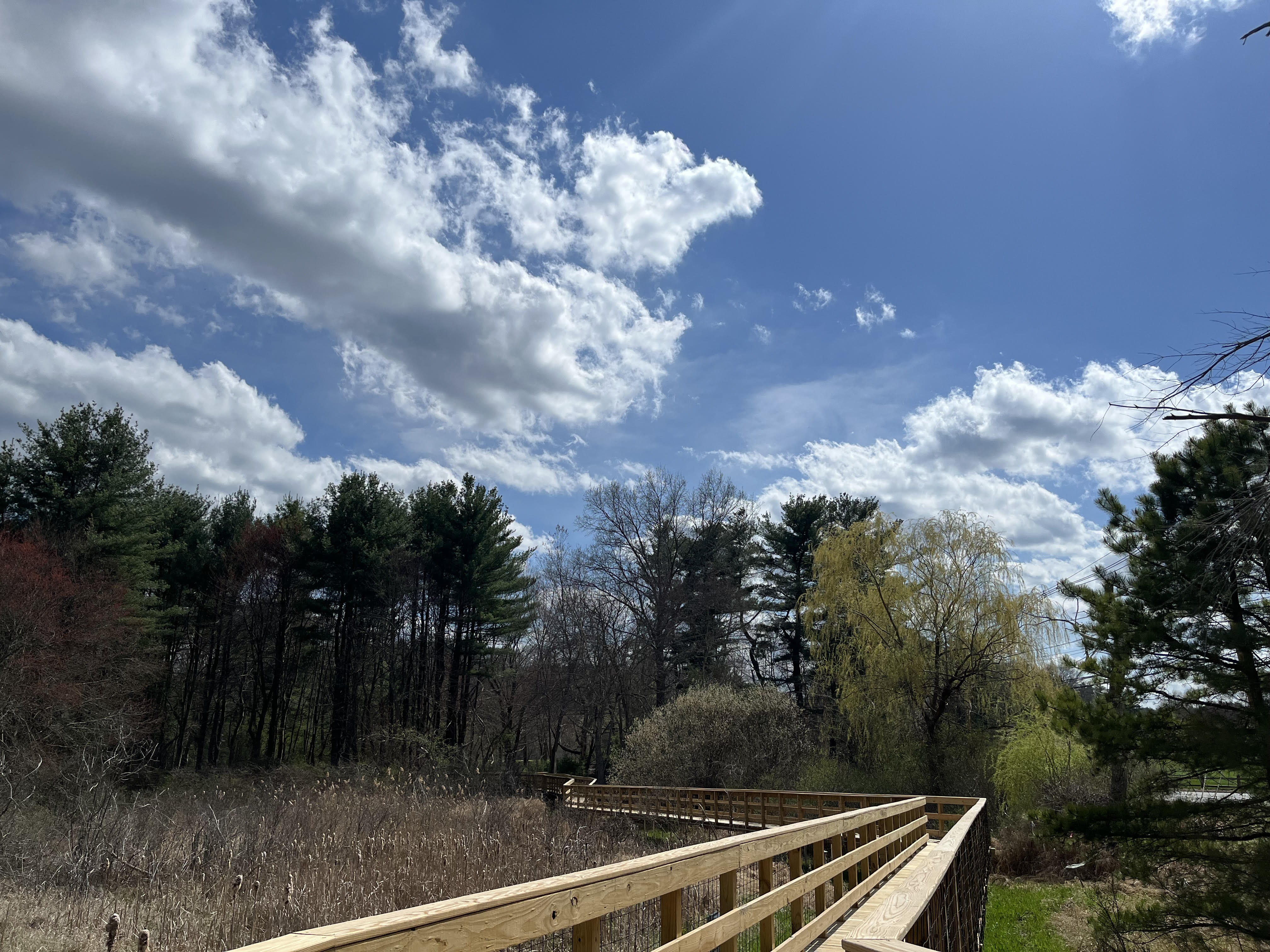
Where I like to walk these days.

We had some gorgeous days in April, and May is shaping up nicely, too.

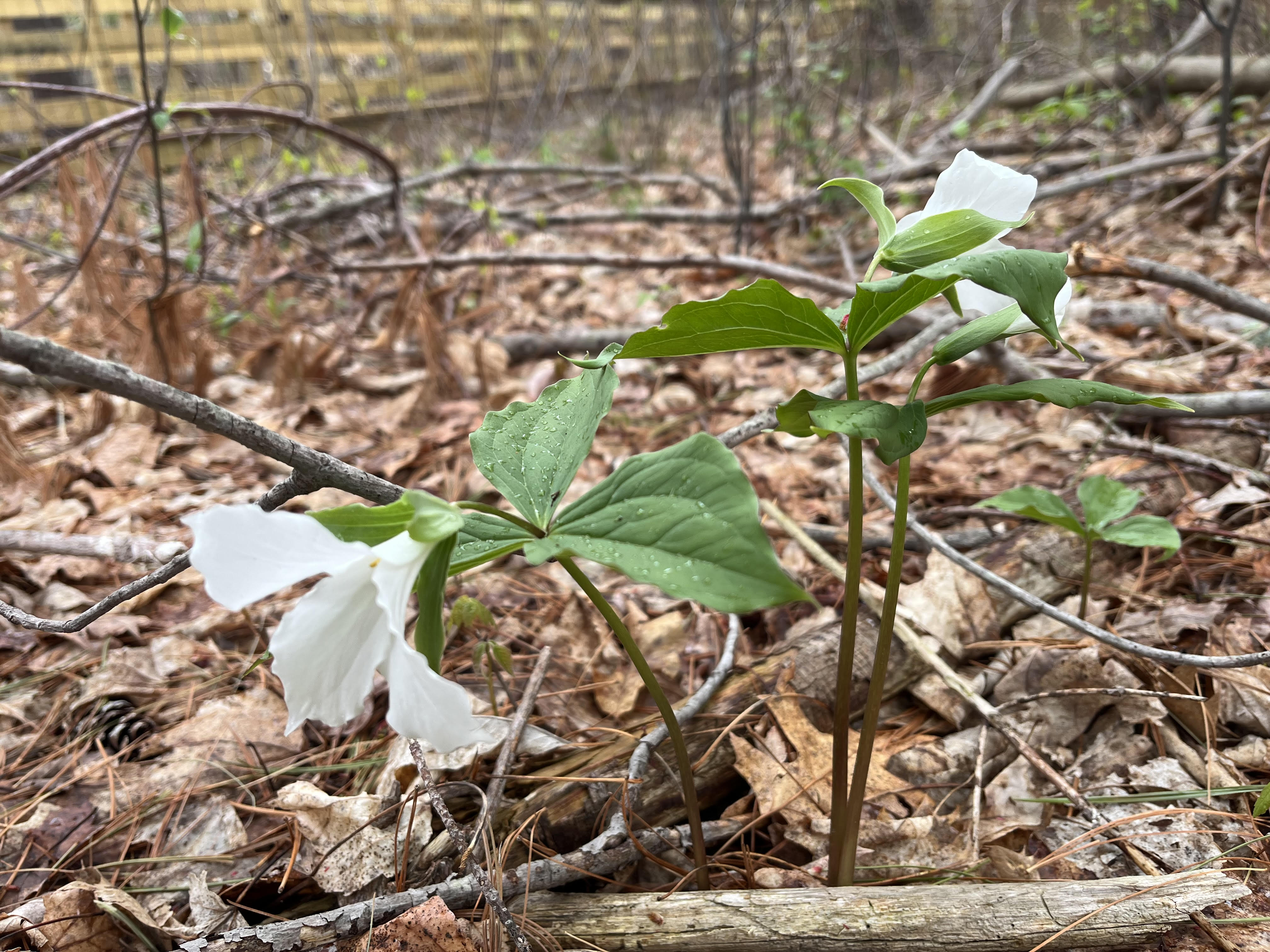
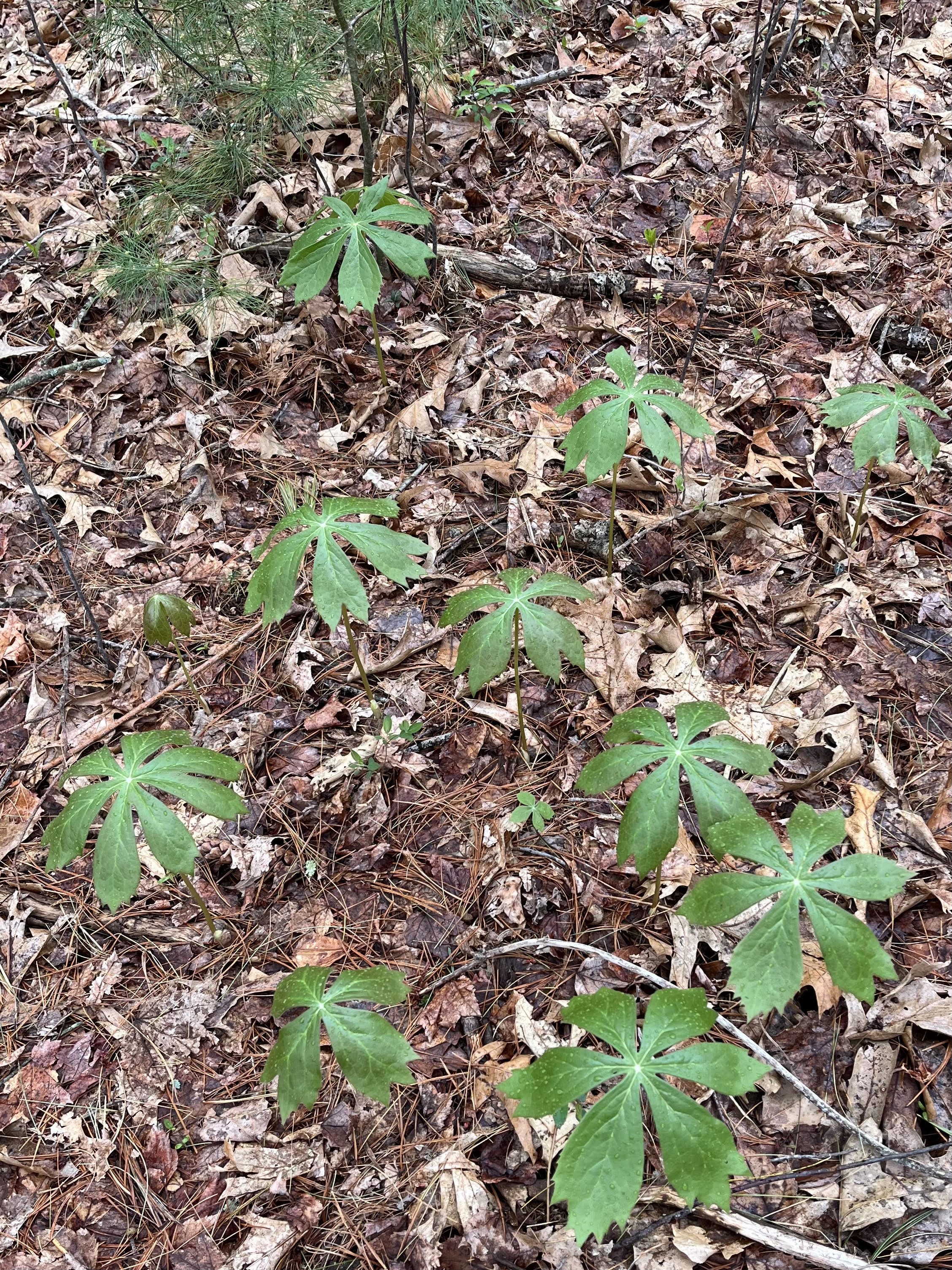
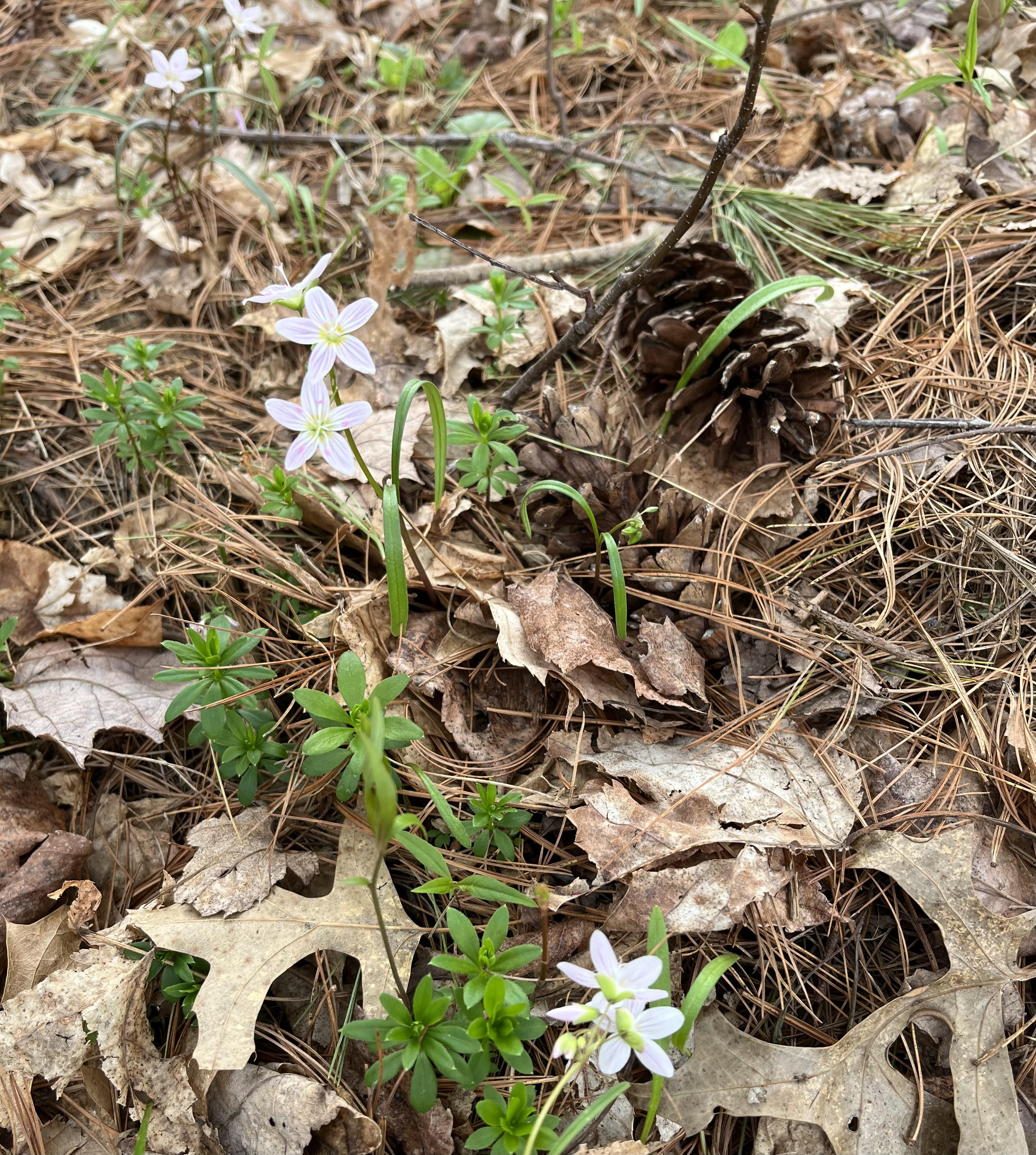
I start my latest photo round-up with the boardwalk my retirement community built according to stringent environmental regulations. I love the feeling of walking in the woods, and right now, wildflowers that were already there are coming up, while residents are planting others with the guidance of a woman specializing in the removal of invasive species.

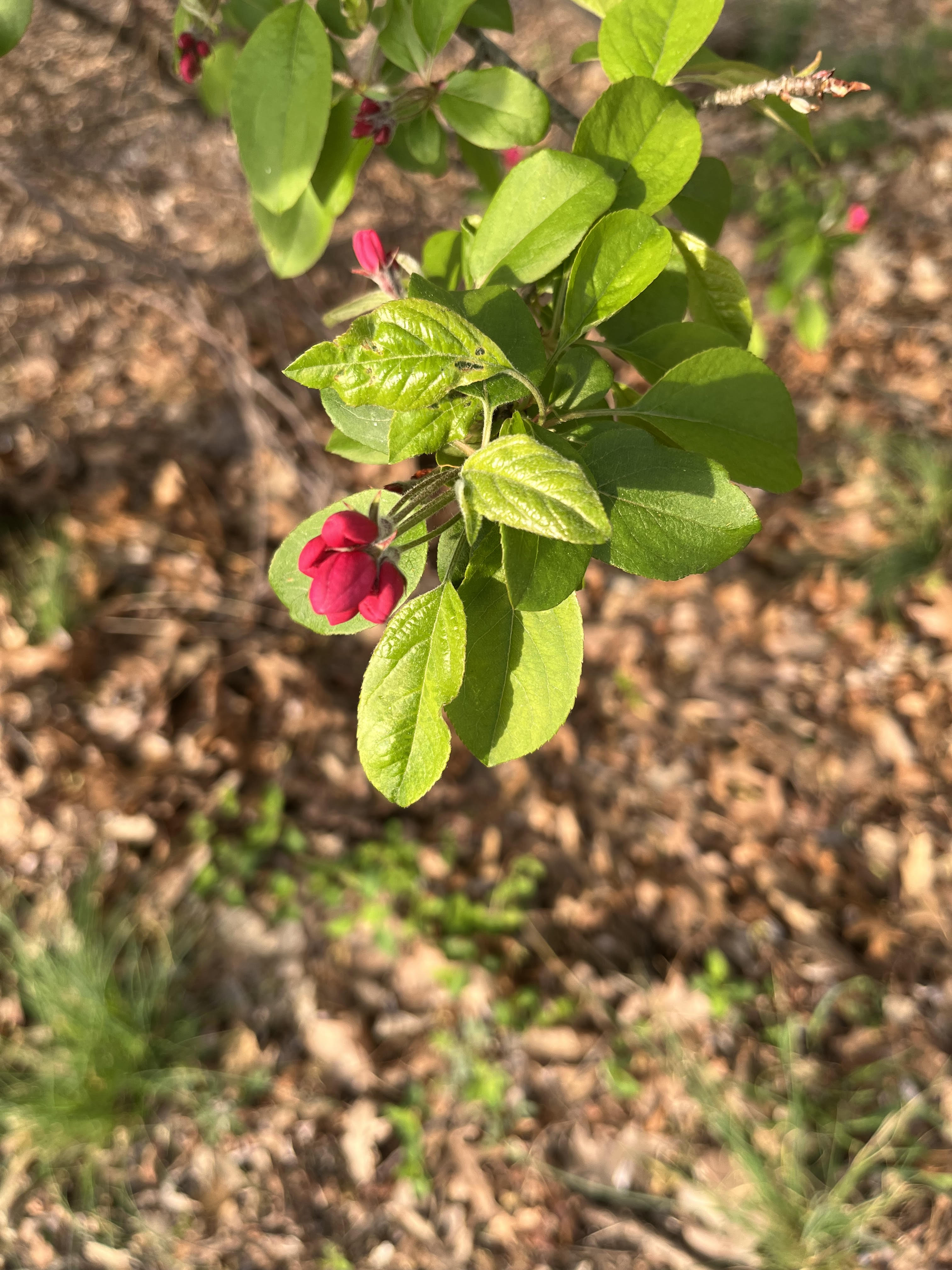
The first photo below is a white trillium. Next in the leaf litter, you see a stand of May apples and a group of Spring beauty wildflowers. The apple tree has buds about to bloom.

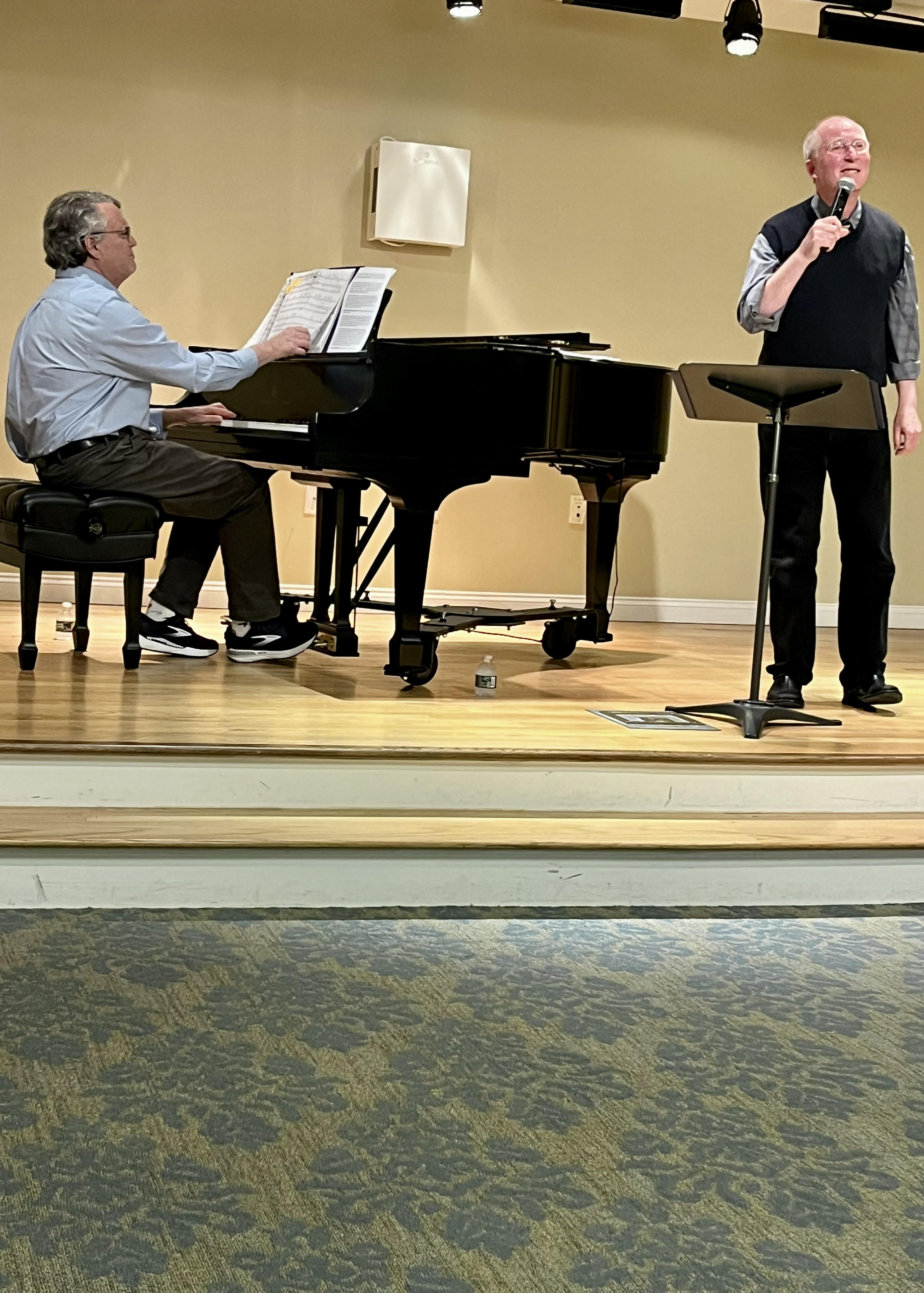
Blogger Will McMillan bloomed at my retirement community the other day with one of his deep dives into the heroes of the American Songbook. This time it was Hoagy Carmichael. It’s amazing the forgotten songs Will digs up for his shows — while also presenting classics like “Skylark” and “Stardust.” There was a funny one about a jazz band in the afterlife, where all Carmichael’s departed friends were playing.

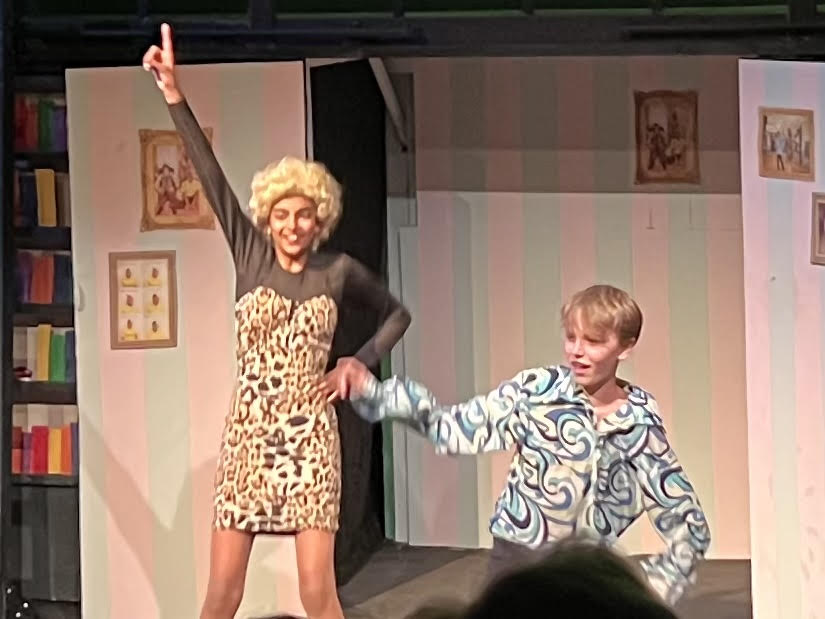
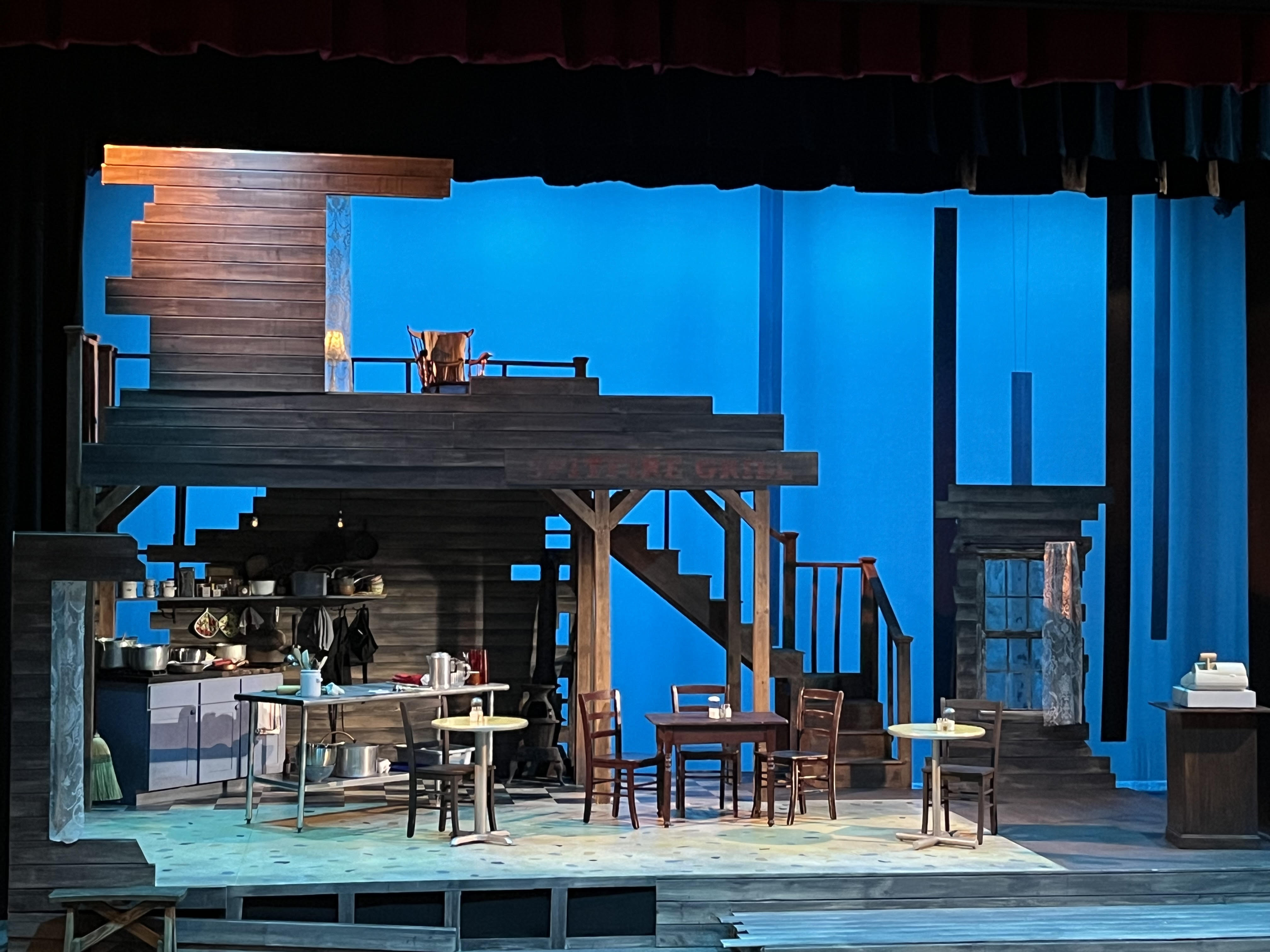
In one week, we went to see a grandson in the musical Matilda, which was polished and lots of fun, and the Spitfire Grille, which did not impress.

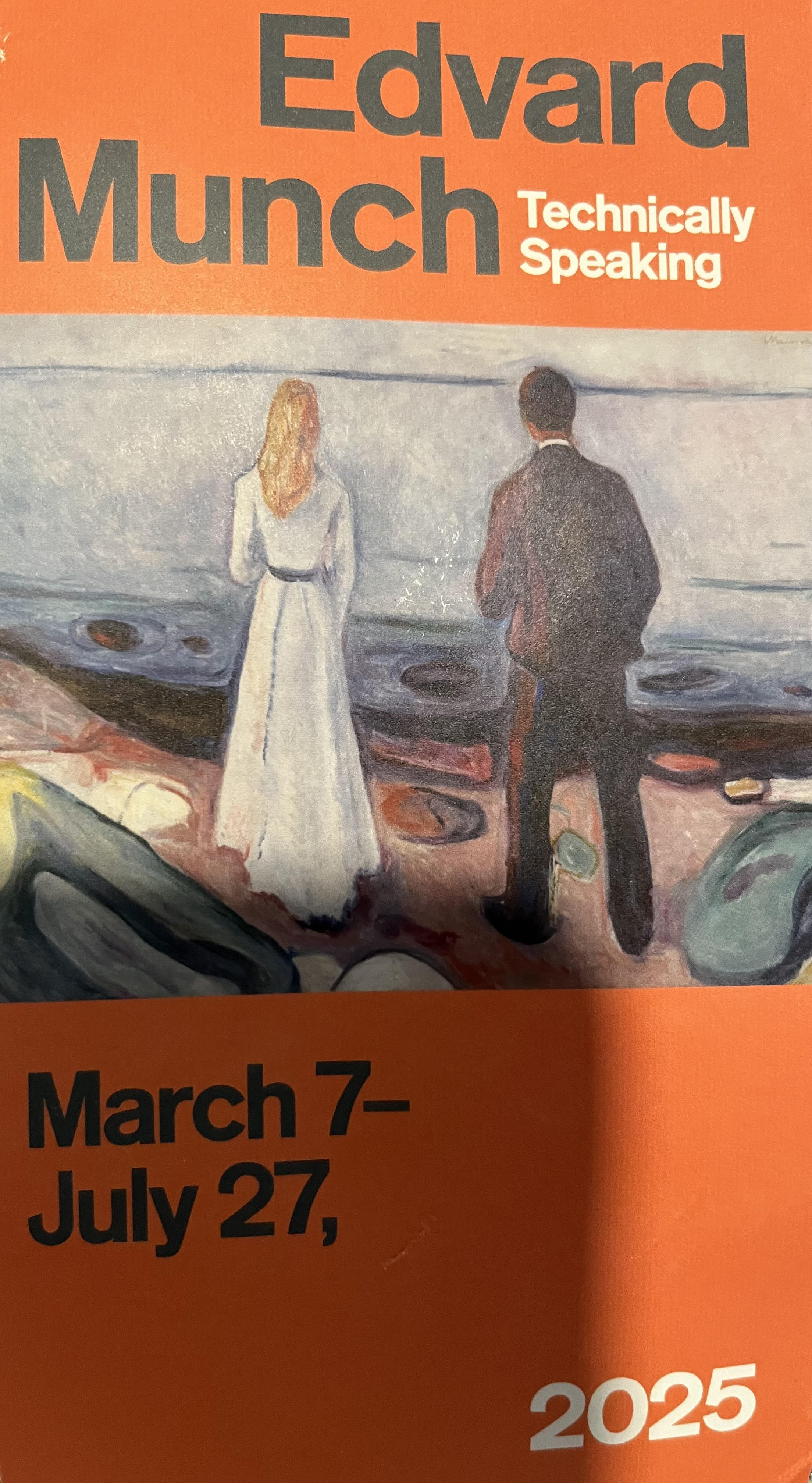
I also attended the Edvard Munch exhibit at the Harvard Museums, which I liked very much. It had paintings as well as a lot of prints in different stages of development to demonstrate Munch’s experiments with technique. The exhibit is there until the end of July, so try to catch it if you are ever near Cambridge, Massachusetts.

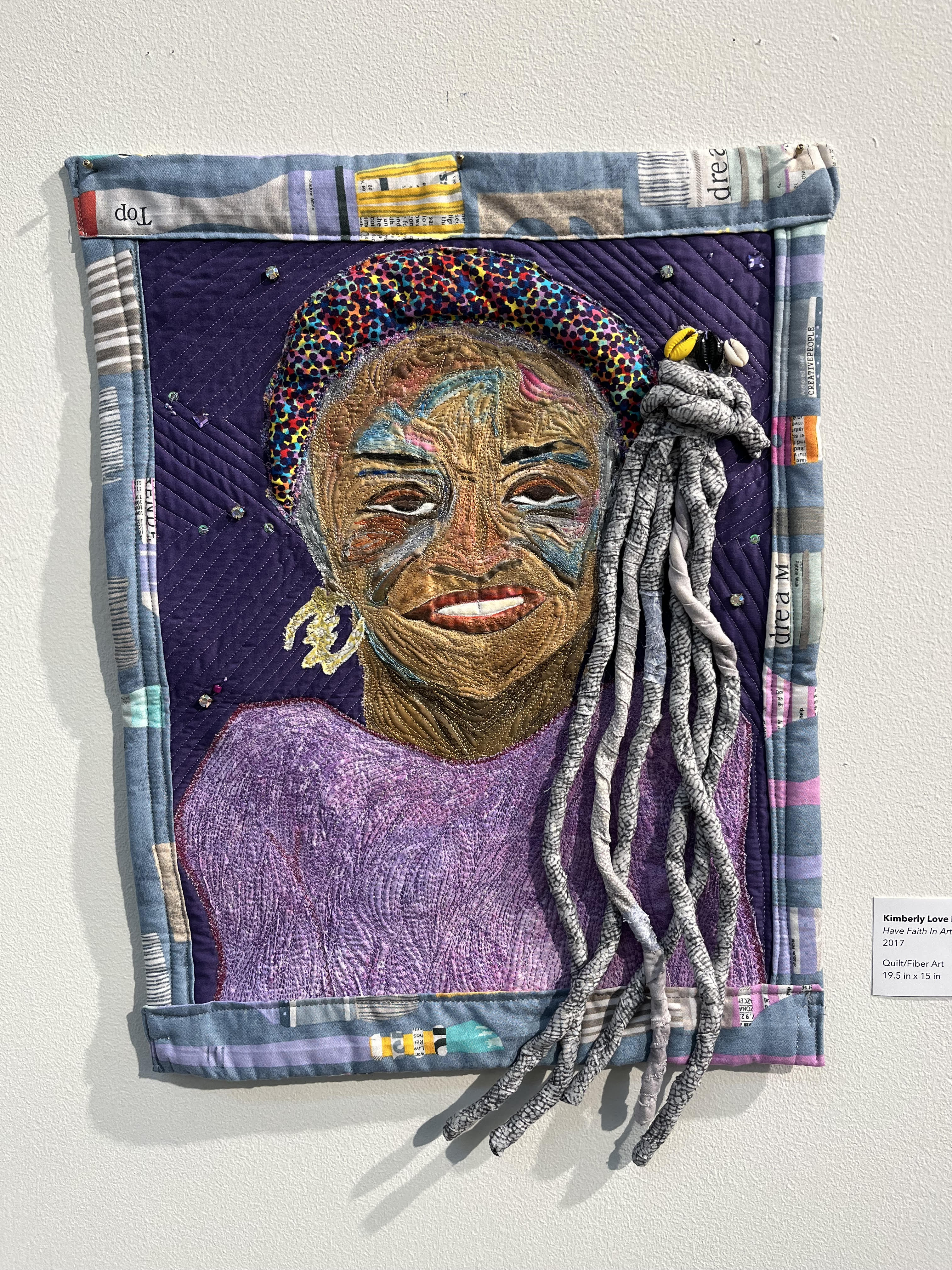
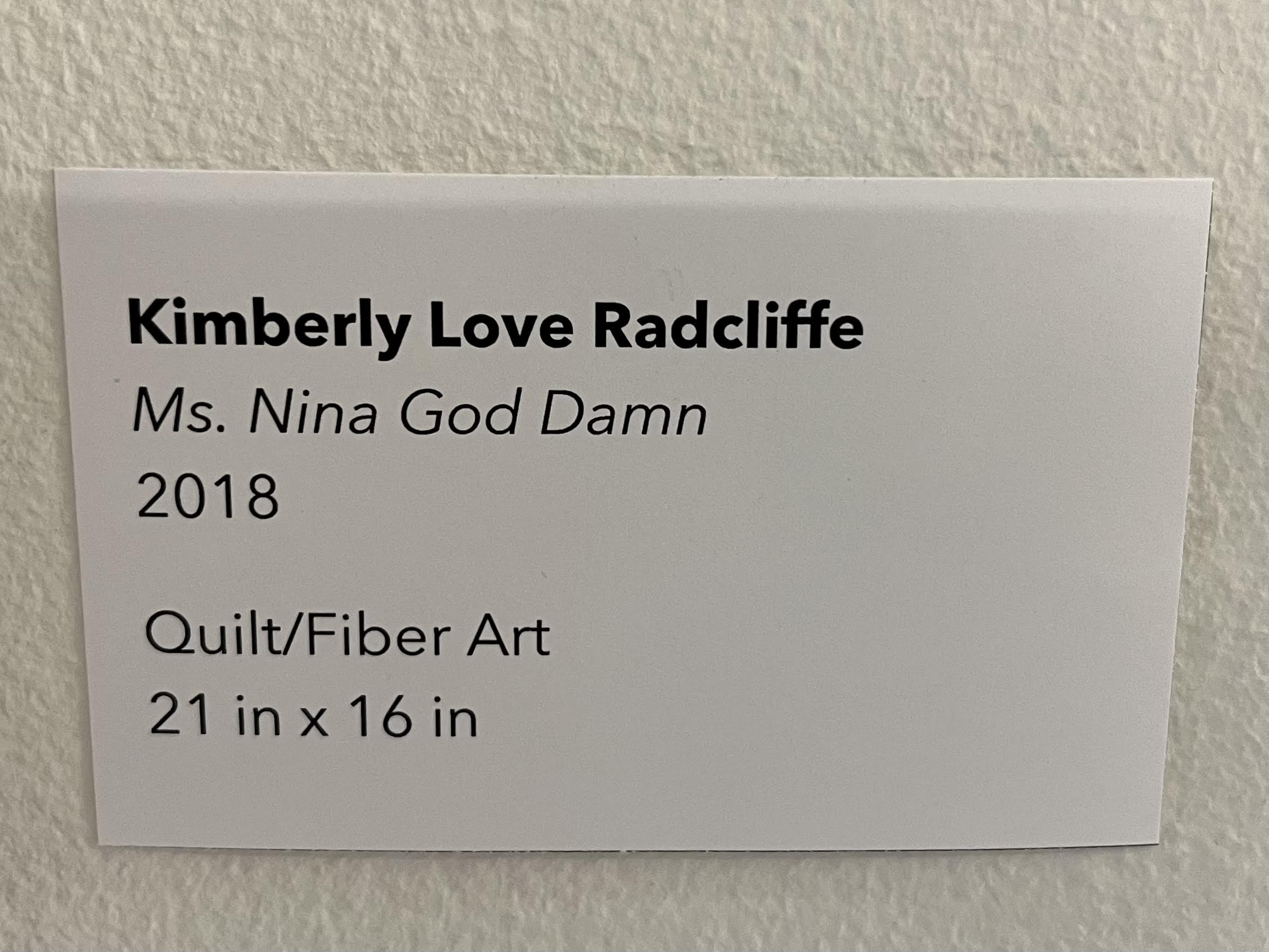
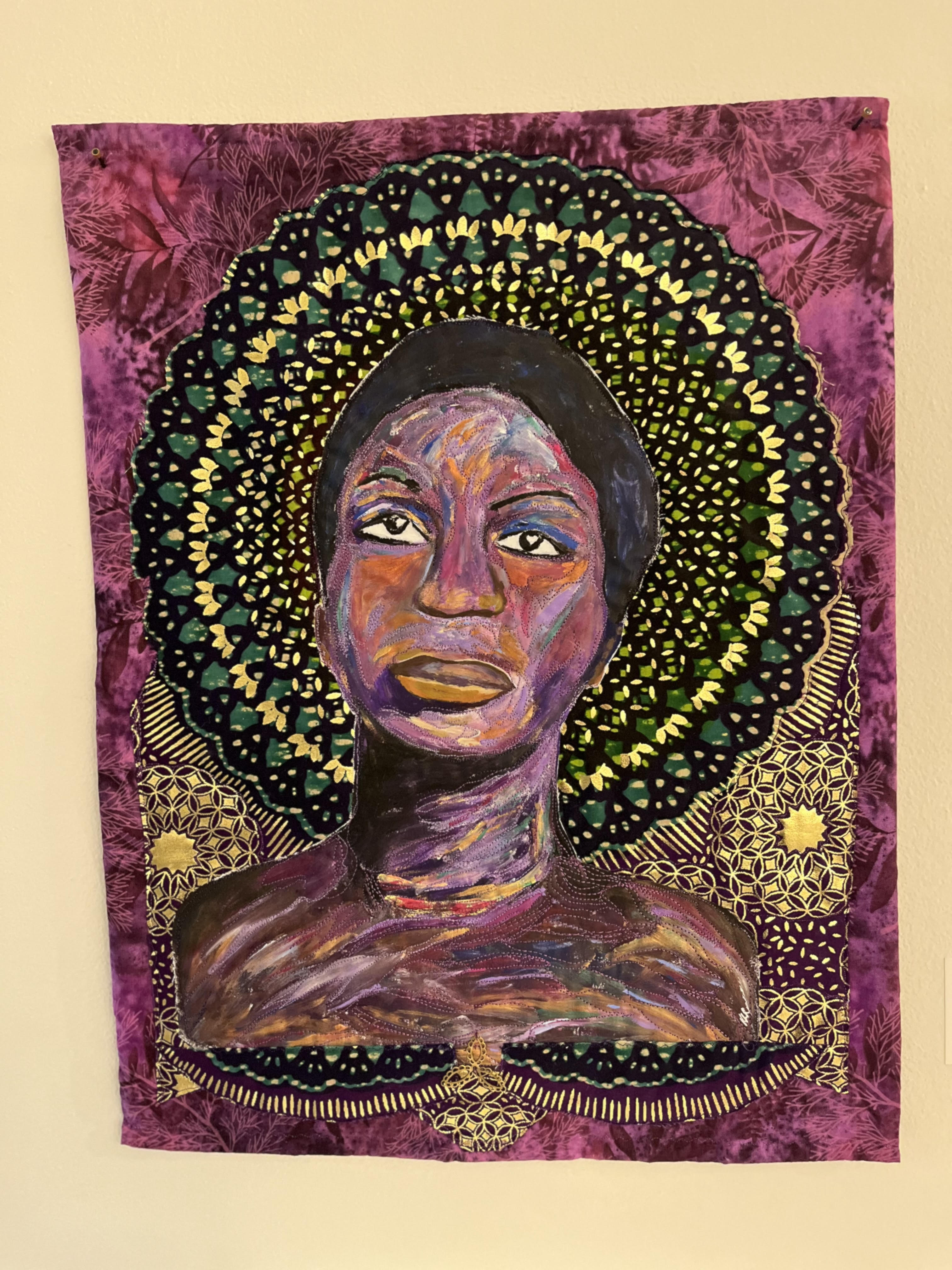
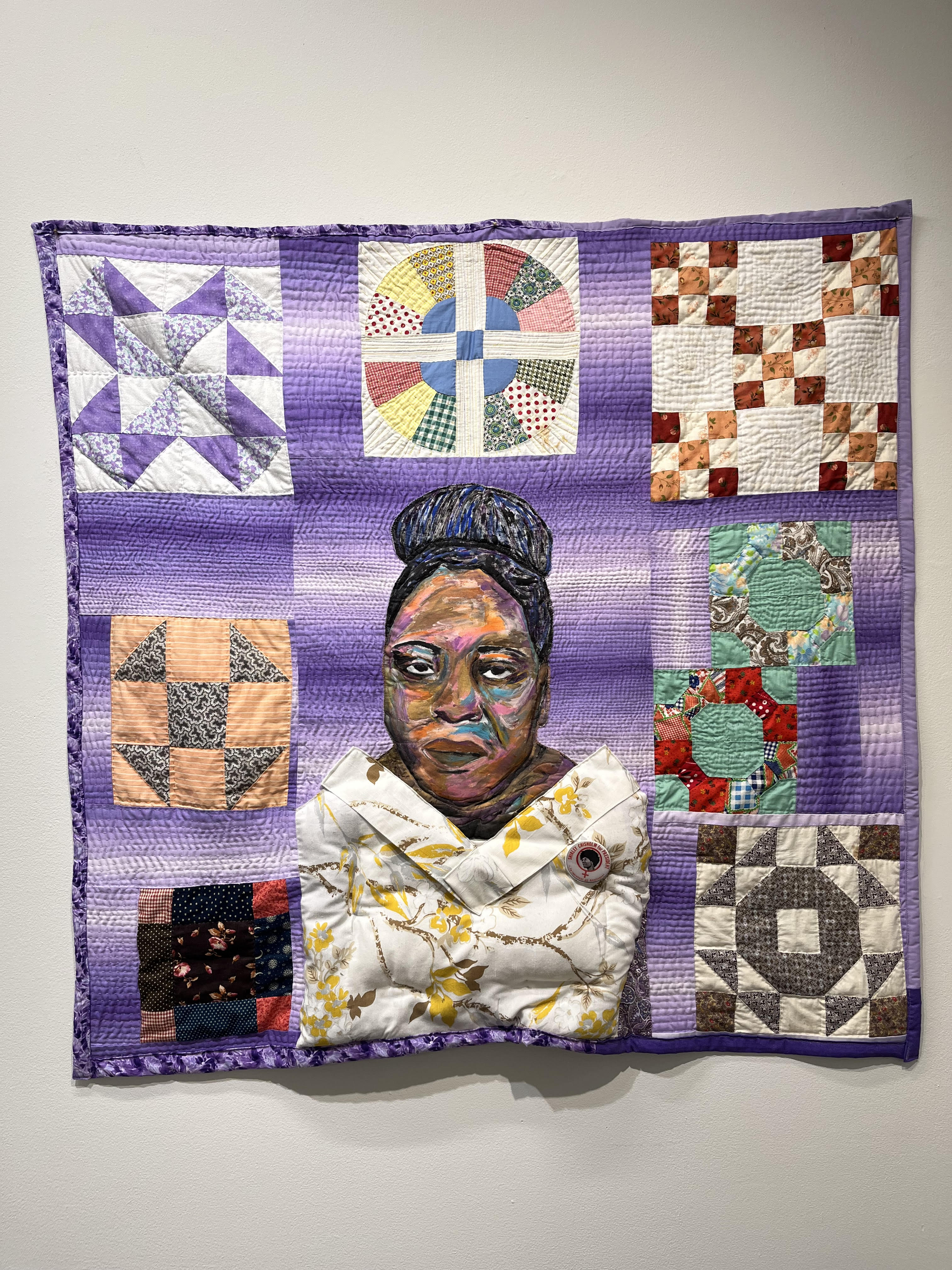
Meanwhile, at Umbrella Arts, there’s a textile show called “Weaving an Address.” The beautiful fiber art here is by Kimberly Love Radcliffe. The first one I photographed she calls “Have Faith in Art.” Then “Ms. Nina God Damn” references singer Nina Simone’s response to the murder of Black Sunday school girls in 1963. And the last Radcliffe I’m showing is a portrait of civil rights icon Fannie Lou Hamer. I just love these works.

Read Full Post »

Photo: African American Design Nexus.
The innovative architect and designer Felecia Davis can make buildings out of wool and fungus.

More on human ingenuity today. At the Washington Post, Elizabeth Evitts Dickinson writes about a woman who is pioneering all-fiber construction materials and “clothes that monitor your health.” And that’s just the beginning.

“Imagine you’re standing in an outdoor pavilion,” Dickinson suggests, “one that’s similar in design to a covered picnic area at a local park or an amphitheater, only instead of support columns made from concrete, wood or stone, this structure is propped up by what appear to be posts of crocheted wool. Above you, a vast expanse of undulating roof is made of the same knitted material. Fungus coats this wool frame, forming the walls and the ceiling, not unlike the way plaster might cover the wood framing of a wall.

“This is the premise of an experimental material known as MycoKnit. ‘We’re trying to make an all-fiber building,’ says designer Felecia Davis, an associate professor of architecture and a lead researcher in the Stuckeman Center for Design Computing at Pennsylvania State University. She is part of an interdisciplinary team testing how knitted materials, such as wool yarn, might function as the framing for a building while a mixture of straw and mycelium fungus embeds itself onto this knitted fabric to create the rest. Mycelium is composed of individual fibers known as hyphae, which, in nature, create vast and intricate networks through soil, producing things like mushrooms. The amazing thing, Davis tells me, is that something as basic as fiber can become both the structure (the wool yarn) and the infill (the fungus).

“Davis and her partners are harnessing mycelium’s fast-growing power by regulating environmental conditions in the lab to encourage the fungus’s expansion on their knitted edifice. With the assistance of a computer algorithm made by one of Davis’s PhD students, the team can virtually assemble and examine the structure stitch-by-stitch in order to predict its shape, before building it and letting the fungus propagate overtop. …

“Davis is now working with her students to create a 12-by-12-by-12-foot MycoKnit prototype that can be fabricated and grown in one place, and then taken on-site to build, like an Ikea kit. She imagines a future where biofabricated materials replace less-sustainable building supplies, many of which wind up in landfills.

“Davis is a triple threat designer: trained as both an architect and an engineer, and with a penchant for technology. In her Penn State lab and through her firm, Felecia Davis Studio, she mixes time-honored craft techniques and humble materials with the high-tech — so that clothing might, for instance, alert the wearer to excess carbon monoxide in the air or signal when an infant stops breathing in their crib. Davis works with textiles, she says, because ‘you can address it at the nano- and micro-scale with tiny particles that you can spin to make a thread or yarn, or you can look at it from the massive scale. A building. A city.’ …

“Davis has always loved experimenting with objects and material. The oldest of three siblings, her earliest collaborator was her sister Audrey (now a neonatologist). As kids in the ’60s and ’70s, they explored the foothills of Altadena, Calif., near their home, gathering fresh bay laurel leaves and other natural materials for projects. With their friends, they fashioned dolls out of flour-based papier-mâché, carving apples for the heads. …

“Davis’s mother volunteered at the Pasadena Art Museum and introduced her children to abstract art and modernism; she was also a docent at the Gamble House in Pasadena, one of the country’s most well-preserved examples of Arts and Crafts design. Davis credits that house, in part, for her early desire to pursue architecture. ‘We would do our homework in the attic while she gave her tours,’ Davis says. ‘That house was mind-blowing.’

“On a recent October day, the SoftLab at Penn State is ‘messy,’ Davis says. … Fabric samples have been stretched and pinned to a corkboard, sharing space next to thin electrical conduits and sketches of networking design. There are clear boxes filled with copper-coated yarn and fabrics twisted with stainless steel that are capable of conducting electricity. Davis is refreshingly agnostic about her sourcing, using a combination of existing craft techniques and materials — from wool to human hair — in combination with the latest in software and hardware, such as the LilyPad Arduino, a microcontroller designed to work with e-textiles.

“A pair of black leggings stretch across the bottom half of a dress form. From a distance, they resemble something a rock star might wear, bedazzled and tricked out with lines of metallic thread, but on closer inspection these accents are electrical threads and processors. The leggings are the result of a partnership with Penn State engineer Conrad Tucker, who wanted to create a way of alerting people with Parkinson’s disease to subtle changes in their walking gait, which can foreshadow the onset of more debilitating symptoms. …

“The leggings were originally an information-gathering experiment, but ‘we’ve circled back on this project now that we have a yarn that is washable,’ she says. ‘We think we can make a simpler version of our leggings.’ Davis sees the potential for other ‘smart’ clothing like

a hospital shirt that frees patients from the tether of wires affixed to machines, allowing them to move freely or, ideally, go home sooner because their clothes, connected to the internet, would be able to communicate critical data to doctors.

“While Davis was earning her master’s in architecture at Princeton University, she ‘noticed how little people talk about the emotional experience of people in [a] space. … You’re in basic response with your environment all the time … You’re meshing with it, which is why it’s so important to think about human emotion in design.’ In this view, the aesthetics of what we design is more than an accessory, but a fundamental need in support of human emotional health. …

“As humans we tend to imbue the materials in our lives with emotional resonance — a child’s security blanket or a favorite sweater — and Davis has wondered whether we could also imbue the materials themselves with emotional feedback capacities. In 2012, she partnered with two other designers to create and install a project called the Textile Mirror at Microsoft Research Lab in Redmond, Calif. In the back of a fabric panel, Nitinol wires, made of a shape-changing nickel-titanium alloy, were activated after a person entered information about their state of mind into a mobile phone. The panel would adjust, shrinking and crumpling to reflect pain or sadness, for instance, and then release. As the textile ‘relaxed,’ it helped those in an agitated state to relax as well. Textiles capable of reflecting emotion have the potential to alert architects, building owners and inhabitants to the effect that specific design and material choices have. We can begin to create emotionally reactive dwellings and objects, as Davis calls them. …

“As someone who believes in the scientific method of showing data and results, Davis recognizes that working with emotions is tricky. It’s nearly impossible to scientifically pin down, precisely, what people are feeling at any given time. ‘This is kind of at the edge of what computation can actually tell you,’ she says. ‘We can’t read people’s minds, and yet we function as a species because we can intuitively read emotions.’ “

More at the Post, here.

Read Full Post »

You have heard of “slow food” and perhaps “slow money” (a loan with a long time to pay back) and other efforts designed to help us reduce the often meaningless haste of modern life. Well, Cousin Claire has been posting news on Facebook about another slow movement that is sure to intrigue you, Slow Textiles.

Says Slow Fiber Studios on its About page, “We are founded on a simple intention: to offer real-world insight into the multifaceted and holistic practice of textile-making. Slow Fiber Studios™ offers dynamic, hands-on field study programs in diverse areas of the world where textile culture runs deep — India, Mexico, Japan, France, Italy, and on. We believe the best way to understand a philosophy is to see it being lived.”

Here is a description of a 2012 offering: “Special opportunity to travel throughout India with Yoshiko, who has been exploring this country for over 30 years (lived in Ahmedabad in 1983/84 on an Education & Culture Fellowship and frequent 3-month residencies spanning 3 decades). Yoshiko will introduce her friends in India who are involved in welfare, community empowerment, and cultural sustainability projects.

“Tour Highlights: natural dyes, organic cotton cultivation, handloom weaving, khadi, biodynamic farming, architecture, local food and religion, contemporary art and design educational institutions, museums, solar energy development, hand spinning and weaving wild silks and Tibetan wool in Himalayan communities.” More here.

How well I remember the wistful feeling I got in reading the book Lark Rise to Candleford when the beautiful handmade lace was spurned as soon as the factory-made came in. There is something to be said for speed and efficiency, but also something to be said for craft.

Photos: Slow  Fiber Studios

Read Full Post »