Even people who think they know all about Thoreau, Emerson, Hawthorne, Alcott and other Concord worthies often seem not to know Margaret Fuller. She was a key member of the “genius cluster” that author Susan Cheever has called the “American Bloomsbury.”
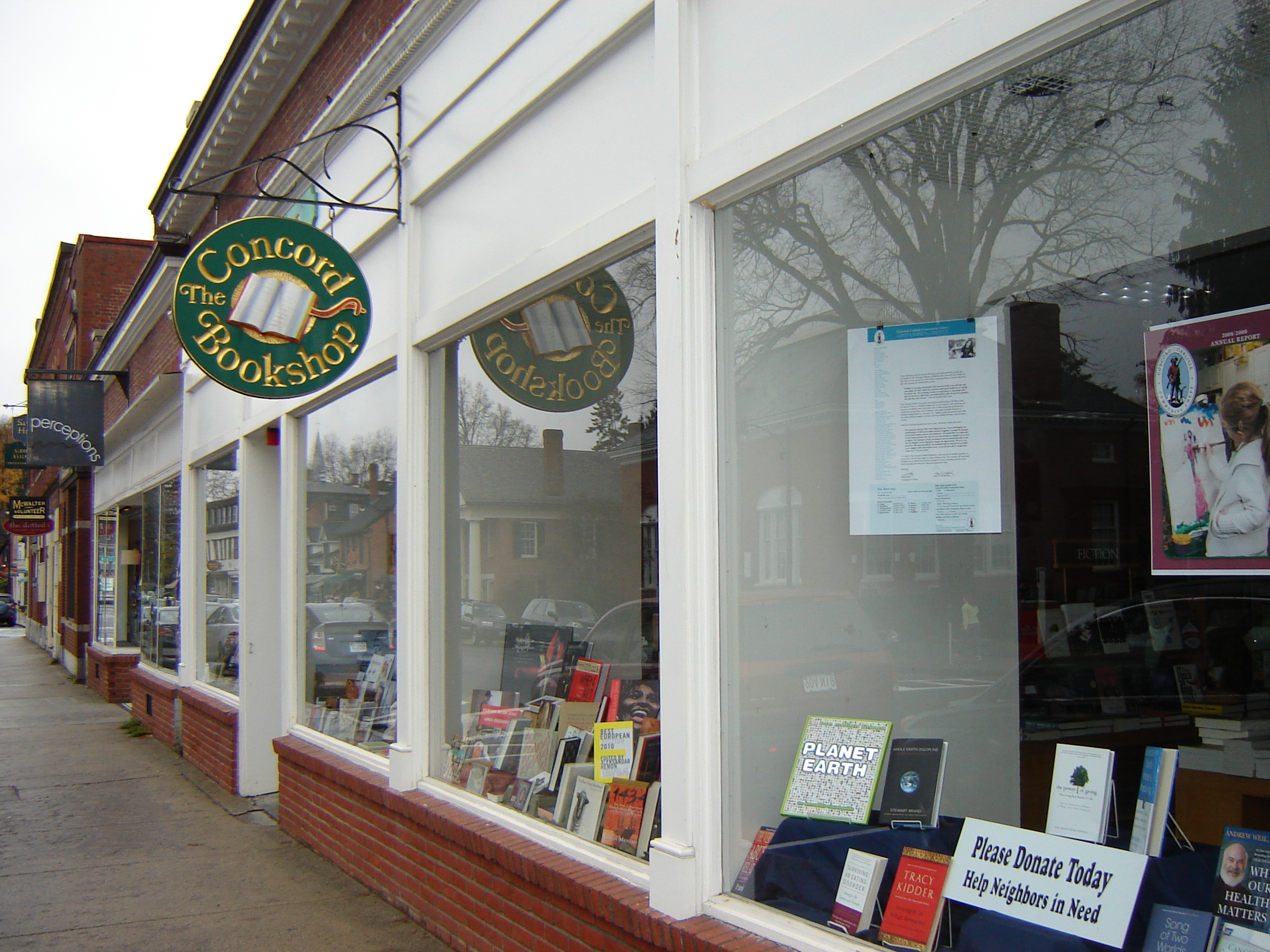
Although Fuller has passed from public awareness, in Concord it is different. Which is why a reading at the Concord Bookshop on January 29 was standing room only. Fuller’s latest biographer, John Matteson, was there to read about her “many lives” and engage in discussion about such abstruse topics as what Fuller thought of Emerson’s second wife. (Answer: Not much.)
 It’s always amusing to attend a reading of a book about one of the Concord greats, as participants have such passionate feelings. Especially the Bronson Alcott fan base, who cannot bear to hear a word said against Louisa May
Alcott’s innovative but impractical father. I have been to a couple readings of books in which Louisa appears, and you can see Bronson’s partisans stiffening their spines, baring their fangs, and rising to the bait.
But who was Margaret Fuller? She was a first in many realms, including first female editor of the highly regarded 19th century literary magazine The Dial and the first overseas war correspondent. Matteson bemoaned the fact that she was probably best known, however, for the way she died, having perished in 1850 at age 40 in a shipwreck off Point o’ Woods, Fire Island.
That fact touches a nerve in me, I admit, since I spent all my childhood summers on Fire Island, and it is still a mystery why many of the ship’s passengers were saved while Margaret Fuller, her husband, and her baby drowned. Fortunately, interest in her life has been renewed, with Matteson’s book only one of several in which she plays a significant role.
Read Full Post »


 Suzanne's Mom's Blog