Feeds:
Posts
Comments

Posts Tagged ‘innovate’

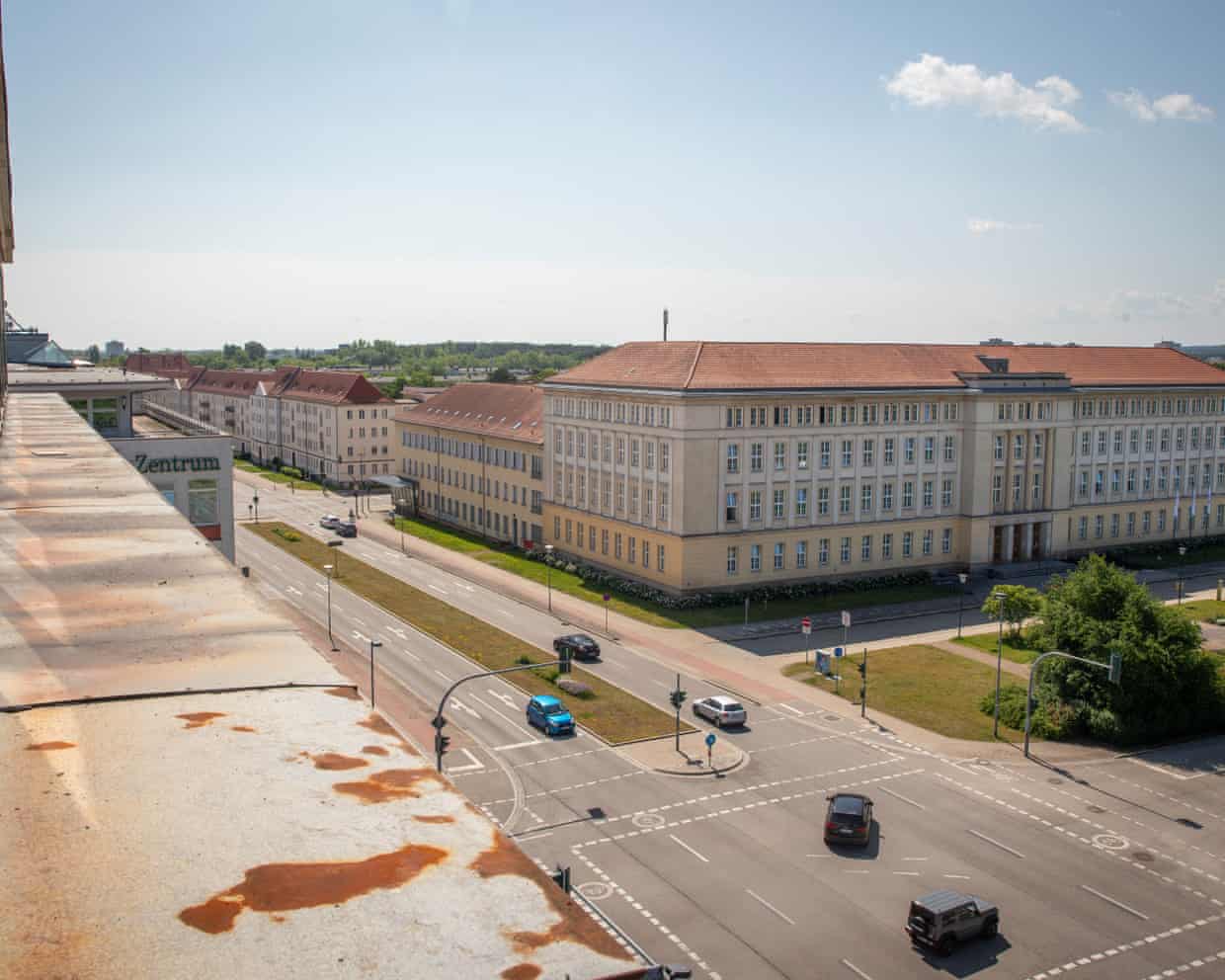
Photo: Christian Jungeblodt/The Guardian.
Eisenhüttenstadt, Germany, was built in Soviet-controlled east Germany shortly after the second world war. It has not been considered a desirable place to live in recent years, but it is not giving up.  

This idea to bring more residents to a city that has lost population was new to me. There are probably lots of other places that could try the same approach.

Deborah Cole writes at the Guardian, “An innovative contest by a city in formerly communist east Germany to curb depopulation by offering a fortnight of free housing has stunned local officials with its success.

The competition drew more than 1,700 applications from around the world to try living in Eisenhüttenstadt, a Soviet-style planned city on the Polish border, near Berlin, which was built around a steel plant in the aftermath of the second world war.

“ ‘We ourselves were very surprised by the reach our Probewohnen (trial living) project has had,’ Julia Basan, the municipal economic development officer spearheading the campaign, told reporters on Thursday.

“She said those who had thrown their hat into the ring since May had ‘the most wide-ranging motives’ including one foreign man who simply said he ‘wanted to marry a German woman.’ But the majority were ‘very realistic applications,’ Basan said.

“The two winners, both German professionals, will move into spacious furnished flats in the city centre in September and be treated to a red-carpet orientation program.

“Melanie Henniger, a 49-year-old IT consultant and self-described ’empty nester’ living in the north-western city of Bremen, said she had grown up in nearby Frankfurt an der Oder and was interested in returning to her eastern roots.

” ‘This is a great chance to get to know the region again, because otherwise I wouldn’t have any opportunities at all as I don’t know anyone there any more,’ she said. ‘In the best case scenario, I can put down new roots there again.’

“The other successful applicant, 39-year-old Jonas Brander, is a Berlin-based film-maker working on a documentary about Eisenhüttenstadt.

“ ‘I’m very interested in the city and its people and I want to get very close to life in my work,’ Brander said, adding that he was drawn to its ‘living history.’

“Eisenhüttenstadt, which is celebrating its 75th anniversary, was the first city to be founded – in east or west Germany – after the Nazi period. It was built according to a socialist model designed to blend work and family life for the good of all.

“But the years since national reunification in 1990 have been hard on the town, which has fewer than half the 53,000 residents it counted before the fall of the Berlin Wall.

“The shrinking and aging population has compounded a skilled labor shortage for local industry, in what economists say can easily turn into a death spiral. …

“Basan said the program had allowed Eisenhüttenstadt to put its best foot forward, touting its renovated and affordable neoclassical housing, verdant surroundings perfect for swimming and cycling, and plentiful childcare and work opportunities.

“ ‘We even had one family, from another European country, who heard about us via the Probewohnen program and are moving here on their own steam. They’ve already signed a work contract with a local company,’ she said.

“ ‘They did it all themselves and we’re just thrilled.’ ”

More at the Guardian, here.

Read Full Post »

Meet Matthew Slipper, “just 18, a founding member of the Paly Entrepreneurs Club, an extracurricular group at [a Palo Alto] high school that sprang into existence last September — the brainchild of about a dozen students committed to inventing the future. …

“While budding moguls in high school clubs like the Future Business Leaders of America invest make-believe money in the stock market or study the principles of accounting, the Entrepreneurs Club members have a distinctly Silicon Valley flavor: they want to create start-ups,” writes Quentin Hardy in the NY Times.

“They have met weekly during the school year to discuss their ventures and ideas, explore matters like money-raising strategies and new markets, and host guest speakers. Once, they held a Skype chat with a software engineer in Sweden who described the intricacies of running an online music business.” More here.

The kids sound incredibly intense, glad to have more time for business when they get their gym requirement out of the way.

I envision this generation’s counterculture emerging — probably in California, probably soon. With three entrepreneurs in my family, I know starting a business takes a lot of time and energy. Can’t help wondering if high school is too early. Focus is not bad, but by definition it means shutting other things out.

Photograph of Paly Entrepreneurs Club: Peter DaSilva for the NY Times

Read Full Post »

John pointed me to an article on the kinds of work environments that encourage innovation.

Aimee Groth at Business Insider writes, “In his article, Groupthink, the New Yorker‘s Jonah Lehrer says there are two types of brainstorming — a free-for-all exchange of ideas in a structured environment, and a random, unplanned debate. Only the second type really works.

“He says M.I.T.’s famous Building 20 … became one of the most innovative spaces in the country because it fostered the best kind of brainstorming.

“The building was created to provide extra room for scientists during WW II, reports Lehrer, and ‘violated the Cambridge fire code, but it was granted an exemption because of its temporary status. … The walls were thin, the roof leaked, and the building was broiling in the summer and freezing in the winter. Nevertheless Building 20 quickly became a center of groundbreaking research, the Los Alamos of the East Coast.’

“It wasn’t demolished after the war because there were too many students and too little space on campus. So the building became a hodgepodge of offices, with professors and students from all different departments squeezed in small spaces and long corridors. …

” ‘Walls were torn down without permission; equipment was stored in the courtyards and bolted to the roof. … The space also forced solitary scientists to mix and mingle.’ ”

More.

Makes me think of the layout at Mass Challenge, the accelerator incubator for entrepreneurs that I blogged about here. (Did I mention that a family member read that post, sent in an application under the wire, powered through layers of screening, and is now working away as part of the class of 2012?)

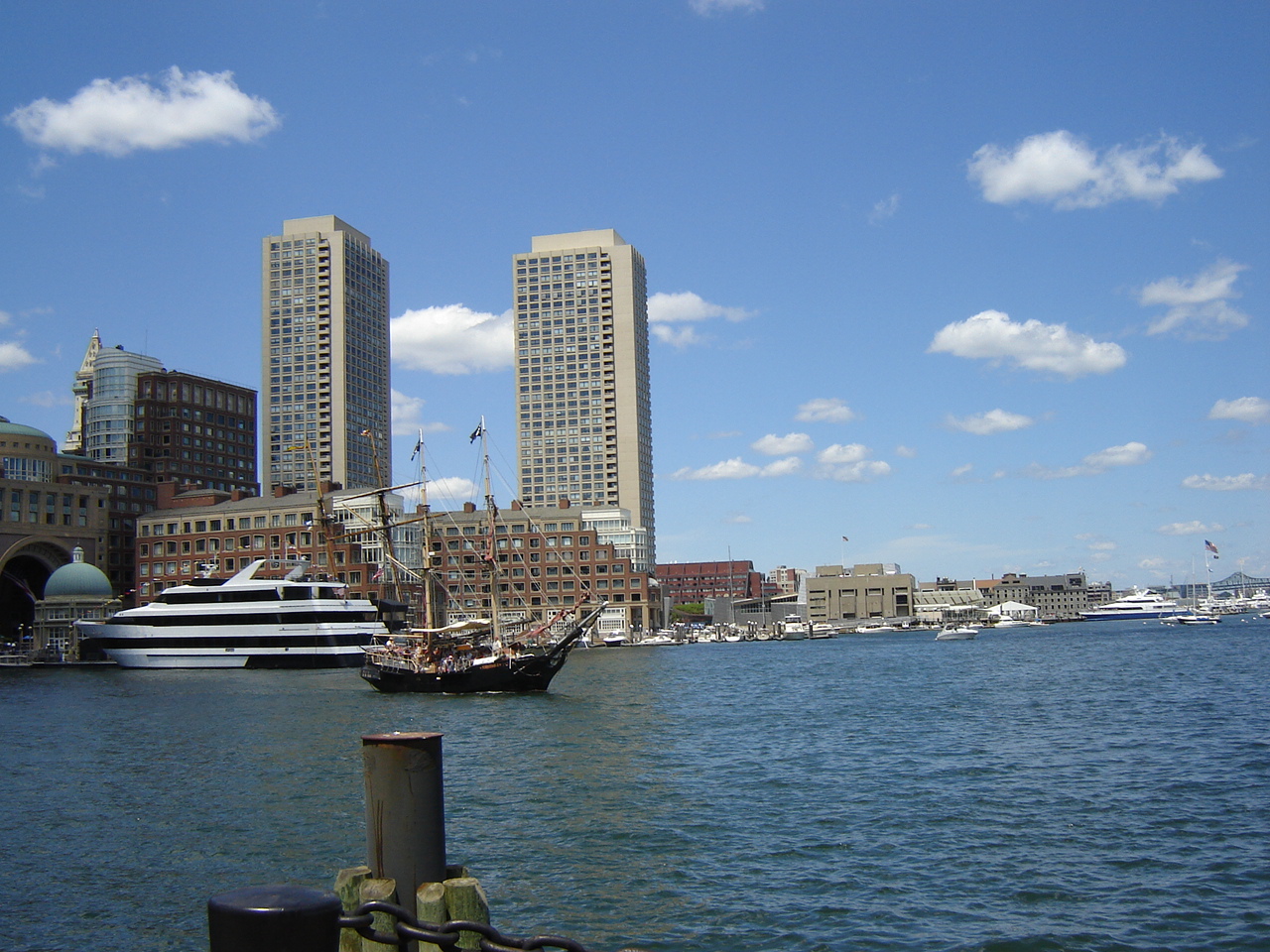
The Mass Challenge space is not dangerous like Building 20, but the founders probably heard about the benefits of Building 20’s layout through their connection to MIT. The Mass Challenge work space is an unfinished floor in an upscale office building on the waterfront, 1 Marina Park. Everything is open and interactive.

The harbor views are a bonus unknown at Building 20.


Read Full Post »