Feeds:
Posts
Comments

Posts Tagged ‘kayak’

Photo: Jordan Freeman/Sam Shoemaker.
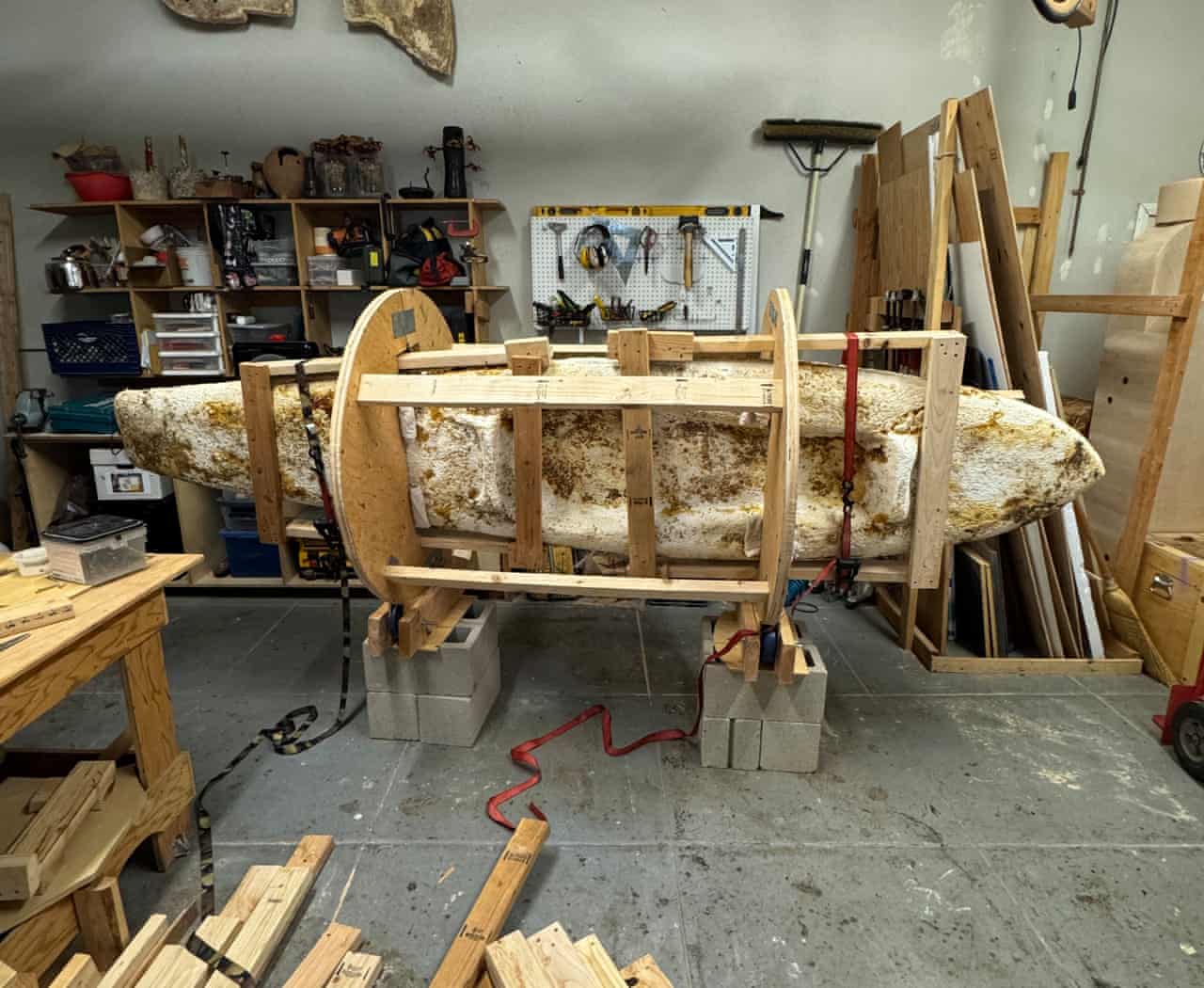
Sam Shoemaker made a kayak entirely from mushrooms.

Mushrooms! What next?

This week I chatted with Ann about a class where she learned to use mushrooms for natural dyes. And you may remember a post, here, about human caskets made from mushrooms.

But, wait! There’s more, says Open Fung, a nonprofit advancing the future of fungi-based technologies, materials, and the arts. Their latest endeavor: making a kayak from mushrooms.

Lisa Kwon reports at the Guardian, “On a clear, still morning in early August, Sam Shoemaker launched his kayak into the waters off Catalina Island and began paddling. His goal: to traverse the open ocean to San Pedro, just south of Los Angeles, some 26.4 miles away.

“But upon a closer look, Shoemaker’s kayak was no ordinary kayak. Brown-ish yellow and bumpy in texture, it had been made – or rather, grown – entirely from mushrooms. His journey, if successful, would mark the world’s longest open-water journey in a kayak built from this unique material.

“With his phone, GoPro camera, walkie talkie, and a compass affixed to his life vest, Shoemaker left shortly before 6am in order to avoid the worst of the swells in the forecast. But three hours in and powering through his ninth mile, the coastline still out of sight, Shoemaker began feeling seasick.

“Suddenly, he heard the sound of a large animal breaching the waters. To his left, a fin whale flashed its glistening tail, then trailed slowly behind him. As the 50-ft creature followed him for three more miles, Shoemaker found the strength to finish out the maiden voyage … which took him 12 hours.

“As he stumbled onto shore with his mushroom kayak still intact, the artist and mycologist embraced his friends and family. …

“Shoemaker began his career as an artist creating sculptures with propagated mushrooms. Upon returning to Los Angeles after graduating from Yale with an MFA in 2020, he began exhibiting artwork that captured the unique behavior of mushrooms as they grew out of hand-built ceramic vessels and blown glass. … Shoemaker now belongs to a small community of scientists and artists exploring the potentiality of fungal innovation as an alternative material that could be used in everything from kayaks and buoys to surfboards.

“Their focus is on mycelium … a pivotal connective tissue in the animal kingdom. Mycelium-based materials in an aquatic context are known as AquaFung, a term coined by Shoemaker’s mentor Phil Ross, an artist and the co-founder of a biotechnology company called MycoWorks that engineers mycelium-based materials including a mushroom ‘leather‘ that can be used in furniture, handbags and biomedical equipment. After cofounding MycoWorks, Ross cofounded Open Fung. …

“Ross argues that AquaFung has many of the appealing properties as plastic – such as being lightweight and buoyant – but without the harmful footprint. …

“Shoemaker began working on his first mycelium boat in 2024. …

He modified a used fishing kayak to serve as his fiberglass mold, then grew the mycelium network inside the mold …

“Shoemaker meticulously dried the resulting kayak composite structure using fans over the course of several months. …

“Confident in his prototype, Shoemaker began searching for appropriate support. Shoemaker met Patrick Reed, the lead curator of the Pasadena-based arts organization Fulcrum Arts, in December 2023 through mutual friends. After a studio visit, Reed was blown away by everything that the artist had to show him. … Shoemaker completed his second mushroom boat in June; grown from the same wild Ganoderma polychromum mycelium. …

“The completion of Shoemaker’s boat marks the second ever water-tested mushroom boat to be made after Katy Ayers, who holds the Guinness World Record for growing, then testing, what was then the world’s longest fungal mycelium boat on a Nebraska lake in 2019.

“ ‘A lot of people really didn’t think it was possible,’ says Ayers, who grew her boat after being inspired by a documentary called Super Fungi. …

“Ayers and Shoemaker credits mycology pioneers like Ross for making the technology more accessible. And mushroom-based materials are slowly beginning to pop up in the mainstream: In 2021, Stella McCartney made headlines with its launch of the world’s first-ever garments made from lab-grown mushroom leather, in consultation with Ross.”

More on the future of fungal materials at the Guardian, here. No paywall: Please consider offering some financial support to the Guardian.

Read Full Post »

Photo: Maggie Penman/The Washington Post.
Marci Johnson shows off a tiny watering can from deep in a pond. Johnson is a member of Susan Baur’s group Old Ladies Against Underwater Garbage, OLAUG.

A question from today’s article is a perfect example of the real meaning of “begging the question.” Although nowadays the phrase seems to mean “leads to a new question,” good old Fowler’s says it really means something more like “making an unproved assumption.”

Thus “why does diving for trash in a pond make people so happy?” makes the assumption that diving for trash does make people happy.

Let’s read more about the person who begged the question: Susan Baur, founder of the group Old Ladies Against Underwater Garbage.

 ‘It’s a reminder when things feel too overwhelming — it’s not overwhelming if you do it together.’

Maggie Penman writes at the Washington Post, “On an overcast chilly morning in late August, a group of women gather in a sandy parking lot, nearly all of them sporting a bright orange hat with the letters OLAUG — Old Ladies Against Underwater Garbage.

“Founder Susan Baur gets the group’s attention to go over the plan: Two groups of swimmers with masks and snorkels will be dropped off by a pontoon boat in different sections of Johns Pond in Mashpee, Massachusetts.

“Each group, accompanied by a kayaker, will swim in zigzags toward each other, diving as deep as 12 feet to pull trash from the pond’s muddy depths.

“All of the divers — women between 65 and 85 years old — have an enthusiasm for litter. …

“ ‘You literally never know whether you’re going to be excited, humbled, saddened. It’s all there, the whole emotional range you go through on a dive,’ Baur said.

“This area has been cleaned up before, but they know there’s more trash, in particular from a nearby construction site, that is getting dumped in the pond, Baur said. …

“Baur is a retired psychologist. At 85 years old, she is tiny but strong, moving quickly and fluidly as she checks equipment and greets swimmers. She says this project started on a whim in 2018, inspired by her daily swims in freshwater ponds and lakes near her home on Cape Cod.

“ ‘It was three or four or five friends that would get together and clean up a pond and laugh,’ she said.

“They were astounded at how much trash was in local waterways and ponds, and thought they could use more hands. In 2023, OLAUG held tryouts for the first time, making sure volunteers could swim half a mile in under 30 minutes and finish the mile comfortably. They also had to be able to dive repeatedly down 8-10 feet. Overnight, the group expanded to 21 women. The youngest was 64. …

“The dives are organized with walkie-talkies and safety protocols, and coordinated with local homeowners, who often express appreciation with baked goods. Each dive is run by an assigned ‘beach boss’ who handles logistics and checks swimmers in and out of the water. Each diver has an area of expertise. If it’s deep, call Marci. If it’s disgusting, call Susan. …

“Many of the women involved in OLAUG are motivated by environmentalism: wanting to clean up ponds and lakes for the fish and turtles that populate them.

“Some are motivated by the camaraderie or the exercise. For others, it’s the joy of imagining the provenance of the objects pulled out of the mud.

“ ‘Where did this garbage come from?’ asked kayaker Diane Hammer, 70. ‘And how did it get in the pond in the first place?’

“She got involved with OLAUG after moving from Boston to Falmouth in 2020. She looked out her window and saw people in wet suits digging in her pond. Hammer had been watching a lot of true crime during the pandemic, and her first thought was that the divers were FBI agents looking for dead bodies. She soon learned it was Baur and a friend looking for trash.

“ ‘There’s nothing better than doing something good with good people,’ Hammer said. ‘It’s a reminder when things feel too overwhelming — it’s not overwhelming if you do it together.’ …

“This particular Monday morning, divers find a makeshift anchor and a rusted rudder, as well as two shoes — one a woman’s strappy sandal. On another day they found a blue toilet. On another, the back end of a Corvette. They’ve found old beer bottles that seem to have been dumped after an ice fishing expedition a century ago, lots of golf balls and so many baby doll heads. …

“The main reason Baur thinks the women keep coming back to OLAUG is because in the water, they reach a state of flow — the concept in psychology that some researchers believe holds a critical key to happiness.

“ ‘The cool thing about flow is there’s no one thing you have to do to achieve it,’ said Richard Huskey, an associate professor in the communication department at the University of California at Davis who has written about flow. He says the easiest way to understand it is as ‘being in the zone’: being so fully engaged in a task that you are entirely present, totally unselfconscious, not thinking about anything else.

“ ‘There’s nothing like cold water, icky garbage and a little bit of danger to get you out of your head,’ Baur said.

“Marci Johnson agrees. She’s one of the swimmers who joined the group in 2023. Johnson grew up on Cape Cod and moved back with her husband when she retired, but then he died. She was diagnosed with breast cancer. She was feeling isolated and struggling — and then she saw OLAUG was having tryouts.

“ ‘I never was good in gym, I wasn’t on a sports team in school, but I do love swimming,’ she said. ‘You get into a rhythm when you’re swimming long distances, and your mind just goes somewhere else. You work through those problems you’ve been trying to figure out, sitting there thinking about it. But when you’re swimming the answer comes to you. It’s a happy place.’ ”

More at the Post, here.

Read Full Post »

Photo: Adam Grossberg/KQED
Ahmet Ustunel, who is blind, plans to kayak across the Bosphorus Strait in Turkey, like blind King Phineus of Greek mythology.

Never say studying Greek mythology fails to prepare a student for life. Laura Klivans’s story at Public Radio International will help you understand why it can be valuable.

“Ahmet Ustunel remembers his daily commute to high school well. He’d wake up at home, on the Asian side of Istanbul, Turkey, a city that straddles two continents. Then he would take a ferry across the Bosphorus Strait to the European side of the city. …

“Ustunel has been blind since he was three years old when he lost his sight because of eye cancer — but that never kept him away from the water. He spent afternoons fishing with his father and summers swimming in the Black Sea, where his grandmother had a house. …

“For the last 11 years, Ustunel has lived in the United States. … He plans to return to his homeland next summer to kayak solo across the Bosphorus Strait. …

“Ustunel first became inspired to captain his own boat in high school, while studying Greek mythology. …

” ‘There was this blind king called Phineus, and he used to live on the north side of the Bosphorus,’ he recalled. ‘His mission was guiding sailors in the dark safely to the Black Sea from the Mediterranean.’ …

“Earlier this year, Ustunel saw an opportunity … A nonprofit launched a new award to fund blind and visually impaired people undertaking adventures. The Holman Prize for Blind Ambition offers grants of up to $25,000 to accomplish a bold project. …

“LightHouse has been able to fund these creative projects after receiving an unexpected gift of $125 million from a Seattle businessman upon his death.

“For Ustunel, the money will help him buy the right kind of kayak and the instruments he will use to navigate. He’s documenting his training process on his website, where he calls himself ‘The Blind Captain.’

“So, how do you kayak if you can’t see? Ustunel says the first thing is to use your other senses, which can convey lots of information. …

“But to cross the Bosphorus, Ustunel will need more than just his senses. His journey will be just over 3 miles, but the strait is one of the busiest shipping channels in the world. The waters are dangerously crowded with huge freighters and tankers, alongside small ferries and fishing boats — and the currents are strong.”

At PRI, here, you can read about the many gadgets the kayaker is testing before he tackles the Bosphorous.

Read Full Post »

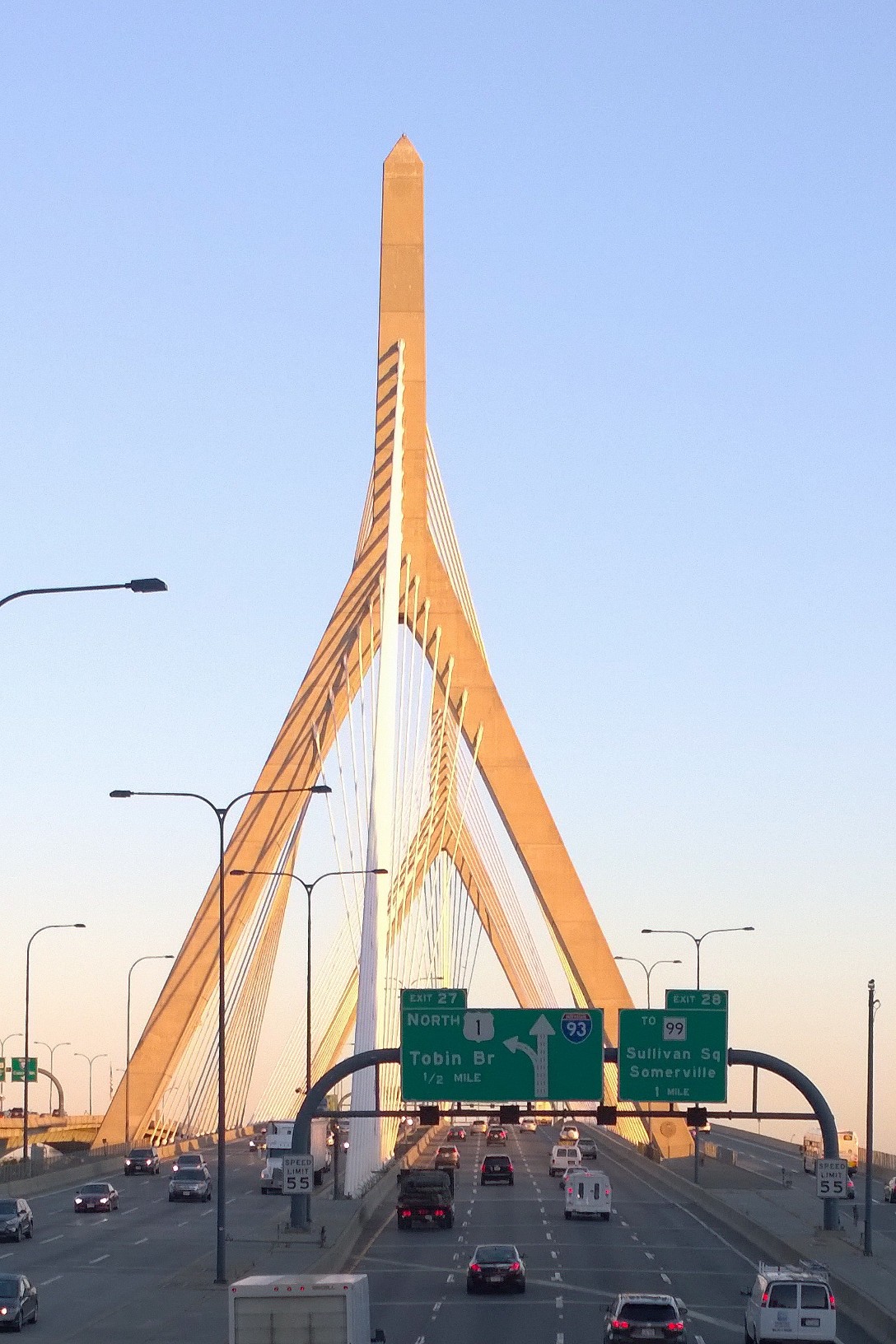
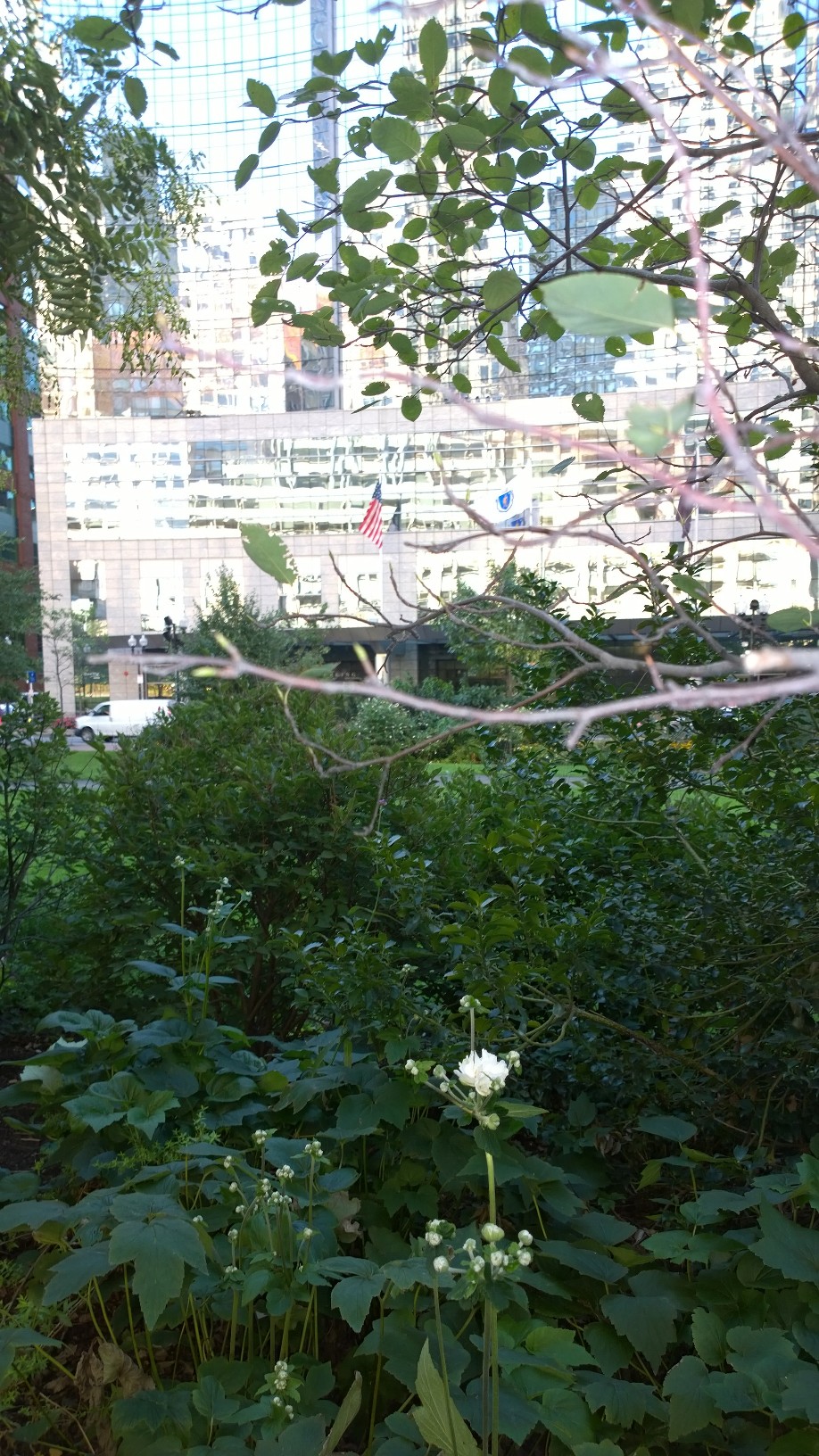
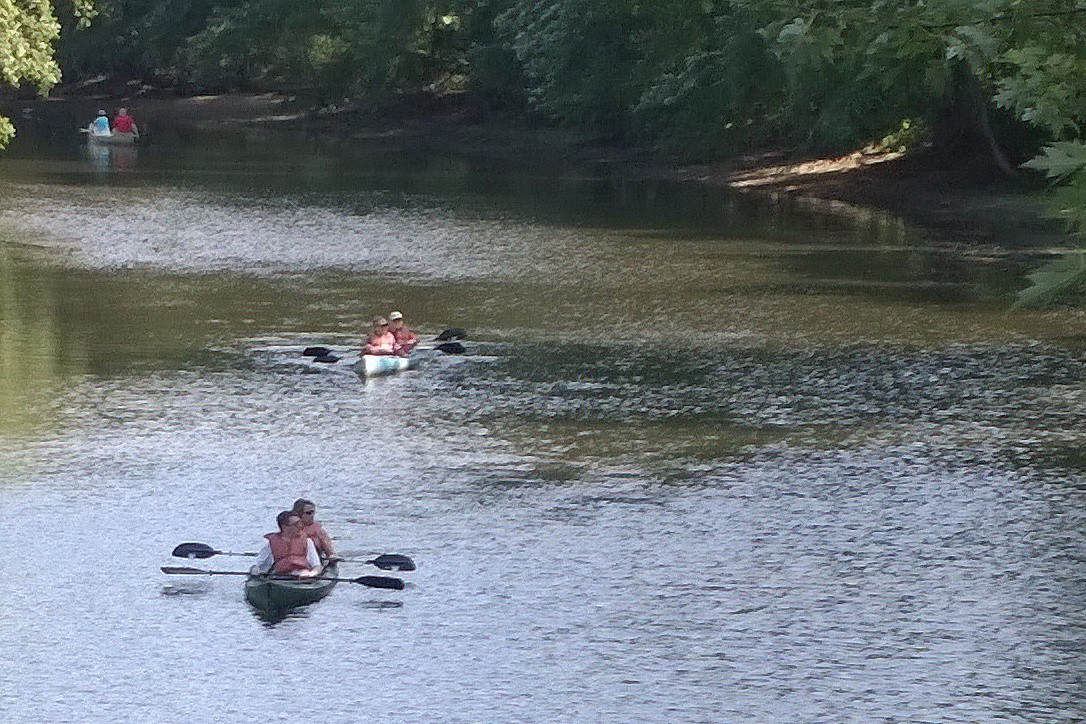
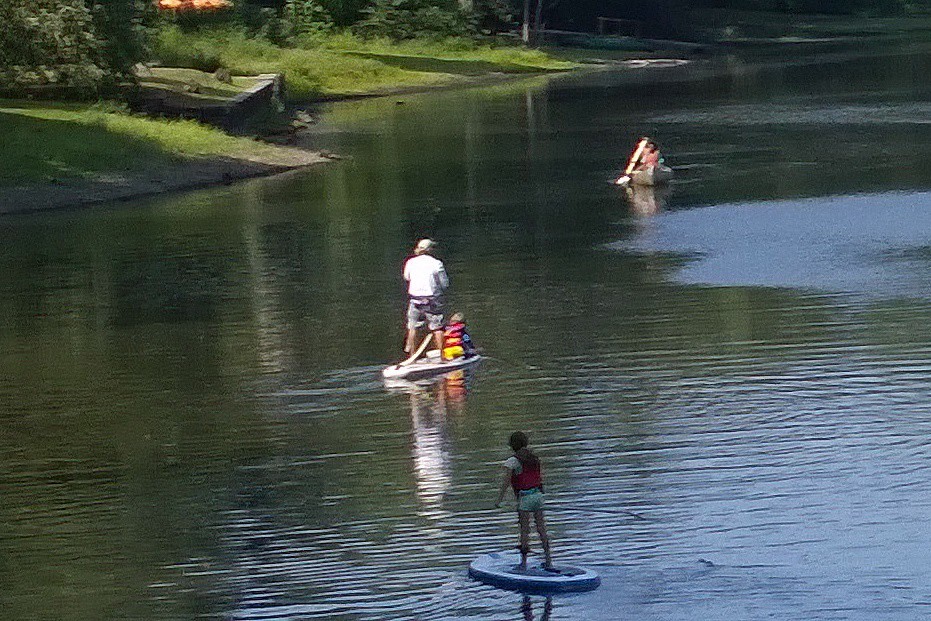
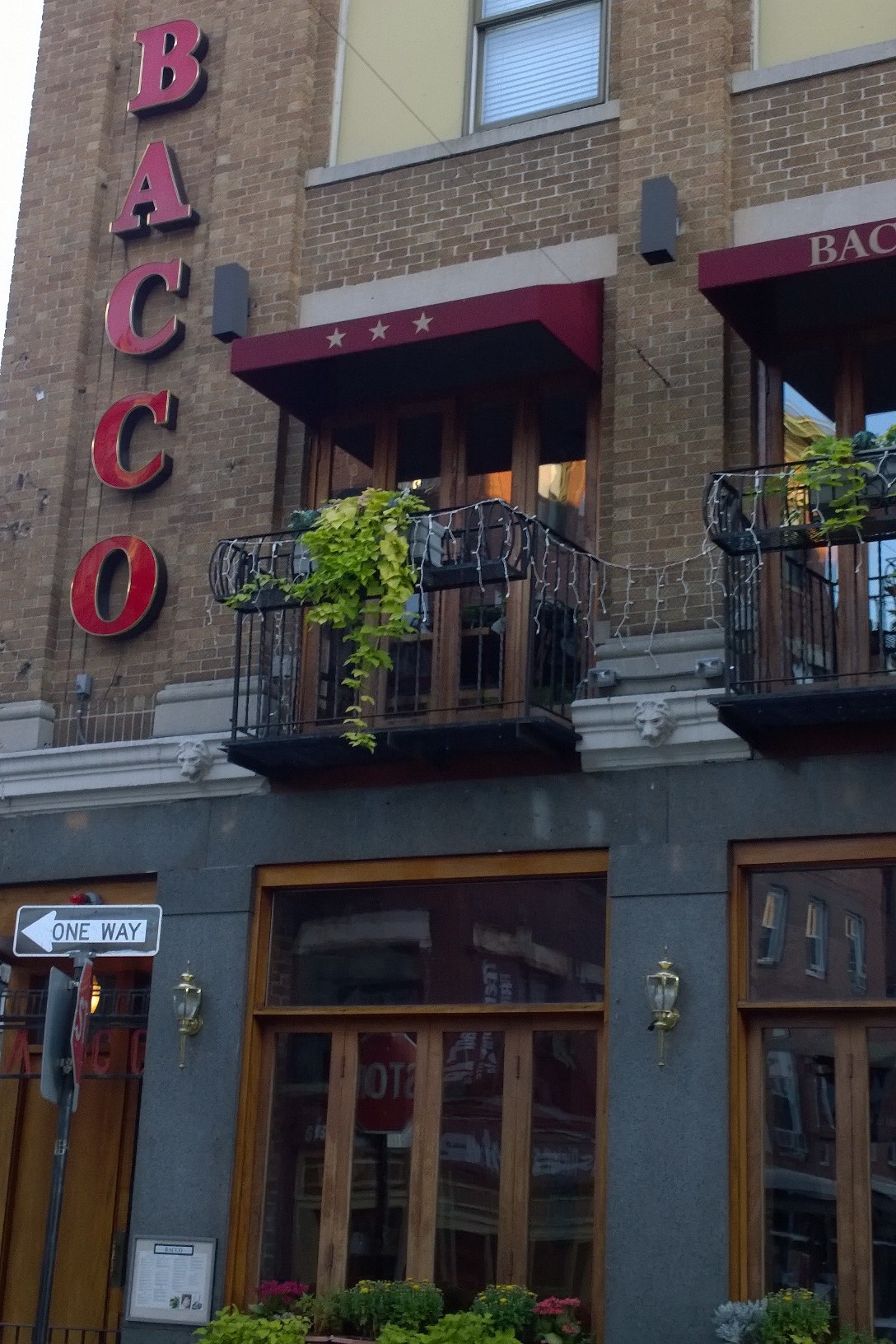
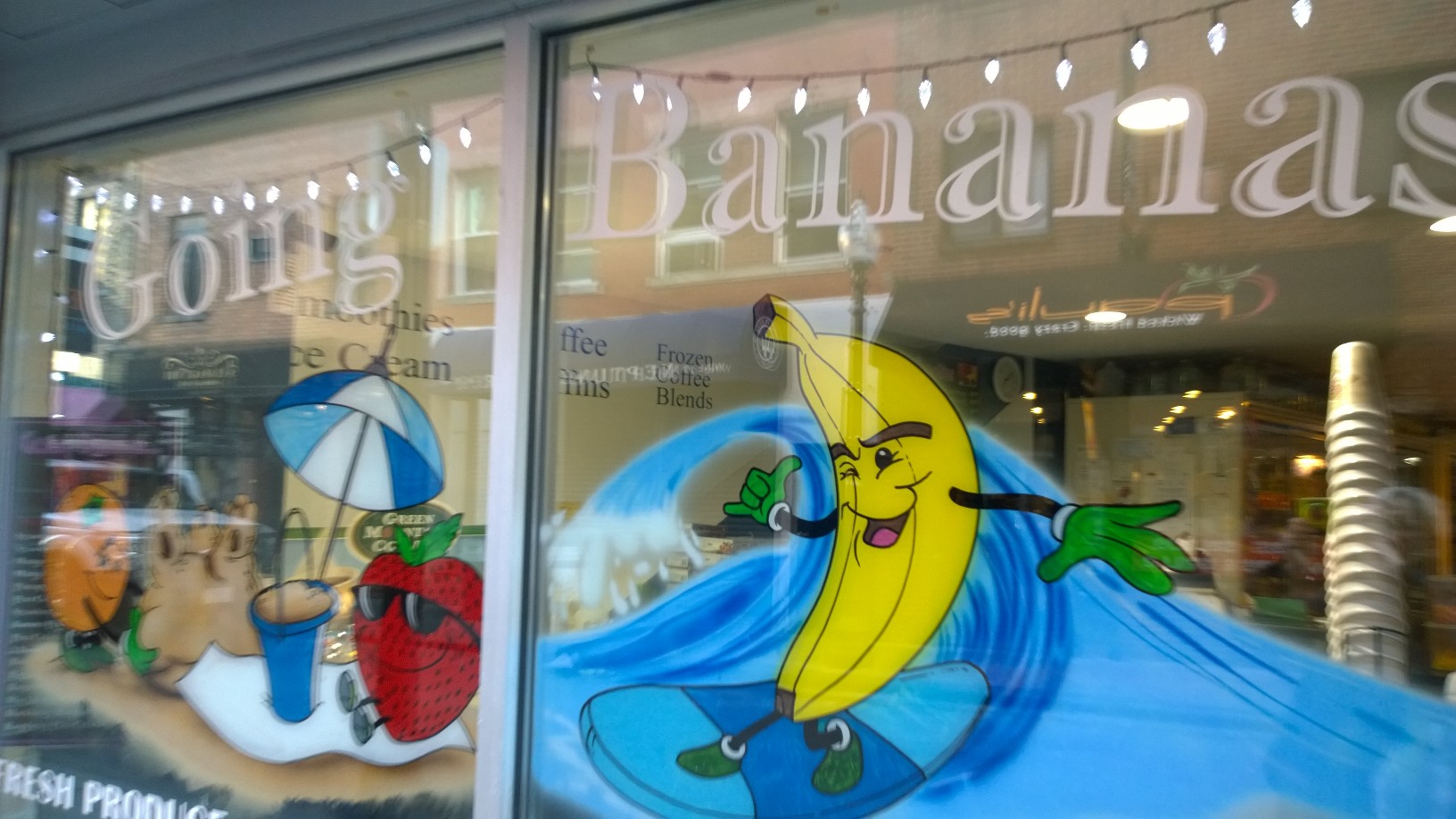
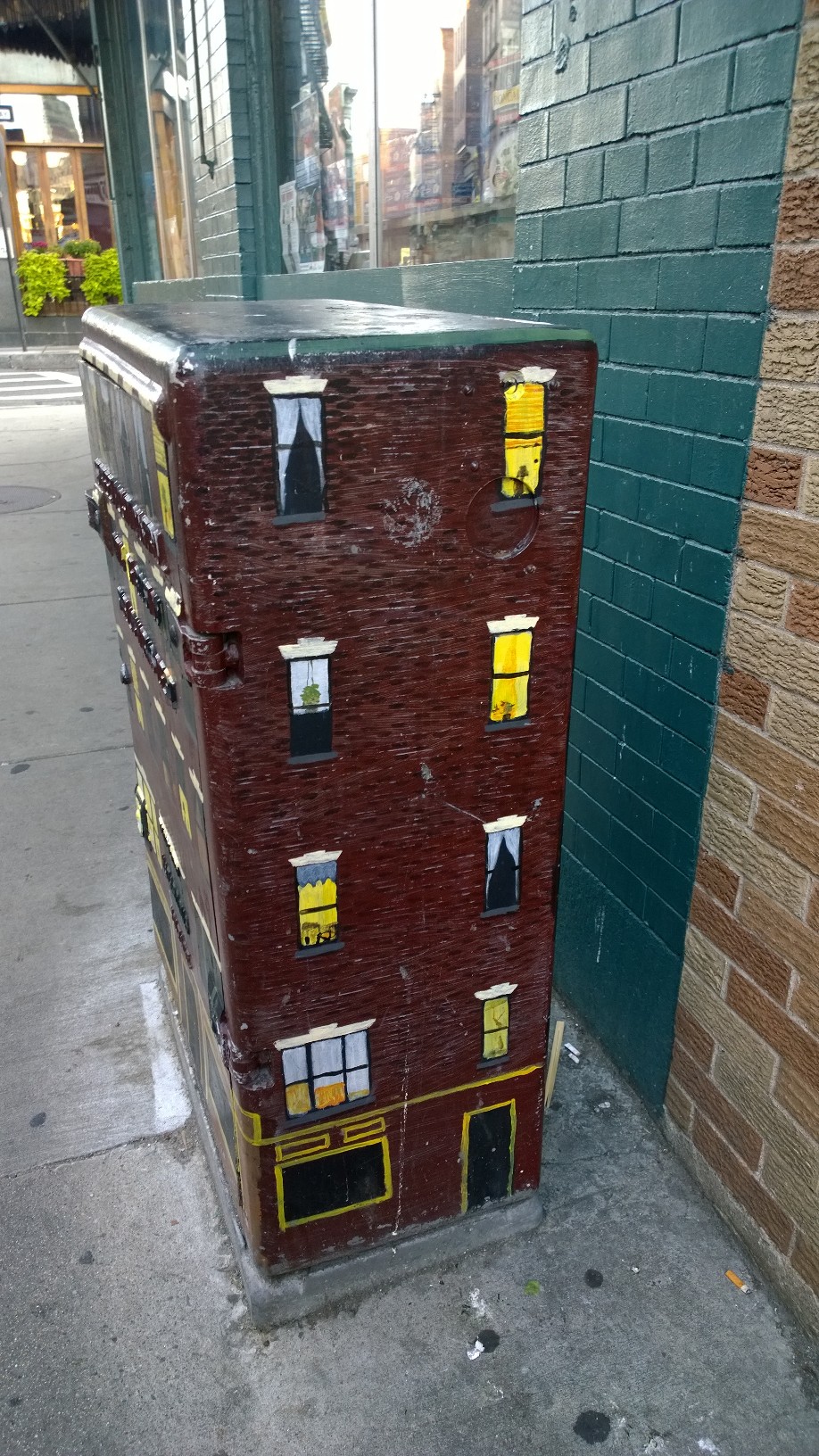
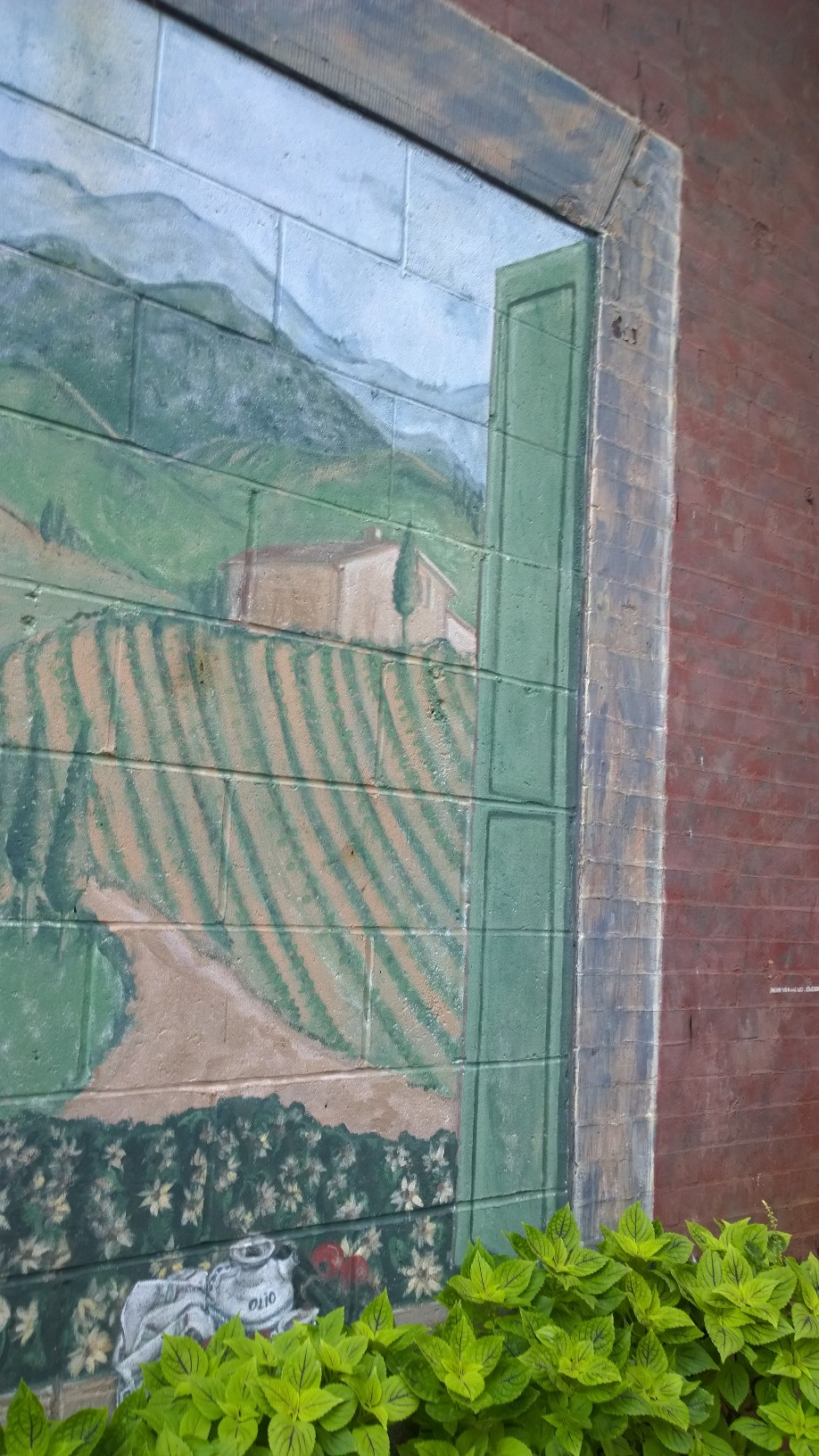
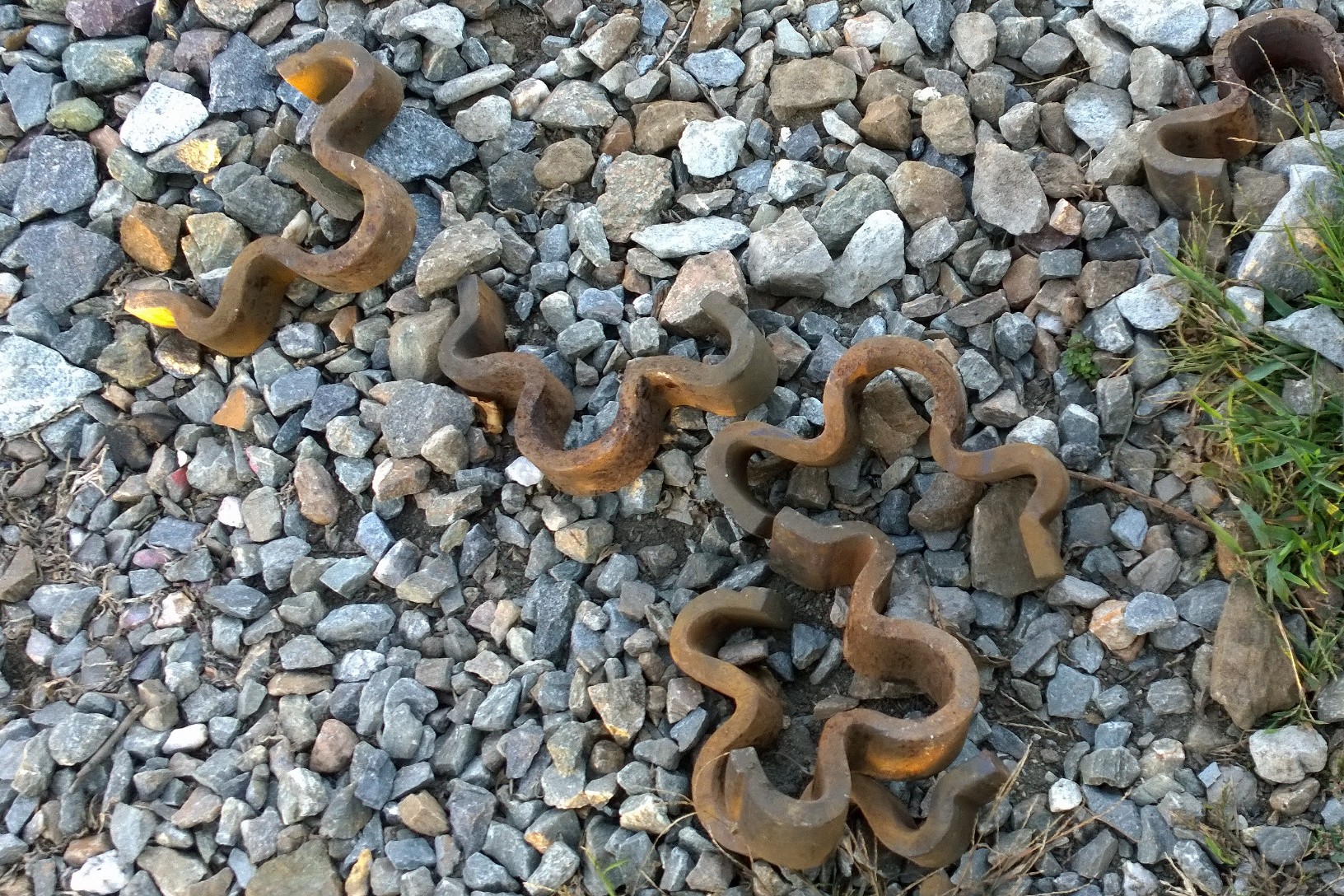
A few recent shots. The beautiful Zakim Bridge, late summer flower in the Greenway, water bugs on the Sudbury River, four scenes from Boston’s North End (which can still feel a bit like stepping into Italy), mysterious “pasta” along the railroad track, and my selfie shadow.

WP_20150924_06_52_11_Pro

091715-greenway

090715-canoes-Sudbury-River

090715-paddleboarding-Sudury-River

092415-North-End-Boston

092415-Going-Bananas-store

092415-North-End-utility-box

092415-North-End-Mural

092315-strange-RR-pasta

091915-shadow-selfie

Read Full Post »