
Photo: Jack Alterman
Linda Lear’s books include biographies of Beatrix Potter and Rachel Carson.
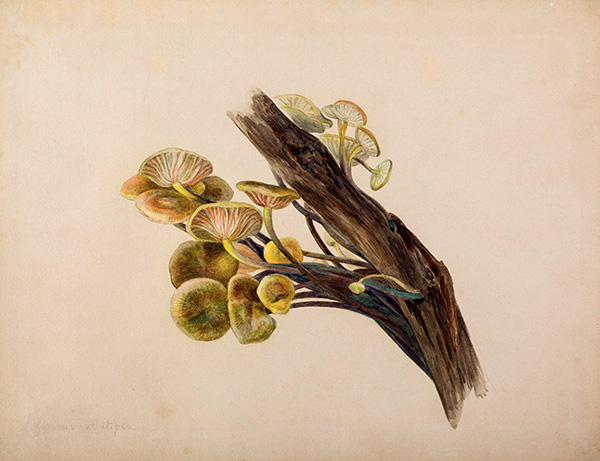
In 2015, I wrote here about Linda Lear’s excellent biography of Beatrix Potter, which highlights the scientific side of the beloved children’s book author /illustrator /land preservationist.
More recently, when my husband and I were watching a television special on Rachel Carson (author of The Sea Around Us and Silent Spring), I saw Lear being interviewed and realized she’d written a biography of Carson, too.
So I went to Linda Lear’s web page to learn more about her.
“Whenever my parents drove over the Allegheny River into downtown Pittsburgh from the rural community of Glenshaw where I was born,” Lear reports, “I begged my father not to go over the bridge that crossed the river above the stock yards.
“There were animal parts visible in the yard, and debris strewn along the river’s edge. The smell of dead animals mixed with the stench of sulfur from the smelting operations further down river. We talked about why the city was dirty, the river polluted, and what we could do about it. For generations my family had been involved in the natural world and from them I learned to appreciate and nurture it.
“My grandfather loved books and loved to read to me when I was little. Our favorites were fairy tales, [Grimm brothers] and [Hans Christian Anderson], Lewis Carroll, and any sort of animal fable. We loved Aesop, Br’er Rabbit, Uncle Wiggly, and of course, Peter Rabbit. He introduced me to the nonsense rhymes of Edward Lear, and to illustrators such as [Mary Jo] Beswick, Walter Crane, and Beatrix Potter.
“From my grandparents and from my mother, I absorbed the pleasures of gardening, herbaceous and perennial, learning the names of plants, and later of making a garden of my own. I always loved woodland flowers and animals. I became adept at rescuing stray kittens and baby rabbits, and finally got a healthy kitten of my own.
“I was educated at women’s schools until my graduate work at Columbia University. Before finishing my doctorate, I taught American history at independent schools, and fortunately ended up teaching at one in Washington, D.C. in the late 1960s — just in time to become an activist.
“I have had a long career in college and university teaching and have written a variety of books and articles. I began to specialize in environmental history just as the field was being defined. Fellowships at Yale’s Beinecke Rare Book Library and at the Smithsonian Institution allowed me to redefine myself as a full-time writer.”

 Suzanne's Mom's Blog