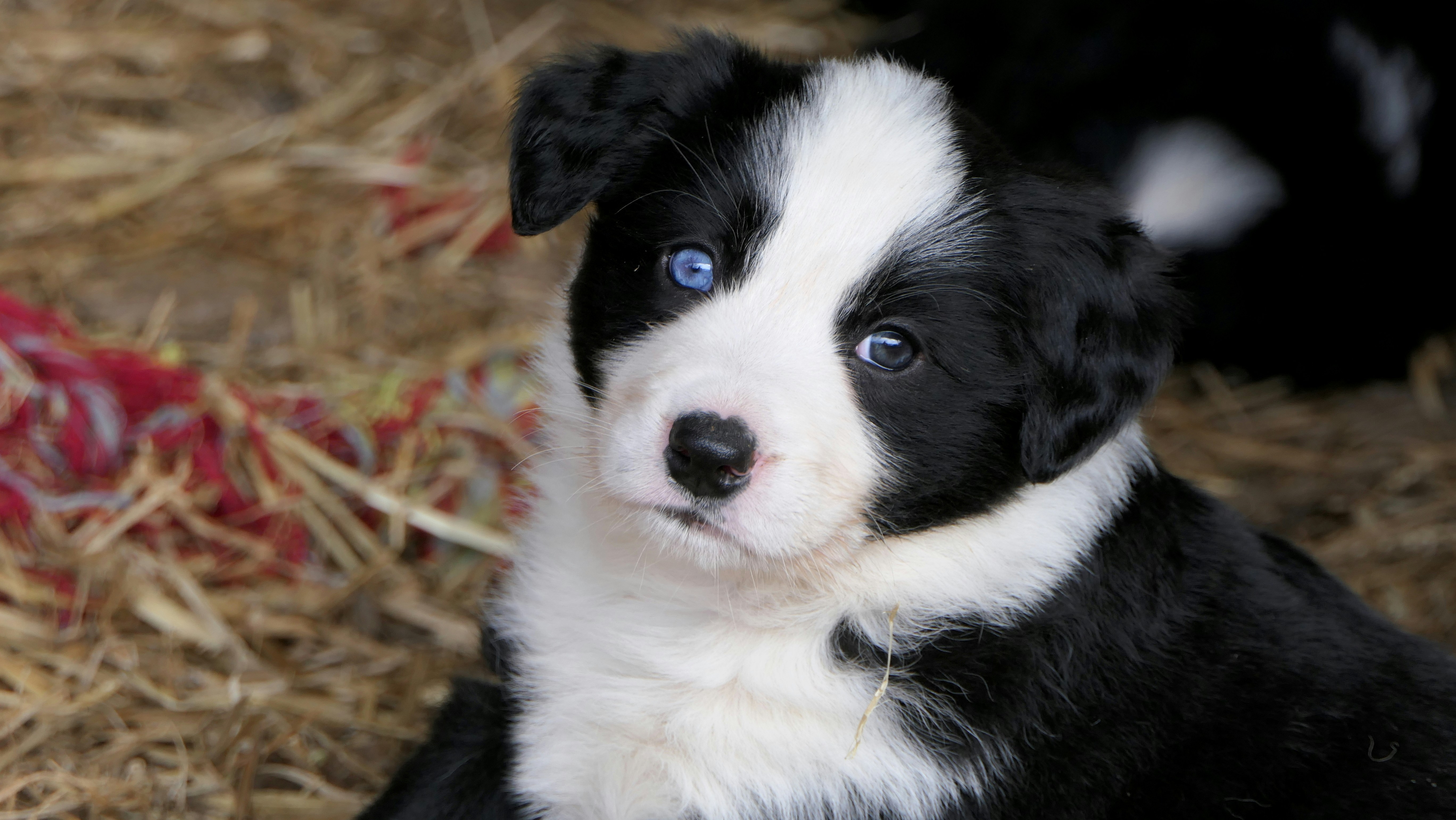
Photo: Andrea Lightfoot via Unsplash.
For Valentine’s Day this year I thought I would post about the love people have for pets. The article I found at Yale University’s human relations website is a little research-y, but it shows just how far back in history humans have felt that kind of love.
“The human love of pets is a powerful and global phenomenon. For many pet owners, their furry (or scaly) domestic companions transcend any simple categorization of non-human animal. Indeed, research shows that it is a growing global trend for pet owners to consider their animals to be full members of their families; to dote upon them as they would children or romantic partners, both emotionally and financially; and to thereby develop strong bonds of dependency, love, and support.
“Gray and Young (2011) conducted a broad cross-cultural study of human–pet dynamics around the world utilizing … a stratified random sample of 60 culturally, linguistically, and geographically diverse societies represented in eHRAF [Human Relations Area Files] World Cultures. Their study revealed that ‘dogs, birds, and cats were the most common pets, followed by horses, other hoofed mammals such as water buffalo, rodents, nonhuman primates, and pigs.’ … Attitudes and sentiments towards the domesticated animals vary, with many societies attaching spiritual meaning to their birds, cats, or dogs. …
“The emotional connection between pets and their owners is worthy of cross-cultural attention. For example, it has been discovered that dogs are able to read emotional cues from the faces of their owners and to respond accordingly. Other recent studies have shown that people tend to have more compassion for animals who are suffering than for adult humans in similar circumstances, treating the hurt dogs akin to helpless infants who need protection. Based on global data, researchers in this telling social experiment concluded that, by and large, subjects ‘did not view their dogs as animals, but rather as “fur babies” or family members alongside human children.’
“As to the origins of human-pet relationships, anthropologists suggest that our propensity for keeping pets, as well as our finely honed empathy for their emotional state, stems from the process of animal domestication in early human history, beginning with dogs and continuing to horses, sheep, goats, and others:
” ‘In each case, humans had to learn to put themselves in the minds of these creatures in order to get them to do our bidding. In this way our senses of empathy and understanding, both with animals and with members of own species, were enhanced. Our special relationship with animals is revealed today through our desire to have pets (McKie 2011).’ …
“Evidence of ancient burials from eHRAF Archaeology supports recognition of a longstanding bond between humans and animals far back into prehistory. For example, in ancient Egypt (5000-2000 BCE), Rice finds that, ‘amongst the graves at Helwan are examples of the burials of dogs and donkeys; as these do not seem to be the subject of cult or religious observance, it may be that they were family pets, since the Egyptians always kept animals about them, as members of their households’ (1990: 131). Similarly, on the other side of the world, the purposeful interment of animals in prehistoric settlements is known throughout the American Southwest and northern Mexico. According to Woosley and McIntyre, at the Wind Mountain site in New Mexico dating back to 2000-600 BP, the animals buried included dogs, bears, turkey, golden eagles, hawks, mourning doves, and scarlet macaws (1996: 281).
“Edmund Leach’s seminal work, Animal Categories and Verbal Abuse (1964), presents the human relationship to animals in terms of social distance. Attitudes towards different animals reflect our familiarity with them, so that the most familiar or ‘closest’ to ourselves are subject to ritual provisions or prohibitions because they are considered ‘taboo.’ They are also most worthy of human-like care and devotion. This is why people generally avoid eating the animals that they might also keep in their homes as pets. …
“The dynamic of intimacy in the human relationship to animals recurs in the ethnographic literature. The closeness of human-animal relationships is evident around the world with instances of beloved species being cared for as fondly and tenderly as human babies.”
Check out more at Yale’s Human Relations Area Files, here. No paywall.



 Suzanne's Mom's Blog