Feeds:
Posts
Comments

Posts Tagged ‘sculpture’

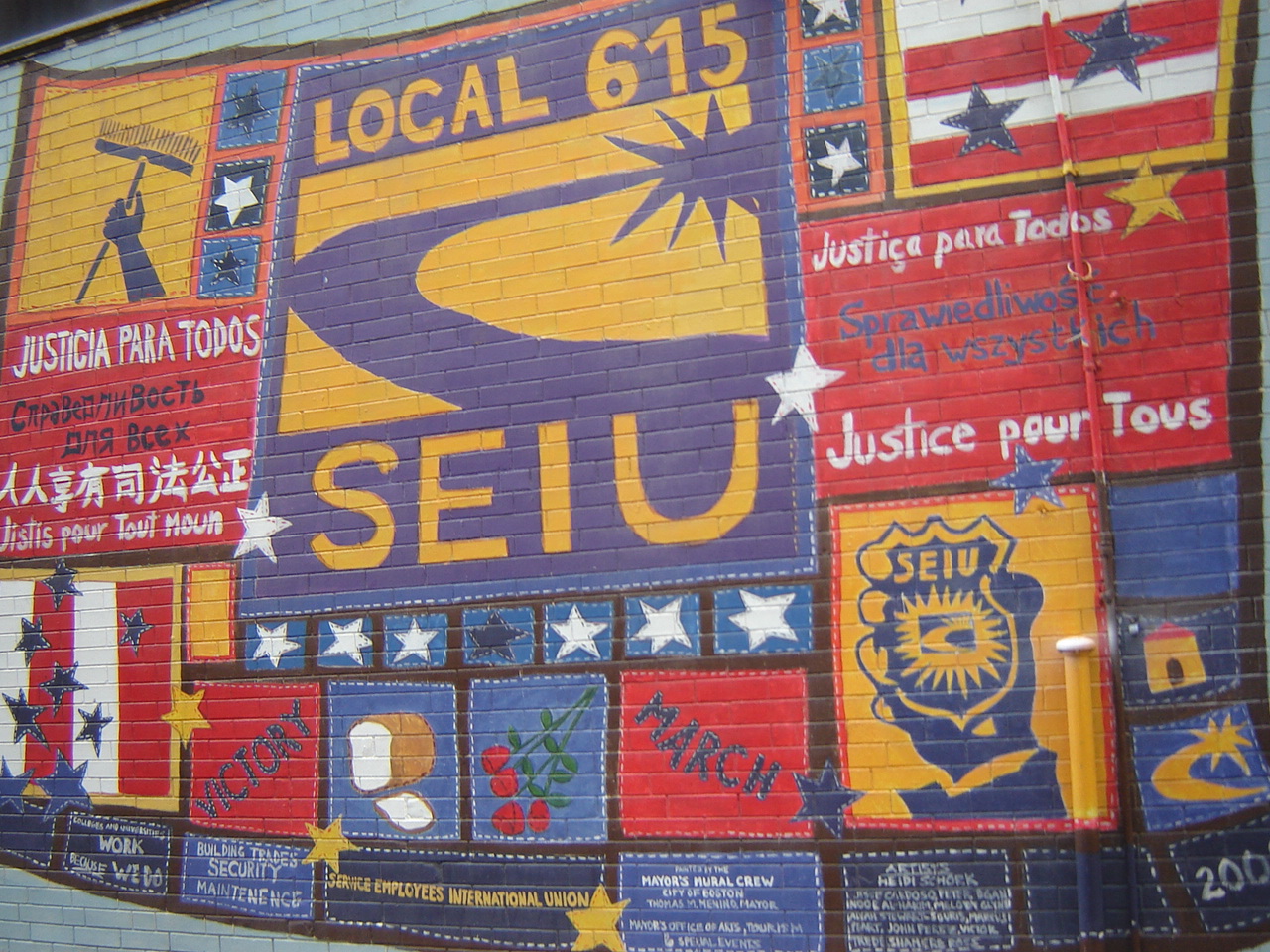
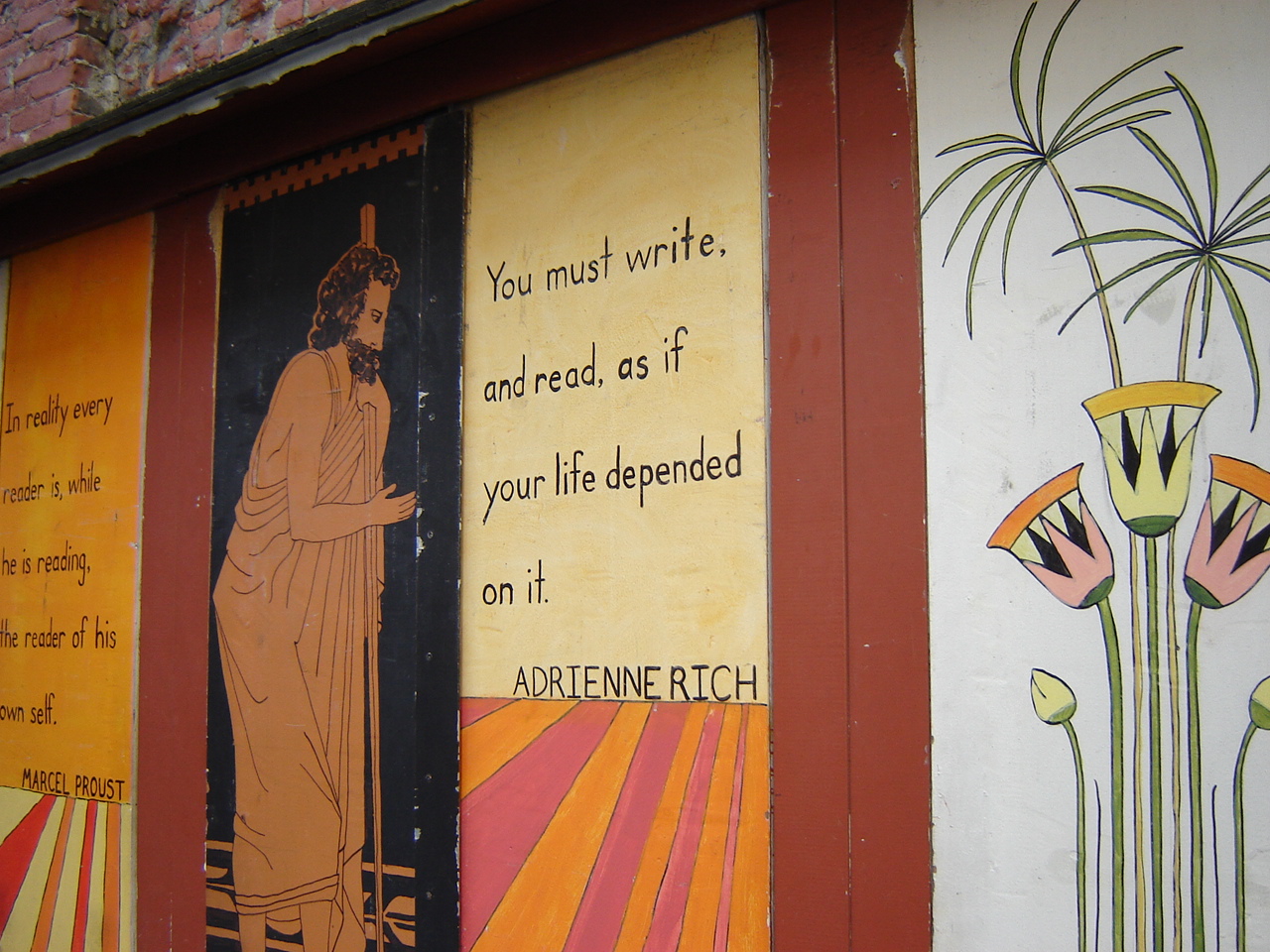
Some days I walk in Boston and snap the sights down side streets. The first photo was taken near the harbor. The others were taken near Downtown Crossing.

I like the Adrienne Rich line painted on a bookstore wall: “You must write, and read, as if your life depended on it.”

Read Full Post »

Dutch artist Peter Gentenaar makes stunning paper sculptures that Nathaniel Ross at Inhabitat (“design will save the world”) describes as “soaring through the air like flying jellyfish. …

“Peter Gentenaar’s art was born out of the limitations of what he could (or couldn’t) create with store-bought paper. So with the help of the Royal Dutch Paper Factory, he built his own paper factory and devised a custom beater that processes and mills long-fiber paper pulp into the material you see in his artwork. He saw the potential that wet paper had when reinforced with very fine bamboo ribs, and he learned to form the material into anything his imagination would allow.”

Check out the machine Gentenaar uses to create his paper. You can buy one. He describes it thus:

“A machine suitable for beating long fibers, flax, hemp or sisal, as well as for beating soft and short fibers like cotton linters. The machine is built in stainless steel and has a bronze bedplate. The bronze bedplate has the same curve as the knife roll, this gives effective grinding/beating over a surface of: ± 20 x 10 cm. The distance between the roll and the bedplate can be finely adjusted. Also the weight under which the fibers are beaten can be varied from 0 to 60 kilo’s. This means you can use the beater on very delicate fibers and on very strong and rough fibers as well. I never have to cook my fibers. There is a factory guarantee on the beater of one year. At present I’m getting a CE mark, which ensures certain safety standards. There are over 70 beaters of this type sold over the last 12 years and they are all still working.”

Art: Peter Gentenaar

Read Full Post »

I like to think I know something about the nonwork interests of my colleagues, interests that may be — in spite of their workday professionalism — at least as much a part of who they are as their jobs. There’s the woman employed as a customer service rep who gets her kicks out of Tough Mudder competitions (extreme sports in mud). Or the editor who bakes bread every day. Or the economist who composes choral music and creates arrangements for flute choir.

Everyone has at least one other life.

But I guess if you’re not physically in the same office, if don’t have lunch together or chat in the ladies room or on the subway, you never find out about people’s other lives.

That’s why I was utterly floored this week when a hard-driving, business-oriented colleague in the Washington office sent around an e-mail saying she would be away from her desk for a month at an artist retreat in Korea. Huh?

Says I, “Oh! Are you an artist?”

Says she: “Yes” and sends me her website.

Oh, my gosh. This is who she really is: a sculptor and installation artist with a record of shows and a gorgeous portfolio. How does she even find time to be hard-driving and business-oriented in the day job?

It makes me wonder what else I’m missing, whose real life is right in front of me and I’m not noticing.

Read Full Post »

Asakiyume has alerted me to a great story about an anonymous library patron in Scotland who creates sculpture from old books and deposits them in libraries by stealth. The artist makes reference in his (her?) sculptures to Scottish mystery writer Ian Rankin and dragons and all sorts of literary things. You will flip over the pictures here.

Asakiyume says she likes the quotations that the mystery artist leaves with the sculptures: “I liked ‘Libraries are expensive,’ corrected to ‘Libraries are expansive,’ and also the quote from Robert Owen … (founder of some utopian communities) … ‘No infant has the power of deciding … by what circumstances (they) shall be surrounded.’ ”

The messages remind me of the mysterious tea cups of Anne Kraus, which I described here.

Now although Asakiyume knew I would love the book art, she may not have known that I have a family reputation for stealth projects, like secretly leaving a small Zimbabwean soapstone sculpture of parents and baby in John’s house after Meran gave birth.

Recently, I was telling Erik about a few of my escapades, and he got a look on his face suggesting that he was a little worried about the family he had married into.

When I was on the publicity committee for a local theater producing a musical about George Seurat, I purchased Seurat greeting cards and left them in stores’ card racks around town. They got sold, but the sales staff would have had to wing the price as there was no price on them.

Then there was the year that I sent a series of postcards from different cities under different names to an ice cream shop and in each card suggested a type of frozen dessert the shop should carry. Every card had a different reason why customers might want that dessert.

It worked, and the shop must have made money off the dessert as they stocked it for years afterward.

Photo: ThisCentralStation.com

Read Full Post »
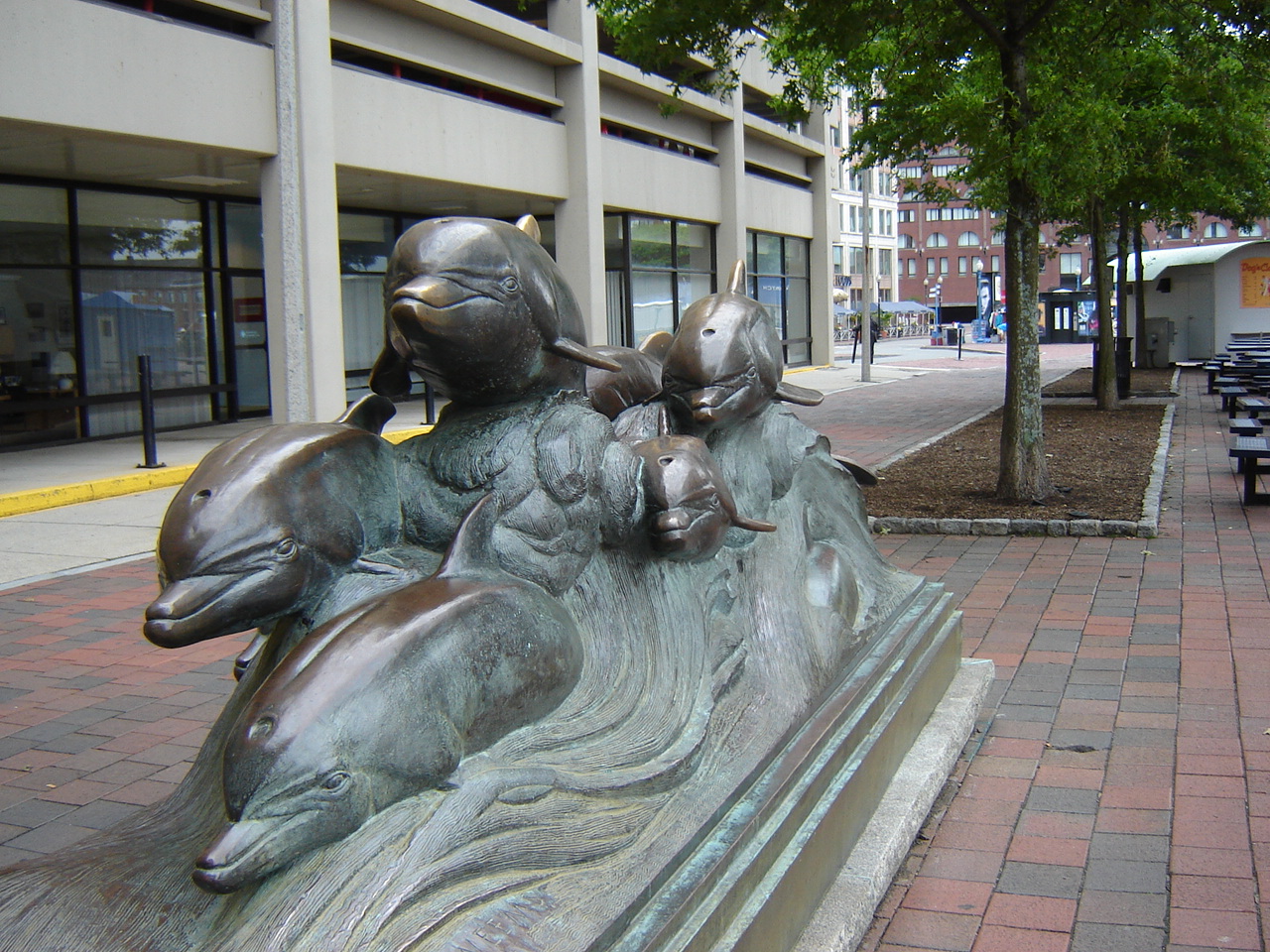
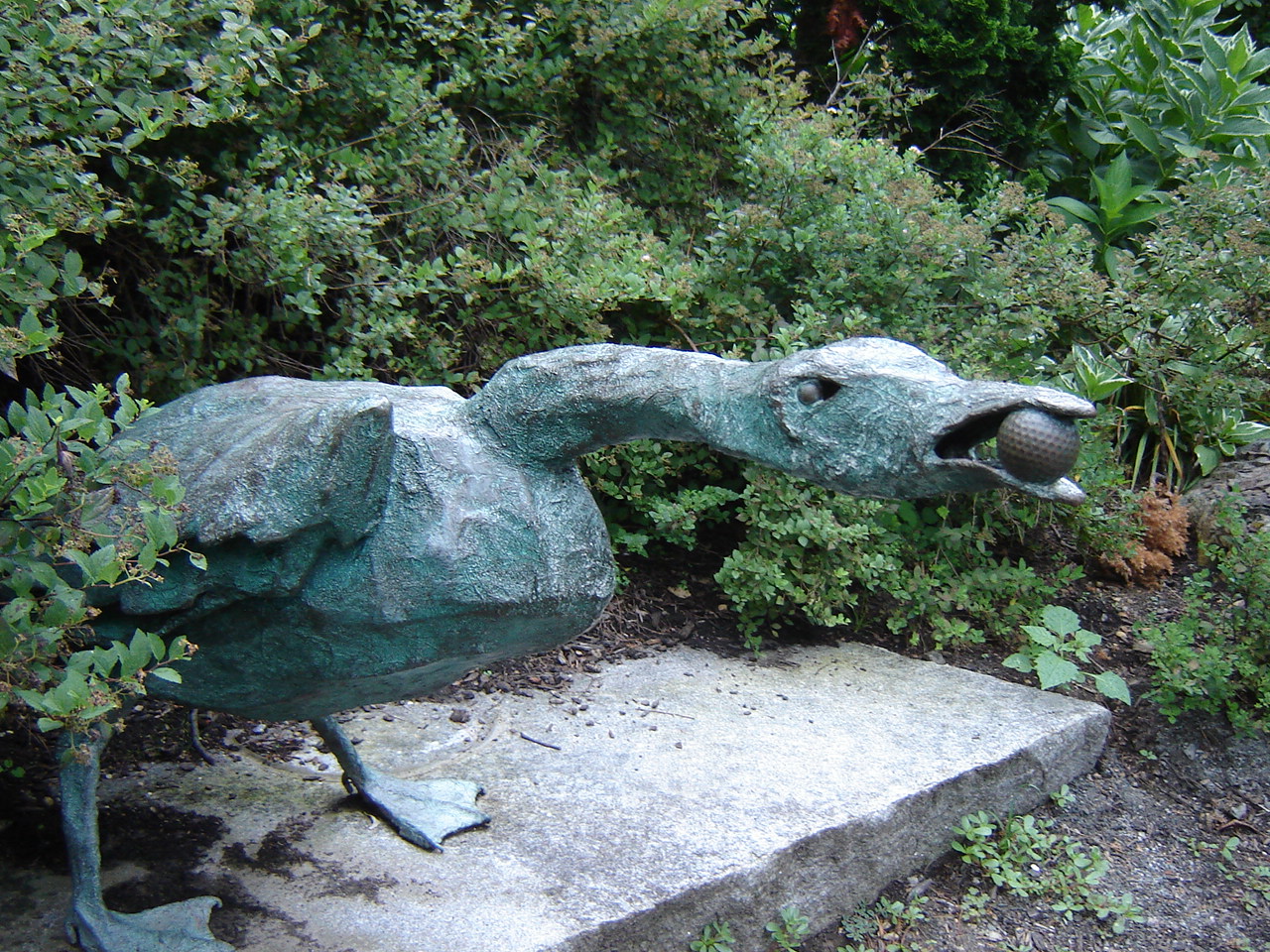
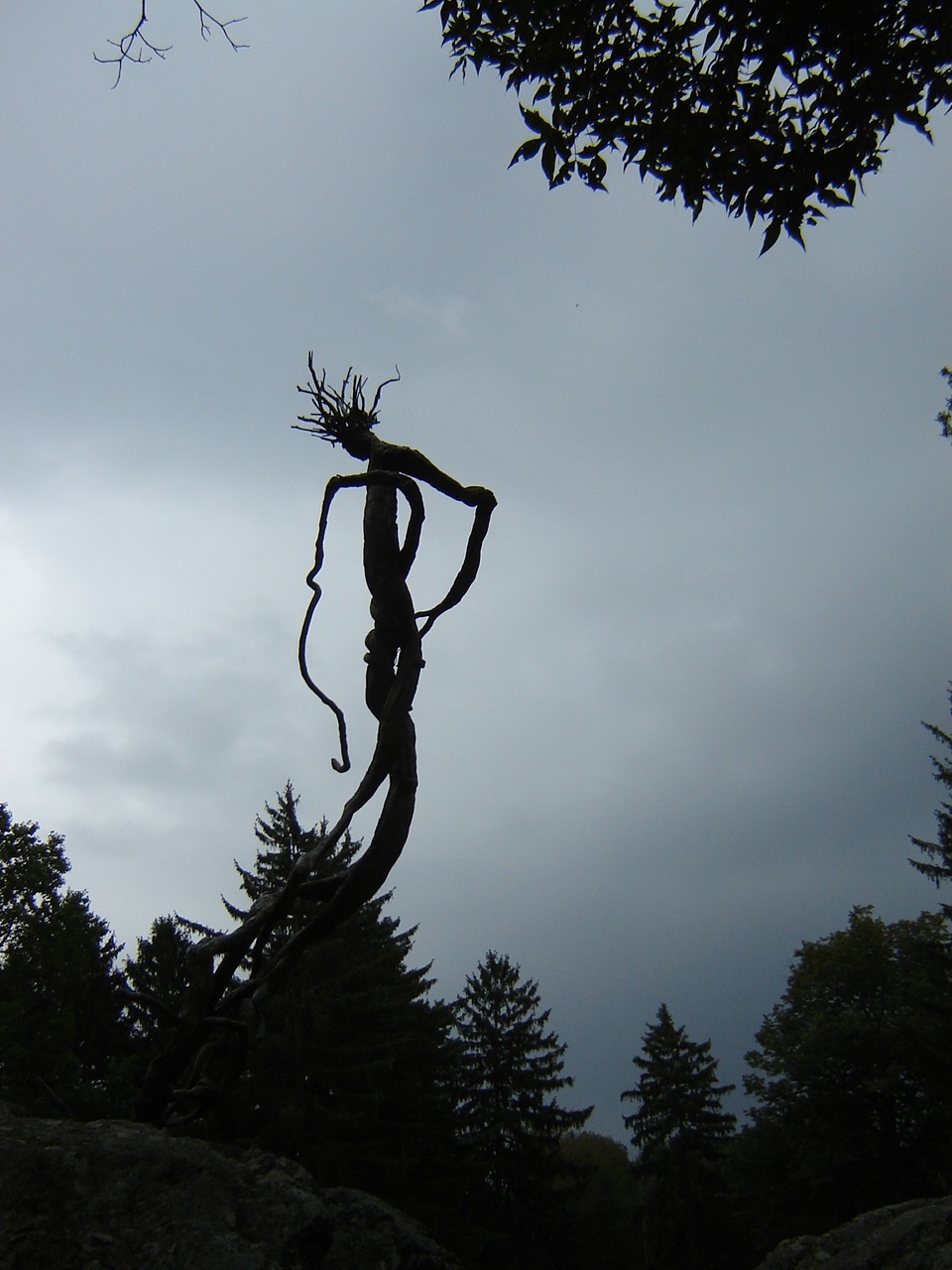
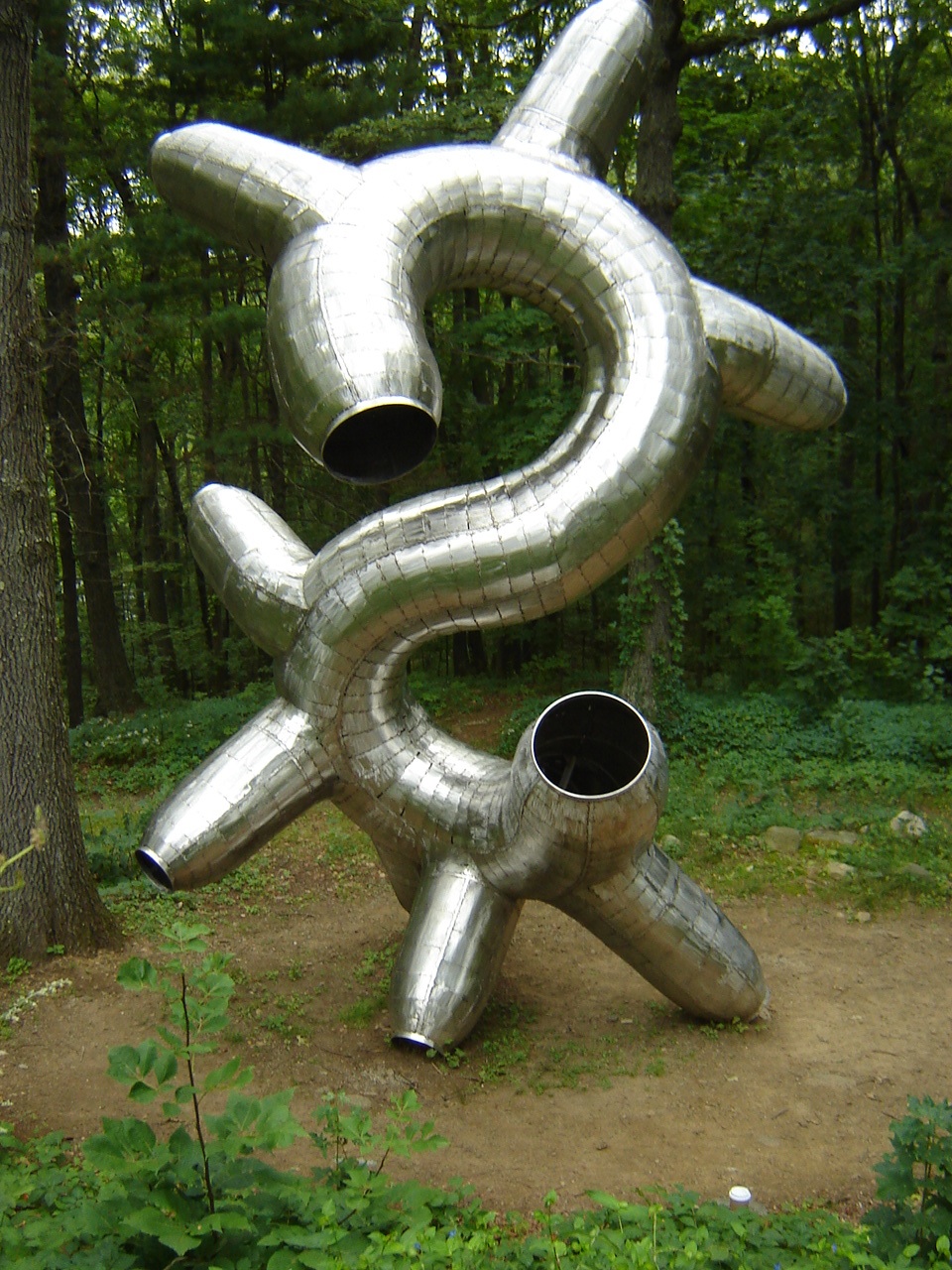
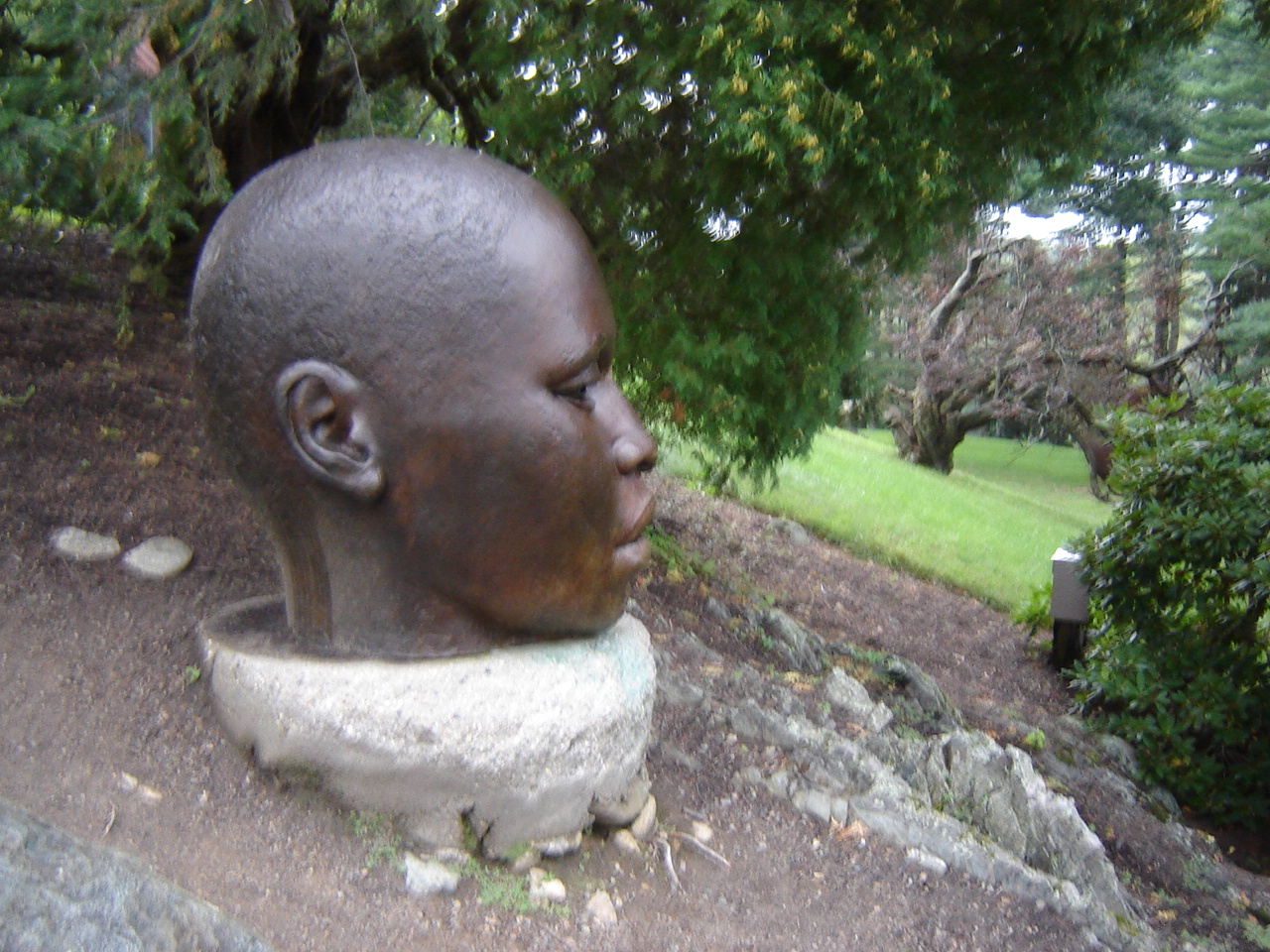
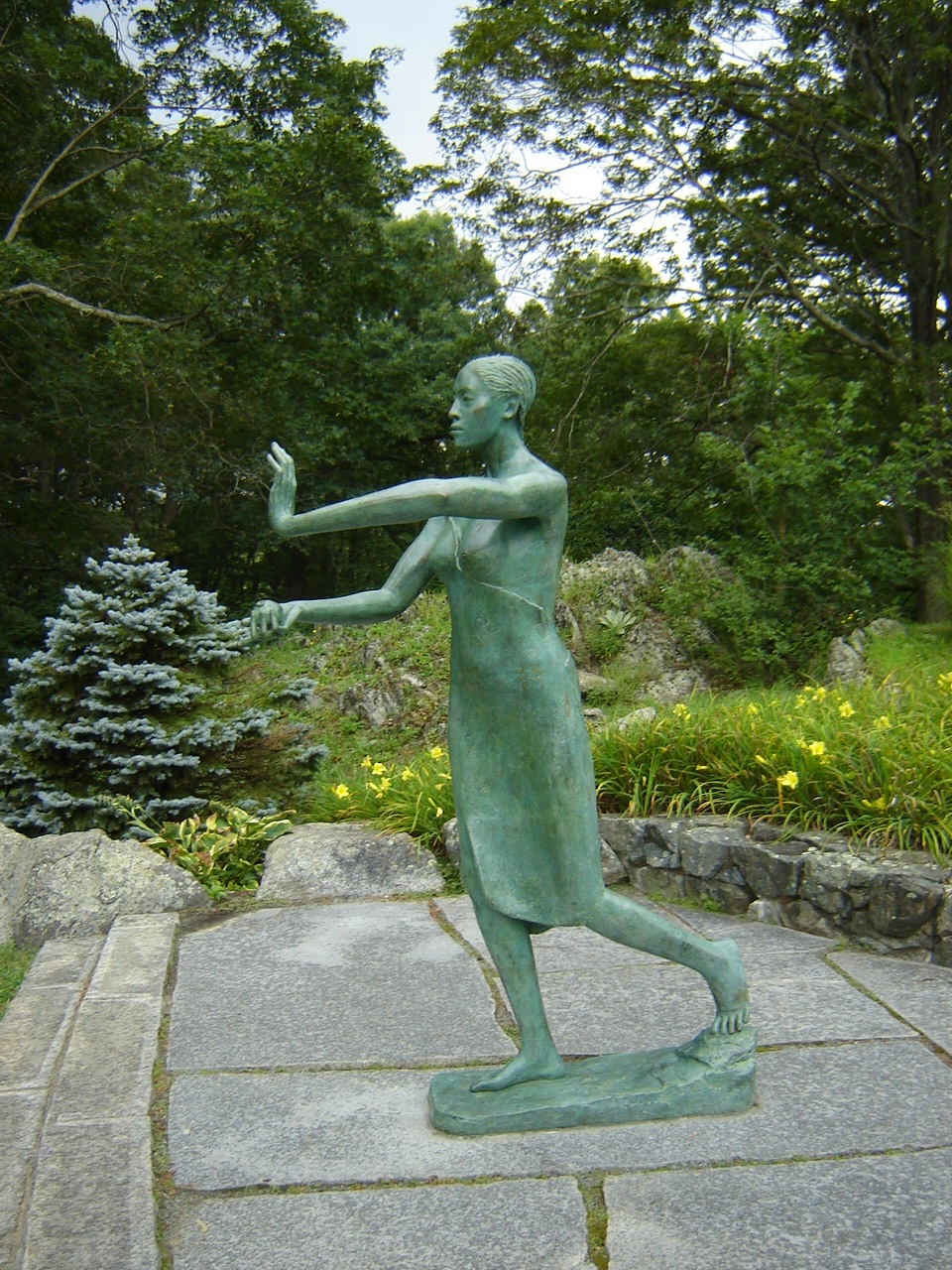
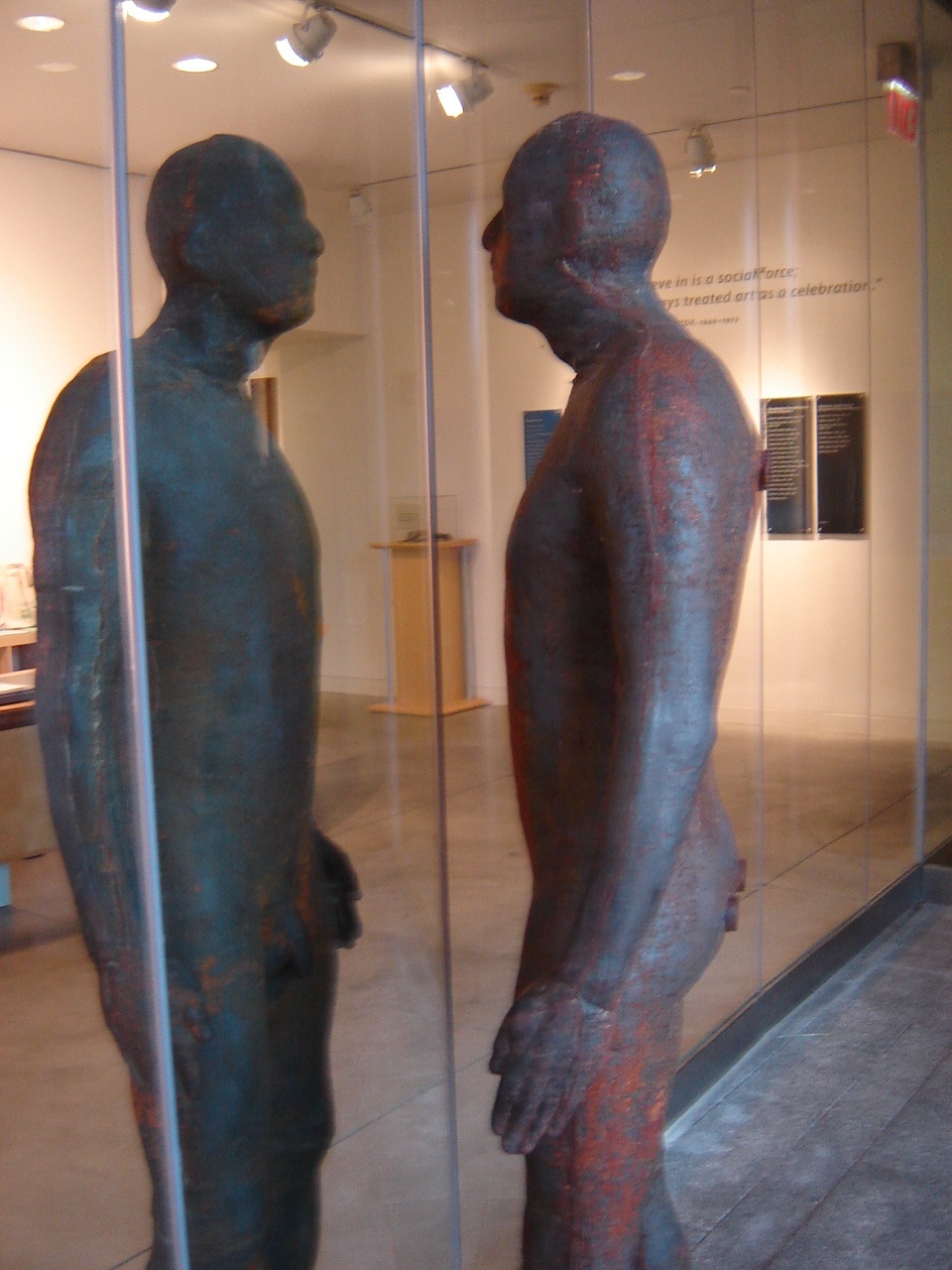
A few favorites from a rainy day at the DeCordova Museum and Sculpture Park.

We also liked the Andy Goldsworthy and the Caleb Neelon artwork.

Read Full Post »

I met Dedalus Wainwright when he was collaborating with a colleague of mine on an exhibit about carbon fiber. He is an artist, a sculptor.

Dedalus is having an open house this weekend at the Allston studio he rents from Harvard University.

In the studio, three tables full of models trace the origin of the full-sized painted aluminum sculptures you see here. He created the canes, or strips, in his models by cutting up drawings he had done in the past. Then he painted the blank sides with bright colors. I was intrigued by that multilayered approach and by what I could see by bending down and looking through the strips. I liked one model with especially intricate and colorful drawings and another that from the back reminded me of an Edvard Munch forest of ominous skinny trees.

I learned that a bird planted the seed that grew into the sculpture project.

Dedalus had been listening to a bird singing outside all day long. It may have been a mockingbird because it had so many different songs. At night, counting 47 different calls without one repeat, he dozed off, and when he awoke he had an idea for a sculpture with upright pieces such as you see here. If you look behind him, you also can see his studies of his pillars. Some are rising from what might be destruction, others from something more luminous.

There is a short bio of Dedalus at the Kinodance site. Read it here.

Read Full Post »

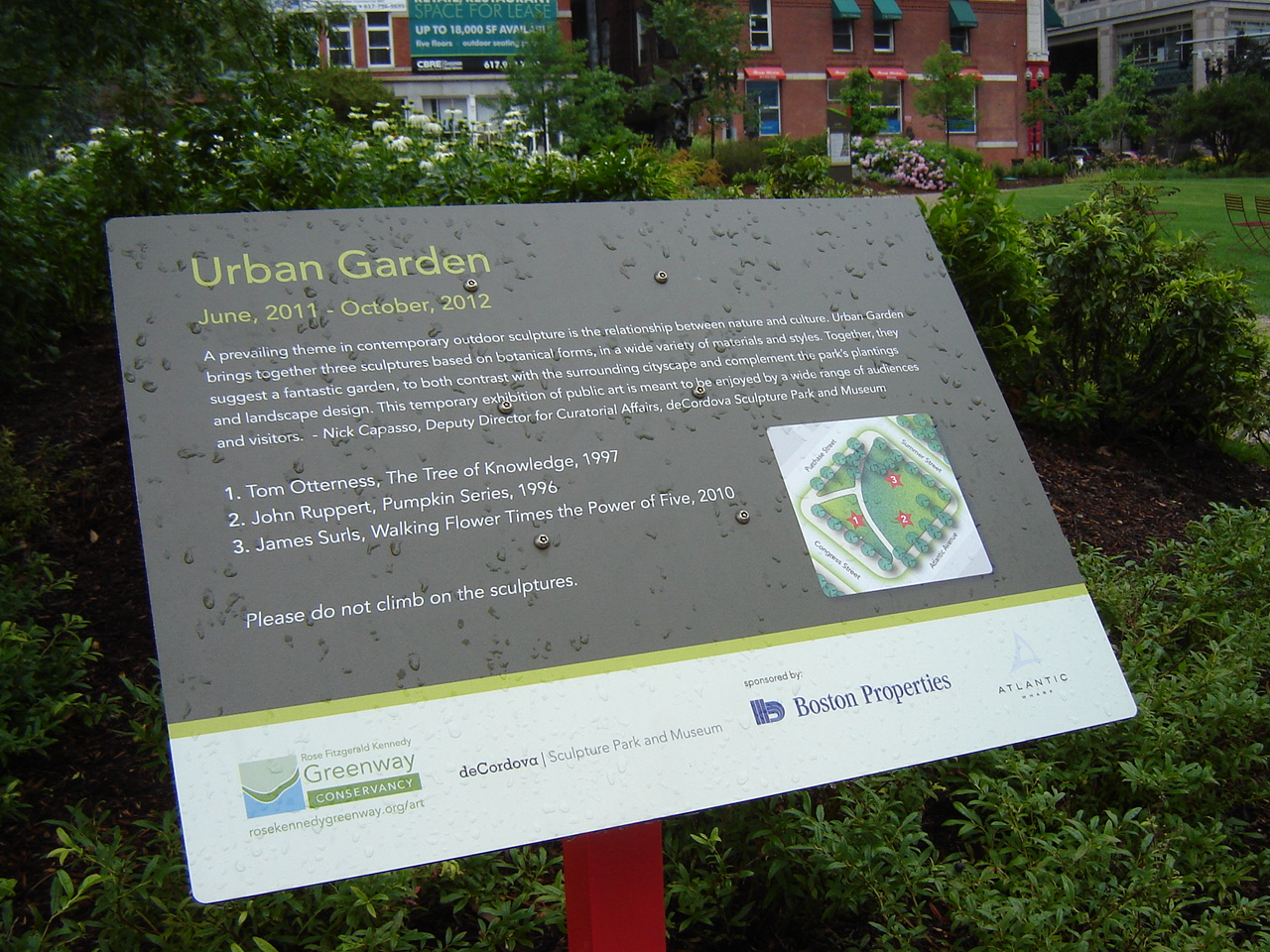
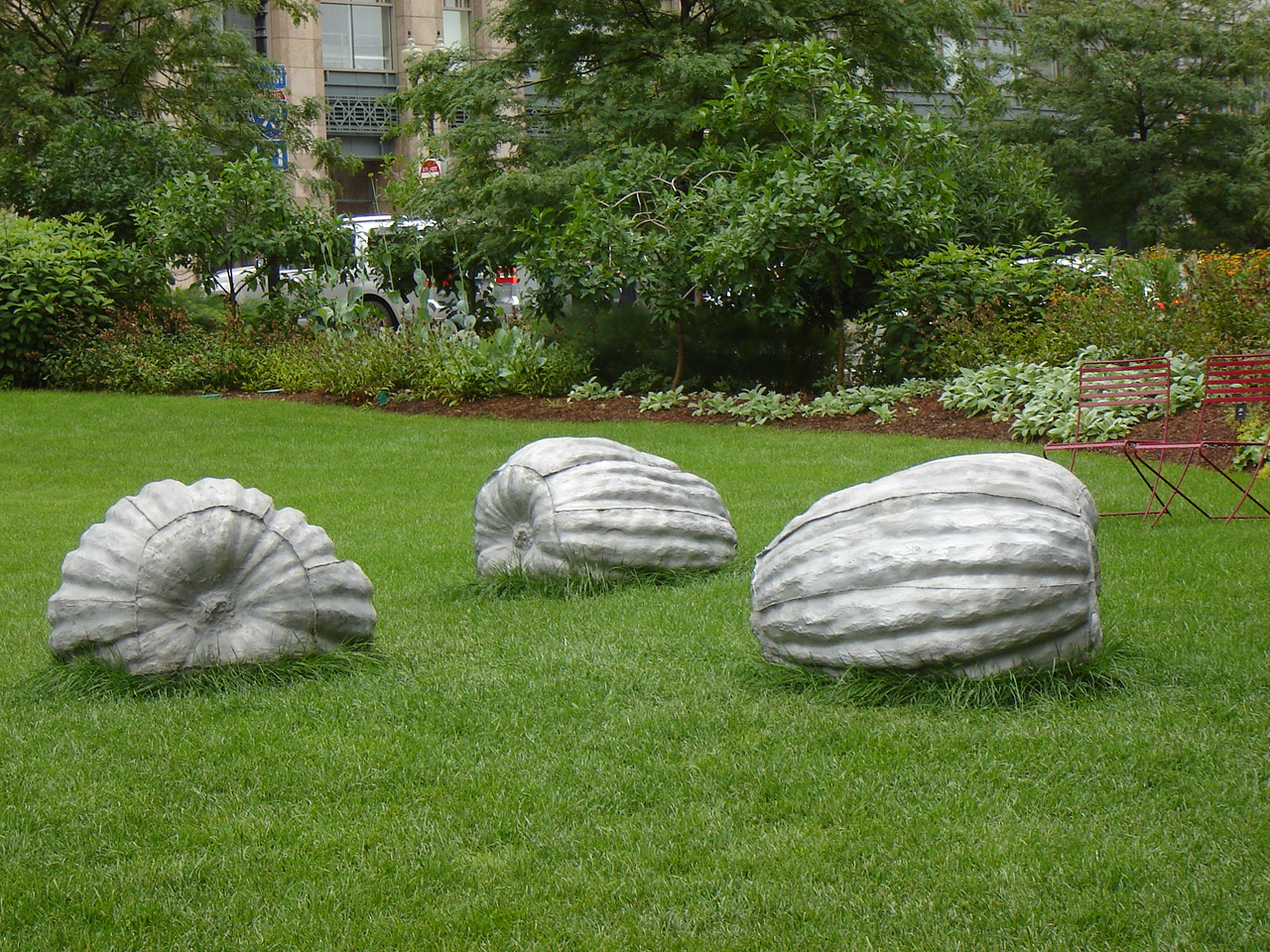
While I was taking my morning walks elsewhere, The Greenway seems to have sprouted sculpture — and in the very spot where mere weeks ago, a sign warned “Grass is Resting” and invited me to hang my art on the rope.

The DeCordova Museum in Lincoln, Mass., is behind the transformation.

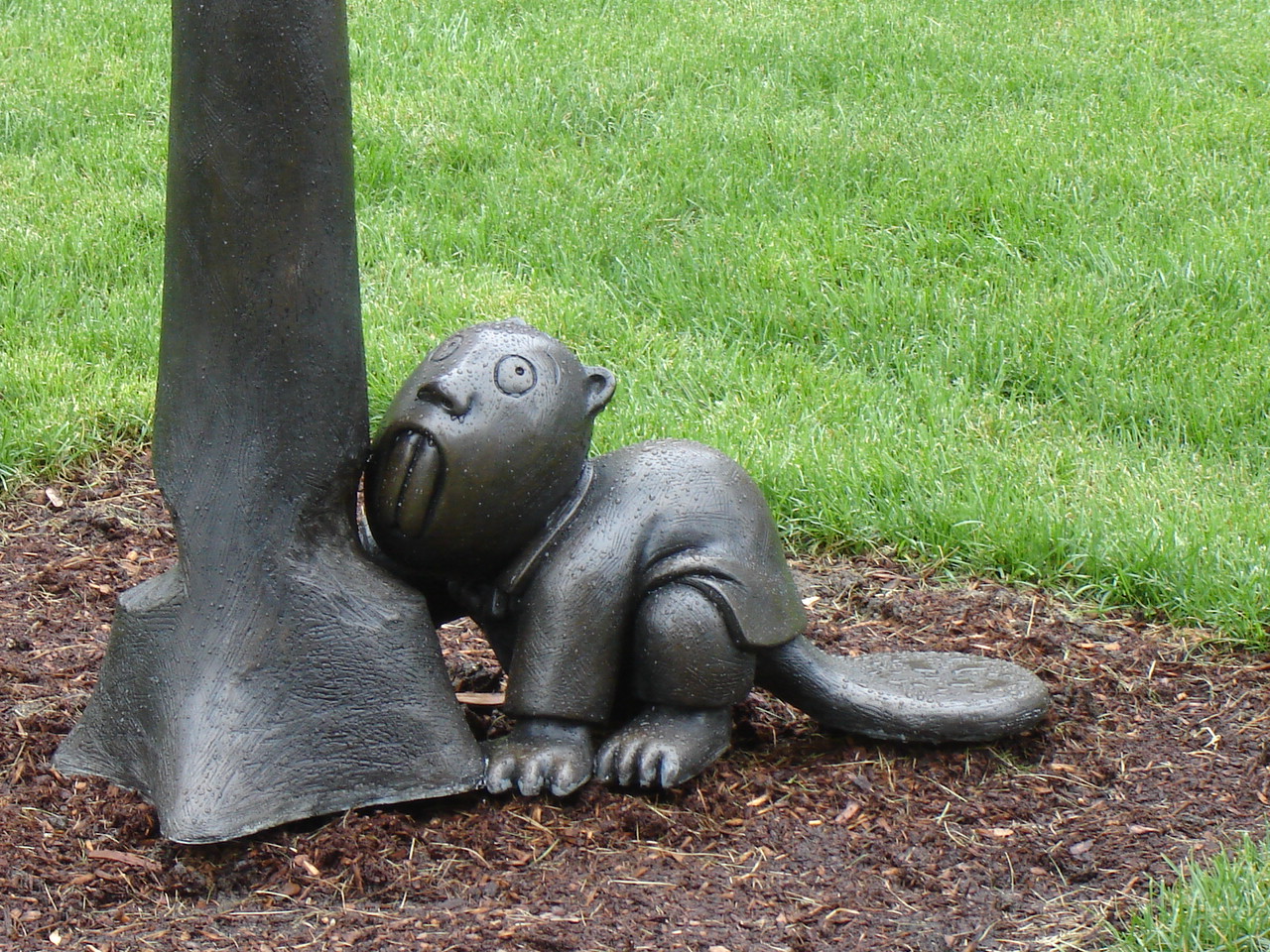
I love that the creator of the toothy beaver and the literary opossum is called Otter-Something. Tom Otterness.

Read Full Post »

Sometimes I take my morning walk in the Rose Kennedy Greenway, a lovely urban garden created on top of the Big Dig. I know the American Taxpayer paid too much for the Big Dig, but I just want to say I am really grateful for the Greenway. The mayor, among others, is concerned that not that many people use it yet, that it seems to be there just for Suzanne’s Mom and a few office workers. But now there is a carousel in summer and the Boston Harbor Islands visitor center and various food vendors — all of which are expected to attract more visitors. One vendor is Equal Exchange, the fair-trade coffee company. (You can follow Equal Exchange’s carts on Twitter at EEFreeRange.)

Read Full Post »

« Newer Posts