Feeds:
Posts
Comments

Posts Tagged ‘shadow’

Photo: Gavin Doran.
“Song of the North” involves 483 puppets, 208 animated backgrounds, 16 masks and costumes and nine performers.

Here’s how an incredibly creative Iranian is showing the world something deeper than the stereotypes about his home country.

Jennifer Schuessler wrote about his puppet epic at the New York Times in March.

“On a recent afternoon on 42nd Street in Manhattan, a mythological bird was preparing to take flight. Backstage at the New Victory Theater, a black-clad puppeteer put on an elaborately stylized mask and stepped into a beam of light, throwing the shadow of fluttering hands onto a large scrim.

“Nearby, two other performers were gearing up to practice a sword fight. Then the music started, and a crew of nine began a full run-through of Song of the North, an elaborate shadow puppet staging of stories from the 10th-century Persian epic the Shahnameh.

“From the audience, the show unfolded like a seamless animation. But backstage, the next 80 minutes were half ballet, half mad scramble, as the performers grabbed hundreds of different puppets, props and masks stacked on tables and, with split-second timing, jumped in and out of the light beams streaming from two projectors.

“Leaning against a backstage wall was the show’s creator, Hamid Rahmanian. His role? ‘Stressing out,’ he said.

“Since premiering in 2022 in Paris, Song of the North (which is intended for audiences 8 and older) has received enthusiastic reviews and played to packed houses on three continents. Its arrival in the heart of Times Square [was] timed for Nowruz, the Persian new year celebration. It also coincides with the release of a new contemporary prose translation of the Shahnameh that Rahmanian produced in collaboration with the scholar Ahmad Sadri — the first complete English version by Iranians, Rahmanian said.

“The show is mind-dizzyingly complex, involving 483 puppets, 208 animated backgrounds, 16 character masks and costumes and nine performers who follow more than 2,300 separate cues.

“But the idea behind it, Rahmanian said, is simple: to bring the richness of Persian culture to young audiences and adults whose views of Iran may be dominated by negative stereotypes.

“ ‘Everything about Iran is seen through the lens of politics,’ he said. ‘Iranian culture is a symphony. But in the West, we only hear the drumbeat.’

“The Shahnameh, or Book of Kings, is said to be the longest poem ever written by a single author — twice as long as the Iliad and the Odyssey combined. It was composed by the Persian poet Abu al-Qasem Ferdowsi, who spent 33 years turning centuries of historical and mythological lore into more than 50,000 couplets.

“In Iran, where many people give their children names of characters (Rostom, Sohrab), it remains a cultural touchstone. But growing up in Tehran, Rahmanian, now 56, was resistant to his father’s admonitions to actually read it.

“He was more drawn to visual art, and by 19, he said, had founded his own graphic design business. In 1994, he moved to New York to study computer animation at the Pratt Institute. In 1996, he was hired by Disney, where he worked on projects like Tarzan … but he felt like he didn’t fit in, and left two years later. …

“In 2008, Hamid pivoted to what has become his life’s work: promoting the Shahnameh. … Rahmanian was inspired to create a theatrical piece after seeing a restored version of Lotte Reiniger’s 1926 silent film The Adventures of Prince Achmed, believed to be the oldest surviving full-length animated film. ‘I thought, “I want to do something like that!” ‘ he said. …

“Nazgol Ansarinia, a visual artist visiting from Tehran who was watching backstage, said she was amazed by both the intricacies of the performance and the immediacy of the storytelling.

“ ‘In Iran, everyone knows the stories and characters from the Shahnameh, but the text itself is not that accessible,’ she said. ‘Hamid has really made it accessible.’ ”

More at the Times, here. Beautiful photos and videos.

Read Full Post »

I have a great attachment to my anthurium (above), which my niece and nephew gave me in early 2020 after my sister died. The plant told me her name was Gladys. I like to wish her Good Morning and ask how she’s doing.
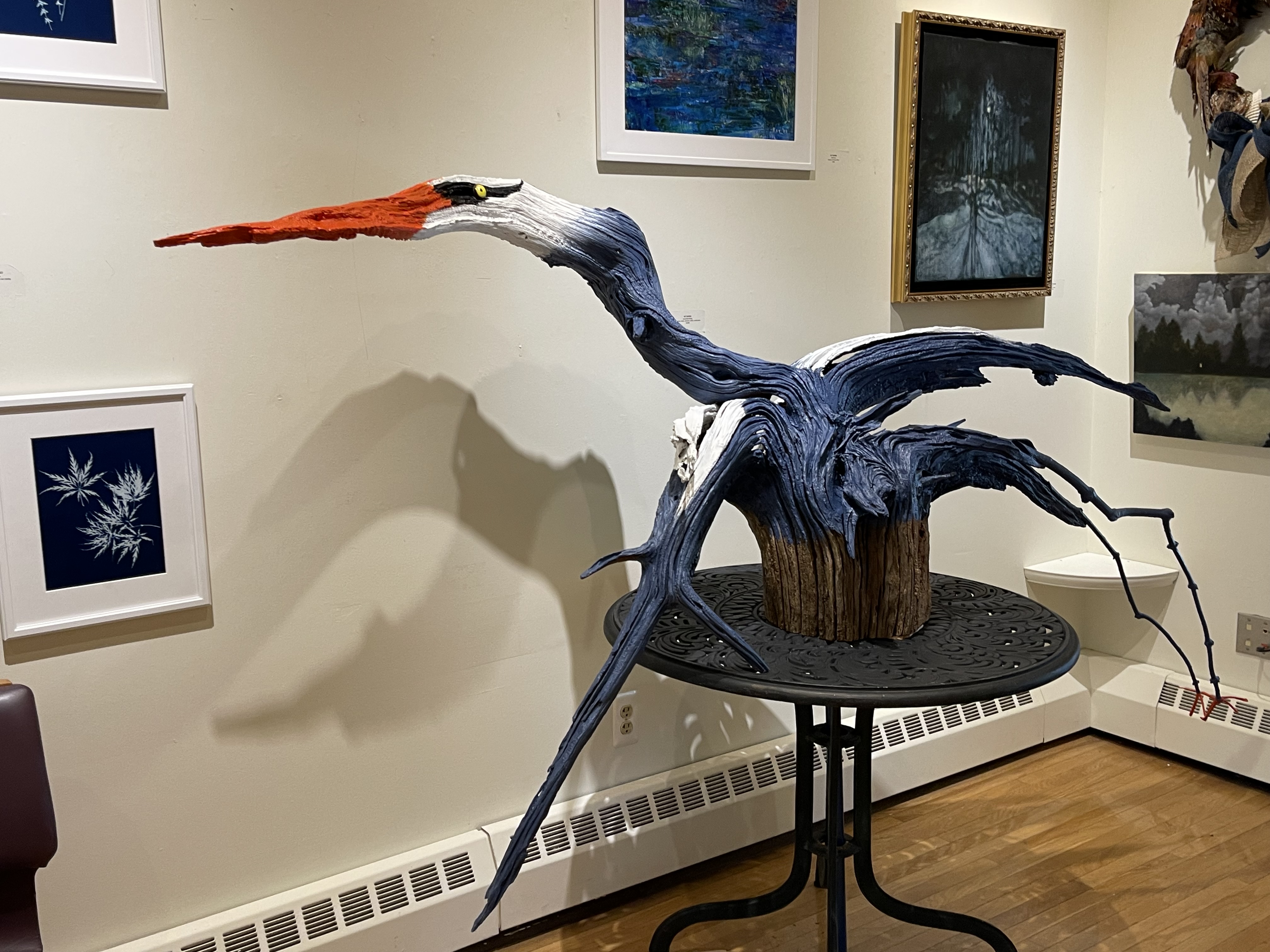
Artist Kit Howard Burns, a college classmate, saw a great blue heron in the root of a fallen tree. Isn’t it great?

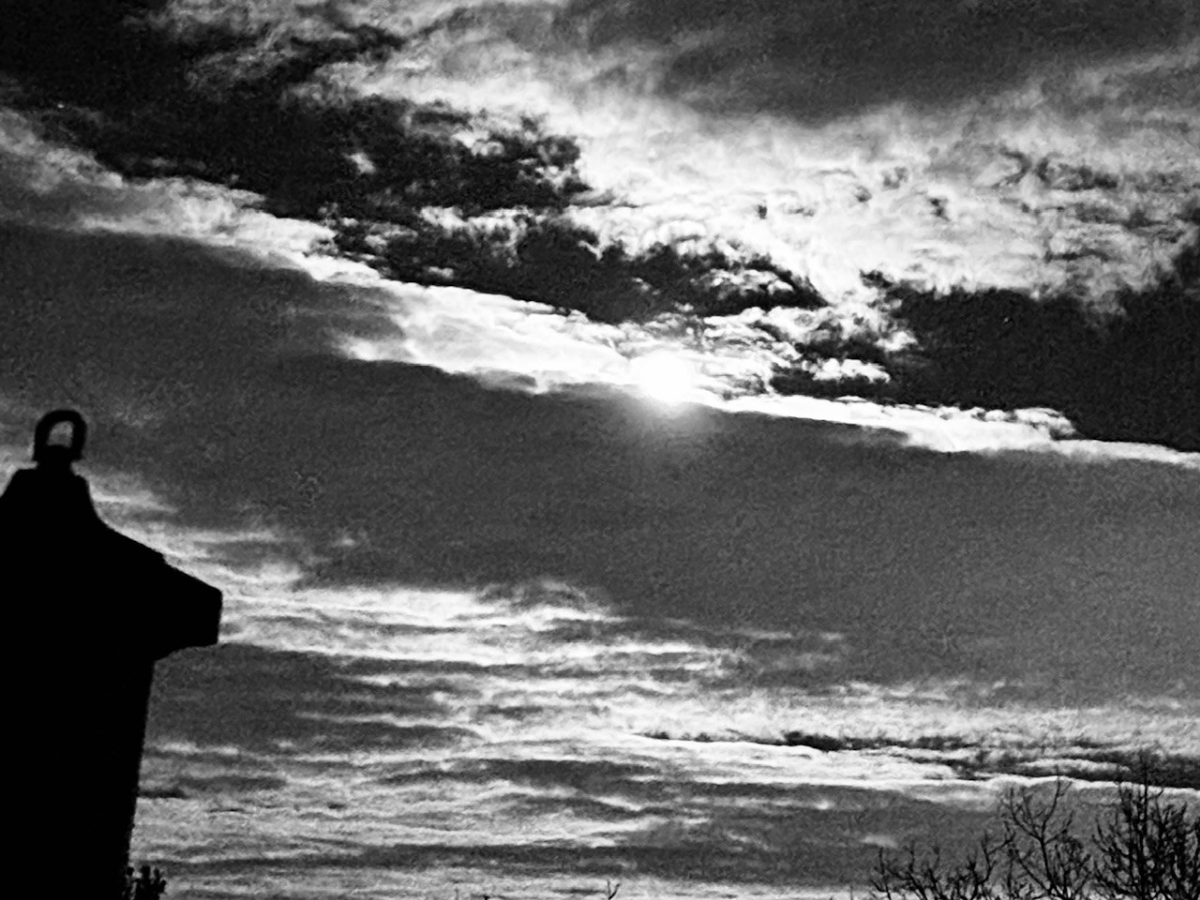
Next, you may think you see a bench, but it’s really a story of sun and shadow. I look everywhere for these stories in winter, when they may appear only for a few moments.

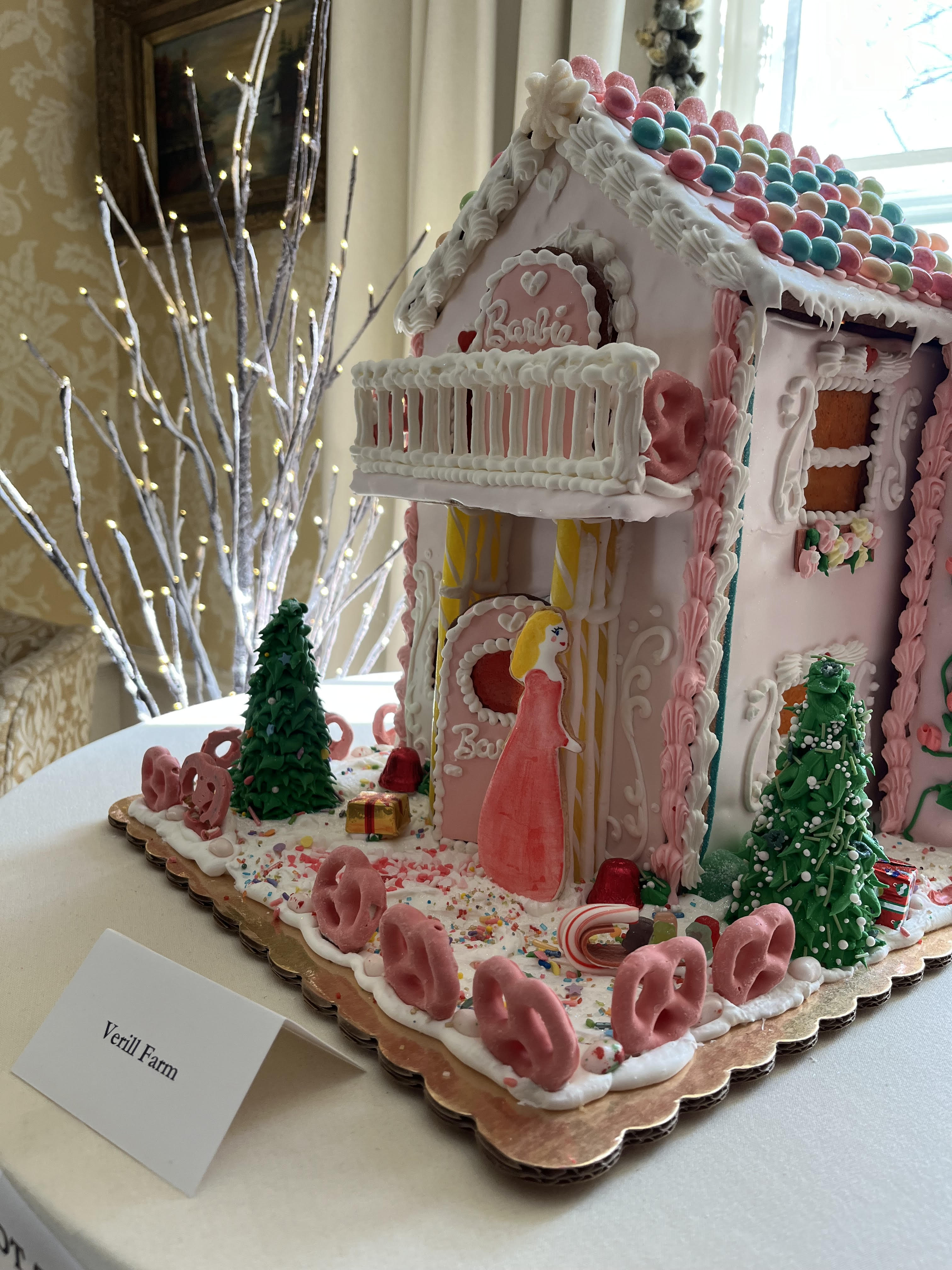
The annual gingerbread competition at the Colonial Inn inspired the next artwork, Verrill Farm’s version of the Barbie movie. My husband pointed out the pretzel fence, which I missed at first.

I’m still trying to figure out the characters I saw in the bushes near Jeanne’s house. Tell me what they are, if you know. The woman looks like a Disney gal, but are those soldiers that I see climbing a nearby branch? They look dangerous.

On New Year’s Day, I took advantage of the cold and quiet to trespass on the temporarily unused golf course. Nearly every day I walk along the road that runs beside it, and I always feel tempted to disobey the “No Trespassing” signs. I wonder if 2024 is going to be a year of disobedience.

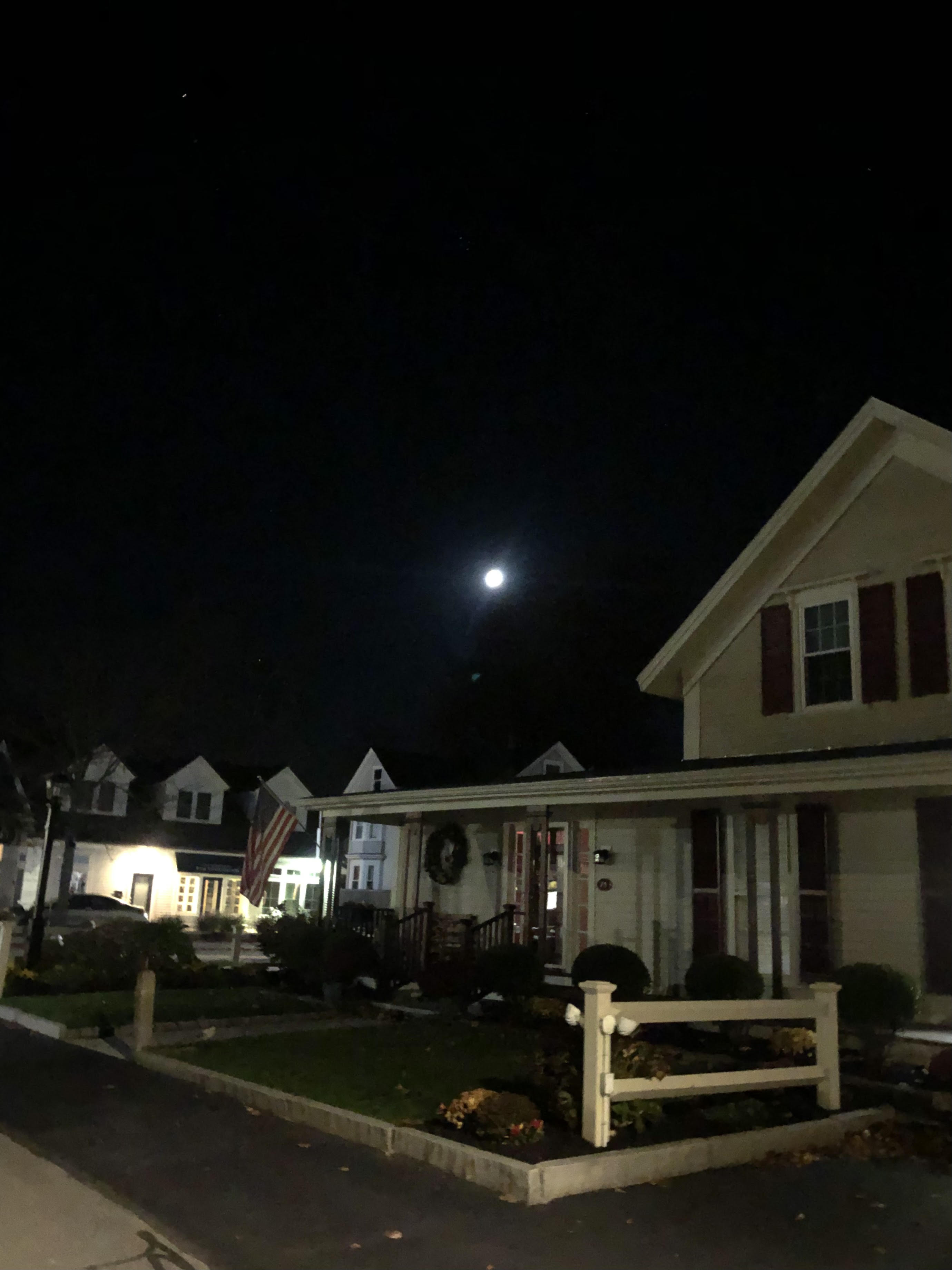
Neighbor Lynne Stinson’s beautiful photo of the moon coming through clouds says to me 2024 could be almost anything.

Finally, here’s a version of “My Way” you may like. I never cared much for the song when it was all about Frank Sinatra doing it his way, but notice how much more meaningful it seems in Spanish. I heard this on the jazz station, wicn.org. Check it out.

Read Full Post »

Photo: Suzanne and John’s Mom.
The total lunar eclipse begins in Massachusetts, November 8, 2022.

It was cold between 4 and 5 a.m., but I had my winter clothes over my bathrobe. Other than my husband, no one else was outside.

Today is special for two reasons. It’s election day, which is the reason that matters most to me. But there was also a total lunar eclipse, an event that can put all human anxieties in perspective.

I am always up early anyway, and I enjoyed watching the earth’s shadow pass gradually over the moon. I watched until the eclipse was total but couldn’t watch the shadow move away because the moon had descended too low.

I loved how you could still see the moon faintly glowing even in the total eclipse. And I thought about how a total lunar eclipse will not occur again for another three years. Where will I be then?

Shannon Hall reported for the New York Times about what to expect when watching the eclipse.

“During the early hours on Tuesday, darkness will slip across the face of the moon before it turns a deep blood red. … Anyone awake in the United States will have a front-row seat as the sun, the Earth and the moon line up, causing the moon to pass through Earth’s shadow in the last total lunar eclipse until 2025.

“ ‘To me, the most significant thing about a lunar eclipse is that it gives you a sense of three-dimensional geometry that you rarely get in space — one orb passing through the shadow of another,’ said Bruce Betts, the chief scientist at the Planetary Society. …

“In North America, observers on the West Coast will get the best view. At 12:02 a.m. Pacific time, the moon will enter the outer part of Earth’s shadow and dim ever so slightly. But the total phase of the eclipse — the true star of the show — won’t begin until 2:16 a.m. That phase is called totality, when the moon enters the darkest part of Earth’s shadow and shines a deep blood-red hue. Totality will last for roughly 90 minutes until 3:41 a.m., and by 5:56 a.m. the moon will have returned to its well-known silvery hue. …

“Viewers on the East Coast, on the other hand, will have to set their alarms early. Although they won’t be able to watch the entire eclipse, they can catch totality, which will run from 5:16 a.m. …

“No matter where you are and which phase of the eclipse is happening, it is safe to watch with your unaided eyes.

“It may come as a surprise that the moon doesn’t simply darken as it enters Earth’s shadow. That’s because moonlight is usually just reflected sunlight. And while most of that sunlight is blocked during a lunar eclipse, some of it wraps around the edges of our planet — the edges that are experiencing sunrise and sunset at that moment. That filters out the shorter, bluer wavelengths and allows only redder, longer wavelengths to hit the moon. …

“ ‘For many cultures, the disappearance of the moon was seen as a time of danger, chaos,’ said Shanil Virani, an astronomer at George Washington University. The Inca, for example, believed that a jaguar attacked the moon during an eclipse. The Mesopotamians saw it as an assault on their king. In ancient Hindu mythology, a demon swallowed the moon.

“But not all lunar eclipses result in the deep red that led to the ‘blood moon’ nickname. Just as the intensity of a sunrise or a sunset can vary from day to day, so can the colors of an eclipse. It’s mostly dependent on particles in our planet’s atmosphere. Wildfire smoke or volcanic dust can deepen the red hues of a sunset, and they can also affect the eclipsed moon’s hue. …

“The color of the moon can therefore reveal signatures from our own atmosphere — a trick that could be used for future observations of planets around distant stars.

“Astronomers don’t typically observe exoplanets directly. Instead, they look for transits, or telltale blips when a planet crosses in front of its parent star. During such a time, starlight is filtered through the exoplanet’s atmosphere in the same way that, during a lunar eclipse, sunlight passes through Earth’s atmosphere before it hits the moon. …

“Manisha Shrestha, an astronomer at the University of Arizona, has another idea in mind. She plans to observe the lunar eclipse on Tuesday from the Bok Telescope at Kitt Peak National Observatory in Arizona with the hope of spotting not only certain chemicals within our atmosphere, but also their distribution.

“This technique has never been performed on exoplanets before and could mean that future detections won’t simply reveal whether an exoplanet has clouds, but whether those clouds smother the world in a thick layer or whether they are slightly uneven, as clouds on Earth are. If those clouds were both uneven and composed of water vapor, that exoplanet just might be Earth 2.0. …

“ ‘From the cosmic perspective, our problems are temporary things — things that are passing fancies of the human species,’ [Andrew Fraknoi, an astronomer at the University of San Francisco] said. ‘The eclipse connects you to cycles and rhythms that are much older.’ ”

Yes. I could feel that.

More at the Times, here. For eclipse information without a firewall, see National Public Radio, here.

Read Full Post »

On Shadows

Photo of Magritte art: Thomas Hawk.
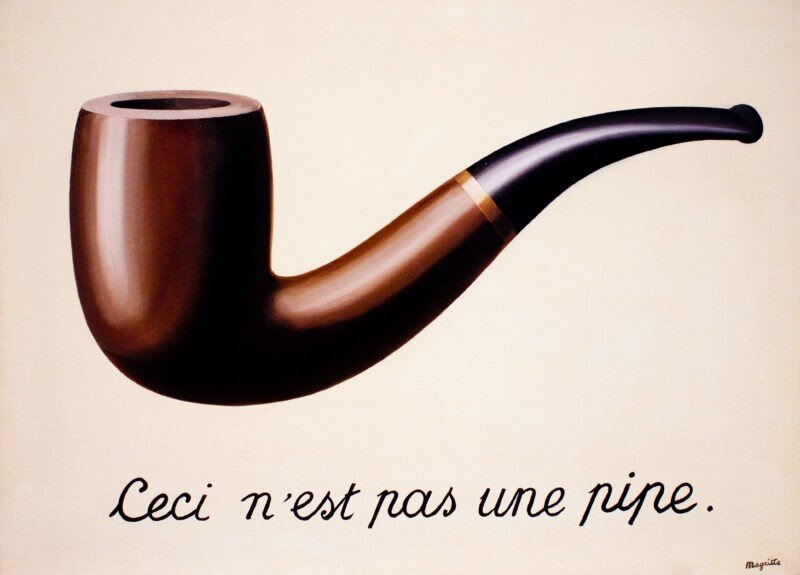
René Magritte’s “La Trahison des Images” (“The Treachery of Images”) (1928-9) or “Ceci n’est pas une pipe” (“This is not a pipe”). The work is now owned by and exhibited at LACMA.

The first time I saw the Magritte work called in English “This is not a pipe,” I thought, “What do you mean? Yes, it is.” It took me a long time to consider that it’s only a picture of a pipe, not the pipe itself. My pipe-smoking father wouldn’t have been able to put tobacco in it and smoke it.

I mention this because it relates to one of the reasons I’m fascinated by shadows.

Peter Pan’s shadow goes off on its own for a while, but it wouldn’t exist without Peter Pan. The shades in the Greeks’ Underworld are both the real people and not the real people. In “A Midsummer Night’s Dream,” when Puck says to the audience, “If we shadows have offended,” he’s describing actors as shadows of characters, and characters as shadows of people. He recommends thinking about the play as a dream — another kind of meaningful shadow.

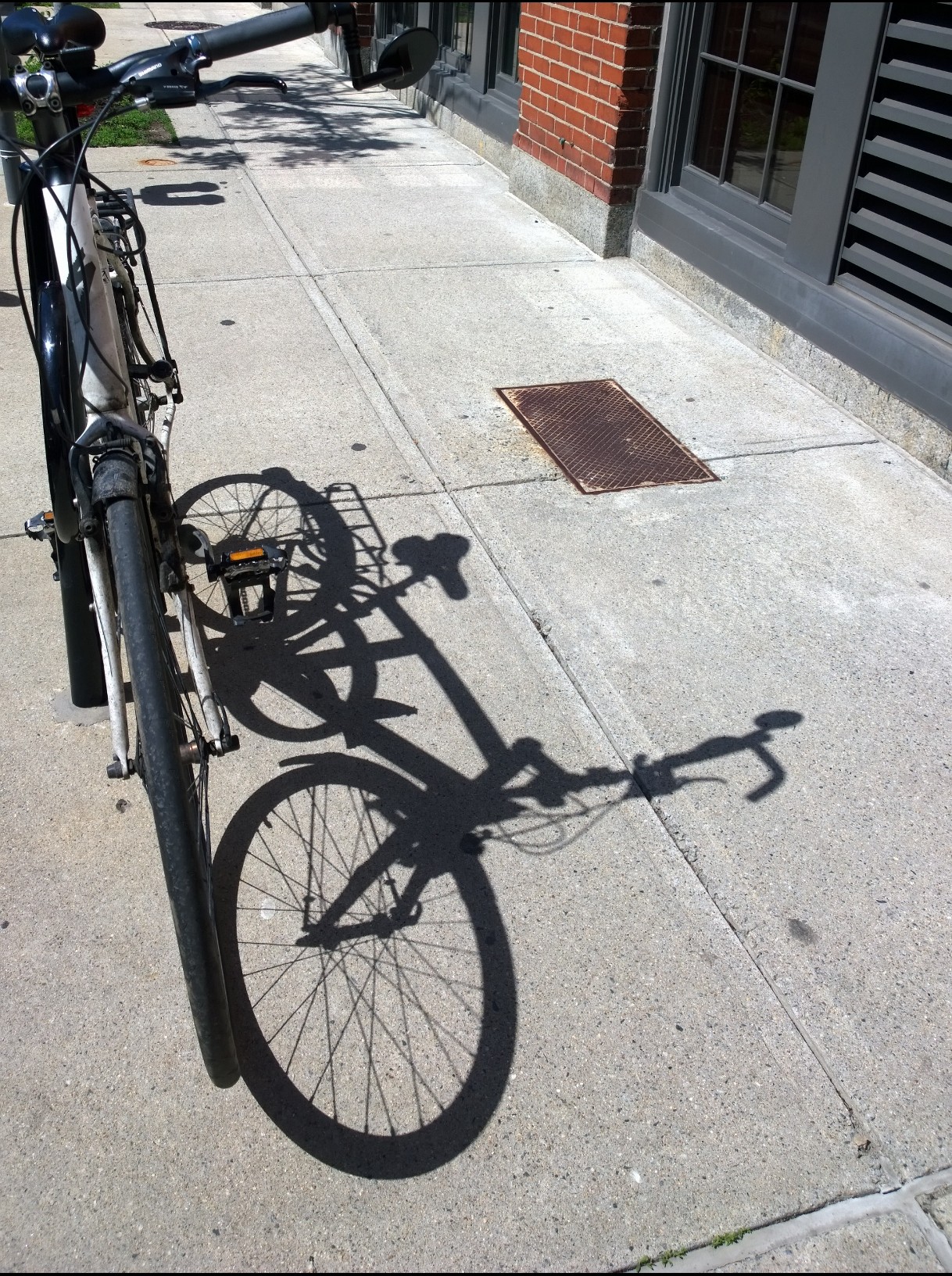
This is not a bicycle.

A shadow is the thing and not the thing, a distorted version of the thing that may lead to interesting or useful thoughts. Perhaps Orpheus will come and ride that bicycle into Hades and try bringing Eurydice home on the back. In the myth, though, he turned around despite dire warnings not to because he couldn’t hear her footsteps. I fear he will make the same mistake with the bicycle as he won’t be able to feel her sitting behind him.

Shadows are a way of thinking about things unseen that can stimulate the imagination and provide extra insight into the everyday world we experience. Since first reading The Princess and the Goblin, I’ve sensed that fiction and fantasy may provide the best ways to understand the “real.” It’s why I enjoy, for example, Francesca Forrest’s other world in Lagoon Fire, here, and blogger Laurie Graves’s fantasy series about the Great Library and her podcast, here.

There are so many things in our lives that are hard to fathom, and sometimes the imagination helps to get a grip on them. Some years ago, I read about a woman in Guatemala who was trying to explain why her neighborhood volcano erupted and killed so many people. She said it was because of her husband’s misdeeds. It was just her way to get her head around something too enormous to comprehend.

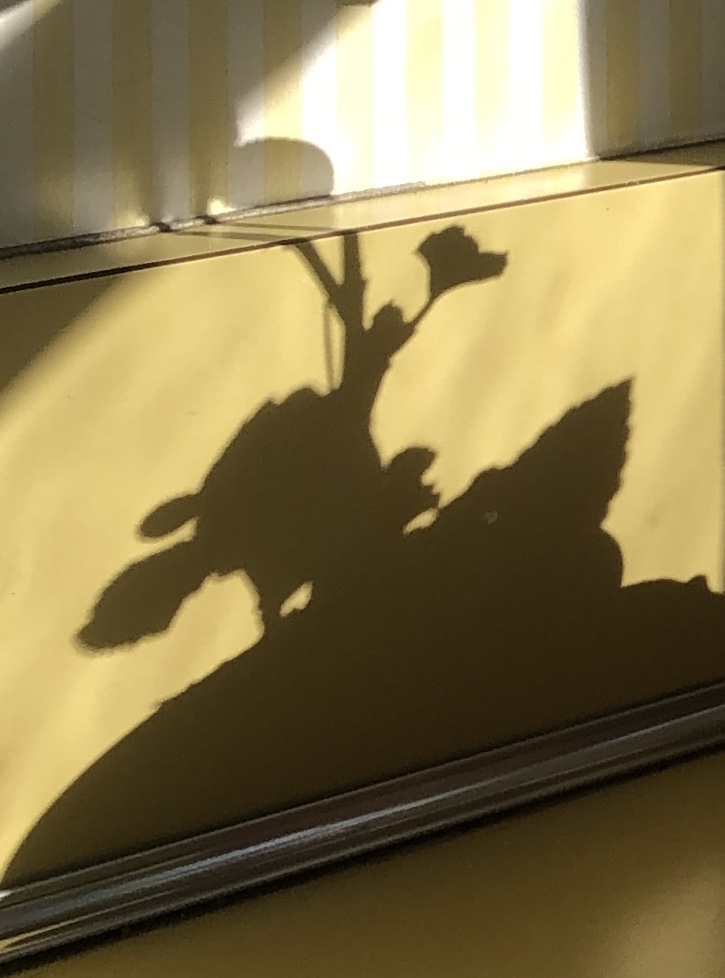
This is not a planter Suzanne made as a child. No plants here.

This is a planter Suzanne made as a child. Or is it?

Read Full Post »


Diana-Clymer-painting-of-blogger-in-June-2018-RI-Statehouse

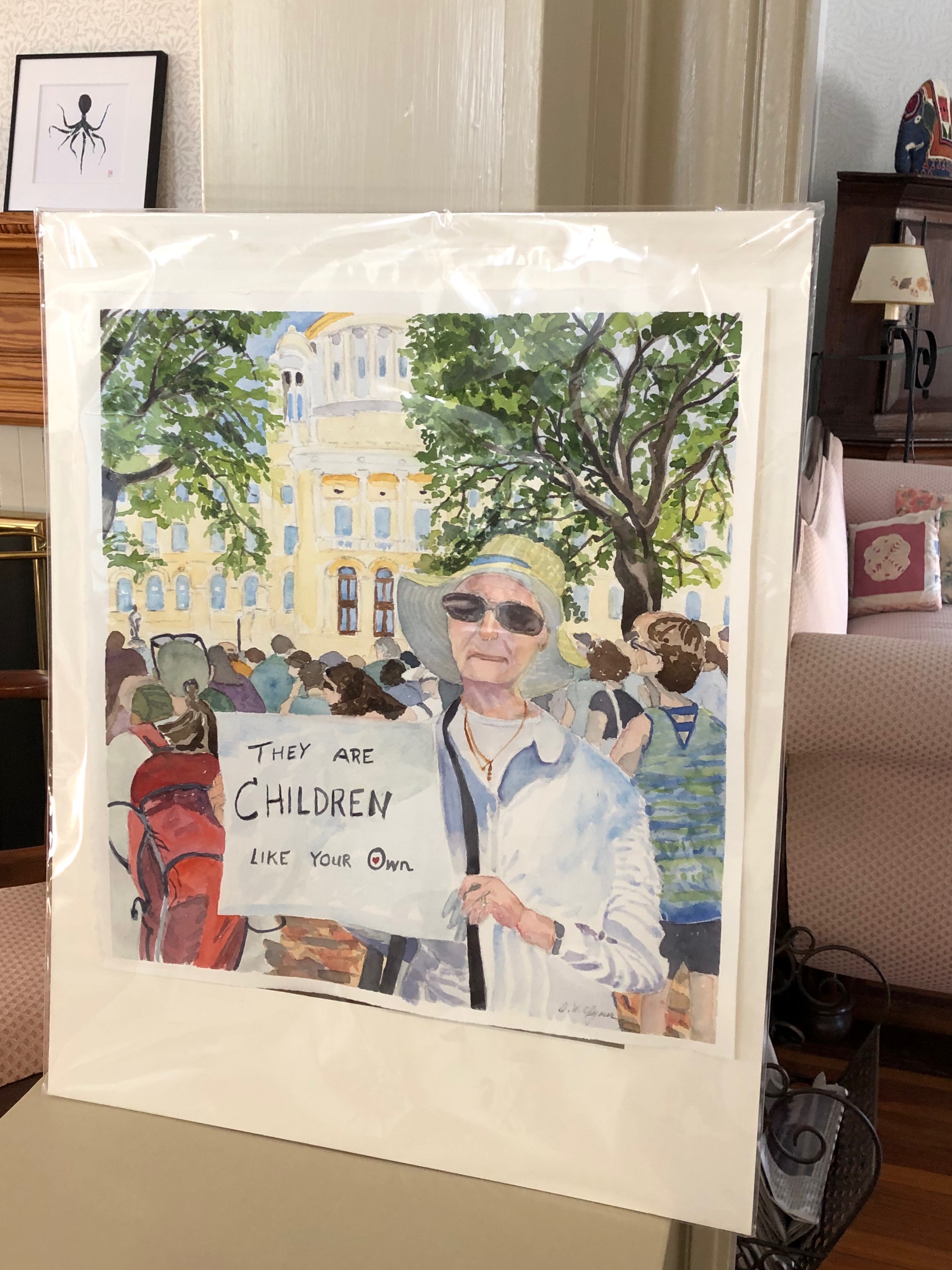
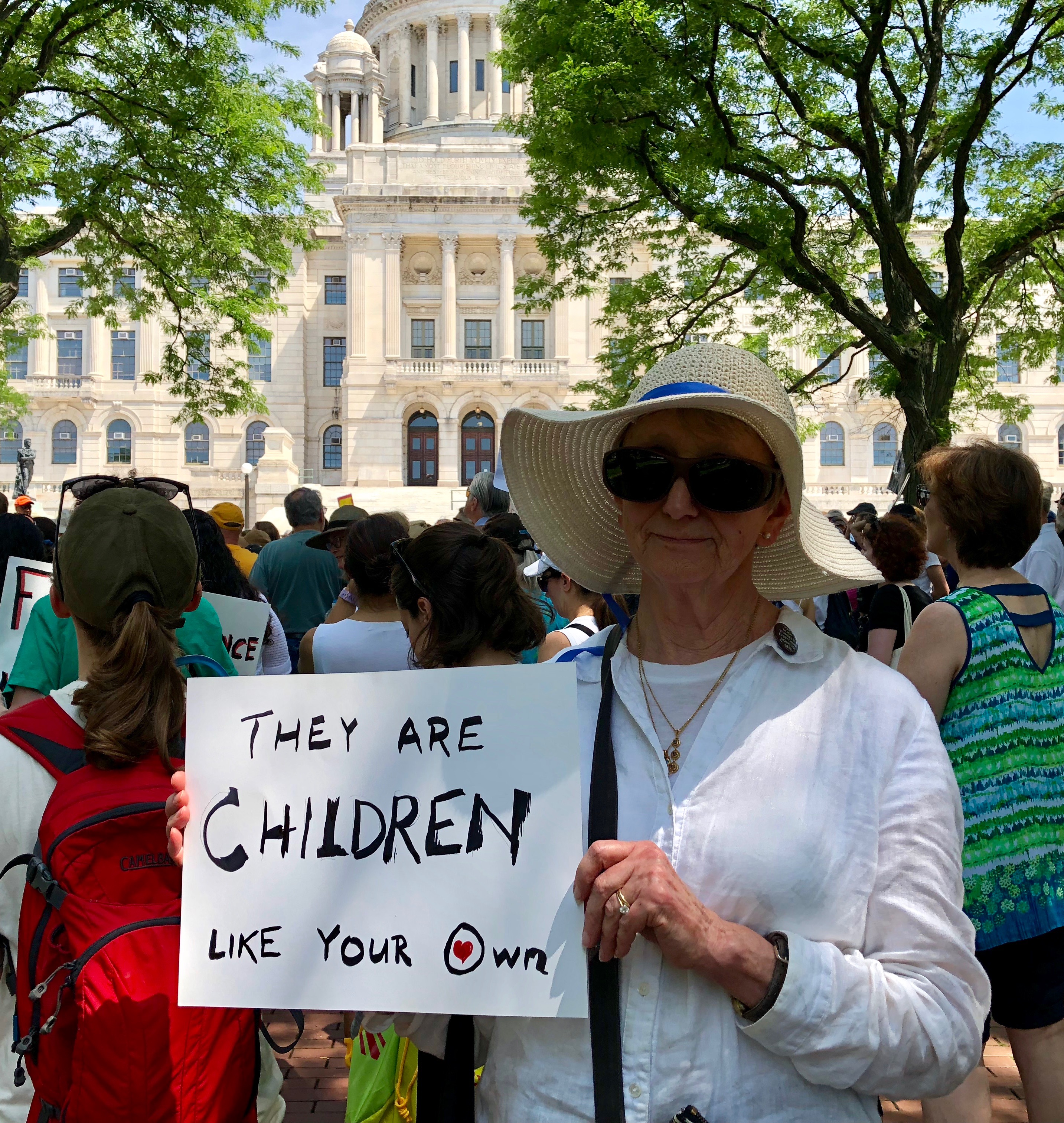
Something surprising happened the other day. Diana showed up with a portrait of me that I had no idea she was working on.

The teacher in her watercolor class had assigned the topic “umbrage.” Paint umbrage. My friend thought, How on earth? Then she remembered a photo I sent her in June after a #familiesbelongtogether protest. She decided to incorporate the “shade” meaning of umbrage with the “angry” meaning — the trees with the protest. I love the colors in this — and the light and shadow.

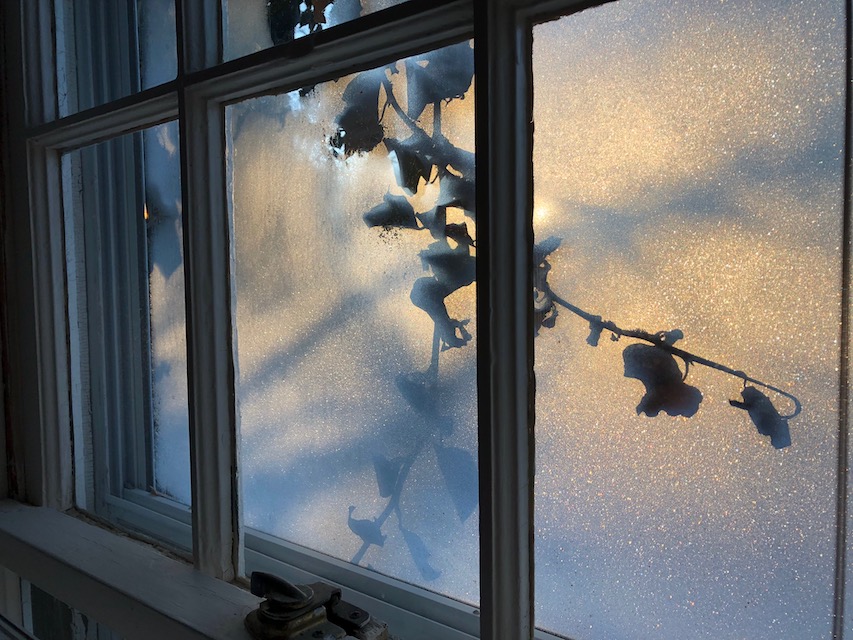
I’m including a couple other light and shadow themes today. My sister and I both took photos of frost on our windows. The main difference: her frost is on the inside! As much as she loves her New York apartment, the time has come for new windows. The landlord is finally interacting with the city as the historic building needs special permits for new windows.

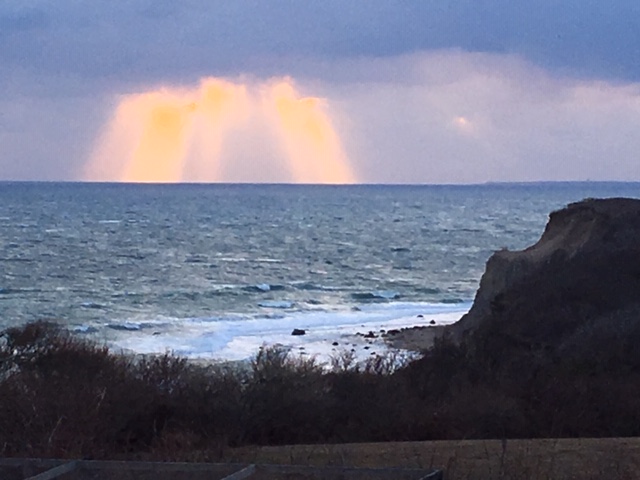
Sandra M. Kelly caught the sunset at my favorite island. I love how the sun streams down through the clouds.

The next shot shows how the late afternoon light hits the river birches outside the library. That was the view behind the poets at the last poetry reading. It took me a few days to find the sun at that angle again so I could come back for a picture.

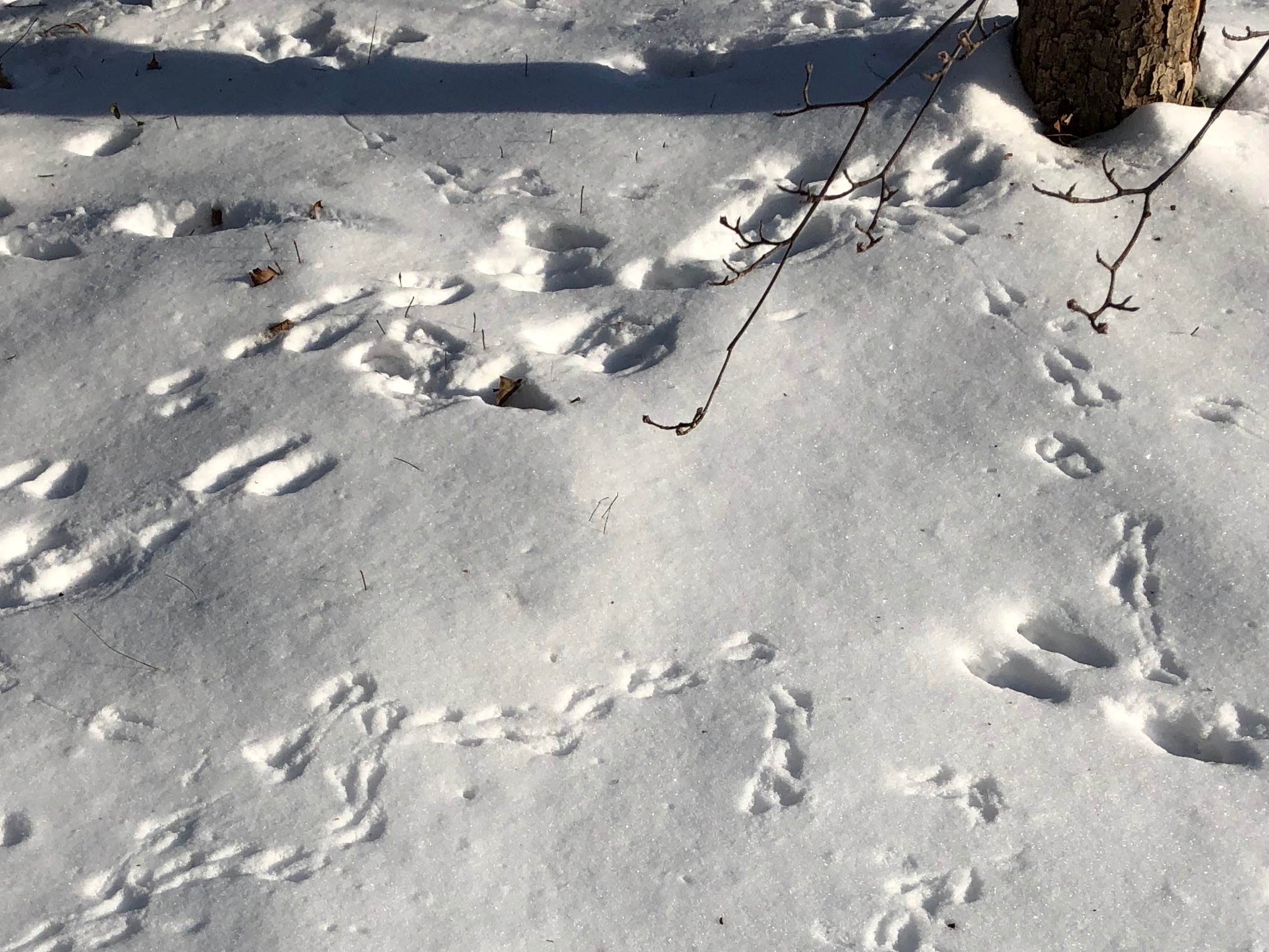
We had a lot of birds near our feeder during the recent polar vortex. Also squirrels. Maybe a rabbit. Can you read tracks? I would love to know if I had a rabbit.

My granddaughter (red shirt) chose an ice-skating theme for her birthday party this year, making good use of the backyard rink.

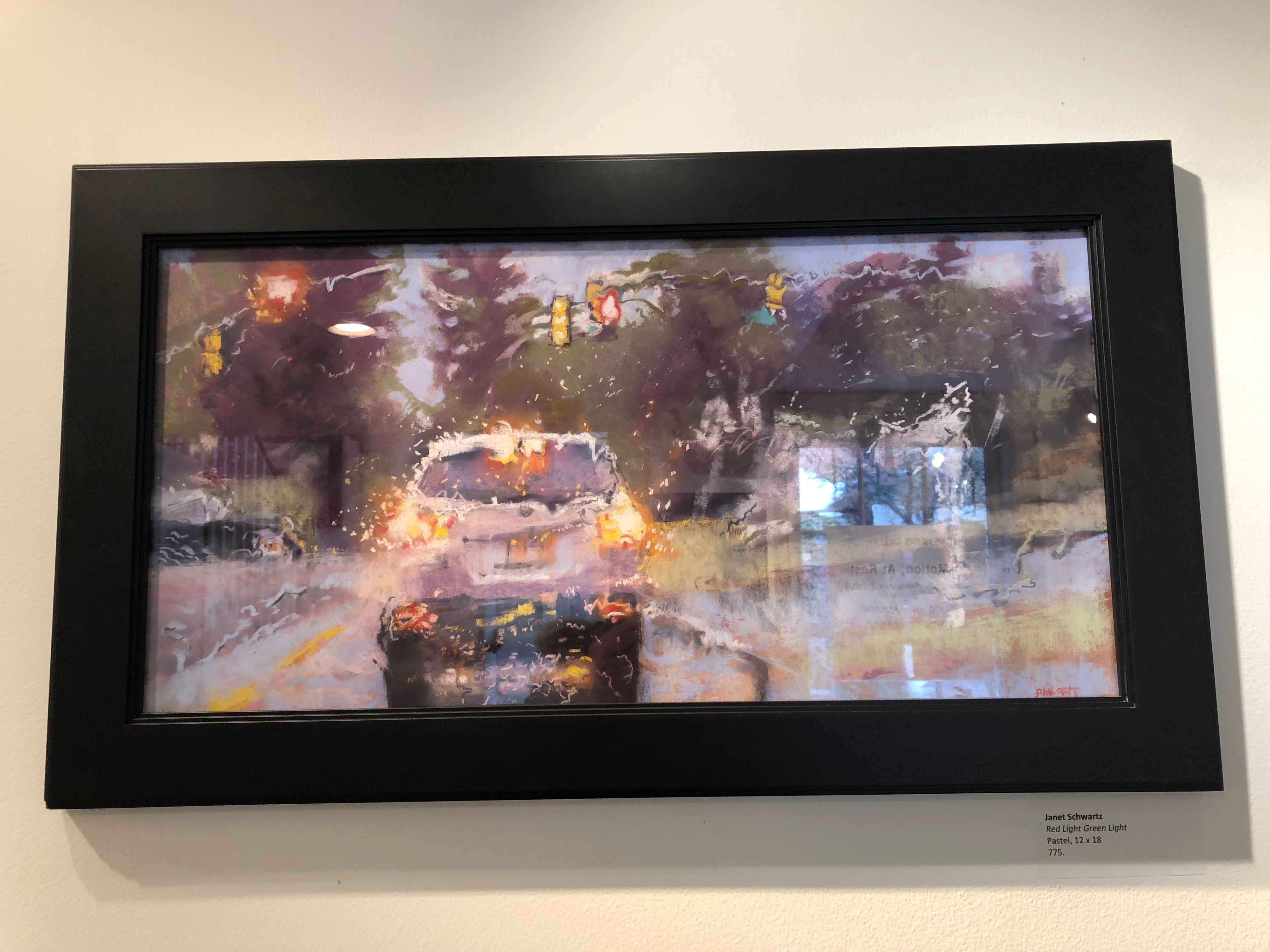
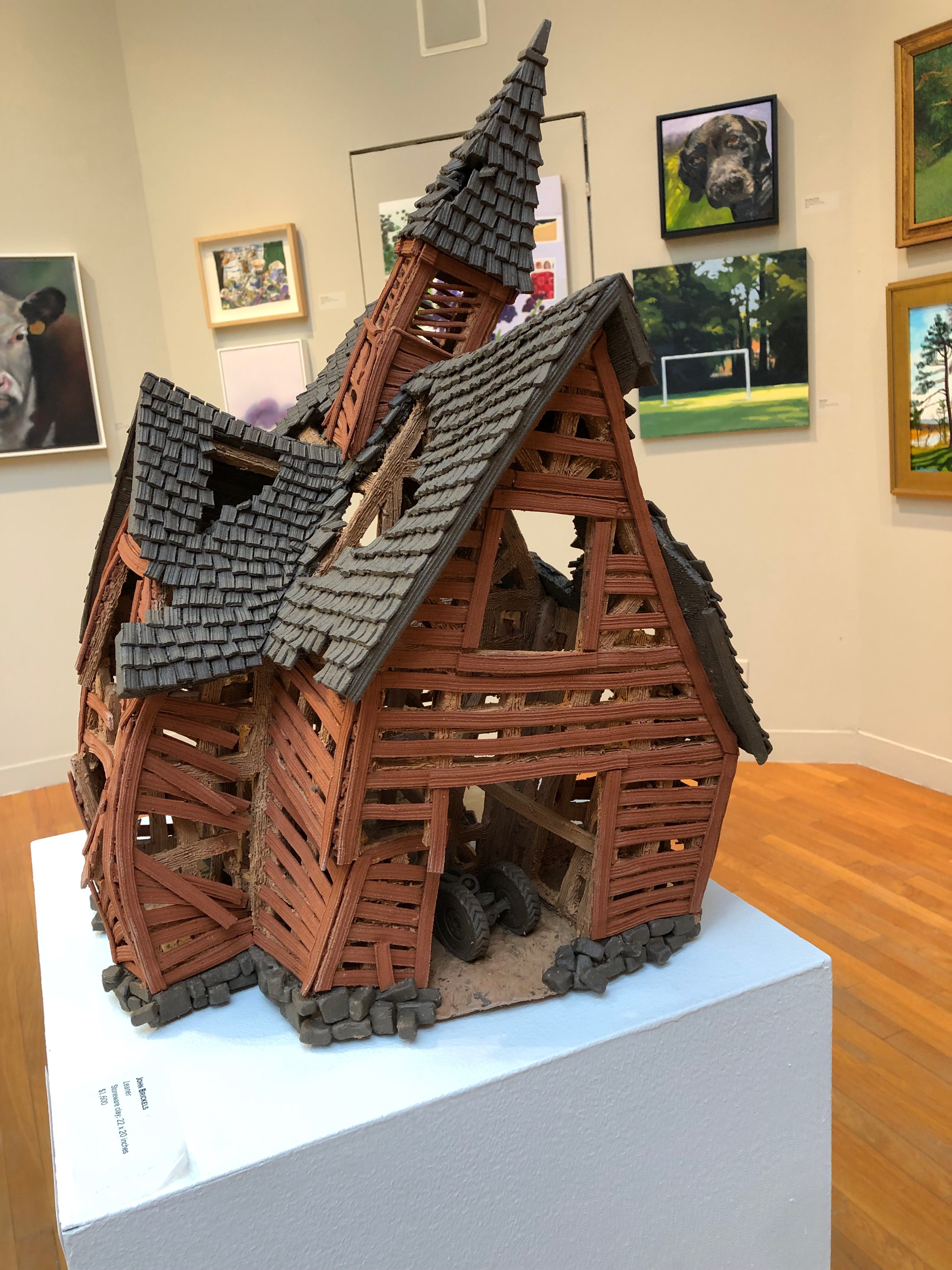
Janet Schwartz painted the lovely rainy traffic scene in a recent show at Concord Art. And John Brickels is the artist behind the collapsing house. Hmmm. Is that a metaphor for anything?

013119-indoor-frost-NYC

013119-frost-ivy-window-dawn

013019-Sandra-M-Kelly-sunset-from-heaven

020819-river-birch-library-window-2

020119-bird-tracks-in-snow

020319-birthday-girl-on-ice

012719-Concord-Art-Janet-SchwartzJPG

012719-Concord-Art-John-Brickels

063018-rally-for-separated-families


Read Full Post »

Sundial

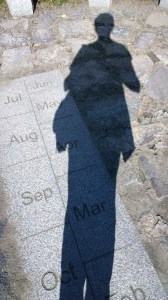
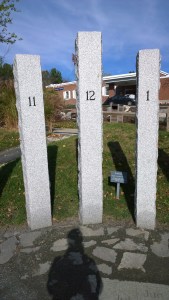
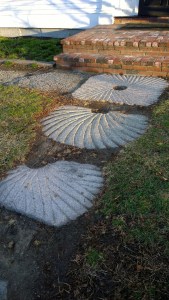
There is in a pocket park in Acton, Mass., a most unusual sundial. I discovered it quite by accident, tucked into a hill between a strip mall and a bank.

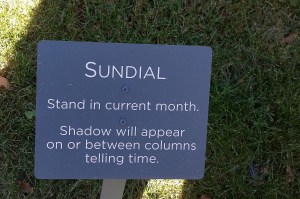
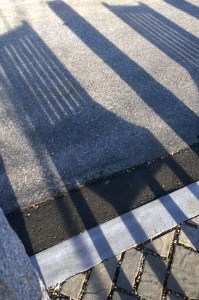
To tell the time on a sunny day, you must stand on a paving stone carved with the month of the year. Pillars, or columns, of varying heights indicate the hours. The first time I tried, in October, my shadow told me it was about 2 pm. In November, according to my shadow, I was there about noon.

I have Googled every phrase I can think of and have found nothing about either this park or the particular way of constructing a sundial. If anyone can enlighten me, I’d greatly appreciate it.

110417-pillar-sundial-ActonMA

110417-column-sundial-Acton


101917-sundial-says-2-pm

110417-before-noon-sundial


101917-sundial-Acton-MA


Read Full Post »

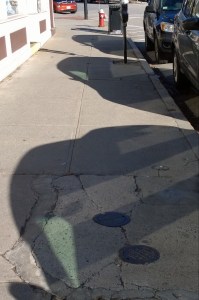
My latest photo round-up includes several from family members plus examples of my own fascination with shadows and light.

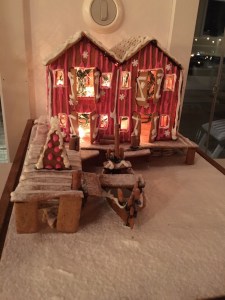
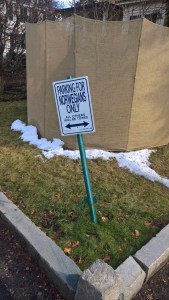
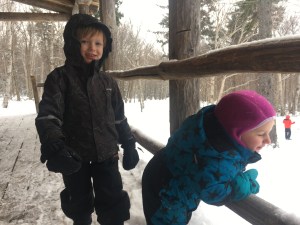
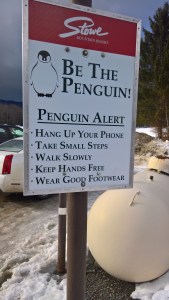
The first picture is from Erik’s mother in Sweden. I love that a Swedish gingerbread house was rendered in red board-and-batten style. Next is a funny sign about Norwegians that my husband shot in Concord. Then we have Suzanne’s photo of proto-skiers and another funny sign, this time in Vermont.

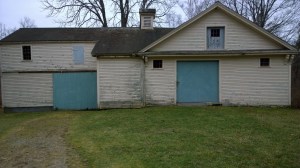
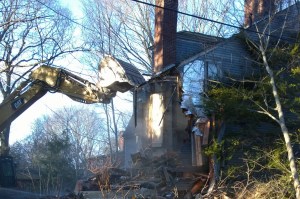
The old barn is next to the Ralph Waldo Emerson homestead. The house being torn down is the haunted one I have described before. Tearing it down revealed that it was actually haunted by a raccoon.

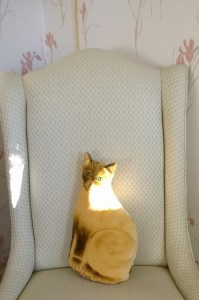
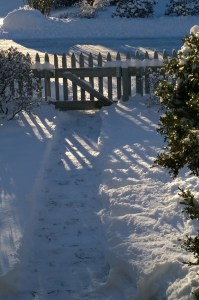
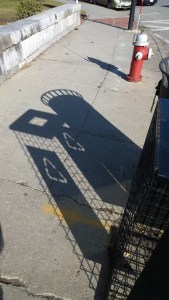
The six light-and-shadow photos depict a stuffed animal in bright sunlight, our front gate after a recent storm, Plato’s Idea/Form of a trash can and recycling bin, three green windows, chairs in the pocket park, and a surprising pattern of light on a window blind.

https://suzannesmomsblog.com/wp-content/uploads/2017/01/122516-swedish-gingerbread-house.jpg

011217-humorous-sign-about-Norwegians


https://suzannesmomsblog.com/wp-content/uploads/2017/01/122816-grandkids-in-vermont.jpg

122716-stowe-penquin-safety-tips


122916-barn-at-rw-emerson-house

122816-concord-demolition


010817-sunlight-on-stuffed-cat

010817-sunlight-on-snowy-walk


011617-shadow-recycling-bins

011516-three-green-shadows


011617-shadow-chairs-in-pocket-park

011617-light-on-window-shade


Read Full Post »

“Will you, won’t you, will you, won’t you, will you join the dance?” go the lyrics of the “Lobster Quadrille” (the “Mock Turtle’s Song“) in Alice in Wonderland.

And Wonderland is where you may imagine you have landed if you stumble upon this irresistible invitation to dance with your shadow.

At FastCoDesign, Mark Wilson explains how the dancers are drawn in.

“At some point between ages 3 and 13, we go from the life of the wedding dance floor to being the awkward kid standing at the edge of the gym wondering why we wore a silk shirt. …

“But what if our environment could encourage us to dance — without any balloons, bridal parties, or booze? A project called Mesa Musical Shadows, by Montréal’s Daily Tous Les Jours studio, is doing just that. It’s a public installation that turns a chunk of pavement in Arizona’s Mesa Arts Center into a giant game of Dance Dance Revolution that you play by moving your shadow.

“As detailed by Creative Applications, the system itself uses light sensors, coupled with speakers built into the mosaic tiles. If the tiles sense a shadow—or even just you stepping directly on the sensor—it plays a note. And so as many people swing and kick together, these notes combine into a harmonious soundscape generated in real time. …

“Now that the physical installation of sensors and speakers is done, the studio can see how people use it, and actually program the system’s entire logic to react in more complicated ways to a user’s behavior, like ramping up with more and richer sounds as a person becomes more and more engaged.” More.

Video: Creative Applications

Read Full Post »

I love thinking about sunlight and shadow. Dickens uses them a lot for Richard and Ada’s story in Bleak House — maybe my favorite book of all time.

“So young, so beautiful, so full of hope and promise, they went on lightly through the sunlight … So they passed away into the shadow, and were gone.”

Many of you know what the decades-long case of Jarndyce vs Jarndyce did to Richard and Ada’s bright hopes. I’ve come to think that it was not so much Richard’s fevered expectations of an inheritance that brought the most sorrow, but his need to fix blame. Blame is corrosive.

When I interviewed a formerly homeless Marine last week and he started telling me about how upset he was that something bad had just happened with his benefits, I was touched by how he kept reminding himself how to cope, saying, “I believe in fixing the problem — not the blame.” Words to live by.

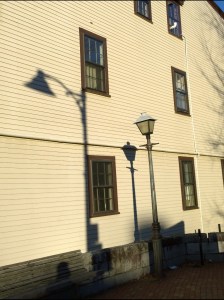
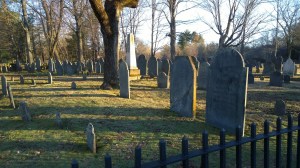
The first three photos were taken early Saturday morning, when the effects of sunlight and shadow were especially breathtaking. (I can never resist that old graveyard. You’ve seen it here in all weathers.)

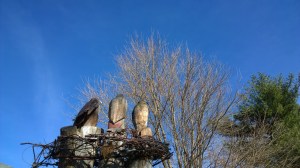
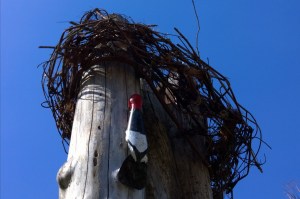
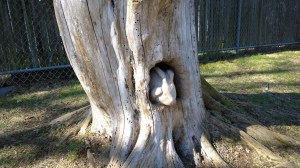
The next three were taken at the playground near John’s house. Every few months, new creatures appear on that tall tree stump. (You’ve seen previous creature photos, too, on this blog.)

031216-early-footpath-shadows

031216-lamppost-shadows


WP_20160312_06_42_36_Pro

031216-carved-eagles-arlington


031216-carved-woodpecker-arlington

031216-hidden-bunny

Read Full Post »