Feeds:
Posts
Comments

Posts Tagged ‘walks’

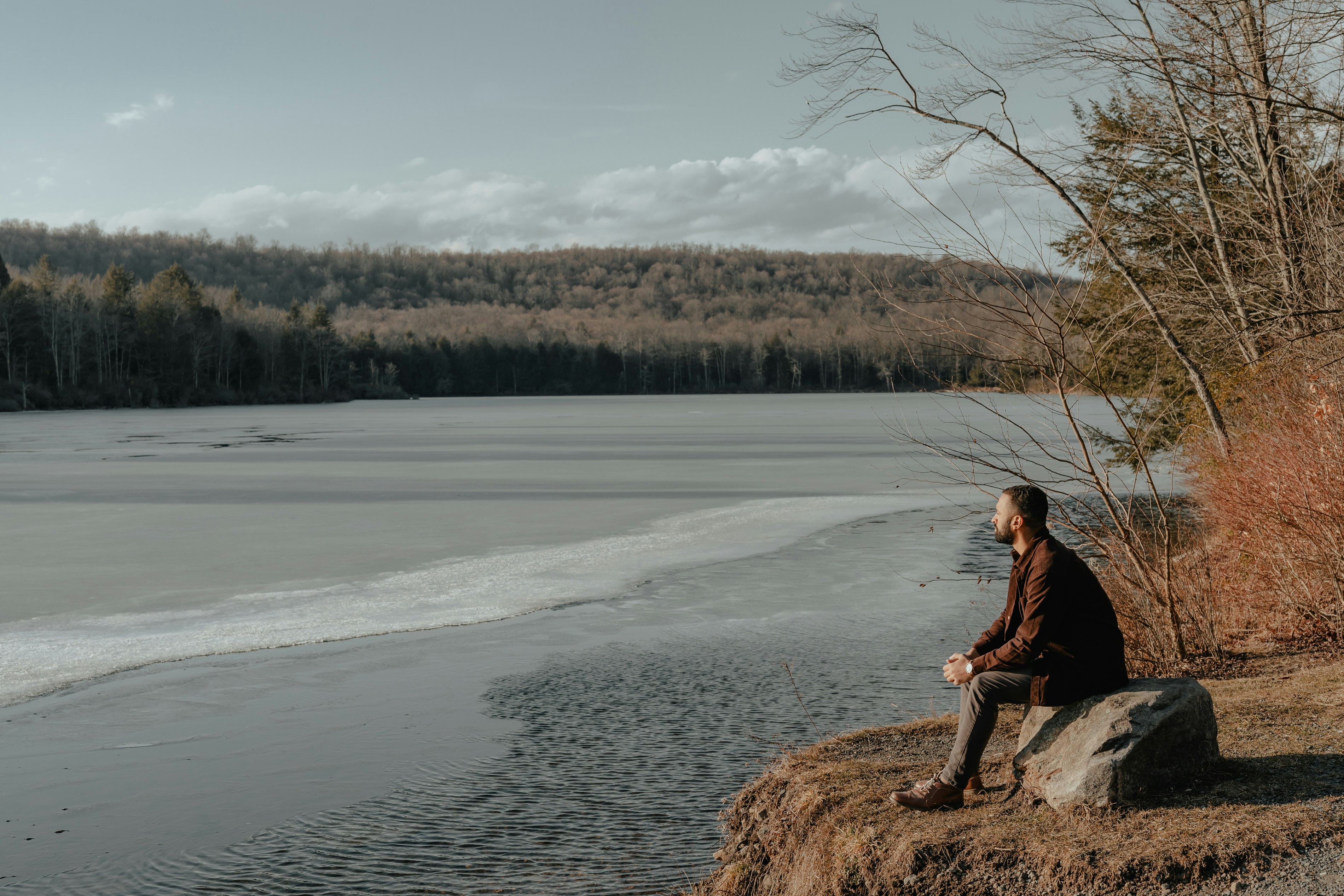
Photo: Clay Banks/Unsplash.
It’s important to know when to be active and when to just do nothing.

I’m worried about the election. I just made more donations to the get-out-the-vote groups I trust. It’s important to do more than worry. It’s important to do something.

But there are also times when it’s important to stop tying yourself up in knots and just do nothing. Maybe not for a solid year as described in today’s article, but when you need renewal.

Holly Williams writes at the BBC about the “slow-living” movement.

“How does the idea of doing nothing for a year sound? No work, no emails, no career progression, no striving or achieving or being productive. For many of us, such a thought might once have brought its own anxiety attack – surely, work is status, earning money is achievement, and being busy is a brag? But these days, a year of nothing is more likely to sound dreamy, even aspirational – there has been, as they say, a vibe shift.

“Millennials are embracing the concept of #SlowLiving – the hashtag has been used more than six million times on Instagram (despite posting on Insta being fairly antithetical to its principles of a mindful, sustainable lifestyle, with much reduced screen-time). Gen Z, meanwhile, have pioneered quiet quitting and ‘lazy girl jobs,’ where one does the minimum at work to preserve your energy for the more meaningful parts of your life. …

“This is something Emma Gannon knows all about: the prolific author, podcaster, and Substack entrepreneur published A Year of Nothing – her account of taking an entire 12 months off – earlier this year. It quickly sold out when published earlier this summer, and has proved so popular it will now be reprinted and available to buy in November. 

“Not that it was, initially, a lifestyle choice: Gannon suffered such extremely bad burnout, she had no choice but to stop working. Her account of her year of rest and recuperation is now published in two small, sweetly readable volumes by The Pound Project, charting her journey back to health via gentle activities such as journaling, watching children’s TV, birdwatching, and the inevitable cold-water swimming. …

“Having been fully on-board with the girl-boss culture of the 2010s, Gannon had already stepped away from that with her last book, The Success Myth: Letting Go of Having It All, which explored how relentlessly striving for success rarely brings true happiness. But it was experiencing complete burnout that forced her to really confront the importance of rest.

” ‘Looking back, there were lots of red flags – feeling very confused, pulsating headaches, not being able to focus on things in the room, quite scary stuff. But I over-rode it, [thinking]: “I’m busy, I’ve got to crack on,” ‘ she recalls. Suddenly, in 2022, her body went into a forced shut-down mode. ‘Couldn’t look at a phone, couldn’t look at a screen, couldn’t walk down a street without feeling fragile. …

” ‘Many people with chronic burnout have to get to that point before they’ll take time off [work], because we’re so conditioned in this society to push through at all costs.

” ‘But we were designed to have naps, and [walks in] the park. To go for a swim, and look at the sky. That stuff’s really important,’ Gannon insists. And she’s determined to carry the lessons from her burnout, and her recovery, into a slower, more spacious life. …

“Jenny Odell’s How to Do Nothing: Resisting the Attention Economy became a sensation in 2019, linking our frazzled brains to how profit-hungry technology and social media use up our attention and distract us. She advocated re-wiring our awareness to the natural world around us, and to our own interiority.

“Odell is also part of a wave of writers encouraging active resistance to the relentless ‘goal-oriented’ expectation that, ‘in a world where our value is determined by our productivity,’ every hour and minute of our time should be put to good use – if not at work, then in self-improvement. Resisting the pressure to always be optimizing can also be found in Oliver Burkeman’s surprisingly comforting 2021 book Four Thousand Weeks – which reminds us that life is brief, and we will never get everything on our to-do list done. Rather than seeking to be ever-more efficient, he argues that we should focus on what really matters … and live more fully in the present. 

“And it seems the idea of doing nothing is catching on: you may have noticed the recent proliferation of titles about niksen, the Dutch term for ‘doing nothing, intentionally.’ Olga Mecking’s book Niksen clearly chimed with readers when published in the pandemic, and has been followed by a wealth of others, many in the Little Book of Hygge mold. …

“Even the word ‘rest’ itself has become something of a buzz term. Published in 2022, Pause, Rest, Be by yoga teacher Octavia Raheem helps readers going through big changes or periods of uncertainty to slow down and turn inwards. Rather than using yoga to sweat your way to Instagrammable tight abs, she emphasizes what the practice can tell us about self-knowledge, peace and stillness.

The Art of Rest by Claudia Hammond also has a practical bent: its chapters lay out the 10 most relaxing activities identified in global research, as well as arguing for the importance of intentional winding down – whether that be taking a bath or reading a book or spending time in nature. ‘Rest is not a luxury,’ Hammond writes, but ‘a necessity.’ Meanwhile Katherine May’s book Wintering has the subtitle The Power of Rest and Retreat in Difficult Times, and forms a lyrical account of the author learning to accept the seasonality of life: that there are fallow periods when, rather than pushing on through, we need to step back and nurture ourselves.”

Lots more at the BBC, here. No firewall.
Read Full Post »

Photo: John and Suzanne’s Mom.
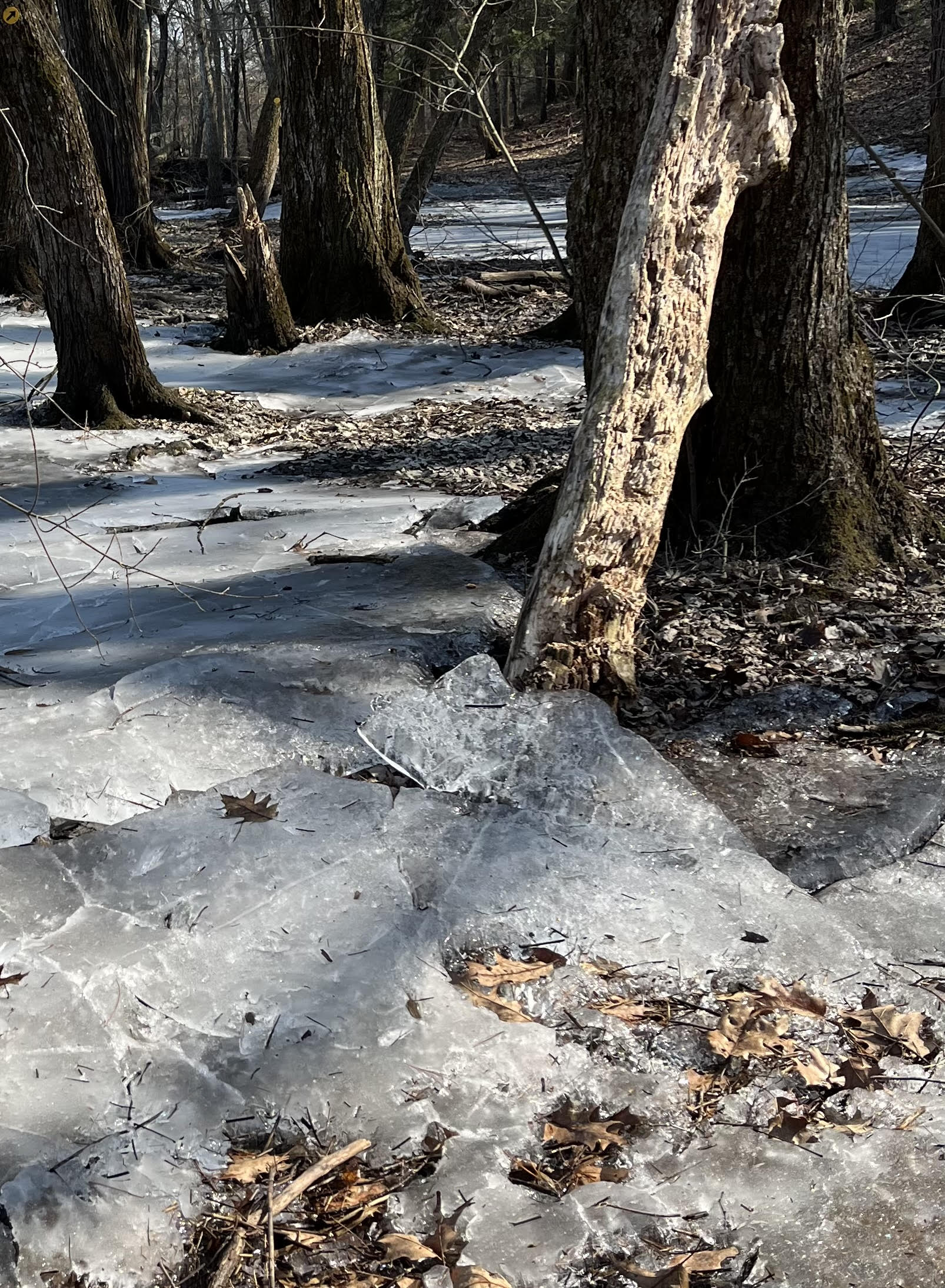
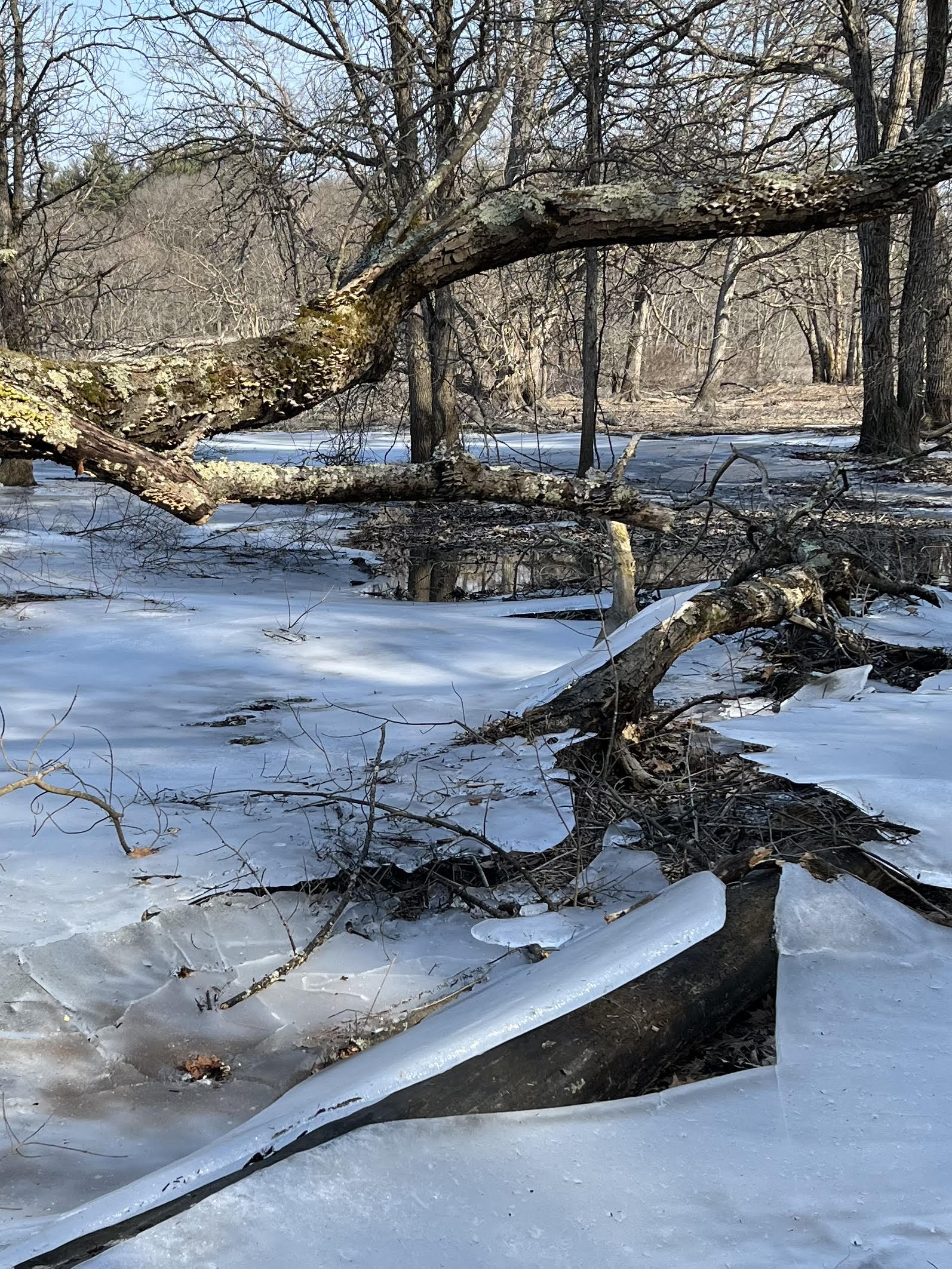
The ice breaks up.

When I was paying for my groceries on Tuesday, the teenage bagger commented on what a beautiful day it was, and I said, “Yes, I can’t wait to get home and take my walk.” He replied, “Where do you walk?”

At the moment of telling him my usual route, I knew I couldn’t possibly follow routine on that unusually warm, sunny, and springlike day in February.

So after I got all the perishables into my fridge, I walked in the opposite direction from the routine and ended up on a conservation trail in the woods.

There was something about this that was a throwback to childhood, when I walked with a friend in the woods or with my cousin Patsy or, most often, alone. I used to feel spring coming. The woods held magic. There was a stream with a brownish rock in the middle that I liked to inaugurate in spring by stepping on it, but sometimes I would slip into the icy water and walk home wearing mittens on my feet.

It used to feel great to have an adventure alone, maybe a little bit risky. Like the time I wandered from the woods to look for the place where one could sometimes see a horse behind a stockade fence. On the way there, I would go through a marsh, stepping slowly from wobbly tuft to wobbly tuft. Until one day, I saw an unknown man standing not far off and I hightailed it out of there.

Exploring on Tuesday also felt a bit risky, even with a smart phone. How many bars do I need if I fall and want to summon help? What about the icy, sloshy places? I’m a bit old for walking home with mittens on my feet and drenched shoes hung over my shoulder, the laces tied together.

I also needed to pay attention to where I was in relation to the road. I was kind of lost, although the trail markers were reassuring.

Eventually, I came out onto a big field where a woman was walking her dog, and I had a pretty good idea where the road lay in relation to that field.

I went home and took a nap.

Read Full Post »

Summer heat means taking walks earlier and earlier.

Today I’m sharing a bunch of my recent photos, plus three from friends. It’s great that so many self-isolating people are sending pictures to each other now. Have you noticed?

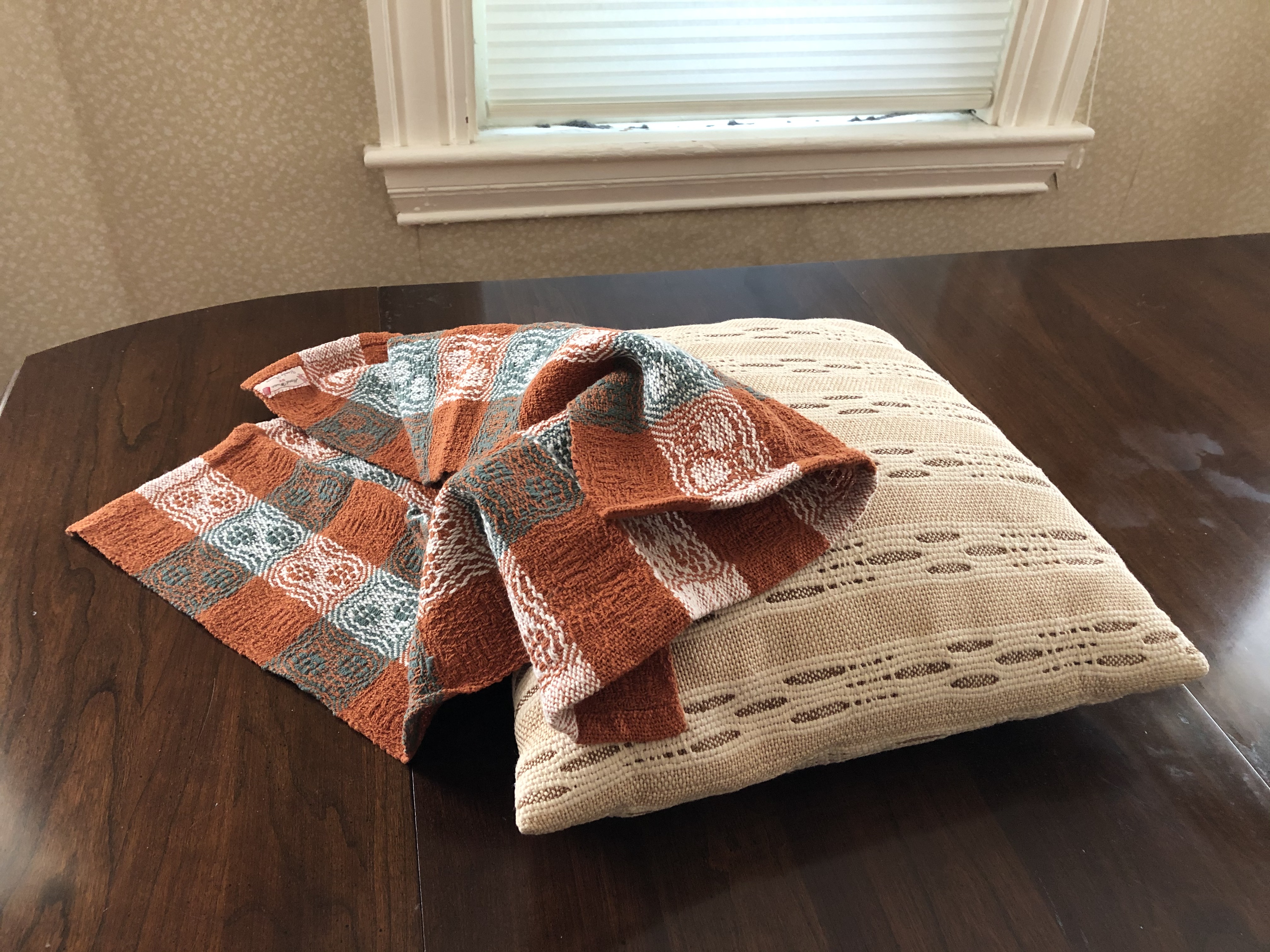
Kristina sent the red flower below, which I believe is a Chinese Hibiscus. She lives in my town, but we don’t get to see each other as regularly as before Covid. The next two photos are from Melita, who is currently living in Madrid. Spain was hit hard by the virus, and Melita says she’s grateful for the relative safety of the gardens she can walk tThe rest of the photos are mine. For weaving bloggers, I took a picture of the handsome dishtowel a childhood friend made and sent me out of the blue. I positioned it on top of a pillow cover her parents wove many years ago. She carries on the traditional craft.

My local community garden is coming along beautifully and providing a temptation to more than birds. Hence the sign.

Funny to be regarding as art the commuter train that was part of my working life for decades.

Louisa’s grave in Sleepy Hollow Cemetery is never short of writing utensils. I love checking it out. And every day that I take a walk near there, I see more gravestones I want to photograph. Shadowed ones for example.

The next four photos show art on the Bruce Freeman Rail Trail, courtesy of Umbrella Art Center artists. The painted doors are by Sophy Tuttle, and the woodland shelving is by Rebecca Tuck.

The various lilies belong to neighbors, and the bright pink flower is, according to the app PictureThis, a rose mallow, apparently a relative of Kristina’s flower.

The last three photos are from New Shoreham and include the historic home where the song “Smilin’ Through” was written — a fact, I fear, that only an islander would consider worthy of note.

072220-weaving-by-Ursula-and-parents

Read Full Post »

You have undoubtedly discovered on your own the healing qualities of a walk in the woods, but it seems that increasing numbers of doctors are actually prescribing it.

Sarah Barker writes for the Minneapolis Star Tribune, “Your blood pressure is a little high. You could stand to lose some weight, and, yeah, you’re stressed. You leave the doctor’s office with directions to a park near your house and a prescription for 30 minutes a day out there breathing fresh air among the trees and the birds.

“Until recently, doctors encouraged patients to get more outdoor exercise but stopped short of writing a prescription. Soon, in collaboration with parks and trails organizations, community and athletic associations, some Minnesota doctors will be handing patients prescriptions for that dose of nature.

“ ‘The data is there. We’re wired to be connected to nature,’ said Dr. Brent Bauer of the Mayo Clinic in Rochester. ‘Cool things happen when you’re exposed to nature for two hours a week — inflammation is reduced, stress, anxiety, heart rate.’ …

“Bauer founded Mayo’s complementary and integrative medicine program 20 years ago grounded in the theory of biophilia — that humans have an innate need to connect with nature. That people spend 90% of their time indoors, most of it sitting, has resulted in negative consequences: obesity, diabetes, anxiety, depression, to name a few. The last 10 years have seen a ‘scientification,’ as Bauer called it, of our need for nature. It’s been studied, measured.

“At the same time, there’s been a shift toward preventive medicine — lifestyle choices like food, exercise, spirituality — and efforts to make health care more efficient. There has been collaboration between communities that haven’t overlapped — parks and the Department of Natural Resources with public health; health insurance with health clubs; sports events with hospitals. Since 2010, doctors have worked with a nonprofit called Wholesome Wave to prescribe patients fruits and vegetables.

“Bauer signed on with one of those collaborations, Park Rx America, a national nonprofit established by Washington, D.C., pediatrician Dr. Robert Zarr in 2017. … According to Zarr, there are 22 registered Park Rx health care providers in Minnesota and 96 parks listed. …

“Receiving a nature prescription from your doctor here in Minnesota is still maybe a year away. Unless you’re a child. In which case, this is old news.

“Some Twin Cities children have been leaving the pediatrician’s office with a Sweat Rx since 2014. Sweat Rx was the first formal outdoor prescription program in the country, its creators say. … Betsy Grams and Tony Schiller co-founded CycleHealth as a way to improve kids’ health through training programs, activity challenges and fun adventure races. The events were outdoors, a little bit nontraditional (the triathlon is swim-bike-run with obstacles thrown in), and noncompetitive. …

“Focusing on health rather than competition was a natural tie-in to the medical community. Through a connection with one of the doctors, Grams and Schiller met with at Central + Priority Pediatrics in Woodbury in 2014 to talk about their upcoming kids’ triathlon. …

“ ‘We were really surprised when they said they would actually prescribe the triathlon to their patients that summer. We didn’t know how hungry doctors were for a concrete tool for encouraging kids to get outdoors, to live the lifestyle they’d been talking about,’ Grams said.

“The two quickly printed a prescription-ish pad of paper with a space for the patient’s name and a link to training materials and race registration. That was the start of Sweat Rx. CycleHealth now works with 52 pediatric clinics in the Twin Cities area. …

“Cheap, readily accessible, and side-effect free, Minnesota’s 10,000 lakes and vaunted parks and trails are shaping up to be, quite literally, what the doctor ordered.”

More here.

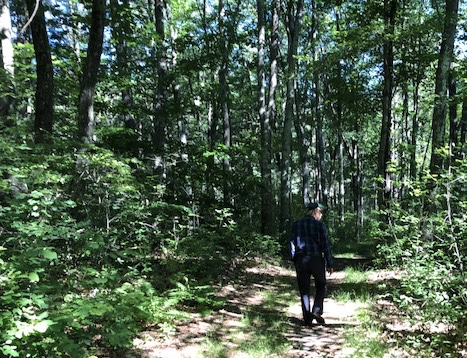
My husband and I are lucky with where we live because if you go in one direction out of the house, you come quickly to a busy village with a library and attractive shops. If you go the other way, you are in conservation land in no time. Best of both worlds.

. 062618-John-walks-in-woods


Read Full Post »

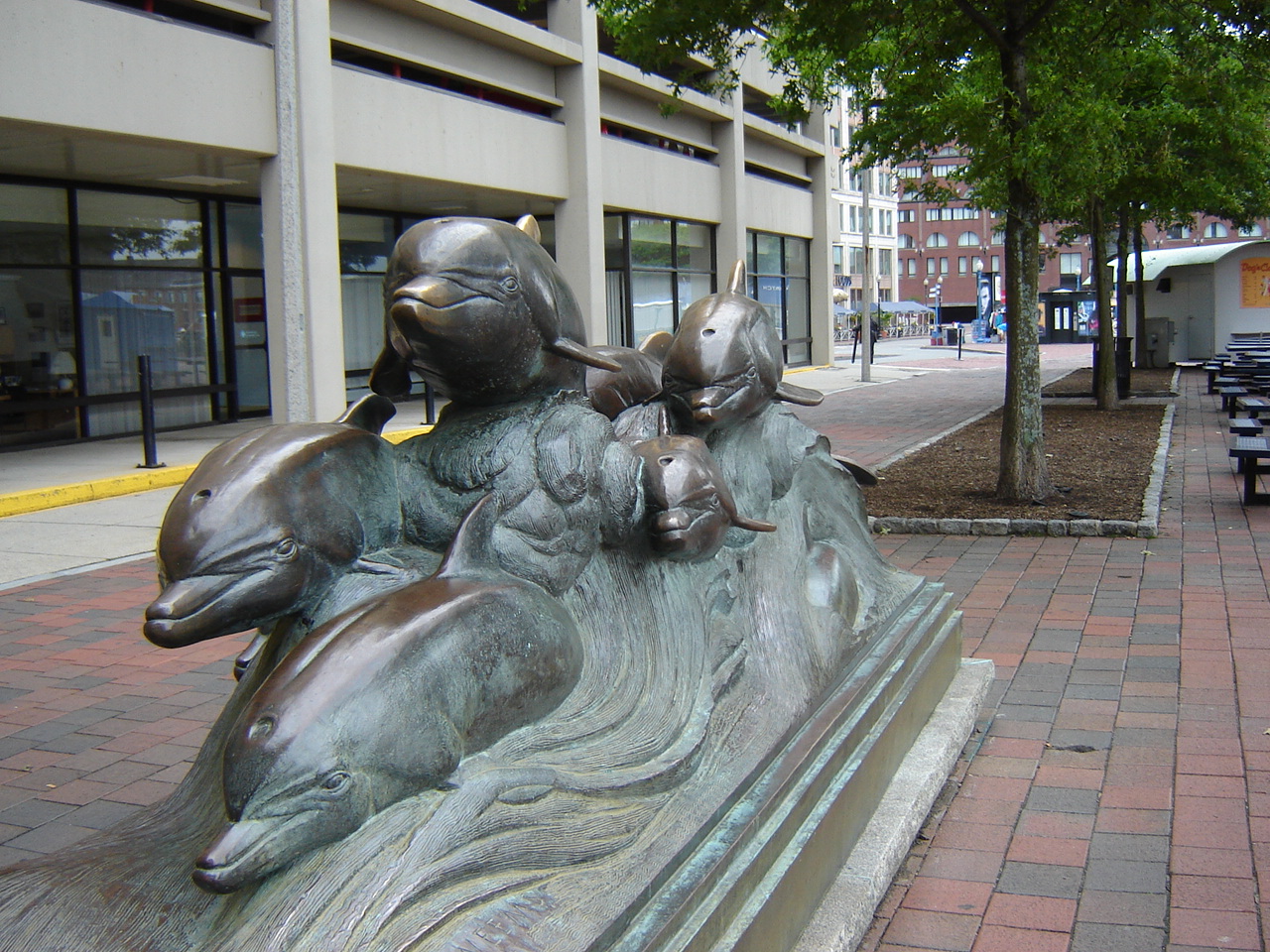
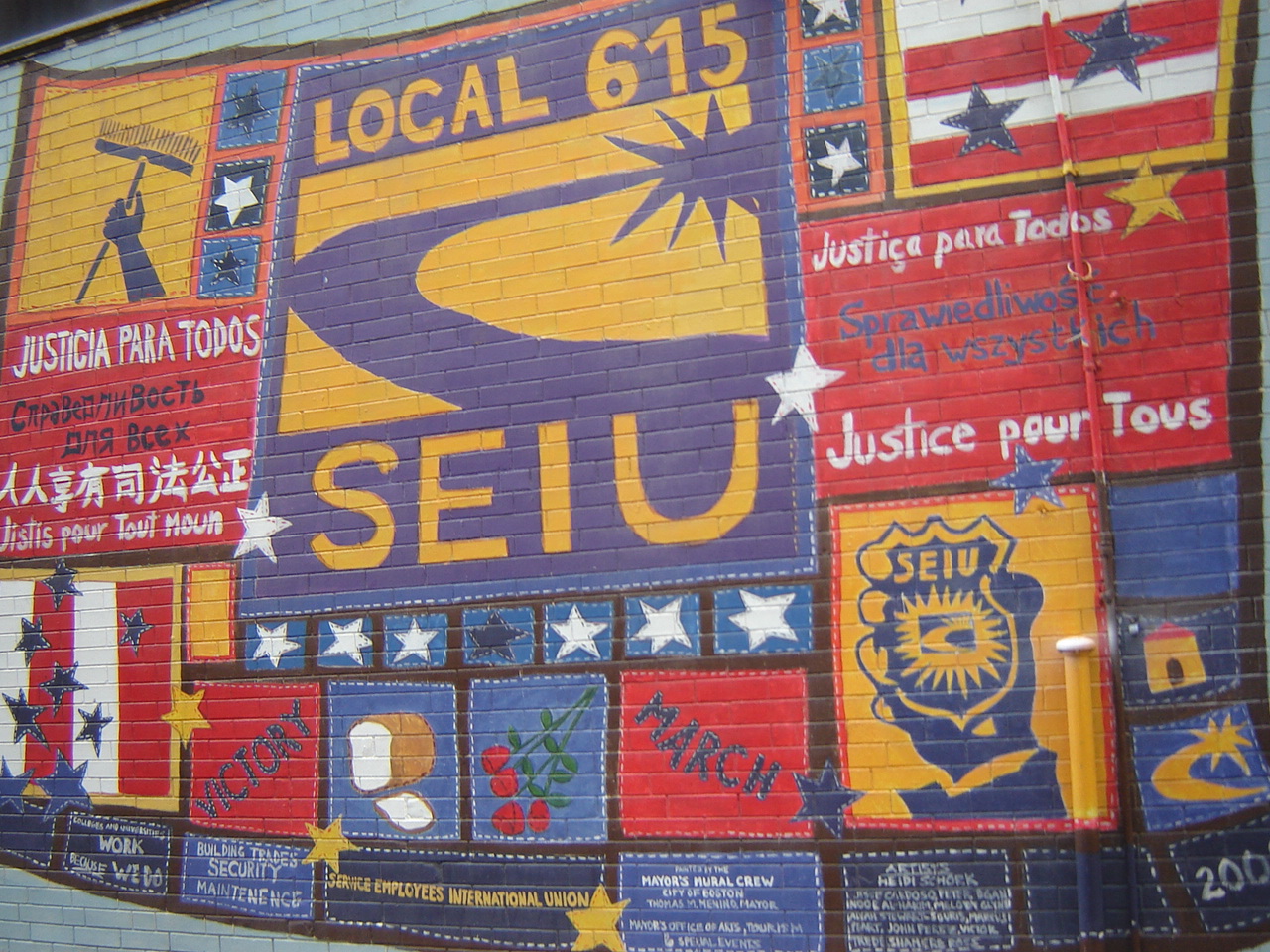
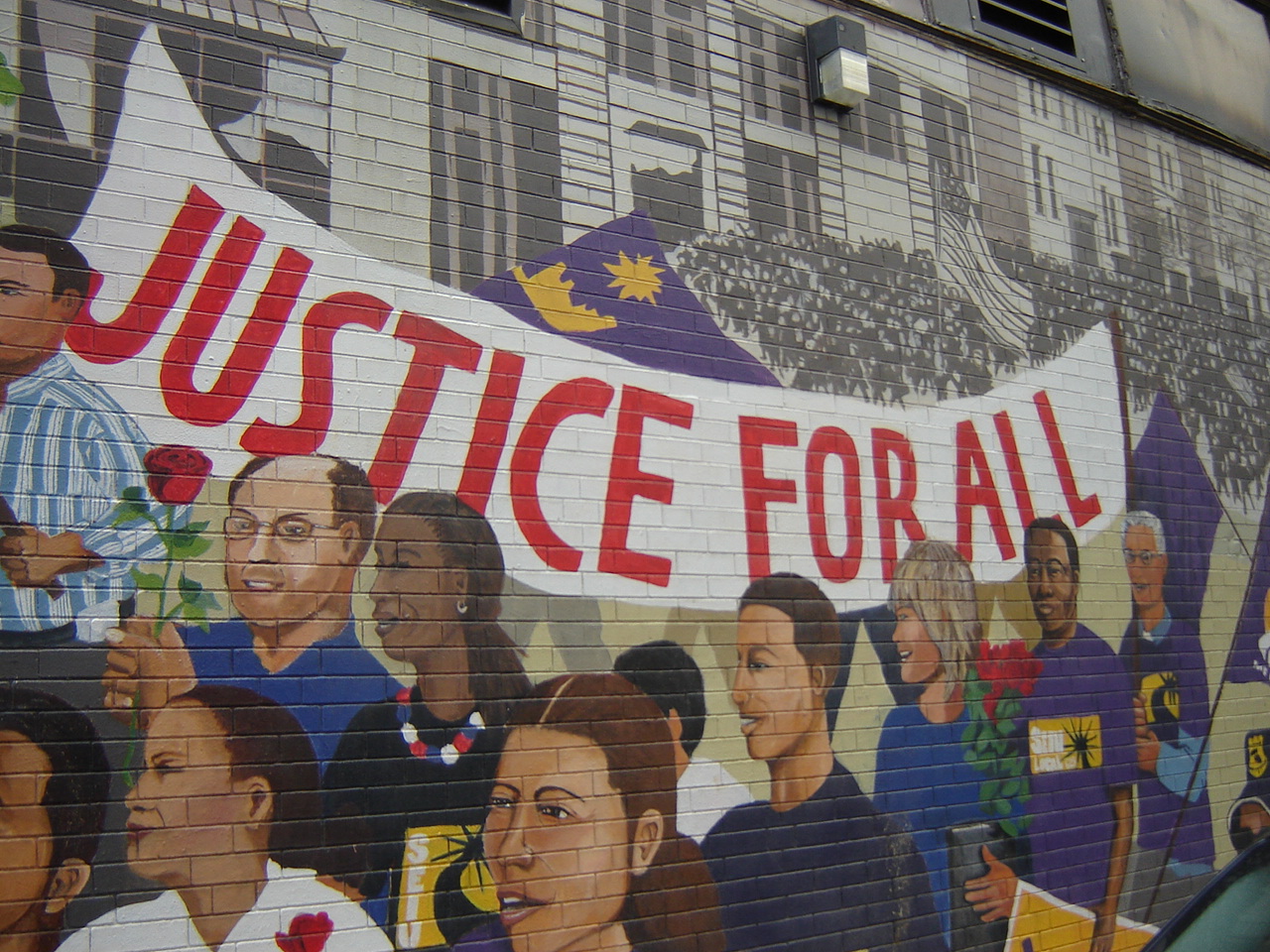
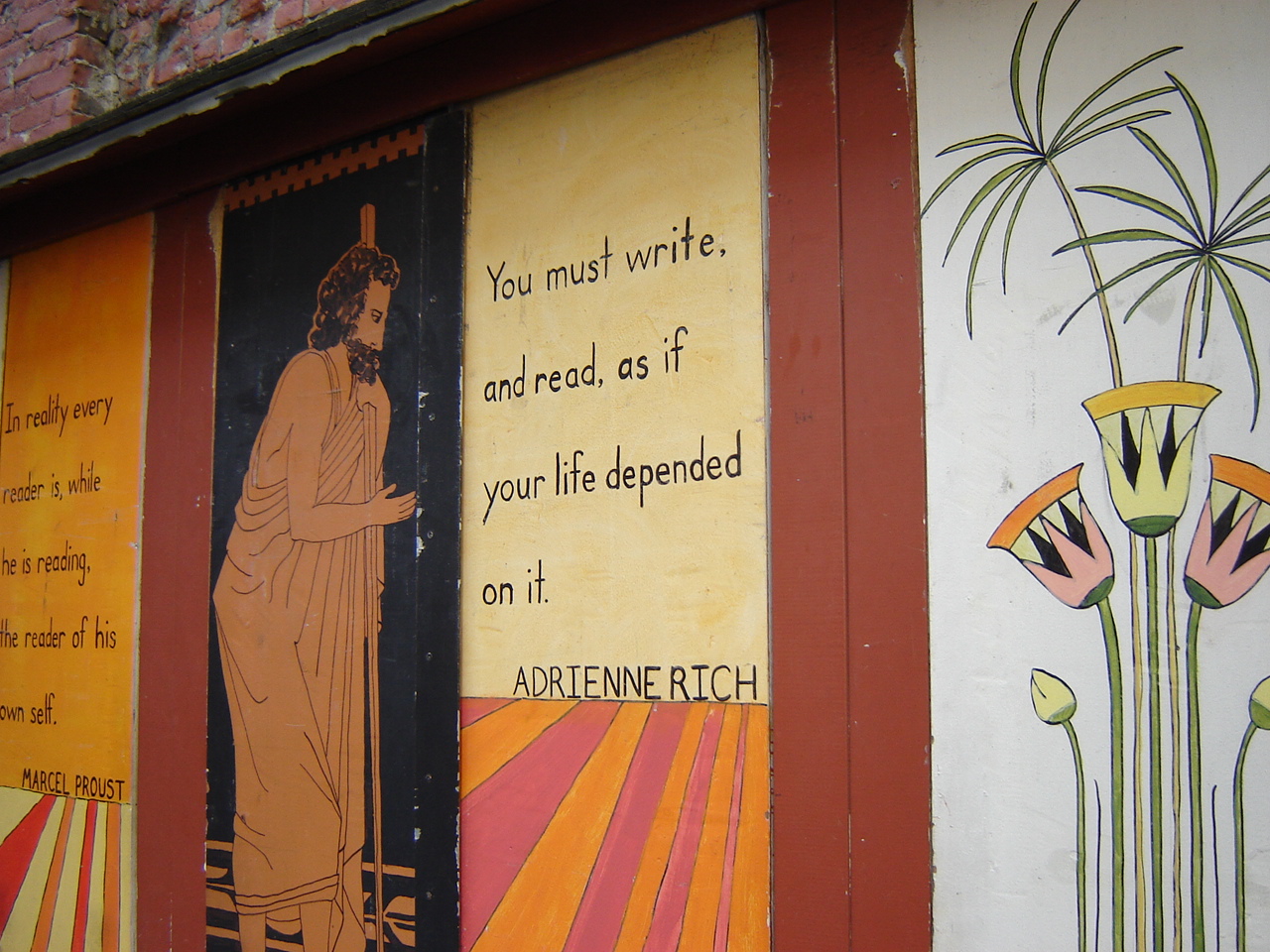
Some days I walk in Boston and snap the sights down side streets. The first photo was taken near the harbor. The others were taken near Downtown Crossing.

I like the Adrienne Rich line painted on a bookstore wall: “You must write, and read, as if your life depended on it.”

Read Full Post »