Art: https://commons.wikimedia.org/.
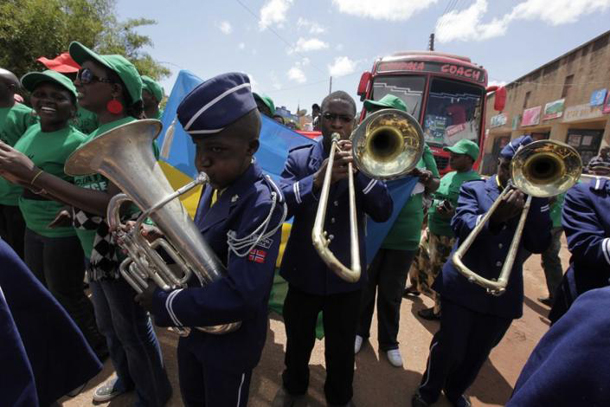
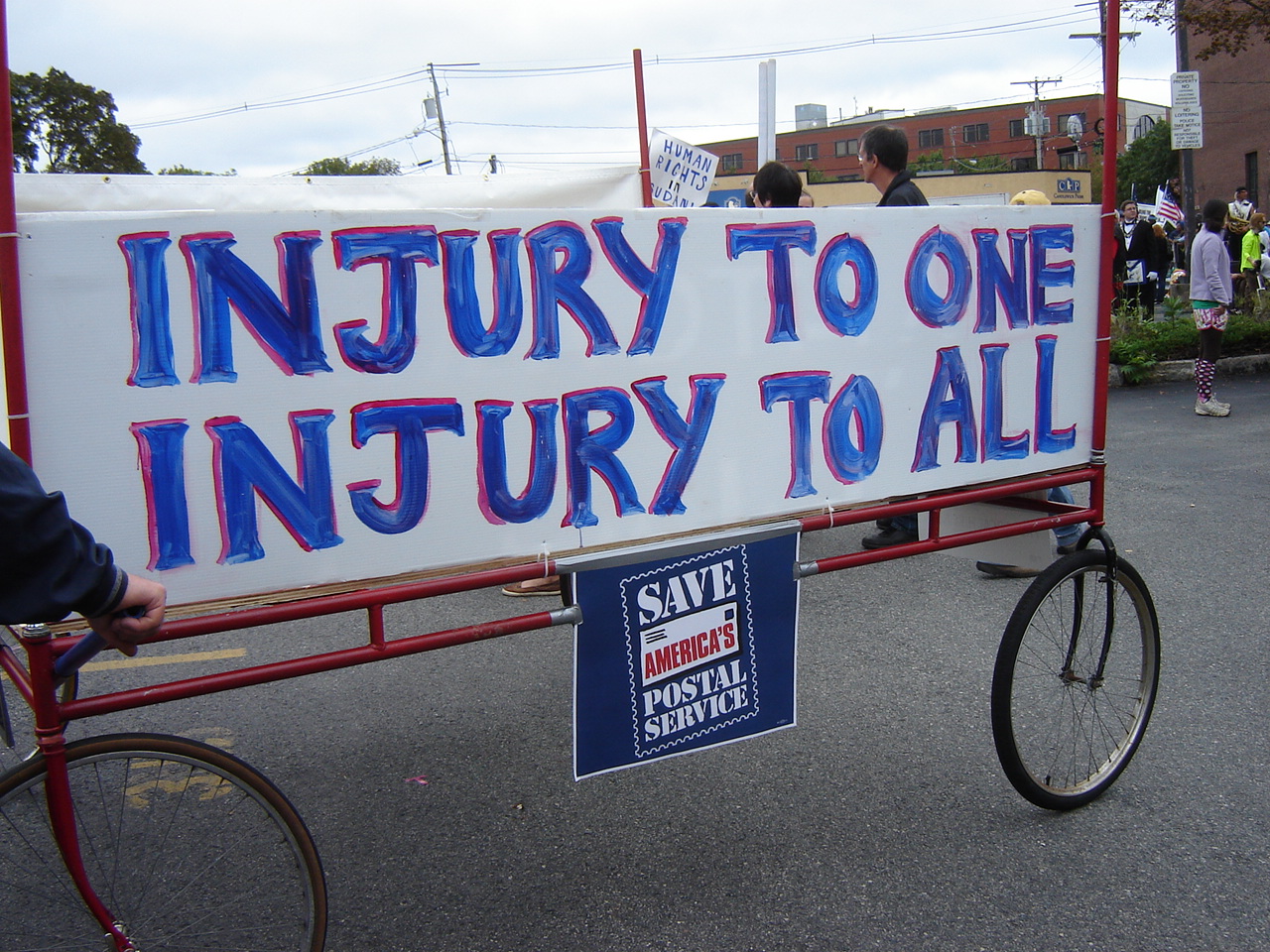
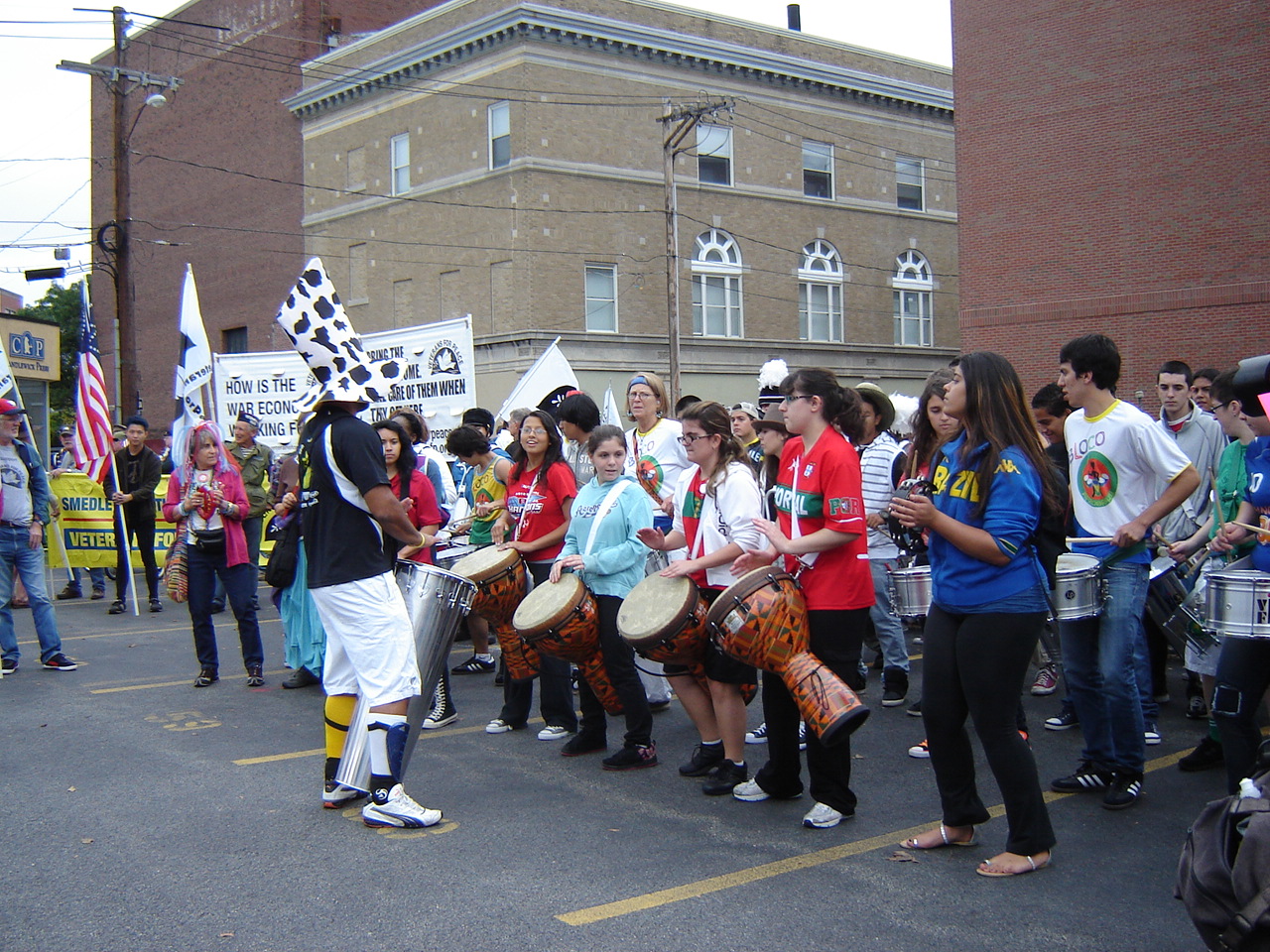
Recently, I started following historian Heather Cox Richardson online and learning obscure facts I’d never covered in history class. For Labor Day, Richardson pointed readers to a government website describing the first Labor Day and the parade in New York. The police would have started the march without music (gasp!) if the ferry from New Jersey hadn’t docked in the nick of time and unloaded the Jewelers Union of Newark Two and their band.
From the Department of Labor website: “On the morning of September 5, 1882, a crowd of spectators filled the sidewalks of lower Manhattan near city hall and along Broadway. They had come early, well before the Labor Day parade marchers, to claim the best vantage points from which to view the first Labor Day parade. A newspaper account of the day described ‘…men on horseback, men wearing regalia, men with society aprons, and men with flags, musical instruments, badges, and all the other paraphernalia of a procession.’
“The police, wary that a riot would break out, were out in force that morning as well. By 9 a.m., columns of police and club-wielding officers on horseback surrounded city hall. By 10 a.m., the Grand Marshall of the parade, William McCabe, his aides and their police escort were all in place for the start of the parade. There was only one problem: none of the men had moved. The few marchers that had shown up had no music.
“According to McCabe, the spectators began to suggest that he give up the idea of parading, but he was determined to start on time with the few marchers that had shown up. Suddenly, Mathew Maguire of the Central Labor Union of New York (and probably the father of Labor Day) ran across the lawn and told McCabe that two hundred marchers from the Jewelers Union of Newark Two had just crossed the ferry — and they had a band!
“Just after 10 a.m., the marching jewelers turned onto lower Broadway — they were playing ‘When I First Put This Uniform On,’ from Patience, an opera by Gilbert and Sullivan. The police escort then took its place in the street. … Eventually, there were 700 men in line in the first of three divisions of Labor Day marchers. Final reports of the total number of marchers ranged from 10,000 to 20,000 men and women.
“With all of the pieces in place, the parade marched through lower Manhattan. The New York Tribune reported that: ‘The windows and roofs and even the lamp posts and awning frames were occupied by persons anxious to get a good view of the first parade in New York of workingmen of all trades united in one organization.’
“At noon, the marchers arrived at Reservoir Park, the termination point of the parade. While some returned to work, most continued on to the post-parade party at Wendel’s Elm Park at 92nd Street and Ninth Avenue; even some unions that had not participated in the parade showed up to join in the post-parade festivities that included speeches, a picnic, an abundance of cigars, and ‘Lager beer kegs… mounted in every conceivable place.’ “
Writing in her Substack column, Richardson notes that the goal of establishing the federal holiday was “to emphasize the importance of workers in the industrializing economy and to warn politicians that they could not be ignored. Less than 20 years before, northern men had fought a war to defend a society based on free labor and had, they thought, put in place a government that would support the ability of all hardworking men to rise to prosperity.
“By 1882, though, factories and the fortunes they created had swung the government toward men of capital, and workingmen worried they would lose their rights if they didn’t work together. … Even the staunchly Republican Chicago Tribune complained about the links between business and government: ‘Behind every one of half of the portly and well-dressed members of the Senate can be seen the outlines of some corporation interested in getting or preventing legislation,’ it wrote. The Senate, Harper’s Weekly noted, was ‘a club of rich men.’
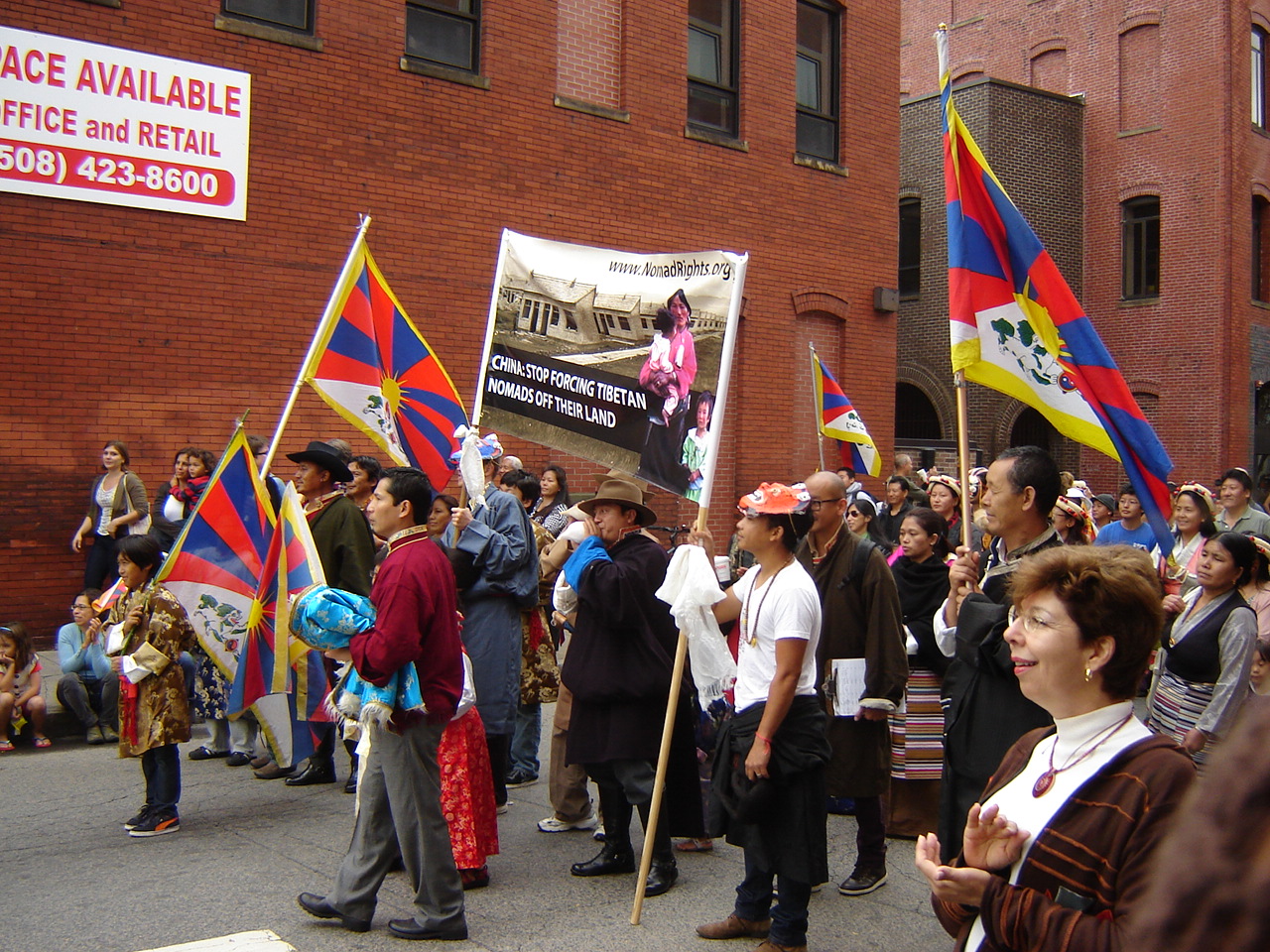
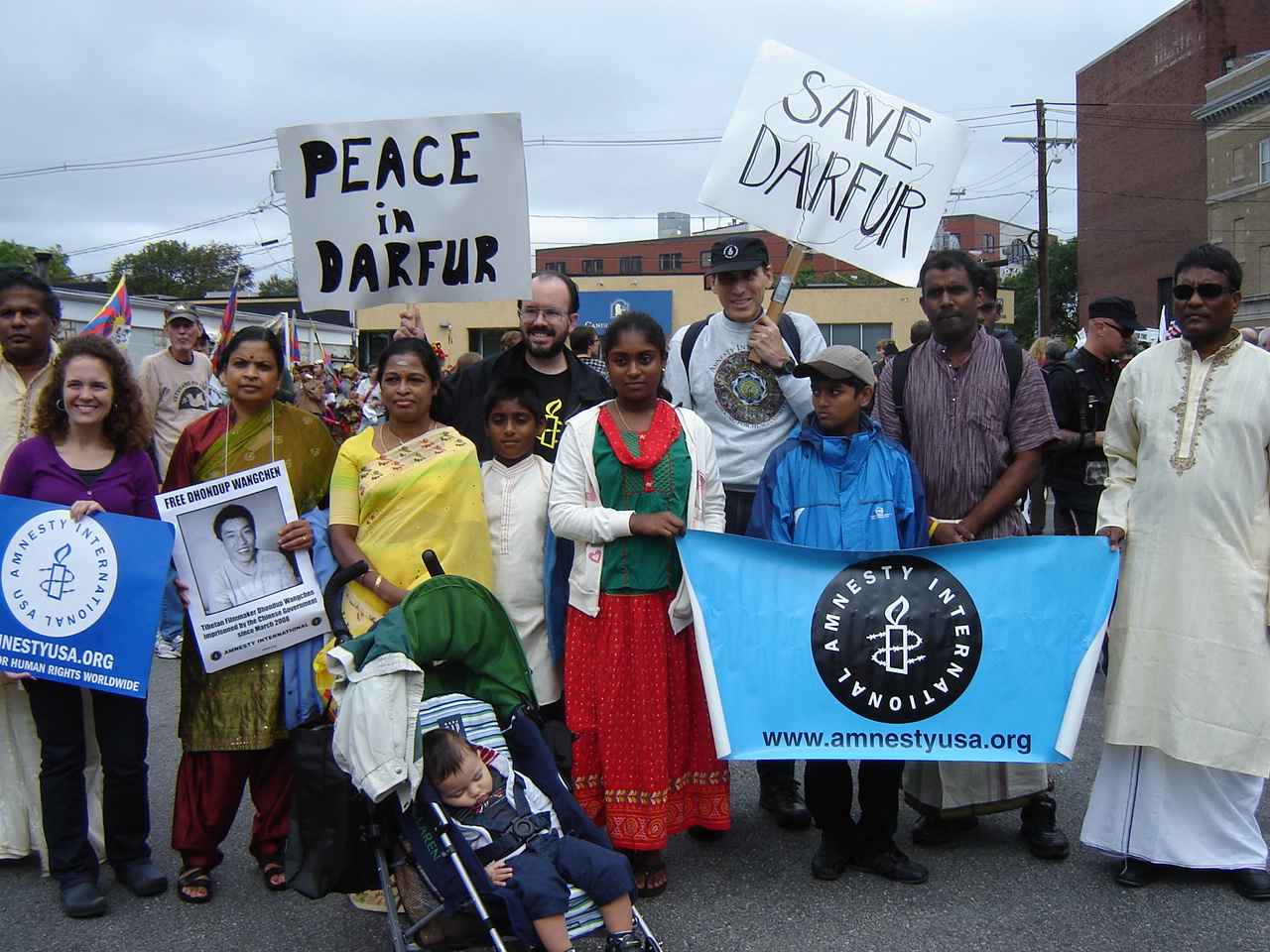
“The workers marching in New York City carried banners saying: ‘Labor Built This Republic and Labor Shall Rule it,’ ‘Labor Creates All Wealth,’ ‘No Land Monopoly,’ ‘No Money Monopoly,’ ‘Labor Pays All Taxes,’ ‘The Laborer Must Receive and Enjoy the Full Fruit of His Labor,’ ‘Eight Hours for a Legal Day’s Work,’ and ‘The True Remedy is Organization and the Ballot.’
“The New York Times denied that workers were any special class in the United States, saying that ‘[e]very one who works with his brain, who applies accumulated capital to industry, who directs or facilitates the operations of industry and the exchange of its products, is just as truly a laboring man as he who toils with his hands…and each contributes to the creation of wealth and the payment of taxes and is entitled to a share in the fruits of labor in proportion to the value of his service in the production of net results.’
“In other words, the growing inequality in the country was a function of the greater value of bosses than their workers, and the government could not possibly adjust that equation. The New York Daily Tribune scolded the workers for holding a political — even a ‘demagogical — event. ‘It is one thing to organize a large force of…workingmen…when they are led to believe that the demonstration is purely non-partisan; but quite another thing to lead them into a political organization.’ “
More at the Department on Labor, here. For Heather Cox Richardson’s posts, you need to sign up, here. There’s no charge, but if you eschew politics combined with history, best not go there.