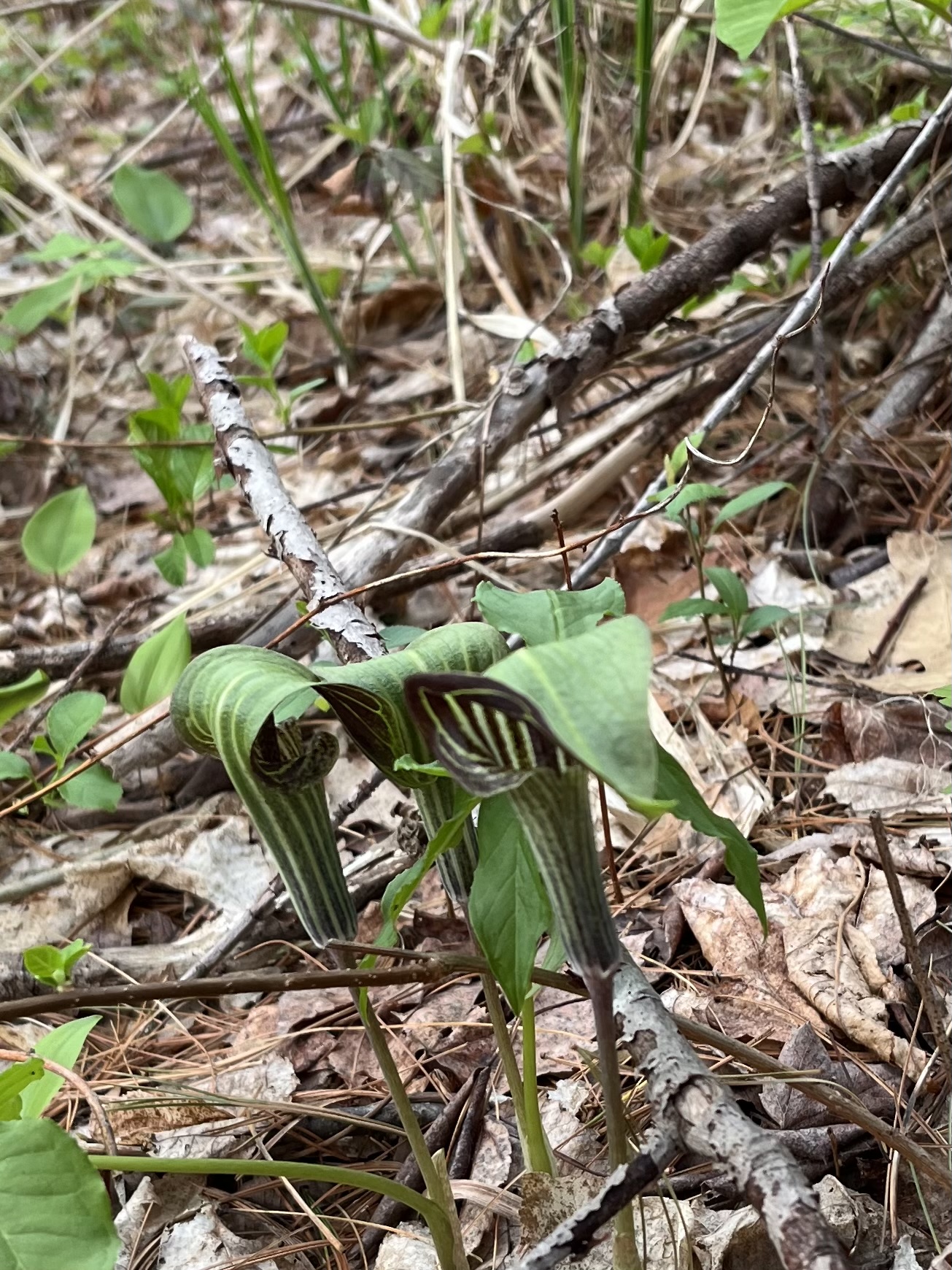
Photos: Suzanne and John’s Mom. First Jack-in-the-Pulpit I had seen in years.
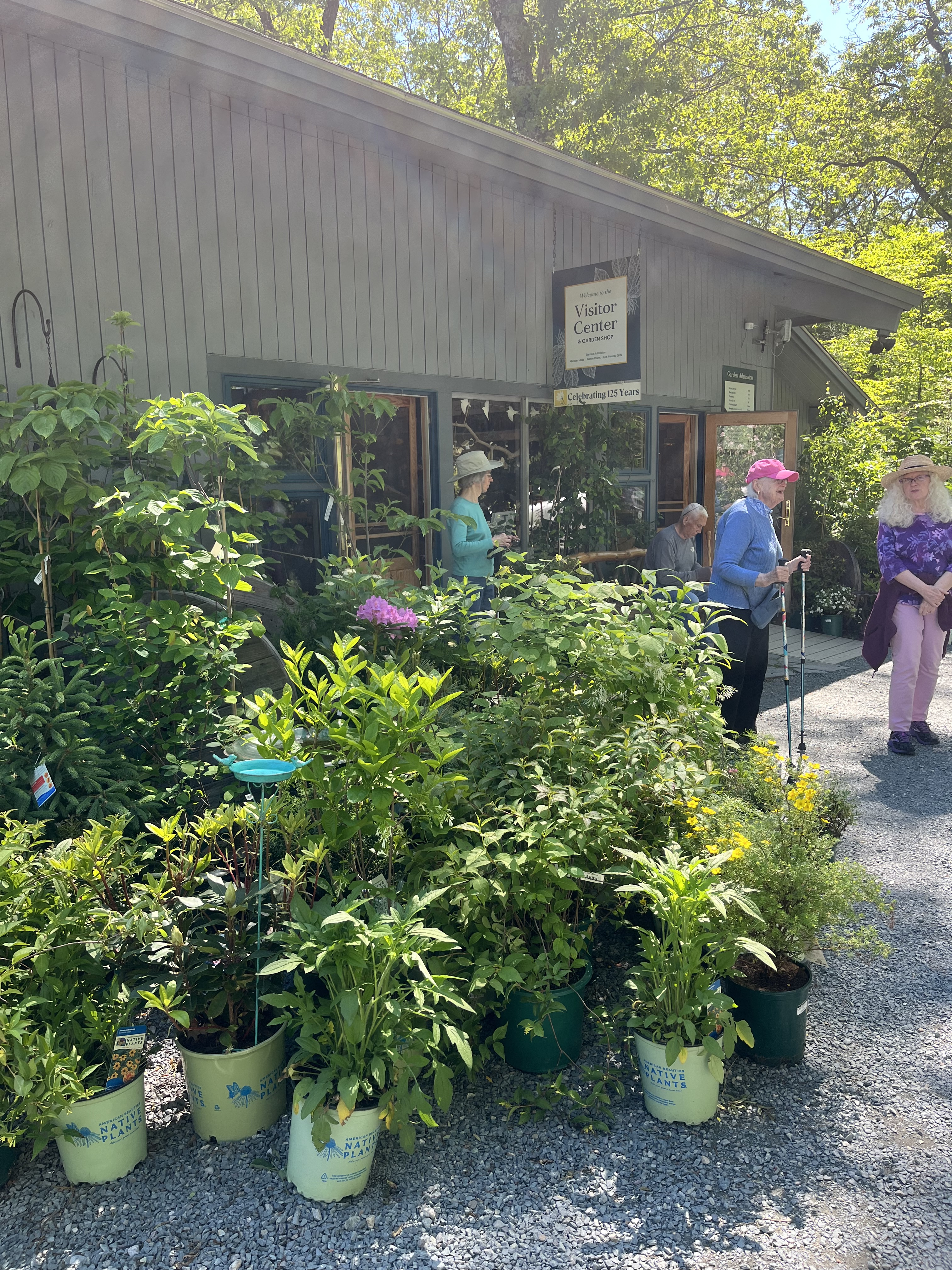
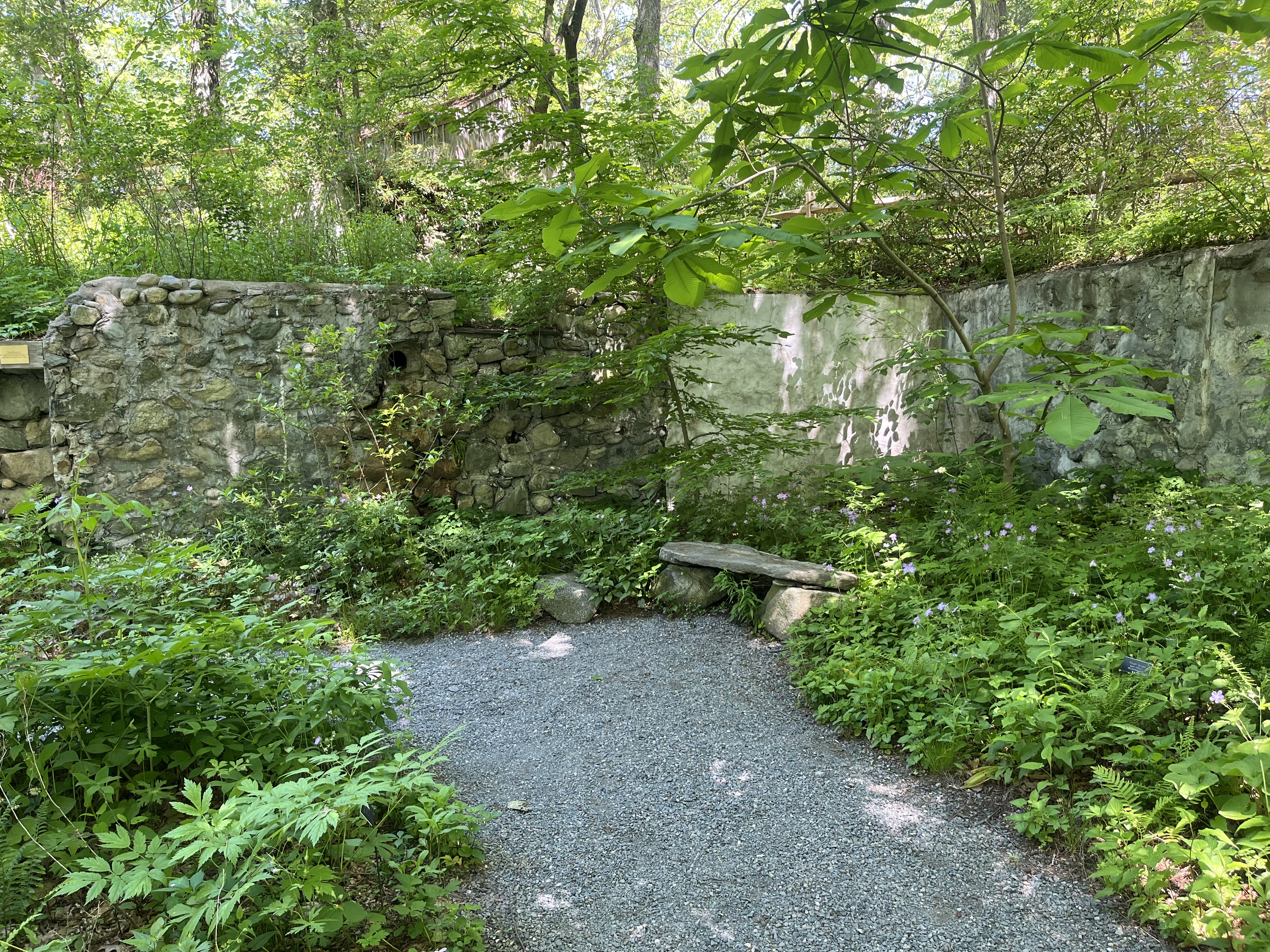
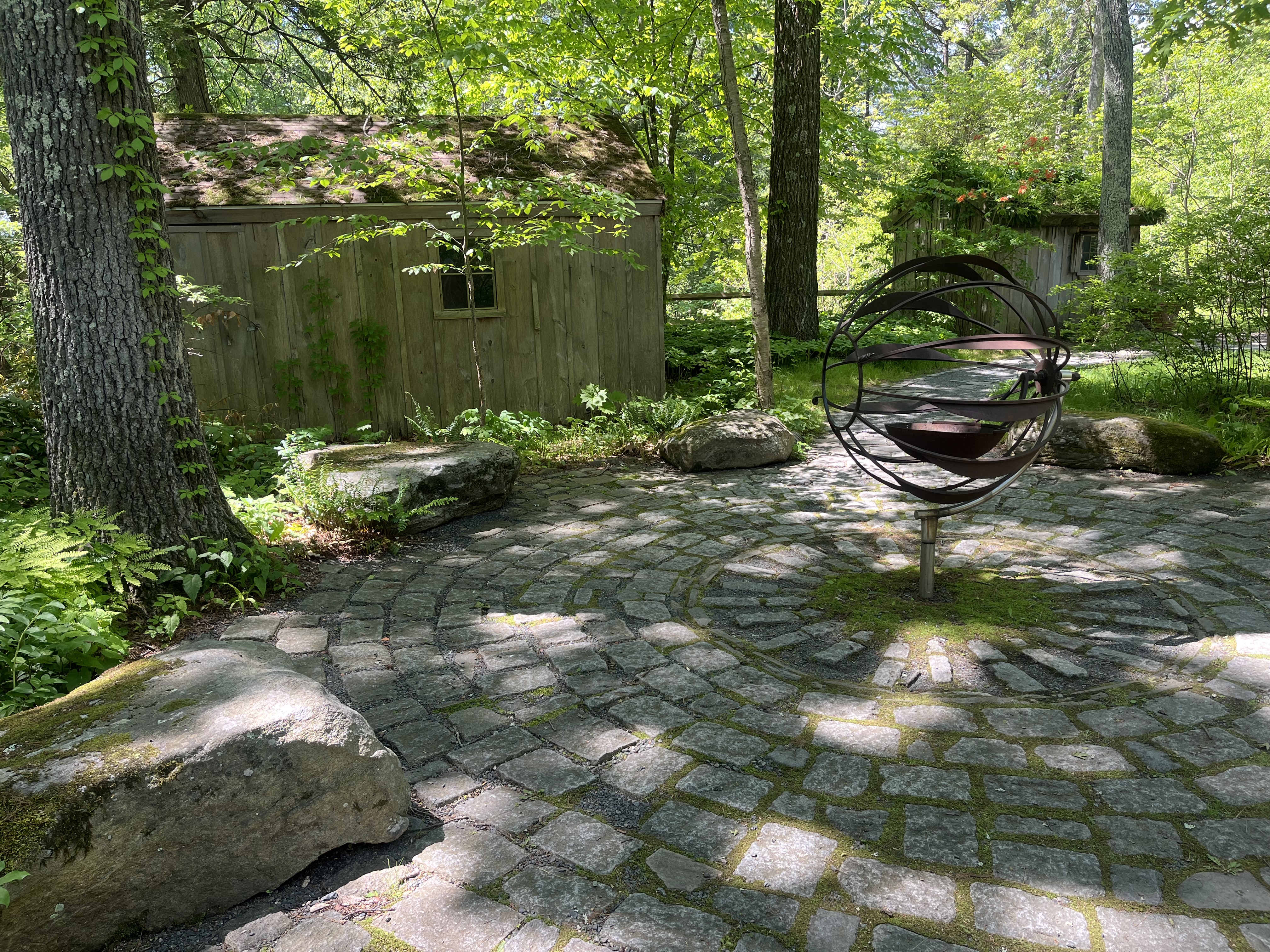
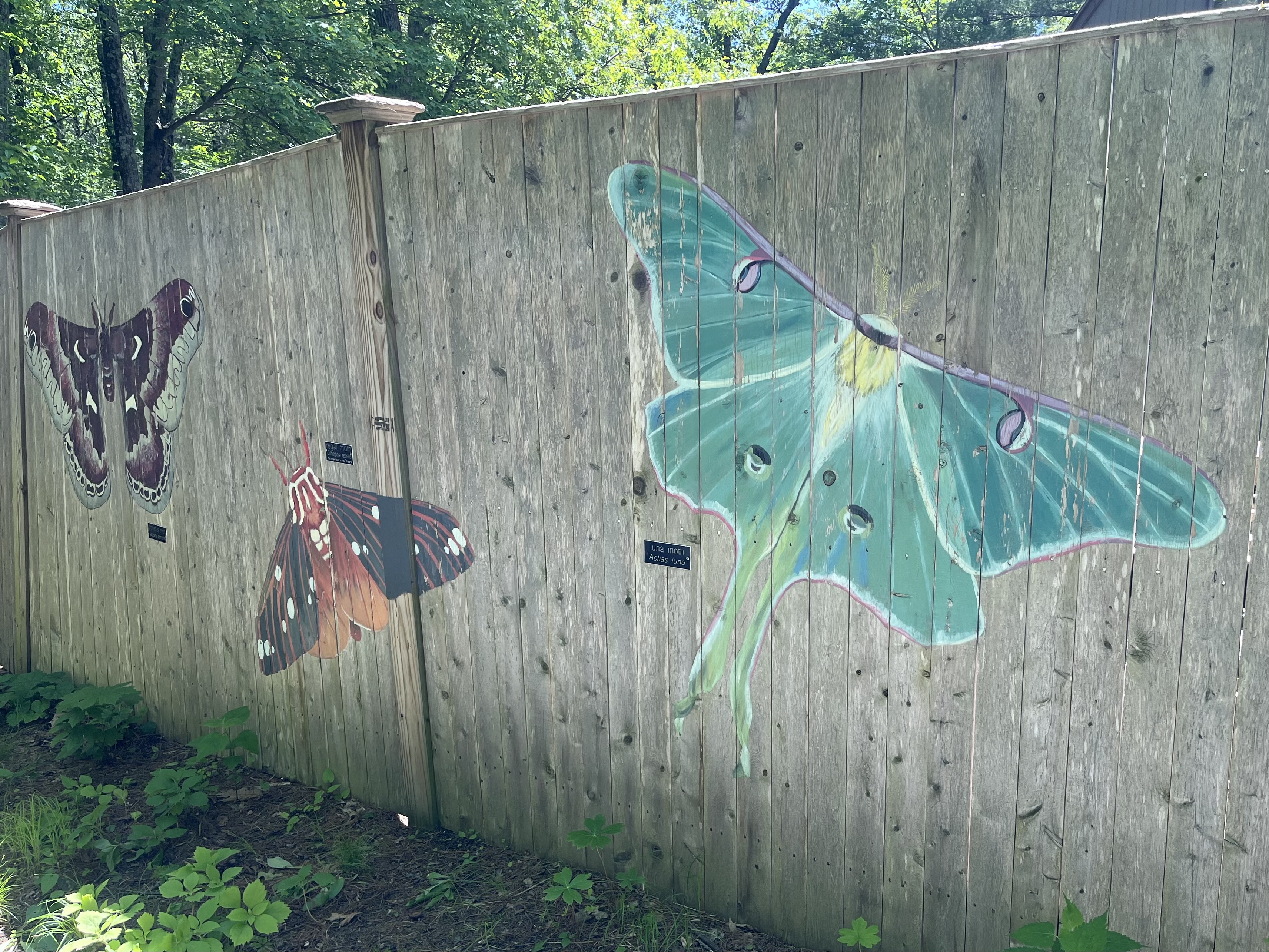
Today I’m sharing recent photos — mostly of Massachusetts spring flowers. One thing I’m especially enjoying this year is all the wildflowers. After my retirement community built a boardwalk that could accommodate walkers and wheelchairs, the administration and a group of residents started planting (ethically grown) wildflowers. Wonderful! And then we got a trip to the Native Plant Trust’s Garden in the Woods, which is entirely wildflowers.
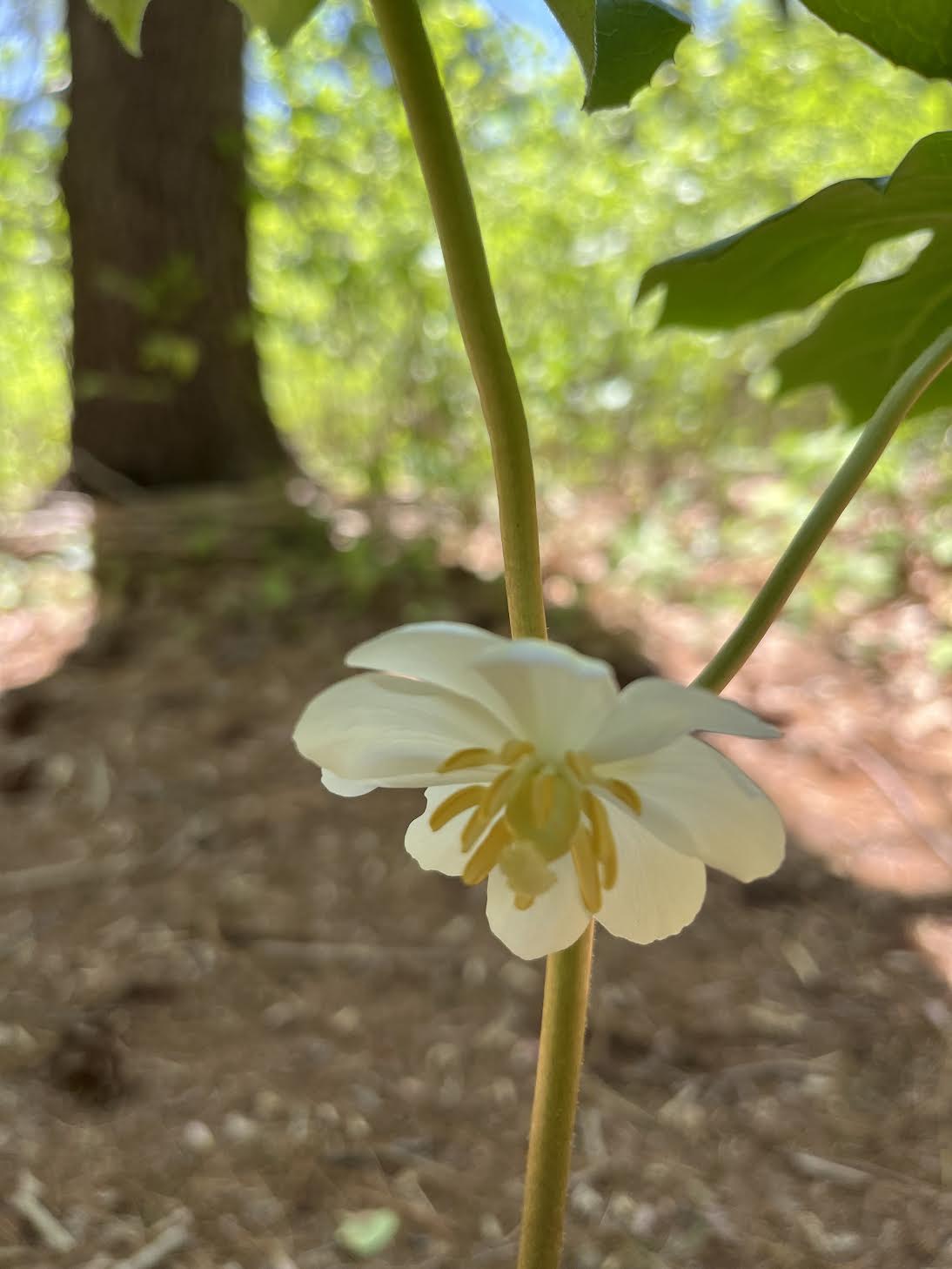
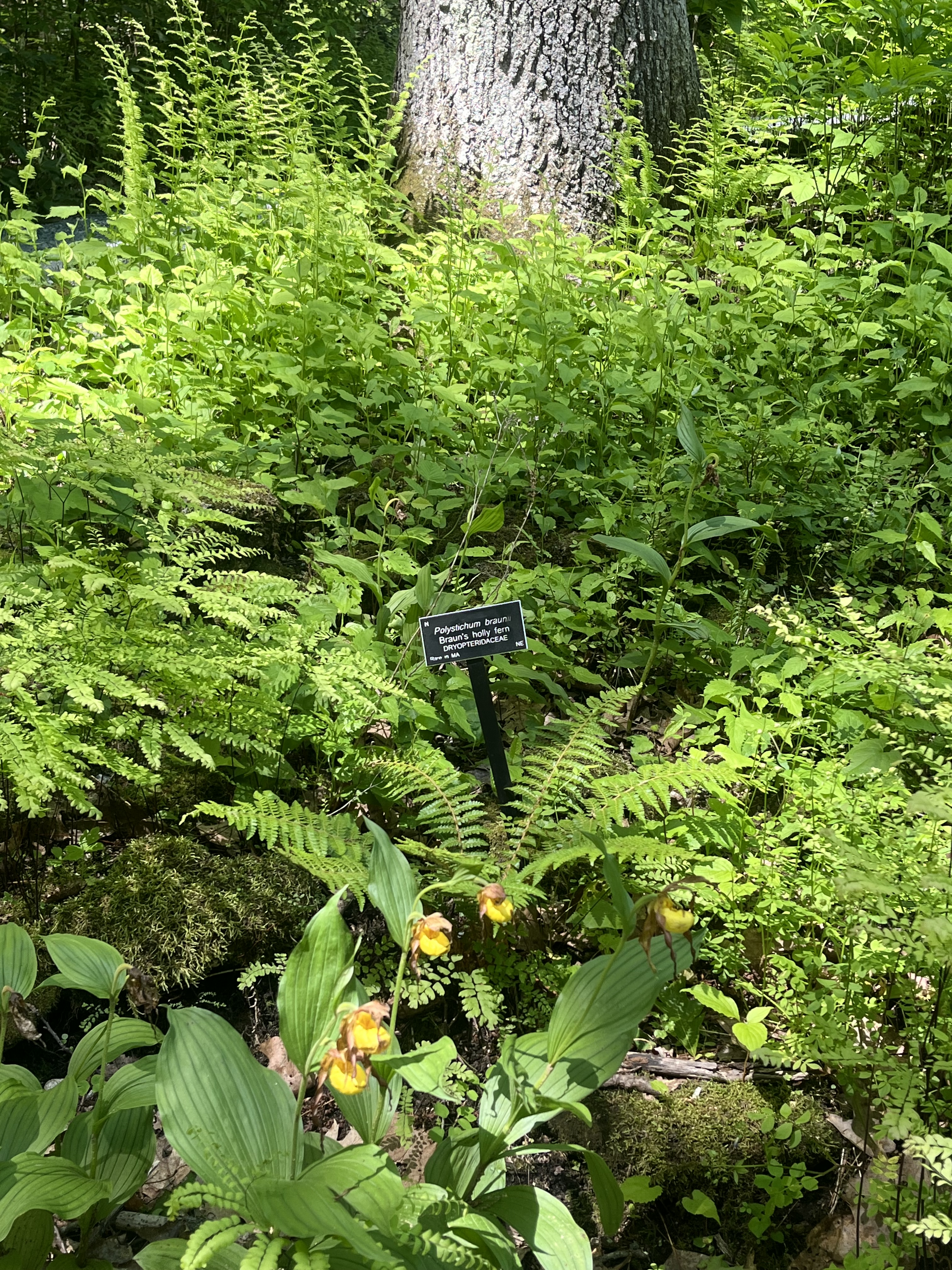
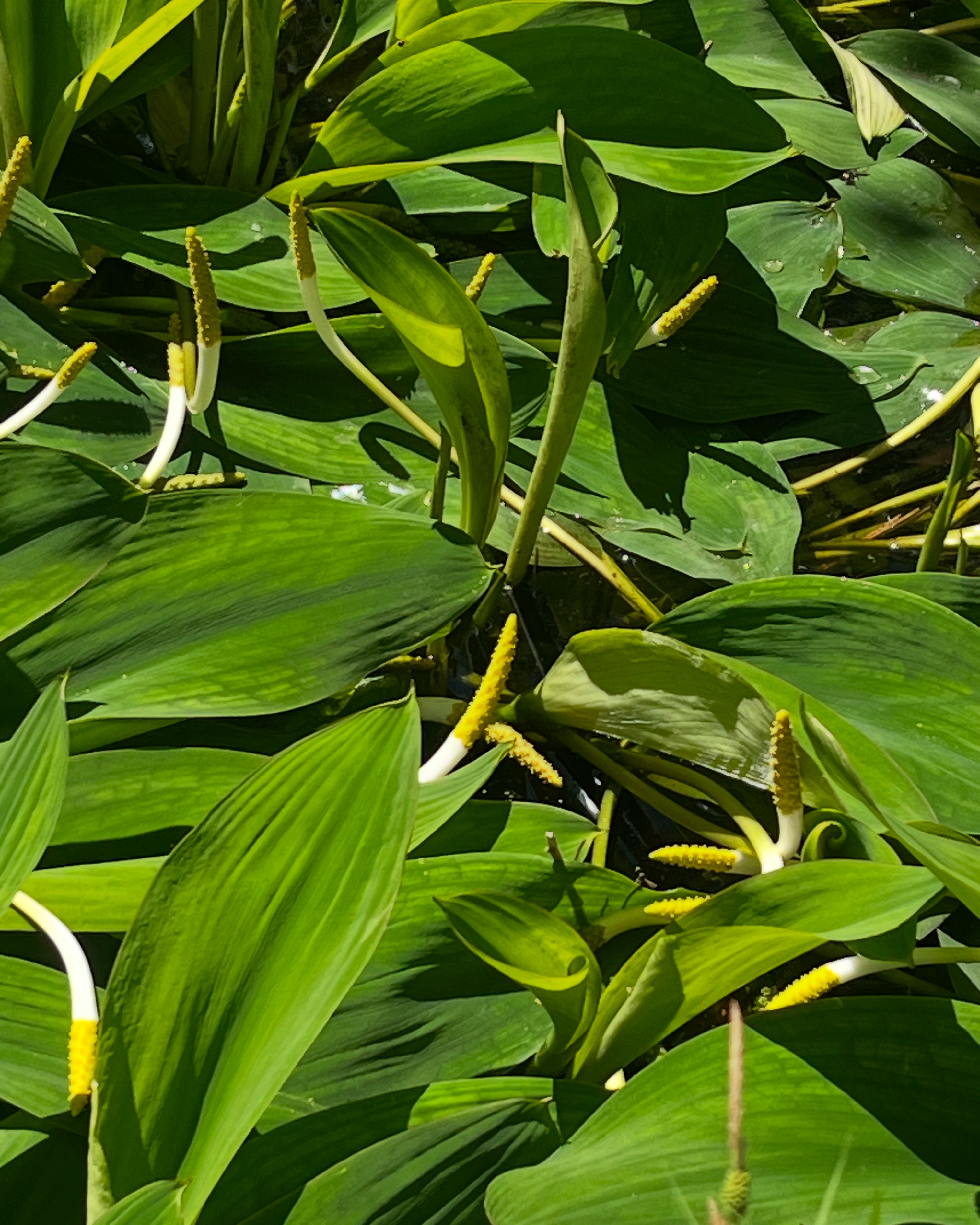
Below, note a flowering May apple near our boardwalk. It’s followed by yellow Lady slippers at Garden in the Woods. At the same nature preserve, we learned about Golden club, which is found in the wetland area. So unusual!
There are more pictures from Garden in the Woods after that.
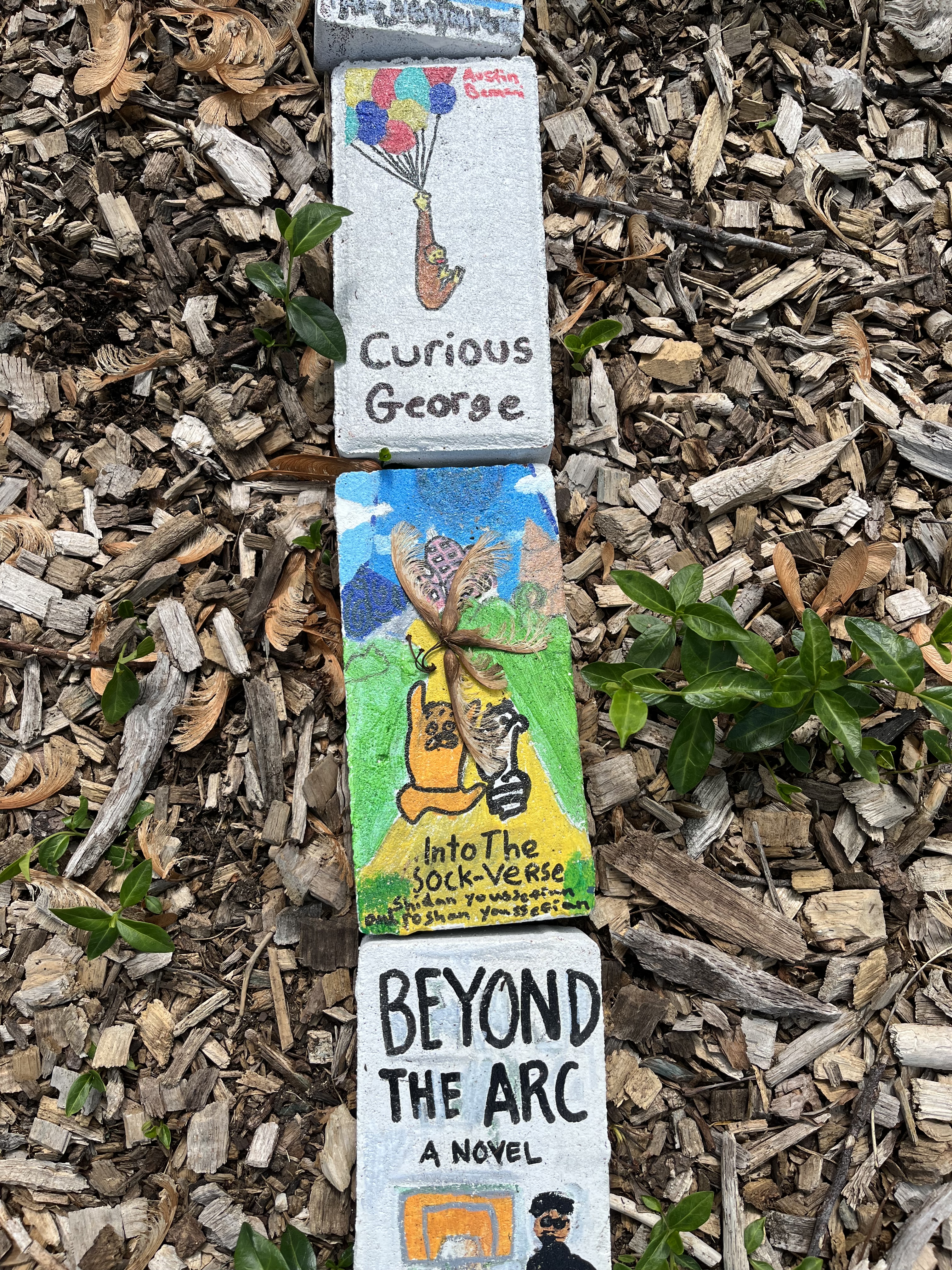
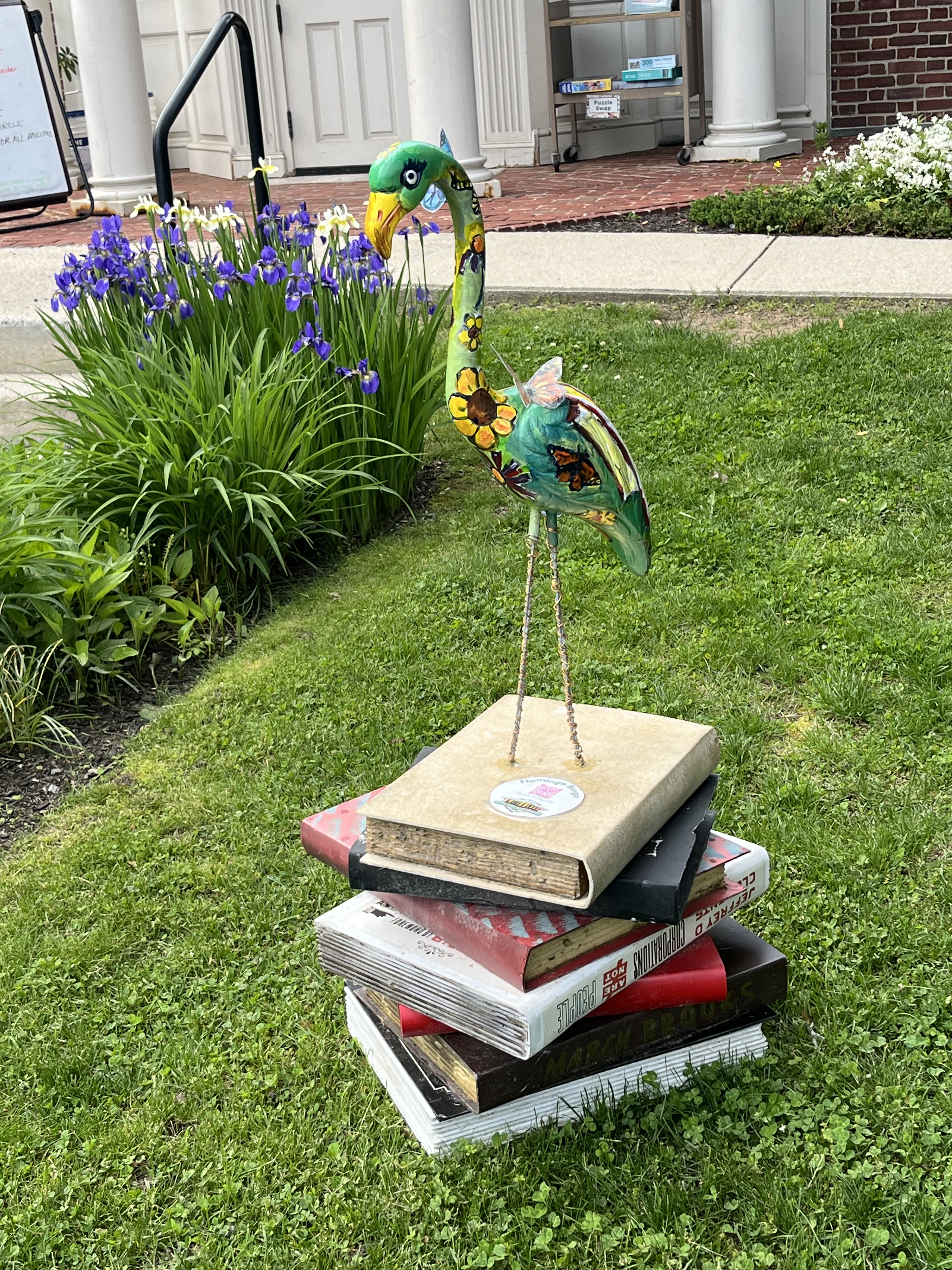
Next are a couple photos from our local library. The librarians love fun art projects, often involving child artists. They offer loads of activities for kids. For example: painting book bricks to border a garden.
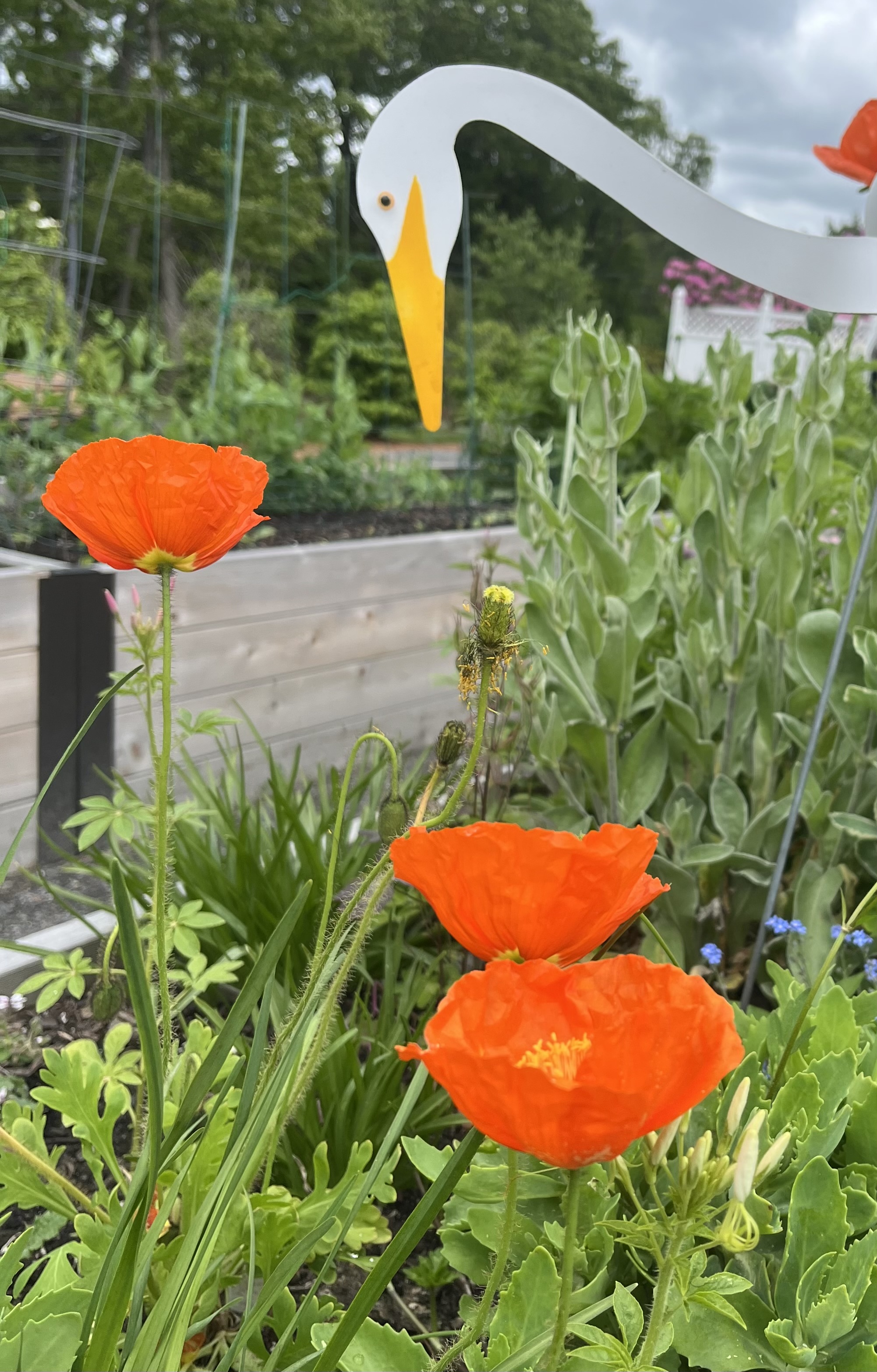
Next are Jane’s poppies. Jane has a variety of flowers and edibles in one of the raised beds in our community.
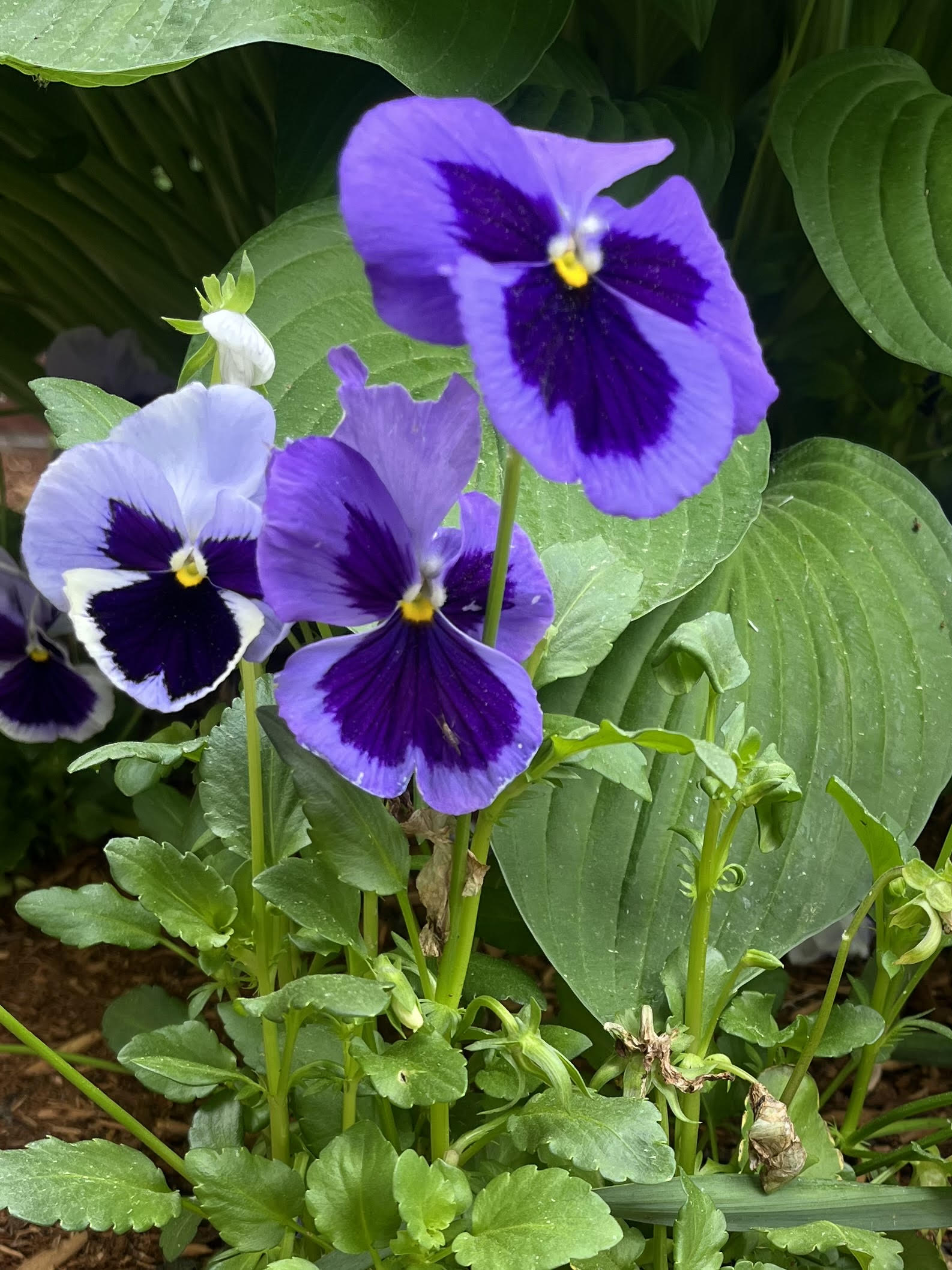
Finally, here are some pansies that seemed to sing, reminding me of the pansies in a wacky Disney remix I love.
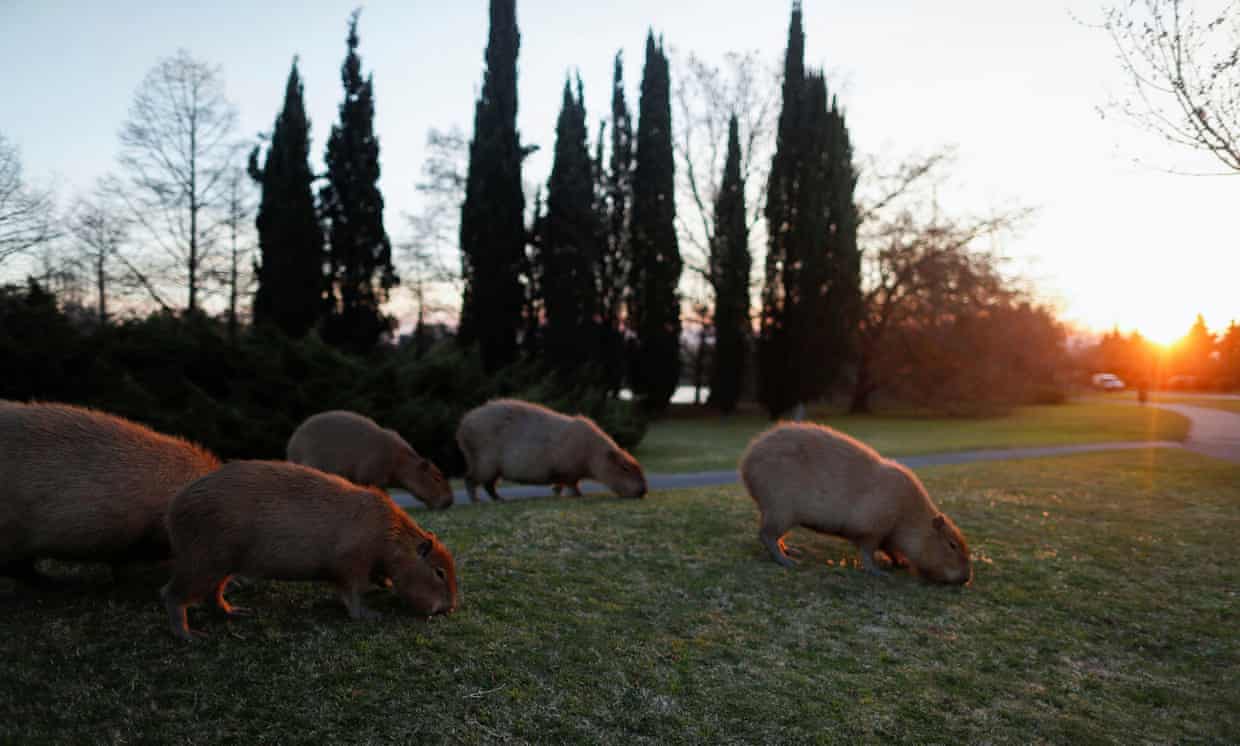
Photo: Agustín Marcarian/Reuters. Capybaras eat the grass in the gated community of the Nordelta, north of Buenos Aires.
Can there be such a thing as too many capybaras? Five-year-old Suzanne visiting Disney World back in the day would have said no. Now she’s grown up with children of her own, but she was still pretty excited to see capybaras wandering around Columbia last week. (Columbia seems to be a new destination for school vacations. John’s family went last year and Suzanne’s this year.)
Meanwhile in Argentina, capybaras are considered too much of a good thing, especially in wealthy neighborhoods.
Harriet Barber reports for the Guardian, “A contraception debate is gripping one of Argentina’s most notable luxury neighborhoods – not for its wealthy residents, but for its original occupants, the capybaras.
“In recent years, the lovable rodents have been accused of overrunning the Nordelta, a meticulously landscaped and manicured suburb north of Buenos Aires.
“Now, in a bid to quell reproduction – some accounts suggest the number of capybaras has tripled to more than 1,000 in the past three years – the Buenos Aires government has approved wildlife population control plans, involving selective sterilization and contraceptives.
“Marcelo Cantón, a resident and spokesperson for the Nordelta Neighborhood Association, says that while capybaras themselves are not a problem, the ‘excessive growth’ of their populations is, adding that it is causing the creatures to ‘fight among themselves, fight with dogs in private gardens,’ leading to traffic accidents. …
“According to El País, the new plans would see two doses of contraceptives injected into 250 of the rodents … which authorities hope will stem reproduction for up to a year.
“But not all neighbors are in agreement. The Nordelta sits within the Paraná Delta, an environmentally important wetland home to dense flora, an abundance of birds and dozens of species of mammals.
“Silvia Soto and a group of neighbors known as ‘Nordelta Capybaras – We Are Your Voice’ say the plans should be halted, dispute that there is an overpopulation problem and criticize property developers for ignoring proposals to create biological corridors and protected areas.
“ ‘For years, we have been asking for different, linked green areas that function as natural reserves connected by biological corridors, to protect the capybaras and preserve their survival and coexistence in their own natural space,’ Soto said. … Environmentalists are also now weighing in and calling on the government to protect the capybaras, which are the world’s largest rodent.”
I don’t know what’s best for Buenos Aires, but I’ve often wondered if there weren’t some way to use contraception for the deer populations that have burgeoned in urban and suburban America, spreading tick diseases. What do you think?
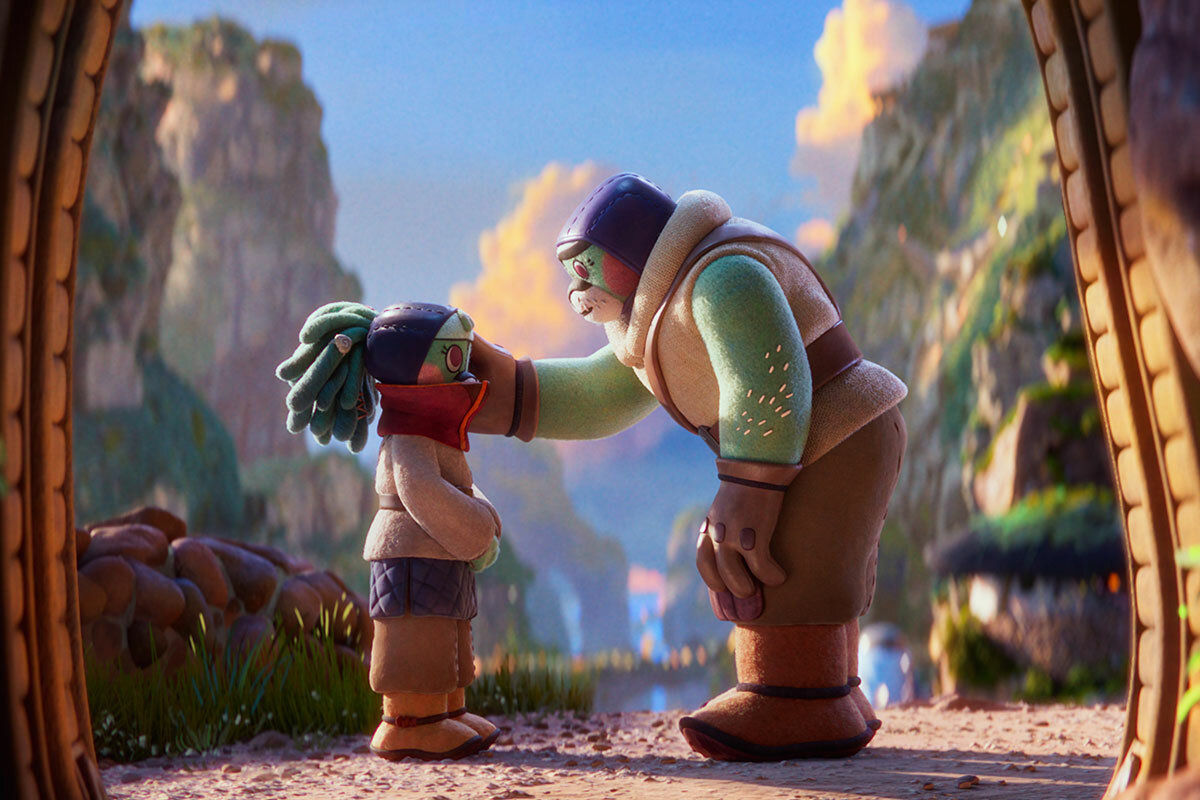
Photo: Disney. Cape Town residents Nadia Darries and Daniel Clarke co-directed Aau’s Song, the final short film in the second volume of the Star Wars: Visions anthology.
I had just given birth to Suzanne when neighbors offered to help out by taking John to Star Wars. He was five, and that was the moment that Star Wars became a big deal in our family.
It was a big deal around the world, too, and today’s story shows that its lasting popularity in Africa has recently led to Disney and Lucasfilm blessing an African version.
Ryan Lenora Brown reports at the Christian Science Monitor, “When George Lucas first created the Star Wars universe [he] probably didn’t imagine extraterrestrial worlds crawling with fynbos, the brightly colored, prickly shrub land of South Africa’s Western Cape. Nor did he likely envision his Jedi warriors channeling the energy of sangomas, southern African traditional healers.
“But when South African filmmakers Nadia Darries and Daniel Clarke were asked recently to create their own version of the Star Wars universe for an animated short film, their alien world bore distinct imprints of their Earthly homeland.
“ ‘We weren’t super intentional about it, but of course we are South Africans, so we are drawing on real experiences from our own world,’ says Ms. Darries, an animator from Cape Town whose work has appeared on the BBC.
“The pair’s 15-minute film, Aau’s Song, is part of a recently released anthology called Star Wars: Visions, in which animation studios from around the world were invited to re-imagine the famous fantasy universe through their own eyes.
The resulting shorts feature Jedi in saris, anime-inspired Sith lords, and lightsaber-wielding teenagers with thick Irish brogues. …
“Since its inception, Star Wars has been the world’s darling. And its films have long had a dedicated following across the African continent. In 2015, for instance, The Force Awakens had the single most profitable opening day in South African cinema history to that point. And the Earthside location of Darth Vader’s twin-mooned home planet, Tatooine, is in Tunisia, where it’s been a popular site of pilgrimage for both local and international fans.
“But the franchise itself has often been slow to reflect back the diversity of its audience. …
“ ‘As someone growing up in South Africa, my perception of sci-fi and fantasy was that the central character will have pale skin, speak English, and probably be a man,’ says Omar Morto, a South African radio presenter, musician, and lifelong Star Wars fan.
“In recent years, however, Star Wars has made strides to look more representative of planet Earth, featuring protagonists of color and female characters who actually speak – sometimes even to each other. But its universe is still being imagined, largely, by Westerners.
“Two years ago, Lucasfilm, the Star Wars production house, released a series of short, Star Wars-inspired films made by Japanese anime studios called Star Wars: Visions. The reaction to that series was so positive, producers said, that they decided to create a second volume, this time featuring animators from around the world. …
“For Ms. Darries and Mr. Clarke, who made Aau’s Song with the South African studio Triggerfish, the project never felt quite so cosmic. They simply wanted to tell a story that meant something to them, Mr. Clarke says.
“Aau’s Song takes place on a planet called Korba. Its inhabitants mine the kyber crystals used in lightsabers, which have been corrupted by the Sith of the Dark Side. Enter Aau, a young girl who has a magical singing voice that can alter the crystals – and a protective father afraid she’ll put herself in danger if she uses it. …
“It [felt natural to Ms. Darries], she says, that the story’s wise woman – a visiting Jedi named Kratu – would resemble a kind of wise woman found in her own family, a sangoma, or diviner. Like Jedi, who often act as peacekeepers and have the power to connect to people’s thoughts, sangomas heal personal and social rifts in part via their connections with the ancestral world.
“And though the story is about a girl with the power to purify lightsaber crystals, Mr. Clarke says they saw it as fundamentally being ‘about a character healing a poisoned land, which is a very South African story.’
“Mr. Morto, the radio presenter, says he can still remember the rainy Cape Town afternoon in the 1990s when his uncle came back from the video rental store with Return of the Jedi. … ‘Since then, it has been my life,’ he says.
“And so, seeing a Star Wars universe that looked like South Africa in Aau’s Song ‘was special to experience.’ ”
Photo: Vitor Fontes/Unsplash. Abandoned amusement park in Berlin, Germany.
In June, I read an amusing mystery in which an abandoned theme park on an island off the Delaware coast played a major role. The silent structures made a nice, creepy setting for a complicated story. Abandoned parks are inherently mysterious.
Brigit Benestante at National Public Radio recently shared some thoughts on theme parks of yesteryear.
“There’s something romantic, a bit sad, and strangely enthralling about the failure of a theme park,” she says. “Growing up in Houston, the memory of the AstroWorld amusement park loomed like a ghost. The park officially shut its doors a day before my 10th birthday in 2005, and it was soon demolished to make way for a parking lot.
“Something about the sight of abandoned and dilapidated theme parks was fascinating — and apparently I wasn’t alone.
“As it turns out, there’s an entire community of people captivated with defunct, abandoned or retired theme parks and attractions around the world. This community is inextricably linked with the broader abandoned community — enthusiasts of deserted structures of all kinds, including closed malls, shuttered Blockbusters, and crumbling Gilded Age theaters.
“My first encounter with this community was in 2014 when I discovered the YouTube channel Bright Sun Films, run by Ontario documentarian Jake Williams. Williams’ content largely centers around abandoned or canceled businesses, concepts and, yes, theme parks. It was here that I first watched a video about Disney’s infamous abandoned water park, River Country.
“River Country opened at Disney World in the 1970s as the world’s first fully themed water park. After closing in 2001, the park sat abandoned for years.
Dried-up pools, slides to nowhere and themed attractions overtaken by the elements allured urban explorers.
“Although Disney tried its best to keep people out, explorers and photographers found creative ways to break in, sharing photos that looked post-apocalyptic. I was hooked.
“I started watching other YouTube channels dedicated to amusement park failures, most notably, Defunctland. Defunctland, created and hosted by Kevin Perjurer, has videos covering all aspects of defunct amusement: former rides, hotels, parks, concepts and ticketing systems.
“One of Perjurer’s most recent videos, Disney’s FastPass: A Complicated History, is more than 90 minutes long and is truthfully one of the most well-rounded and comprehensive investigations I’ve ever seen. …
“So what makes this content about abandoned structures so fascinating to so many people?
” ‘For some, it can represent the conclusion of their childhood, but for me, I think it’s the unprecedented and truly surreal sight of seeing something that had been enjoyed by so many people just decay away,’ said Williams of Bright Sun Films. ‘People will always have fond memories of these places, and the idea that in some tangible way they still exist — well, that’s a really powerful and poignant concept I love exploring.’ …
“The pedestrian bridge I remember crossing each time I visited AstroWorld is one of the few original structures that remains. I have vivid memories of crossing over the bridge that connected AstroWorld’s parking lot, situated on one side of Houston’s South Loop freeway, to the main attractions on the other side. I remember seeing the roller coasters and flags in the distance as my heart raced with anticipation.
“There’s something so fascinating about exploring the life and demise of theme parks — the familiar taste of nostalgia, the fact that everything has an end, the unforgiving churn of capitalism and the loss of beloved structures.
“I can’t say what draws me to these videos and discussions. I suspect that it’s a way to properly say goodbye to something that so many people once loved, as Williams said; a way to honor the things that once brought crowds joy in the form of delighted screams and deep-fried treats.”
More at NPR, here. Please share any special memories you have of theme parks, defunct or ongoing. I have always been afraid of the rides so my visits to such parks is more along the line of the Minnesota Renaissance Festival, where I once bought a whisk broom I still use.
Although I’ve always been a fan of Dickens, his abjectly self-sacrificing women could get pretty cringe-worthy at times. Which is why I wondered how the character of Madeline would be handled in the Royal Shakespeare Company dramatization of Nicholas Nickleby back in 1980.
Madeline is at the altar with a miserable old codger she is about to marry to save her invalid father from penury when her father’s remorse causes a fatal heart attack. Saved by the bell.
But what would a 20th century audience make of Madeline?
Interestingly, the actor played Madeline as a mild but strong woman who was not being forced to a desperate act by anything but her love for her father and her sense of herself and her values. She immediately stepped away when the dreadful choice was no longer necessary.
Hmm. It’s hard to describe. But I was really impressed by the actor’s ability to convey a more modern woman without changing any of the words in the Victorian novel.
Meanwhile, at this year’s Women’s March, a group of 13-year-old girls transformed the typically self-abjugating Disney princesses into 21st century feminists. That caught the attention of BuzzFeed reporter Brianna Sacks and ultimately Teen Vogue.
De Elizabeth at Teen Vogue wrote, “Huge crowds gathered in cities all over the world [January 20] for the second annual Women’s March, and among the masses of people were plenty of colorful signs and creative outfit choices.
“One group of 13-year-old girls at the Los Angeles march took their posters and their wardrobe to the next level with a Disney princess theme.
“BuzzFeed News reporter Brianna Sacks shared photos of the Disney crew on Twitter, writing: ‘These 13-year-olds took “damsels in distress” and turned it around.’
“In the pictures, you can see the six girls dressed as various princesses — including Aurora and Belle — and carrying signs with powerful messages related to the classic fairy tales.
” ‘Bright young women, sick of swimmin’,’ one sign read, in an homage to The Little Mermaid‘s Ariel. ‘I will not let it go’ was the slogan of the girl dressed as Elsa from Frozen, while Peter Pan’s Tinkerbell carried a poster saying, ‘Pixie dust won’t fix this.’
“When Sacks asked the girls why they chose to dress as these iconic characters, [Ava/Sleeping Beauty] replied: ‘We’re sick of being seen as princesses, so we made our own take on it.’ ”
I am not surprised to see Teen Vogue pick this up: the magazine has become quite a cultural phenomenon in the last year, speaking truth to power. Check out its impressive array of topics, here.
PS. Kevin’s daughter is the lovely, new-world mermaid.


 Suzanne's Mom's Blog