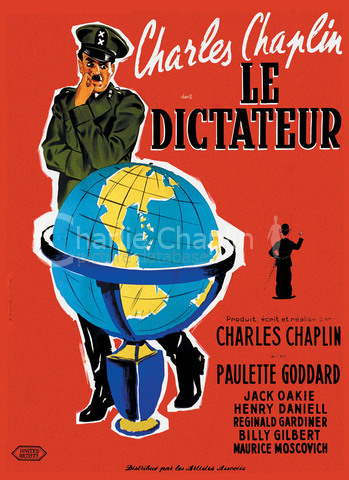
Image: Cineteca di Bologna as part of Progetto Chaplin.
We had one of the first televisions because my father was writing a story for Fortune on Dumont. It was a little black & white screen in a huge wooden box.
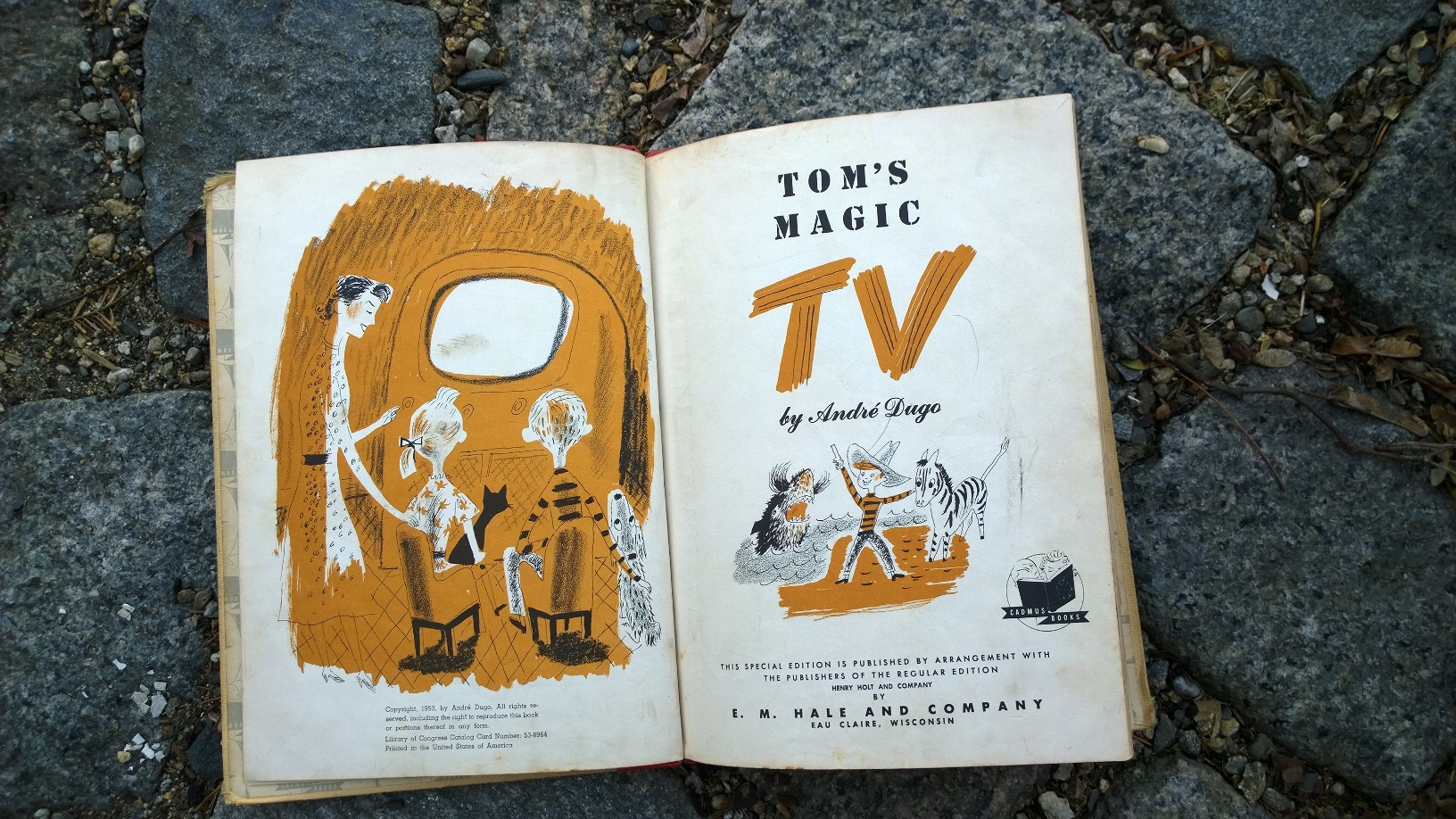
There really wasn’t much on in the beginning. We watched endless silent movies like Charlie Chaplin, and some with sound like The Tons of Fun, featuring big, heavyset guys, or Laurel & Hardy. The Lone Ranger was considered a huge advancement and even in black & white Disney was pure magic. Artist AndreÌ Dugo came over to watch what we were watching because he was writing Tom’s Magic TV.
But that was later.
Today I am remembering those hours of watching silent movies because the radio show the World tells me that silent movies are still being shown.
Theo Merz writes at the World, “On a recent Saturday evening, an audience ranging from teenagers to the retired, gathered at the film institute in Brussels, Belgium, to watch Isn’t Life Wonderful, a 1924 movie by the American director D.W. Griffith.
“It’s one of Griffith’s lesser-known works telling the story of a couple of Polish refugees who fall in love despite the hardships they face in Germany following World War I.
“ ‘We have an amazing collection of silent films in the Cinematek,’ said Christophe Piette, who chooses which films to screen. …
“The Cinematek — the only remaining cinema in the world with a regular schedule of silent films (along with live piano accompaniment) — is thriving.
“ ‘It is a museum, like, you could say; Paris has the Louvre Museum.’ …
“Piette said that around 80% of silent movies have been lost forever — at the time they were being made, the industry just wasn’t very interested in preserving its output. But Piette’s predecessors tasked themselves with collecting every single silent film that remained. Now, the cinematheque has about 10,000 such movies.
“ ‘[The Cinematek] really wanted to share it with the audience and with younger people who are used to younger films — to recent films — and to show them where cinema was coming from. It is our mission.’ …
“The silent film program has been going since the 1980s, and Piette said it’s as popular as ever. But he complained about a lack of funding from the Belgian government, especially given the program’s unique status and the broad audience it attracts.
“Lucas Vienne is 17 years old. He comes to the Cinematek most days and was in the audience for Isn’t Life Wonderful.
“ ‘I started to come here to see very popular movies, the Shining and stuff like that,’ he said. ‘But then, I started to check out films I’d never heard of.’
“Now, Vienne said that he doesn’t see much difference between silent films and more recent movies — for him, it’s all cinema. ‘I’m also interested in the history of cinema — so, coming back to silent film, it’s interesting to see how film evolved.’
“For the price of a ticket, audiences not only get to see a movie — they also get a live concert.
“Hughes Marachel is one of a roster of pianists who accompany every single film. He’s 59 and has been working at the Cinematek part-time for more than three decades.
“Marachel is a professional performer and composer. But when he’s playing there, his main aim is to blend into the background.
“ ‘You are not to be the star,’ he said. ‘The star is the movie. The best compliment you can make to a silent movie pianist is: “Wow, I forgot you were there.” ‘
“Often, pianists are seeing the film for the first time, and everything they play is entirely improvised. ‘You just let the picture on the screen, the movie, impress you, and the impression comes in your body and in your fingers. And you play.’
‘Marachel said that interest in the screenings dipped when film on demand became widely available at home. Now, the movies are picking up again as audiences seek out something different. …
“ ‘For young people, it’s very interesting.’
“Many of the films he accompanies are a hundred years old — if not more. But the Cinematek hopes it’ll still be attracting an audience a hundred years into the future.
More at the World, here.
I looked for a bit more on Hughes Maréchal.
The website Screen Composers says, “Hughes Marachel composed more than 80 film original soundtracks, with inspiration reflecting his interest and passion for a large spectrum of music. His long experience as a silent movie pianist allows him to quickly adapt to and grasp a film’s rhythm and emotional intensity.
“He can also rely on his extended experience with multiple instruments and time as a studio musician.
“With a vivid interest in acoustic music, he enjoys the hypnotic power of atmospheric music, the lyricism and poetry that music can convey. Since the beginning of his career, Hughes has always viewed the job as a dialogue between the musician and the director (as well as the movie editor and sound engineer and designer) working together to serve the film. Music only has meaning if it brings an additional dimension to the visual one.”


 Suzanne's Mom's Blog