Feeds:
Posts
Comments

Posts Tagged ‘economic’

Photo: Lisa Clarke.
Magnetic topper for Pair eyewear.

I was in elementary school when I got my first pair of glasses. At that time, people would say, “You look like Private Secretary,” a character in a television show of the same name. My wiseacre dad, however, couldn’t resist saying, “Men seldom make passes at girls who wear glasses.”

Nowadays, we know that glasses not only correct vision but make a fashion statement. And as Gabrielle Emanuel reports at National Public Radio (NPR), there’s even research about the connection between glasses and income.

She writes, “Jasmin Atker calls her reading glasses her best friend – and a companion she does not take for granted. But her spectacles do something most best friends don’t do: They help her make a lot more money.

“Atker, 42, is a grandmother who lives in Manikganj, Bangladesh, on a small family farm. It started as a cattle farm producing milk. After she got glasses through the nonprofit groups VisionSpring and BRAC in 2022, Atker says, her improved vision enabled her to set up a vegetable patch. She even learned how to grow mushrooms. She now sells mushrooms as well as pumpkins, watermelon and spinach at the market. Atker estimates that her monthly income has jumped from 9,000 to 10,000 Bangladeshi taka to closer to 15,000 to 17,000 taka – the equivalent of about $150.

” ‘Before, when I tried to cut vegetables and wanted to see if there were any insects or not, I couldn’t see properly,’ Atker says, speaking through an interpreter. ‘After [I got] the glasses, the average time that I take for each task has reduced significantly. And I can do more work … [and] I have this sense of independence.’

“There’s now data that suggests Atker’s story is common. For the first time, researchers have directly linked glasses and income. The study – published April 3 in PLOS ONE – found a dramatic increase in earnings with a very low-cost change: a new pair of reading glasses.

“The researchers went to 56 villages in Bangladesh and found more than 800 adults ages 35 to 65 who are farsighted – that is, they could not see well up close. Half were randomly selected to get glasses; the other half got glasses after eight months. In that time, the researchers found that income grew by 33% for those with glasses – from a median monthly income of $35 to $47 – and that people who were not in the workforce were able to start jobs after getting reading glasses. …

” ‘In a lot of low- and middle-income countries, glasses are still tightly regulated,’ says Dr. Nathan Congdon, a co-author of the study and chair of Global Eye Health at Queen’s University Belfast. People often have to get a prescription from a vision specialist before they can purchase glasses, even reading glasses. This proves to be a huge hurdle for those living in poverty and those in remote areas, he says.

“The study did more than quantify the income gains from glasses. The researchers also taught community health workers in just a few hours how to help people pick the right reading glasses. …

” ‘It’s a little bit like buying a pair of trousers where you’ve got small, medium, large, extra large – four or five, six different sizes,’ says Congdon. This makes reading glasses easier and cheaper to produce.

” ‘The glasses themselves cost maybe $3-4. And using village health workers, we can make the cost of delivery very inexpensive as well,’ said Congdon. ‘So the whole thing can really just be a handful of dollars to deliver something that’s potentially quite life changing.’

“This study’s findings fit with past studies that link glasses to productivity. For example, Congdon was involved in a study, in India, where tea pickers given glasses were more productive. Similarly, cataract surgery has been shown to increase economically valuable activities by 40% to 50%.

“The villagers in the study worked in a wide range of professions: shopkeepers, farmers, craftspeople and weavers, for example. Only about a third of them were literate. So the reading glasses weren’t for reading as much as for other daily tasks, like threading a needle, quickly figuring out change at a cash register or weeding and sorting grain on a family farm.

“What the participants had in common is they had presbyopia – as do over a billion people today. This condition happens naturally as people age. …

“Congdon would like to see regulations loosen to improve access to reading glasses. He says the regulations, the cost and a general lack of awareness have meant many people who need glasses go without. When searching for participants, his team met almost nobody in the Bangladeshi villages with glasses.

“Congdon, who is an ophthalmologist himself, largely blames his own profession. ‘Ophthalmologists and optometrists may be advising the government that they should tightly regulate access to these products [to] strengthen their professions. They may see themselves as gatekeepers of quality,’ he says. ‘I wouldn’t be recommending that we just hand out distance glasses, but I do think that for near [vision] glasses that’s a reasonable thing to do.’

“He says some for-profit companies and countries have successfully experimented with providing people with glasses. ‘Dozens of companies in coffee, tea, chocolate, textiles and other visually intensive sectors – they started to offer these programs, all across India and in many African countries,’ Congdon says.” More at NPR, here. No firewall.

I work with an ESL teacher who sees to it that students who need glasses take advantage of special programs. You have to jump through some hoops, but glasses make a huge difference in their lives.
Read Full Post »

Photo: Lucas Jackson/Reuters
More than just a tourist attraction, Manhattan’s High Line is a development destination, says author Richard Florida.

Have you walked on Manhattan’s High Line when it’s not too crowded? It is a magical linear garden high above the dusty streets of the city.

And what about the magnificent parks in New York?

I’m in the city now and, having had beautiful walks in the extraordinary Central Park, am determined do a post soon on the genius of designer Frederick Law Olmsted and the supporters who made his urban landscapes possible.

Today’s post, however, is on the economic value of beauty in cities — not that beauty ever needs to be justified in terms of dollars and cents. But it’s worth noting.

Richard Florida asks at CityLab whether cities “benefit from a beauty premium? According to a new study by two urban economists, it seems that they do.

“The study by Gerald A. Carlino of the Federal Reserve Bank of Philadelphia and Albert Saiz of Massachusetts Institute of Technology, examines the connection between a city’s beauty and key growth indicators. A raft of previous studies have found a connection between economic and population growth and urban amenities (a broad category ranging from parks to restaurants, art galleries, and museums). But this study takes a much closer look at the effects of beauty itself.

“To get at this, the researchers measure attractiveness in a unique way: through tourist visits and photos of picturesque locations. … The study compares its own measure of urban beauty to more established measures of urban amenities such as parks, historic spaces, proximity to coastlines, bodies of waters or mountains, the size of the tourism industry, and more. ..

“The study finds evidence of a significant beauty premium for cities and neighborhoods. A city with twice as many picturesque locations as another city saw 10 percent growth or greater in population and jobs from 1990 to 2010. In fact, urban beauty ties with lower taxes as the most important predictor of overall population growth in cities. Plus, these cities disproportionately attract greater numbers of college graduates. Cities in the top 25 percent of picturesqueness saw nearly 3 percent higher growth in the number of college grads than those in the bottom 25 percent. …

“City beauty is not an effect of size, the study finds: Smaller and medium-sized places with more parks, historic buildings, proximity to water and mountains, and clearer skies and less rain are perceived as beautiful as well.

“It’s not just metros broadly that benefit from an urban beauty premium, it’s specific neighborhoods within them. A large number of studies have documented the back-to-the-city movement of younger, more educated, and more affluent people to the urban center. These studies typically document the urban influx into neighborhoods near the Central Business District (CBD), the downtown commercial core of a city. …

“Urban beauty is a powerful tool for economic growth and urban resurgence, but with it comes gentrification and displacement. As the authors of the study put it: ‘Rents, incomes, and educational attainment increased faster in urban beautiful neighborhoods but at the cost of minority displacement.’

“Urban policy makers have to take in the full costs, as well as the benefits, of urban beautification into account. They could mandate that developers who create new condominiums adjacent to publicly created and valued amenities pay more in taxes, provide some affordable housing, or employ local residents in their projects. Cities can devote the increased revenues from beautification projects to affordable housing, workforce development, and the reduction of concentrated poverty.”

Read more here.

Read Full Post »

What a good idea for economic development in Rhode Island! Rhode Island is where Johnson & Wales has been building a strong gastronomic culture for decades. And the school is not alone. You have your oysters and your Point Judith fishing industry, of course — and I’m leaving out nearly everyone.

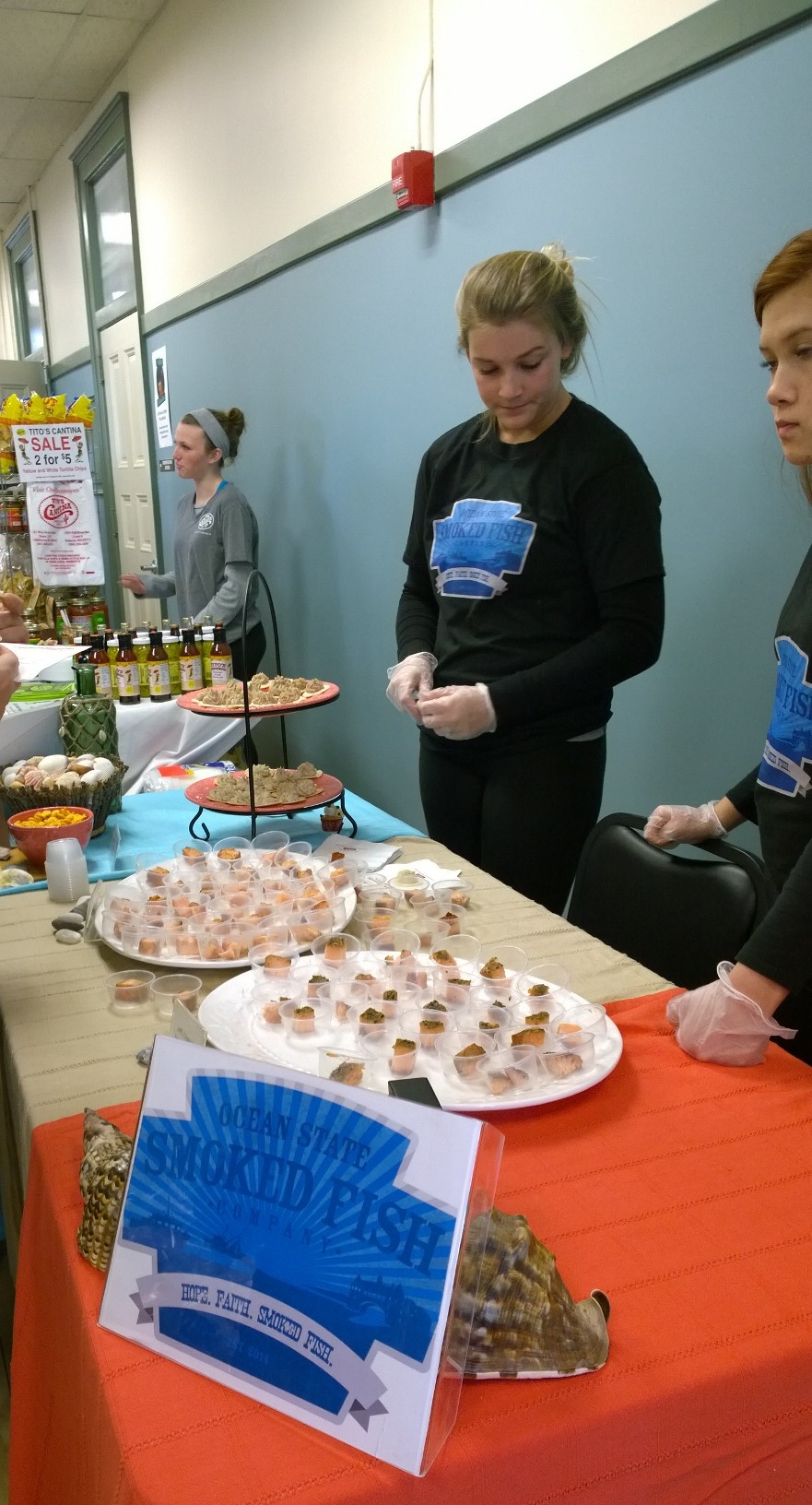
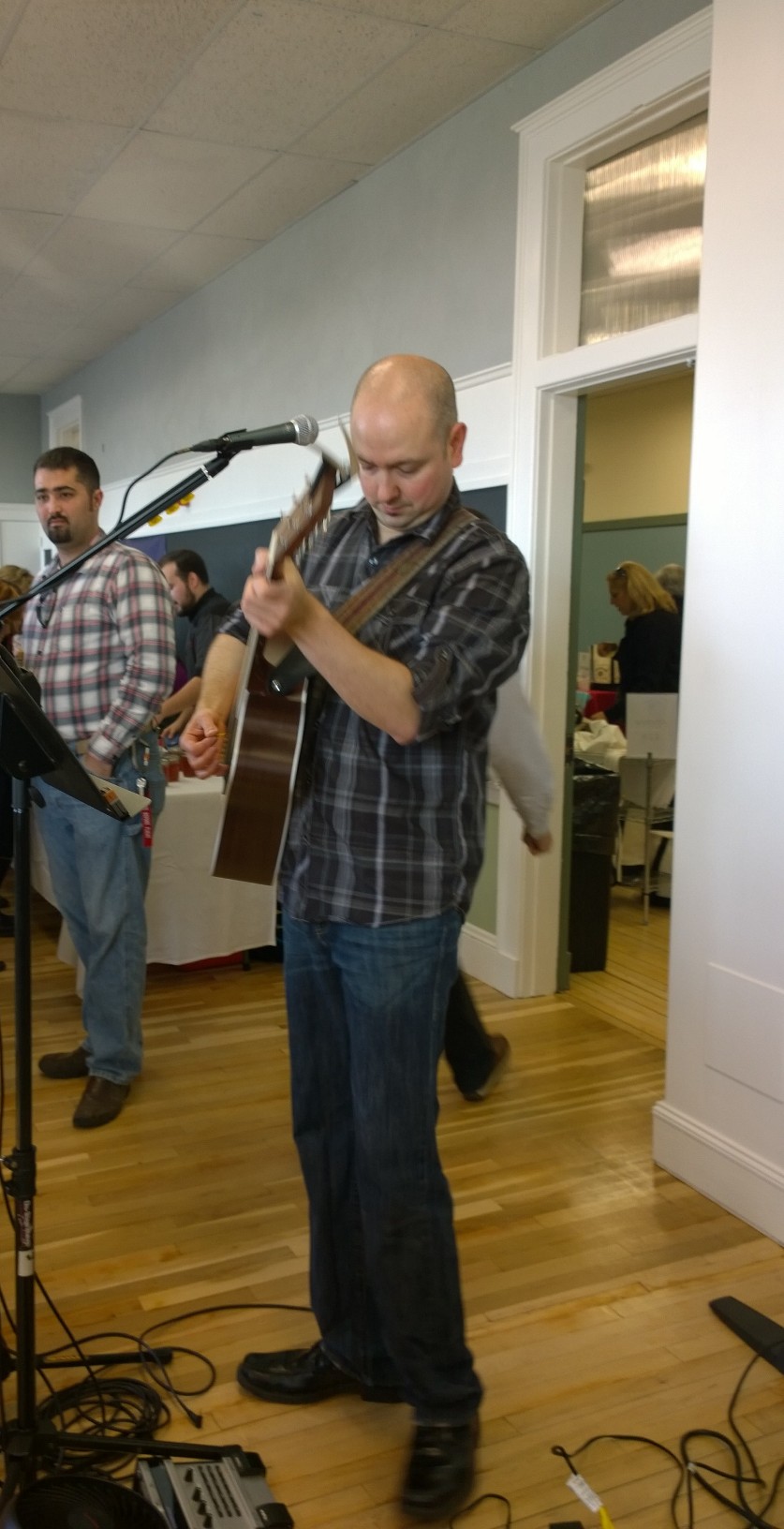
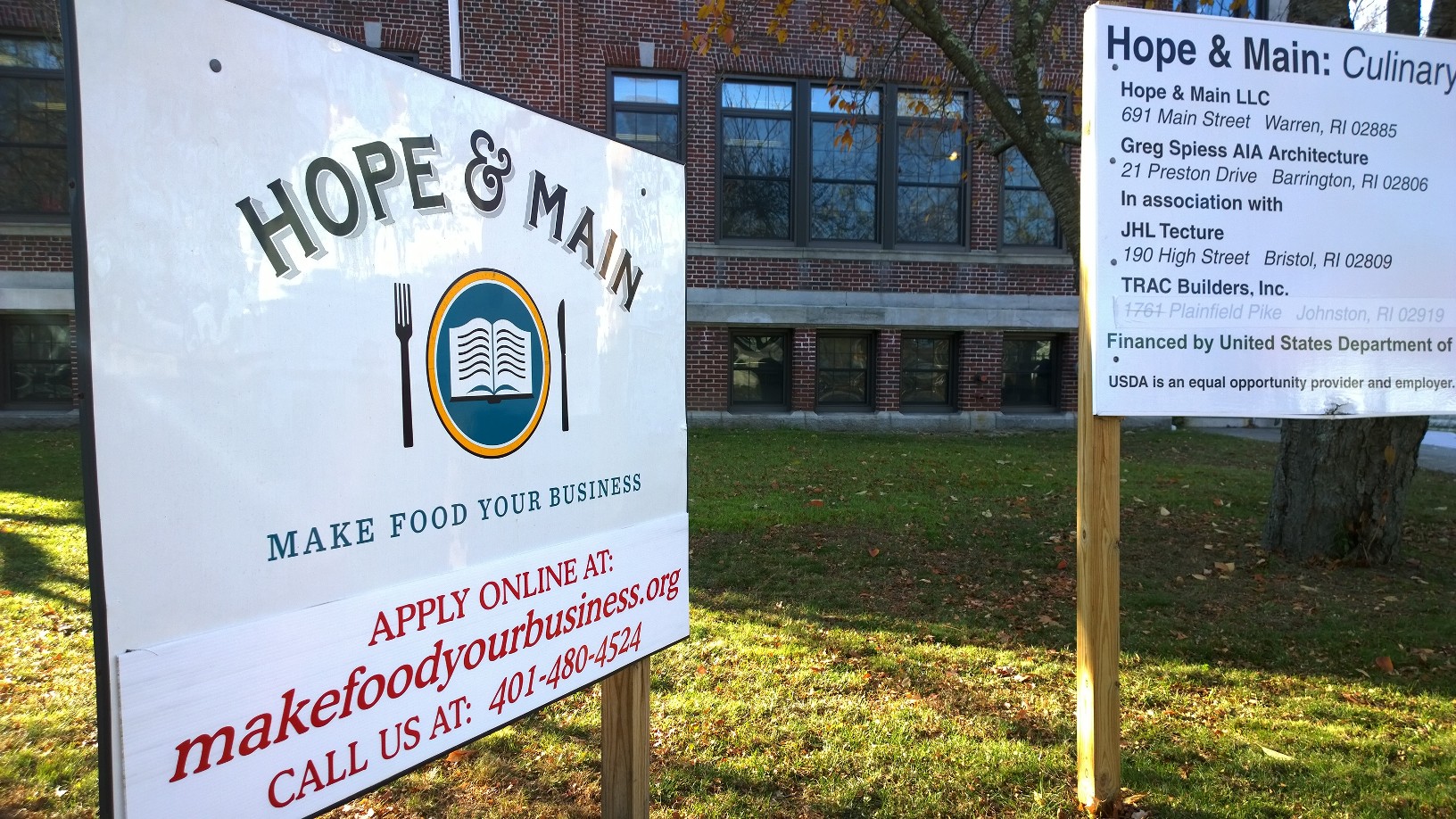
Yesterday, my husband and I checked out the state’s first food-business incubator, Hope & Main, at a festive event in the nonprofit’s new, permanent location. The story was posted in October on their website.

“Hope & Main today celebrated the opening of its 17,500-square-foot culinary business incubator facility in Warren, Rhode Island. U.S. Senators Jack Reed and Sheldon Whitehouse spoke at the ribbon-cutting ceremony, as well as other honored guests including USDA Director of Community Programs Daniel R. Beaudette, Warren Town Council President Christopher W. Stanley, and Founder and President of Hope & Main, Lisa J. Raiola, MPH.

“ ‘Hope & Main is about helping food entrepreneurs get started in a licensed kitchen. …  It’s also a place where people can congregate and collaborate, take a class or develop and test new recipes. I am proud to be part of this effort to support start-up food entrepreneurs and help them launch their own food businesses,’ said Senator Reed. ‘This is a great example of what’s possible when federal, state, and local officials collaborate with the private sector to support innovation. …’

“Housed in the historic Main Street School building, located at 691 Main Street in Warren, the renovation project transformed the 100-year-old structure into a state-of-the-art workspace for the region’s food entrepreneurs. [The] building’s highlights include three code-compliant, shared-use commercial kitchens, including a gluten-free kitchen and artisanal bakery, over 6,000-square-feet of production space, cold and dry storage, and a range of commercial equipment to support small-scale operations for baking, food processing and catering. Designed to facilitate collaboration and community involvement in the local food economy, the rehab also features a demonstration kitchen, co-working and meeting spaces, and a 2,000-square-foot community event space. A weekly market will be located on the grounds to give Hope & Main member companies and other local producers direct access to local consumers. …

“The Hope & Main project is funded in large part by a $2.9 million U.S. Department of Agriculture (USDA) Rural Development Community Facilities Loan.” More at MakeFoodYourBusiness.org, here.

My husband and I left with several business cards and goodies, including a a tomato jam with a great slogan: “To boldly go where no tomato has gone before.” I had a big smile on my face.

hope-and-main-RI-food-biz-incubator

hope-and-main-food-incubator


salmon-at-RI-food-incubator

112314-Hope-and-Main-entertainment

Read Full Post »