
The CityTree is said to have the same environmental impact of up to 275 normal urban trees. Using moss cultures, it captures and filters toxic pollutants from the air.
Once again we face the question: is it best to focus our energies on removing pollutants, keep them from escaping in the first place, or piece together a variety of approaches?
Chris Giles writes at CNN about an intriguing air pollution initiative that addresses the first focus.
“Air pollution is one of the world’s invisible killers. It causes seven million premature deaths a year, making it the largest single environmental health risk, according to the World Health Organization. …
“One well-established way to reduce air pollutants is to plant trees, as their leaves catch and absorb harmful particulates. But planting new trees is not always a viable option. That’s why the ‘CityTree,’ a mobile installation which removes pollutants from the air, has been popping up in cities around the world, including Oslo, Paris, Brussels and Hong Kong. …
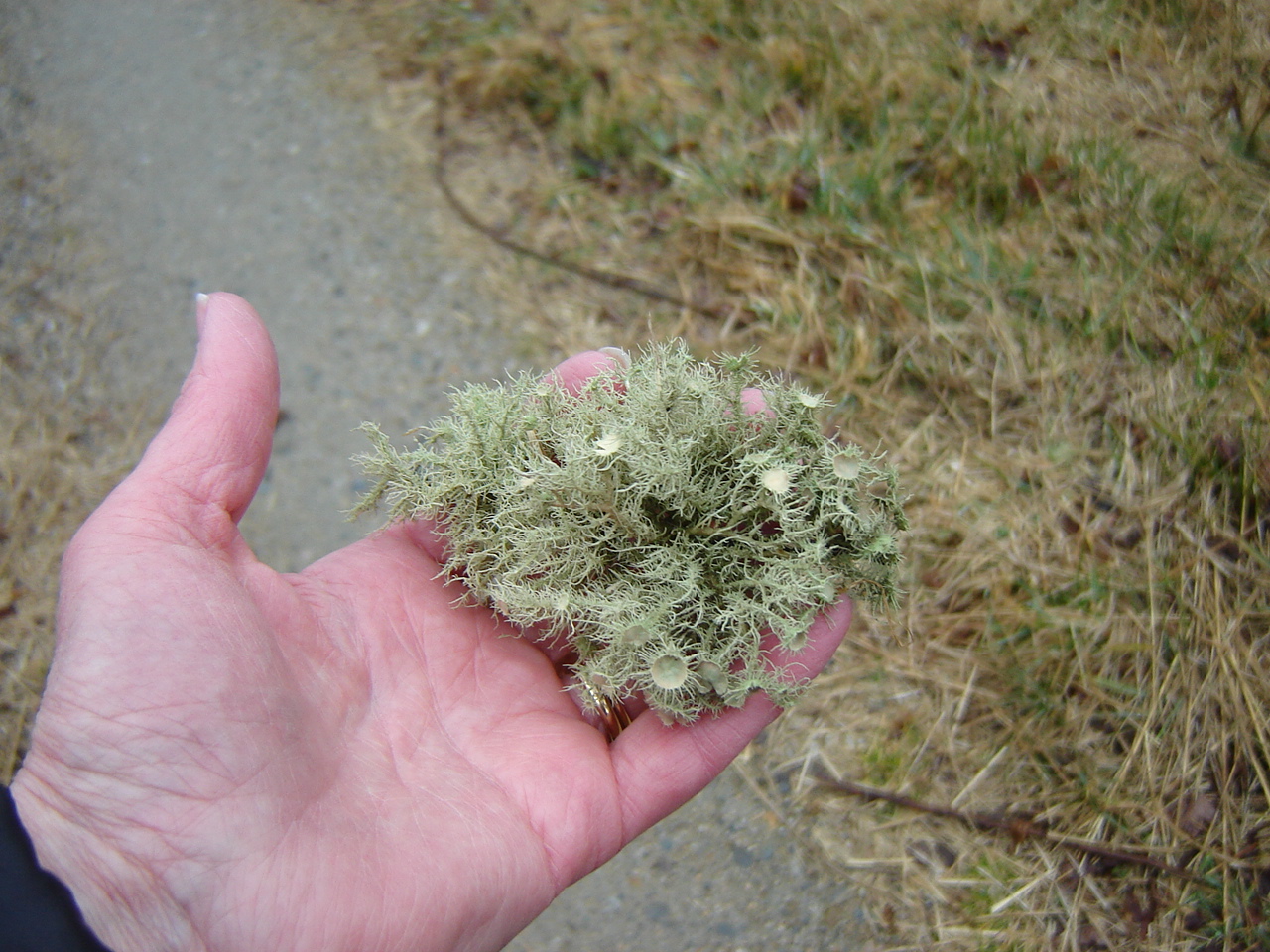
“The CityTree isn’t, in fact, a tree at all — it’s a moss culture.
” ‘Moss cultures have a much larger leaf surface area than any other plant. That means we can capture more pollutants,’ said Zhengliang Wu, co-founder of Green City Solutions.
“The huge surfaces of moss installed in each tree can remove dust, nitrogen dioxide and ozone gases from the air. The installation is autonomous and requires very little maintenance: solar panels provide electricity, while rainwater is collected into a reservoir and then pumped into the soil. …
“Its creators say that each CityTree is able to absorb around 250 grams of particulate matter a day and contributes to the capture of greenhouse gases by removing 240 metric tons of CO2 a year. …
“Gary Fuller, an expert on air pollution at King’s College London, thinks that the concept of an urban air purifier might be too ambitious. … Pollution from a car exhaust, for example, gets dispersed vertically a few kilometers into the air.
” ‘Efforts would be better put into stopping the pollution from forming in the first place, maybe cleaning up a city’s bus fleet,’ he added.
“The CityTree inventors say that they are aware of this and choose the location of each CityTree carefully.
” ‘We intentionally pick spots where pollution is heavy due to traffic and air flow is limited. We are also testing a ventilation system to create our own air flow that gets the pollution to the tree. …
” ‘We dream of creating a climate infrastructure so we can regulate what kind of air and also what kind of temperature we have in a city.’ ”
More here.
Hat Tip: Kate Colby on Facebook.



 Suzanne's Mom's Blog