Feeds:
Posts
Comments

Posts Tagged ‘mural’

I keep a folder of things I want to check out in walking distance of the office. Today I pulled out a Boston Globe article from 2-1/2 years ago, “Depression-era mural gets a second chance to shine,” and set out.

A Stephen Etnier mural of Boston Harbor that had been rolled up and stored away in 1981 was back on display.

Etnier, as Brian Ballou wrote in the Globe, was “one of hundreds of artists across the country picked by the federal government in the late 1930s to early ’40s to depict characteristic scenes of their region in post offices. …

“In early 2005, postal employee Brian Houlihan came across the painting and alerted Dallan Wordekemper, the federal preservation officer for the United States Postal Service. The mural was sent to Parma Conservation in Chicago, which began to restore the artwork in late 2008.”

The restored painting, “Mail for New England,” was unveiled in April 2010, but it took me until today to get to the post office branch at Stuart and Clarendon.

I got an extra bonus, too, because on the way I saw a completely unexpected bit of street art by the famed Gemeos twins, whose work at the ICA and Dewey Square was described in an earlier post.

Read Full Post »

I’m happy to see some long-neglected murals being restored in Harlem. Robin Pogrebin has the story in the NY Times:

“When the Works Progress Administration [WPA] commissioned murals for Harlem Hospital Center in 1936, it easily approved the sketches submitted by seven artists, which depicted black people at work and at play throughout history. The hospital, however, objected, saying four of the sketches focused too much on ‘Negro’ subject matter … .

“Protesters rallied around the art, though, lodging complaints as high as President Franklin D. Roosevelt, and the murals ultimately prevailed.

“Over the years, those wall paintings deteriorated or were obscured by plaster. Now they have been restored and brought front and center as part of a new, $325 million patient pavilion for the hospital, on Lenox Avenue at 135th Street that will be unveiled on Sept. 27. …

“The artists — the last of whom, Georgette Seabrooke, died last year — were not well known and their murals portrayed ordinary people going about their daily lives. Vertis Hayes’s ‘Pursuit of Happiness’ panel traces the African diaspora from 18th-century African village life to slavery in America to 20th-century freedom; from agrarian struggles in the South to professional success in the industrialized North.” More.

The WPA cost money, but it put a lot of people to work. And look at all the great things that were created! I especially love the idea that unemployed people were paid to paint murals, write and produce plays, interview ordinary Americans for the National Archives, and record folk music. I know it was a stressful time, but thinking about the art makes me almost nostalgic.


Photograph: Karsten Moran for The New York Times
Elizabeth Kolligs works on restoring Vertis Hayes’s “Pursuit of Happiness” at Harlem Hospital.


Read Full Post »

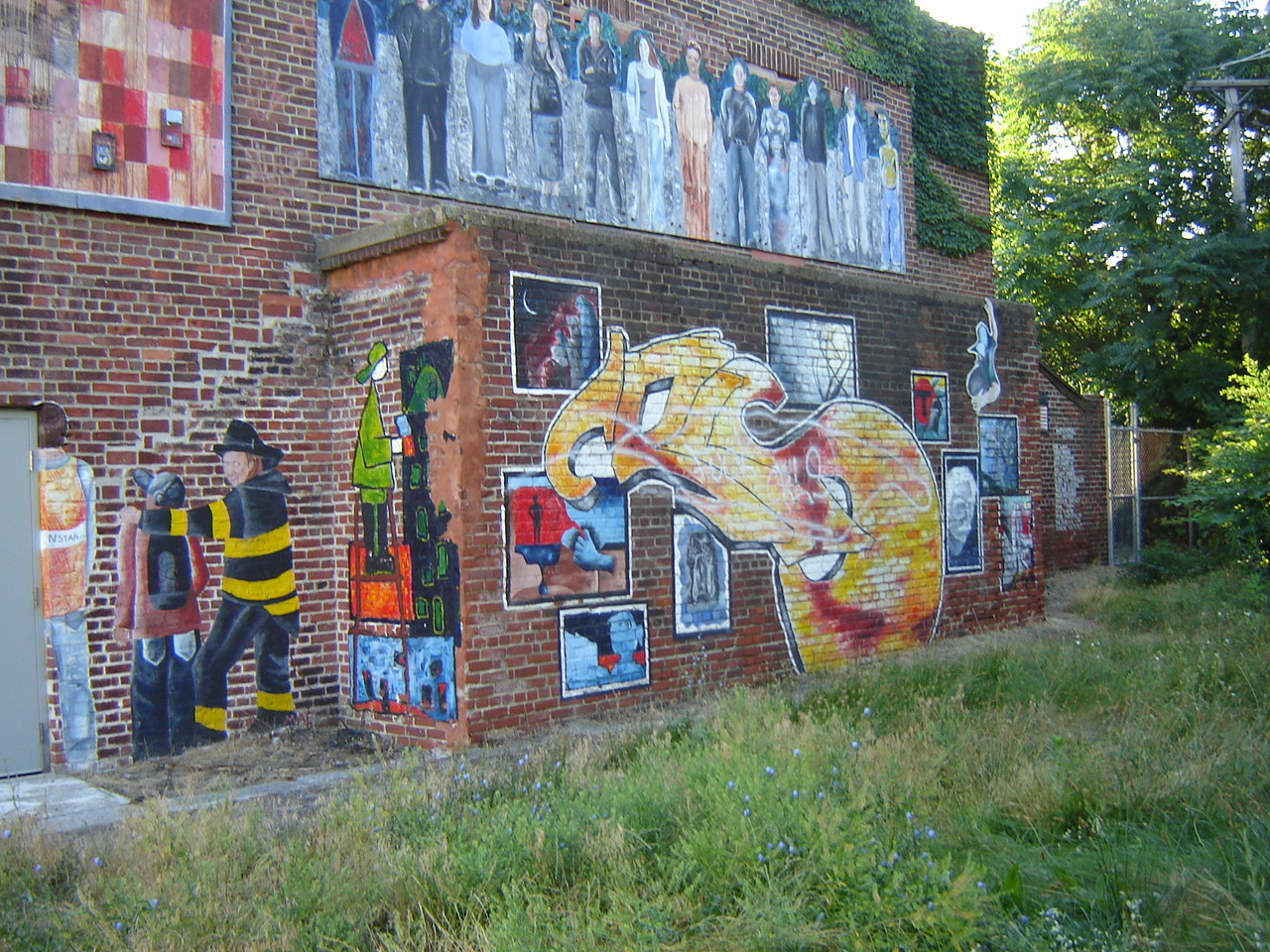
These two murals are from Somerville and Gloucester. Do you get the feeling that the towns themselves have different personalities? One seems to record the history of the city in a formalized way. The other is more about people’s lives today.

If you know more about the genesis of these murals, I’d love to hear it. In both cases, the murals seem to have been created with permission. I wonder if you think that permission subverts the subversiveness of street art?

Makes me think of the kids in eighth grade who were asked to create nice Halloween paintings on shop windows so the windows wouldn’t get soaped as a Halloween prank.

The goody-two-shoes kids painted windows with pumpkins and witches. The rough kids still soaped windows.

Read Full Post »

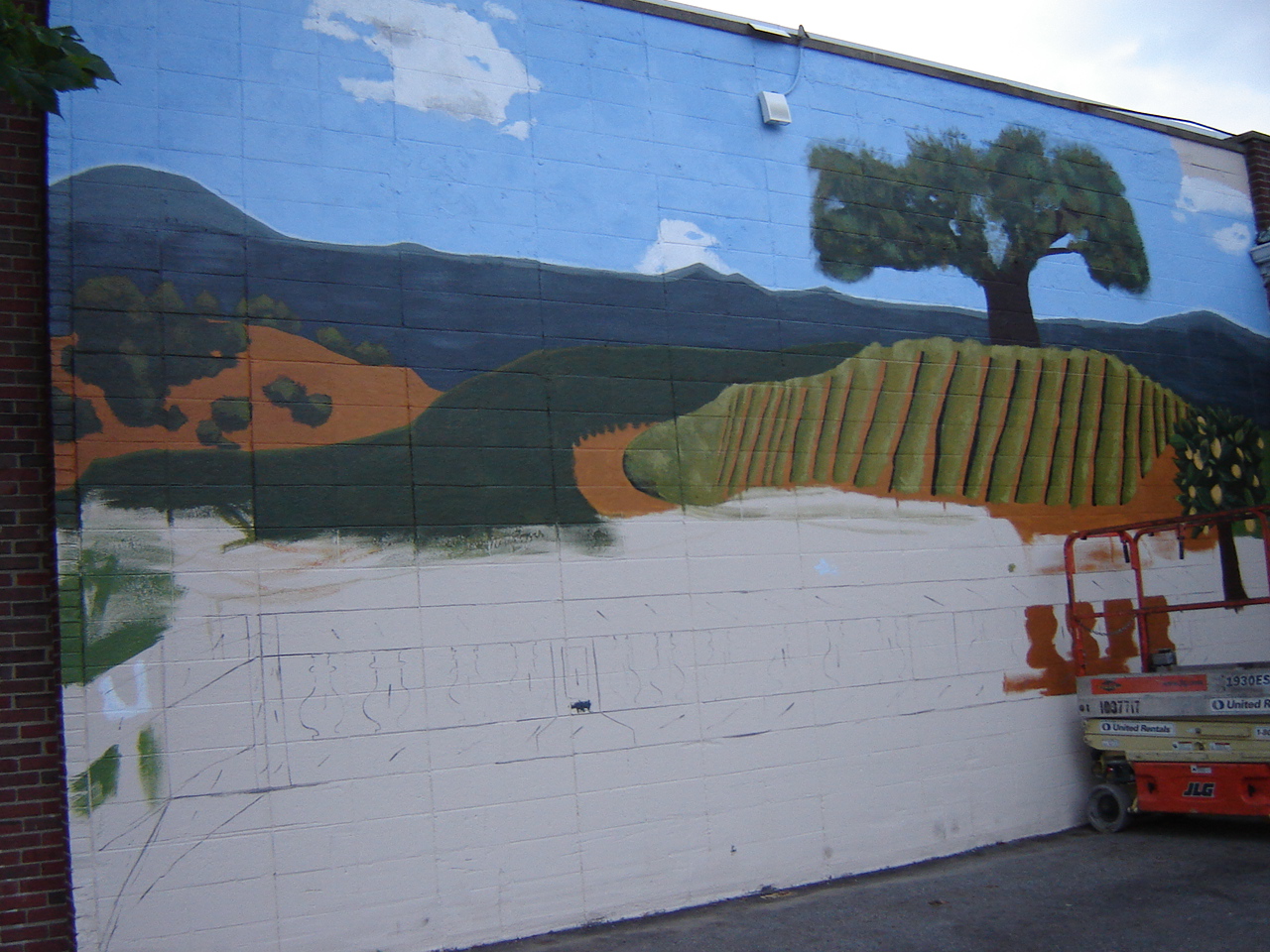
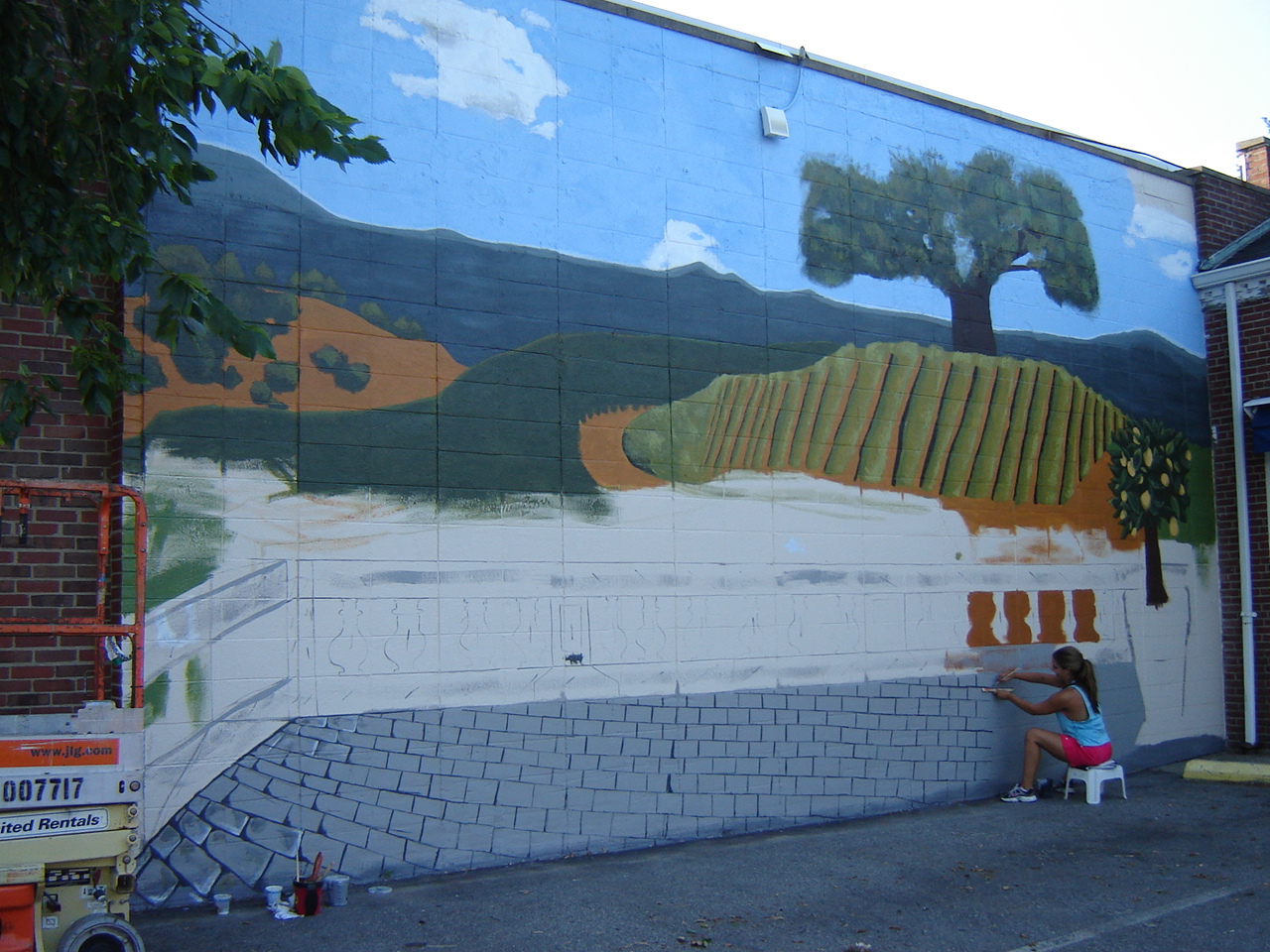
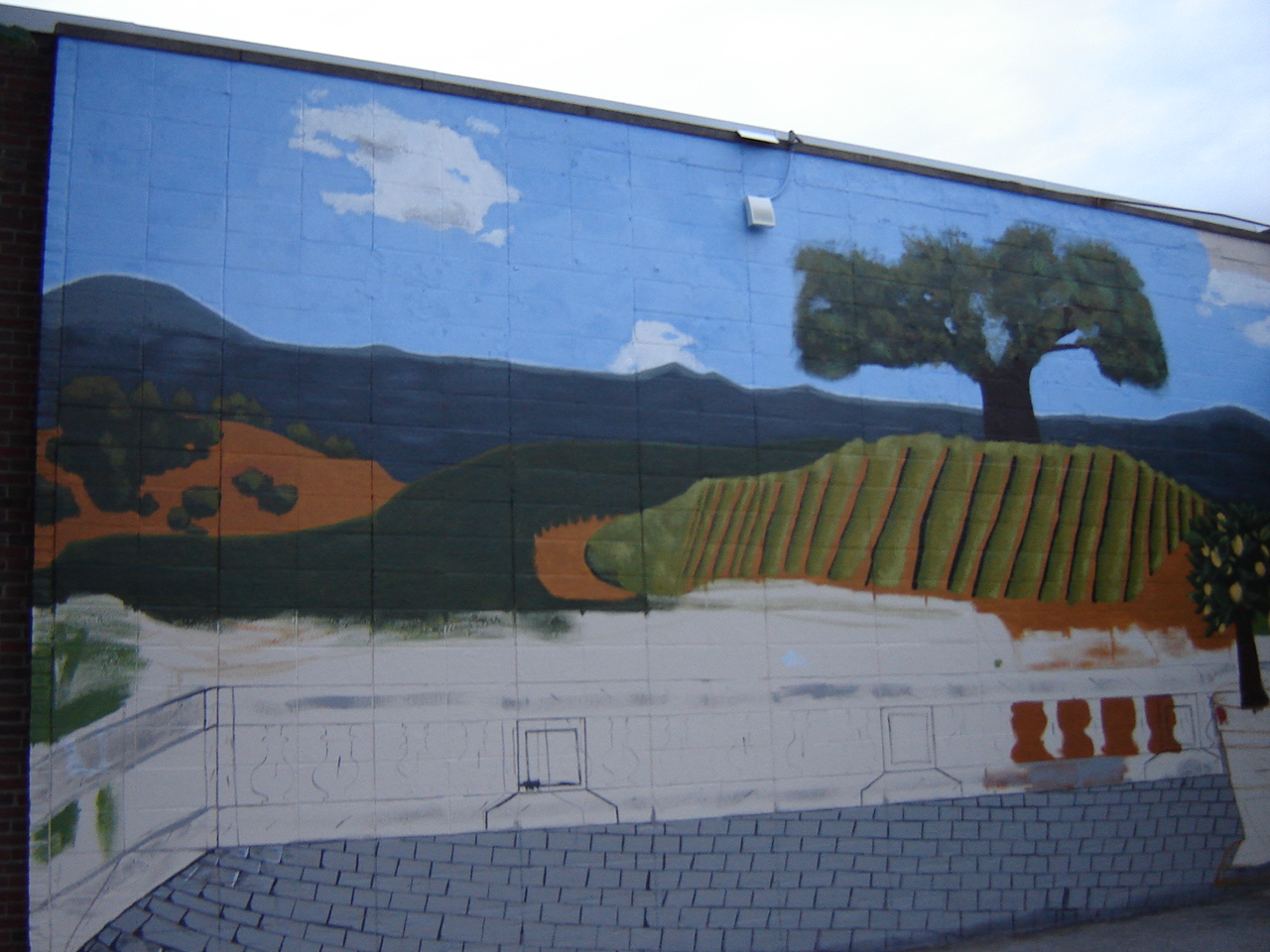
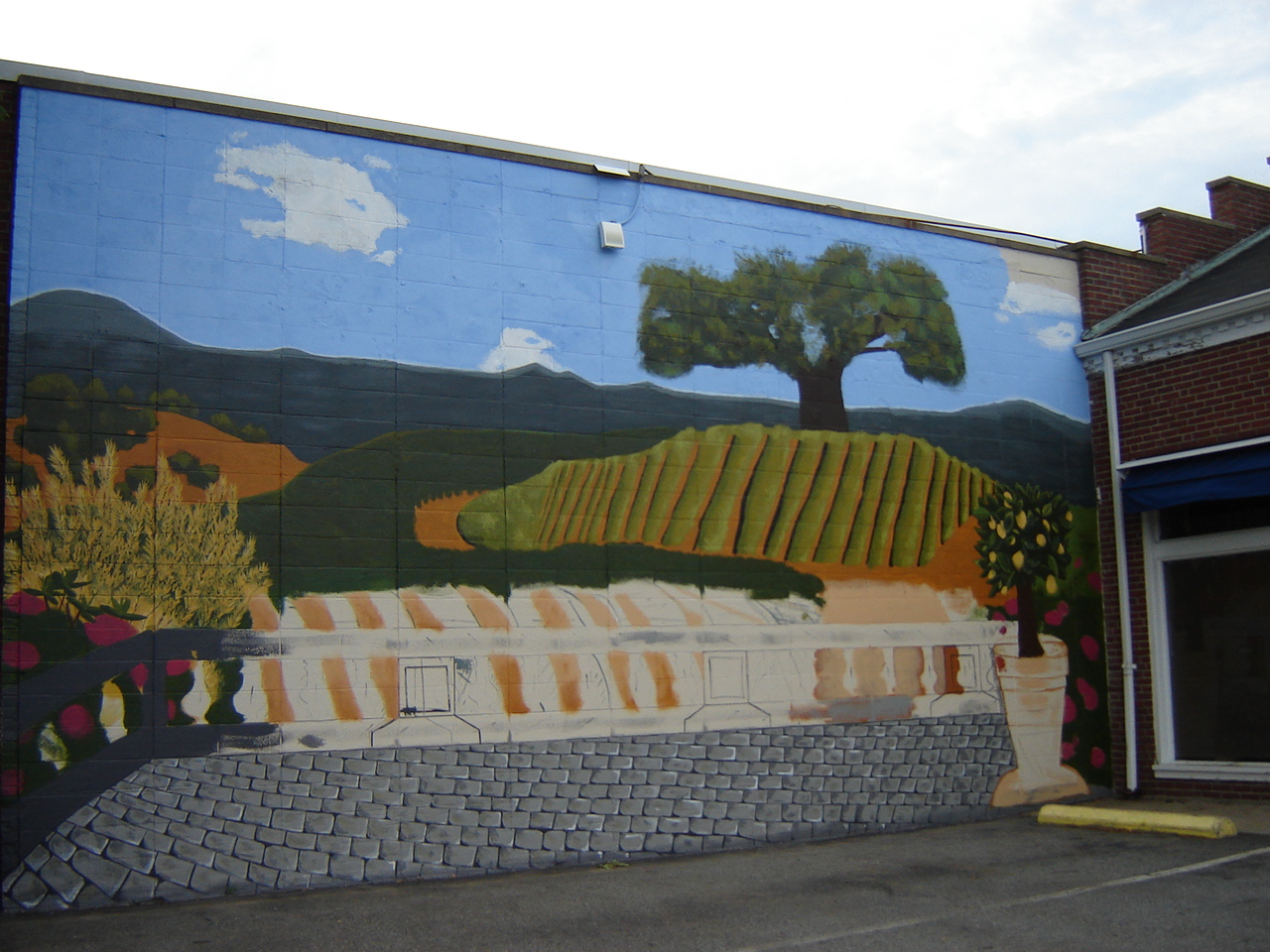
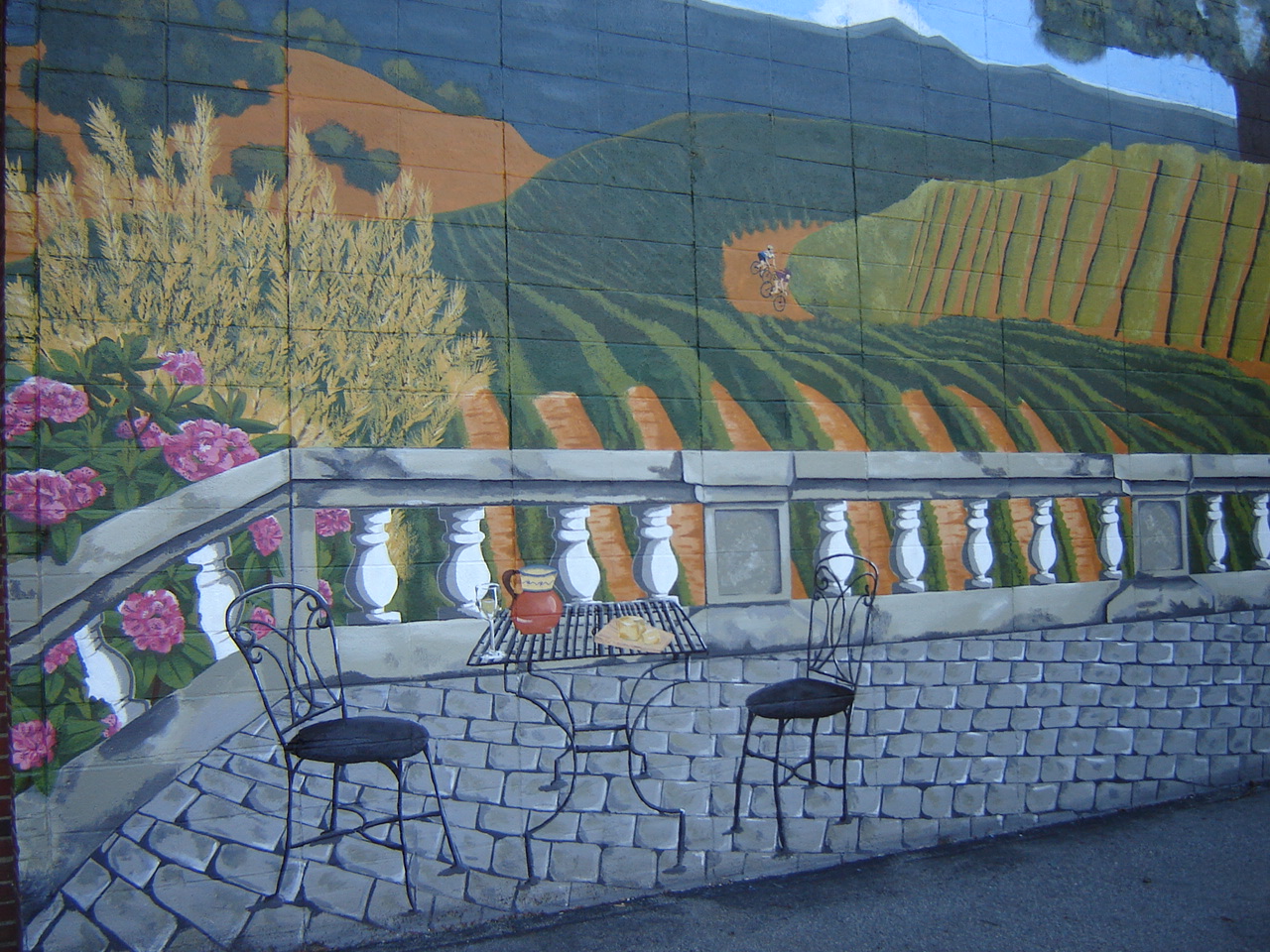
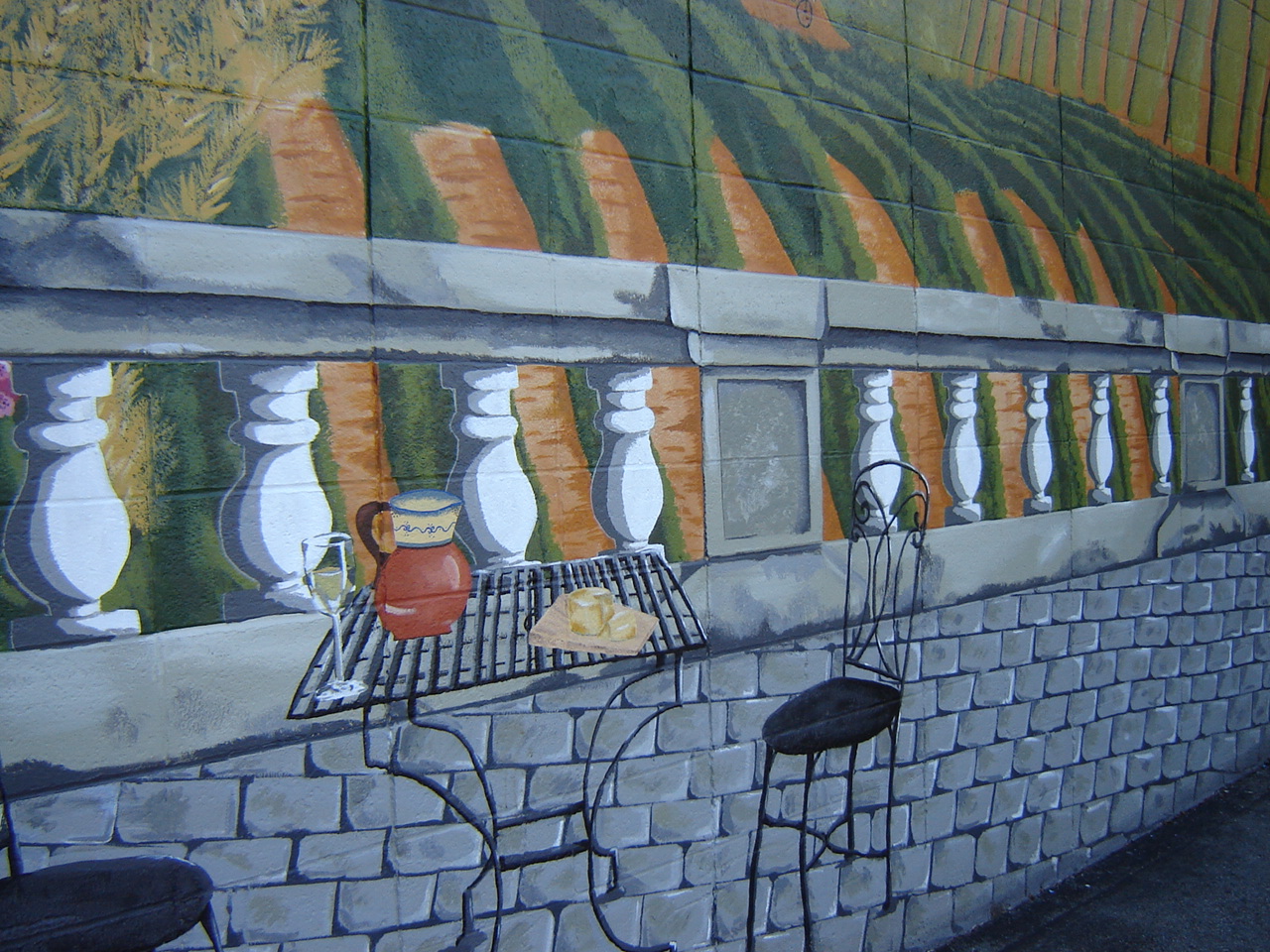
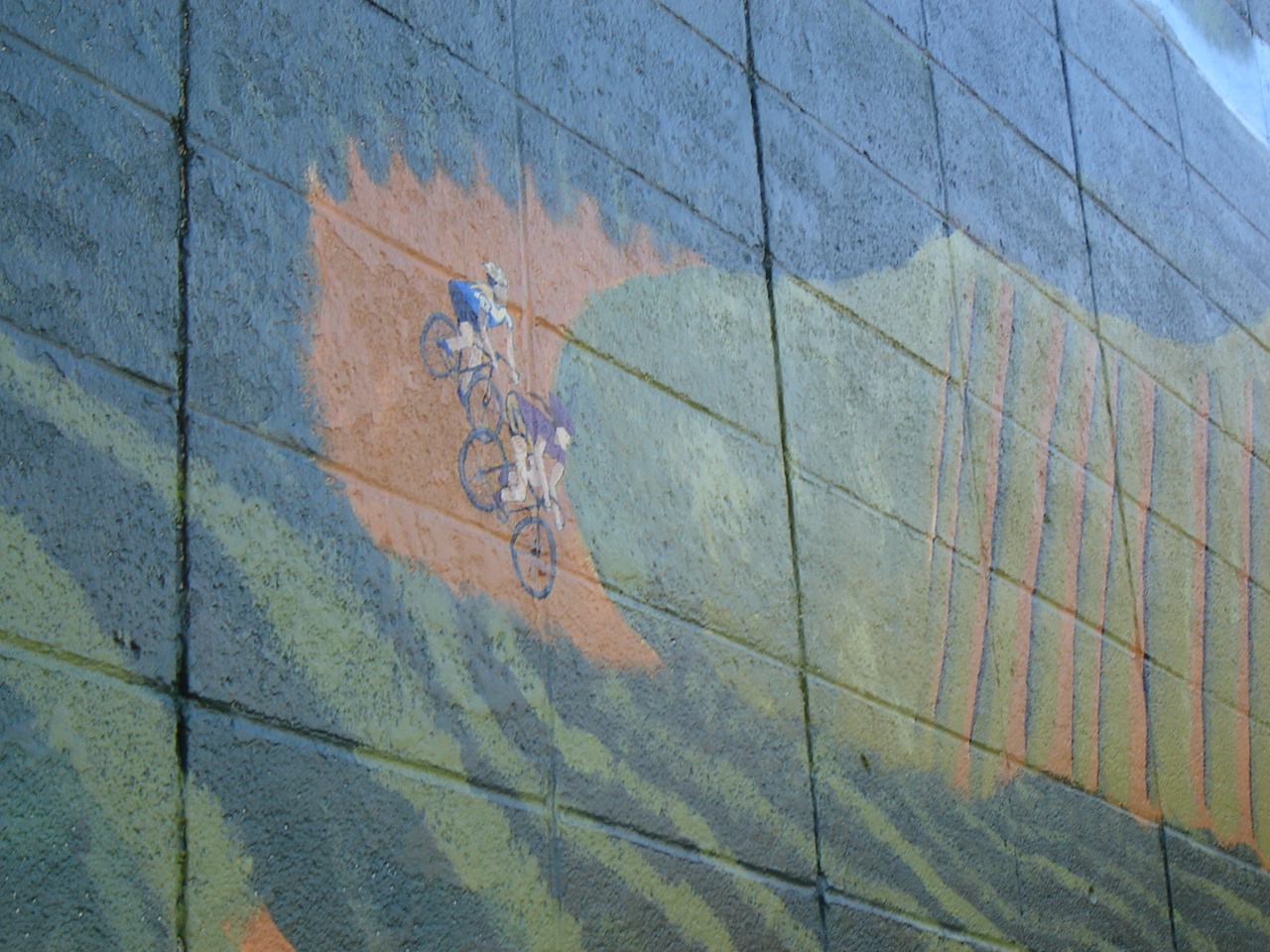
All through one of Concord’s hottest summers, Sophie has been creating a mural of Tuscan vineyards for Period Realty. Take a look at the progression. I especially like the latest touches showing a tasting table and distant bicyclists.

Read more about Sophie and the mural here.

Read Full Post »

Today I walked over to the Moakley Courthouse on Boston Harbor to see an art exhibit that the Actors’ Shakespeare Project put together with youth in detention. It consisted of large photographs in which a young person, sometimes in costume, acted out a word from Shakespeare. I did not feel that the presentation in the low-ceiling hallway did the works justice — and having to go through metal detectors to look at them is a bit of a downer — but the concept is positive.

Deborah Becker of WBUR reported that the photographs were part of a larger effort to turn young offenders around with the help of art: “Using the arts as a way to heal and transform is the theme of an exhibit at Boston’s federal courthouse. The artists are children who have been involved with the Massachusetts Department of Youth Services (DYS), the agency that handles youngsters charged with crimes.

“At a recent reception of the artists and DYS officials, 17-year-old Ricky Brown was among the young people proudly describing his work. He helped paint a mural that covers the entire wall of a DYS district office in Springfield. He says it sends a message about kids in the juvenile justice system.

“It brightens up the whole building,” Brown said. “It makes sure to say that we’re not only there to get locked up. It’s there to let people know that we do work together, we do do something positive.”

Read more.

Read Full Post »

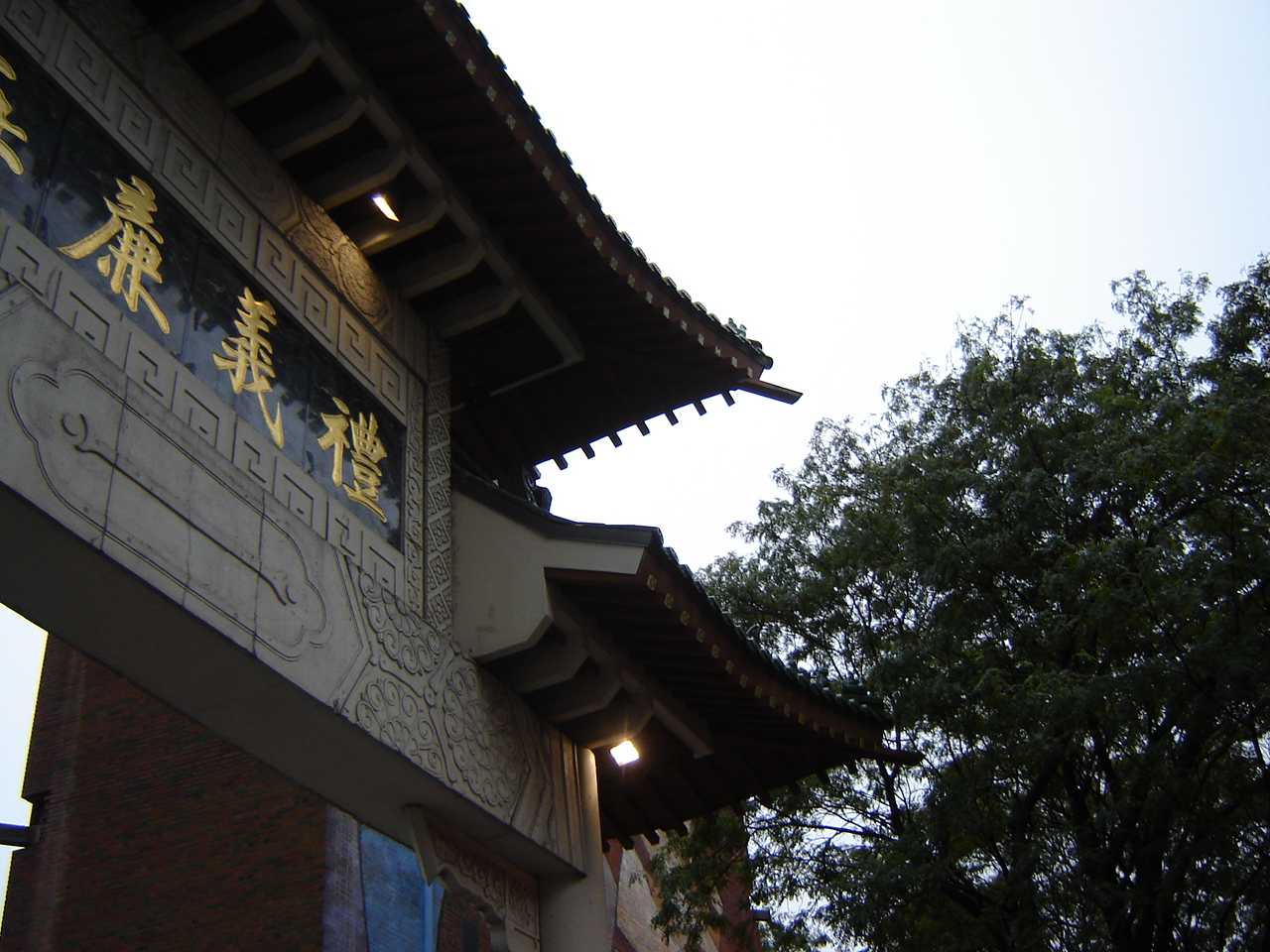
Taking my walk in Chinatown this morning,

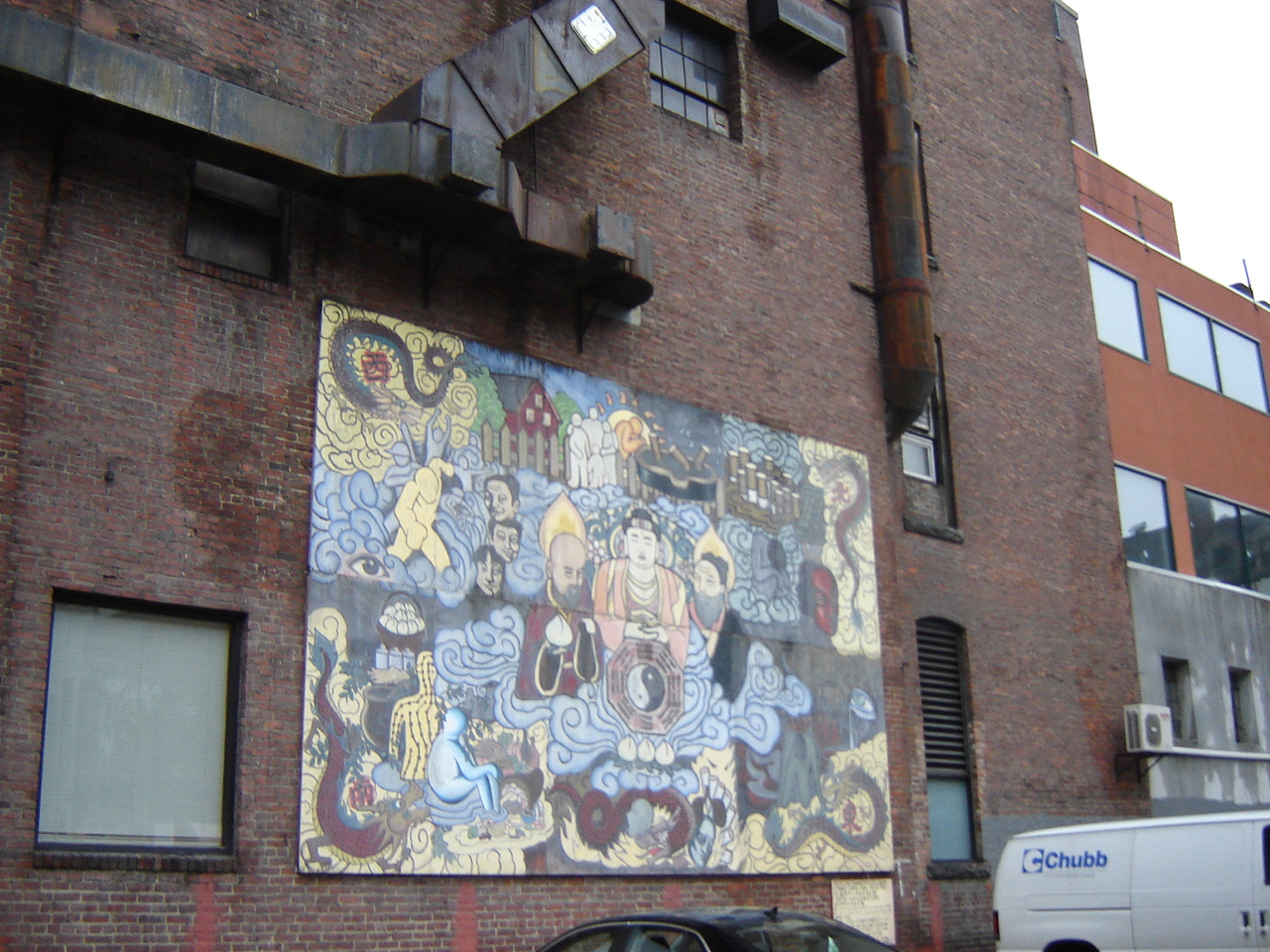
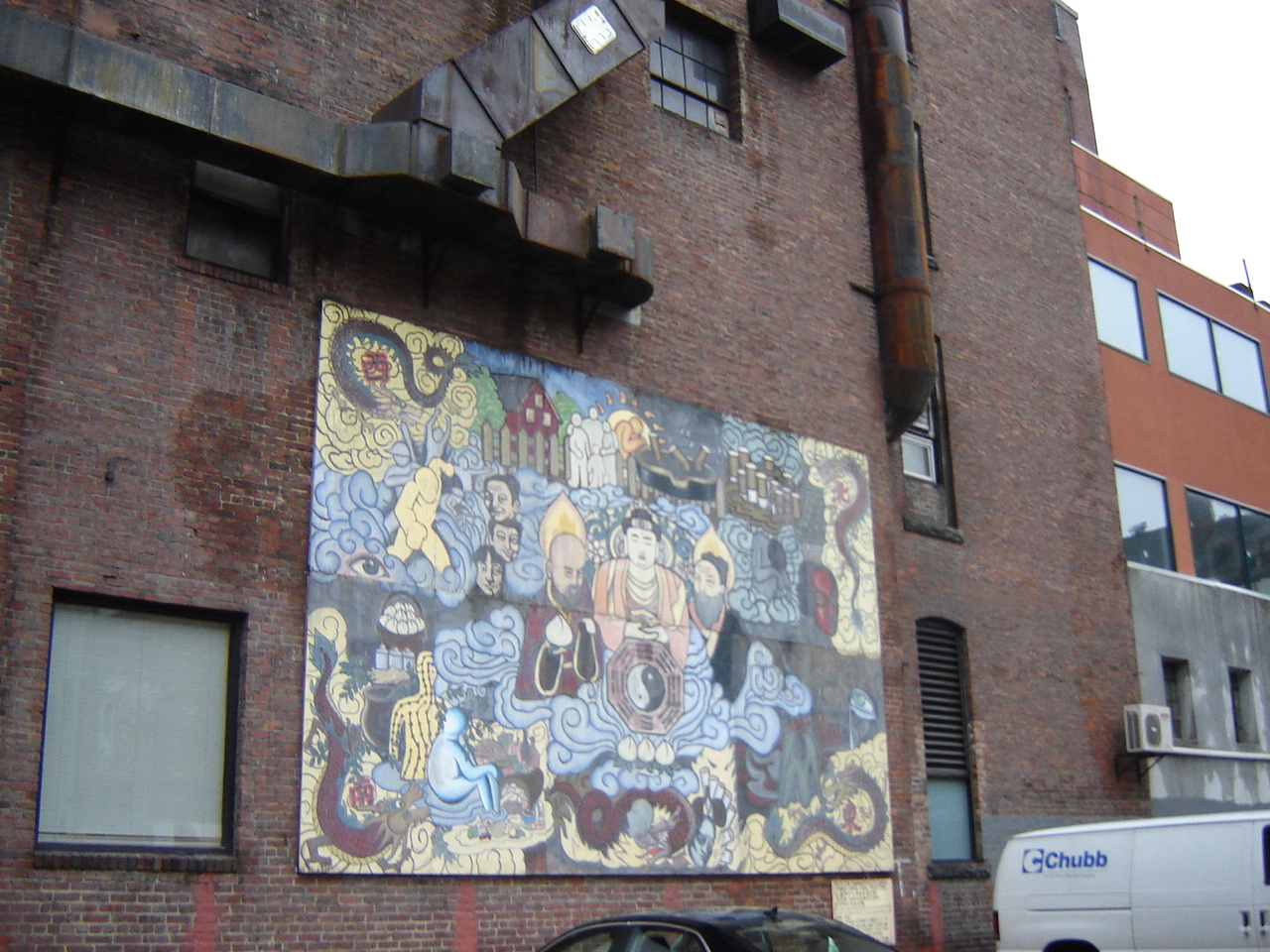
I noticed an unusual mural.


I got up close to read the sign, which said the South Cove Community Health Center Tobacco Control Project that had created the mural in 1998. The Boston Youth Fund site adds more: “This mural was commissioned by the South Cove Health Center as part of their antismoking campaign. It was funded in part by the Massachusetts Department of Public Health. The mural depicts the path to a healthy lifestyle from cigarette addiction.”

Your eyes are drawn to the Buddha-like figure in the center and the yin/yang symbol, but if you look more closely, there are giant cigarettes throughout the scene. This photographer got sharper pictures.

Much as I love projects like this, I do wonder if they meet their intended goals. Did more people quit smoking? How about the people who created the mural? Was the goal to have youth working on something constructive? Did they continue to be constructive in their lives?

I remember when the storekeepers in my hometown were worried about getting their windows soaped on Mischief Night. They decided to partner with the school to have young people create nice window paintings for them at Halloween. I was one of those kids. Did that prevent store windows from getting soaped? Little Miss Goody Two Shoes would no more have done mischief on Mischief Night than have flown to the moon. The initiative may not have hit the intended target.

Read Full Post »

« Newer Posts