Feeds:
Posts
Comments

Posts Tagged ‘new bedford’

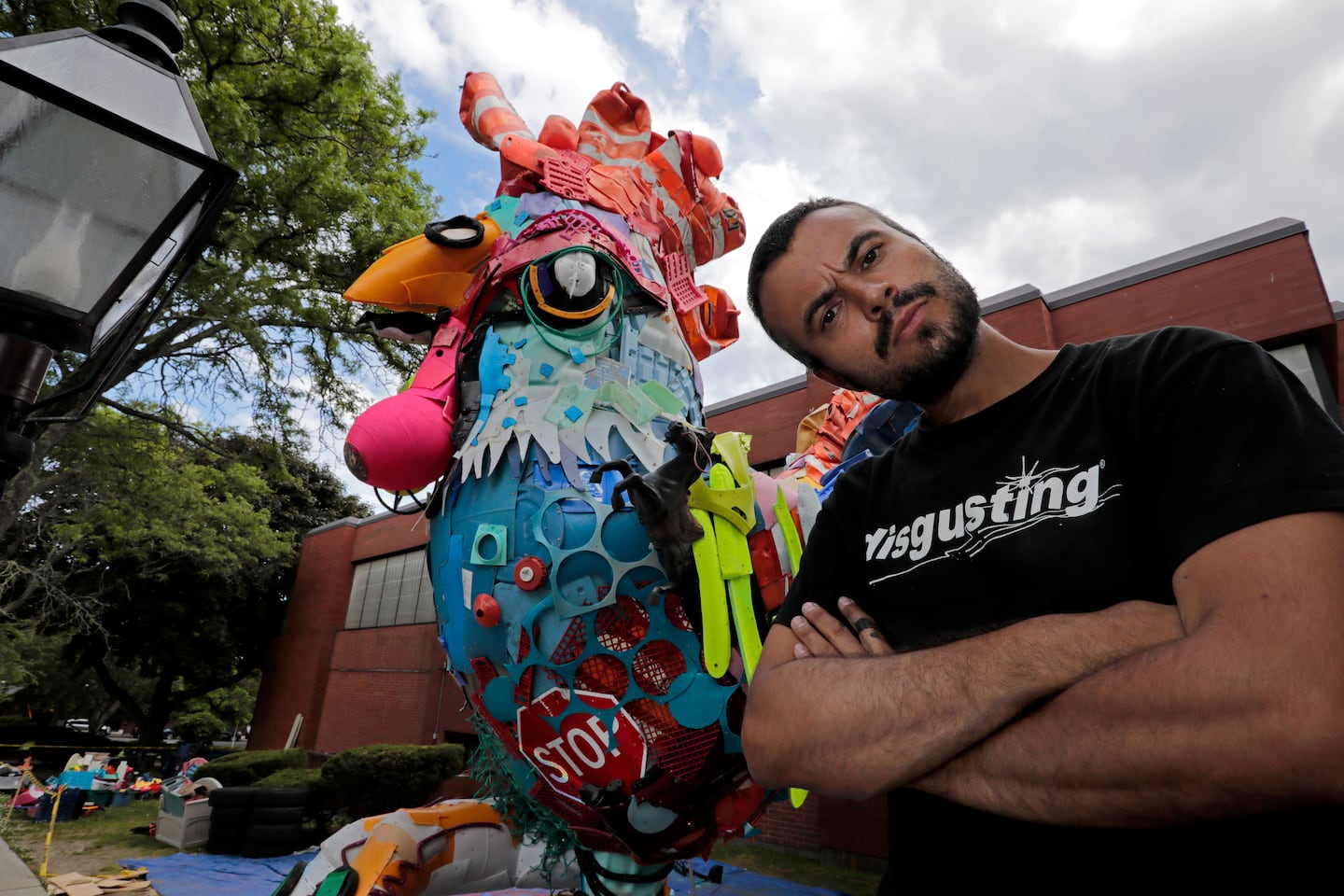
Art: Bordalo II.
Photo: Pat Greenhouse/Boston Globe.
I’ve been following this Portuguese sculptor on Instagram for several years. Now he’s worked with high school students to create a sculpture for Portuguese-speaking New Bedford, Mass., not too far from where I live.

I have been curious about this artist, age 36, for a long time. He makes vibrant sculptures from trash and shows them on Instagram.

Cate McQuaid wrote recently at the Boston Globe about Bordalo II’s “Plastic Rooster.” 

“There’s a new rooster in town,” she says, “and he’s close to 20 feet tall and kind of trashy. Portuguese artist Bordalo II’s ‘Plastic Rooster’ sits beside the New Bedford YMCA, the centerpiece of Massachusetts Design Art and Technology Institute’s (DATMA) ‘TRANSFORM: Reduce, Revive, Reimagine’ public-art initiative through Oct. 14. …

“Bordalo has traveled the world, from Bora Bora to Montreal, painting and building gaudy, charismatic animal sculptures out of waste materials. He was in town in mid-June putting finishing touches on ‘Plastic Rooster.’ The giant bird is clad in nautical refuse, plastic, street signs, and more collected by locals. He wears a plastic penguin under his beak like a bowtie, and his talons are cut from bright-pink safety cones. …

“[He says] ‘My grandfather, he was an artist. I was really young and I always tried to dig into his studio and steal his paints and draw stuff.’

“The artist, whose first name is Artur, calls himself ‘Bordalo II’ as a tribute to his grandfather, Real Bordalo. At 11, the younger Bordalo became a graffiti artist.

“ ‘It shaped the person I am, the way we do everything,’ he said. “Not being afraid to risk, to really do it. The scale. The sense of how it connects with the street.’ …

“The artist’s lighthearted characters carry messages about over-consumption and conservation. ‘With the big trash animals, it’s like you make portraits of the victims with what destroys them or their habitats,’ he said. …

“ ‘Plastic Rooster’ was commissioned by DATMA, which has partnered with local landfill management departments and the Greater New Bedford Regional Vocational Technical High School to involve the community.

“Bordalo sent his rooster image to the school’s 11th-grade Metal Fabrication students, who built the structure from steel and wood.

“ ‘After that we have a list of plastic trash materials that we know we’re going to need, and we ask the local production team to collect all those materials,’ Bordalo said. ‘My team starts to cover it, to make the first skin. I join them in the middle of the process, and I make more skin, more volumes, all the details. I make the head, the eyes, the nose.’ …

“Public art and programming presented around New Bedford by Massachusetts Design Art and Technology Institute through Oct. 14, www.datma.org/transform.”

I am adding more fromWikipedia, as I felt I had more questions.

“He studied painting at the Faculty of Fine Arts at University of Lisbon in Lisbon for eight years, but never finished the course, instead experimenting with ceramics, sculpture, and other materials. …

“His work has been shown in solo and group exhibitions and mounted in streets across the world, including Singapore, the United States, French Polynesia, and Europe. In the 10 years between 2012 and 2022, he used over 60 (or 115, by another estimate) tons of waste materials to create around 200 sculptures of animals.

“Bordalo’s work is focused on the themes of ecology, waste, and recycling, and makes use of garbage in his work as a method of critiquing over-consumption in the world. Using materials such as old tires, pieces of wrecked cars, discarded appliances, plastic waste, and aluminum cans, he challenges materialism and consumerism in the modern world. …

“Bordalo supports Portuguese refugee advocacy organization Humans Before Borders, which helps to fund five medical NGOs working in refugee camps on the Greek islands of Lesbos and Samos.

“A short documentary film entitled Bordalo II: A Life of Waste was released by the Irish Film Board in 2017.”
More at the Globe, here, and at Wikipedia, here.

Read Full Post »

092518-pod-of-whales-in-Panorama

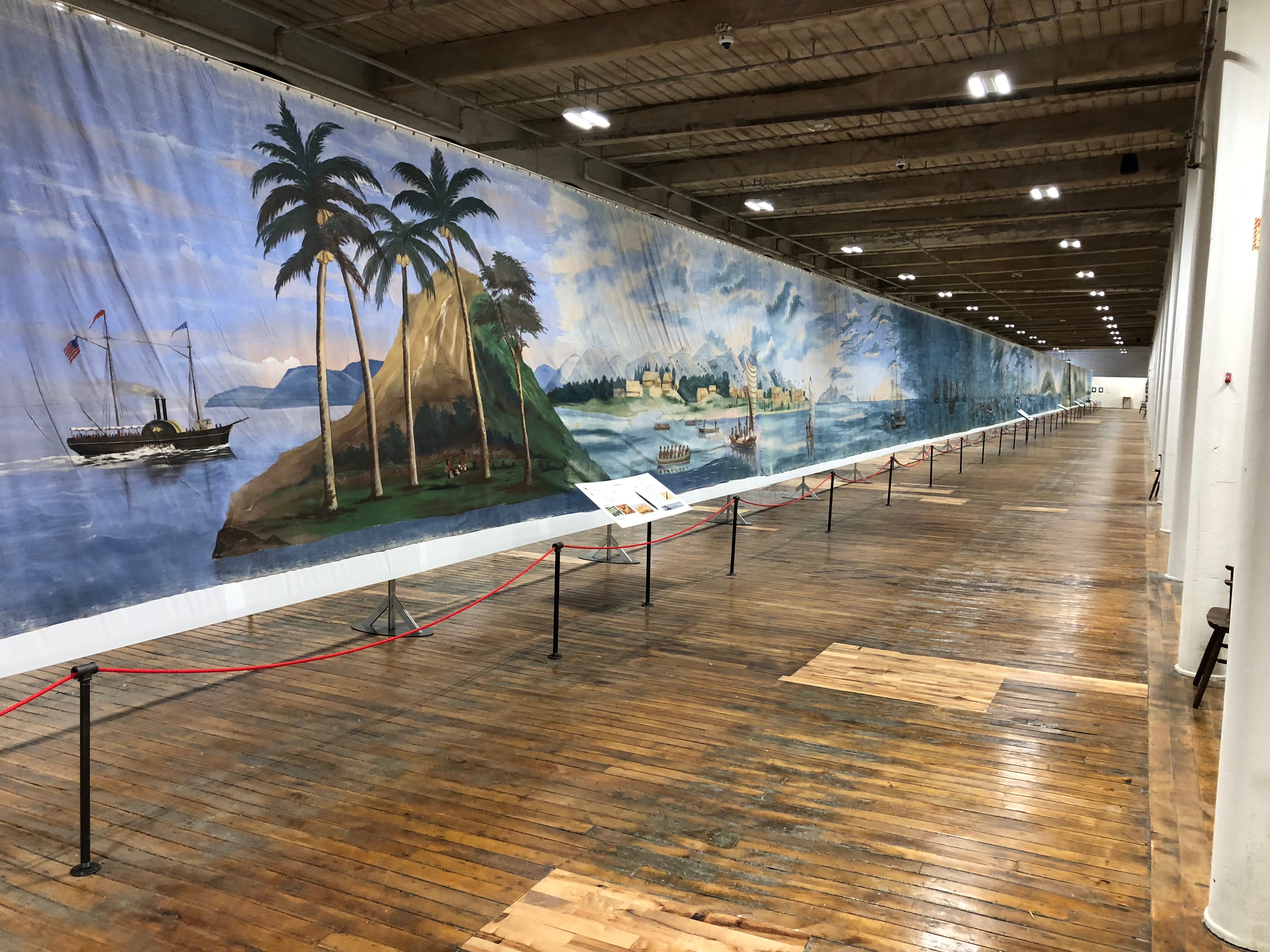
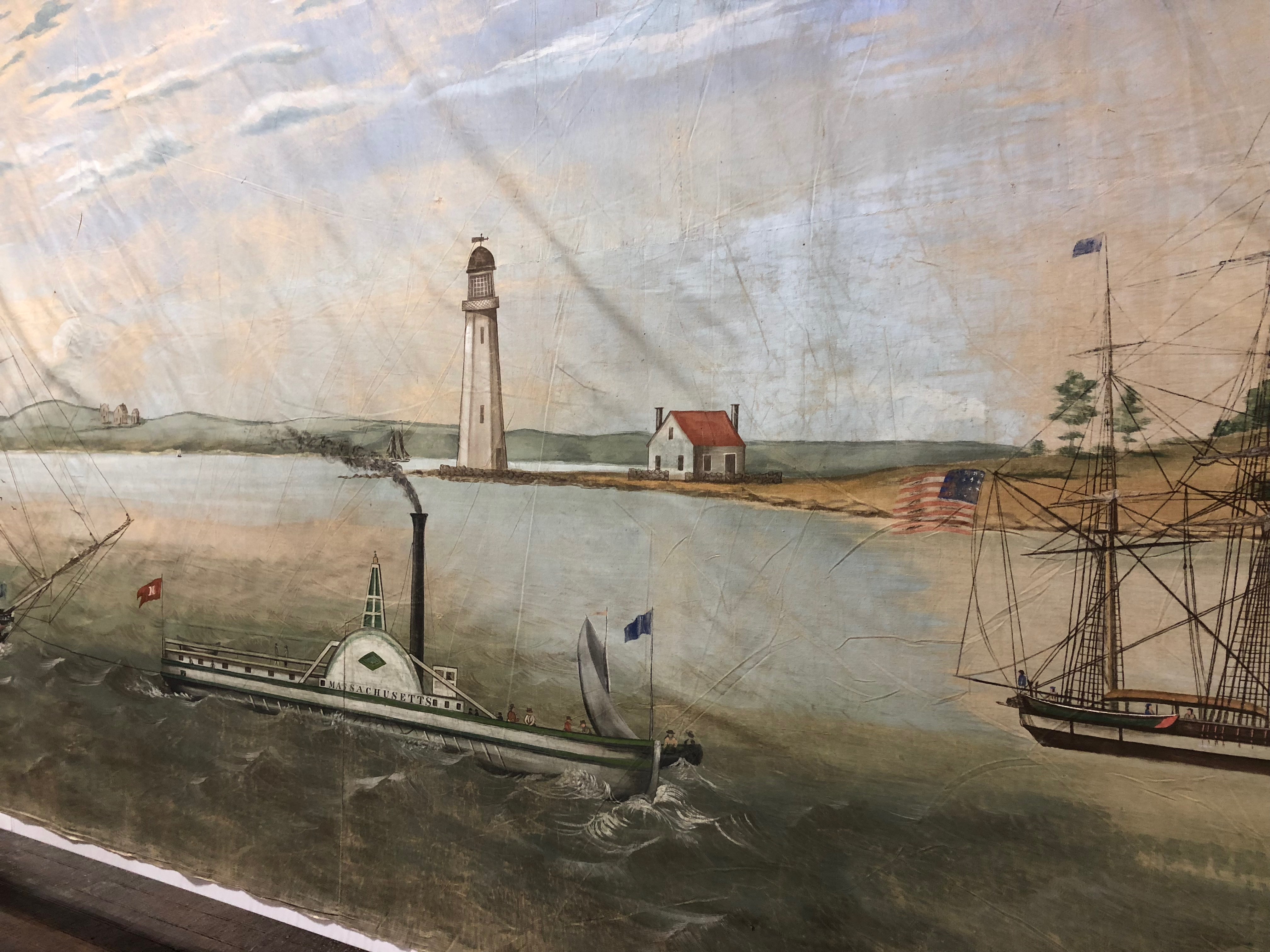
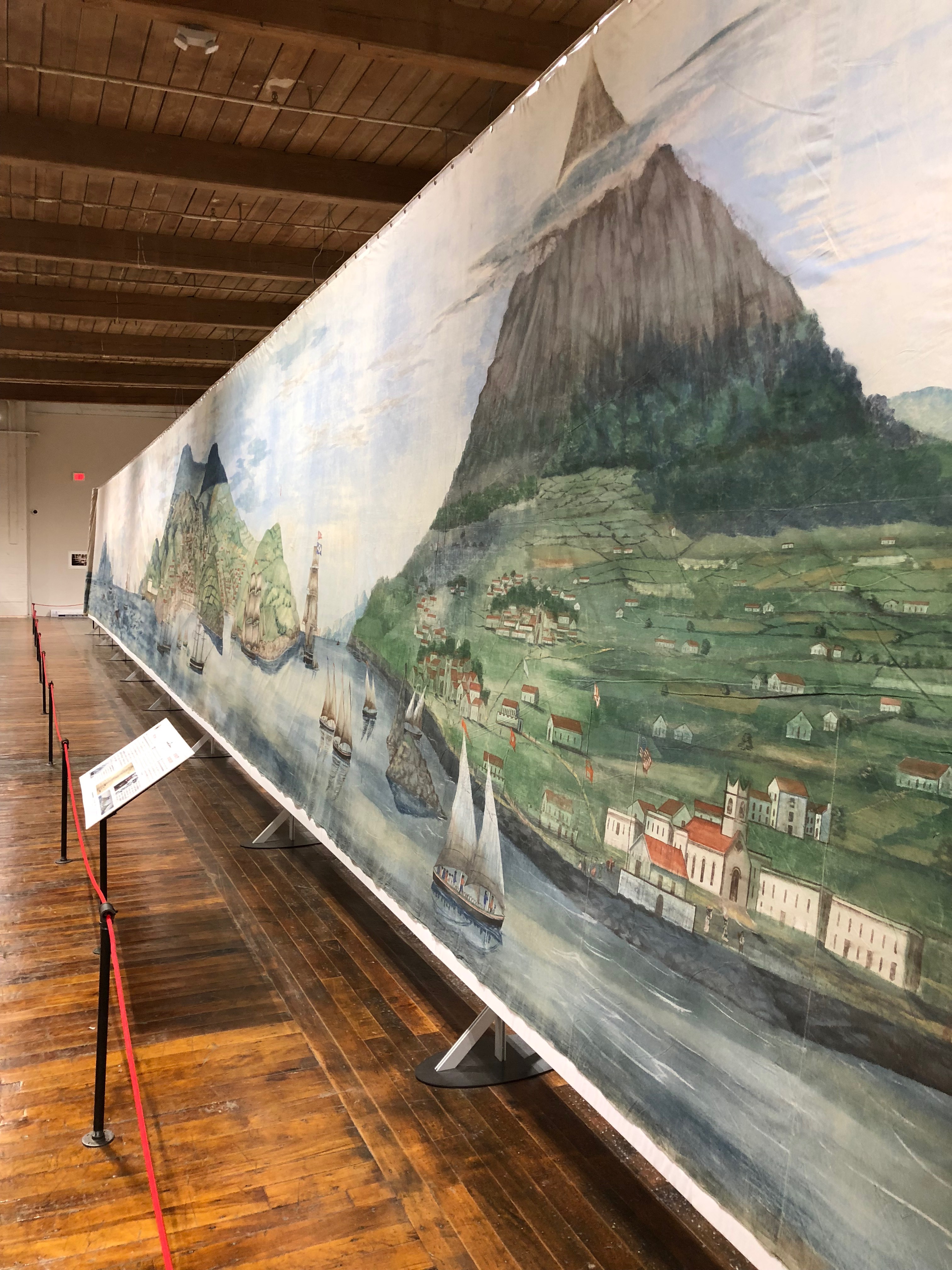
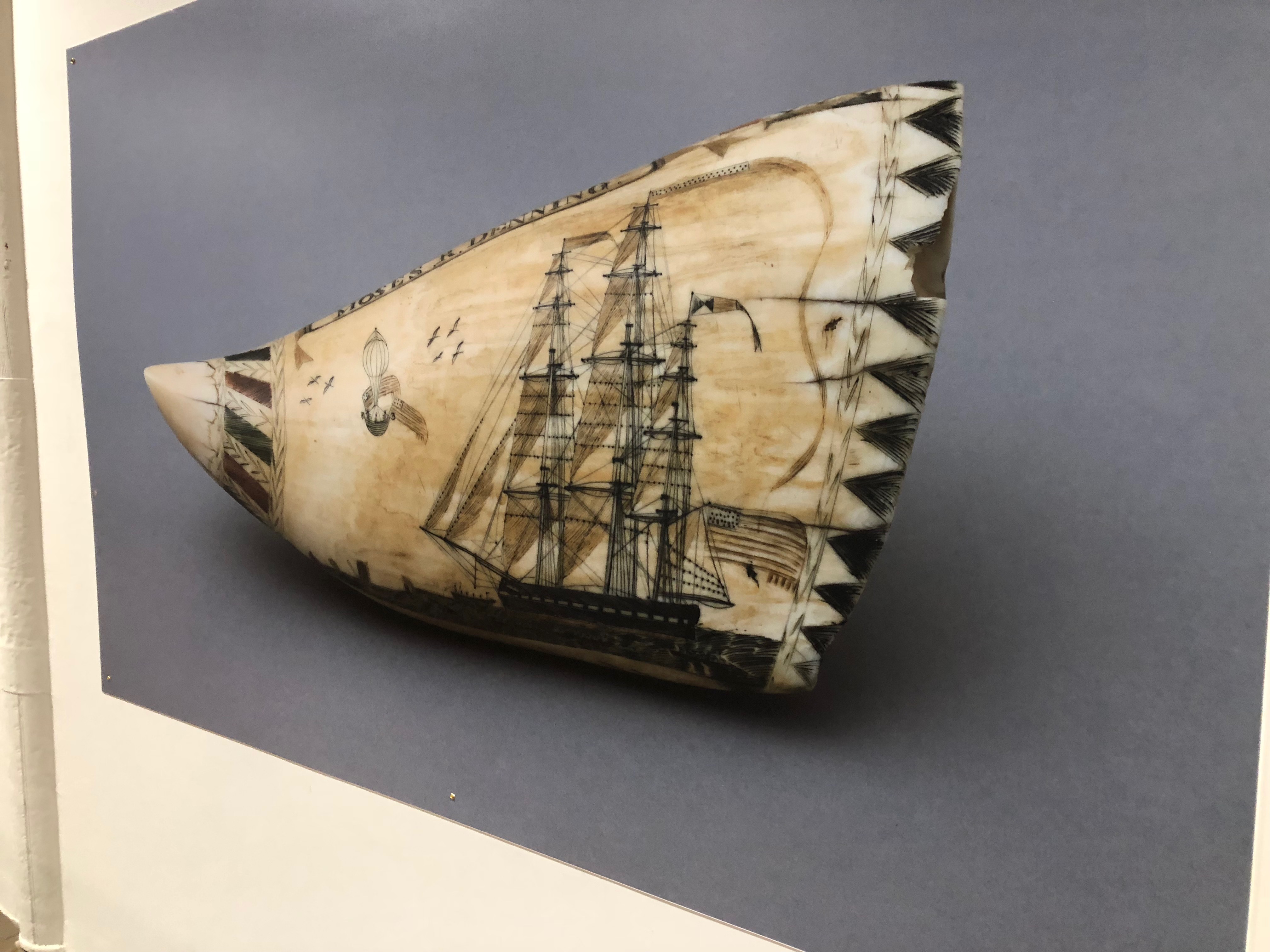
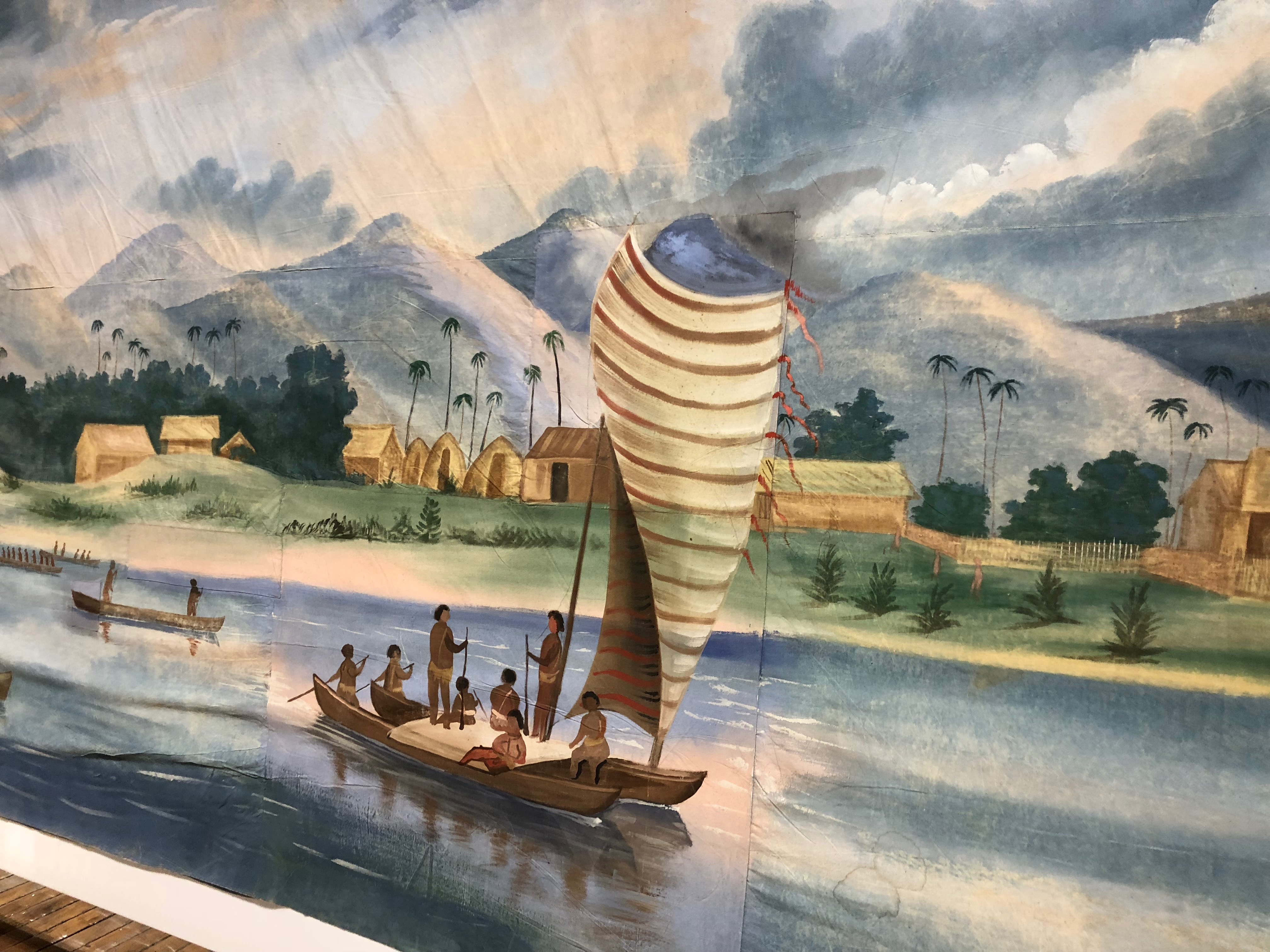
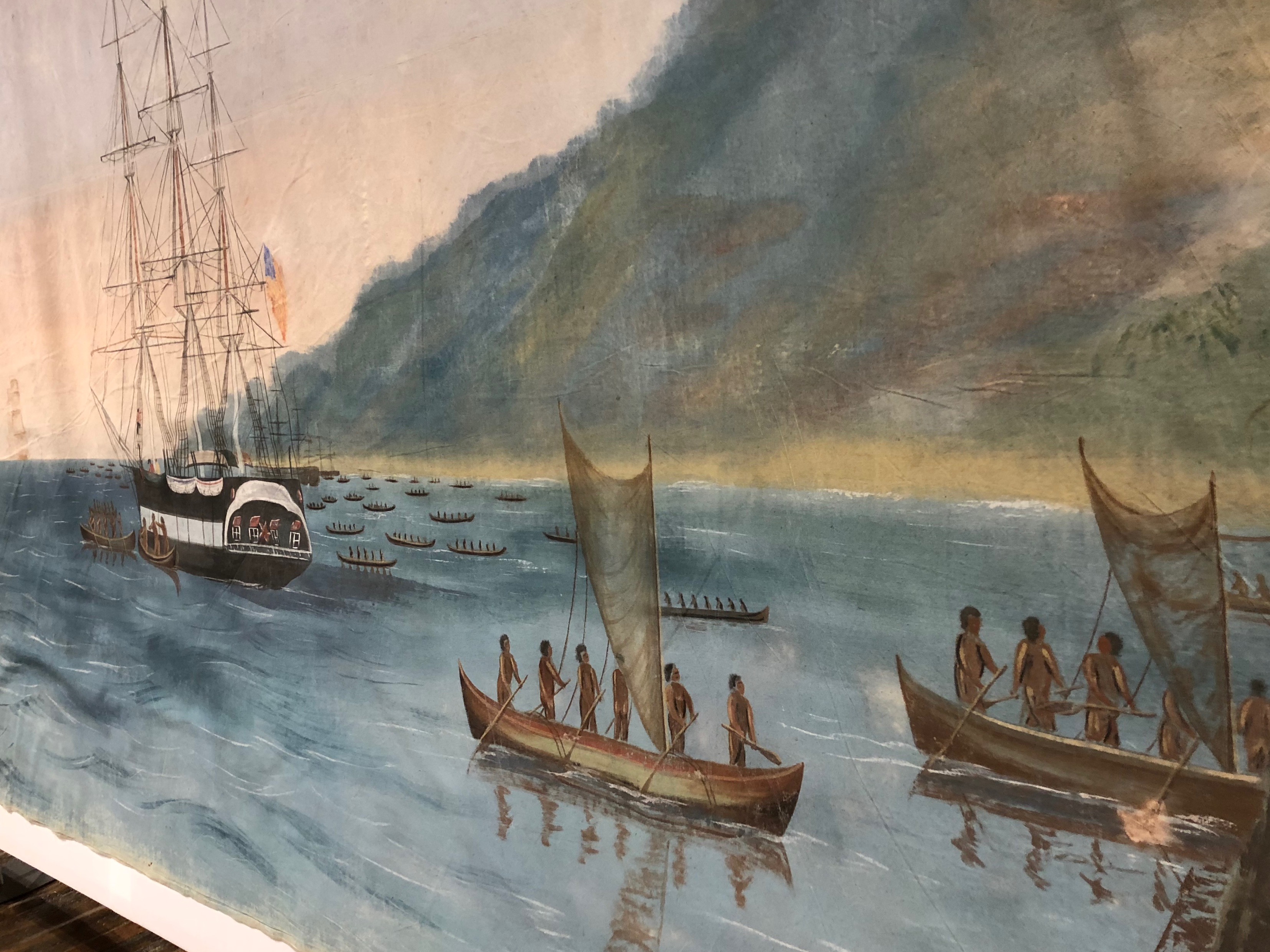
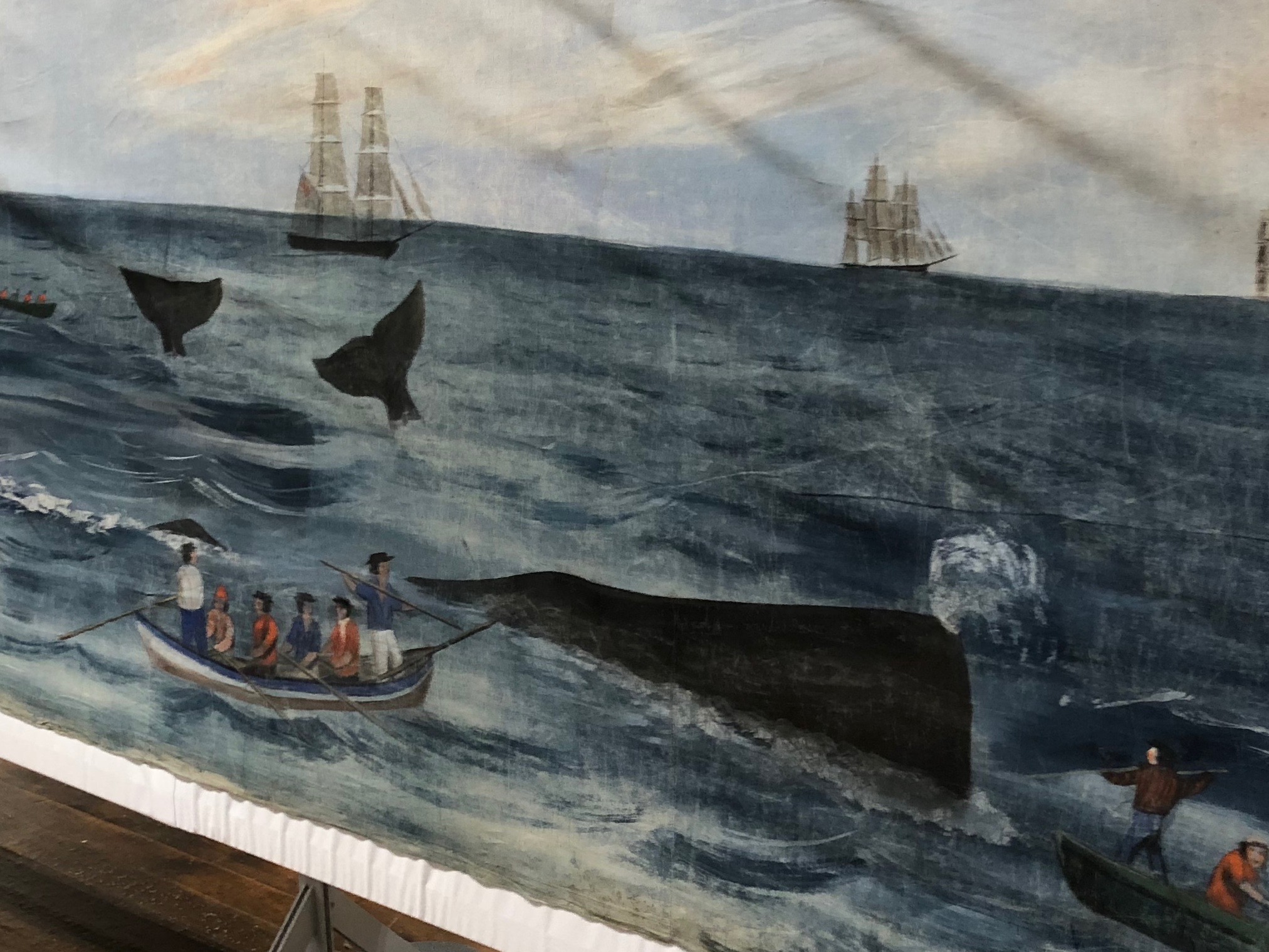
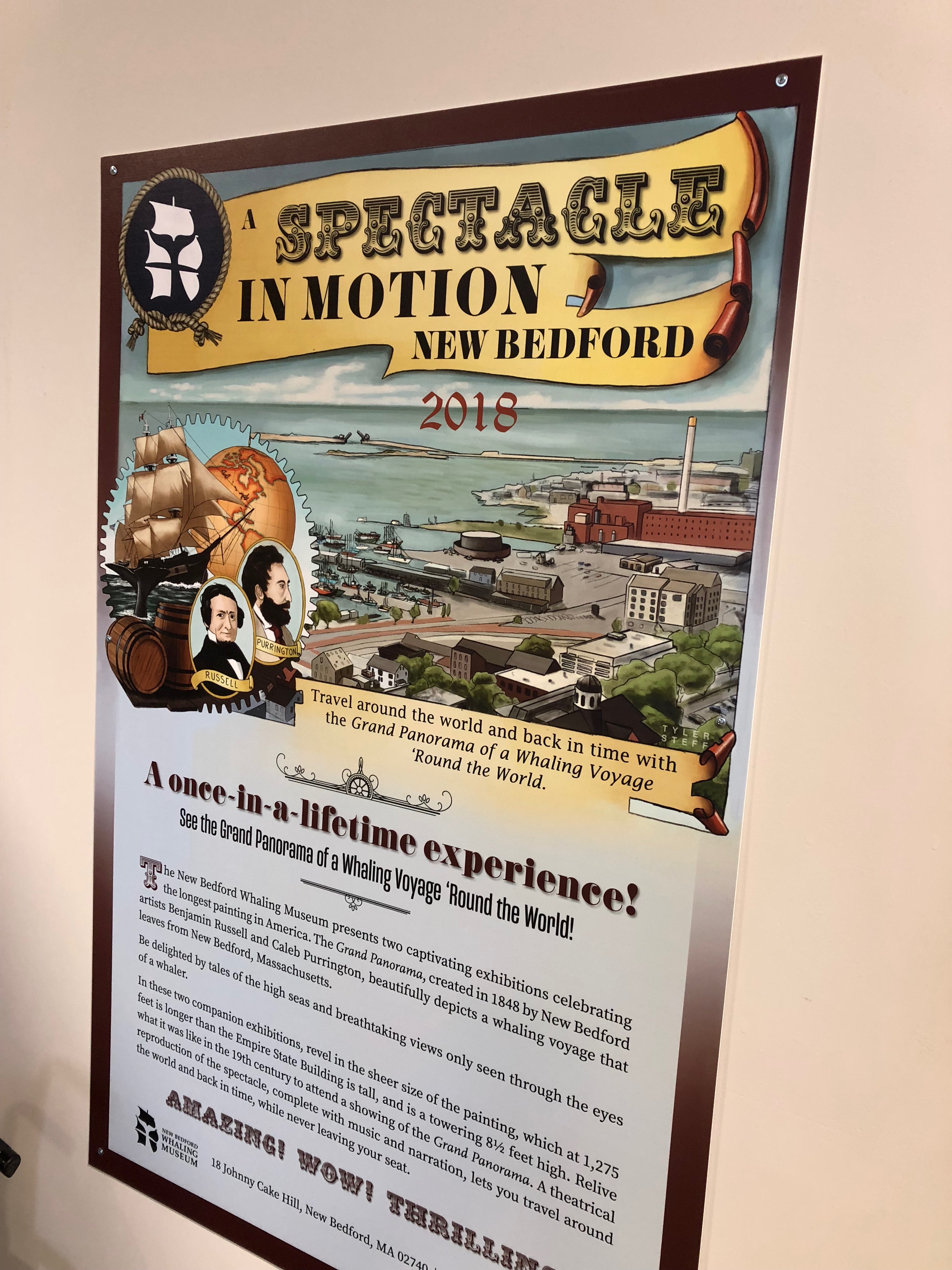
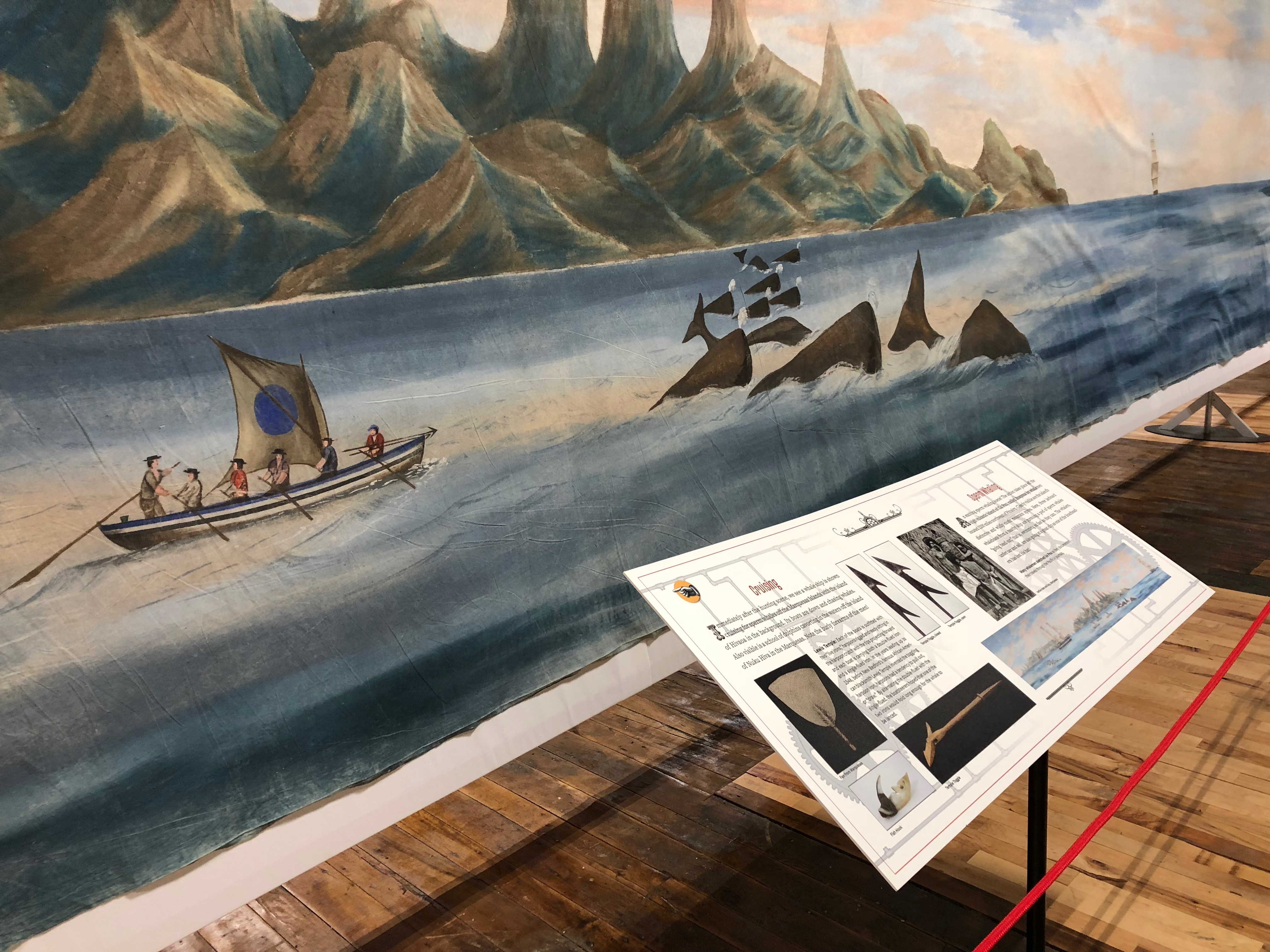
Back in the 1800s, two artists made a painting more than 1,200 feet long, which they then displayed in cities around the country. They charged admission to audiences interested in learning about the whaling life and the exotic places whaling ships dropped anchor on their long voyages.

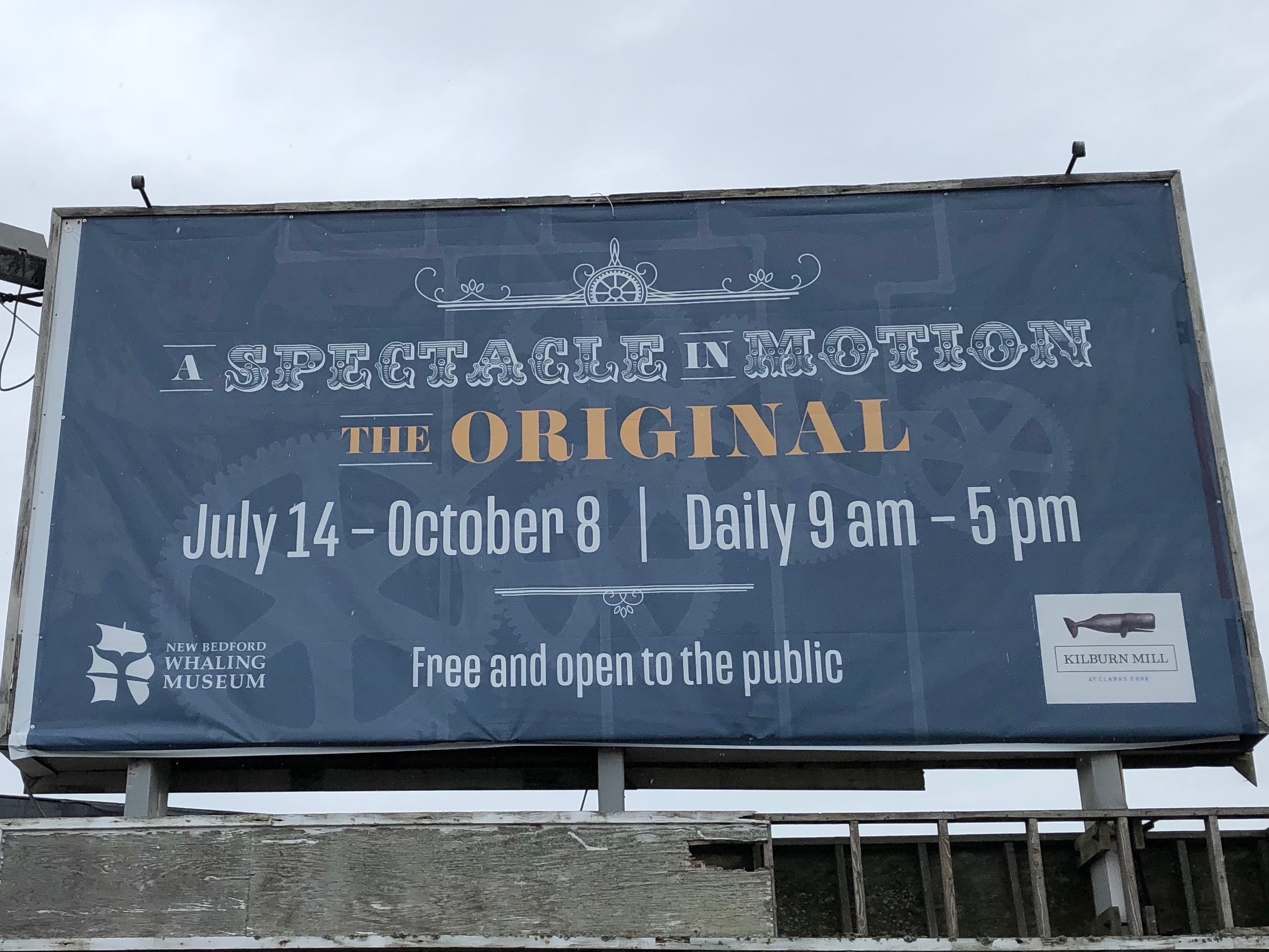
Until October 8, the New Bedford [Mass.] Whaling Museum is offering free admission to see the painstakingly restored panorama. The venue is an old warehouse, the only place big enough to hold the painting in its extended form.

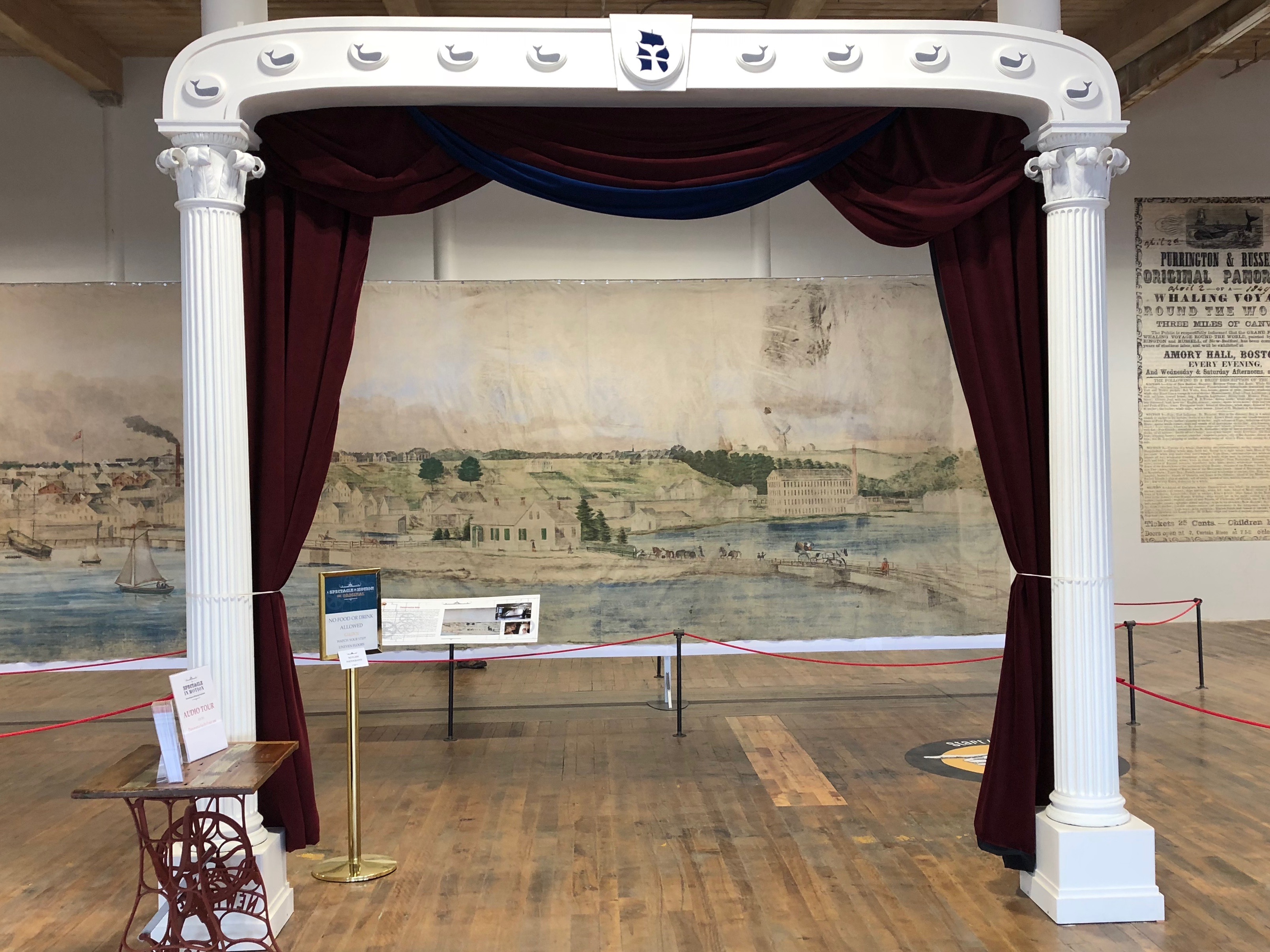
In the old days, this marvel traveled by train, sparks flying and burning holes in the painted sheeting, and audiences got to see it unscrolling in a frame that looked a bit like the whaling museum’s draped arch in the picture below.

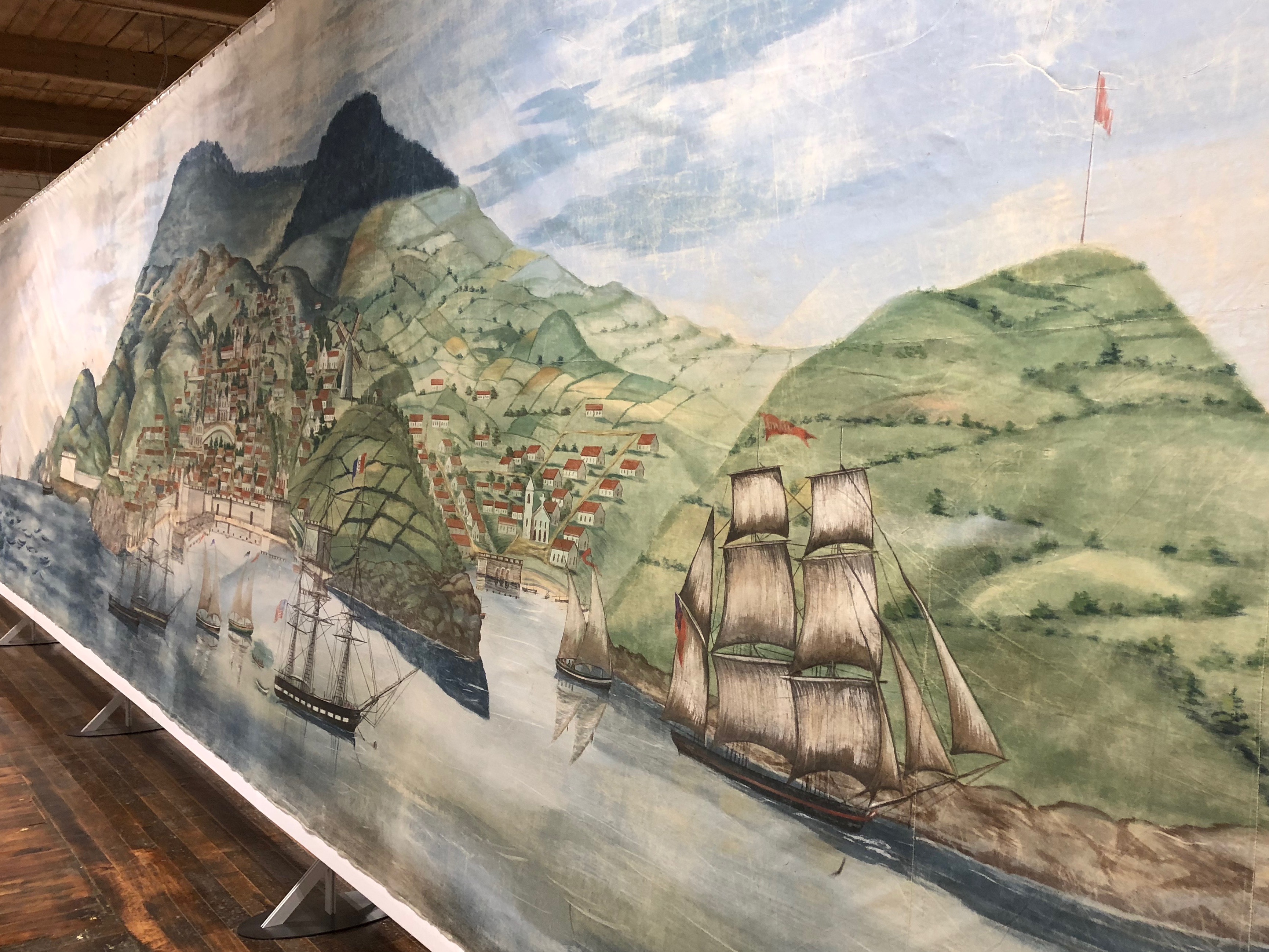
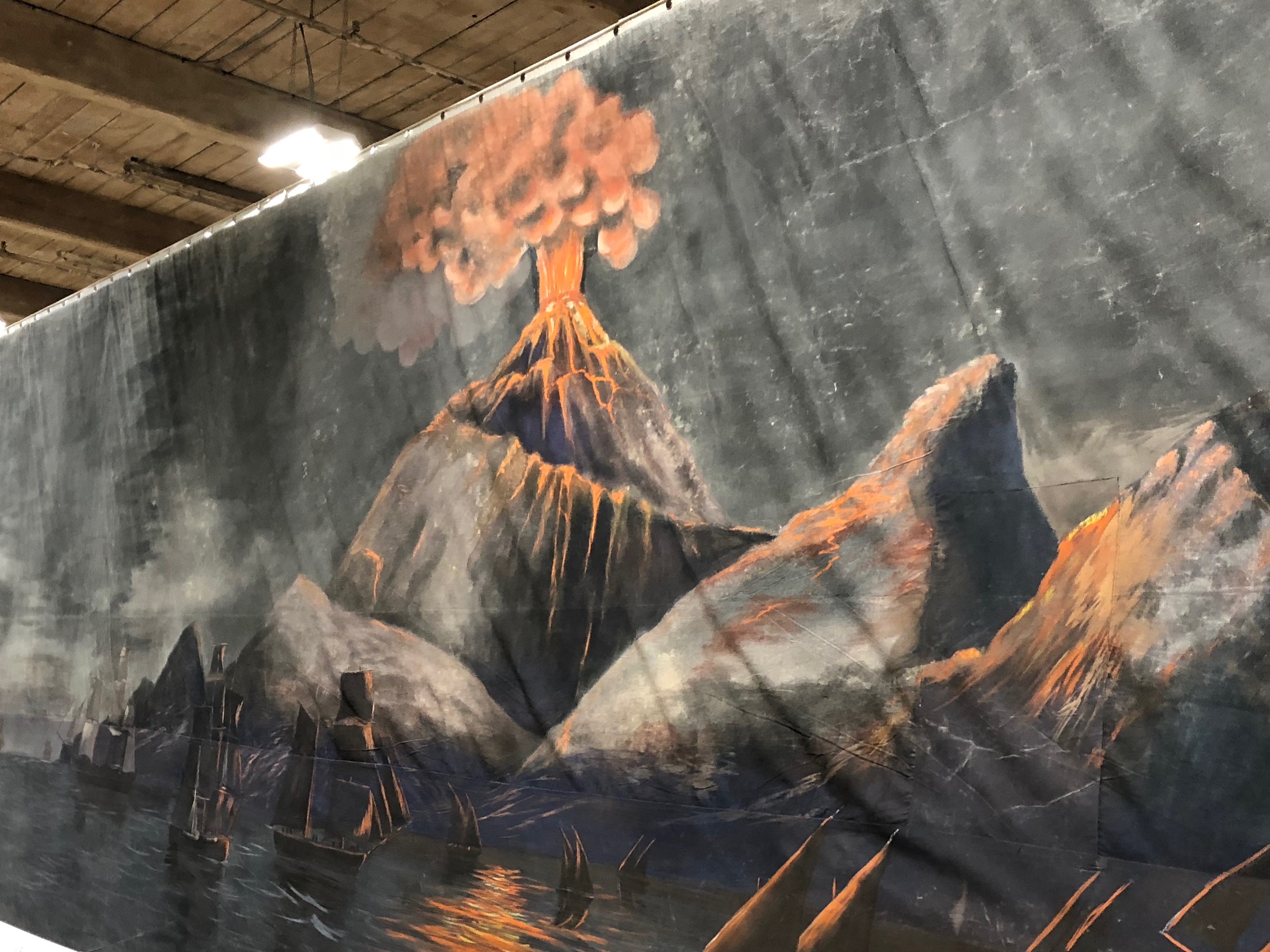
Back then, people would not have been able to walk up and down and go back to an interesting spot to take a picture. At any given moment, they saw only the part that a narrator was describing. Because I could walk back and forth along the extended artwork, the pictures here may not be in sequence — I might be misleading you into thinking the ships got to Fiji before the Azores, for example. (By the way the volcano picture is from Cape Verde.)

Be sure to check out the whaling museum’s information. This link offers a short video. And this one talks about the conservation work: “Created by Benjamin Russell and Caleb Purrington in 1848, this Panorama has been displayed in a host of venues – from a national tour when it was created to the 1964 New York World’s Fair. It was donated to the Museum in 1918 and was displayed for many years. However, one can easily imagine what a century and a half of rolling, unrolling, display, and light can do to deteriorate nearly a quarter-mile of painted cotton sheeting. It has not been exhibited in its entirety for more than 50 years, and the Museum thanks Mystic Seaport for kindly storing this monstrous painting over the past year.”

At the Boston Globe last year, Jennifer McDermott wrote a good preview of the work, which was created, she says, “to capture all aspects of a whaling voyage. The panorama would be mounted on a system of cranks and reels to go across a theater stage as a narrator told stories of hunting whales and processing their carcasses. A poster for the Boston stop in 1849 advertises tickets for 25 cents. The audience members would hear what it was like to round Cape Horn and visit Fiji and other far-flung destinations as they saw painted scenes of those locations.” …

McDermott adds that D. Jordan Berson, who managed the project, “spent a year spraying the panorama with an adhesive to stabilize a paint layer that had powdered over time. The conservator stitched sections that were taken apart, repaired thinning areas of the cotton muslin fabric and fixed holes and tears.”

Nowadays, most of us think it’s a crime to kill these magnificent creatures, but it’s worth knowing how it was done if only because there are still people in places like Japan and Norway whose job it is to do just that.

092518-Panorama-billboard-New-Bedford

092518-exhibit-entrance-mimics-scrolling-frame

092518-whalers-visit-Fiji

092518-whalers-travel-the-world

092518-19th-century-harbor

092518-Azores-in-Whaling-painting

092518-Cape-Verde-volcano-at Panorama

092518-scrimshaw-whaler


092518-Polynesian-sailboat

092518-Polynesia-and-whaler

092518-thar-she-blows

092518-ad-for-whaling-spectacle

Read Full Post »

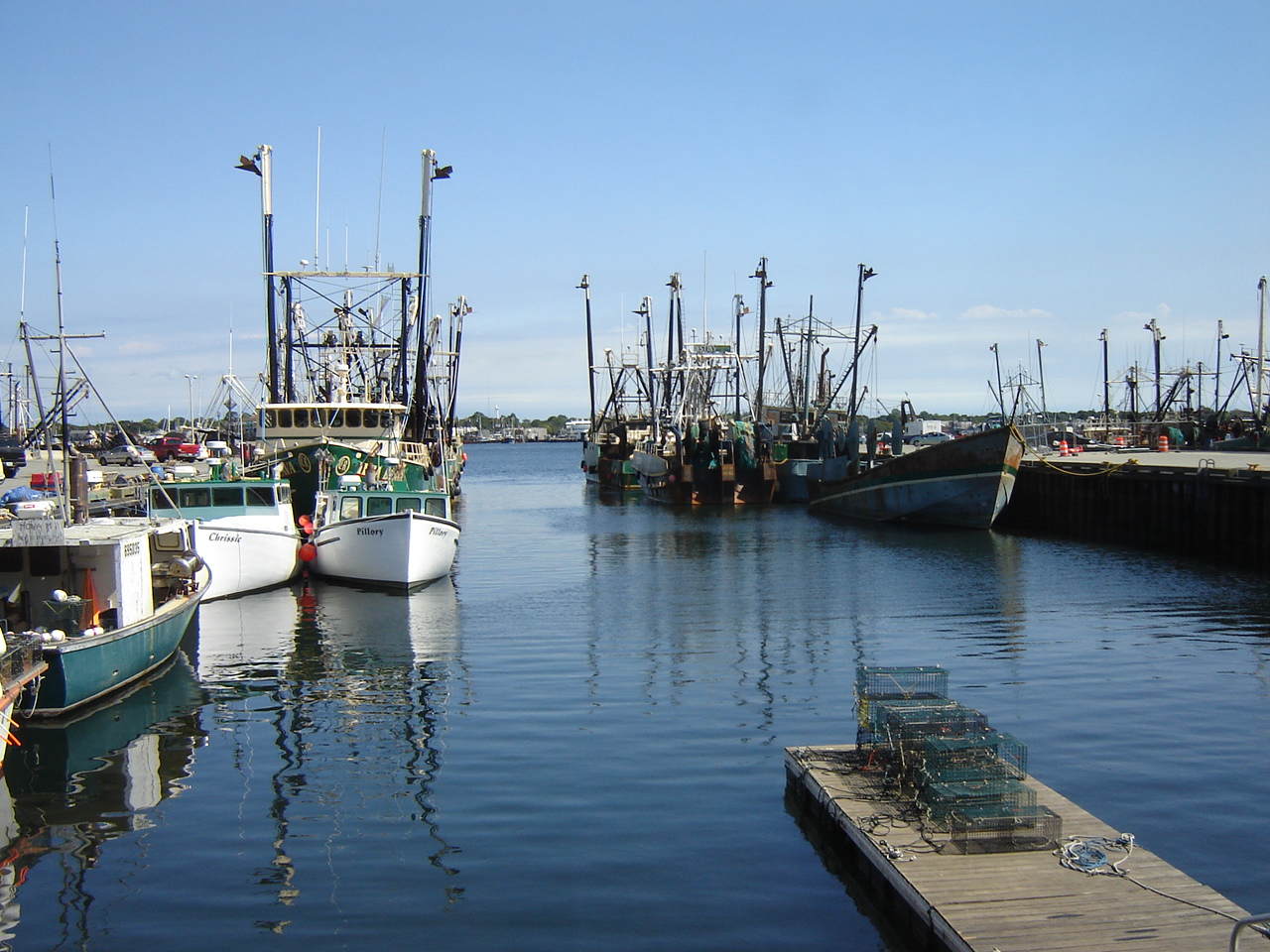
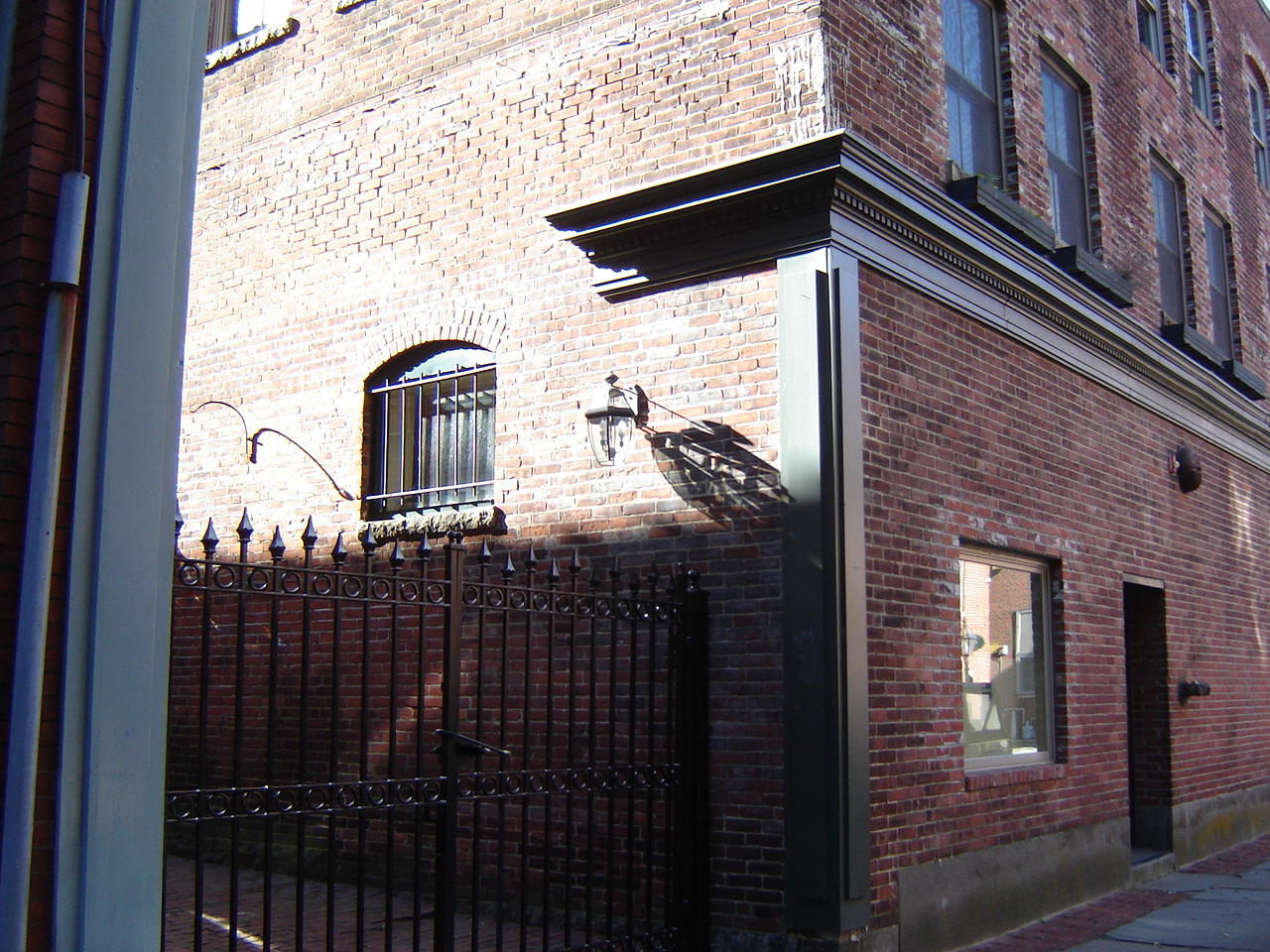
My husband and I are often drawn to New England’s older postindustrial cities, with their walkable town centers and their old brick warehouses. They are sometimes called Gateway Cities because for generations they have served as immigrant gateways into the American life. We explored North Adams, Massachusetts, with Suzanne and Erik a couple years ago, and this weekend we went to New Bedford with Suzanne.

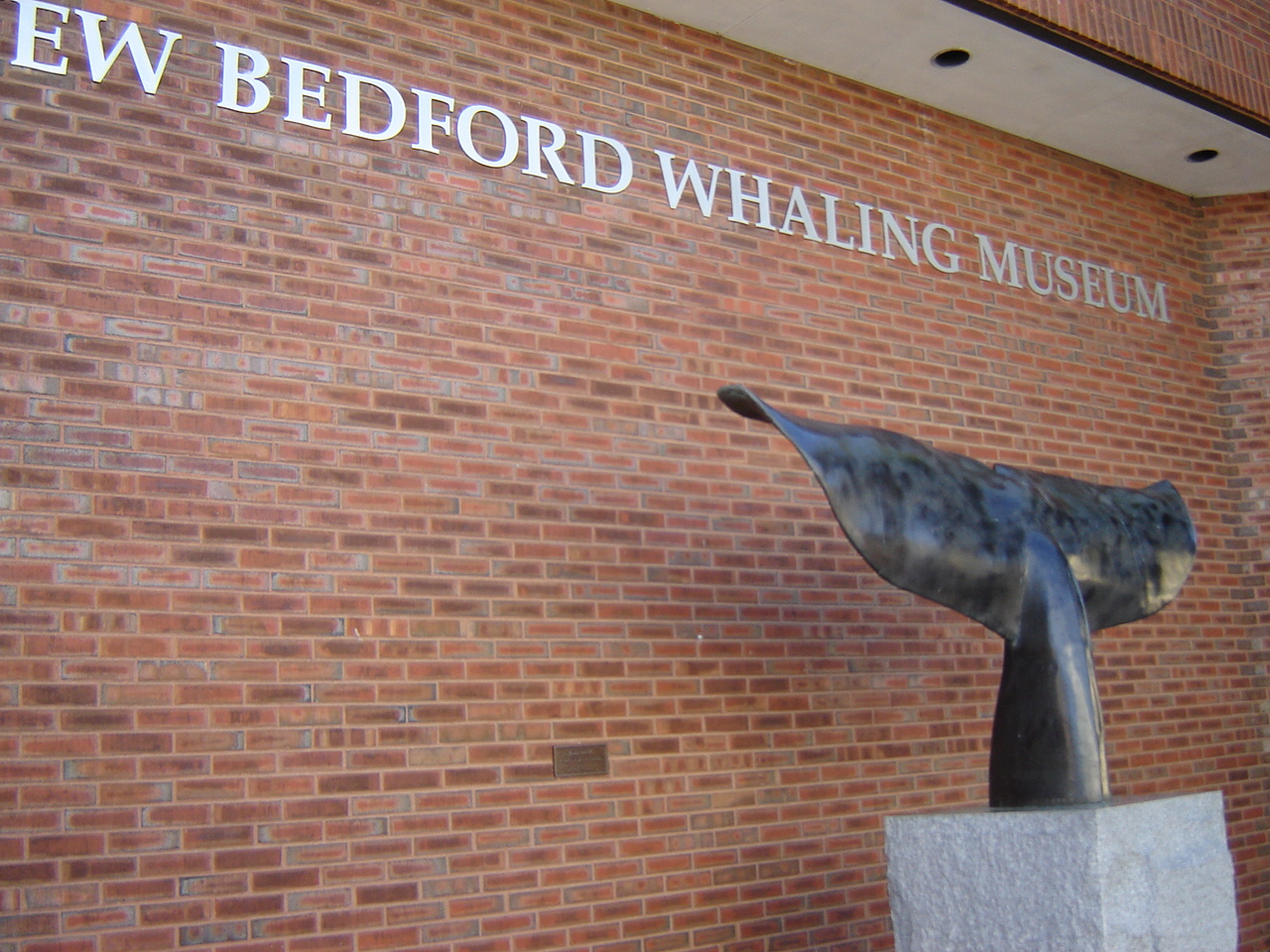
Once the whaling capital of the world, New Bedford today is home to an anxious fishing industry, clothing manufacturing, and tourism. We went to the Whaling Museum and came out feeling glad that most countries are more focused on whale preservation than whale hunting.

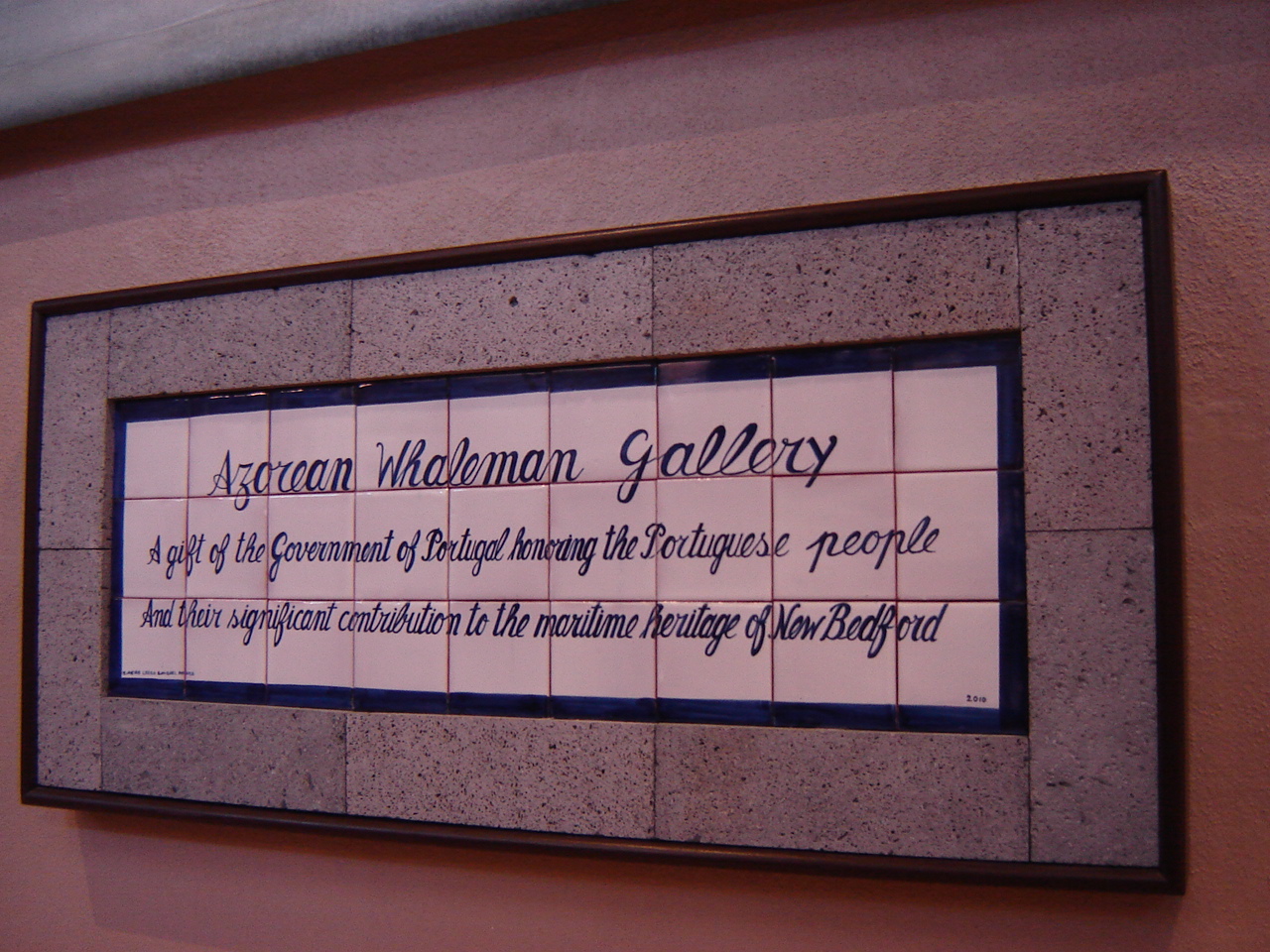
We sought out Portuguese restaurants and sat on the patio near an outdoor fireplace at one place. We knew there would be Portuguese restaurants as Portuguese speakers have come to New Bedford for generations — from Portugal, the Azores, Cape Verde, and Brazil.

At our beautiful Bed & Breakfast, the hosts (who have spent most of their working lives doing economic development overseas with US A.I.D.) told us that a large Guatemalan community has grown up in the city. They said that most of the Guatemalans speak an indigenous language, Spanish being a second language for them. That’s a particular challenge when Guatemalans go to the hospital as none of the staff speak that indigenous language.

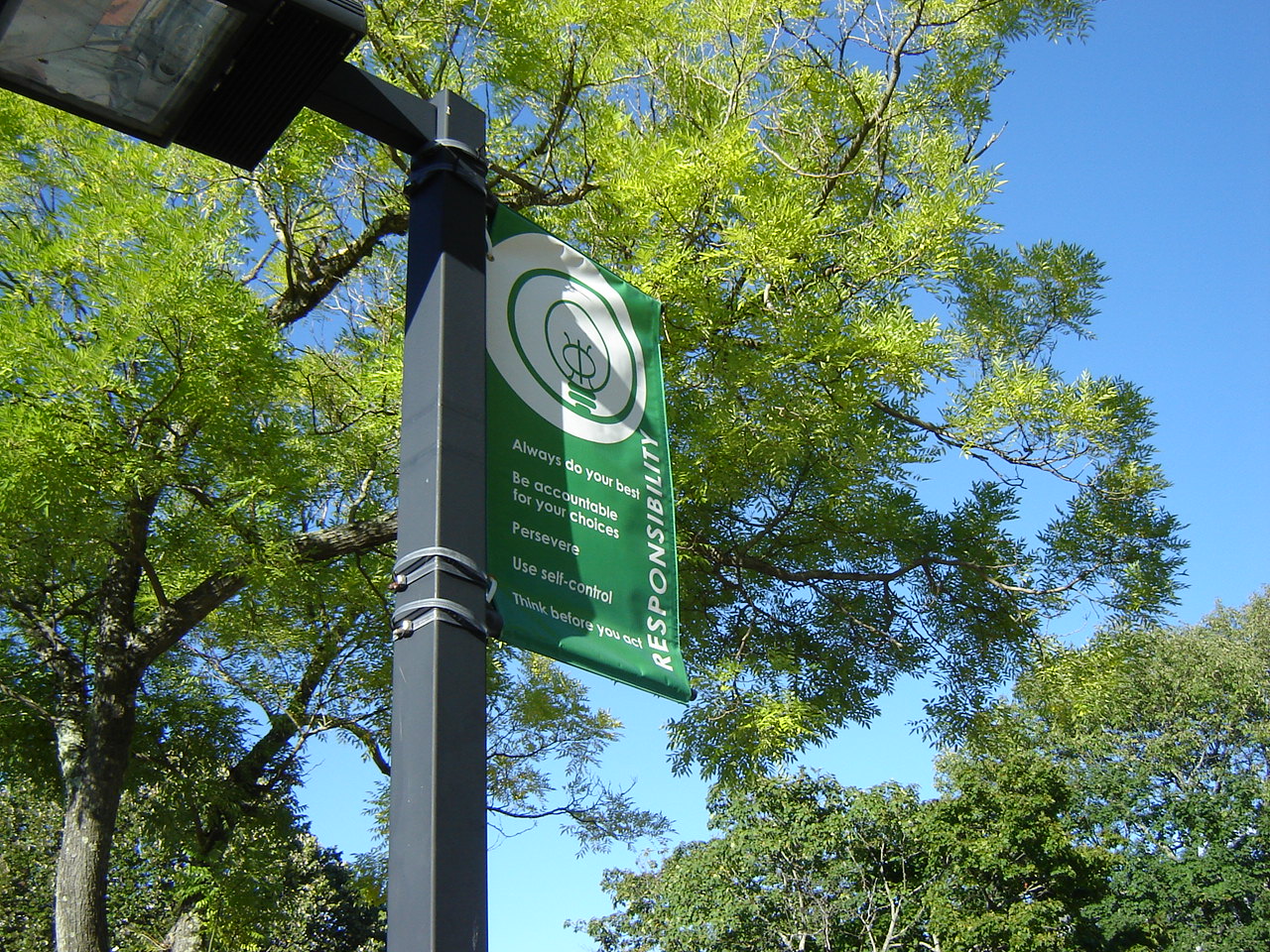
My husband and Suzanne and I walked around. We passed lively Pentecostal churches and a storefront church full of dancers and clowns. We noted lamp posts bearing inspirational banners on how to be a good citizen or how to volunteer. I include one on “Responsibility.”

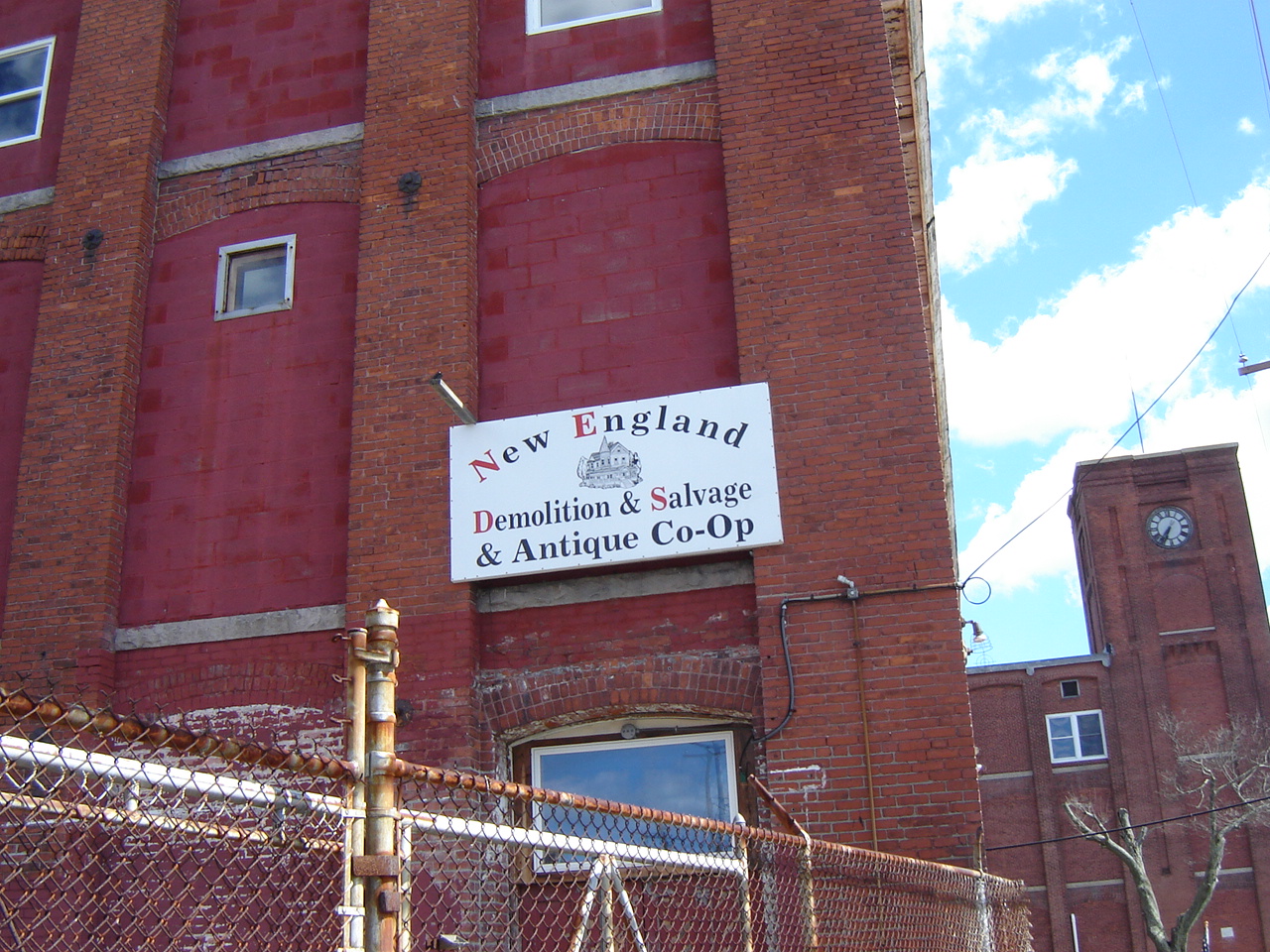
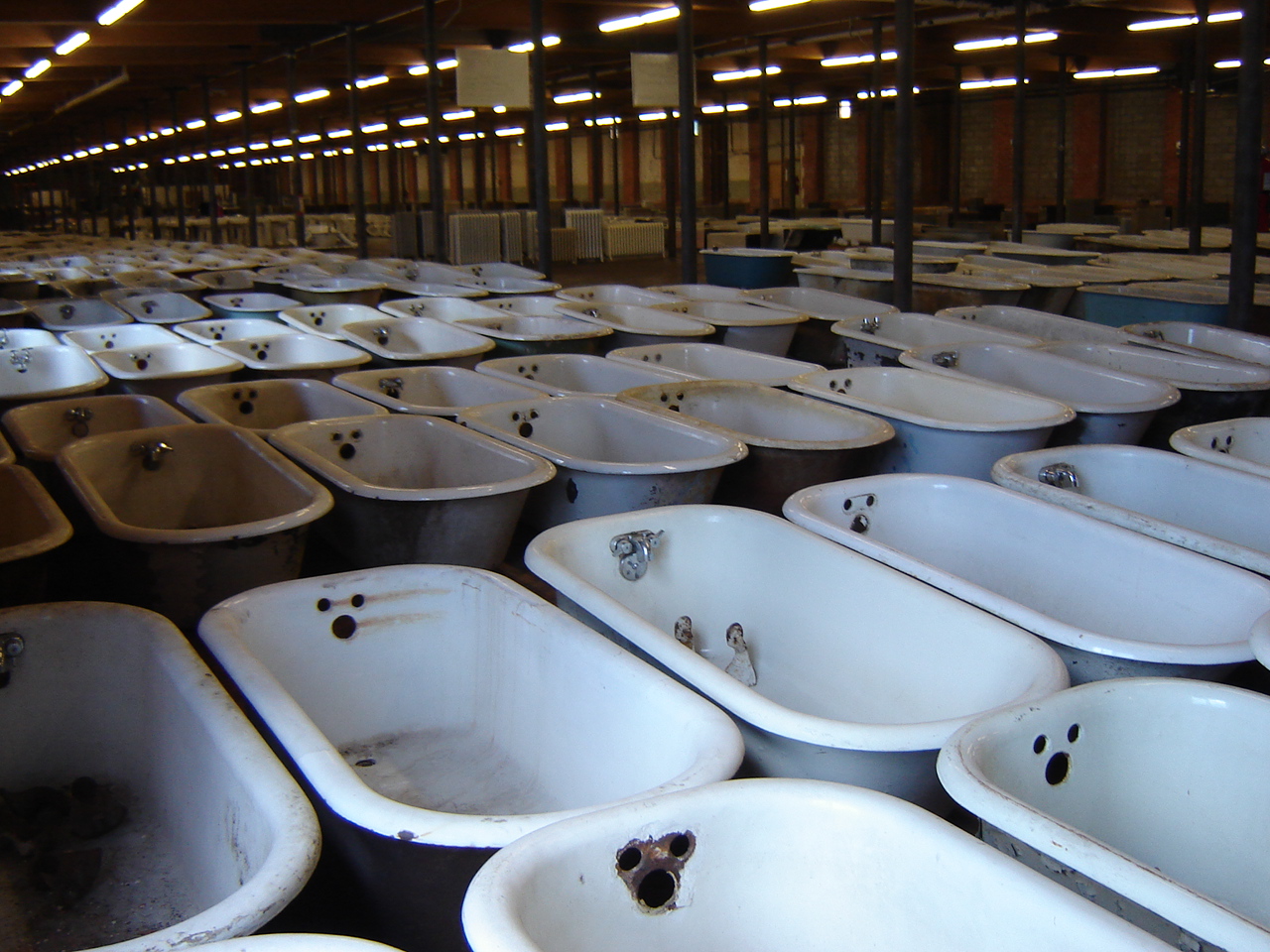
We also liked the cooperative shops run by members of the local arts community. And we had fun checking out a salvage warehouse for cool architectural bits, here. Among other things, it has rather a lot of bathtubs.


Read Full Post »