A week ago two lovely owl poems on this blog generated praise and suggestions for the poet.
So when I saw this article about the sensitive role of a poetry editor, I thought you would be interested.
Sameer Rahim, assistant books editor of the Telegraph in the UK, begins his essay by saying that Dante acknowledged Virgil as his literary guide.
“Every poet needs a Virgil. Wordsworth had Coleridge; Tennyson had Arthur Hallam; and Edward Thomas had Robert Frost. However, the best-preserved example of one poet editing another is Ezra Pound’s work on TS Eliot’s ‘The Waste Land.’
“The poem’s manuscript, first published in 1971 and now available on a snazzy iPad app, shows Pound’s boldness. On the first page of the second part, ‘A Game of Chess,’ he wrote disapprovingly: ‘Too tum-pum at a stretch’; further down he complains a line is ‘too penty’ – too regular a pentameter. Eliot redrafted the lines until he got an ‘OK’ in the margin. Eliot acknowledged his friend’s role when he dedicated the 1925 edition to Pound, calling him Il miglior fabbro or ‘the better craftsman’ – a phrase from Dante. …
“One of Eliot’s successors … is Matthew Hollis, a poet-editor and biographer whose account of the literary friendship between Edward Thomas and Robert Frost, Now All Roads Lead to France, [just won the] Costa Prize.
“ ‘There is sometimes a feeling that to edit poetry you have to be a poet,’ he says, going on to cite Pound. ‘If you think you may have broken your leg, you don’t take a straw poll of your friends to find out, you visit a doctor for an expert opinion.’ ”
That expert is probably another poet, but not necessarily.
“Most important is that ‘an editor listens to an author tuning into their poems.’ ” Read more here.
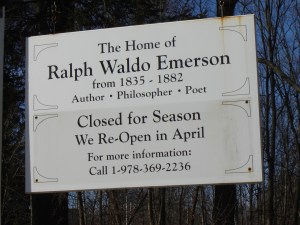
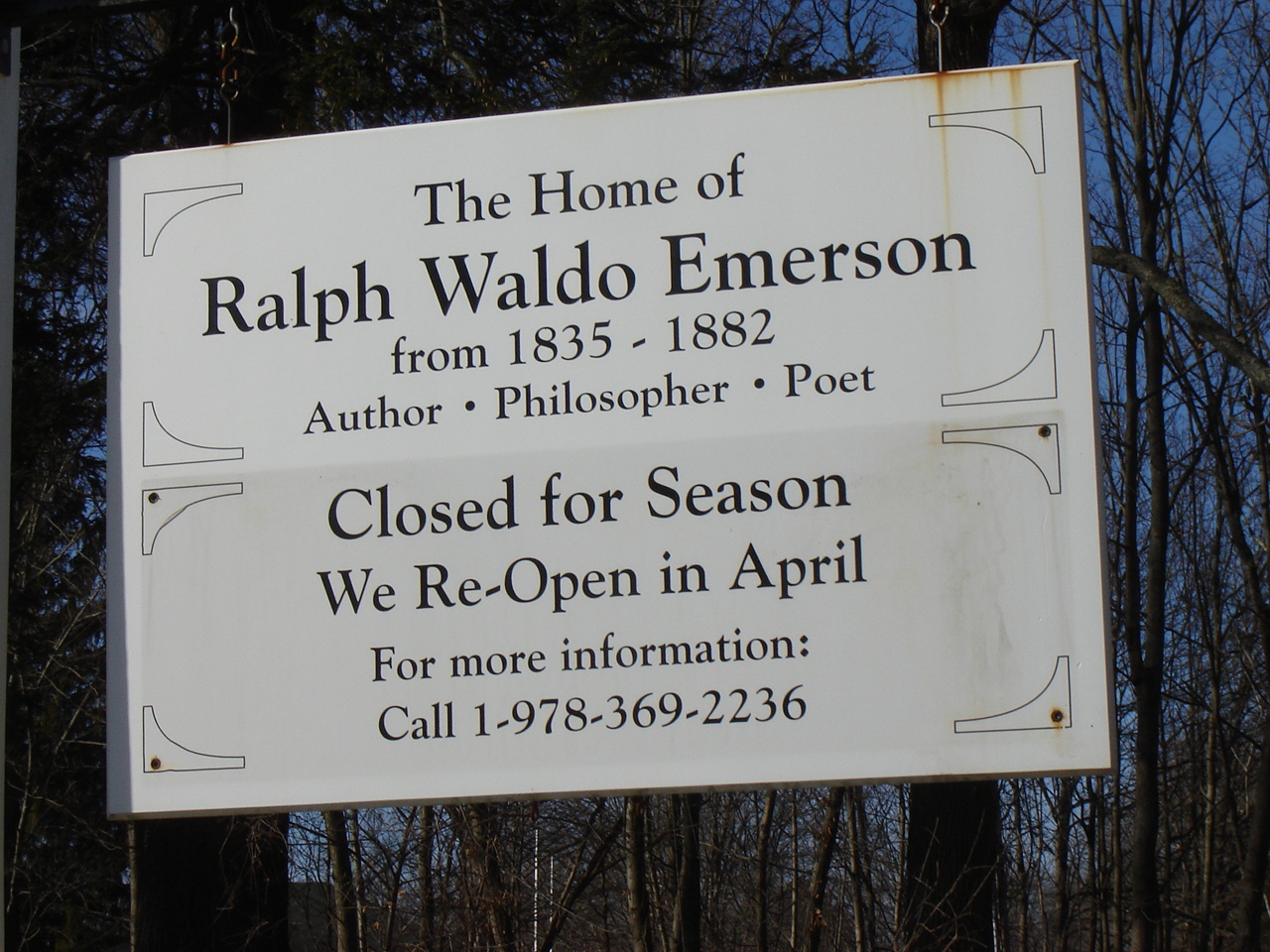
I know Emerson isn’t one of the greats in the poet department, but he was the only one available on short notice.
Read Full Post »

 Suzanne's Mom's Blog