Feeds:
Posts
Comments

Posts Tagged ‘ucla’

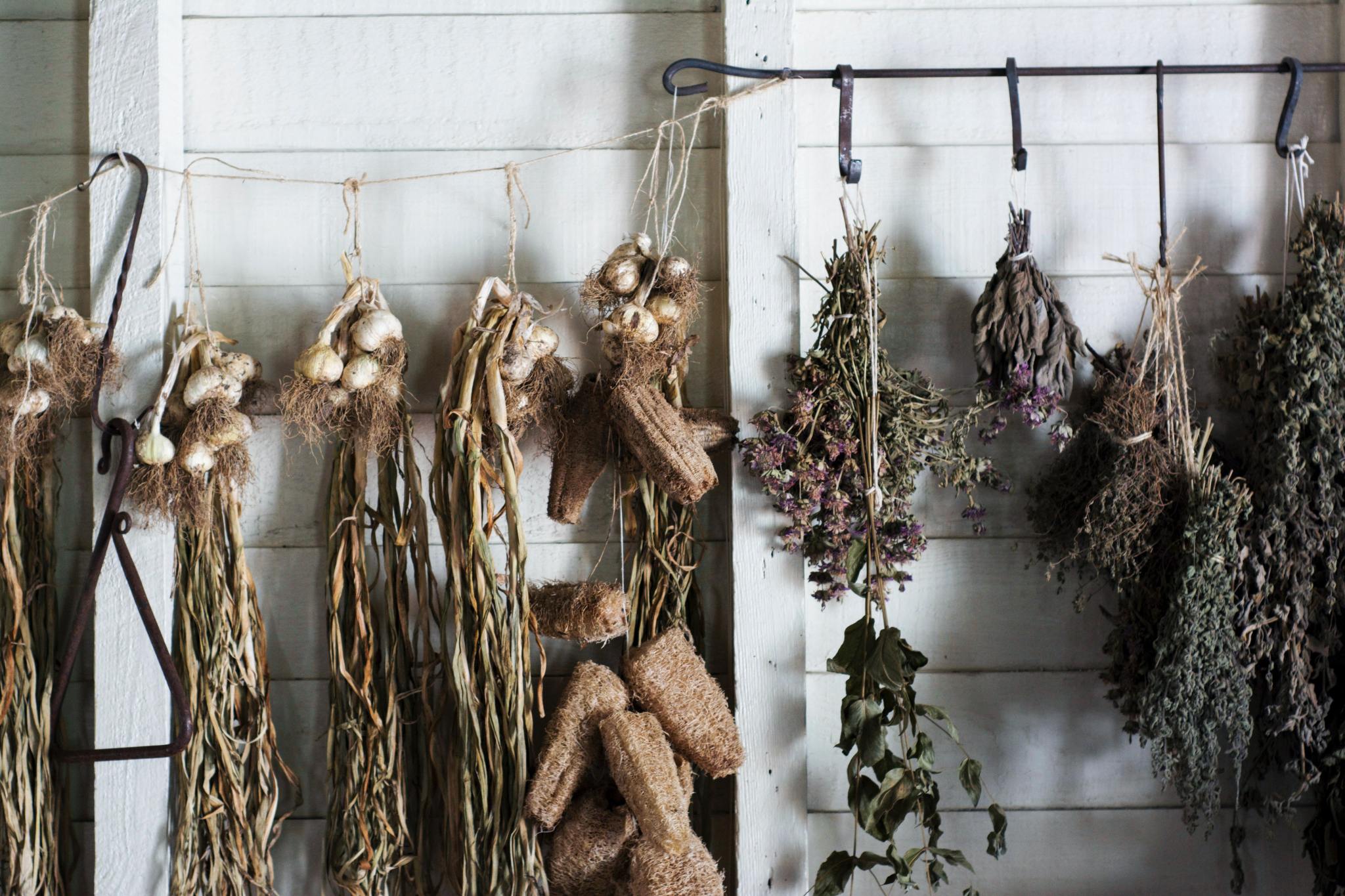
Photo: Landis Brown/The Archive of Healing at UCLA.
The Archive of Healing describes cures, rituals, and healing methods spanning two centuries.

My daughter-in-law and I got interested in a kind of tumeric tea that we bought at the farmers market before Covid. Since then, I’ve tried other kinds of tumeric tea just because I like the weird flavor. And as today’s article points out, tumeric has long been known to reduce inflammation.

At Hyperallergic, Valentina Di Liscia wrote recently about similar tried and (sometimes) true traditional remedies that are featured in something called the Archive of Healing.

“The digital archive features hundreds of thousands of entries describing cures, rituals, and healing methods spanning two centuries, with a focus on protecting Indigenous knowledge from for-profit exploitation.

“The University of California, Los Angeles (UCLA)’s Archive of Healing, one of the most comprehensive databases of medicinal folklore in the world, is now accessible online. The interactive, searchable website boasts hundreds of thousands of entries describing cures, rituals, and healing methods spanning more than 200 years and seven continents.

“The site … focuses on the preservation of Indigenous traditions and customs related to wellness.

“The project started five decades ago, when former UCLA professors Wayland Hand and Michael Owen Jones led teams of students to document medicinal practices described in university archives, published sources, anthropologists’ field notes, and their own family folklore.

In 1996, the school received a grant to digitize the research — encompassing more than a million handwritten four-by-six note cards — and transform it into a searchable database then known as the ‘Archive of Traditional Medicine.’

“But somehow, the massive trove remained a little-known resource until 2012, when a librarian at UCLA came across the database and alerted Dr. David Delgado Shorter, Professor of World Arts and Cultures/Dance at UCLA. Shorter, who had just published a book based on fieldwork with the Yoeme communities in northwest Mexico and launched a digital tool to help Indigenous people preserve their languages, was ‘blown away’ by the archive.

“ ‘It was just sitting there probably for years without people knowing about it,’ Shorter said in an interview. … ‘In some ways it’s fantastic that no one knew about it, because in this day and age, someone could have created a mining program and simply just pulled all the material from the database,’ he added. … His team safeguarded the data in a secure server.

“One of Shorter’s priorities is protecting Indigenous knowledge from exploitation by for-profit entities, such as pharmaceutical companies. For that reason, some entries in the archive do not mention specific plant names or recipes unless that information is already widely known.

“As dangerous health-related disinformation surged during the coronavirus pandemic, many have become wary of alternative medicine. The archive’s initial compilers were folklorists, not medical doctors, and the website includes a disclaimer that the entries do not constitute medical advice. … Users can flag entries they deem inappropriate. …

“Most importantly, these spices, plants, and other healing methods can deepen our understanding of how different cultures view the body, wellness, and community.

“ ‘The whole goal here is to democratize what we think of as healing and knowledge about healing, and take it across cultures in a way that’s respectful and gives attention to intellectual property rights,’ said Shorter.”

Hooray for librarians who alert people to “treasure troves”! More at Hyperallergic, here.

Read Full Post »

Some recent grads seem more serious than their predecessors, perhaps the result of having to face tough realities in the Great Recession.

Martha Irvine writes for the Associated Press, “The full effect won’t be known for a while, of course. But a new analysis of a long-term survey of high school students provides an early glimpse at ways their attitudes shifted in the first years of this most recent economic downturn.

“Among the findings: Young people showed signs of being more interested in conserving resources and a bit more concerned about their fellow human beings.

“Compared with youths who were surveyed a few years before the recession hit, more of the Great Recession group also was less interested in big-ticket items such as vacation homes and new cars — though they still placed more importance on them than young people who were surveyed in the latter half of the 1970s, an era with its own economic challenges.

“Either way, it appears this latest recession ‘’has caused a lot of young people to stop in their tracks and think about what’s important in life,’’ says Jean Twenge, a psychology professor at San Diego State University who co-authored the study with researchers from UCLA.

“The analysis, released Thursday, is published in the online edition of the journal Social Psychological and Personality Science.” More.

One would never say that the Great Recession was a good thing. And it may be that some young people are too serious at too early an age. But it never hurts to start thinking early about what matters in life.

Photo: AP/Alex Brandon
Drew Miller at a building under construction in Silver Spring, Md. Miller quit a steady government contract job to take a chance on a company that’s using “smart technologies” to help big corporations cut lighting costs. Though it meant taking a small pay cut, he says having a job that helps the environment was a ‘‘huge’’ motivator.

Read Full Post »

A busy holiday here in New England with both our kids, their spouses, and the two grandsons. Every time we thought we were nearly done opening presents, one or more of us needed a nap.

The distaff side produced a chicken masala (with rice, nuts, raisins, cilantro, coconut, and chutney from Swaziland via the Servv catalog), creamed spinach, salad, and pear crumble.

Meanwhile, here’s a Christmas-y story from South America …

“In 2001, when Argentina’s economy was near collapse and property prices plummeted, UCLA art prof Fabian Wagmister bought a 15,000-square-foot abandoned warehouse in Buenos Aires. When he finally set out to clear the remaining debris from the building last year, he uncovered more than 100,000 Christmas ornaments piled in one of the back rooms.

“What to do with a trove of metallic bulbs, plastic wreaths, and bags of fake snow for a sunny Argentine Christmas?

“Re-gift them, of course,” writes Elise Hennigan at Pacific Standard.

“ ‘As artists we were immediately taken by the powerful expressive potential of the materials,’ says Wagmister.

“Now the director of the University of California, Los Angeles’s Center for Research in Engineering, Media, and Performance (REMAP), Wagmister invited a team of ten artists, researchers, and programmers from Los Angeles to distribute the ornaments to the surrounding community …

“Starting on December 15, the team invited community groups to visit the warehouse, one among many lining a historically working-class district that has seen an influx of technology companies. There, the researchers have encouraged participants to develop projects that will use the ornaments to express their identities, struggles and aspirations. On December 23, the groups took to the streets and decked the halls accordingly.” More.

 Photograph: Pacific Standard
Some of the found ornaments going up around Argentina’s capital

Read Full Post »