Photo: Melanie Stetson Freeman/CSM Staff.
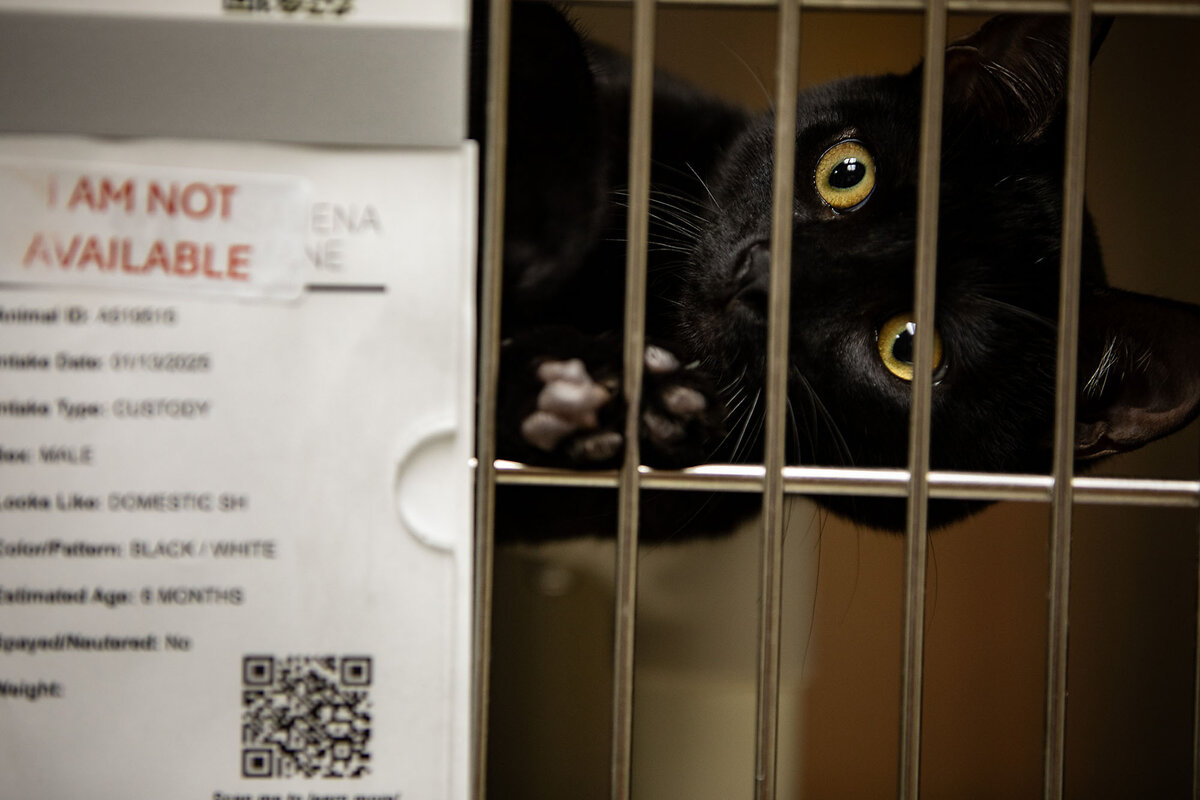
A sign on the cage of a young black cat boarded at Pasadena Humane indicates that it belongs to someone who lost their home in the Eaton Fire. The organization took in about 500 pets right after the fires. As of March 8, there were about 170 still boarding, free of charge.
Speaking of those pets and other animals in the Latvian animated film Flow, what actually does happen to them in a disaster?
Whether it’s a catastrophic flood as in Flow, or a massive wildfire as in California last January, humane societies and lots of volunteers rise to the challenge.
Ali Martin wrote at the Christian Science Monitor, “Six weeks after the Los Angeles wildfires erupted, Chris Briffett was sifting through 10,000 volunteer applications. The director of volunteer services for Pasadena Humane, a nonprofit, is expected to bring on about 2,000 – giving the organization an ‘unprecedented chance, he says, to respond to the community’s needs. …
“When communities are devastated, people step up to help, often in ways that align with their own skills or interests. But in the past decade, more trained volunteers have been integrated with official disaster response, says Tricia Wachtendorf, co-director of the University of Delaware’s Disaster Research Center. The inclusion of volunteers in the government process of planning for emergencies, she adds, improves coordination in the midst of disaster.
“Christine Quesada, director of volunteer programs for LA County’s Department of Animal Care and Control, says volunteers were vital during the wildfire evacuations at LA Pierce College, which took in horses and other livestock. LA County’s Equine Response Team — volunteers trained to work with large animals — provided food and care; worked with organizations for donations of food and supplies; and cultivated relationships with owners. …
“During the January wildfires, the small staff at Pierce’s equine science center worked around the clock with about 20 volunteers a day, plus officers from the county’s Department of Animal Care and Control. After the first day, Pierce was at capacity with over 200 animals.
“Some belonged to Sarah Kern. She arrived with six horses and two donkeys after watching the glow of flames spread across the oak-covered hills surrounding her home in Topanga. Ms. Kern knew the stakes; she and her family lost a home in the 2018 Woolsey Fire.
“Their animals are a way of life, central to their daily activity and rhythms. With the horses and donkeys safe, she says, she could focus on caring for her family and protecting her property.
“ ‘Yes, you’re supporting animals,’ she says, ‘but you’re really supporting the people. … They’re both important.’
“Back at Pasadena Humane, Skinny Minnie is recovering from severe burns. She is one of nearly 170 animals still boarding here because of the fires.
“Owners Mark Pastor and Lisa De Lange evacuated their home in Altadena and managed to grab their other two cats – Beauregard and Stella – but little else, with flames melting the back of Mr. Pastor’s car as he pulled out of the driveway.
“Someone found Skinny Minnie in the burnt remains of their home and took her to the shelter, which posted her photo on its website, where it was discovered by Mr. Pastor. Either he or Ms. De Lange visit Skinny Minnie nearly every day.
“Skinny Minnie’s care has been extensive, and it’s all covered by Pasadena Humane. When they told him, Mr. Pastor says, he ‘broke down.’
“ ‘It’s like they care as much about us and our feelings as they do about the animals that they’re treating,’ says Mr. Pastor.”
More at the Monitor, here.
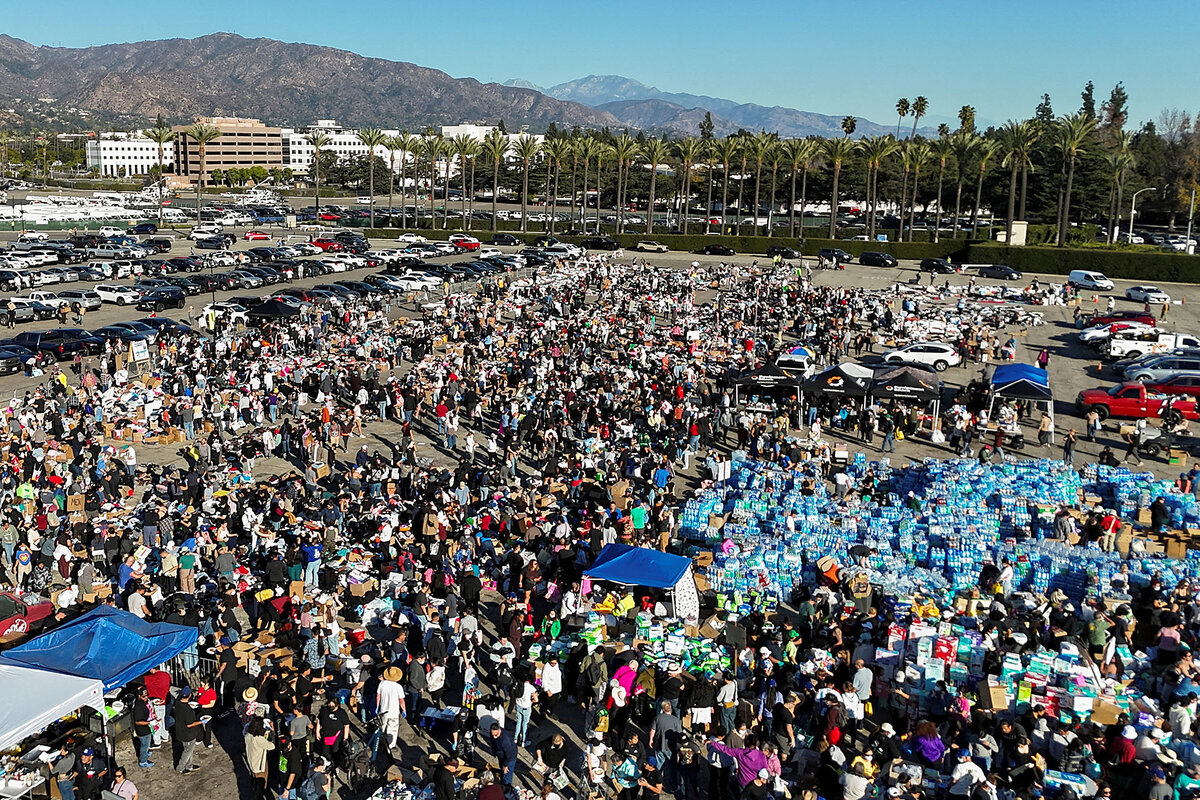

 Photo: Alan Greenblatt/NPR
 Photo: West End Phoenix


 Suzanne's Mom's Blog