Feeds:
Posts
Comments

Archive for the ‘Uncategorized’ Category

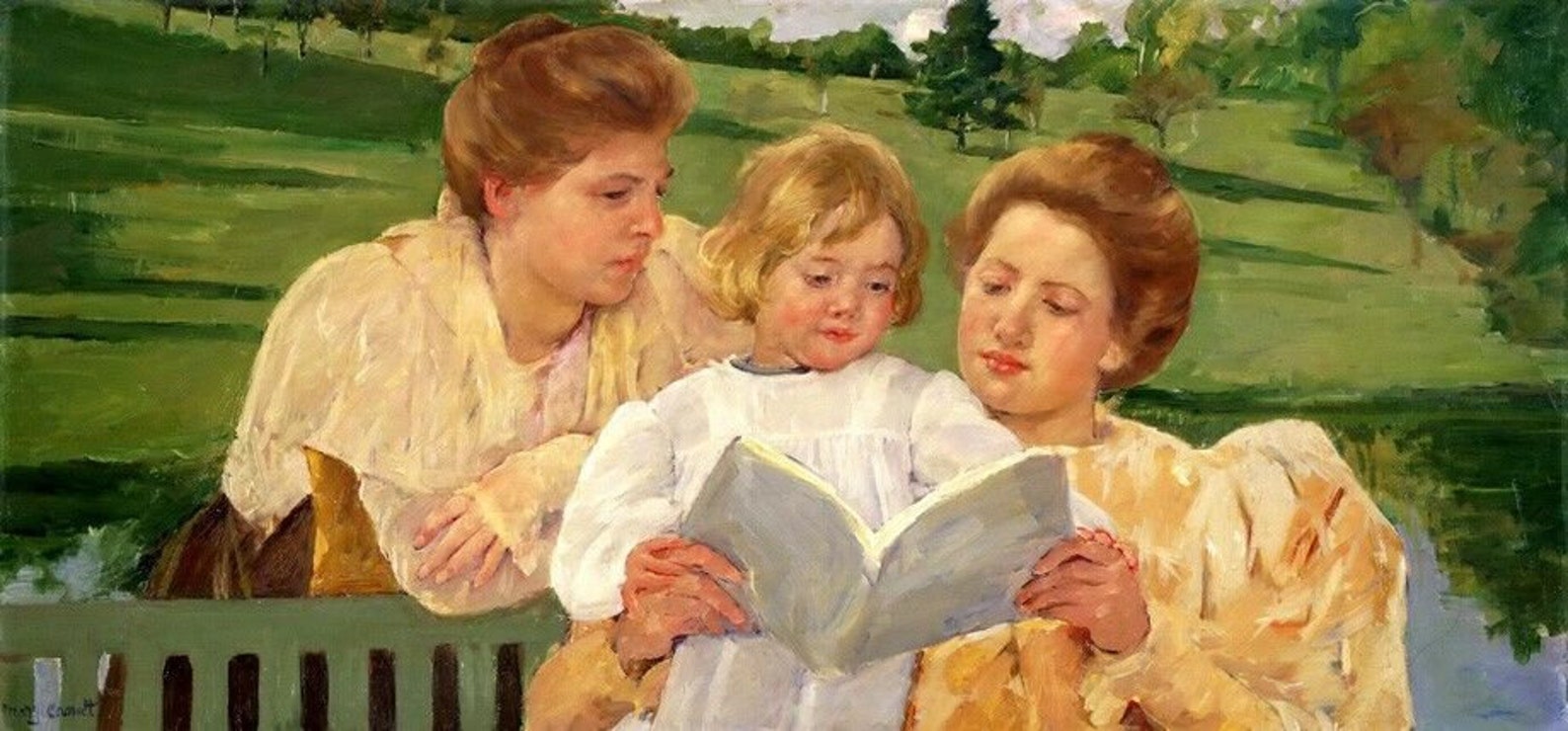
Art: Mary Cassatt.
One of these young women is supposedly the grandmother!

Today I thought I’d post this story on a very nice way for a mother to spend a few hours. It’s about a library specially designed for parents.

Casey Parks writes at the Washington Post, “Janelle Witcher thinks of the library as her second home. She’s a single mom who lives in Richmond [Virginia], and a few times a week, she drives her four children to Henrico County’s Fairfield branch. It’s a place where her children can learn and she can use a computer or socialize with other parents. Plus, she said, the books calm her children down.

“ ‘I go there just to let them see a different view, a peaceful view,’ she said.

“When Witcher’s oldest children were younger, they used to visit a different branch on the other side of town. She’d sign up for one of the computers in the lab, and she’d hold one baby or two as she tried to answer emails or look for job opportunities. Using the computers always felt difficult, though. As soon as Witcher started to type, one of the babies would reach over and mash the keys.

“Eventually, multitasking wore Witcher down. She cut back on her visits, but she missed the calming stacks, and her oldest children needed a place to do their virtual schooling. She started going to the new Fairfield branch last year, and the first time she visited, she noticed that someone had fixed her most vexing library problem. They’d installed a second computer lab in the children’s section, and this one had adult desks with a playpen attached.

They’d installed a second computer lab in the children’s section, and this one had adult desks with a playpen attached. …

“The Henrico County Public Library system installed the workstations as part of a $29 million rebuild of the Fairfield branch. Voters overwhelmingly supported a bond to pay for the facility, and as library administrators began designing it, they asked families what they wanted to see in the new 44,800-square-foot space.

“Immediately, said Barbara Weedman, the library director, one trend emerged: People no longer viewed the library as just a place to pick up a book. The branches were places to gather, and families needed them to be more kid-friendly.

“Weedman worked with architects at Quinn Evans, which has offices in D.C., Baltimore, Detroit, Ann Arbor, Mich., and Richmond. Together, they designed a children’s section with arts-and-crafts rooms, collaboration spaces and furniture short enough to allow parents to see their children across the room. They added rocking chairs and a lactation room, and then, as the architects finalized their plans, they asked Weedman whether community members needed anything else.

“Weedman was also once a single mom, and she and other library staff had long noticed mothers like Witcher trying to work on the computers while holding a child. …

“The old computer lab model didn’t work for those parents, Weedman told Shannon Wray, a senior interior designer at Quinn Evans. And it didn’t work for other patrons, either, who needed a quiet place to work or apply for jobs. …

“Wray searched, but she couldn’t find any ready-made furniture that addressed the need, so she asked a small company in Ann Arbor to build something new.

“Blake Ratcliffe and his wife, Sherri, have been designing children’s furniture for 25 years. They work with education experts from New York University and Montessori groups to create pieces that facilitate early learning. When Wray called, the Ratcliffes knew they wanted to come up with a new kind of work carrel — one that suited parents, but was also safe and educational for babies and toddlers up to 2 years old.

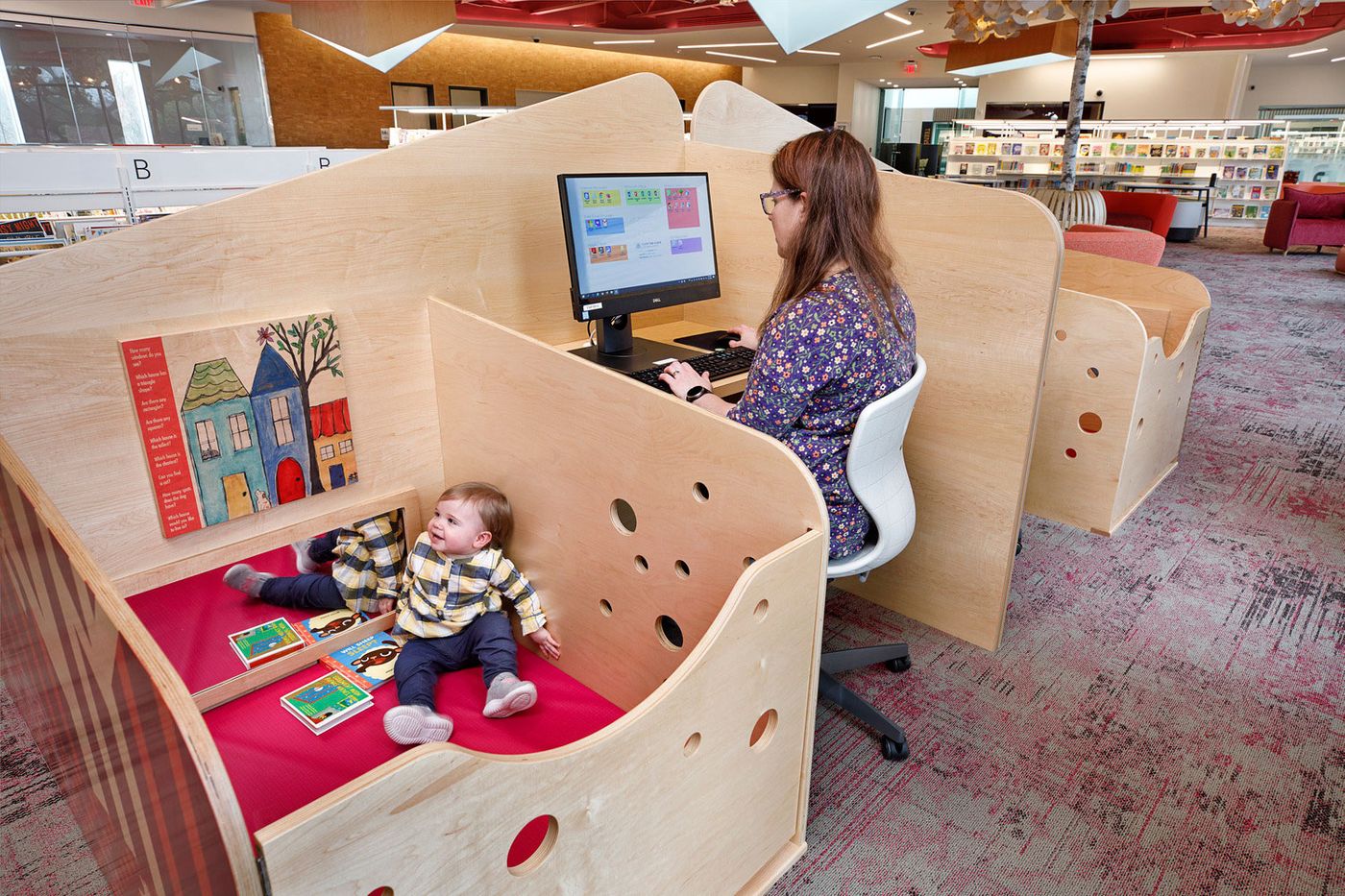
“The result is something they now call the Fairfield Parent+Child Carrel. It has a maple veneer plywood desk with privacy panels on one side and a crib on the other. They built the carrels from nontoxic materials durable enough to sustain the kind of frequent cleanings library workers do now, and in the crib, they installed a soft, vinyl mat made of health-care-grade materials. The inside play space has a mirror and interactive panels that librarians can switch out when babies need new distractions. …

“When the library opened in October 2019, mothers ‘made a beeline’ for the four carrels, Weedman said.”

More at the Post, here.

Photo: Chris Cunningham via Curbed
The Fairfield carrel was designed by Sherri Moore and Blake Ratcliffe to help caregivers with young kids in tow better access their local library.
Read Full Post »

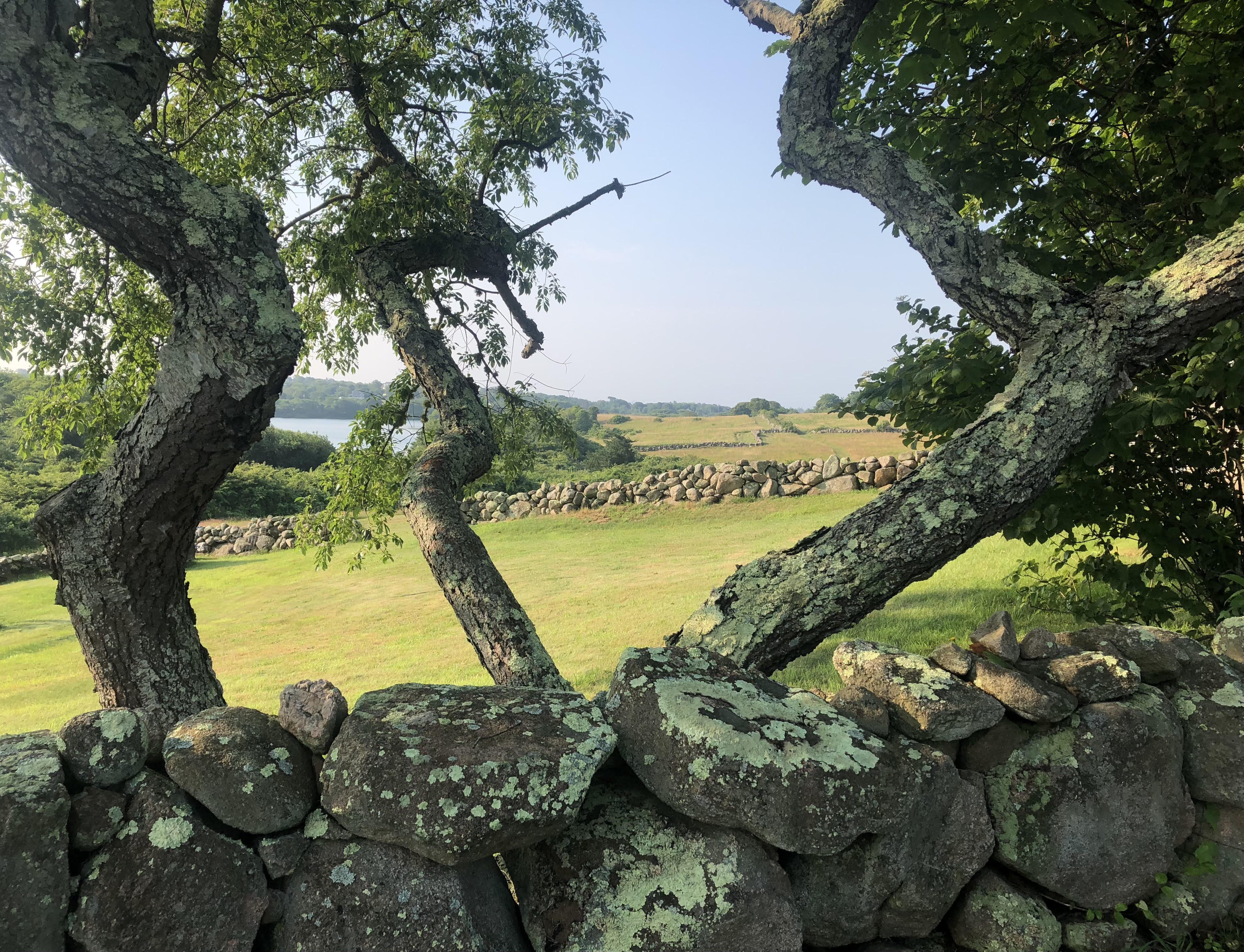
Photos: Suzanne’s Mom.
Childhood walks in the natural world are associated with better navigation skills in age.

According to a recent New York Times article by Benjamin Mueller, whether or not a patient navigated irregular spaces in the great outdoors as a child may help with diagnosing later dementia. If an old person keeps getting lost, it may not mean Alzheimer’s. It may only mean she grew up in a gridlike city.

Mueller writes, “As a child in Chicago, Stephanie de Silva found that the city helped her get where she was going. Streets included directional names like ‘West’ or ‘North,’ and they often met at neat right angles. If all else failed, Lake Michigan could situate her.

“But when Ms. de Silva, 23, moved to London, where she now studies cognitive science, she suddenly could not navigate to a restaurant two blocks from home without a smartphone map. The streets were often crooked. Sometimes they seemed to lead nowhere. …

“Scientists in Ms. de Silva’s lab at University College London, along with colleagues in Britain and France, have now arrived at an explanation: People who grow up in predictable, gridlike cities like Chicago or New York seem to struggle to navigate as easily as those who come from more rural areas or more intricate cities.

“Those findings, published in Nature [in March], suggest that people’s childhood surroundings influence not only their health and well-being but also their ability to get around later in life. Much like language, navigation is a skill that appears to be most malleable when people’s brains are developing, the researchers concluded.

The authors hope the findings eventually lead to navigation-based tests to help diagnose Alzheimer’s disease.

“Getting lost can sometimes occur earlier in the course of the illness than memory problems, they said. Researchers have developed virtual navigation tests for cognitive decline, but they can interpret the results only if they know what other factors influence people’s way-finding abilities.

“Among the forces shaping people’s navigation skills, the study suggested, was what kind of places they experienced as a child.

“ ‘The environment matters,’ said Hugo Spiers, a professor of cognitive neuroscience at University College London and one of the study’s lead authors. ‘The environment we’re exposed to has a knock-on effect, into the 70s, on cognition.’ …

“In 2015, Michael Hornberger, who studies dementia at University of East Anglia in England, heard about a company that wanted to invest in dementia-related research.

“Having just attended a workshop about gaming in science, he proposed a video game that could help him figure out how people of different ages, genders and locations performed on navigation tasks. Such a game, he thought, could create benchmarks against which to assess patients who might be in the early stages of Alzheimer’s disease.

“To his surprise, the company — Deutsche Telekom, a major stakeholder in T-Mobile — funded his idea. Known as ‘Sea Hero Quest,’ the smartphone game involved steering a boat to find sea creatures. …

“The scientists had hoped that the game would draw 100,000 people in Western Europe. The participants would be testing their navigation skills while also providing basic demographic details, like whether they had grown up in or outside of cities.

“Instead, over 4.3 million people joined in, generating a global database of clues about people’s ability to get around. ‘We underestimated the gaming world,’ Dr. Hornberger said. ‘It went beyond our wildest dreams.’

“For all its simplicity, the game has been shown to predict people’s ability to get around real places, including London and Paris. In recent years, the research team has used the resulting data to show that age gradually erodes people’s navigation skills. ….

“The latest study addressed what its authors described as a more vexing question: Do cities, however grid-like, have the effect of honing people’s navigational skills by offering them a plethora of options for moving around? Or do people from more rural areas, where distances between places are long and paths are winding, develop superior navigation abilities?

“To find out, the researchers studied game data from roughly 400,000 players from 38 countries. The effect was clear: People who reported growing up outside cities showed better navigation skills than those from within cities, even when the scientists adjusted for age, gender and education levels. …

“Players of varying nationalities performed differently. Urbanites from some places, like Spain, came very close to matching the navigation skills of their rural counterparts. In other nations, like the United States, people raised in cities were at a huge disadvantage.

“One explanation, the researchers suggested, was that in countries whose biggest cities were complex patchworks, like Spain, chaotic street layouts had sharpened navigation skills.”

More at the Times, here.

Read Full Post »

Photo: Christopher Thomond/The Guardian.
Paul White: ‘After one 21-hour work day, I told my mum I planned to quit. As soon as I uttered the words, I felt the weight lift.’

Have you ever had a really bad boss? I have. I was afraid to quit without another paycheck in hand. It took five years to find one, but it was worth it. It turned out to be my best job.

One thing about the pause from normal life that we can chalk up to Covid is the reassessment of how we’ve been spending our time. The media is full of stories about people who thought deeply about their jobs and ended up quitting.

Today’s article is about a guy who felt a wave of relief when he turned his back on the stress of work and found a new line.

Deborah Linton at the Guardian gets the story from 35-year-old Paul White of Lancashire, UK.

“In May 2018, I became leader of my local council, Pendle, in Lancashire. A year later, after nearly a decade in local politics, I quit. Alongside my council duties, I had been growing a business: milk and grocery delivery to 100,000 customers, locally and elsewhere in the country. I had a 3 a.m. milk round, so I’d be up before dawn delivering bottles, jumping on a train to Westminster after lunch to meet government ministers, and heading back to chair a council meeting that evening.

“My heart was constantly racing. Shortly before my election as leader, I’d been diagnosed with cardiomyopathy – heart failure. I’d been fitted with a pacemaker and defibrillator, and put on medication, but I’d torn up the doctor’s note, convinced I was too busy to take time off. …

“After one 21-hour work day, towards the end of 2018, I told my mum I planned to quit; as soon as I uttered the words, I felt the weight lift. …

“For a while, I did nothing, which was an enormous and uncomfortable culture shift. Then I remembered dreams I’d harbored as a kid, when I’d draw maps of farms I wanted to own. I had studied rural enterprise at university, but the idea of working in agriculture got lost in business and politics. I’d kept an eye on the farming press and, in early 2021, still reeling from the pandemic, I spotted warnings of a turkey shortage at Christmas – a result of supply chain and labor issues stemming from Brexit.

“I rented an acre of woodland in[Laneshawbridge], bought 200 turkey chicks for £2,000 [~$2,500] , and read up on how to rear them. I set up the business in three weeks, figuring I’d see a return in 20 weeks, when the local pubs and butchers were ready for their birds.

“Each day, I get up with my turkeys at dawn and close them in at dusk. I work alone, but I’ve learned a lot, educating myself on the job – the weird ways the turkeys react to noise, how much they eat, and how loud they are. … I’ve rented 11 more acres and, this year, I’ll start a commercial flock of egg-laying chickens, then move on to sheep. …

“I was named Young Lancastrian of the Year in 2018, but, when I look back at photos, I seem grey, thin, ill. Now, I spend hours outdoors. I lead a walking group, and clock up even more miles with my dog. I tend to my turkeys by the river, and potter around the village talking to people. …

“There are downsides to life on the farm: rain, animals die, and you have to be very smart to make a living from it. … Emotionally, it’s been hard to come to terms with the change. Handing over the keys to the town hall was a huge relief, yet I toy daily with going back – it feels like unfinished business. People who wanted my attention for years, whom I considered friends, disappeared. I’ve also found it hard to reconcile myself with the idea that I’m not contributing to the world. … Now I question if it’s OK for life to feel this simple.”

More at the Guardian, here.

Just for fun, here’s a wild turkey in Providence, RI. Turkeys have to be the world’s most self-important birds. They never worry if they’re contributing to a better world.

Read Full Post »

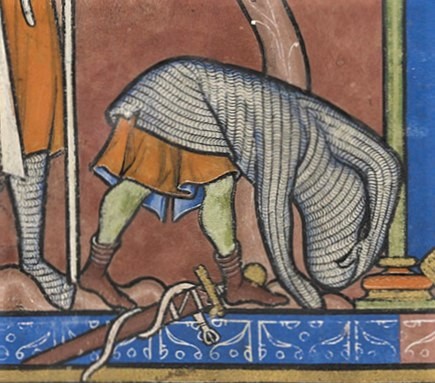
Photo: Morgan Bible, 13th century, via Wikimedia.
In this meme, @artmemescentral captions the art thus: “When I’m drunk and try to take off a turtleneck.”

There’s something entertaining happening on Instagram lately. A goofy look at the art of the Middle Ages.

At Hyperallergic, Alicia Eler writes, “Medieval imagery wasn’t meant to be funny when it was made hundreds of years ago, but all over Instagram it has been remixed, captioned, and somehow reads as peak hilarious — depending on your sense of humor.

“One evening while wasting time on the addictive social media platform, I came across a meme of a medieval battle scene; on the right, a horse was giving the sword-wielding dude some serious side-eye,” she writes.

A perfect caption made her laugh “maniacally, posting it to my Instagram story and sending it to all my close friends. How could this seemingly arcane medieval imagery, previously confined to an art museum or, perhaps, a European crypt, feel so meme-able? …

“ ‘It’s funny for the same reason that Black American Vernacular English is so sticky — because it references a level of servitude that we don’t want to admit,’ said artist Kenya (Robinson), whose work often explores privilege, consumerism, and perceptions of gender, race, and ability. She noted that the text is written in Black American Vernacular English, also known as the language of social media. …

“That’s the text. But what about the image and the side-eye horse? It actually portrays the ‘Captivity of Jeholachin King of Israel, which isn’t particularly funny. Babylonians destroy the Temple of Jerusalem, then lead the Jews into captivity. (As a Jewish person, this makes the meme feel very unfunny, and more like a story my grandma, or bubbe as we say, might have told over a holiday dinner.) … 

“But the fact that the image suddenly appears hilarious in this remixed context struck me. …

“ ‘There’s something about the surprise of the medieval,’ said Sonja Drimmer, a scholar of medieval European art, and associate professor at the University of Massachusetts Amherst. ‘One of the conceptions about the European Middle Ages has to do with blind piety, prudishness, but when people see imagery that defies that, the disjunction leads to laughter.’ …

“ ‘I think there is something about Western medieval art that seems like a safe target … some of the memes — like the side-eye horse, if it were sub-Saharan Africa — you could imagine meme-ifying it, and then imagine it becoming deeply problematic very quickly,’ said Erik Inglis, professor of Medieval art history at Oberlin College. ‘I think with the very white faces of Western medieval art, it seems innocent. We are pretty willing to condescend to the Middle Ages, [which is] not fraught as it is to condescend to other ages.’

“Most of the medieval art history memes come from broader art meme accounts, such as @artmemescentral or @classical_art_memes_official, though there are some discontinued accounts that focus only on medieval imagery. …

“ ‘Medieval imagery is so phone-friendly,’ explained Cem A., an artist and curator who runs the popular art meme page @freeze_magazine (no association with Frieze magazine), and curatorial assistant at Documenta 15.

” ‘For me, its style is more simplified, representational, and cartoonish than our classical understanding of painting. Figures in these images usually have exaggerated (and therefore easier to grasp) relationships onto which you can build a meme. Its aesthetics works better on the compact screens of smartphones.’

“At the same time, medieval imagery isn’t all just easy fodder for funny memes. It can ‘be racist and quite terrible, and ground zero for white supremacy, said Drimmer. 

“The mob that stormed the United States Capitol Building on January 6, 2021, carried … symbols associated with the Crusades. The far Right’s use of medieval iconography gained steam after the September 11 attacks, with white supremacists picturing themselves as ‘modern Christian warriors fighting to preserve the idea of America as a white, Christian nation,’ according to a report in Teen Vogue

“This is an even more troubling connection for academics and those who study the era, but also speaks to the layers upon layers of racialized remix culture that make up the ever-pervasive American visual pop culture that keeps on spreading. There’s also an impulse to turn almost anything into a meme these days.

“ ‘The funny thing about retroactively searching through history to identify memes is that you start to see memes where they might never have existed before,’ noted Daniel Shinbaum, a Berlin-based cultural critic and memes researcher. ‘Almost anything can start to look like a meme.’ ”

More at Hyperallergic, here. No firewall.

Read Full Post »

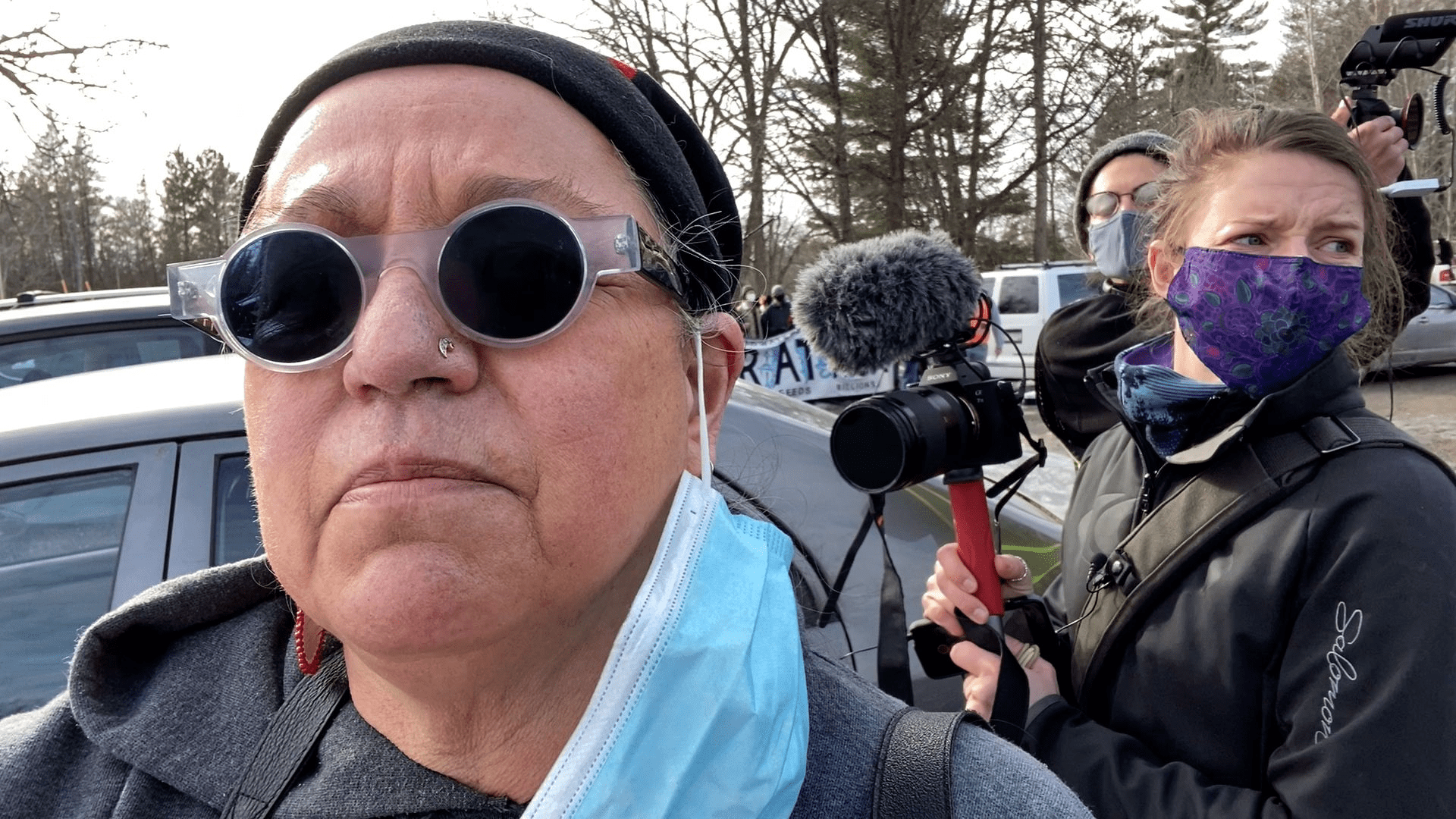
Photo: Indian Country Today.
National Correspondent Mary Annette Pember, right, reports for Indian Country Today.

One of the things that Russia’s war in Ukraine has clarified is that good journalism is vital to democracy. Most people in Russia right now have access only to propaganda, which is why they have no idea what’s going on in Ukraine. In a tapped phone call, the mother of at least one Russian soldier refused to believe her son’s eye-witness account.

The US has its own threats to journalism — misinformation on social media, certainly, but also outlet consolidation. The loss of local papers to big chains, especially in rural areas, is increasingly recognized as dangerous.

Today’s story is about how nonprofit angels are helping local reporting hang on by the skin of its teeth.

Ben Morse writes at Current, “Water is an important issue to Joe Wertz. As climate and environment editor at Colorado Public Radio, he’s overseen a lot of reporting on water in the state and its scientific and political aspects. …

“CPR will be able to dive deeper into that complexity thanks to a new collaboration with the Institute for Nonprofit News. INN announced in November that it will launch a Rural News Network this year focusing on issues of concern to rural Americans, particularly communities of color. …

“Said Jonathan Kealing, chief network officer for INN, ‘It allows us to really put the equity lens on this storytelling thread throughout the project.’

“INN began planning the project in 2020 in response to interest from its members, Kealing said. The institute had previously convened rural news collaborations, and Kealing wanted to expand on that work.

“ ‘The success we had in previous coverage of rural issues, rural education, rural health care, and those stories really had an impact in their communities and really helped the newsrooms meet their mission of serving and informing their communities,’ he said.

“INN reached out to its 350 member organizations, and two — Daily Yonder in Whitesburg, Ky., and Investigative Midwest in Champaign, Ill. — expressed interest in leading and shaping the new project. The outlets, which specialize in rural and agricultural coverage, will provide RNN organizations with deep source networks and access to local community data, said Daily Yonder Editor Tim Marema.  

“Stories from the first pilot series, ‘Tapped Out: Power and water justice in the rural West,’ began coming out in November, funded by a $30,000 grant from the Water Foundation that will be divided among participating organizations. …

“The goal for the collaboration is to reach a bigger audience, said INN Member Collaborations Editor Bridget Thoreson. … ‘We’re taking work that’s already being done and connecting it to get this force multiplier effect, where it’s really able to reach and represent more people,’ Thoreson said. …

‘The real strength of radio is just its incredible reach across broad geographic areas.’ …

“In December, CPR published an article about how water shortages and policies governing the Colorado River affect tribal communities, who were excluded from negotiations over the river in 1922. The piece aired on CPR, Science Friday republished the article, and host Ira Flato interviewed CPR climate/environment reporter Michael Elizabeth Sakas Dec. 10.

“Another public radio station, KOSU in Stillwater, Okla., is participating in the second pilot program, which will cover economic issues within tribal communities. The pilot will feature 10 news organizations. … Each organization will cover stories in its region. Indian Country Today, leader of the series and an INN member, will publish a story about tribal economics across rural America. …

“The station is collaborating with tribal publications Mvskoke Media and Osage News on a story about Native-owned businesses, and KOSU created a survey asking Oklahomans which tribal businesses it should cover. …

“Community-driven reporting is an integral part of the tribal economics project, said Dianna Hunt, a senior editor at Indian Country Today who will lead the tribal economics project with Thoreson. …

“ ‘The first phase of the project is listening,’ Hunt said. ‘That part will kick off the project, and then the reporting will follow from the information that they get from their individual communities.’

“Hunt said that engagement with rural Americans is crucial because local communities will pick the stories that make up the pilot. Building trust is key, she added, because residents in rural and tribal communities lack trust in journalists due to negative stereotyping and parachute reporting by the national media.”

More at Current, here.

Read Full Post »

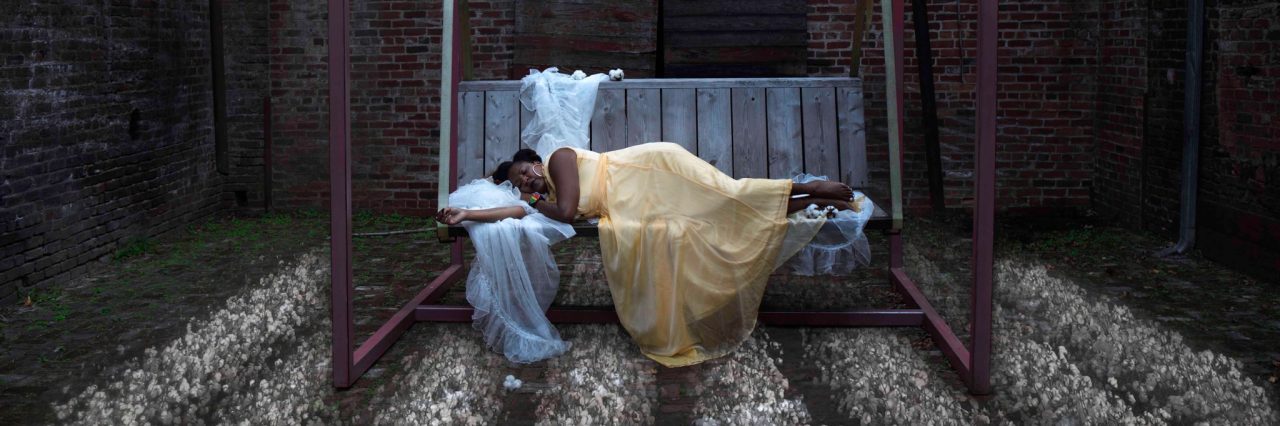
Photo: The Nap Ministry.

Although recent research into the connection between frequent, long naps and dementia has made all of us serious nappers nervous, I remain a big proponent. Sweet sleep “knits up the raveled sleeve of care” and calms us down. It lets us return to our activities with restored energy.

WordPress blogger Tricia Hersey has known this for a long time. And during the stressful summer of 2020, she was moved to spread the word to a wider audience. Napping is not escapism, she believes. Rather, if you’re refreshed, you can fight the good fight another day,

Hannah Good writes at the Washington Post that “years before the pandemic encouraged legions of people to question their relationship with work, Tricia Hersey was preaching the gospel of rest.

“A multidisciplinary artist, writer and community organizer, Hersey began thinking about the importance of rest as a theology graduate student at Emory University in 2013. She’d recently endured some personal trauma and grief, alongside her difficult graduate school research, which dealt with the cultural trauma of slavery. A few states away in Ferguson, Mo., the Black Lives Matter movement was gaining traction in response to a number of police killings of Black people — many of which were captured on video and shared ubiquitously on social media.

“In short, she was exhausted, and it led her to do something radically simple: She took more naps.

“A few years later, Hersey’s philosophy of rest as resistance took shape as an organization. The Nap Ministry, founded in 2016, is an artistic practice and community organization that focuses on the radical power of letting your body rest. …

“Since then, the Atlanta-based organization has hosted hundreds of writing workshops, lectures and communal events. … Hersey’s book, a manifesto on her philosophies called Rest is Resistance, is set to be released this October. …

“The ministry’s signature events are nap sessions: community events where people can rest together. Participants lie on yoga mats as a facilitator reads meditations and poetry; dim lights and soft music, sometimes performed by live musicians, set the tone. This helps assuage what can be a strange and vulnerable experience — falling asleep with strangers. When it comes time to wake up, the music grows louder and changes to something upbeat and joyful: a tone-setter to carry the lessons learned into the day, according to Hersey. …

“We asked Hersey to make our readers a playlist inspired by these themes of rest and resistance. … ‘The energy of this playlist is celebration, ease and leisure,’ she said. ‘It reminds us that we can daydream, wander, imagine and dance. We can just be.’ “

Hersey’s list starts with Duke Ellington’s ‘A New World Coming,’ which she believes is “a piece of magic. This composition is a call for imagining a new world. It opens the playlist because it taps into the expansiveness of dreaming with orchestra sound. To begin the journey of liberation via rest, we must first stay in a ‘DreamSpace.’ ”

“Lullaby” by Tasha, Hersey says, is “a classic lullaby with a specific request for Black girls to do less, dismantle the ‘superwoman’ myth and sleep.”

As for Nina Simone’s “Here Comes the Sun,” Hersey calls it “a joyful moment of ease and hope. The ultimate wake-up call. I have used this song to wake people up from their slumber slowly when they sleep at our collective napping experiences.’ “

Communal napping is weird at first. We had a nap room at my former job. You get over the awkwardness fast if you know you are exhausted and just need about 20 minutes of shut-eye to be good for the rest of the day.

When my sister was in the hospital and I was spending many long, anxious days there, I discovered I actually had quite a gift for taking brief, restorative naps. One time I went to sleep on a bench in a busy, lighted hallway next to an elevator bank, where a maintenance man was operating a huge floor polisher!

More at the Post, here.

Read Full Post »

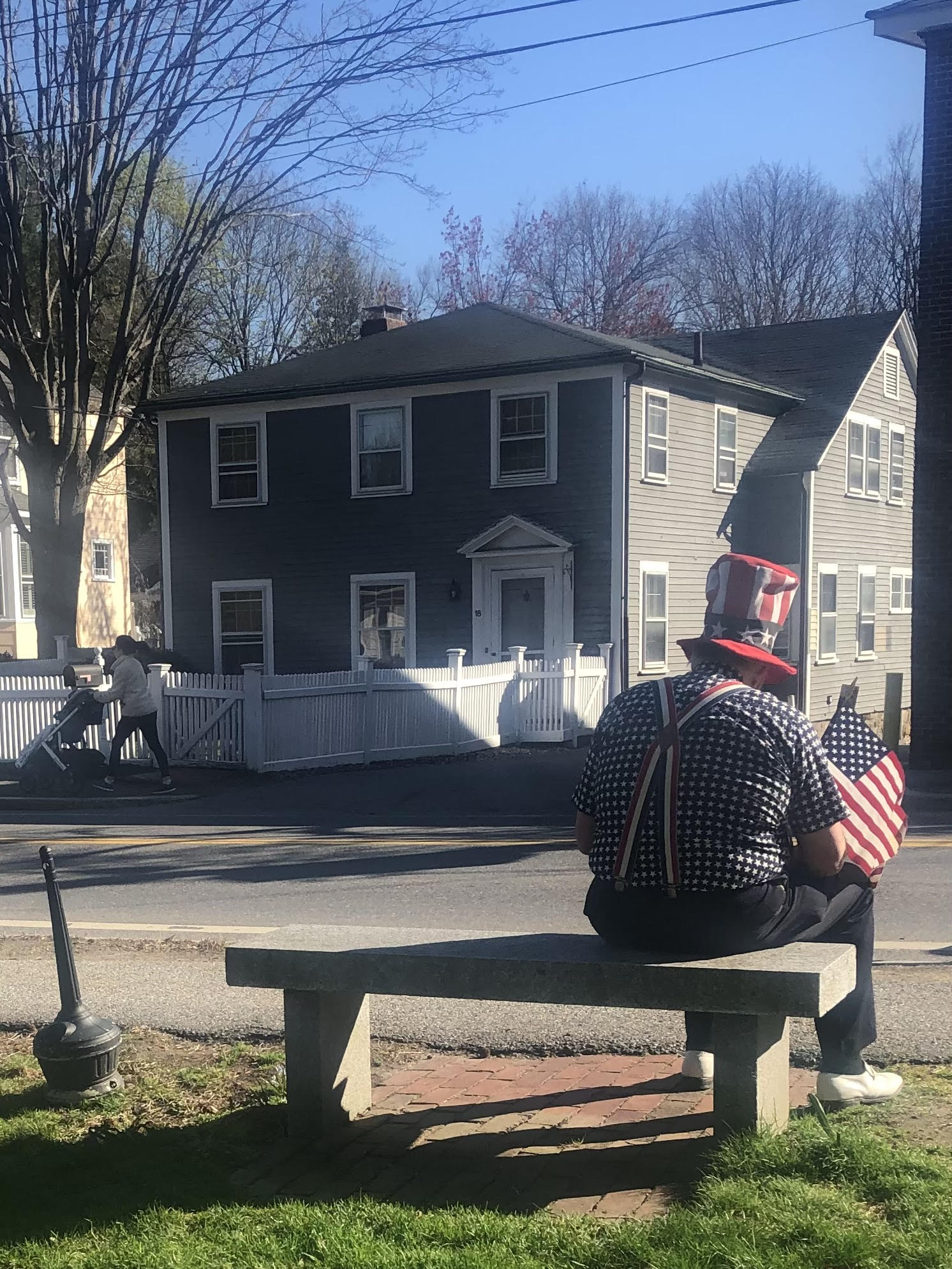
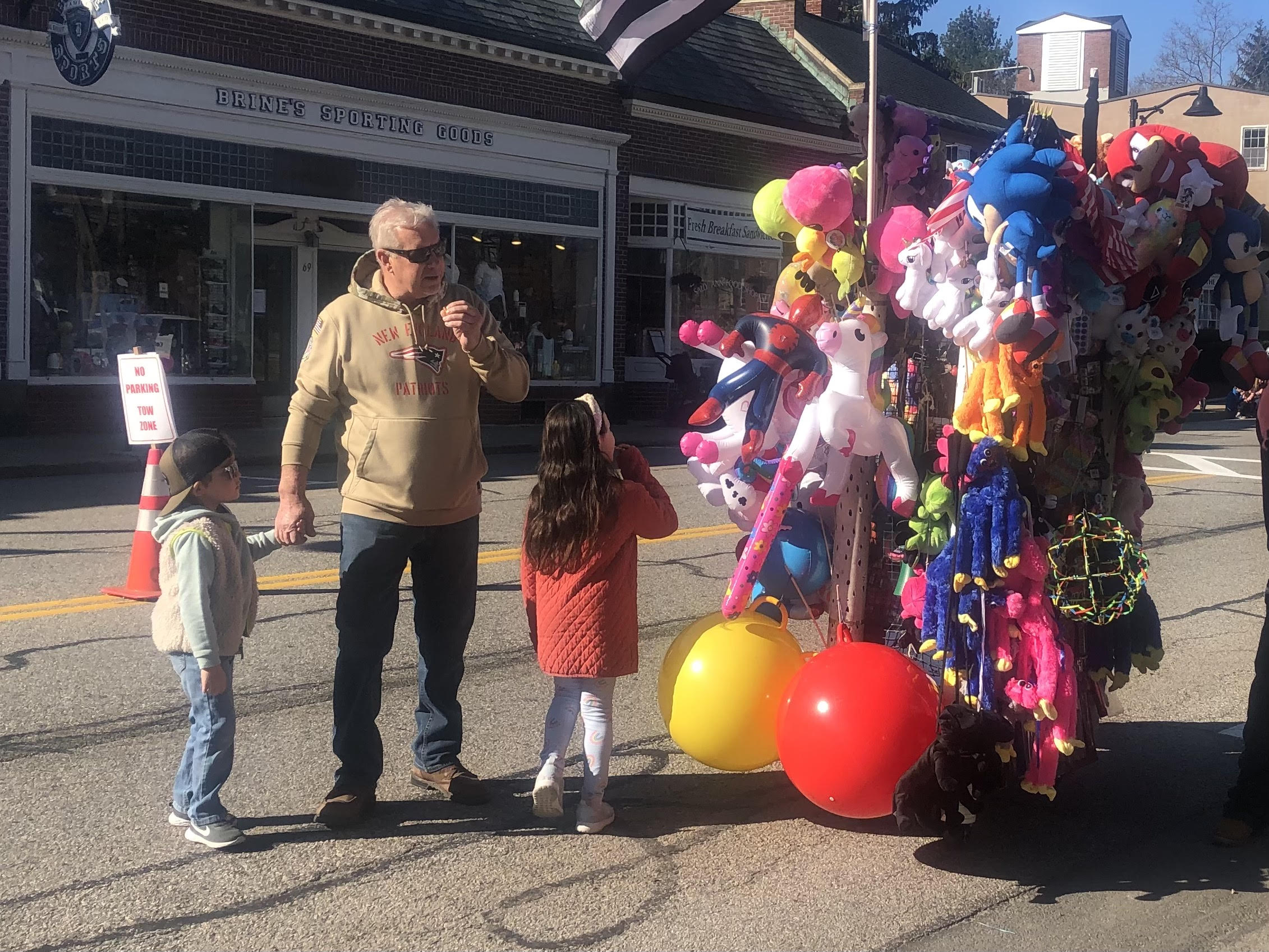
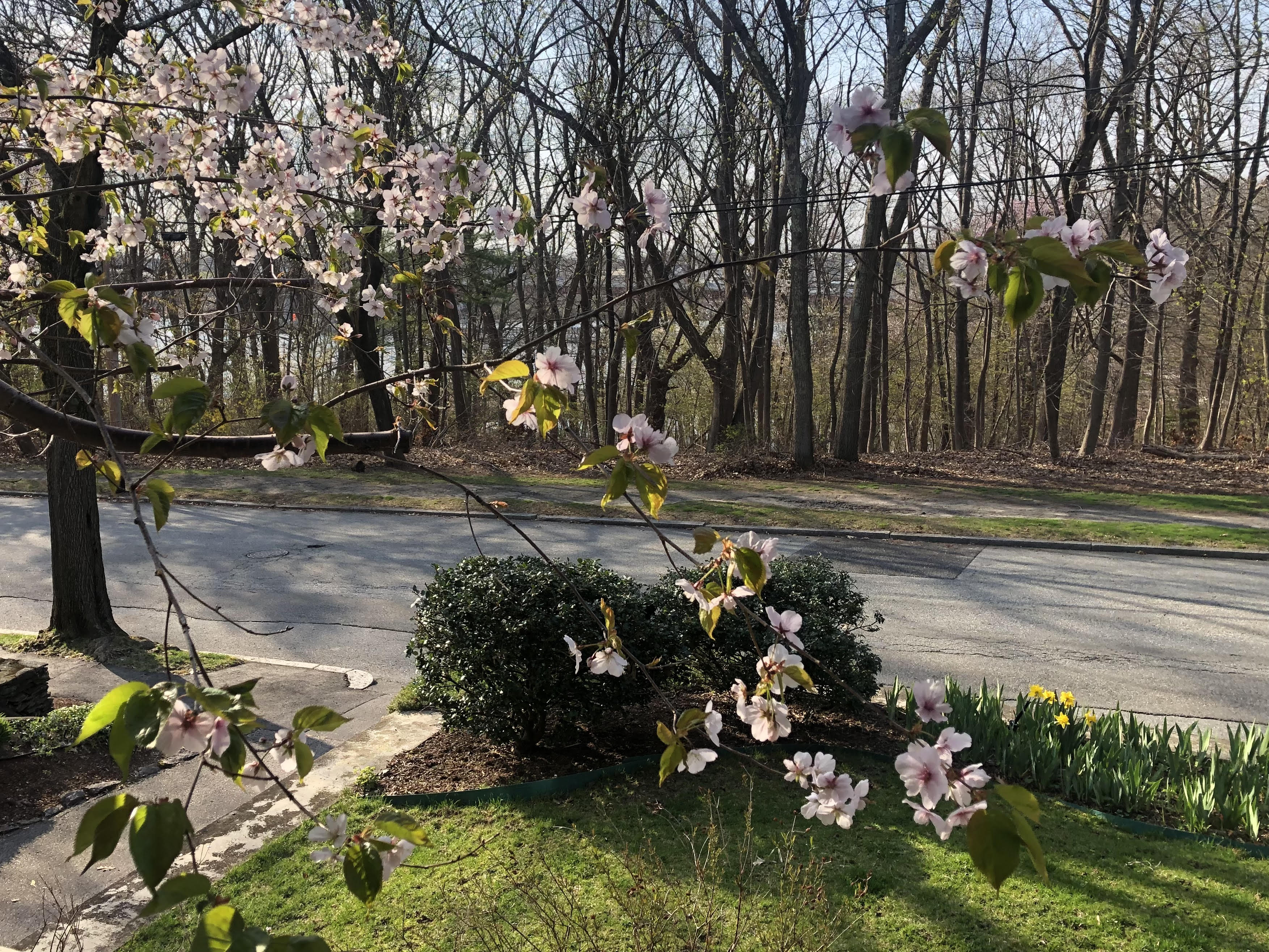
Funny how quickly the photos pile up in beautiful weather. Winter days offer fewer opportunities, unless there’s a big snowstorm. Most of today’s pictures illustrate how I am drawn to spring’s strong sunlight.

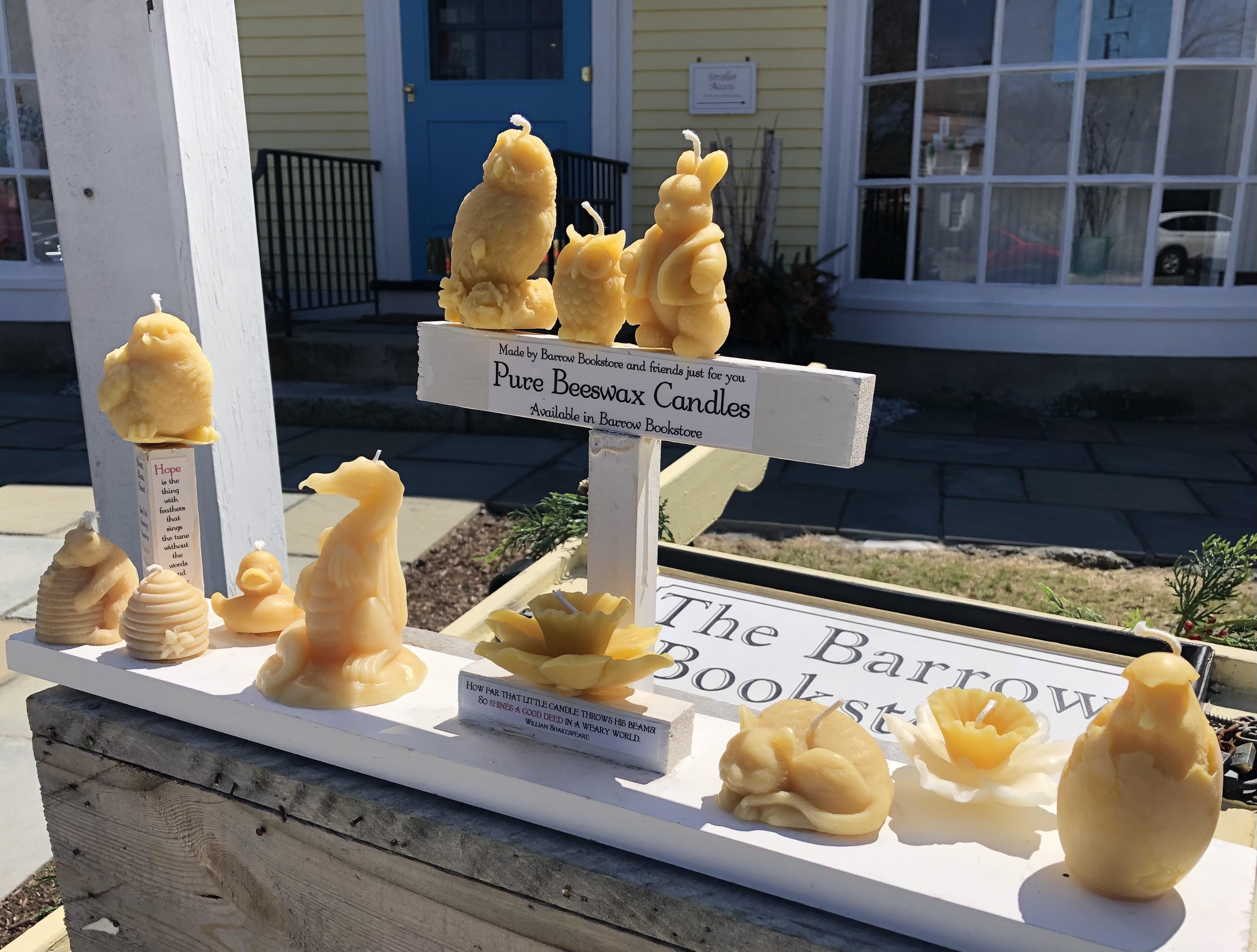
Sunshine highlights the candles offered by the Barrow Bookstore, a shop featuring used books and much more — for example, birdhouses made from books.

I have a couple shots of people getting ready for the Patriots Day parade, which is always a big deal here. (Well, unless there’s a pandemic.) “The shot heard ’round the world,” usually credited with being the first shot of the American Revolution, happened at the North Bridge in our town, April 19, 1775. This year I managed to get up there in time to join the crowd watching the reenactment. Lots of noise and smoke and harmless musket shots.

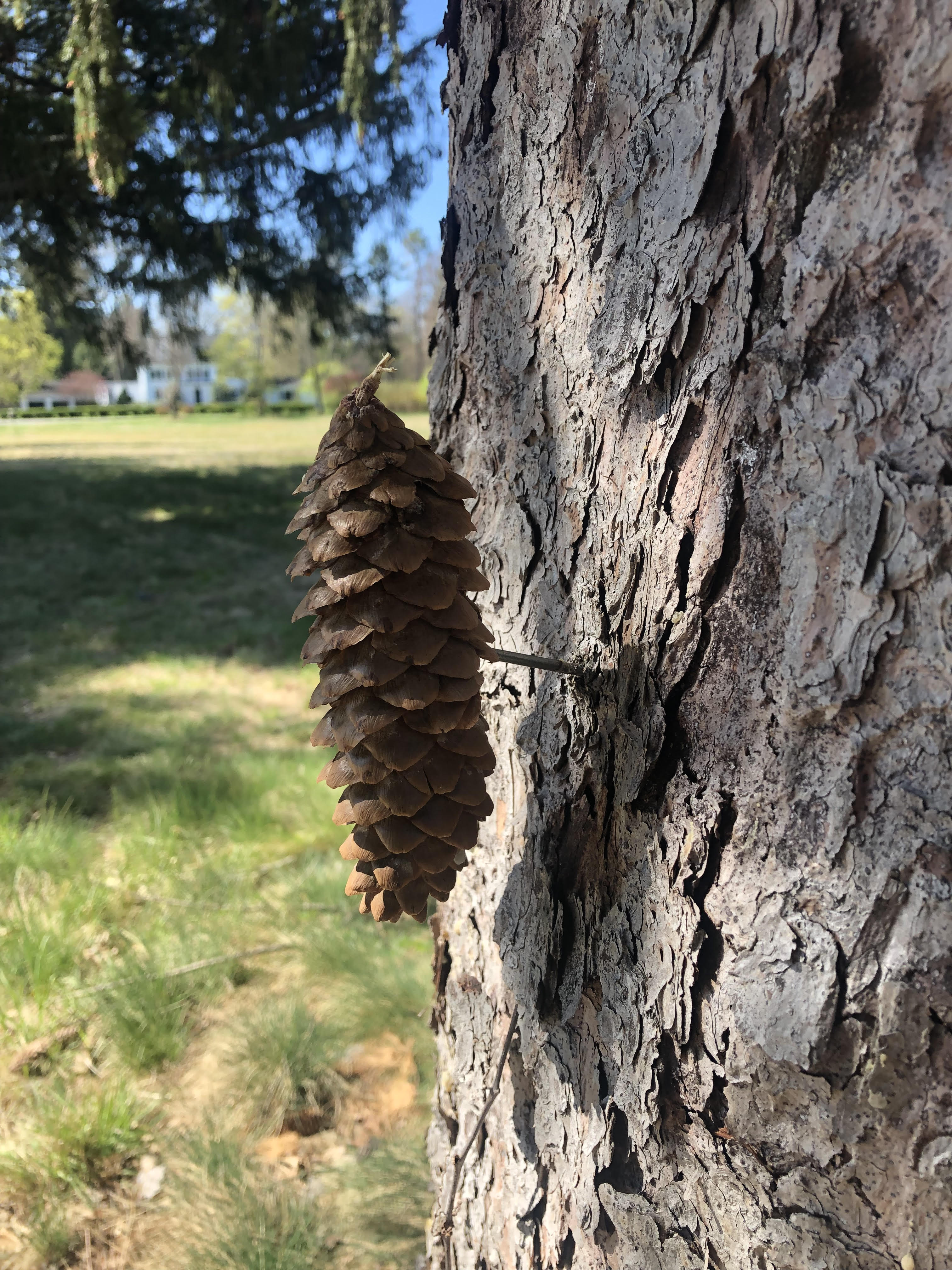
I have no idea why a pine cone is nailed into a tree, but my camera is always drawn to oddball things.

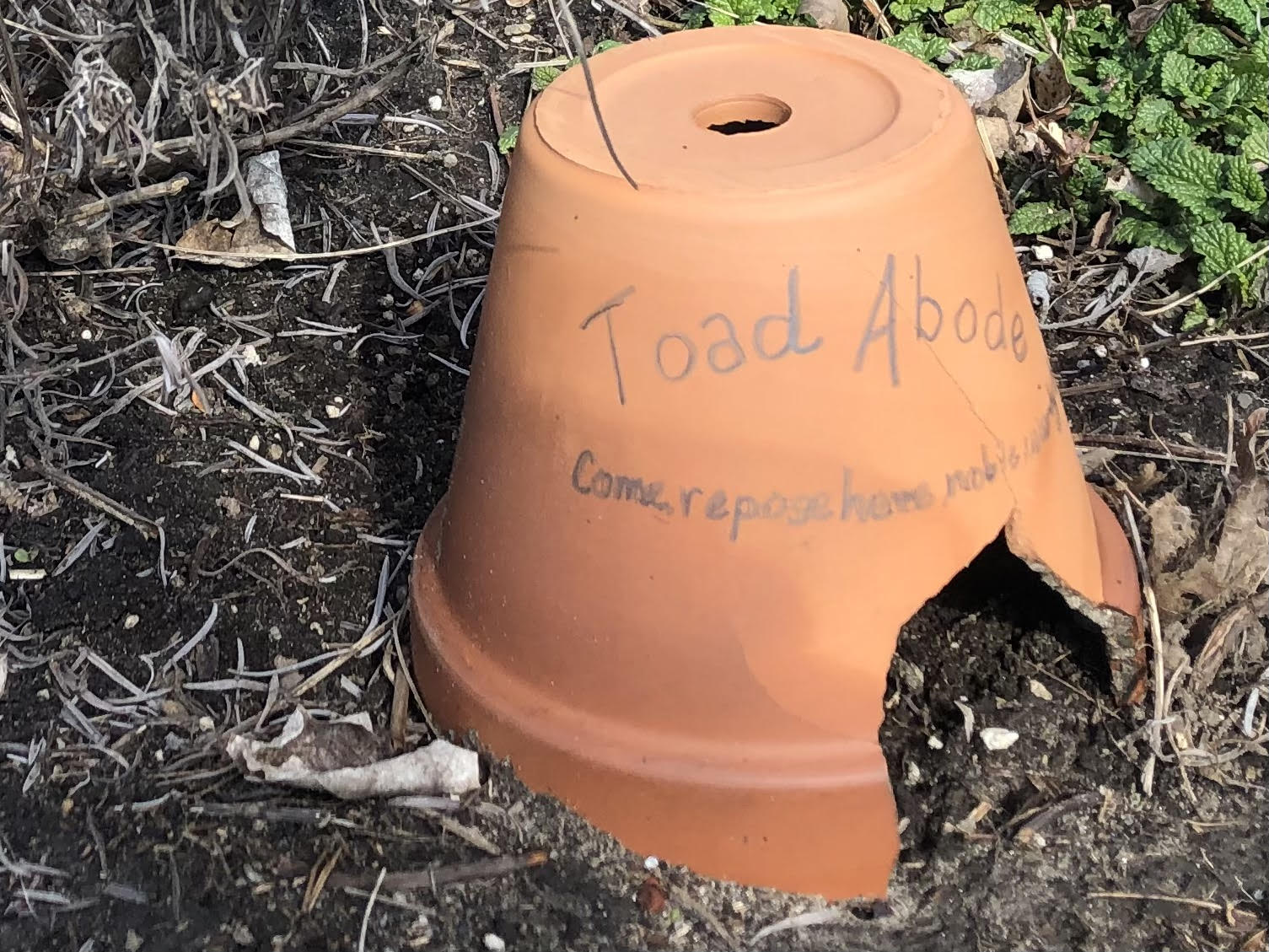
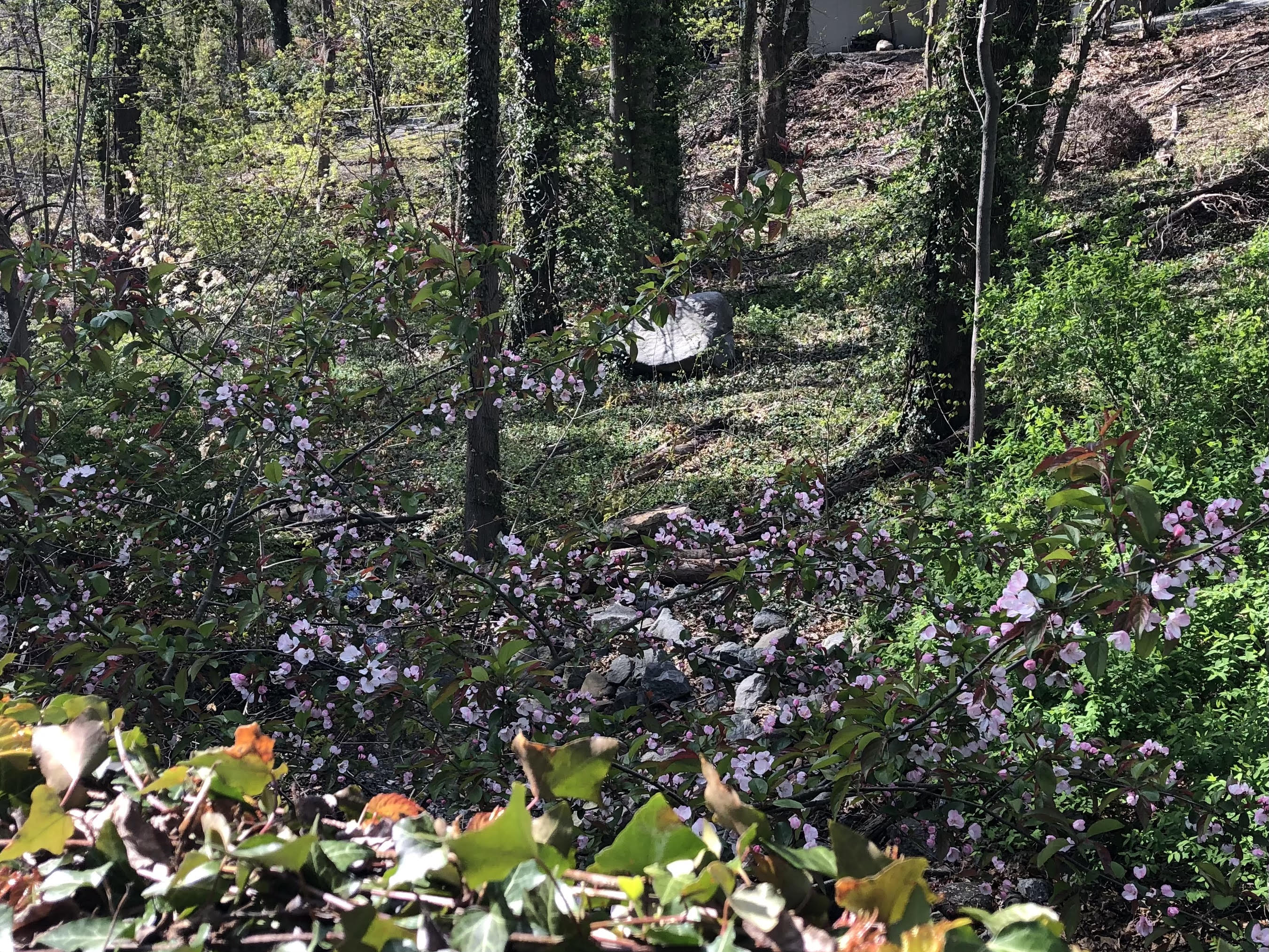
The Toad Abode is at a community garden in Massachusetts, and the flowering trees are in Rhode Island.

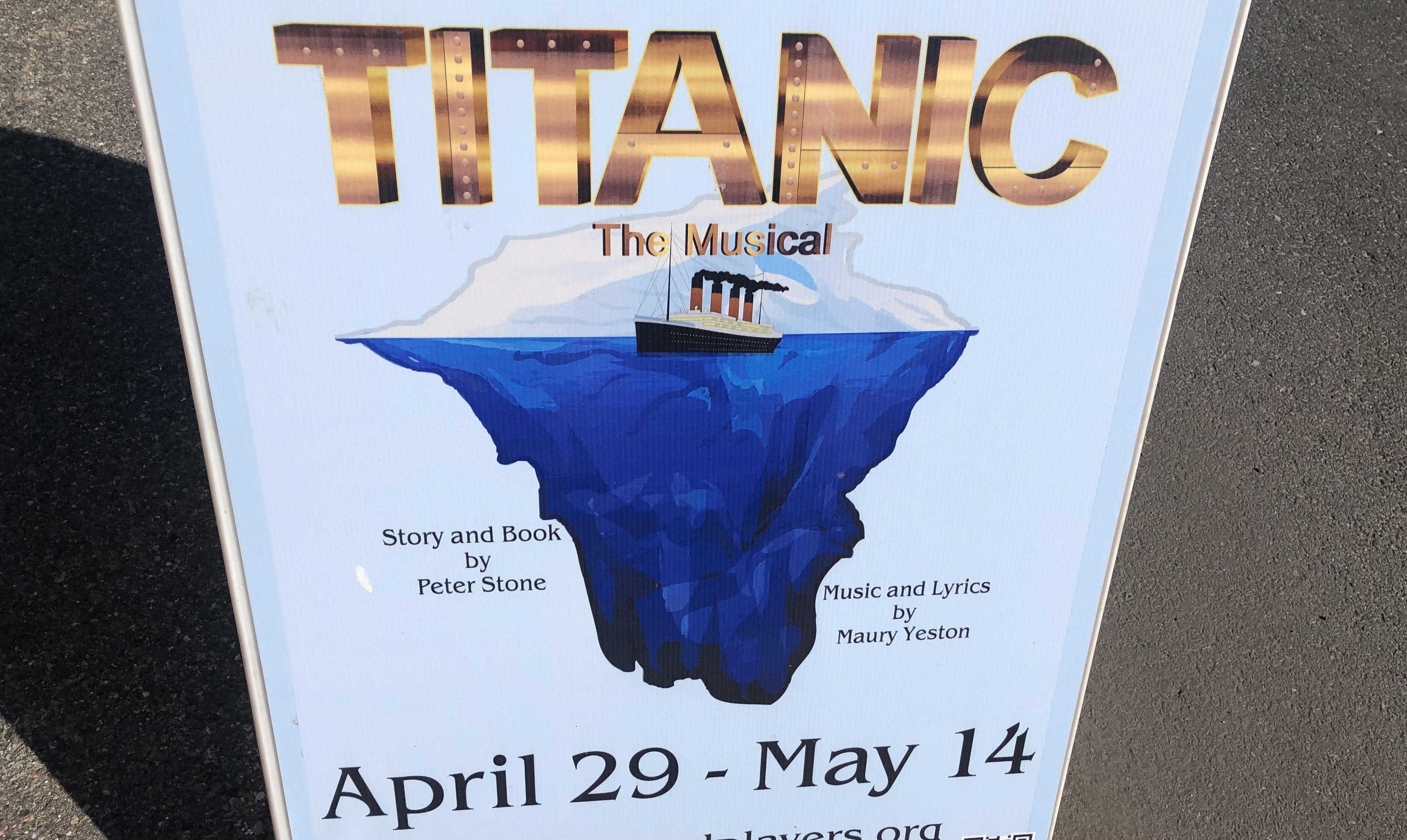
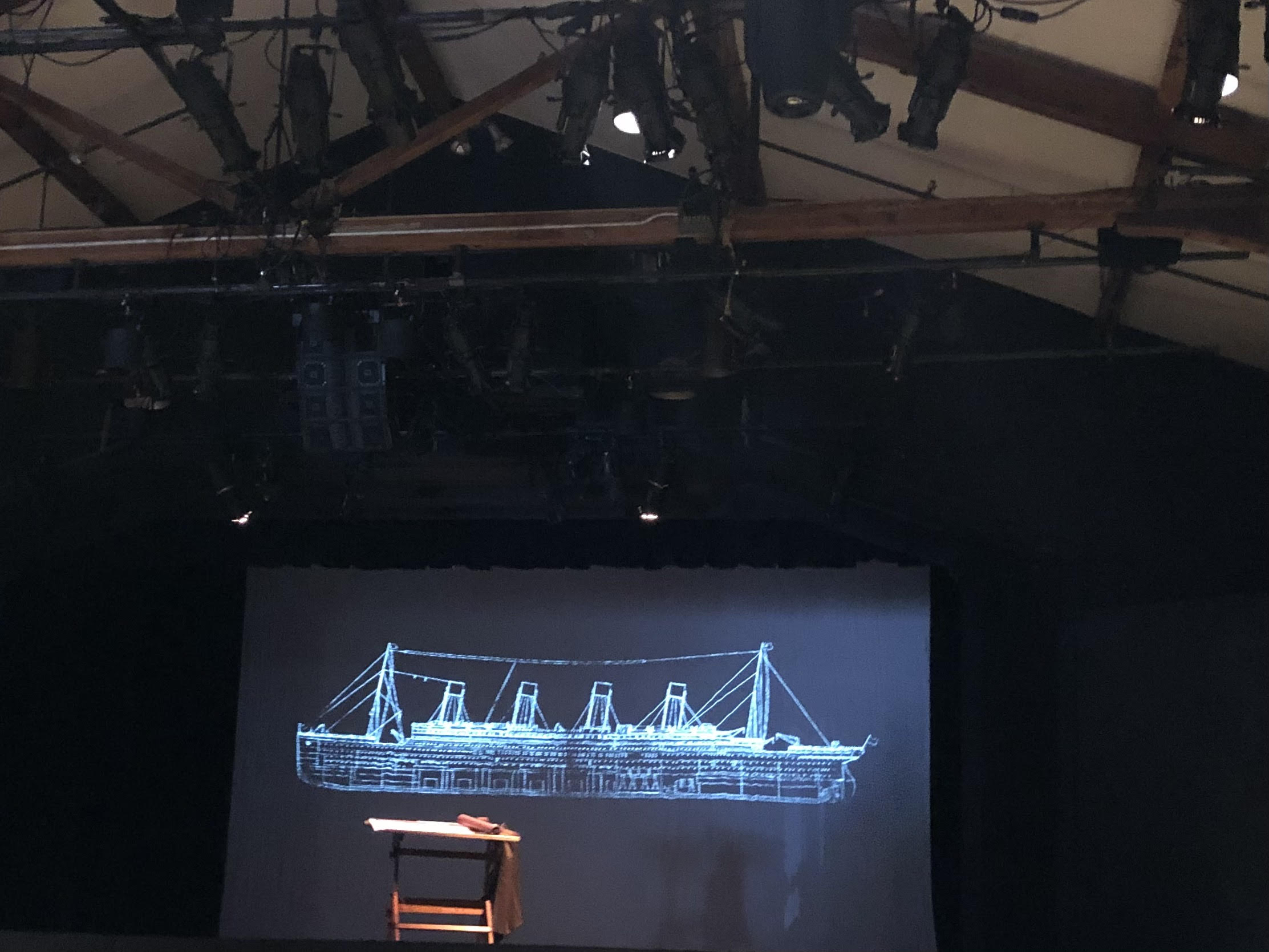
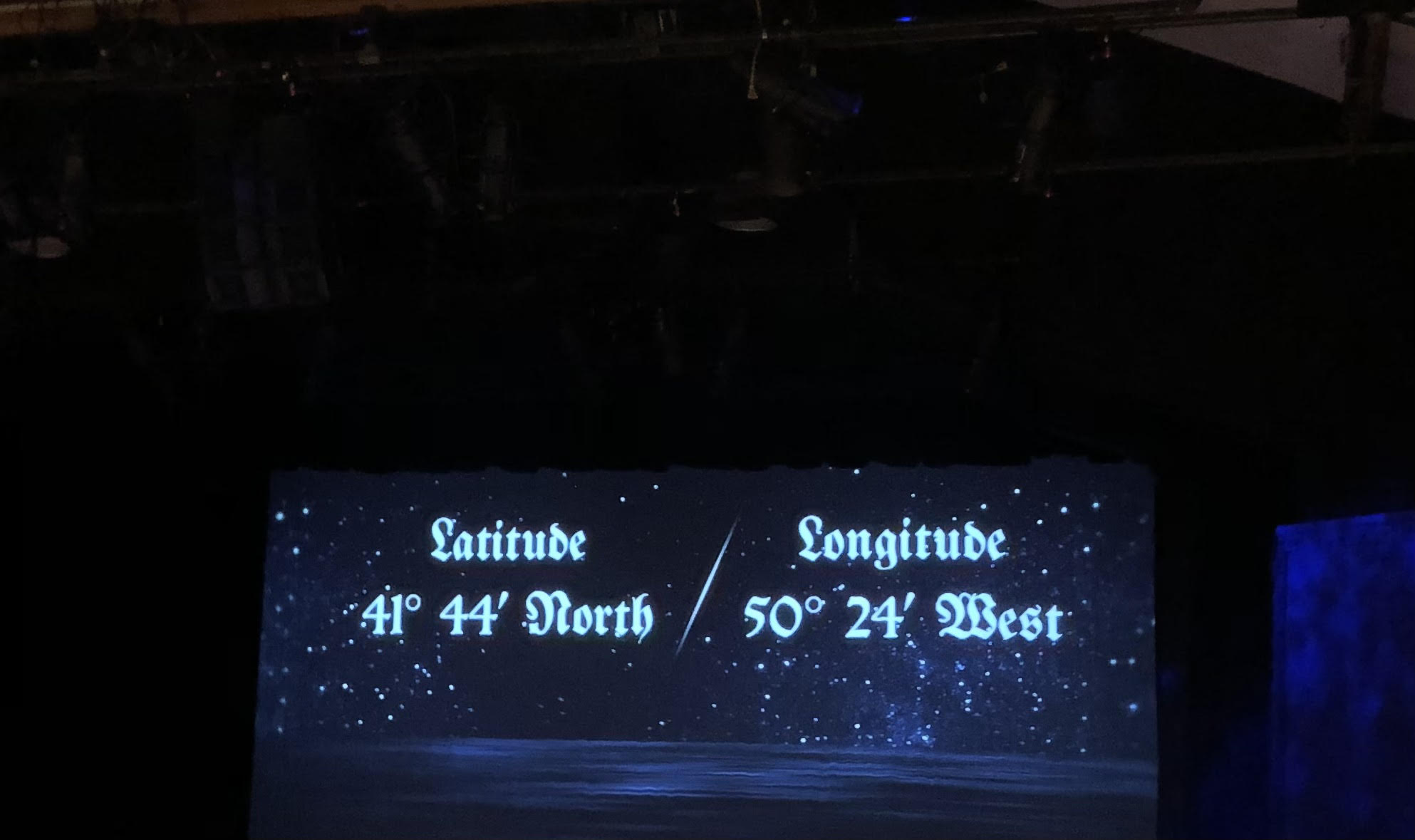
From sunlight to dark: the moving musical Titanic, sung by some of the strongest voices I have heard since Covid. We weren’t allowed to take pictures during the show, but they put up a couple of their haunting slides before the show and at intermission. I guess you know what happened at that longitude and latitude. So many people to blame! So much hubris!

Having not been to theater for a long time, I managed to attend three shows in one week, all masked up, of course. I saw my youngest grandchild in a production of The Wizard of Oz. She had written invitations to each child in her class, and many came. Then I attended Footloose with my eldest grandson, who had friends in the cast. And finally, I presented my vaccination card at our local community theater and enjoyed the Titanic along with a lot of other matinee-loving old folks.

Read Full Post »

Photo: Diliff, David Iliff. License: CC BY-SA 3.0.
Sunset over the Thames River in London.

When I worry that humans may never repair any of the damage we have done to the environment, I remind myself that once upon a time the Erie River routinely caught fire and no longer does.

Similarly, as Veronica Edmonds-Brown, Senior Lecturer in Aquatic Ecology at the University of Hertfordshire, reports for the Conversation, fallible humans have brought back the Thames.

Edmonds-Brown writes, “It might surprise you to know that the River Thames is considered one of the world’s cleanest rivers running through a city. What’s even more surprising is that it reached that status just 60 years after being declared ‘biologically dead‘ by scientists at London’s Natural History Museum.

“Yet despite this remarkable recovery, there’s no room for complacency – the Thames still faces new and increasing threats from pollution, plastic and a rising population. …

“Where it bisects London, it has experienced pressures from expanding numbers of citydwellers since medieval times. The river became a repository for waste, with leaking cesspits and dumped rubbish reducing many of its tributaries to running sewers. [Read Dickens novel Our Mutual Friend.] Many of these small rivers now lie underneath the streets of London, long covered up to hide their foul smells. …

“The final straw was the hot summer of 1858 – referred to as the Great Stink – when the high levels of human and industrial waste in the river actually drove people out of London. The civil engineer Sir Joseph Bazelgette was commissioned to build a sewage network to alleviate the problem, which is still in use today. What followed was over a century of improvements to the network, including upgrading sewage treatment works and installing household toilets linked to the system.

“Bombings across the city during the second world war destroyed parts of the network, allowing raw sewage to again enter the river. What’s more, as the Thames widens and slows through central London, fine particles of sediment from its tributaries settle on the riverbed. These were, and remain, heavily contaminated with a range of heavy metals from roads and industry, creating a toxic aquatic environment.

“For most fish to thrive, the water they live in must contain at least 4-5 milligrams of dissolved oxygen per litre (mg/l). Measurements taken during the 1950s showed that dissolved oxygen (DO) levels in the Thames were at just 5% saturation: the rough equivalent of 0.5 mg/l. That meant the river could only support a few aquatic invertebrate species like midges and fly larvae. …

“From Kew to Gravesend, a 69km [a 43-mile] length of river, no fish were recorded in the 1950s. Surveys in 1957 found the river was unable to sustain life, and the River Thames was eventually declared ‘biologically dead.’

“With considerable effort from policymakers, the river’s fate began to change. From 1976, all sewage entering the Thames was treated, and legislation between 1961 and 1995 helped to raise water quality standards. …

“One of the main turning points in the Thames’ health was the installation of large oxygenators, or ‘bubblers,’ to increase DO levels. … The flounder was officially the first fish species to return to the Thames in 1967, followed by 19 freshwater fish and 92 marine species such as bass and eel into the estuary and lower Thames. The return of salmon during the 1980s was a thrilling marker for conservationists, and today around 125 species of fish are regularly recorded, with exotic species like seahorses even being occasionally sighted.”

Although, as Edmonds-Brown notes, this recovery is remarkable, “there remain deeper, unresolved issues relating to contaminated sediments still entering the river.” Read more at the Conversation, here.

Read Full Post »


Photo: Georges Lentz.

This water tank is also known as the Silver Tank because once upon a time it was painted in silver anti-rust paint. Read about a sound-art installation here that was a collaboration between the composer Georges Lentz and the architect Glenn Murcutt, in Cobar, Australia.

It’s always interesting to learn what inspires an artist. Inspiration from an old, rusted water tank may be unusual, but creative people are like that. It’s not really surprising.

Casey Quackenbush reported the story at the New York Times in January, “Life in Cobar was a delicate thing until the arrival of the Silver Tank.

“In the vast, red-dirt hinterland of Australia, over 400 miles northwest of the shores of Sydney, rainwater is scarce. ​​For thousands of years, the nomadic Aboriginal Ngiyampaa people excelled at the art of survival by creating natural rock reservoirs. But after European settlers discovered copper and gold in the area in the 1870s, enough water was needed to sustain a booming mining town. Reservoirs were dug. Water was trained in from afar. Then, in 1901, a 33-foot-high steel water tank painted silver, hence its nickname, was erected about a mile outside of town. While the threat of drought remained (and remains to this day), it turned dusty Cobar, a freckle at the edge of the Outback, into something of a desert oasis.

“Nowadays, Cobar pipes in its water from the Burrendong Dam, about 233 miles east, and the tank, whose silver finish long ago succumbed to rust and graffiti, is empty of water. It has, however, been filled with something new — music.

“On April 2, after two decades of work, it will be officially reborn as the Cobar Sound Chapel, an audacious sound-art collaboration between Georges Lentz, one of Australia’s leading contemporary composers, and Glenn Murcutt, an Australian Pritzker Prize- and Praemium Imperiale award-winning architect.

“For his reimagining of the roofless tank, Murcutt installed an approximately 16-foot cube within its cylindrical space, in which Lentz’s ‘String Quartet(s)’ (2000-21), a 24-hour-long classical-meets-electronica work, will play on loop via a quadraphonic sound system. Inside the chamber is a concrete bench that seats up to four, from which one can look out through the ceiling’s gold-rimmed oculus. Morning, noon and night, then, the otherworldly sonic stream will reverberate throughout the concrete booth. …

“Lentz has been consumed by questions of cosmology and spirituality ever since he was a child. Born in Echternach, a small town in Luxembourg that formed around a seventh-century abbey, he grew up attending classical music festivals and stargazing with his dad. Later, he studied music in Hanover, Germany. While riding the train to university in the fall of 1988, he happened upon a story in the German science magazine Geo about the creation of the universe. It threw the tininess of humanity into sharp relief for him. …

“Ever since, Lentz has devoted his entire body of work to exploring the questions of the cosmos, transforming his initial fear into a quest for contemplation, one that only intensified following his 1990 move to Australia and exposure to the Outback’s ocean of sky. Both a continuation and culmination of his work, ‘String Quartet(s)’ began as an attempt to translate that sky into a score.

“To do so, he collaborated with the Noise, an experimental string quartet that’s based in Sydney. They used a range of techniques; to mirror a starry night, for example, the musicians invoked the pointillism of the contemporary Aboriginal painter Kathleen Petyarre, plucking their bows at the top of their instruments to create contained bits of sound. …

“They ended up with about six hours’ worth of music, which, through digital editing, Lentz expanded into a 24-hour, techno-infused soundscape of terror, wonder and reverence. …

“Around 2000, Lentz began dreaming of a music box amid a copper landscape, a place where his music could live alongside its muse. But it wasn’t until he played a concert in Cobar in 2008 that he considered the town as a potential site.

“He pitched the idea to the Cobar Shire Council, which later proposed the hilltop bearing the tank, suggesting it be demolished to make room. ‘Absolutely not!’ Lentz said. Soon after, he called Murcutt, 85, who is celebrated for hand-drawn, landscape-specific designs inspired by Australian vernacular architecture. …

“Murcutt has always been drawn to the desert, whose sparseness resonates with the Aboriginal mantra — touch the earth lightly — by which he tries to abide. In keeping with that idea, he set out to design, largely thanks to governmental funding, a simple, solar-powered chapel that would unify sound, site and atmosphere.

“Two large slabs of concrete mark the entrance outside. Inside, the cubic space (which is slightly slanted to optimize acoustics) is stark, just like the desert itself. In the four corners of the ceiling, sunlight streams through windows of Russian blue glass painted by the local Aboriginal artist Sharron Ohlsen, who also employs pointillism in her work. And, over the course of each day, an ellipse of light traverses the floor and concrete walls.”

More at the Times, here.

Read Full Post »

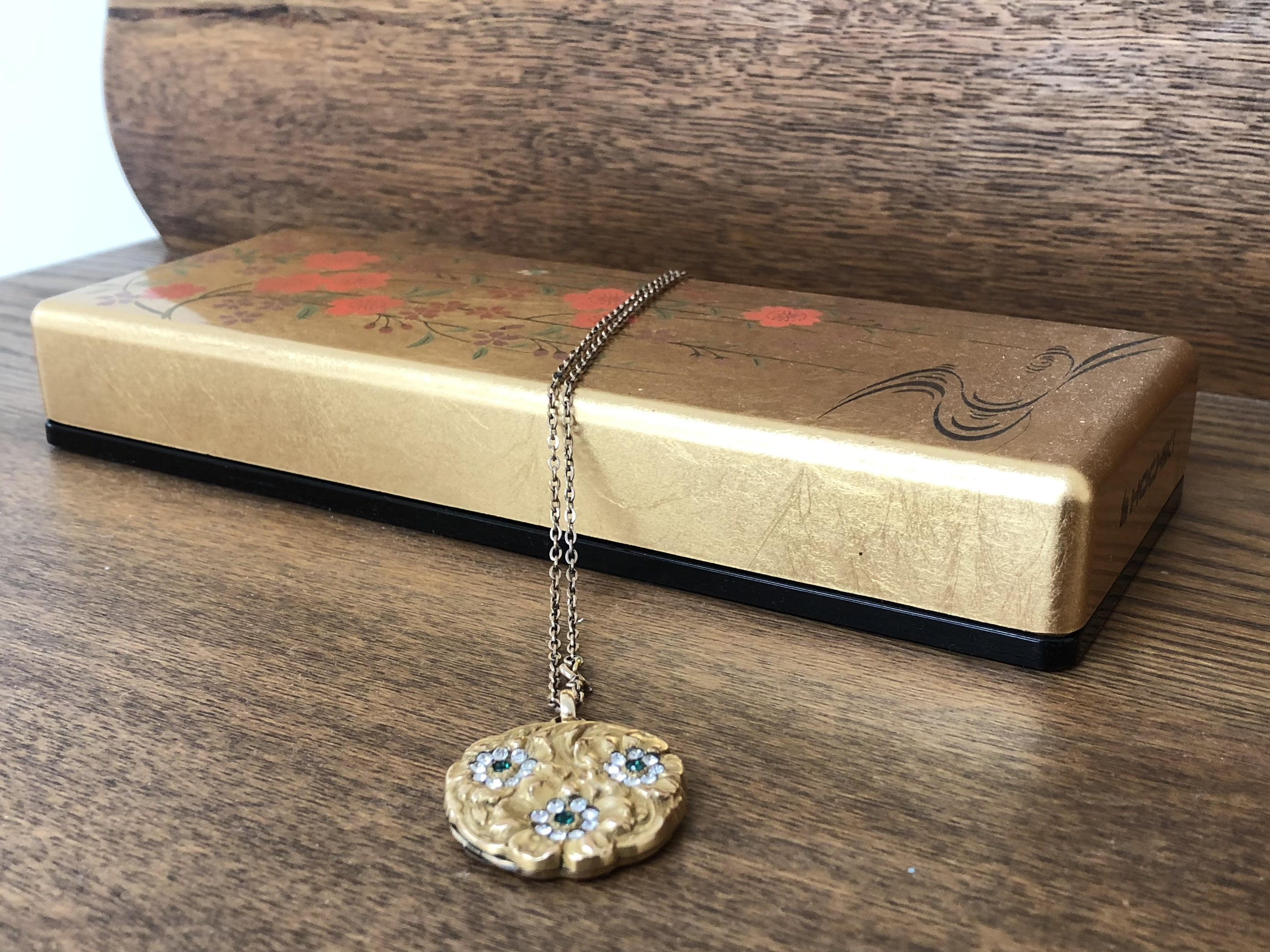
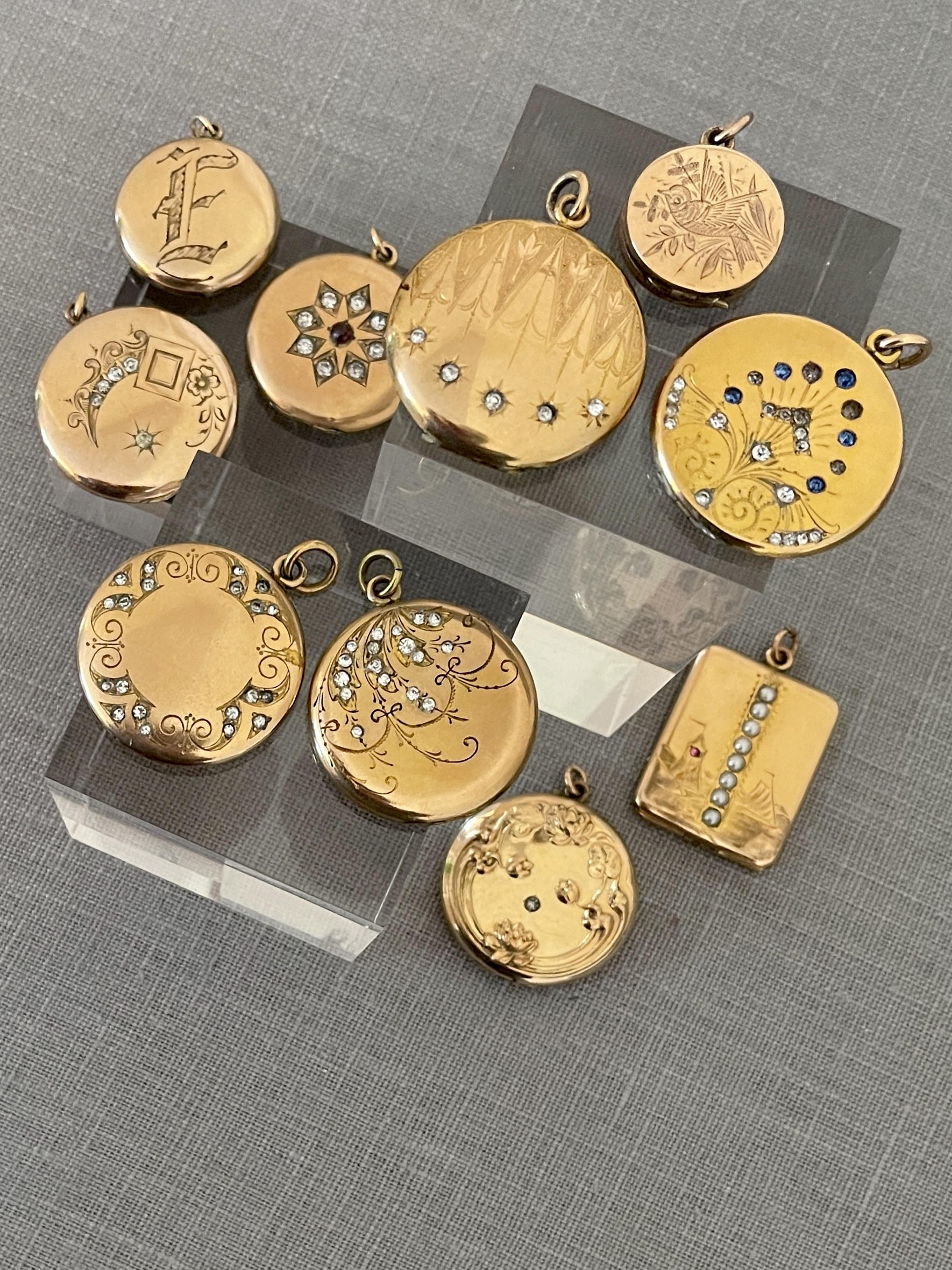
Vintage locket from Luna & Stella.

Mother’s Day is always a big day for Suzanne’s company, Luna & Stella. That’s because her lockets and birthstone jewelry are the kind of gifts that have extra meaning behind them.

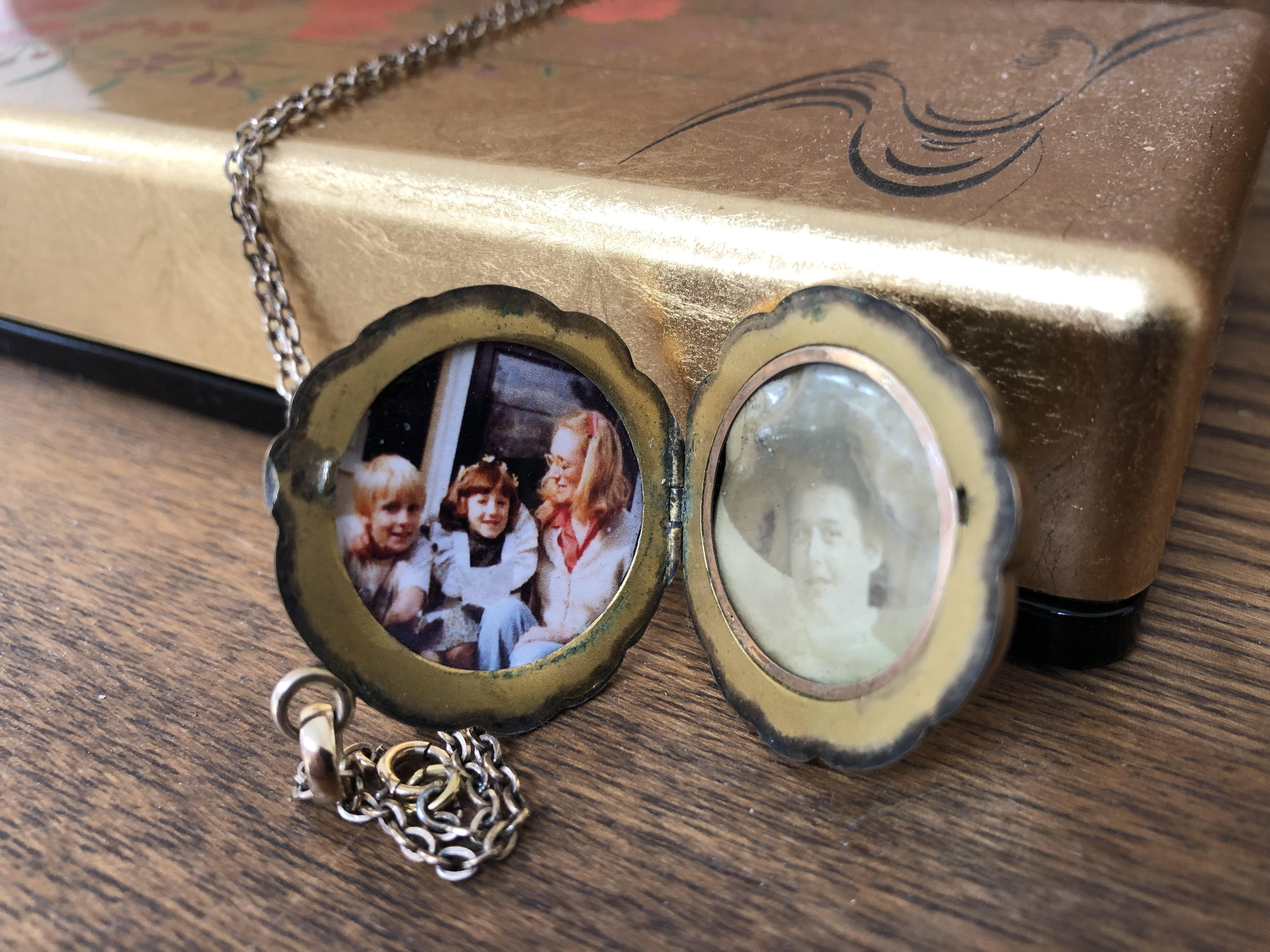
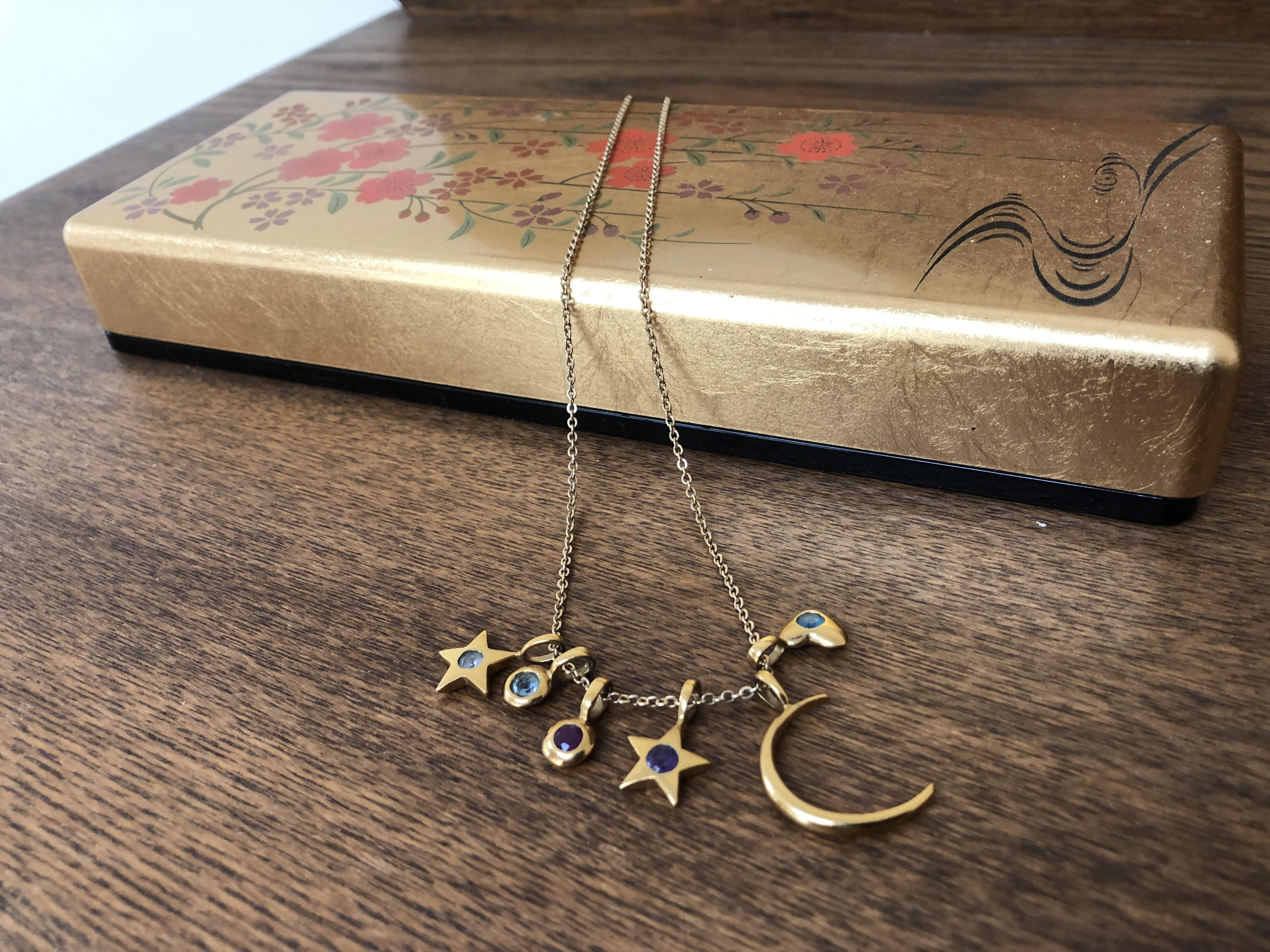
My own locket is above. Luna & Stella studio manager Maddie sized a photo I gave her and placed it inside — a picture of my two kids, John and Suzanne. I also have a Luna & Stella necklace with the birthstones of my husband, children, and grandchildren (below).

Because Suzanne was kind enough to give me a blog attached to her company, I feel moved to tell people about her special jewelry instead of just going off on whatever else catches my attention. After all, the jewelry is amazing.

Suzanne and Erik told me when they first put up the website that they wanted a blog. And they said I could write about anything that interested me. So it was off to the races, and I have put up a new post every day for nearly 11 years now!

The beautiful photo at the bottom features Suzanne’s one-of-a-kind locket offerings in time for Mother’s Day 2022. Check out many other options at the Luna & Stella website, here.

Sending appreciation to blog readers who have found something unique at the site for themselves or family members over the years.

Luna & Stella birthstone jewelry reminds me of family members.

Read Full Post »

Photo: Ivan Petrov.
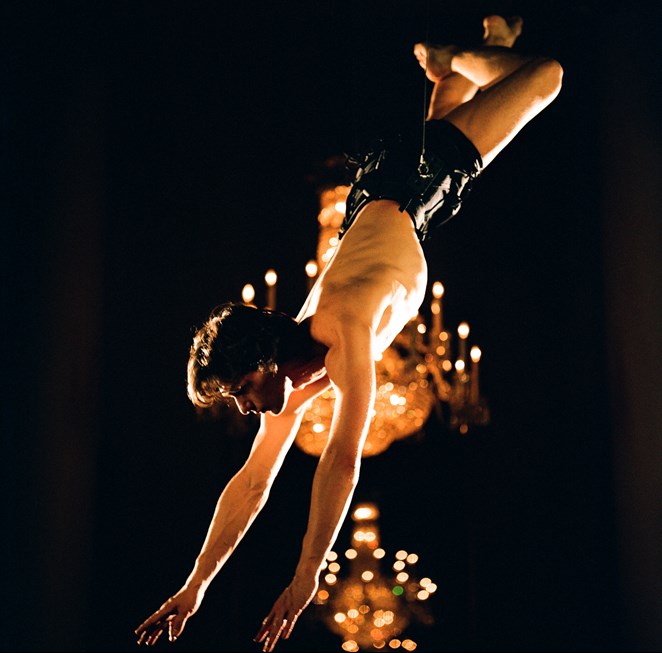
Kyiv-born and -trained ballet star Ivan Petrov is working with ballerina Alina Cojocaru to help dancers whose lives are in upheaval since Russia invaded Ukraine.

It’s been interesting to see how many different kinds of groups are pulling together to help Ukraine since Russia invaded. College alumni groups, small towns, chefs, former military, athletes … the list goes on.

When I was reading today’s article on the dance world’s efforts, I was surprised by an observation about how ballet-world organizing after the death of George Floyd affected the speed with which dance folk are taking action today.

Sarah L. Kaufman reports at the Washington Post, “Amid the constant air raid sirens and shelling near her home in Kyiv, 17-year-old Polina Chepyk tried to fill her days with dancing.

“Her ballet school had shut down, so she stretched and spun in the apartment she shared with her parents and 8-year-old sister, Anfisa. Chepyk used the back of the sofa as her ballet barre.

“But lying in bed in the dark, she could not tune out the war. ‘At night you can’t control your feelings,’ Chepyk said in a recent phone interview. …

“Since early childhood, she had devoted herself to perfecting her pirouettes and learning excerpts of the great ballet roles. When war came, she feared that the world of music and grace she longed to inhabit was gone. …

“Yet the international ballet community has swung into action, led by the New York-based organization Youth America Grand Prix. Russian dancers Larissa and Gennadi Saveliev, who began their careers at Moscow’s Bolshoi Ballet before emigrating to the United States, founded YAGP in 1999 to help students gain access to the world’s most selective ballet schools, through scholarship auditions. But since the war in Ukraine began, YAGP has been tapping its network of dancers and educators to help nearly 100 Ukrainian dance students (and often their entire families) flee danger and continue their art, by placing them in training academies throughout Europe. …

“Suddenly, Chepyk found herself packing a suitcase with leotards, tights, bottles of her mother’s perfume and ‘every gift my parents ever gave me, for remembering them.’ …

“After a five-day journey, she arrived March 21 into the embrace of a Dutch family with two girls. Chepyk said she has become ‘their third daughter.’

“And she has resumed her beloved dance training at the Dutch National Ballet Academy, where she is in the highest level. …

“The war in Ukraine has hit the tight-knit ballet world hard, and dancers have responded with an unprecedented storm of activism. Ukrainian ballet students and professional dancers are being taken in by far-flung academies and companies, swelling their rosters. Dancers are converging across borders for star-studded fundraisers. …

“Ballet is a profoundly international art, as well as a communal one. It depends on continuous, daily interaction with fellow performers, who are typically drawn from all over and who work together on a uniquely intimate physical and emotional level. …

“The ballet world’s rapid mobilization in support of Ukraine was prompted by something much more recent, according to Lynn Garafola, a dance historian and author of La Nijinska: Choreographer of the Modern. She points to the Black Lives Matter movement as helping set the ground for solidarity.

“ ‘Black Lives Matter primed the ballet community for self-interrogation,’ she said. ‘It responded in a very strong way with a lot of thinking and discussion, across the board, trying to establish new norms for diversity and inclusivity and equity. So people were already thinking in ways that were more ethical. And that’s what has come to the fore here.’

“Echoes of BLM lie in the questions that dance artists have been asking themselves since the Russian invasion of Ukraine, Garafola said, such as: ‘What can I do about it?’ …

“Romanian-born ballerina Alina Cojocaru, formerly of the Royal Ballet, and Ivan Putrov, a Royal Ballet principal from Kyiv, trained together in the Ukrainian capital as children. Before joining the Royal Ballet, Cojocaru danced professionally in Kyiv for a year, where one of her first partners was Artyom Datsishin, ‘a tall, very quiet person and very talented dancer,’ she said in a recent video call with Putrov from London. Datsishin later became an internationally known star of the National Opera of Ukraine. Two days after the Russian invasion began, he was hit by shelling, and he died three weeks later of his injuries.

“Datsishin’s death, which made headlines around the world as an especially poignant symbol of the war’s brutality, helped spur Cojocaru and Putrov to organize the Dance for Ukraine charity gala. … The gala came together in two weeks, and was an easy sell to their colleagues. ‘We already knew so many people from all over the world. We are just one phone call away from someone in Cuba, France, Germany and America,’ Putrov said.”

Read more at the Post, here.

Read Full Post »

Photo: Storytime Online.
An inside page of “A Beautiful Day,” which is currently available in English, Spanish, and German.

Speaking of languages, today’s post is about making children’s books available in more languages. It’s from an interview that Boston Globe reporter Alexa Gagosz conducted with Andreas von Sachsen-Altenburg, founder of Storytime Online.

Writes Gagosz, “Storytime Online is a new German-Rhode Island educational technology platform where children can read and listen to interactive children’s books from cultures around the world, translated and narrated in more than 15 different languages.

“It works with authors and artists to digitize and publish stories on a global scale. … Founder Andreas von Sachsen-Altenburg is launching the Storytime Online platform internationally this month.

Globe: How did you come up with this idea?

von Sachsen-Altenburg: I was back in Germany with my family when I was with my sister Julia, who was 9 at the time, and had just moved there from Georgia (the country). I’d bring her to bookstores there, but we didn’t always actually purchase a book. She was just learning German as her second language, and she would quickly advance to the next level or simply get bored with reading the same book — like most kids. At the same time, while around the rest of my family, she was learning English; so, trying to learn two different languages at the same time. I looked for resources for her, but it was difficult to find anything in German, especially for a Georgian. I could find resources in English, but they were expensive. …

“If you go to another country where your language isn’t supported, especially as a child, it makes learning in school nearly impossible. Julia made me aware of this problem, so it became our problem. And I built my own solution.

How does Storytime Online work?

“It’s really easy to use, which was the key. The point is to allow a child to use this technology on their own, even as young as 3. After choosing a language and reading level, various book covers are displayed, and then the child can flip through the pages of the book online. You can read the book to the child, clicking through the pages on your own, or have a narrator read the book by clicking the play buttons.

You can also alter the language of each book in any of the other languages that it is available in.

Which languages are available?

“The languages that are currently on deck or in development include English, Spanish, French, German, Italian, Portuguese (European and Brazilian); Armenian, Georgian, Hungarian, Polish, Romanian, Russian, Slovak, Ukrainian, Arabic (Modern Standard); Kurdish, Pashto, Persian (Farsi/Dari), Swahili, Turkish, and Urdu. …

How much does it cost?

“For unlimited access to all languages, it’s an average of $5 each month. It’s designed to be affordable, even in developing countries.

How do you get authors and artists to be on the platform?

“Our model is similar to Spotify for artists. You get published and then get royalties, not just for that one language that you wrote the book in, but in all the languages I get it translated and narrated in. But this also multiplies their reach to other cultural markets without doing any additional work.

“Also, all authors, designers, illustrators, translators, and narrators get credit for being part of this effort right on the book’s landing page. If your child wants to continue reading a book from one particular author or narrator, you can click on the person’s profile to see what other books they worked on. …

How are you identifying global refugees to work with?

“I just started working with a digital skills and marketing firm in the UK that trains and employs refugees in Africa. Also, the CEO of the Cambridge Innovation Center recently sent out a newsletter about the company’s initiatives to support Ukraine during the war, and I replied to it regarding Storytime Online. I was connected with a CIC director in Poland, and he was able to put me in touch with more translators.

“I developed a partnership with the Ukrainian National Women’s League of America, and they have a network of thousands of migrants. Right now, I’m prioritizing Ukrainian narrations and translations, but also working with Ukrainian refugees to support them during this time. With the League’s help, I’m looking to quickly translate and narrate 100 stories in Ukrainian.

How does Storytime Online fit into your background?

“I grew up between the US and Germany. Learning another language was much different in Europe than here in the US. I took Spanish classes in both Germany and the US, but I actually learned Spanish in Germany. In Germany, you’re not just learning for the next test, you’re learning to become fluent.”

More at the Globe, here.

Read Full Post »

Photo: The Intrepid Guide.

Don’t you love the way quirky idioms reflect a whole culture? I’ve written about this a few times before. Today I’m sharing what the Intrepid Guide has to say on the subject.

Michelle, the founder, writes, “If you’ve ever tried to learn a language, then you’ll know that translating is not always an easy task. There are over 7,000 languages in the world and just as many words and ideas that get ‘lost in translation’ due to differences in grammar and semantics, or even linguistic complications. When a language fails to convey the essence of a word during translation, the word is considered to be ‘untranslatable.’

“There are many terms that … can give us a glimpse into different cultures and belief systems that help us to understand the people who speak these marvelous languages. 

“English is no stranger to borrowing words from other languages and even inventing new ones like hangry, a combination of anger and hunger because you need something to eat asap. Then there is nomophobia, an irrational fear or sense of panic felt when you’ve lost your phone or are unable to use it. … New words have entered English dictionaries at a fast pace, keeping up with the diversity of the English-speaking world. 

“In spite of this, the English language can’t explain everything so succinctly, and yet there are many other languages that have, in just one word. This comprehensive list looks at some of the most beautiful words in different languages that are simply untranslatable into English. …

“From Afrikaans to Zulu, here are 203 of the most beautiful untranslatable words from other languages.

“Afrikaans: Loskop – Used to describe someone who is forgetful, absent-minded and a bit air-headed. It’s literally means, ‘loose (los) head (kop).’

“Albanian: Besa –  An Albanian verb and pledge of honor that means to keep a promise by honoring your word. It’s usually translated as ‘faith”’ or ‘oath.’ …

“Arabic: Taarradhin  (تراض)Taarradhin is the act of coming to a happy compromise where everyone wins. It’s a way of reconciling without anyone losing face. …

“Bengali: Ghodar-dim (ঘোড়ার ডিম) – Pronounced [gho-rar-deem], this Bengali word is a sarcastic term for ‘nothing’ or false hope. It literally means ‘horse’s egg,’ therefore representing something that doesn’t exist. …

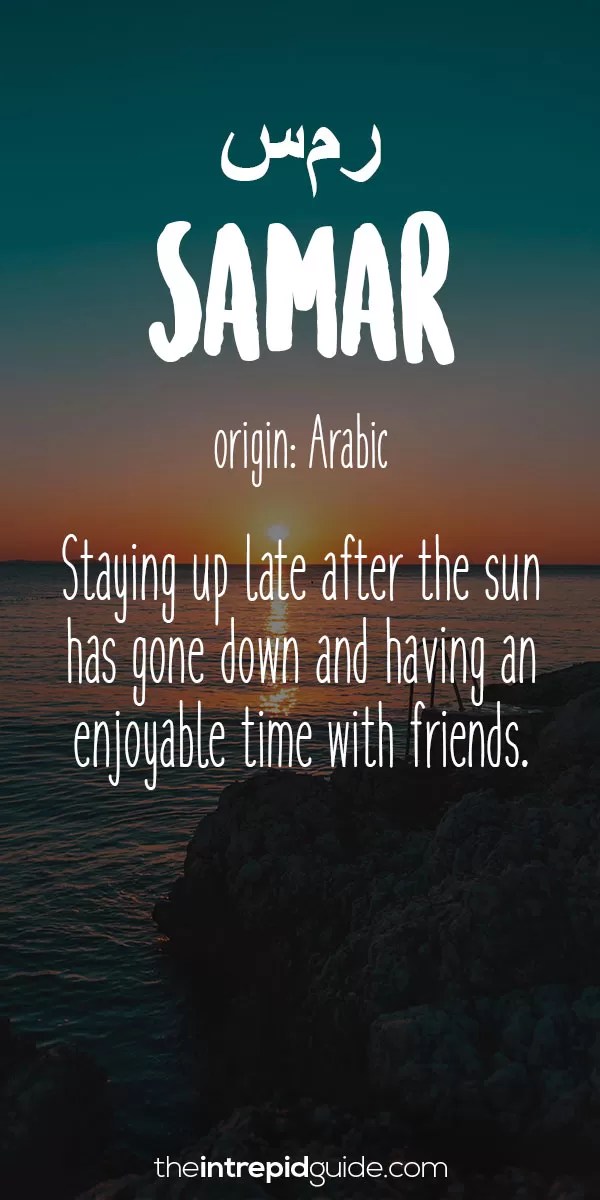
“Malay: pisan zapra – the time it takes to eat a banana. …

“Spanish: VacinlandoVacilando is a beautiful Spanish word which describes the journey or experience of travelling, is more important than reaching the specific destination.”

There’s a very long list of untranslatable Swedish. Here’s the first: “Badkruka – A person who feels somewhat hesitant or doesn’t like to swim in an open body of water due to its low temperature. …

“Tagalog (Philippines): GigilGigil is the overwhelming feeling that comes over you when you see something unbearably cute that you want to squeeze or pinch it. Kind of like when your grandma wanted to pinch your cheeks when you were a child. …

“Wagiman (Australia): Murr-ma – This beautiful word comes from Wagiman, an almost extinct Australian Aboriginal language spoken in Australia’s Northern Territory. It describes feeling around in water with your feet to find something. …

“Yaghan (Southern Argentina): Mamihlapinatapei – The word mamihlapinatapai (sometimes also spelled mamihlapinatapei) comes from the Yaghan language of Tierra del Fuego in Southern Argentina. Mamihlapinatapai is listed in the Guinness Book of World Records as the ‘most succinct word’ and is considered extremely difficult to translate. Mamihlapinatapai is a meaningful, but wordless, exchange between two people, who both desire to initiate something but are hesitant to act on it. It also can refer to a private but non-verbal exchange shared by two people, one where each knows that the other understands and agrees what is being expressed. …

“Yiddish: Trepverter – Literally, ‘staircase words,’ trepverter is a witty comeback you think of only after it’s too late. 

“Zulu: Ubuntu – The act of being kind to others because of one’s common humanity. Ubuntu is frequently translated as ‘I am because we are,’ or ‘humanity towards others.’ “

More at the Intrepid Guide, here. The selections are pretty amazing. Dip in anywhere. A couple of my previous posts on the topic are here and here.

Read Full Post »

Photo: Brittainy Newman/Bloomberg Philanthropies.
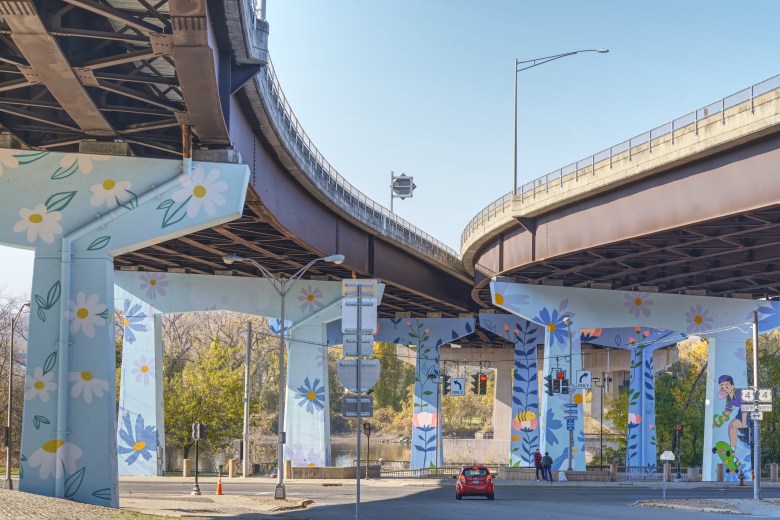
Art painted by Jade Warrick in Troy, New York.

Today’s post features a new study showing that public art, in addition to its numerous other benefits, can sometimes increase traffic safety.

Elaine Velie writes at Hyperallergic, “A study conducted by Bloomberg Philanthropies examined 17 sites over two years, before and after they were painted with ‘asphalt art’ (art on surfaces such as roads, sidewalks, and underpasses). It found a 17% decrease in total crashes and a decrease in severity of the crashes that did occur: There were 37% fewer crashes that resulted in injury and 50% fewer crashes involving pedestrians and cyclists.

“ ‘The art itself is often also intended to improve safety by increasing visibility of pedestrian spaces and crosswalks, promoting a more walkable public realm, and encouraging drivers to slow down and be more alert for pedestrians and cyclists, the most vulnerable users of the road,’ the study reads.

“The sites, spread across five states, were intersections or mid-block crosswalks. Around half of the sites were considered ‘urban core,’ defined as areas with a high population density (including two in New York City), a quarter were neighborhood zones, and the last quarter were suburban.

“In addition to reporting the actual crash rate for these sites, the study also tracked the behavior of drivers and pedestrians, noting that both groups performed less risky behavior in areas with artworks — such as pedestrians crossing without the ‘walk’ sign and drivers not yielding to pedestrians until the last moment. …

“As of now, asphalt art is not allowed under the Federal Highway Association’s rules on road signs and signals, a lengthy set of guidelines that dictate the colors required for painting crosswalks, curbs, and lines. The decision to install asphalt art requires local officials to make exceptions.”

The New York Times has more: ” ‘We want to try and help cities do wonderful things to their public realm,’ said Kate D. Levin, who oversees arts programs for Bloomberg Philanthropies and was commissioner of the New York City Department of Cultural Affairs. And especially now, as cities reopen, ‘there’s a social cohesion goal that I think has only gotten more urgent,’ she said. ‘Why not use projects like this to actually let people be involved, create a sense that public space belongs to everyone?’

“The goals are to support local working artists, community groups, businesses and government on collaborative infrastructure projects to make streets safer; to activate public space in ways that are ‘as robust and reflective of local identity and aspirations as possible,’ Ms. Levin said; and to promote community engagement, ‘because a streetscape isn’t theoretical, it runs through people’s lives.’ …

“ ‘When we closed Broadway to cars and opened it to pedestrians in 2009, we saw the potential hidden in 2.5 acres of gray asphalt,’ said Janette Sadik-Khan, a former commissioner of the New York City Department of Transportation and now transportation principal at Bloomberg Associates … ‘Streets make up more than 80 percent of a city’s public space, so they’re really the front yards for millions of Americans.’

“Three cities began or completed installations in late 2020: Kansas City, Mo; Saginaw, Mich.; and Norfolk, Va. The remaining 13 are expected to finish their projects this year. … Themes range from unity and improving police and community relations to diversity. Sioux Falls, S.D., plans to feature minority artists who will design vinyl wraps for 25 utility boxes throughout downtown. Troy, N.Y. intends to beautify an underpass. …

Teal Thibaud, director of the Glass House Collective, a nonprofit that works in an underserved neighborhood in East Chattanooga, Tenn., said even small improvements could help spawn others, especially in an area that had received limited infrastructure investment in recent years.

“The Bloomberg-funded mural, completed in April, helped beautify the area. … A new street park next to the asphalt mural that created a safe gathering space, fence art to slow traffic near the elementary school, and painted stencils on sidewalks to encourage school children and other residents to follow the safest local routes were among the projects, said Ms. Thibaud. …

“Last fall, Kansas City, Mo., redesigned a busy, dangerous four-way intersection where cars rarely stopped for pedestrians, said DuRon Netsell, founder and principal of Street Smarts Design + Build, an urban design firm that focuses on walkable communities. ‘People were just flying through the intersection, significantly over the speed limit.’

“Stop signs and traffic-calming measures like bollards and planters to extend the curbs and narrow the driving lanes, and the community-painted mural ‘blended into a unique project that is not only beautiful, but also drastically improved safety,’ said Mr. Netsell.”

More at Hyperallergic, here, and at the New York Times, here.

Read Full Post »

Photo: The Guardian.
Born and raised in Tokyo, Rina Hanzawa is one of thousands of women around the world who have taken up Ori Tahiti, the traditional Polynesian dance.

The joy of dance is international. It’s fun for me to see, for example, that Shagufa, raised in a conservative Afghan community and now a student at Brandeis, is adding belly dancing to a repertoire that has long included golf.

Meanwhile, around the world, many people are discovering the fun of a Polynsian dance form once banned by colonizers. Tiare Tuuhia has a story about that at the Guardian.

“Wearing intricate costumes made of plants and adorned with tropical flowers, the women look spectacular. While their torsos remain completely still, somehow, impossibly, their hips are moving in circles so fast it’s almost a blur.

“These women are performing traditional Tahitian dance, or Ori Tahiti, in Tahiti’s annual cultural festival, the Heiva. And they’re not alone. Thousands of women across the globe, from Mexico to Japan, are doing it too. …

“Ori Tahiti is a broad term that encompasses the many traditional dances native to the island of Tahiti, performed by both men and women. The most well-known is the ote’a, a very fast, hip-shaking dance performed by women. Another is the aparima, which features slower, more graceful body movements. …

“ ‘In my eyes it is the most beautiful, powerful, sensuous and expressive,’ says Tumata Robinson, a renowned Tahitian choreographer, costume designer and founder of acclaimed dance group Tahiti Ora.

“ ‘I think Ori Tahiti is very complete, you know. It’s fierce, but also elegant and powerful, graceful, feminine when we dance,’ [says] says Moena Maiotui, one of Tahiti’s most beloved professional dancers, who has traveled around the world performing, teaching Ori workshops, and sharing Tahitian culture. YouTube videos of her dancing, both solo and with the dance group Tahiti Ora, have racked up millions of views. …

“Self-expression and connecting to nature are what Ori Tahiti is about for Rina Hanzawa. Born and raised in Tokyo, Hanzawa discovered Ori Tahiti in her early twenties.

“ ‘I went to dance school and I found Ori Tahiti there,’ says Hanzawa. ‘At the time I had no clue about Tahitian culture. But I fell in love with Ori Tahiti when I tried it.’ …

“What started as a casual hobby soon became an enduring passion, which led to her competing at a national level. Hanzawa now lives in Australia, where she has set up her own Tahitian dance school, Tai Pererau, in Sydney’s northern beaches. …

The arrival of Europeans in French Polynesia, along with their religion and laws, saw Ori Tahiti banned or repressed for close to 100 years.

“At the end of the 18th century, dance was banned by European missionaries, who labelled it immoral. Then, in 1819, the Pomare Code, a set of laws laid down by the Tahitian monarchy, forbade traditional dancing outright. In 1842 the French protectorate allowed dancing – but with so many conditions that the practice was still repressed.

“It was only in the 1960s that the church began to lose influence and traditional dancing really began to be revived. During this time the first modern dance group appeared on the scene, led by Madeleine Mou’a.

“Damaris Caire, author of a book titled Ori Tahiti: Between Tradition, Culture and Modernity, says: ‘Little by little, by doing dance shows at hotels for tourists, Ori Tahiti became popular – even if the local population initially struggled to accept it.’ …

“Despite a rocky past, Ori Tahiti has today become a way for Tahitians to connect with their ancestors, their land and their language. It is a celebration of a cultural identity and pride that was almost lost to colonization. Now, it has become one of Tahiti’s best exports.

“Hinatea Colombani, a Tahitian cultural expert and director of the Arioi culture and arts centre, says it is particularly satisfying to see Ori Tahiti become popular in the very countries that tried to stamp the practice out two centuries ago.

“ ‘For me it’s a revenge, because they celebrate our culture,’ she says. …

“This year, the Heiva Ori Tahiti Nui international 2021 – Ori Tahiti’s biggest competition – had to be held online due to the pandemic. However, it still managed to attract competitors from 12 countries and territories, including two new participants: New Caledonia and Switzerland. …

“ ‘It was really a superb experience,’ says [Ginie Naea, a dance teacher at the Te Ori Tahiti school in Geneva]. ‘We danced in front of Lake Geneva and the mountains; it was just magic. The best part of the competition was actually the preparation and team cohesion that it necessitated – a connection that’s created when performing. There is a real bond between Ori Tahiti dancers, a real family that is created around the same passion.”

More at the Guardian, here.

Read Full Post »

« Newer Posts - Older Posts »