Feeds:
Posts
Comments

Posts Tagged ‘canada’

When I first read about the discovery of a snug getaway in a Toronto tunnel, I thought, of course, of Ralph Ellison’s Invisible Man. You remember the black man who finally gave up hope of being treated like a regular human and, realizing he was already invisible to most people, established a hidden pied sous terre, lavishly draining off electric power to light his home underground.

The Toronto story turned out a bit different.

The NY Times had the first episode. “It was a baffling discovery,” Ian Austen wrote, “a hand-dug tunnel just over 33 feet long, tall enough for an adult to stand inside, fed with electricity, drained by a water pump and expertly reinforced with lumber and plywood. It started in dense woods near a tennis stadium — and it did not lead anywhere.

“After more than a month of investigation by the Toronto police, the identities and motives of whoever built the tunnel remain as mysterious as they were the day it was found. So … the police turned to the public for help. …

“The news of the tunnel prompted swift speculation on cable television that it might be part of a plan for a terrorist attack on the Pan American Games, which will be held in Canada this summer. The stadium, located on the York University campus, is scheduled to host tennis for the games. But [Deputy Chief Mark] Saunders said repeatedly … that there was no evidence to support that theory or to indicate that the tunnel was intended for anything illicit at all.

“ ‘There’s no criminal offense for digging a hole,’ he said. …

“Chief Saunders said that the tunnel was equipped with ‘a moisture-resistant lighting system’ and that, despite the bitter January weather, ‘it was very comfortable inside,’ with a temperature between 70 and 75 degrees. A 12-foot aluminum step ladder gave access to the tunnel, and a small pit near the entrance held a Honda generator and an air compressor. The pit was lined with thick foam, apparently meant to muffle the sound of the machinery.” More.

A US News & World Report follow-up story is here. Can you guess? It was nothing nefarious — just a comfy man cave that a couple buddies built to get away from it all.

Photo: USNews.com
Toronto’s Deputy Police Chief Mark Saunders explains evidence photos as he speaks to the media about solving the tunnel mystery.


Read Full Post »

Maria Popova at Brain Pickings has wide-ranging interests, and one of her special strengths is finding charming children’s books. In a recent post, she wrote about an alphabet book you can get at the library.

“I was instantly taken with Work: An Occupational ABC (public library) by Toronto-based illustrator and designer Kellen Hatanaka — a compendium of imaginative, uncommon, stereotype-defying answers to the essential what-do-you-want-to-be-when-you-grow-up question.

“With a sensibility between mid-century children’s books and Blexbolex [a French graphic artist described here], Hatanaka weaves bold graphics and soft shades into a tapestry of tender vignettes about people of all shapes, sizes, and colors. There is the K-9 officer (female) training her trusty dog on an obstacle course; the Butcher (heavy-set) chasing after a mischievous raccoon that got away with the sausage; the Naval Architect (female) oversees the construction of a large ship near the shore as the Oceanographer (female, dark-skinned) explores the marine world below the surface.”

Canadian independent children’s-book publisher Groundwood Books is to be commended for this little treasure. You can see most of the pictures in Popova’s blog post, here. They are completely delightful.

Art: Kellen Hatanaka
Vibraphonist from Work: An Occupational ABC

Read Full Post »

Gregg tweeted recently about Robinson Meyer’s Atlantic article on 92-year-old metallurgist Ursula Franklin.

Meyer writes, “It’s hard to describe what Ursula Franklin’s done in her life. There’s just too much.

“The 92-year-old metallurgist pioneered the field of archeometry, the science of dating archaeologically discovered bronzes, metals, and ceramics. Her research into spiking levels of radioactive strontium in baby teeth factored heavily into the U.S. government’s decision to institute a nuclear test ban.

“She delivered the Massey Lectures—an important, annual series of talks delivered by Canadian public intellectuals—in 1989, and she was the first woman to be named University Professor at the University of Toronto, the university’s highest position.

“She was also born in Munich in 1921, and was imprisoned in a Nazi work camp for the last 18 months of the war.”

Meyers’s questions cover much of Franklin’s life, her pacifism, and her trail-blazing for women scientists. It’s a long interview. Here’s a taste.

“Once you were at the University of Toronto … did you see the university change over your time there, and just generally what was it like to be a female professor of engineering during the ’70s and ’80s?”

Franklin answers, “Well, pretty lonely. You know the real difficulty is to protect and advance your women students, and to see that they are in a hassle-free learning environment. When I came to the university, I’d been around long enough to know that I wasn’t one of the gang, and I never would be. I didn’t have a desire to be one of the boys.

“But the great wish—to give my women students a hassle-free, happy learning environment—that’s what’s difficult. The culture of engineering is not a culture of acceptance and understanding of anything that is female and—at the same time—equal. So that’s… that’s a real job. It was a long and hard [work] in this, and it’s by no means yet all done.”

I remember the fuss over strontium 90 in milk. How great to read about this woman ‘s role in uncovering the problem and to see that she is going strong at 92. More at the Atlantic.

Ursula Franklin  photo

Read Full Post »

I’m adding Julian Peters to the blog roll on your right. He’s a genius. A graphic artist from Canada who has chosen to illustrate some of the greatest poems ever. At least, some of my favorites.

Matthew Gilbert did a spread about Peters and his work on T.S. Eliot’s “The Love Song of Alfred J. Prufrock” for the Boston Globe. Illustrations that could break your heart. I am in Matthew Gilbert’s debt for this gift of happy-sad. Read his essay, here.

Below are a few frames from Peters’s “La Belle Dame Sans Merci,” by Keats, a poem I can’t read without hearing my father’s voice choke up on my cassette tape.

Go to Peters’s website, here, and luxuriate.  

Art: Julian Peters

Read Full Post »

Cousin Claire fell in love with Cape Breton, Canada, some years ago. As she does all things, she dug deep — into its history, geography, and people. (I wrote about her efforts to help protect the crumbling Gabarus seawall, here.)

Now Claire has published an oral history of one of Cape Breton’s best known residents, Mildred Gray.

From Amazon: “Mildred Gray is acknowledged as the last surviving government-employed Morse Code operator and one of the last surviving manual switchboard operators in the Canadian Maritime provinces.

“Between the 1940s through the 1970s, Mrs. Gray was a one-woman 911, information and referral service, spiritual advisor, and companion to people giving birth and people dying. This comprehensive oral history includes maps, historic photographs, a 50-page section of Highlights of Gabarus History, and an extensive bibliography.”

Claire says in her introduction, “Gabarus is a place both beautiful and real. The windswept rocky shore contrasts with the warmth of community.

“As Mrs. Gray points out, the old values still live here. Wherever you live in the world, you can learn about how to live a good life by following the story of Mrs. Gray and her community of Gabarus in guiding us all to be useful, compassionate and honorable. You will see
that Mrs. Gray and her family and neighbors, whether they are
Methodist or not, live by John Wesley’s directive to ‘Do all the
good you can. By all the means you can. … As long as ever you
can!’ ”

Find the book here.

Photo: http://www.risingtideexpeditions.ca/
Cape Breton

Read Full Post »

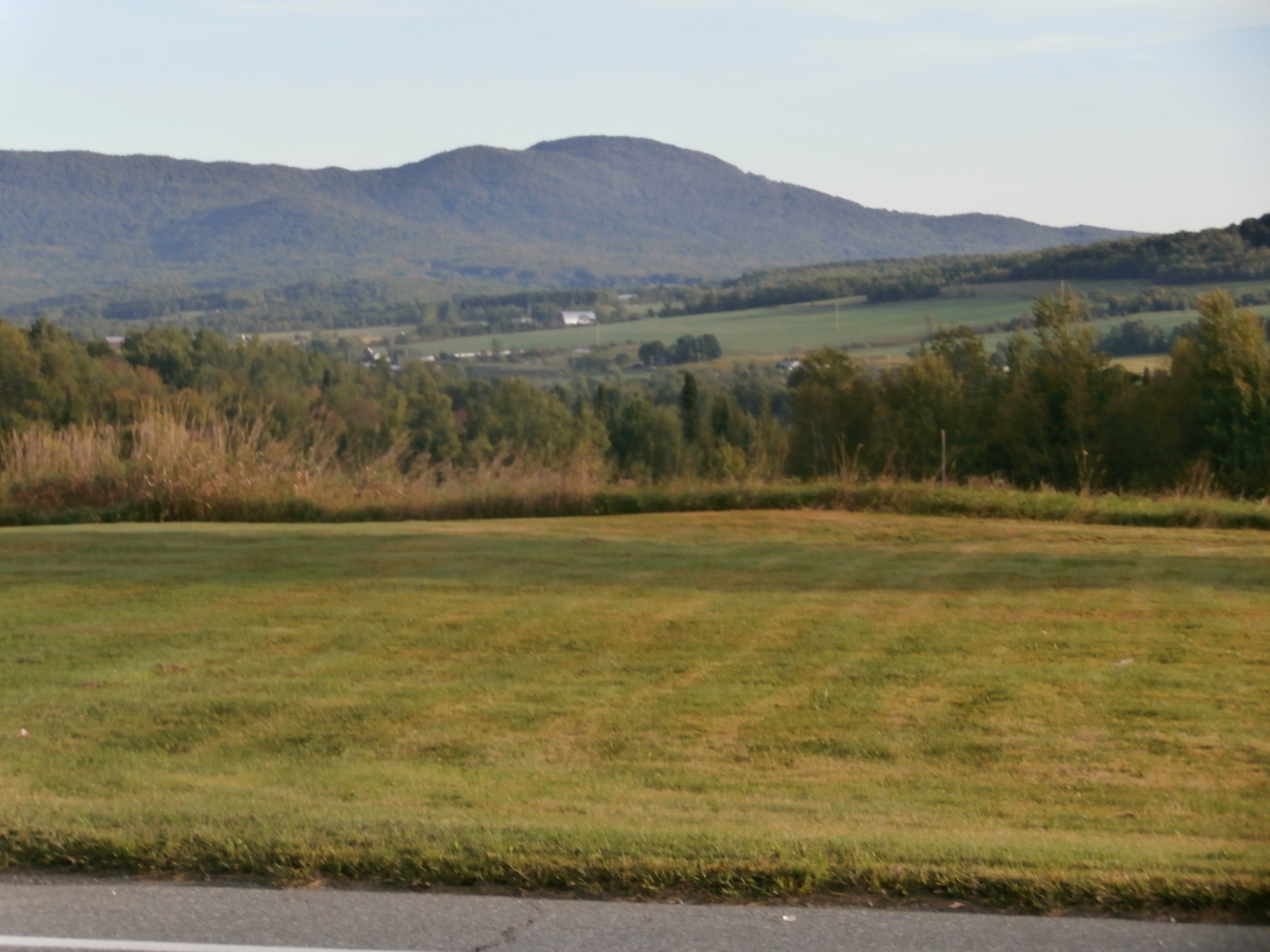
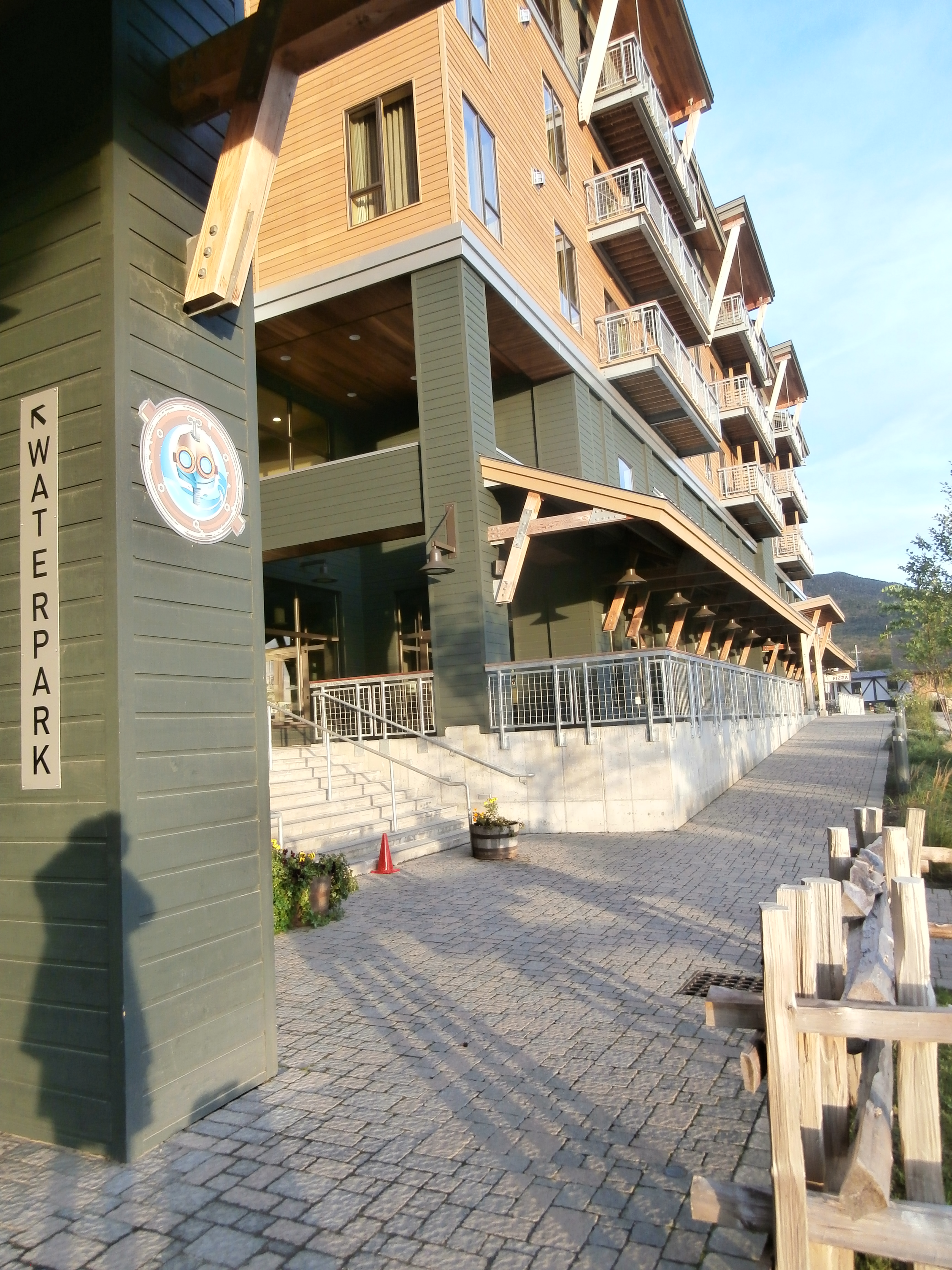
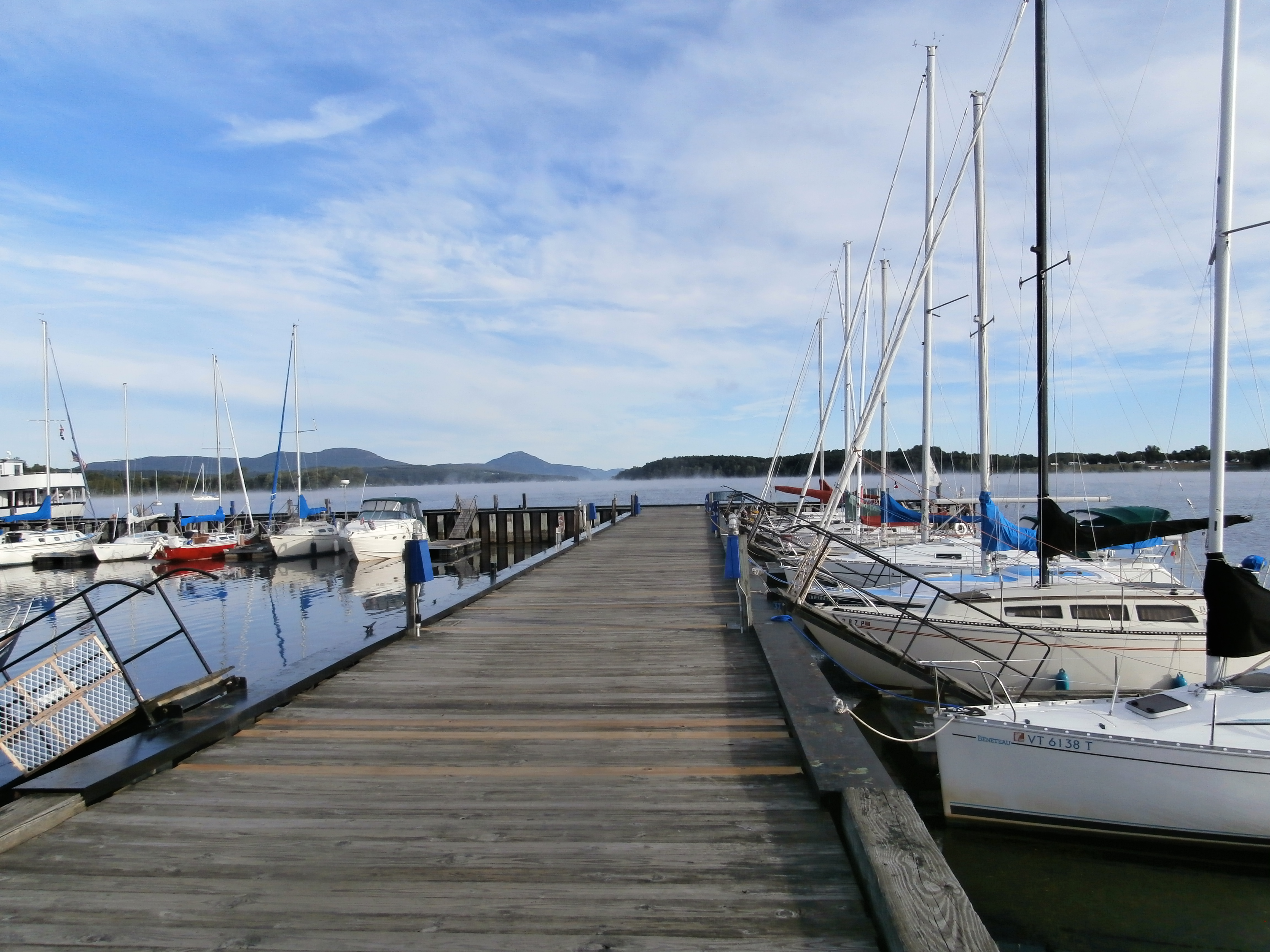
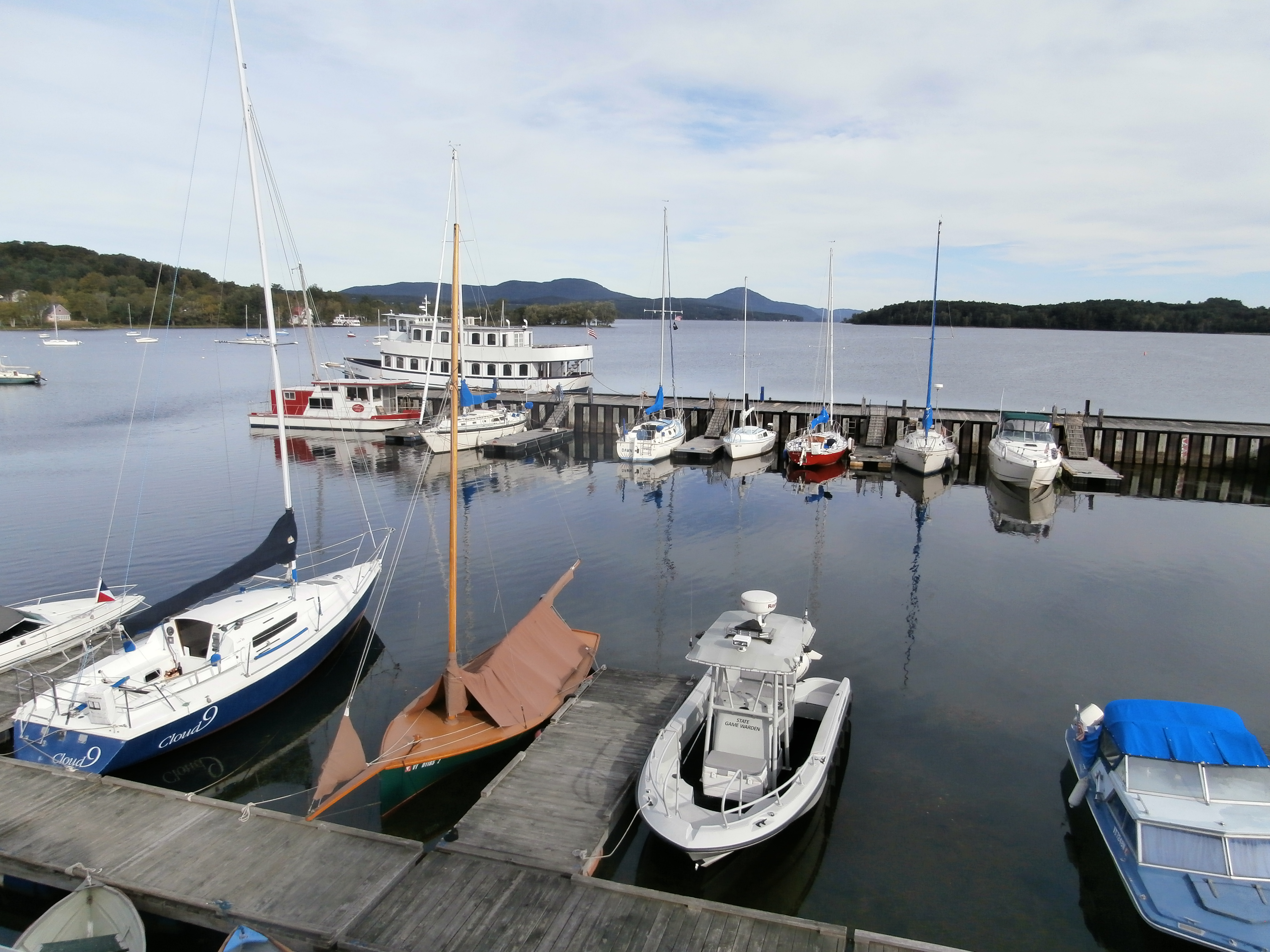
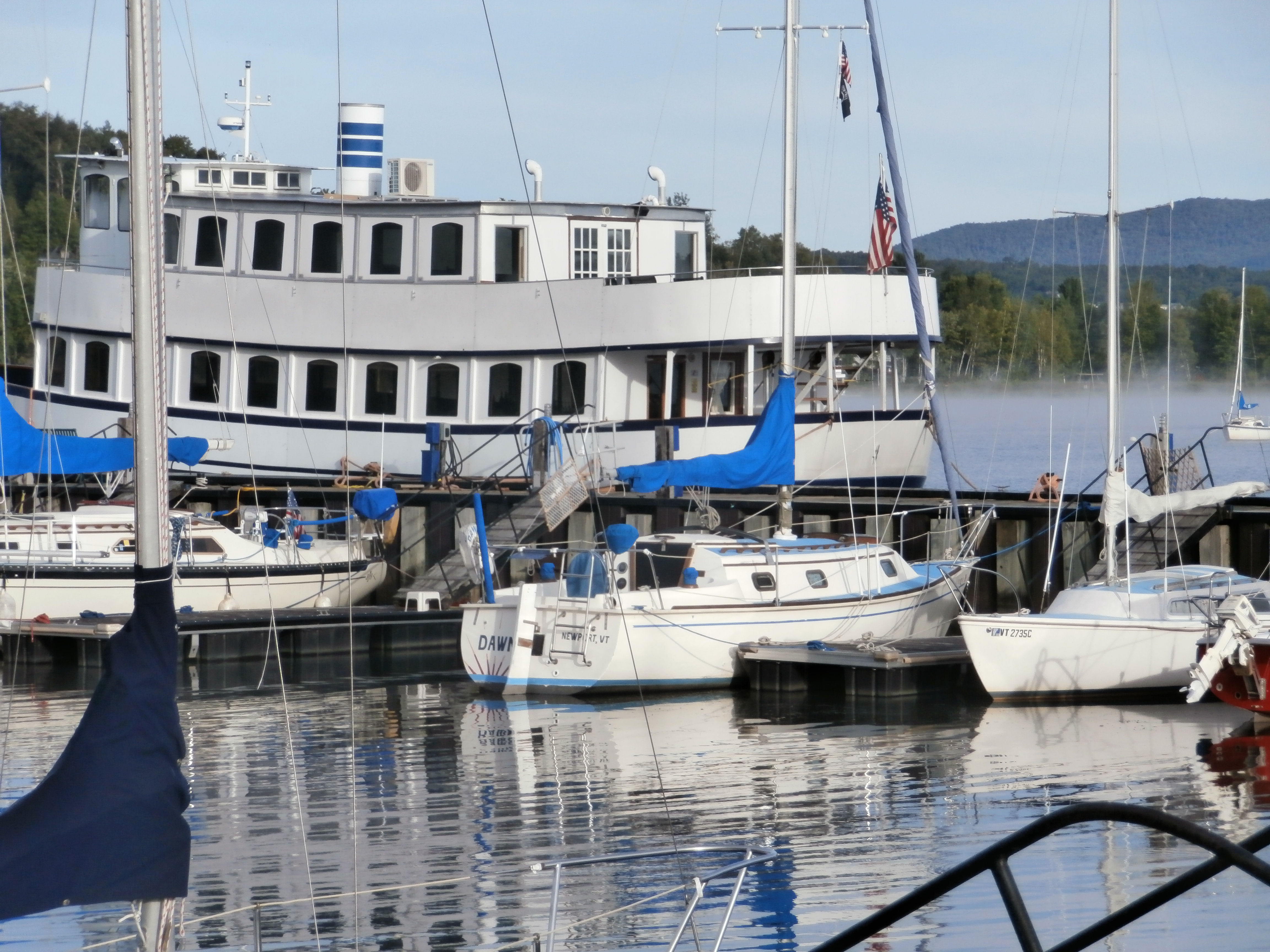
Here are a few pictures from my trip. I don’t think they do justice to the breathtaking Vermont scenery, but you get the idea. Memphremagog, a large lake on the border of Canada, is beautiful. We got a ride on the riverboat pictured here and sat up in the wheelhouse with the captain.

The chalet-like building is at Jay Peak resort.

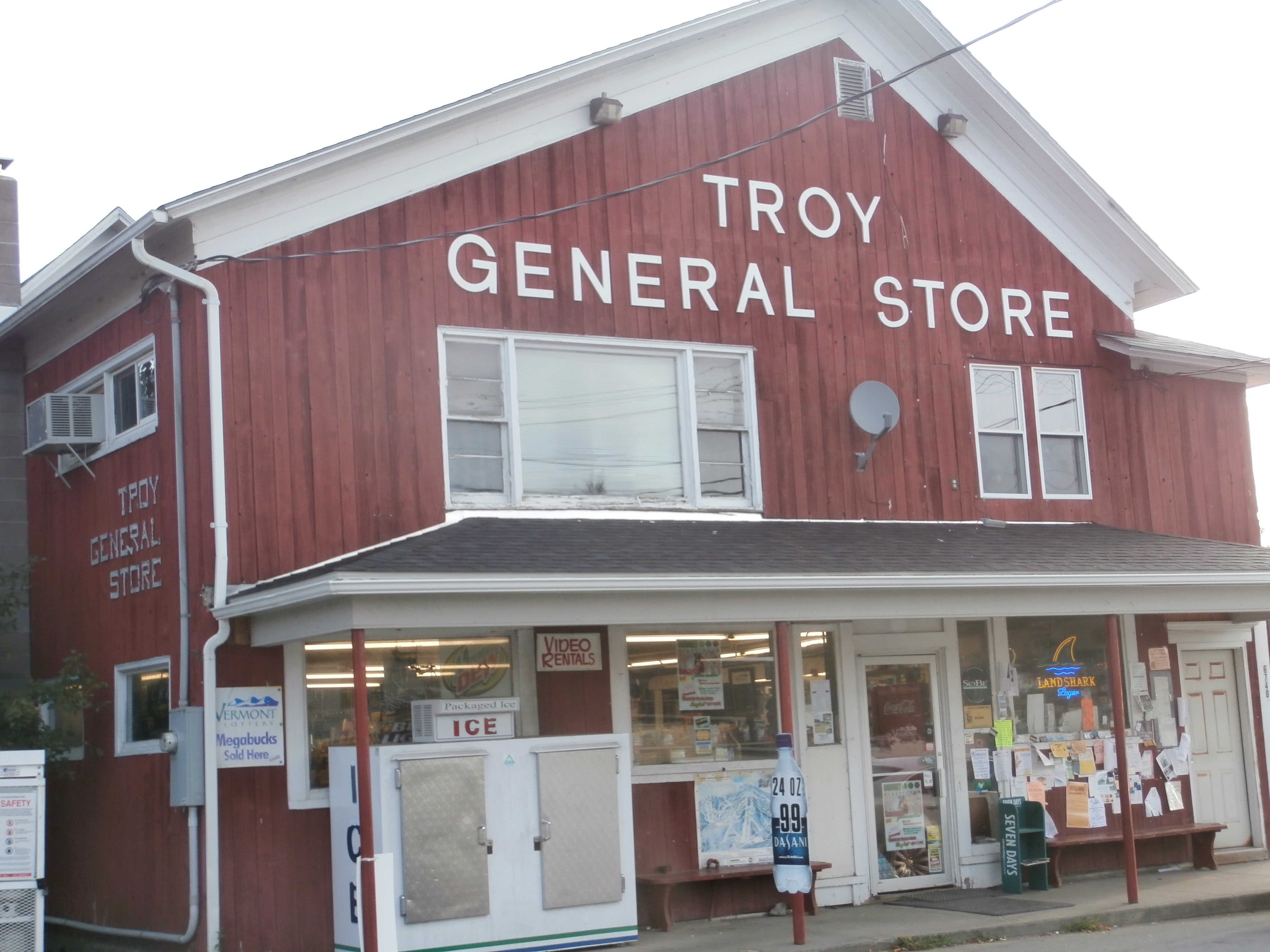
If you should ever happen to pass the Troy General Store, I can tell you that the coffee is 49 cents. Very good, too.

vermont-roadside

jay-peak


coffee-49-cents-vt

lake-memphremagog-090913

lake-memphremagog


lake-mist-newport-vt


Read Full Post »

Newport, Vermont, is way up north near Canada. It’s the southern port of vast Lake Memphremagog, whose name comes from an Abenaki Indian word meaning “beautiful waters.”

Any destination near Canada, as I should have known, means having access to French radio on the drive up, one of many small bonuses. Another bonus was the Northeast Kingdom Tasting Center, which provides shop space for sellers of many Vermont products under one roof. I bought a very nice turkey sandwich there and a bottle of Granny Squibb‘s Unsweetened Black Currant Tea. (I thought Granny might be a local, but the bottle says she’s a “Rhode Island original.”)

Discover Newport blogged about the Tasting Center in June, “The Northeast Kingdom Tasting Center, LLC, has completed its equity financing and will open its doors to the public this summer, announced Managing Partners Eleanor Leger and Gemma Dreher.

“ ‘This is a unique enterprise that we hope can serve as a model for other rural areas, not only in Vermont but in other regions that value their working landscape,’ said Eleanor Leger, the primary leader of the Northeast Kingdom Tasting Center project.

“A total of sixteen individuals and two foundations purchased equity shares in the holding company that purchased the building at 150 Main Street in downtown Newport in September of 2012.  Their equity of $562,000 is being leveraged with $750,000 in financing from Community National Bank and the Vermont Economic Development Authority [VEDA]. …

“Said Gemma Dreher, an early lead investor. ‘The Tasting Center will benefit from all of the changes happening in the Kingdom, but it will also play a key role in keeping our local farms and food producers viable for the future.’

“The building is fully leased to four local food and beverage businesses that feature products from across the region.” More.

You can learn how Newport conducted a visioning process to get input from residents on what they would like their community to be like in the future, here.

And there’s more at Newport’s website, here.

While I was enjoying my turkey sandwich and currant tea, my friends were taking a tour of nearby Jay Peak, which is benefiting from that special type green card that foreign nationals can get if they invest $500,000 in high-unemployment or rural areas. The resort is posh. I don’t think Princess Mononoke would like the loss of woodlands, but I am pretty sure the people getting the new jobs are grateful.

By the way, even if you hate superhighways, the drive  to the Northeast Kingdom, as that part of the world is known, is spectacular — green mountains, rivers, farms, red barns, cows. For all the photo ops, there are not nearly enough places to pull over and capture the autumn asters or the clouds over the mountain over the farm over the river.

Photo: http://discovernewportvt.com/fresh

Read Full Post »

Artist Sarah Hall is killing two birds with one stone. Or solving two challenges with one creation. According to Canadian Public Broadcasting, Hall has made stained glass windows that can convert the sun’s rays into energy for the building the stained glass embellishes.

Emily Chung writes, “Lux Gloria by Sarah Hall, at the Cathedral of the Holy Family in Saskatoon, is currently being connected to Saskatoon Light & Power’s electrical distribution network, confirmed Jim Nakoneshny, facilities manager at the cathedral.

“The artwork, which consists of solar panels embedded in brightly coloured, hand-painted art glass, had just been reinstalled and upgraded after breaking and falling into the church last year.

“Once it is connected, the cathedral will be able to use the solar power produced by the art installation to offset its own power consumption from the regular grid, Nakoneshny added.

“According to Kevin Hudson, manager of metering and sustainable electricity for Saskatoon Light & Power, the solar panels are expected to produce about 2,500 kilowatt hours annually or about a third to a quarter of the 8,000 to 10,000 kilowatt hours consumed by a typical home in Saskatoon each year.”

Read all about it at the CBC, here.

Photo: Sarah Hall on Popsci.com website
Lux Gloria: The solar-stained glass installment features dichroic glass and will be connected to the electrical grid in Saskatoon, Saskatechewan.

Read Full Post »

At Public Radio International’s “The World,” David Leveille has a story on research at Ellesmere Island in northern Canada.  There, University of Alberta biologist Catherine La Farge is finding that some frozen plants are able to begin growing again after 400 years on ice.

“Cold as it may be during the winter,” writes Leveille, “it’s a part of the world where glaciers are melting and ice sheets are breaking up due to climate change.

“One glacier there is called the Tear Drop glacier. As it has melted, some interesting plant life was exposed.”

La Farge’s results, published in the Proceedings of the National Academy of Sciences “suggest that bryophytes, representing the earliest lineages of land plants, may be far more resilient than previously thought, and likely contribute to the establishment, colonization, and maintenance of polar ecosystems.” Who knows what else is under the glacier and about to be thawed out.

More.

Photo: Catherine La Farge
In vitro culture of Aulacomnium turgidum regenerated from emergent Little Ice Age plants beneath the Tear Drop Glacier, Sverdrup Pass, Ellesmere Island, Nunavut.


Read Full Post »

Signs of a prehistoric camel have been found in the frozen north.

John rode a camel in Egypt a year ago, and my grandson still talks about it, but the camel found in Canada would have looked a little different. (Wikipedia has an image, here.)

Ian Austen writes at the NY Times, “A group of scientists reported on Tuesday that they had found fossilized remains of a giant camel, with a shoulder height of perhaps nine feet, in Canada’s frigid high Arctic.

” ‘It’s a surprise when you first hear it,’ said Natalia Rybczynski, a paleontologist at the Canadian Museum of Nature in Ottawa, who discovered the bone fragments in 2006. ‘But the Arctic in the winter was like a desert at that time.’ …

“The remains were found about 750 miles north of what was previously the northernmost known camel fossil, a giant found in Canada’s Yukon Territory in 1913.

“It’s just kind of stunning that it’s more than 1,000 kilometers away,” said Dr. Rybczynski, the lead author of a paper about the camel published Tuesday in the journal Nature Communications.

“She had accompanied a group of scientists to Ellesmere Island, which is in the Nunavut territory, who were studying the climate history of the region. At the time when the oversized camel lived, about 3.5 million years ago, the island was considerably warmer and covered by boreal forest. Still, it had unusually severe winters that lasted about six months, Dr. Rybczynski said.”

More.

Gate_sea_Aug08

Read Full Post »

This Canadian critic doesn’t think much of the aurora borealis or the “noble sorrow of being descended from rugged settlers” as subjects worthy of poetry. That is perhaps why he is rejoicing at the current poetry trends in his country.

Russell Smith writes at the Globe and Mail that Canadian poetry is experiencing a renaissance.

“You know where Canadian literature is excelling? In its poetry. There hasn’t been so much challenging work around – so much that is playful, amusing, dazzling or simply exasperating – for as long as I can remember. Some of this has to do with a new generation of tough-minded editors, some of it has to do with the fading of a certain kind of weepy folksiness, and a lot of it has to do with the Internet. Quite simply, it is easier to read and share poems now, and people are actually doing it.

“Exhibit A: The Walrus magazine, a general-interest journal that bravely publishes poems every month, has been spreading the word online about their ‘readers’ choice’ competition. They asked for submissions of individual poems, then their poetry editor, the truculent Michael Lista, selected his five favourites (blind – that is, he saw no names). Lista has posted the five finalists and is asking for a public vote on the best. (You can vote at the Walrus’s website; voting ends Sept. 30.) The winner gets $1,000. More importantly, the poem will be widely linked to and forwarded, which means it will be read, unlike prize-winning poems of my youth.

“Also unlike the prize-winning poems of my youth – which tended to be about aurora borealis and the great noble sorrow of being descended from rugged settlers – the ones selected for this shortlist are amazingly, some might say frustratingly, dense and intellectual. They are not about birds. (Well, only one is.)” Read more.

I have to thank ArtsJournal.com for linking to wonderful stories like this in newspapers I would never see otherwise. (P.S. I personally have nothing against poems about birds.)

Read Full Post »

At the WordPress blog Montreal in Pictures, Martin has posted his beautiful photos of beautiful sand sculptures. Hard to believe this in a city beach.

Sand is challenging to work with. You have to keep it wet. But not too wet or it gets sloppy. The pros keep misting their creations lightly with spray bottles. I imagine sculpting in ice entails other very specific challenges. Especially if there is a warm spell at New Year’s.

Suzanne and John often participated in sand-sculpture contests in the summer. It was good fun, although you rarely saw anything as elaborate as the creations in Montreal. I don’t think anyone on the island organizes such competitions anymore, so we just try to be alert and have a camera ready for spontaneous solitary eruptions of creative energy.

Lots more great sand-sculpture photos by Martin here.

Photograph: Martin New at Montreal in Pictures

Read Full Post »

John is quite a rich source of blog ideas. Here’s a story he knew I’d like. It’s about a symphony for ship horns.

“The Harbour Symphony is original music written for the horns of the ships in the St. John’s harbour [Newfoundland, Canada]. This signature fanfare of the Sound Symposium transforms the ships in the harbour into an orchestra on water. Each Harbour Symphony begins with a radio countdown transmitted to the bridge of the ships by the Coast Guard where players stand at the helms of tugboats, trawlers, and ocean-going freighters.

“At the signal, a giant, floating horn section reverberates off the Southside Hills and through the streets of old St. John’s, echoing the soul of this 500 year old seaport.

“The acoustic characteristics of the bowl-shaped St. John’s Harbour encourage the sound to resonate and carry for up to 12 miles. The best place to listen is up on Signal Hill, on the Southside Hills, or in the Outer Battery. These locations give a sweeping view of the Harbour and the city. You can hear the delay of the horns as the sound travels over a mile across the water, and hear the sounds resonate against the surrounding hills.” Read more.

I wonder if Cousin Claire in Gabarus, Cape Breton, knows about this. Of course, I don’t know my geography very well. Cape Breton, Nova Scotia, is probably nowhere near Newfoundland. If you are better at geography, please give me an idea how far apart these places are.

Read Full Post »

« Newer Posts