Feeds:
Posts
Comments

Posts Tagged ‘celebration’

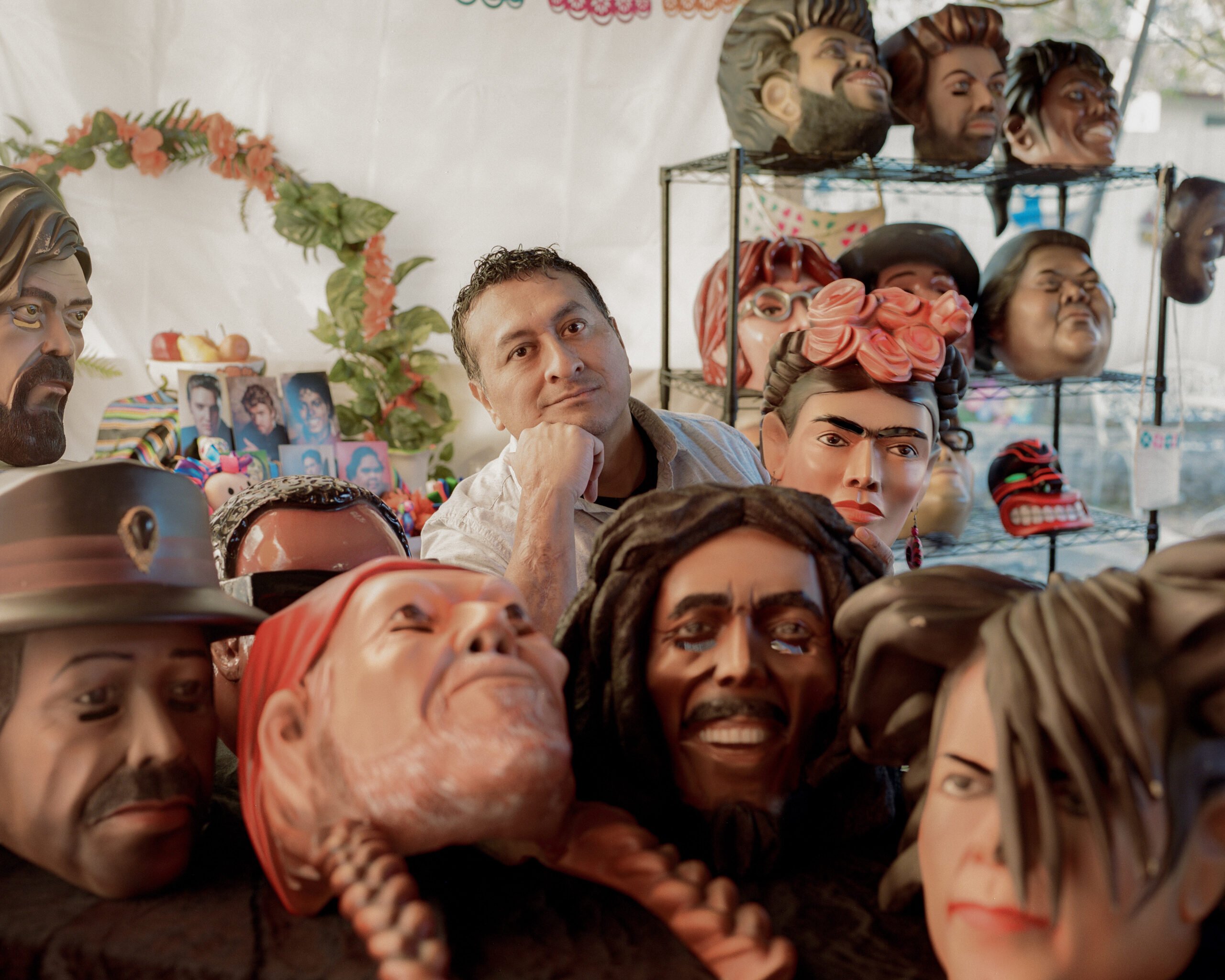
Photo: Harmon Li for the Texas Observer.
Austin’s Willy Baltazar is a man of many masks. From Veracruz to Texas, he keeps a centuries-old tradition alive.

I’m back from California and doing my best to adjust to the time change and life in the East. Having enjoyed the influence of Mexico for the past few days — especially the great Mexican food — I thought I would take a look at a beautiful Mexican art.

Barbara Campos writes at the Texas Observer, “On the back porch of his Southeast Austin home, Willy Baltazar displays a vibrant Día de los Muertos-style altar that honors more than just ancestors.

“Lined up are portraits of legends who have shaped Mexican culture and beyond: Vicente Fernández, Paquita la del Barrio, Frida Kahlo, Bob Marley, and Michael Jackson. Each icon is paired with a matching hand-carved wooden mask laid nearby — a living extension of Xantoloa centuries-old spiritual festival from Veracruz’s La Huasteca region in coastal Mexico.

“This pop culture mash-up serves as a bridge between his Austin life and the native custom that still defines him.

“Baltazar was raised in Tantoyuca, Veracruz, known as the Pearl of the Huastecas, an area famous for preserving Nahua heritage and a main keeper of Xantolo. The three-day sacred festivity — with the liveliness of a carnival — starts in late October and blends Huastec rituals with Catholic practices to honor the dead. During what’s widely regarded as the region’s own version of Día de los Muertos, every home sets up an altar adorned with cempasúchil [marigold flowers], veladoras de santos [saint-etched candles], and ofrendas [food offerings]. The streets fill with the smell of incense and the sounds of  string instruments. Dancers in ceremonial masks parade through Tantoyuca to guide lost loved ones back to the world of the living.

“ ‘It’s not something you miss,’ Baltazar proudly recounts. ‘It completely transforms the town and runs through our blood.’

“Baltazar vividly remembers cuadrillas [dancing troupes] parading in brightly colored costumes with masks looming large as they moved rhythmically through every neighborhood. He was always captivated by la embarazada [the pregnant woman], el diablo [the devil], and el vaquero [the cowboy]. The three symbolic figures represent the fundamental cycle of human existence: birth, mortality, and the enduring human spirit. Troupe members embody this essence while maintaining a vow of anonymity. ‘You must never know who is behind the mask,’ Baltazar warns. 

“At the festival’s close, the entire town makes its way to the cemetery, where dancers honor those who have performed before them and undergo the destape, a public unmasking that reveals their identity.

“Children are encouraged to join the cuadrillas as early as age 3. Baltazar dreamed of participating, or at least owning a mask, but the elaborate costume regalia was beyond what his family could afford. Instead, he watched from the sidelines and promised himself that one day he’d be a part of it. When Baltazar moved to Texas more than 20 years ago, his priority shifted to starting a family and finding his footing in a city where he didn’t yet speak the language.

“Meanwhile, in Veracruz, rehearsals start as soon as the festival ends and continue year-round. Joining a cuadrilla comes with a seven-year cycle of mandatory dancing during Xantolo — otherwise attracting bad luck. Unable to commit to that rhythm from afar, he returned each October as an observer. ‘I felt like I was looking in from the outside,’ he recalls.

“That outsider’s view transformed in 2021. Determined to weave his Mexican customs with Austin’s cultural scene, he placed his first order of masks with an artisan in Veracruz. The two figures were not conventional subjects: Freddie Mercury and John Lennon, his two musical icons and the ultimate bridge to his heritage. …

“A mask can be made in a day, but high demand delayed the process for weeks. Baltazar drove 13 hours to his hometown to pick them up once they were ready — a 700-mile journey that was a turning point in his life. 

“Holding the finished creations, he realized he could keep expanding his collection beyond traditional designs. For a long time, he wasn’t sure if they would become an exhibition, a personal display, or something else entirely. Regardless, he collected them. Since, he’s picked them up in batches of five to 10 — now holding more than 70 pieces depicting Prince, Marilyn Monroe, Ray Charles, and Elvis Presley.

“Between trips, Baltazar calls his car a ‘mobile gallery.’ As a full-time Uber driver, he keeps a few masks displayed. ‘It always starts a conversation,’ he says. …

“Riders often take photos with the pieces, impressed by the lifelike detail, and have started requesting personalized ones of their loved ones who’ve passed away. ‘It’s like the tradition is adapting. Maybe they don’t know much about Xantolo, but honoring our ancestors is universal,’ he says. 

“The constant travel eventually led to investing in a dedicated van for his three to four annual trips. ‘Flying out would be easier, but they’re too fragile and I can’t risk them getting damaged in cargo,’ he notes. ‘It’s a sacrifice, but this is part of the preservation.’ ”

More at the Texas Observer, here.
Read Full Post »

Although most of the country will celebrate the beginning of the American Revolution in 2026, the anniversary of the signing of the Declaration of Independence, in my town the big event is 2025 — 250 years after farmers with muskets confronted British soldiers at the North Bridge.

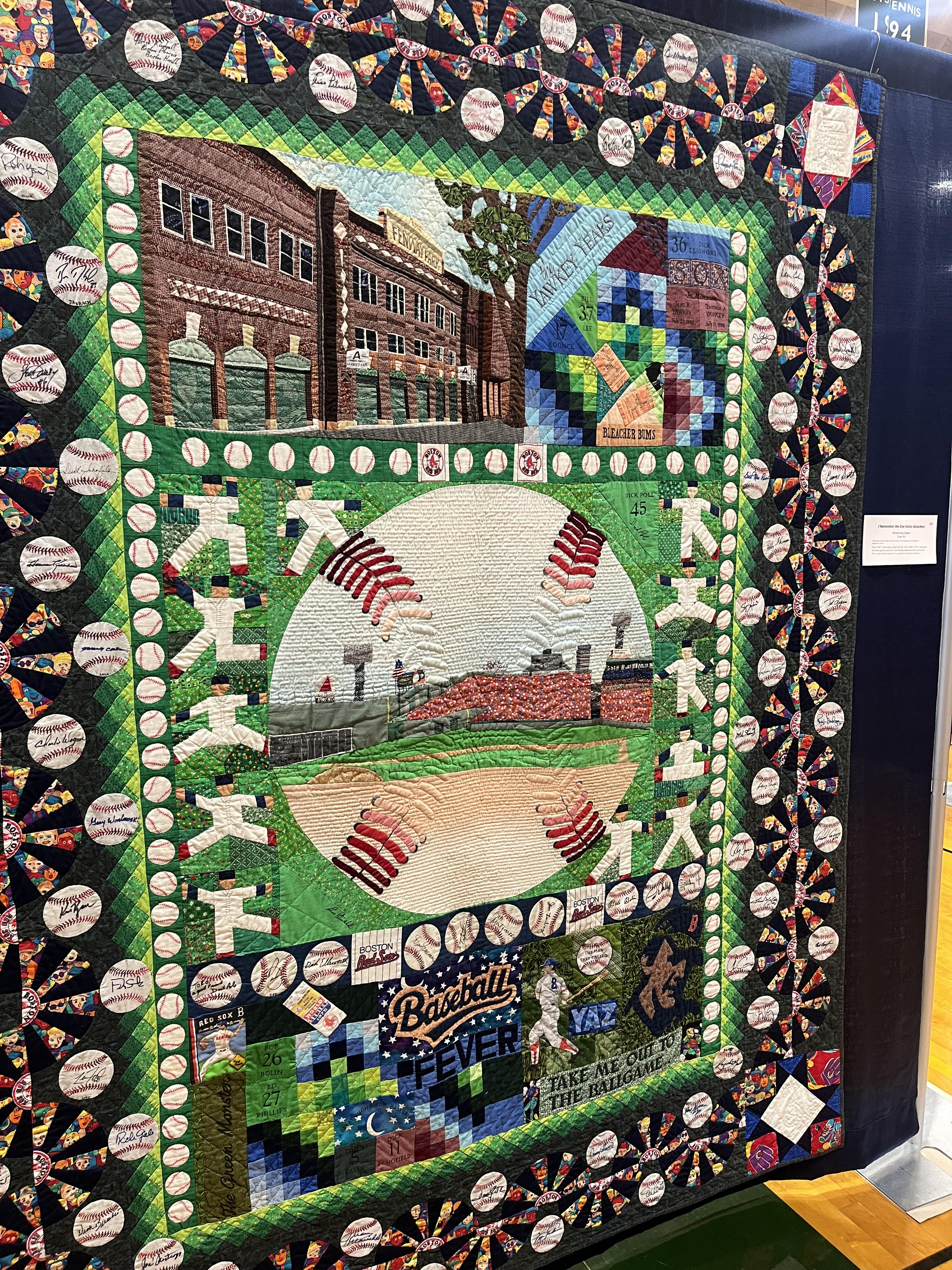
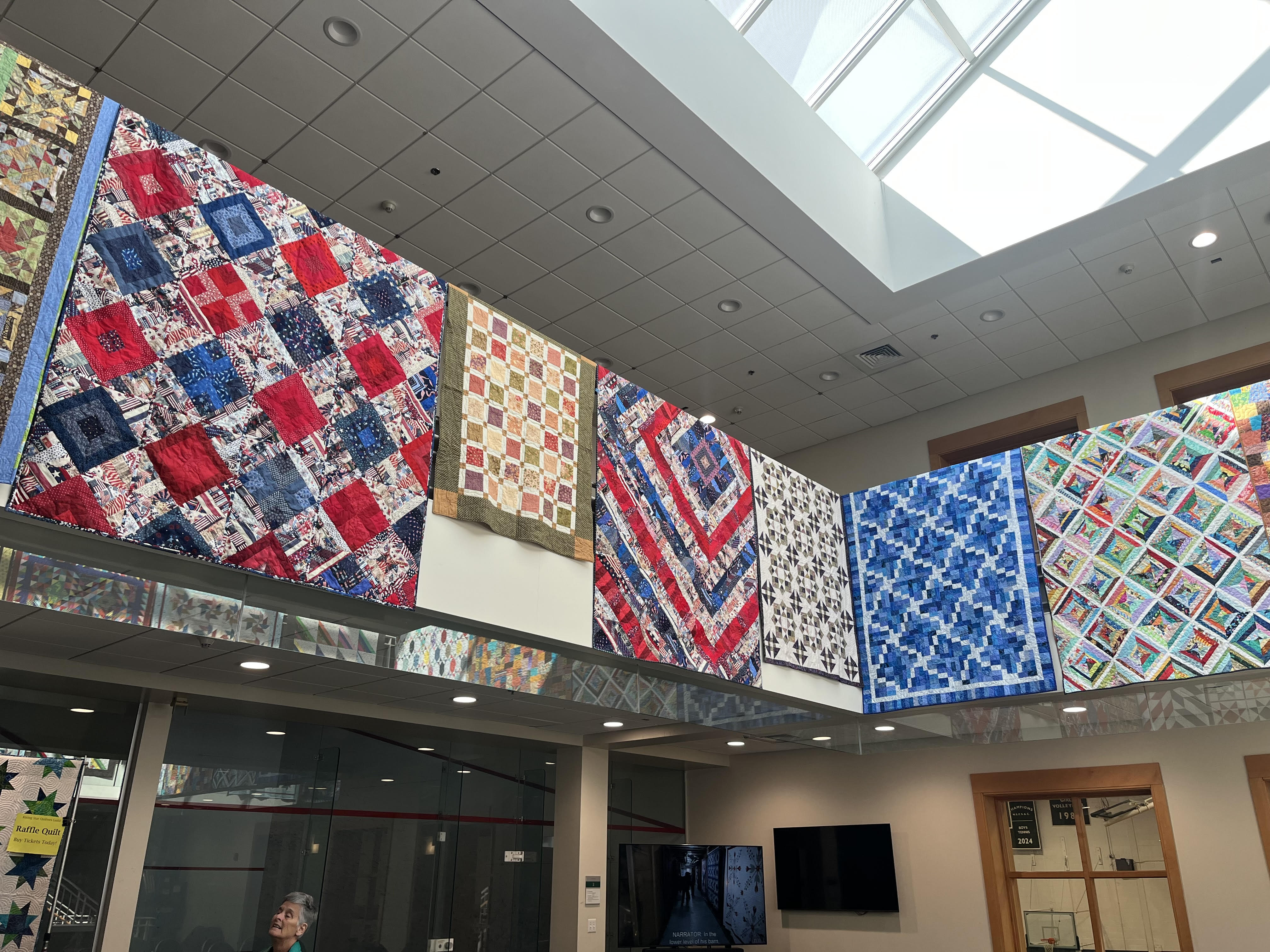
All New England calls it Patriots Day, and this year it will be more like Patriots Month. We started early with activities, and I took some pictures at the quilt show.

I couldn’t study every quilt as there were too many, but I’ll explain why these caught my eye.

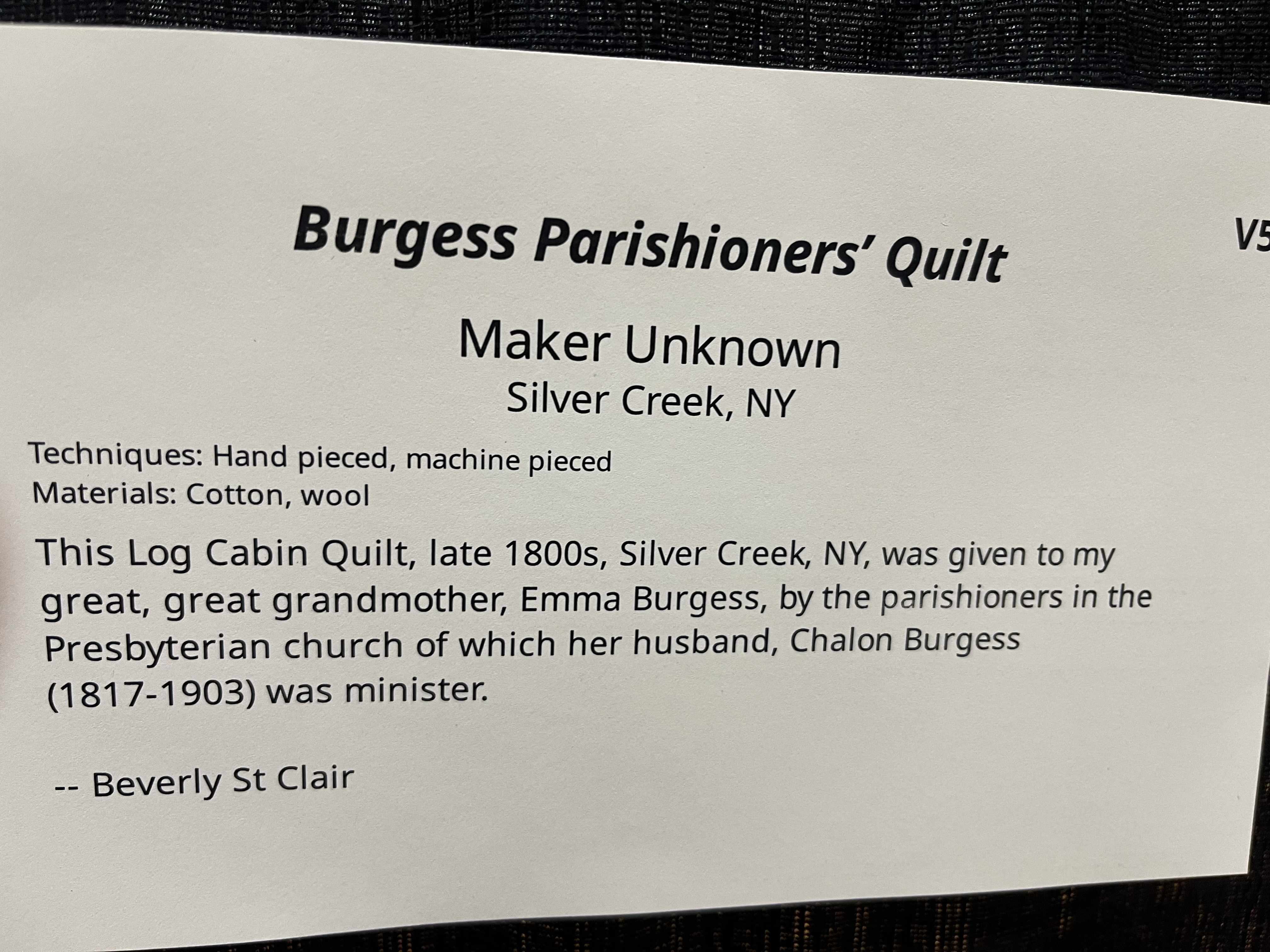
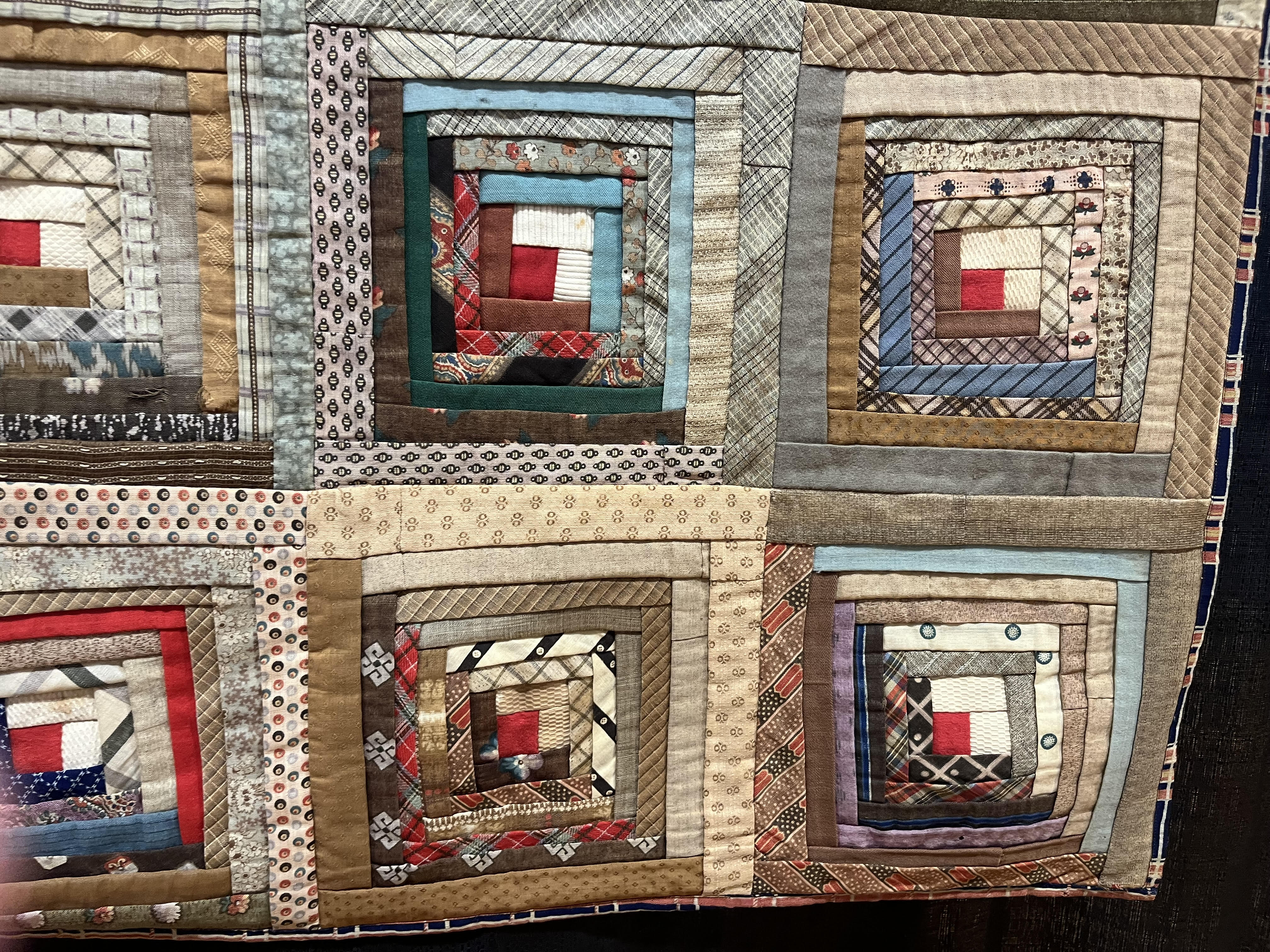
The first, a traditional log cabin style, I thought was in amazing condition to have lasted from the late 1800s.

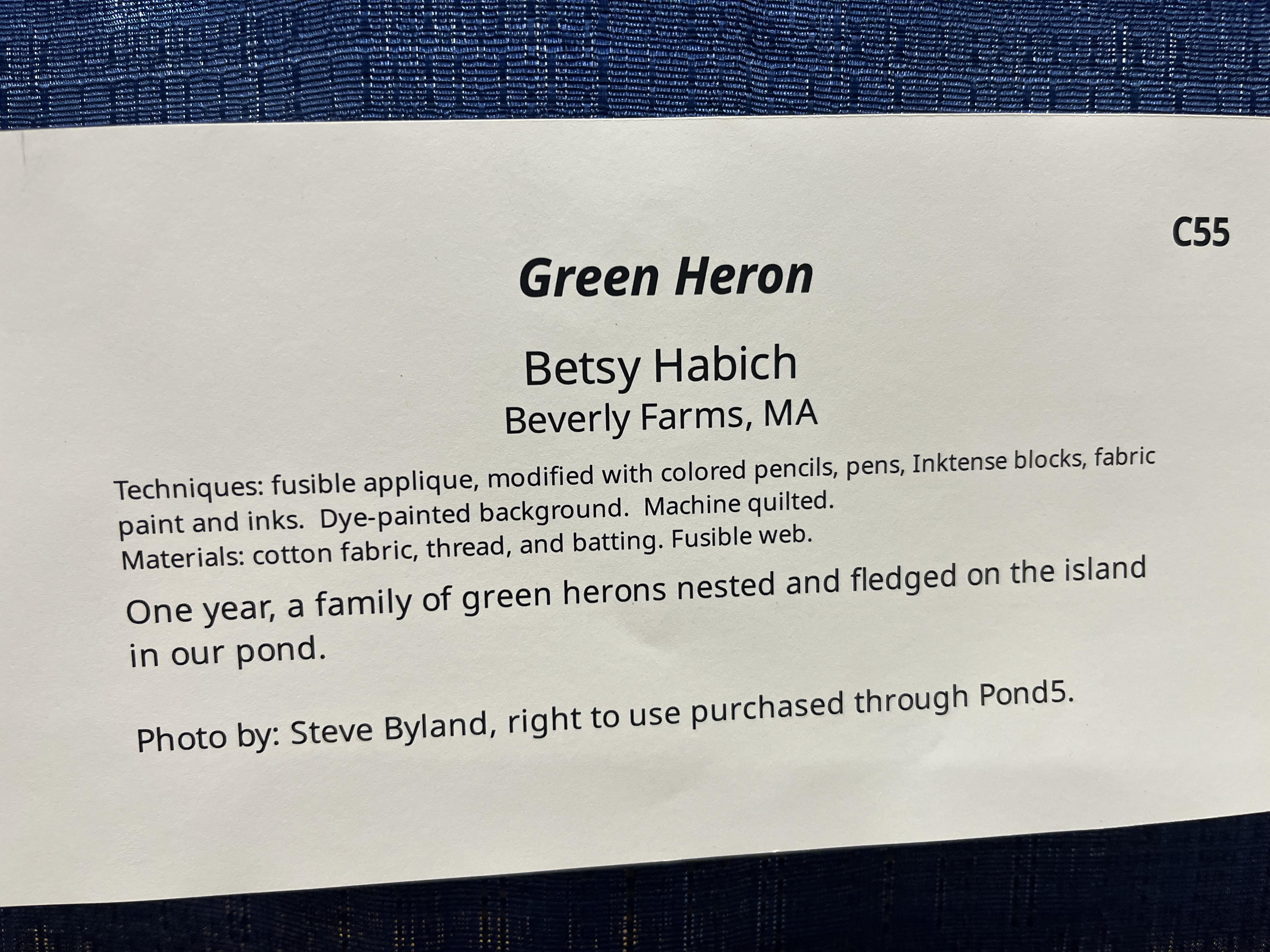
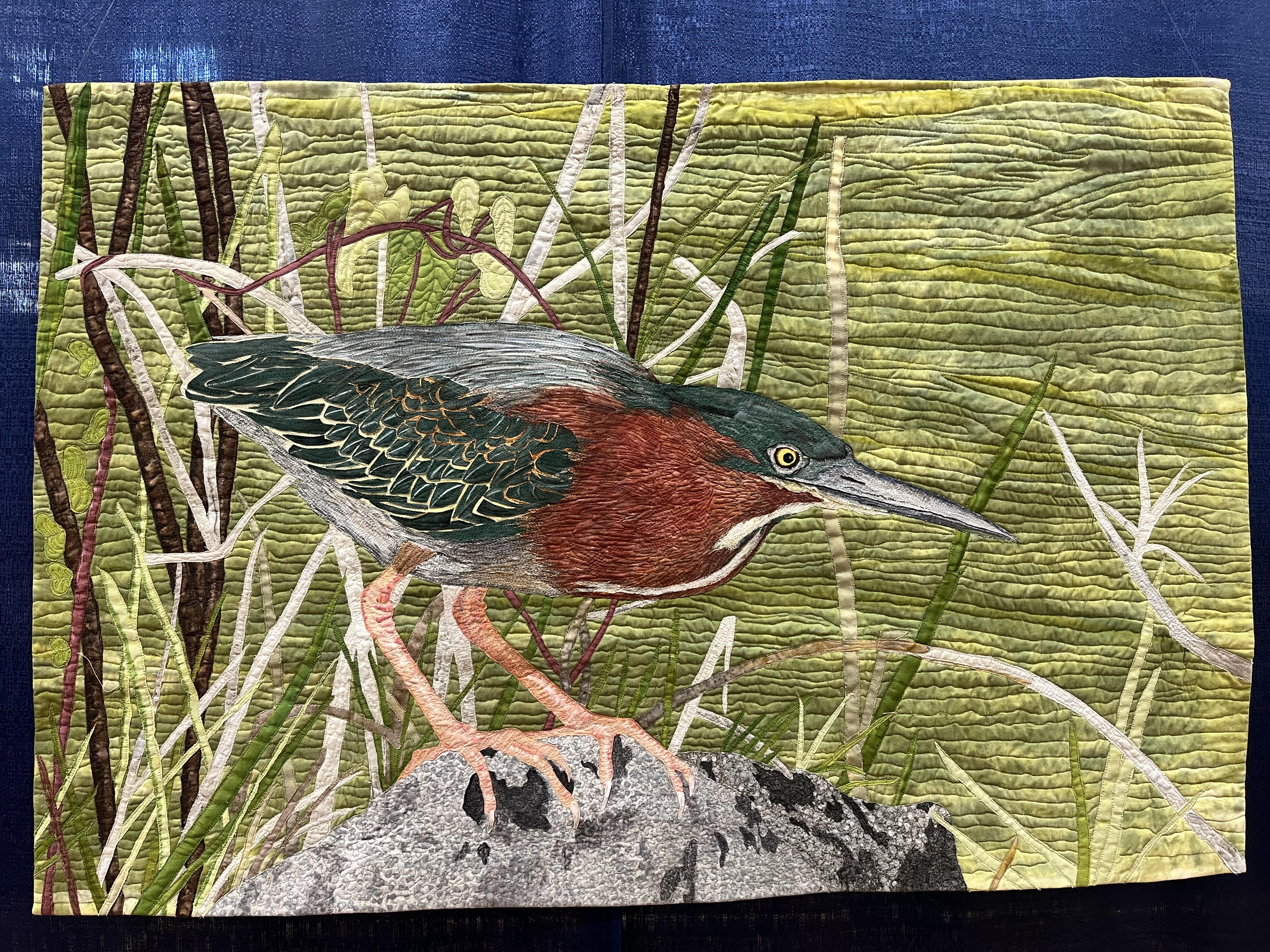
I photographed the green heron because I love herons and I liked this realistic one.

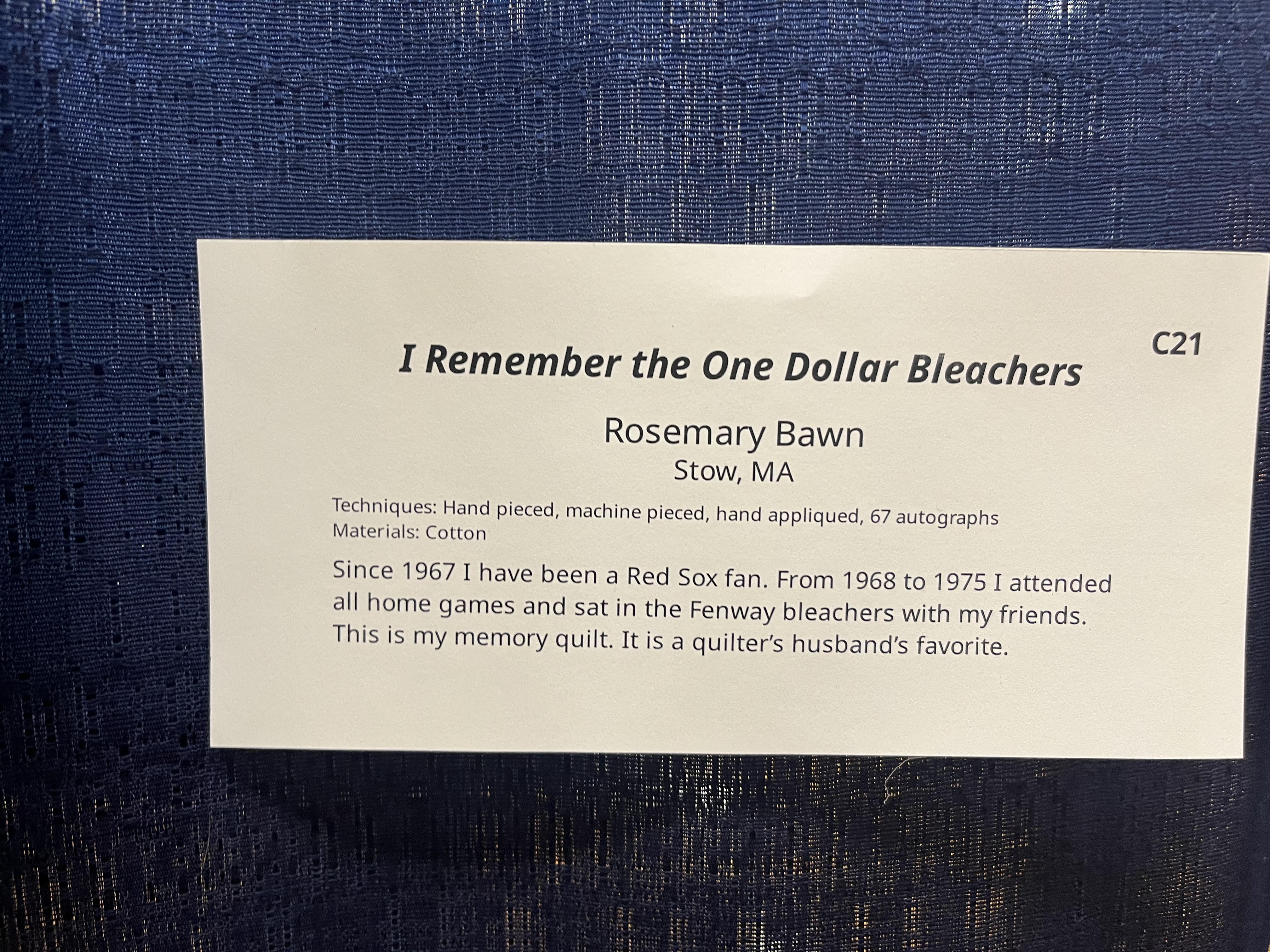
Contemporary New England cherishes its baseball team, the Red Sox, and Fenway Park, where the Sox play. Rosemary Brown, of Stow, went to town on that.

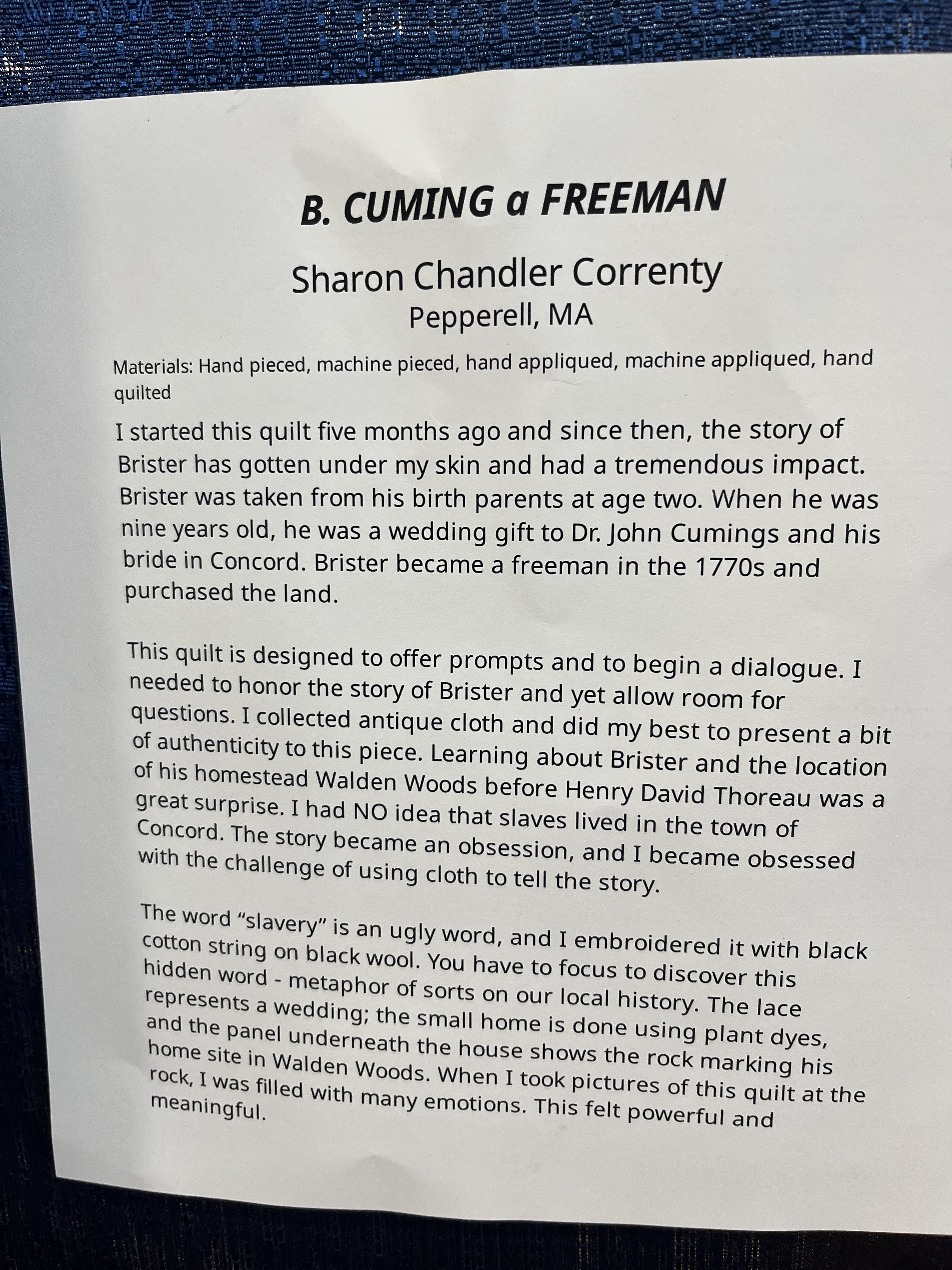
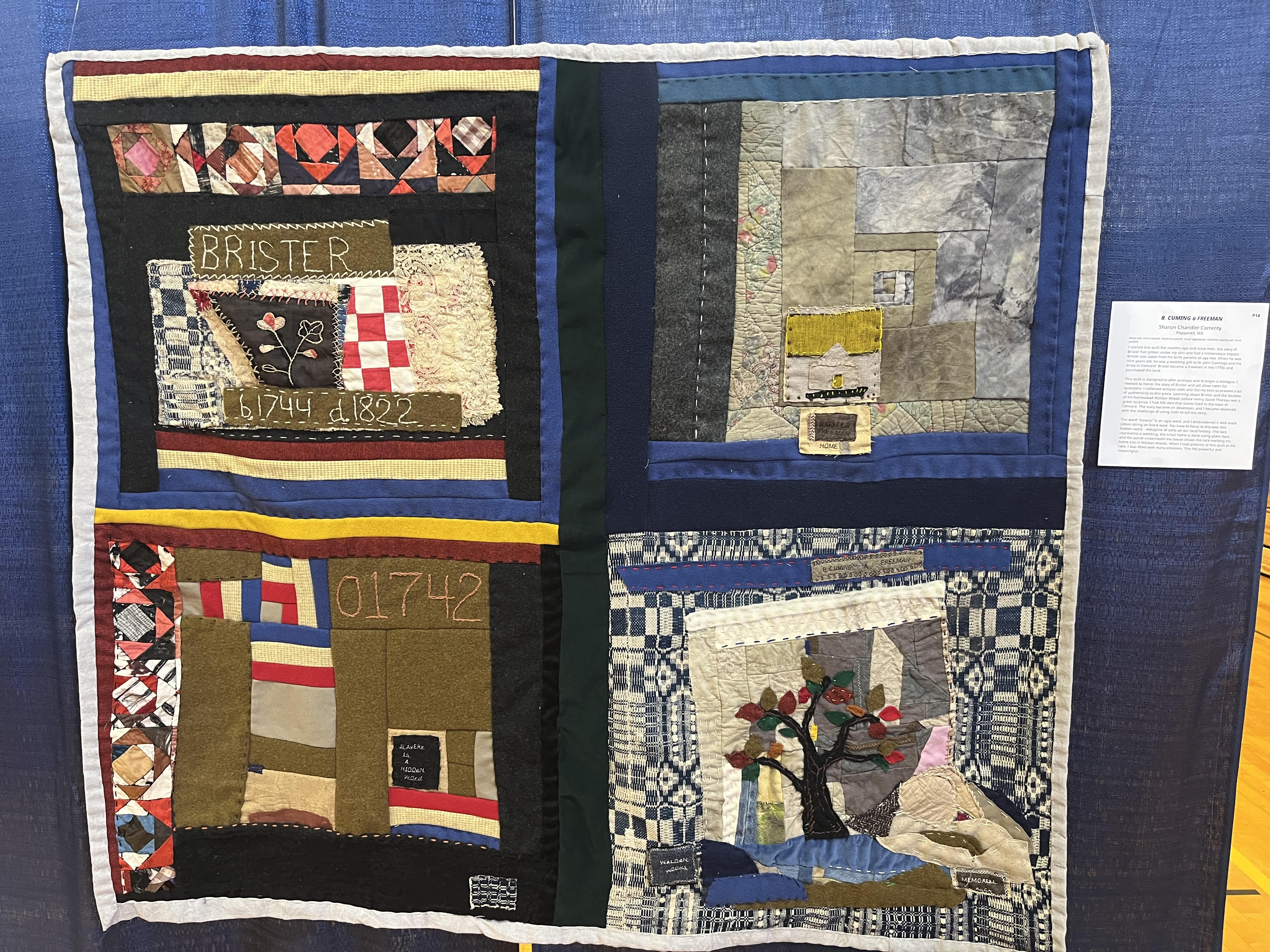
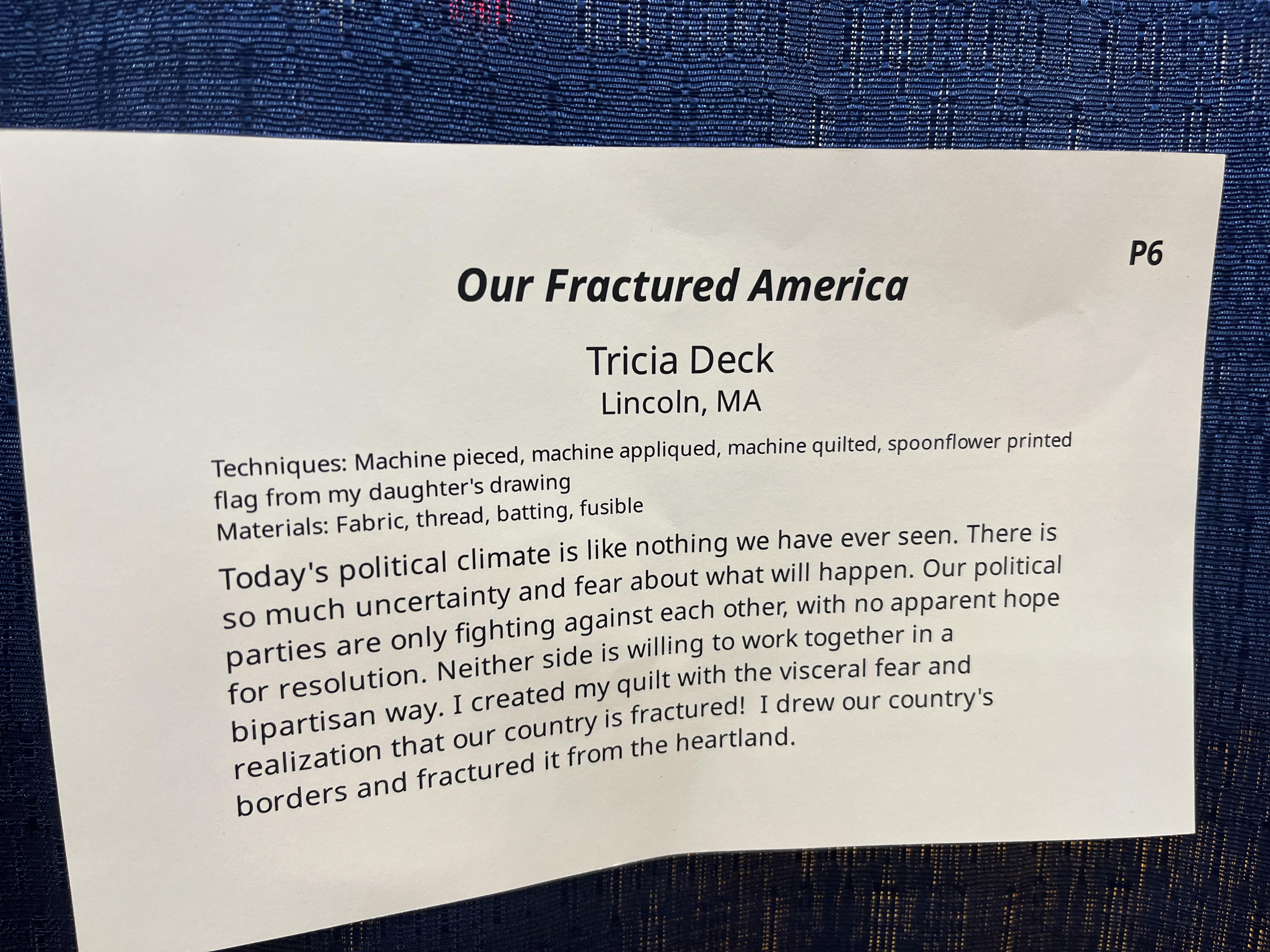
Until recently most Concordians didn’t realize there had once been slaves in our holier-than-thou town. In fact, I’m told, some slaves kept the farms going as the farmers took up their muskets. Brister Freeman is one we’ve been learning more about in recent years. He eventually gained his freedom, and he has an area of town named after him. Sharon Chandler Correnty explains her quilt below.

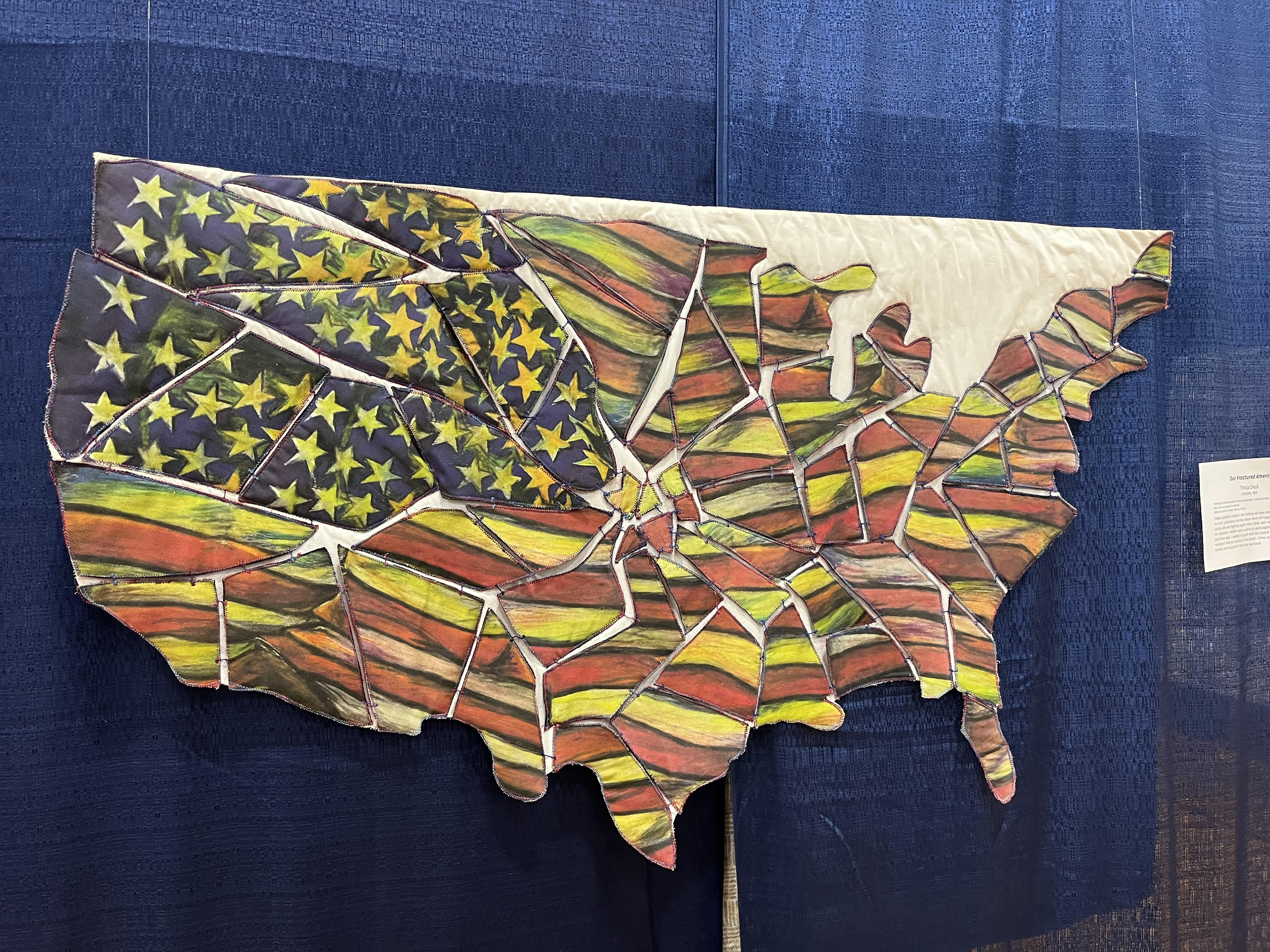
I was really moved by the next one, a nontraditional concept. Heartbreaking.

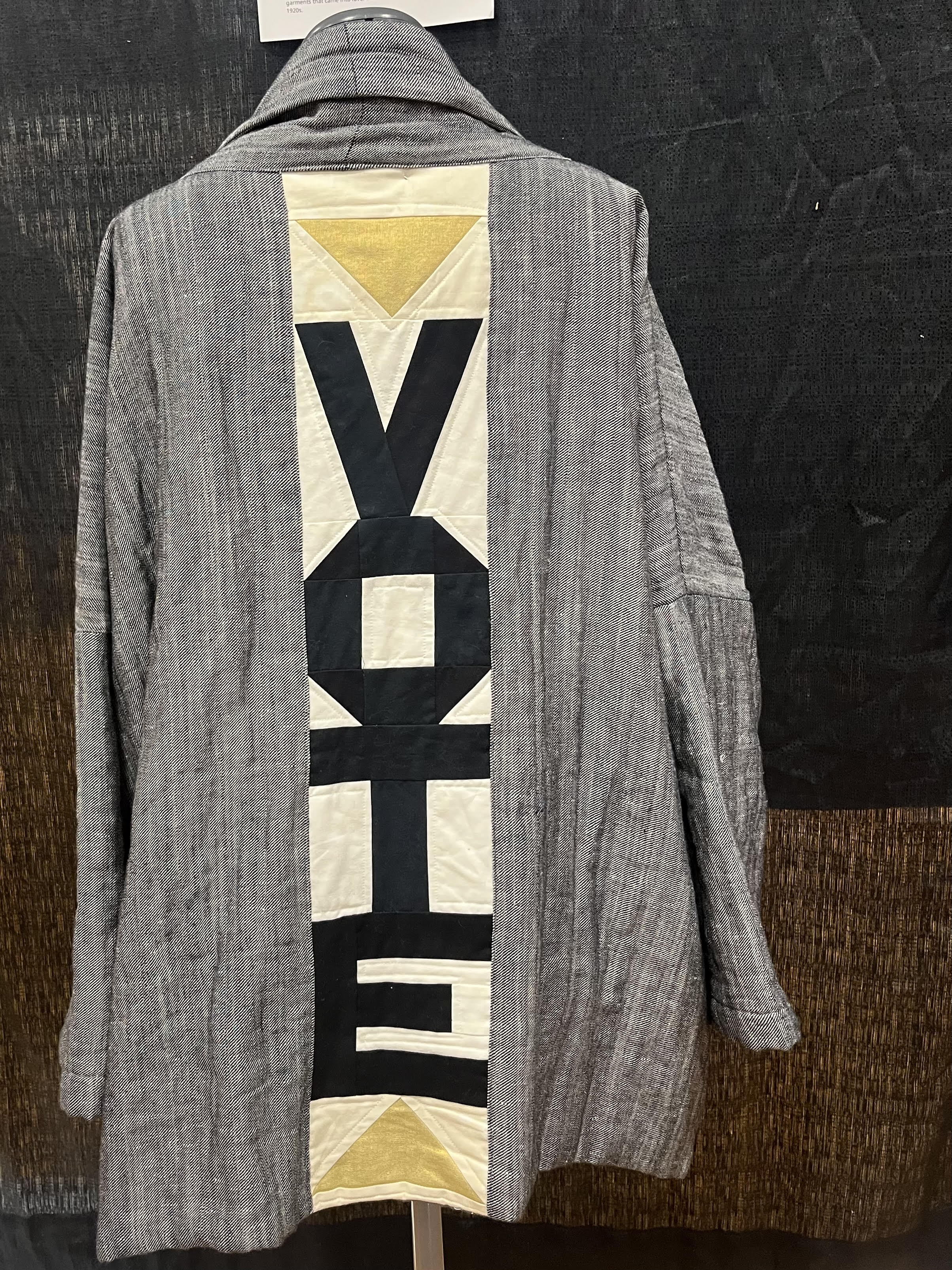
Below I share one thing I can do to help mend my broken heart. My thanks to the coat maker for the reminder that the country belongs to the people. We had a revolution for that.

Read Full Post »

Photo: Murdo MacLeod/The Guardian.
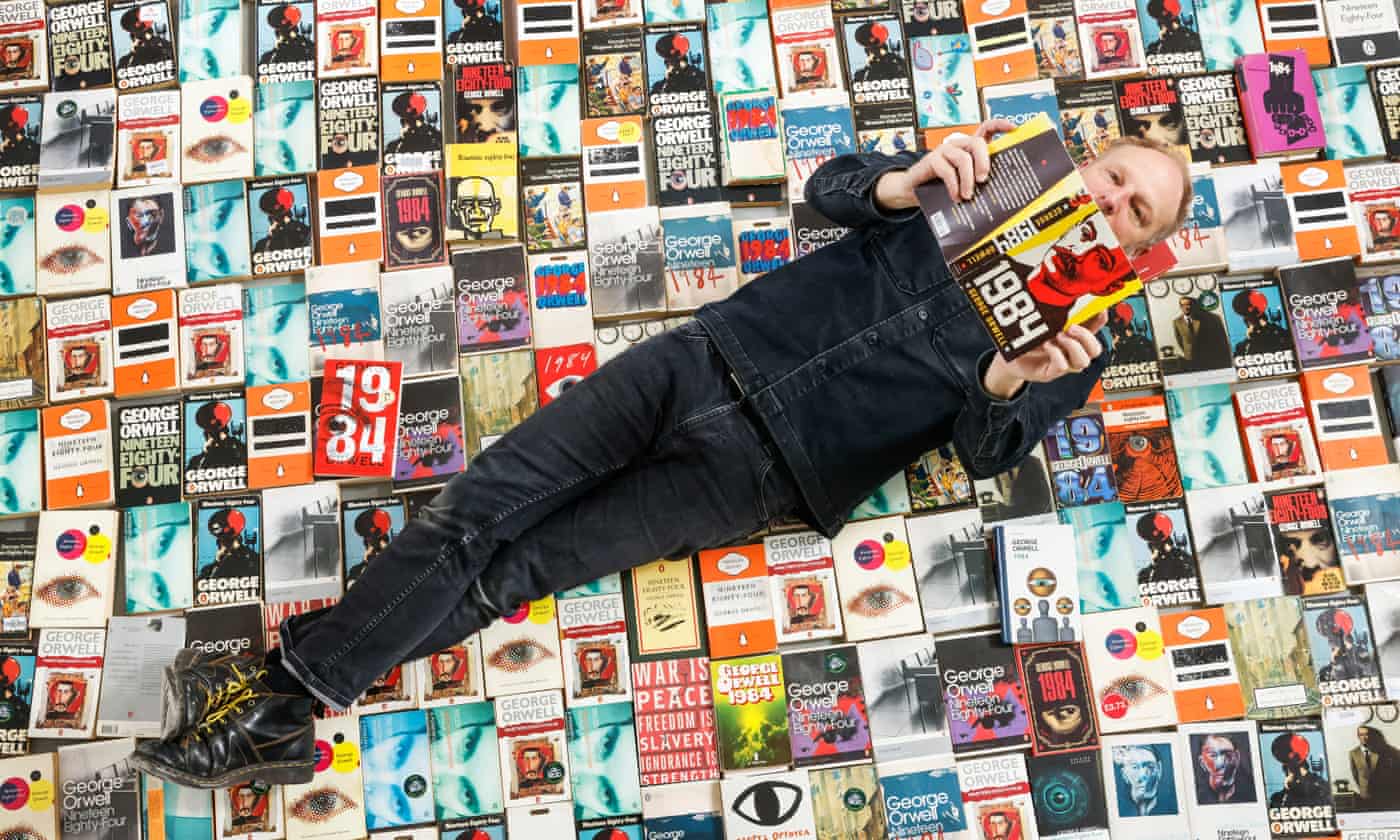
Artist Hans K Clausen is on track to collect 1,984 copies of 1984 for an exhibition on Jura, the Scottish island where George Orwell wrote it. 

Is it 2024 right now or 1984? Remember when 1984 seemed a long time in the future? I do. Now it’s far behind. Meanwhile, the novel Nineteen Eighty-Four seems to many of us to have stopped being fiction.

The Guardian‘s Scotland editor Severin Carrell writes about a celebration of the novel and author George Orwell, an exhibit on the island where he wrote it.

“Copies of George Orwell’s dystopian masterpiece Nineteen Eighty-Four,” writes Carrell, “have been arriving at an artist’s studio in Edinburgh for months. Every shape and size, posted from Ukraine, Hong Kong, Peru, Germany, Cape Cod and Sarajevo.

“Some are in mint condition, others are dog-eared, tea-stained, heavily annotated or turned into graffitied art works. One is a water-stained first edition; one is a secret love letter from a married woman to her first love; another, a graphic novel version, came from Orwell’s son Richard Blair.

“Each has been donated to a unique installation in the community hall of Jura, the Hebridean island where Orwell, in dire poverty and desperately ill, wrote Nineteen Eighty-Four during the late 1940s, to mark its publication 75 years ago.

“Hans K Clausen, a sculptor based in Edinburgh, is collecting 1,984 copies of the book to exhibit on Jura for three days in [June]. It will be an interactive, ‘living’ sculpture where visitors are invited to open and read every volume.

“Many have arrived, often with overseas postmarks and customs stamps, addressed to ‘Winston Smith, care of Hans K Clausen.’ [Winston is the novel’s protagonist.]

“ ‘I don’t see my art project as political,’ Clausen said. ‘It has politics woven through it, but it also has a love story woven through it. … I’m interested in all the layers,’ he said. ‘Often people overlook the romance and the love, and this man trying to find his own humanity. It gets lost in the Big Brother-ness of it all.’ …

“One correspondent, a married woman who called herself Julia, after the hero Winston’s lover, sent in her personal copy as a memorial to her first love, a man also married to someone else, her Winston.

“Clausen said his installation, the Winston Smith Library of Victory and Truth, is designed to be ‘a monument [to] the defiance of the printed word.’ He is still taking donations. … In return, each donor receives an enamelled pin-badge as a gesture of thanks.

“Clausen wants visitors to appreciate the materiality of each volume: the Russian copy printed on coarse paper; the impeccably printed Japanese edition; the hand-cut Canadian volume on thick paper; the musty odor and yellowing edges of the oldest copies; the intense annotations and highlighting in others, and the inexpert repairs with sticky tape to the ones with battered spines. …

“Clausen has worked with secondary school pupils in Edinburgh, London and on Jura itself, with pupils who live there but go to school on neighboring Islay, who have customized copies using paint, scalpels and pens. A teacher and sculptor at Cape Cod community school in Massachusetts cut an intricate Big Brother artwork into his.

“The installation includes audiobooks on cassette and films on DVD. The audiobooks will be broadcast over two wide-mouthed loudspeakers reminiscent of the omnipresent speakers that indoctrinated the citizens of Airstrip One.

“Visitors to Jura will find a desk with a 1940s typewriter and a paperweight, in reference to the object Winston bought in the antique shop above which he and Julia conducted their illicit affair. The [shop] was a front for the thought police. …

“The project has the blessing of the Orwell Society, a group set up under Richard Blair’s patronage in 2011. … Quentin Kopp, the society’s chairman, whose father, George, was Orwell’s commander in the Spanish civil war, said they spent time talking to Clausen.

“ ‘We satisfied ourselves this was a very genuine initiative,’ Kopp said [adding] ‘This book has a clear modern resonance with many things that are going on. It’s staggering how prescient Orwell was.’ ”

More at the Guardian, here.

Read Full Post »

Photo: Travel PR.
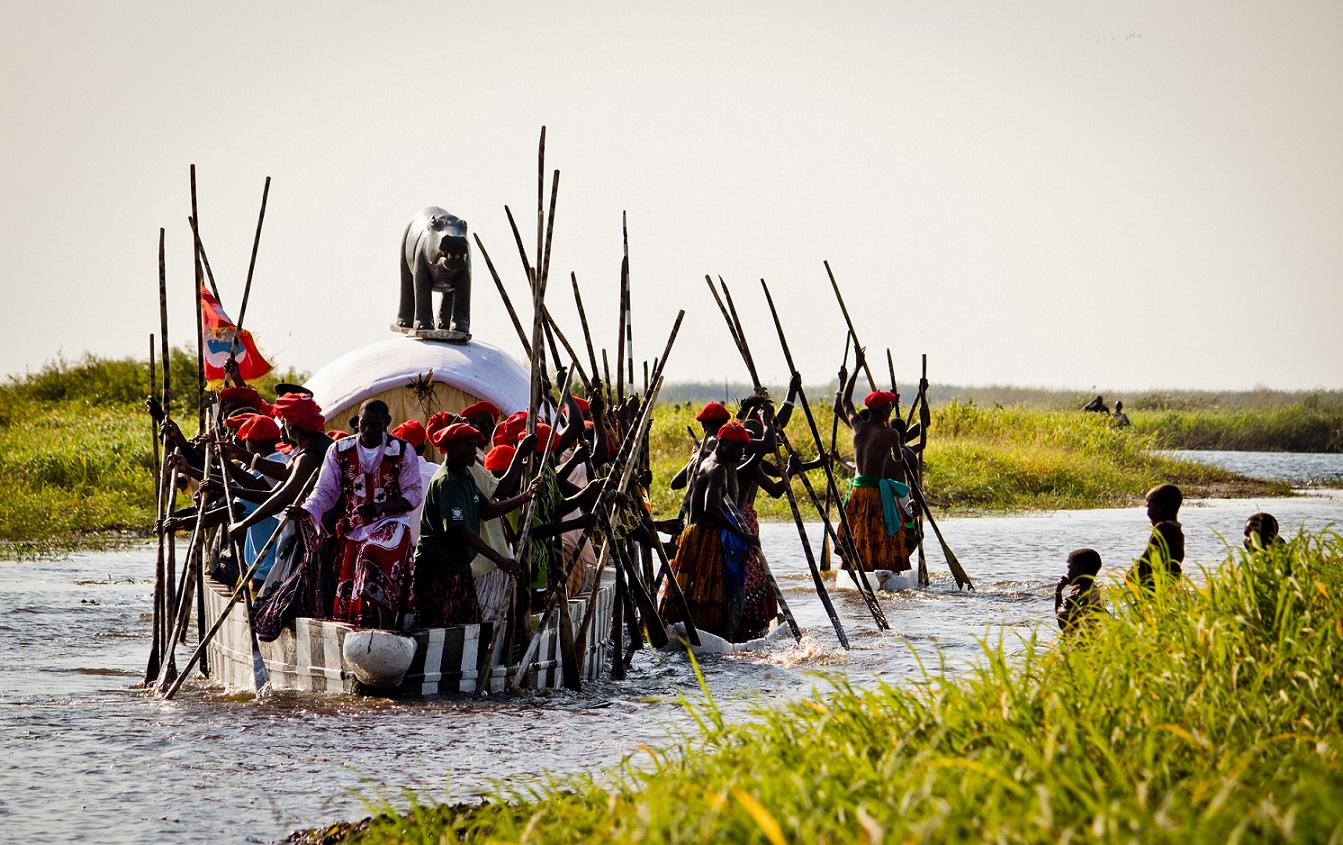
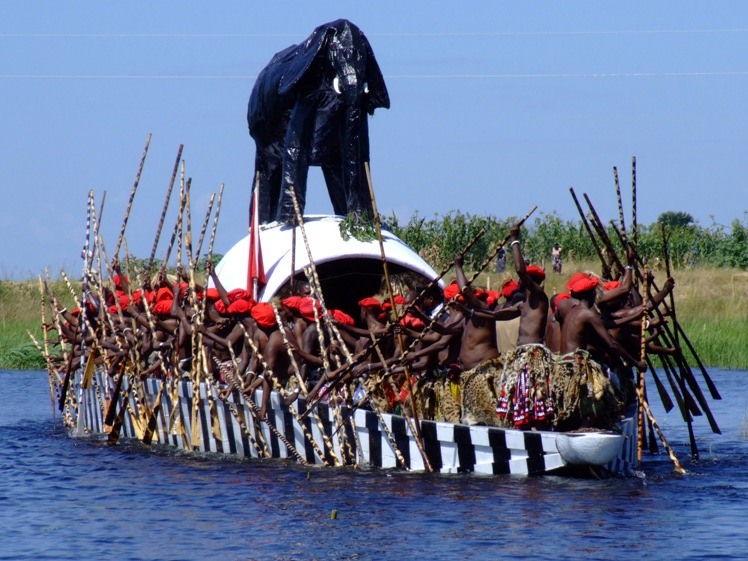
The Kuomboka, celebrated at this time of year if the conditions are right, marks the arrival of the wet season in Zambia. (The elephant’s ears are removable.)

According to my little book of holidays, a celebration called Kuomboka should take place in Zambia today to mark the change of seasons. Several websites, however, say the date is flexible.

GoWhereWhen, which says that coronavirus is an issue this year, describes the event: “This annual procession marks the transition of the Litunga (king) from his summer to winter residence, which is located on higher ground, away from the seasonal flood plains. This ceremony dates back more than 300 years when the Lozi people broke away from the great Lunda Empire to come and settle in the upper regions of the Zambezi.” 

Wikipedia adds, “Kuomboka is a word in the Lozi language; it literally means ‘to get out of water.’ In today’s Zambia it is applied to a traditional ceremony that takes place at the end of the rain season, when the upper Zambezi River floods the plains of the Western Province. …

“Historians claim that before the time of the first known male Lozi chief Mboo, there came a great flood called Meyi-a-Lungwangwa meaning ‘the waters that swallowed everything.’ The vast plain was covered in the deluge, all animals died and every farm was swept away.

“People were afraid to escape the flood in their little dugout canoes. So it was that the high god, Nyambe, ordered a man called Nakambela to build the first great canoe, Nalikwanda, which means ‘for the people,’ to escape the flood. Thus the start of what is known today as the Kuomboka ceremony.

“The ceremony is preceded by heavy drumming of the royal Maoma drums, which echoes around the royal capital the day before Kuomboka, announcing the event. … The ceremony begins with two white scout canoes that are sent to check the depth of the water and for the presence of any enemies. Once the scouts signal the ‘all clear,’ the journey to the highland begins. … The journey to Limulunga normally takes about 6–8 hours. Drums beat throughout to coordinate and energise those paddling the barge. …

“On the barge is a replica of a huge black elephant, the ears of which can be moved from inside the barge. There is also a fire on board, the smoke from which tells the people that the king is alive and well. The Nalikwanda is large enough to carry his possessions, his attendants, his musicians, his 100 paddlers. It is considered a great honour to be one of the hundred or so paddlers on the nalikwanda and each paddler wears a headdress of a scarlet beret with a piece of a lion’s mane and a knee-length skirt of animal skins.

“For his wife there is a second barge. This one has a huge cattle egret (Nalwange) on top. The wings move like the ears of the elephant, up and down.”

Lonely Planet points out that the dates are not fixed: “They’re dependent on the rains. In fact, the Kuomboka does not happen every year and is not infrequently cancelled because of insufficient flood waters; the 2012 ceremony was called off because it’s against Lozi tradition to hold the Kuomboka under a full moon.”

More at GoWhereWhen, here, at Wikipedia, here, and at Lonely Planet, here.

Photo: Dietmar Hatzenbichler
Legend has it that an African god told a man called Nakambela to build a great canoe to escape the floods. The boat was called Nalikwanda.

Read Full Post »


Photo: Bryn Mawr College

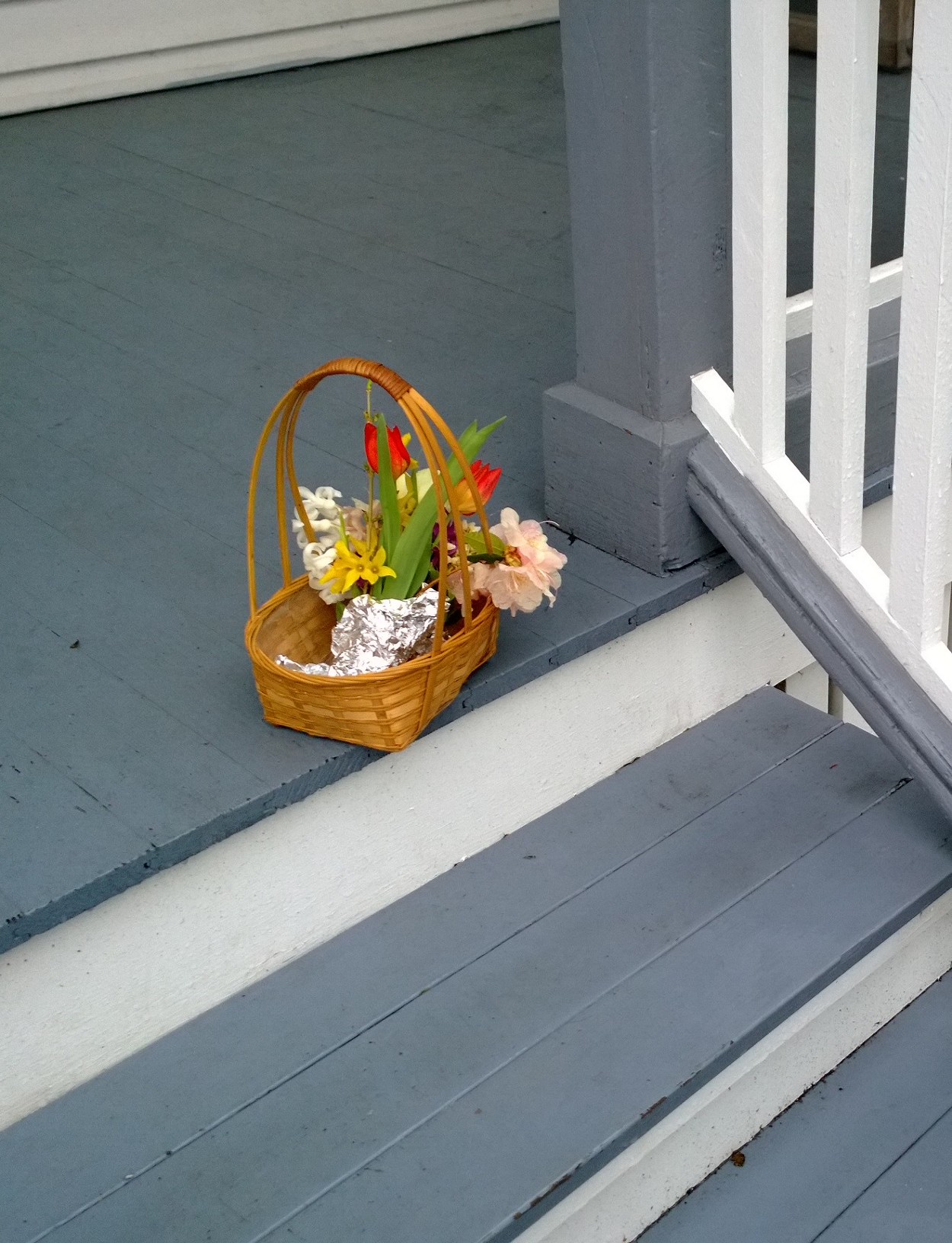
Happy May Day, the old-fashioned kind that involves surprise flowers and dancing around the May Pole.

This year’s came in like a lion, with icy rain, and is going out like a lamb. Spring can’t be stopped now.

Here are a few photos of the season.

Congress-St-flower-boxes

mottled-tree-by-train-stop


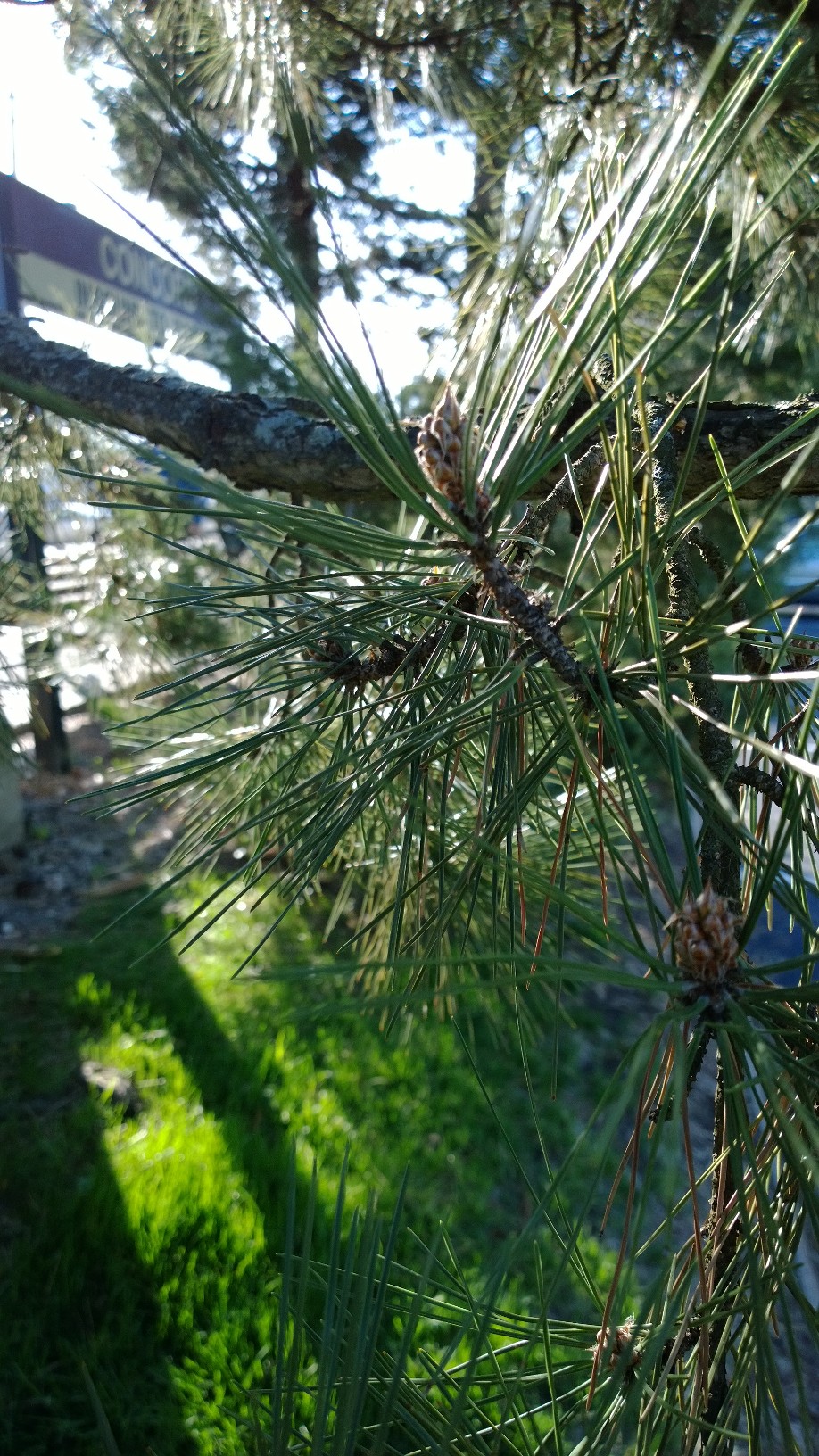
pine-branches

May-Day-basket


Read Full Post »