Feeds:
Posts
Comments

Posts Tagged ‘ceramic’

Photo: Rasha Al Sarraj.
Ghulam Hyder Daudpota teaching his craft to students at a ceramics class in Karachi. 

Part of the effort to save artistic and cultural treasures has to be keeping alive the ability to make them in the future. It involves passing on the skills to new generations. Consider today’s story.

Saeed Kamali Dehghan reports at the Guardian, “The small city of Nasarpur in Pakistan has a centuries-old reputation for its ceramics. That’s why, when the ceramic worker Ghulam Hyder Daudpota decided to come all the way to London to master his craft, he says ‘it seemed futile.’ But, he adds: ‘It turned into a life-changing opportunity.’

“Daudpota grew up with eight siblings in a city where the mosques and shrines are embellished with terracotta and blue glazed tiles, known as the art of kashikari. He spoke little English until the age of 27 and his parents had ‘no deep pockets’ to pay his tuition fees.

“But the talented Pakistani secured a full scholarship at the King’s Foundation school of traditional arts (KFSTA) in east London, before returning to his country and helping to revive the dying craft.

“ ‘Kashikari is ubiquitous across [the province of] Sindh, but when I was growing up it was considered a dying craft and only a few craftsmen were practicing. If it wasn’t for my time at KFSTA, I wouldn’t be where I am at the moment,’ Daudpota says from his Nasarpur workshop, which now employs 40 people.

“Believed to have originated in the Iranian city of Kashan, kashikari involves making biomorphic patterns on terracotta clay by dabbing graphite on perforated paper, before applying turquoise metallic pigments found in copper and cobalt oxides.

“ ‘If you go back 100 years, we had a variety of glazes and techniques – masterpieces that we see today in Shah Jahan mosque in the city of Thatta – but we had no proper patronage and we lost our skills, we lost our knowledge,’ Daudpota says.

“Daudpota has since worked on designs at Islamabad airport, Pakistan’s pavilion at Dubai Expo 2020 and on restorations at prominent mosques and mausoleums. In 2010 he was awarded the Jerwood prize for traditional arts for a tile fountain inspired by kashikari panels found in Nasarpur’s old mosque. Daudpota sold the fountain for £5,000 [~$6,600] and received £2,500 in prize money, which he took back to Pakistan and opened a workshop.

“It was a long way from what he had expected from life. Daudpota did not perform well at school and his parents apprenticed him to a local craftsman. An encounter while working on a commission at a private mansion changed the course of his career. ‘It was a turning point in my life,’ he says.

“The house was owned by a teacher at the National College of Arts (NCA) in Lahore. He told Daudpota that his experience would qualify him to study for a master’s degree, provided he learned English within the next four months. He took classes at sunrise every day and passed the test.

“The NCA has a longstanding arrangement with KFSTA, sending one student to London every year for almost three months. Daudpota was chosen for the 2008 program. …

“KFSTA promotes ‘the living traditions of the world’s sacred and traditional art forms,’ such as Persian miniature painting, Moroccan zellige mosaic tilework and Egyptian Mamluk woodcarving. …

“ ‘Teachers in my country were discouraging me from pursuing traditional arts; they were saying it was primitive. The school broadened my perspective, and gave me the training platform to understand how we can turn a dying tradition into a living tradition.’ ”

More at the Guardian, here. No paywall. Donations encouraged.
Read Full Post »

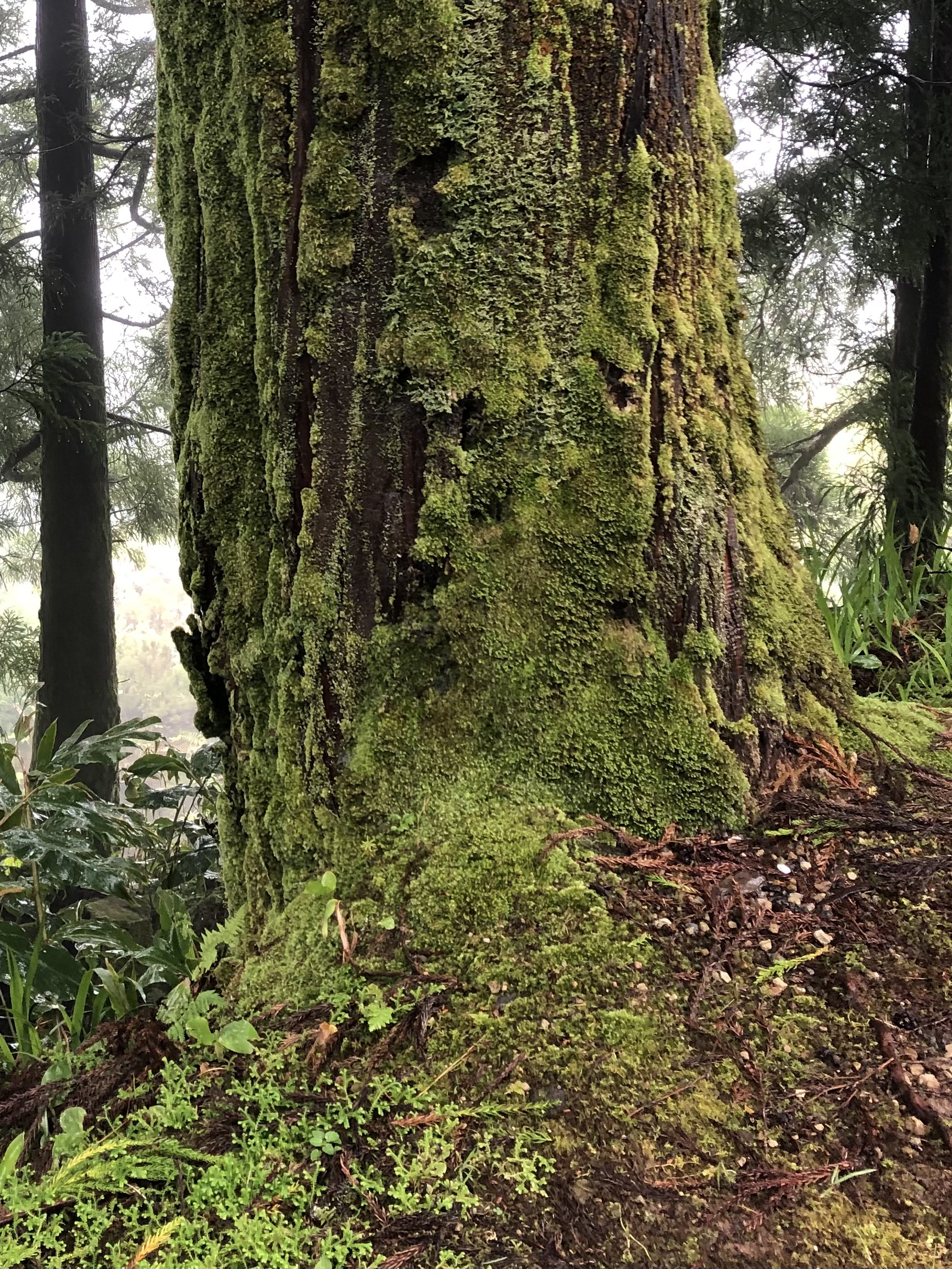
New Zealand Christmas Tree, also called ironwood, according to my PictureThis app. The video shows only one very spread-out tree, our “magic tree.”

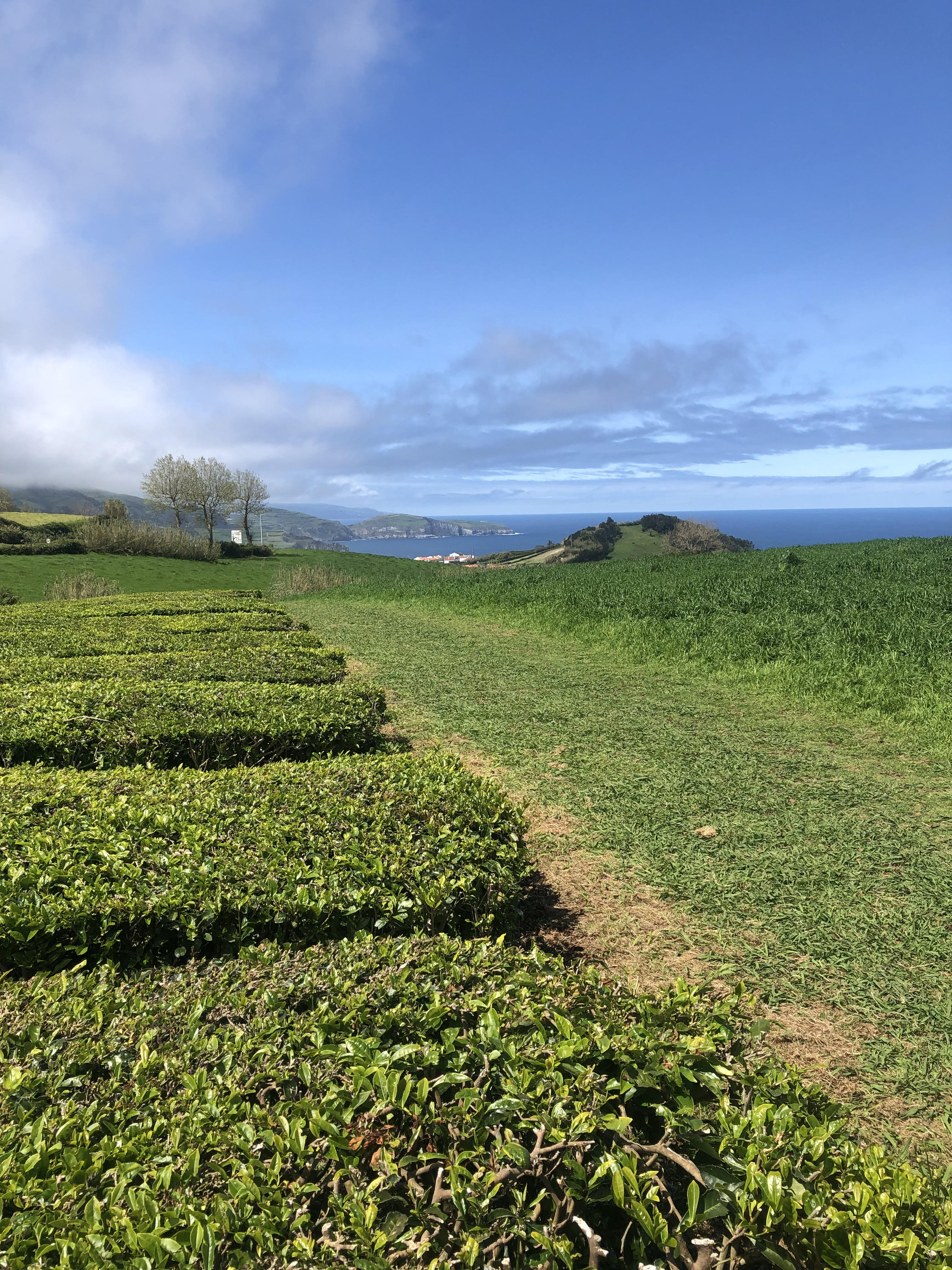
We spent last week in the Azores, courtesy of Suzanne’s organizational skills, Erik’s driving skills, and the kids’ school vacation.

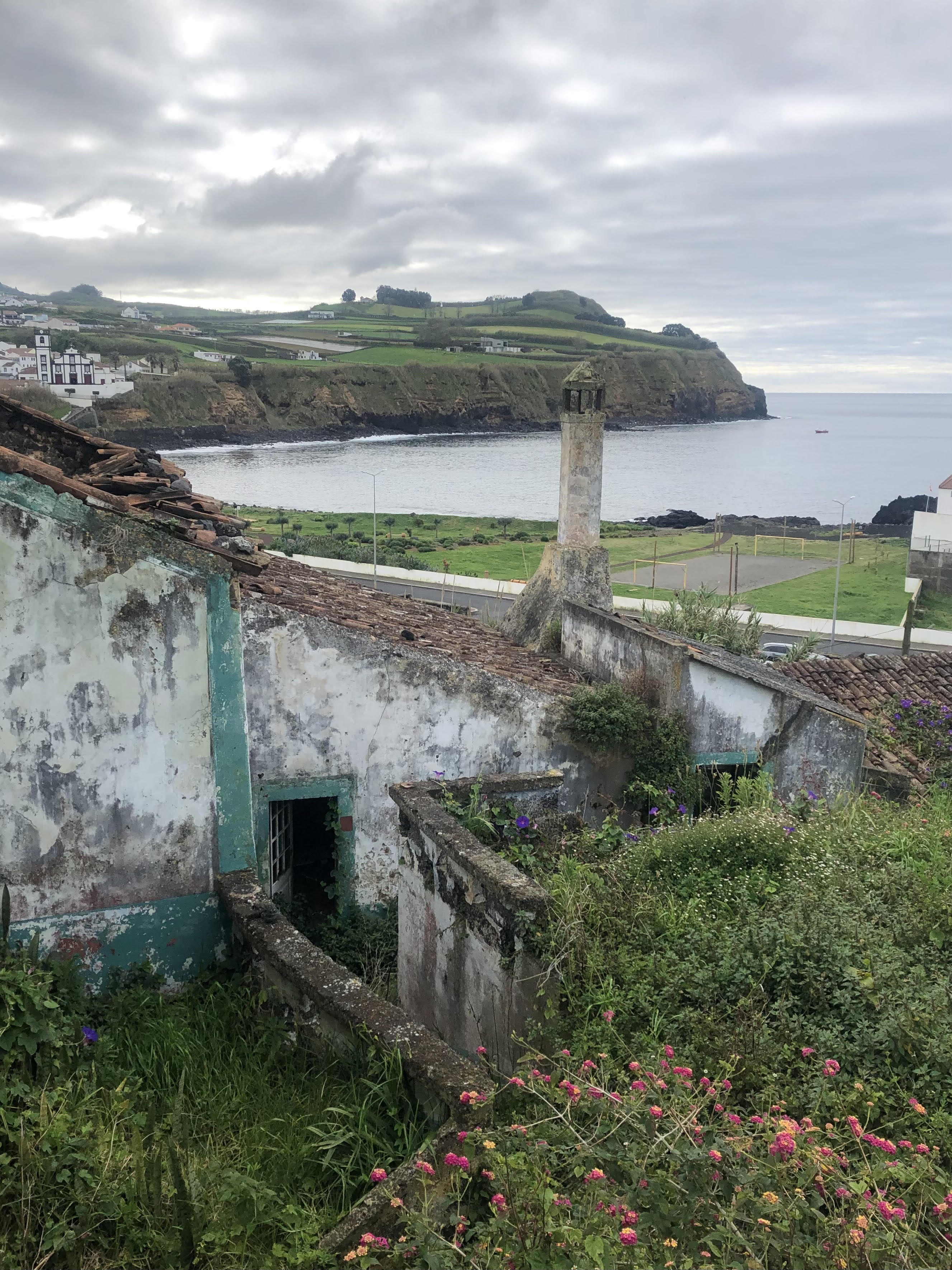
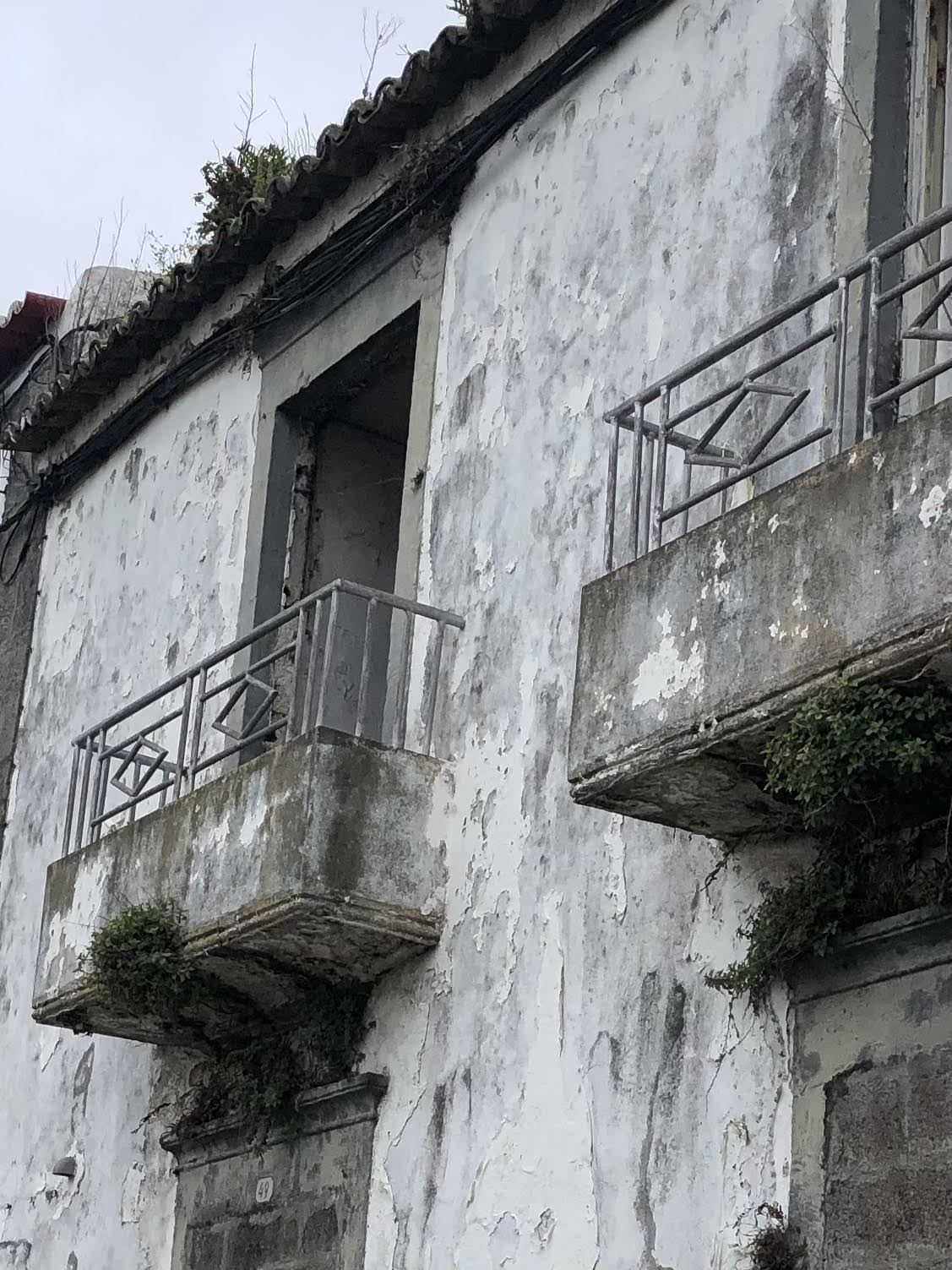
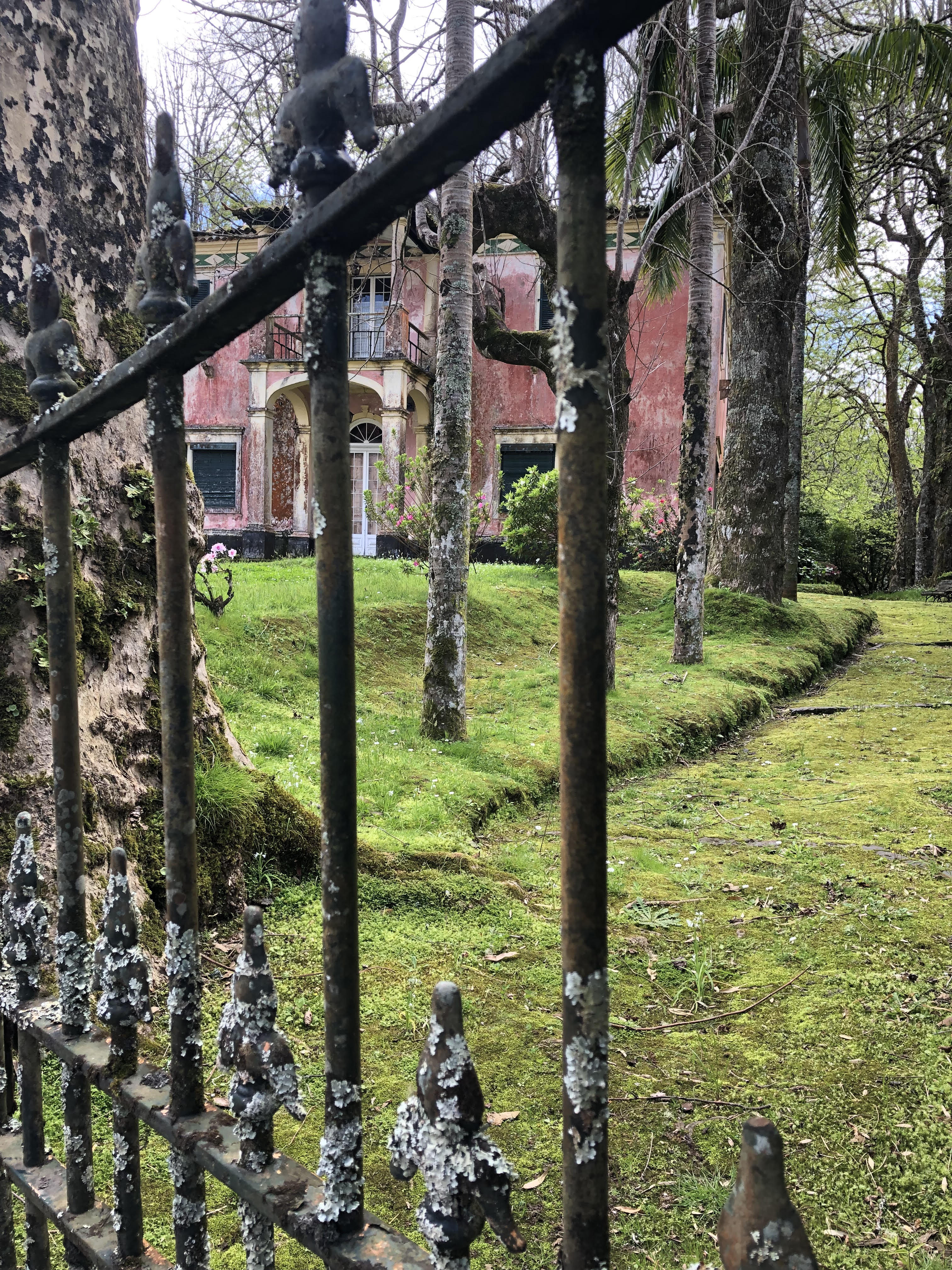
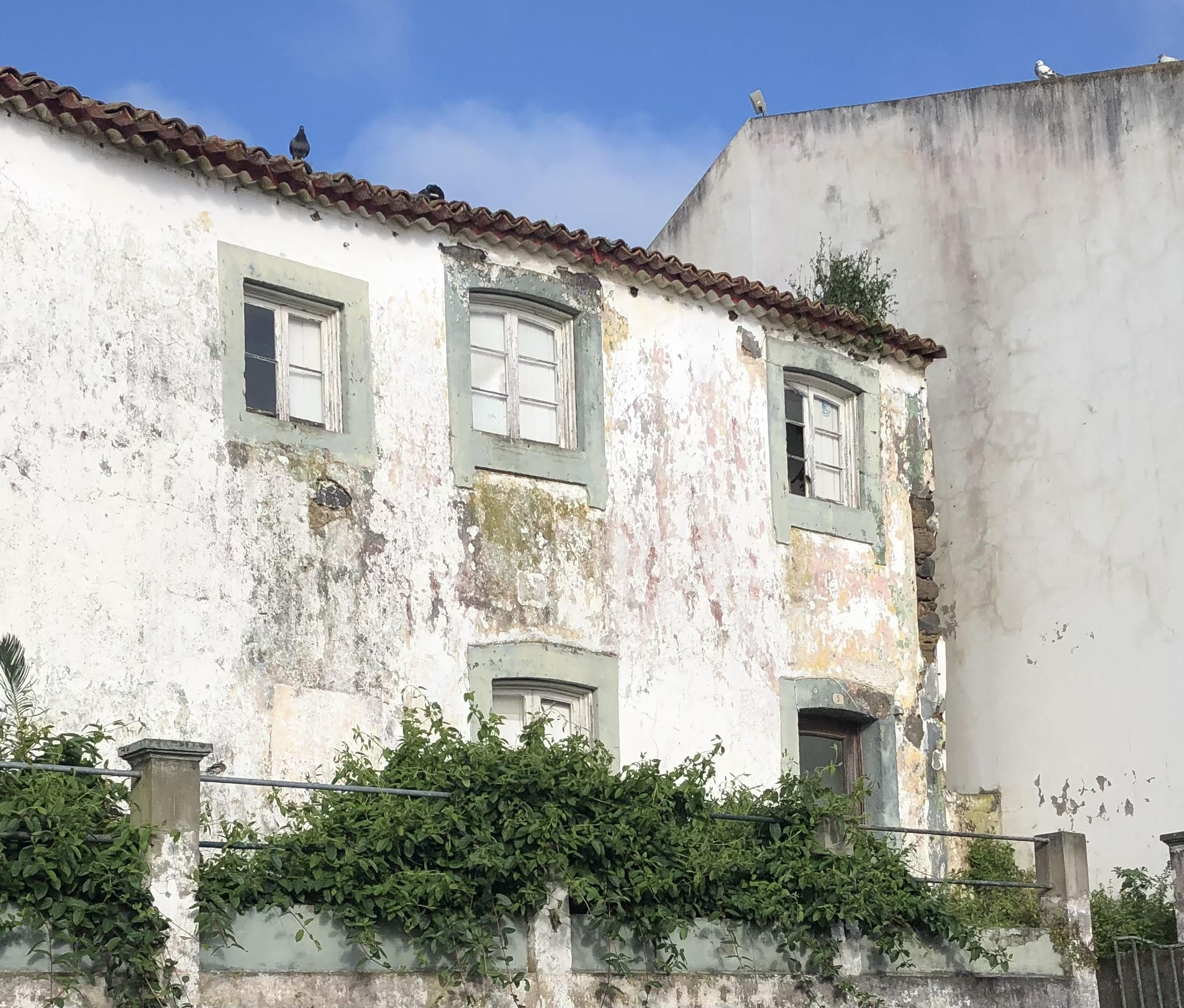
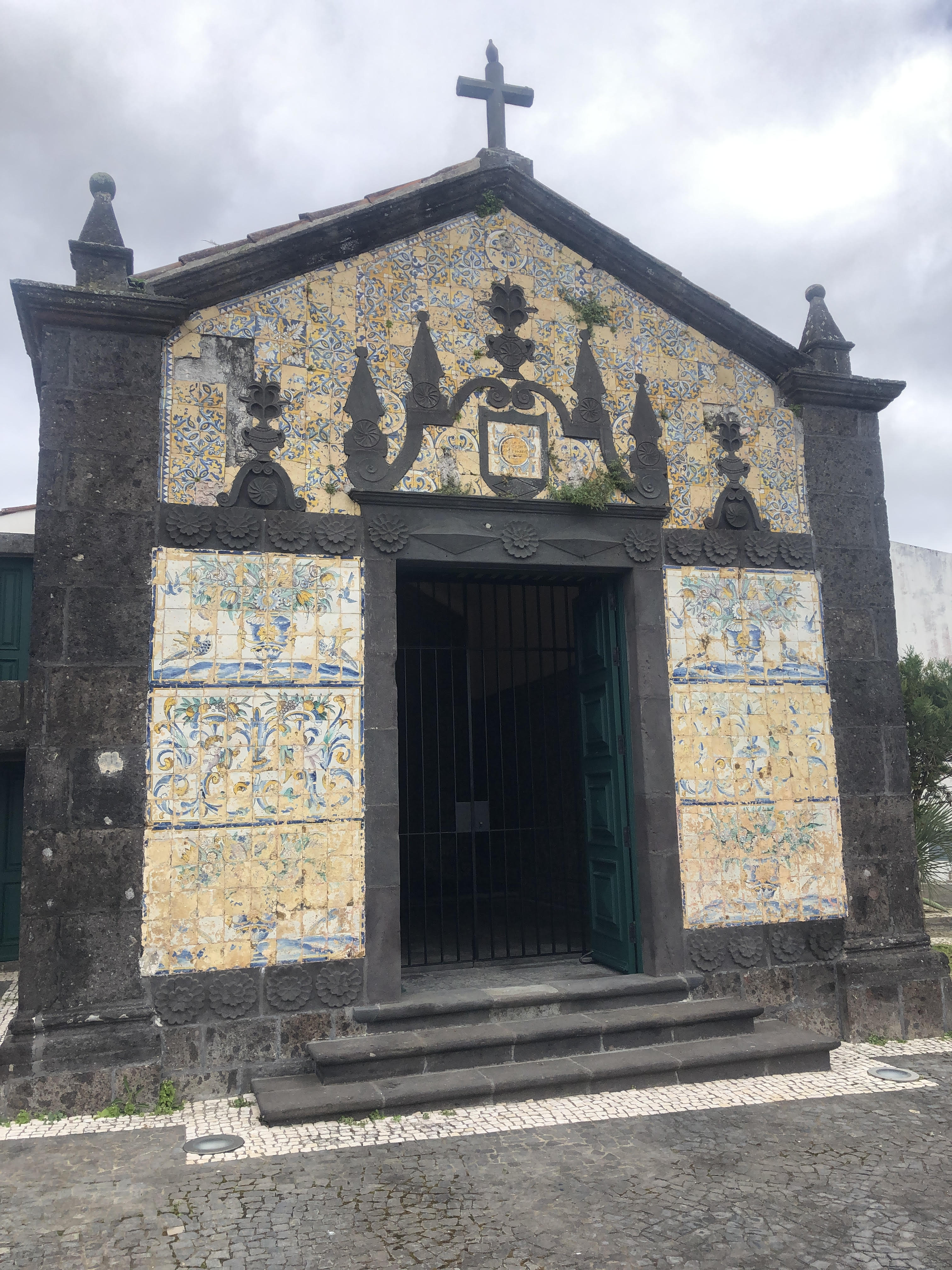
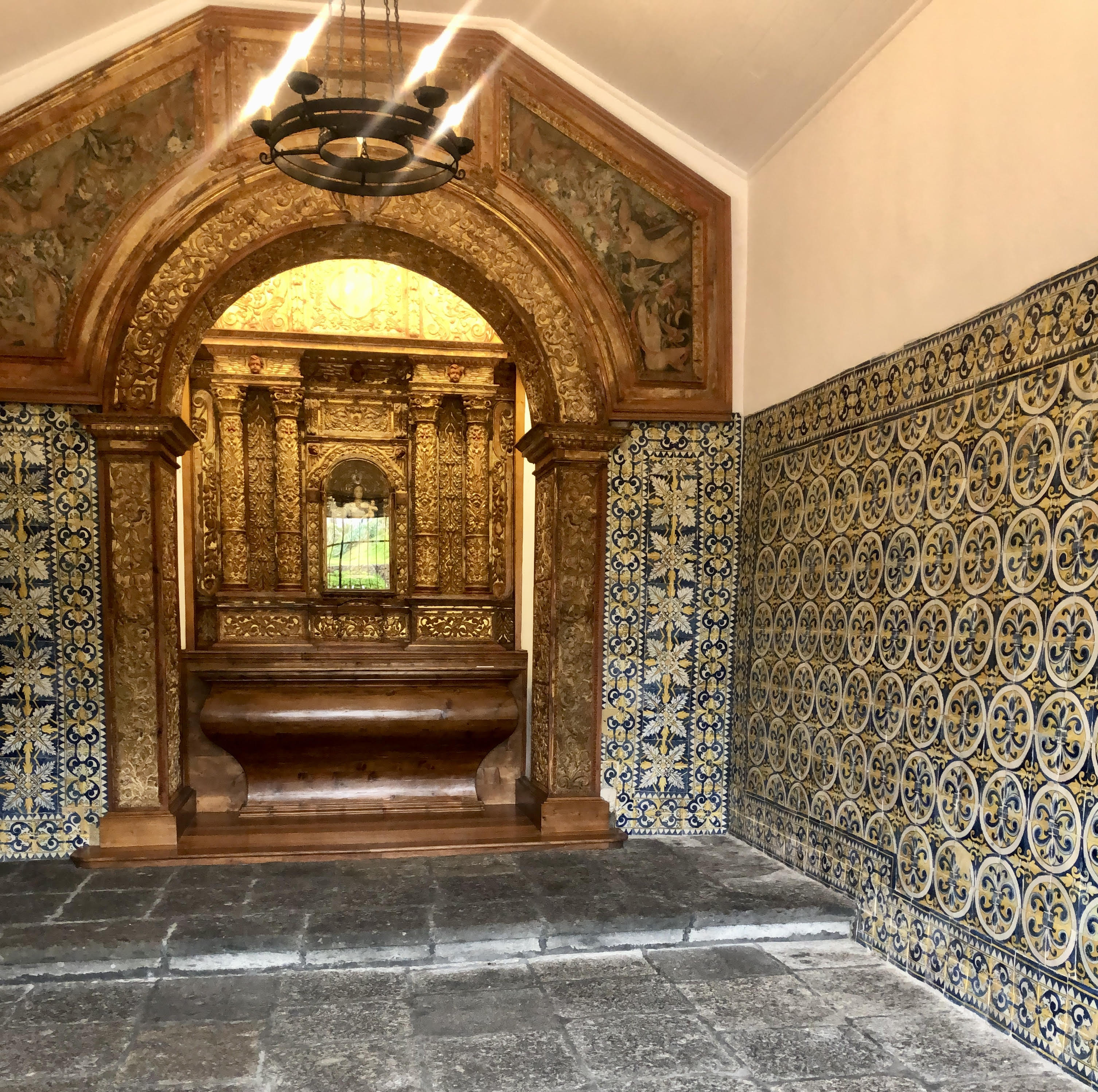
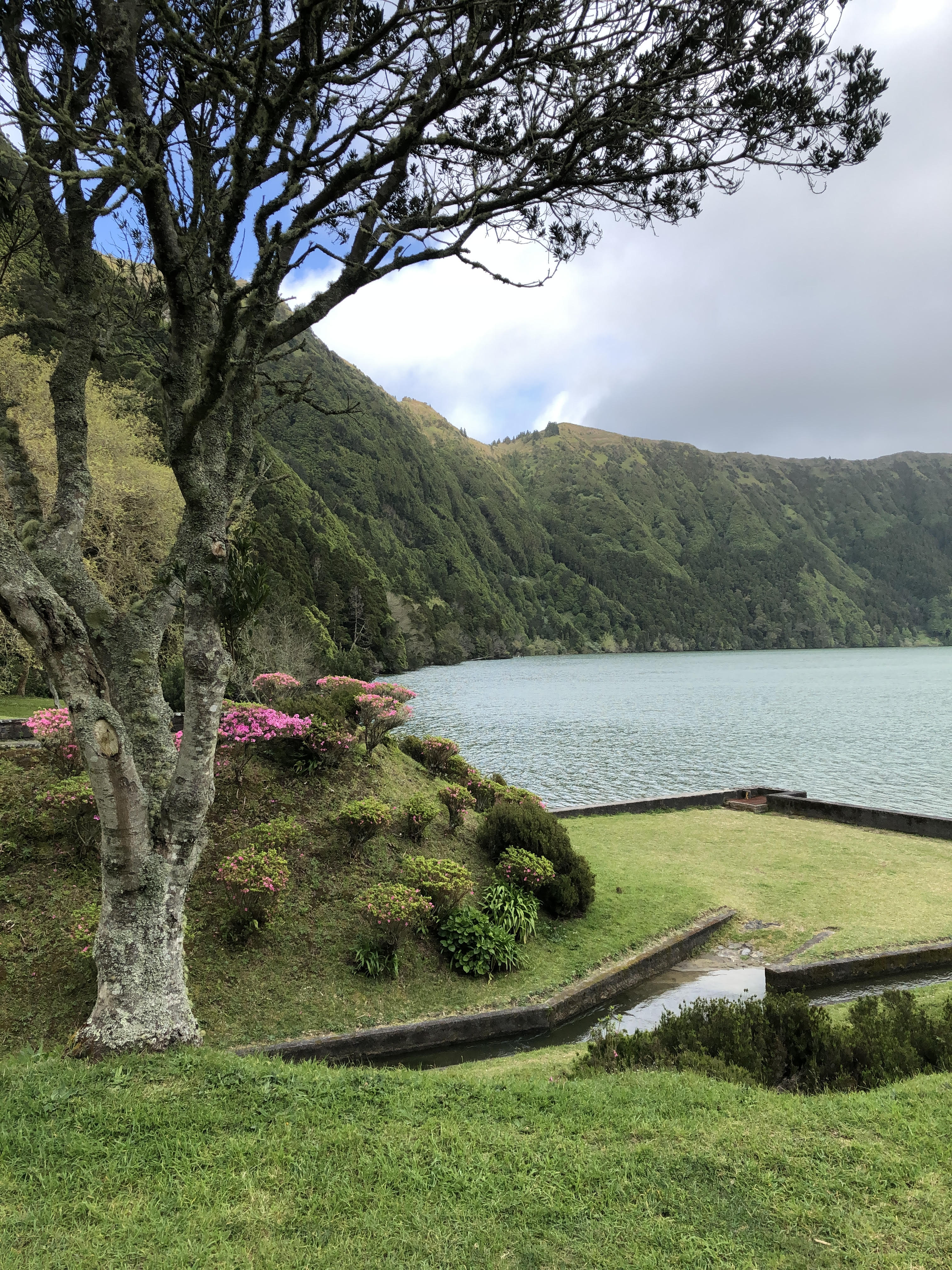
It was beautiful. The Azores are a group of nine volcanic islands in the North Atlantic. The temperature was 50s and 60s F. We were on Sao Miguel island only. I have a lot of pictures to show you, crossing my fingers that you like derelict buildings as much as I do. There were plenty of spiffy modern buildings — some probably vacation homes for people who can handle frequent air travel — but for me, the crumbling, mossy ones were more picturesque.

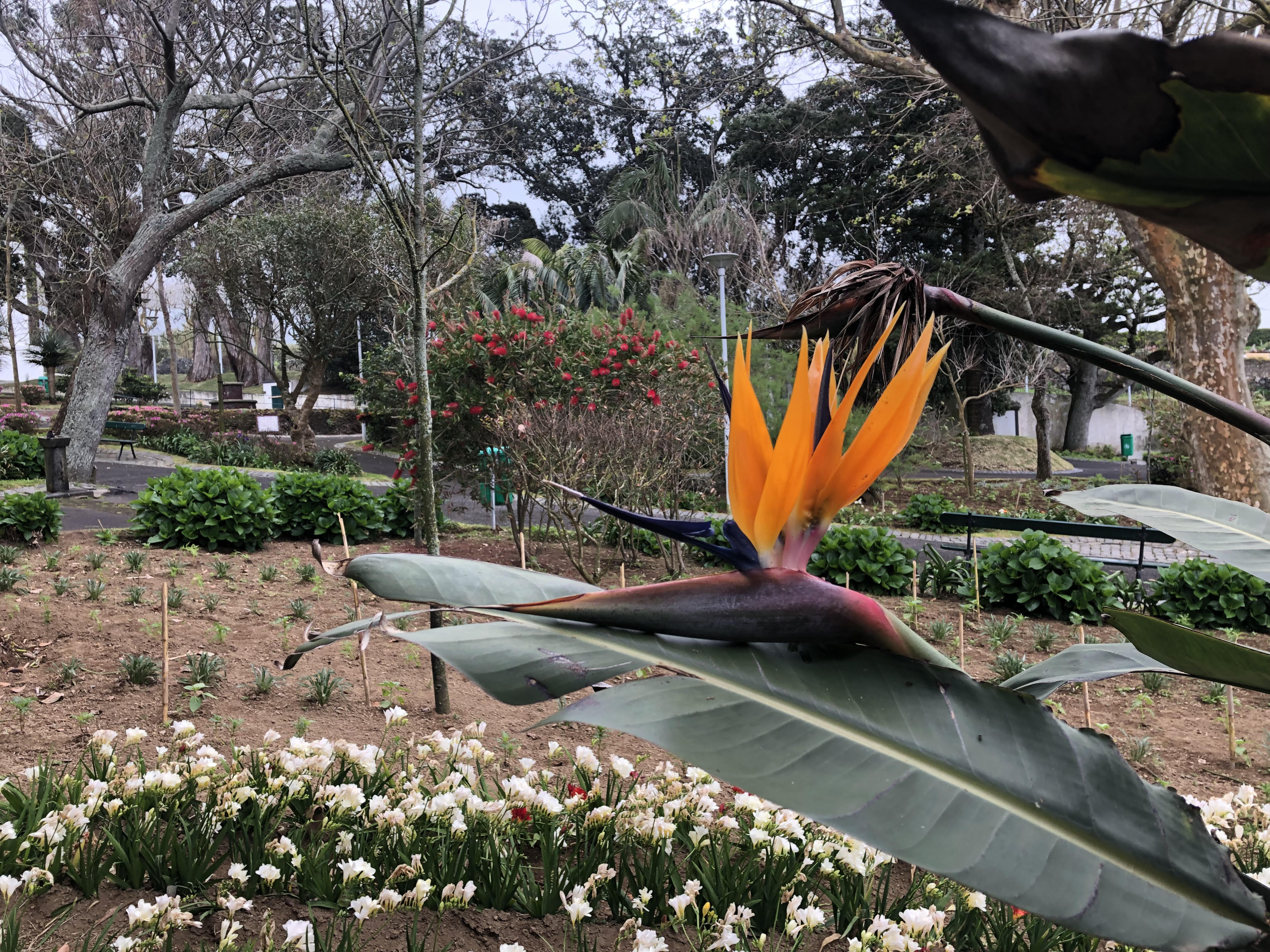
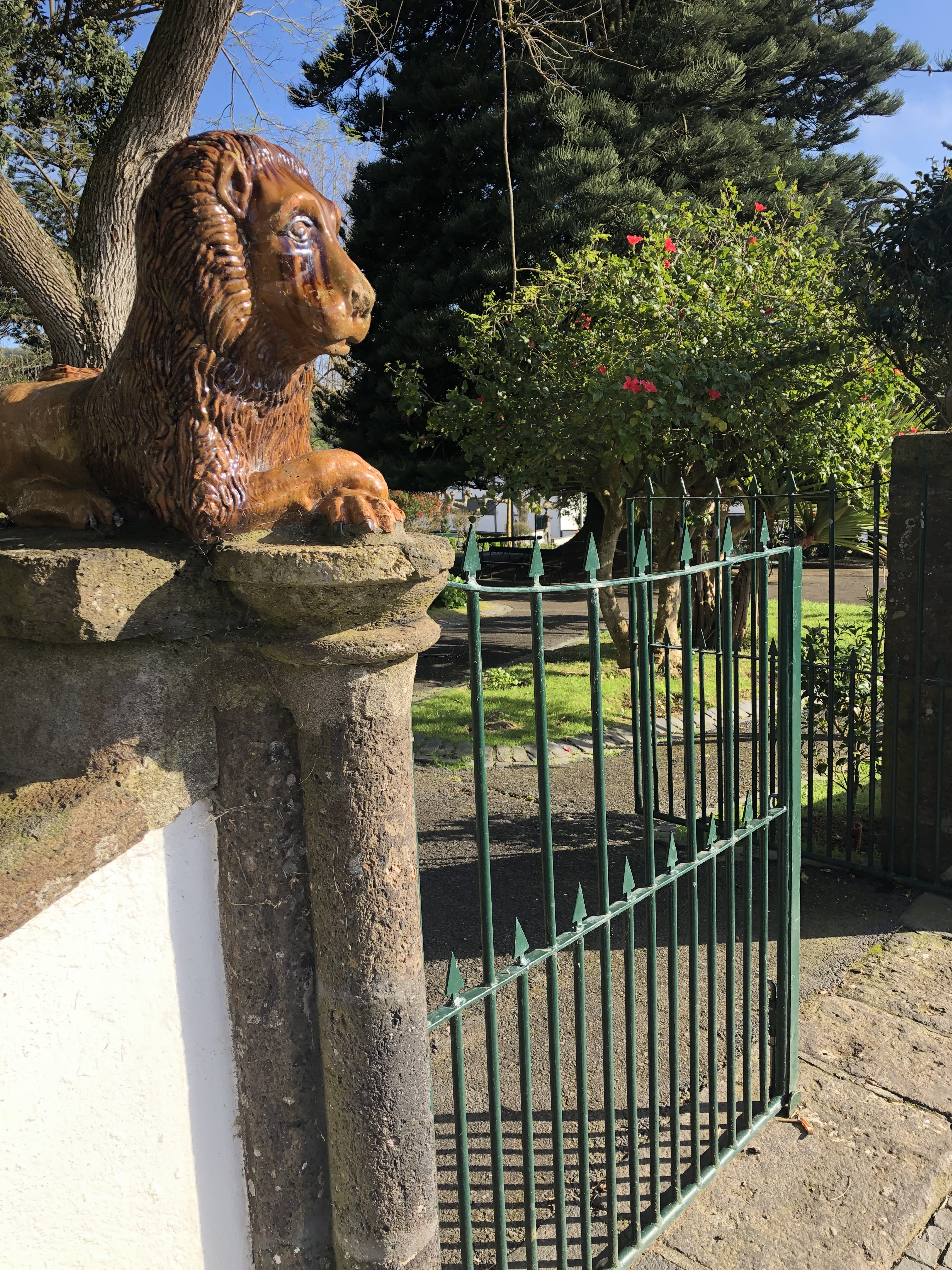
The entrance to the “magic tree” park features a lion gate. The lions are made in the local ceramics factory, where we bought tiles. The flower is bird-of-paradise.

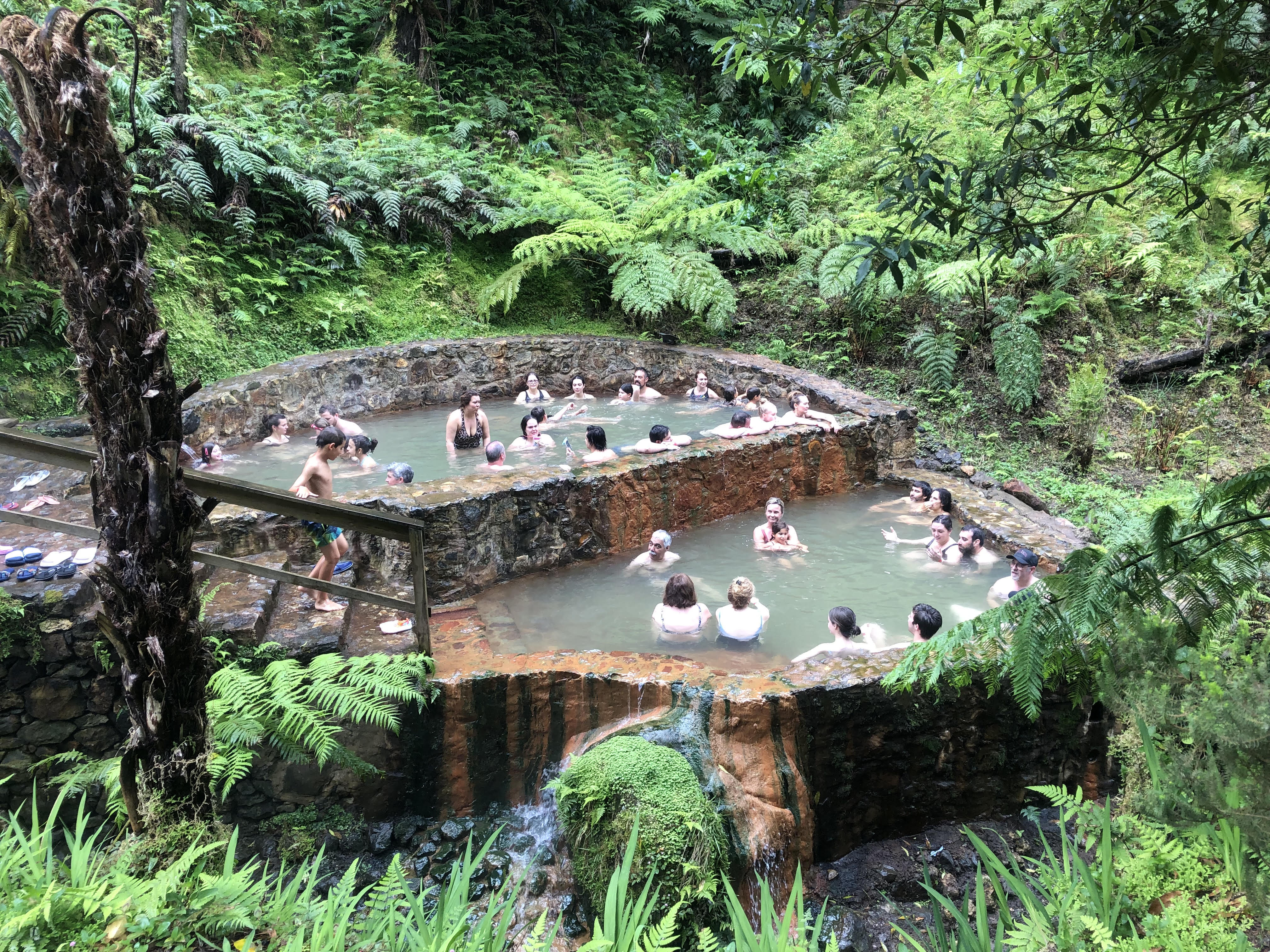
We loved the volcanic hot springs everywhere. Some family members went in a muddy one (muddy from iron in the water). It was about the temperature of a hot tub, 102 F. I joined them when they tried the clear hot springs. Fences protected visitors from the boiling ones.

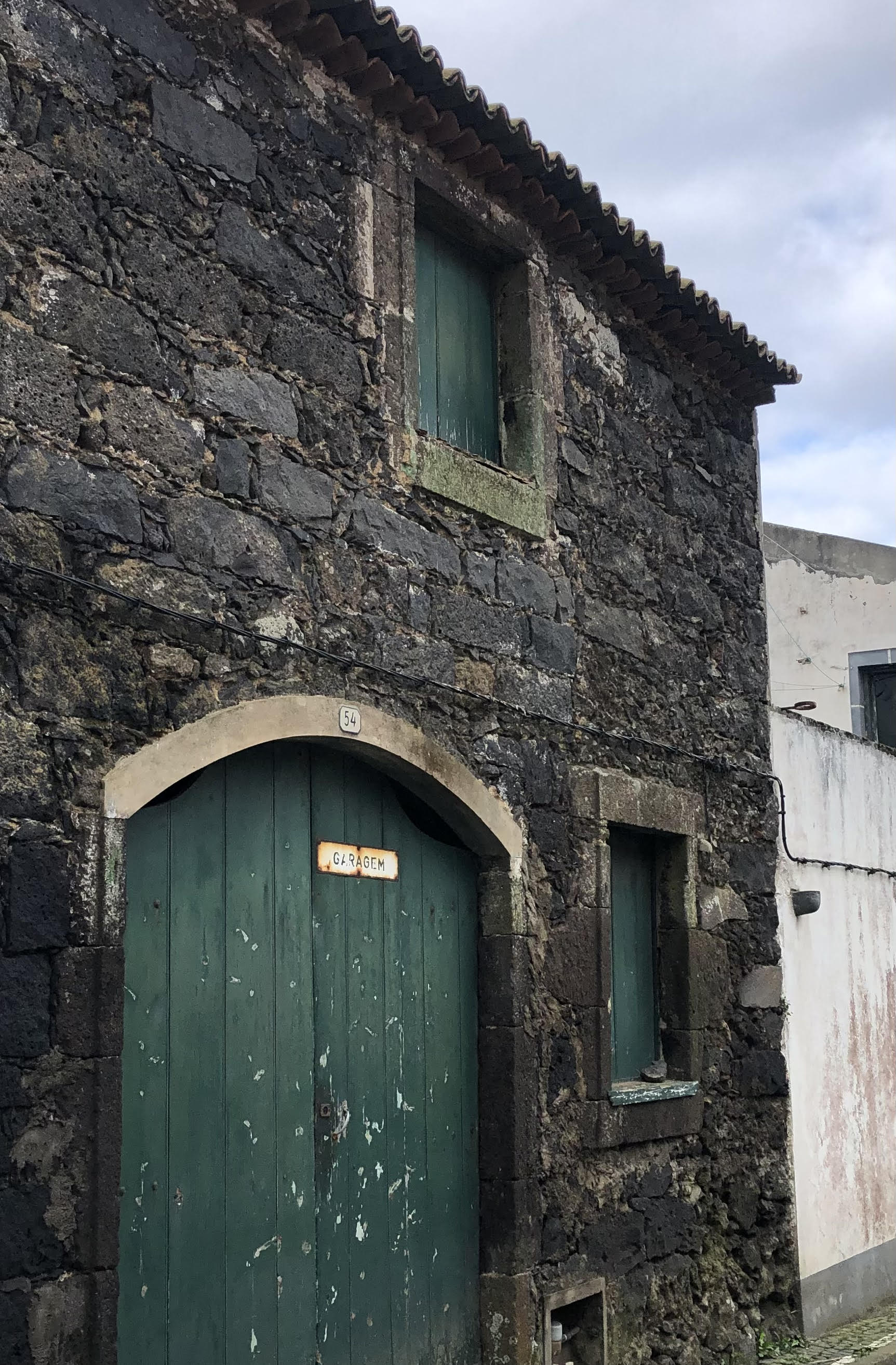
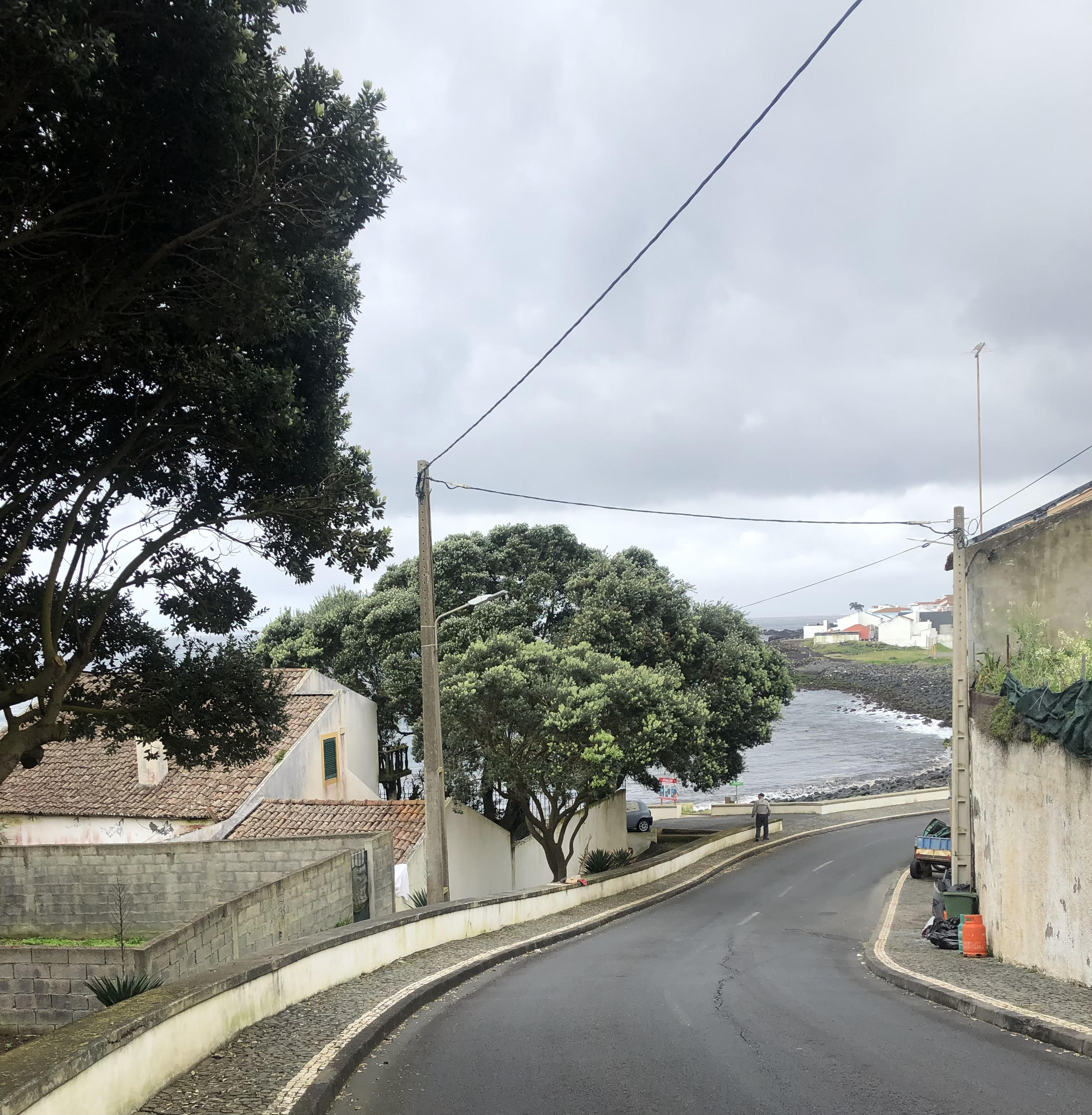
The streets are very narrow. I couldn’t imagine getting in an out of the green garage door below. The sidewalks are nearly nonexistent, and everything stops when the fish van with its loud horn gets stuck behind a grocer loading boxes.

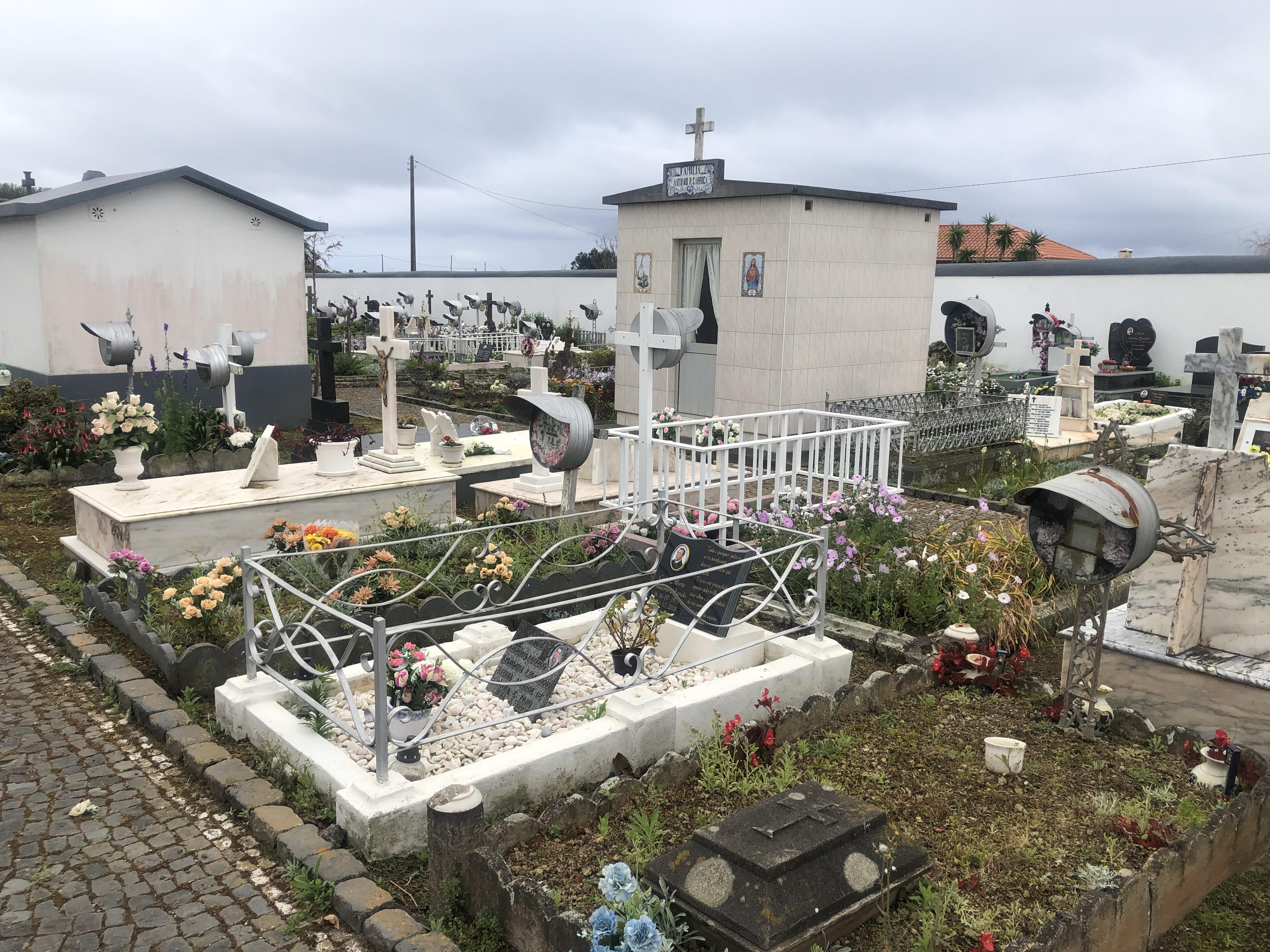
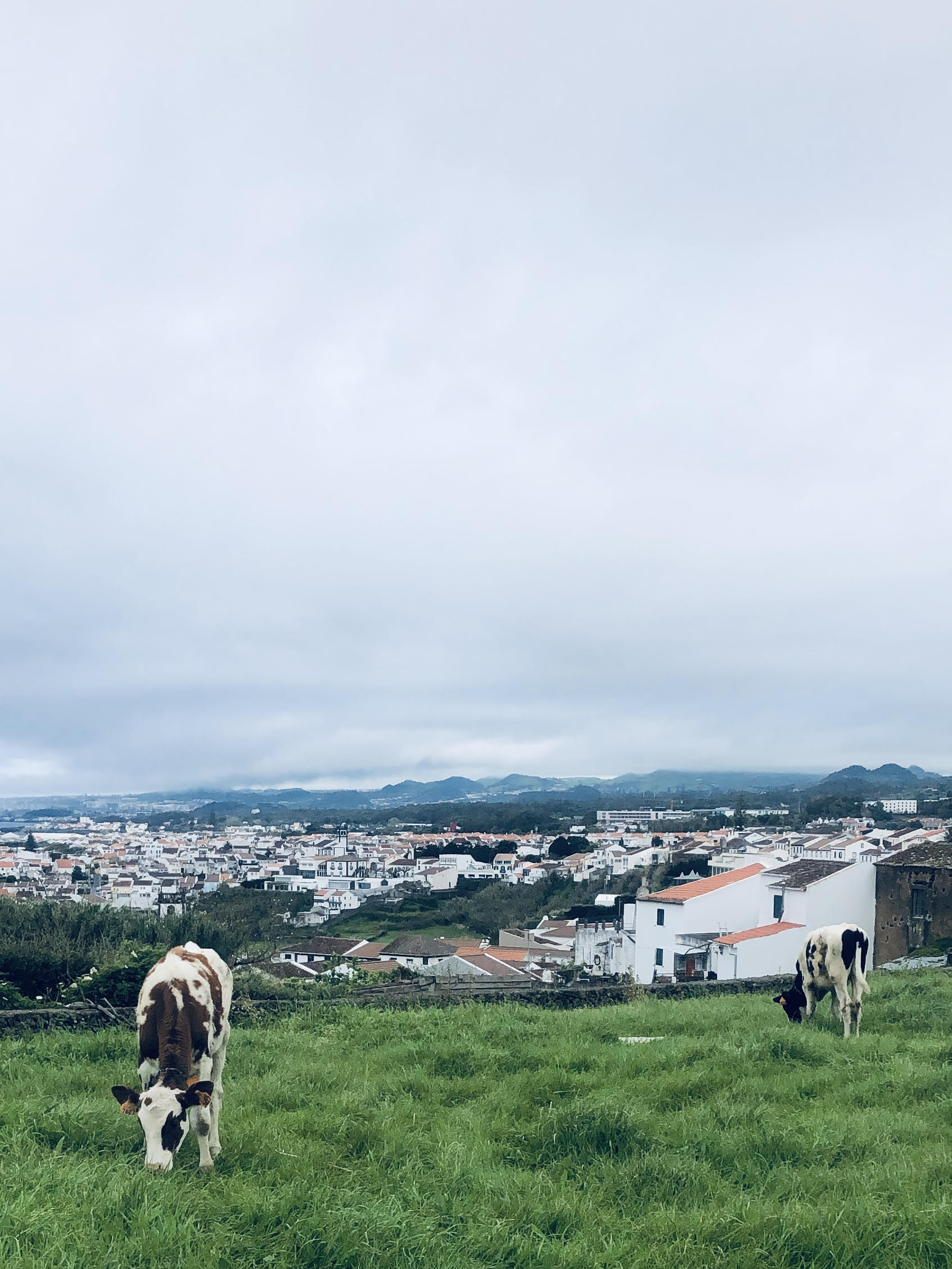
The cemetery was unlike any I have seen before. Nearby, I saw cows grazing. There are more cows than people in the Azores (125,000 as of 2020). Wonderful cheeses. I think I have identified the main dairy cows as Holstein Friesians.

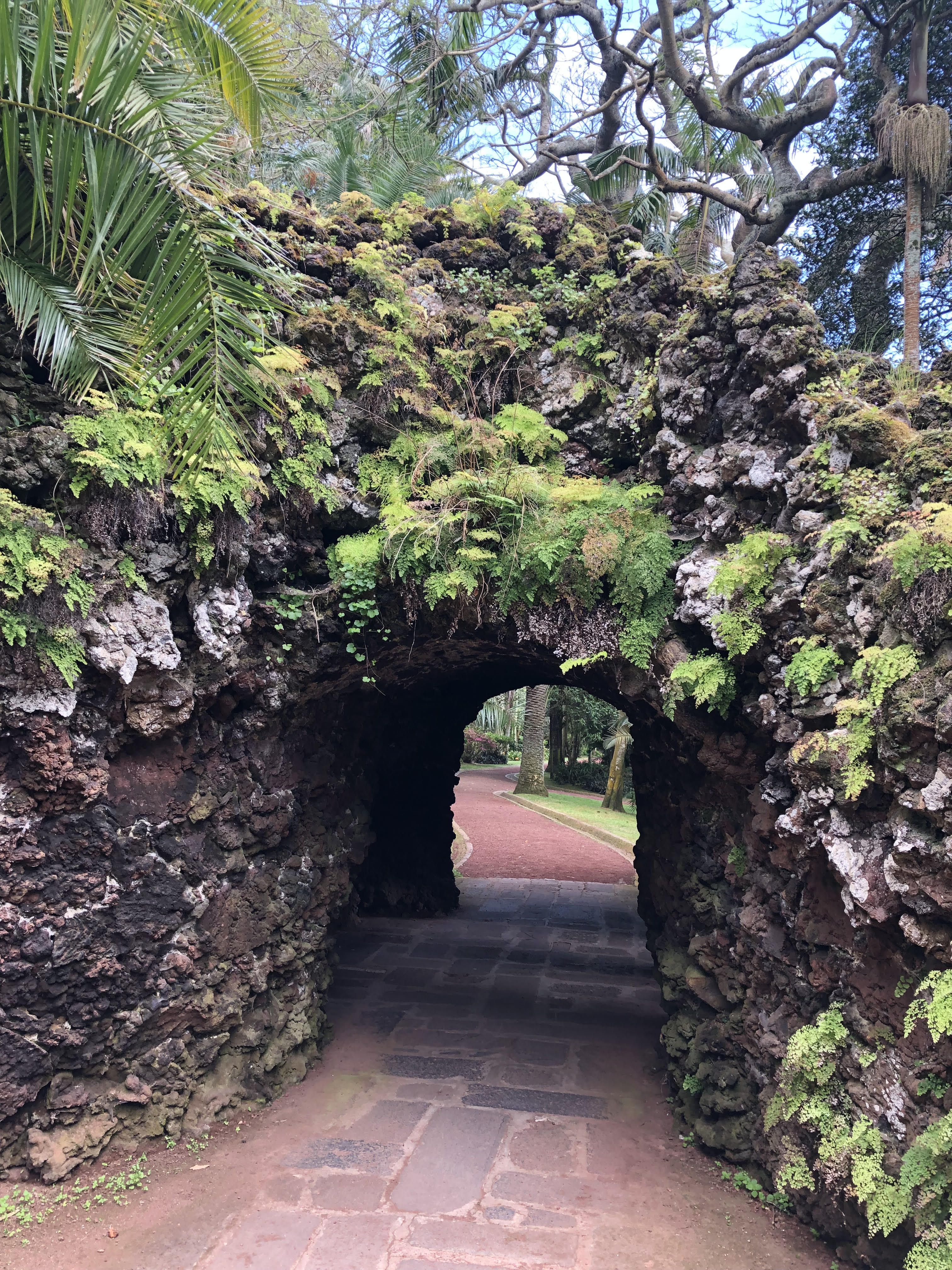
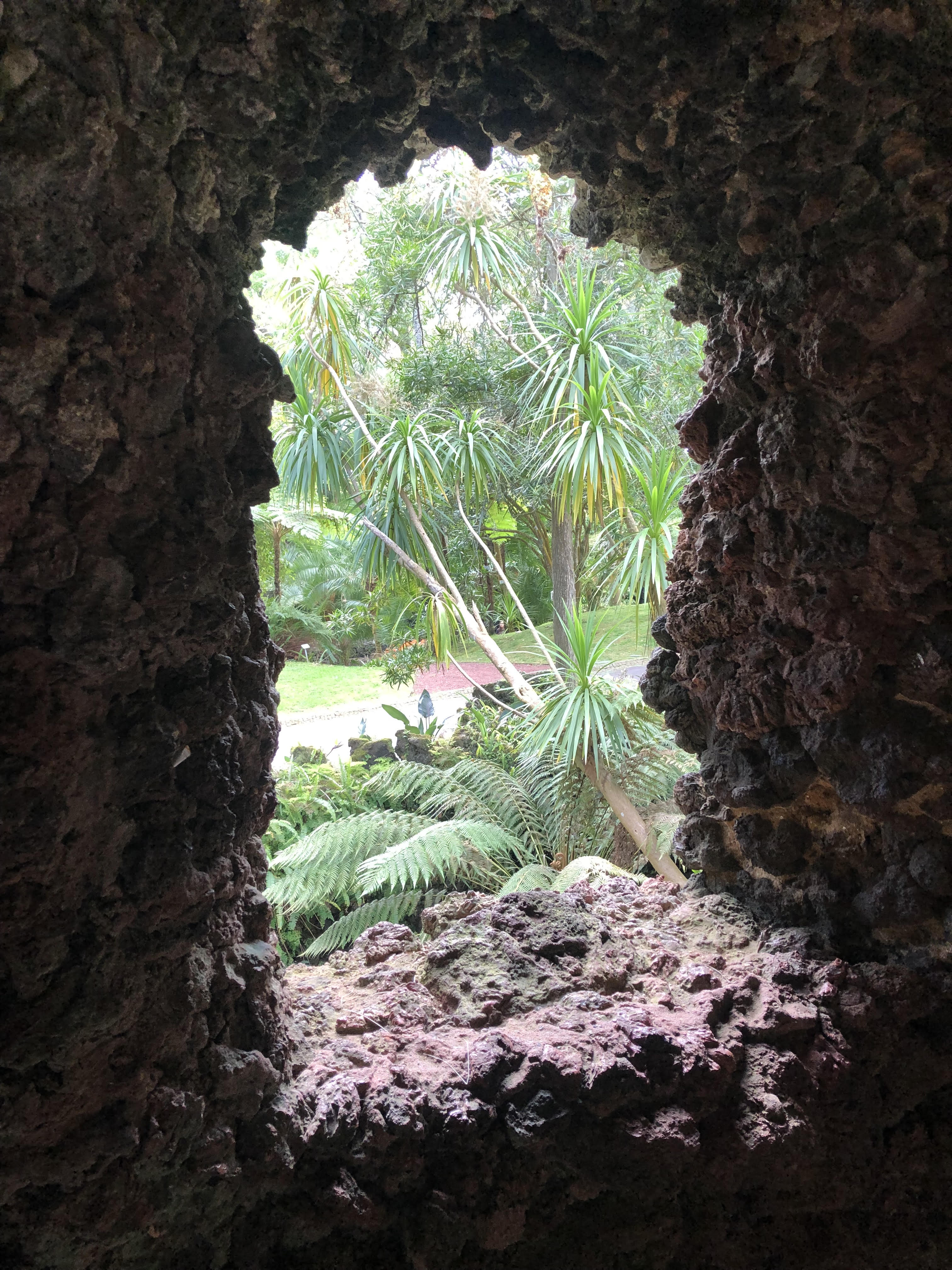
The grotto is in Porta Delgada in one of the many botanical gardens (really the whole island was a botanical garden). Next is the tea plantation, the only one in Europe (Europe because the Azores are part of Portugal).

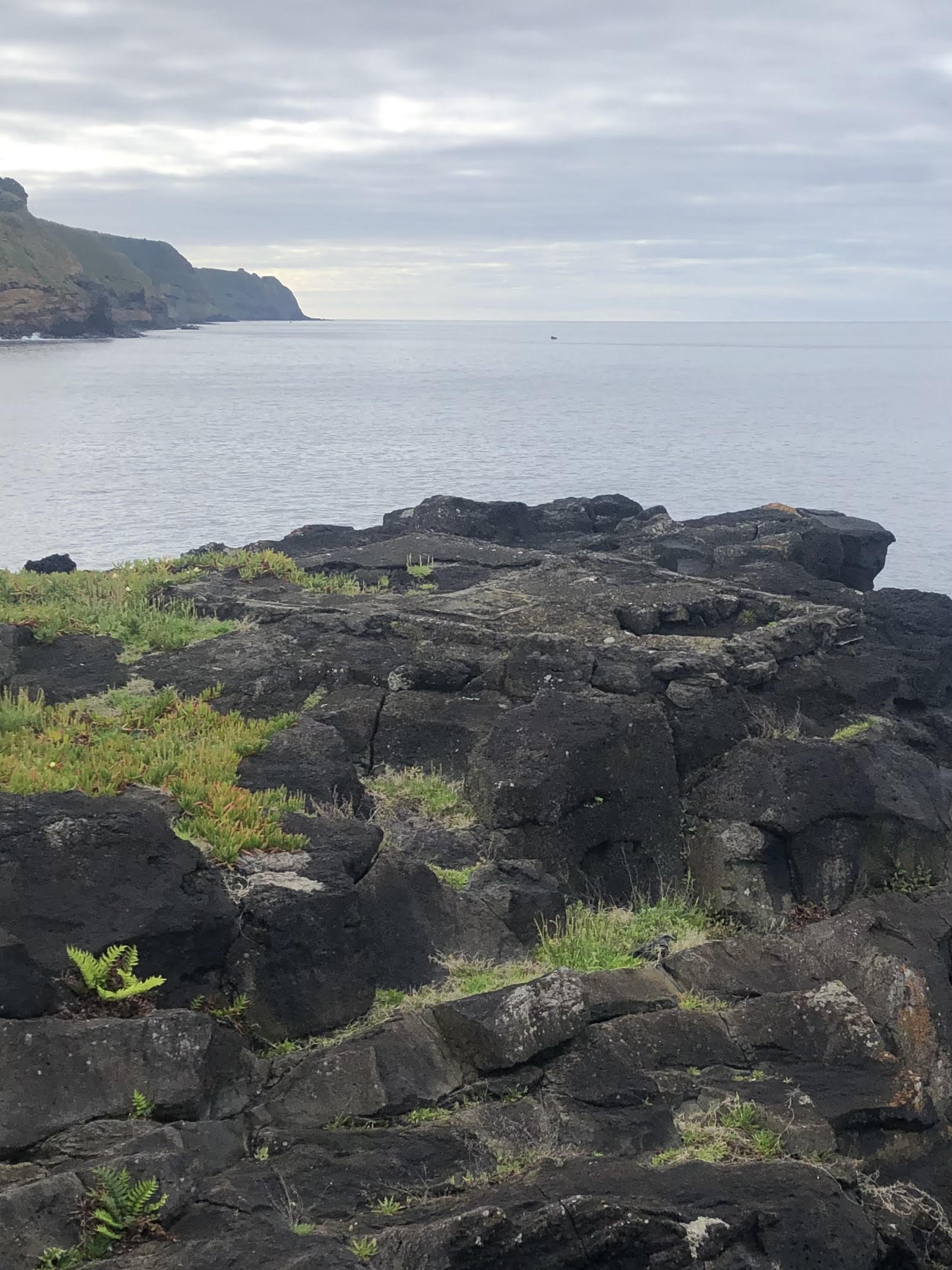
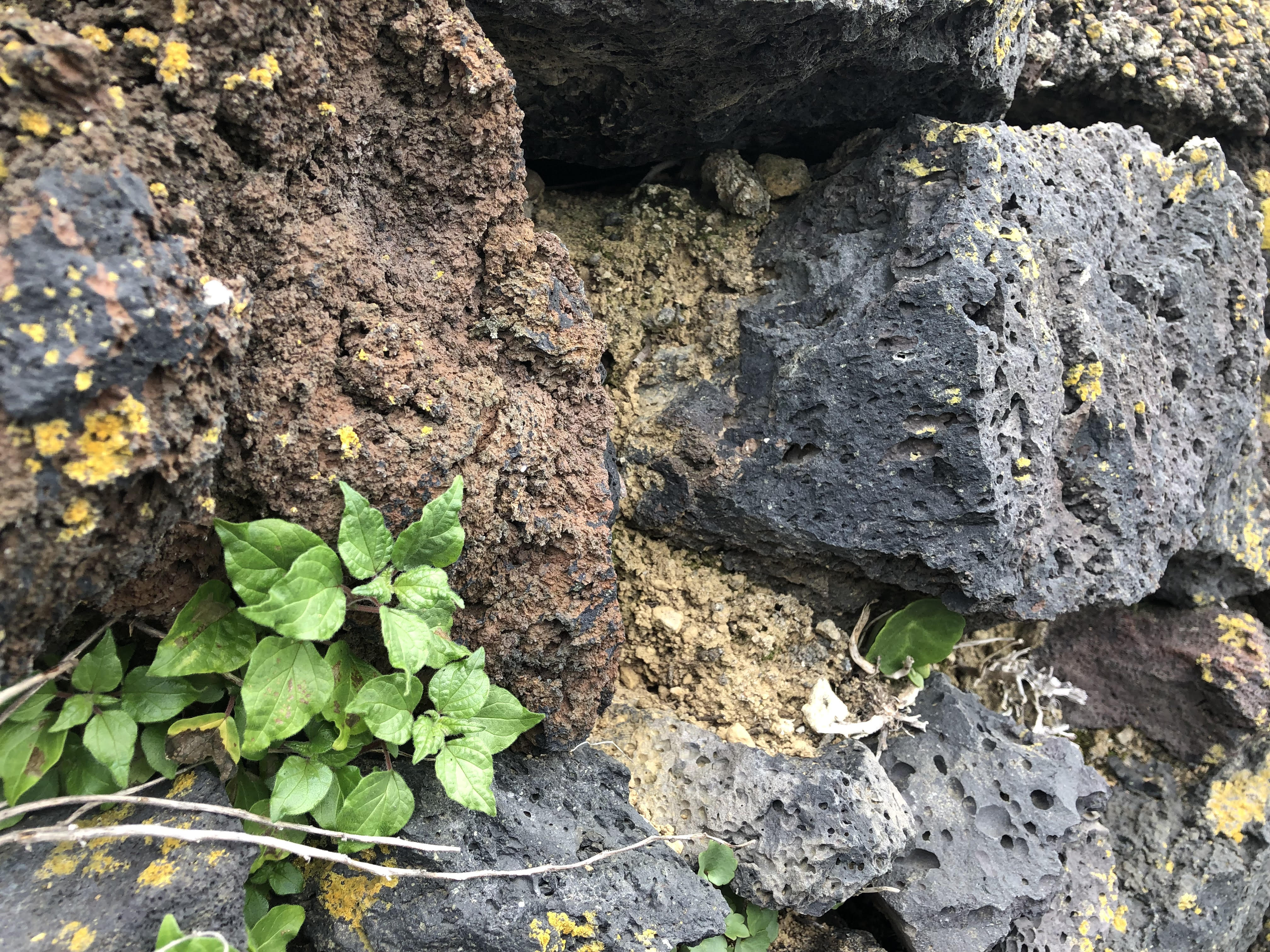
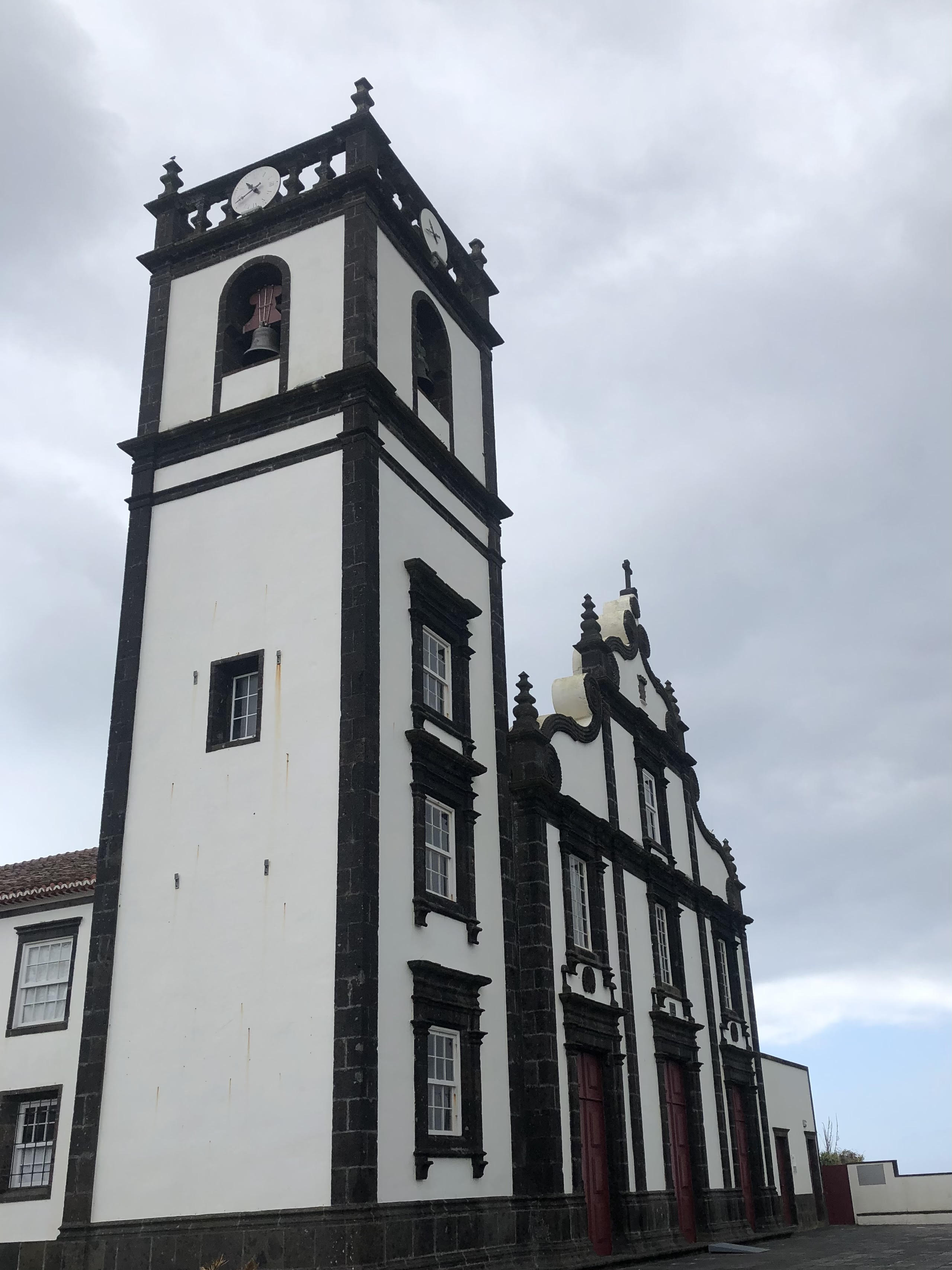
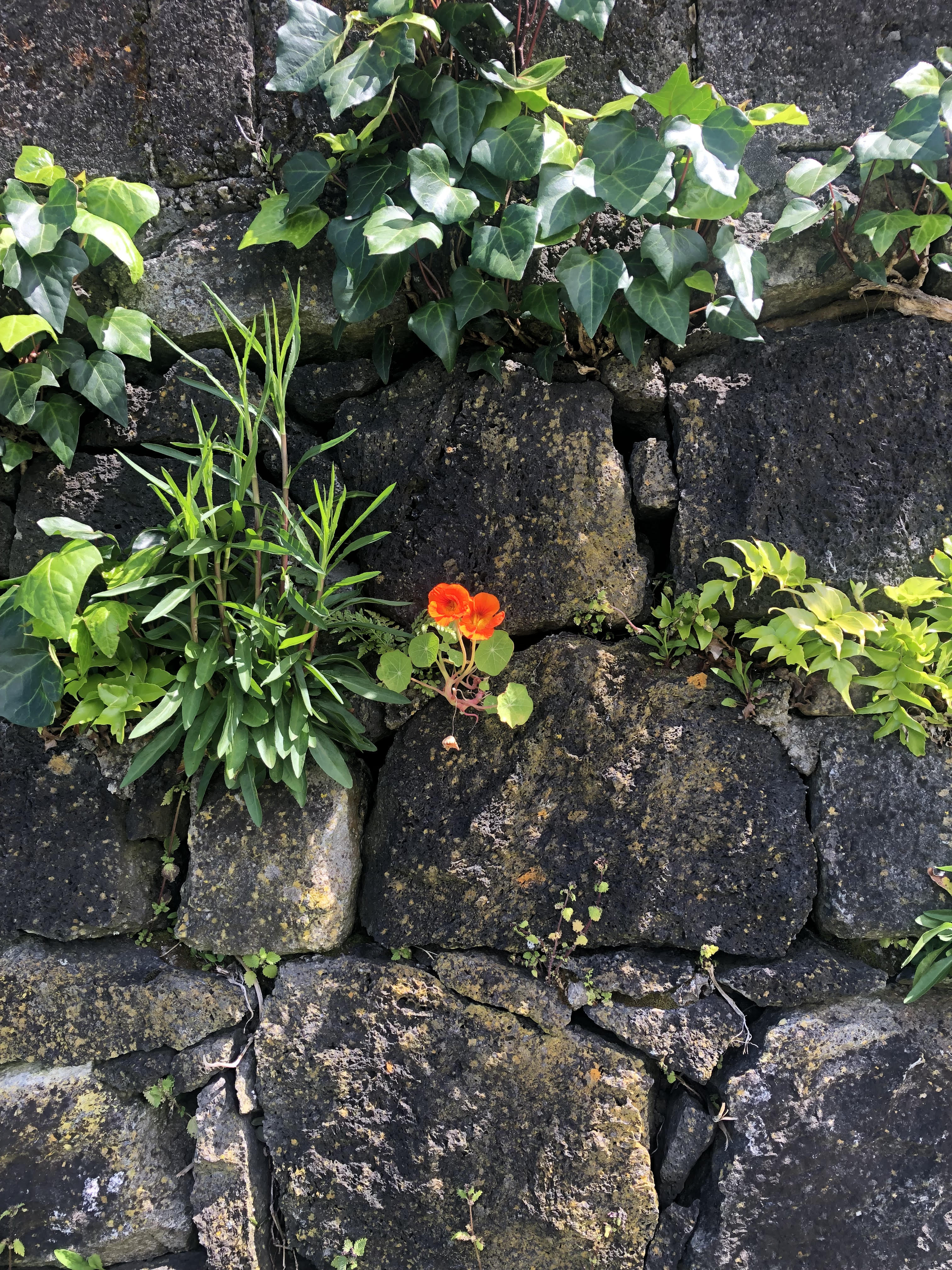
Check out the close-up of the ubiquitous volcanic rock, basalt, used for everything. Water and gases in lava formed the fossil bubbles. The black ornamentation on churches and chapels is “basaltic relief.”

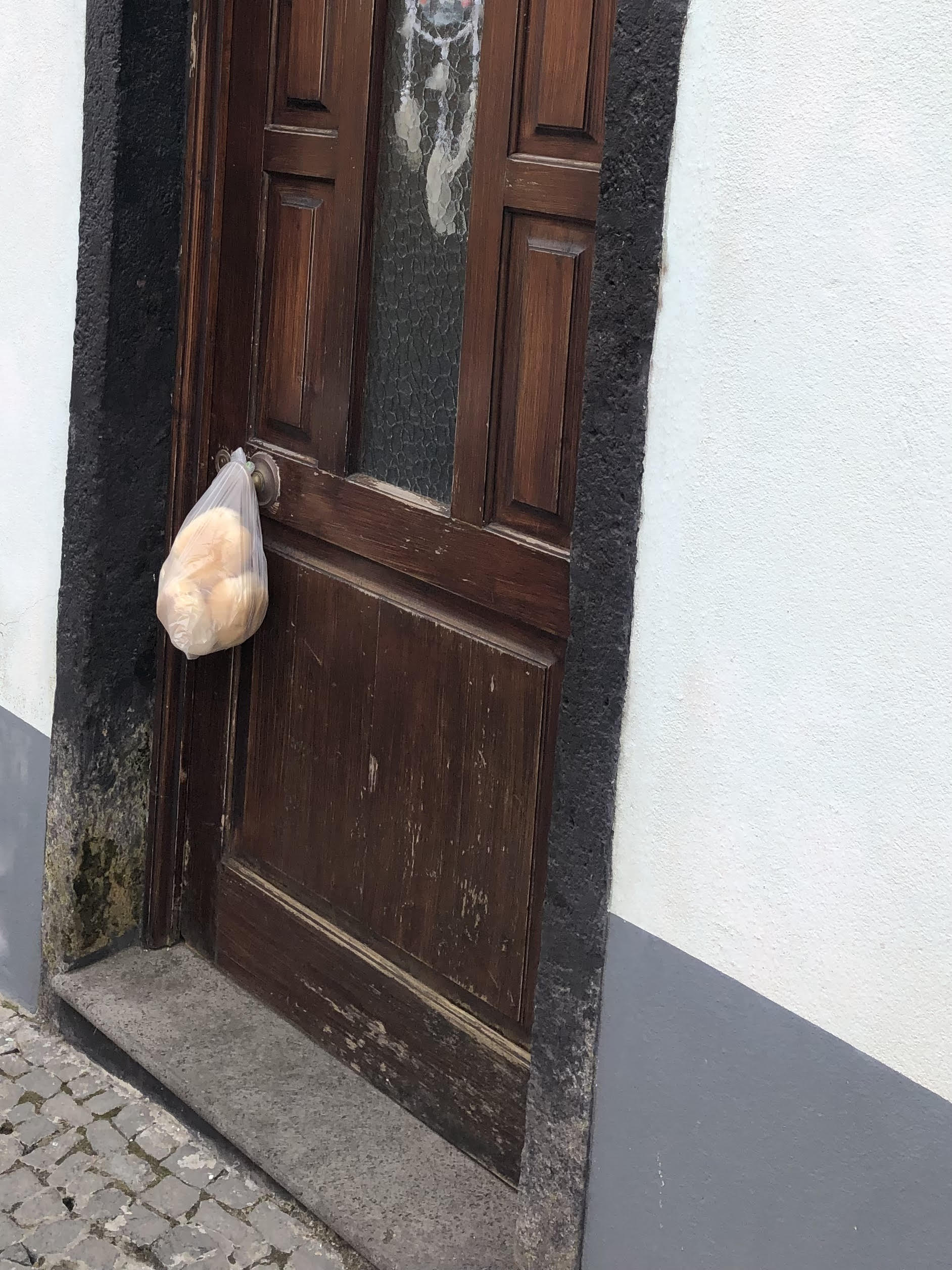
Many homes have early morning bread deliveries that get hung on doorknobs or left on the doorsill.

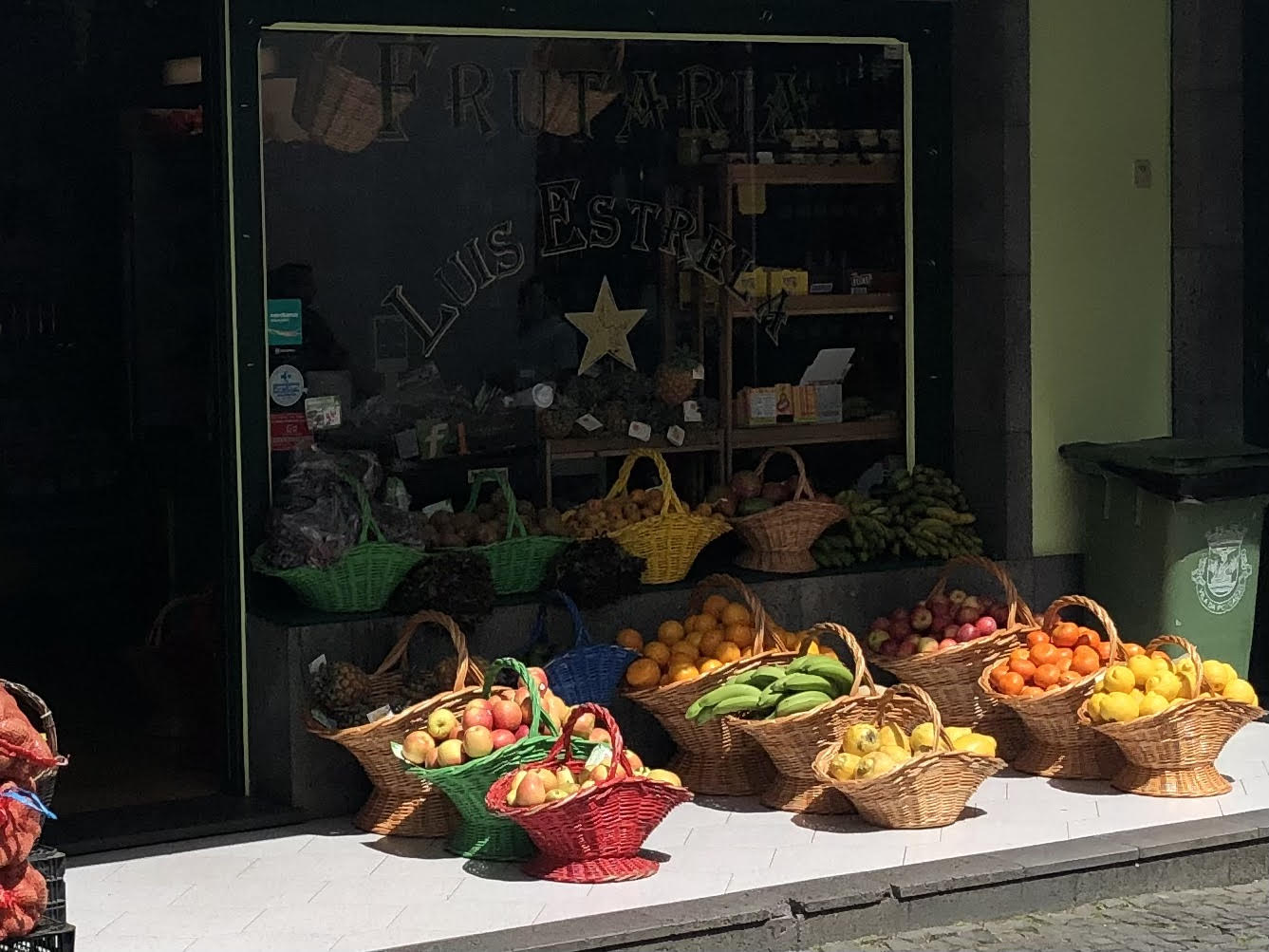
My granddaughter, 8, edited the photo of a market’s fruit baskets.

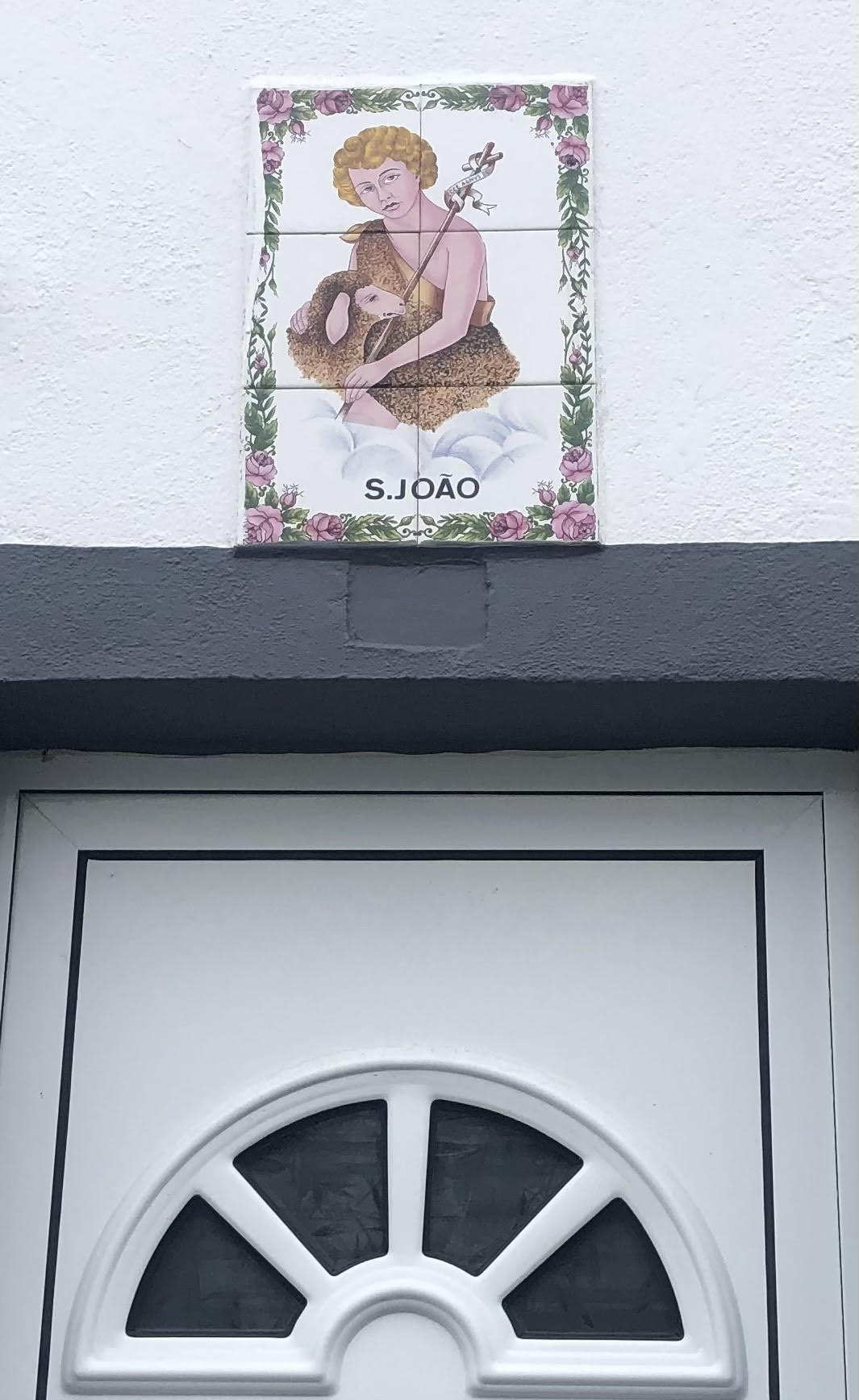
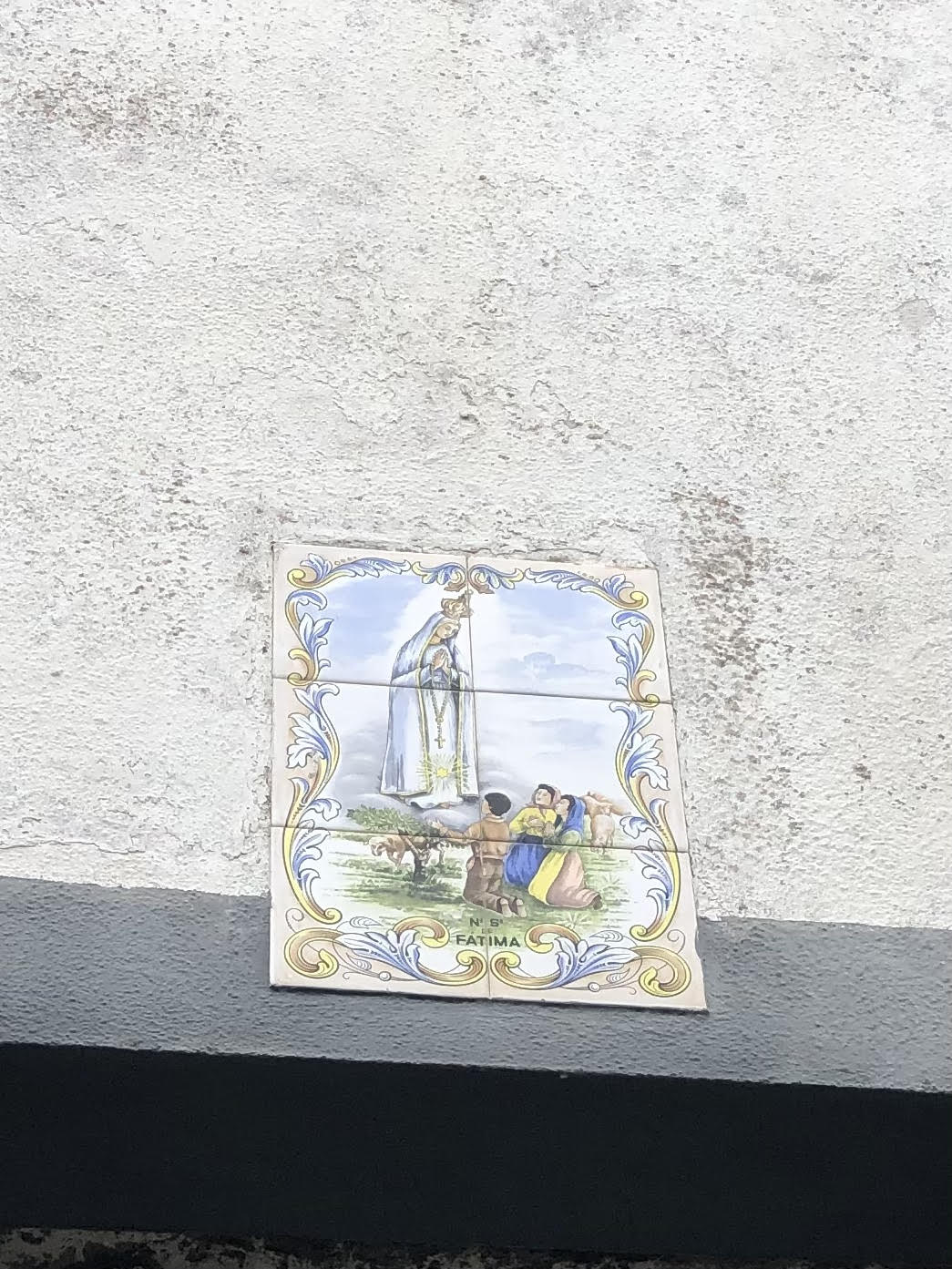
Nearly every home has some kind of saint watching over it, in the form of a ceramic plaque handmade in the factory on Sao Miguel.

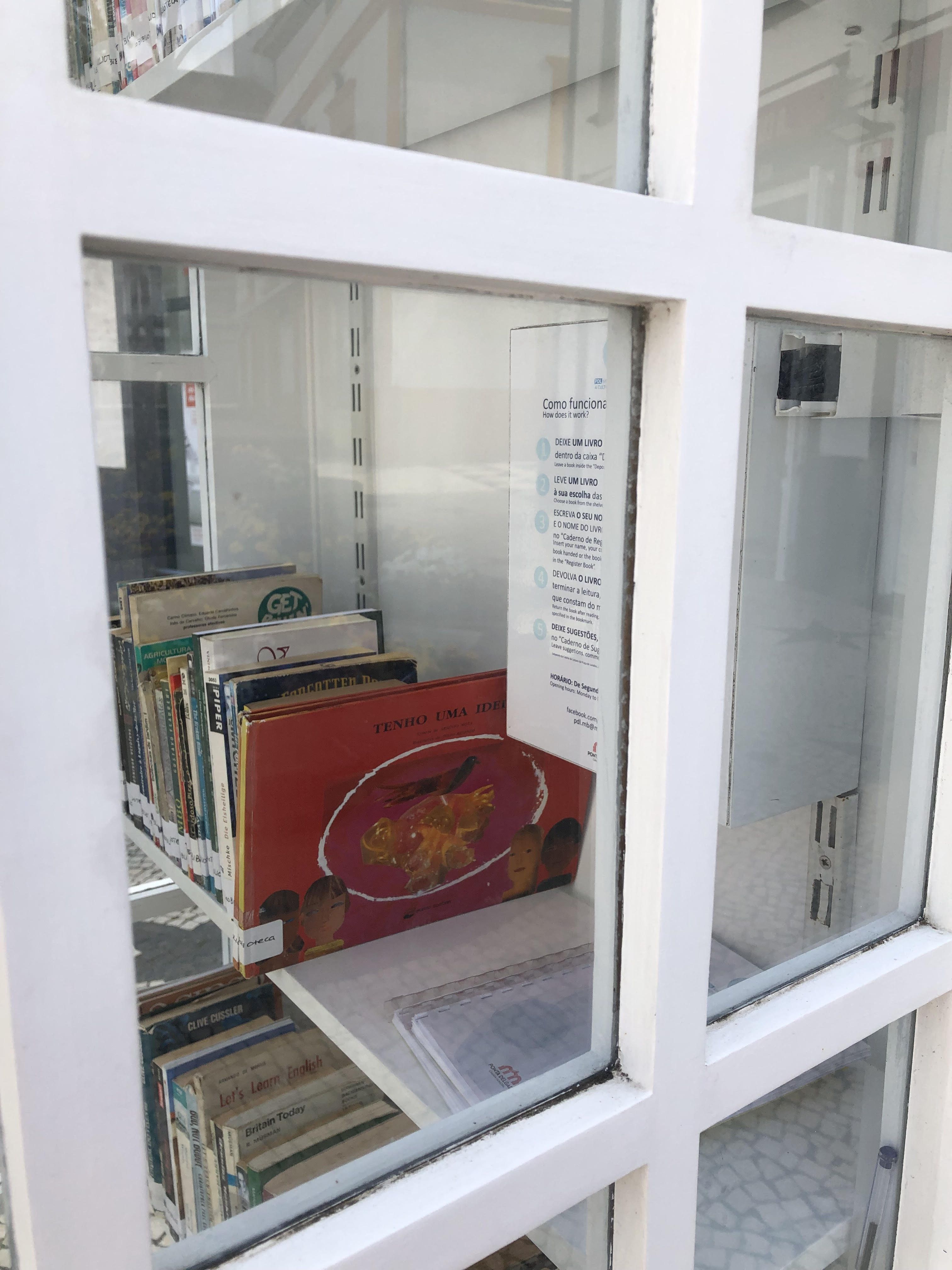
A phone booth had been turned into a little library in Porta Delgada.

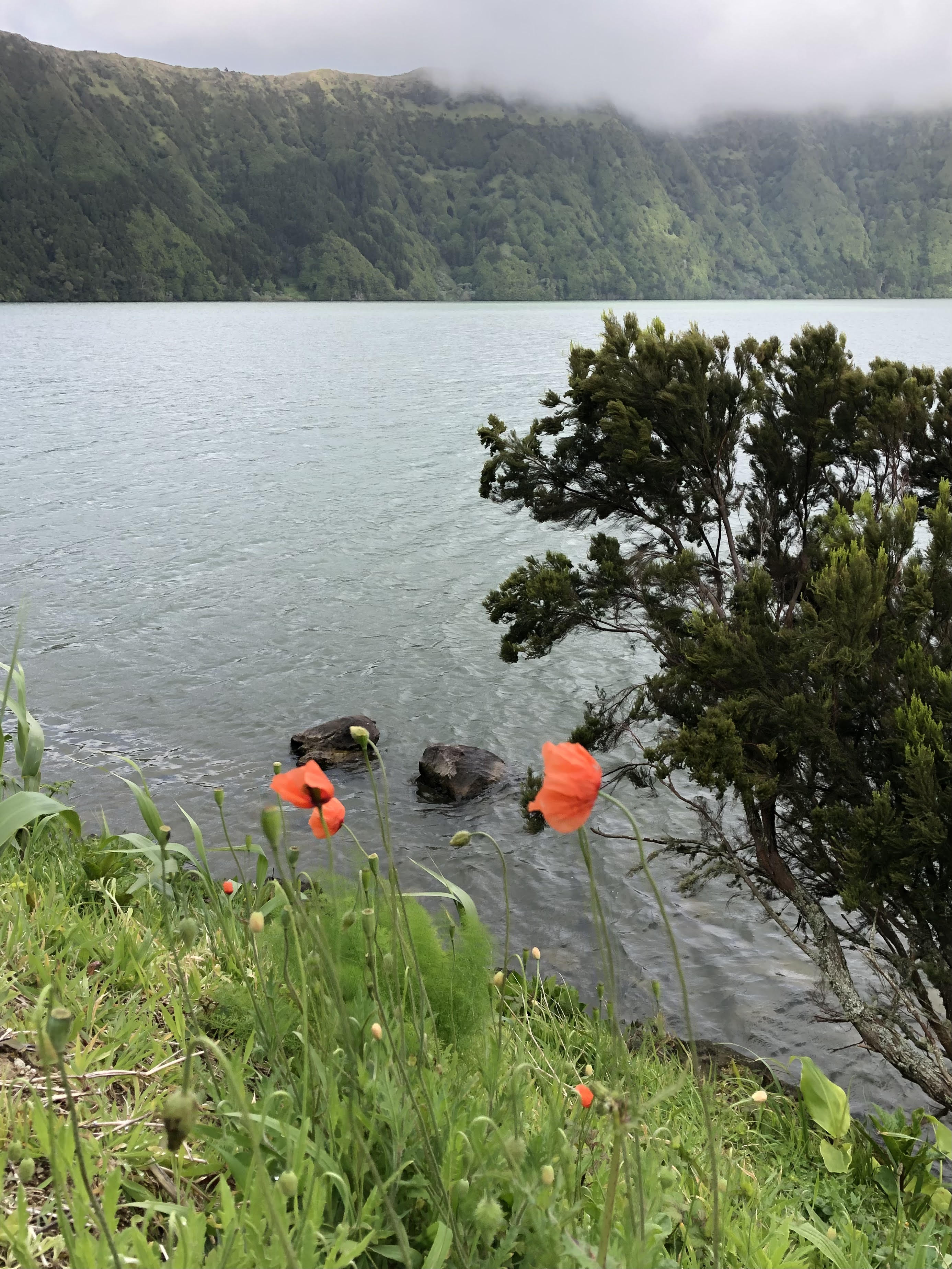
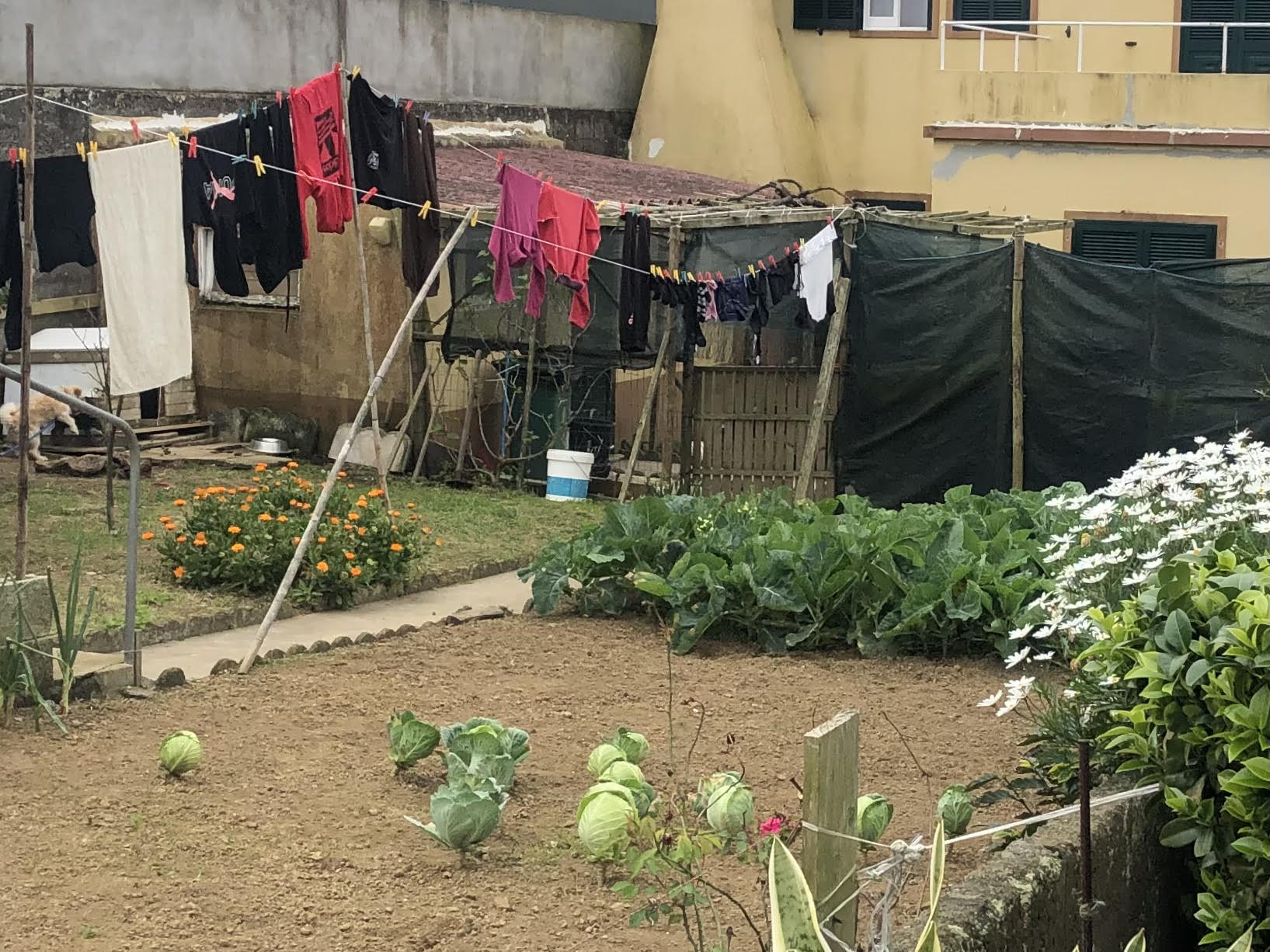
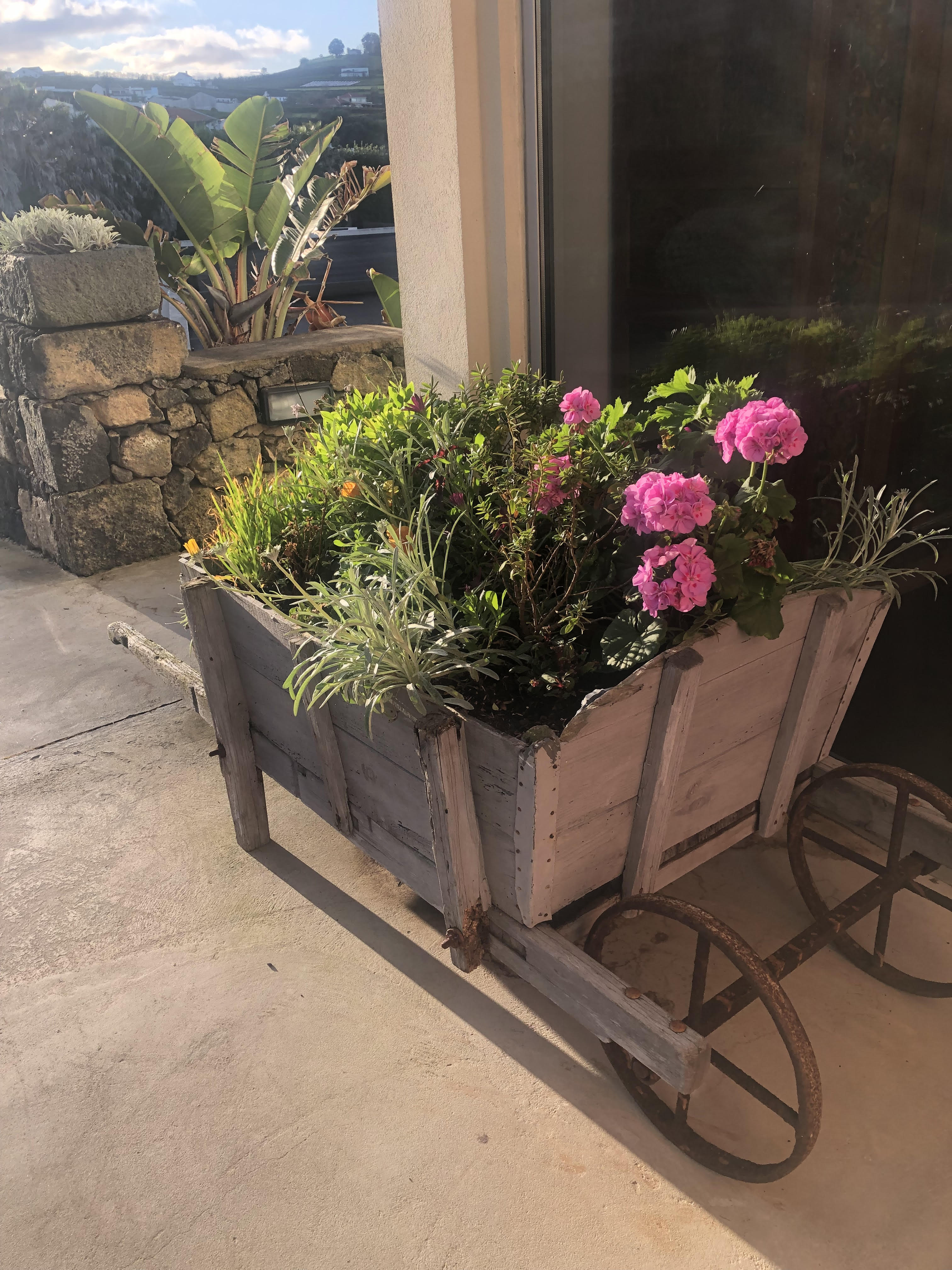
Nasturtiums, poppies, fresh-air laundry, moss. I worked hard at capturing one of each of these common sights.

Boiling volcanic spring.
The farm dog did not want me so near the goats.

Read Full Post »

Photo: Ronan O’Connell.
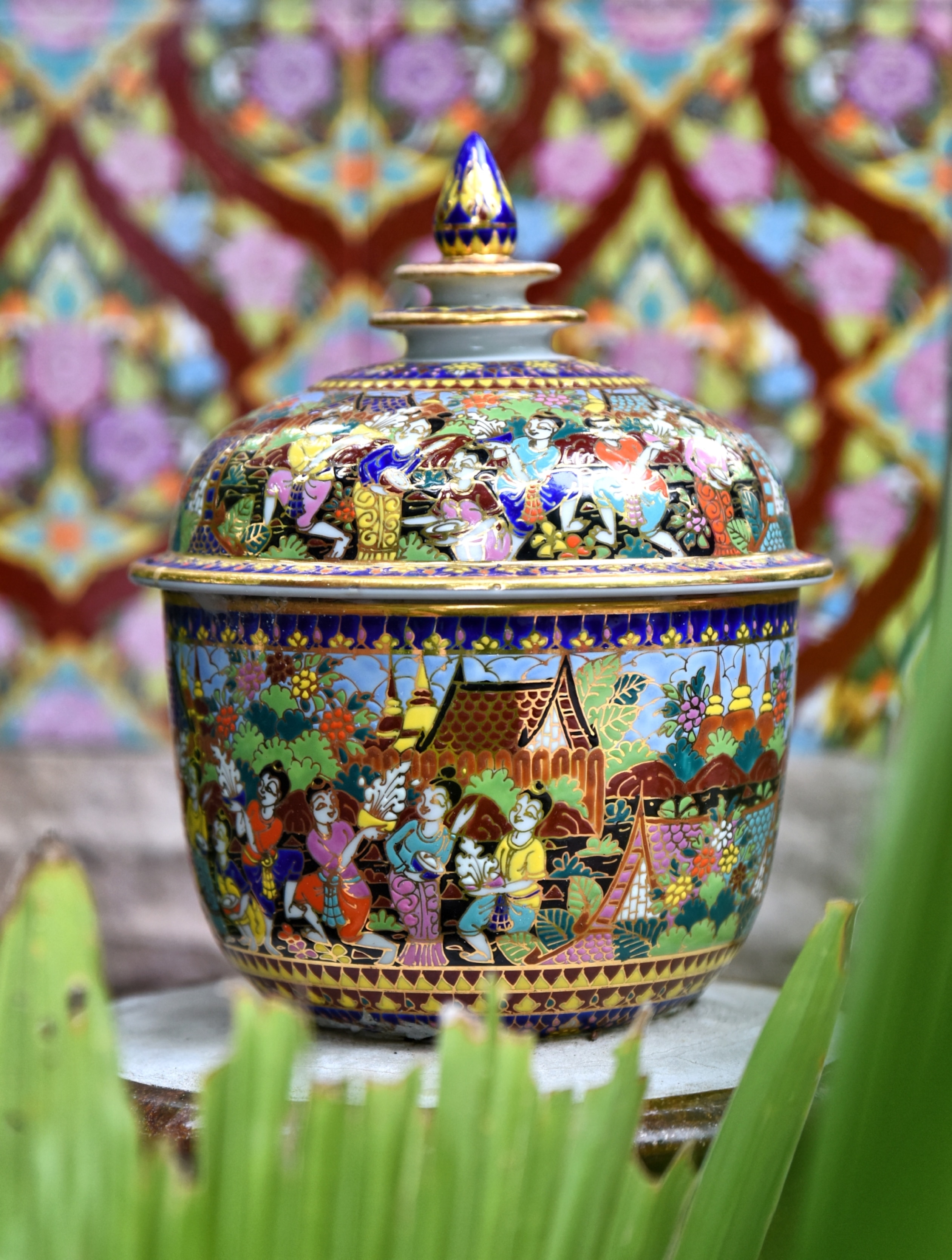
Once reserved only for Thailand‘s elite, authentic benjarong porcelain takes highly skilled artisans days to create.

The other day, Princeton University reported that “a tortoise from a Galápagos species long believed extinct has been found alive and now confirmed to be … the first of her species identified in more than a century.” Wow. Good thing there are people working all the time to identify and save species.

Efforts to save dying arts are also important. Here is one practiced in a village in Thailand.

Writing last November at National Geographic, Ronan O’Connell reported, “Few tourists to Bangkok know that the glimmer of the iconic Wat Arun temple is thanks to the same magnificent Thai porcelain that decorates five-star hotel lobbies or serves as dinnerware in high-end Bangkok restaurants.

“Hand painted with intricate Buddhist motifs, benjarong porcelain once was reserved only for Thailand’s elite. In the 18th and 19th centuries, Thai royalty ate from delicate benjarong dishes and plates, wealthy women stored jewelry in benjarong boxes, and Bangkok’s palaces displayed tall benjarong vases.

“In the early 1900s, mosaics made of benjarong shards began embellishing many of the city’s most important Buddhist temples. … But it soon fell out of favor, and porcelain production eventually ceased.

“It would now exist only as an antiquity if not for a village that, in the 1980s, saw an opportunity to revive the art form. Located about 19 miles west of Bangkok, Don Kai Dee has grown to become what Atthasit Sukkham, assistant curator of the Southeast Asian Ceramics Museum at Bangkok University, describes as the sole source of authentic benjarong. …

“As of November 1, vaccinated travelers can visit Thailand quarantine-free, where they can buy benjarong from the artists at Don Kai Dee, learn the history of Thai ceramics at Bangkok’s Southeast Asian Ceramics Museum (reopening in December), and admire the exquisite benjarong decorations in the Thai capital’s Grand Palace. …

“It took the 1982 closure of a ceramics factory near Bangkok to resuscitate this royal craft. Urai Tangaeum was one of dozens of Thai artists made redundant when that workplace closed in Samut Sakhon province, where Don Kai Dee is also located. …

“Instead of wallowing in her misfortune, Tangaeum recounts, she decided to take a risk. After studying benjarong designs, she began painting them on plain ceramics sourced from factories. When it became apparent Thai buyers appreciated this forgotten product, she bought her own kiln. Slowly, Tangaeum created a start-to-finish benjarong studio at Don Kai Dee. Nearly 40 years later, this has become a co-operative where dozens of potters share skills and knowledge.

“During tours of Don Kai Dee led by senior workers, tourists to the village learn that each benjarong item is crafted using a nine-step process involving up to four different artists. It begins with soils from three Thai provinces. When mixed together they provide the perfect blend of plasticity, heat absorption, and white-color finish.

“After being shaped on a pottery wheel, the benjarong item is set in an electric kiln for 10 hours at 1472°F (800°C). Once it cools, the item is coated with a glaze and baked for another 10 hours at an even higher temperature, until it gleams.

“The next step is benjarong’s trademark. Artists paint designs with liquid gold, which costs $5,000 per liter, according to Tangaeum’s daughter, Nippawan. This gilding is executed only by veteran workers, who have 20-plus years’ experience in a profession which some artists can continue well into their 60s.

“Finally, another worker traces around the golden lines with colored paints, then a supervisor inspects the piece. The process finishes with another blast in the oven. It takes three to four days to produce a benjarong cup, dish, or plate, which go for at least $30 each. That time frame extends to two weeks for the largest vases, which can be up to six feet tall and cost as much as $10,000. …

“While shops across Thailand sell mass-produced, cheaper versions of benjarong, Don Kai Dee is the only source of authentic, traditional benjarong, according to ceramics expert Sukkham. At Don Kai Dee, tourists can purchase ready-made items and have them personalized on site, or order custom artworks to be shipped to their homes.

“The village does not have a website, with most of its sales done in person at the village, or via art dealers who facilitate purchases for rich clients, Pongmatha says. Some of these buyers pay up to $30,000 for particularly intricate, gold-laden dining sets.

“The expense of benjarong reflects the painstaking intricacy of its crafting. It requires poise and persistence to scrawl precise benjarong designs for hour after hour. It is those attributes, above all, that decide whether a benjarong student can become a master.

“ ‘We have many young people who come to the village to learn benjarong, but most don’t last,’ [villager Prapasri Pongmatha] says. ‘They have enough skill, but not the patience. Making benjarong can make you crazy if you aren’t patient. But if you are patient enough, it is very soothing, nearly like meditating.’

“The humble incomes earned by Benjarong artists also deter young Thai people from learning this craft, according to her daughter, Supawan Pongmatha. The 39-year-old says she loves making these ceramics. But she does so only in her spare time, having decided to instead become an art teacher, a more stable job with a higher salary.

“ ‘Young people want to make money, to feel they have a safe job with a good future,’ Supawan says. ‘Being a benjarong artist is not as reliable.’

“Without a robust new generation of craftspeople making benjarong, its future is uncertain, the villagers agree. Forty years ago, benjarong was a relic. Having slowly roused this art form out of hibernation, the artists of Don Kai Dee are now fiercely trying to keep it awake.”

More at National Geographic, here. Wonderful pictures. (Four free articles per month.)

Want to watch a short video about another endangered craft? Learn about making toe shoes in the UK, here.

Read Full Post »

What would it be like to live in an earth dome? The California Institute of Earth Art and Architecture (Cal-Earth) can help you check out the concept for a day or a weekend or the 12-15 weeks it will take to teach you to build a dome home. Maybe you’d rather settle for building just a “rocket stove mass heater.” Cal-Earth can teach you to do that, too. Hesperia, California, is the place. (Although Cal-Earth’s mailing address is Claremont, near Suzanne’s alma mater.)

From the website: “Superadobe technology was designed and developed by architect Nader Khalili and Cal-Earth Institute, and engineered by P.J. Vittore. Superadobe is a patented system (U.S. patent #5,934,027) freely put at the service of humanity and the environment.”

The television station KCET has more. Reporter Kim Stringfellow says, “As a humanitarian, architect and teacher, Khalili developed the Superadobe building technique incorporating a tubular sandbagging system filled with locally sourced earth that are reinforced with a barbed wire technology and stabilized lime, cement, or asphalt that is locally produced. Dwellings can be used temporarily or may be stabilized, waterproofed, and finished with plaster to create a permanent building. Originally from Iran, Khalili’s structures and building techniques are inspired and informed by centuries of earth building found throughout the Middle East and North Africa. He also is known for his Geltaftan Earth-and-Fire construction system which as also known as Ceramic Houses. ”

Tell me this is not a hobbit house.

Photo: Geoff Lawton 

Read Full Post »

Some posts at Andrew Sullivan I only need to glance at briefly and bells go off: for example, this entry about an artist who works with coral.

Andrew quotes Amelia Urry writing about Courtney Mattison, who became enamored of coral while studying conservation biology at Brown University and moonlighting at the Rhode Island School of Design.

“Mattison’s newest piece, Our Changing Seas III,” says Urry at Grist, “depicts a hurricane-spiral of bleached corals coalescing to a bright center. You can read it as a message of hope or one of impending doom, depending on your disposition …

At the heart of Mattison’s artwork is her desire to inspire real-life changes in how people view and treat the world’s oceans and environments. Similar to the Our Changing Seas series, Courtney Mattison’s Hope Spots collection comprises 18 vignettes, each of which represents a vital marine ecosystem in its ideal form (that is, protected from various threats such as global warming or pollution).” Read more at Grist, here.

Art: Courtney Mattison
“Our Changing Seas III,” a ceramic coral reef

Read Full Post »