Feeds:
Posts
Comments

Posts Tagged ‘magritte’

Photo: Carlos Gonzalez/The Minnesota Star Tribune.
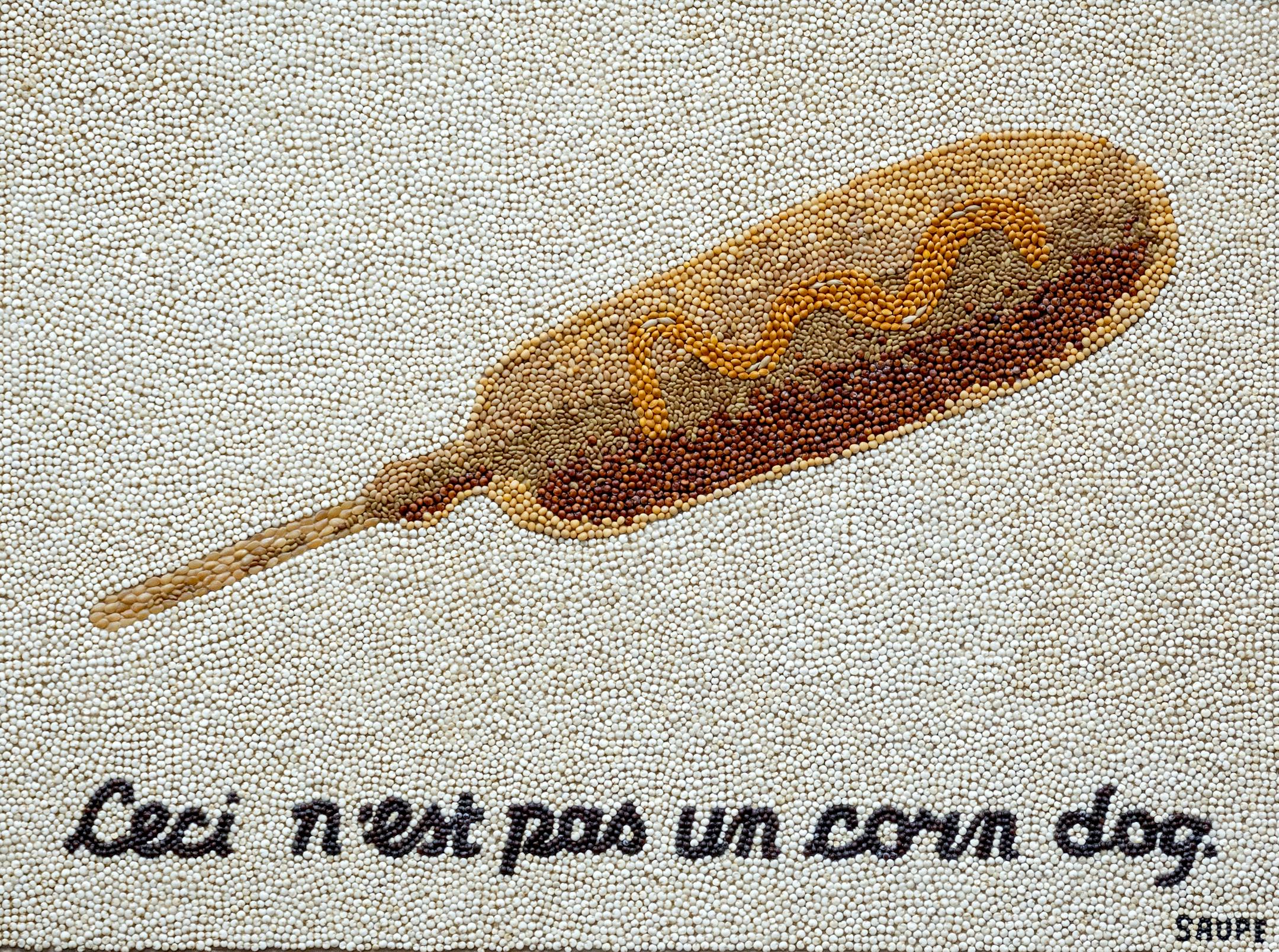
Crop art by Amy and Steve Saupe at the Minnesota State Fair, inspired by Magritte’s 1929 work, the “Treachery of Images.”

Crop art uses seeds and other agricultural produce to create “paintings.” In Minnesota, crop artists take the work very seriously and spend many painstaking hours on it.

At the Minnesota Star Tribune, Alicia Eler writes that in September, the Minneapolis Institute of Art opened its first juried exhibition of crop art from the State Fair. The works shown at “Cream of the Crop” were inspired by artists like Hokusai, Magritte, Chagall, and van Gogh.

“MIA director and president Katie Luber, associate curator of European art Galina Olmsted, and associate curator of global and contemporary art Leslie Ureña made the selections in two categories: best interpretation of an artwork at MIA and best interpretation of a Minnesota landmark, story or figure. …

“ ‘Crop art engages with this really rich tradition of mosaic and beadwork and embroidery that exists in all cultures in perpetuity,’ Olmsted said. … ‘But then it’s this hyperlocal Minnesota form.’ …

“Amy and Steve Saupe’s the ‘Treachery of a Pronto Pup’ won best interpretation of an artwork at MIA. The father-daughter team has been making seed art since 2017.

” ‘I loved it because it’s an art history in-joke ― you have to know the Magritte painting to get it ― and then it’s also this specifically Minnesota State Fair in-joke,’ Olmsted said. … ‘The way the artists built up the background … you can tell was this real attention to detail.’ …

“Honorable mentions include ‘Vincent Van Grow Olive Trees’ by Jill Osiecki, ‘All the Eternal Love I Have for the Crop Art’ by Jill Moe (a reference to Yayoi Kusama), ‘Under the Wave off Kanagawa’ by Amanda Cashman … and ‘Crop Art study of Alice Neel’s “Christy White, 1958” ‘ by Ursula Murray Husted.

” ‘Reimagining van Gogh’s Olive Trees through the textures and natural colors of seeds has been such a joy and to see that creation displayed in one of the nation’s finest museums is truly a dream come true,’ artist Osiecki of Eagan said of her entry that earned an honorable mention. …

“Crop artist Jeanne Morales’ ‘My Chagall Dream’ won for best interpretation of an artwork at MIA. The artist referenced the flying woman, a motif in Chagall’s paintings, and in Morales’ artwork, it flies over Minneapolis.

“ ‘It’s my love letter to the Twin Cities,’ said Morales of Longfellow. ‘All the places I chose are places of community gathering points.’

“Marc Chagall is her favorite artist. She first saw his work in Paris, and she appreciated his whimsical paintings and the way figures in his paintings often float above their towns.

“ ‘We just thought that was a really creative take and required a deep dive into art history but was also really carefully and beautifully done and impressive,’ Olmsted said.

“Honorable mentions include ‘Goat’ by Annmarie Geniusz, ‘Broken Pinky, Unbroken Justice’ by Juventino Meza, ‘Star Gazing’ by Nancy Rzeszutek and ‘Old Dutch and Top the Tater’ by Kaela Reinardy.

“Meza, who curated the exhibition ‘Seeds of Justice’ in April, used crop art to honor former Minnesota State Supreme Court justice Alan Page. Meza was a recipient of a Page Education Foundation Scholarship as an undocumented high school student and it helped him pay for college.

“ ‘It feels incredible to be recognized with this honorable mention,’ Meza of Minneapolis said. ‘Crop art has become a way for me to tell stories that connect my personal journey with broader struggles for justice.’

“In 2004, MIA hosted a crop art exhibition of work by Minnesota legend Lillian Colton. The current exhibition marks the first juried crop art exhibition with work from the Minnesota State Fair’s crop art show.”

More at the Strib, here. (You can get a limited free subscription to the paper by providing your email, but if you’re often interested in the Twin Cities, a paid subscription is like a donation to freedom of the press in Minnesota.)
Read Full Post »

On Shadows

Photo of Magritte art: Thomas Hawk.
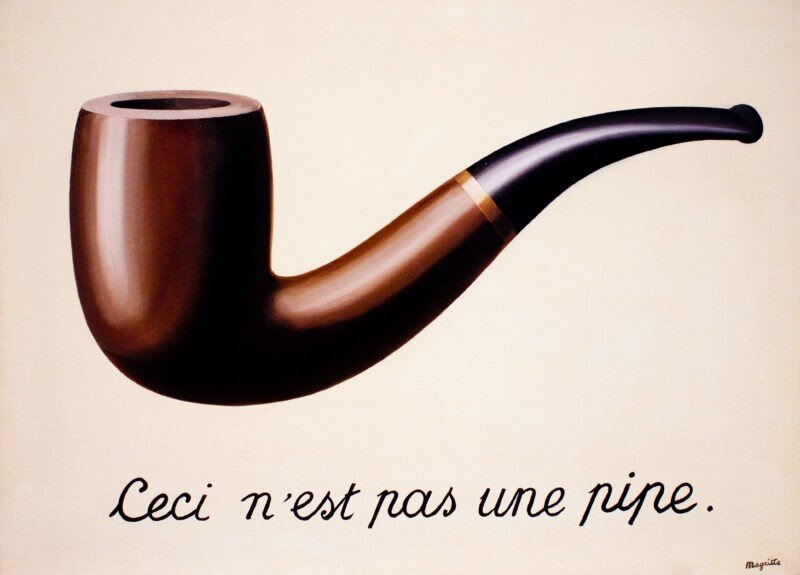
René Magritte’s “La Trahison des Images” (“The Treachery of Images”) (1928-9) or “Ceci n’est pas une pipe” (“This is not a pipe”). The work is now owned by and exhibited at LACMA.

The first time I saw the Magritte work called in English “This is not a pipe,” I thought, “What do you mean? Yes, it is.” It took me a long time to consider that it’s only a picture of a pipe, not the pipe itself. My pipe-smoking father wouldn’t have been able to put tobacco in it and smoke it.

I mention this because it relates to one of the reasons I’m fascinated by shadows.

Peter Pan’s shadow goes off on its own for a while, but it wouldn’t exist without Peter Pan. The shades in the Greeks’ Underworld are both the real people and not the real people. In “A Midsummer Night’s Dream,” when Puck says to the audience, “If we shadows have offended,” he’s describing actors as shadows of characters, and characters as shadows of people. He recommends thinking about the play as a dream — another kind of meaningful shadow.

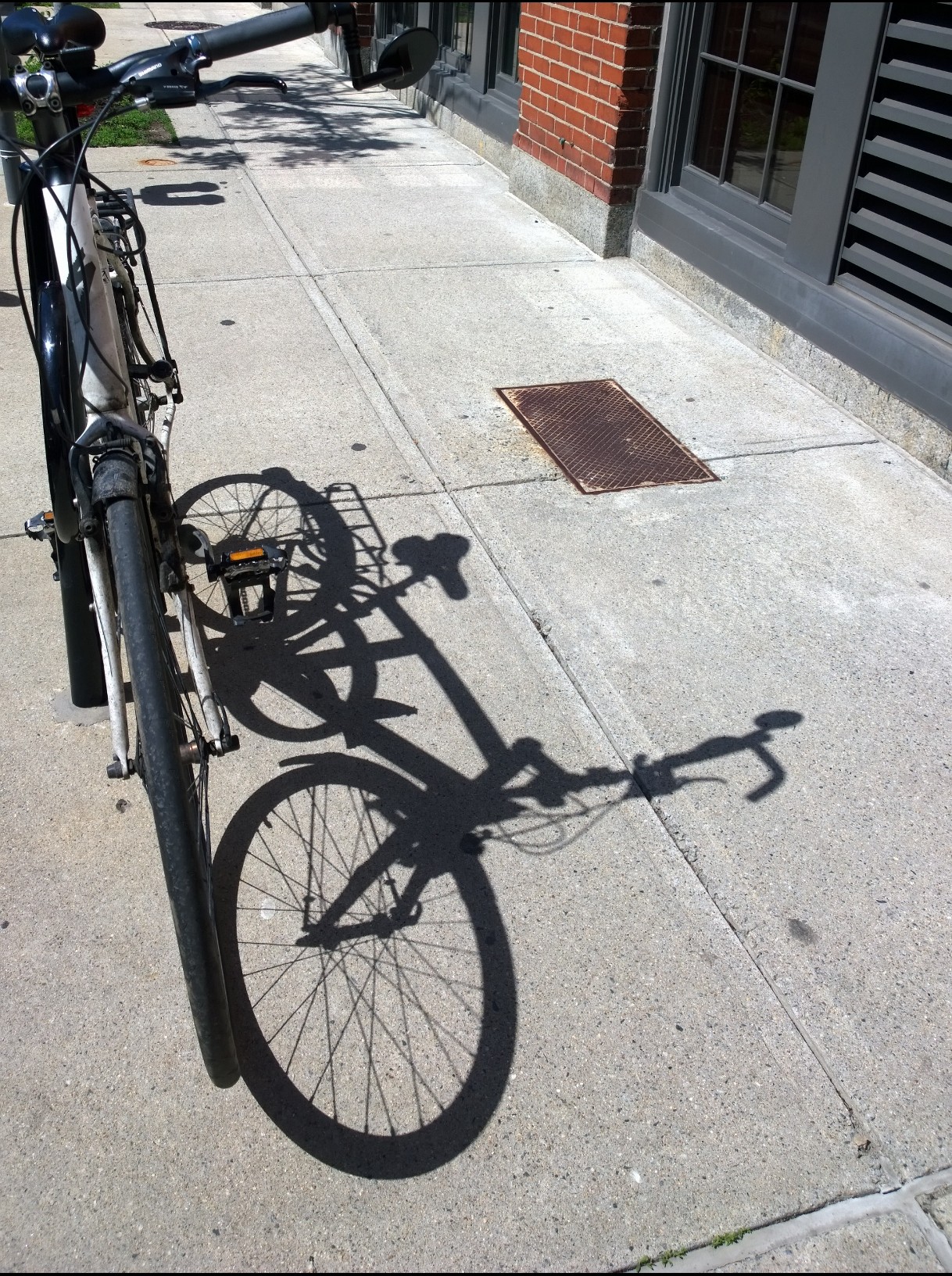
This is not a bicycle.

A shadow is the thing and not the thing, a distorted version of the thing that may lead to interesting or useful thoughts. Perhaps Orpheus will come and ride that bicycle into Hades and try bringing Eurydice home on the back. In the myth, though, he turned around despite dire warnings not to because he couldn’t hear her footsteps. I fear he will make the same mistake with the bicycle as he won’t be able to feel her sitting behind him.

Shadows are a way of thinking about things unseen that can stimulate the imagination and provide extra insight into the everyday world we experience. Since first reading The Princess and the Goblin, I’ve sensed that fiction and fantasy may provide the best ways to understand the “real.” It’s why I enjoy, for example, Francesca Forrest’s other world in Lagoon Fire, here, and blogger Laurie Graves’s fantasy series about the Great Library and her podcast, here.

There are so many things in our lives that are hard to fathom, and sometimes the imagination helps to get a grip on them. Some years ago, I read about a woman in Guatemala who was trying to explain why her neighborhood volcano erupted and killed so many people. She said it was because of her husband’s misdeeds. It was just her way to get her head around something too enormous to comprehend.

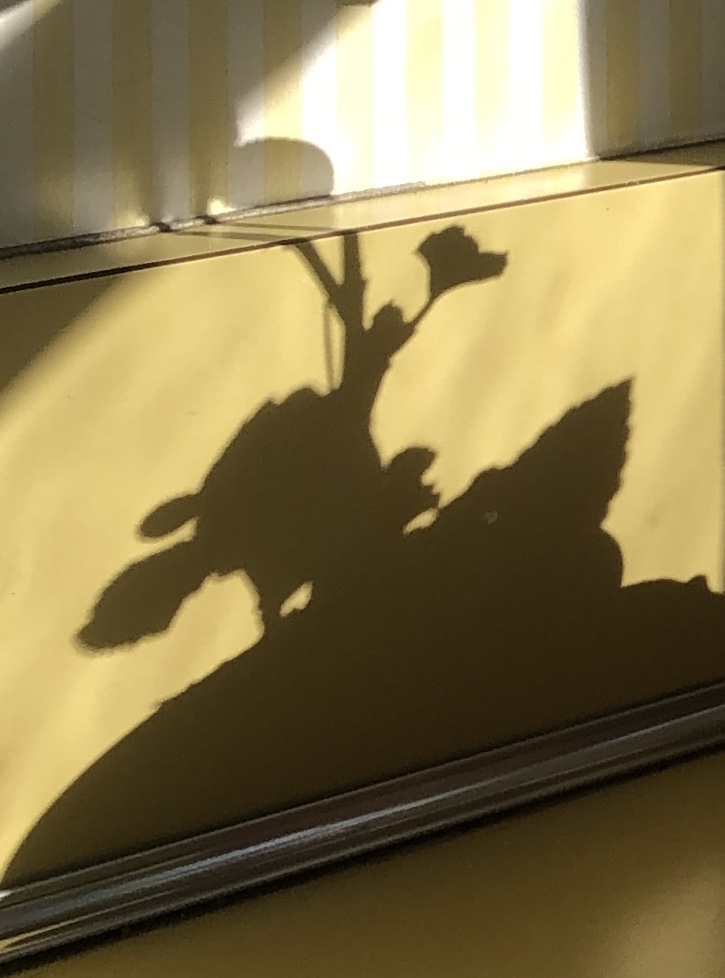
This is not a planter Suzanne made as a child. No plants here.

This is a planter Suzanne made as a child. Or is it?

Read Full Post »

012920-window-ConcrdMa

I wanted to do another photo post but didn’t have very many photos. That’s mainly because I have been doing my daily walk indoors when it’s not nice out. ‘Round and ’round indoors. Kind of dull.

So I went to a couple free art exhibits, and now I have more pictures.

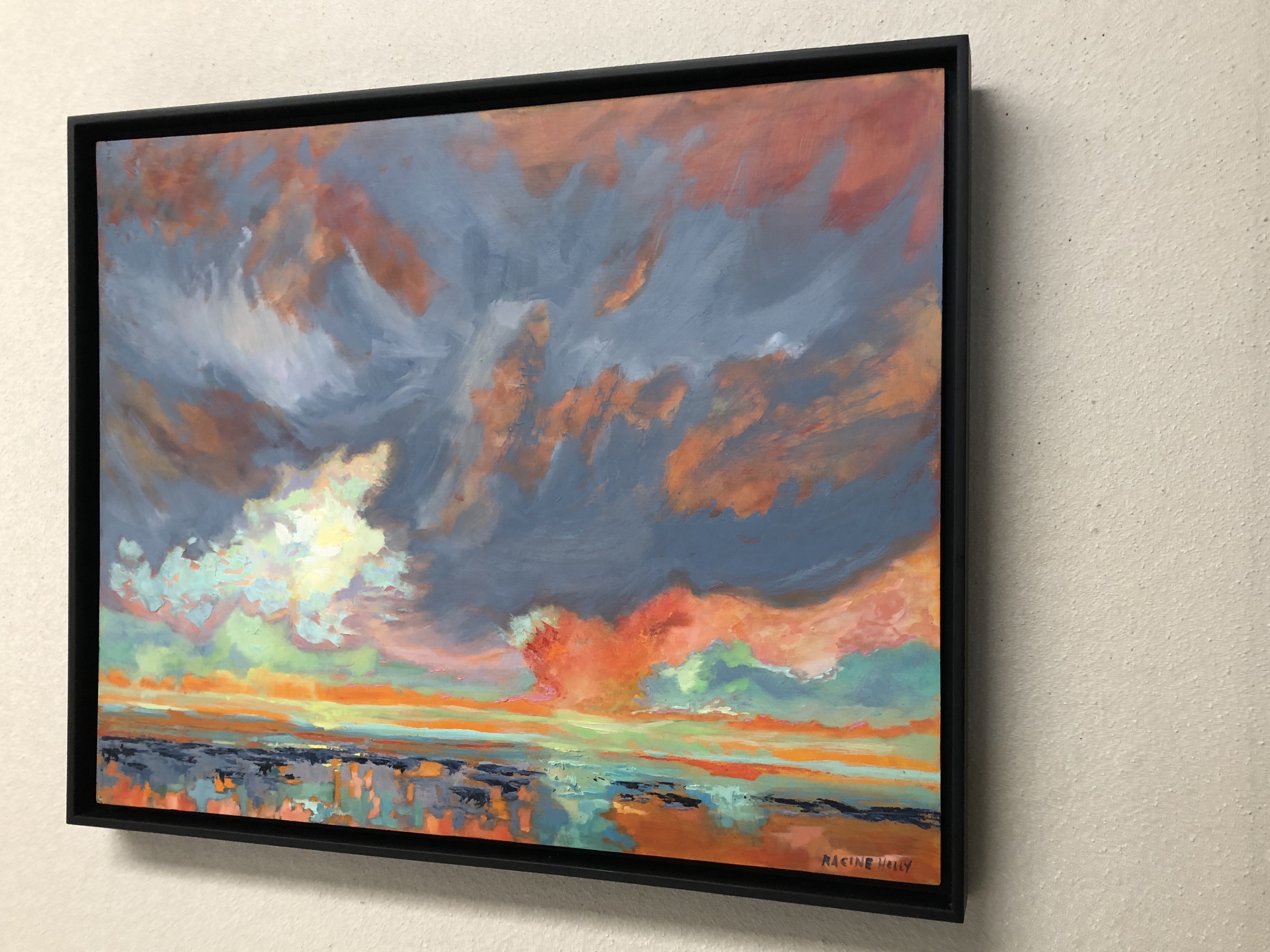
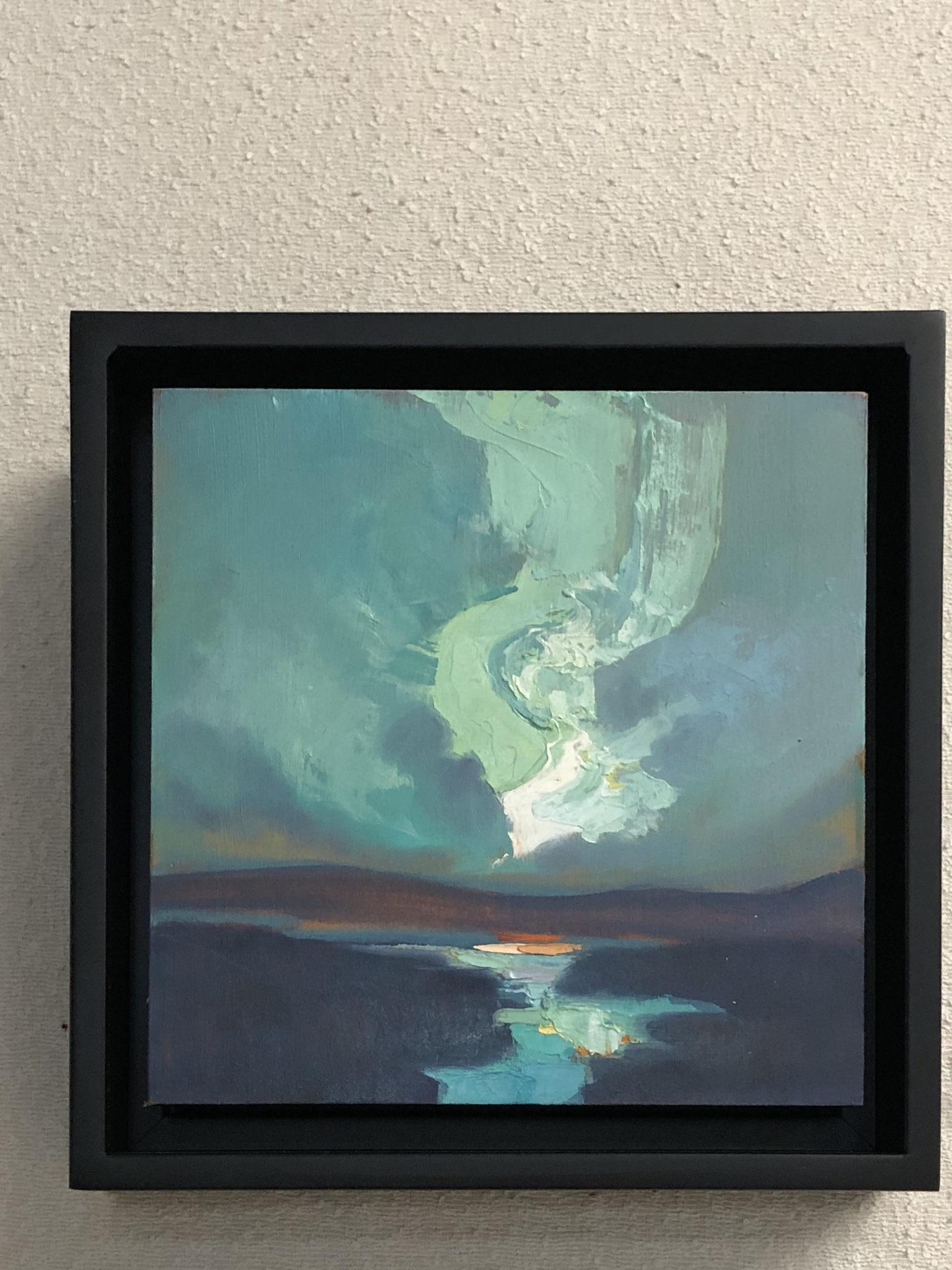
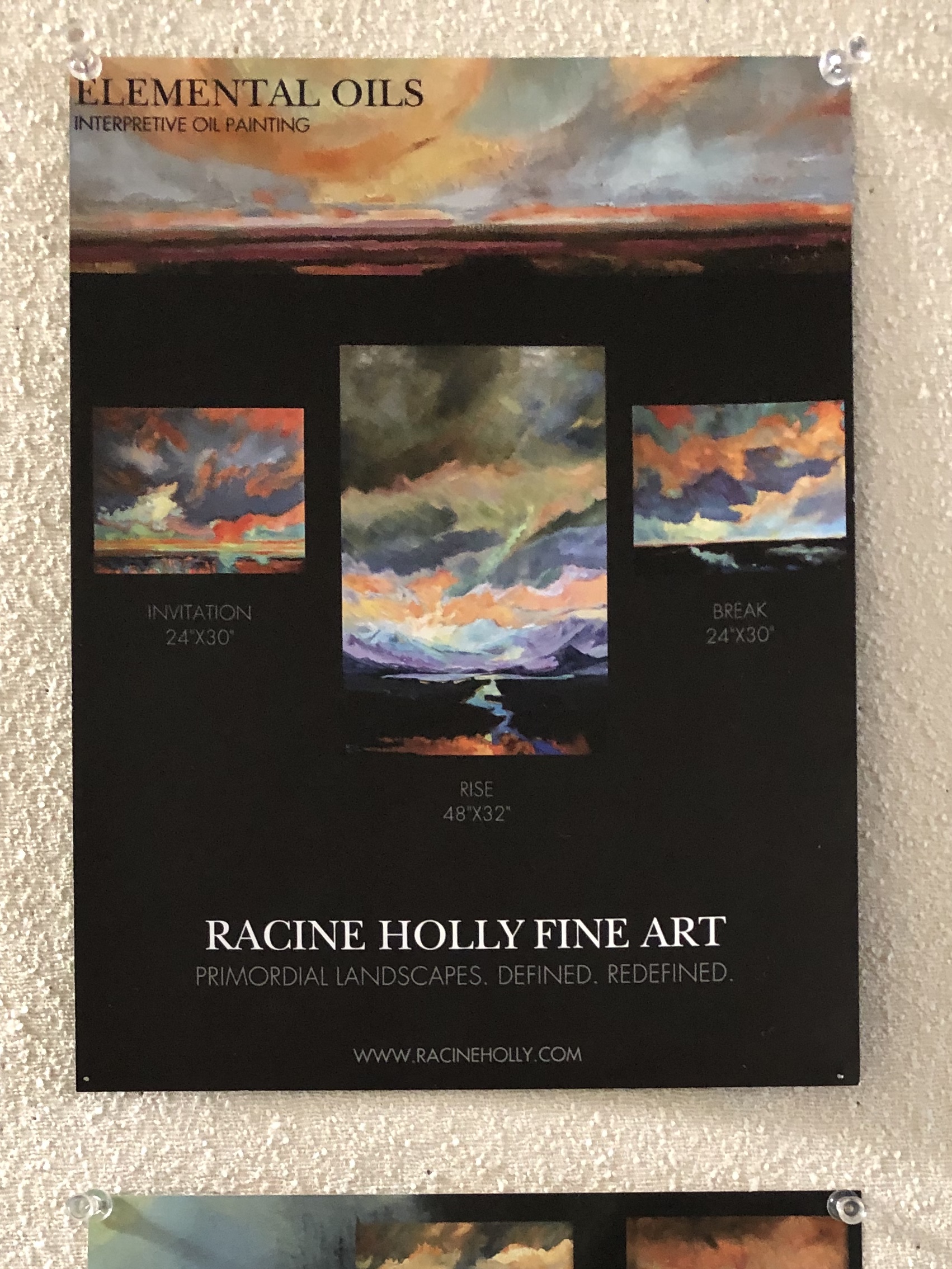
In Providence, Racine Holly was showing some dramatic skies at a church. When I went in, I didn’t see anyone around. Very trusting. I could hear construction workers talking behind a screen at least. I’m sharing the two oils I liked best. They both had “sold” stickers. The second one was tiny.

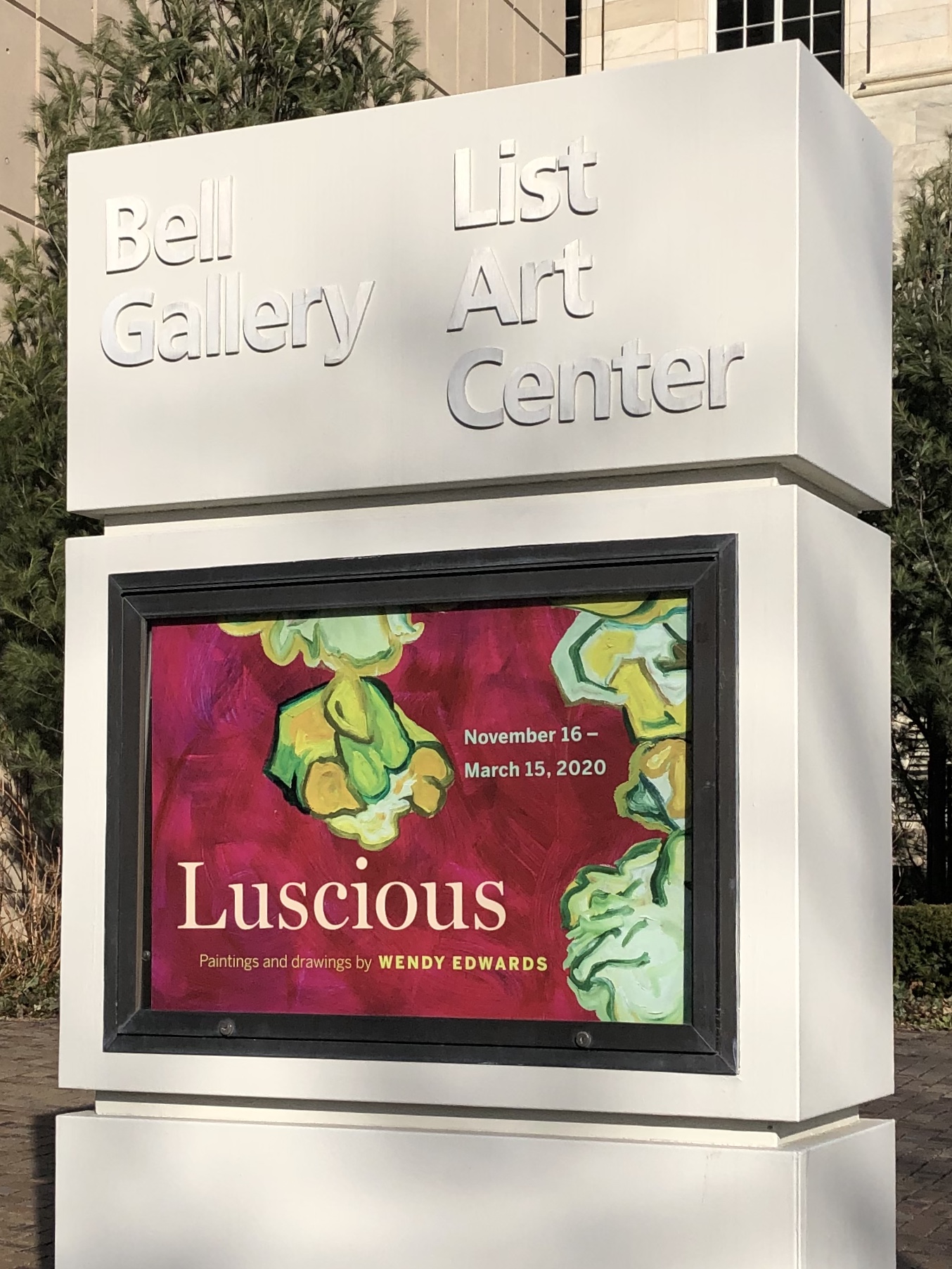
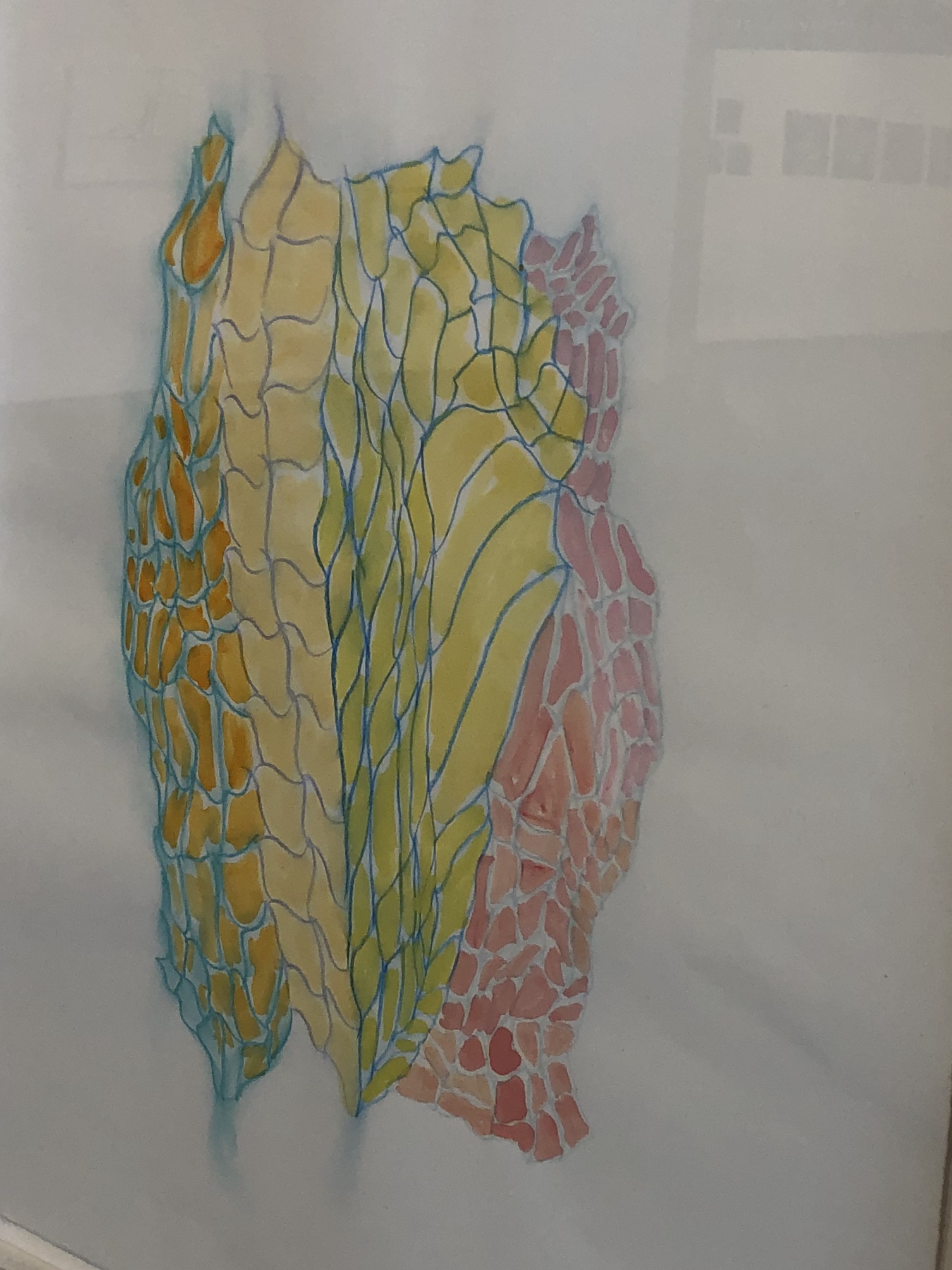
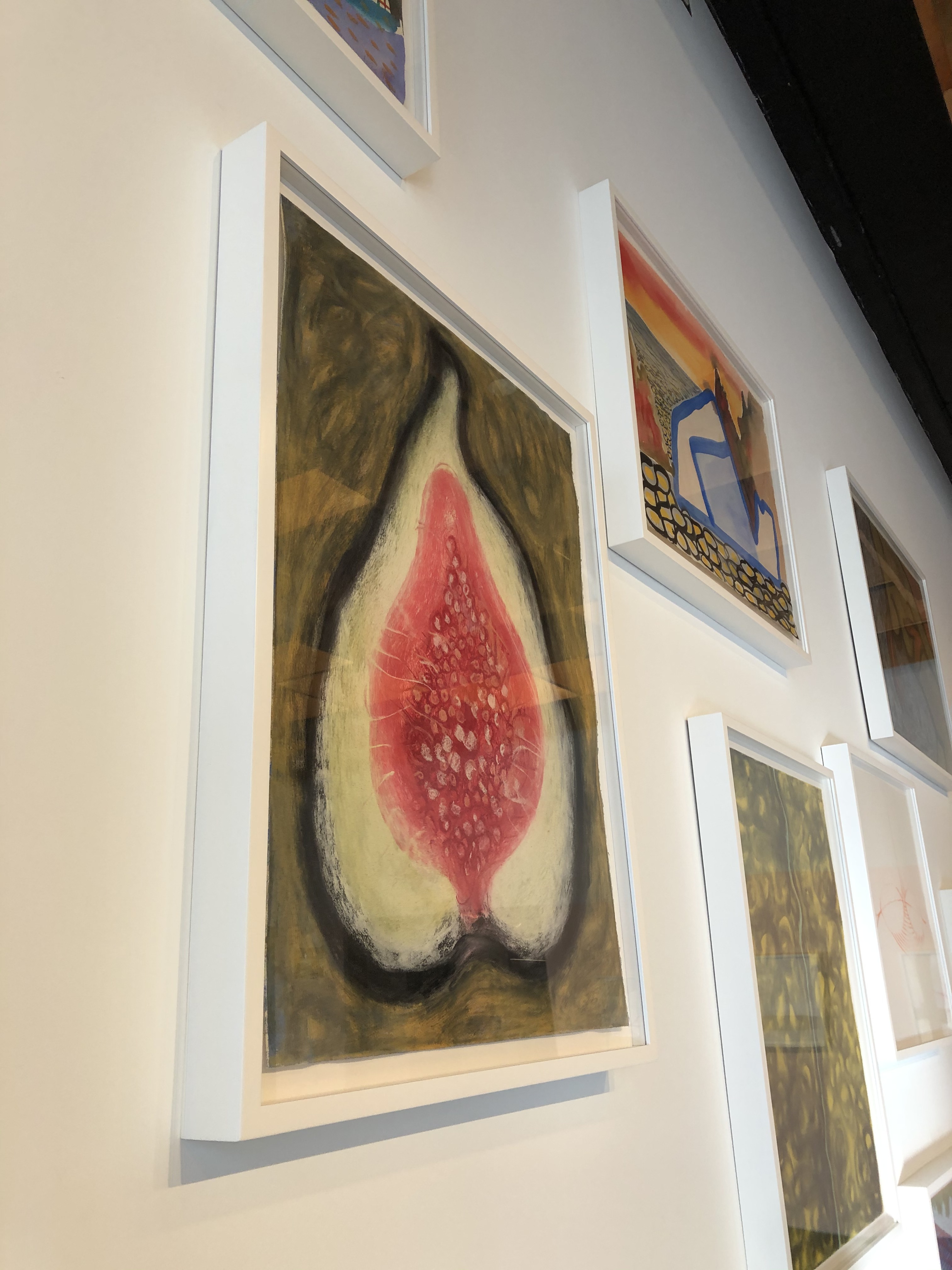
Then I went to the Bell Gallery at Brown University, where there was a show of work by Brown art professor Wendy Edwards that had been recommended by critic Cate McQuaid at the Boston Globe. I find I like art that McQuaid likes.

021720-free-Providence-art-gallery

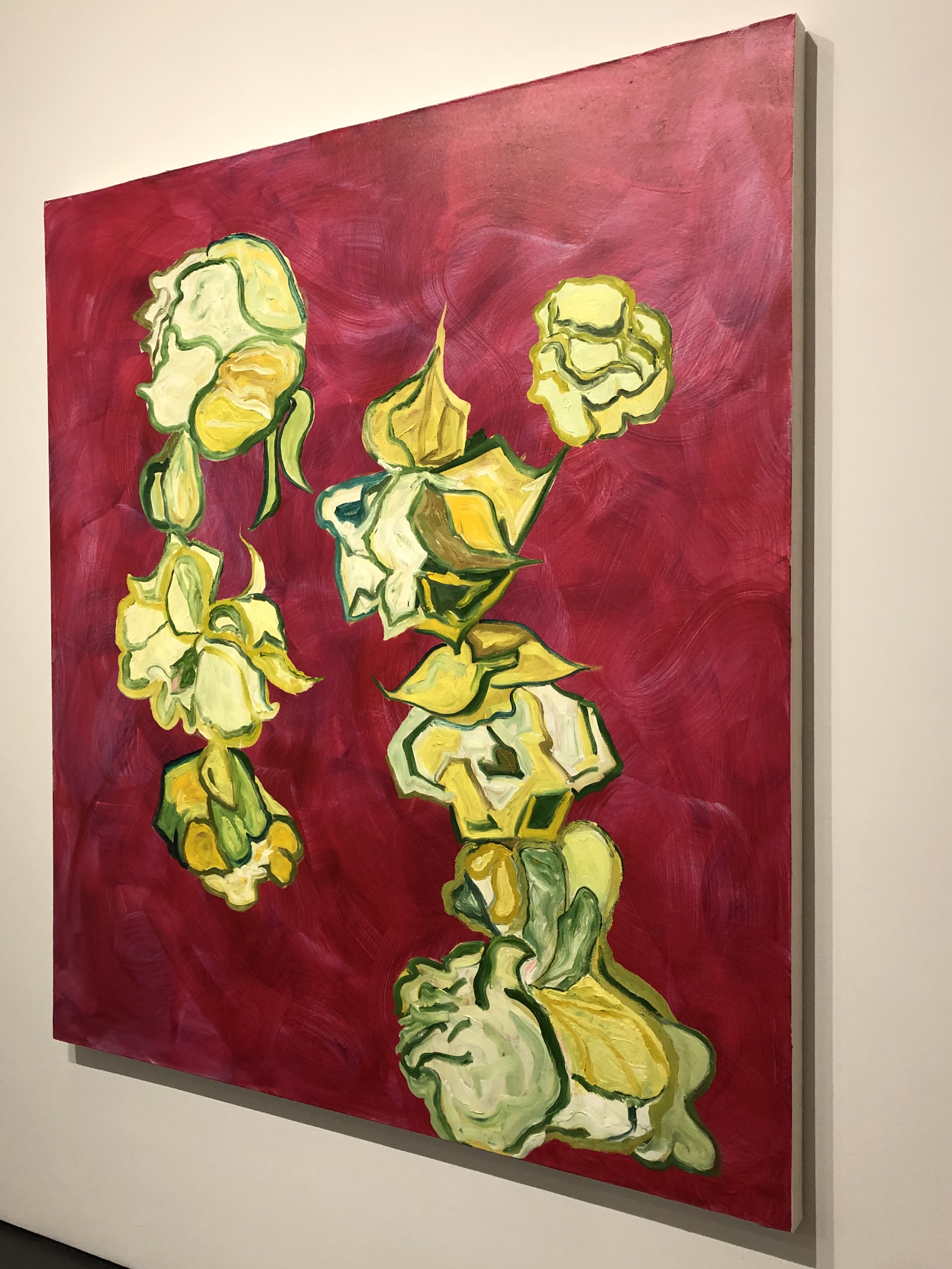
This artist had a lot of works related to reproduction. The giant peach looks great in the Globe article but up close was “too buch for be,” to quote the Elephant’s Child. Below are a few paintings I liked better.

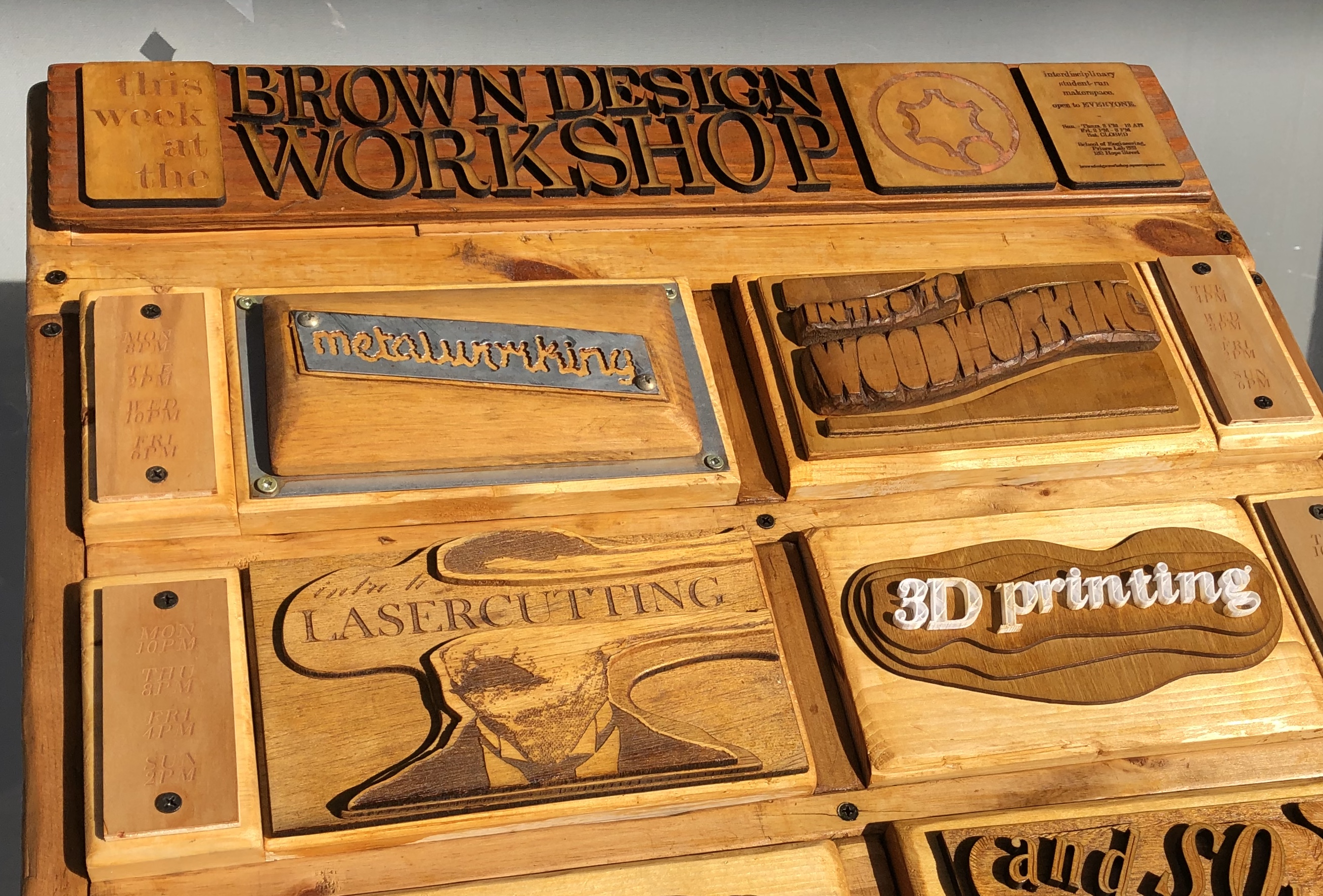
While at the Bell Gallery, I also took a picture of a Brown University Design Workshop pedestal that I didn’t quite understand. It looks like a range of stamping techniques carved in different styles. But if you used one as a stamp, the words would be backwards. It’s probably just to show potential clients what can be done.

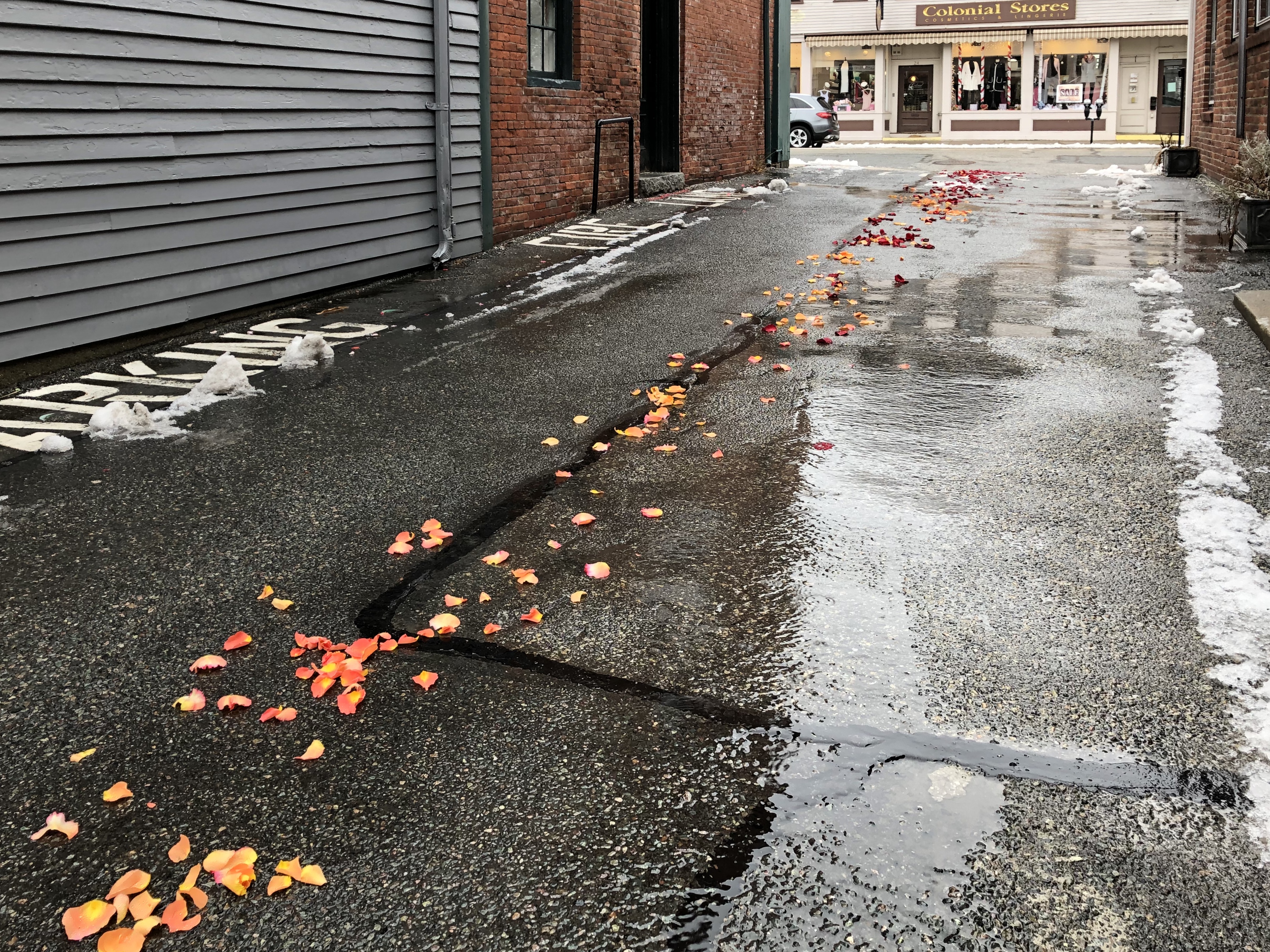
The final six photos reflect recent travels in Massachusetts and Rhode Island. Note the path of rose petals a clever florist scattered to her door for Valentine’s Day shoppers to follow.

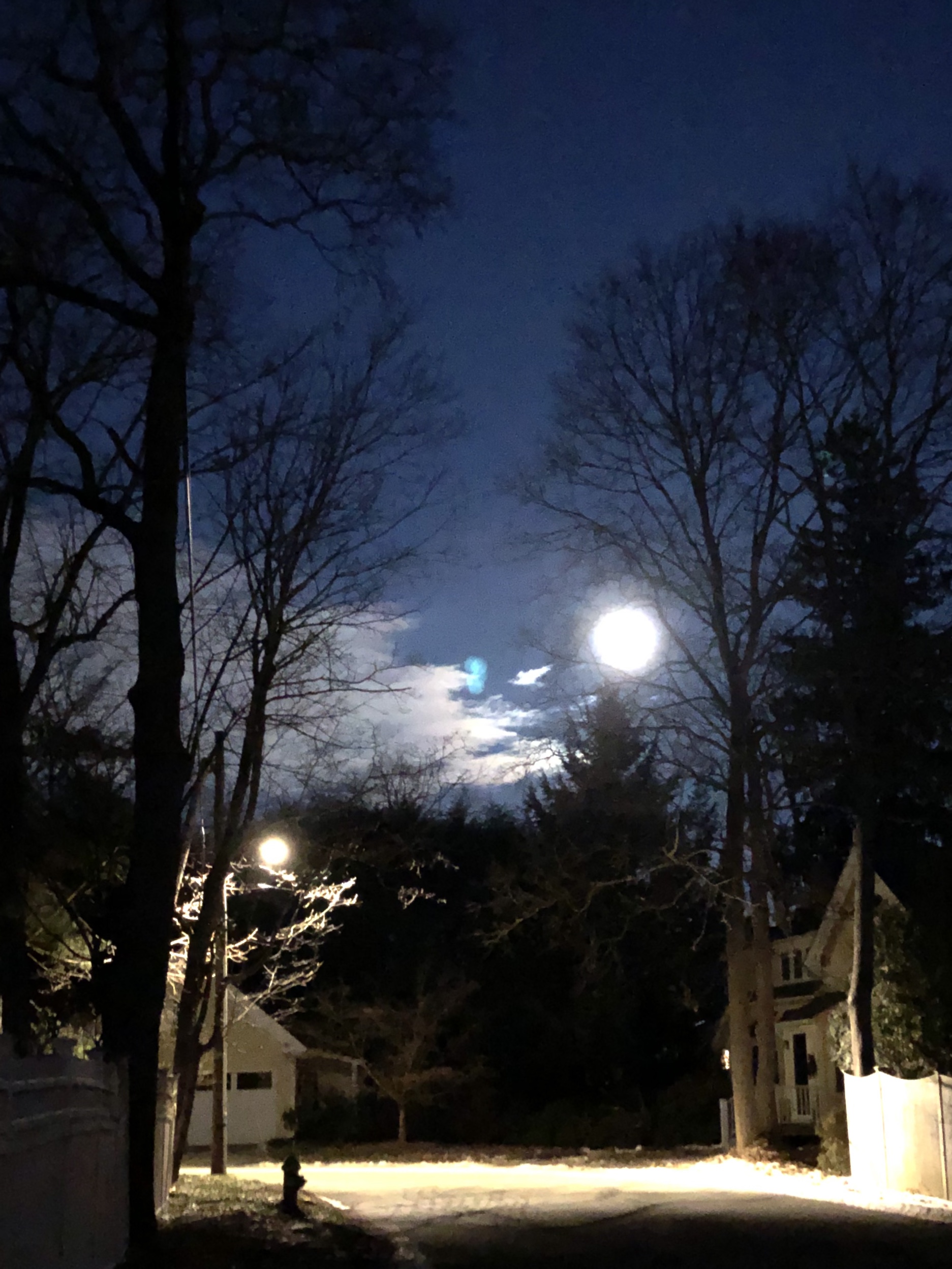
If anything needs more explanation, please let me know in Comments. (Did you get where I’m trying to imitate Magritte?)

021720-dramatic-Racine-Holly-sky

021720--small-Racine-Holly-painting

021720-exhibit-in-Providence-church

021720-no-idea-but-I-like-it

021720-artist-Wendy-Edwards-likes-fruit-with-seeds

021720-Brown-U-art-prof-shows-where-you=-come-from

021720-Brown-U-Design-carved-pedestal

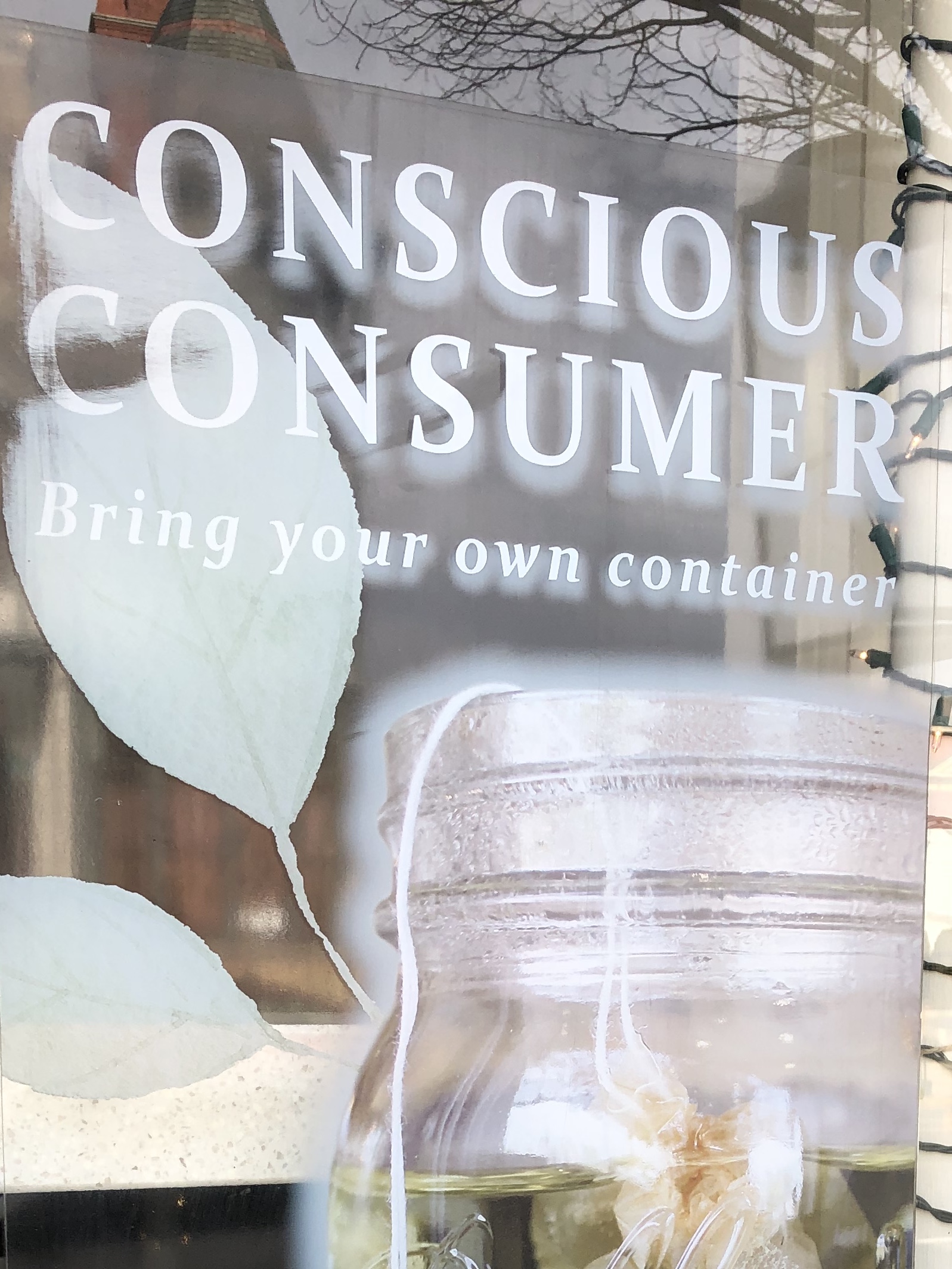
020320-bring-your-own-container

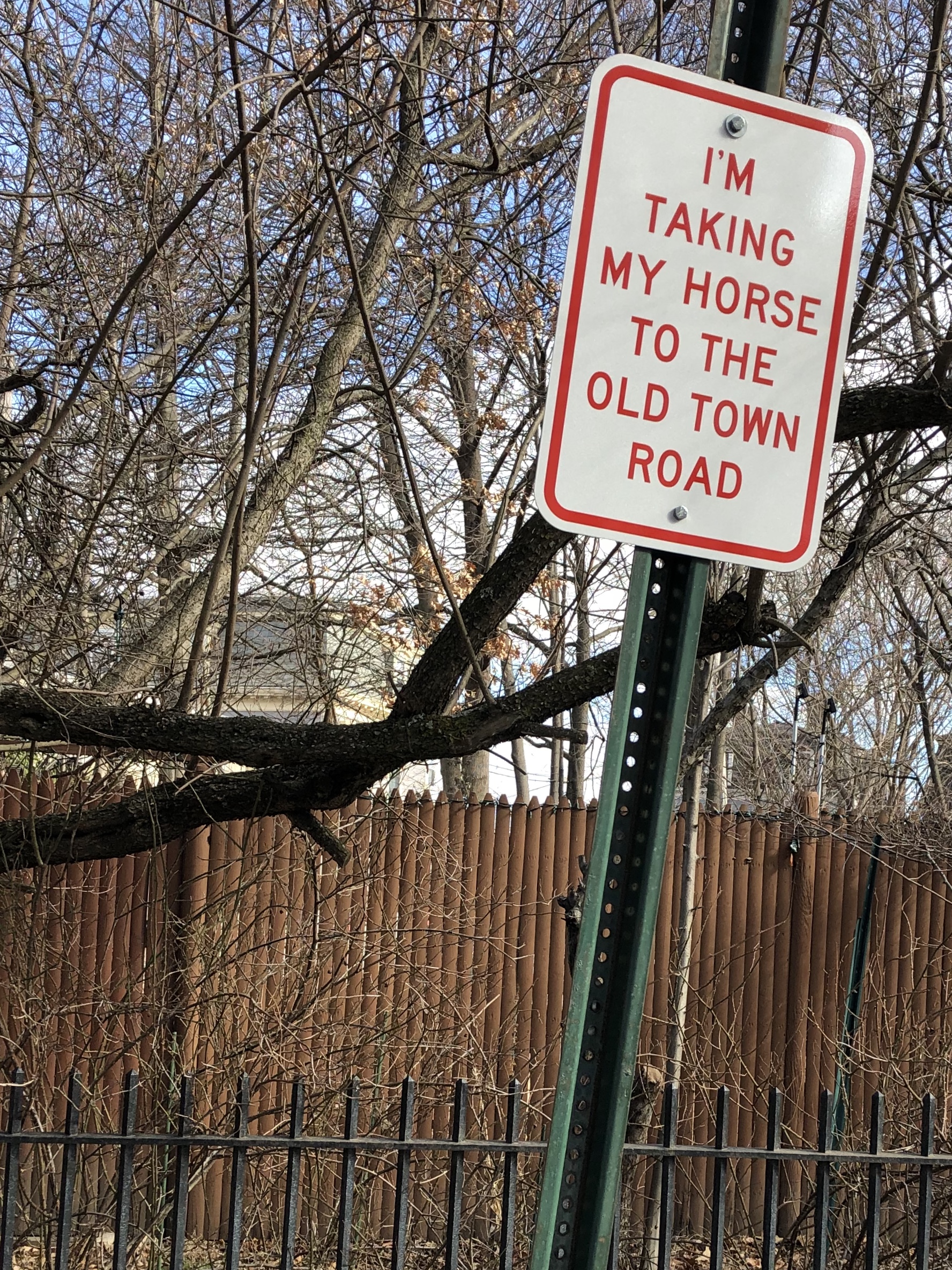
020320-sign-in-Providence-about-a-horse

021320-rose-petal-path-to-florist

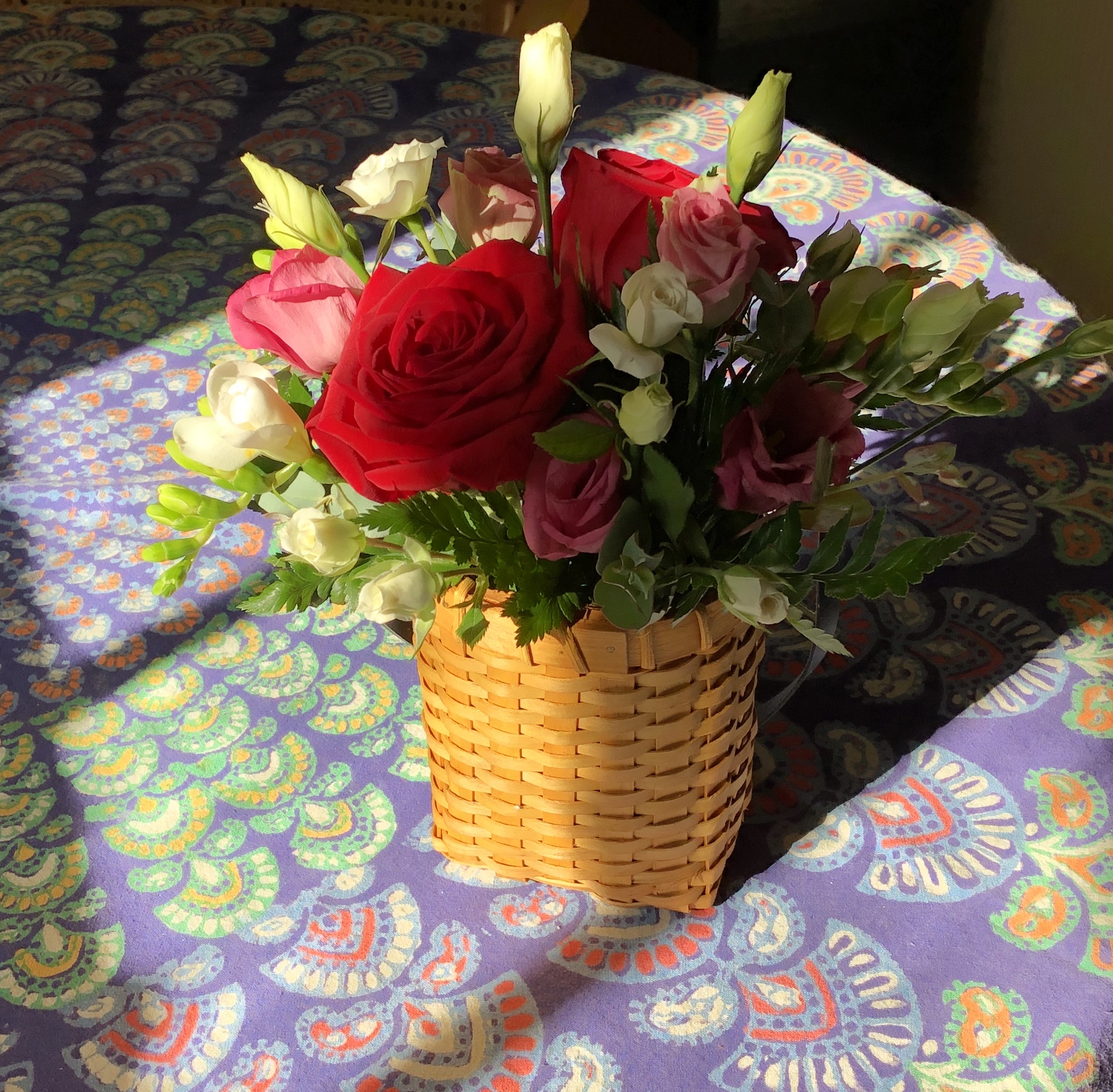
021420-bouquet

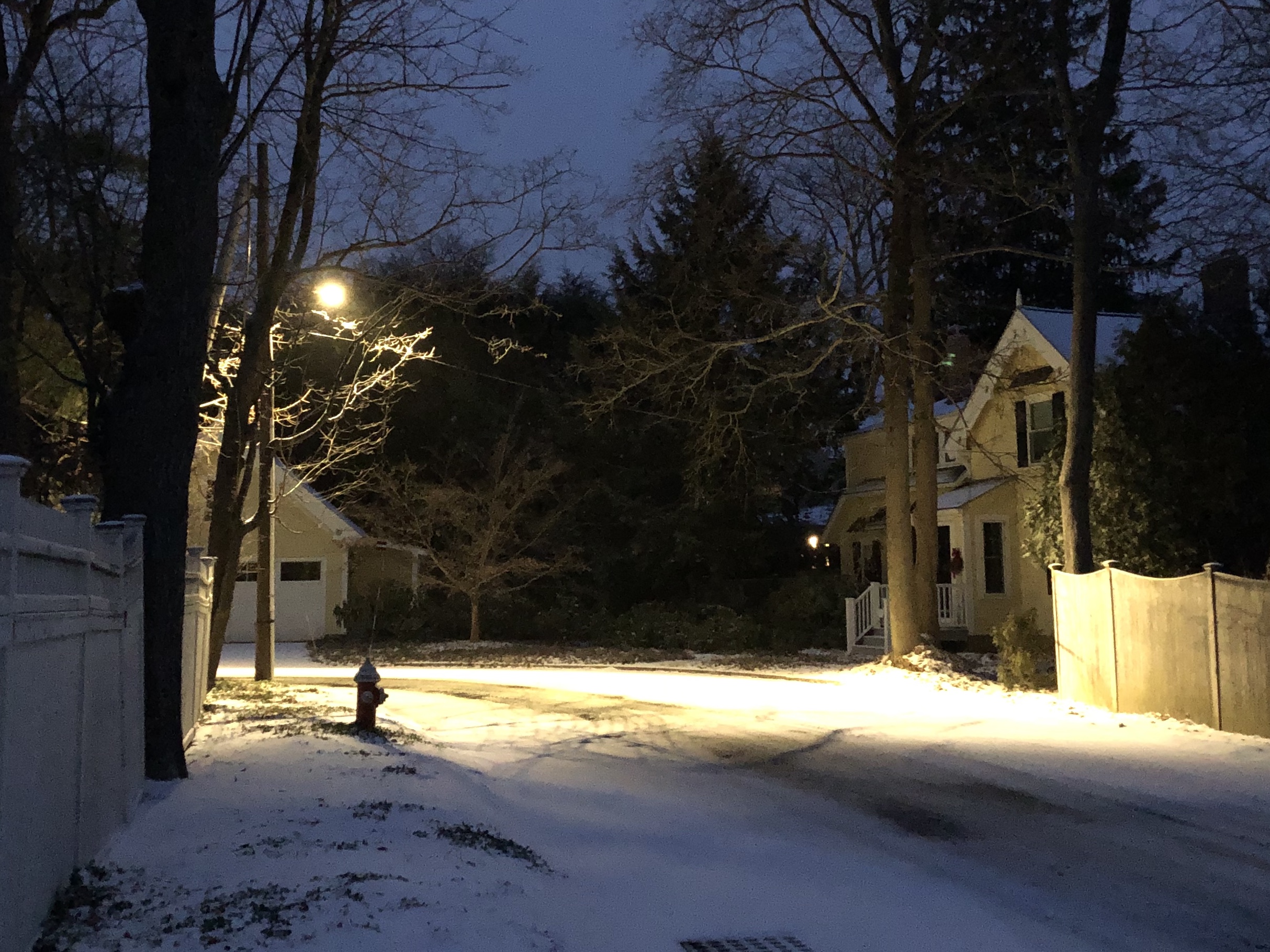
020620-Magritte-in-the-neighborhood

020820-Magritte-moon


Read Full Post »

We went downtown to have lunch at the Whitney Museum with friends and to take in the Real/Surreal exhibit.

Favorite artists like Charles Sheeler, Mardsen Hartley, and Grant Wood were featured. I liked the eerie emptiness of Edward Hopper’s “Seventh Avenue” and the anxious denizens of George Tooker’s subway world.

Sounds unnerving, but in surfacing the alienation, I think the artists make one feel the possibility of getting a grip on it.

Afterward, we walked up Madison, stopping at a gallery in the Carlyle Hotel that was showing Magritte works, some for sale.

I have always liked Magritte, with his bowler-hatted men blocked by giant green apples and his nighttime streets overarched by daytime skies. And I especially like him because once in a workshop, I directed a Tom Stoppard one-act play inspired by him, After Magritte. It was the best fun!

Read Full Post »

Do you remember seeing a René Magritte painting called “Ceci n’est pas une pipe”? It took me a while to get what he meant. It was a picture of a pipe, after all. Why would he call it “This is not a pipe.”

(Oh, right. It’s not a real pipe. You can’t fill it with tobacco. You can’t smoke it.)

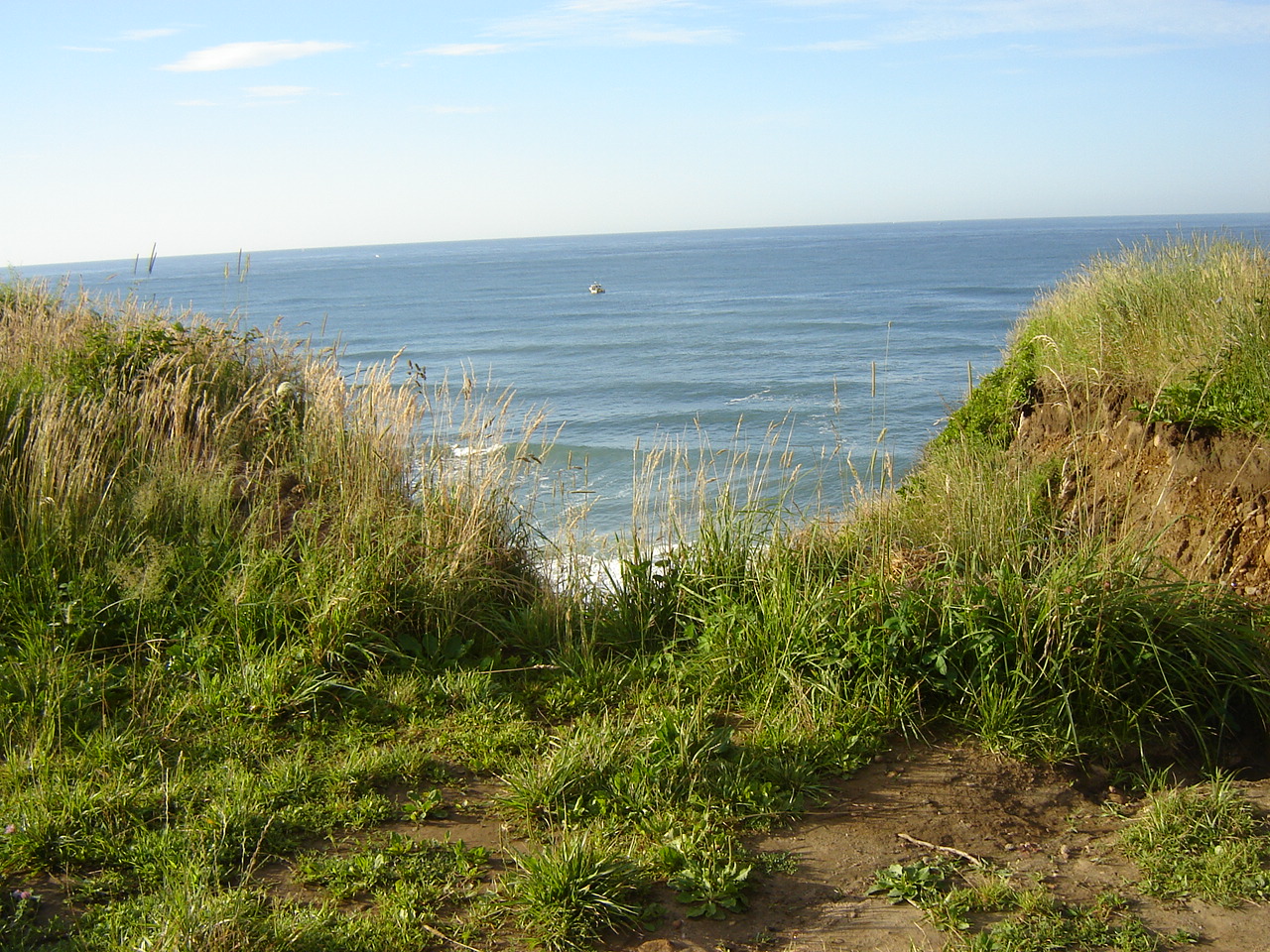
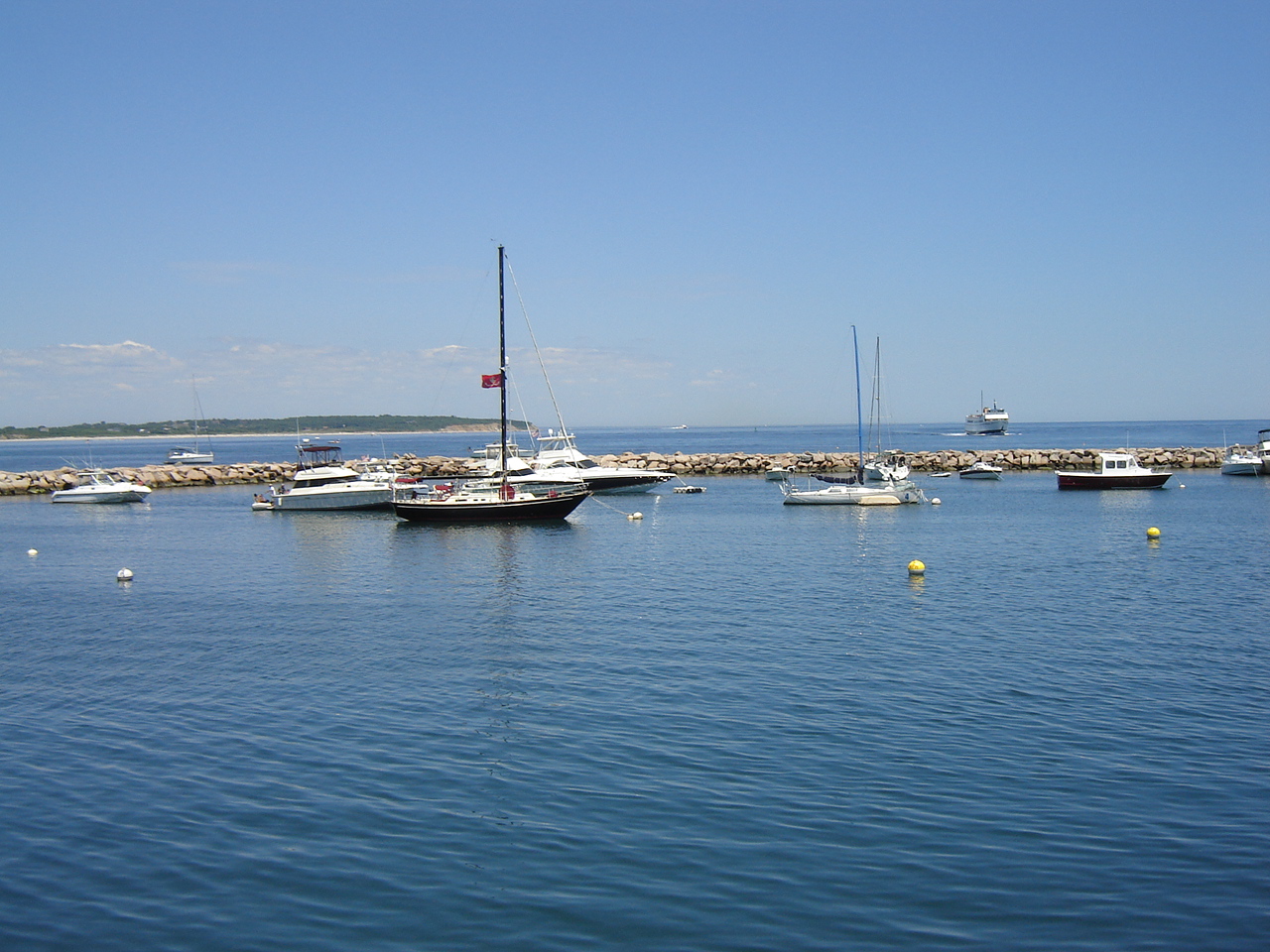
In the same spirit, I am posting pictures of not-summer.

On a warm July day, I took my photos of blue skies, beach paths, and small boats, and the next thing I knew we were having a Labor Day clambake. Within two days, summer was over, and a curtain of cold, windy rain descended. Along with the September mindset, my husband says.

Ceci ne’est pas l’été. Au revoir.

Read Full Post »