Feeds:
Posts
Comments

Posts Tagged ‘painting’

It’s amazing how much the arts can help people.

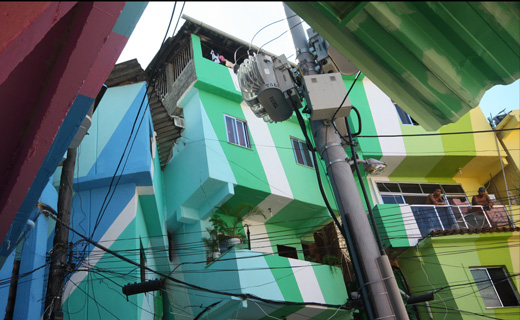
I have blogged about programs that use the arts to turn convicts toward something positive, to build up the self-worth of the homeless, to turn Brazilian slums into more hopeful places. The list goes on.
Recently ArtsJournal.com alerted me to a BBC story on an arts initiative that helps veterans reacclimate to civilian life.

“Many veterans are turning to charities for help. One is using the unlikely weapon of art to help fight the psychological wounds of war, while another organisation is actively encouraging artwork in the army. Outside of the [national health service] the charity Combat Stress is the biggest provider of support to armed forces veterans with conditions such as post-traumatic stress disorder (PTSD), depression and anxiety.

“Art therapy is one of the treatments it uses. Drawing, sculpting and painting are helping patients manage their symptoms with great success.

” ‘Traumatic memories take a different path from our normal memories and tend to be frozen in the body in the central nervous system,’ explains Janice Lobban, who has been a trauma therapist at Combat Stress for the past 10 years. …

“Group sessions typically begin with the therapist giving a one or two word brief to inspire creativity before veterans are given a selection of materials for painting, modelling or writing. After 45 minutes of quick work, the group then get together to talk about and describe what they’ve just created.

” ‘I try to keep a blank mind and just let images and feelings rise out from my unconscious to my hand and things start appearing,’ says Richard Kidgell … who served in the Royal Air Force from 1978 to 1985. ‘What surprises me is that while I’m drawing I don’t know what it is — they’re just images, but by the end of the session I’ve made a complete story. It’s quite enlightening as sometimes I’m not entirely sure what I’ve drawn until I speak to others about it.’ ”

Read more of Genevieve Hassan’s story on arts therapy for veterans here.
Read Full Post »

I have not been blogging that long for Luna & Stella, but already interesting things have happened. For example, one customer who found the blog decided Suzanne’s Mom was OK and probably Suzanne’s business was, too. She became a Luna & Stella customer.

Another interesting thing occurred after I blogged about an artist I once knew, Lucille Corcos. I had written her up with the goal of creating an entry for her on Wikipedia. (The entry is still to come. I need a good block of time to make the changes Wikipedia asked for.)

Soon I began to notice in my WordPress site statistics that someone was doing Internet searches on “Lucille Corcos.” I wondered if it might be one of her sons. Sure enough, I eventually received an e-mail from artist Joel Corcos Levy, saying, “Who are you and when were you in our house?” So I e-mailed him, and we had a nice back-and-forth. He generously sent me a piece of his mother’s art, an illustration for a children’s book.

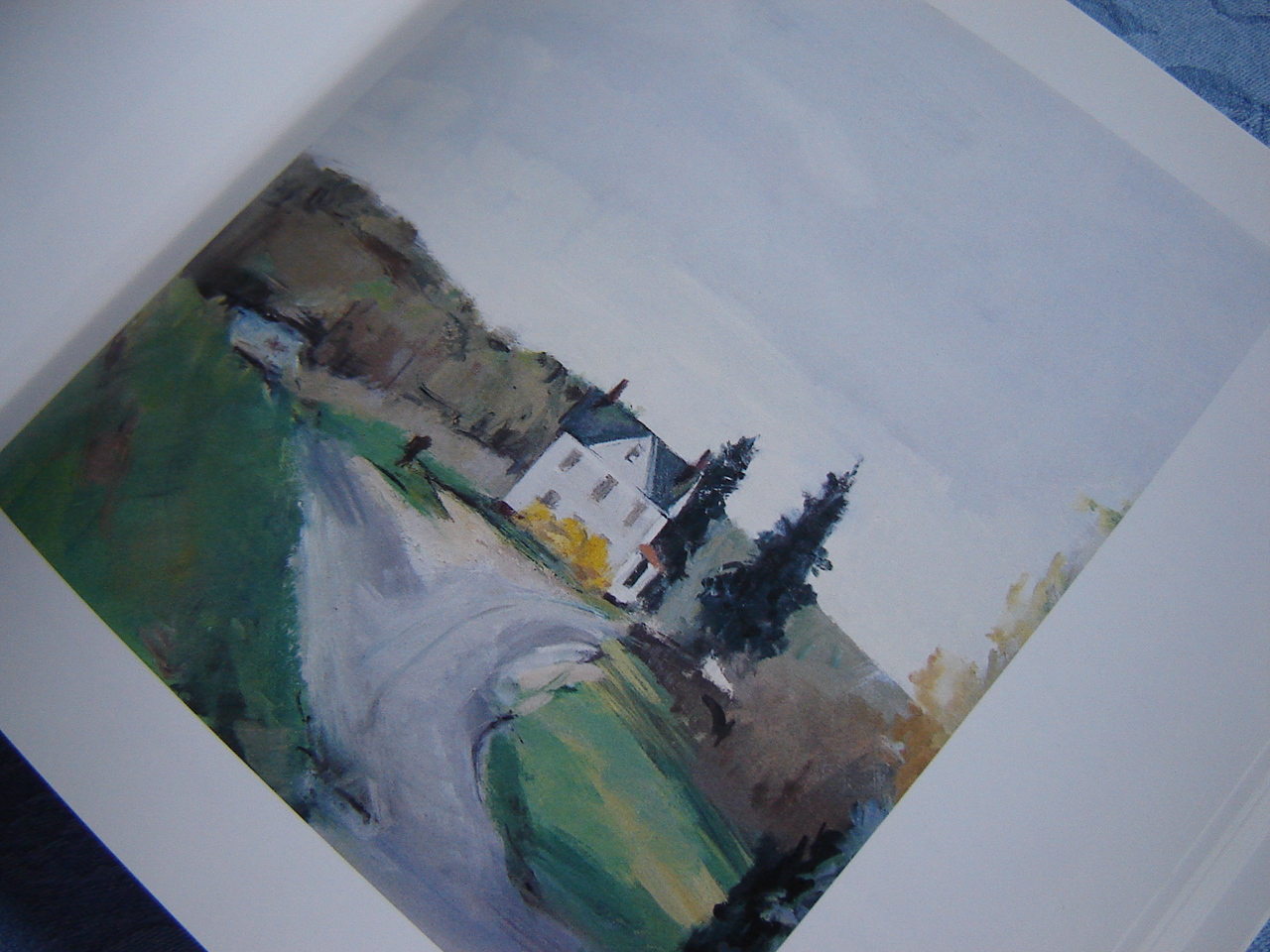
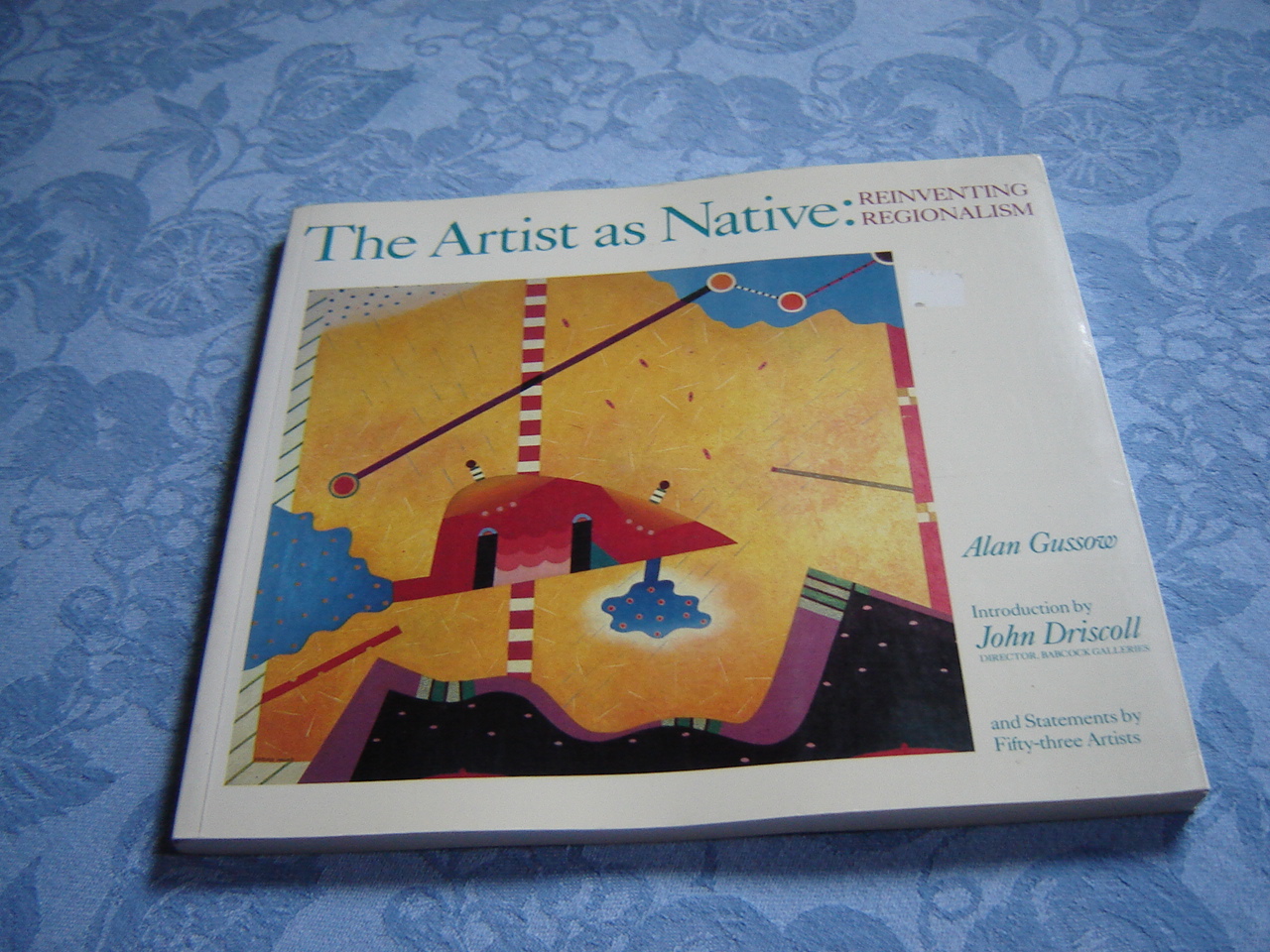
Joel himself appears in an art book called The Artist as Native: Reinventing Regionalism, by Alan Gussow. The book features Joel’s painting of the Davies farmhouse and pine trees. Nice, huh? The other selections are great, too.

Not sure if Joel is OK with having this on the web. I’ll take it down if asked.

Read Full Post »

I’ve been thinking of Lucille Corcos the last couple weeks. I have no idea why, but I hope eventually to reconstruct the train of thought that led to her. She was an artist I knew when I was a child. I rediscovered her art in the 1990s in a Minnesota museum. That was when I realized I love it.

Since Corcos wasn’t in Wikipedia, in spite of having works in museums, I taught myself how to write a Wikipedia contribution and am just waiting for the Wiki experts to let me post it.

As Cipe Pineles Golden and Martha Scotford write in Cipe Pineles: A Life in Design (New York: W.W. Norton & Co., 1999), Corcos and her artist husband, Edgar Levy, moved from New York City to the artsy South Mountain Road in Rockland County, New York, in 1941.

“Corcos was a successful painter and illustrator by this time. In the 1930s, fashion, culture and home magazines published her work and her popularity continued into the 1960s. Cipe Pineles’s close friendship with Corcos had begun when Pineles commissioned Corcos’s work for Seventeen and Charm. Her humor in personal interactions and in her art made her an engaging collaborator. Corcos’s paintings were densely packed with many small stories and commentary. The compositions had detailed multiple subjects; perspective and scale were distorted for practical and expressive purposes. This new modern primitivism was considered part of a native tradition in American art and its ‘unacademic’ nature was celebrated. Corcos’s subjects included rural landscapes and urban scenes, ranging from Christmas Eve, Rockfeller Center to The Oyster Party  to Everybody Meets the Boat. In addition  to doing commissioned illustration, Lucille Corcos built her career as a fine artist and was a steady participant in New York gallery shows from 1936 to 1954. During the same time, she was a part of major exhibitions in Chicago, Pittsburgh, Philadelphia, Washington, D.C., and other institutions in New York.”

I found a few other tidbits about her by Googling around. For example,  I found an article in the July 12, 1954, issue of Life magazine that shows two Corcos paintings, one of her life in winter in Rockland County, another of activities around her Fire Island house in summer. And here is a 1950 painting of her Fire Island house. I remember the house well.

Levy was often spoken of as the great artist in the family, with his numerous Picasso-esque paintings of his wife as mostly feet and eyes, but my mother pointed out that Corcos herself had an art career. Levy is not in Wikipedia either, but I leave it to an admirer of his art to fix that lapse.


Read Full Post »

« Newer Posts