Feeds:
Posts
Comments

Posts Tagged ‘peat’

Photo: Corinne Staley, Flickr, CC BY-NC 2.0.
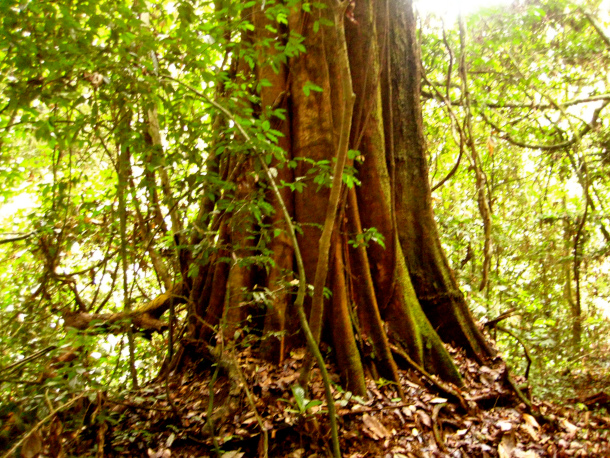
The Congo basin is home to numerous endemic plant and tree species, but today there are serious threats to the health of the ecosystem.

Peat bogs are the last thing I picture when thinking about the Congo. Shows how ignorant I am. Apparently, I am not alone. As the radio show Living on Earth reports, “Western scientists only learned about the Congo Basin peatlands in 2017. But indigenous communities have avoided disturbing the peatland while sustainably hunting and fishing in the area for generations. Raoul Monsembula grew up in the area and now works with Greenpeace Africa. He spoke with host Bobby Bascomb for a local perspective on the region.

BOBBY BASCOMB: “This area is new to the western world but, of course, local people have known about it for generations. Can you tell me a bit about your relationship with the peatlands and how the communities surrounding it used the area?

“RAOUL MONSEMBULA: The elders said to us it was a productive area for the fish and animals, and we could only do seasonal fishing and hunting, and collect some firewood because it’s a fragile area, where the fish and animals reproduce. We only use it during the dry season. We don’t go there during the wet season when the animals are reproducing.

We were advised by our elders to never start a fire in these areas, because these areas were essential for food. It’s also an area where we practiced traditional ceremonies.

“And you don’t see a lot of hospitals here but you don’t see people dying a lot because they’re using medicinal trees from the peatland and eating forest fruit.

“BASCOMB: So as a scientist from the DRC who grew up there, you spent your life in this region, how surprised were you to learn about the enormous amount of carbon locked up in the soil there?

“MONSEMBULA: When the scientists came here and we learned about the peatland, that night it was one of the biggest celebrations I’ve ever had in my life, we danced and we drank with the villagers because even if we didn’t know about the peatlands for a long time we knew that they were special. Even as we now begin to scientifically understand what this area means, the elders knew for a long time that this area would benefit humanity. This discovery made us very happy even if we were unsure if carbon would have any financial significance or not! It’s as though we are helping the world fight against climate change. …

“The problem is in Indonesia they are growing a lot of rice and palm oil crops in the peatlands, so the youth think why not grow them here too because it’s easy money. Most of the young people, the ones who are less than 25 years old, some of whom are unemployed or not well educated, want to do things like that.

“BASCOMB: Well you know the Congo Basin, the rain forest there, is second only to the Amazon of course in terms of being the largest rainforest in the world but unlike Brazil the Congo basin hasn’t really seen a whole lot of development but what are you seeing on the horizon in terms of possible development and threats to the integrity of the peatlands?

“MONSEMBULA: Logging is nearing the peatlands and agribusiness is growing. And the growing population can be problematic because it will encourage the development of more rice crops or palm oil crops in the peatland.

“That can be a problem because with a larger population if people can’t make a living, send their kids to school or go to the hospital they will damage the peatland by logging ecologically valuable trees to sell the wood and once they do that the peatland can dry. …

“BASCOMB: How can the Western world, do you think, support people living in the Congo Basin to preserve this thing that’s so important for all of us but at the same time support the people that need development?

“MONSEMBULA: The problem is that we need donors. We need western countries who are creating a lot of pollution to give some money for peatland protection. But another thing is corruption. You know how bad governance is in Central Africa. Like right now in the DRC we are hearing about millions of dollars going to the Central Africa Forest Initiative, they are giving a lot of money but when you’re in the field you don’t see anything. There is now a very big forest community project which is funded by international NGOs like Greenpeace, not the DRC government. We don’t want people to donate through the government ministry. With the corruption and bad governance that money will not go to the field.”

Reading this story on the day after the US elections, I am struck but something. I may be overgeneralizing, but it seems to me that the elders in the Congo have the wisdom, but in the US, it’s the youth. Whoever shows wisdom, I hope we can give them all the support they need.

More at Living on Earth, here.
Read Full Post »

Photo: Dougie Barnett/NatureScot.
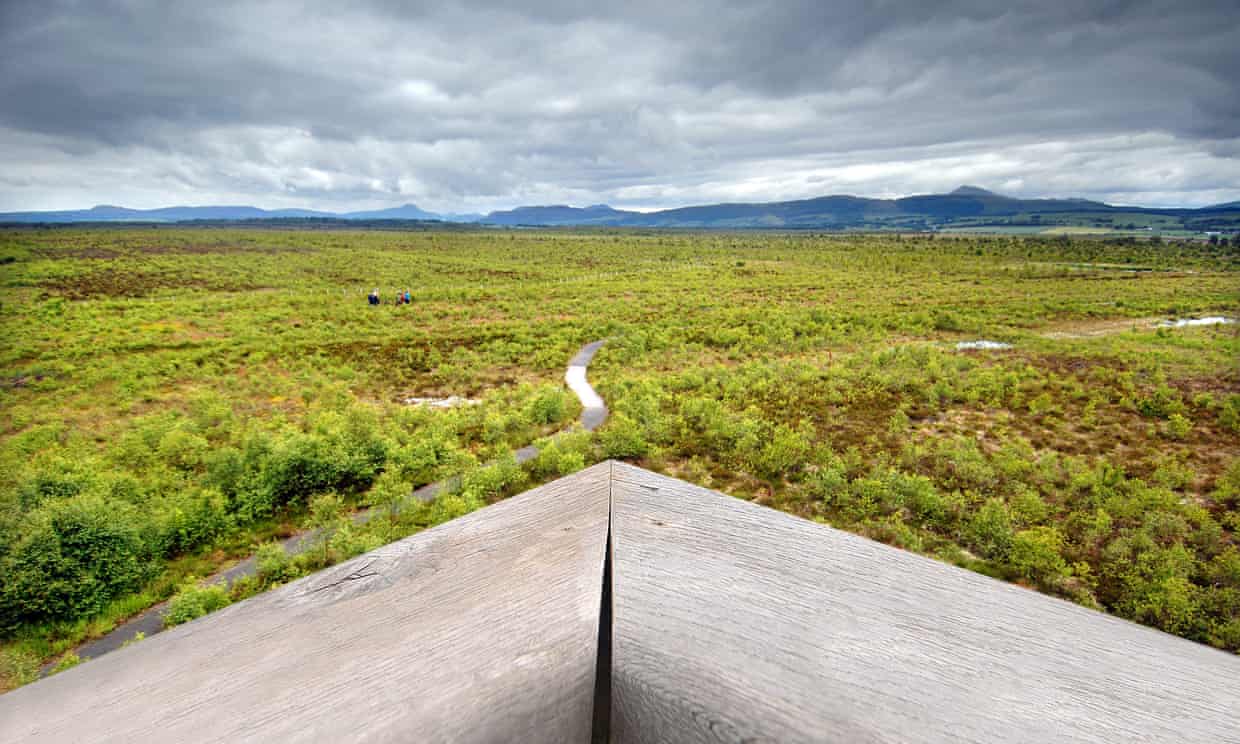
Flanders Moss in Scotland has seen the return of key bog plants such as sphagnum (peat moss) and cottongrass — so important now that we know bogs can store the carbon we don’t want in the atmosphere.

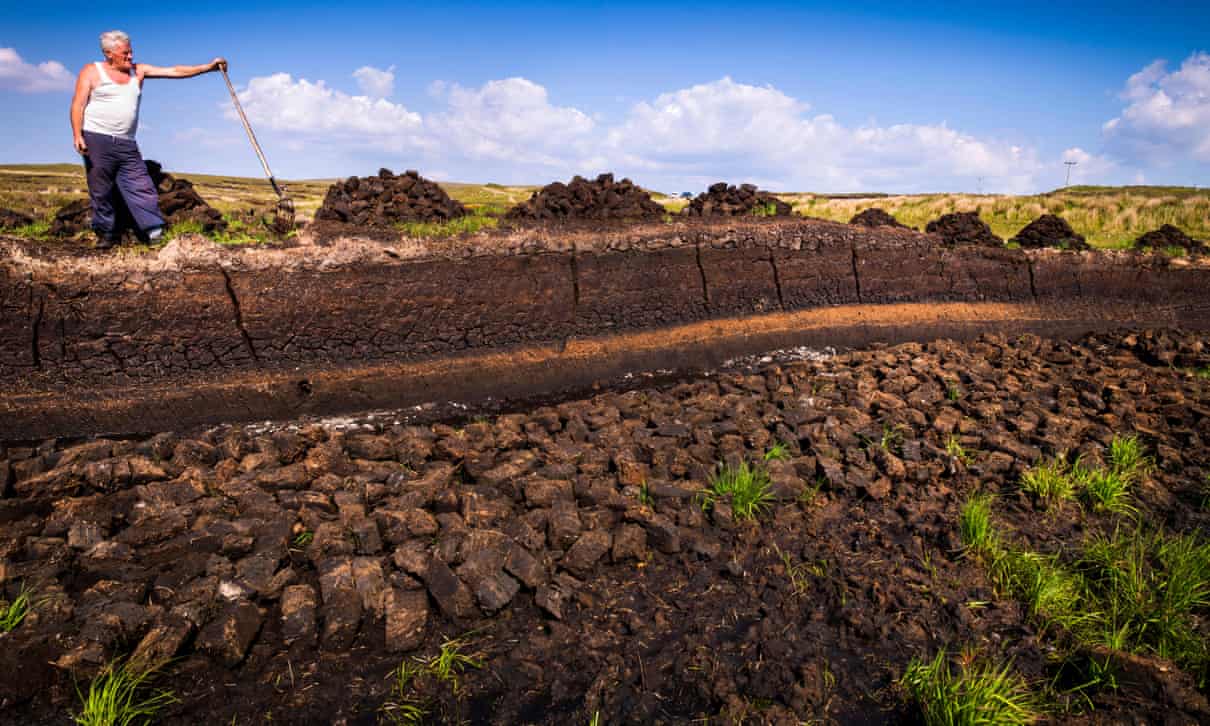
My father-in-law sold peat moss, among other agricultural products, for his entire career. He usually got the peat from Canada, although other people source it from places like Germany and Ireland. In Moat, Ireland, our friend James Hackett relied on peat for warming the house. (Burning it was not the best thing for his health.)

Today’s story is about Scotland’s heightened focus on protecting peat bogs so they can store carbon and fight global warming.

Phoebe Weston reports at the Guardian, “Flanders Moss bog is slumped on the flat, farmed landscape of the Carse of Stirling in Scotland like a jelly fungi. It wobbles when you walk on it, and a metal pole goes down eight metres before reaching hard ground. This lowland-raised bog is a dome of peat fed mainly by rainfall and it acts like a single organism – the whole thing has to be looked after for any part to be in really good shape. If it is drained in one area it will affect the water level across the entire bog.

“For much of human history peat bogs have been thought of as wastelands. This 860-hectare [~2,200 acres] site has been hacked away and drained since the early 1800s to make space for fertile farmland below. …

“It is now recognized that peat bogs are among the greatest stores of carbon and, after decades of restoration, the holes in the peat at Flanders Moss have been patched up. Areas that used to be purple with heather are turning green as key bog plants such as sphagnum (peat moss) and cottongrass come back. The bog rises out of the land like a sponge and ‘breathes’ as changes in the weather and water level cause it to swell and contract.

“Researchers in Scotland are tracking ‘bog breathing’ using the latest satellite technology that can detect just a few millimetres of change. … Thanks to the restoration work, the water table has risen [and] is now at the surface. As the bog draws in water from the surrounding land, it helps manage flood risk. Flanders Moss bog has removed [about 2,200 acres] from the Forth catchment, reducing flooding downstream. …

“The Scottish government-funded Peatland Action project, which started in 2012, is helping revive 25,000 hectares [~61,776 acres] of degraded peatland. In 2020, the Scottish government committed [about $300 million] over 10 years to bog restoration in a bid to lock carbon in the land. …

“It takes about a month to process the satellite data for a third of Scotland, which is available through the Copernicus Open Access Hub. The technology is still in development but is likely to be cheaper than ground-based mapping. …

“Despite these restoration efforts, Flanders Moss is still a net emitter of carbon. … Stopping these emissions and preventing further degradation are the primary objectives of the restoration project.

“Bogs work on a different timeframe than humans. They form slowly … taking up to 1,000 years to grow one metre. But [David Pickett, who manages the site with his National Nature Reserve] team has jump-started recovery. ‘We’ve done most of the big work here,’ he says. ‘Now, it’s a question of waiting. The process of fixing this site will last 100 years, and the benefits of work being done now will only be seen by the next generation.’

“It’s easy to see why bogs weren’t popular. They are stores of partly decayed organic matter, which are too acidic and devoid of nutrients to support healthy trees. But this bog is colorful and has a fresh, earthy smell. As well as being a fantastic store of carbon, this ancient, watery land – healthy peat is about 90% water – is also rich in wildlife, including rare lizards, dragonflies and even snakes.

“ ‘There isn’t headline sexy stuff like puffins and seals but you go around the boardwalk and it’s a fantastic place,’ says Pickett. ‘I always used to think bogs must have been named on a Friday after a really bad week. We’re trying to change the perception of bogs but it’s a hard sell.’ ”

More at the Guardian, here.

Read Full Post »

Photo: Photographic/Scenic Ireland/Alamy via the Guardian.
Burning peat increases global warming, which is why commercial operations are closing, but undisturbed bogs have always been great for keeping carbon
from the atmosphere.

My father-in-law was in the peat moss business back in the day. The Philadelphia company he worked for and later ran was called I.H. Nestor. It sold peat mostly for agriculture, but you may know that peat was also burned for heat, especially in Ireland. My friend, the late great James Hackett, and his family always heated their home with peat, with unfortunate consequences for their health.

Today’s story is about the historical value of peat bogs, an aspect that has been mostly unrecognized until now.

Chris Mooney writes at the Washington Post, “Long before the era of fossil fuels, humans may have triggered a massive but mysterious ‘carbon bomb’ lurking beneath the Earth’s surface, a new scientific study suggests. If the finding is correct, it would mean that we have been neglecting a major human contribution to global warming — one whose legacy continues.

“The researchers, from France’s Laboratory of Climate and Environmental Sciences and several other institutions across the globe, suggest that beginning well before the industrial era, the mass conversion of carbon-rich peatlands for agriculture could have added over 250 billion tons of carbon dioxide to the atmosphere. That’s the equivalent of more than seven years of current emissions from the burning of fossil fuels for energy.

“ ‘Globally [peatlands] are only 3 percent of the land surface but store about 30 percent of the global soil carbon,’ said Chunjing Qiu, a researcher at the laboratory, a joint institution supported by French government research bodies and the Versailles Saint-Quentin University, and the first author of the study published Friday in the journal Science Advances.

“The new finding of an ‘ignored historical land use emission’ suggests that even now, we lack a complete understanding of how the Earth’s land surfaces are driving and modulating the warming of the planet. … Scientists have long worried about the potential for massive amounts of carbon being released by northern permafrost, where ancient plant remains lie in a kind of suspended animation beneath the surface. But the peat threat is very similar; in fact, peatlands overlap considerably with permafrost regions.

“Peatlands are a particular type of wetland, one in which dead plant matter does not fully decay due to the watery conditions, and thus accumulates.

In its normal state, peat slowly pulls carbon out of the atmosphere — unless you disturb it.

“If a peatland is drained — as has occurred for many centuries to promote agriculture, especially the planting of crops — the ancient plant matter begins to decompose, and the carbon it contains joins with oxygen from the atmosphere. It is then emitted as carbon dioxide, the principal greenhouse warming gas. …

“To try to get around the problem of missing historical records, the new study simulates the Northern Hemisphere (outside of the tropics) over thousands of years to determine where peat would have likely developed. Over time, the computer model will begin to include growing agricultural activities. It can then be used to analyze different scenarios for how frequently such developments may have occurred on peatland.

“In a middle-of-the-road scenario, where humans would have regularly grown crops on peatlands, the study finds that some 70 billion tons of carbon (over 250 billion tons when converted to carbon dioxide) would have been lost from the soil.

“Importantly, the analysis does not cover all the peatlands across the globe: It only considers Northern Hemisphere peatlands from the year 850 CE onward. Massive losses of tropical peat are even now occurring in countries like Indonesia and Malaysia, for instance, so global losses will be higher. …

“The study is ‘a broad modeling approach with many assumptions, which can all be individually questioned and debated,’ added Hans Joosten, who leads a peat research group at the University of Greifswald in Germany. ‘But the overall message that remains is that drainage of only a small part turns the entire northern peatland resource into a net carbon source.

‘Though peatlands indeed are carbon sinks in their pristine state, they should also be seen as carbon bombs, which explode whenever they are damaged. Keep them wet!’ …

“The new work underscores that major gaps remain in how much we know about the human contribution to climate change, even as we are trying to halt it. With poor understanding about peat locations, and poor reporting about land conversion, experts say, many countries can’t fully account for peat emissions even now. That could raise questions about what has been happening in their land-use sector.”

More at the Post, here.

Read Full Post »

080716-steep-slippery-bluffs


In order to get down to the beach for a good shot of the structures I’ll call “War of the Worlds,” I had to negotiate a very steep, very slippery path that reminded me of my age at every step.


You are old, Father William,” the young man said,
“And your hair has become very white;
And yet you incessantly stand on your head —
Do you think, at your age, it is right?”

“In my youth,” Father William replied to his son,
“I feared it might injure the brain;
But now that I’m perfectly sure I have none,
Why, I do it again and again.” …

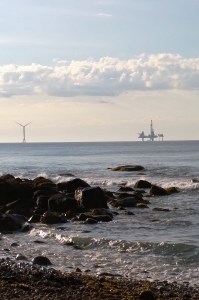
I thought of The War of the Worlds when I took the photo of this, the first, deep-water windmill in America and its giant parent, which is assembling the next four windmills.

080716-war-of-the-worlds

080716-tower-of-beach-stones


080716-tide-pools

080716-marine-mobile


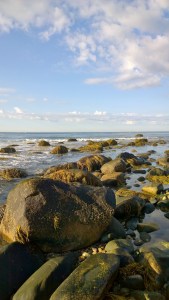
The beach on the south side of the island is beautiful, and since I don’t often scramble down there, I took photos of the tide pools and one of the many towers people build with smooth beach stones.

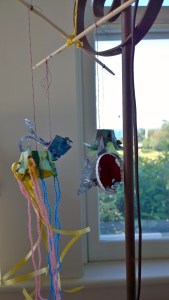
Moving right along, there’s a mobile of sea creatures that I made in an art class with my oldest grandchild. He made one, too: a jellyfish, a shark, a whale (he chose to make an orca) and a sea turtle.

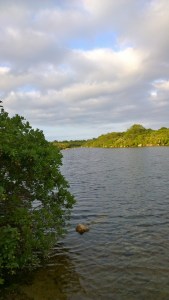
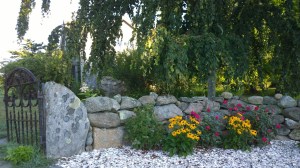
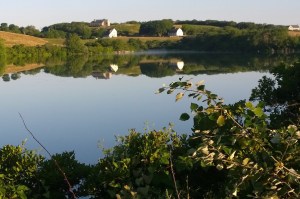
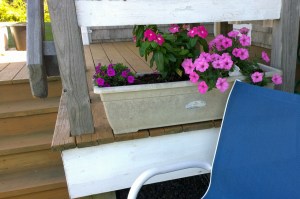
I also have shots of a quiet “tug hole” (a peat bog), reflections of houses on the far side of Fresh Pond, a lotus, flowers against a stone wall, a box of pink impatiens by the outdoor shower, a monster crane getting delivered to Paradise, and magnificent city shadows.

080616-John-E-tughole

080416-open-gate-Lakeside


080416-lotus-on-Lakeside

080416-Fresh-Pond-reflections


080416-outdoor-shower-impatiens

080316-giant-crane-sails-in


080316-building-shadows-Providence

Read Full Post »

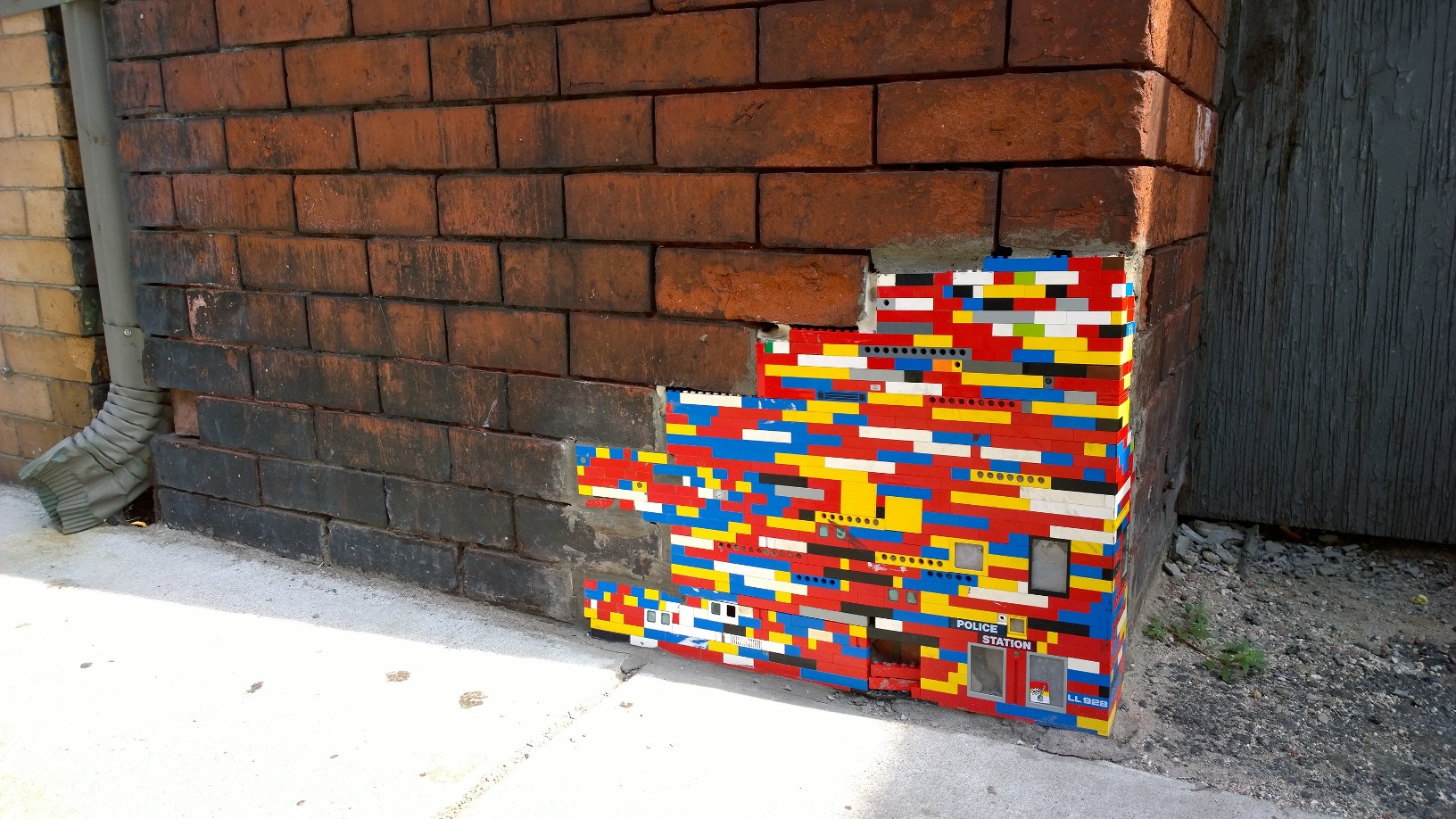
On the corner of Congress and Farnsworth, there is a parking lot, and on the Fort Point Channel side of the parking lot, there is a Lego-size police station. In case you are ever lost around there and need to ask for directions. If LL Bean is more your thing, there’s one by the parking lot, too. I took two pictures.

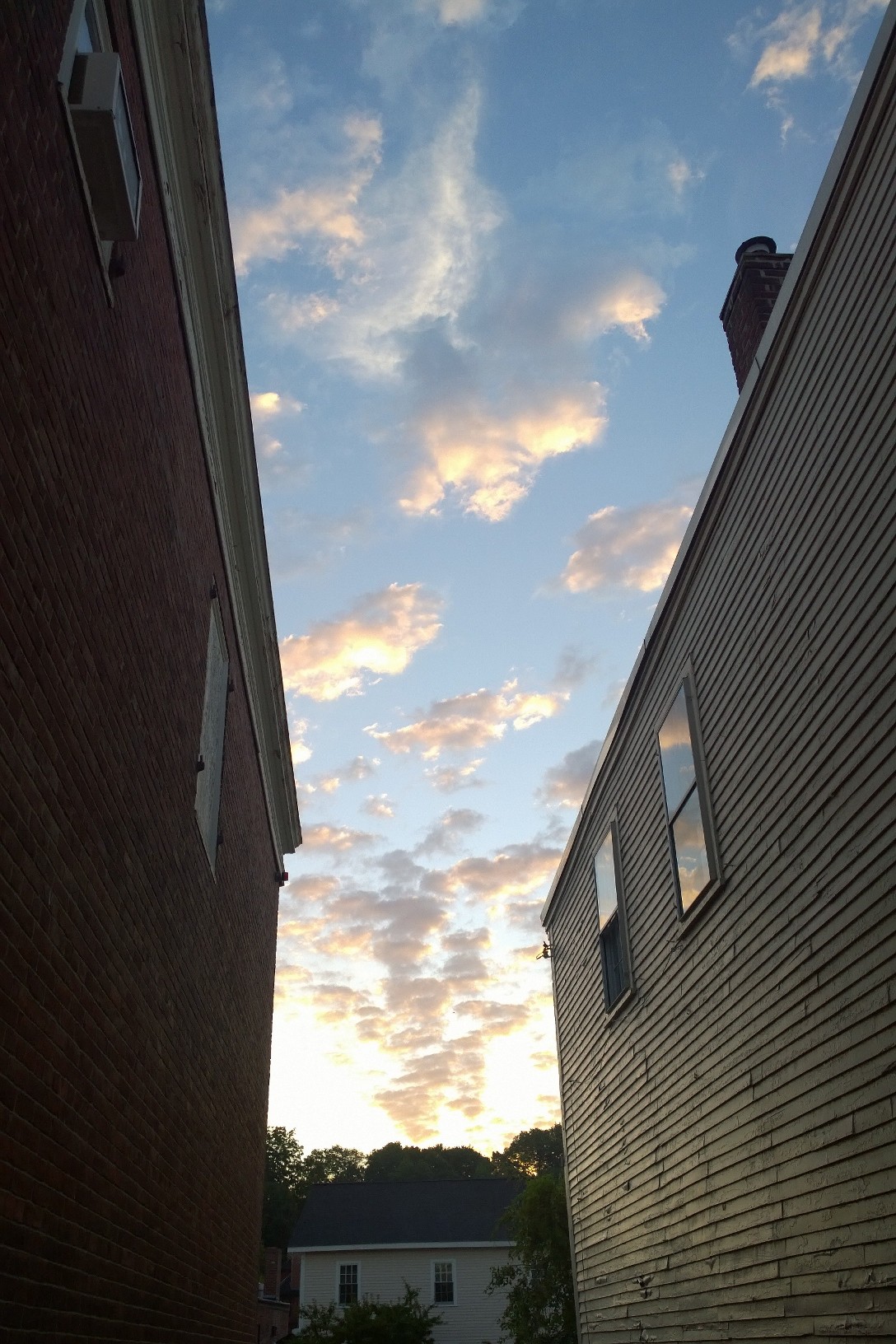
The clouds at dawn have been especially good lately. I include two shots in case you are not up early. Roses need no elaboration, but I am quite proud of how the yellow mullein turned out the second time I tried to capture it. A granddaughter was with me at the time, in the stroller.

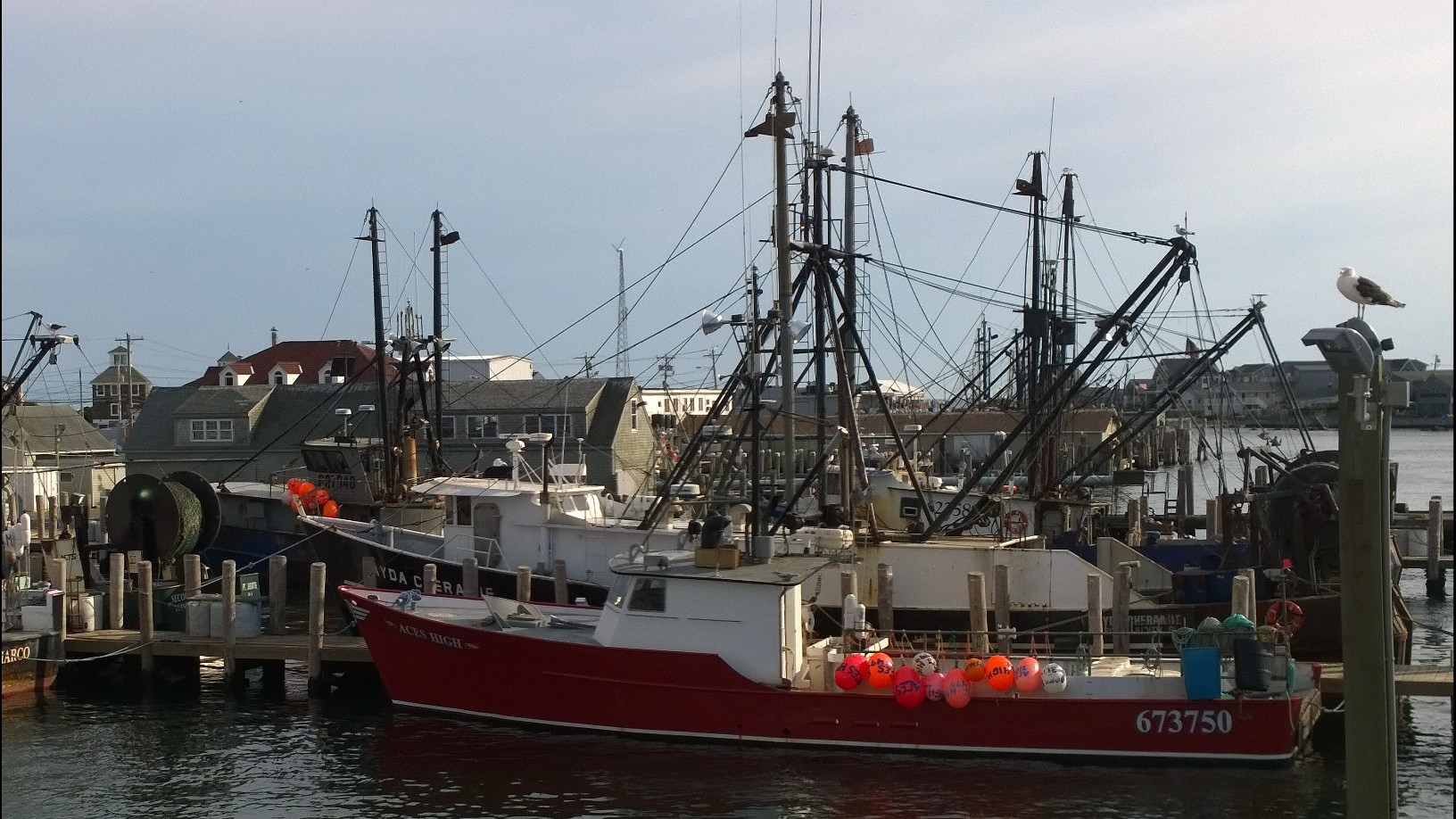
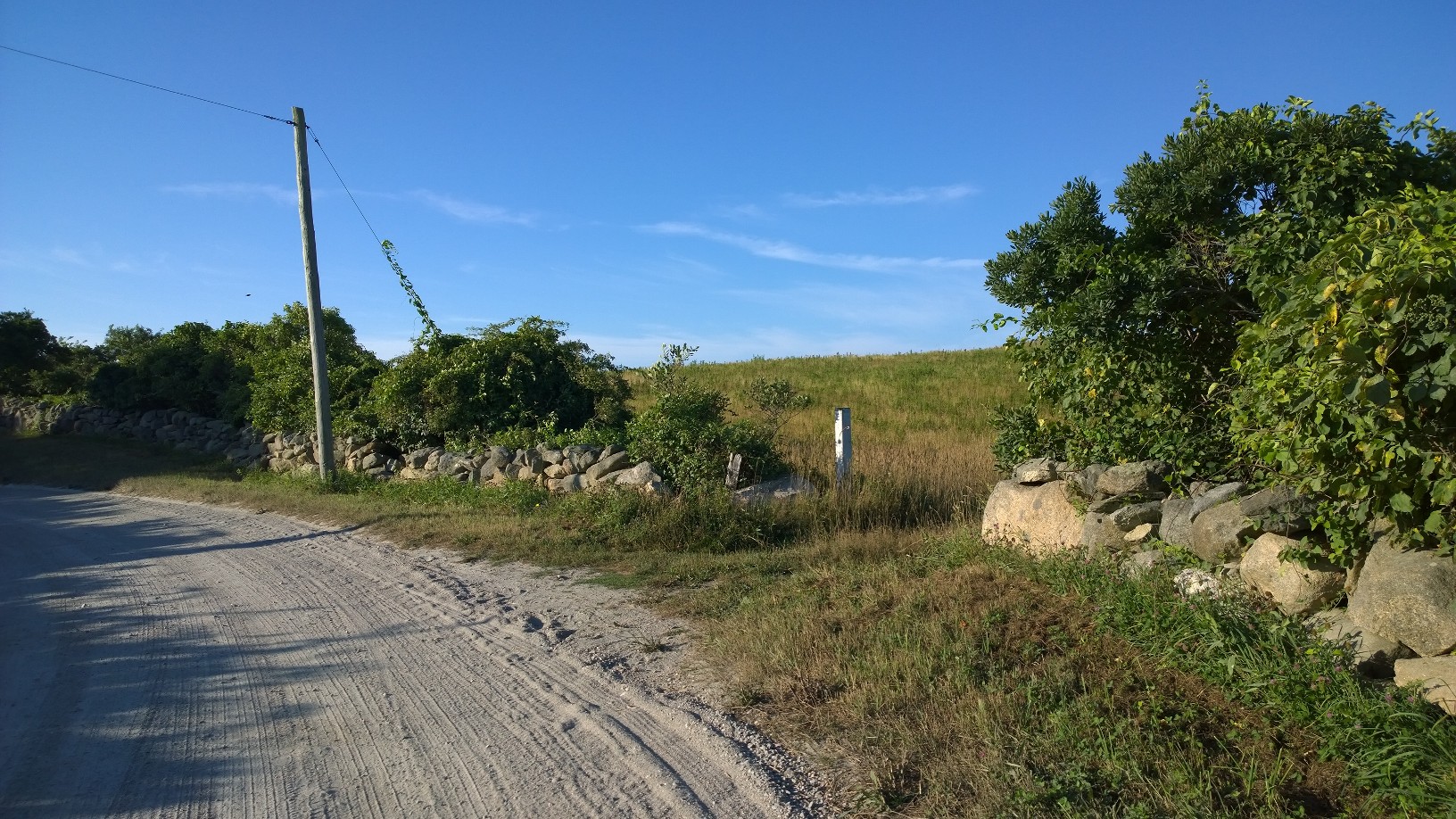
Moving right along, there is a shot of the fishing fleet in Rhode Island. The country road photo was supposed to show you a goldfinch, but even when I zoom in, it is too tiny to see. The still pond is called John E’s Tughole. A tughole is a place where peat is harvested, but I don’t think it happens much anymore. Maybe in Ireland. I know James used to harvest peat. And burn it, too.

080415-legos-built-into-corner

080415-Congress-St-nr-Farnsworth


080515-clouds-between-bldgs

080515-clouds-Concord-dawn


080815-rose-and-hydrangea

080315-mullein


080715-Point-Judith-boats

080815-dirt-road-RI


080815-John-E-Tug-Hole


Read Full Post »

James is an Irish poet, widely considered part leprechaun. Every few years he comes to stay with his cousins for a couple weeks, across the street from my house. James is on the left in this photo, which I took at the Fourth of July parade.

James has two main modes of conversation: storytelling and poetry recitation. It is a pure delight to chat with him. As we waited for the parade, he narrated pages of Irish history, including dates, and recited from W.B. Yeats and our own Nathaniel Hawthorne, among others.

Earlier, he was sitting on his cousins’ front porch and saw a young woman he knows coming across the street. He was moved by the way she walks, as he told me, and with a kind of poetic spontaneous combustion, intoned on the spot:

Meran, fairest maid art thou,

Lovely is thy stride.

My heart goes out to thee

As ebbs the great sea tide.

But, ah, my kind Meran, I’ll not forget thee.

Nor the kind words you said unto me.

James has self-published a couple books of lore in his unique style. He and his brother, both lifelong bachelors, sell peat. On certain Sundays, James bikes 18 miles to the ruins of an old monastery, where he narrates the history for visitors. Then he bikes 18 miles home. In any kind of weather. James is 73.

Read Full Post »