Feeds:
Posts
Comments

Posts Tagged ‘peter rabbit’

Vanessa Thorpe wrote recently at the Guardian about some old nursery tales that are finding a new audience.

“Old-fashioned language and quaint illustrations are part of the ageless appeal of a classic children’s book, so stop modernising them: this is a growing plea from the parents of young readers – and it seems publishers are beginning to listen.

“[A September 2016] decision to turn back to the original look and vocabulary of the Famous Five books by Enid Blyton has opened the door for another classic children’s author, a forgotten star of storytelling, to be republished, as written, this autumn. Convinced that the best stories stand the test of time, editors at Pikku Books are to bring out original versions of stories by writer Elizabeth Clark, once a familiar sight on nursery bookshelves.

“ ‘There’s always going to be a market there for an elegant turn of phrase and a beautifully crafted story,’ said Elena Sapsford, founder of Pikku. ‘As a child, there are a few well-known classics you work your way through, but it is quite obvious there must have been more good writing going on, and often things are out of print just because copyright contracts have been lost.’

“Clark was a Winchester vicar’s eldest daughter, born in 1875. She found her vocation telling stories to the children in her village and began to teach others, moving to London and becoming a lecturer at teachers’ training colleges as well as the author of a series of successful children’s books, often illustrated by the acclaimed Nina Brisley.

“Clark’s stories, including ‘Dobbin and the Silver Shoes’ and ‘The Cat that Climbed the Christmas Tree,’ were often drawn from foreign folklore and legend and many were broadcast on the BBC’s Children’s Hour radio show in the 1920s. Sapsford came across the writer when secondhand editions were given to her family, and she then set about tracking down the Clark literary estate.

“ ”You have to become a detective because there was a lot of poor record-keeping in many publishing companies and I had to dig quite deep,’ she said. ‘I really don’t think they need any change of vocabulary.

People are looking for something fresh but we tend to forget that for young children everything is new.

More.

Children do seem to like the flowery language. My three-year-old granddaughter, for example, is a fan of the way Beatrix Potter tells the story of Peter Rabbit and can fill in the blanks when an adult reads the book to her. I myself like that explaining a word can lead to an interesting discussion or tangent.

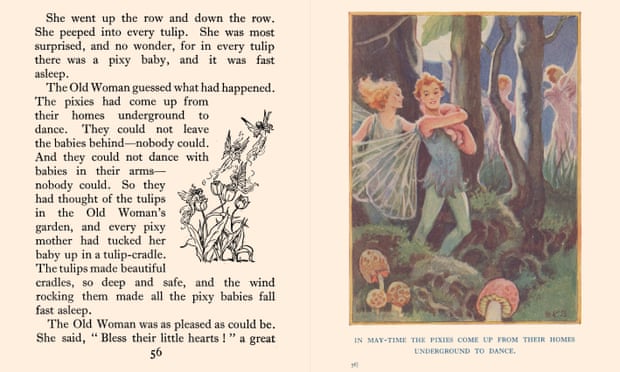
Reprint from the Talkative Sparrow & Other Stories, by Elizabeth Clark 
Read Full Post »

I confess that although I can see why children adore books by certain illustrators, sometimes I don’t like reading the artists’ words.

Richard Scarry, for example, with his delightful animals and five-seater pencil cars, writes text that can get boring pretty fast. And Beatrix Potter, whom I admire for a multitude of reasons, employs very big words and potentially scary themes.

Christian Blauvelt recently covered that angle at the BBC. He begins with Potter’s first line in a storybook.

“ ‘Your father had an accident there; he was put in a pie by Mrs McGregor.’

“Old Mrs Rabbit’s frightful warning to her children Flopsy, Mopsy, Cotton-tail and Peter appears on the opening page of Beatrix Potter’s first book, The Tale of Peter Rabbit. Aside from featuring perhaps the most dramatic use of a semicolon in children’s literature, it sets the tone for her work from the start: that horrors abound in a world of Darwinian struggle, but that these must be faced calmly.

“Your parents, and perhaps your children, may be devoured by a vengeful property owner, or sold for tobacco; you may have your tail ripped off by an angry owl; an invading rat might tie you up in string and include you as the key ingredient in a pudding. But life goes on – disappointments must be faced and tragedies overcome. …

“Potter’s tales have been consistently popular with adults, as well as children, since The Tale of Peter Rabbit was published in 1902 when she was 36 years old. This is not just because they feature adorable creatures in harrowing situations; her talking-animal stories also comment on the era’s class politics, gender roles, economics and domestic life.

“Did she examine British society through animals because she spent more time with animals than children, aside from her brother Bertram, when she was young? Because she wanted to rebel against the bourgeois values and morals of her wealthy middle class family – which had made its money in the textile industry – but only dared do so through furry surrogates? Because she could only publish children’s stories since her true passion, science, was a career field closed to women in the late 19th Century? Because she had a German tutor who introduced her to the back-to-nature ethos of the Romantics?” More.

Hmm. Maybe I’m being too anti-intellectual here, but I’d say Beatrix Potter just got a kick out of telling stories like that.

And maybe she was right that small children could handle the scary parts. My three-year-old grand-daughter for example, has always loved Peter Rabbit and could recite the fancy phrases by heart when she was only two. Reciting fancy phrases is great for language development.

Photo of Beatrix Potter’s art: Penguin
Beatrix Potter, an amateur scientist, was meticulous about representing nature accurately, even if the animals did wear clothes. Here Peter Rabbit gorges on Mr. McGregor’s carrots.

Read Full Post »

I spent my first couple decades vacationing on Fire Island, a barrier beach off New York’s Long Island. Once you get islands in your system, you never want to get them out.

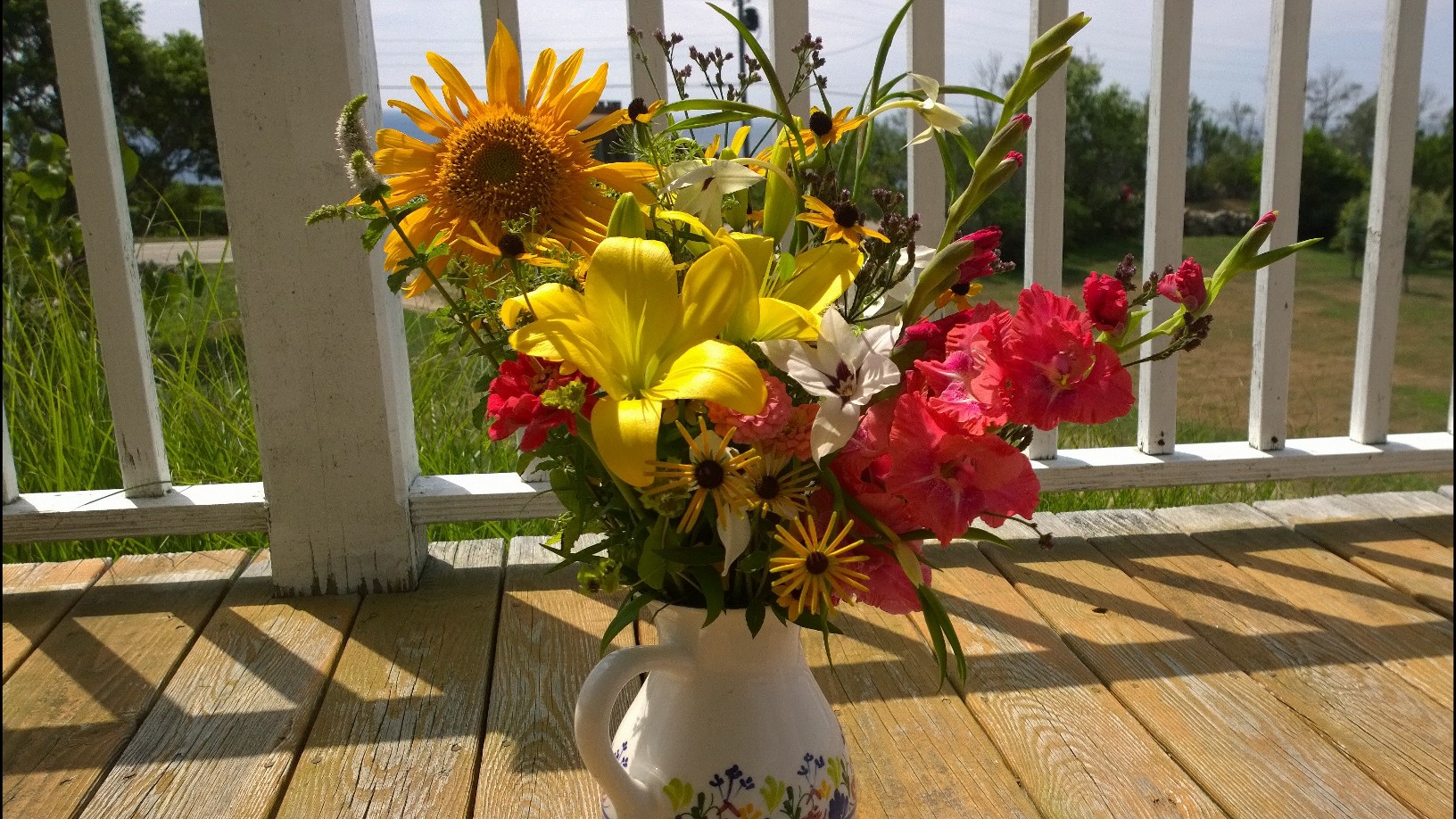
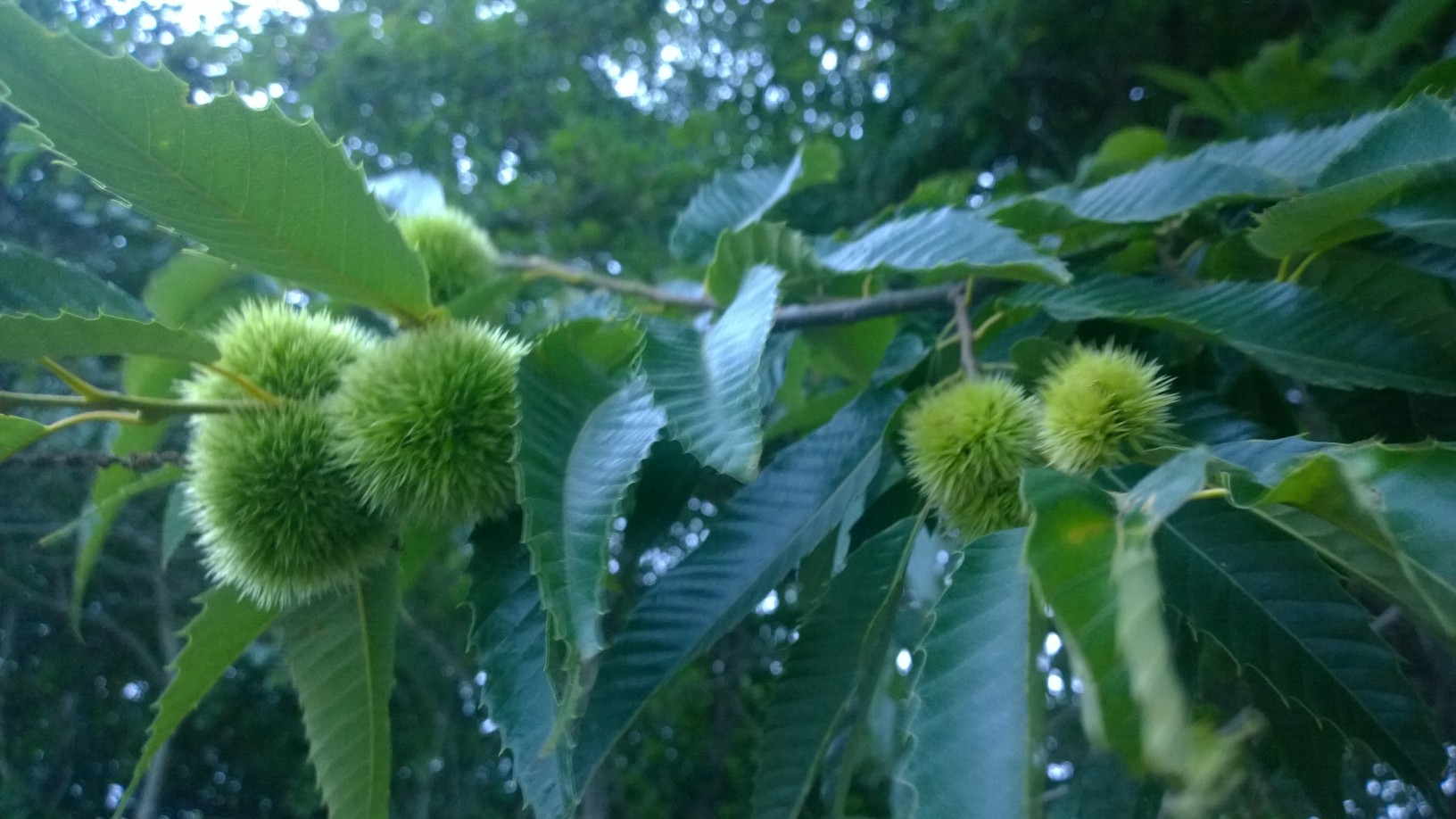
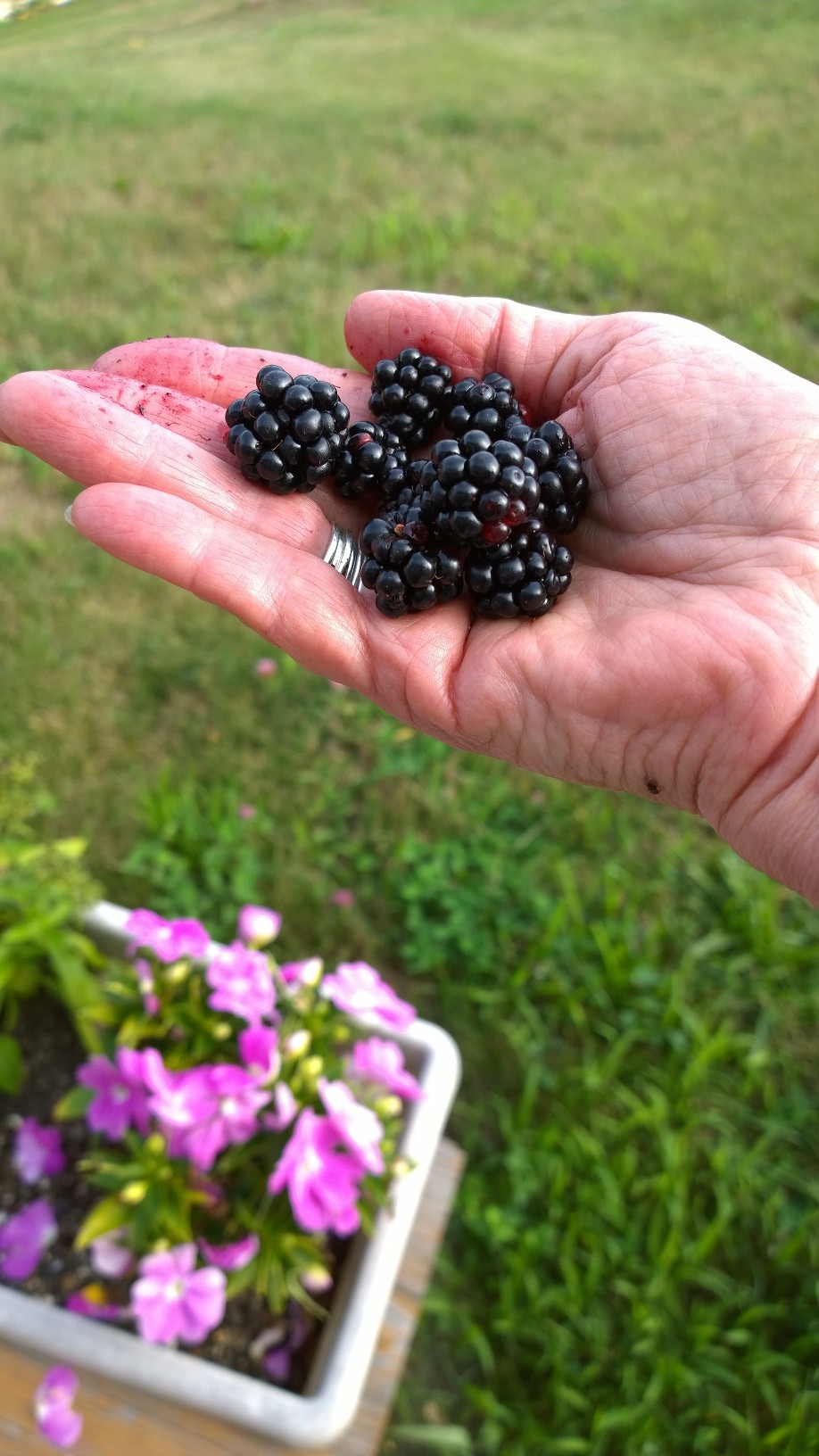
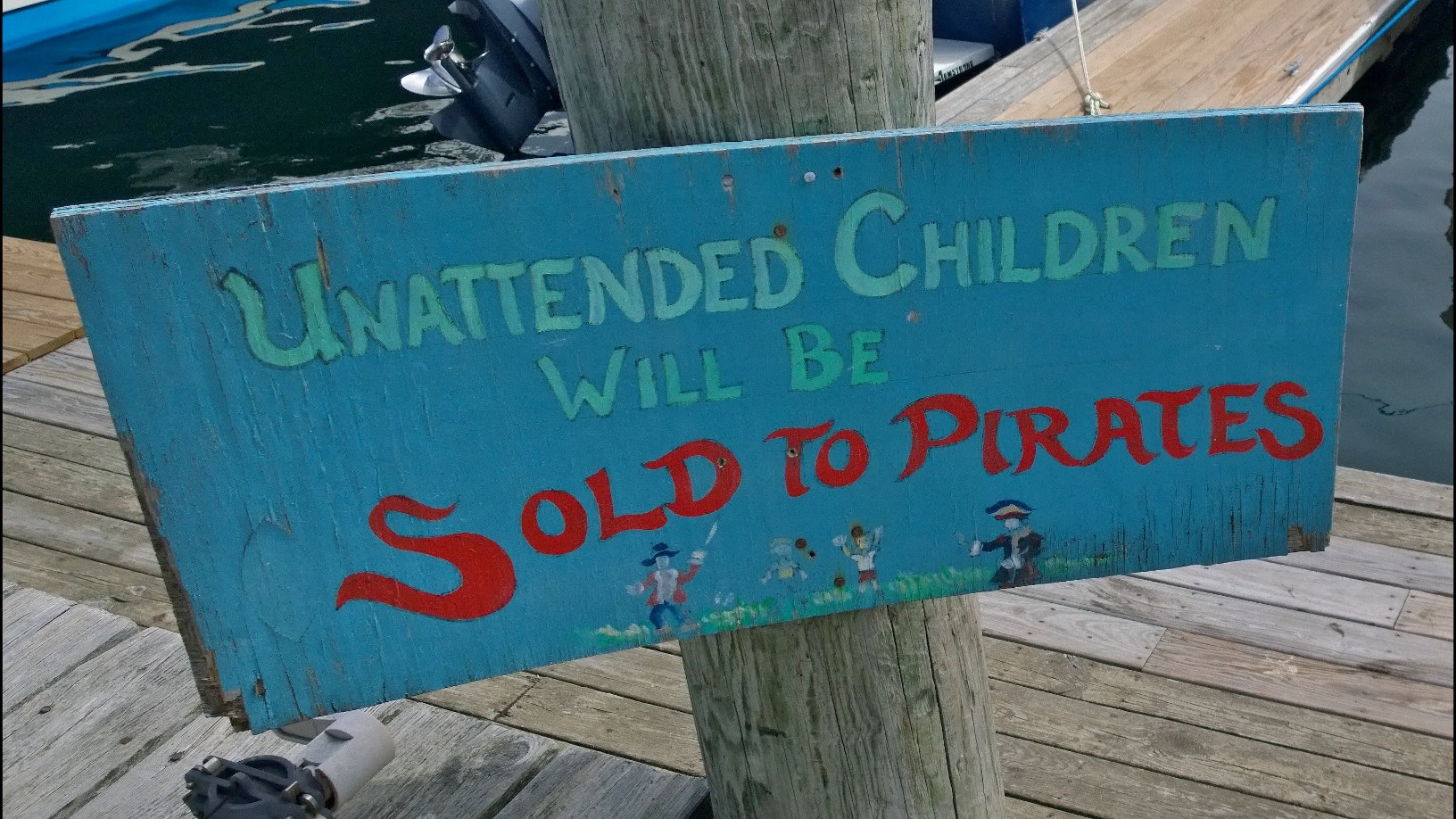
Nowadays I frequent an island that is part of a state that calls itself an island, too: Rhode Island. Here are some pictures from my latest visit.

The photos are mostly self-explanatory, but I would like to draw your attention to the carrot. The young man in the photo pulled that carrot out of the ground for a neighbor, who gave it to him. His mother washed it, and he ate most of it in one sitting.

And he didn’t even feel like he had overdone the eating the way Peter Rabbit did. No need for a dose of chamomile tea.

2115-Galilee-for-fishing

082315-sheltered-harbor

082215-vase-on-deck

082315-one-big-carrot

2215-fuzzy-fruit

082215-blackberries

082315-about-sharks

082315-lobster-boat

082315-sold-to-pirates

082315-Southeast-Light

082215-sunset-RI

Read Full Post »