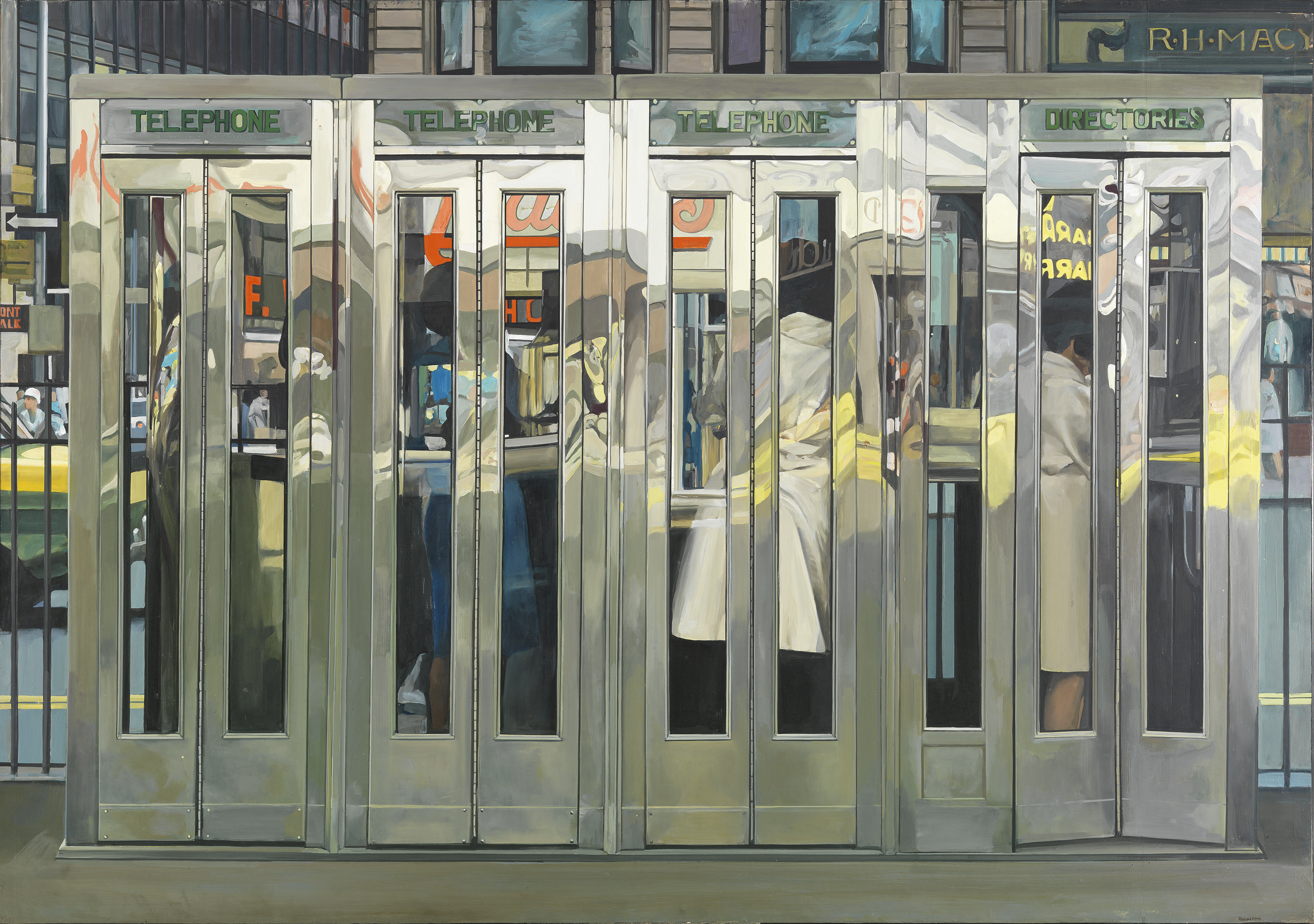
Art: Richard Estes.
From the Museo Nacional Thyssen-Bornemisza in Madrid, a glimpse of the old days.
Some of us appreciate the old-style telephone booth, its relative privacy, and the way you could still make a call if your mobile was out of juice.
Julian Ring reports at National Public Radio (NPR) that for folks in Vermont, where mountain vistas are jealously protected and limited cell towers don’t always reach, pay phones can be important with or without booths. A local electrical engineer wanted to do something about that.
“Patrick Schlott often finds himself in a cellular dead zone during his drive to work,” writes Ring.
” ‘You go down the road, you turn the corner and you’re behind a mountain and you’ll lose cell coverage pretty fast,’ he says.
“The 31-year-old electrical engineer says poor reception is a common frustration for residents of Vermont’s Orange County. To address this issue, he’s providing his community with a new way to stay connected.
“Schlott has taken old pay phones, modified them to make free calls, and set them up in three different towns across the county. … With just an internet connection, these phones can make calls anywhere in the U.S. or Canada — no coins required. And Schlott covers all the operating costs himself.
” ‘It’s cheap enough where I’m happy just footing the bill,’ he says. ‘You know, if I’m spending $20 a month on, say, Netflix, I could do that and provide phone service for the community. And to me, that’s way more fun.’
“Since Schlott installed the first phone in March last year outside a general store in the town of Tunbridge, Vt., hundreds of calls have been made.
” ‘I knew there would be some fringe cases where it would be really helpful,’ he says. ‘But I never expected it to get daily use and for people to be this excited about it.’
“He says the phones have come in handy for drivers whose cars have broken down nearby. And at a public library in Thetford Center — the most used installation by far — kids have been able to call their parents for rides home or simply to check in.
“In June, Vermont voted to ban cellphones in schools beginning in the 2026-2027 academic year. Schlott says public telephones will soon be more essential for students in the area. …
“Schlott has received some donations to help sustain his project. But he says his one-man funding model may need to adapt if the initiative continues to grow.
” ‘One of the cornerstones that I want to stick to is, no matter what happens on the backend, the calls will always be free,’ he says. ‘And I will figure out a way to make that happen.’ “
Meanwhile in New York City, reporter Rachel Treisman says that “New York City pay phones are officially a thing of history. The last public pay phone was removed from the streets of midtown Manhattan [in May], and is heading straight to an exhibit in a local museum.
“It’s the final chapter in a saga that’s been unfolding since 2015, when the city started uprooting phone booths and replacing them with LinkNYC kiosks, which offer free public Wi-Fi, charging ports, 911 buttons and screens with maps and other services (they also generate revenue for the city).”
There may be no workable pay phones in New York now, but I know that film and ad companies will always have need for a phone booth that looks like it works. There is one on the corner of my late sister’s apartment building that is frequently in demand. I believe it was used in Matrix.
The two pay phone stories are at NPR, here, and here. See also the research by “Mark Thomas, who has spent decades tracking the ‘world of public telephony’ through his website, The Payphone Project.”





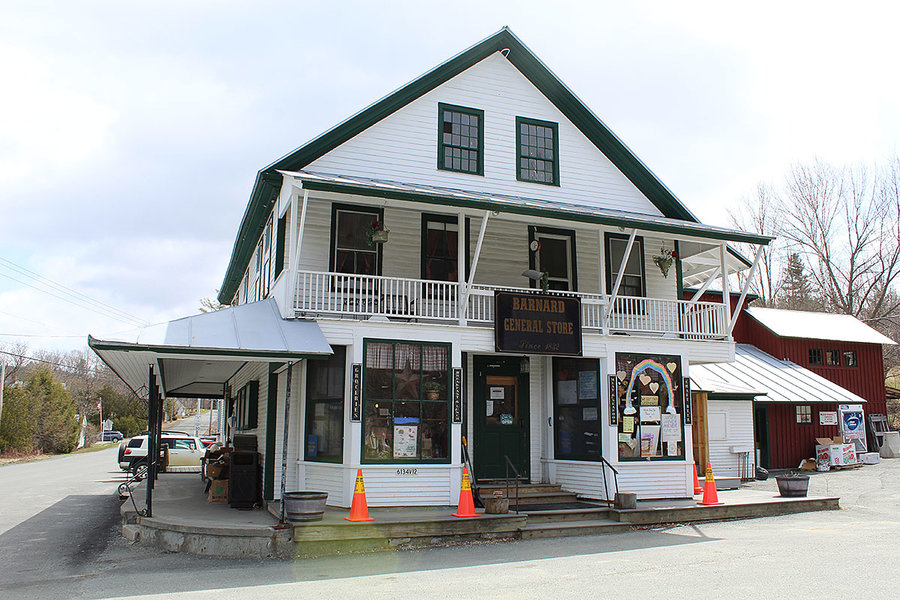
 Photo:
  Photo: Jessica Ojala









 Suzanne's Mom's Blog