Feeds:
Posts
Comments

Posts Tagged ‘ceramics’

Photo: Luiz Bicalho.
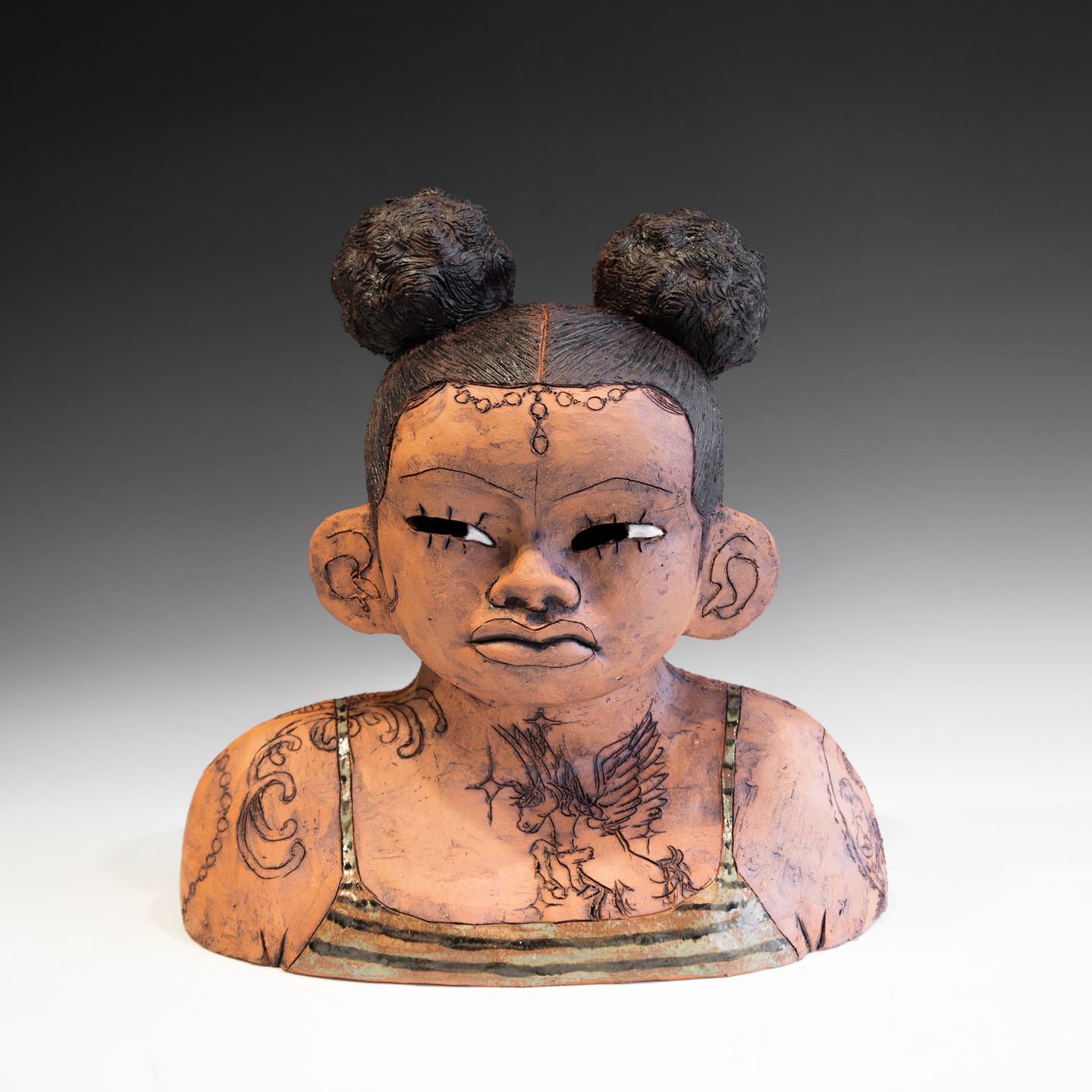
The Sydnie and Haylie Jimenez creation “Memory Armor,” 2023. Stoneware, underglaze, glaze, oxide wash.

We have all read stories about the closeness of twins and the unusual effects that such closeness can lead to. I have blogged more than once about pairs of twins who become collaborative artists, for example, including the Brazilian brothers Os Gemeos (“the twins” in Portuguese), who created the first of the giant Dewey Square murals in Boston, part of my beat.

The acclaimed art critic Cate McQuaid wrote in April at the Boston Globe about identical twins whose work was being shown even closer to my home.

“There’s a rich figurative thread in the history of marginalized artists that declares, ‘this is who we are. See us,’ ” she writes. “When the 20th-century art world was besotted with modernist abstraction, sculptor Elizabeth Catlett, painter Aaron Douglas, and others stuck to figuration to tell Black stories. In the 1980s and 1990s, Nan Goldin and Catherine Opie used photography to showcase their queer communities.

“Identical twins Sydnie and Haylie Jimenez, mixed-race artists born in 1997, are the heirs of such artists. Their barbed show ‘Love You to Death’ is at Lucy Lacoste Gallery.

“Sydnie, a ceramicist, and Haylie, who paints and draws on paper and on clay tiles, make defiantly exuberant figurative works rejoicing in identity and relationship — their own, and those of their LGBTQ/BIPOC community. Some figures grin convivially, but many wear stern expressions, on the lookout for trouble.

“ ‘Memory Armor’ depicts a young woman with her hair atop her head in two buns. Sydnie crafted the figure and Haylie inscribed the tattoos. A chain inked at her hairline drops down, hinting at a third eye, a channel to wisdom and divinity. With a skull on her shoulder and Pegasus on her chest, a two-headed dragon and a butterfly on her back, she’s at once cautious and expressive.

“In collaborative pieces such as ‘I Love Country Boys’ and ‘Black Bikini,’ solid young women stand proud in their swimsuits, tattooed with flowers, nails, and the word ‘ROTTEN’ in ornate script. These figures, presented with the illustrative flare of cartoons, come across as people to be reckoned with. Many of Sydnie’s solo works have that thorny charm. A series of cherubs outfitted with black batwings includes ‘Blonde Haired Cherub,’ who looks ready to fight, and ‘Bucket Hat Cherub,’ wearing a beatific smile but a T-shirt emblazoned with ‘PROBLEM.’ …

“The Jimenez sisters say in their statement for ‘Love You to Death’ that their own relationship informs how they build community. These warm and prickly works invite viewers to hang with them, and savor their ferocity, loyalty, and joy.” More at the Globe, here.

You can read about artist twins Mohammed and Omar Kabbani from Lebanon and the Brazilian team Os Gemeos at this blog, here and here.

By the way, gallery owner Lucy Lacoste, who started out in ceramics herself, has a sharp eye for innovation in the field.

In the early 2000s, I brought her a booklet I picked up at a gallery in Minnesota where I was enraptured with the mysterious tea cups of Anne Kraus, coming back multiple times to admire the tiny paintings and read the inscriptions.

Lucy was grateful. She told me I’d made her day, and she set out at once to see if Kraus was already represented by a gallery. She was. Nevertheless, Lucy has been very successful hunting for similar kinds of quirky genius. What is interesting to me is that although the messages of the pieces are often dark, the artistic expression brings joy.

I guess that is how art tames and triumphs over what is painful.
Read Full Post »

Photo: Ramona Peters.
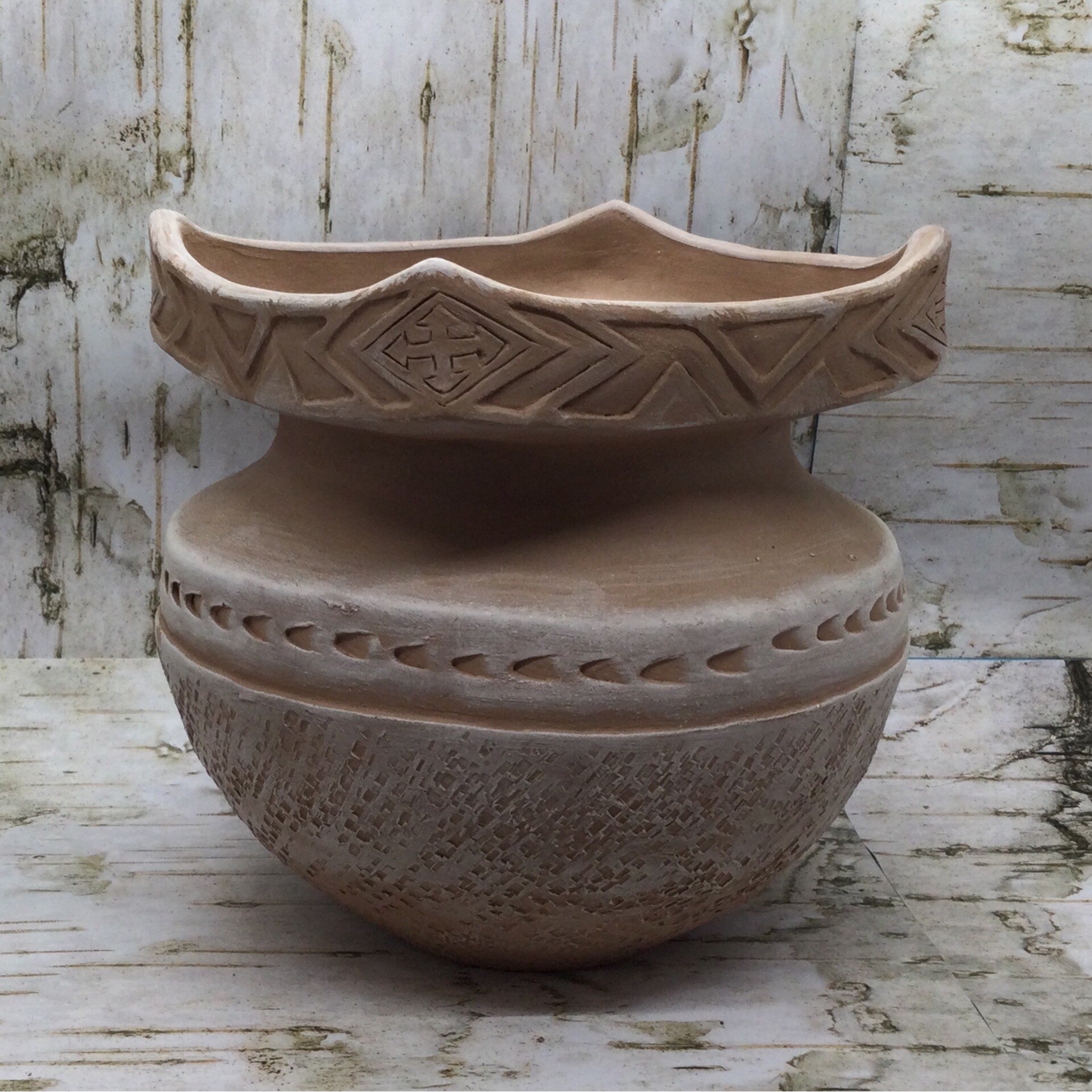
Called “All Four Points,” this piece refers to the points of the compass. Ceramacist Ramona Peters, a member of Massachusetts’s Mashpee Wampanoag tribe, has helped revive 1600s Wampanoag traditional forms in clay.

I was reading about indigenous ceramics in New England at the Tomaquag Museum’s blog when I got interested in the origins of that remarkable institution and its plans for a new home near the University of Rhode Island campus.

First the ceramics post.

“My name is Haley Johnson and I am a Mashpee Wampanoag Ceramicist. I have a BFA in Ceramics from Rhode Island College.[As] an Education Intern at the Tomaquag Museum, I am dedicated to teaching about the past and advocating for the future of Indigenous arts and artists. …

“The Northeast is unique in its ceramic practices as can be seen in the color and textures of the clay, the shapes of our vessels, and the patterns and designs on finished work. … The natural clays that come from the Northeast are rich in minerals and sediments that lend to its bright oranges and deep reds upon firing. These colors then become signifiers of where the clay, and by extension, the vessel is from. …

“Traditionally in the coastal Northeast, cone shaped bottoms and wide mouths indicate cooking vessels. These pieces were designed specifically to heat food like soups and stews evenly. Ramona Peters (Mashpee Wampanoag) is a contemporary potter who creates with a similar shape language. [But usually] she makes the bottom of her vessels flat so that they are more easily displayed.. …

“Pottery adornment is also popular amongst Native ceramicists. By dragging and pressing tools into wet clay, patterns similar to those seen on Southern New England woven splint basketry can be made. Peters does this in her work.”

For a legend explaining how Maushop, creator of Noepe, or Martha’s Vineyard, and his taste for whale meat created the colors of the local clay, click here.

Now for the plan to create a bigger Tomaquag Museum. Nancy Burns-Fusaro at the Westerly Sun writes, “Rhode Island’s first and only indigenous museum is preparing to soar grandly into the 21st century.

“The Tomaquag Museum, which began inside the small Ashaway home of anthropologist Eva Butler more than 60 years ago, will move to an expansive, 18-acre site off Ministerial Road in South Kingstown, on the very land where ancestors of the Niantic and Narragansett tribal nations lived and worked for millennia prior to the arrival of European settlers.

” ‘We are so excited and so thankful,’ Executive Director Lorén Spears said [as] she discussed plans for the new museum and research center, which is scheduled to open in 2023. The plans include four new buildings and plenty of room for exhibits, area hikes, property tours, visitor parking, gardens full of native plants, medicinals, berries and herbs, new classrooms, performance space, a fully functional kitchen, gift shop, restaurant, pavilions, sculpture gardens, a replica of an early Native village, and a long house. …

“For Spears, a Narragansett tribal member who has worked tirelessly to educate the public on Native history, culture, the environment and the arts for more than a quarter of a century, the project is a dream come true.

” ‘It’s an exciting time,’ said Spears, who has taught at Brown University, the University of Rhode Island and in the Newport Public Schools and continues to teach classes and workshops designed to promote thoughtful dialogue about indigenous history. …

“Spears said the museum staff and members of the board of directors have been searching for the right location for years  now, and this piece of land, steeped in history and owned by the University of Rhode Island, is more than ideal. …

“Spears said the new site is visible yet rural, centrally located and accessible by car, foot and bicycle, but ‘the cherry on the top’ was the existence of viable public transportation.  

‘It’s accessible by public transportation,’ said Spears. “[Buses] run by all day and all night. It’s accessible from the north, south, east and west.’

“The property, which lies just south of Route 138 and north of Route 1, is a few miles away from the Kingston train station and adjacent to the South Kingstown bike path. …

” ‘Tourists will be able to find us,’ Spears said with a small laugh, noting that the museum’s current location is not as accessible. …

” ‘It’s a game changer,’ said Elizabeth Francis, executive director of the Rhode Island Council for the Humanities. The new facility, she said, will allow the museum to more fully share its programming, collections and archives, will help usher in a new era and help introduce a new generation to all the museum’s ‘wonderful material.’ …

“The project, ‘is a testament to how current and present Rhode Island’s indigenous community is,’ Francis added. ‘They  are not locked away in a distant past … they are not static but are here and essential.’ …

“Constantly praising the museum’s staff, board members and collaborators, Spears also pays tribute to her ancestors, especially the women who founded the museum. 

“In 1958, she said, Mary E. Glasko, better known as Princess Red Wing, Narragansett/Pokanoket-Wampanoag, founded Tomaquag Museum, Rhode Island’s first and only Indigenous Museum, with the help of a friend and colleague, anthropologist Eva Butler. When Butler died in 1969, Tomaquag moved to the now-legendary Dovecrest Restaurant, owned by Ferris and Eleanor Spears Dove, the matriarch of the Narragansett Tribe who died in 2019 at the age of 100. After Dovecrest closed, Tomaquag moved to its current quarters in Exeter.

“But now, Spears said, it’s time to focus on the future.”

More on the new museum at the Boston Globe, here, the Providence Journal, here, and the Westerly Sun, here.

Read Full Post »

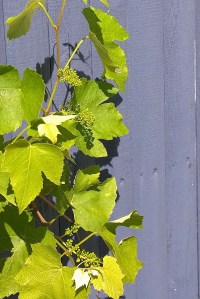
Well, we’re home and adjusting to the time change more easily than when we traveled east. Meanwhile, it occurs to me that I have a bunch of New England photos from both before and after our trip that I want to share. I call the first one “There Will Be Grapes.”

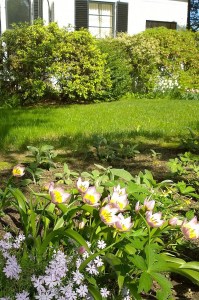
The yellow and white tulips have since died off, but the yard they graced has a floral display that keeps on giving.

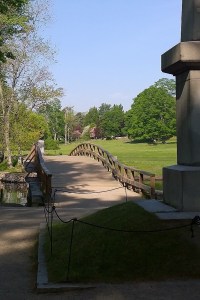
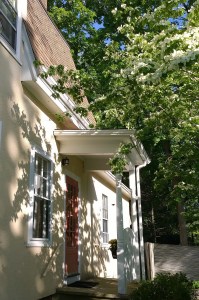
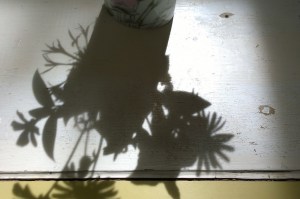
My three shadow pictures feature the North Bridge in Concord, Mass., a wildly exuberant dogwood, and a vase of spring flowers.

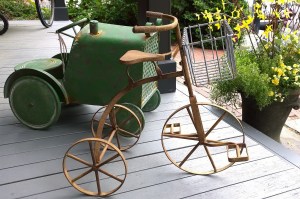
Two antique child vehicles are on the porch of a home furnishings store.

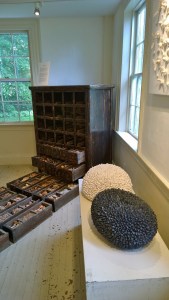
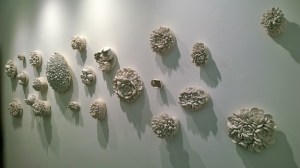
The life forms by Korean sculptor Jaeok Lee at the Concord Center for the Visual Arts completely captivated me. The artist has written about making the tiny cabinet objects while experiencing health challenges that kept her from other projects.

“The healing quality of nature also motivates my work,” Lee says. “A few years ago, I developed an illness that doctors could not diagnose. While going through various diagnostic tests, since I did not have much energy, I started working with very small objects.

“I would go out to my garden for inspiration and would start to pinch small forms of seeds, pods, berries and flowers. Over the course of one year, I made thousands of small pieces that filled a Chinese medicine cabinet that I bought from an antique shop a few years ago.

“I named the project ‘Making my own medicine.’ The simple act of pinching the forms has been a healing experience that gave me enormous hope for my recovery.”

More at her website, here.

060717-there-will-be-grapes

060717-there-will-be-grapes


051817-north-bridge-concord-ma

051917-backdoor-dogwood-shadows


051917-backdoor-dogwood-shadows

060717-old-time-toys


052117-Jaeok-Lee-life-forms

052117-Jaeok-Lee-Cabinet


052117-Jaeok-Lee-Concord-Art

Read Full Post »

I went to the Museum of Fine Arts to see an exhibition on 100 years of American ceramics. It was a lovely show, but I would have liked to see an example of the late Anne Kraus’s mysterious tea cups there. If Warren McKenzie could give her a whole show at the Northern Clay Center when I was living in Minneapolis, I know it’s not just the gal on the street who thinks Kraus is major.

The MFA ceramics show was a very small show, tucked away in a corner. It hardly seemed enough to justify the admission fee and parking.

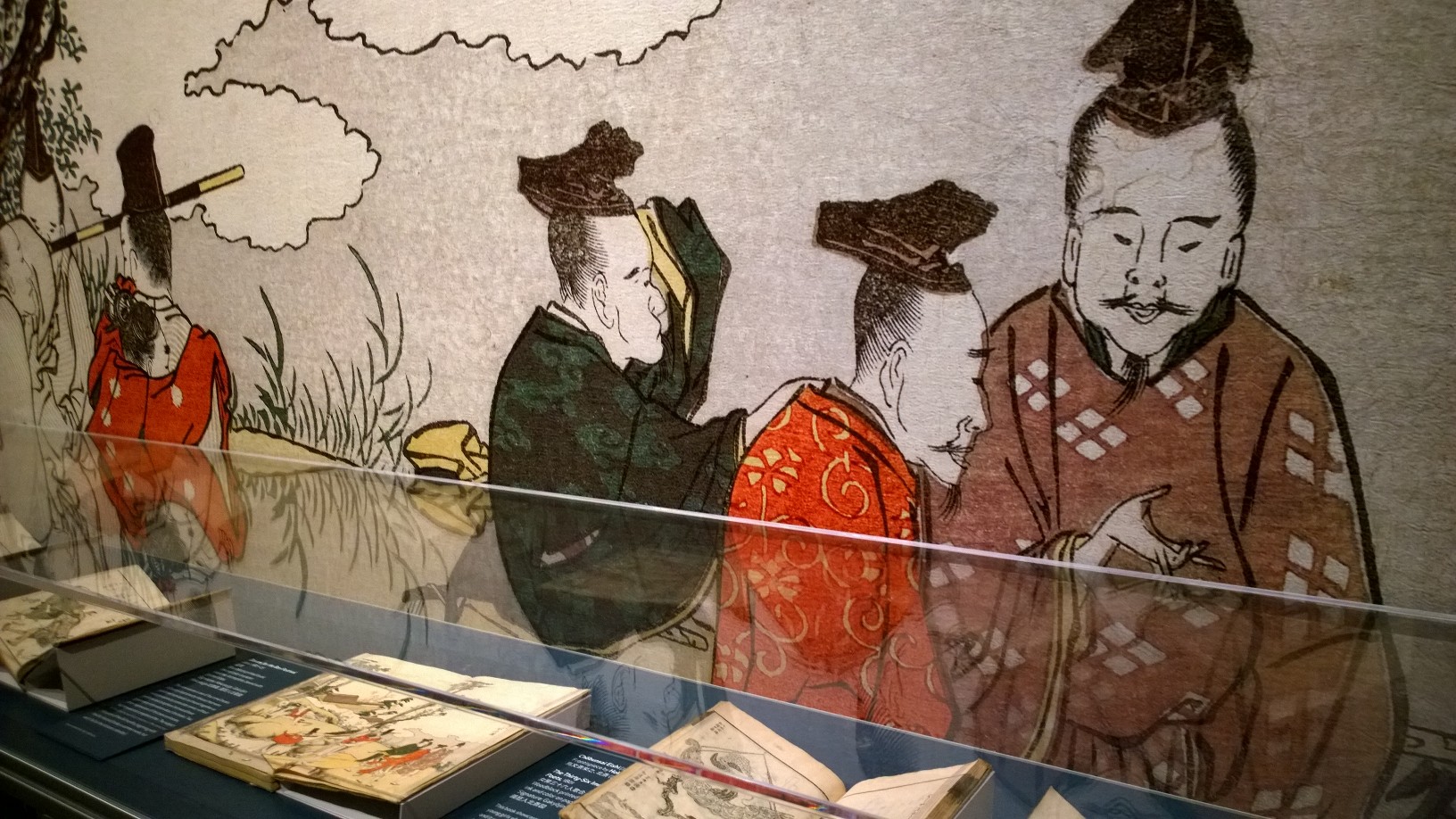
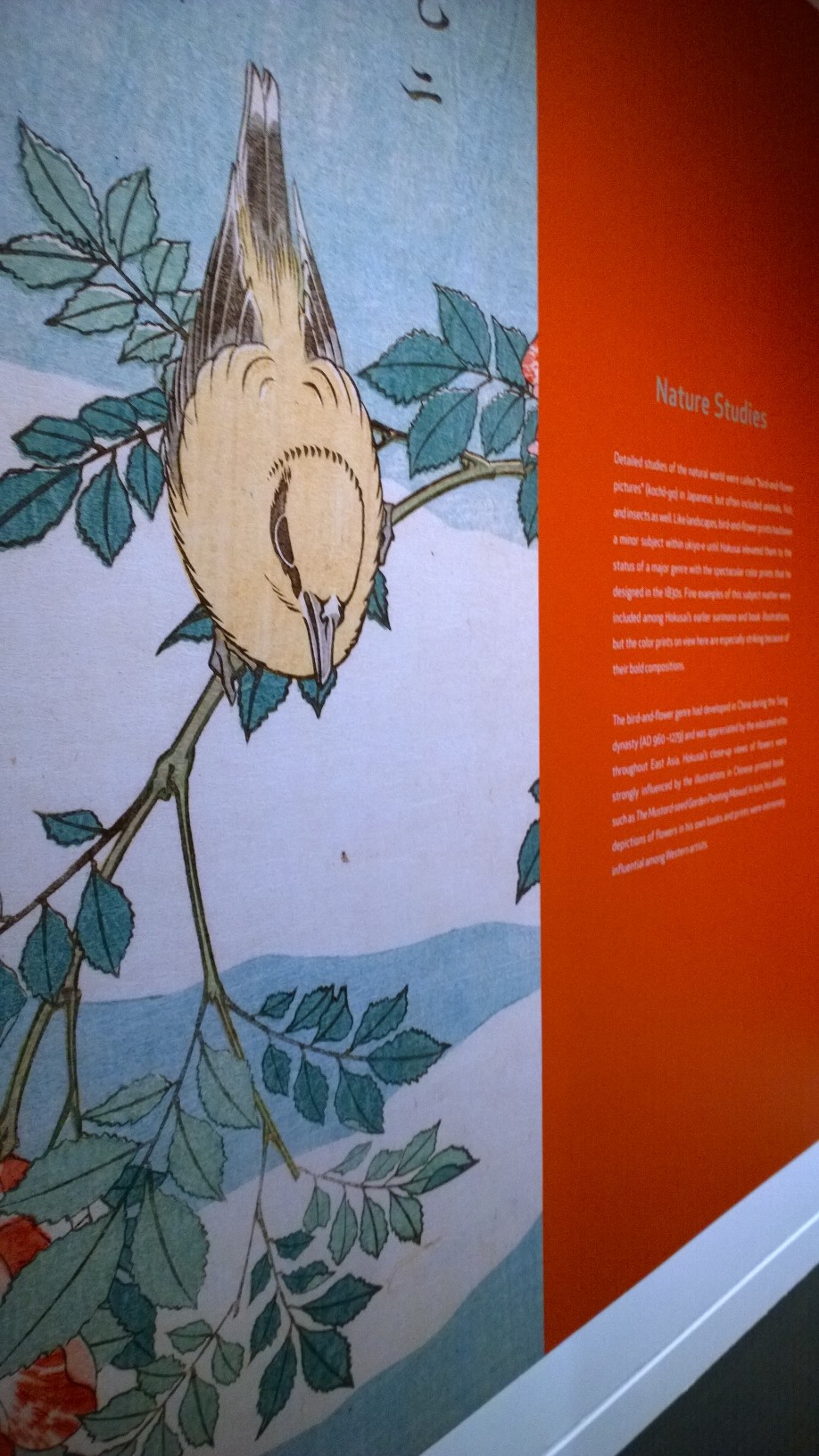
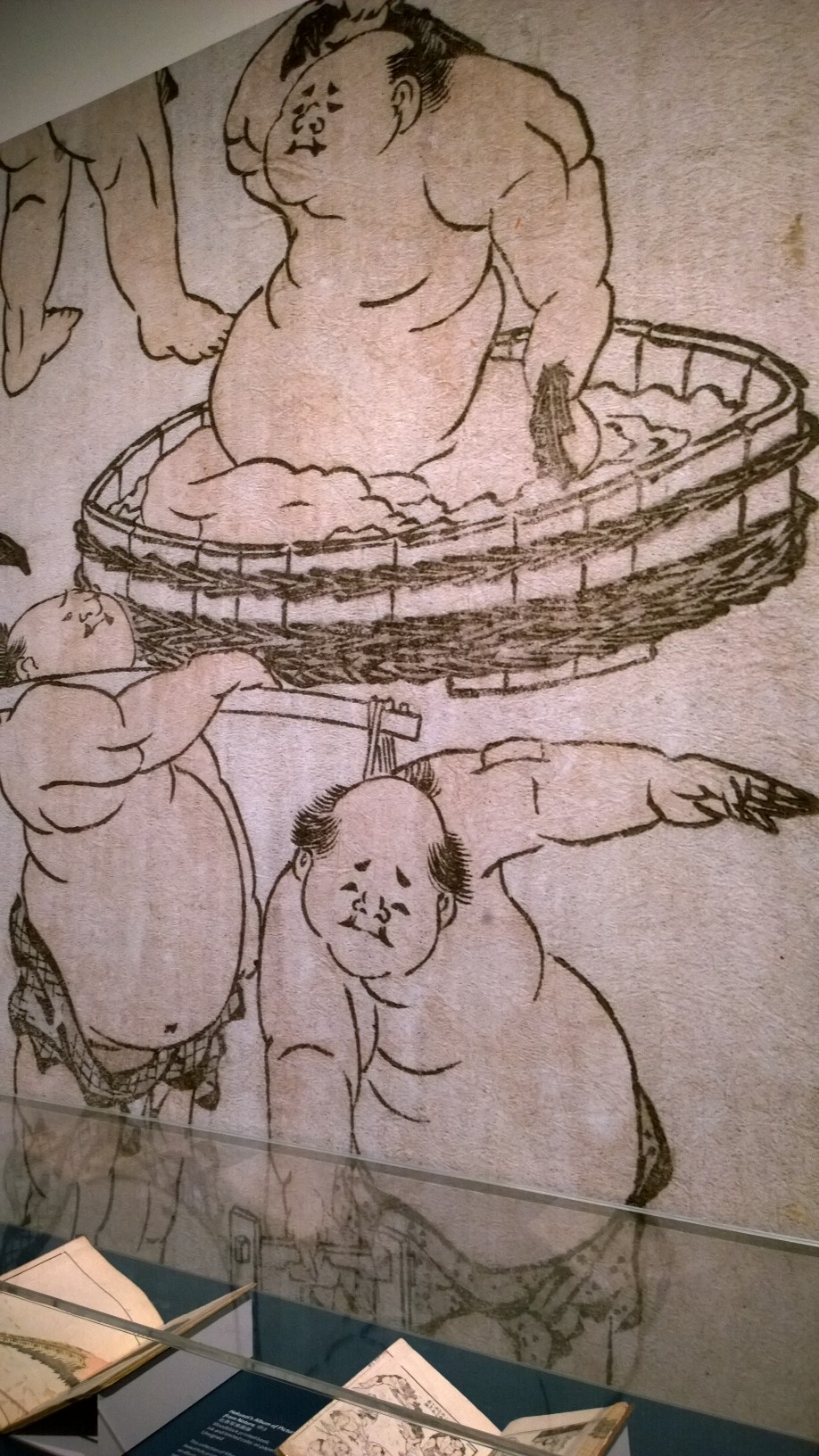
So I took a walk through a really big show there, one on the Japanese artist Hokusai (you know: “The Wave”). Unlike the ceramics show, this one was crowded and almost too extensive to take in, but I enjoyed what I saw — especially some colorful wall hangings.

I took photos both outside the museum and inside (a sign said it was OK — just not to use a flash). My Hokusai photos are mostly of large-scale reproductions. The originals were small and harder to shoot through glass.

The show is running until August 9, and if you go, I recommend that you pause for the wall of slides at the entrance, which is delightful and gives one a sensation of watching the art coming into being, like a waterfall swishing down a landscape.

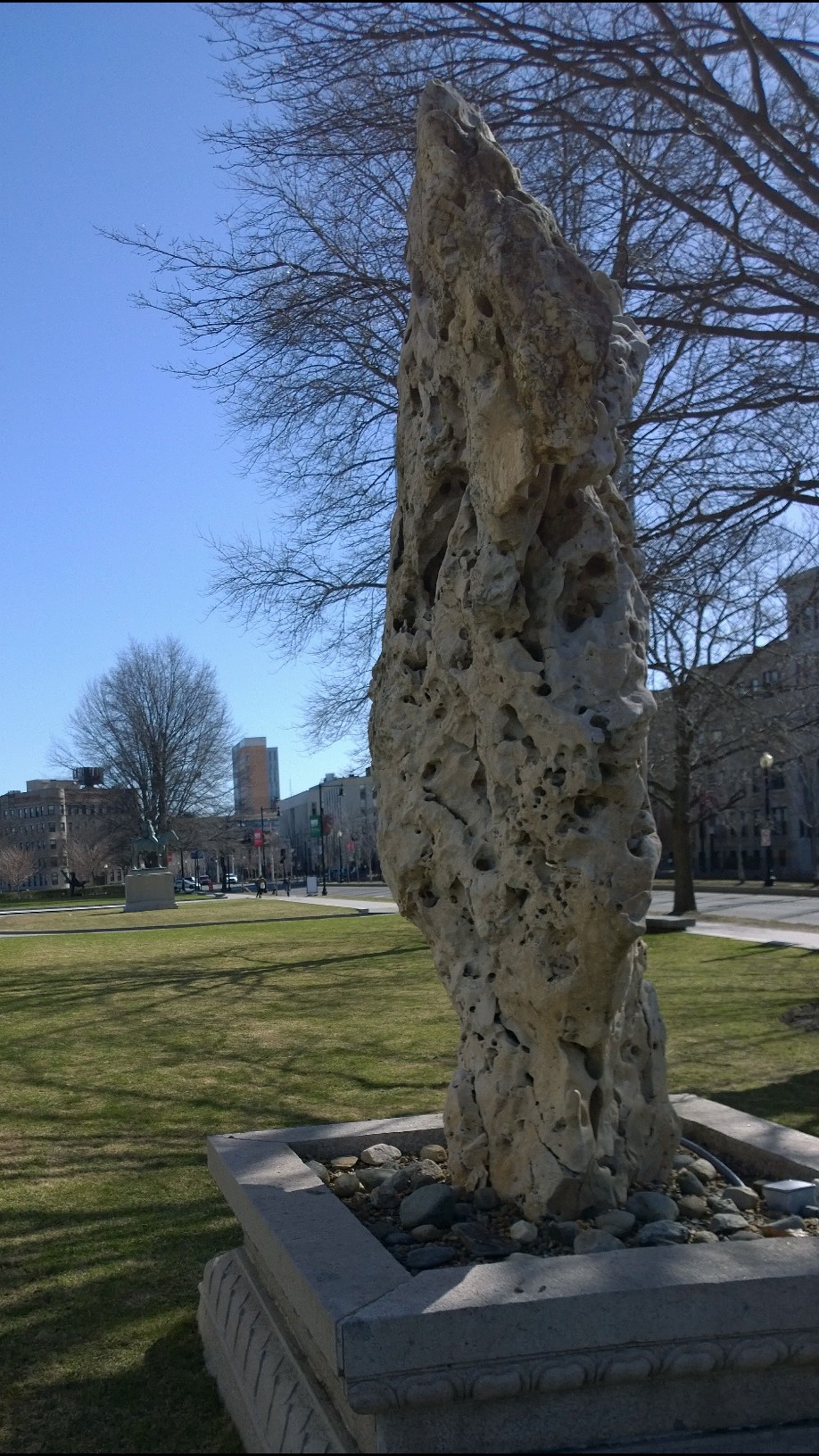
natural-water-pitted-stone

Indian-outside-the-MFA-by-Dallin

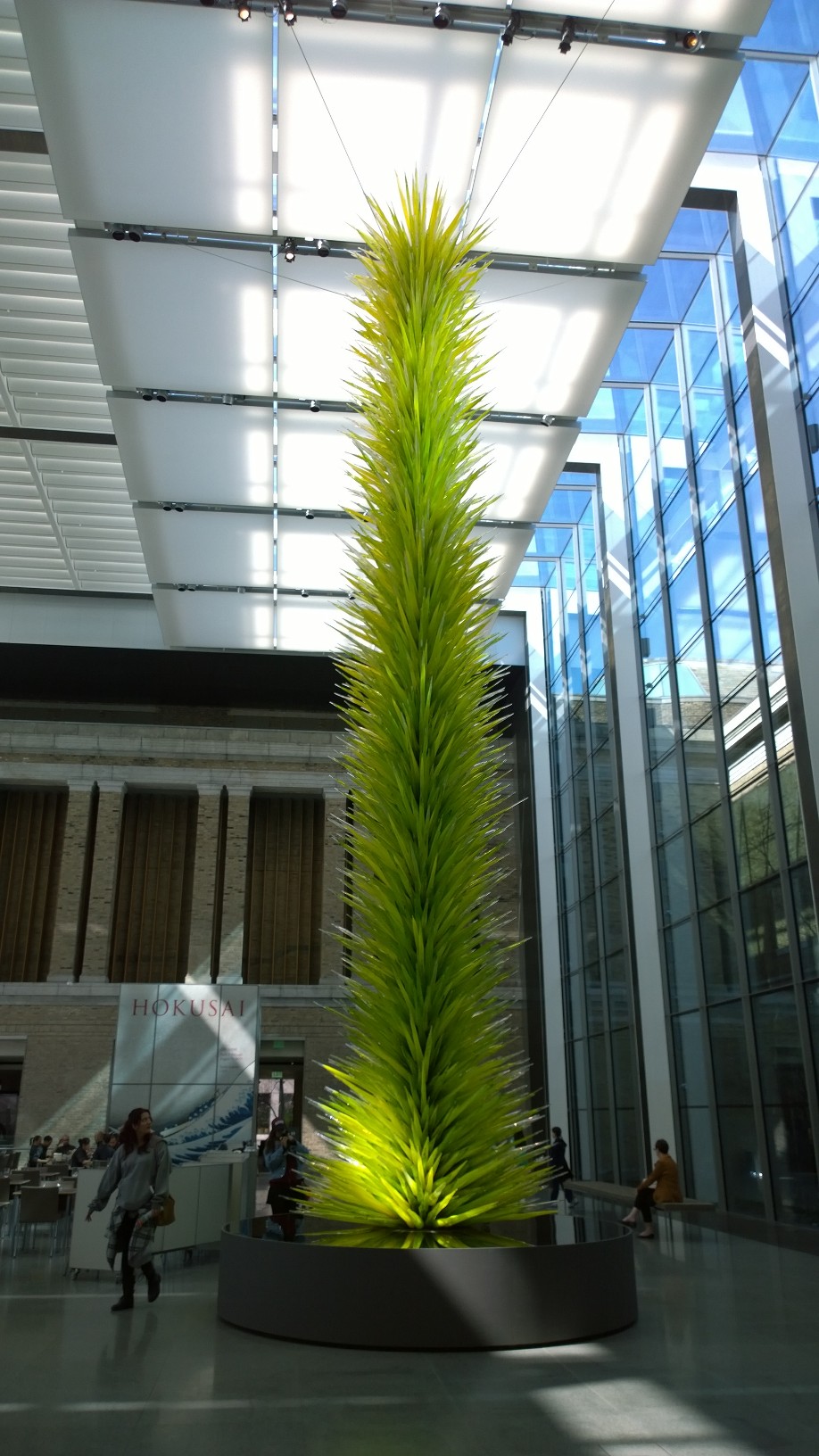
MFA-dining-room-glass sculpture

Hokusai-at-MFA-Boston

Hokusai-bird

tubby-time-Hokusai-style

Read Full Post »

Among the many things that are a fun about a blog is checking out the likes to my entries and learning about common interests. I also love thinking about the people I know who may be reading. Then there are the thoughtful comments from strangers.

Cynthia, for example. She came to the blog after searching on the late, amazing ceramicist Anne Kraus and finding my post “The Mysterious Tea Cups of Anne Kraus.” She says she knew the family.

My entries on new farmers have a led to a nice exchange with an Ohio farmer, DrJeff7, who raises traditional livestock at Heritage Breeds Farm. Here is one of his comments:

“There is definitely a shift toward buying local and buying organic/ grassfed, and all natural. We are staring up with similar goals in mind. I am concerned about the fact that farms continue to ‘go out of business,’ yet the animals get absorbed by larger and larger farming conglomerates. (i.e. factory farms). Their argument is that it is a necessary evil if you want to feed the world. I think that the world needs to move away from supposed progress and head back to the days of traditional farming, where animals see the light of day and chemicals are nowhere to be found (or limited to the best extent).”

And there came a day when I really needed to see this title at 5kidswdisabilities, a WordPress blog: “Beyond One’s Own Problems.”

Listen to this mom. “I work with a social/educational/recreational group for teens with disabilities.  When first getting this group together at the beginning of the school year, I asked them what they wanted to do as part of our program.  Every single one of them said they wanted to ‘help other people.’  Here are students with a variety of disabilities and medical needs, and they wanted to help others! They were mature enough to look beyond their own problems to the problems of others.

“Various suggestions were tossed about … They chose making sandwiches for the homeless. …

“They worked as a team and made 165 sandwiches and twelve dozen cookies. As they worked, they talked about who might get to eat them, what kind of bad luck may have fallen upon that person and so forth.  They talked with much empathy, and not once during their conversation did they mention their own problems.  They were caring about the problems of others.

“After the sandwiches were made, I drove up to Traveler’s Aid, a local spot where the homeless hang out.  The kids … walked and wheeled to the front desk which, fortunately, was wheelchair accessible.  The crowd murmured appreciatively, politely, thankfully.  The kids faces beamed as they turned around and came back to the van.  They were no longer disabled, but capable of helping others.  Suddenly, their problems were not as bad as the people who thanked them; people without shelter and food.”

Read her whole lovely entry here.

Photograph: HeritageBreedsFarm.com

Read Full Post »