Feeds:
Posts
Comments

Posts Tagged ‘denmark’

I was all set to blog about Providence PuttPutt, an artist-inspired, Kickstarter-supported pop-up entertainment for kids when I found out it was scheduled to last only for the summer and has just closed. Sigh.

So, sticking to a small-pleasures, quality-of-life theme, we turn once more to Denmark, where biking made a big jump in one year.

 at StreetsBlog Network writes, “For years the bike commuting rate has remained roughly steady at just over a third of trips. Then last year the city’s bike commute mode share increased from 36 percent to 41 percent. Meanwhile, driving declined 3 percent as a share of commuting trips.

“The unexpected increase had a lot of people baffled. But Mikael Colville-Andersen at Copenhagenize thinks he knows what happened …

What has happened is that 17 huge construction sites fell out of the sky all at once. Not something that happens every day. In addition, most of central Copenhagen — between 2012 and 2013 — was under further construction because of the upgrading of district heating pipes under many streets that had to be ripped up. …

Driving was rendered incredibly difficult. Copenhageners, being rational homo sapiens, chose other transport forms. Public transport has increased, too, but the bicycle is clearly the chariot of choice. It’s no surprise at all why cycling is booming.

“There you have it,” Schmitt adds. “If you want to improve cycling in your city, make it an awesome place to bike, sure, but don’t forget make it a terrible place to drive. ”

More here.

Photo: Mikael Colville-Andersen 
Biking in Copenhagen

Read Full Post »

On the whole, I believe in having zoos, but I do realize most of the animals would rather not be there.

So I was interested in a zoo concept that was tweeted this week by @SmallerCitiesU. It’s an article about a plan for a zoo in Denmark.

At Good magazine, Caroline Pham asks, “Is there an ethical way to publicly display captive animals? Danish architecture firm BIG (Bjarke Ingels Group) is on a mission to answer that question with a hefty redesign of Denmark’s Givskud Zoo. …

“Their recently revealed plans for what has been dubbed ‘Zootopia’ attempt to mesh nature with inventive design in a 1,200,000 square meter park imagined under advisement from the zoo staff. Manmade buildings would hide within the constructed natural environments and animal habitats would mimic ones found in the wild as much as possible.

“Renderings showcase a circular central plaza with an ascending ramp-like border where visitors can enjoy panoramic views of the entire park, which features varying natural environments (that seem to be fairly open-air) connected by a four-kilometer hiking trail. …

“The project is currently in progress, with the first phase set for completion in 2019.” More here.

Photo:  Bjarke Ingels Group

Read Full Post »

Klaus’s dad — who, I am told, is a musician in his spare time — recently wrote about enjoying the post on conducting your own orchestra. He lives in Denmark. I told him I have also posted about Denmark a few times and hope to do so often.

So when SmallerCitiesUnite! tweeted this tidbit on Denmark today, I knew it had to be in the blog.

From The Local: “Swimming in the North Sea just got a bit easier, at least near the northwestern Jutland town of Thy. Denmark opened its first sea pool, also known as a lido, over the weekend in Nørre Vorupør on the coast of the North Sea.

“The 50 square metre open-air pool allows swimmers, divers and kayakers to be in the North Sea without worrying about large waves, dangerous undercurrents or rip tides. …

“ ‘It could lead to investments in summerhouses or rental opportunities,’ Lene Kjeldgaard, the mayor of Thisted council, told Danmarks Radio.

“See a gallery of photos from the pool’s first weekend here.”

More here.

 Photo: Sofus Comer

Read Full Post »

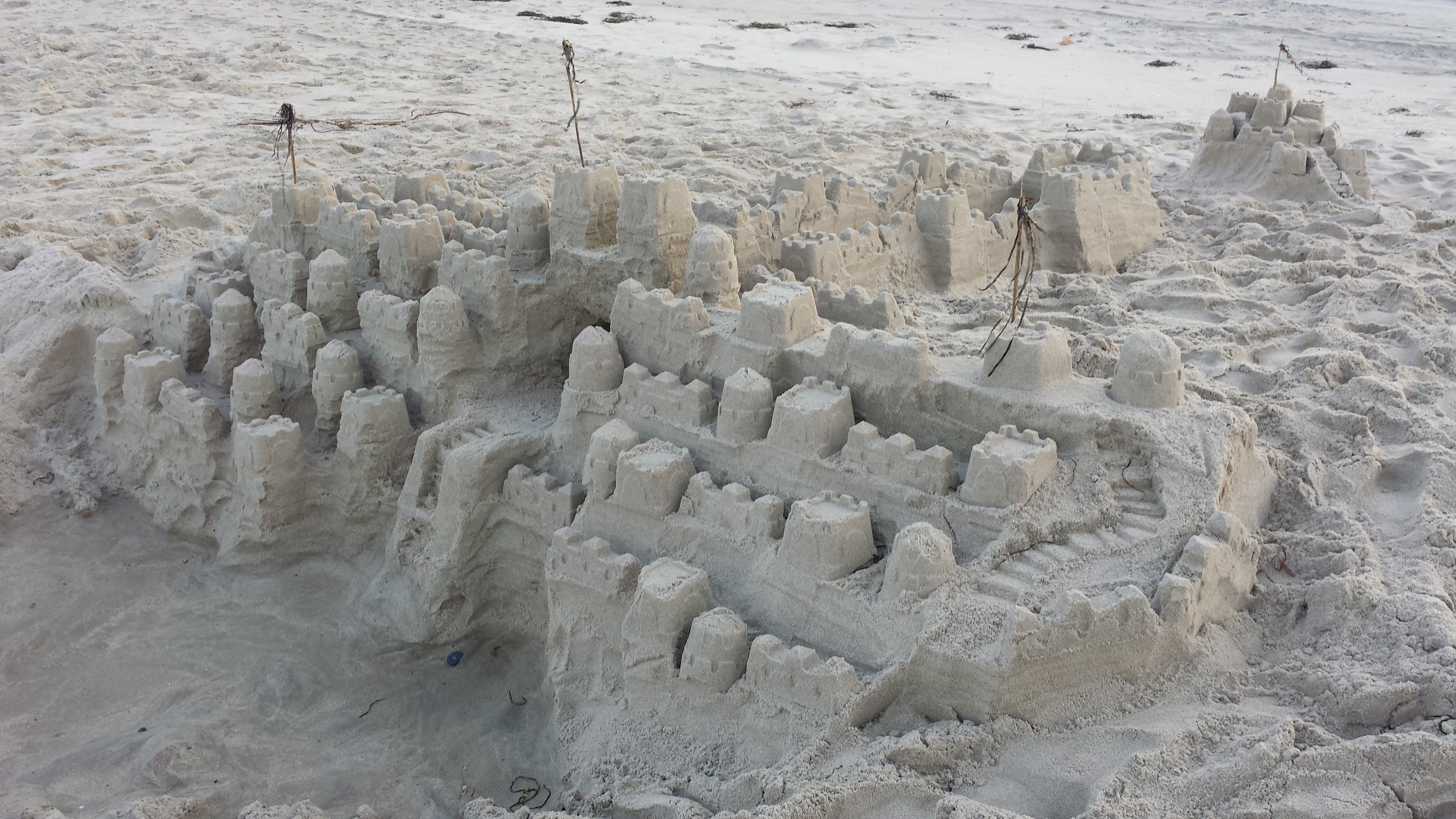
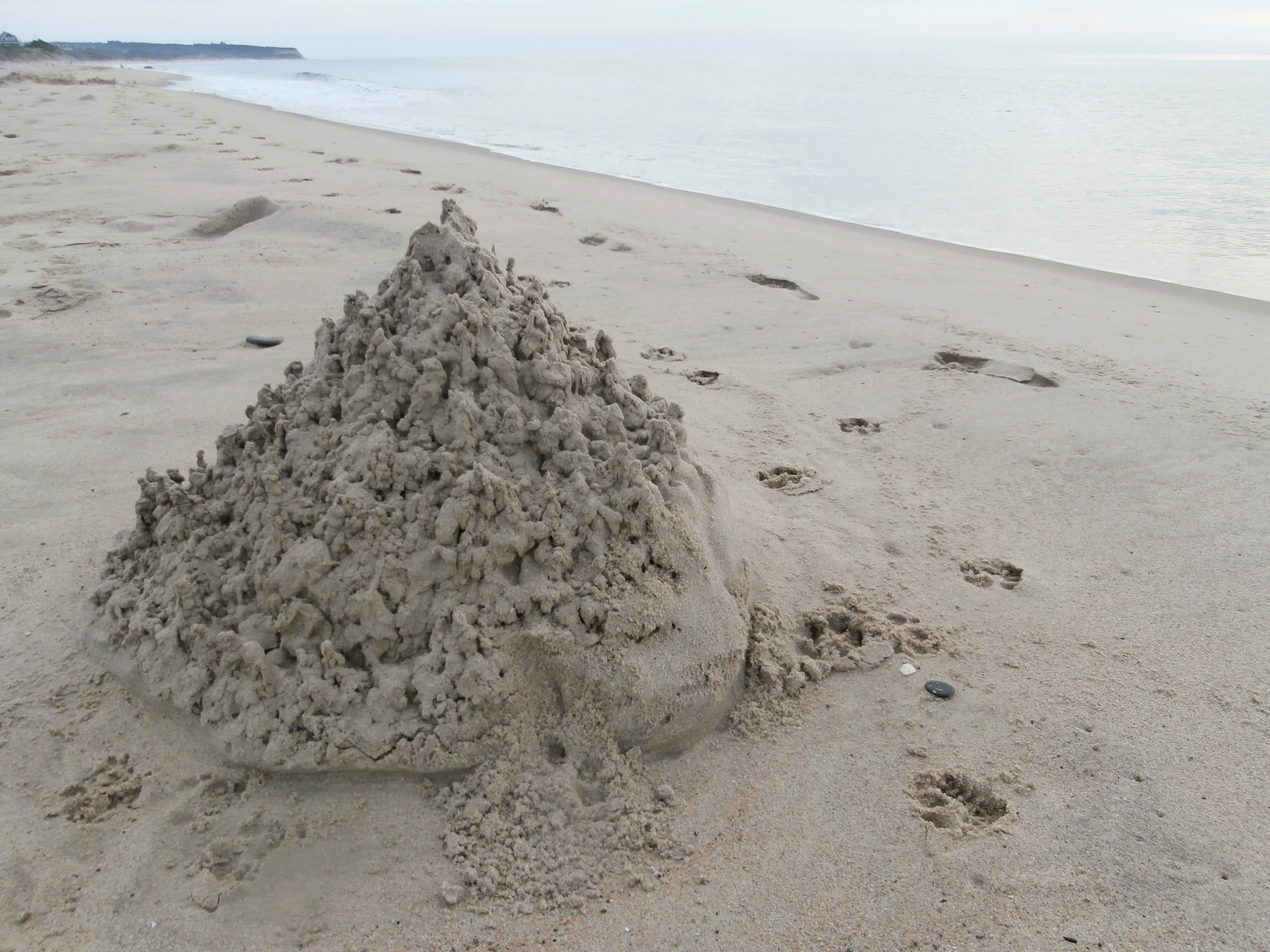
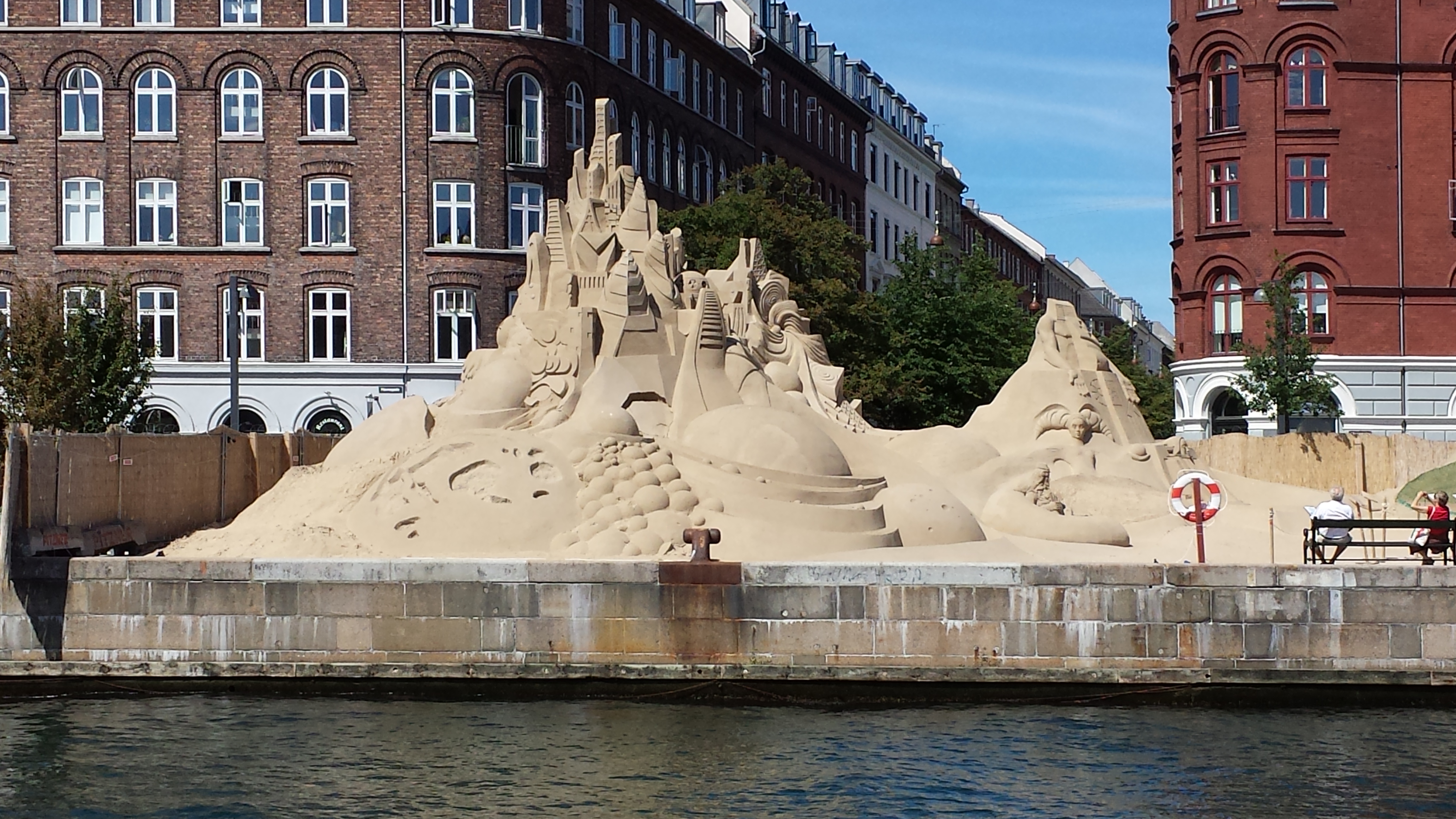
Here are a couple of Rhode Island sand castles from Crescent Beach (one made by inverting buckets, one made with the drip technique I favored as a kid) and an elaborate castle that Suzanne photographed when she was in Copenhagen earlier this month.

This website promises to teach you how to make the perfect sand castle. It involves keeping the sand moist at all times so the castle doesn’t crumble.

sand-castles

sand-castle-lef-overnight

copenhagen-sand-castle

Read Full Post »

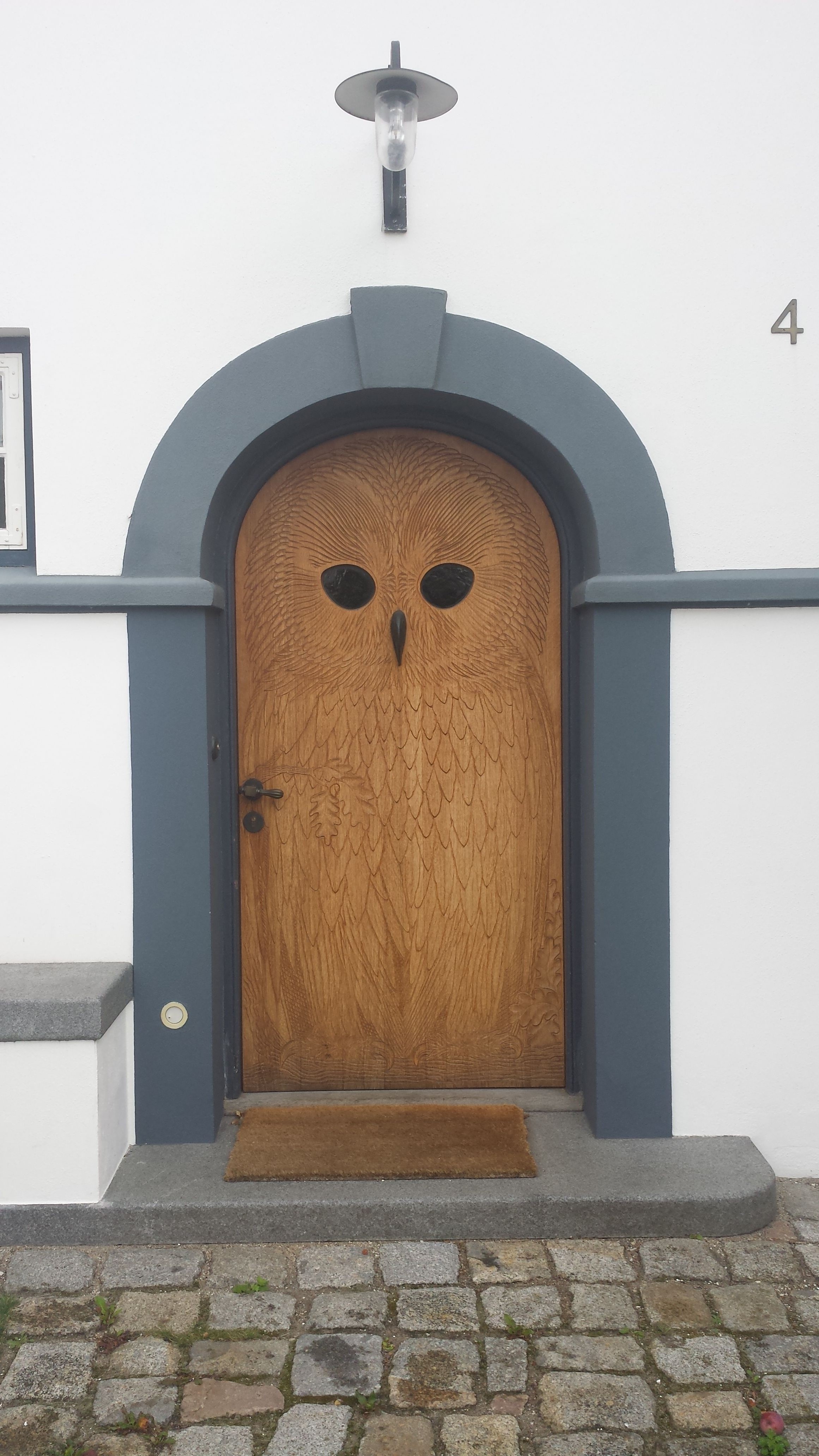
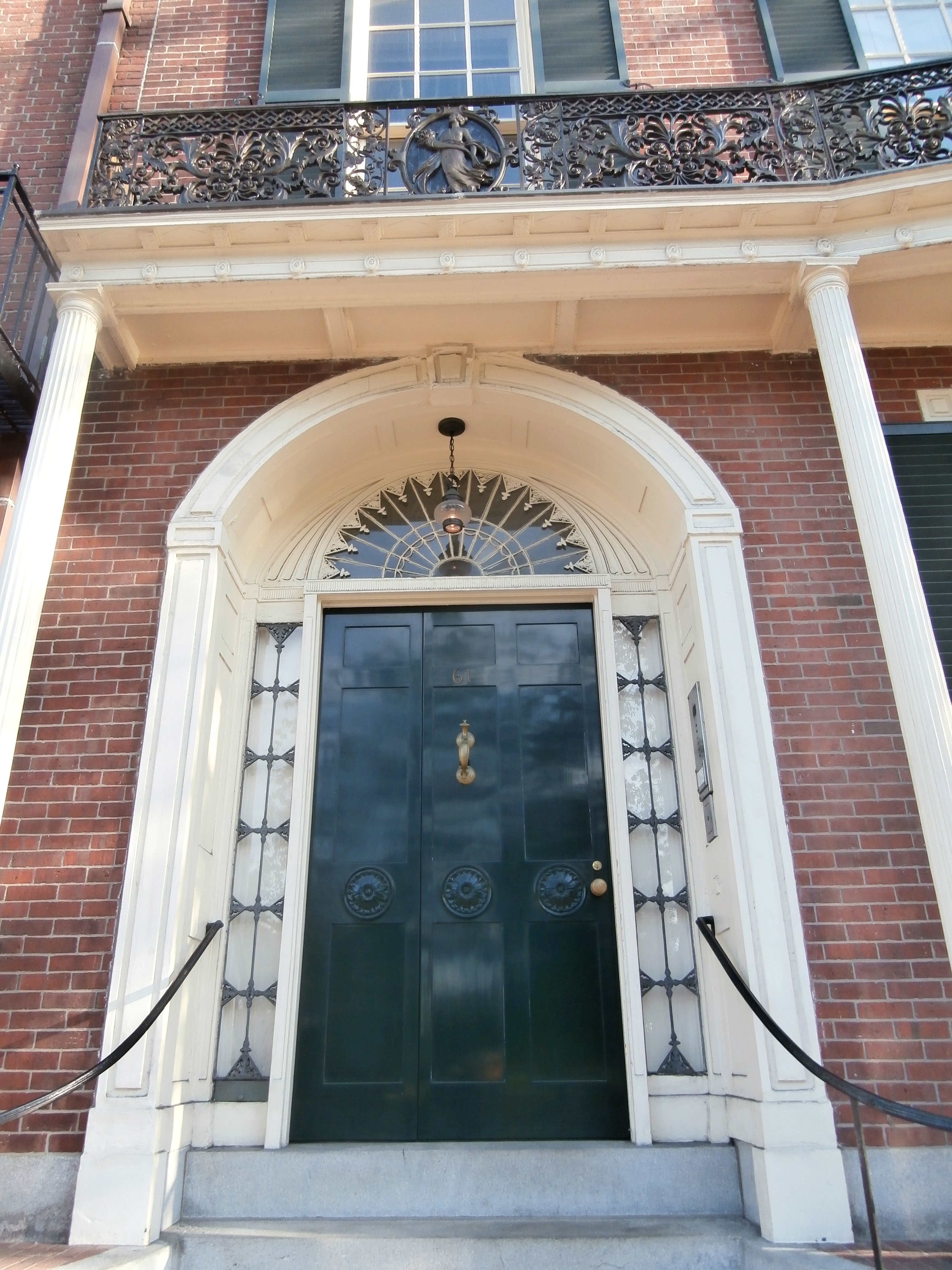
Suzanne sent me this door from Denmark.
doorway-in-Denmark

It made me think of the book The Door in the Wall, by Marguerite De Angeli. I don’t remember the story, but I do remember the illustration of the door and the scent of mystery: What is behind a door like that?

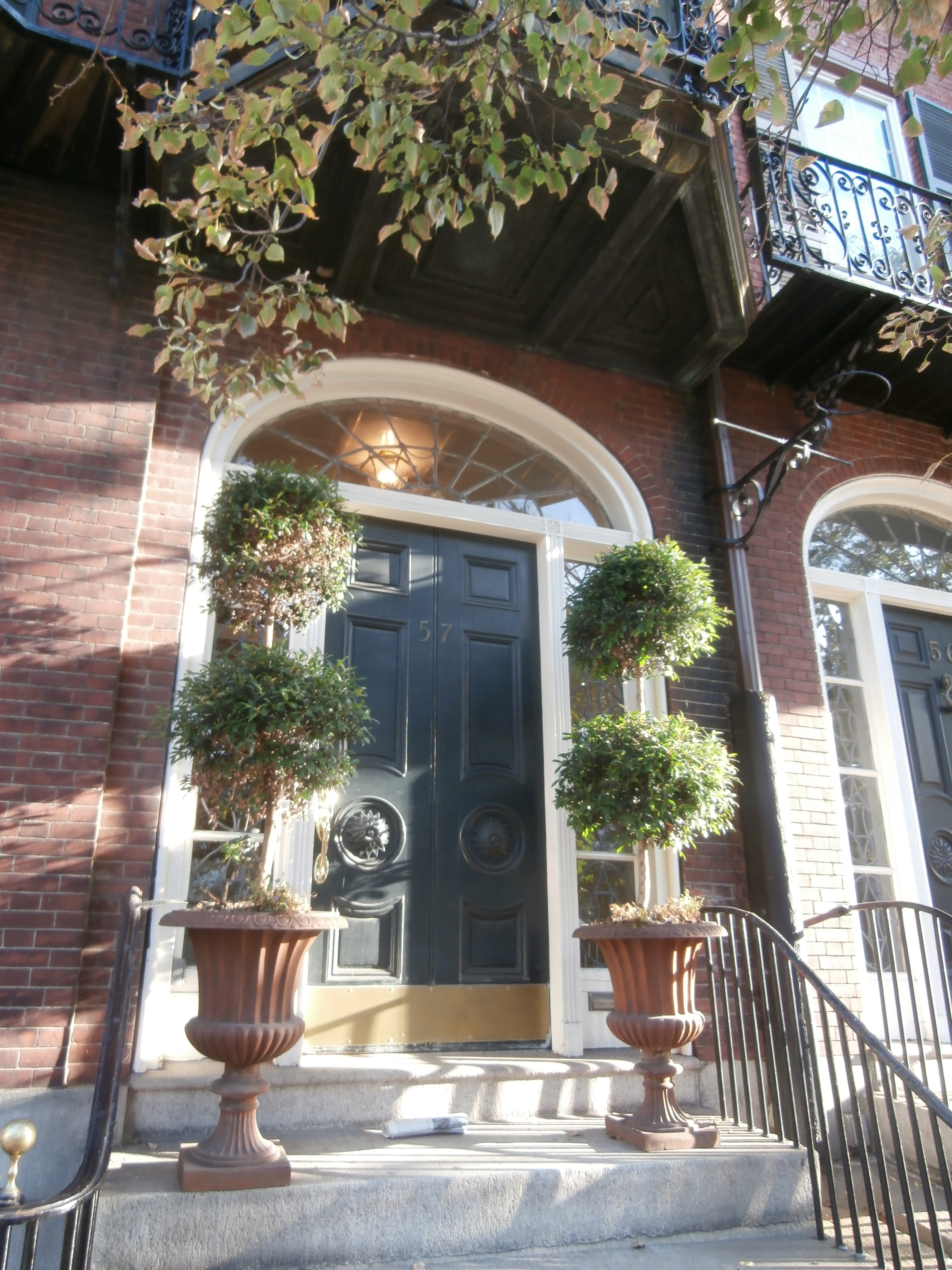
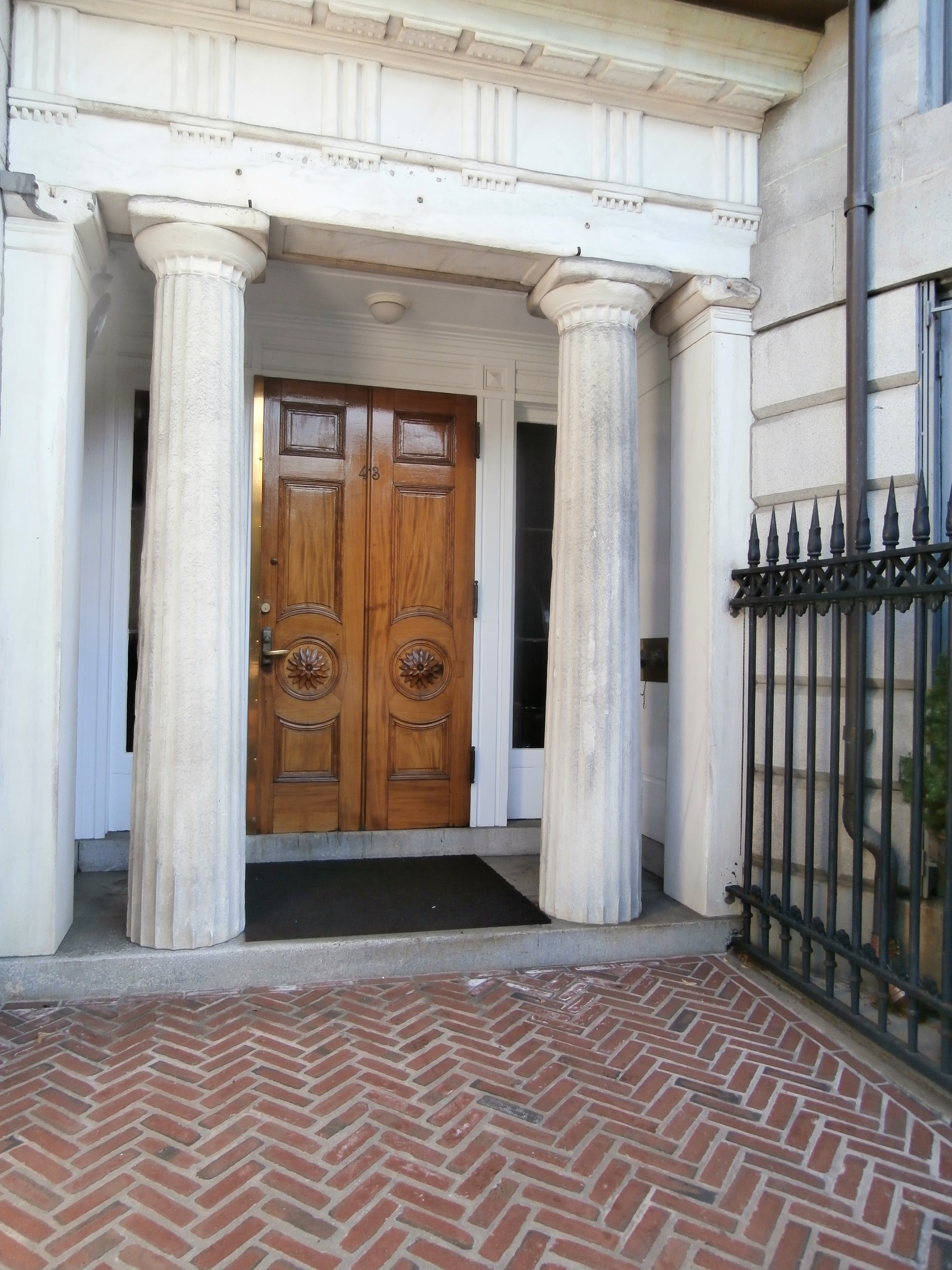
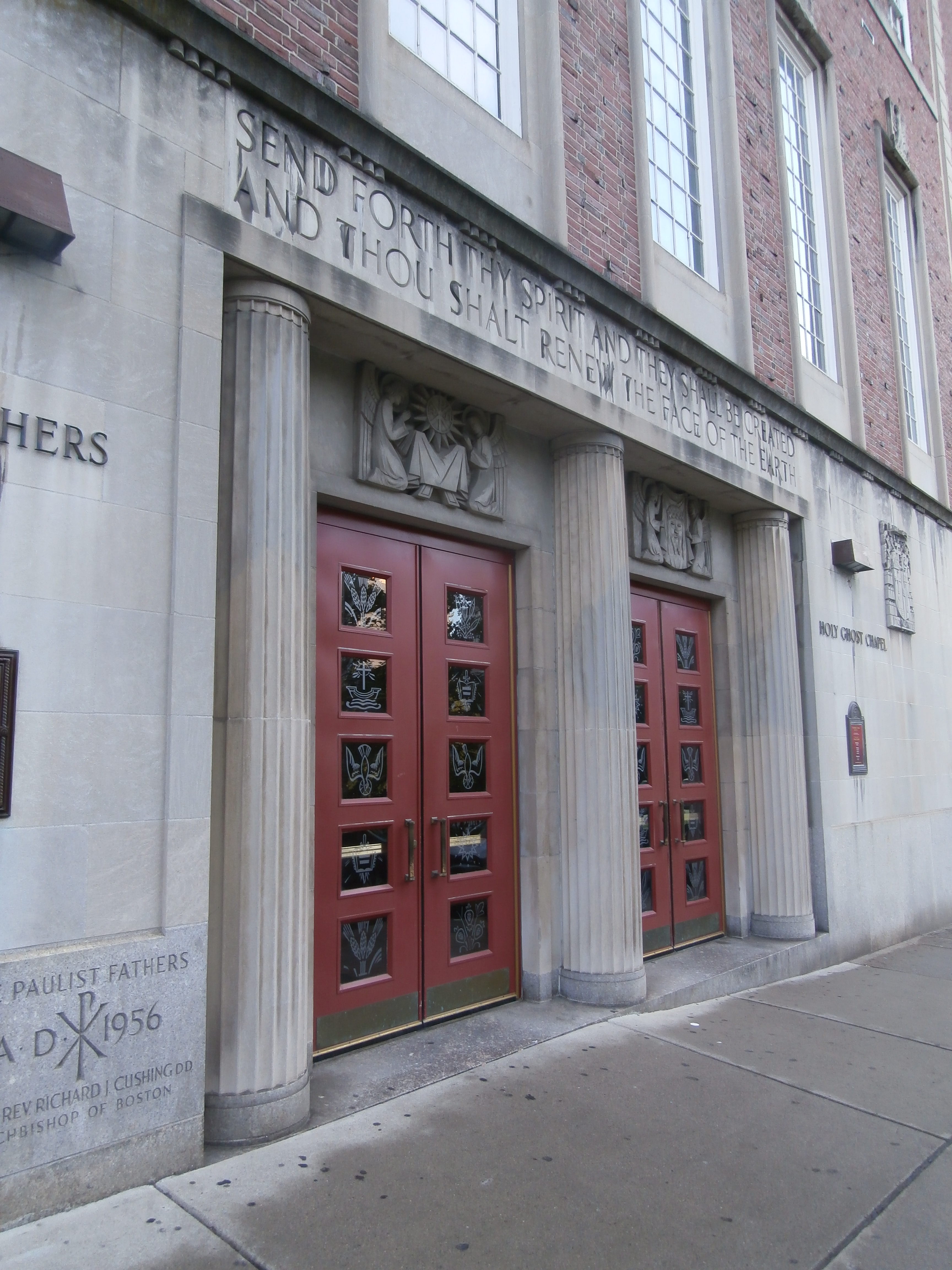
I started taking photographs of doors.

Behind almost any one of these I can picture Frances Hodgson Burnett’s Little Princess dining on bread crusts and water in her drafty garret until an emissary from the man who back in India bankrupted her father sneaks through a window (with monkey) while she is out doing chores, and redecorates her space with luxurious fabrics and fittings and a luscious spread of sweets.

Can’t you?

doorway

doorway-2

doorway-3

dorrway-4

doorway-5

doorway-6

doorway-7

Read Full Post »

Suzanne is in Denmark at the moment and sent me a website for something unusual she saw there: a modern Stonehenge.

“The idea of creating The DODECALITH arose in 2006 when the composer Gunner M. Pedersen saw sculptor Thomas Kadziola’s land art project Anemarken (Ancestors’ field) … on the island of Lolland.

“The composer suggested that he and the sculptor create a Stonehenge on Lolland, consisting of a circle of twelve huge menhirs with heads in the open countryside.”

The creators write, “On a hill overlooking the sea, we are creating a singing monument … that will give everyone from near and far an experience of greatness, closeness and beauty, of time’s migrations and settlements. It will express pride and humbleness, times gone by, the present, and, importantly, time coming. …

“The stone figures will stand on invisible foundations and they will sing!
Under a circle of natural sitting stones, a 12 channel sound system will be installed. This system will allow spatial electro acoustic song and music specially created for The DODECALITH to sound inside the circle at intervals every day, all year round. …

“The ancestors [came] from afar, from the land to the south where the waters rose 7,500 years ago and sent the Lolers on their long journey. … Along the coast from Ravnsholt to Ravnsby alone, over 70 burial mounds have survived, several of which are passage graves. … There are now only four mounds … It is here we are re-erecting the Ring of the Lolers, The DODECALITH, to let the new Lolers ancestors sing.” More.

Read Full Post »

Anna%20Ancher.%20%22Breakfast%20before%20the%20hunt%2C%22%201903.%20On%20view%20at%20the%20%22A%20World%20Apart%3A%20Anna%20Ancher%20and%20the%20Skagen%20Art%20Colony%22%20exhibit%20at%20the%20National%20Museum%20of%20Women%20in%20the%20Arts.%20%28Courtesy%20Skagens%20Museum/%29

Anna Ancher painting from the Skagens Museum: “Breakfast before the hunt,” 1903.

Kristina often gives me her Women in the Arts magazine after she’s done with it. This time I was particularly taken with a story on a show in Washington called “A World Apart: Anna Ancher and the Skagen Art Colony.”

DeNeen L. Brown writes that among the 64 paintings and oil sketches, the depiction of light is breathtaking.

She says, “At its height in the 1880s and ’90s, Denmark’s Skagen Art Colony attracted dozens of artists who were drawn to the isolated fishing village by the light and the unspoiled land- and seascapes.

“While the exhibition focuses on Ancher, the most prominent woman, it also includes works by her husband, Michael Ancher, as well as Laurits Tuxen, Viggo Johansen, Christian Krohg, Oscar Bjorck, Holger Drachmann, Carl Locher and P.S. Kroyer, whose large-scale oil paintings capture the ‘heroic’ life of fishermen in Skagen. …

“Ancher, who was the only native of Skagen among the artists in the colony, became an icon in Denmark not only for her art but for breaking social boundaries. She was a wife and mother who painted at a time when most women abandoned work after they married and had children. She also painted during an era when women were prohibited from studying at the Royal Danish Academy of Fine Arts. …

“The Skagen colony artists became known as part of the modern breakthrough movement, shrugging off the academic tradition of neoclassical painting styles preferred at the Academy of Fine Arts in Copenhagen and building on realist, naturalist and impressionist movements to depict everyday life and everyday people in an unidealized way.” More.

In case you should be in Washington in the next few weeks, the show runs through May 12 at the National Museum of Women in the Arts.

Read Full Post »

Don’t you love that term? I needed to know more and found it at the Governing blog.

“Darwin’s theory of natural selection was simple but significant,” write Emily Malina and Kara Shuler at the blog. “Variation occurs naturally within any population, and nature will favor and spread characteristics that are advantageous for survival. Like a species, a workforce can go through a similar evolutionary process driven by individuals with unusual but favorable behaviors.

“These outliers, or ‘positive deviants,’ sometimes bend the rules, but their practices enable their success and survival in the workplace. …

“This positive deviance approach is grounded in a systematic process that includes identifying outliers and the specific behaviors that contribute to their success, and then scaling those behaviors across the workforce. It can be especially useful when other efforts have failed to bring about the desired results, and it is more effective when the issue requires behavioral change instead of technical solutions.”

Asakiyume, I think you will like the example the authors give. It’s about some outlier prison-guard behavior in Denmark.

“Burned-out prison guards: The prison environment, with its stressful conditions and psychological burdens, has historically resulted in high absenteeism and early retirement among guards.

“Danish prison-system officials looking to address this problem began by observing the behaviors of resilient guards, those with five or fewer days of missed work. They found that ambiguity in inmate-intake protocols allowed for positive deviants to emerge. The rule called for guards to gather background information from new inmates, and the common approach was an interrogation-style interview.

“Instead, the deviant guards offered inmates a tour of the prison facility and engaged them in a conversation. This small but powerful difference not only better equipped the guards to deal with the stresses and mental challenges of their jobs but also improved behavior of the inmates under their supervision, as evidenced by fewer violent threats and greater enrollment in treatment programs.” More.

Gate_sea_Aug08

Read Full Post »

Just a quick post to say that there are some lovely blogs on WordPress, where Suzanne’s Mom’s blog is housed. I recently noticed two in particular I wanted to share.

The first features the Modern Museum of Glass Art in Copenhagen.

The second has photos of cool cut-paper art. Enjoy.


Read Full Post »

« Newer Posts