Feeds:
Posts
Comments

Posts Tagged ‘Horace Pippin’

Photos: Suzanne and John’s Mom.

I love walking around dirty old New York, even in cold and rainy weather. Today’s photos are from last weekend, when I took the train down for a wedding.

It’s the small things one notices. The saxophone player under the pedestrian bridge in Central Park, where the sound amplifies like an orchestra. He was playing “Beauty and the Beast,” with his sax case open for tips, a stick placed inside to keep any bills from blowing away.

A nicely dressed woman on a city bus scrolling her phone and wearing a rubber Halloween monster mask — blue and green rubber with a gaping hole at the nose and beaver teeth hanging down.

Then there were two people from my childhood that I ran into on the same morning in the Upper West Side. Not people I even knew from the Upper West Side but from Fire Island. The one I met in an elevator was a close childhood friend. The one I met in a diner was someone I knew from the Ocean Beach teenage musicals I directed. So there we were in a diner on Broadway singing one of those old teenage show tunes.

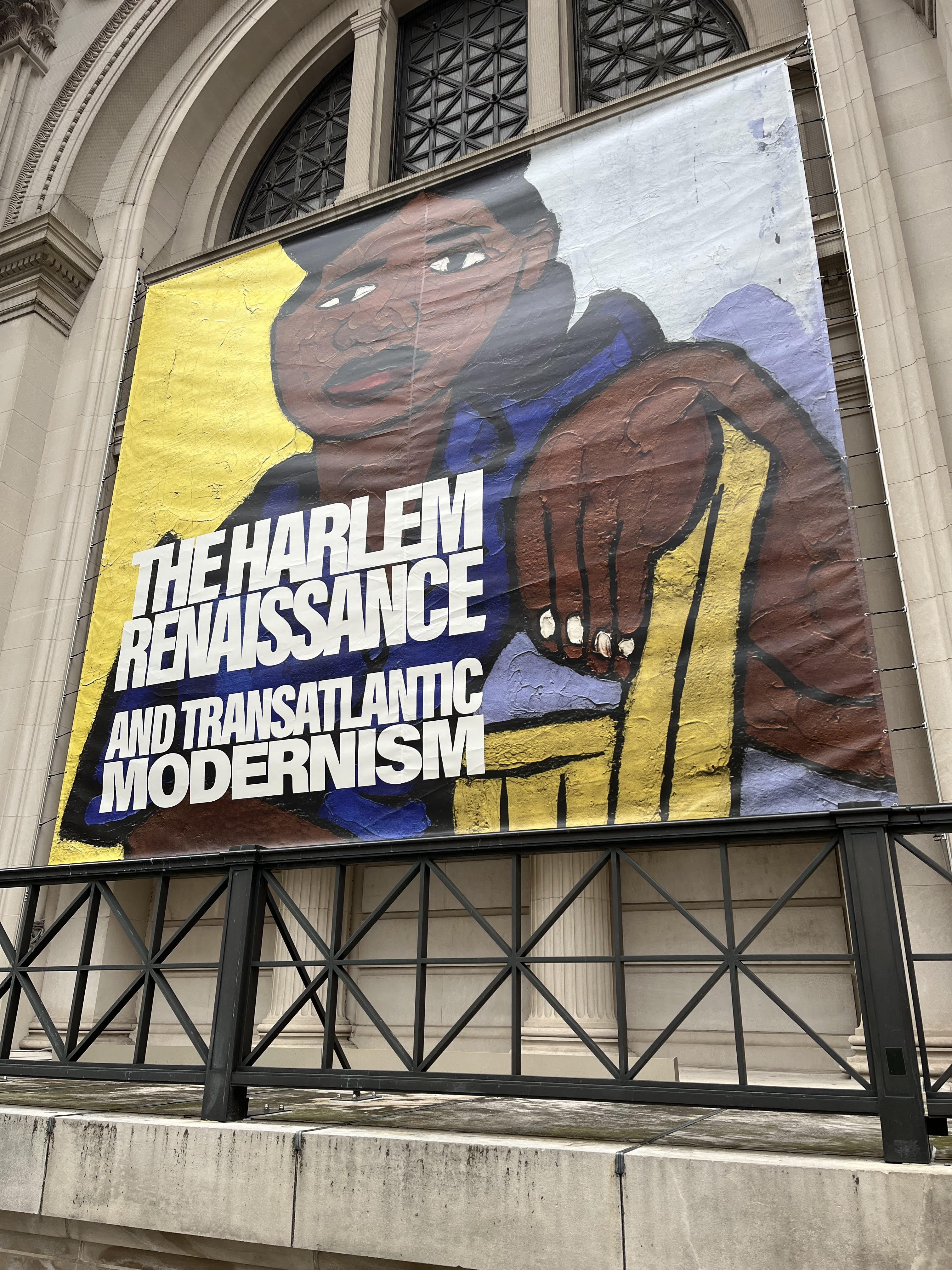
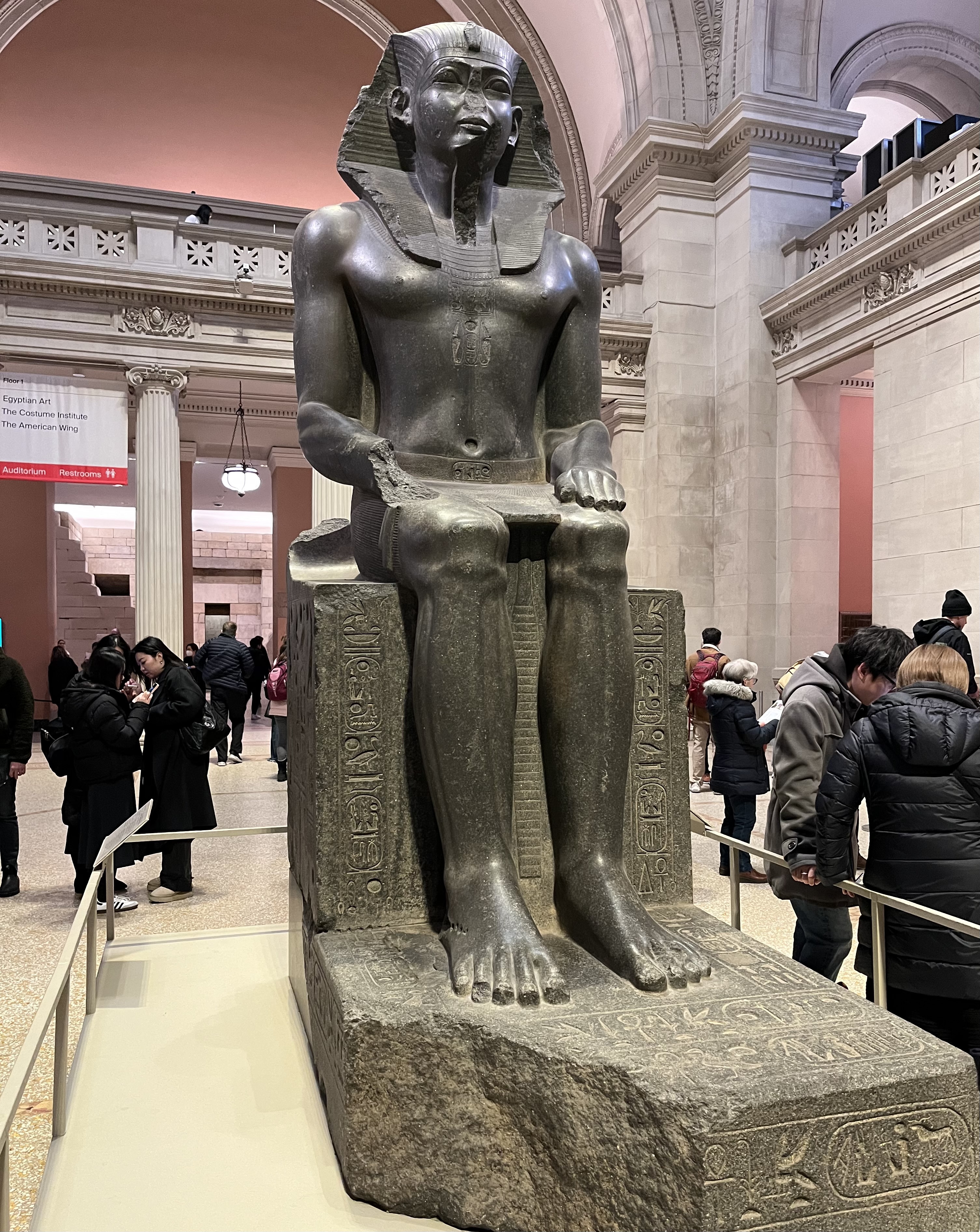
I got myself lost in Central Park on my way to the Met Museum to see the Harlem Renaissance exhibit. Like all New York, it was way too crowded, too many long lines. You spend 20 minutes waiting to buy a ticket, and then, if you want to unload your coat and backpack, you can wait in a ten-minute line to check them in and another long line to pick them up. I decided I could carry mine.

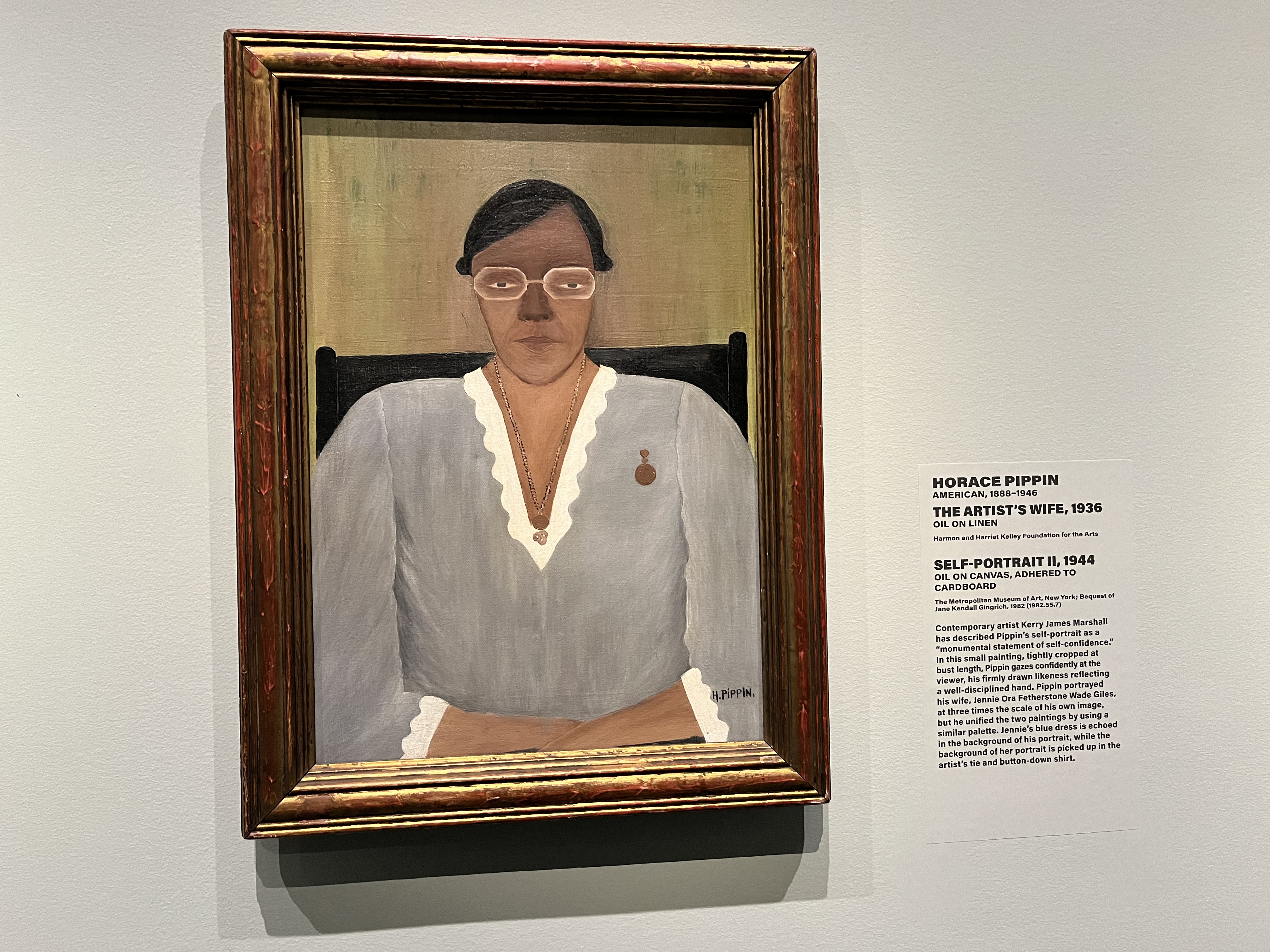
I photographed the Horace Pippin painting for my artist friend Meredith, a Pippin fan. There were many works by Aaron Douglas, but it was too crowded for much picture taking. Here’s a representative sample of Douglas’s art from the Rhode Island School of Design Museum.

The Met exhibit was huge, with portraits of luminaries like Langston Hughes, Zora Neale Hurston, James Weldon Johnson, and Marian Anderson, and scenes of Black life in the 1920s and ’30s rendered in many styles and media. Some artists, like photographer Carl Van Vechten, were not technically part of the Harlem Renaissance, but close observers.

Moving on to other New York sights.

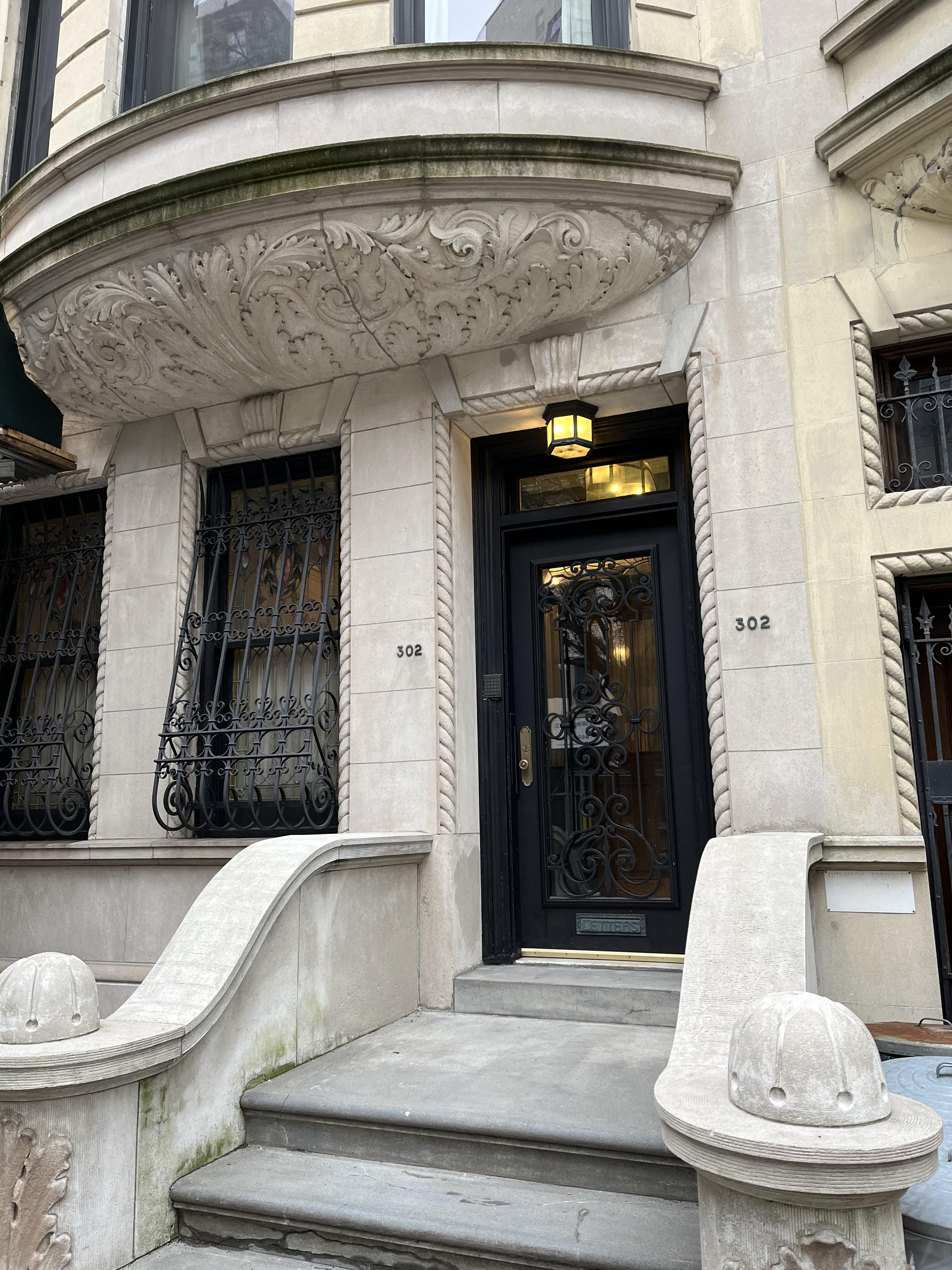
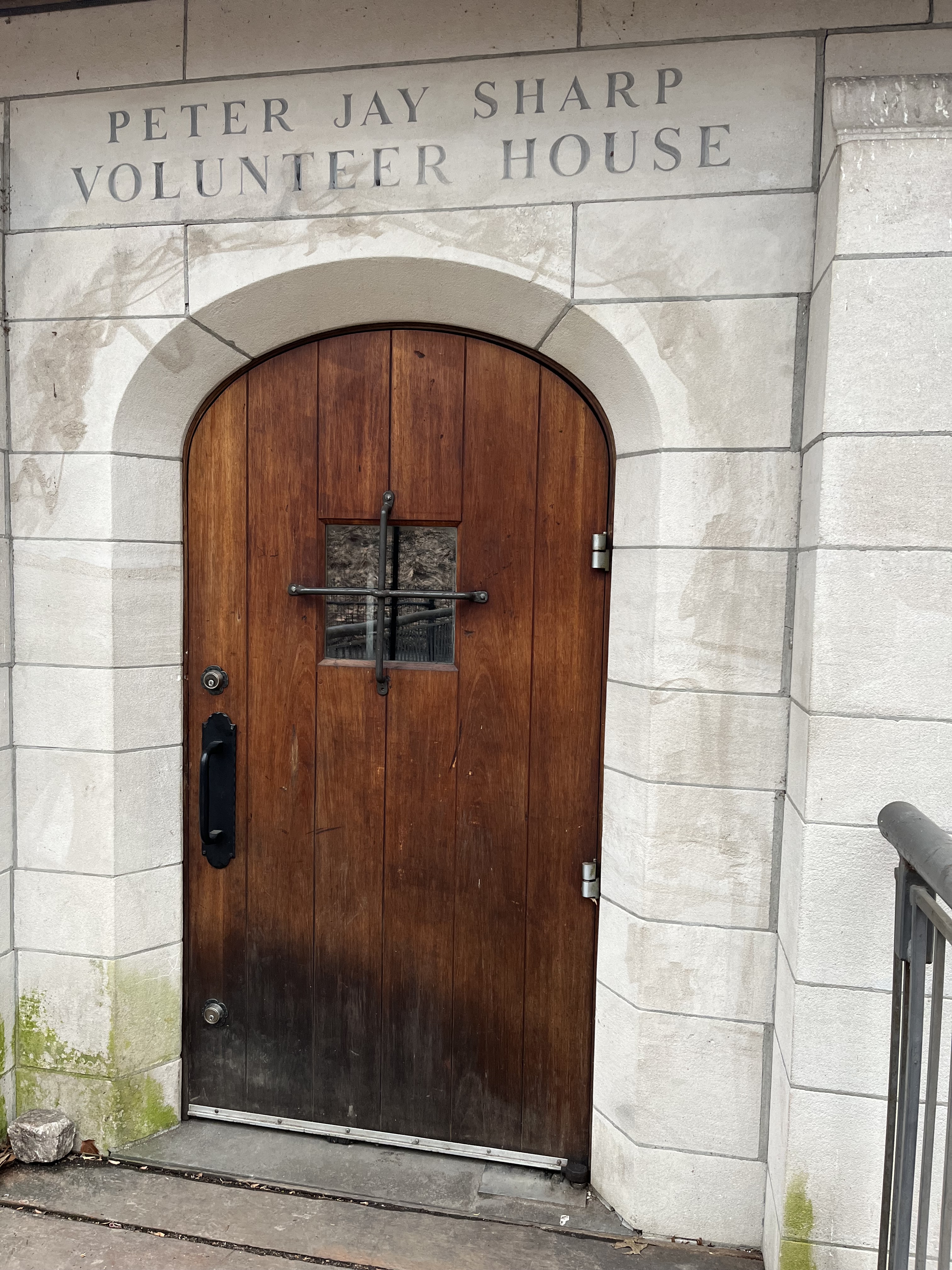
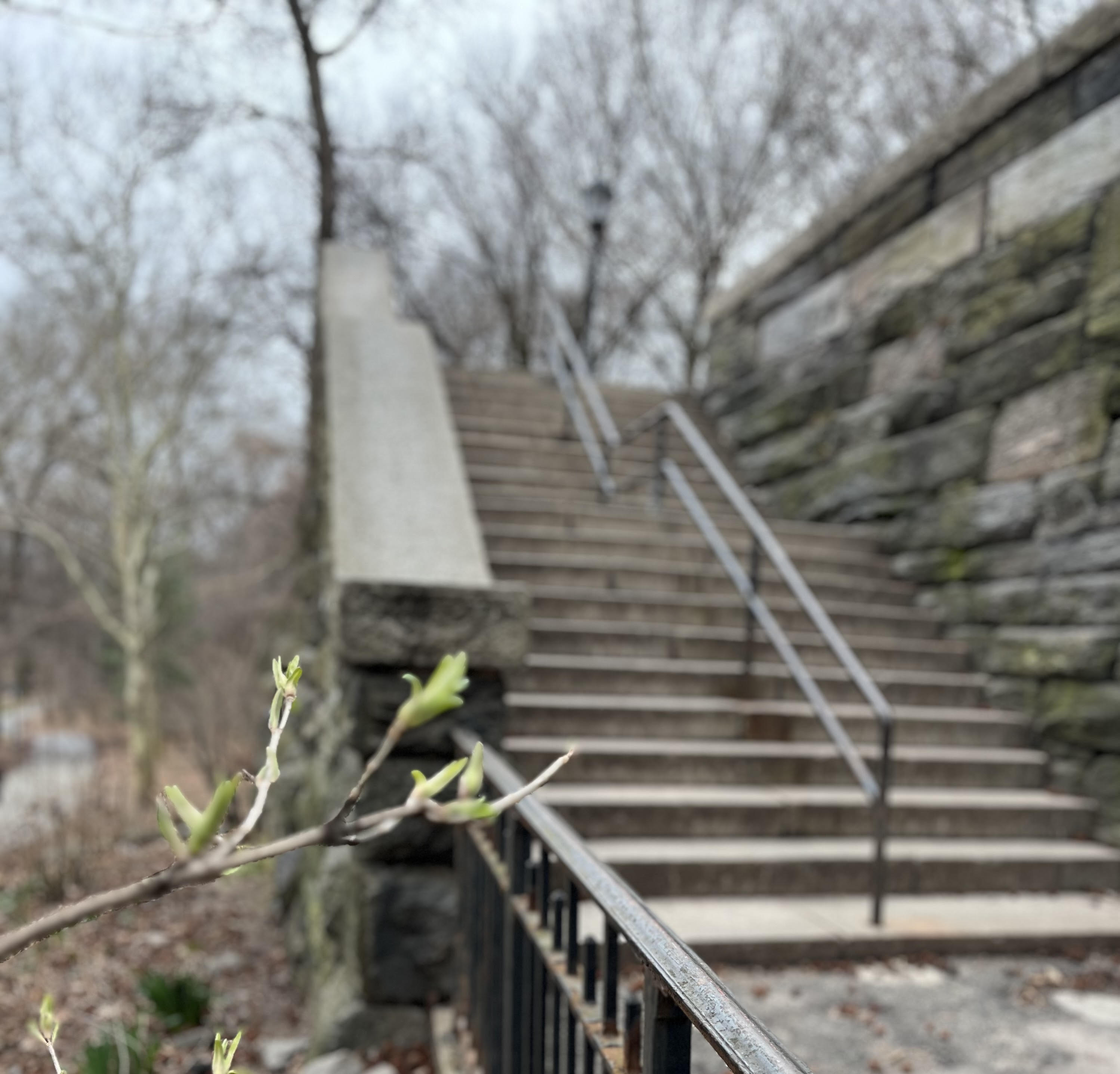
I often envy blogger Sheree, at View from the Back, who can post the most wonderful door photos. Of course, she lives in Europe. I have to go to New York to get anything comparable. Here are two interesting doors, the second in Riverside Park, where signs of spring were defying the miserable weather.

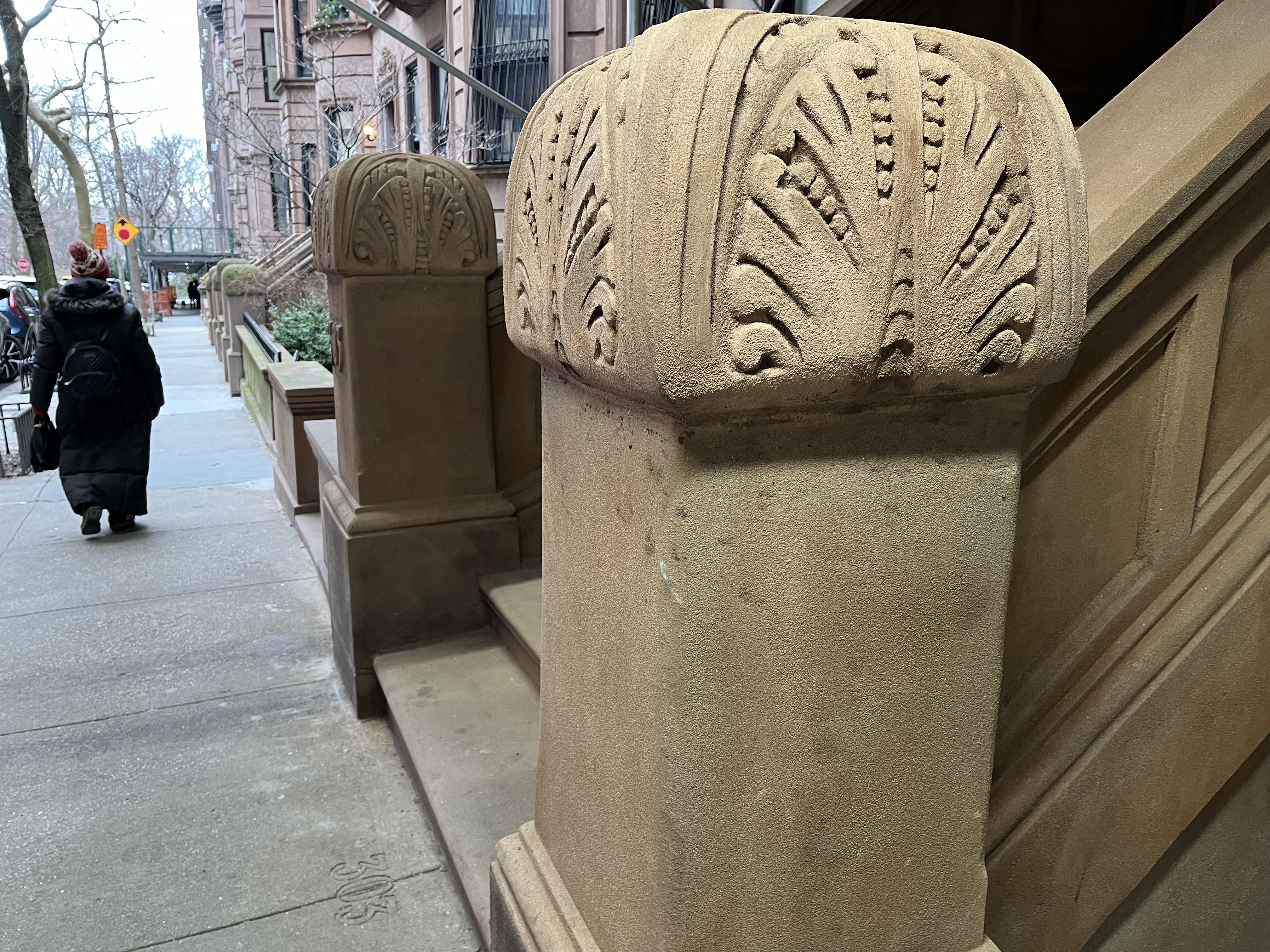
I love that new homeowners in New York often clean up the lovely, old architectural details. Notice the carved staircase, all sandblasted and spiffy.

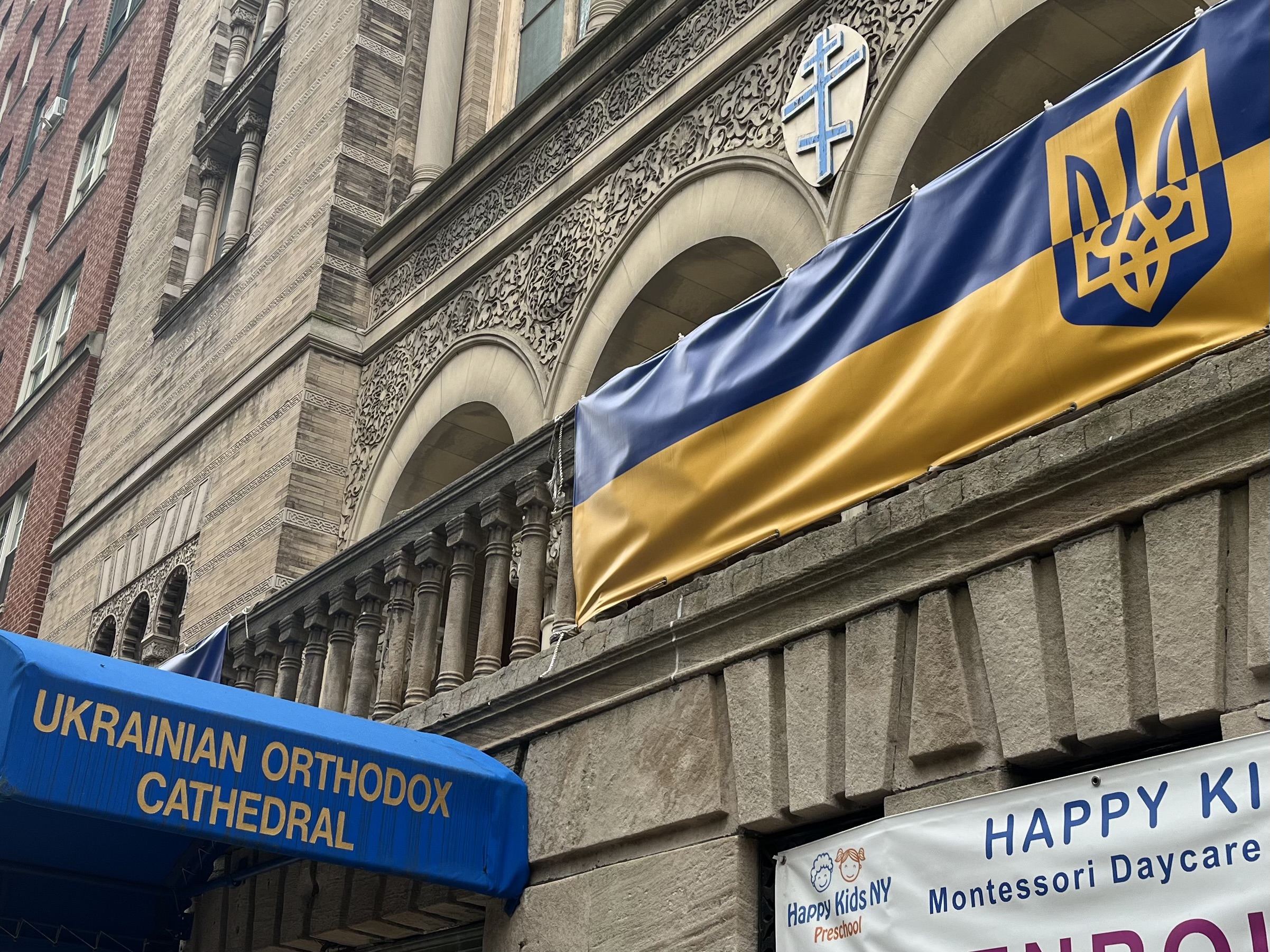
Finally, here’s a shot for my Ukrainian friends. Thinking of you. Always.

Read Full Post »

122819-hippo-playground-NYC

Time for more photos. Most were taken by me in New York and Massachusetts, but my friend Ann took the one of her granddaughter contemplating Abe Lincoln.

What would either Abe or Gracie think if they understood all that was going on in Washington today?

In the next photo, one of my own granddaughters and her friend enjoy candy canes and conversation after performing in a “Nutcracker” put on by their ballet school.

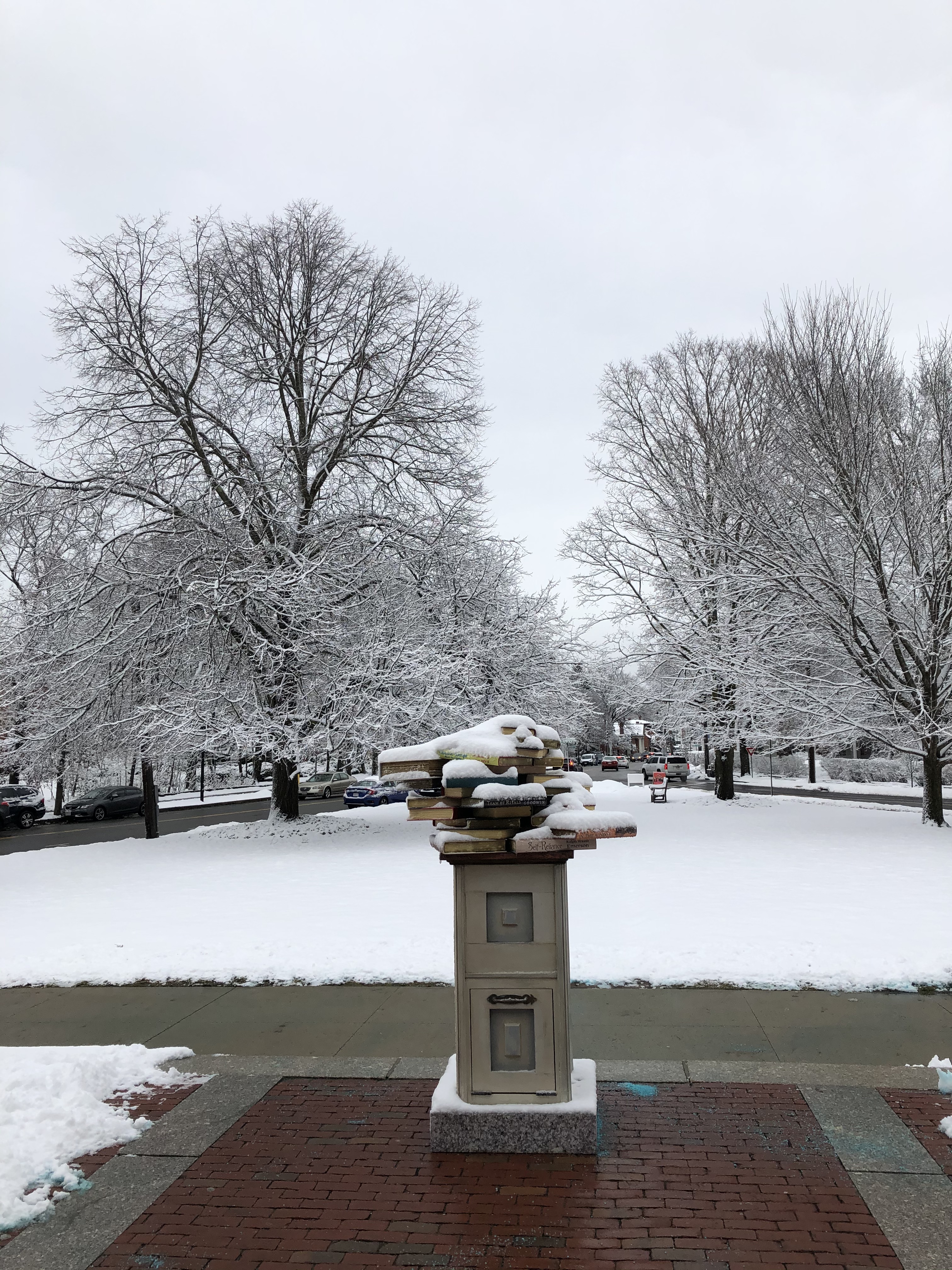
Then we have a book “sculpture” put together to measure donations to the library fund for its ambitious addition. The pile of books increases as the donations increase. I took a close-up of a giant replica of a local author’s bestseller.

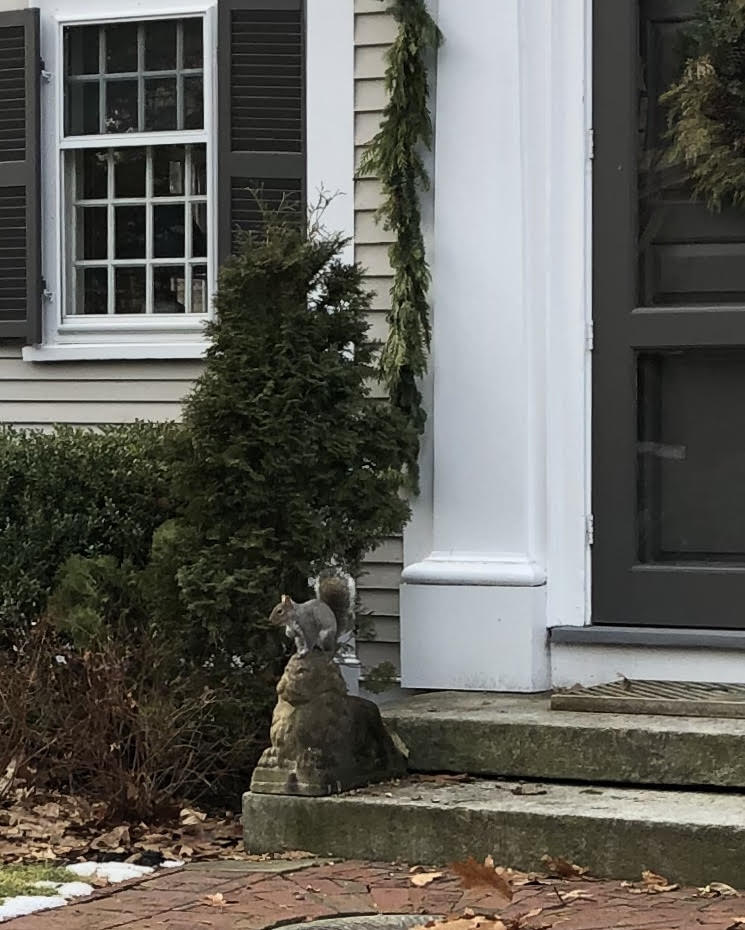
Two snow pictures are next, followed by one of a squirrel I saw yesterday posing on a lion sculpture.

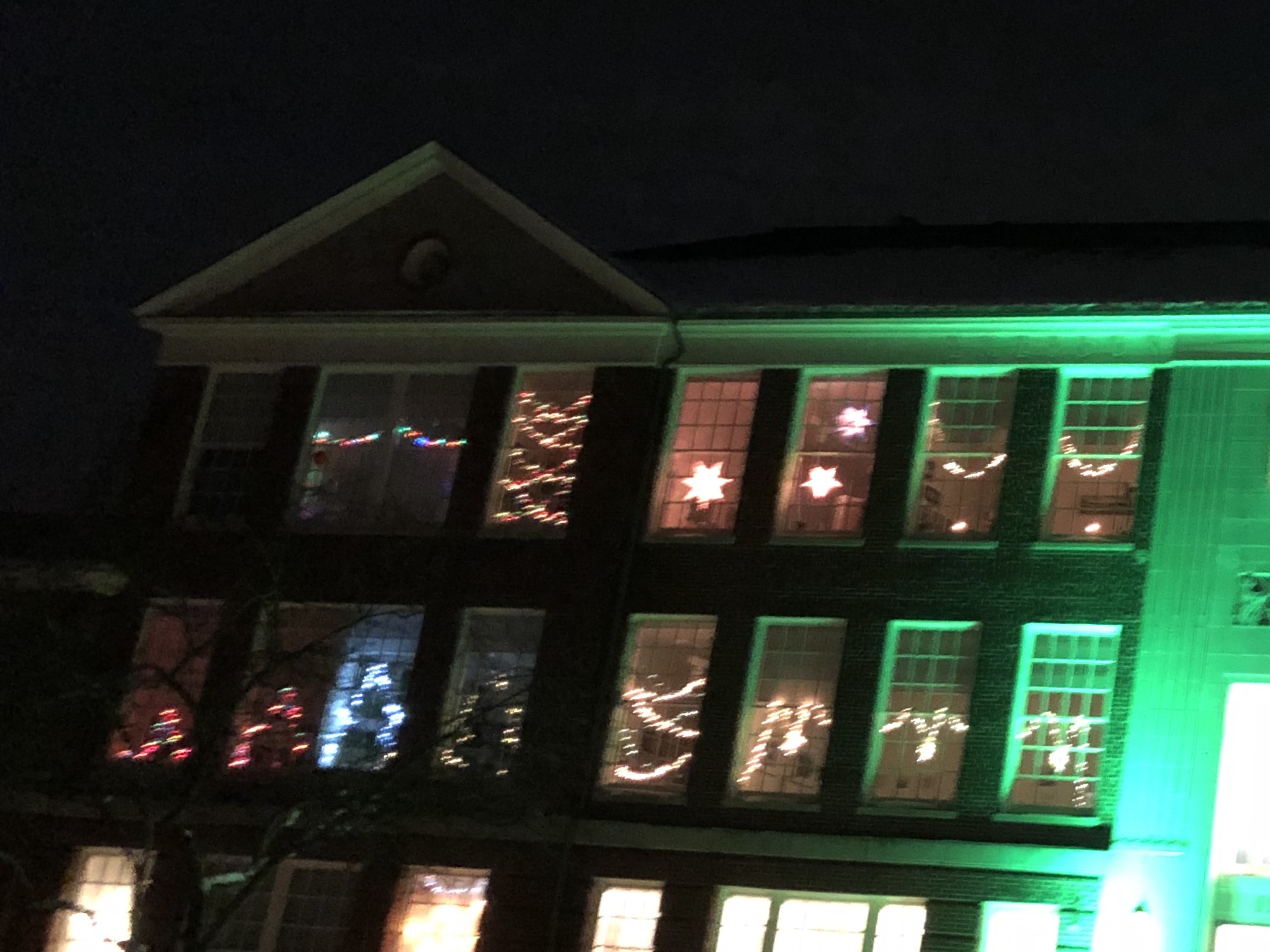
The decorated windows are at the Umbrella Arts Center, where I went to see a musical version of Tuck Everlasting before Christmas. The building was once a school. A magnificent makeover was completed just this year and includes a state-of-the-art theater, artist studios, rooms for pottery and classes of all kinds, and a new maker space.

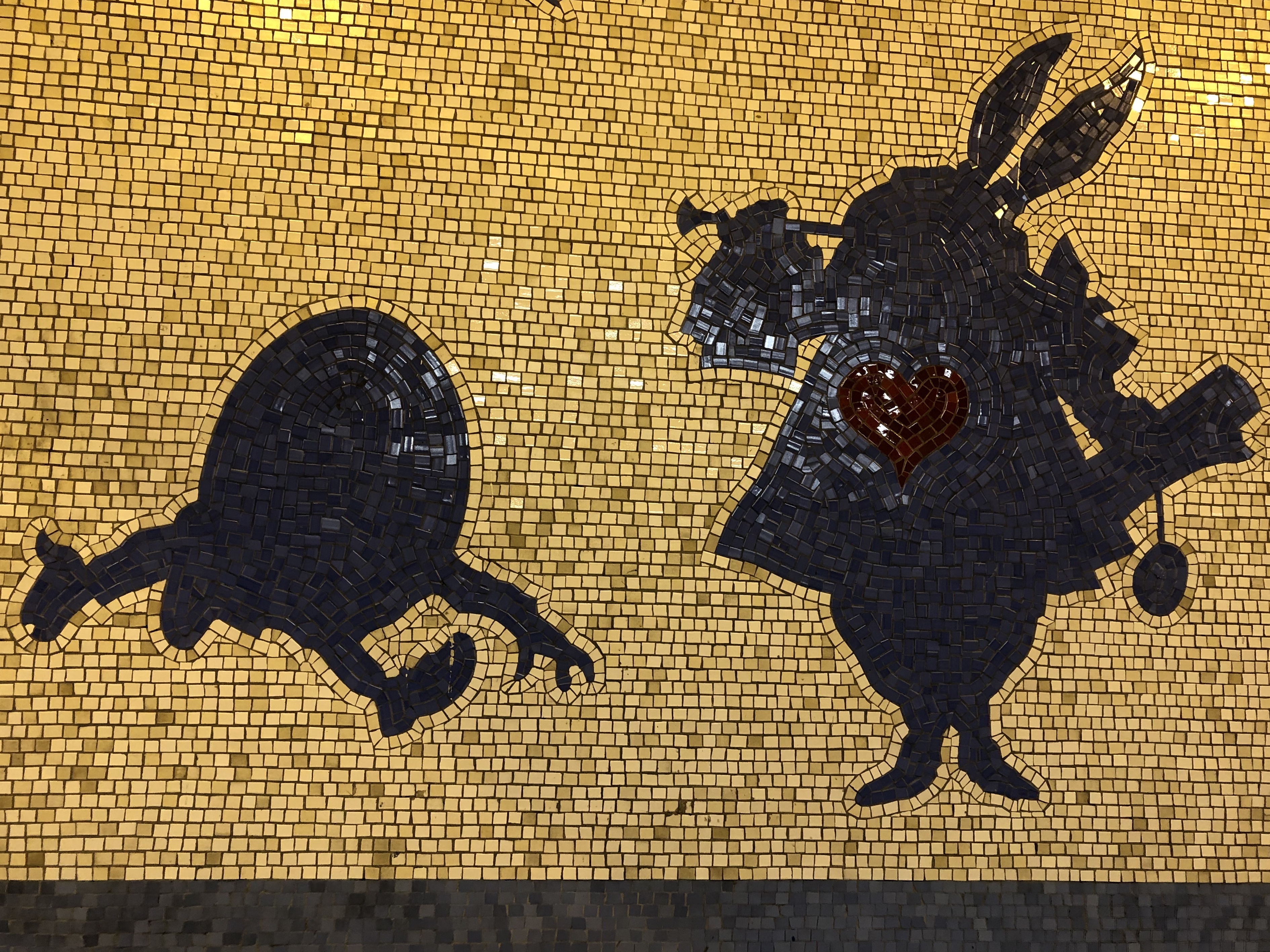
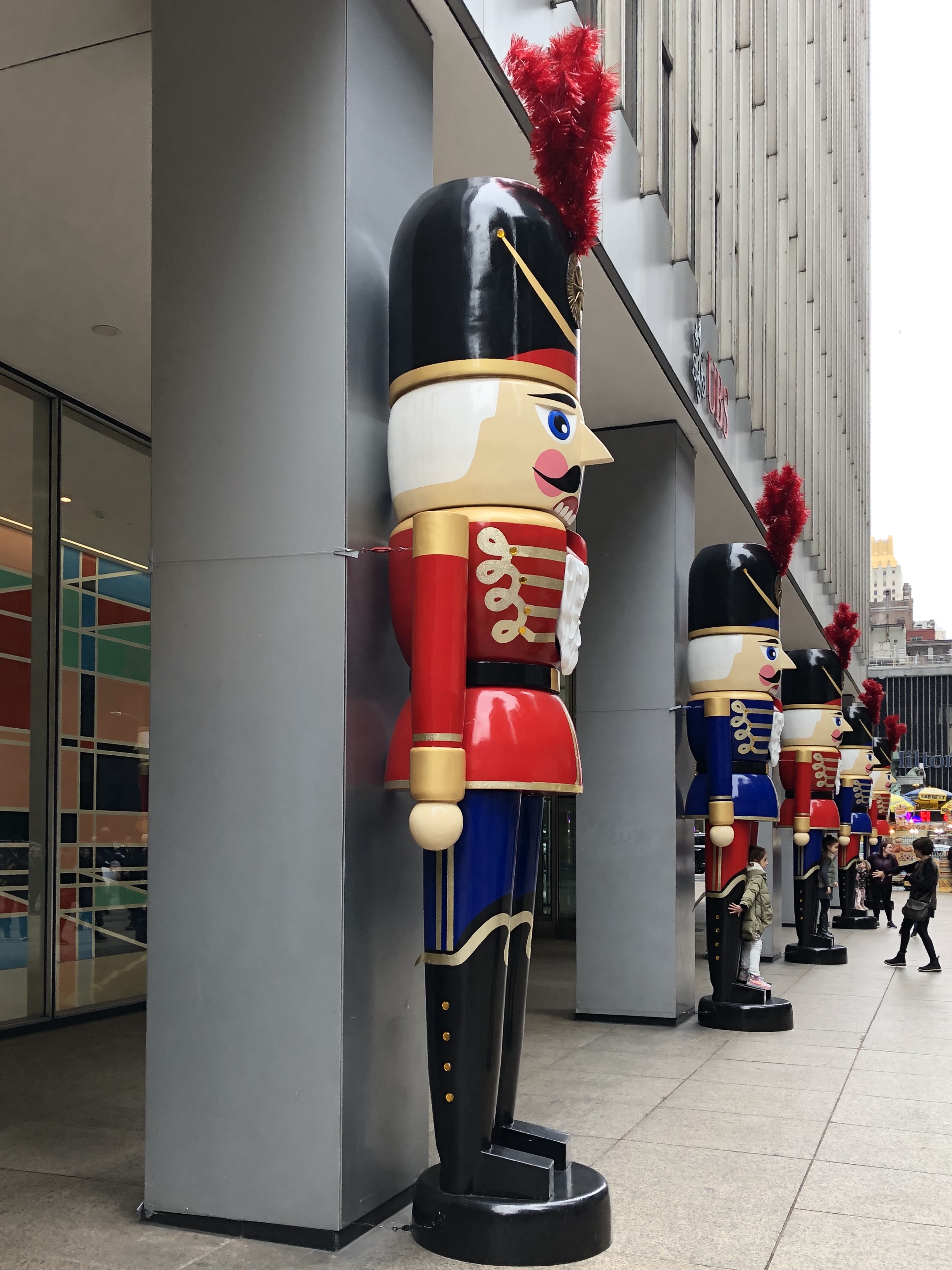
Next we move on to New York, where I spent two nights after Christmas. At the top of this post is one of the many delightful Central Park playgrounds with wild animals to climb on. Alice in Wonderland mosaics are in the subway at 50th Street, and giant toy soldiers grace midtown for the holidays.

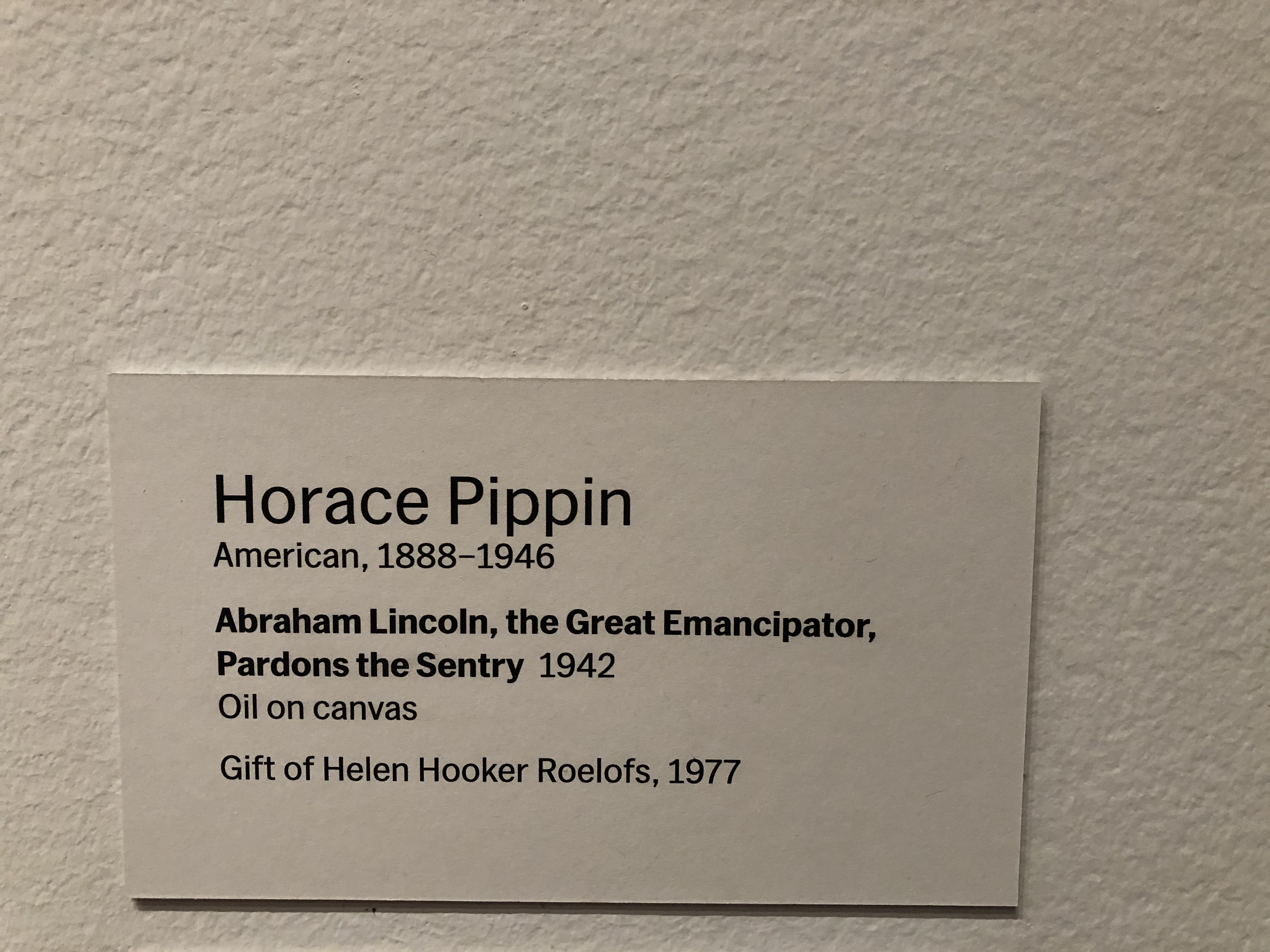
At the Museum of Modern Art (MoMA), beautifully redesigned, I saw this Horace Pippin painting of Lincoln pardoning a sentry condemned for falling asleep on the job. I had received a text the day before from my daughter-in-law saying that she had just been learning about Pippin from my six-year-old granddaughter, thanks to A Splash of Red, a wonderful children’s book. So I texted the painting to them.

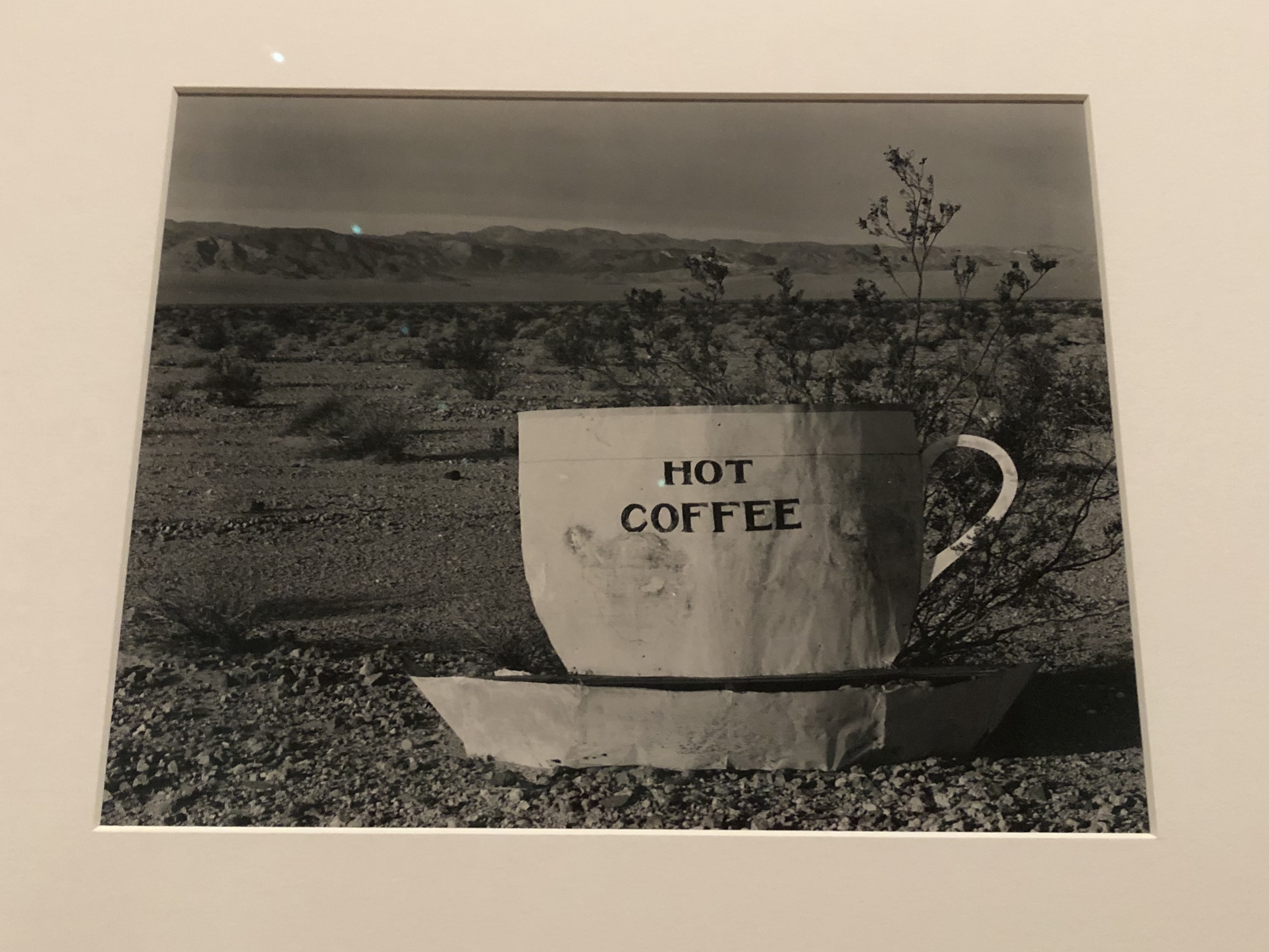
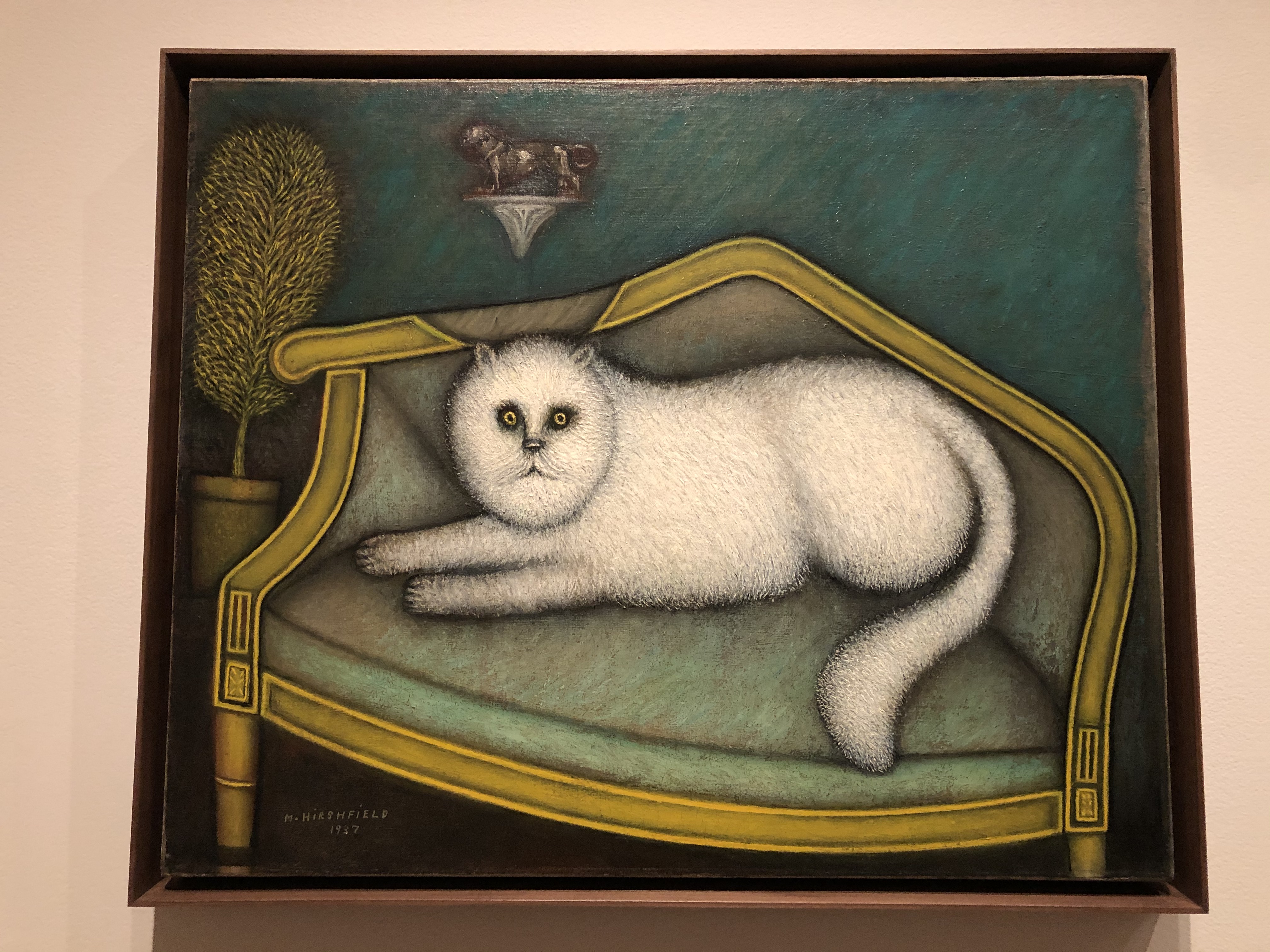
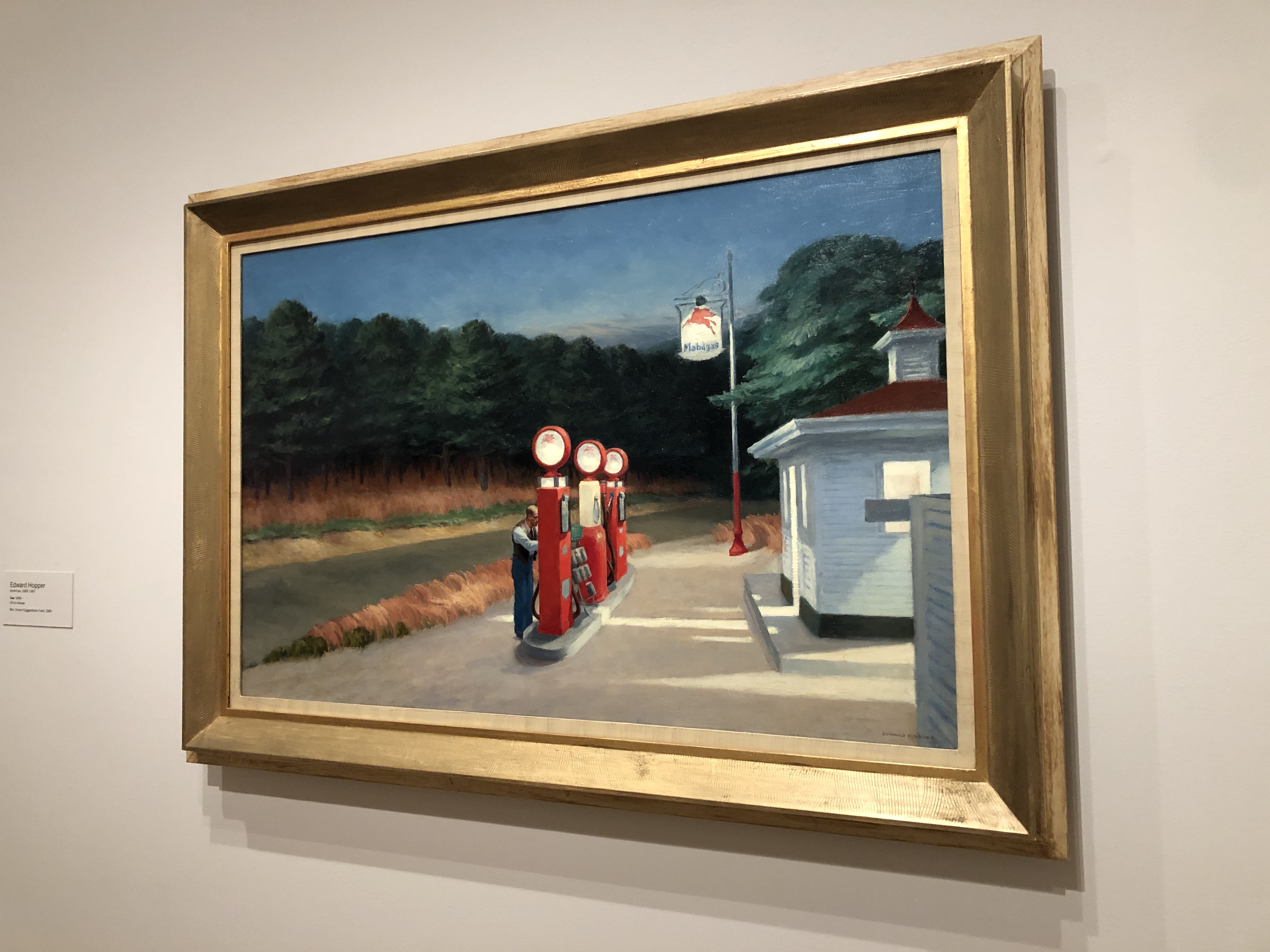
There follows one of Edward Hopper’s most famous lonely paintings — this one of a gas station in the middle of nowhere — and Edward Weston‘s “Hot Coffee, Mojave Desert, 1937.” Also from MoMA, a delightful cat by Morris Hirshfield (thanks, Paul, for identifying the artist).

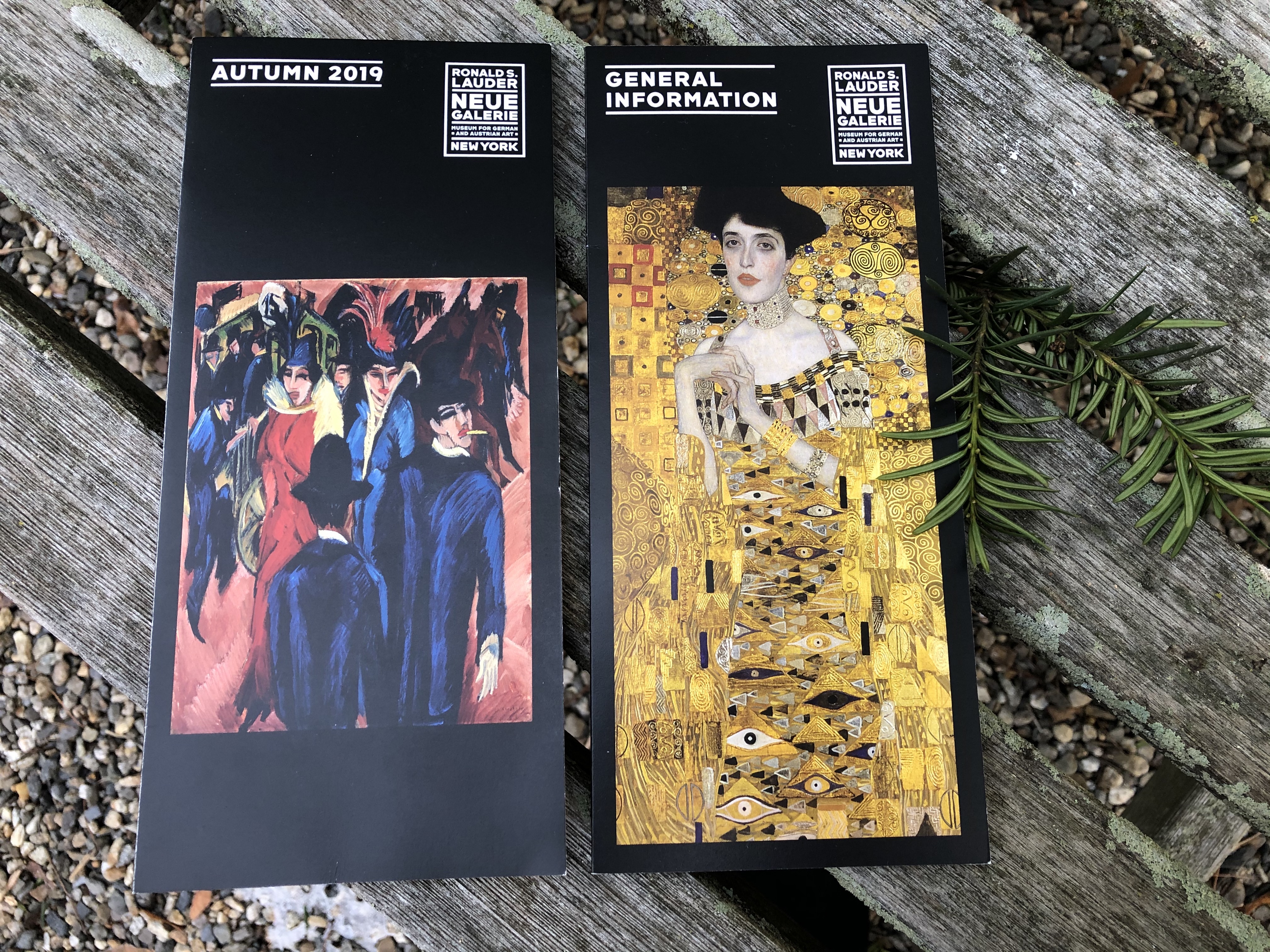
The next day, I visited the Neue Galerie, which I adored. That museum, housed in a beautiful mansion, focuses on early 20th century German and Austrian art and design. I saw Gustav Klimt’s “Adele Bloch-Bauer” in gold and silver, lovely works by Egon Schiele, and a special exhibit of works by the tragic Ernst Ludwig Kirchner.

Unfortunately, they don’t let you take pictures there, so I shot brochures!

120719-Gracie-in-Washington

122119-Nutcracker-aftermath

121119-library-book-pedestal-in-snow

121119-Concord-authors-on-pedestal

121119-footbridge-in-snow

121119-snow-decorates-stream

122919-squirrel-poses-on-lion

120819-Umbrella-gets-festive

122719-Lewis-Carroll-rabbit-Manhattan-subway

122719-huge-toy-soldier-Manhattan

122719-Horace-Pippin-at-MOMA

122719-Pippin-plaque-MOMA

122719-Hopper-lonely-gas-station-MOMA

122719-Edward Weston Hot Coffee, Mojave Desert 1937

122719-Morris Hirshfield-cat-at-MoMA

122819-GERMAN-EXPRESSIONIST-MUSEUM


Read Full Post »

There’s a biography about self-taught artist Horace Pippin that my grandchildren and I really love. I’m posting the image from Amazon, but you don’t have to to buy it there. You could support your local independent bookstore, which is what I did.

Recently, friend and artist Meredith Fife Day posted an interesting Hyperallergic link about the Pippin exhibit at the Philadelphia Museum of Art.

John Yau wrote, “Horace Pippin (1888–1946) was born in West Chester, Pennsylvania, less than 25 years after the Civil War ended. He grew up in the village of Goshen, New York, 50 miles northwest of Manhattan, and attended segregated schools. For this reason, the seemingly neutral description of Pippin as a self-taught artist should be seen through the lens of America’s policy of segregation and government-maintained racial discrimination. The chances of Pippin attending a White-run art school were practically nonexistent during his lifetime. He was self-taught out of necessity, as the society in which he lived had shut most of its doors on him.

“Before Pippin enlisted in the segregated Black and Puerto Rican 369th Infantry Regiment, nicknamed by the Germans the ‘Harlem Hellfighters,’ he worked in a coal yard, as a hotel porter, and as a used-clothing peddler. The 369th Infantry Regiment became a distinct unit within the French army because White American army units would not fight alongside them; while in the unit, Pippin was seriously wounded in combat and received France’s Croix de Guerre. Shot in his right arm by a German sniper, he left the army and returned to West Chester, where he took up art as a therapy.

“Due to his injury, Pippin had to move his right arm with his left arm, while holding the brush in his right hand. Through this method, he learned to paint. In 1931, after working in various mediums, including pyrography, he completed his first oil painting. Between 1931 and his death in 1946, he completed around 140 paintings. Many dealt with his experience as a soldier in World War I and the racism and segregation he encountered after returning to America, which — despite the contributions of Black soldiers — did not change.

“Within a short period of time, Pippin’s oil paintings gained attention. Among his fans were the painter and illustrator N. C. Wyeth and the art critic and collector Christian Brinton. In 1939, the Robert Carlen Galleries of Philadelphia began to represent him.

“These are just some of the reasons why you should see the ongoing exhibition Horace Pippin: From War to Peace at the Philadelphia Museum of Art. …

“Pippin was a remarkably inventive artist. ‘The Ending of the War, Starting Home’ (1930-33), is a frontal view of German soldiers behind barriers and barbed wire. One soldier’s arms are raised, as if he is about to surrender. A burning biplane — technically too big in scale but right for this scene — is diving headfirst toward the ground, while a row of aerial explosions hovers just above the horizon. Pippin, who fought in brutal trench warfare, painted the scene from memory.

“What makes this painting into more than a view of war is the artist’s wide handmade frame. The frame is blistered, as if he went over it with a flame that caused the paint to crack and separate. The hand-carved objects protruding, relief-like, from it include various kinds of ordinance (shells and hand grenades, which were nicknamed ‘potato mashers’ and ‘pineapples’ because of their shapes), a tank, rifles, and helmets. There are neither heroes nor leaders in this painting, and the scene is not meant to inspire patriotism. Rather than offering a message, it tries to transport the viewer to the front lines of trench warfare.

“In ‘Mr. Prejudice’ (1943), Pippin groups 13 figures around a giant V, which dominates the upper part of the painting. … A hooded Klansmen stands behind the right side of the V, while just below him is a man in a red shirt, holding a noose. Below the V are various members of the armed figures, segregated into Black and White groups. Pippin has included himself as a soldier with the other Black soldiers, his right arm dangling at his side. …

“At no point in these two works does Pippin present himself as a victim of segregation, and yet he was affected by its strictures throughout his life, even after he gained acceptance as an artist. I thought about this when looking at ‘The Getaway’ (1939), which depicts a fox running through the snow, carrying a black-feathered fowl in its mouth. In the distance are farm buildings, sheds, and a gray, frozen stream or path.

“I kept thinking that Pippin must identify with the fox. As a successful artist, he might have felt he had gotten away with something, because he was a Black man living a White world. What he got away with was survival — being able to live and experience the joy of painting what he knew to be true.

“This is why his last completed painting, ‘The Park Bench’ (1946), is so touching. A Black man is sitting alone on a park bench in front of trees and grass. An white animal, maybe a dog or rabbit, is on the right side, on the grass between the trees. The man does not notice; he is gazing at the ground, but seemingly looking inward. Behind him is part of an empty red bench. A feeling of peace emanates from him. Pippin’s life, all he had to endure and the obstacles he overcame, makes the painting into a testimony to his perseverance and his belief in his audience and, ultimately, in art.”

More at Hyperallergic, here.
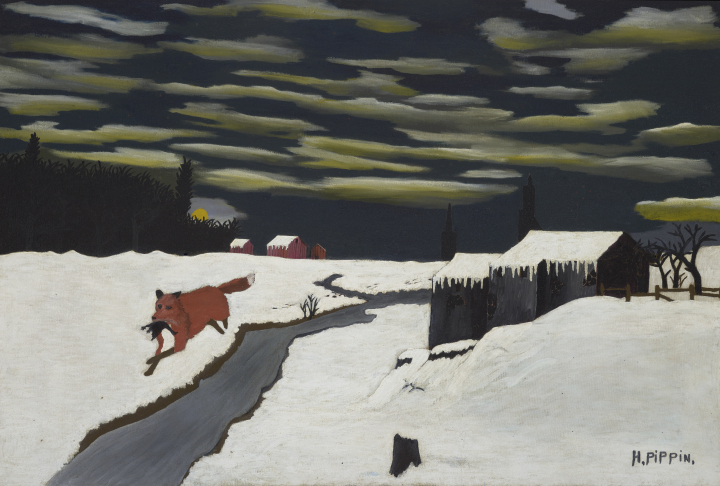
image-04-horace-pippin-the-getaway-2016-3-3-pma2016-720x486

Read Full Post »
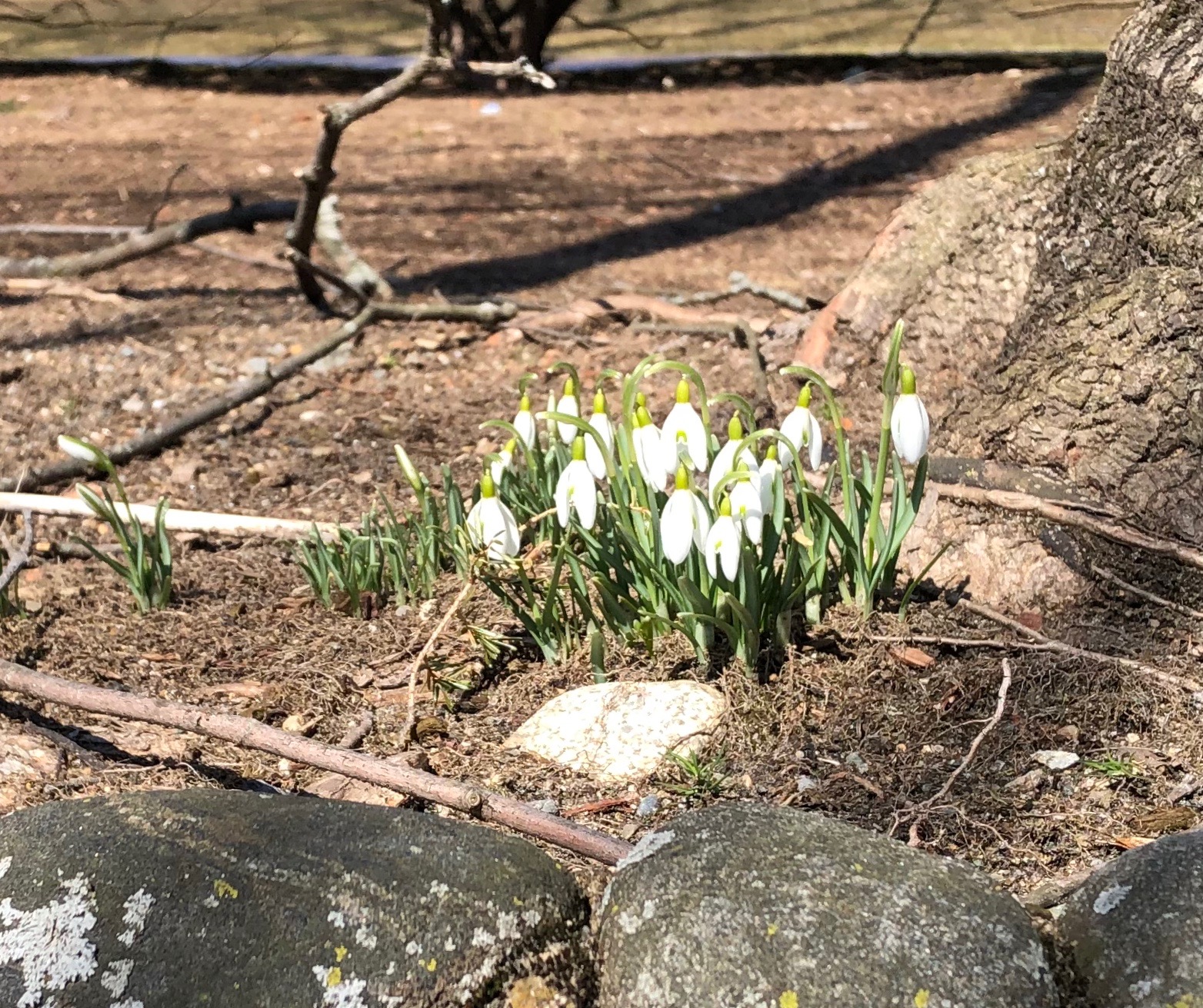
032019-snowdrops-on-first-day-of-spring

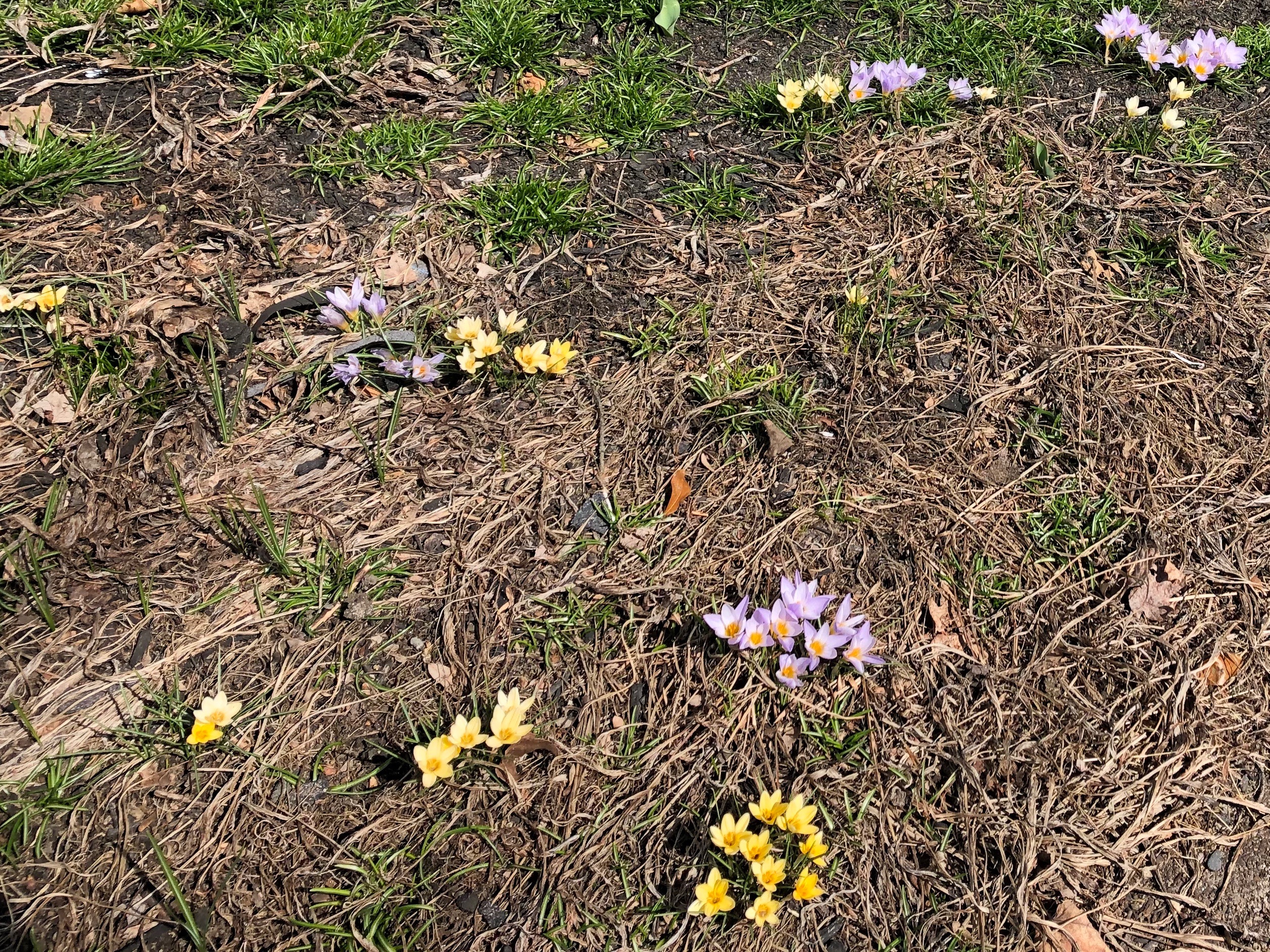
My first glimpses of snowdrops and crocus blooms in 2019 may not look like much as photographs, but if you’ve ever lived where winter temperatures go below zero, you know what the first flowers mean to everyone in the Northeast. Hooray! Celebration time!

The other joy is the quality of the sunlight, which I have tried to capture a little here. All these Massachusetts rambles feature the welcome, warming sun.

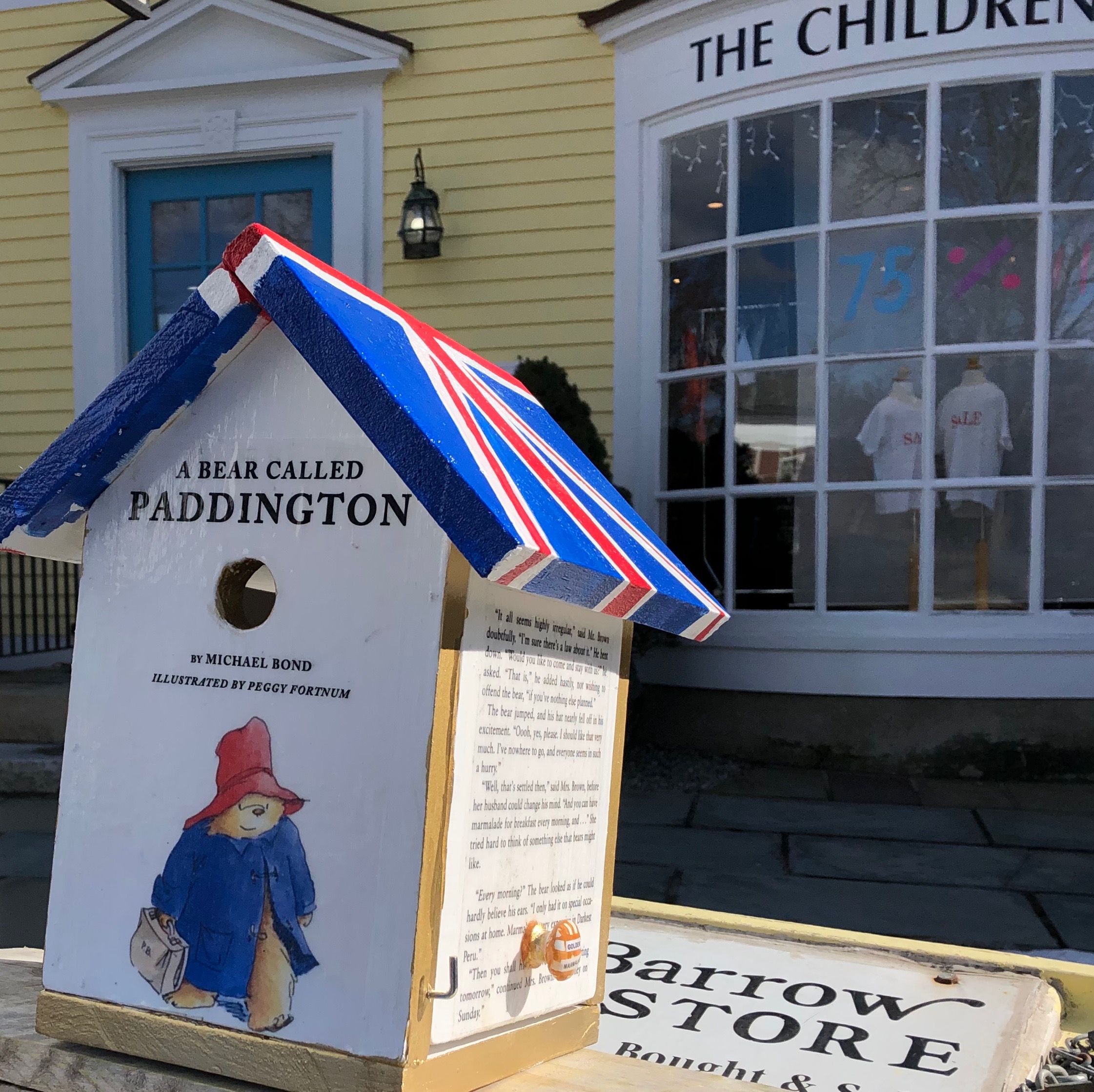
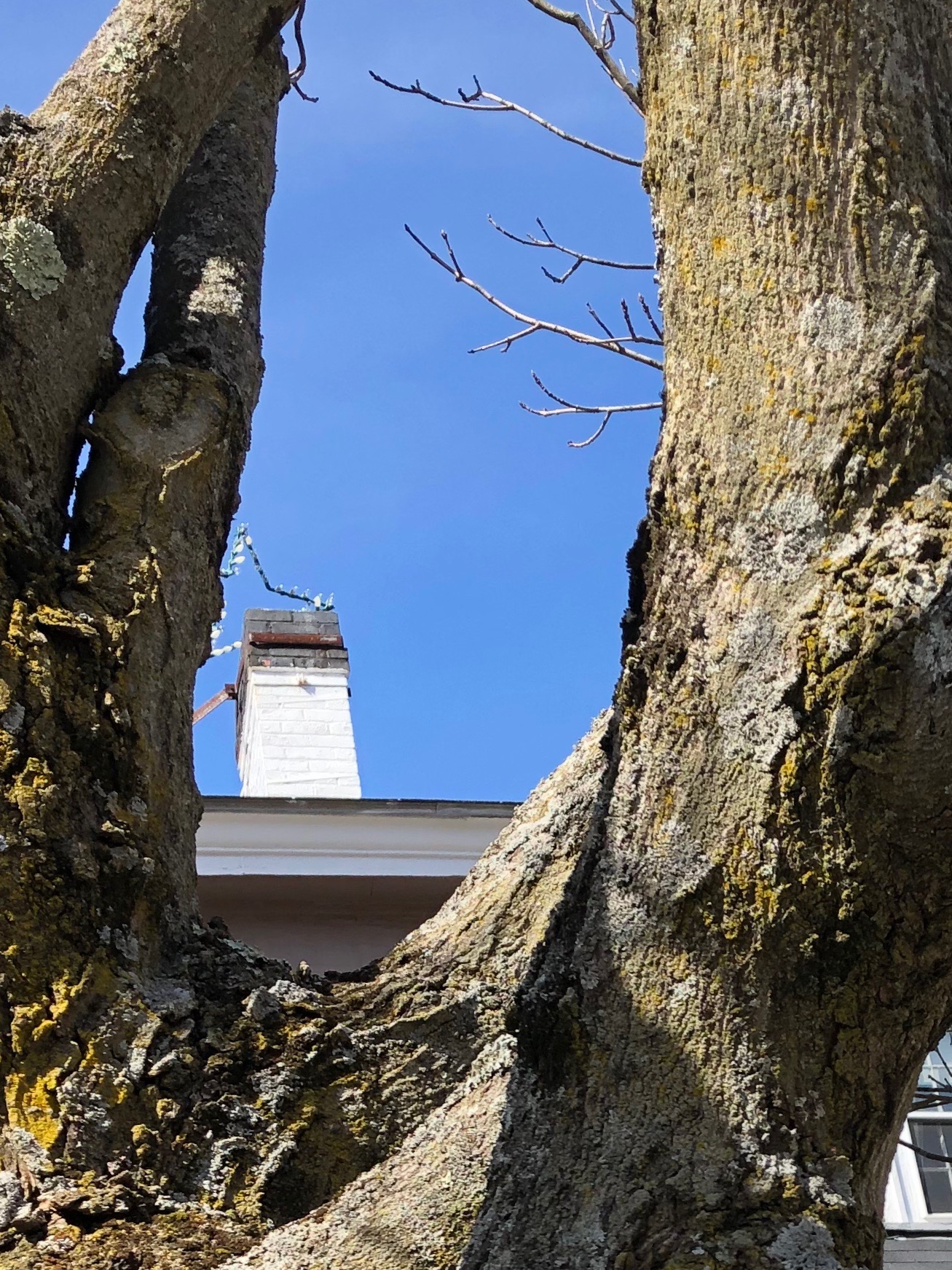
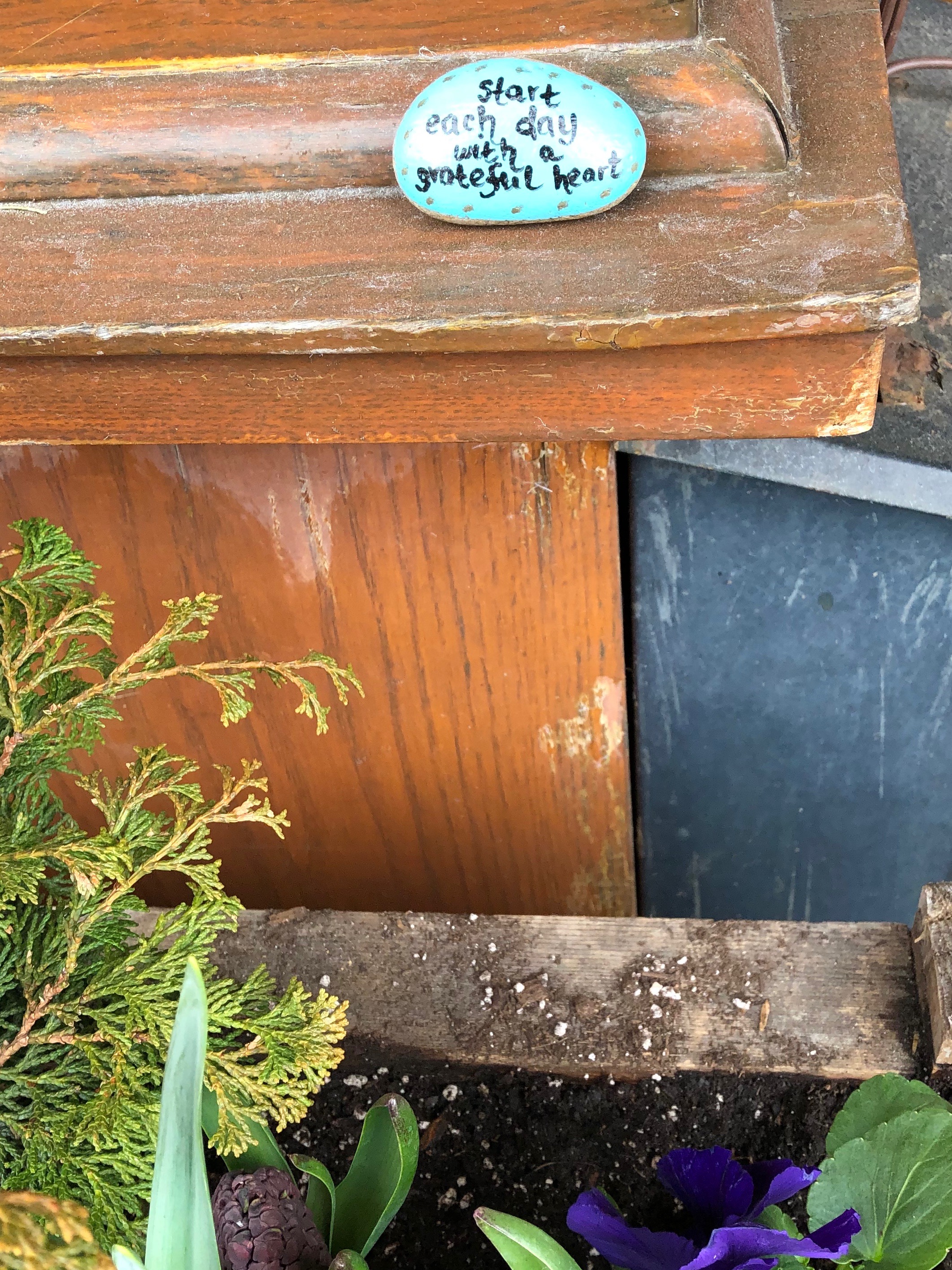
The Paddington Bear birdhouse is from the bookshop collection that I wrote about here. The chimney against the brilliant blue sky is atop the Colonial Inn. The little stone by the Main Streets Café flower box says, “Start each day with a grateful heart.”

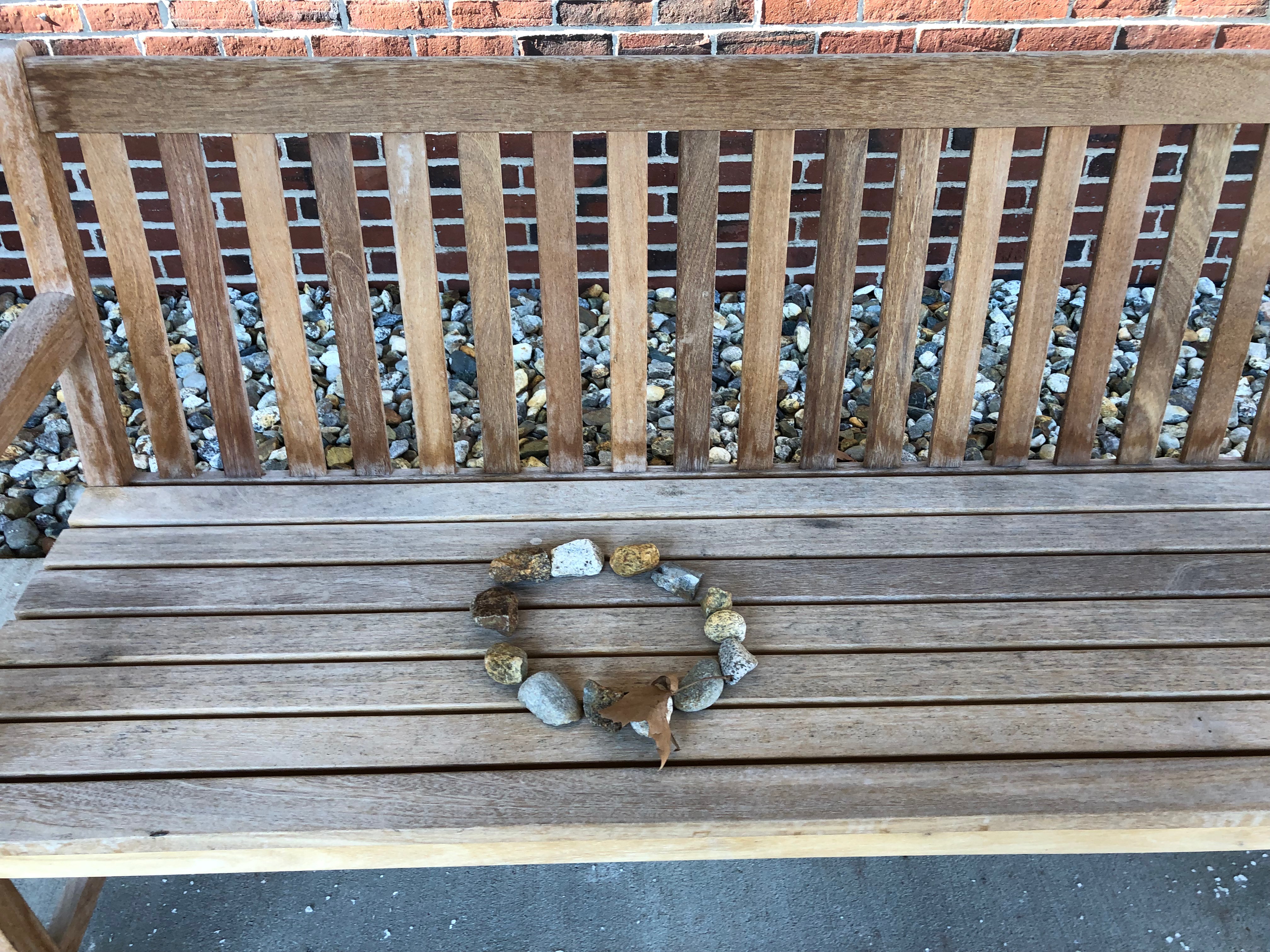
The meditative circle of stones on a bench was outside Emerson Hospital’s wellness center, which includes meditation in many of its classes.

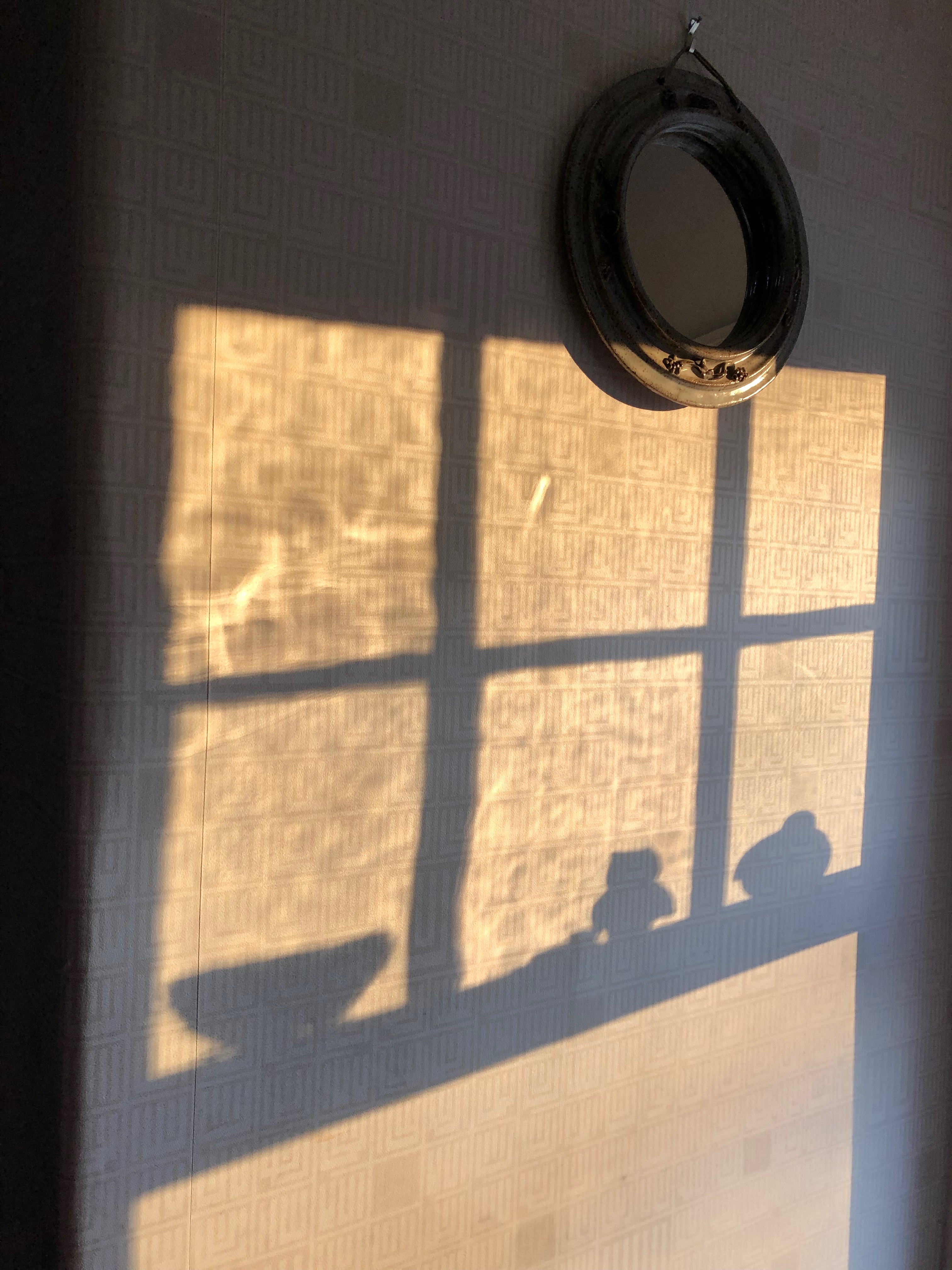
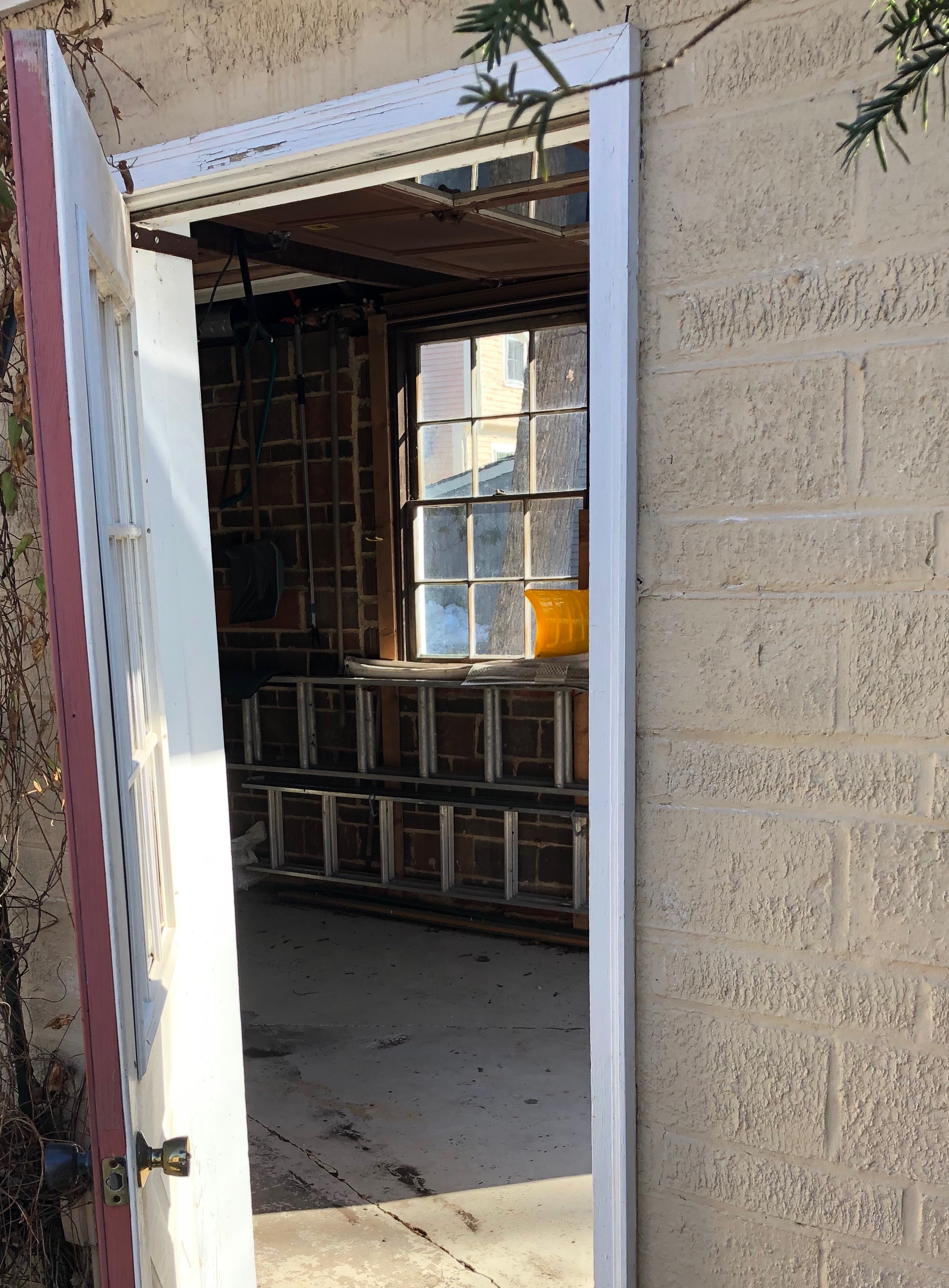
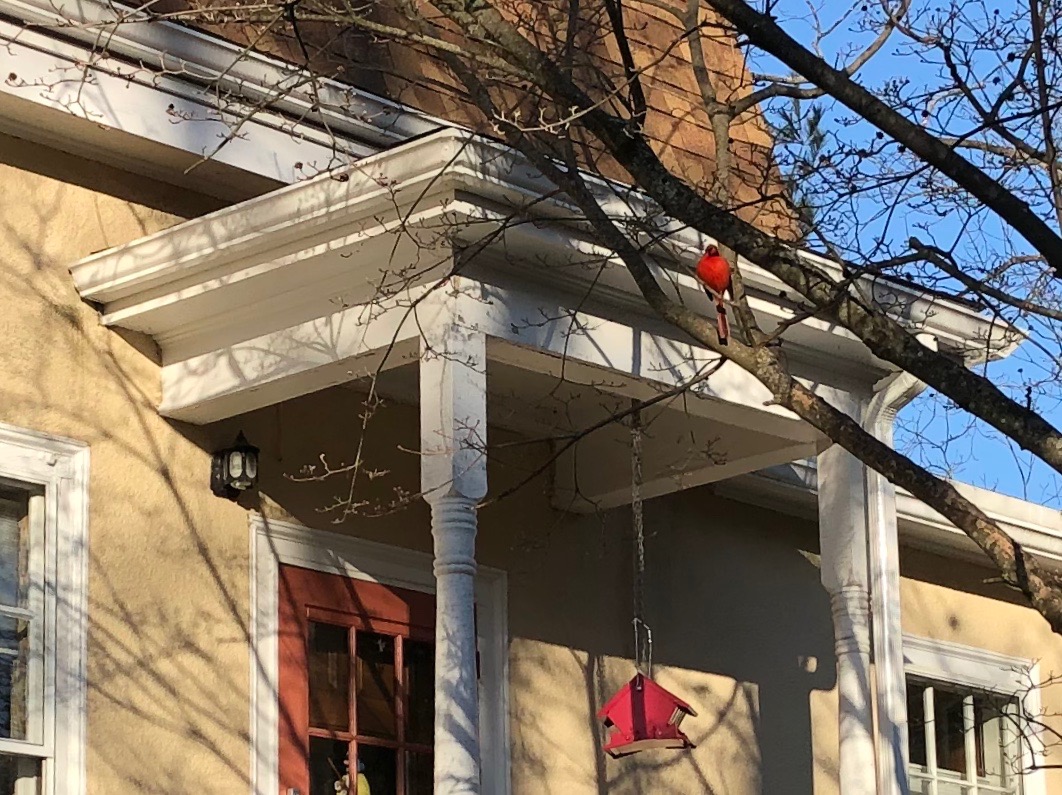
Shadows from objects in a window caught my eye on my way down the stairs. The garage door is a favorite photography subject for me, probably because of the light. The cardinal and the bird feeder make me think of the wonderful children’s biography of artist Horace Pippin called A Splash of Red — a reference to one of the self-taught artist’s signature touches. My older granddaughter likes looking for the splashes of red in the book.

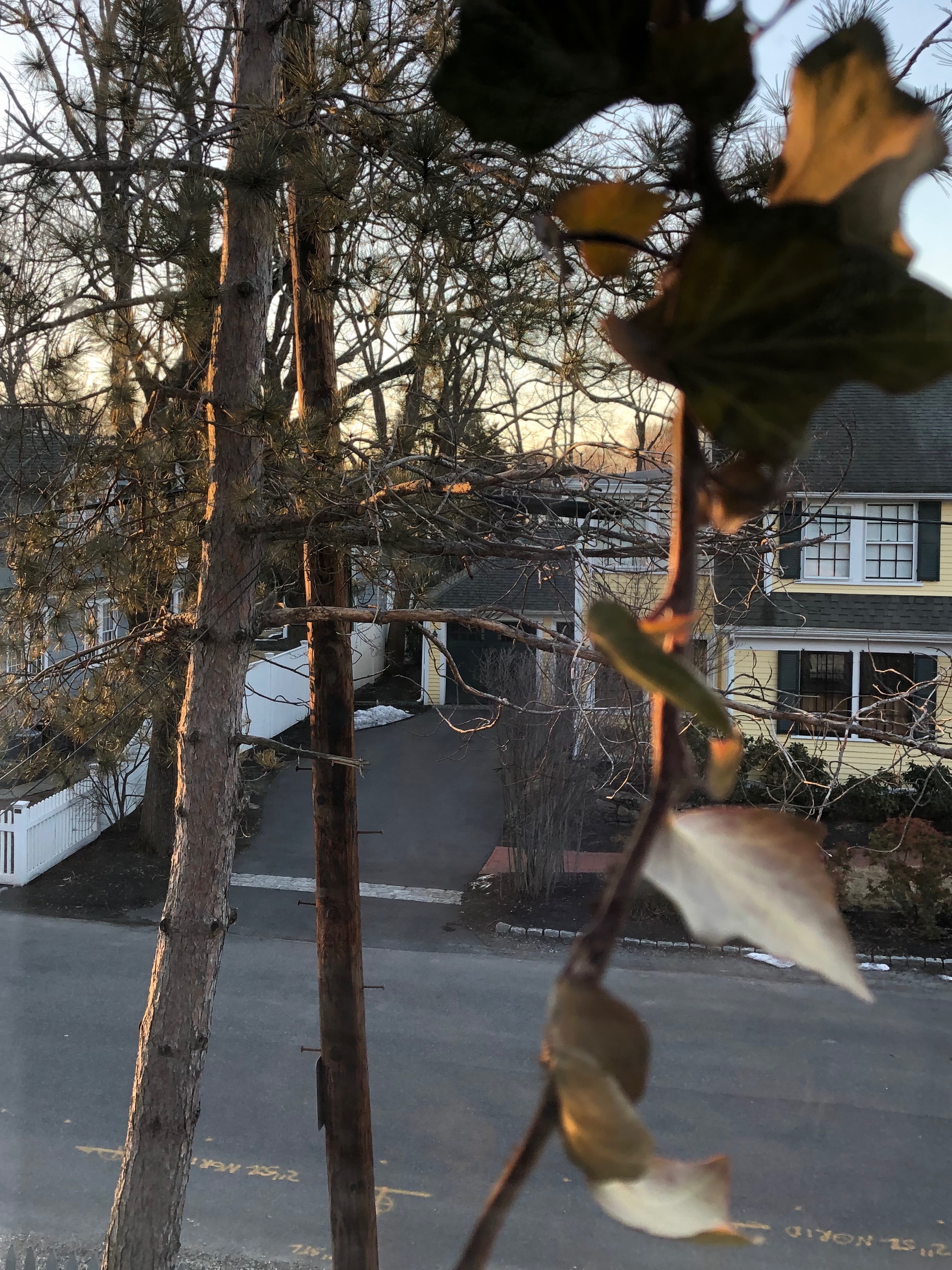
The last photo is of a quiet street in early morning light.

032019-early-sign-of-spring

031619-Paddington-birdhouse

032819-Colonial-Inn-Chimney-and-lichen

032119-start-each-day-with-a-grateful-heart

032019-rock-circle-at-wellness-center

032019-clay-bird-shadows-in-window

031719-garage-window-in-sunlight

032819-Cardinal-and-red-bird-feeder


032419-sunlight-Sunday


Read Full Post »