
Photo: NiemanLab.
A late private equity bid to disrupt the sale of the Dallas Morning News to Hearst was foiled by a fourth-generation newspaper owner turning down more money.
Some days journalism and free speech seem threatened on every hand. Whether its officials trying to control what is said or hedge funds buying up newspapers to wring them dry, a girl could get depressed.
Today’s story is about how one newspaper escaped disaster at the eleventh hour.
Joshua Benton at NiemanLab gives his views on what happened. As a former employee of the paper he’s writing about, he gets pretty worked up, but his take is interesting. It reminds me that not all shareholders are greedy. It also reminds that usually they are.
“By now, it’s a familiar move to watchers of Alden Global Capital, the ravenous hedge fund with the unusual hobby of sucking the lifeblood out of newspapers.
“See, Alden likes to wait until a newspaper merger or acquisition is juuuuust about consummated. Then, right before the final papers get signed, it swoops in with a late bid that promises the seller a bigger payday. Respectable newspaper owners don’t love the idea of selling to Alden, whose relish for laying off journalists is well known. They’ve sometimes built entire strategies around selling to anyone but Alden. But in the tense final hours of a deal, it can be difficult to explain to shareholders why, exactly, they should turn down a few extra million.
“It’s smart: wait until some other buyer has kicked the tires and run the numbers to come up with a valuation. If Random Newspaper Company thinks it can profitably run a paper at the price of $𝑥 million, surely Alden can run it profitably at $(𝑥 × 1.2) million. All it’ll take is 20% more cuts — and that’s Alden’s specialty.
“Sometimes it works. In 2018, just before a bankruptcy auction for the Boston Herald, Alden announced its intentions to bid, offering more than double the stalking horse bid made by rival GateHouse. Alden got what it wanted. …
“After a few comparatively quiet years, Alden opened up its playbook again six days ago when it announced a bid for the Dallas Morning News, offering $88 million. This came 12 days after the Morning News had taken itself off the market by announcing it would be acquired by Hearst for $75 million. …
“This time Alden won’t get the prize — because of one particular shareholder. This morning, the DallasNews Corporation (formerly A.H. Belo) announced that its board had “reviewed and rejected” Alden’s offer. …
” ‘DallasNews Corporation controlling shareholder Robert W. Decherd, a great-grandson of co-founder George Bannerman Dealey, sent a letter Friday to his former company’s board emphatically stating his complete commitment to the Hearst merger.’ …
“The Morning News was objectively one of the most appealing solo newspapers left for a chain to snare. For one thing, North Texas continues to boom in population. The Metroplex’s population has grown by 2.9 million people since I started there 25 years ago. (For context, that’s equivalent to adding the entire Denver metro area to a place that already had 5.2 million people.)
“But the DMN is also appealing because it hasn’t been gutted as much as most other metro newspapers in its weight class. To be clear: It’s been cut — a lot. When I started there, the newsroom had more than 600 people and bureaus around the world. Today, newsroom headcount is at 157 people. That’s not 600, of course. But 157 is significantly larger than Alden’s (roughly) 70 at the Orange County Register, 50 at the Denver Post, or 50 at the Orlando Sentinel.
“For a chain thinking for the long term — like still family–controlled Hearst — that relative strength makes the Morning News an asset worth investing in. But it also makes the DMN appealing to a raider like Alden, for a very different reason: Taking over a bigger newsroom means more opportunities for cuts. …
“It’s easy to over-romanticize the days of family ownership of newspapers. The Dealey–Decherd family has been running the Dallas Morning News, in one way or another, since 1885. Over that century-plus, there’s plenty to complain about. … But there’s a simple grace to how that era of stewardship is ending. Robert Decherd turned down several million dollars to keep his family’s newspaper out of Alden’s hands. I’m not sure how many newspaper owners would do that today — but I’m glad the number is at least one.”
More at NiemanLab, here.


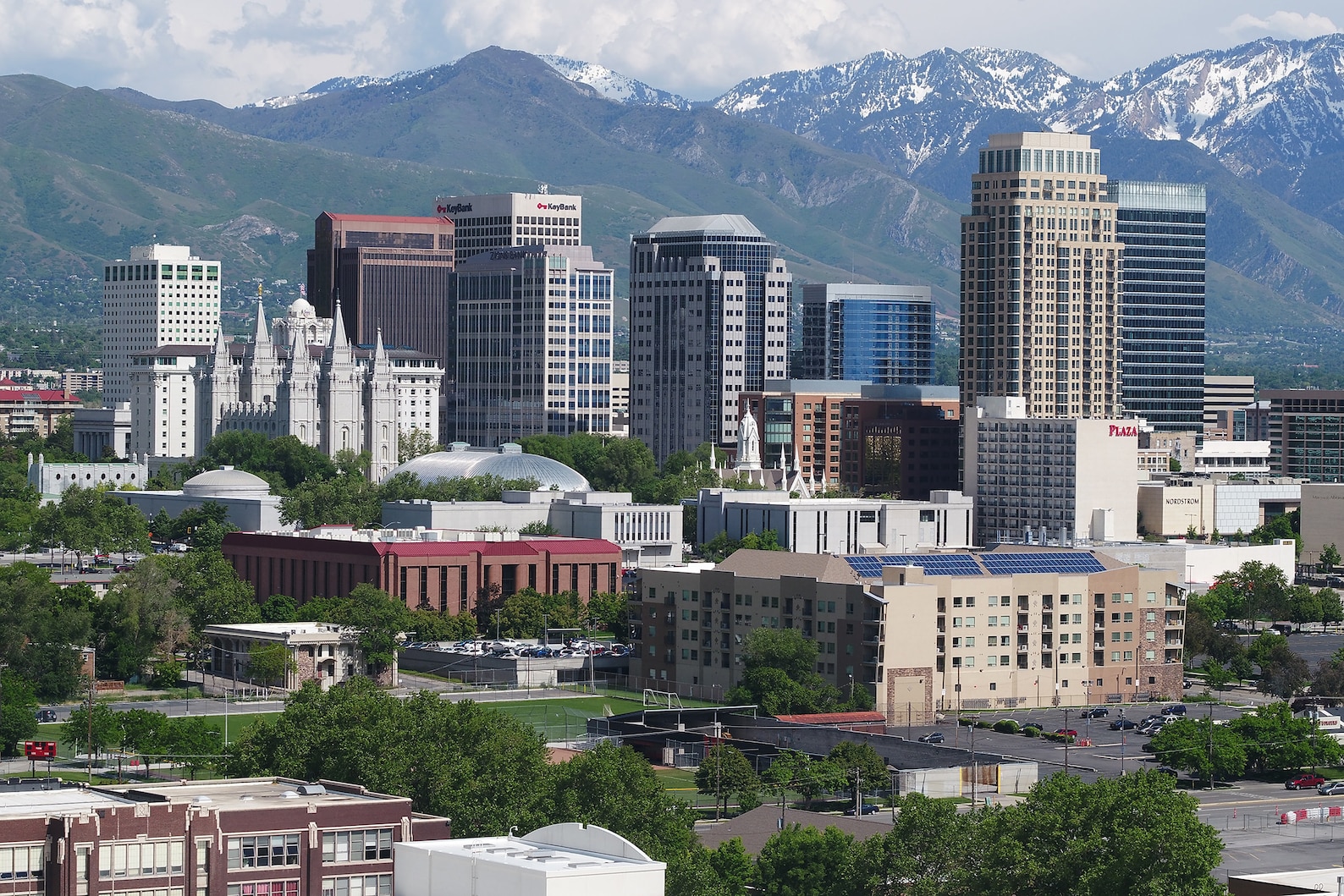
 Photo: Chloe Aftel for the New York Times


 Suzanne's Mom's Blog