Feeds:
Posts
Comments

Posts Tagged ‘may day’

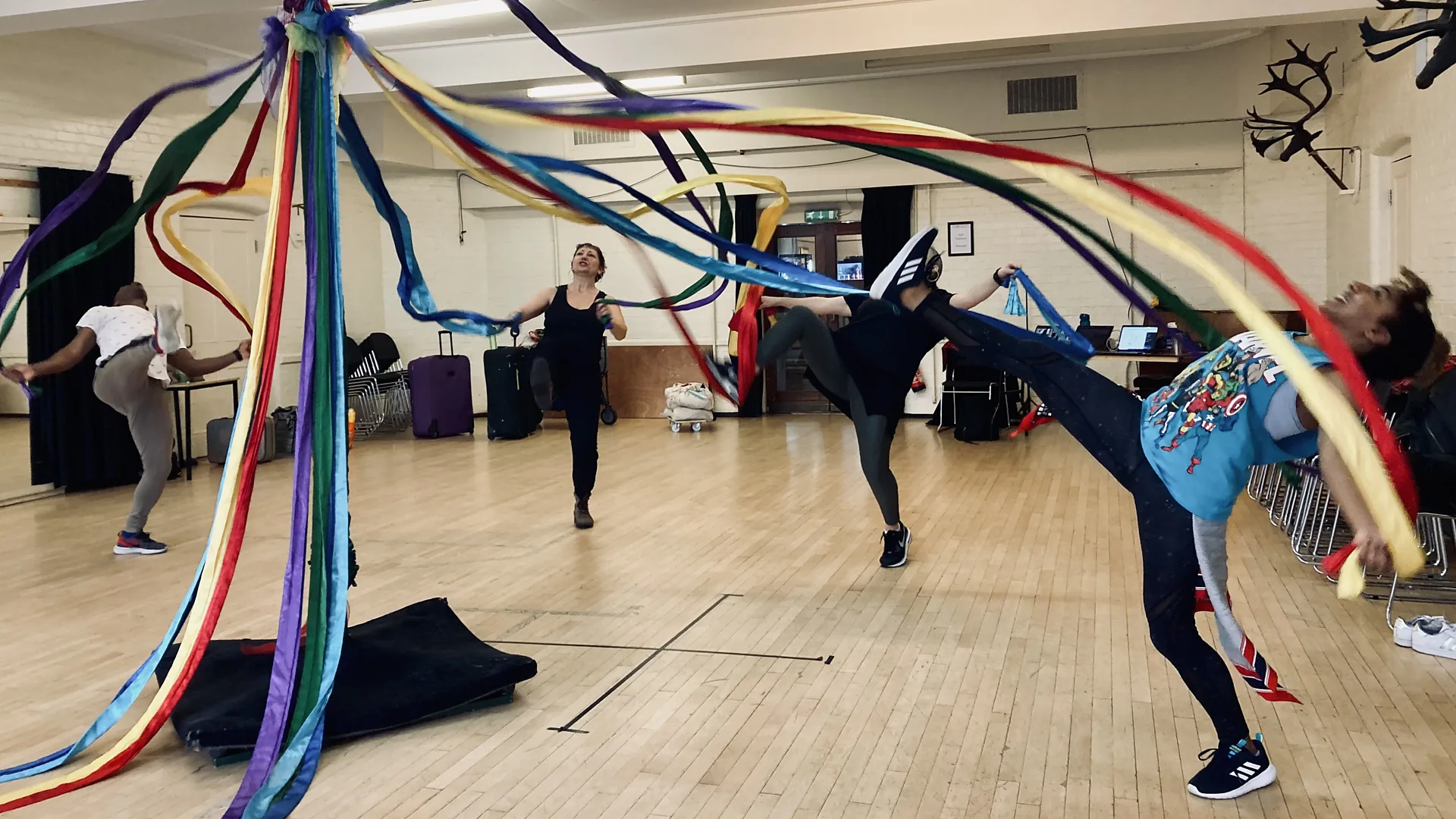
Photo: Zoey Goto.
UK’s Folk Dance Remixed combines traditions like May Day music with contemporary street dance styles.

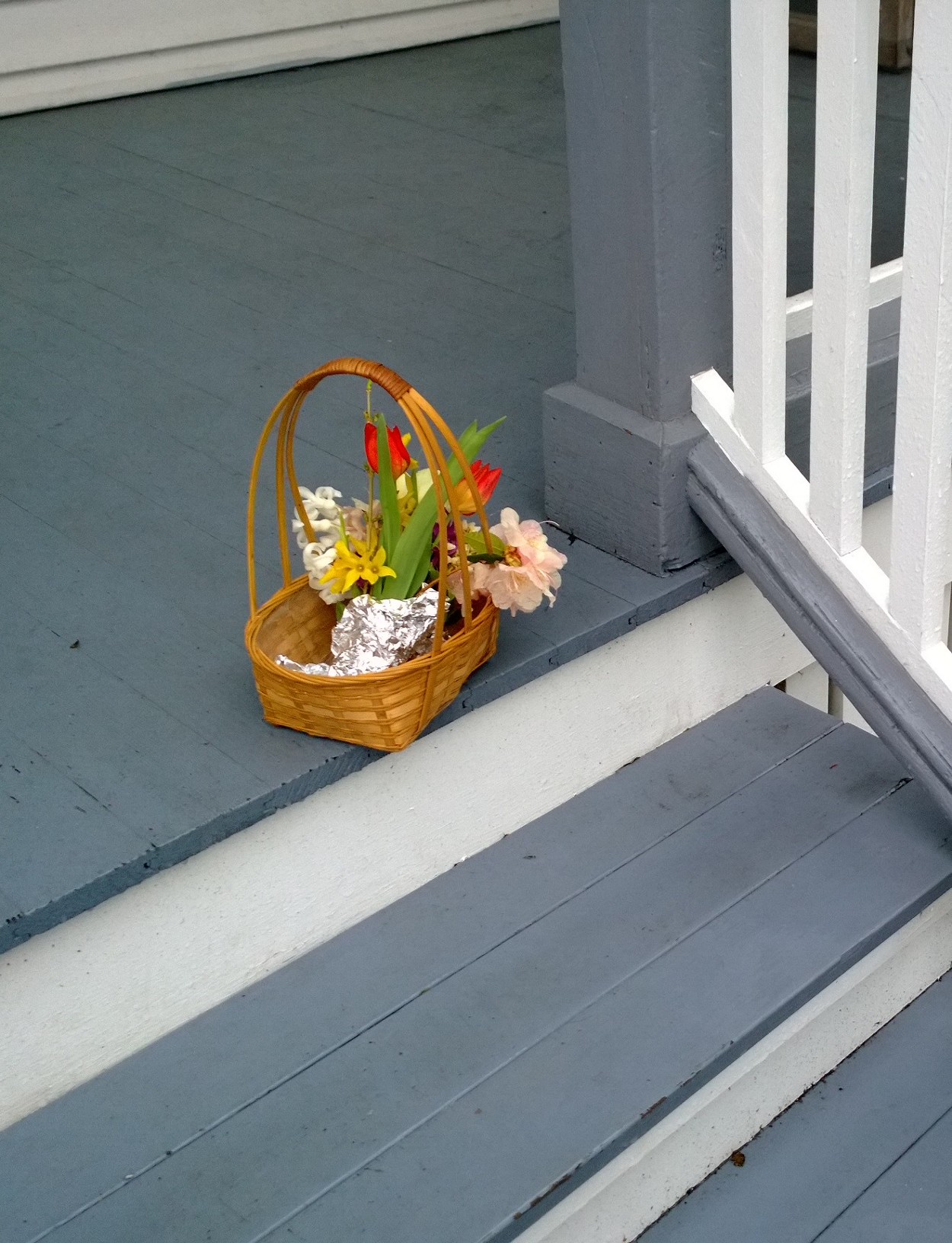
On May Day, I was telling Diana that I had just received a surprise May Basket from my college’s local club. I have left May baskets of my own off and on since childhood, loving people’s puzzlement. Now it was time for me to wonder who I should thank.

That reminded Diana that for years she went to New York City’s Riverside Park on numerous May firsts to see the Morris dancers perform.

Nowadays, May 1 is associated with the international labor movement, and that’s a fine thing, too. But I am usually conscious of a different, more ancient celebration underneath it all.

Today’s story is about reimagining traditions like the Morris dancing of May Day for a new age.

Zoey Goto wrote at the BBC, “Camden’s Cecil Sharp House has been questioning the very notion of what traditional British music means in the multicultural 21st Century.

” ‘Hip-hop is the folk dance of today,’ said Natasha Khamjani, breathing heavily. They’re both social dances created for crowd participation, both also existing on the fringes of the mainstream, she added. Khamjani was taking a quick break during a rehearsal of a high-energy performance blending Bollywood moves and English country dancing with the unmistakable bounce of hip-hop moves.

“In an unexpected twist, Khamjani and her troupe were also dancing under a rainbow of swirling maypole ribbons – a sight more commonly associated with English village fetes rather than a basement in inner-city London. …

“For Khamjani, artistic director of Folk Dance Remixed, a collective putting a global spin on old-time English dances, a natural synergy exists. These are the dances of the people, bubbling up from the streets, pubs, village greens, dance halls and international communities that birthed them, Khamjani explained. An easy fit between age-old English country dances and house music exists, she pointed out. ‘It sounds weird but the steps are basically the same,’ she laughed. …

“Remixing maypole dancing is just one of the myriad ways that English folk culture is currently having a reboot, thanks to a new wave of switched-on folkies diversifying the scene. At the heart of this progressive movement is the Cecil Sharp House, a music venue and folk arts centre that’s home to the English Folk Dance and Song Society (EFDSS) and where Folk Dance Remixed perform regularly.

“Named after Cecil Sharp, a folk music enthusiast who roamed the countryside of England and the US South collecting folk music and dances in the early 20th Century, this temple to vernacular culture threw open its Arts and Crafts-style doors in 1930. …

“Over the last few years, the EFDSS has ramped up its outreach efforts to engage new audiences, mixing diverse cultural traditions to create new interpretations of ‘Englishness.’ Projects have included teaming up with musician Kuljit Bhamra, pioneer of the British Bhangra sound, an upbeat musical style that mixes traditional Punjabi beats with Western pop, to uncover similarities between 18th-Century traditional Kentish jigs and Bhangra music. There have been sea shanty lessons with rap verses taught to schoolchildren; and feminist-themed pop-up events, including a recording of the podcast Thank Folk for Feminism at the house.

“Certain projects have undeniably chimed easier than others. Take for example Queer Folk’s Queer Ceilidh parties hosted at Cecil Sharp House, where evenings of LGBTQ ceilidh dancing and drag acts have proved a sell-out success. …

“Joining me in the main hall at the Cecil Sharp House beneath a whimsical mural of folkloric creatures and abstract dancing figures, Katy Spicer, the chief executive and artistic director at EFDSS, pointed out that it is, however, a work in progress making the English folk scene truly inclusive. ‘In terms of diversity, ethnicity has been the hardest challenge’ she said. …

” ‘There was perhaps a tunnel vision back then and histories not recorded, which no one questioned until recently. We’re working to set the record straight,’ Spicer said, as a group of teenagers, part of the National Youth Folk Ensemble, shuffled onstage to tune violins ready for the evening’s show. ‘Particularly when you have English in your title, you have to address what it means to be English and whose England is it?’ …

“Exploring some of these overlooked histories and racial crosscurrents is Cohen Braithwaite-Kilcoyne, a singer, musician and rising star of the folk scene, who in 2021 collaborated with the EFDSS on the Black Singers and Folk Ballads project. The work explored links between English folk and music-making among enslaved people in former British colonies in the US Southern states and the Caribbean.

” ‘I’d always been aware that there are songs and ballads that crop up across English folk music traditions and the music of Black America and the Caribbean, but perhaps hadn’t quite realised the extent of the shared repertoire,’ he told me. ‘These songs started life in Britain and migrated with the people to the Americas. It seemed that there was a certain amount of cultural exchange between the white colonizers and Black enslaved people,’ he said of his research, which unearthed examples of similar storytelling and melodies across the three traditions. ‘But the very nature of folk song means that as it’s passed along orally, you get an evolution.’

“Often still viewed as a relic from a dusty, bygone era, folk has also long struggled to attract a younger, hipper crowd. But things look set to change.”

More at the BBC, here. No firewall.
Read Full Post »

Photo: Library of Congress.
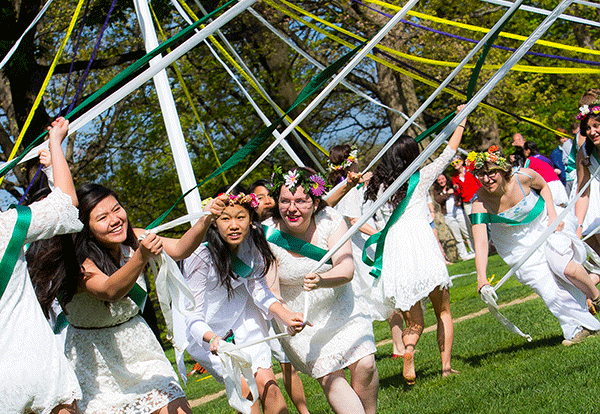
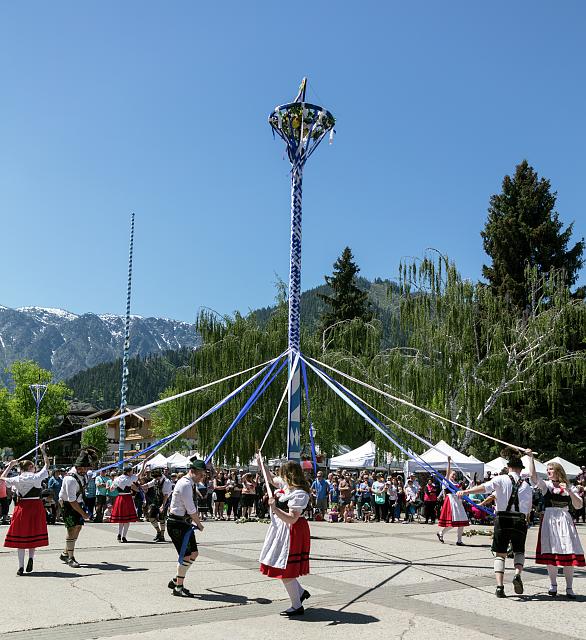
Maypole dancers at the Bavarian Celebration of Spring festival in Leavenworth, Washington.

Since 1889, May 1 has been recognized as International Workers’ Day around the world. But a much more ancient May 1 tradition involves dancing around “maypoles” to celebrate spring.

According to Wikipedia, maypole “festivals may occur on May 1st or Pentecost (Whitsun), although in some countries it is instead erected at Midsummer (June 20-26). In some cases the maypole is a permanent feature that is only utilized during the festival, although in other cases it is erected specifically for the purpose before being taken down again.

“Primarily found within the nations of Germanic Europe and the neighboring areas which they have influenced, its origins remain unknown. It has often been speculated that the maypole originally had some importance in the Germanic paganism of Iron Age and early Medieval cultures, and that the tradition survived Christianisation, albeit losing any original meaning that it had. It has been a recorded practice in many parts of Europe throughout the Medieval and Early Modern periods, although it became less popular in the 18th and 19th centuries. Today, the tradition is still observed in some parts of Europe and among European communities in the Americas.”

Olivia Waring and Jack Slater offer more details at Metro. “As today is the first of May, communities across the world might be getting on their sunny day best and heading to dance around a maypole – a tradition which is around 600 years old. But what does dancing around a maypole on May 1 involve, and what does it represent? Here’s all you need to know.

“Dancing around a maypole involves a group of people taking a colored ribbon attached to it and weaving around each other, often to music. Traditionally the dancers position themselves in pairs of boys and girls before beginning their routine.

“The dance creates a multi-colored pattern which creeps steadily down the pole. The dancers then reverse their steps to undo the ribbons. This is said to represent the lengthening of the days as summer approaches, but the significance of the pole itself is not really known. Some communities have a permanent maypole up all year round on village greens and in squares. …

“In Austria and Germany, the maypole is known as a ‘maibaum’, is painted with Bavarian white and blue stripes and is erected (sometimes by villagers) in the middle of a village. This may be accompanied by a procession. …

“Though not always held on May 1, maypole celebrations also happen in the States, Malta, Scandinavia, Canada, and Italy – with Italians using the pole to celebrate International Worker’s Day, too. In other countries, including Sweden, a maypole is referred to as a Midsummer pole and is a part of their annual Midsummer celebrations in late June.”

Watch the video below to see how the weaving works. Trust me: it takes many rehearsals to get those ribbons to lie flat and smooth. More at Wikipedia, here, and at Metro, here.

Read Full Post »

Bryn-Mawr-mayday

Photo: Bryn Mawr College
Students dance around the May pole as part of an ancient spring tradition. A local men’s college used to try to steal May poles in the dead of night. One year a May pole ended up in a swimming pool.

As important as International Workers Day is, please don’t forget about the ancient May Day, the one that welcomes spring with flower baskets deposited at doors and with dances that weave ribbons around a May pole. It’s sweet and fun.

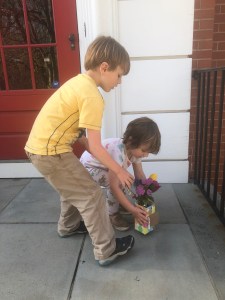
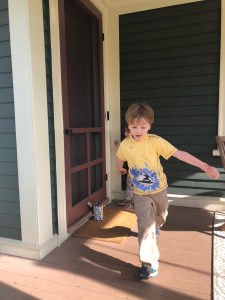
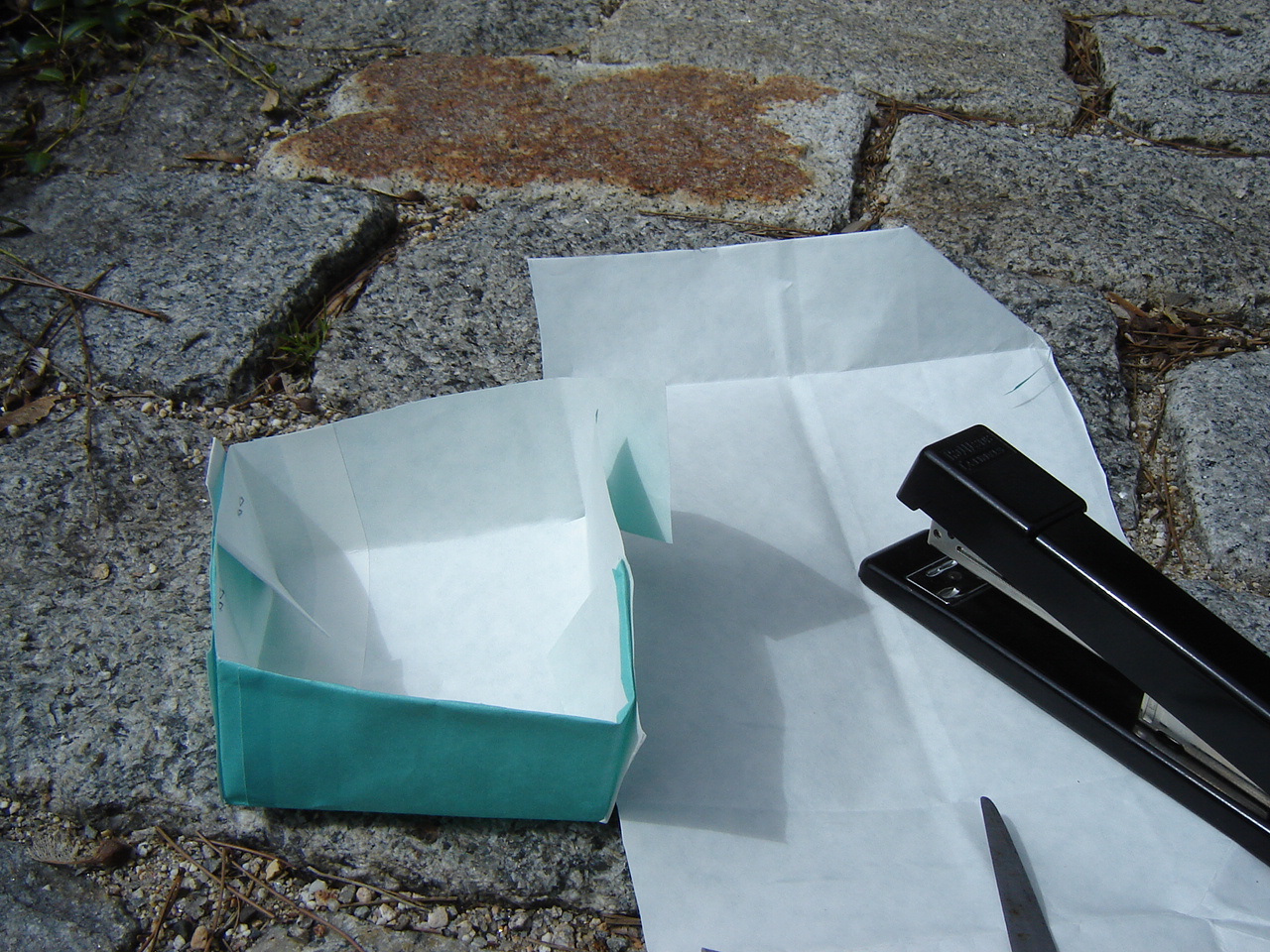
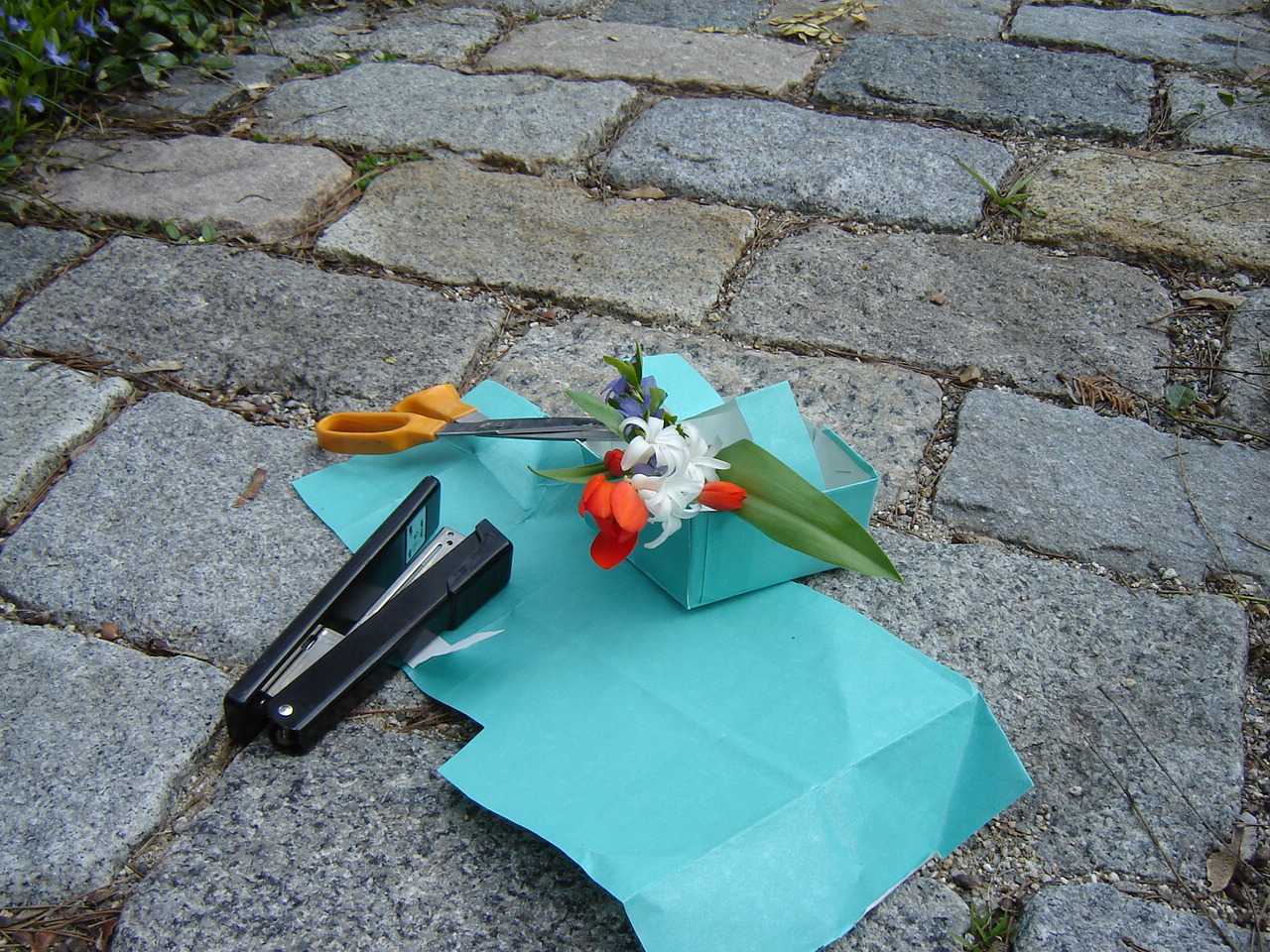
My children used to leave little bouquets of violets and daffodils and tulips on neighbors’ doorsteps. A babysitter showed us how to make baskets using wallpaper from discontinued sample books and a stapler. The kids would ring a neighbor’s bell, then run and hide. If anyone asked us later whether we knew anything about the nice flowers they found outside their door, we always said we had no idea what they were talking about. Which made it pretty obvious, actually.

I remember Mrs. Pulhamous saying to me, “Oh, I’m going to be so sad when your children grow up!”

Recently, I was sorting through files and was reminded that when Suzanne was in Girl Scouts, we made baskets for retirement home residents and received very sweet thank-you notes. I still think the Girl Scouts would be a good organization to carry on the tradition.

050118-secret-May-Day-mission

050118-ring-bell-and-run

Read Full Post »

My mother had me celebrating May Day from an early age (you leave a basket of flowers on a neighbor’s doorstep, ring the bell, then run and hide), and I continued the custom when Suzanne and John were small. (Mrs. Polhemus down the street said to me once, “Oh, my Dear, I’m going to be so sad when your children grow up!”)

But I have felt in recent years that nobody knows about May Day anymore, unless it’s the May Day of the labor movement. Not even florists promote it.

So imagine my delight when Alden posted on Facebook a Happy Lei Day greeting today! It turns out that something like May Day lives on in Hawaii.

Alden, a native Hawaiian, routinely posts the glorious flower photos of Nate Yuen, Commissioner of Natural Area Reserves System Hawaii. Today he linked to the beautiful lei below.

I was intrigued to learn that it took just one person to start the Lei Day tradition (proving that “one and one and 50 make a million”). Here’s what Don Blanding said about it in Hula Moons (quoted in Hawaiian History):

Along in the latter part of 1927 I had an idea … I told the editors of the Honolulu Star-Bulletin, the paper on which I worked. They agreed that it was a good idea and that we ought to present it to the public, which we proceeded to do. It took hold at once and resulted in something decidedly beautiful. …

Hawaii observed all of the mainland holidays as well as those of a number of the immigrant nationalities in the Islands. But there was no day that was peculiarly and completely Hawaii’s own; that is none that included all of the polyglot population there.

So, the bright idea that I presented was, “Why not have a Lei Day?” Let everyone wear a lei and give a lei. Let it be a day of general rejoicing over the fact that one lived in a Paradise. Let it be a day for remembering old friends, renewing neglected contacts, with the slogan “Aloha,” allowing that flexible word to mean friendliness on that day.

Lei Day became an official holiday in 1929. Lei Day celebrations continue today, marking May First with lei-making competitions, concerts, and the giving and receiving of lei among friends and family.”

Here’s a bit more from the Huffington Post: “Giving or receiving a lei in Hawaiian culture carries special meaning. Although the lei has become a popular souvenir to purchase, the true value of the lei is the process that leads up to the finished product. When gifting a lei, one starts with choosing the flowers to be used and then personally strings each blossom with thoughtful purpose for the recipient.” (Interesting. That’s how I pick pictures for my collage cards.)

Photo: Nate Yuen
This splendid lei was made by Brian Choy in 2007.


Read Full Post »

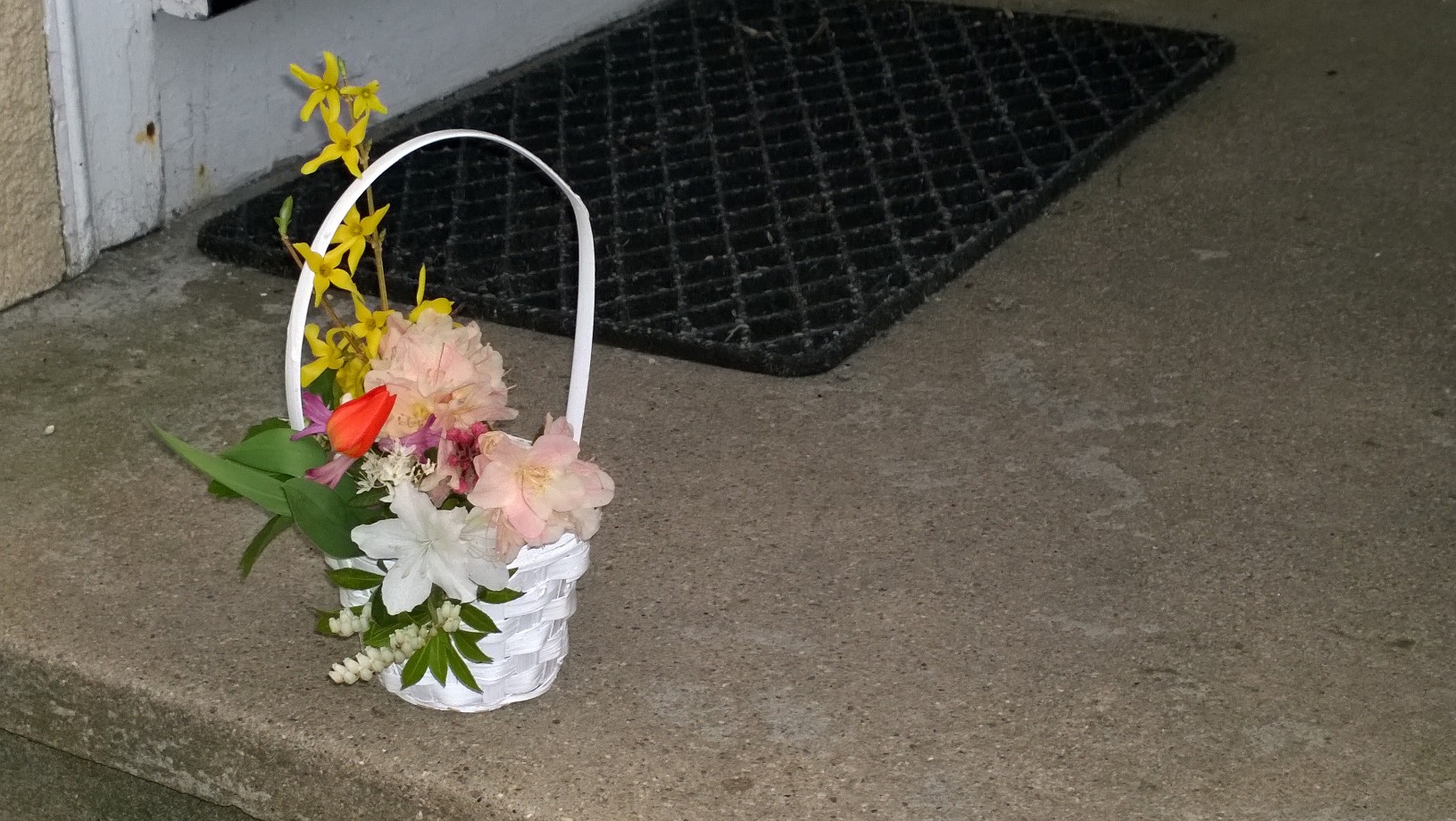
May-Day-basket

Happy May Day, Everyone.

Not to take anything away from other things that get celebrated on May 1, but it’s in the ancient rituals of girls dancing ribbons around poles and secretly leaving  baskets of flowers on doorsteps that the deep magic lies.

May-Day-flowers

Read Full Post »


Photo: Bryn Mawr College

Happy May Day, the old-fashioned kind that involves surprise flowers and dancing around the May Pole.

This year’s came in like a lion, with icy rain, and is going out like a lamb. Spring can’t be stopped now.

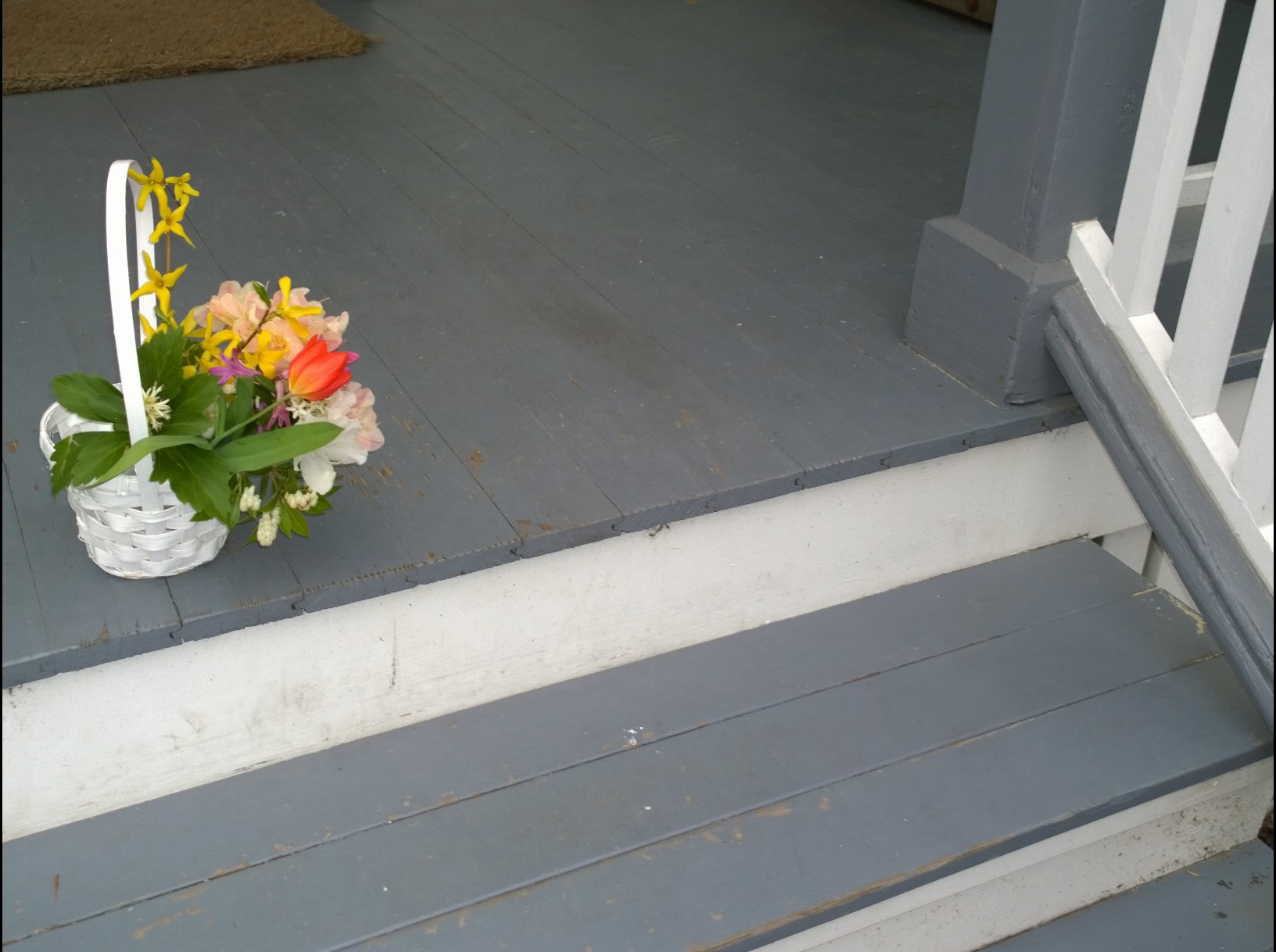
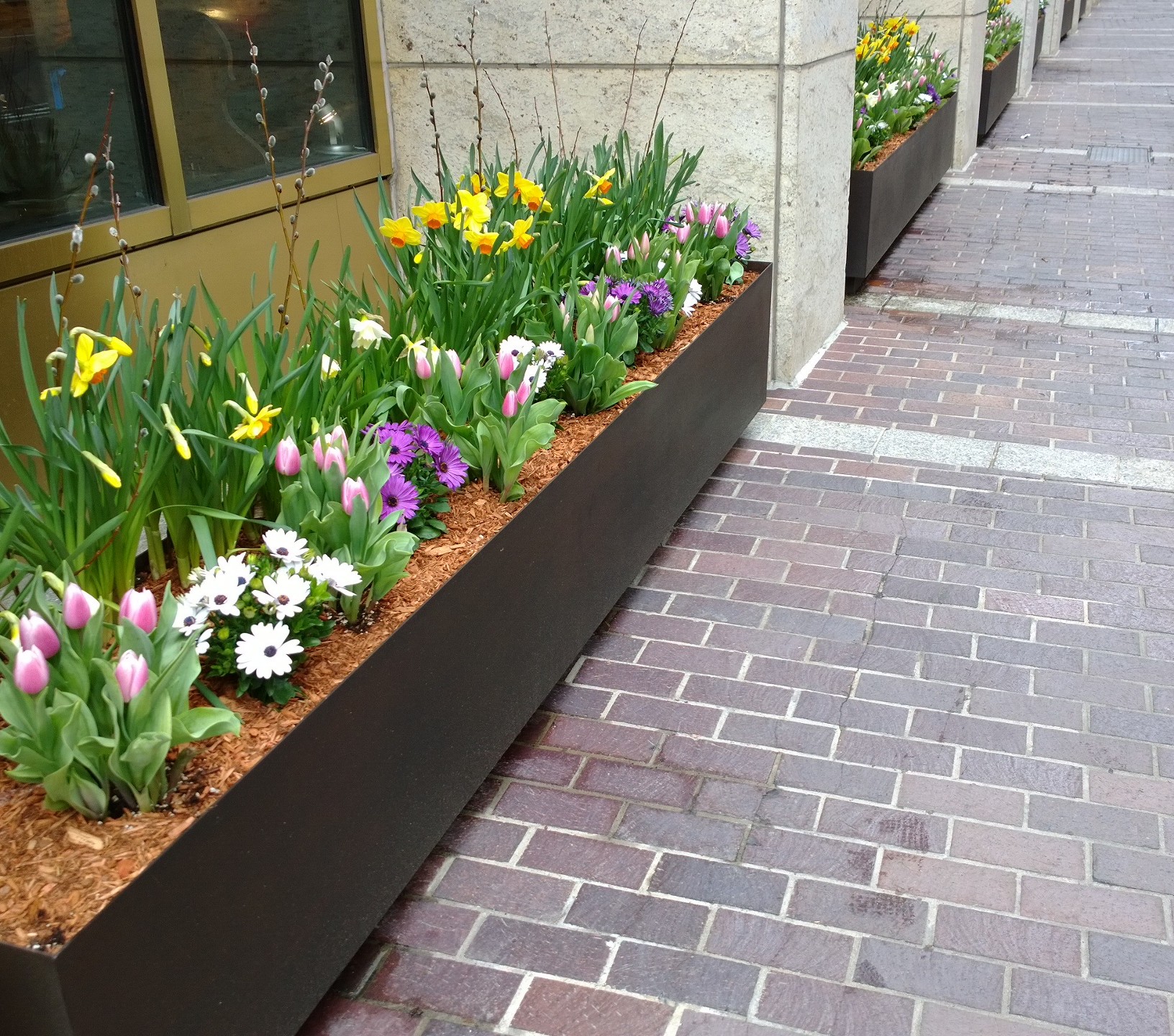
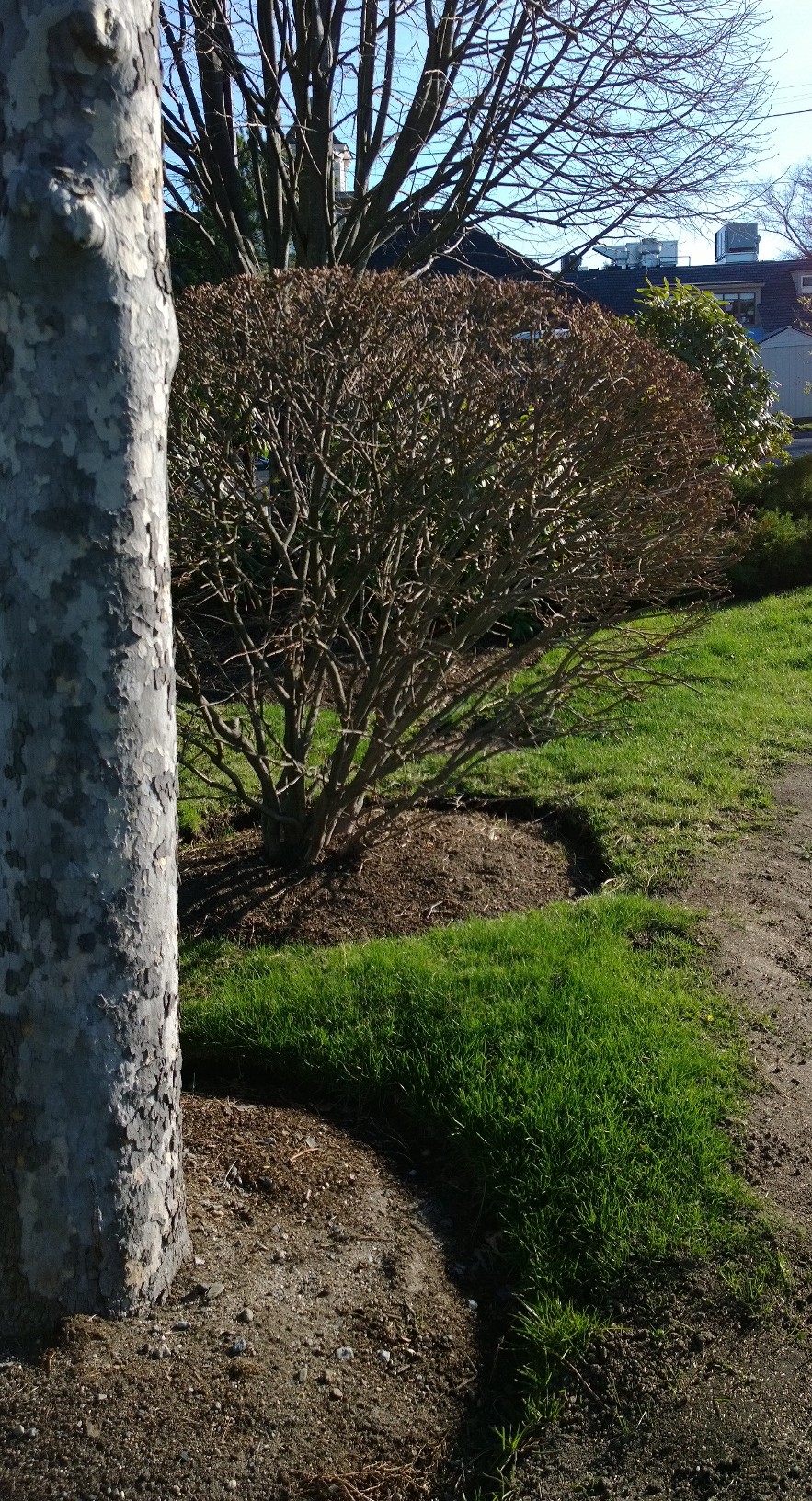
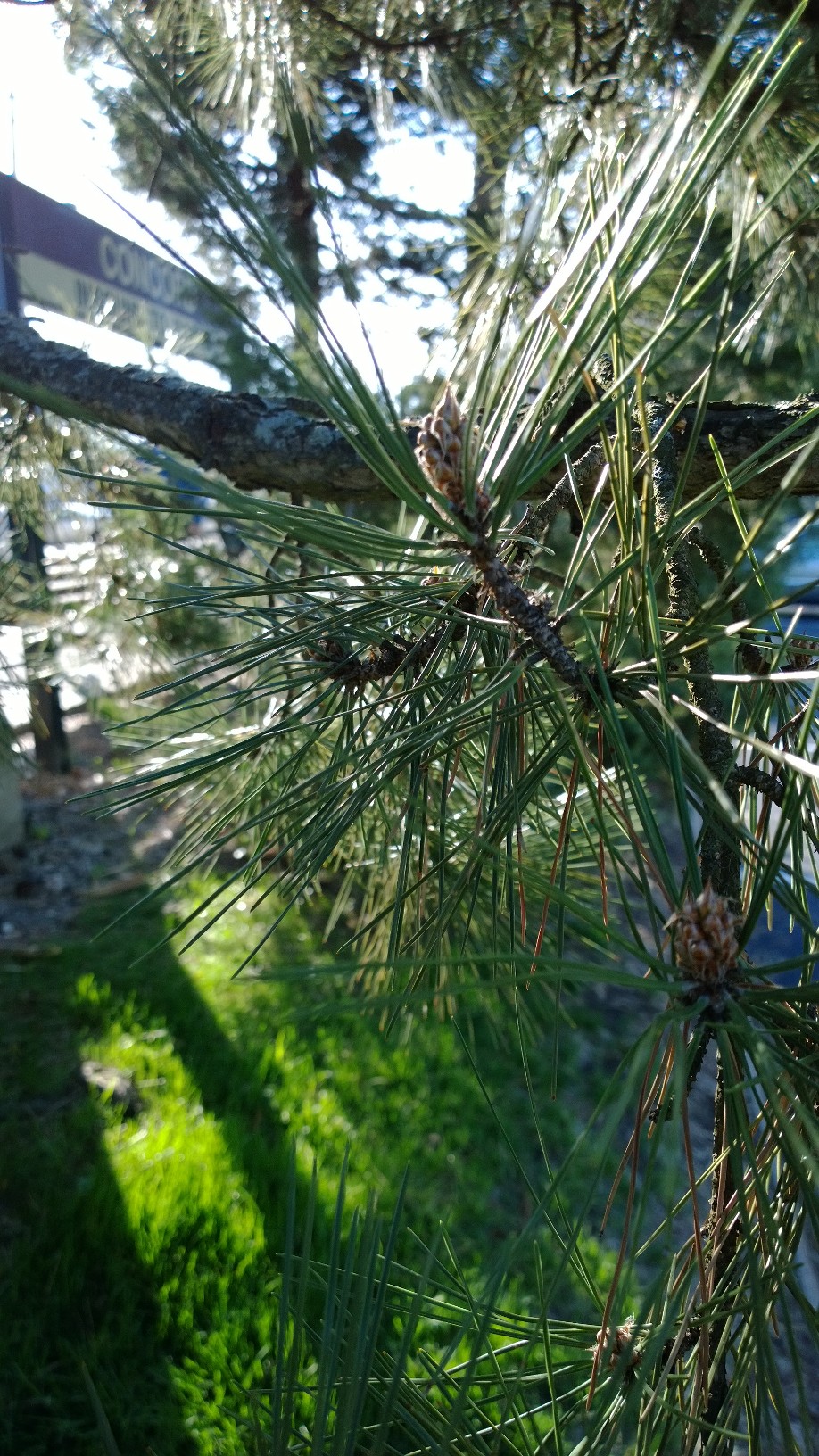
Here are a few photos of the season.

Congress-St-flower-boxes

mottled-tree-by-train-stop


pine-branches

May-Day-basket


Read Full Post »

Today’s mild weather reminds me that May Day and Mother’s Day aren’t far off. Mother’s Day is a highlight of the year at Luna & Stella, Suzanne’s lovely birthstone jewelry company, for which Suzanne’s Mom blogs.

I hope you know about May Day, too. I’d like to see it revived, the ancient custom of leaving flowers at people’s doors in honor of spring. (I don’t begrudge the workers of the world their version of May Day, but they shouldn’t hog the whole thing.)

Why don’t Girl Scout troops do May Day? Why don’t florists? It mystifies me.

I still remember a May basket I made as a kid from a punch-out book. I thought it was a thing of beauty and kept asking my mother to get me another book like that. But they stopped making them.

Now I work from scratch if I have time. Last year I blogged about one kind of a homemade basket, here.

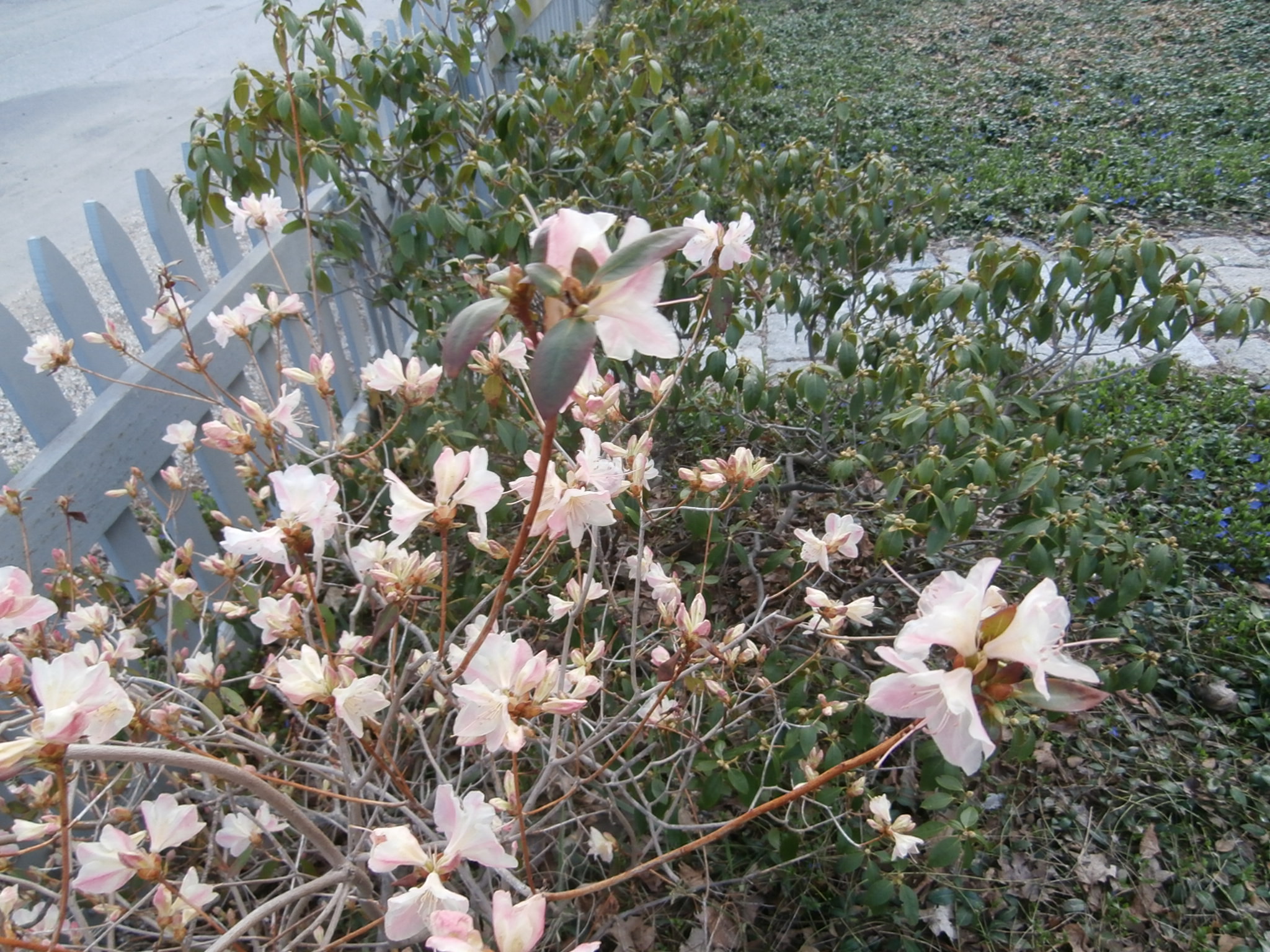
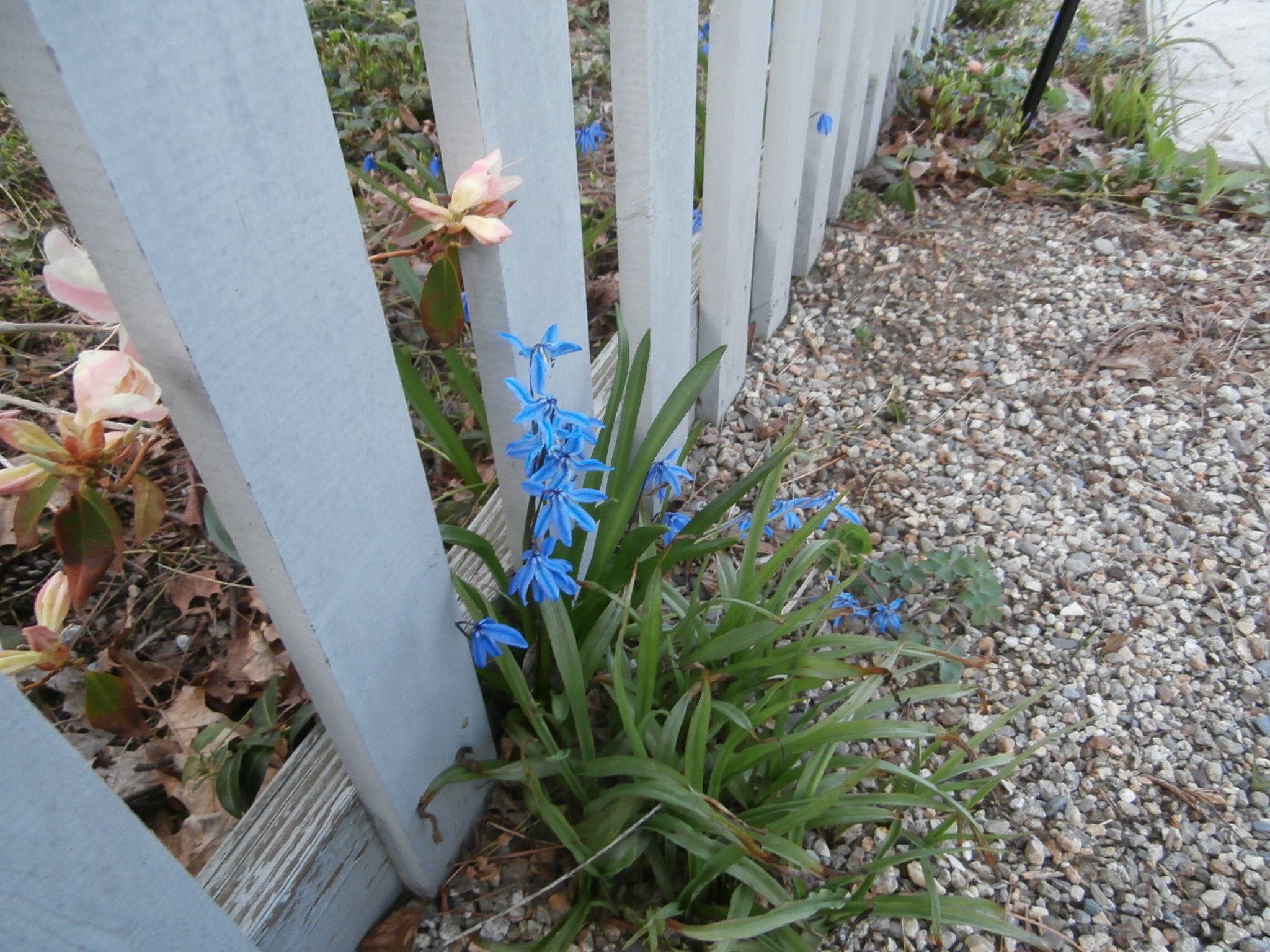
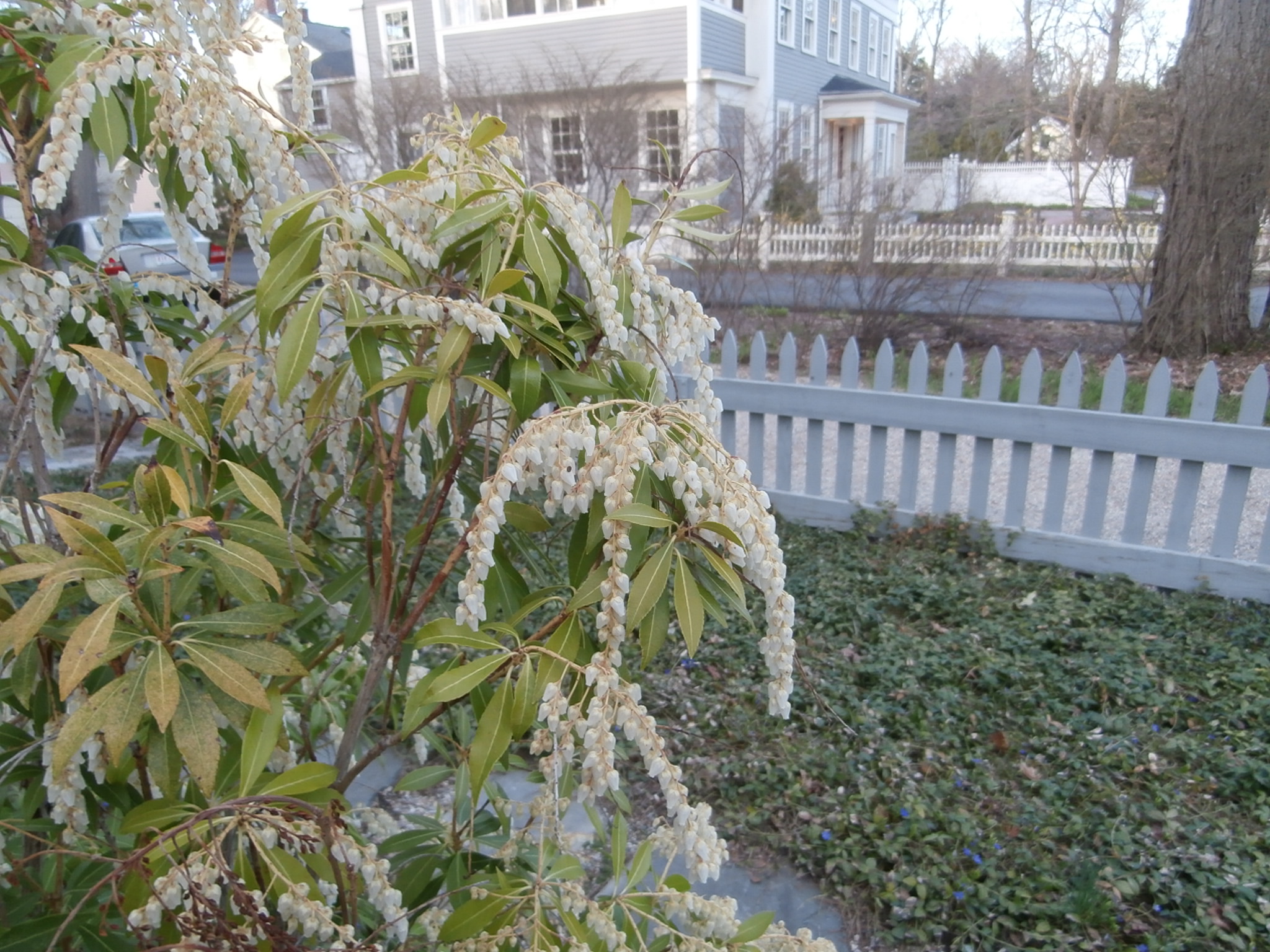
It’s always a surprise to see what flowers are available on May 1 any given year. Since these are in my yard now, I suspect there will be different ones by  May.

small rhodadendron

blue scylla

andromeda

forsythia

Read Full Post »

Does anyone do May baskets any more? It’s such a lovely custom, and it’s always surprising to me that florists don’t promote it. How difficult could it be to partner with a Girl Scout troop or something?

On the first of May, you fill home-made paper baskets with spring flowers, place them at the door of, say, a neighbor, an elderly person, or a teacher and run. As kids, we used to knock and go hide in the bushes to see the look of surprise on the neighbor’s face. With fewer neighbors at home during the day now, the surprise is for the person who gets home from work first.

When Suzanne and John were small, they did May Baskets every year. I remember one neighbor (who had figured out where the basket came from) telling me, “Oh, I’m going to be so sad when your children grow up!” Of course, part of the drill is to pretend you have no idea what your neighbor is talking about.

There is a really simple way to make baskets from pages of discontinued wallpaper books. I’ll tell you if you ask. Here is another way.

(P.S. The birthstone rings are from Luna & Stella.)

Read Full Post »

Weather

First it was 80 degrees, then it was 20.

Some flowering trees seemed to be OK with that. Others, not so much.

I was pretty confused myself. If all the spring flowers were going to bloom in March, what would be left for a May basket? I do like May baskets.

Read Full Post »