Feeds:
Posts
Comments

Posts Tagged ‘nature’

Photo: Mitchell Joachim/Terreform ONE.

Most builders rely on steel and concrete in construction, but the production of those materials is bad for the environment. That’s why innovative thinking in architecture is so important. At Fast Company, Nate Berg describes one unusual experiment.

“In a forest along the Hudson River north of New York City, a strange new building is slowly rising. The strangeness of the building is that it’s meant to be occupied by humans, animals, and plants. The slowness of the building is that it’s made out of — made by, really — growing trees.

Fab Tree Hab is a 1,000 square foot tent-shaped pavilion that uses grafted white willow trees to form its walls and roof. Using a computer-designed scaffolding system to precisely guide their growth, these trees are bent to create a living canopy that will, through specifically placed tree grafts and planter boxes, fill out the form and structure of the almost-entirely bio-based building. The scaffold can eventually be removed and reused elsewhere. Within 10 years, it would be a kind of multi-armed and interconnected mega tree house. It’s a prototype that could show how buildings may eventually be grown rather than built.

“The project comes from Terreform One, a nonprofit art, architecture, and urban design research group led by architect Mitchell Joachim. The idea behind this project has had a tree-like maturation period, starting from seed around 2002. Habitat for Humanity had launched a design competition looking for new approaches to building suburban housing. At the time, Joachim was pursuing a PhD in architecture at the Massachusetts Institute of Technology, exploring the application of ecological processes to design.

“Along with fellow doctoral researchers Lara Greden and Javier Arbona, he began to explore new ways ecological processes might be applied to the design brief of getting massive amounts of housing built. …

“The idea of shaping trees into usable structures goes back thousands of years. ‘You can find examples of this within illuminated manuscripts, within the bible,’ Joachim says. The main problem, though, is that these structures take a long time to grow.

“Joachim and his collaborators began thinking of ways to accelerate the process. Initially they explored growing trees hydroponically, and transplanting them into a scaffold. This would have given them height very quickly, but the strength of the trees would have been less than naturally grown trees. With hopes of turning this tree-based system into a viable approach to building, Joachim and his collaborators decided they also needed that strength.

“By this point, Joachim was years into the research process, and had launched Terreform One. In looking at other methods for growing trees quickly, the team learned about biomass farms, which grow trees that are harvested and burned to create electricity. These farms grow tightly packed rows of trees that rise dozens of feet in height within just a few years. The tall, slender trees seemed perfect for use in the scaffold Joachim and his team envisioned. The design shifted and the project was reoriented around replanting white willows harvested from a commercial biomass farm.

“The Fab Tree Hab pavilion that’s now standing in the forest in New York is made up of these replanted trees. Planted together in clusters, the trees make up a few dozen vertical ribs of the pavilion. Designed to graft together over time into a thicker tree, each cluster forms what will be a pillar of the building.

“While they’re still young and pliable, the clusters have been bent into the mass timber scaffold, which is itself a unique piece of architecture, appearing somewhat like an upside-down boat hull. The ribs of the scaffold guide the trees upwards and along the path of what will eventually be a sloping pitched roof. In the wall space between the vertical trees, the scaffold is outfitted with planters and habitat for other plant and animal species, each made from biodegradable materials like hand-crocheted jute and bioplastic. After a year’s growth, it’s estimated that the tree elements will be able to physically support the weight of these planters and habitat structures.

“ ‘It is kind of a land coral, or a terrestrial reef. It attracts all kinds of things to live inside it and around it and underneath it and then thrive in that section of the forest,’”’ Joachim says.

‘On day one we had frogs move into the shelter.’

“About halfway up the arched pavilion, additional planters create space for the Fab Tree Hab’s key architectural element. This is where additional trees can be grafted onto the tree structure as it matures, enabling the building to rise even taller. …

“ ‘The point of the entire structure is a prototype to really get this right so that this could be replicated anywhere,’ Joachim says. He envisions the system being scaled up, made into a kit of parts people could use to grow, say, a garage or a backyard pergola, and eventually even a house. There could be tree-walled museums grown over a decade, or even opera houses with resonant walls of willow timber that are alive and still growing.”

More at Fast Company, here. No paywall.

Read Full Post »

Photo: National Park Service.
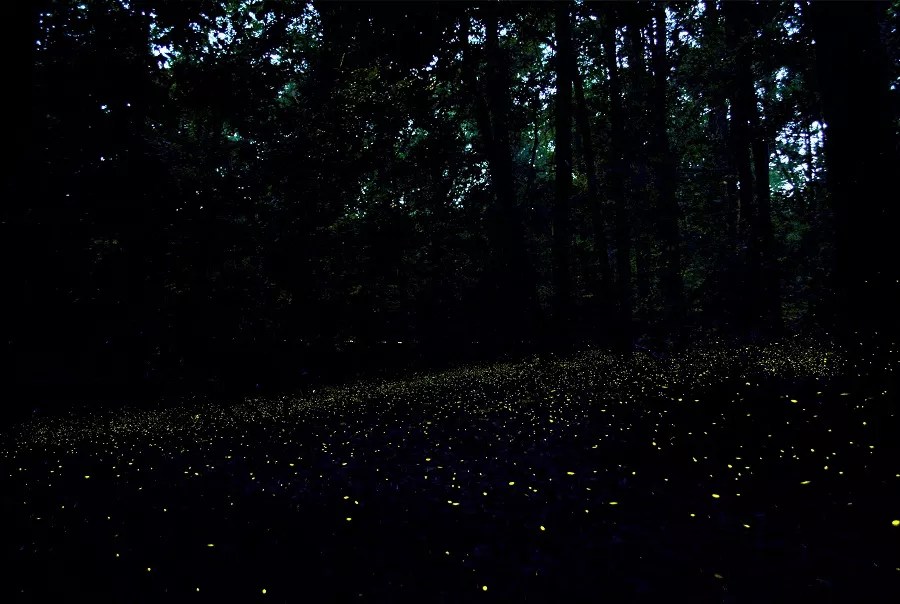
Mid-May to mid-June, synchronous fireflies light up the forest at dusk in Congaree National Park, South Carolina.

I used to love seeing fireflies as a kid, and now they are rare where I live. It makes me sad. What’s it all about? What is to be done?

Dino Grandoni at the Washington Post has this to say about the dangers to fireflies and possible ways to help bring them back.

“As a younger man, Joe Cicero saw ‘thousands and thousands of them.’ Swarms of fireflies put on a soundless fireworks show for him every summer in southern Arizona. The sight of the fireflies flashing in unison was so mysterious and mesmerizing that the entomologist made the study of the flickering insects his life’s work.

“Four decades later, Cicero, now retired, still goes back to those oak woodlands. Today, though, they’re mostly dark. The fireflies have been decimated, Cicero lamented. ‘Down to just a trivial few relative to the big population they had back then.’

“For many Americans, their otherworldly glow signals the start of summer. But across the country, many of these harbingers of summer may be blinking out of existence. What was once a series of tales from old-timers about the decline of fireflies from the days of their youth is coalescing into a disturbing scientific truth.

“Nearly 1 in 3 firefly species in the United States and Canada may be threatened with extinction, firefly experts estimate in a recent comprehensive assessment. … New research is shedding light on how these ethereal insects are struggling to thrive in the brightly lit world we have built around them.

“And the problem is bigger than a single type of bug. … In so many spots where scientists look, insects of all sorts are vanishing, … leading to fears of a potential-though-still hotly debated ‘bugpocalypse,’ which could unravel food webs for birds and other insect-eating animals and cause calamity for farmers who need pollinators to grow crops.

“ ‘I know a lot of people who hate insects. I’ve never met a single person who didn’t like fireflies,” said Sara Lewis, a Tufts University biologist and author of Silent Sparks: The Wondrous World of Fireflies.

“To understand the threats to fireflies, start underground. Fireflies in the United States spend the vast majority of their lives in their larval state, roaming the dirt to consume snails, worms and other soft-bodied grub several times their size. In contrast to their gentle summertime image, baby fireflies are vicious predators.

“But much of the swampy soil young fireflies need to thrive is increasingly being bulldozed for golf courses, suburban subdivisions and other types of development, making habitat loss a top threat. …

“ ‘These wetlands only occur right along the beach along the Mid-Atlantic,’ said Christopher Heckscher, an environmental scientist at Delaware State. … In Arizona, the Southwest synchronous firefly that Cicero studies is being trampled by different threats. Cattle and all-terrain vehicles in Coronado National Forest are stomping out its riverside habitat, he said. …

“When the time is right in the spring, juvenile fireflies seek a spot to pupate. Much like how a caterpillar transforms into a butterfly, a young firefly rearranges its body to turn into an adult. Then they take flight.

“The adults live for only a few weeks — with one thing on their minds. Fireflies flicker at each other to find their mates. …

“Males of certain species work together to woo mates by synchronizing their pulses. Other varieties are more ruthless, imitating the flashes of smaller fireflies to lure them in — and eat them. There are more than 2,000 species of fireflies globally, each doing a different dance.

“Even in the best conditions, males drifting in the air struggle to find females on the ground. ‘Mating success rate in darkness is not especially high,’ said Avalon Owens, a research fellow at Harvard. …

“Increasingly, we’re the ones making it harder. The artificial light we pour into the night is interrupting these bioluminescent courtships.

“To test the impact of light pollution, Owens set up a mating arena on her porch in her home outside Boston in 2020 during the height of the coronavirus pandemic. …

“In a study published last year, Owens and Lewis found exposing a semi-nocturnal firefly species called Photinus obscurellus to a bright light on the porch completely prevented it from mating. Out in the wild, the [researchers] found males of a related species, P. greeni, preferred LEDs meant to imitate females that were bathed in darkness.

“Brightening the night not only makes it harder for fireflies to see each other, it may also trick them into thinking it is daytime, Owens said. ‘It erases their habitat,’ she added. …

“Not every type of firefly is in peril. Some are actually thriving in our well-lit world.

“The big dipper firefly, named for the swooping arc it draws in the sky, evolved to come out at dusk and does not seem to mind modern streetlights. In their field experiments, Owens and Lewis found artificial lighting had little impact on the big dipper’s mating. Plenty can be found in well-lit corners of Central Park in New York.

“For many fireflies, there is a painful lack of data on even baseline populations. While some species remain abundant, overall, we risk the loss of firefly biodiversity. …

“While reversing climate change and other environmental threats is monumentally difficult, saving fireflies from light pollution is relatively easy. ‘You literally can just turn off the light, and the threat is gone,’ said Candace Fallon, a senior conservation biologist with the Xerces Society, a nonprofit conservation group pressing the federal government to extend endangered-species protections to fireflies. …

“For now, firefly aficionados are trying to inspire the next generation. Nearly 30,000 people flock to the Great Smoky Mountains each year to watch the park’s fireflies light up in sync. In Arizona, Cicero stages similar nightwatch parties for the few synchronous fireflies that remain there.”

More at the Post, here.
Read Full Post »

Photo: Eldred Allen.
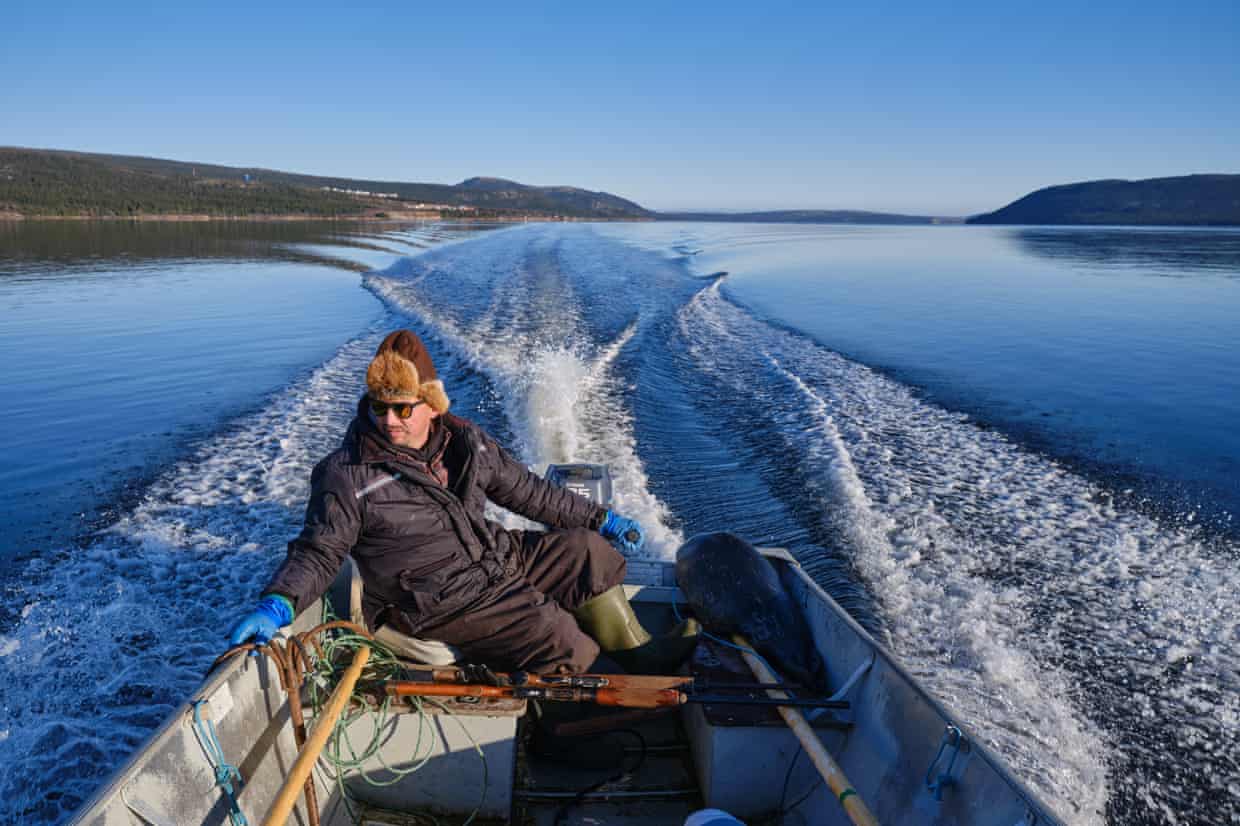
Martin Shiwak, an Inuit, with his hunting rifle in his boat, on Lake Melville, near Rigolet in Nunatsiavut, Canada.

Can you handle another story about how we are finally learning that indigenous ways are better for everyone in a changing climate? I don’t mean we all need to hunt and fish. I’m talking about protecting land and water from resource exploitation.

Ossie Michelin writes at the Guardian that “the environment Inuit have lived in for millennia is changing fast. Canada’s government once ignored Indigenous knowledge of it but now they are jointly creating the Nunatsiavut conservation area. …

“Martin Shiwak accelerates his boat to grab the seal he has shot before the animal sinks out of sight. Shiwak has hunted for years in the waters of Lake Melville, by the Inuit community of Rigolet in Nunatsiavut.

“As he hauls the ringed seal into the vessel, he says he counts himself lucky to have found one so quickly. ‘Sometimes you have to drive around here in the boat nearly all day to find a seal,’ Shiwak says. ‘Nowadays you can’t even afford to – C$60 only gets you five gallons of gas.’

“Nunatsiavut – one of four Inuit homelands in Canada – is where the subarctic becomes the Arctic. An autonomous region of Labrador-Newfoundland province, it is located at the extreme north-east corner of North America.

“Winter temperatures here can average -30C (-22F) with the windchill, as the Labrador current brings Arctic ice floes down along the coast, and a host of marine life from, plankton to polar bears. From November to June, shipping is impossible because sea ice covers the entire 9,320-mile (15,000km) coastline, so all food and supplies must be flown in. In Rigolet, a frozen 1.5kg (3.3lb) chicken will set you back C$25 (£15). Hunting is not just a tradition but a necessity. …

“As a young boy, he learned to hunt and fish with his father and grandfather, who in turn had learned these vital skills from their elders. It is also how Shiwak learned the core Inuit values of taking only what is needed, sharing, sustainability and respect for nature – values he is passing down to his own children. …

“But while traditional knowledge has allowed Inuit to survive in this harsh environment for so long, the climatic conditions they rely on are changing quickly. Since 1950, Nunatsiavut has lost 40 days of ground snow a year. Its sea ice is vanishing faster than anywhere in the Canadian Arctic. …

“There is very little local people can do about that: although the region is roughly the size of the Republic of Ireland, Nunatsiavut’s population is less than 3,000, spread among five small towns. What they can do, however, is work to protect what they have. That’s why Nunatsiavut is partnering with the Canadian government to co-develop the world’s first Inuit Protected Area of this type.

“While there are other Inuit-led marine conservation programs in Canada, this will be the first to bear the title of Inuit Protected Area. … Built on Inuit values and culture, this type of conservation area would allow Indigenous people to continue traditional practices of hunting and fishing.

“That was not always the case. Past conservation policies saw Inuit at best only consulted and at worst completely ignored. Many Inuit hunters and fishers faced fines, had their equipment confiscated and their catches from hunting and fishing taken.

“Despite being granted the power to self-govern in 2005 (after 30 years of negotiations with the Canadian government), Nunatsiavut still lacked the final say over conservation in its waters. Final decisions defaulted to federal or provincial ministers.

“Now, at last, Nunatsiavut can jointly create and co-manage the protected area, based on Inuit priorities, as an equal authority. This will allow Inuit to practice traditional hunting and fishing in the area, while protecting the waters from industry and development.

“ ‘Just because we’re small doesn’t mean we can’t do something,’ says James Goudie, deputy minister of lands and natural resources in the Nunatsiavut government. ‘We can show the world that a small region can protect a massive amount of biodiversity.’

“The Inuit Protected Area would only cover about a third of Nunatsiavut’s nearly 50,000 sq km of offshore waters, but the region is home to important populations of fish such as salmon and Arctic char, the breeding grounds for many migratory birds, and the habitat of Arctic marine mammals including polar bears, beluga whales and seals.

“Establishing a protected area is also a pre-emptive strike against resource exploitation. Significant natural gas deposits have been found offshore along the Labrador shelf, but it has remained largely unexplored because of the ice. As the climate warms, however, the region is becoming more accessible – the Inuit Protected Area would prevent such resource exploration. …

“The borders of the new area have not been finalized, with the feasibility report expected in 2024 or 2025. But [Rodd Laing, Nunatsiavut’s environment director] notes: ‘You don’t need lines on a map to recognize the great work that happened already with Inuit relative to conservation and the management of ecological resources.’

“After all, he says, for countless generations of Inuit, conservation was not an option that could be ignored: it was a way to ensure there would be enough to eat, and enough next time as well.”

More at the Guardian, here. Nice photos. No firewall.

Read Full Post »

Photo: Lakshmi Rivera Amin/Hyperallergic.
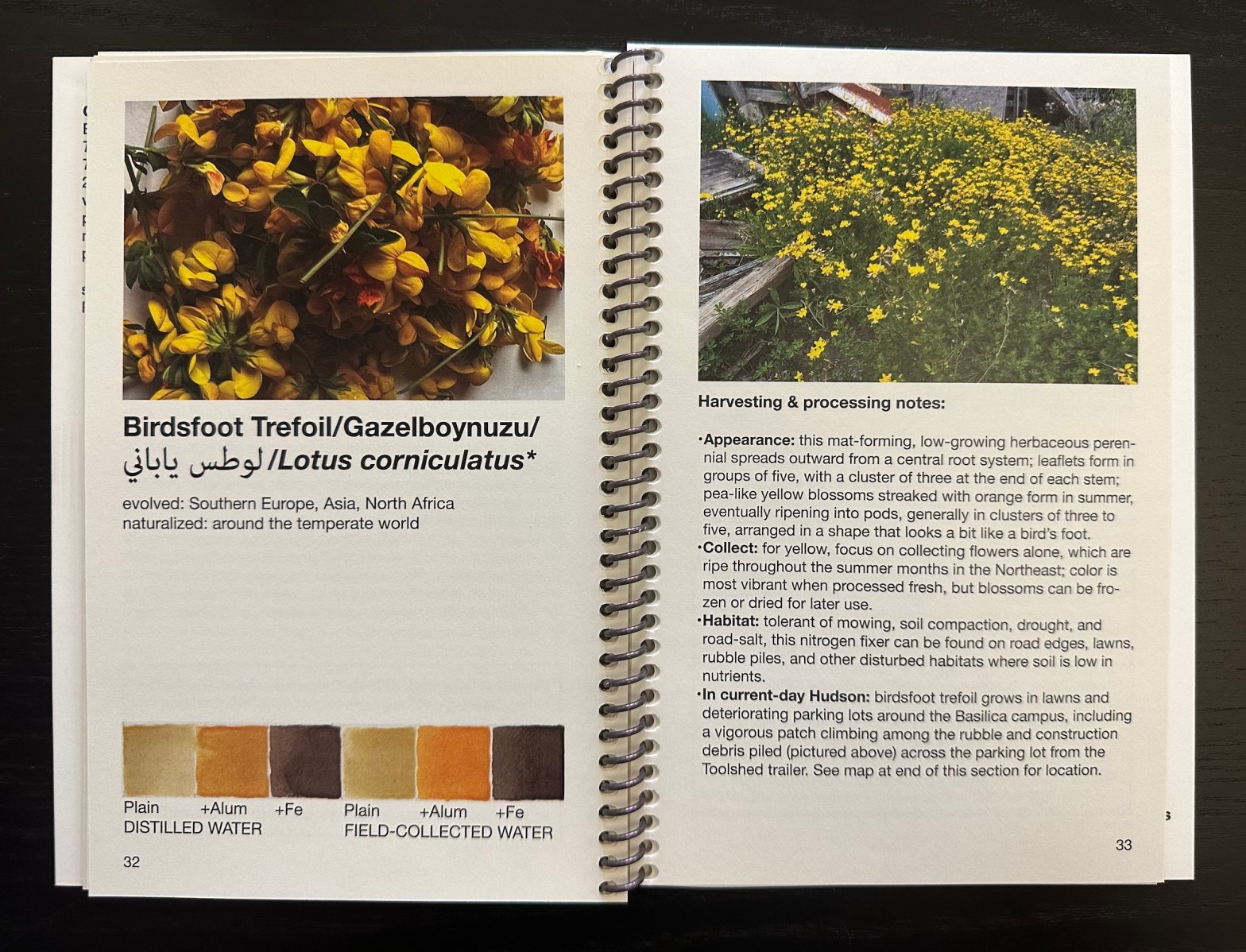
Page spread from Feral Hues, a book by Ellie Irons on making your own paints.

Artistic types are going back to nature for pigments these days. My friend Ann grows special weeds and flowers to make dyes for her beautiful textiles. In today’s Hyperallergic interview by Lakshmi Rivera Amin, we learn about an artist making her own paints.

“Taking the concept of a ‘green thumb’ several steps further, artist Ellie Irons approaches plants as a literal source of color: She creates her watery paintings with pigments tinted by organic hues found in the natural world. These works … record, honor, and reorient our relationship to the vegetation around us, specifically in current-day New York State’s Hudson area.

“I picked Irons’s brain about the process of creating her own paints through harvesting on the occasion of her recent book, Feral Hues: A guide to painting with weeds (Publication Studio Hudson). This interview has been lightly edited for clarity.

Hyperallergic: What is the most joyful part of making your own pigments?
Ellie Irons: There are many joys, which is why I’ve been entranced by the process for so many years: an ever-deepening and shifting connection to urban ecosystems and the land that supports them that emerges through careful, considered harvesting practices; the smells, colors, and textures that reveal themselves when plant parts are processed by hand in the studio; the joy of sharing the process with other humans who also become entranced by the relatively simple act of lovingly harvesting often overlooked weedy plants and creating paint with them; the process of attuning to the cycles of vegetal life sprouting, growing, blossoming, fruiting, [dying] across the seasons and years — there is always something to delight in and harvest, in any habitat, even in deep winter. …

H: How has your practice evolved over the past several years?
“Irons: I would say recently, since maybe 2019, my work has become more locally rooted and grounded. In the decade before that, I found myself investigating plants across urban habitats in a global sense — comparing pokeweed and honeysuckle growing in a parking lot in Taipei with the same species sprouting from a concrete river in current-day Los Angeles, for example.

“I’m still fascinated by those global connections, and find them resonant and relevant, but in recent years my focus and my daily practice have shifted to be more bioregional — I take the Mahicanituck/Hudson River Watershed as a salient range in which to work, connecting with human and plant populations up and down the river from New York City to the Adirondacks. …

“This shifting focus is based on a range of factors, from my increasing discomfort with energy-intensive travel to my new(ish) status as a mother to my day job with a community science and art organization that focuses on hyper-local environmental justice issues, to of course, the ongoing impacts of the pandemic. There are other ways it has changed, of course — writing has become increasingly important to me, as has enduring land-based work (a result of living in a shrinking upstate city where access to soil and open earth is simpler than in New York City, where I started working with plants more than a decade ago).

H: What are your favorite plants to work and be in relation with, and why?
Irons: Perhaps unsurprisingly, I have many favorites, and feel fortunate regularly meet plants who are new to me — my loves change by the season, and across contexts. Right now, in early August, each morning I’m greeted by innumerable, intensely blue Asiatic dayflower … blossoms lining the border of my neighbors’ chainlink fence where it meets the sidewalk.

“The blossoms only last until noon or so, depending on the weather and the intensity of the sun. I take 20 to 30 blossoms most mornings, and store them in a small cup in the freezer, accumulating them until I’m ready to process them into a range of shades of blue.

“I love dayflowers for the way they become unmissable once they catch your eye, and draw you in. They have an unassuming stature, foliage that’s easy to overlook, but when they burst into flower for several hours each morning, the proliferation of electric blue petals — almost sparkling if you look closely — can feel like tiny jewels sprinkled along the sidewalk. …

“Having migrated to the American continent, they live well in cities, where they are sometimes appreciated as a ‘wildflower,’ and are gaining notoriety as a super weed in round-up ready soybean fields, where they’ve demonstrated resistance to the herbicide glyphosate. And in their native China they are being studied as a hyperaccumulator due to their ability to thrive on the polluted soils of old copper mines, absorbing large amounts of heavy metals. …

H: What do you hope anyone interested in approaching plants as material sources for art will first consider and reflect upon?
Irons: I hope people will keep in mind processes of gratitude and respect — of mutual exchange, rather than of taking to satisfy a material need. This can look many ways. Maybe even just asking yourself a few questions before harvesting: Who else might be in relation with this plant, human or more-than-human? What is the plant doing here and why? How long has this plant been here, will they be here tomorrow, or in 100 years?” 

More at Hyperallergic, here. No paywall, but subscriptions are encouraged.

Photo: Ermell/Wikimedia Commons.
Asiatic Dayflower, or Commelina communis.

Read Full Post »

Photo: Arnold Gold/Hearst Connecticut Media via Middletown Press.
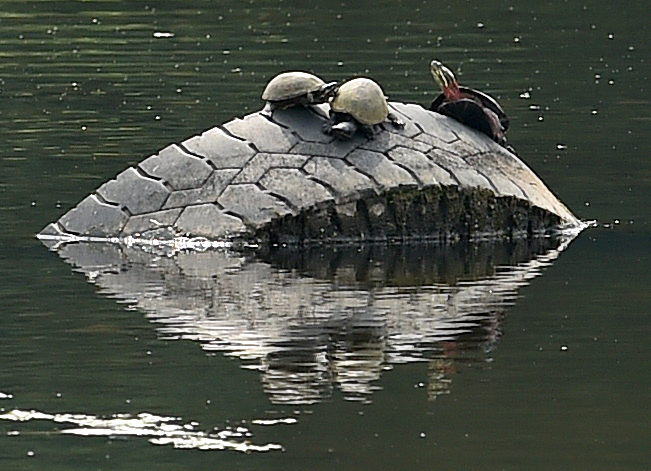
Turtles stand on a tire in Pameacha Pond in Middletown on June 30, 2023.

How do people end up protecting wildlife? They are not necessarily longtime nature lovers. Maybe they just work at a dry cleaner.

Cathy Free reports at the Washington Post, “Every summer at Best Cleaners in Middletown, Conn., employees throw open the front and back doors and the slow parade begins. Very slow.

“During nesting season from May through September, turtles ramble into the store, ease their way past the front counter and racks of freshly cleaned jackets and skirts, and crawl for the opposite door.

“They’re among dozens of female Eastern painted turtles on their annual summer migration from Middletown’s Pameacha Pond to lay their eggs at a grassy marsh behind the dry-cleaning store. In late summer and early fall, the trek changes direction, with tiny hatchlings making their way back to the pond.

“To head either direction, the turtles need to cross South Main Street, a busy two-lane road that is part of Route 17.

“Some of the turtles are smashed by cars during their precarious annual journey, so current employees at Best Cleaners decided about five years ago to start saving as many turtles as they could, including the ones they saw wandering around the store and in the parking lot.

“ ‘I believe that people who were at the shop in the years before us also helped out,’ said Matt Dionne, regional manager for Best Cleaners, adding that the Middletown South Main Street location has always opened the doors and windows every summer to help cool things off. …

“Looking down and finding turtles in the shop is pretty common [in July], often several times a week. That’s when the employees know it’s time to help them safely cross the street. …

“The store’s eight employees routinely monitor the parking lot for stray turtles every summer, he said, noting that they’ll gently scoop them up and carry them to where they’re going — either to the marsh or the 19-acre pond.

“ ‘The babies can be as small as a quarter,’ Dionne, 36, said. ‘There’s a good chance they won’t make it across the road by themselves.’

“Assistant manager Jennifer Malon is among those who regularly makes a trip across the road with a turtle or two in hand. She also gives a lift to the occasional snapping turtle, but she makes sure to carry those in a dustpan. …

“ ‘Every summer, we’re always looking at our feet because we don’t want to step on them,’ said Malon, 37. ‘They’re important to the environment.’

“Although painted turtles are the most common turtles in North America and aren’t endangered in Connecticut like bog turtles and spotted turtles, they’re important indicators of healthy ecosystems, said Brian Hess, a wildlife biologist with Connecticut’s Department of Energy and Environmental Protection.

“They’re also vulnerable to land development that imperils habitat and migration paths, he said.

“ ‘An adult turtle might survive a raccoon trying to eat it, but it can’t survive an encounter with a car,’ Hess said. …

“Dionne hopes that rescuing the turtles will give them a better chance to make it to breeding age — usually about age 10 or so.

“ ‘Humans are the ones who built infrastructure around their habit, so we owe it to the turtles to do anything we can to give back,’ Dionne said.

“He and Malon were among those in Middletown who rallied last year to save Pameacha Pond from being turned into a city park. Students from Wesleyan University made an eight-minute documentary about the community’s efforts to keep the centuries-old haven for a variety of turtles, birds and frogs.

“ ‘They were going to drain the water from the pond, then because of the turtles, they decided not to,’ Malon said. ‘A lot of people love the turtles.’ …

“Mac Falco, manager of the Best Cleaners shop in Middletown, said many of his customers can’t imagine a summer without seeing a few slow-moving turtles in the shop when they pick up their dry cleaning.

“ ‘It’s part of the summer experience — everyone thinks it’s wonderful that we’re helping them across,’ Falco said. …

“He and other employees carefully place rescued baby turtles at the top of the pond bank across the street, then enjoy watching them climb down to the water.

“Painted turtles — named for their colorful markings — are often spotted basking in the sun on rocks and logs by kayakers on the pond, Dionne said.

“ ‘They’re fascinating, instinctual little creatures with built-in GPS systems that know where the water is,’ he said. ‘But if for some reason they end up lost in our shop, we’re happy to stop what we’re doing and pick them up.’ ”

More at the Post, here.
Read Full Post »

Photo: Suzanne and John’s Mom.
Wild black cherries are edible. They are more pit than pulp, but they taste good.

It’s been a while since I’ve written a post on foraging, but if you search on the word at this site, you will find a few — like the post about the homeless teen who learned life skills from foraging, here.

Lauren Colella has some new thoughts on the ancient art at Sierra magazine: “Summertime for me brings back childhood memories of backyard harvesting. Inspired by books like My Side of the Mountain, I used to search for edible plants: sassafras for tea, wild cherries for pies, and walnuts for snacking. I learned the hard way that walnut juice stains your hands.

“I didn’t know it, but I was participating in the millennia-old act of foraging. The practice is about more than free food and the thrill of the search — it’s an opportunity to engage with local ecosystems and learn more about the species in your area. …

“While today only a few hunter-gatherer groups live off what they hunt and gather, foraging has been a common human practice for hundreds of thousands of years. Members of the working classes depended on it to supplement their diets up until the 1800s. Thanks to these traditions — along with intel from contemporary botanists and mycologists — modern foragers can access extensive catalogs of edibles, often in the form of handy apps like Forager’s Buddy and iNaturalist. Chances are that no matter where you live, you’ll find naturally growing and uncultivated plants, fungi, and insects to eat.

“When scouting spots, be wary of areas near roads or industrial sites that could be contaminated with pollutants, and avoid harvesting plants near farms or lawns likely treated with pesticides and herbicides.

“Start by seeking out commonly found harvestables — like wild onions, berries, and apples — then carefully cut them from the stem or branch and avoid damaging nearby plants or fungi. Be aware that not all wild plants may be consumed raw. Do your research before popping anything into your mouth.

“While many Americans live within walking distance of edible wild plants such as hawthorn berries, yarrow, dandelions, and chickweed, ‘most people have no clue how useful these plants are in terms of food, fiber, and medicine,’ says Lynn Landes, founder of Wild Foodies of Philly. Among the free online resources listed on her organization’s site, Landes names Plants for a Future as a particularly reliable directory, thanks to its extensive descriptions of plants fit for consumption. She also recommends Eat the Planet because it includes details on bugs and mushrooms to eat and avoid.

Fallingfruit.org maps forageable plants and indicates whether they’re on private or public land. Many universities encourage staff and students to nosh on campus flora. … At the Bay Area’s California School of Traditional Hispanic Herbalism, Charles Garcia passes on wisdom learned from his mother, a curandera (folk remedy healer). Garcia points out that many forageable plants have dual uses, such as stinging nettle, which can be eaten or made into anti-inflammatory salves and extracts, and Pacific blackberry, a tasty plant whose leaves treat diarrhea. …

“Among the Millennial and Gen Z foragers who’ve taken to social media, perhaps the most famous is Alexis Nikole, or @blackforager, an Ohio-based outdoors educator whose Instagram and TikTok feeds abound with recipes and sustainable harvesting guidelines. Nikole touts an “honorable harvest” mindset—collecting only what you need, expressing gratitude by giving back to the earth (like composting), and harvesting only from legally permissible areas. …

“Foraging laws and regulations — generally designed to reduce damage to topsoil and avoid disruption to wildlife and gaps in vegetation where invasive species can flourish — vary by state and dictate what you’re allowed to take. … Volunteering during city parks’ weed-removal days can be a great way to legally source larger quantities of dandelion, mustard, and Japanese knotweed, which are routinely removed before they overpower neighboring plants.”

Check Colella’s Do’s and Don’ts list at Sierra, here, where you can also see her excellent illustrations. No firewall.

Read Full Post »

Photo: John and Suzanne’s Mom.
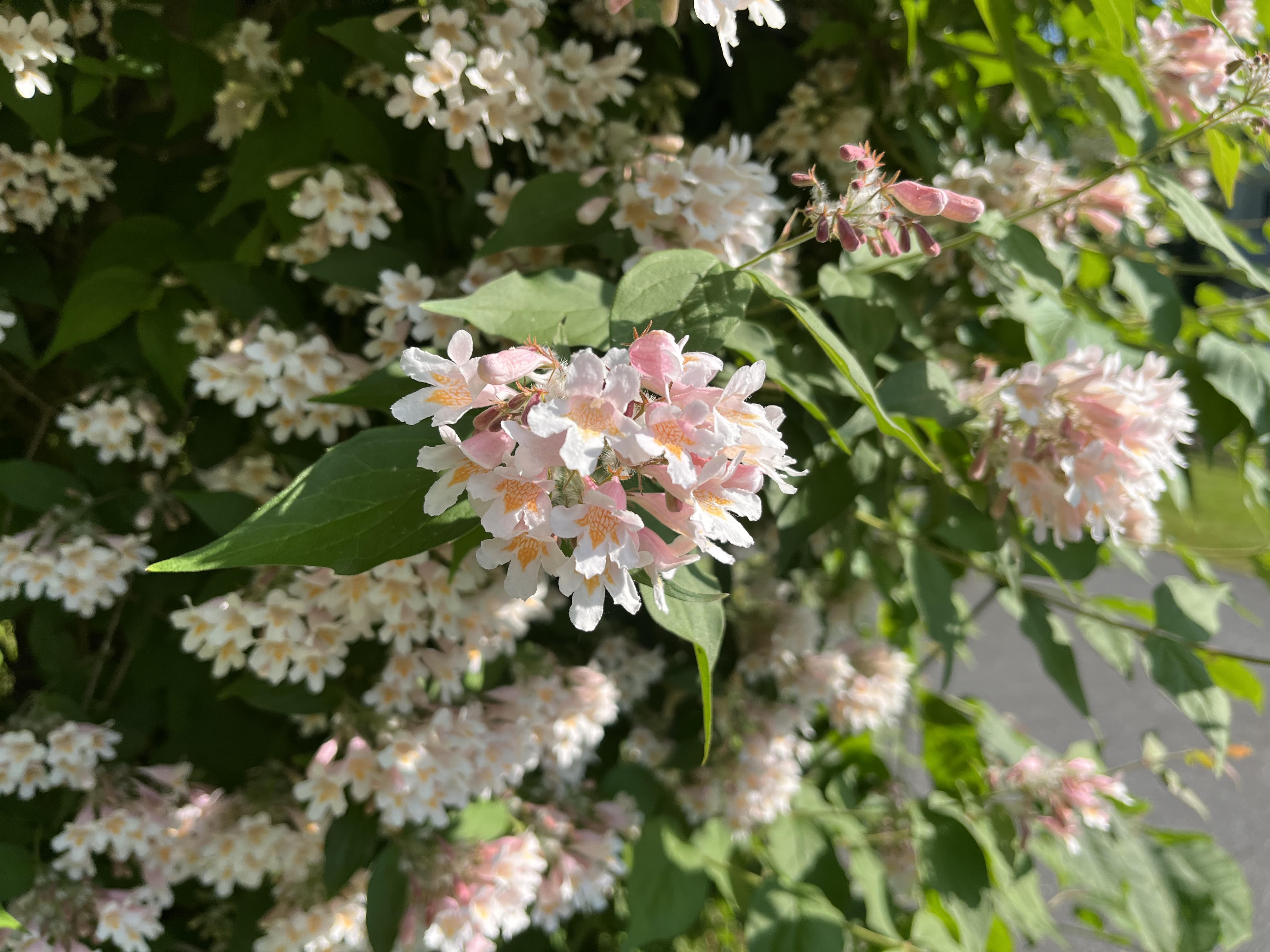
The PictureThis app calls this Beauty Bush. If you want to use the app, note that they try to hide the spot where you click “cancel” to get the free part.

Today’s article, by Michael J. Coren at the Washington Post, will be useful for anyone who walks outside and wonders what kind of flower or tree that is, what bird has that unusual song. It’s a post about apps. I myself use these freebies: Merlin for bird identification and PictureThis for plants (thanking Claudia for that tip).

From Coren: “First I see the wall barley, like tiny fields of wheat on the side of the road. Then a profusion of musk stork’s-bill overflowing with purple flowers. That’s just the crack in the sidewalk. By the time I reach my office, I’ve identified dozens of species, most unknown to me a few hours earlier.

“I’m not a master naturalist, but I have one in my pocket. Thanks to artificial intelligence trained on millions of observations, anyone with a smartphone can snap a picture or record a sound to identify tens of thousands of species. …

“It’s the kind of thing I would normally miss while walking or pedaling to work. Birdsong might be gorgeous but I’d barely hear it. I’d note ‘pine tree’ as a catchall for conifers.

“That has changed. I’m now on a first-name basis with most of my wild neighbors. It has reconnected me to a natural world I love. ….

“For 2.5 million years, humans spent a huge share, if not virtually all, of their time outdoors. Today, many adults are spending more hours on screens than outside.

“Nature is even disappearing from our books, songs and culture, say researchers who looked at nature-related words in popular works during the mid-20th century. Our mental and physical health has declined alongside our estrangement from the outdoors. …

“This new generation of naturalist apps is the Rosetta Stone to the natural world. Reestablishing relationships with your outdoor neighbors might not only transform your commute, it might change your life. There are more than a dozen apps promising to help you identify the natural world, many of them paid. Don’t bother.

Four apps, designed and managed by scientists with world-class data, meet all your ID needs free of charge. And every observation will advance our scientific understanding of the natural world.

“The easiest to use is Seek. The app, an offshoot of iNaturalist, a joint initiative of the California Academy of Sciences and the National Geographic Society, lets you shoot live video. It automatically grabs frames and analyzes them. The augmented reality experience is like downloading a foreign language into your brain. The app identifies the taxonomy of plants and animals instantly as you shoot. If it can’t figure out the species, it will give you its best guess.

“In less than an hour, I had racked up dozens of plants and insects near my house from Bombus vosnesenskii, a native yellow-faced bumblebee, to the purple-flowered bush lupine it was buzzing around. The only drawback? The app doesn’t include deeper context about the species it identifies.

“For that, there’s iNaturalist and Pl@ntNet. Both offer sophisticated, if slightly less user-friendly, apps that upload and analyze photographs of flora. In seconds, they typically return a ranked list of potential candidates with rich descriptions of each. The identification of the most common species is a slam dunk. For rarer ones, it’s easy to compare your observation against those of others in the database.

“The apps’ real superpower is the community around them: Millions of citizen scientists who can vet and confirm your observations. It’s particularly satisfying to watch your skills — and ranking — rise in the apps as you get to know your neighborhood. When you’re ready to up your game, download these apps.

“Finally, there’s Merlin Bird ID, a project of the Cornell Lab of Ornithology. Merlin feels like magic. The app uses a phone’s sensitive microphone to identify bird vocalizations in the sonic landscape around you, painting a visual representation or sonogram analogous to a musical score. …

“Merlin has permanently changed how I hear the world. I can now tune in to birdsong operas that had never entered my consciousness. Within a day, I was able to recognize distinct calls without consulting the app. …

“But the apps are more than tools to get acquainted with nature. They’re pushing AI identification — and conservation — forward. Recognizing natural inhabitants, and our relationship to them, helps us rediscover what remains and protect it.

“ ‘We’re just at the beginning of actual real scientific progress,’ says [Grant Van Horn, a machine learning researcher at the Cornell Lab, who helped build Merlin’s sound ID feature]. ‘And none of this stuff happens without a passionate group of people that helps you curate, train and evaluate the data.’ …

“The first big breakthrough came around 2018 from Snapshot Serengeti, a research project using digital camera traps to photograph thousands of migrating African animals. Organizing this enormous collection featuring a variety of animals, from wildebeests to giraffes, proved overwhelming for the small team of scientists.

“So researchers enlisted thousands of online volunteers to sort and label more than 3 million images. That allowed Jeff Clune, then a computer scientist at the University of Wyoming, and his collaborators to unleash algorithms on what was at the time the world’s largest collection of labeled wildlife images. The new algorithms could identify animals in 99 percent of images with the same accuracy as human volunteers, around 97 percent. …

“Citizen science-powered algorithms are now going beyond individual organisms. They’re mapping their relationships to an entire ecosystem, from the flower a butterfly pollinates to the leaf where the insect lays its eggs.

“ ‘My goal is to turn ecosystems into fire hoses of data,’ says Clune. ‘In the same way a video game company knows everything that happens inside their system, we should know that for the Amazon rainforest. Imagine what that would mean for science.’ …

“Ultimately, the apps’ greatest breakthrough may not be technological at all. It may be raising our awareness. We are nearly blind to entire categories of living creatures. In her book Braiding Sweetgrass, Robin Wall Kimmerer described it as ‘being lost in a foreign city where you can’t read the street signs,’ a form of species loneliness. While these plants and animals are our neighbors, we scarcely acknowledge their existence, let alone their right to exist. …

“This could reverse one of the great losses of the past century: our severed connection to the unique, wild character of where we live.”

More at the Post, here.
And speaking of technology that gets you closer to nature, check this live camera in the early morning East Coast time to watch an osprey feed its baby. Catch it soon, before the baby fledges.
http://198.7.226.69:8023/#view

Read Full Post »

Photo: AkunaHikes.
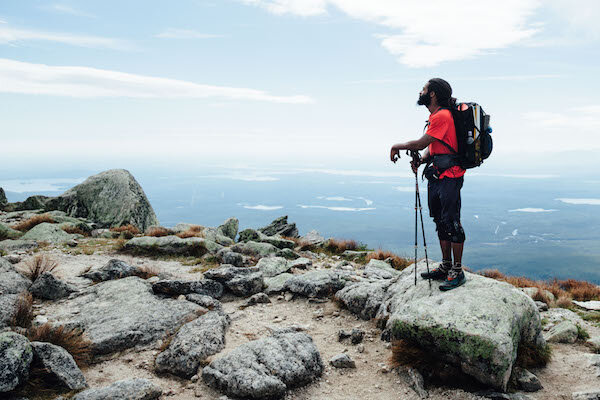
“I learned that I was capable of living, I was capable of leading,” said the 41-year-old Army veteran who had struggled with post-traumatic stress disorder after Iraq.

I know that the Sound of Music is a little corny, but there is wisdom in the line “I go to the hills when my heart is lonely,” which Maria (soon to be Maria von Trapp) sings. Nature can be healing.

Andrea Sachs writes at the Washington Post about an Iraq war veteran and how the mountains healed him.

“Will Robinson was about 100 miles into his hike on the Pacific Crest Trail when the dark clouds started to lift. Not the ones high in the California sky, but the ones clustered in his head.

“ ‘I learned that I was capable of living, I was capable of leading. I was capable of inspiring and motivating people. That was something I had completely lost for a decade-plus,’ said the 41-year-old Army veteran who struggled with depression, anxiety and post-traumatic stress disorder after his medical discharge in 2003. …

“Since that first long-distance hike in 2016, his mileage has multiplied to more than 11,000 miles and counting. In 2019, he became the first Black American man to earn the Triple Crown of thru-hiking by completing the trifecta of legacy trails: the 2,650-mile PCT from California to Washington state, the 2,194-mile Appalachian Trail from Georgia to Maine and the 3,100-mile Continental Divide Trail from New Mexico to Montana. Two years later, ESPN declared Robinson ‘the trailblazing superstar of thru-hiking.’ He also received the 2022 George Mallory Award, which honors exceptional outdoor explorers. …

“Before the PCT, Robinson had never seriously hiked, though the military had prepared him for similarly tough challenges. ‘The closest thing I did to hiking was drill marching,’ said Robinson, who grew up on bases with his Army father. ‘It’s a lot different with a 100-pound pack and an M16, but it gave me a basis for hiking.’ In the armed forces, he powered through his pain, a practice he had to unlearn as a trekker. …

“After six months in Iraq and a stop in Germany for medical treatment, he returned to Louisiana, where he often felt too broken to leave the house, much less pursue outdoor activities. He underwent multiple surgeries and tried various therapy treatments and medications, to no avail. ‘After Iraq, I was disabled at 23,’ he said. A chance ‘encounter’ with celebrity long-haul hiker and Wild author Cheryl Strayed provided the jolt he needed to recharge his life.

“On that fateful day in March 2016, Robinson was in his room, ‘like always,’ when he glanced at the TV and saw Wild on the small screen. In the film version of Strayed’s best-selling memoir, he watched Reese Witherspoon lug her pack by a PCT trail marker, a scene that stirred up a memory from Iraq. During his downtime, Robinson would often pore over a PCT guidebook that someone had sent to the soldiers in a care package. ‘One day I’d love to do this,’ he said, reminiscing about that period in his life when he envisioned a future filled with adventure.

Without waiting for the closing credits, he jumped onto his computer and acquired a free long-distance permit, one of 5,657 issued that year.

“On April 2, he arrived in Southern California and embarked on a journey of personal discovery and recovery that resembled Strayed’s transformative quest two decades earlier. …

“In addition to the physical benefits of hiking in nature, medical experts extol its psychological virtuesStanford University-led research from 2015 determined that walking at least 90 minutes in a non-urbanized setting can help alleviate depression, lower stress and anxiety, and reduce rumination, the infinite loop of negative thoughts. A 2019 study called ‘Nature and mental health: An ecosystem service perspective’ also explored the wide-ranging rewards, such as a happier state of mind, more positive social interactions, a clearer sense of purpose and a sturdier grip on life’s demands. …

“Robinson did not initially set out to complete the entire PCT, which runs from the Mexican border to the Canadian border. His primary goal, he said, ‘was to try to see if I could find me again, regardless of how many miles it would take.’ With only a few weeks to prepare, he trained around Slidell, about 30 miles northeast of New Orleans. …

“Early in the hike, he found his trail family and earned his trail name, ‘Akuna,’ a riff on a Swahili phrase (and The Lion King refrain) that translates to ‘no worries.’ The nicknames are bestowed by other long-distance hikers or are given to oneself. They are often fanciful, silly or philosophical.

“About five miles in, he was resting on a rock, feeling sluggish, when a woman named ‘Cookie’ appeared at his side. She determined that he needed food and proceeded to stuff her namesake snack into his mouth. The pair forged a bond, along with ‘2Pie,’ a teacher from Ohio, and ‘Nothing Yet,’ a veteran who had tackled the AT [Arizona Trail] the previous year to quell his PTSD. The group hiked together for long stretches, a major breakthrough for Robinson, who for years had avoided social situations because of his fraught mental state.

“ ‘Being around people triggered panic and anxiety attacks, and I didn’t want any part of it. I just shut down,’ he said. ‘But on the trail, I ran into so many great individuals who were there for me. All they wanted was to be part of my adventure and help me accomplish my goal.’ …

“He said, ‘For me, every hike is like a therapy session in progress. I’m going through things in my head, working out problems. When I find a solution, I can zone out and be in peace.’ “

More at the Post, here, and at AkunaHikes, here.
Read Full Post »

Photo: Lauryn Ishak/Bloomberg.
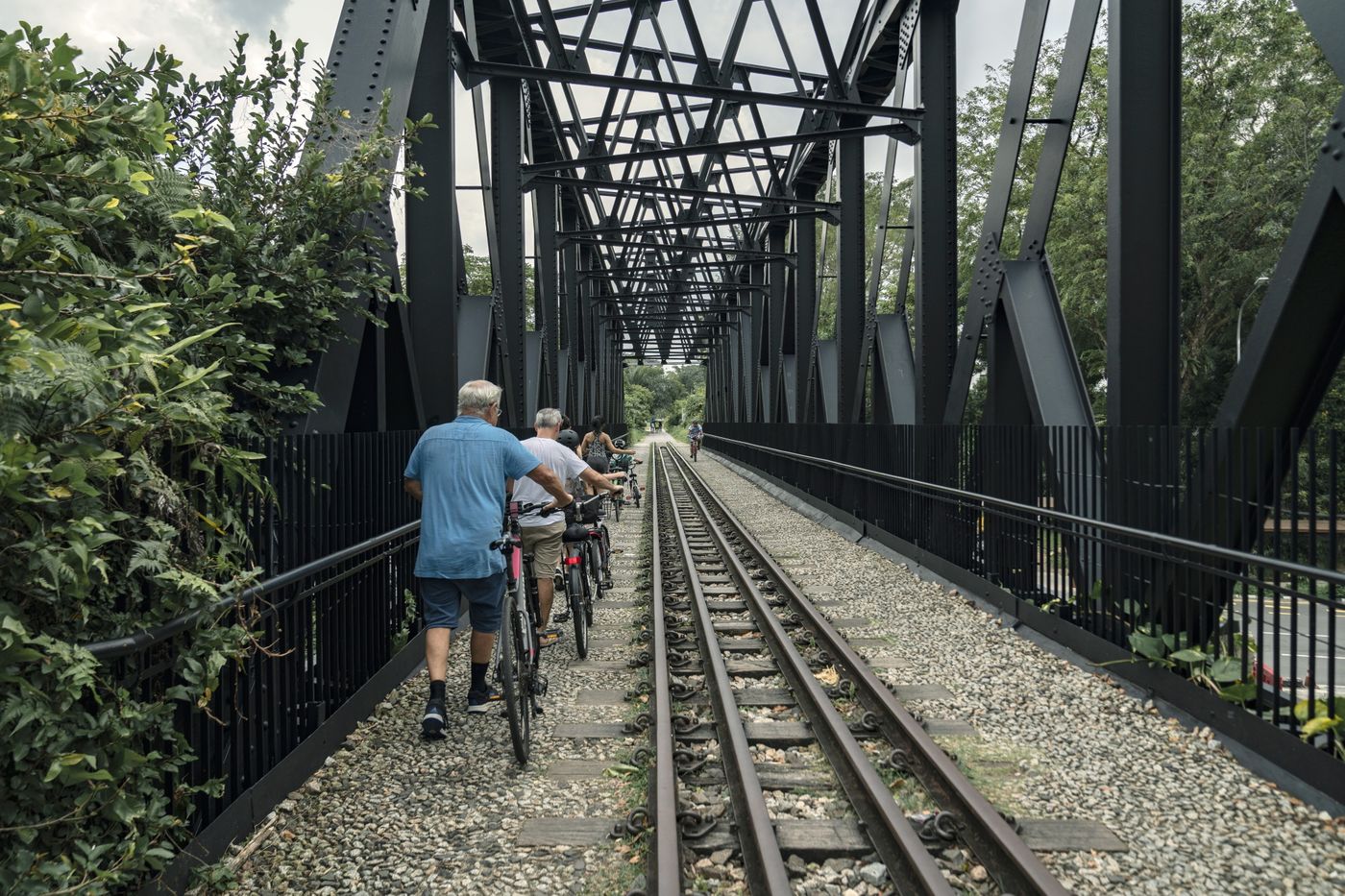
Bukit Timah Truss Bridge on the Rail Corridor in Singapore.

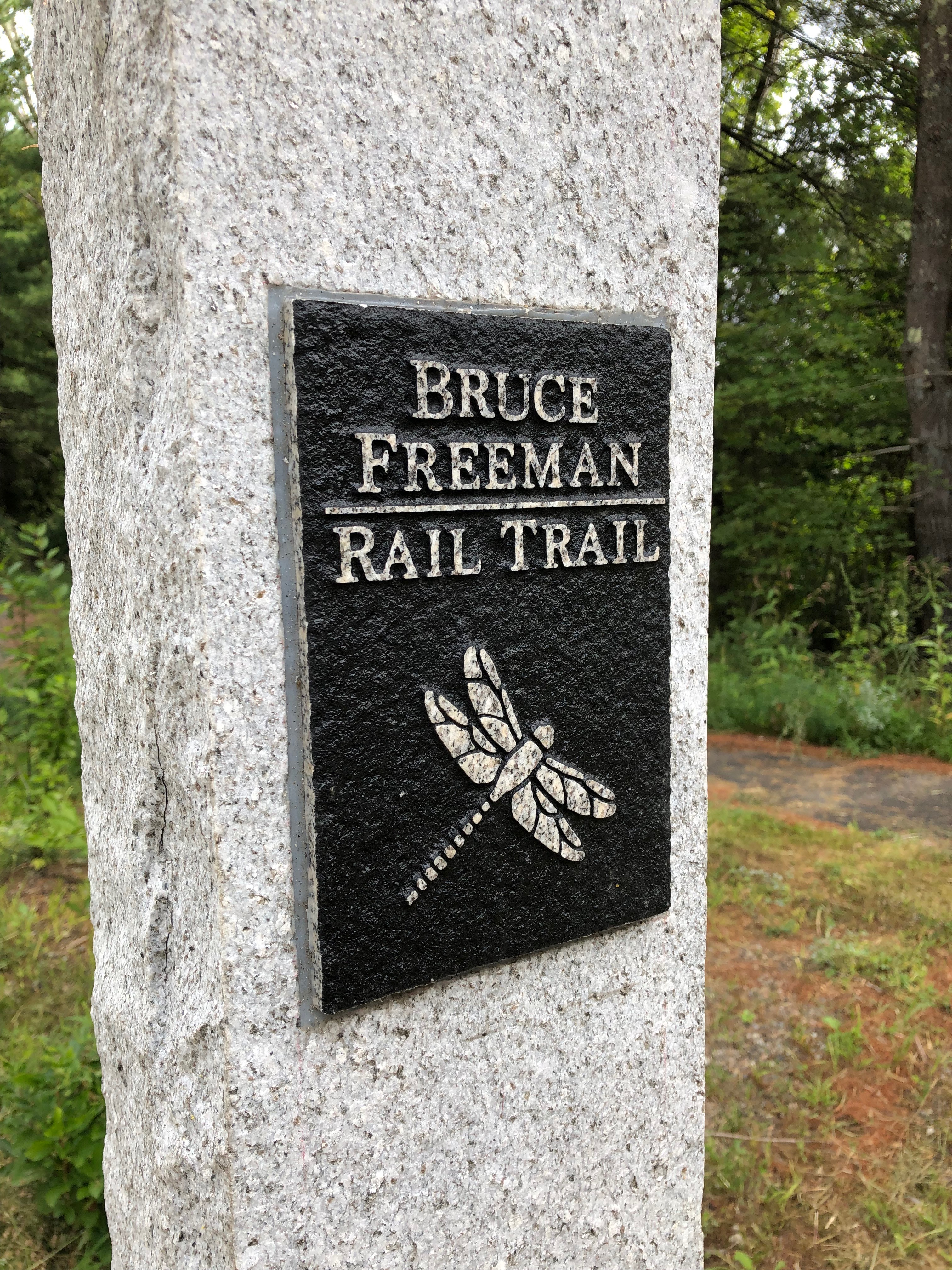
Where I live, certain abandoned rail corridors have taken decades to be ready for biking and hiking. You know Americans: lawsuits. But perseverance pays off, and now you can go for miles on the Bruce Freeman Trail.

Meanwhile in Singapore, government moves faster.

Selina Xu reports at Bloomberg, “A former railway line running through the heart of Singapore has turned into one of its biggest conservation success stories, marking a departure from the more manicured approach to nature that the city-state is known for. 

“The 24-kilometer (15 miles) contiguous stretch of land was part of a rail track built by the British colonial government in Malaya and was returned to Singapore from Malaysia in 2011, more than four decades after the two countries parted ways. Singapore was now faced with a question: What should it do with the land?

“The Nature Society, Singapore’s oldest conservation group, submitted an audacious proposal to authorities: convert the railway into a green corridor that would connect existing green spaces from the Sungei Buloh Wetland Reserve in the north, through some of the city’s most exclusive neighborhoods, all the way to the central business district in the south.

“Since 2012, parts of the rail corridor have been accessible to the public. The government has refrained from parceling out land for real estate development, keeping it as a green spine that’s 10 times longer than the High Line in New York, from which it drew inspiration. Authorities are now committed to preserving it in the long term, and continue to enhance more parts of the corridor, reopening them in phases.

‘When I gave that proposal to them, I wasn’t optimistic that they’d embrace the entire length,’ said Nature Society conservation committee chair Leong Kwok Peng, who spearheaded the campaign. ‘Never in my wildest dreams could I’ve actually imagined that would happen.’

“This month, an 8-kilometer northern stretch that had previously been under renovation was unveiled, with 12 new access paths connecting the corridor to surrounding residential estates and parks and an observation deck with views of the Bukit Timah Nature Reserve. More augmentations are still on the way, according to the National Parks Board (NParks) and the Urban Redevelopment Authority. 

“The focus on preserving the railway underscores a shift in Singapore’s relationship with nature. While half a century ago the city took a tamer and less ambitious approach to greenery, as encapsulated in the government’s ‘Garden City‘ vision which emphasized beauty and tidiness, the thinking now is to bring back the wilderness.

“The preservation of the rail corridor comes after Singapore’s development into a wealthy metropolis meant the sacrifice of acres of forests and wetlands. From 2000 to 2020, it experienced a net loss of 379 hectares (3.6 square kilometers) of tree cover, according to Global Forest Watch, roughly equivalent to 936 football fields. The railway, however, had been left largely untouched for decades due to land disputes between Singapore and Malaysia.

“ ‘The Rail Corridor passes through every terrestrial habitat you can find in Singapore,’ said Ngo Kang Min, a forest ecologist, pointing out on a map the patches of mangroves, marshland, forests and grassland alongside the railway tracks. By allowing the movement of species previously cut off from each other, Ngo envisions the corridor becoming a connector that can increase the genetic diversity of local flora and fauna.

“In October 2018, NParks and the URA began rewilding a 4-kilometer stretch in the central part of the Rail Corridor. Several endangered native primary forest species were reintroduced to return the landscape to its original rainforest state. To date, NParks has planted more than 52,000 native trees and shrubs along the corridor. The restored belt of native forest has since become a key passage, habitat and source of food for various animals, including the Sunda Pangolin, the world’s most trafficked mammal, and the Straw-headed Bulbul. …

“More rewilding will soon be happening in the north of the Rail Corridor, driven by the Nature Society — the largest-scale project of its sort under a nongovernmental organization to date. It plans to plant several thousand trees in order to bring back rare species and improve the canopy cover in a section of the corridor that’s mainly grassland. …

“The Nature Society is now lobbying the government to extend a trail along the Old Jurong Line, a disused railway track that runs through the western industrial tip of Singapore, where fragmented green spaces are scattered among factories, oil refineries and roads. The society is also focusing on preserving already-wild spaces along and adjacent to the corridor, parts of which will be disrupted by proposed housing development. …

“ ‘The attitude towards conservation in the past by the government has always been build, build, build first — economy comes first,’ said Ngo. ‘But now after Covid the conversation has shifted significantly. People want to see more green spaces. There can be room for more radical thinking and design in the way that we build those spaces.’ ”

More at Bloomberg, here.

We love the Bruce Freeman Rail Trail in Massachusetts.

Read Full Post »

Photo: Tony Luong.
Robert Vallières brings a raptor when he speaks to veterans about how birds helped his recovery, like here at the Manchester VA Medical Center in New Hampshire. When asked the worth of this Great Horned Owl, he told the vet: “I can’t put a value on it.” 

Tomorrow, November 11, is Veterans Day, one of only two federal holidays that hasn’t been switched to a Monday. The other is July 4. I saw today’s story around this time last year and decided to save it for you.

Purbita Saha and Tony Luong wrote at Audubon magazine in 2017 about a former soldier who found solace in Nature and then used his insights to help other veterans.

“The first bird that saved Robert Vallières,” they report, “was a Black Hawk helicopter. It was October 1990, and the then 28-year-old Army soldier was serving in the Persian Gulf War. While riding in the back of a truck on a mission to fortify a foxhole in the remote Arabian Desert, a heavy beam slammed into him, sending him flying and causing severe head injuries and swelling in the brain. The chopper sped Vallières to a field hospital for emergency care. …

“After being honorably discharged, Vallières returned to Concord, New Hampshire. While he appeared to be on the mend, he continued to grapple with chest spasms and Gulf War Syndrome—the mysterious mix of symptoms, including headaches, exhaustion, and memory problems, that plagued up to a third of returning veterans. On top of that, he had lingering effects from a pre-deployment aneurysm, and was diagnosed with post-traumatic stress disorder. … The PTSD led to serious depression and horrific anger, he says. He was overwhelmed with trying to readapt to civilian life when he saw a newspaper ad for a birding trip in the White Mountains. Remembering his hikes with his nature-loving father, also a veteran, Vallières signed up immediately. Up on the slopes, as he scanned the leafy ledges for passerines, a Peregrine Falcon hurtled into view, seizing a Northern Flicker mid-air in a puff of feathers. He followed it back to a snag, where it tore the woodpecker apart, yellow shaft after yellow shaft. ‘I was glued,’ Vallières says. …

“Vallières credits that Peregrine with saving him from despair. The encounter sparked a full-fledged birding obsession that ultimately helped shape his philosophy on healing. He quickly signed on to monitor raptor nests with New Hampshire Audubon. The first site he claimed was Joe English Hill, near Concord, where he and his son Andrew would watch American Kestrels speed rodents to their begging chicks’ mouths. As his identification and observational skills deepened, his responsibilities multiplied. He began tracking breeding Peregrine Falcons and Bald Eagles, aiding in the recognition of an uptick in chicks that confirms the birds’ nationwide resurgence since the pesticide DDT was banned.

“Vallières finds strength and hope in their comeback. ‘They keep my defeats in perspective,’ he says. And, he discovered, while painkillers reduced his chronic pain, his ailments often temporarily vanished in the presence of birds. Besides taking his mind off the hurt, tracking wild birds also allowed Vallières to beat back depression and regain much of his physical strength. …

“He began rehabilitating raptors, first with Audubon, then with the local wildlife hospital Wings of Dawn, where he learned to train unreleasable birds as educational ambassadors.

Working with the feathered charges allowed him to pay forward the care and kindness he’d received from doctors, nurses, and therapists, he says. It also made him feel like less of a burden.

“Given the profoundly soothing effect raptors had on Vallières, he was motivated to share the experience. He brought other vets to the New Hampshire Audubon hawkwatch platform to take in thousands of Broad-wingeds during fall migration. He cowrote a memoir, Wounded Warriors, about his experiences in battle and birding. And he started bringing rehab birds to the New Hampshire Veterans Home and Manchester VA Medical Center. (Vallières is a patient at the latter, receiving therapy for his chronic pain, taking drawing lessons to relieve stress, and learning cognitive exercises to combat memory loss from a second aneurysm in 2012.)

“On the Friday before Memorial Day, Vallières made his rounds at both facilities. In the solarium of the medical center that morning he saluted each of the 15 seniors, many in wheelchairs and Vietnam and Korean War caps. Then he introduced a male Great Horned Owl that is permanently grounded due to a wing injury. Vallières walked around with the raptor on his arm, lifting it above the veterans’ heads so they could feel the rush of its beating feathers. The room buzzed with questions and anecdotes of pet cockatoos; placid faces broke into grins. With his audience transfixed, Vallières related his story. He showed them sketches he has drawn of being airlifted out of Kuwait, shared dark reflections of his struggle with PTSD, and explained the important role that birds have played in his recovery.”

We owe so much to veterans, but you know as soon as a war starts that many, if not most, will be physically or mentally wounded or never come home. And the services to help them will be limited. All by itself, that’s a good reason not to go to war. Sometimes it’s necessary, of course, as the Ukrainians who take up arms today already know. Below is art that shows why they do it.

More at Audubon, here. No firewall. A description of the art is at WordPress, here.

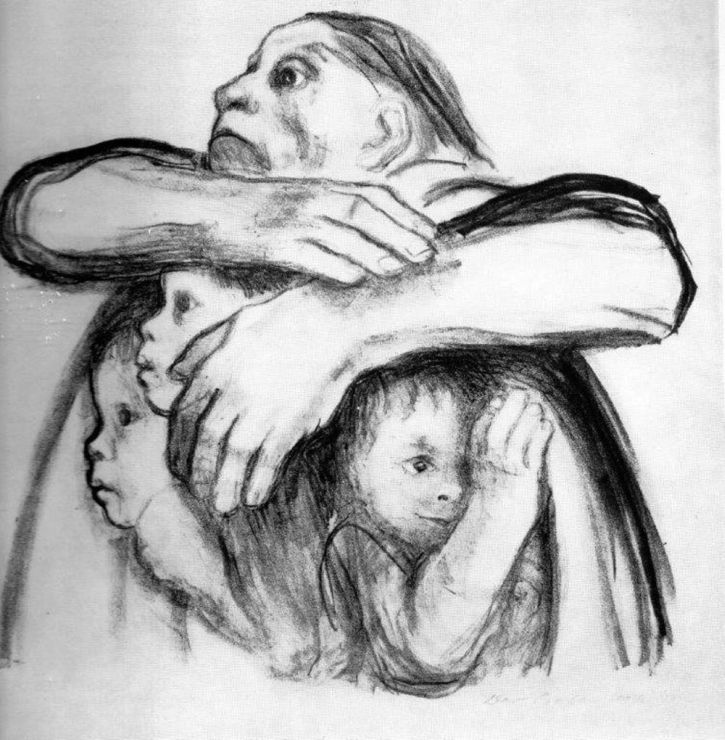
Protecting the children: Kathe Kollwitz’s ‘Grieving Parents’ at Vladslo: ‘Seed Corn Must Not Be Ground.’

Read Full Post »

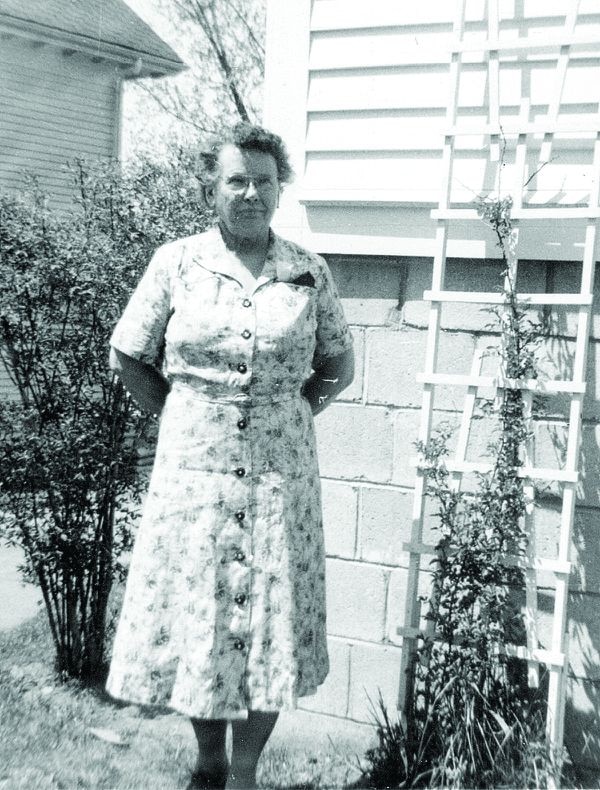
Writer Phil Primack’s baby sitter, Miss Anderson, in 1957.

How important were “other adults” in your life? Adults besides the ones who raised you. I once heard about a little boy whose home life would have marked him for a very troubled future if not for a kind neighbor doing yard work across the fence and engaging in friendly chats.

In another example, at the Boston Globe, Phil Primack gives credit for his love of the natural world to a baby sitter.

“In the late 1950s, back when Republicans liked Ike and I was a third-grader in Haverhill, my parents introduced my older brother and me to Jennie Anderson, our new baby sitter. Her approach today might be considered borderline neglect — but it influenced my life.

“I was short, chubby, and unathletic, always the last kid picked for any team. Happily, Miss Anderson had no interest in bouncing balls. Rather, her plan for productive after-school time was to go over pictures in the nature magazines she would bring, and then to send me off into the nearby woods to find this butterfly or that tadpole. Accompanied only by my dog Caesar (no leash or poop bags then), I’d wander the pine forest and wetlands by Round Pond for hours. Maybe I couldn’t catch a fly ball, but I became a whiz with a butterfly net. At summer camp, bunkmates began to call on me when they needed someone to trap a chipmunk for the scavenger hunt.

“Miss Anderson steered me to bigger things than bugs and critters; in the woods, I also found identity and self-confidence. I still have some of the butterflies she and I framed more than 60 years ago, as well as the brass magnifying glass we used to study markings on beetles and other bugs. …

“Thinking about her recently, I dove into Ancestry.com and found that Jennie F. Anderson was born in 1885 in Kent, Connecticut, to a Swedish father and American mother. I’ve been unable to learn much more. She never married and apparently had few relatives. Through high school and into college, she welcomed my visits to her in the single-room apartment she rented in Haverhill until I left Massachusetts for a newspaper job in eastern Kentucky.

“When I went to visit her on a trip home sometime around 1973, the room was empty. A neighbor told me that Miss Anderson had been committed to Danvers State Hospital, a psychiatric institution built, fittingly, where a Salem Witch Trials judge once lived. I made the trek there. ‘She doesn’t know who you are,’ an aide cautioned me. Still, Miss Anderson beamed when I pulled out some of our framed butterflies.

“Miss Anderson died in 1975 at the age of 89. … My brother and I remember her, but I worry no one else does. Too often, people who quietly imprint our futures just as quietly become anonymous and forgotten. That was Miss Anderson’s likely fate. And that bothered me.

“In almost the same year that she died, the destiny seed she planted in me matured as I bought some mainly wooded land in Epping, New Hampshire, and built a little house deep in the woods. I still maintain the land but I’ve transferred its ownership to the nonprofit Southeast Land Trust of New Hampshire (SELT), thus assuring its undeveloped future for young and old nature wanderers. Recently, SELT asked if I wanted my name on something to acknowledge my donation. Thanks, but no need, I said.

“Then I had an idea. …

“SELT plans to place a kiosk at the entrance to the Pawtuckaway River Reservation, nearly 700 acres of land, including mine, that SELT owns or otherwise controls along that river. The kiosk is supported by Phil Primack, a sign will say, ‘in honor of Jennie Anderson, who sent him out to hunt for tadpoles.’ “

More at the Globe, here. I love that Primack is remembering Anderson in that way. By coincidence on Twitter yesterday, journalist @tednesi remarked on how sad it is when someone dies unnoticed. He wrote, “I always find these death notices placed by the state so sad – the thought of someone dying and nobody around to notice. Who was Geraldine Boucher? What was her story? (via today’s @Projo).” He shared a photo of the state’s request for information.

If you could honor some adult in your life with a marker, where would you put it and what would it say? We had Frieda living with us for a while in my childhood, and I think what I am most grateful for is that her opinions were not the same as my parents’. She never tried to undermine my parents, but sometimes an exasperated huff would burst out and I could tell she thought something was really “off.” It has been important in my life to know that there were many ways to see things.

I would put the marker for Frieda someplace lovely in Switzerland, her homeland, and it would say, “Frieda Plüss. Thank you for the window on common sense.”

Read Full Post »

Princess Mononoke.

In July, Princess Mononoke, the animated film for grown-ups of all ages, turned 25. I have thought about it often since Asakiyume first pointed me toward the work of the brilliant Hayao Miyazaki. So many things in life remind me of the movie’s wisdom.

The BBC highlighted the Princess Mononoke birthday with a deep think.

Stephen Kelly reports, “In 1997, the British fantasy author Neil Gaiman received a call out of the blue from then-head of Miramax, Harvey Weinstein. ‘This animated film, Princess Mononoke,’ Gaiman recalls him saying, ‘it’s the biggest thing in Japan right now. So I thought I’ve got to get the best to do it. I called Quentin Tarantino and said, “Quentin, will you do the English language script?” And he said, “You don’t want me, you want Gaiman.” So, I’m calling you.’ Miramax, a then-subsidiary of Disney, had acquired the rights to distribute Princess Mononoke, the newest film from Japanese animation studio Studio Ghibli, in the United States, and Weinstein wanted to fly Gaiman to Los Angeles to watch a cut of the movie.

” ‘I had zero plans to do it,’ Gaiman tells BBC Culture. ‘But the moment that changed everything for me was the scene where you’re looking at this large pebble. And then a raindrop hits it. And then another raindrop hits it. And then another raindrop hits it. And now it’s raining and the surface is slippery and wet. And I’m like, “I have never seen anything like this.” ‘ …

“When Princess Mononoke was first released … it represented something of a departure for master animator and director Hayao Miyazaki. During the late 80s, Miyazaki had built his reputation (along with the success of Studio Ghibli, which he founded with fellow director Isao Takahata) on films like Kiki’s Delivery Service and My Neighbor Totoro; formally ambitious, thematically rich works, but generally affirming in tone and family-friendly in nature.

“But something changed during the 90s. Firstly, he began to bristle at the popular idea that Studio Ghibli only makes gentle movies about how great nature is. … Even more significant was his growing despair at a world which he had increasingly come to believe was cursed.

” ‘He used to be what he called leftist in sympathy, a believer in people power,’ explains Shiro Yoshioka, lecturer in Japanese Studies at Newcastle University. ‘But for obvious reasons [the collapse of the Soviet Union, and the escalation in ethnic conflicts across Europe], his political beliefs were totally shaken in the early 1990s.’

“Japan itself was also going through something of an existential crisis. The country’s bubble period, an economic boom during the late 80s, burst in 1992, stranding Japan in a seemingly endless recession. Three years later, in 1995, the country was hit by the Kobe earthquake, the worst earthquake to hit Japan since 1922. It killed 6,000 people, and destroyed the homes of tens of thousands more. Only two months after that, a terrorist cult by the name of Aum Shinrikyo launched a sarin gas attack on the Tokyo Metro, killing 13 and injuring thousands. Miyazaki, who was sickened by the materialism of the bubble period, was now living in a country traumatized and confused – both by its relationship with nature, and a creeping sense of spiritual emptiness.

” ‘He began to think,’ says Yoshioka, ‘maybe I should not make this entertaining, light-hearted stuff for children. Maybe I should make something substantial.’

“Set during the 14th Century, the Muromachi period of Japan, Princess Mononoke tells the story of Ashitaka, a young prince cursed by the hatred of a dying boar god, who has been corrupted by an iron ball lodged in his body. … To seek a cure for his curse, Ashitaka travels across the land, hoping to find the Shishigami, a deer-like forest spirit with the power to bring life and death.

“Along the way, Ashitaka discovers a world out of balance. The ironworks community of Tatara, run by the enigmatic Lady Eboshi, is ravaging the nearby forest for resources, provoking the wrath of ferocious wolf god Moro and her feral human daughter San (the titular Mononoke, which roughly translates to spectre or wraith). Caught in the middle is Ashitaka, who must figure out how to navigate this difficult world with ‘eyes unclouded.’ …

” ‘I believe that violence and aggression are essential parts of us as human beings,’ Miyazaki once told journalist Roger Ebert. ‘The issue that we confront as human beings is how to control that impulse.’ …

“Hayao Miyazaki is a self-confessed bundle of contradictions. Read his writings, listen to his interviews, watch him speak, and he paints a portrait of an artist caught between idealism and nihilism, optimism and despair. …

“This idea of a man at war with himself is obvious to see in the characters and world of Princess Mononoke: a film that, as Miyazaki told a press conference at the Berlin Film Festival in 1998, ‘was not made to judge good and evil.’ Take Lady Eboshi, whose mining colony is manufacturing an arsenal of guns to use against the forest gods. In most animated movies, she would be cast as the greedy, villainous scourge of nature. But Eboshi is also a generous leader, someone who has liberated women (implied to be former sex workers) from feudalistic oppression, who has provided a safe haven for leprosy sufferers and outcasts, and whose industrialization work is raising the standards of human life.

” ‘It would have been so easy to have a “technology is bad versus the good beasts of the forest” story,’ says Susan Napier, professor of the Japanese Program at Tufts University, Massachusetts, and author of Miyazakiworld: A Life in Art. ‘But the foundry helps these marginalized people live. It gives them jobs, a source of community, pride.’ Speaking in 1997 to Cine Furontosha magazine, Miyazaki himself once rationalized Lady Eboshi with ‘often, those who are destroying nature are in reality people of good character. People who are not evil diligently take actions thinking they are for the best, but the results can lead to terrible problems.’ “

It’s a long and thoughtful article. Read more at the BBC, here. No firewall.

Read Full Post »

What a great time of year for New England nature photos — really, any photo that benefits from strong sunlight.

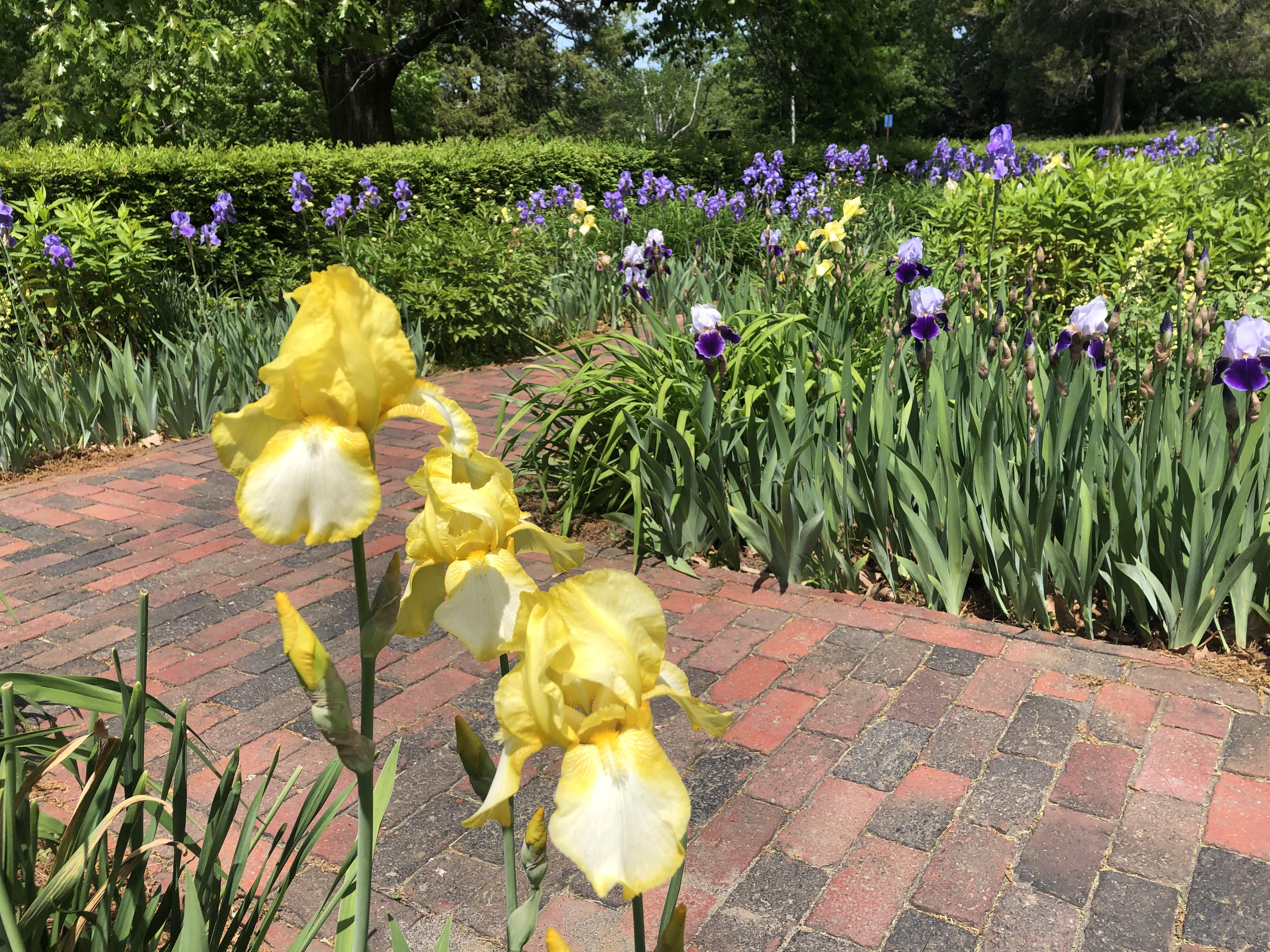
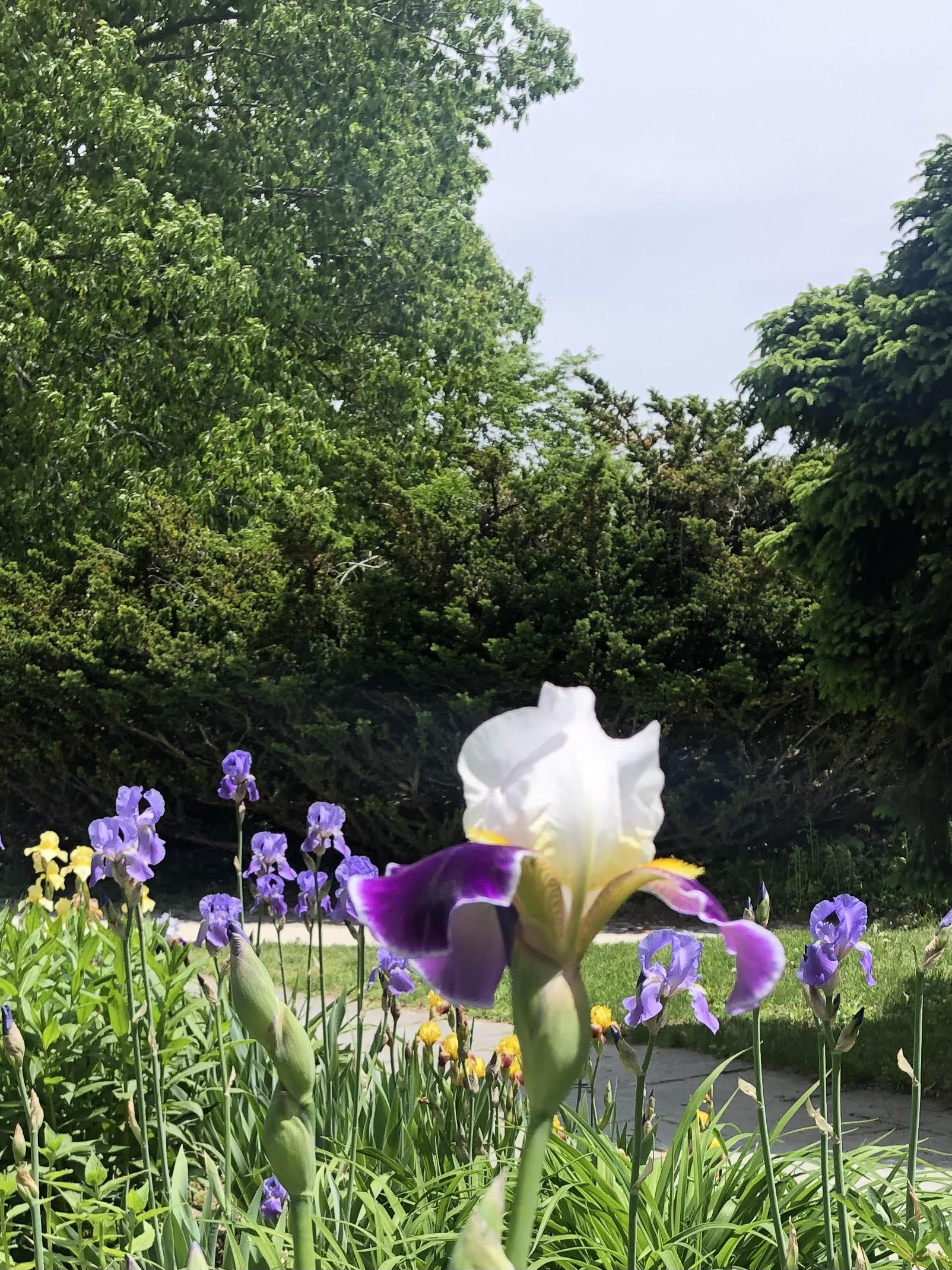
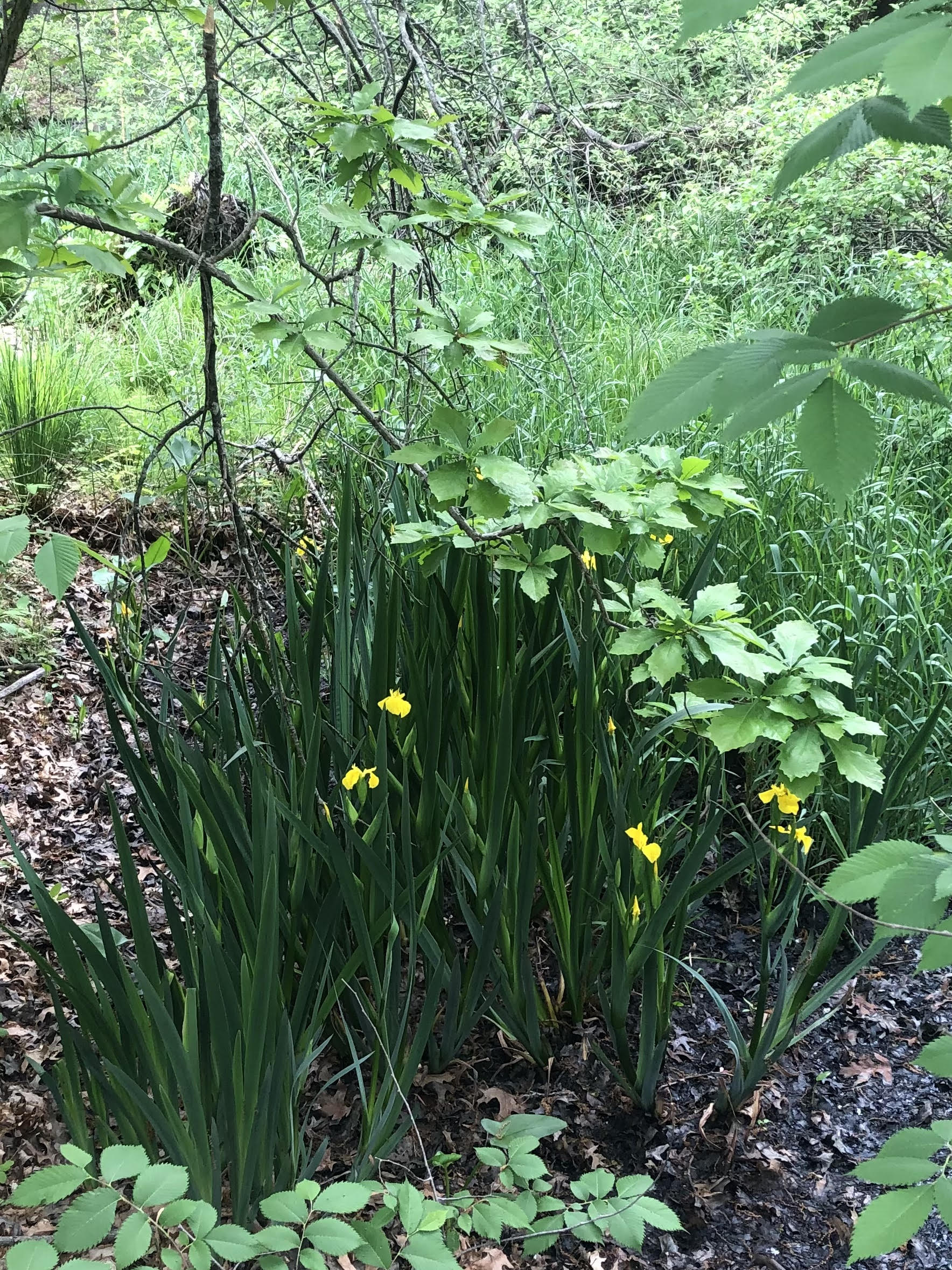
The first two iris photos are from the the grounds of the Buttrick Mansion at Minuteman National Park. The next one shows wild irises in a swamp near Walgreen’s.

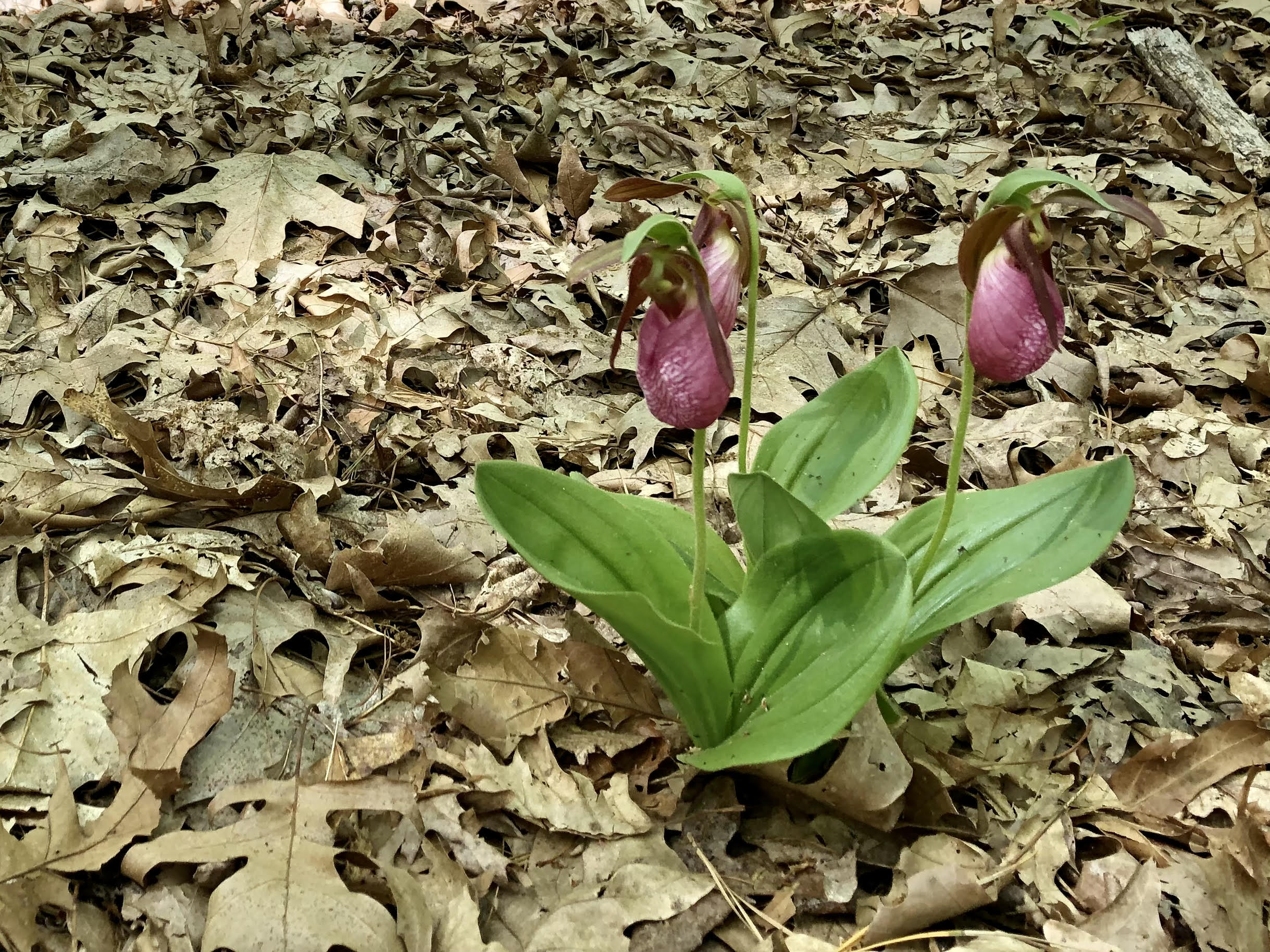
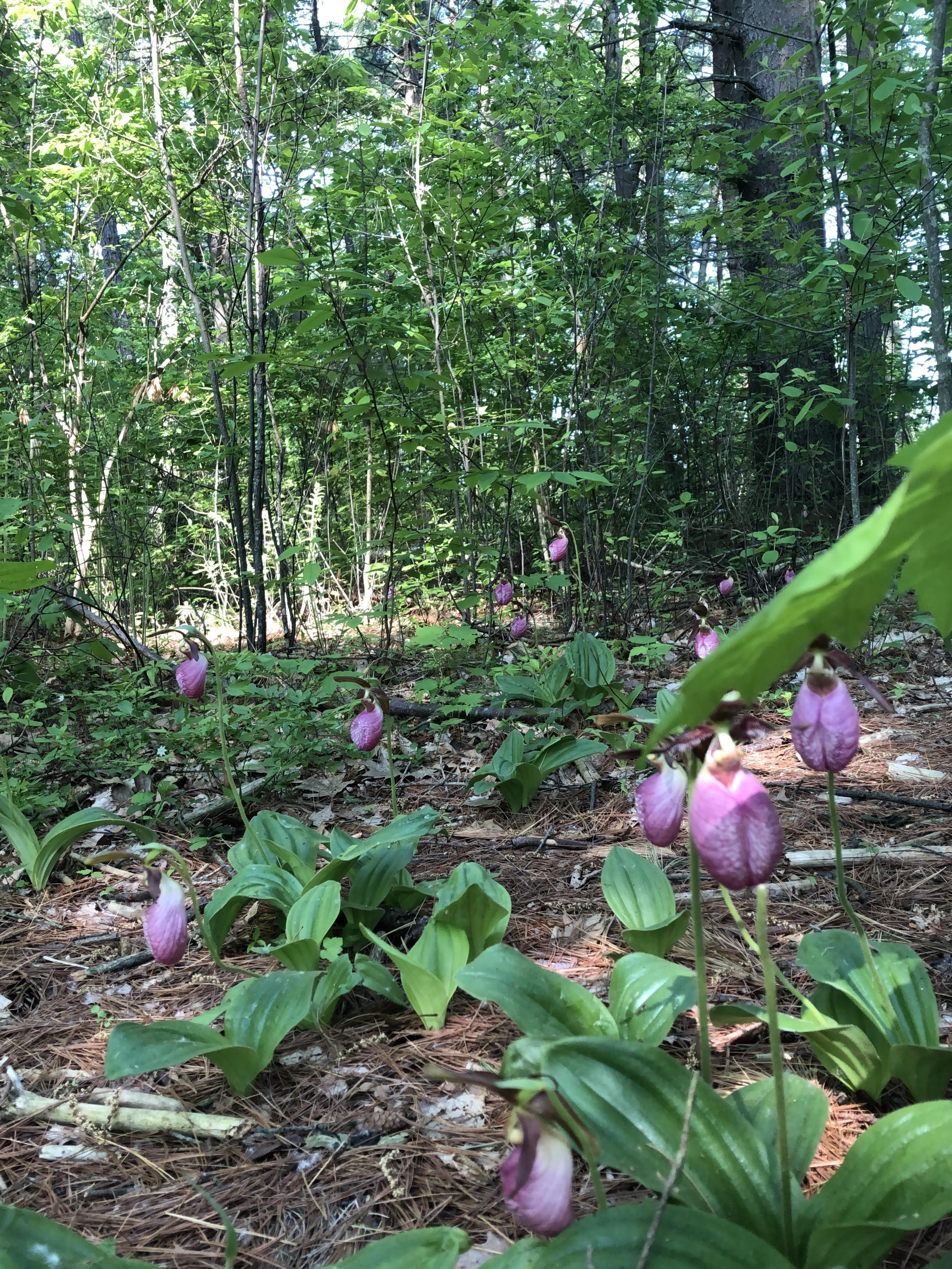
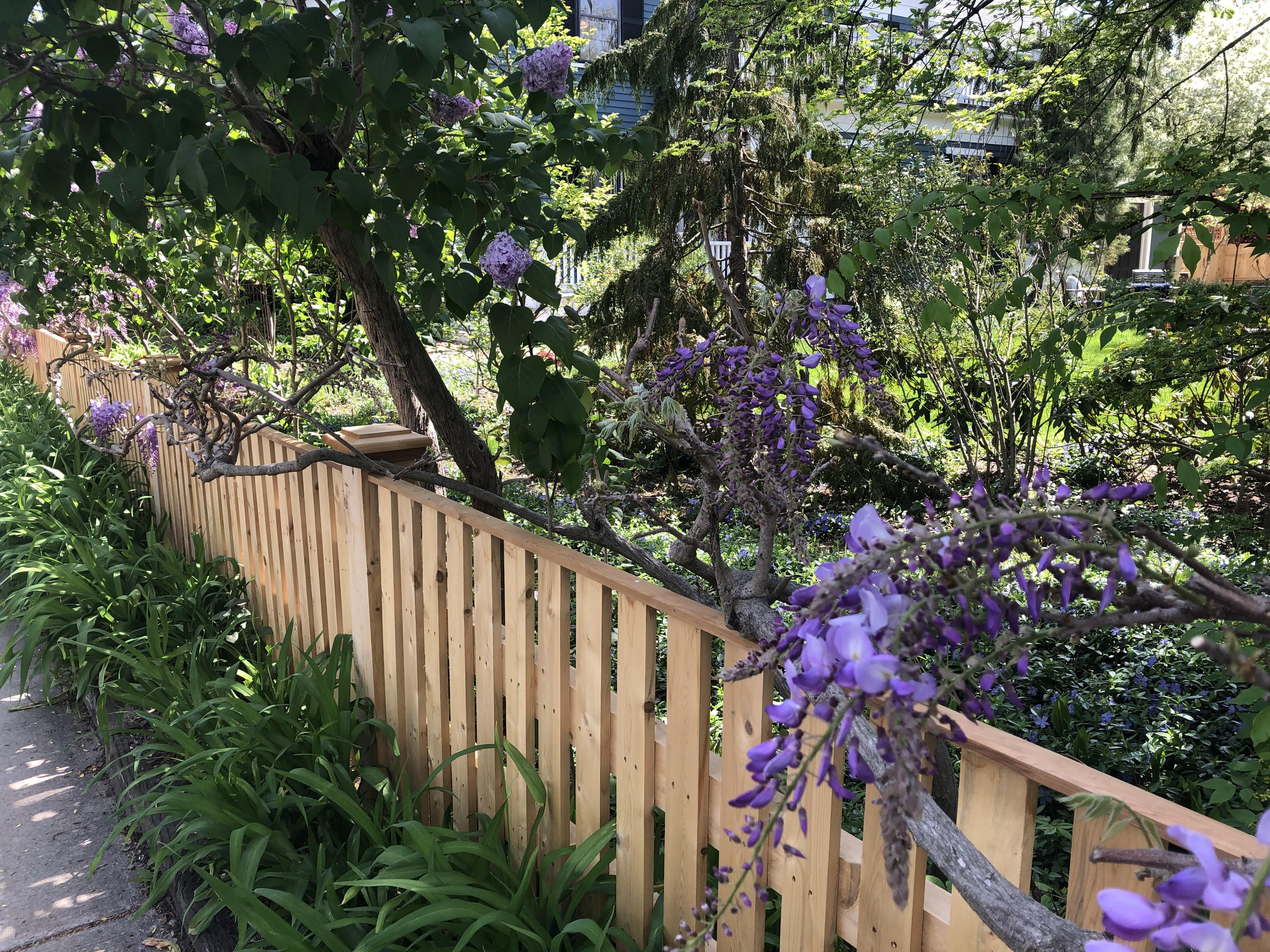
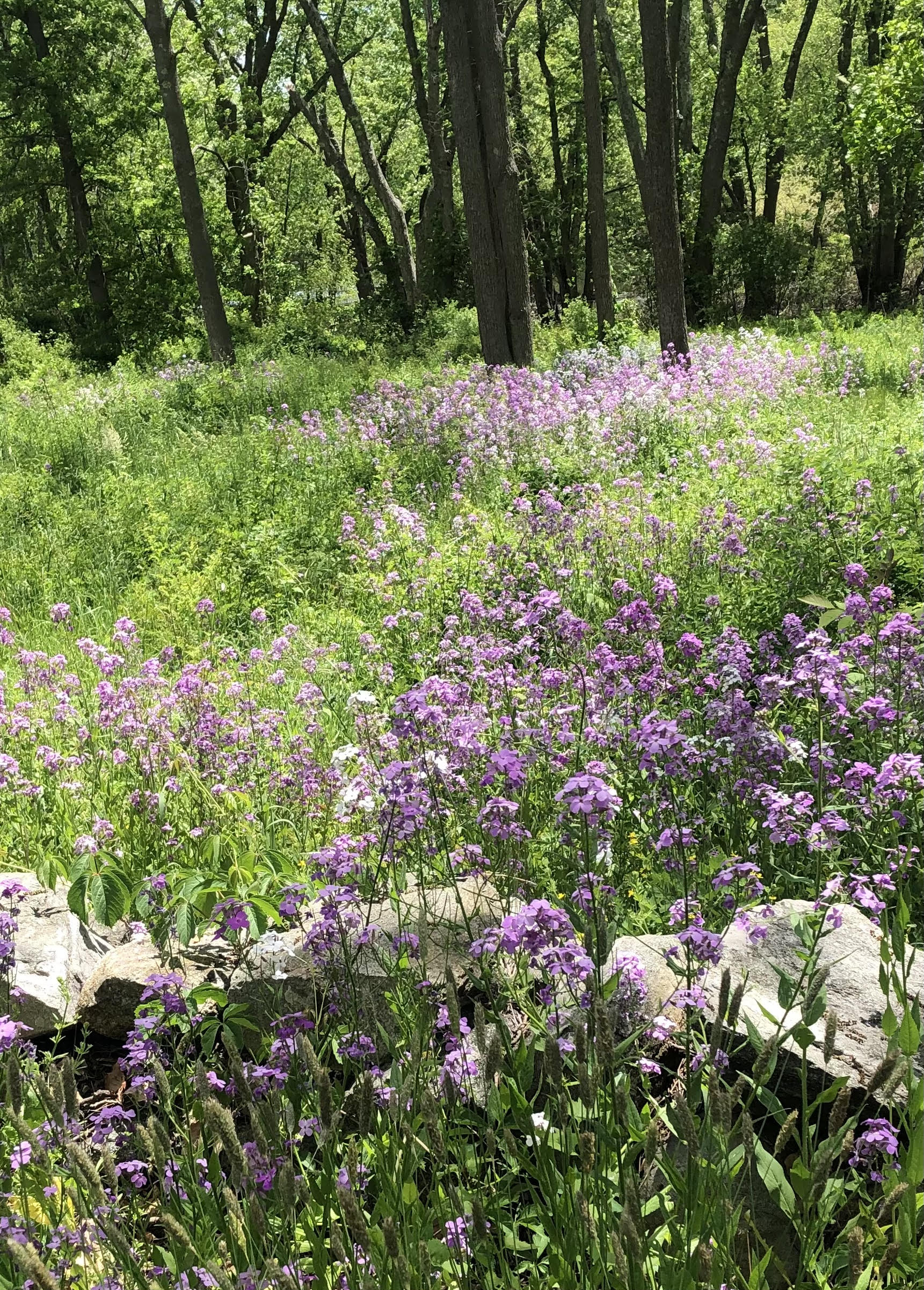
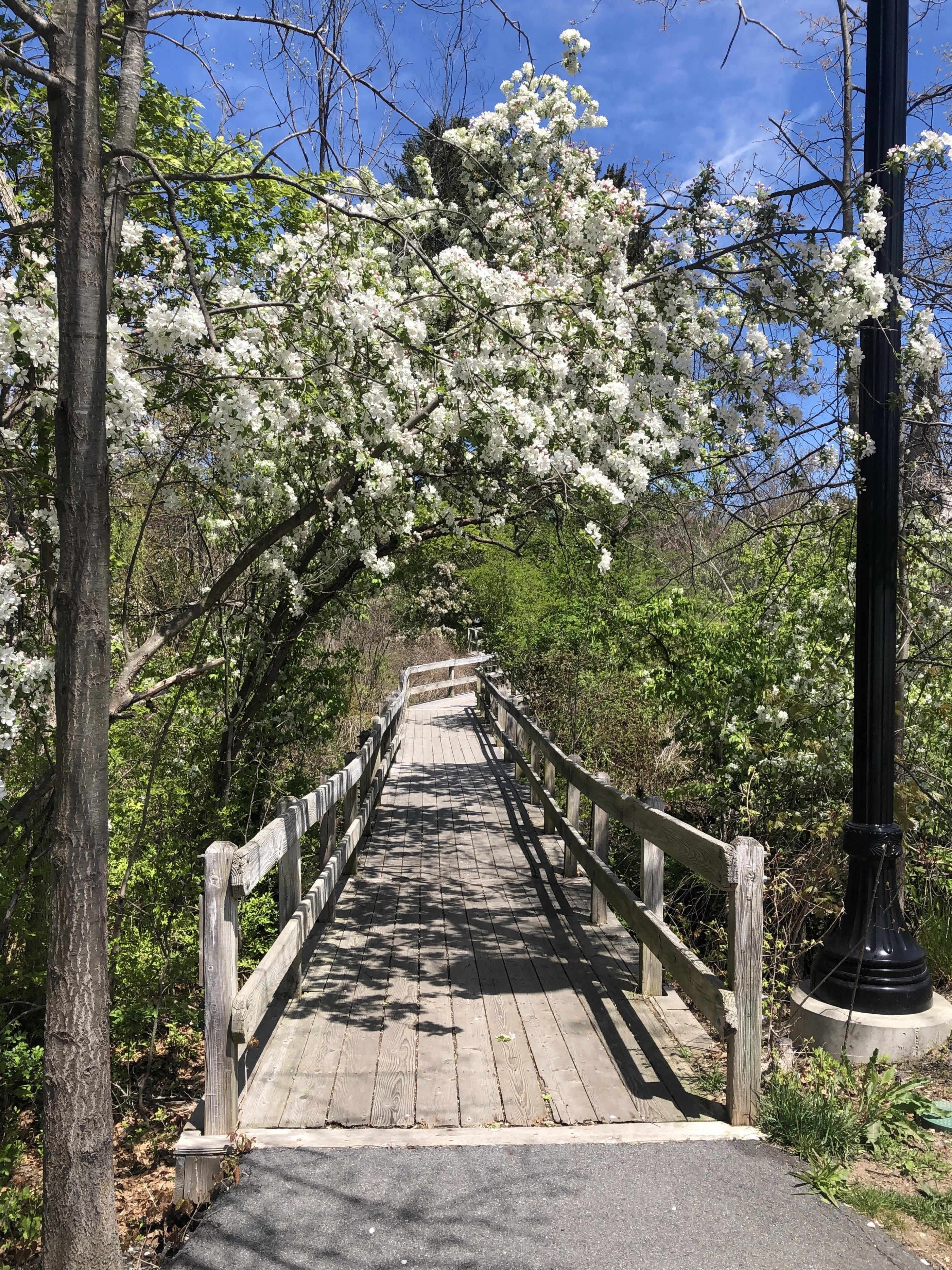
Finding rare Lady Slippers is always a thrill, especially finding a large stand. The photo after the Lady Slippers shows fragrant lilacs and wisteria. That one is followed by a field of pink Dame’s Rocket near woods. The little bridge with the crab apple canopy is just off a busy parking lot. Even small pockets of nature are important.

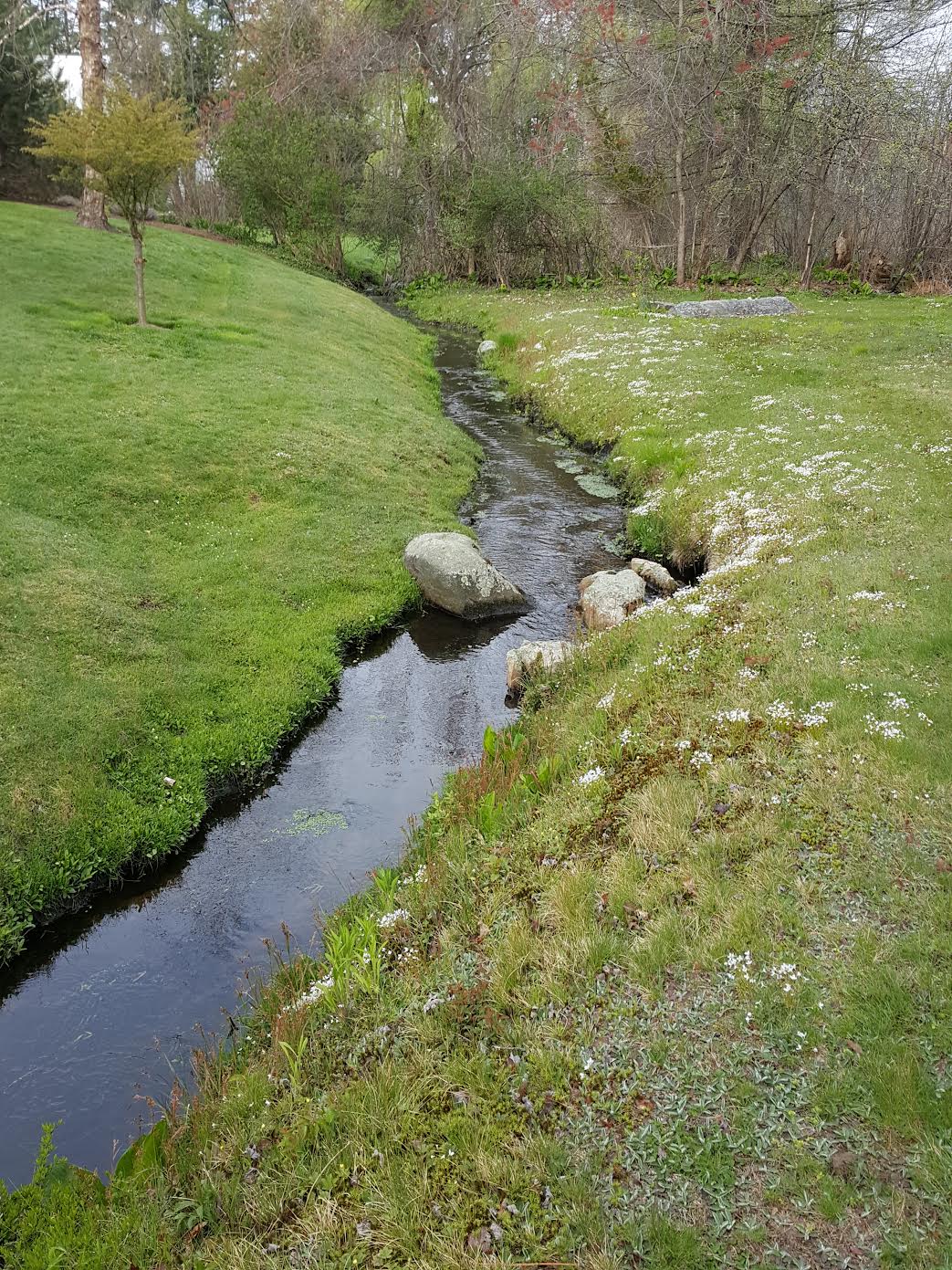
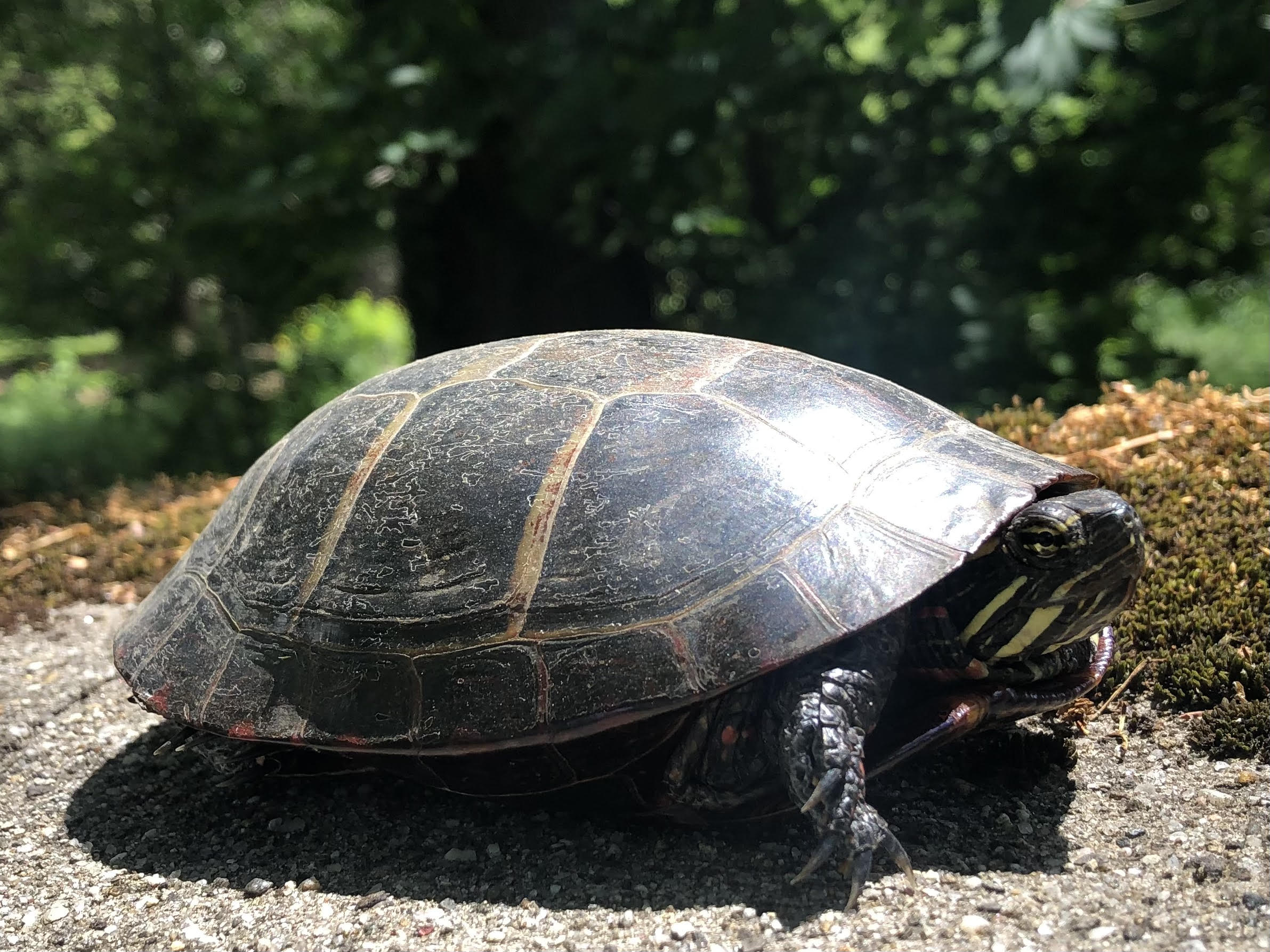
The next photo is by Kristina, whose yard has a stream running through it. The painted turtle was not found there, however. It was on a high stone wall by the park. Someone must have rescued it from the middle of the road. It didn’t seem to know what to do about being so high up. Perhaps it was injured. I moved it to a field across the street. Not sure I did right.

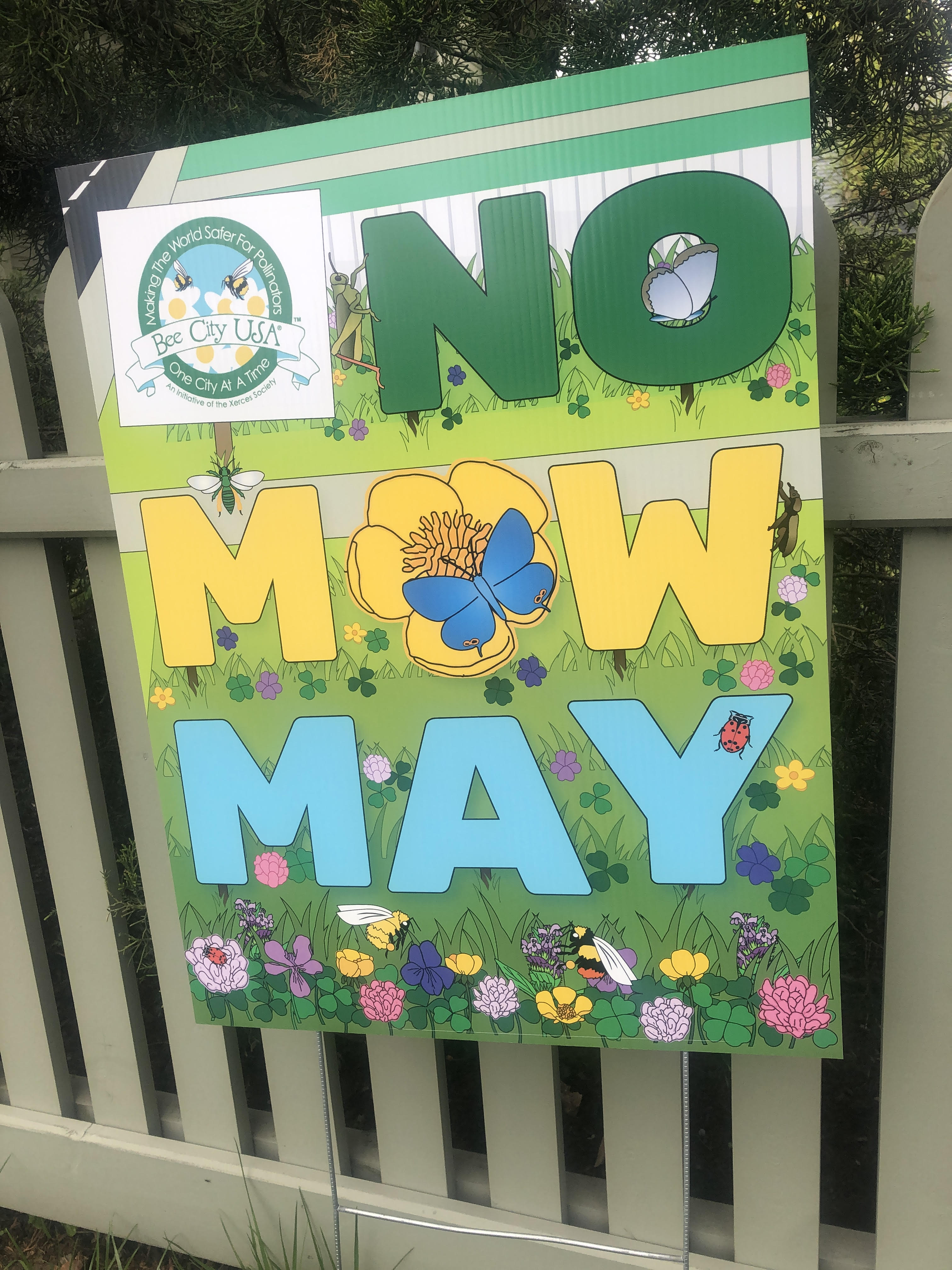
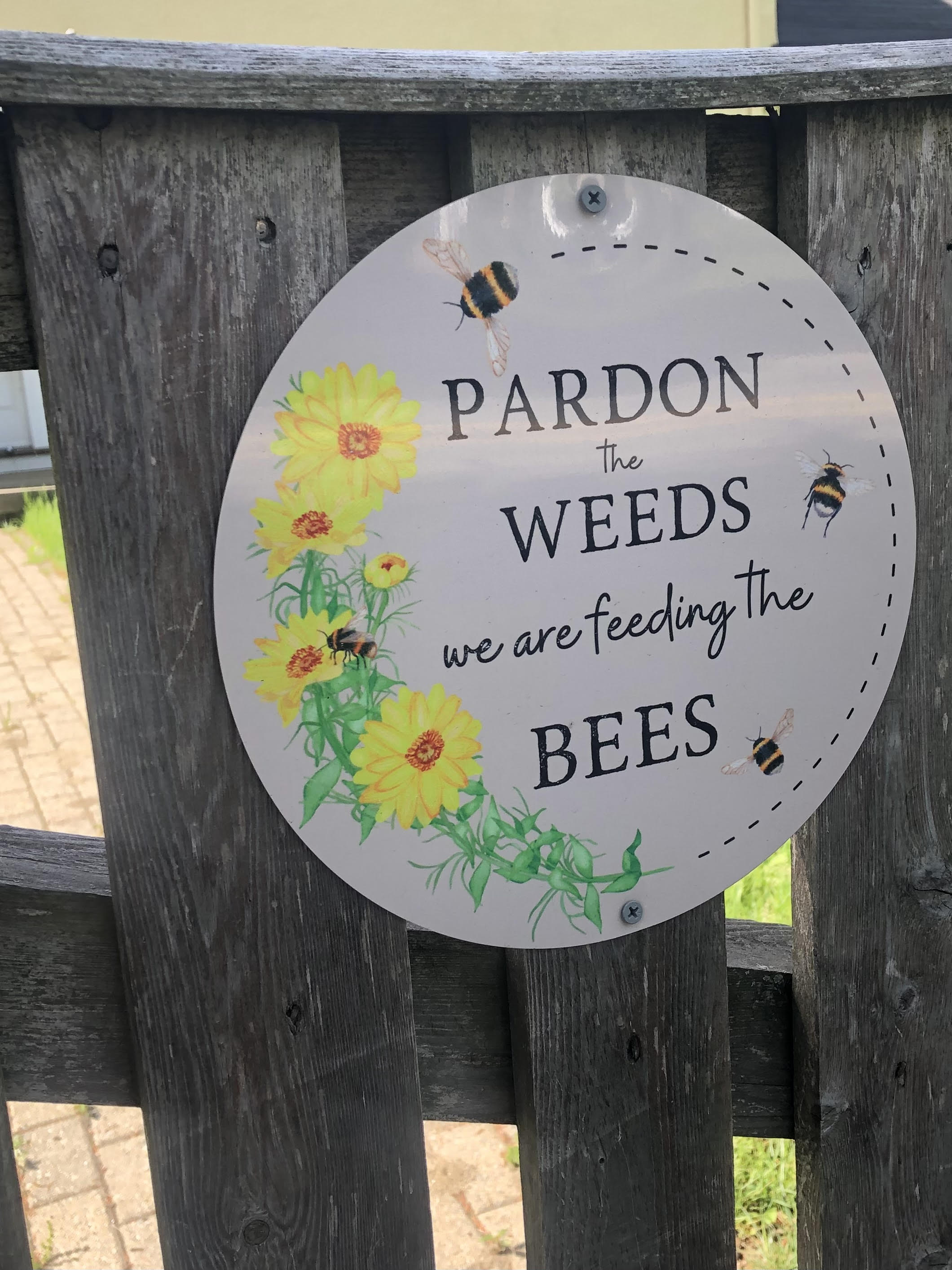
A lot of people in town have been holding off on mowing in order to protect our pollinators. See the signs. I love that they are doing that — and not just because of the reprieve from noisy, polluting lawn mowers.

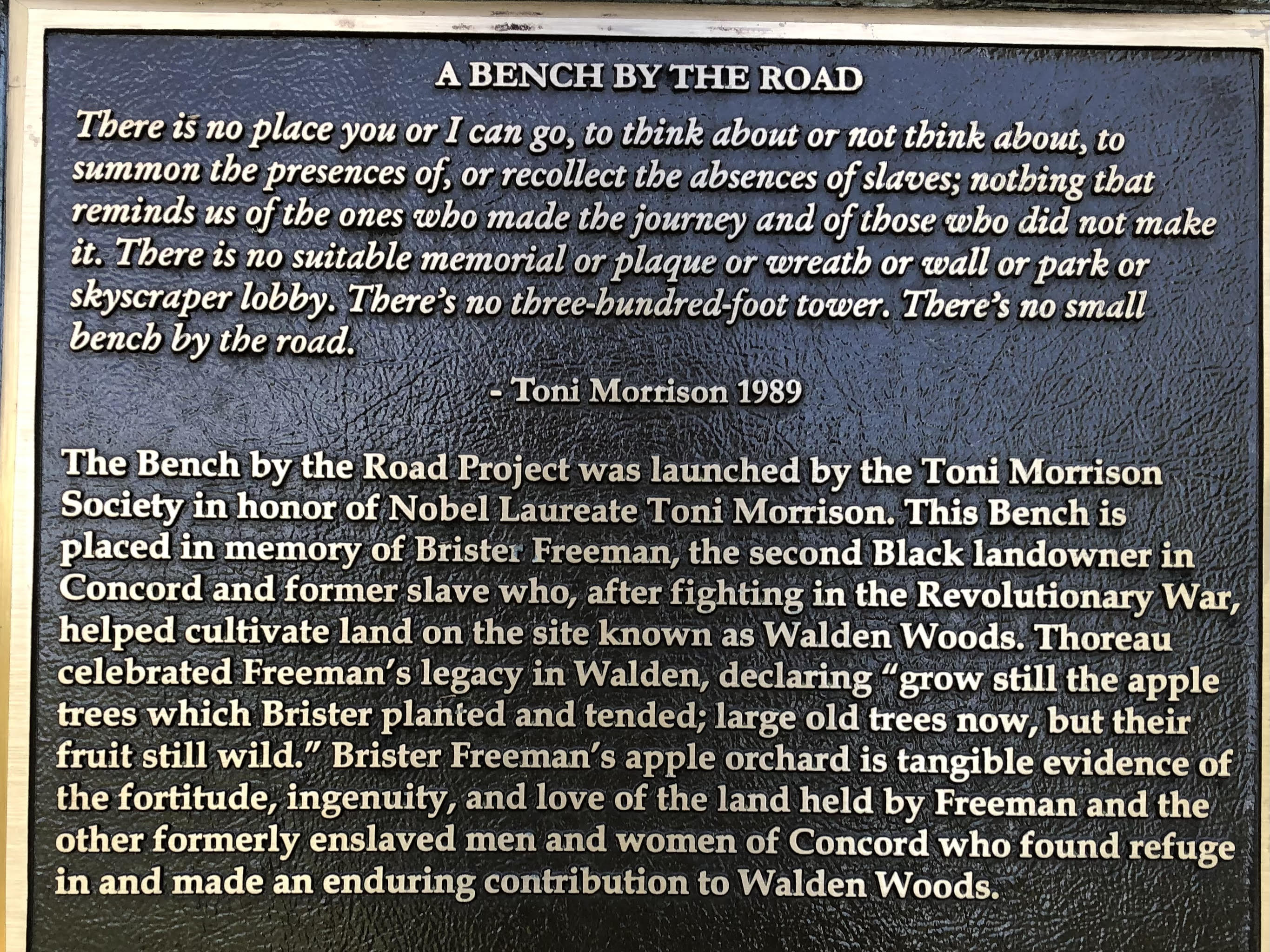
A different kind of sign is in Walden Woods. Author Toni Morrison once noted that there were few markers preserving the history of the enslaved. This one honors former slave Brister Freeman, well known in town during Thoreau’s time.

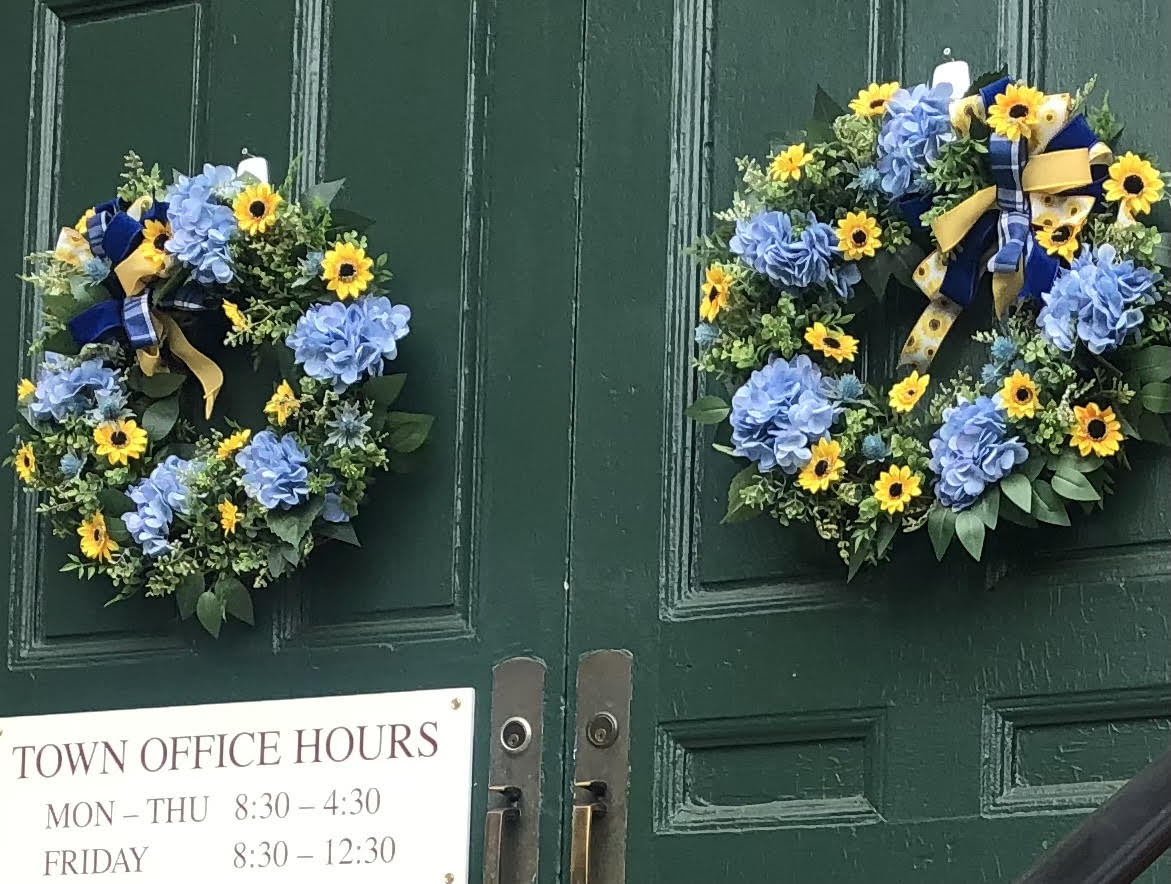
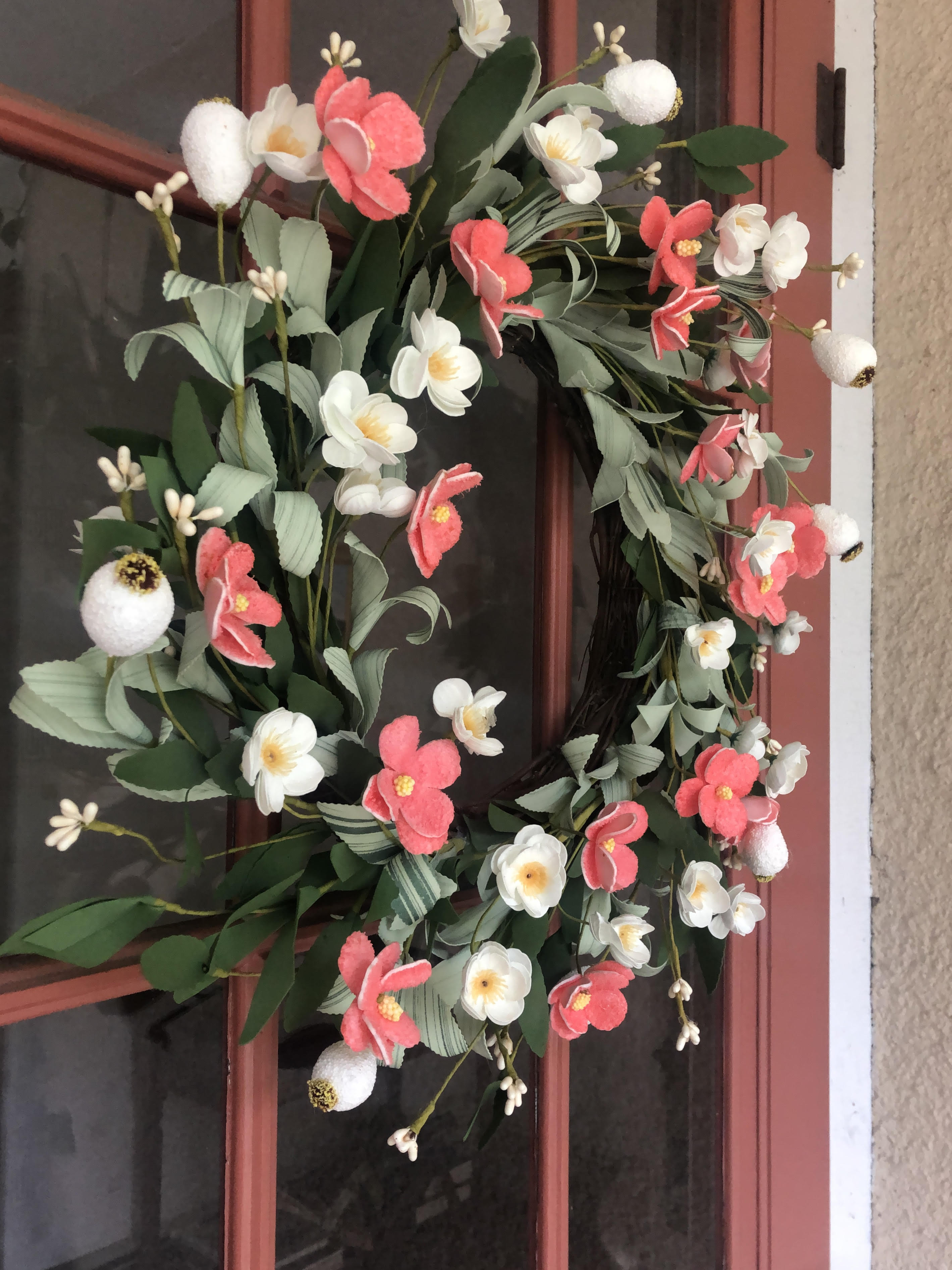
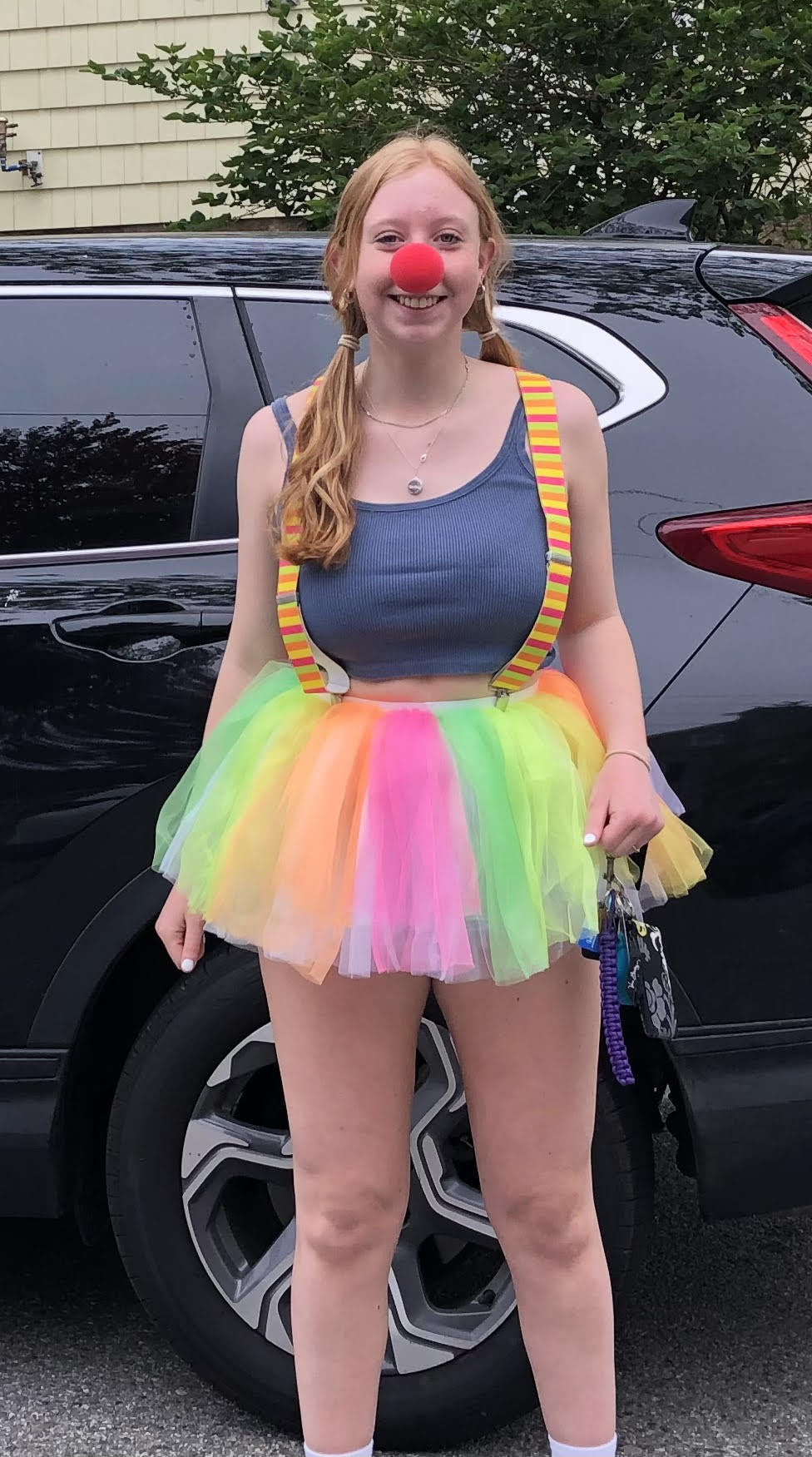
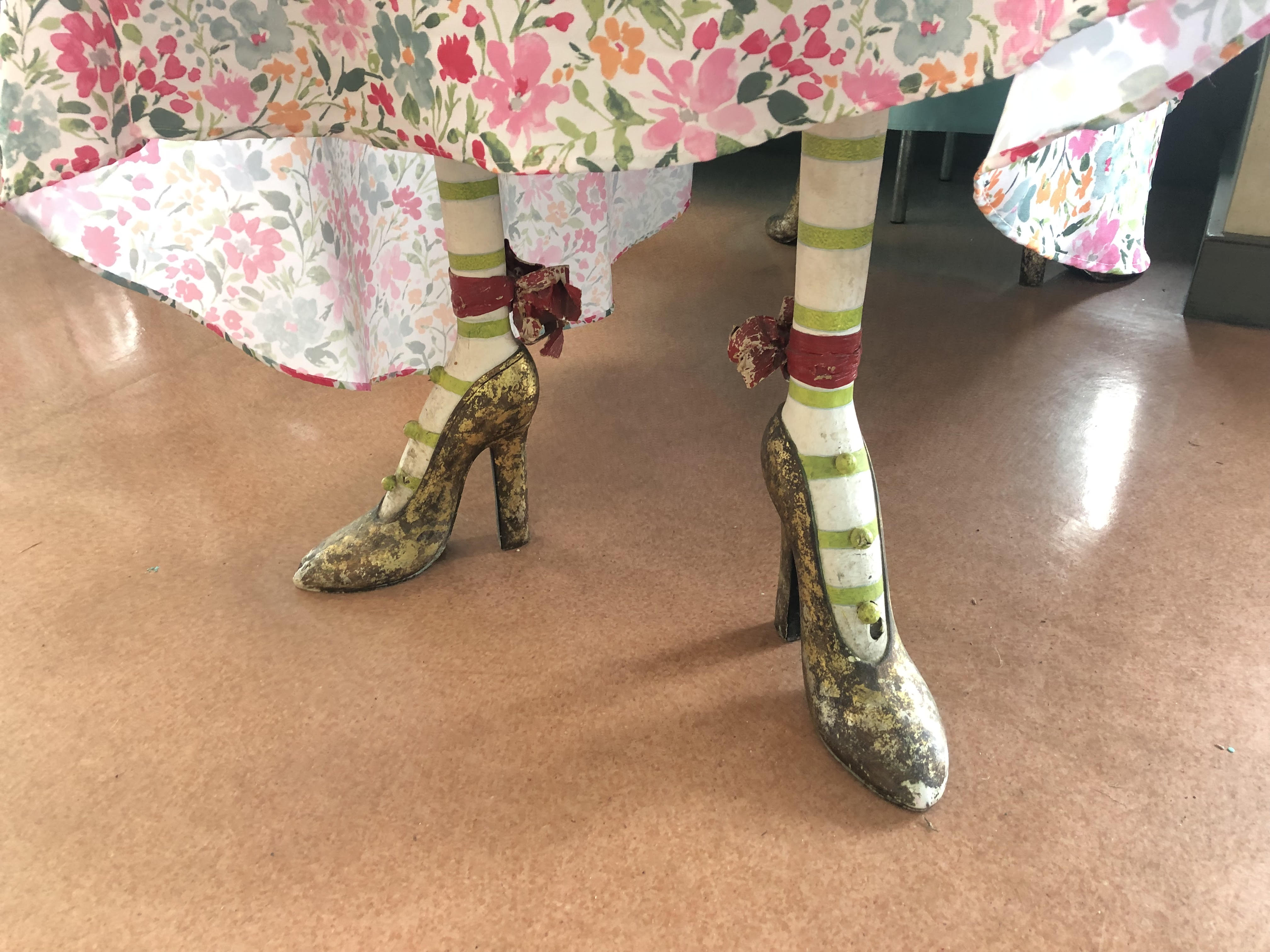
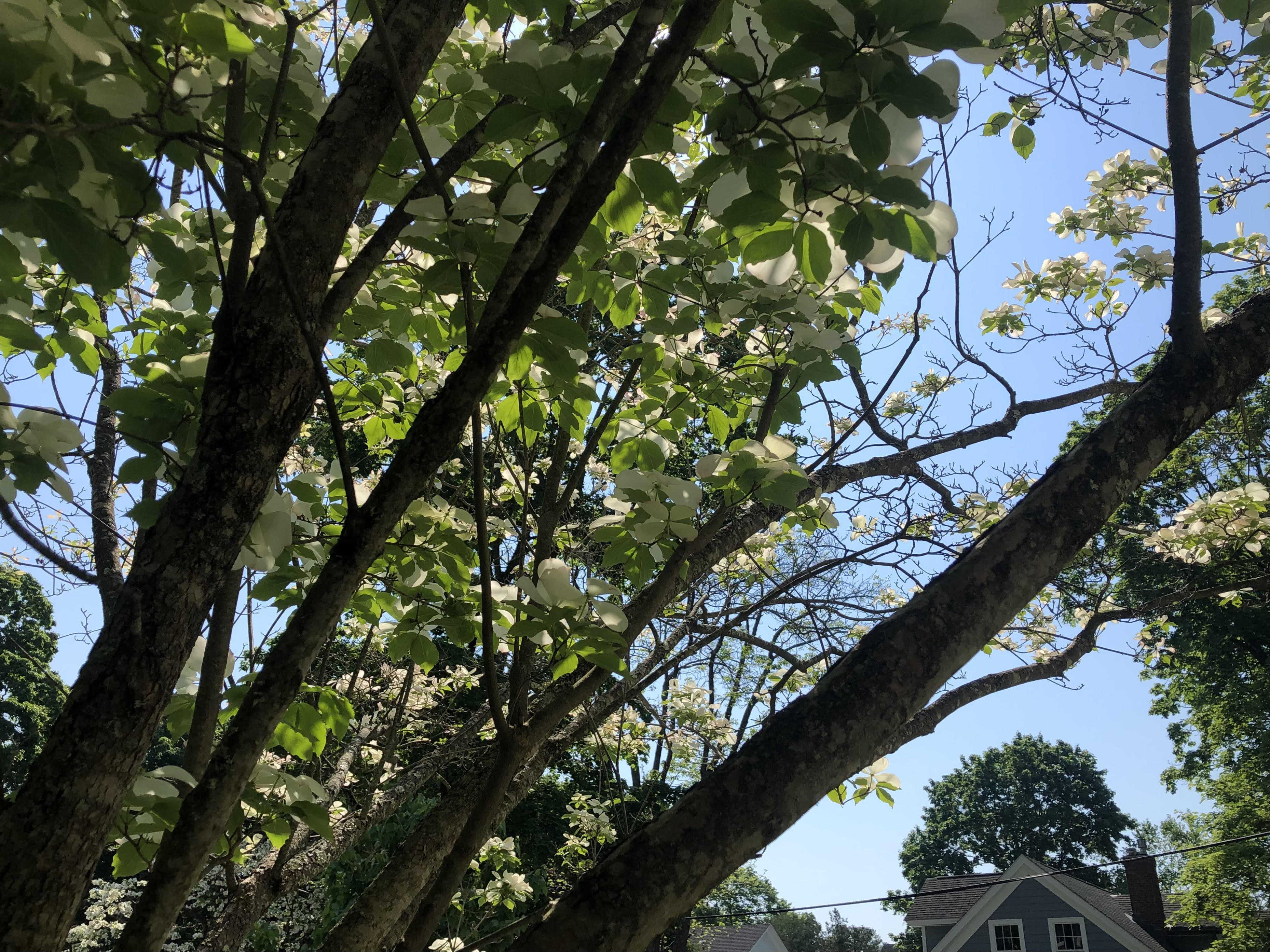
Next we have spring wreaths, a high school senior dressed as a clown for Pranks Day, glamorous table legs in a bakery, and the dogwood at my house.

Read Full Post »

Photo: Peter Aaron/OTTO.
Jean Shin’s installation “FALLEN” at the Olana State Historic Site, part of the recent “Cross-Pollination art show.

I don’t know if growing up near the Hudson River has anything to do with it, but I’ve always loved the monumental nature paintings of the Hudson River School. In recent years, different kinds of art have made the region famous, including art shown at Dia Beacon and the offbeat Visitors film screened at the ICA in Boston and elsewhere. (That’s the one with the Icelandic musicians playing haunting music in the bathtubs and salons of a ruined Hudson River mansion.)

Not far from Rokeby, the ruin in question, another mansion has been turned into a museum called Olana, and today’s post is about putting its classic paintings together with more modern conceptions of nature.

Sarah Rose Sharp wrote at Hyperallergic last October about Cross Pollination, “a collaborative exhibition that spans institutions and centuries, to put artists in conversation with each other on the topic of ecology — and hummingbirds.

“The exhibition is organized between the Olana Partnership at the Olana State Historic Site (once the home of Frederic Church), the Thomas Cole National Historic Site, and Crystal Bridges Museum of American Art in Arkansas. The historic presentations include 16 paintings from a series of hummingbirds and habitats — The Gems of Brazil (1863-64) — by naturalist and painter Martin Johnson Heade (1819-1904).

“This Audubon-like survey of Brazilian hummingbirds — and the resulting writing on the artist’s part to protest the overhunting of their populations — serves as the aesthetic and philosophical inspiration for a series of new works commissioned for the exhibition. The exhibition also includes paintings by Thomas Cole and Frederic Church, as well as botanical works on both paper and porcelain by Emily Cole, Cole’s daughter, and Isabel Charlotte Church, Church’s daughter. This generational affair also features some highlights from natural specimens collected by Thomas Cole and Frederic Church, including items from the Church family’s extensive collection of bird eggs.

“The exhibition is presented simultaneously at both Olana State Historic Site in Hudson, New York, and the Thomas Cole National Historic Site in Catskill, New York.

“With these 19th-century collections that focused so intently on natural systems as their inspiration, a cohort of 21st-century American artists present works in response. The contemporary artists are known to take on issues of biodiversity, habitat protection, and environmental sustainability, and contributions include new works by Rachel Berwick, Mark Dion and Dana Sherwood, Lisa Sanditz and Emily Sartor, and Jean Shin.

“On location at the Thomas Cole Site, ‘The Pollinator Pavilion’ is a public artwork by Mark Dion and Dana Sherwood created for the exhibition, where pollinators and humans can share the same space. Jean Shin used the remains of a fallen hemlock tree at the Olana site to create a memorial artwork in its memory, titled ‘FALLEN’ (the tree died of natural causes). …

“Ironically, though Heade, Cole, and Church advocated for the preservation of natural spaces, the fad of biological specimen collections like the ones being presented fueled a market for hunting the birds that Heade idealized. Even these days, as evidence of our excess mounts in flaming piles on land and sea, it seems we can still hardly even agree that the planet is a finite resource, let alone determine who is entitled to take any little piece of it that catches their eye. Perhaps this exhibition [holds] the seeds of change within it.”

More at Hyperallergic, here.

The video below did a pretty good job of educating me, but it’s painful. The “10-Minute” professor doesn’t ultimately shy away from our destruction of nature and native tribes.

Read Full Post »

There were quite a lot of opportunities for photos on sunny October days this year, and I’m not even counting funny pictures from Halloween in Providence, where one grandchild was Harry Potter, another was Princess Aurora, Suzanne was the Fairy Godmother from Disney’s Cinderella, and Erik had turned into a vampire after getting vaccinated (as some would have you believe).

I didn’t get to see my young Captain Marvel and her scary brother the Mummy in person. Fortunately, their mom sent a dramatic action shot.

I do try to be a bit restrained with family photos on social media, so today I will show you other shots I’ve collected. The photo above is of a kind of mandala that a Providence resident is in the process of creating near Blackstone Park. She encourages passersby to add something. I added more red leaves.

On the library lawn back home, I got to see Dr. Seuss’s famous Thing One and Thing Two and Eric Carle’s Very Hungry Caterpillar. There was also a “walking” book, consisting of signs showing page spreads. The current choice is The Water Protectors, by Carole Lindstrom and Michaela Goade (illustrator).

My husband had been reading about Ralph Waldo Emerson — particularly about the influence that Quaker thinker George Fox had on him — and so decided it was high time to visit Emerson’s house. Among other things we learned was the fact that in the early 1800s, people didn’t know that tuberculosis was contagious. Emerson’s first wife died of it at age 18. Also, the original Emerson family still owns the home. It’s a rather dark and gloomy place, though. I preferred the recently restored barn and took a picture there.

Moving right along, I have art for you from the Umbrella. The two pieces of door art are “Pop Art on the Trail,” by Howie Green, and “Remember the Future,” by Amy Cramer.

Then there’s the art center’s fabulous annual Art Ramble in the Hapgood Wright Town Forest, which I generally hold off on visiting until the first frost kills off the mosquitoes that breed in Fairyland Pond.

The Shibori hanging series, “Windblown,” is by Kiyomi Yatsuhashi. The beautiful Luna Moth Life Cycle is by Jude Griffin. The lungs of the forest are depicted by Barbara Ayala Rugg Diehl (BARD) in a work called “In and Out.”

The next photo shows Lisa Nelson’s “Waves of the Aerial Sea.” And last but not least is a huge dragonfly, or “Ethereal Dreamer,” by Laurie Bogdan and Kimberley Harding.

Thanks for joining me in New England.

Read Full Post »

« Newer Posts - Older Posts »