Photo: Nancy’s nephew Andrew. Beautiful poison.The moon is clothed in smoke from a distant wildfire.
Here are recent photos in no particular order. They cover Massachusetts, Rhode Island, and Pennsylvania, where we attended my brother-in-law’s funeral.
I start off below with an ambitious dog on the rail trail. His owner told me firmly, “He’s not taking that one home.” Then I have a photo of the nearby mural depicting our town in the 19th century.
A couple of painted rock offerings come next. (Someone is a fan of the New York City mayoral candidate who won his primary.)
Staghorn sumac, thistle shadows, a blooming August yard, swamp rose mallow, New Shoreham’s Old Harbor, the Assabet River, a swallowtail butterfly holding still for photographer Sandra M Kelly, Casey Farm, Morning glories or bindweed (not sure which), the shop where I got my 100-year-old quilt repaired, the 30th Street Amtrak station in Philadelphia, and gulls on a fishing vessel in Galilee.
Photo: Sonja Dümpelmann, CC BY-SA. Window-box gardening has been a Philly tradition since the 1800s.
Although not a gardener myself, I love looking at other people’s gardens. Who doesn’t? It’s not surprising that landscaping plays a big role in quality of life, even in urban renewal.
That’s why Sonja Dümpelmann, Professor of Environmental Humanities, Ludwig Maximilian University of Munich, decided to research the role of Philadelphia’s flower boxes. She was interviewed at the Conversation.
“How did you become interested in window boxes? “When I first moved to Philadelphia from Cambridge, Massachusetts, in August 2019, I was immediately struck by the window boxes. The lushness and freshness of the plants in many of the boxes, and sometimes in sidewalk planters, made walking more pleasant and interesting. ….
“I noticed that there were three categories of window boxes. Many were visibly cared for, often freshly planted and decorated several times a year in accordance with the changing seasons. Some were derelict and had spontaneous growth of saplings and different grasses. And a third category were boxes outfitted with plastic plants, perhaps signaling absentee owners or landlords who seek to simulate care.
“What makes them landscape architecture? “Window boxes – especially the planted boxes, but also painted boxes that are empty – change outdoor space and building exteriors. They make them more colorful and interesting, and they break up plain vertical walls by protruding from the facade.
“You could say that the window boxes ‘greet’ passersby. They connect private indoor space with the public realm of the street. … ‘Gardens in a box,’ as they were also referred to by early promoters, can make homes and entire neighborhoods look and feel different. They forge distinct identities with their plant selection and the style and color of the boxes.
“Window gardening became a means of female social reform during the Progressive Era. During this period in the late 19th and early 20th centuries, when industries and cities were growing fast, women sought to improve education, public health and living conditions, especially for poor and immigrant communities. By offering plants, flowers and entire window boxes, the women supported homemakers of lesser means.
“However, these boxes were also a way to make sure that order in and outside of homes was maintained. Window gardens became cultural symbols of cleanliness and good housekeeping. …
“When did it become political? “In Philadelphia there were two big window-gardening movements. The first occurred in the late 19th and early 20th centuries, and I describe it as ‘window-box charity.’ The second, which I call ‘window-box activism,’ began in the 1950s.
“Window-box charity was carried out primarily by white philanthropists and social workers who would distribute plants and goods sent from outside the city to the urban poor and sick, especially immigrants and Black Americans. Sometimes the window boxes were ready to be installed outside the windows. Other times recipients built and planted boxes themselves.
“Several decades later, in the mid-20th-century, plants became a vehicle for white suburban garden club ladies and Black inner-city residents to counter urban decay resulting from racism and public disinvestment. On annual planting days, the garden club ladies brought plants into the city and joined residents in planting and installing window boxes to brighten up their neighborhood blocks.
“Plants were key in both window-box charity and window-box activism. People came together to care for plants, creating friendships among neighbors and ties between low-income and wealthy neighborhoods. The women used plants and window boxes to protect private space and increase the safety of public space. In the 1960s, the Philadelphia police reported less crime on streets with window boxes.
“Of course, window boxes and plants alone could not solve larger urban social problems such as poor housing conditions and racial discrimination. So while they could be catalysts of neighborhood change, they also helped to camouflage and quite literally naturalize larger social problems that required political responses.
“Like a smaller version of public parks, community gardens and street trees, window gardens can contribute to green gentrification. This occurs when the construction of parks or the planting of trees contributes to an increase in property values that leads to the displacement of long-term residents in low-income neighborhoods.
“Window gardening did help save some of Philly’s old row house neighborhoods from demolition during urban renewal beginning in the 1950s. However, quite a few of these neighborhoods – such as Washington Square West and Graduate Hospital – have since been gentrified. …
“The 20th century window-box activism drew the attention of sociologists and other national and international observers, especially because it brought white and Black residents together during the tensions of the Civil Rights Movement. It also raised public awareness about unequal access to urban green spaces. Yet despite the movement’s good intentions and positive effects, racial segregation remains a persistent problem in Philadelphia.”
Read more at the Conversation, here. No paywall. Lovely pictures. Tip of the Hat to radio show Living on Earth for the lead.
Photo: Alex Barber/Contemporary Arts Museum Houston/Theaster Gates Studio. “We Will Save Ourselves” (2024), a painting by Theaster Gates made with roofing materials.
I have blogged before about the unusual urban planner and artist Theaster Gates. Now the New York Times has done a deep dive on the many surprising facets of his work.
Siddhartha Mitter writes, “Theaster Gates is the kind of artist whose work is perpetually on view somewhere in the world. When we met for the first time, in May at his studio in Chicago’s Greater Grand Crossing neighborhood, he had just returned from opening exhibitions at the Mori Art Museum in Tokyo and the Contemporary Arts Museum Houston. …
“He is known for installations that use supplies and furnishings from old buildings, paying tribute to their past lives — as homes, stores, churches. These installations serve double or even triple duty: They are works of art in themselves, but they can also become venues for parties or performances. His sculptures and paintings employ construction materials like wood, rubber and roofing tar. He’s a master ceramist and a musician and singer who performs with his experimental group, the Black Monks, in which he’s known as the Abbot.
“For years, Gates has acquired archives, and he sees their stewardship as integral to his work. Many preserve Black American cultural memory, like the roughly 20,000-volume library that once belonged to the Johnson Publishing Company, publisher of Ebony and Jet, and the 5,000-record vinyl collection of Frankie Knuckles, the Chicago D.J. at whose late ’70s parties house music was born.
“He is currently advising an arts-led redevelopment project in Philadelphia and an initiative to preserve Houston’s Freedmen’s Town, a historically Black district in the city’s Fourth Ward. He chairs the diversity council at Prada, where he runs a mentorship program for designers of color, and he is developing partnerships in Japan with small family-owned businesses to produce incense and sake. …
“In his hometown, Gates is recognized as an entrepreneur who buys and restores properties on Chicago’s South Side. He puts these properties to unusual, sometimes less than practical use. The core of his holdings is a quiet half-mile stretch of South Dorchester Avenue, where he started acquiring run-down houses in 2006. He filled some with archives — thousands of art books purchased from a shuttered bookshop; LPs from a defunct record store. One house became his residence. …
“Salvage from the buildings goes into his art installations; proceeds from his art sales fund his building renovations and community programs. But they also stem from shared soil — his upbringing as the son of a roofer on Chicago’s West Side, his training as an urban planner — and commingle in his projects to the point where it would be artificial to separate them. …
“He rebuffs categories like ‘social practice’ — jargon for participative art with civic goals — but cites predecessors like Donald Judd, who made furniture as well as geometric objects, and the Fluxus movement, with its interest in everyday materials and spontaneous performances. He’s an inheritor of the legacy of Marcel Duchamp and his readymades, mass-produced and utilitarian objects that the French artist displayed as art. …
Gates sees himself as helping Chicago to ‘hold its Black self together.’
“A bureaucrat before he was ever an artist, Gates worked as an art planner for the Chicago Transit Authority from 2000 to 2005. After that, he began investing in Grand Crossing when he moved to the South Side to become an arts administrator at the University of Chicago, where he’s now a professor.
“ ‘The neighborhood had stigma, but the people were great and interesting,’ he said. He recognized the terrain: Black neighborhoods that faced disinvestment and crime but were once self-contained and self-possessed — places where, he said, ‘the Black doctor and lawyer and bus driver and maid were all on the same block, and they all went to the same church.’ By revitalizing these quotidian spaces — homes, a bank, a school, hardware stores that he has bought, often with their contents, when they were going out of business — he is summoning a kind of utopian memory in the service of new functions. … Through his investments in Grand Crossing — even when they take unconventional forms — Gates sees himself as helping Chicago to ‘hold its Black self together.’
“He took me down a side street edged by commuter rail tracks where in 2021 he opened Kenwood Gardens, a sanctuary with lawns, wildflowers and a pavilion that hosts house-music parties in the summer. It occupies 13 lots that were in decline — notorious, he said, for burned-out cars and prostitution. A wall encircling the garden is made partly from bricks that he saved from St. Laurence Catholic Church, a neighborhood anchor that the archdiocese sold and that was razed in 2014.
“ ‘When I built the perimeter wall, I didn’t own the property,’ Gates said. ‘I built the wall to stop the bad stuff.’ He then bought the lots, many loaded with tax arrears. ‘The city was quite happy to help us negotiate the land sales,’ he said, ‘because they would finally have a steward.’ Building his unauthorized wall, Gates said, was a case of tactical urbanism, as citizen initiatives that bypass city bureaucracy or goad it to action are called in the planning business. …
“[Gates] is too obviously sincere, even earnest, to come across as an operator. And yet he has both an aptitude and an appetite for policy and negotiations. In a famous deal, he purchased the former Stony Island State Savings Bank, a 1920s edifice facing demolition, from the city in 2012 for $1 and the commitment to restore it — which he funded in part by selling salvaged marble slabs at Art Basel for $5,000 each. …
“Romi Crawford, 58, a professor of visual and critical studies at the School of the Art Institute of Chicago, described how Gates enfolds transactions into his art as ‘contract aesthetics.’ Gates has fielded periodic criticism that he is too amenable to the rich and powerful. He rejects this. … ‘If you’re talking about protesting, there are people who are better protesters,’ he said. ‘If you’re talking about getting [things] done in the city, I can do it better than most artists. I can do it better than most developers.’ …
“But despite the busy world Gates has built for himself, its center is paradoxically calm. At the studio in Chicago, I’d been struck by the quiet. His operation has downsized, he said — from 65 employees at its peak, around 2016, which he admitted overwhelmed him, to just 15.
“Next to go might be his collection of buildings, though it could take a while. ‘I did not attempt to amass a real estate holdings situation,’ he said. ‘I was simply trying to prove the point that artists can change a place.’ “
Photo: Isabel Kokko, Forman Arts Initiative, Philadelphia, via the Art Newspaper. Inside the former electrical substation as it appears today. The Forman Arts Initiative plans to renovate four buildings in Kensington to hold a gallery, performing arts venue, garden area, and FAI offices.
One of the cool places I get leads from is ArtsJournal. The variety of topics is great because they check out way more sources than any one person could monitor (or pay the fees for). Today’s story is from the Philadelphia Inquirer and covers an art initiative not far from where I used to live in Pennsylvania.
Rosa Cartagena writes, “A new 100,000-square-foot arts campus coming to West Kensington will open in stages over the next two years. The Forman Arts Initiative, an arts organization that awards grants to local creatives and arts nonprofits, plans to renovate four buildings on American Street. The multipurpose space will hold a gallery, performing arts venue, and garden area, in addition to FAI’s offices.
“Michael Forman and Jennifer Rice, the art-collecting couple behind FAI, envision the campus as a cross between an arts center, coffee shop, art-making studio, and gallery space where they can publicly display their collection of more than 800 artworks. The collection — largely works from artists of color and women — includes such names as Philadelphia ceramist Robert Lugo, legendary photographer Gordon Parks, and abstract painter Alma Thomas.
“ ‘We live with our art, and we think of our collecting more as stewardship than ownership,’ said Rice. … ‘We’re really looking at using art as a tool for education, community engagement, performance, and inspiration.’
“In late 2022 and early 2023, the couple purchased a vacant lot and four adjoining buildings on the 2200 block of American Street. … FAI will work with Philadelphia architecture firms DIGSAU and Ian Smith Design Group to transform the 100,000-square-foot site. Forman said it’s too early to know how much the restoration and renovation will cost, but FAI plans to finance it internally and will seek government funding and potential support from local foundations.
“FAI has also attracted one of the most influential people in the art world to serve as lead designer: urban planner and sculptor Theaster Gates. Forman and Rice first connected with him as collectors of his art and when they began developing plans for the campus, they approached Gates for his unique style that combines ‘social practice and art practice,’ said Forman.
“In Chicago, where Gates lives and works, he is renowned for repurposing abandoned industrial buildings into arts spaces, archives for Black culture, affordable housing, and artist residences that have revitalized a South Side neighborhood.
“Philadelphia has been a site for his artwork, as well. In 2020, Gates created the public work Monument in Waiting, in a response to the movement to tear down Confederate monuments. The sculpture, which critically questions national heroes, has been on display at Drexel University since 2022. …
“FAI is undertaking an extensive listening tour to determine what exactly the West Kensington neighborhood needs and wants from a space such as this. Gates will work with newly appointed FAI executive director Adjoa Jones de Almeida, who was previously at the Brooklyn Museum, and associate executive director Sunanda Ghosh, a local nonprofit strategist who has worked with BlackStar and Asian Arts Initiative, among others.
“ ‘We are very intentionally saying to people, “We actually don’t know,” because, truly, we are emphasizing the design of a communities engagement strategy,’ said Jones de Almeida, who moved to East Kensington earlier this year. The plan is to incorporate input from the neighborhood’s residents and organizations into the design of the space.
“She’s interested in ‘radical collaboration’ with neighborhood organizations such as the Norris Square Neighborhood Project and Taller Puertorriqueño, both recipients of last year’s FAI grants. …
“Forman and Rice believe that West Kensington is the best location because, despite being systemically overlooked and under-resourced, the community has a strong arts community, including Crane Arts and the Clay Studio.
“ ‘We were interested in the notion that we’re not displacing anybody — the buildings that we bought were all commercial,’ said Rice. ‘It’s just repurposing.’ …
“ ‘You have to enter with big ears and an open and pliant heart,’ said Gates. ‘The work of creating a creative space and making a significant investment in a place that’s been highly underinvested is hard work when you’re trying to really listen, because there’s a lot of bruised feelings.’ ”
More at the Inquirer, here. And the Art Newspaper version has no paywall, here.
Photo: Caroline Gutman/Bloomberg. A 20-swing structure for visitors of all ages at the Anna C. Verna playground in Philadelphia.
In the Swedish retirement community where reader Stuga40 lives, there’s a playground for adults. Of course, the Swedes are always ahead of the rest of the world on quality-of-life things, but the idea of all-ages playgrounds is catching on in other countries, too.
Alexandra Lange reports at Bloomberg, “A swing can be the simplest thing: two chains attached to a board, a rope knotted through a disc, a chair suspended from above. Swings appear on ancient Greek vases as instruments of leisure, and in eighteenth century Thailand as vehicles for competition.
“That’s the thing about swings: They can be sociable, but they are also physical. This inviting duality has often been undermined by public safety standards, which discourage swings for more than one person and mandate that they be far apart. After a certain age, swinging solo loses its thrill.
“But at Anna C. Verna Playground at Philadelphia’s FDR Park, on the south side of the city, the largest swing set in North America was designed to test those limits. Not by creating unsafe play, but by transforming those standards into something challenging, unusual, beautiful and rewarding for swingers of all ages.
“The playground, which opened in October and was designed by WRT Design with Studio Ludo as play consultant, features two acres of nature-based play, including seven slides of increasing height and speed, two steel-and-rope ‘birdhouses’ ascended by climbing nets, three log climbers, and assorted shady picnic tables, rock circles and sit-able logs.
“The centerpiece, however, is the 120-by-100-foot elliptical ‘megaswing’ from which 20 different swings of five different types hang in invitation to all the users of the park — from homeschool moms to tailgating Eagles fans, teenagers on a half-day to grandparents with toddlers, all of whom can train, bus, cycle or drive to the park.
“ ‘We are social animals, and play fosters social relationships,’ says landscape architect Meghan Talarowski, executive director of Studio Ludo, who is also a certified playground safety inspector. …
“At a time when many cities and business owners seem to want nothing to do with teenagers, it is refreshing to see a brand new public space issue them an invitation — and to go there and see that happening. Toronto urbanist Gil Penelosa, founder of 8 80 Cities, has long argued that designing a city that works for eight-year-olds and 80-year olds is a city that works for everyone. …
“Talarowski [got] her shot at the Anna C. Verna Playground in Philly, where she nestled a smaller ellipse — still equivalent to the size of a baseball infield — into FDR Park’s existing lagoon, like the thrust stage in a Shakespearean theater.
“ ‘There was this natural curve in the lagoon, and we were trying to connect the play design to the site conditions, without taking down any trees,’ says Allison Schapker, chief operations and projects officer for the Fairmount Park Conservancy, which is working with Philadelphia Parks & Recreation on the multi-phase, climate-sensitive $250 million dollar FDR Park Plan. ‘This is the point, if you are swinging high, you get views back to center city Philadelphia, so we are connected with both nature and the city.’ …
“The Anna C. Verna Playground is phase one in the restoration of FDR Park; the master plan is also by WRT. As part of their commitment to keeping things natural, WRT specified very little paint and plastic: The slides and climbing structures are stainless steel and rope, much of the seating is rocks and logs, the swings themselves are black plastic, plus more metal and rope. The big swing and the playground’s other custom pieces were designed in collaboration with equipment manufacturer Berliner Seilfabrik. Underfoot, the springy safety surface is not the flip-flop colored rubber of most playgrounds, or high-maintenance and inaccessible woodchips, but a permeable and recyclable cork product that comes in a subtle, toasted brown. ‘We feel strongly playgrounds should be sophisticated,’ says Talarowski.
“Sophistication [signals] to users that this equipment isn’t just for kids. As part of their two-year community process, the conservancy ‘did engagement activities on site with kids and their families,’ says Schapker. ‘Overwhelmingly, across every age group, they said they wanted to swing.’ ”
More at Bloomberg, here. Long article. Great pictures. No firewall.
When Hannah saw an October post about mini urban forests, here, she was reminded of something similar going on in Greater Philadelphia, the Manayunk area to be exact. Wednesday she sent me an article about what people are working on there.
Nick Jaramillio reports at WHYY’s Billy Penn neighborhood newsletter, “A parking lot is being transformed into a thriving indigenous forest at Manayunk Timber, and will feature a new gate entrance with sculptures from internationally renowned wood artist Roger Wing.
“ ‘The forest that they planted is a poetic metaphor for what’s going on here,’ Wing told Billy Penn. ‘So much of what happens in the forest is unseen to our eyes. It’s the microbes, the animals that come out at night, the seeds, the germination in the soil, and the changing of the seasons.’
“A project from the team behind Manayunk Timber, Philly’s only sustainable sawmill, the burgeoning forest has benches where the public can sit and appreciate the surroundings, or enjoy a bite from the new bread shop next door.
“Manayunk Timber owner Steve Ebner decided to transform the former parking lot a year ago. At first, he wanted to plant an orchard.
“The plan changed when John Cox, a local wholesale florist, introduced him to the Miyawaki method, a technique developed by Japanese ecologist Akira Miyawaki to cultivate fast-growing native vegetation. Cox also gave Steve a book on ‘pocket forests’ that showed the method could be replicated on smaller plots of land.
“A typical Fairmount Park forested area has about one plant every square foot, per Cox. The plot at Manayunk Timber is about 3,500 square feet, so Ebner calculated it would need about 3,500 plants to become a mature forest. Currently, it has around 250, he said — a work in progress.
“The project so far has cost around $30,000, Ebner estimated, which included tearing up the concrete, building a ‘rubble wall’ out of the broken-up concrete, putting in the topsoil, and buying tree specimens.
“Native tree species already planted include cedars, hawthorns, red oaks, maples, witch hazel, winter king, American beech, honey locusts, hornbeams, and buckeyes.
“Sculptor Wing, who is based in West Philly, hopes his contribution by creating a notable gate will help make the forest a hub for landscapers, designers, and developers who share Manayunk Timber’s commitment towards sustainability. …
“By wintertime Ebner hopes to start cultivating the ‘undergrowth,’ adding small trees and low-lying plants like shrubs and mosses to enrich the soil and provide food and shelter for small animals. Eventually, the 70-year-old entrepreneur wants to open a bookstore.
“He’s ready for his daughter Rebecca to take over the urban sawmill business. …
“ ‘I hope this forest shines a light on what’s possible for what was: a non-used, ugly, concrete area,’ Rebecca added. So far the forest has been a hit. Ebner’s newest tenant, the wholesale bakery Dead King Bread, just celebrated the new location with an open house and live music. Tables, chairs, and a fire pit was set up in the forest for attendees.
“This is the first time Wing gets to carve pieces from Manayunk Timber. As a sustainable sawmill, it only processes wood from fallen trees or reclaimed antique beams.
“For the gate, Wing is working with timber salvaged from an 150 year-old warehouse. The wood survived a fire, giving it a blackened rippling surface wherever it was charred. ‘It’s almost too beautiful to cut into,’ the sculptor told Billy Penn. …
“ ‘Manayunk Timber has become this nexus for people interested in sustainability, forest ecology, and making ourselves better stewards living with the forest,’ Wing said. ‘Rather than dominating the entire ecosystem, we can live within the ecosystem, as part of the whole.’ ”
What do you do for exercise? I take walks. I also do a bunch of physical therapy exercises I’ve collected over the years for preventing a repeat of various aches and pains.
The kind of exercise in today’s story sounds too energetic for me, but I see that it could be exhilarating. Maybe if I had been doing it since our days in nursery school with the friend who sent me the story, I could handle it today.
The exercise is jumprope. Specifically, Double Dutch.
Shaunice Ajiwe at Philadelphia wrote that the magazine’s 2022 “Best Pastime winner, 40+ Double Dutch Club, started from a 2016 gathering of friends in Chicago and is now a nationwide women’s fitness movement. Sharon Hatcher and Iesha Jackson steer the Philly chapter, where a quick visit to observe their footwork turned into much more.
6:00 p.m.
“Earth, Wind & Fire echoes down the halls of a West Oak Lane community center. Inside a multi-purpose room, seven women stand in bright red t-shirts, hula-hooping and chatting about their plans for the summer: graduations, prom send-offs, cookouts, new babies. In the middle of the room, a trio gets to the main event. Two begin turning the ropes while the third dives into the fray, alternating feet at breakneck speed. To a layman, it’s perfect. To these experts, it’s anything but. They stop and ask for a different set of ropes. Hatcher hands them a lighter woven set, and feet start to fly again.
6:08 p.m.
“ ‘It started off with two friends who wanted to do something that was just for them to have fun,’ Hatcher says. ‘They were in their heads about different things — divorces, kids growing up, all that. They thought back to how they jumped rope when they were kids and how much fun they had.’ From that original duo, the club has amassed more than 30,000 members across the country.
6:20 p.m.
“Hatcher took to double Dutch at age five, she says. Many women join the club without having jumped rope in decades; just like riding a bike, they return to the childhood pastime with ease.
6:30 p.m.
“Fun, fitness and fellowship, Hatcher says, is the name of their game. They don’t concern themselves with competition, just with passing down skills, traditions and memories. …
6:45 p.m.
“When I thank Hatcher for her time and turn to leave, she stops me: ‘Oh no, now we’re gonna teach you.’ Prince’s ‘I Wanna Be Your Lover’ is playing. Each time I trip, they offer another tip: Get in when the rope closest to you is raised. Don’t jump in; run in. Don’t be scared. When I get the hang of it, they speed up and have me turn in a circle. When I finish the revolution, they cheer.”
Pretty cute, huh?
There’s more. Matteo Iadonisi interviewed Jackson for ABC television.
” ‘I was scrolling on Facebook one day, you know, just looking for something to do,’ said Iesha Jackson, who is now 44 years old. ‘And I ran across, you know, the 40+ Double Dutch page.’
“The 40+ Double Dutch Club was founded in 2016 in Chicago as a means for women over a certain age to come together, work out, and relive childhood memories. It spread across the country, reaching Philadelphia in 2018 thanks to Jackson. Locally, there are also chapters in Delaware County, Pennsylvania, and South Jersey.
” ‘When I started the group, I was actually going through something really depressing,’ said Jackson, referring to a breakup. ‘And just coming and meeting a bunch of the sisters really just improved my mental health, my physical health, so, it’s just been a complete turnaround for me.’
“What started with about five women in Philadelphia has grown to include dozens, including those who cannot physically jump rope. Other activities such as hop scotch and line dancing keep everyone engaged.
“But the group is also a safe space for prayer, conversation, and camaraderie among women who can mentor and be mentored by one another.
” ‘We all have a lot of things going on with family and work and all of that, and this is a time for us to come together,’ said Philadelphia co-captain Sharon Hatcher, ‘And just have a good time and enjoy some of the things that we did as children.’ “
From the club website: “0+ Double Dutch Club exists to empower women in mental health and physical fitness, all while inspiring them in friendship. fitness, fun, and fellowship. …
” ‘No Sister Left Behind’: Financial assistance for official members in an effort to support our sisters who are experiencing emotional, spiritual and/or financial challenges and showing not only through our words but also our actions that we are our sisters’ keepers.
“We envision communities where women can live out their purpose as they walk in mental and physical health, encouraging and empowering themselves and other women over 40 while inspiring generations to come. “
More at ABC, here, and at Philadelphia magazine, here.
Photo: Suzanne and John’s Mom. A tree canopy benefits any community.
After one of my posts on the importance of urban trees, Hannah sent me a 2021 report on what Philadelphia had started doing.
Katherine Rapin wrote at the Philadelphia Citizen, “Imagine, for a moment, it’s 2025 and you have a bird’s eye view of Philadelphia. As you scan the stadiums up to William Penn’s hat and beyond, you see a whole lot of verdant green amid the concrete — as much as 40 of the city’s 142 square miles.
“These trees are purifying our air; storing tons of carbon dioxide; and reducing residential energy costs. Their masses of living roots absorb and hold water, reducing flooding, and their leaf canopy lessens the impact of rain drops on the ground, decreasing erosion. Their shade and transpiration magic is reducing temperatures by as much as 20 degrees. And they’re raising property values: Houses on streets with a lot of trees see a 10 percent boost in their sales price.
“The City’s goal is to increase our tree canopy to 30 percent by 2025 as part of the Greenworks program. …
“ ‘The big problem is that, for the last several decades at least, we as a city have not been planting enough trees to make up for the trees that naturally die or are lost to development,’ says Tim Ifill, Director of Trees at the Pennsylvania Horticultural Society [PHS].
“Granted, the decline would be worse if not for the efforts of programs like Tree Philly, launched by the City in 2011 along with Greenworks to give free sidewalk and yard trees to building owners who would care for them, which has given away more than 20,000 trees. … And PHS, which has been fighting to catch up with canopy loss through their Tree Tenders program — training more than 5,000 volunteers who have collectively planted over 25,000 trees in their neighborhoods.
“ ‘Every neighborhood is different,’ says Ifill. ‘Both from a canopy perspective but also for the types of people who get involved and how they decide to set up their tree tenders group.’ In East Passyunk tenders worked with PHS to establish an urban arboretum, mapping about 40 different tree species … in the neighborhood. In Hunting Park, Esperanza partnered with PHS to host the first bilingual tree tender training — their group has been among the most dedicated tenders since, says Ifill.
“If you’re tree tender curious, join the fall tree planting bonanza this week; from November 17th-21st, PHS Tree Tender groups and community orgs and volunteers will plant more than 1,350 trees (60 different species!) across the city. No prior tree-planting experience is required; volunteers will be led by at least one official Tree Tender who knows the ins and outs of this process well. …
“[Here are] some of Philly’s least green neighborhoods, according to conservation nonprofit American Forests’ recently released Tree Equity Score map. The Equity Score measures the gap between targeted tree canopy in a given block group — considering population density and climate as well as income level, employment rate, race, age distribution, health outcomes and heat island impact — and existing coverage. …
“To get all block groups to a score of 75 or higher, we’d need to plant 198,923 trees here in Philly. Compare that to Washington DC, which only needs 28,121 more trees to achieve the same goal. And the city isn’t far from their targeted 40 percent canopy coverage by 2032.
“Planting nearly 200,000 trees here in Philly would save an estimated 106,165 cubic meters of runoff; remove 14.6 tons of particulate matter pollution; and sequester 2,707.4 tons of carbon every year. And they [studies show they] reduce violence and increase mental health. …
“ ‘Even in a built environment like Philadelphia, we’re all part of nature and we have that connection with trees, with plants,’ says Ifill.” More at the Citizen, here.
I was unable to find out how the trees being planted in the 2021 article are doing now, but there were many sites covering the ongoing planting and protection of trees in Philadelphia.
The USDA Forest Service, here, described the work of Michelle Kondo, a Northern Research Station scientist, who “studies the many benefits trees provide and the ways cities are investing in programs to expand tree cover.”
The City of Philadelphia wrote that the Department of Commerce and Philadelphia Parks and Recreation were “collaborating on a new proactive model for community-based maintenance of street trees. The TCB Cleaning Ambassadors scope of work would be expanded to encompass tree care while receiving training and being paid for the additional hours of work involved. For the past two years, the William Penn Foundation also provides funding support to the Overbrook Environmental Education Center (OEEC) expanding their Philly Green Ambassador (PGA) pilot program. The program enhances the careers of PHL TCB Cleaning Ambassadors by teaching tangible skills related to environmental stewardship.”
And PHS has a lot more as it leads in spreading the word that “the Greater Philadelphia region still needs more trees. While a ‘good’ tree canopy coverage (the area of land shaded by trees) is considered to be 30% of land area, the city of Philadelphia only has 20% coverage and as little as 2.5% in some neighborhoods.” Apparently cities like Washington are much farther along in reaching their canopy goals.
Find your city, here. on a 2023 list of urban areas with the best tree canopy. Minneapolis is at the top.
When I wrote about people having trouble falling asleep, here, it was September 2020. It seemed like a more stressful time than January 2021, despite today’s increasing numbers of Covid cases. Readers who had their own reasons for stress in September, weighed in with their techniques for getting to sleep. Today, I offer a new one.
David Patrick Stearns remarks at the Philadelphia Inquirer that musicians work hard to keep audiences awake, but “not in the new Bowerbird concert series Liminal States, seven streamed events slotted at 10 or 11 p.m. that aim to put listeners into a sort-of slumber somewhere between sleeping and waking. The series is co-produced with West Philly’s Rotunda, Bowerbird’s home venue.
“ ‘Everybody is so traumatized and beat up that if a concert involves another state of awareness, that’s a very attractive prospect,’ said pianist Marilyn Nonken, who [opened] with Morton Feldman’s spare, meditative, 90-minute Triadic Memories.
‘It’s not a piece so much as it’s an environment, a sanctuary, where you can go and stay a while. … where your brain waves change.’
“If the other Liminal musicians have anything in common it’s a concept of sound that proceeds without a predictable end in sight.
“The hard-to-categorize indy artists include Jeff Zeigler (Jan. 31), next on the schedule after Nonken, an engineer and producer whose own music falls in the ambient zone. Philadelphia-born Laraaji (Feb. 14), the series’ third performer, is described as often as a mystic as he is a percussionist who creates shimmering, luminous sound environments.
“Laura Baird (Feb. 25) arises more from the folk tradition but crosses over into the electronic zone. Tatsuya Nakatani (March 10) has a gong orchestra, with instruments gently bowed more often than they’re struck. If there’s such a thing as an experimental harpist, it’s Mary Lattimore (March 25), whose ambient collaborations with Zeigler have her harp giving definition to his washes of sound.
“Relatively traditional — at least on the surface — is Variant 6, a Philadelphia-based vocal sextet that ends the series on May 6, and typically sings a range from Monteverdi to newly written vocal works. …
“Bowerbird artistic director Dustin Hurt is encouraging live performances — a particularly atmospheric possibility for Nakatani’s gongs, since the East Coast streaming time will be around dusk in the New Mexico desert where the artist lives. Some artists will be pre-recorded, though nocturnally, in the late-night slot that their streaming will occupy. …
“ ‘This idea has been around, inside my mind, for a long time,’ said Hurt, who has enjoyed liminal states when listening to Feldman while lying on the floor (an option not available at most in-person concerts).
” ‘The music levitates very slowly, so that when you wake up, you wonder “Was I asleep for 10 minutes or an hour?” ‘
“Variant 6 member Elisa Sutherland said working remotely, and given the lag time that can come with conference technology, ‘there’s potential for a powerful, somewhat spooky experience.’
“Liminal States concerts are pay-what-you-wish, with a suggested donation of $25. Information: bowerbird.org.“
Photo: Jessica Griffin/Philadelphia Inquirer
James Hough spent 27 years in prison making murals for the outside world without getting to see the finished product. Now, he’s the Philly DA’s artist-in-residence.
This makes good sense to me: an ex-offender welcomed at the district attorney’s office as an artist-in-residence. Way to move forward! But in this and other restorative justice programs, the victims of a crime are not left out.
Samantha Melamed reports at the Philadelphia Inquirer, “For nearly two decades, James Hough painted sections of murals that would splash color, bold imagery, and messages of resilience, healing and hope across more than 50 blank or blighted walls across Philadelphia.
“But Hough — who was serving a life sentence at the State Correctional Institution-Graterford — never saw the finished artwork. Each square of parachute cloth he painted was sent out into the world. He saw the finished product only in photographs sent to him by Mural Arts Philadelphia’s Restorative Justice program.
“Then, the U.S. Supreme Court ruled that life sentences automatically imposed on minors were cruel and unusual, putting Hough in line for a new sentence making him eligible for parole.
“Now, Hough is seeing his work on display for the first time — and expanding his role in making public art as an unlikely emissary for the Philadelphia District Attorney’s Office, where he is taking a position that’s been described as the first-ever artist-in-residence at a DA’s office, embedded alongside prosecutors, investigators and victim advocates. …
“It makes perfect sense to DA Larry Krasner, who sees the arts as central to the criminal justice reform movement, starting with the writing of Michelle Alexander and continuing with the films of Ava DuVernay, right up to Kendrick Lamar’s songs of racial injustice.
[The DA said], ‘The connection between the reforms we’re trying to make in Philadelphia and the people in Philly who are part of that movement are best made in some ways through the arts.’ …
“The project will be supported by Mural Arts Philadelphia and by Fair and Just Prosecution, the national network of reform prosecutors. …
“Miriam Krinsky, who heads Fair and Just Prosecution, sees the project as a pilot for other offices around the country willing to welcome in artists and work with them to humanize the impact of the system and underscore the need for reform.
“She acknowledged that by bringing in someone such as Hough, who came into the criminal justice system at 17 for fatally shooting a man on a Pittsburgh street in 1992 and spent 27 years in prison, the work is also squarely aimed at those who work within the office.
“Hough, who lives in Pittsburgh, envisions conducting interviews and workshops with DA office staffers and people in the community, and using those testimonials to inspire a series of videos and paintings. …
“Before a news conference at the District Attorney’s Office to announce his new role, Hough stopped off near 12th and Callowhill Streets, to gaze up at a striking mural he’d created called the Stamp of Incarceration, working side by side with the artist Shepard Fairey and other prisoners.
“ ‘I was involved with this mural for the whole process: developing the concept, mixing the colors,’ he said. ‘Now, the final step is witnessing it. … I can’t wait for some of the other guys that are incarcerated to get that experience,’ he said. ‘It really places you as an individual who worked on a collective project in the bigger scheme of things, in the sense that you contributed to the tapestry of the city in a meaningful way. And it opens the door to the possibility that there’s more that you can do.’ ” More here.
Photo: Culture Club/Getty Images
Detail from CW Quinnell’s portrait of 17th century poet John Milton.
Never doubt the ability of a motivated academic researcher plodding along in dusty library carrels to uncover miracles. I credit the intense focus of youth, imagination, and the thrill of the chase.
Alison Flood writes at TheGuardian, “Almost 400 years after the first folio of Shakespeare was published in 1623, scholars believe they have identified the early owner of one copy of the text, who made hundreds of insightful annotations throughout: John Milton.
“The astonishing find, which academics say could be one of the most important literary discoveries of modern times, was made by Cambridge University fellow Jason Scott-Warren when he was reading an article about the anonymous annotator by Pennsylvania State University English professor Claire Bourne. Bourne’s study of this copy, which has been housed in the Free Library of Philadelphia since 1944, dated the annotator to the mid-17th century. … She also provided many images of the handwritten notes, which struck Scott-Warren as looking oddly similar to Milton’s hand.
“ ‘But I always think “I recognise that handwriting,” ‘ Scott-Warren said, ‘[and] normally I’m wrong. This time I thought: “The case is getting stronger and stronger.” ‘
As evidence stacked up, he said he became ‘quite trembly … You’re gathering evidence with your heart in your mouth.’ …
“Scott-Warren has made a detailed comparison of the annotator’s handwriting with the Paradise Lost poet’s. He also believes that the work the annotator did to improve the text of the folio – suggesting corrections and supplying additional material such as the prologue to Romeo and Juliet, along with cross-references to other works – is similar to work Milton did in other books that survive from his library, including his copy of Boccaccio’s Life of Dante.
“The scholar tentatively suggested in a blogpost that he might have identified John Milton’s copy of the Shakespeare First Folio of 1623, admitting that, ‘in this as in other cases, there’s usually a lot of wishful thinking, plus copious spinning of the evidence to make it seem plausible, and elision of anything that doesn’t seem to fit.’
“But he soon found that other scholars were agreeing with him. ‘Not only does this hand look like Milton’s, but it behaves like Milton’s writing elsewhere does, doing exactly the things Milton does when he annotates books, and using exactly the same marks,’ said Dr Will Poole at New College Oxford. … ‘This may be one of the most important literary discoveries of modern times.’ …
“One highlighted section in The Tempest is the song: ‘Come unto these yellow sands, / And then take hands: / Courtsied when you have and kiss’d / The wild waves whist.’ The unusual rhyme, of ‘kiss’d’ and ‘whist,’ is echoed in Milton’s On the Morning of Christ’s Nativity: ‘The winds with wonder whist, / Smoothly the waters kist.’
“ ‘We would already have known about that allusion, they are the only two writers who used that rhyme, but you can see him marking it in the text and responding to it,’ said Scott-Warren. ‘It gives you a sense of his sensitivity and alertness to Shakespeare.’ ” More here.
(Looking for a comment from blogger Laurie Graves, a devoted Shakespeare fan.)
Photo: The Guardian
Milton’s annotated first folio of Shakespeare, recently discovered in the Free Library of Philadelphia Library by a Cambridge University fellow. “He said he became ‘quite trembly … You’re gathering evidence with your heart in your mouth.’ ”
Photo: Mark Makela Caleb Hunt, left, and Tony Croasdale at the John Heinz National Wildlife Refuge at Tinicum in Philadelphia. In a city known for its punk underground and avian history, the friends have found an overlap that celebrates both niches.
No doubt among the pressing questions of our time, you have been wondering about the connection between punk rockers and birders. Wonder no more. Steve Neumann at the magazine Audubon has answers for you.
“It’s the evening golden hour at the John Heinz National Wildlife Refuge at Tinicum. A whirlwind of swallows swims through the soft light, chasing midges into a frenzy. Nearby on a platform a handful of birders scans the dimming sky, exposed to the marsh and its blood-thirsty elements.
“In plain T-shirts and khakis, the group blends into the woods-y backdrop — with two exceptions. Caleb Hunt, a bookkeeper for an adult-entertainment boutique, rocks a Philly Punx tank top with a fanged, horned Benjamin Franklin splashed across the front. Next to her, Tony Croasdale, the leader of today’s walk, sports an aviary of skin art. A Swallow-tailed Kite, Belted Kingfisher, Scissor-tailed Flycatcher, Greater Racket-tailed Drongo, Scarlet Tanager, and three types of vultures bedeck his legs, collarbone, and arms.
“Croasdale’s tattoos pay homage to two of his biggest life passions: birding and punk rocking. He plunged into the first as a kid when his father took him to Philadelphia’s Pennypack Park to learn about kingfishers. The music came later at age 19 when he launched the vegan thrashcore band R.A.M.B.O. under the stage name Tony Pointless. The collective quickly hit fame with two full-length albums and tours on five continents; but when it broke up in 2006, Croasdale came back to his home city and turned his focus to environmental activism. He eventually went on to found the BirdPhilly education program, which is how he and Hunt, who identifies as a committed punk, met in 2015.
“Though his moshing days are behind him, Croasdale says he still feels connected to punk culture. If anything, he’s found more space for expression by building birding into his practice. The hybrid approach has strengthened his resolve to tend to nature and fight oppression with personal action — a sentiment shared by his many ‘birdpunk’ friends around the country. …
“ ‘Philadelphia has so many row homes with basements,’ Croasdale adds. ‘That fosters a vibrant show scene.’ It was in those basements that Croasdale formed R.A.M.B.O. — an acronym for ‘Revolutionary Anarchist Mosh Bike Overthrow’ — in 1999 as lead singer. …
“Ultimately, that double lifestyle didn’t work out. Before a show in Malaysia, Croasdale and the band’s bassist, Bull Gervasi, went birding in Kuala Selangor, 100 miles away from where they were taking the stage. They gave themselves 10 hours to get back by bus, but it took 12 and they missed their call time.
‘It was kind of a big deal,’ Croasdale says. ‘It occurred to me that my head was not in the band; it was with the birds.’
“Today Croasdale is the site director for the Cobbs Creek Community Environmental Education Center … Working in conservation in West Philadelphia has helped Croasdale resolve a childhood dilemma. When he was 12, he realized that the government and in general, society, couldn’t be trusted to steward the planet and its resources. But it wasn’t until he fell into the punk scene that he was fully able to share that anxiety. ‘I found out there was music, a political ideology, and a counterculture that spoke to these issues. It provided me with like-minded peers,’ he says.”
Photo: Philadelphia Water Department
A rain garden manages stormwater runoff in Philadelphia’s Germantown section.
When I was at the magazine, I solicited several articles about Philadelphia and what people there were doing to bring more of the natural environment into urban living. It’s not easy for any city as budgets are often strained. But when you can make the case that environmental improvements ultimately save costs (or when an EPA is serious about quality of life), you have a better chance of getting things done.
Bruce Stutz at Yale Environment 360 (a great publication I recommend following on twitter @yaleE360) has the story.
“Benjamin Franklin, Philadelphia’s favorite son, described his city’s stormwater problem well: By ‘covering a ground plot with buildings and pavements, which carry off most of the rain and prevent its soaking into the Earth and renewing and purifying the Springs … the water of wells must gradually grow worse, and in time be unfit for use.’
“When he wrote this in 1789, many of Philadelphia’s water sources, the scores of streams that ran into the Schuylkill and Delaware rivers, were already cesspools of household and industrial waste. As they became intolerable eyesores and miasmic health hazards, the city simply covered them with brick arches, turned the streams into sewers, and on top constructed new streets, an expanding impervious landscape that left the rains with even fewer places for ‘soaking into the Earth.’
“Crude as it was, this network of underground-to-riverfront outfalls through ever-larger pipes was pretty much the way Philadelphia and other U.S. cities coped with their stormwater for the next 200 years.
“But Ben Franklin’s town has decided to take the lead in undoing this ever-more costly and outdated system that annually pours huge volumes of polluted stormwater runoff and untreated sewage into the Delaware and the Schuylkill. Instead of building more and bigger sewers and related infrastructure, Philadelphia has adopted a relatively new paradigm for urban stormwater: Rather than convey it, detain it — recreate in the urban streetscape the kinds of pervious places where, instead of running into surrounding waterways, rainfall and the contaminants it carries can once again soak into the earth.
“The city is now in the seventh year of a 25-year project designed to fulfill an agreement with the U.S. Environmental Protection Agency (EPA) to reduce by 85 percent Philadelphia’s combined sewer overflows. … Rather than spending an estimated $9.6 billion on a ‘gray’ infrastructure program of ever-larger tunnels, the city is investing an estimated $2.4 billion in public funds — to be augmented by large expenditures from the private sector — to create a citywide mosaic of green stormwater infrastructure. …
“At nearby Villanova University, the Urban Stormwater Partnership, founded in 2002 under environmental engineering professor Robert Traver, had begun experimenting with green stormwater infrastructure. [Howard Neukrug who served as the city’s water department commissioner from 2011 to 2015] developed a couple of low-impact pilot design projects, and in 2009, the Philadelphia Water Department released a revision — 12 years in the making — to its stormwater and sewage management plan….
The city is working now to standardize the construction of green infrastructure and monitor its effectiveness. Costs are coming down as green infrastructure becomes more widely adopted. …
“As the Water Department’s planners expand the network of greened acres, they are bringing social, economic, and environmental investment to often marginalized neighborhoods. [Marc Cammarata, the Water Department’s deputy commissioner of planning and environmental services] says that green stormwater infrastructure projects now support 430 jobs. … Residents already report that green infrastructure projects have reduced crime as green spaces proliferate, says Cammarata.
“The Water Department’s website map is crowded with green infrastructure sites across the city. Visitors can zoom in on their neighborhood and see what’s there.”
Photo: David Swanson/Philadelphia Inquirer
Asiaish Lawrence speaks about his involvement in Dreams, Diaspora, and Destiny, an augmented-reality mural that involved students from the Haverford School and Philadelphia’s Mastery Shoemaker Charter School.
At my last job, my very artistic colleague Melita tried to explain augmented reality (AR) to me. It sounded like science fiction. As I recall, she had ideas about using it in one of the exhibits she curated, but I don’t remember what the upshot was. Our workplace appreciated new technology, but not necessarily arts technology.
Schools tend to be more open than that. Recently, I read an article that both explains the AR concept and shows how it was used by students from somewhere I once lived. (Years ago, I lived in a third-floor walk-up directly across from the Haverford School.)
Grace Dickinson wrote the augmented-reality story at the Philadelphia Inquirer in October, but the project she describes is available for at least a year.
“Mural Arts Philadelphia is bringing art to life with the city’s first augmented-reality mural, Dreams, Diaspora, and Destiny. The project invites viewers to experience a large-scale painting completed on a warehouse at 53rd and Media Streets through the lens of a smartphone app that casts holograms and generates a changing soundtrack as you move from left to right. Picture a metaphysical version of Pokémon Go in which the power of a screen momentarily alters reality around you.
‘To see the augmented-reality mural, you’ll need to download the free app, created by the local production firm Blue Design. It’s available in the Apple App store under the name ‘MuralArtsAR.’ ”
The idea was that people who showed up at 53rd and Media would just need to point their phone screens with the app at the mural.
When you do that, Dickinson says, “Immediately, elements such as light beams, colorful orbs, floating crystals, and sculpturelike figures will begin to pop out from the painting, covering a wall the length of a city block. …
” ‘I like making art that the viewer can look at for 15 or 20 minutes and really get lost in,’ says muralist Joshua Mays, who conceptualized the project with Philadelphia DJ and producer King Britt, the mastermind behind the audio component. ‘Both King and I are futurists, so we enjoyed the idea of going deep in order to create further realms to discover.’
“With the yearlong Dreams, Diaspora, and Destiny project, Mays and Britt set out to visualize possible futures for West Philadelphia, involving students from Mastery Shoemaker Charter School, across the street from the mural, as well as from the Haverford School. The collaboration marks the first Mural Arts Philadelphia partnership to connect public and private high school students. …
“Says Mays, who worked with about 30 students, ‘I want them to always remember to aspire for something greater but to also continuously stretch their imaginations — and their imaginations really ran wild with this.’
“Thinking about the destiny of West Philadelphia, the students dreamed up imagery ranging from an undersea world full of squids and water spirits to a landscape where robots intermingle with humans in everyday life.
” ‘I picture clean energy, no smog, with holograms suspending all around us, and a soundtrack of Kanye West’s Graduation album playing on repeat,’ Haverford School senior Garrett Johnson says. …
“Including the students’ ideas in his design, Mays developed a progressive series of abstract images that start with a representation of the African diaspora and end with a portrait of a woman holding a shining seed between her fingers, the focal point of the mural.
” ‘The seed is meant to unveil a world of future possibilities, radiating out to a past that reconnects the main character with her ancestral heritage.’ …
“The audio component, which you can hear through the app, follows the temporal transition of the painting. Drums, chants, and other tribal percussion notes mark the beginning, shifting to trumpet and electric piano tunes inspired by ’70s jazz, and ending with rhythmic, hip-hop-inspired beats mixed with futuristic sounds. …
” ‘I recorded them doing things like riding the elevator up and down, banging on the water cooler, and closing classroom doors,’ says Britt. ‘Then I manipulated the recordings into musical notes — so, for instance, the water cooler became the kick drum, and the elevator was worked into the sound of a keyboard.’ …
” ‘I had the kids come up with a list of questions to ask [neighborhood elders], such as, “How do you think the mural will affect this neighborhood?” and, “What did the neighborhood look like 20 years ago?” and, “What kind of music do you like?” ‘ ” says Britt, who then included snippets of the interviews in the soundtrack.
Photo: Tim Tai The Dancing Monks of Assam rehearse in Philadelphia.
As I mentioned in a recent post, I take tai chi chuan for exercise. The practice is also what is sometimes called a “moving meditation.”
Another kind of moving meditation is performed by the Dancing Monks of Assam in India.
Nancy G. Heller wrote for the Inquirer about an April visit that a group of monks paid to Drexel University.
“The Dancing Monks of Assam live on a remote river island in India and devote their lives to celebrating the Hindu god Krishna through the arts. Eight of them visit Philadelphia this week on their first-ever U.S. tour, initiated by a Philadelphia dance company with roots on that same river island. …
“Unlike dancers in the better-known Bharatanatyam and Kathak styles, ‘Sattriya dancers do not stamp their feet or wear ankle bells, [co-artistic director of Philadelphia’s Sattriya Dance Company — Madhusmita] Bora said. ‘Their movement occurs mainly in the torso.’ …
“At home at their monastery on the river island of Majuli, in India’s Assam state, the monks have the same religious obligations as members of any monastic community. But they also receive rigorous daily instruction in traditional singing; how to play drums, cymbals, flutes, violins, and conch shells; plus mask-making, yoga, and dance. They often join the monastery as children.
“Everyone studies everything, and eventually each monk chooses an area of specialization.”
If you are interested in weaving, you can also learn about Assam’s “Cloth of Vrindavan” here. The Inquirer article describes it as “an elaborate silk cloth once woven in Assam. It uses the now-extinct lampas technique to tell stories from Krishna’s life through stylized images and ancient Assamese text.
” ‘Growing up in Assam,’ Bora said, ‘everyone heard about this cloth.’ But no one saw it, since the textiles themselves, and records of their whereabouts, had long since disappeared.
“Then, in the 1990s, a British textile curator chanced upon several 17th-century examples in London, Paris — and the Philadelphia Museum of Art. …
“Thanks to support from the Pew Center for Arts and Heritage and some other sponsors, the ancient Assamese script on the Philadelphia textile was decoded as part of the dance project. Bhabananda Barbayan, an Indian monk, translated the cloth’s images into movement.”
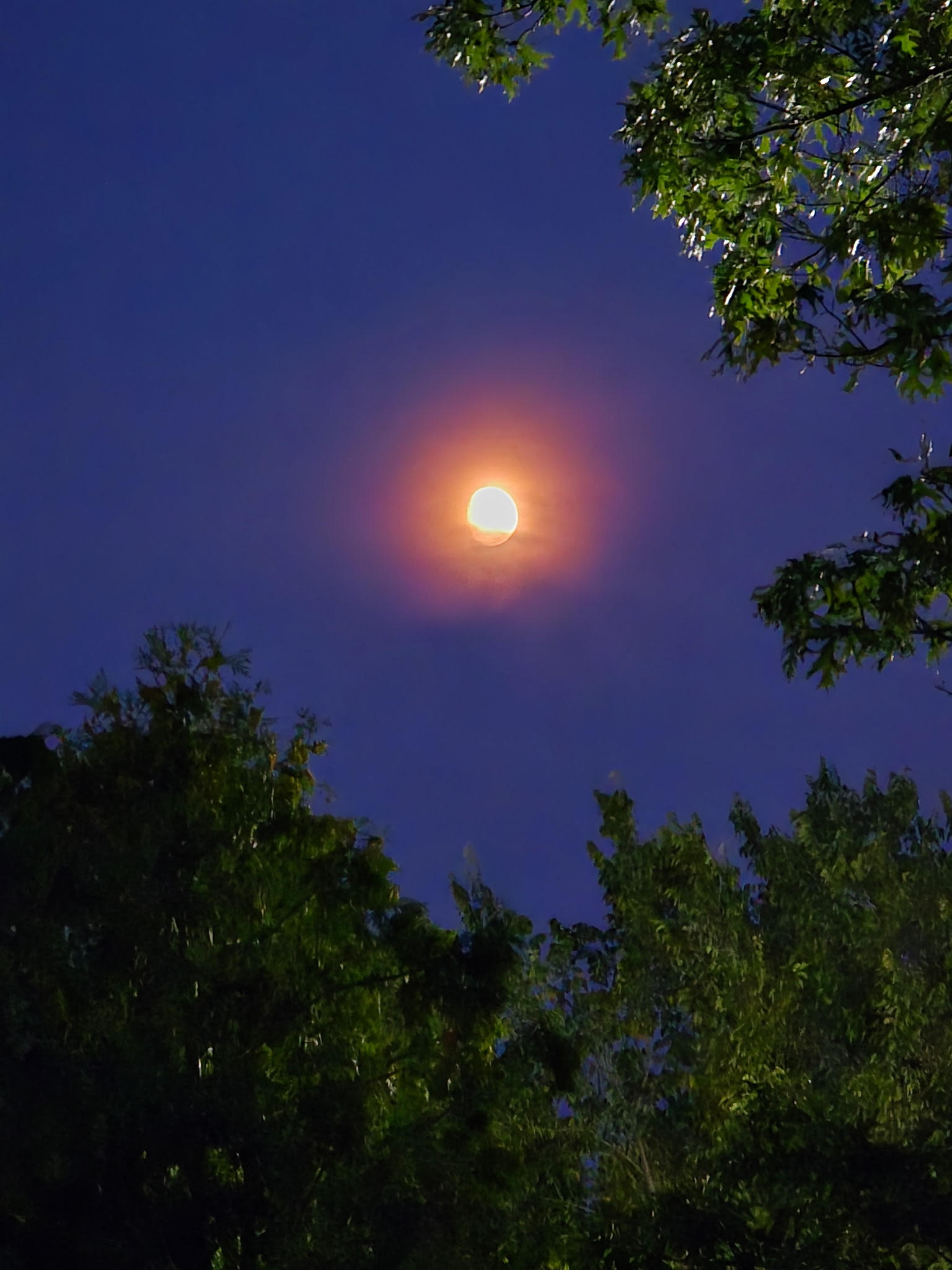
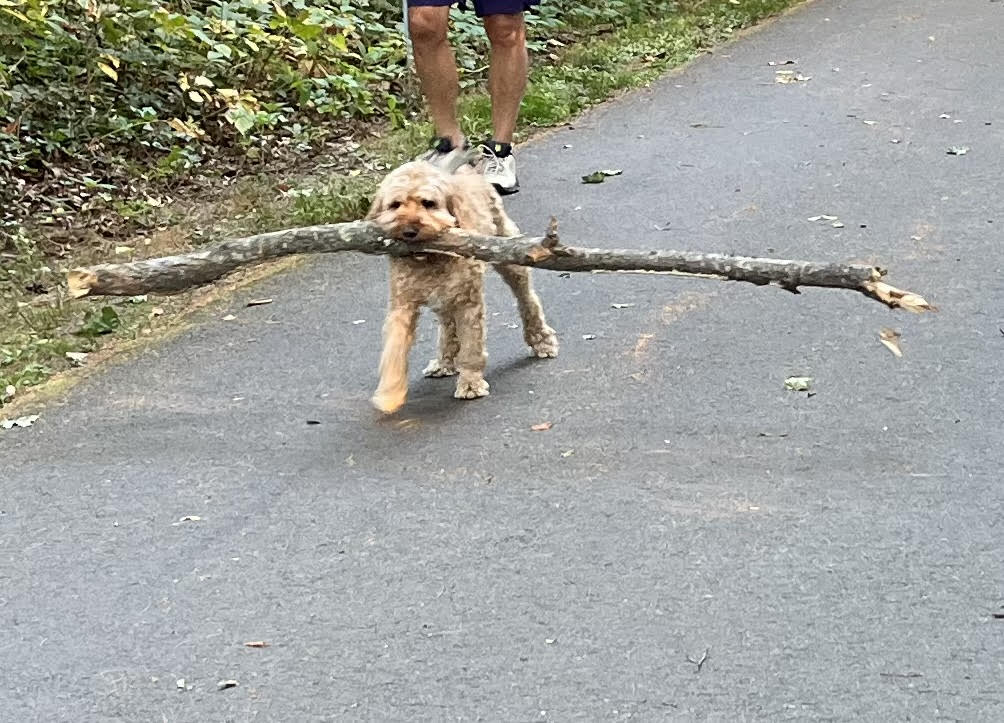
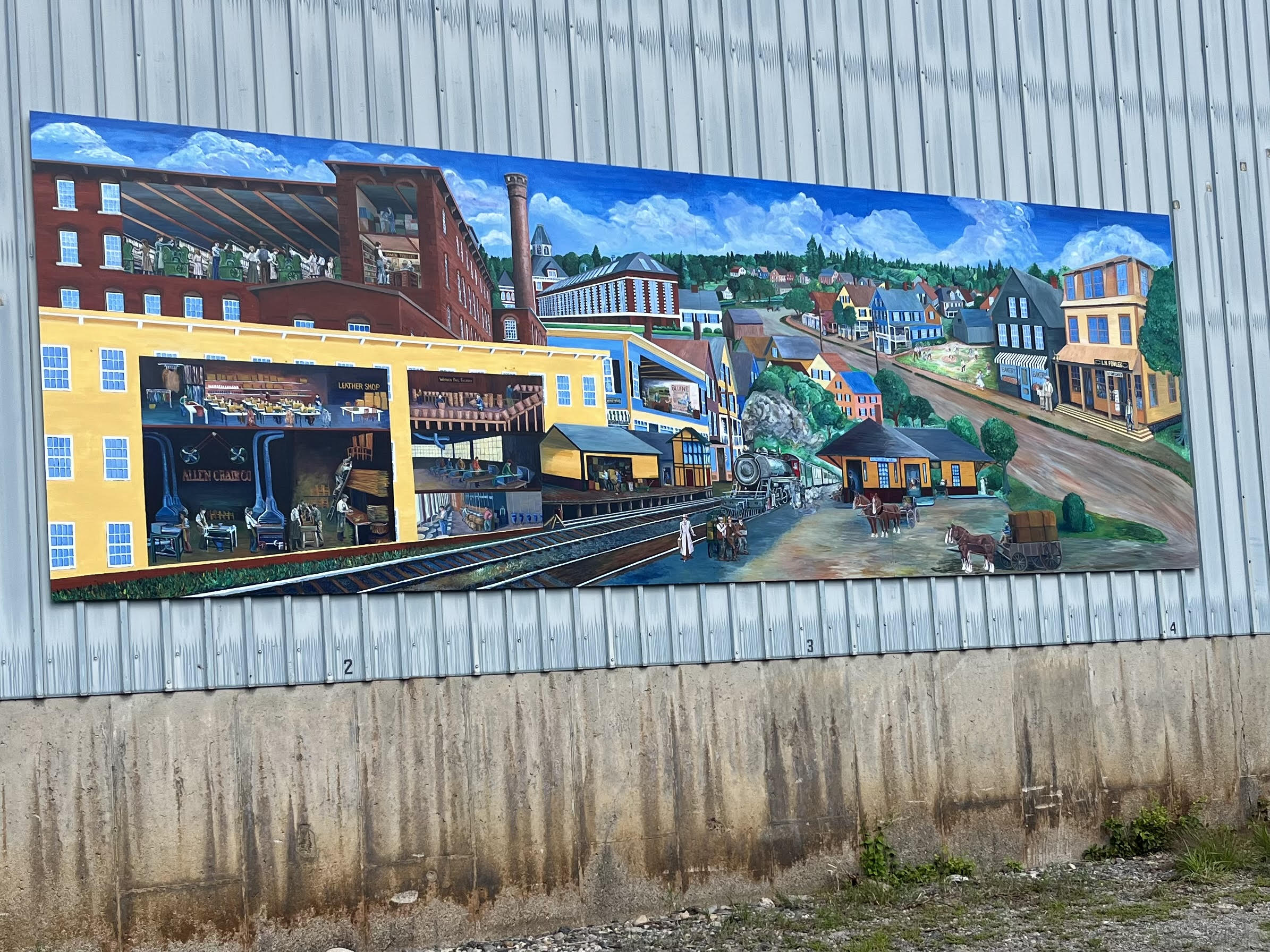
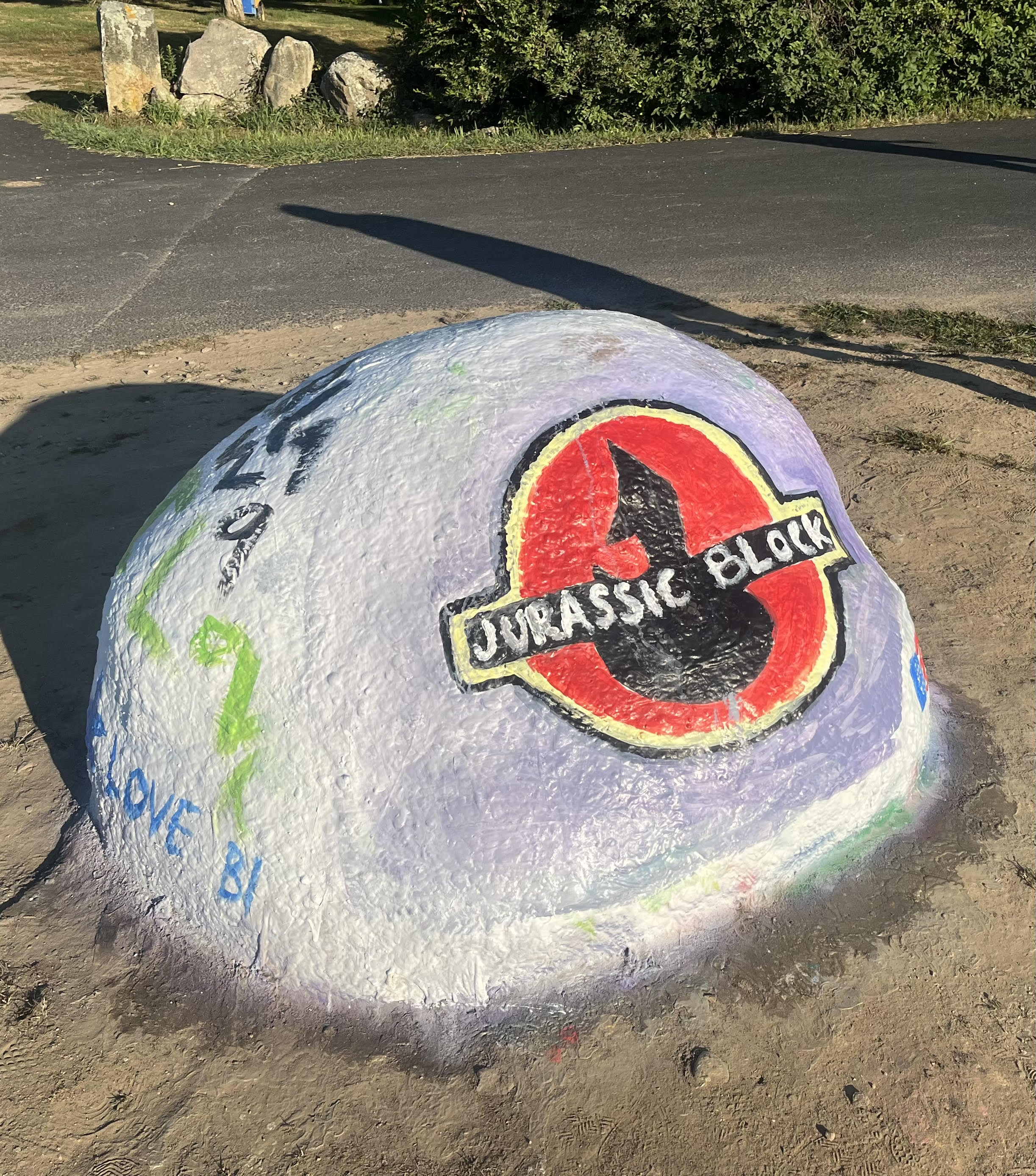
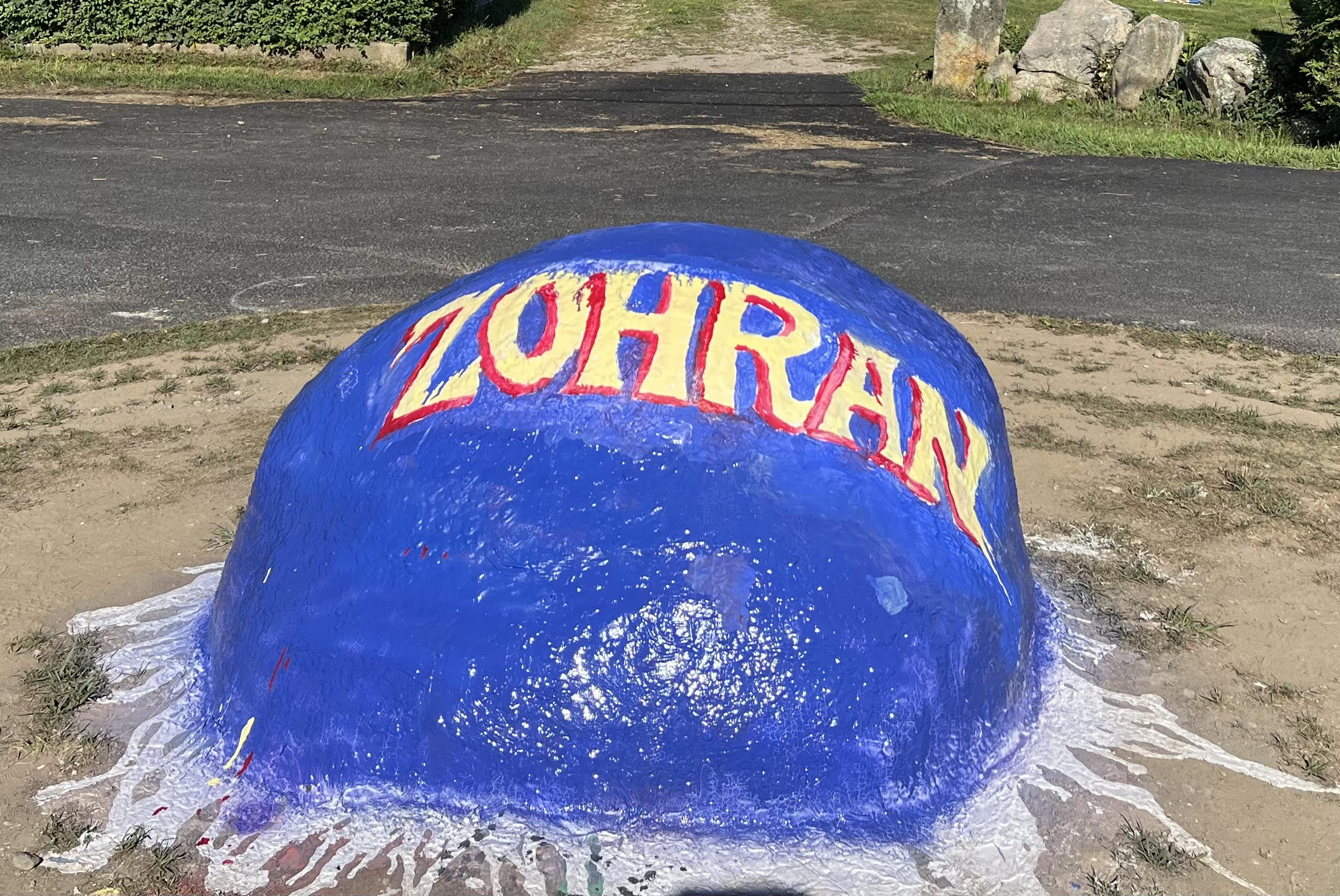
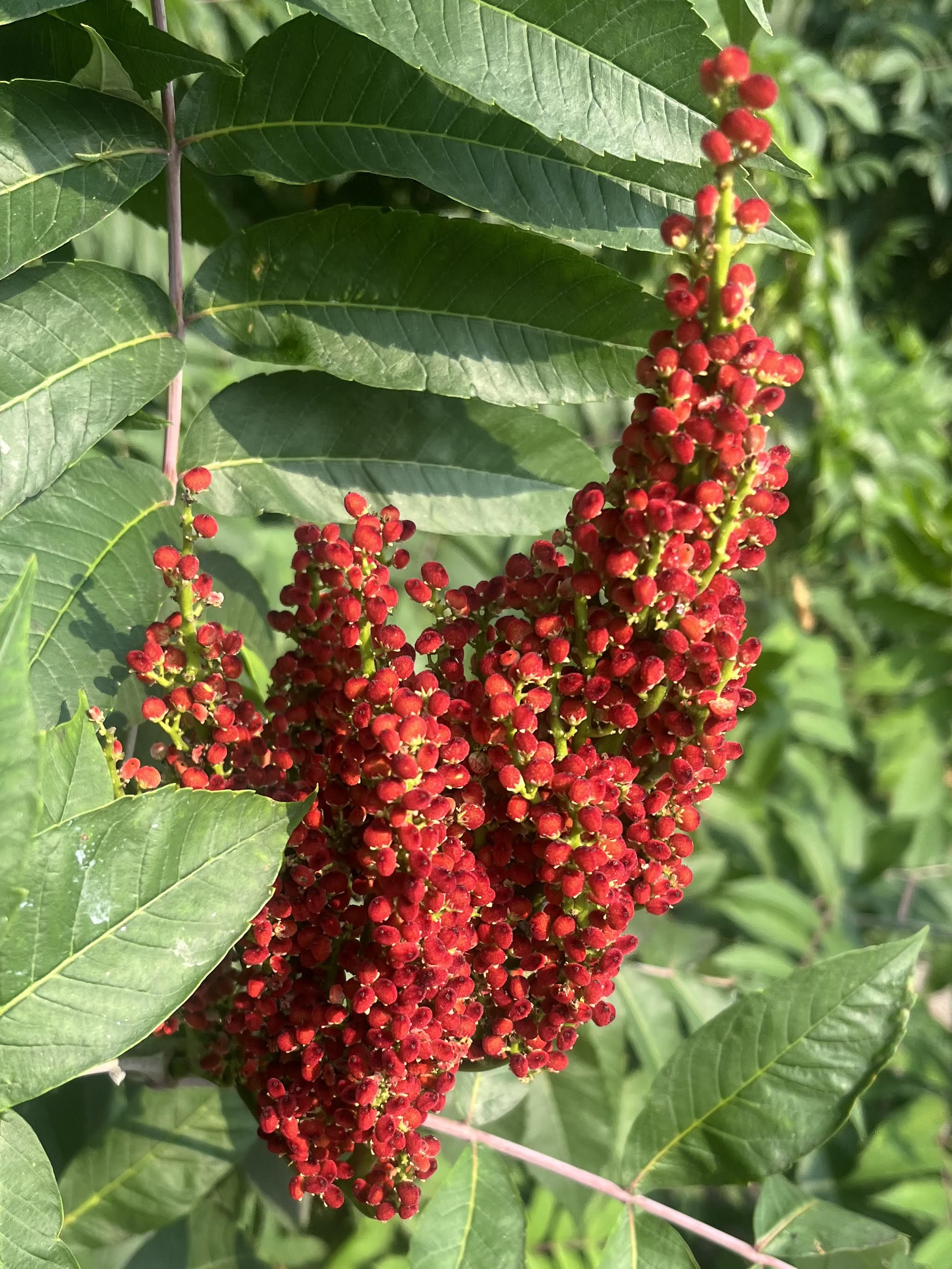
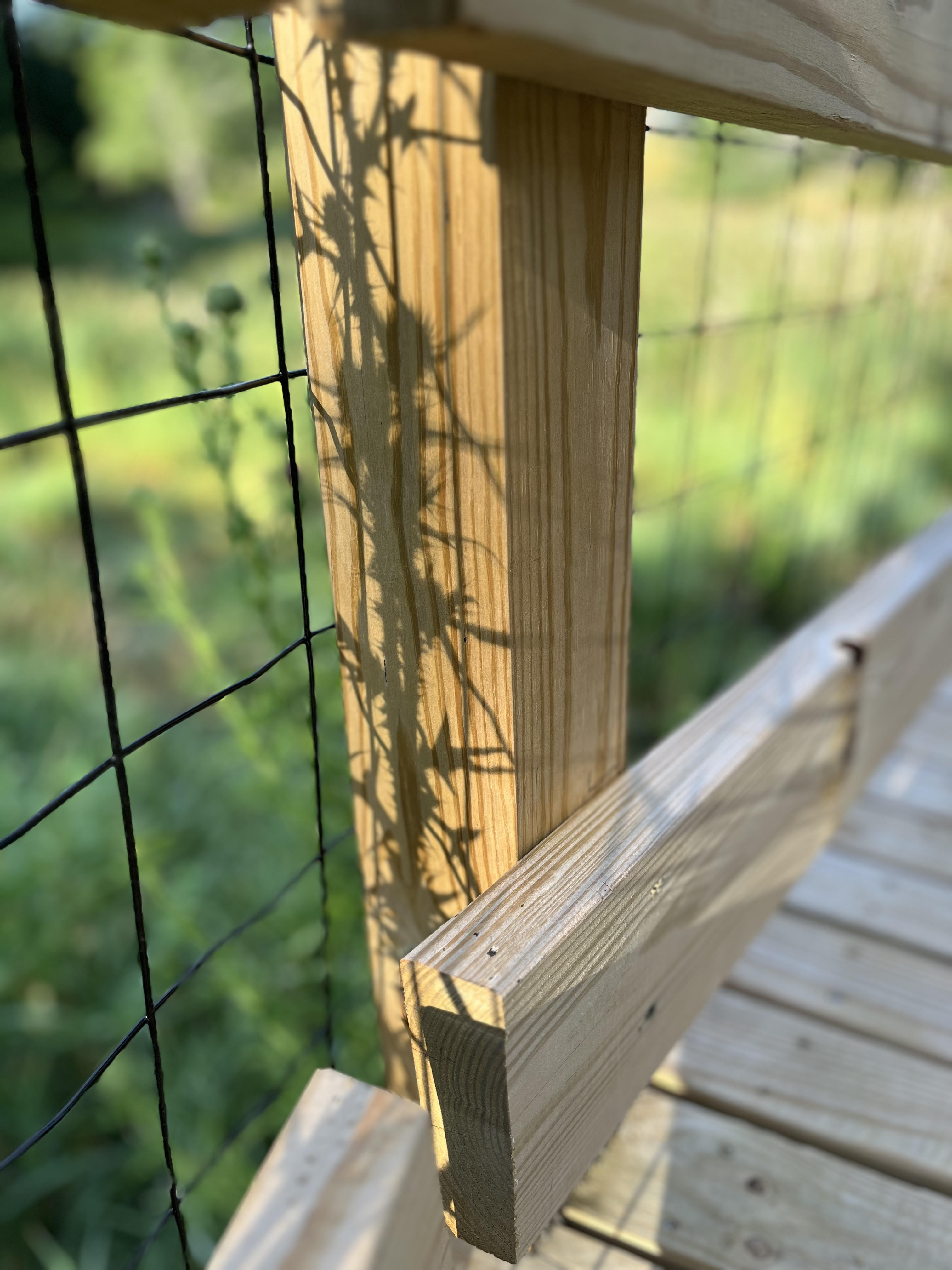
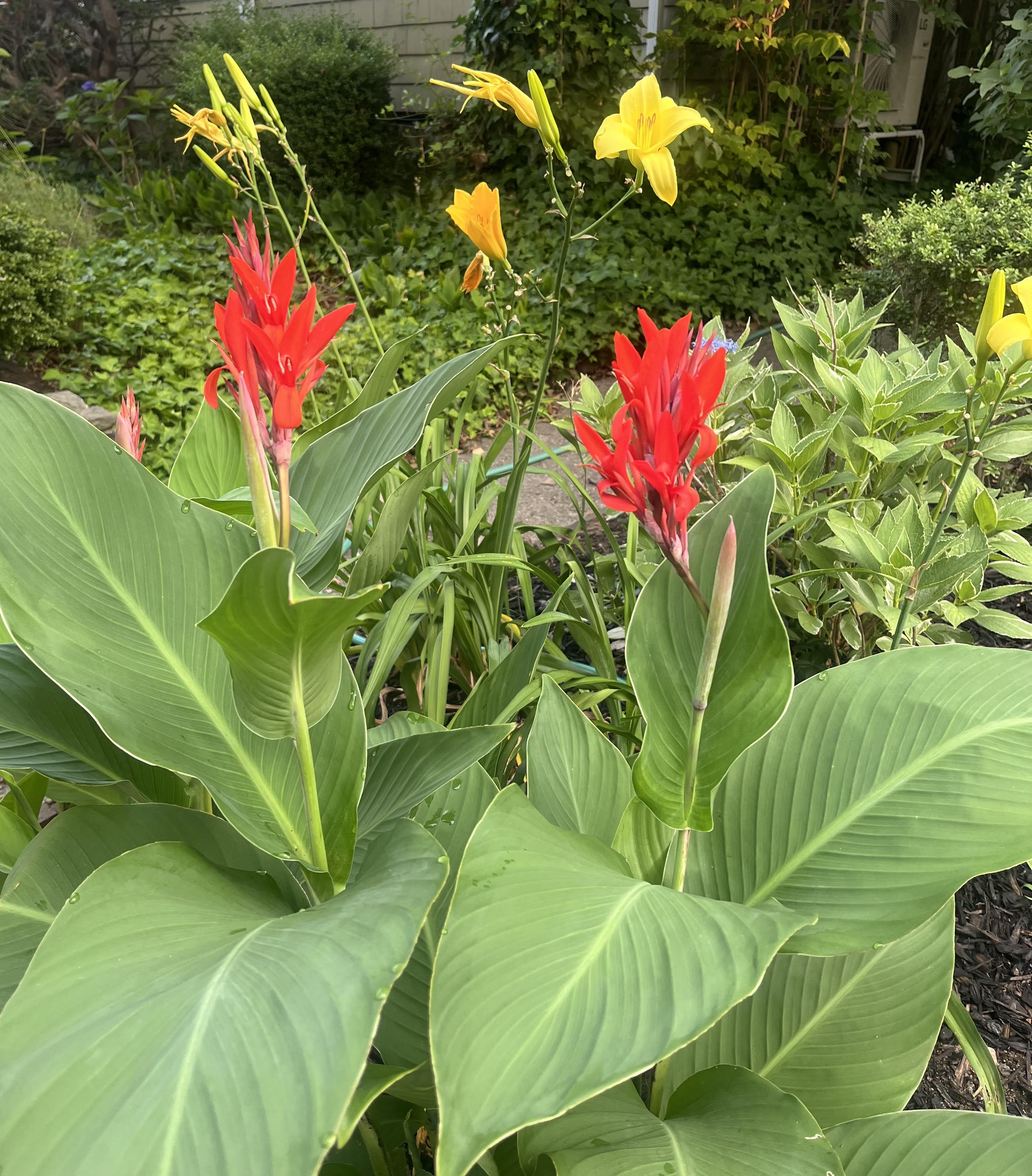
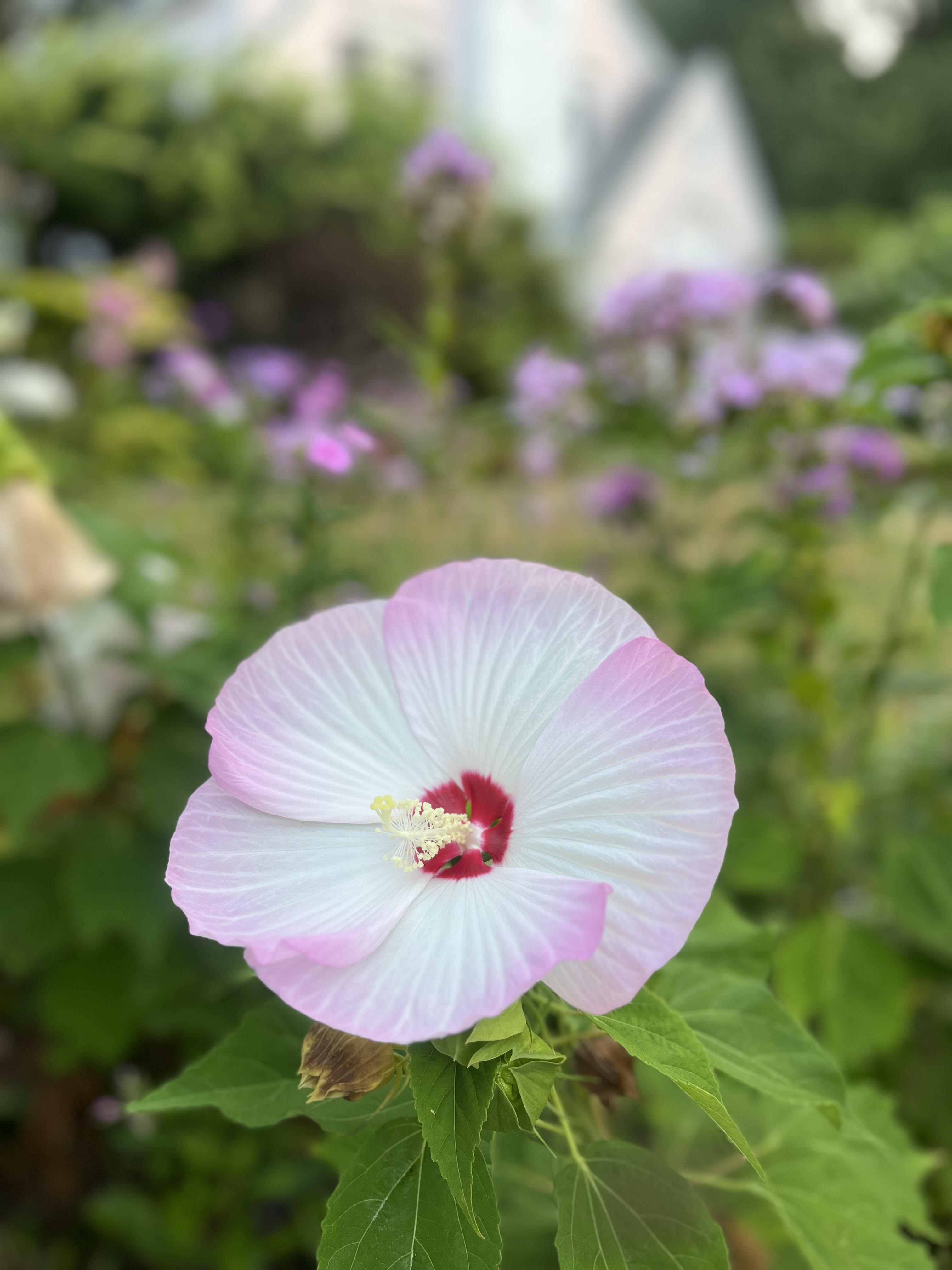
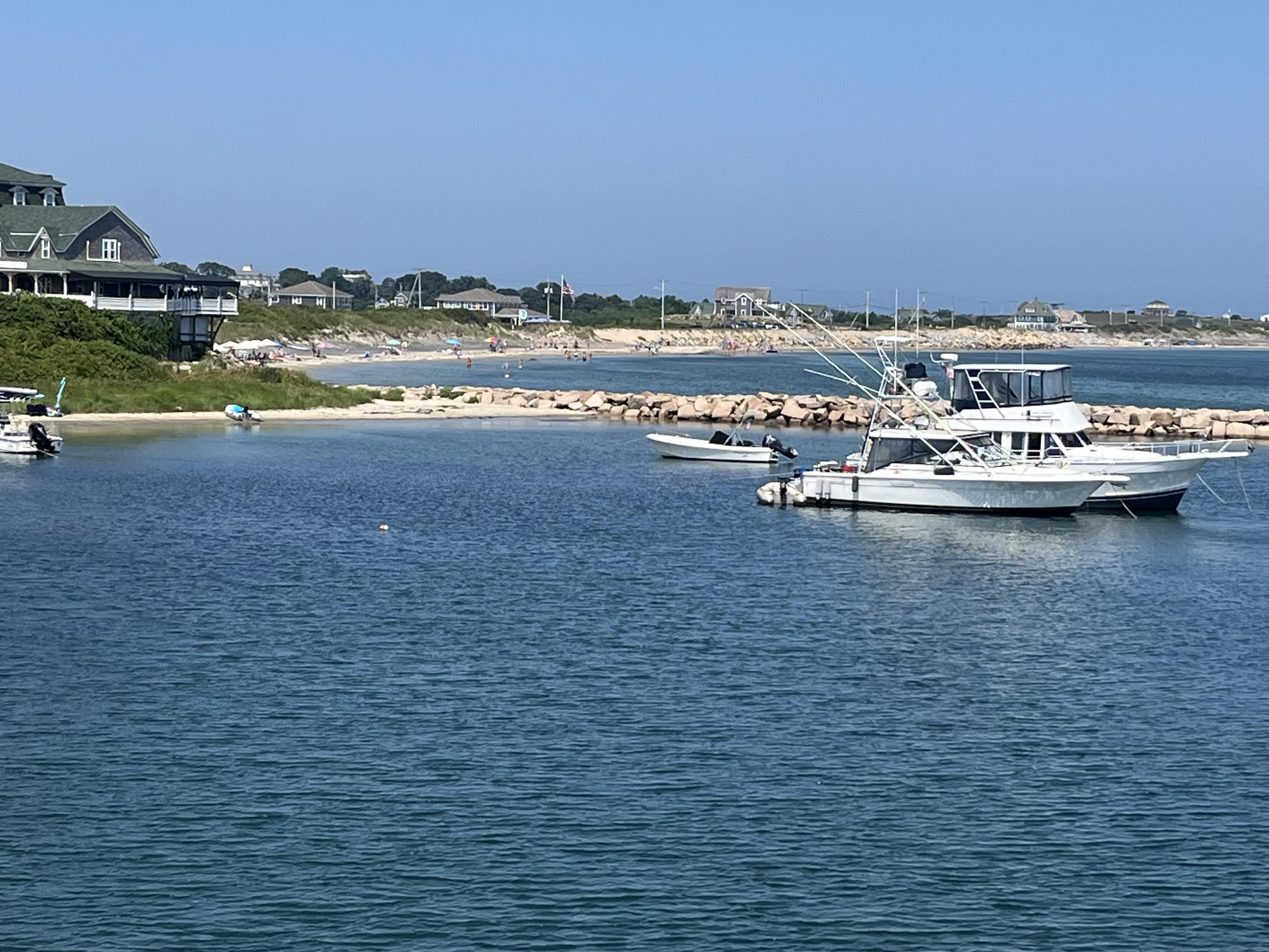
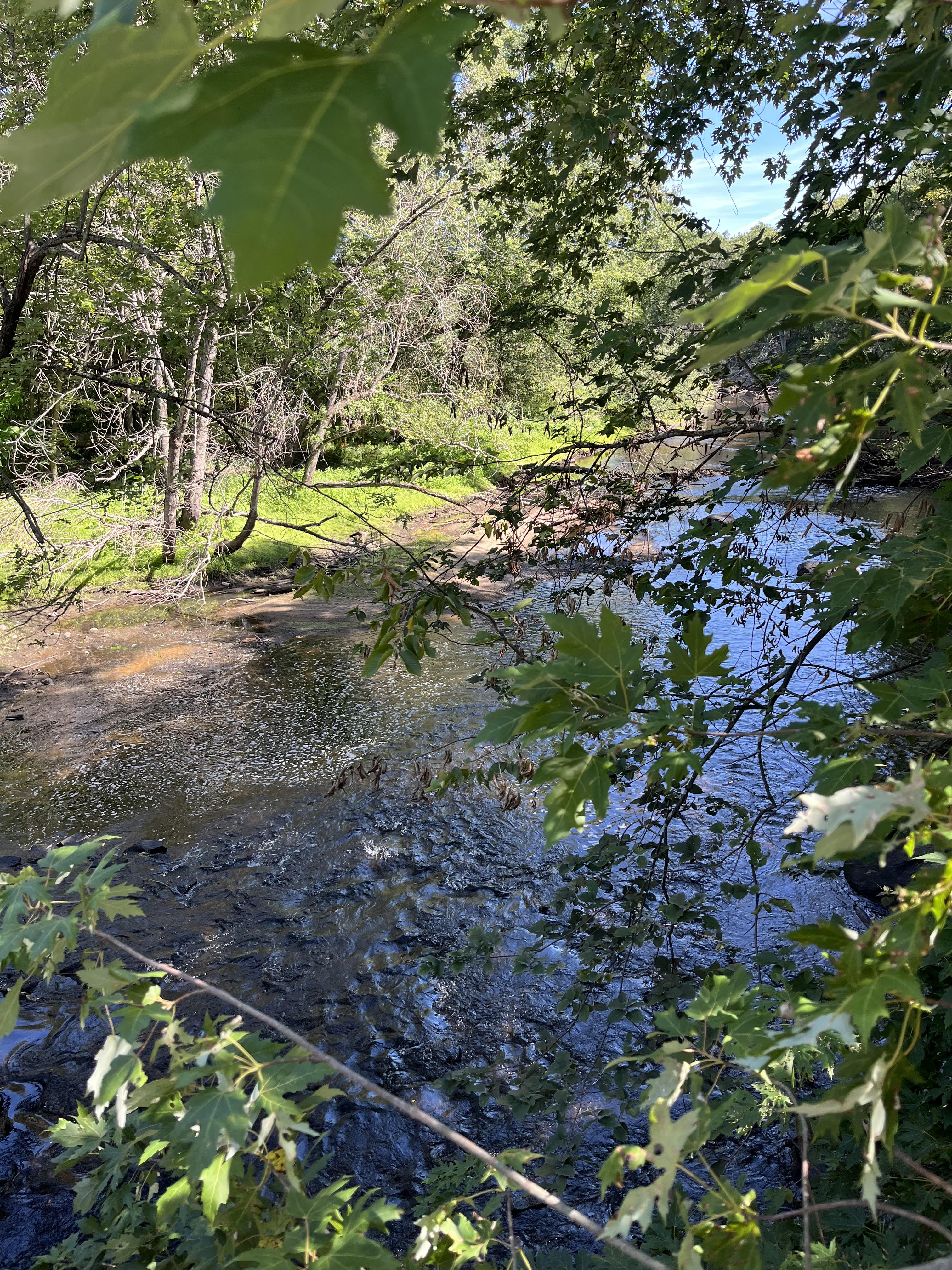
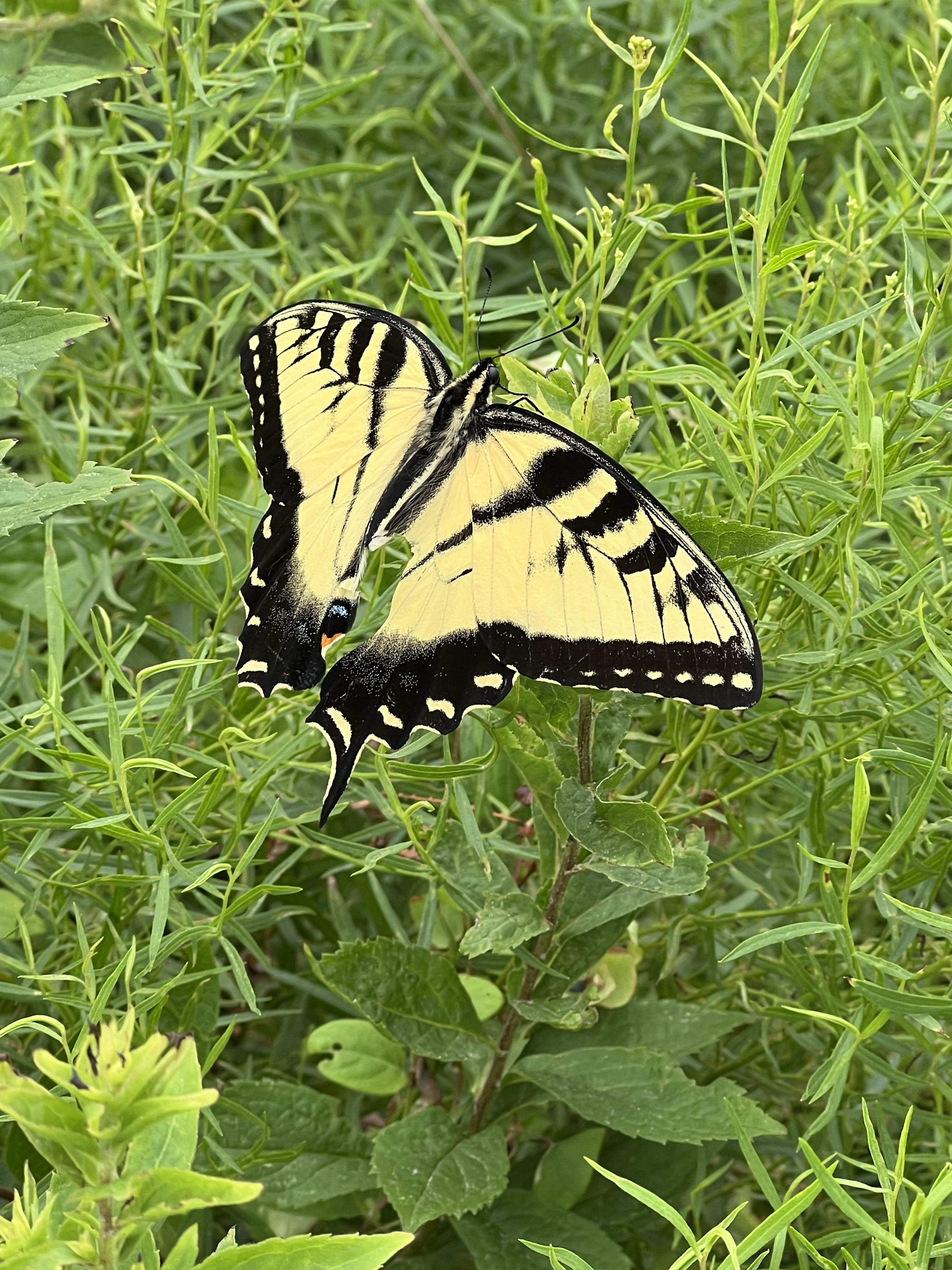
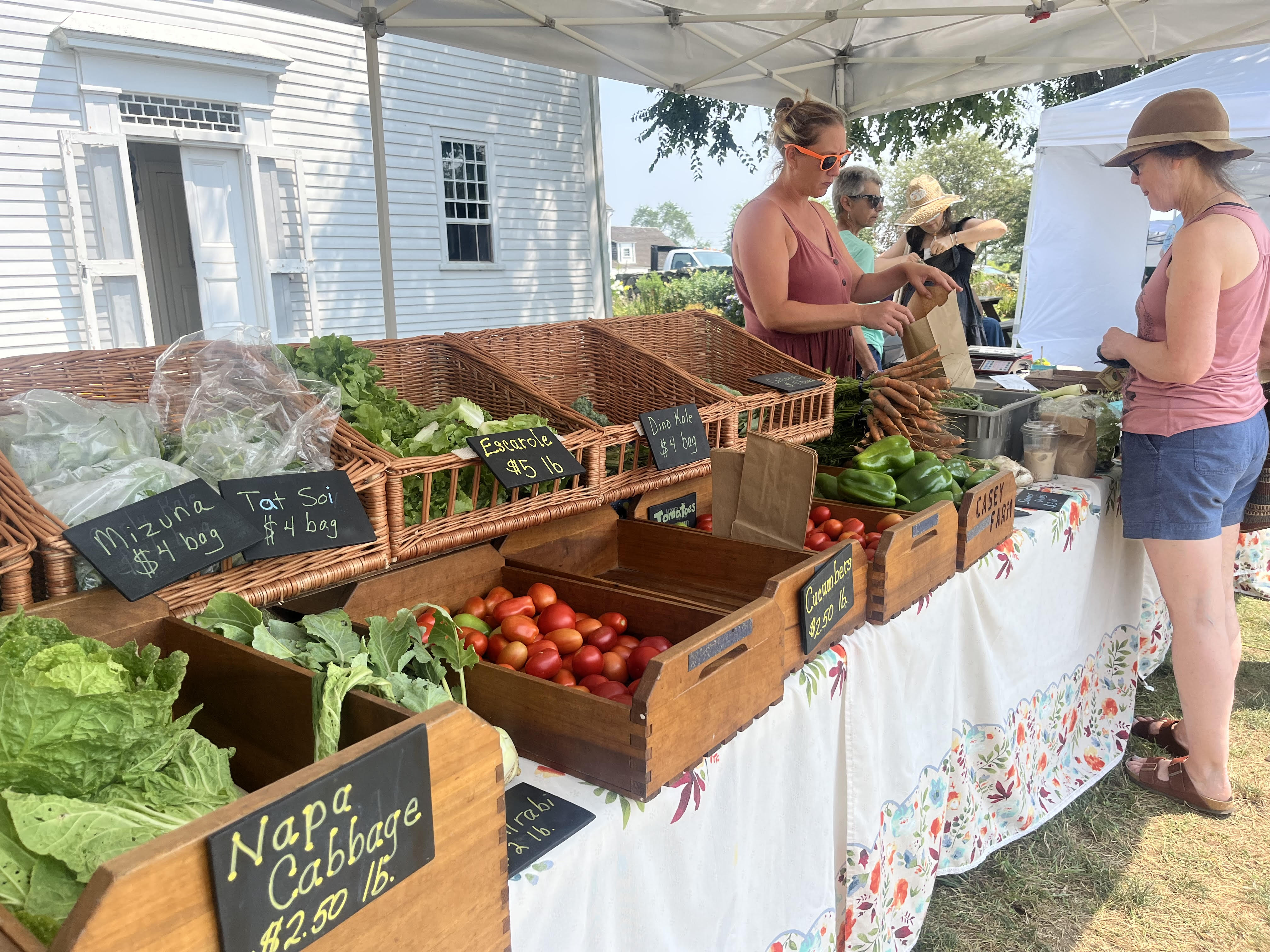
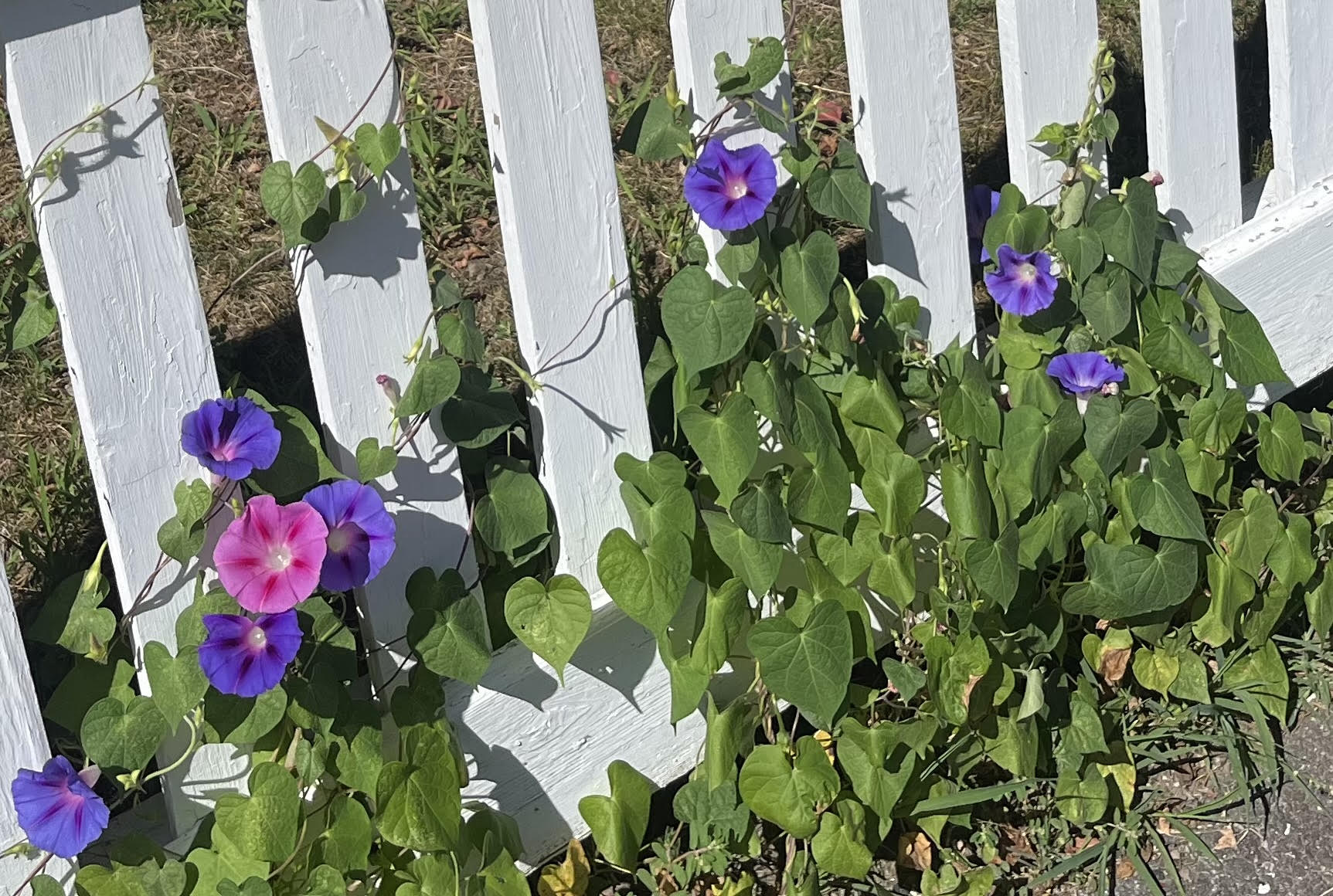
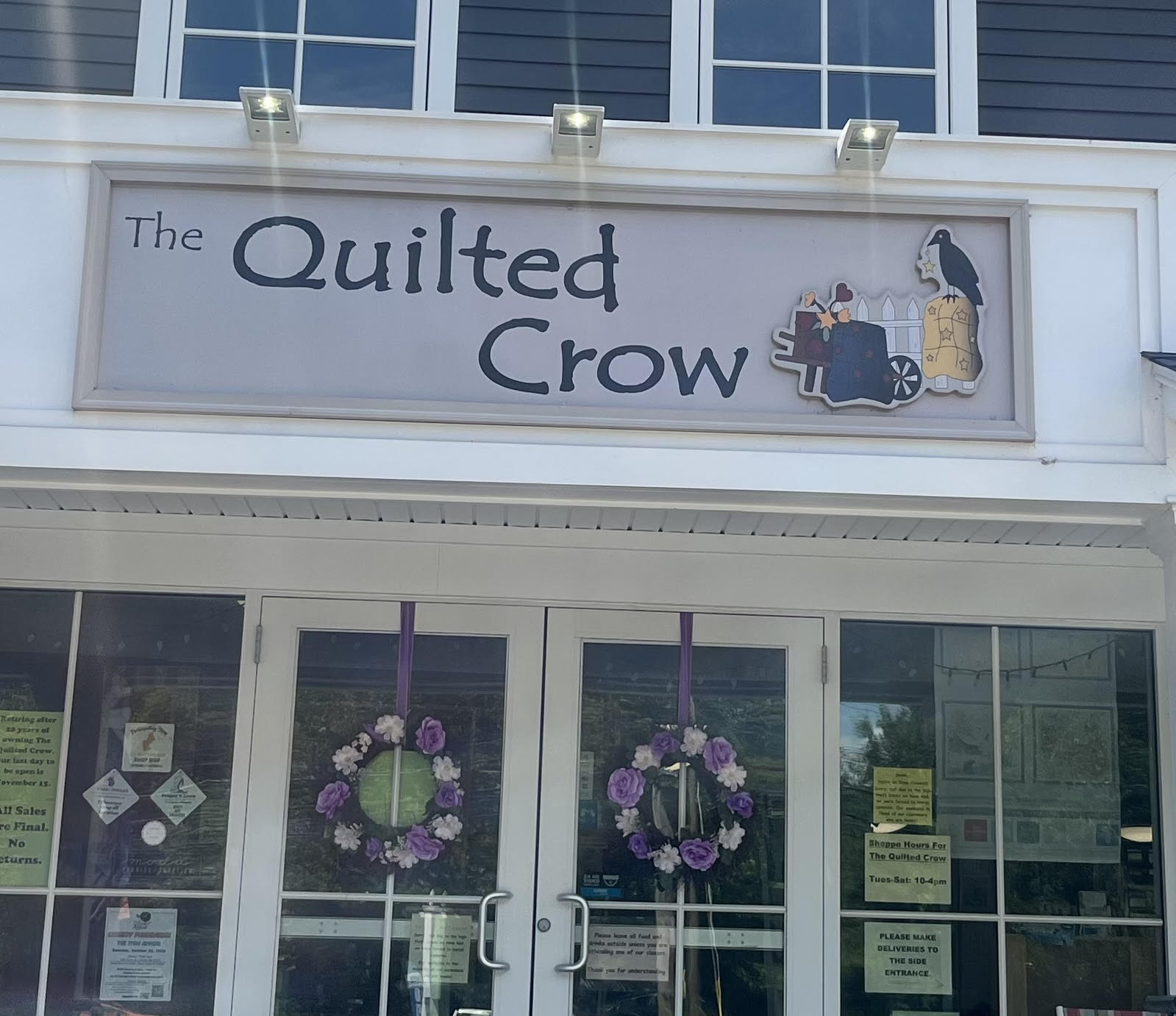
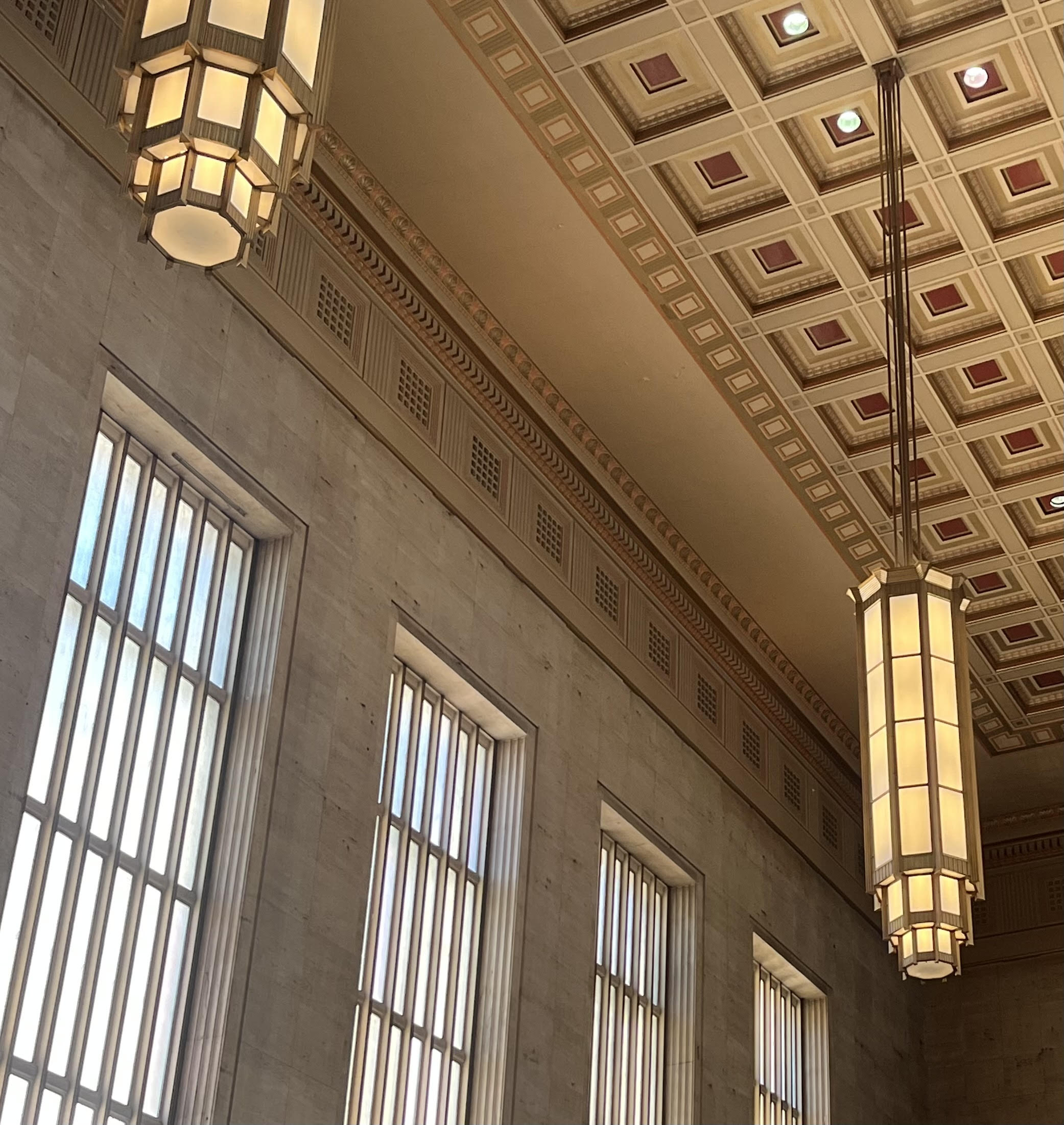
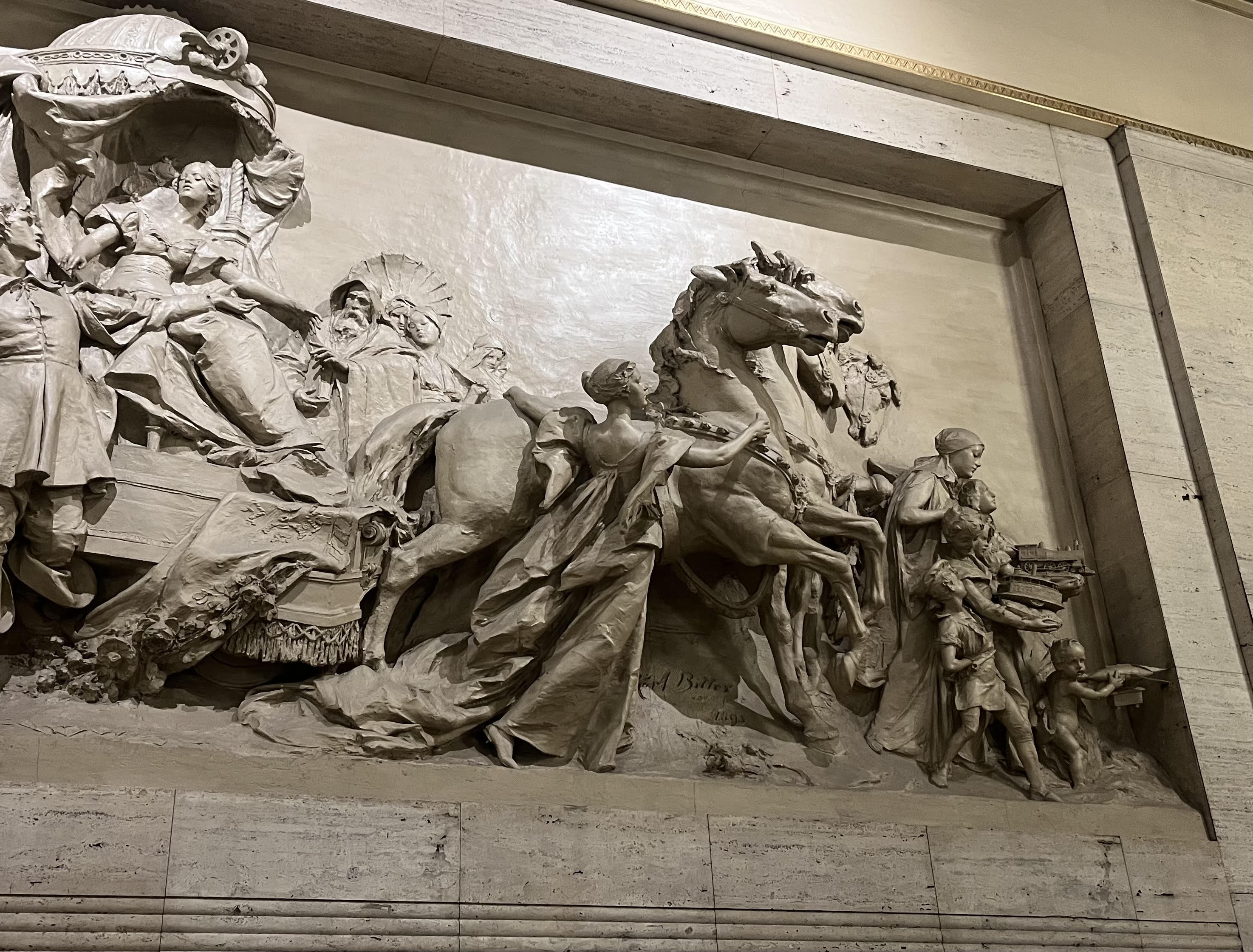
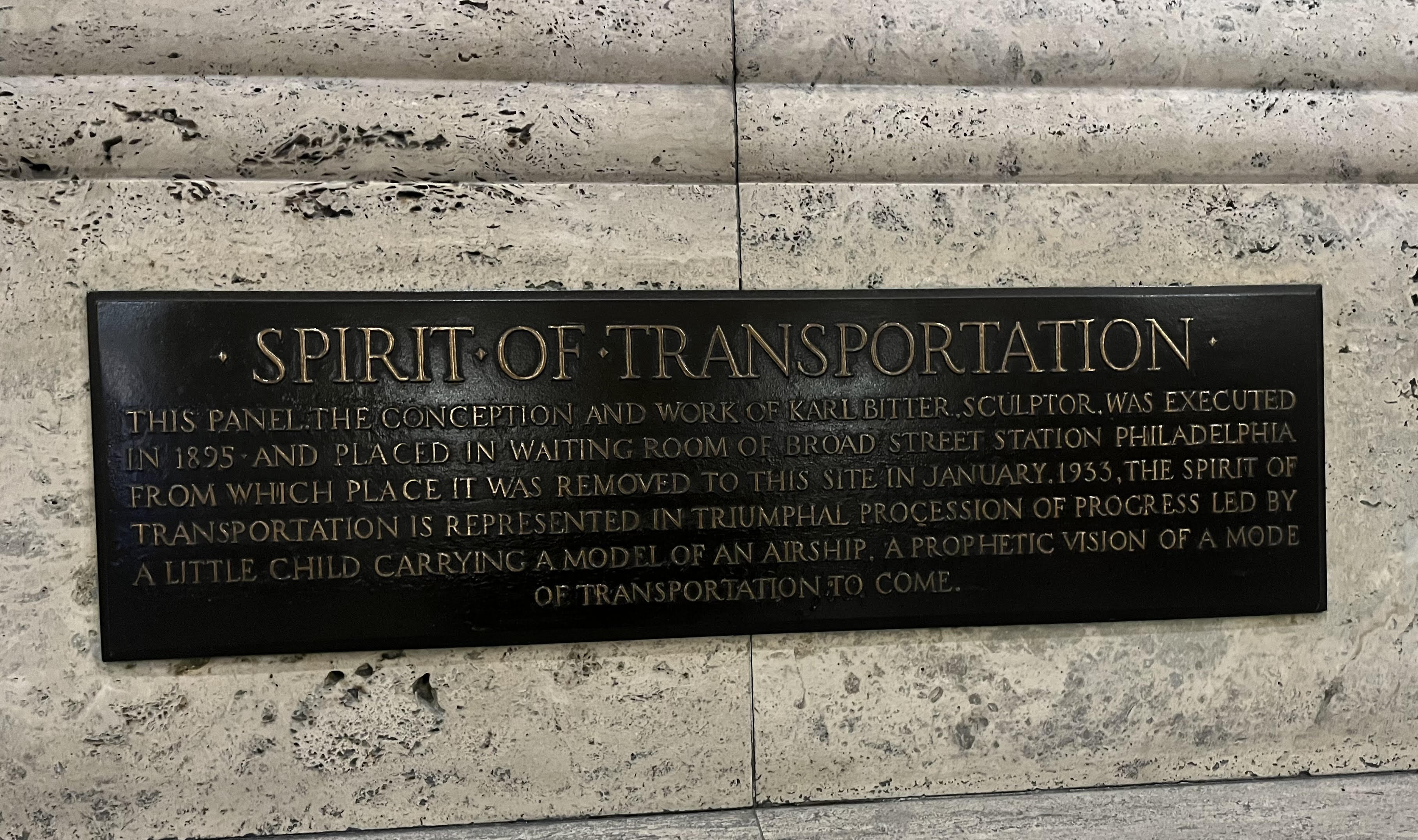
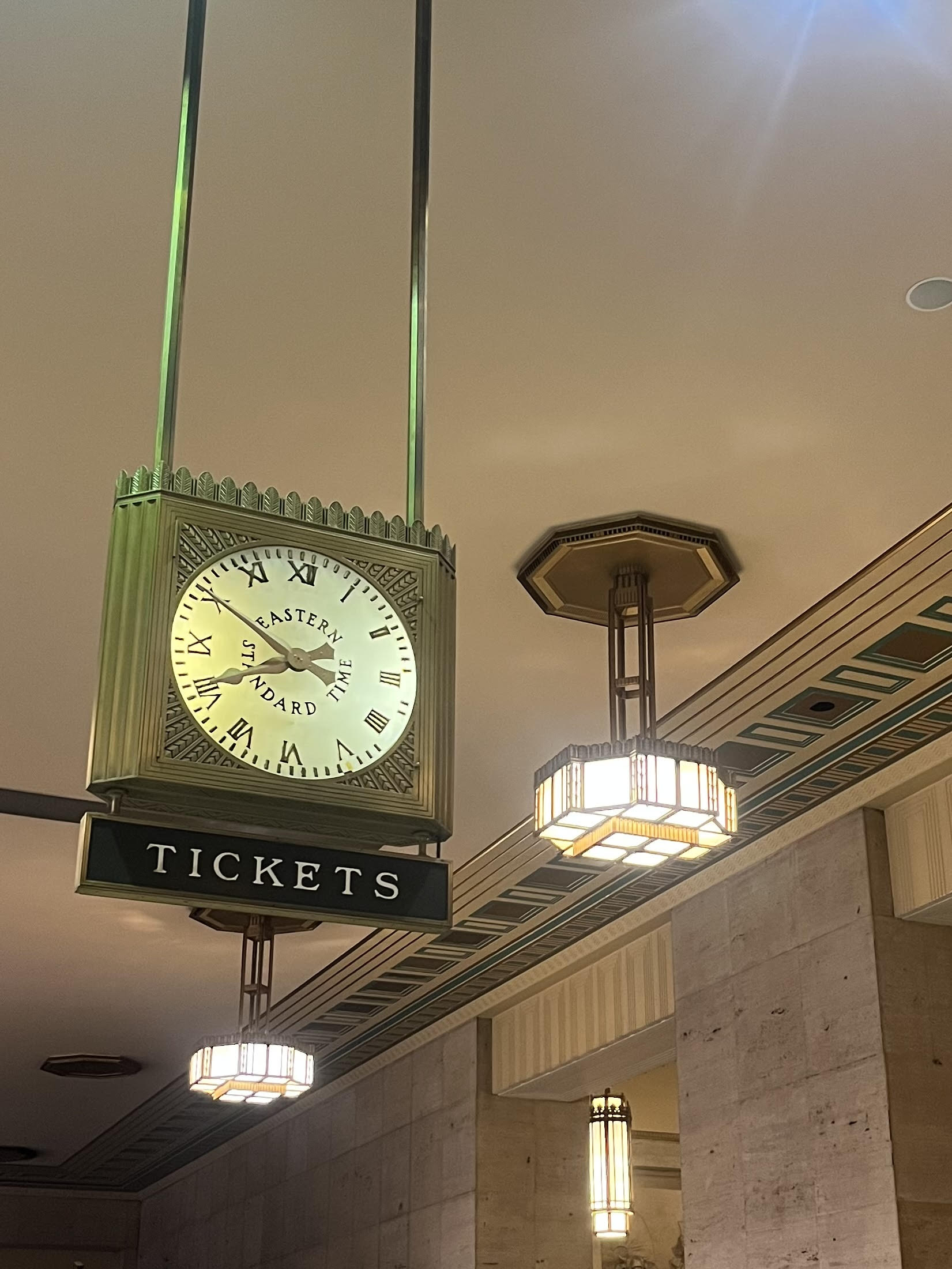
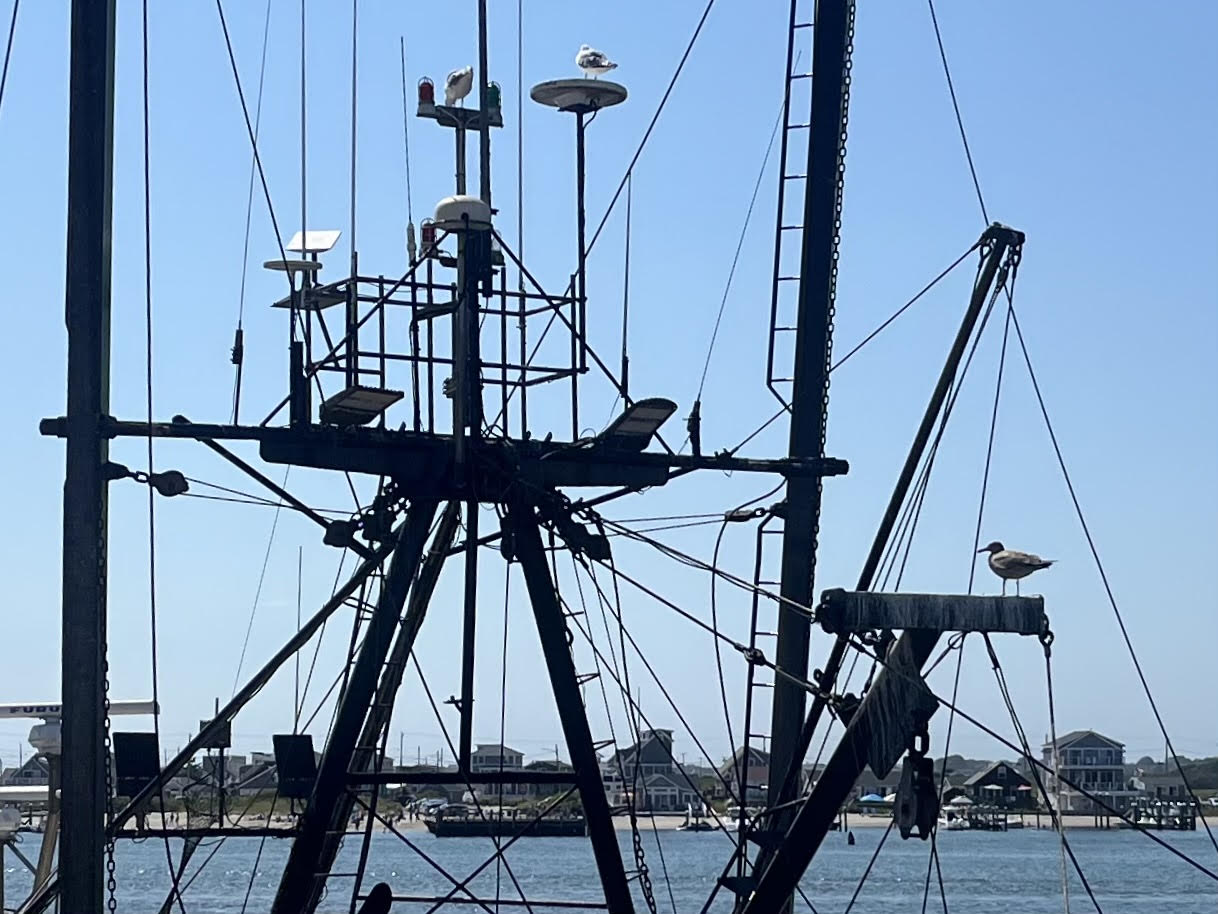


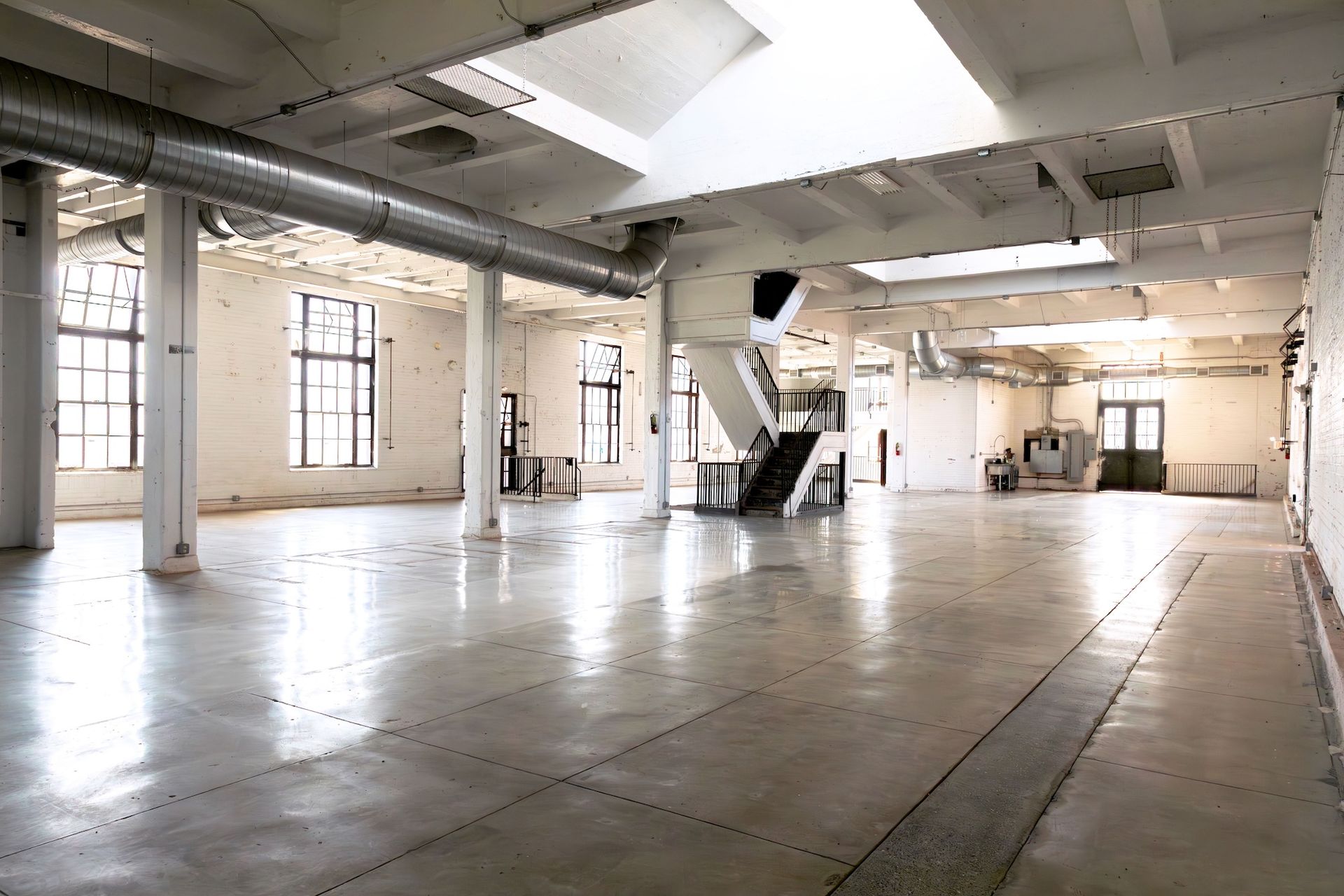
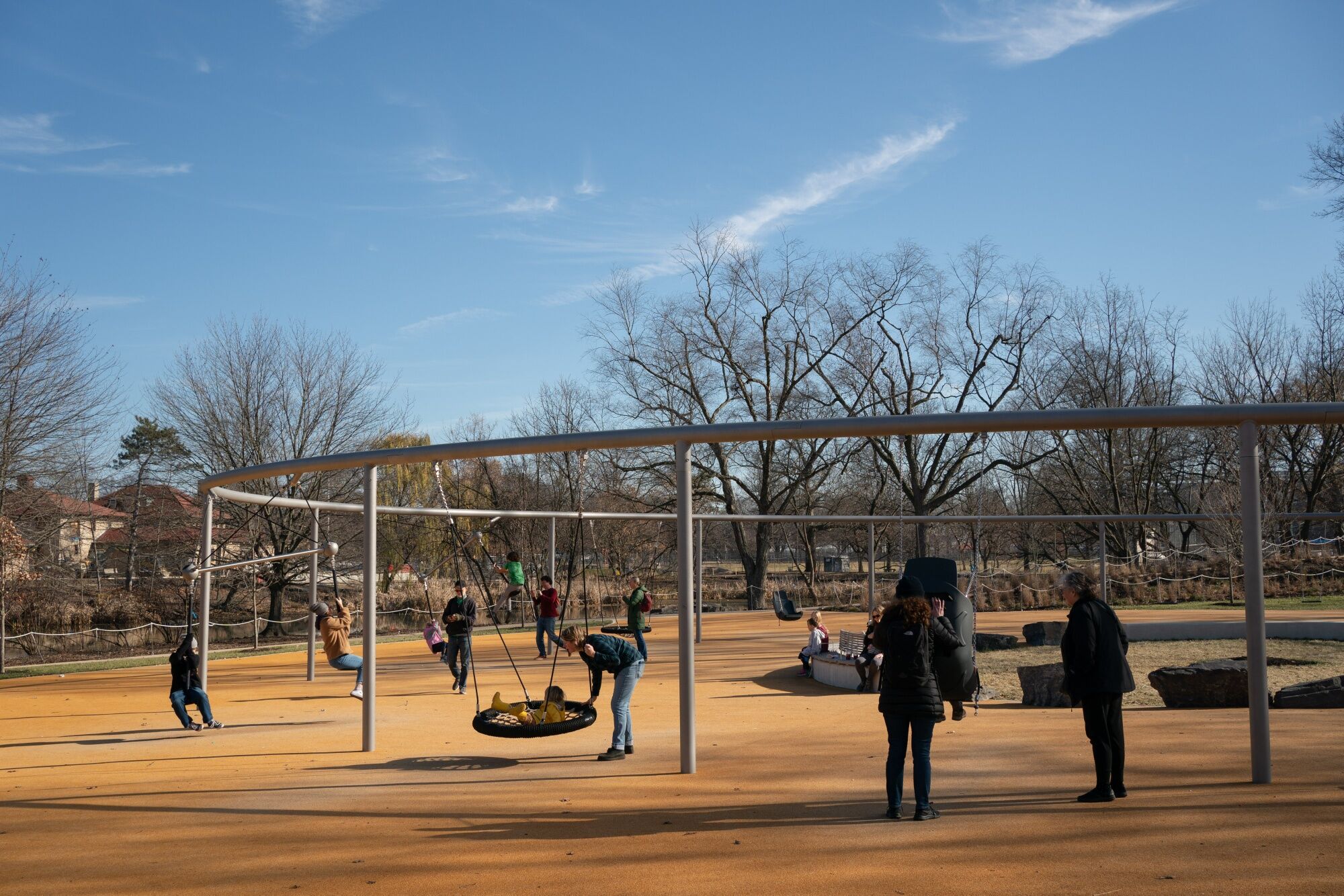
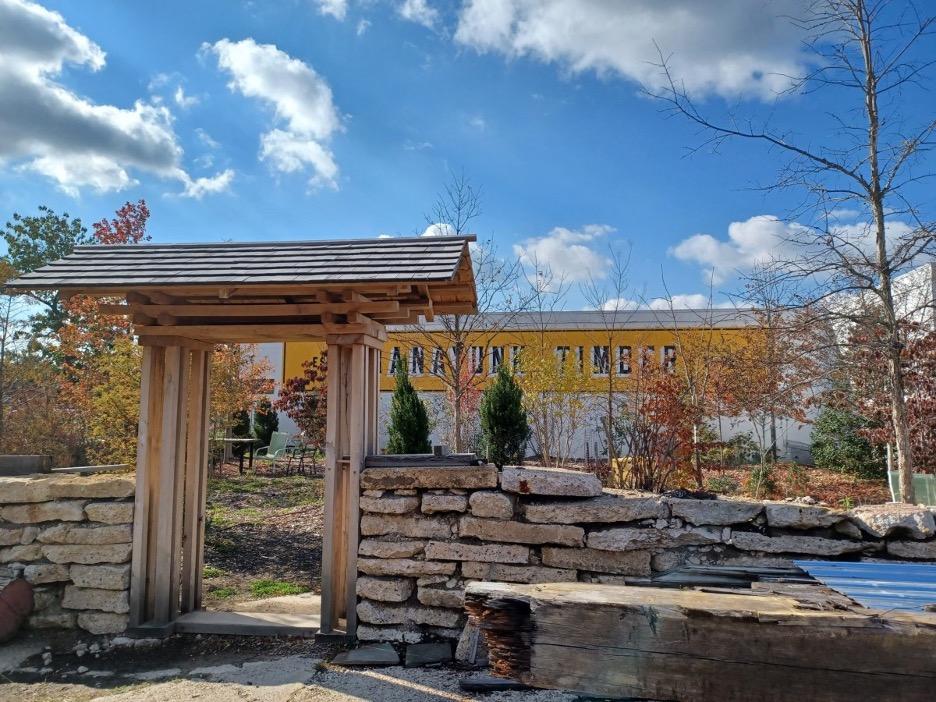
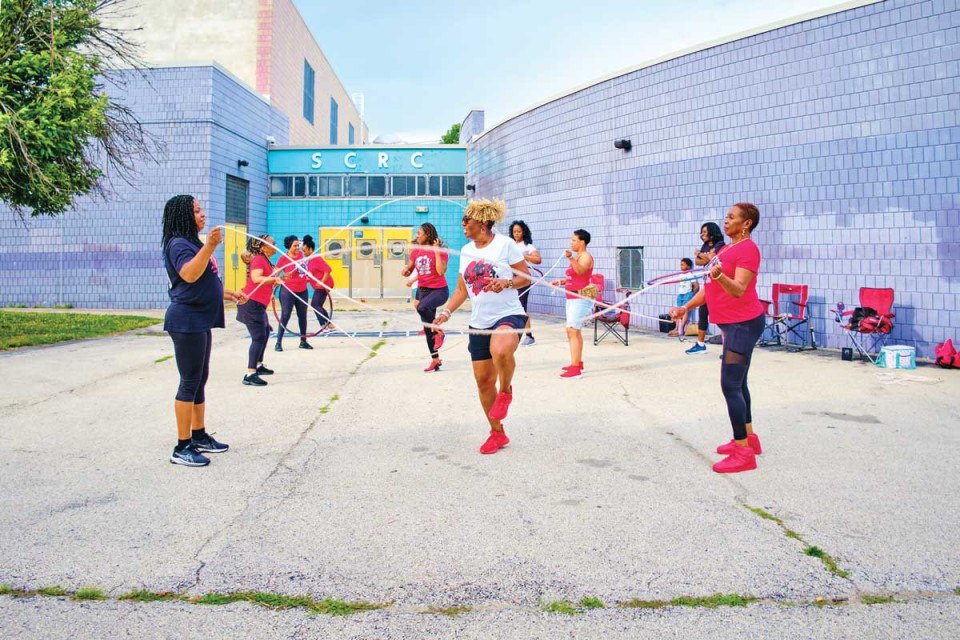
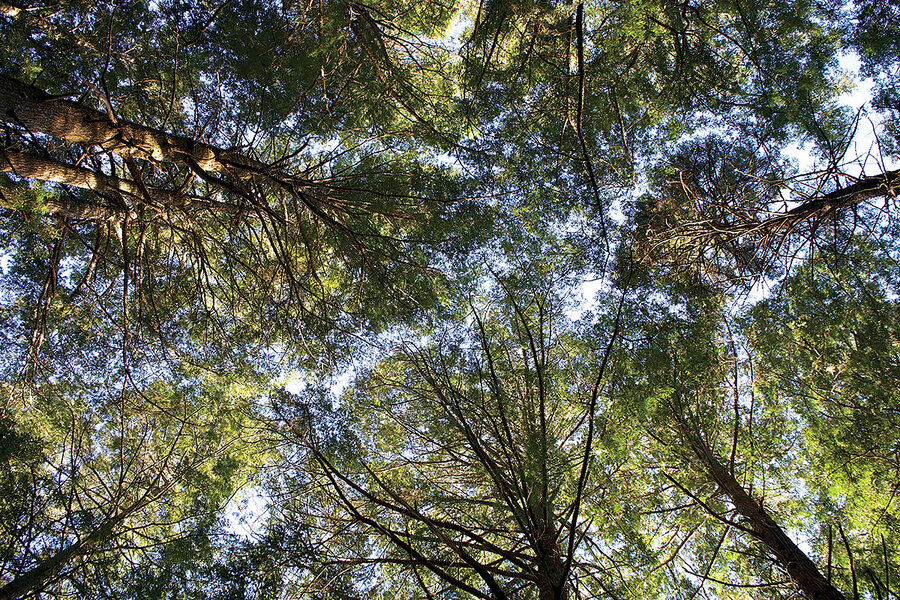
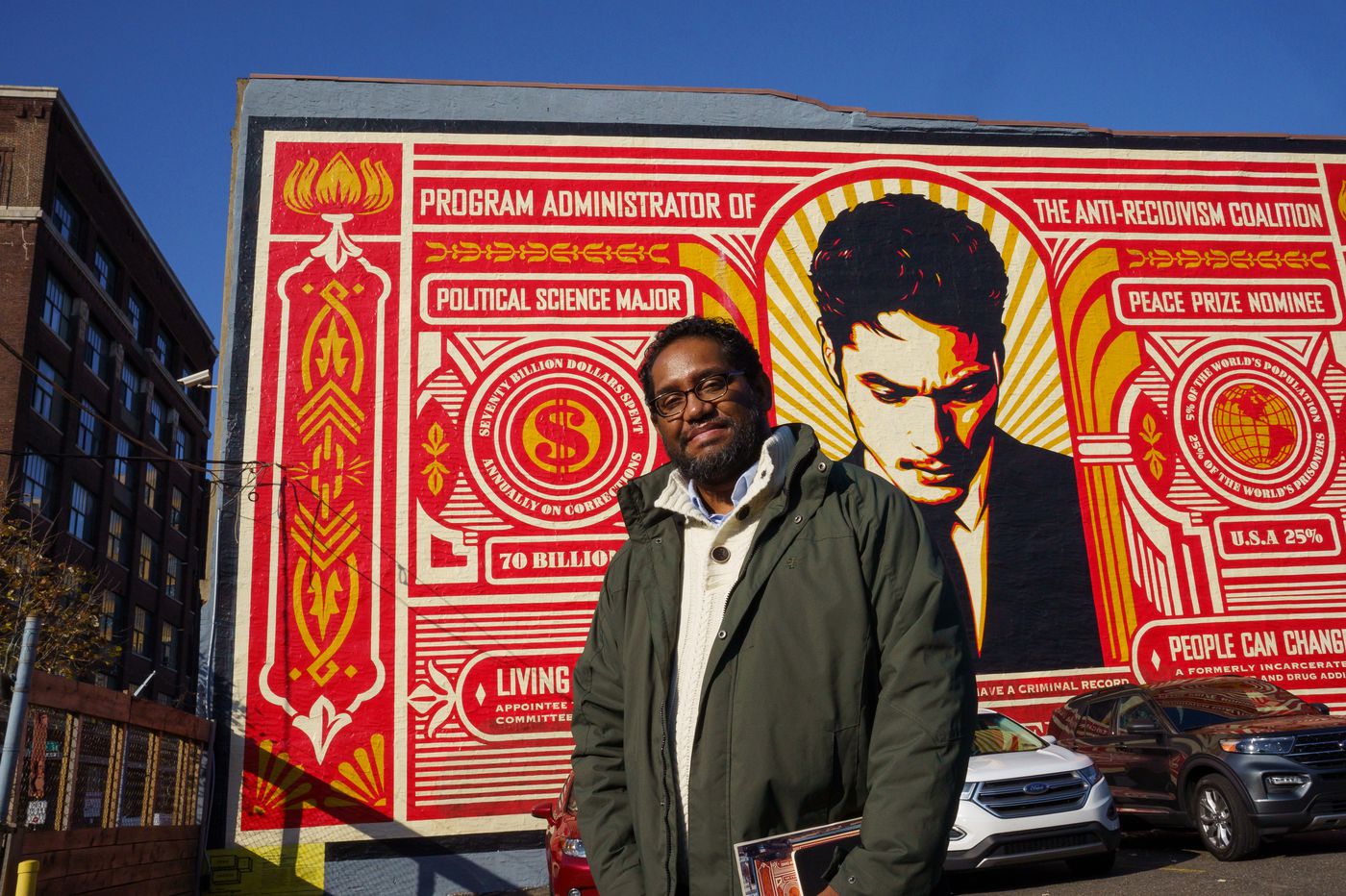
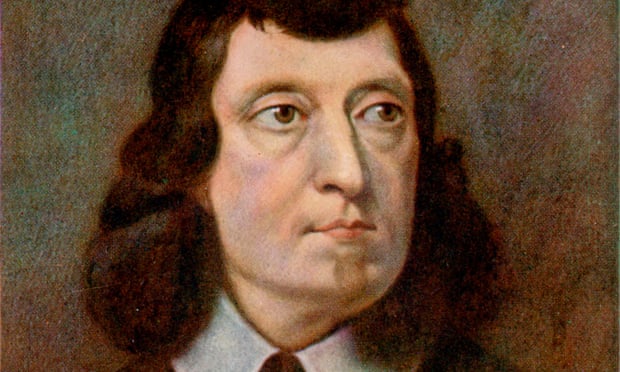
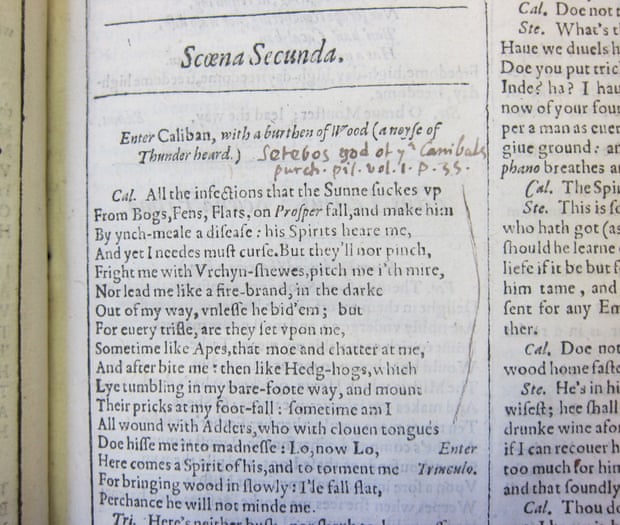
 Photo: Tim Tai
 Suzanne's Mom's Blog