Feeds:
Posts
Comments

Posts Tagged ‘photo’

Photos: John and Suzanne’s Mom.
Photos from Massachusetts.

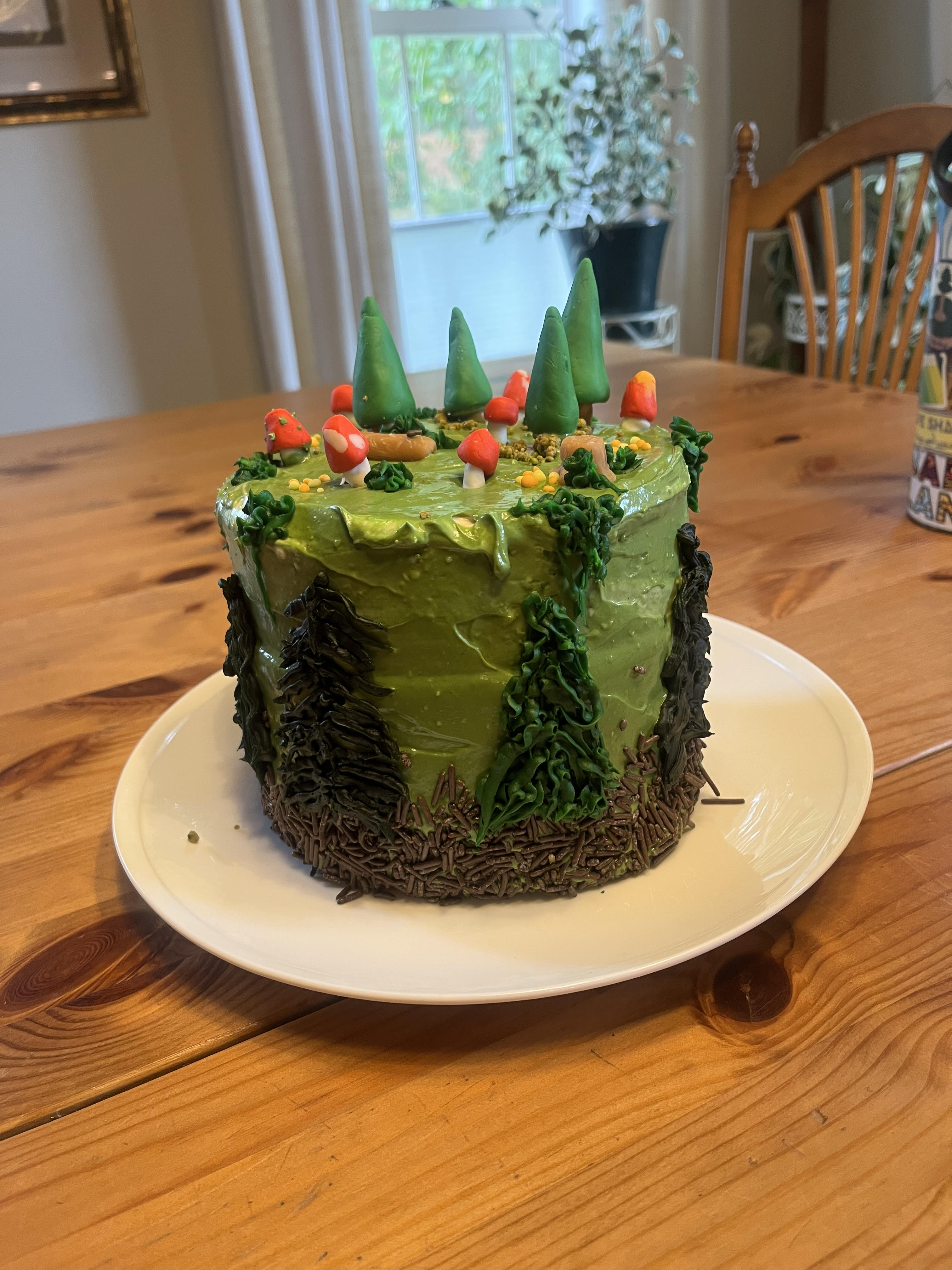
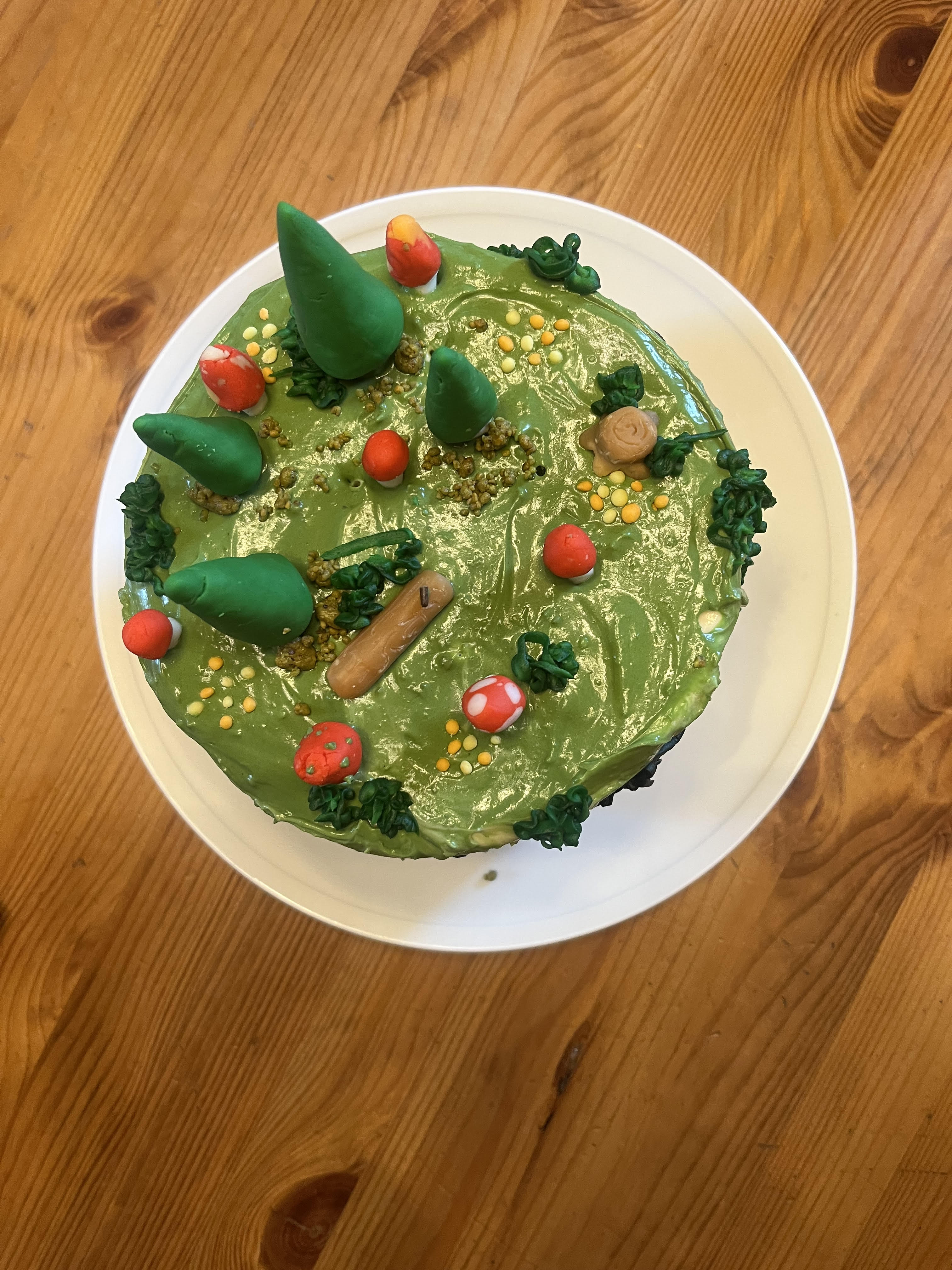
I wanted you to see a few recent photos. The one above is of a cake that Lisa and her daughter Emmie made for a family birthday, an exercise they apparently perform regularly. This time the cake was for a great niece who wanted pistachio. Isn’t it great?

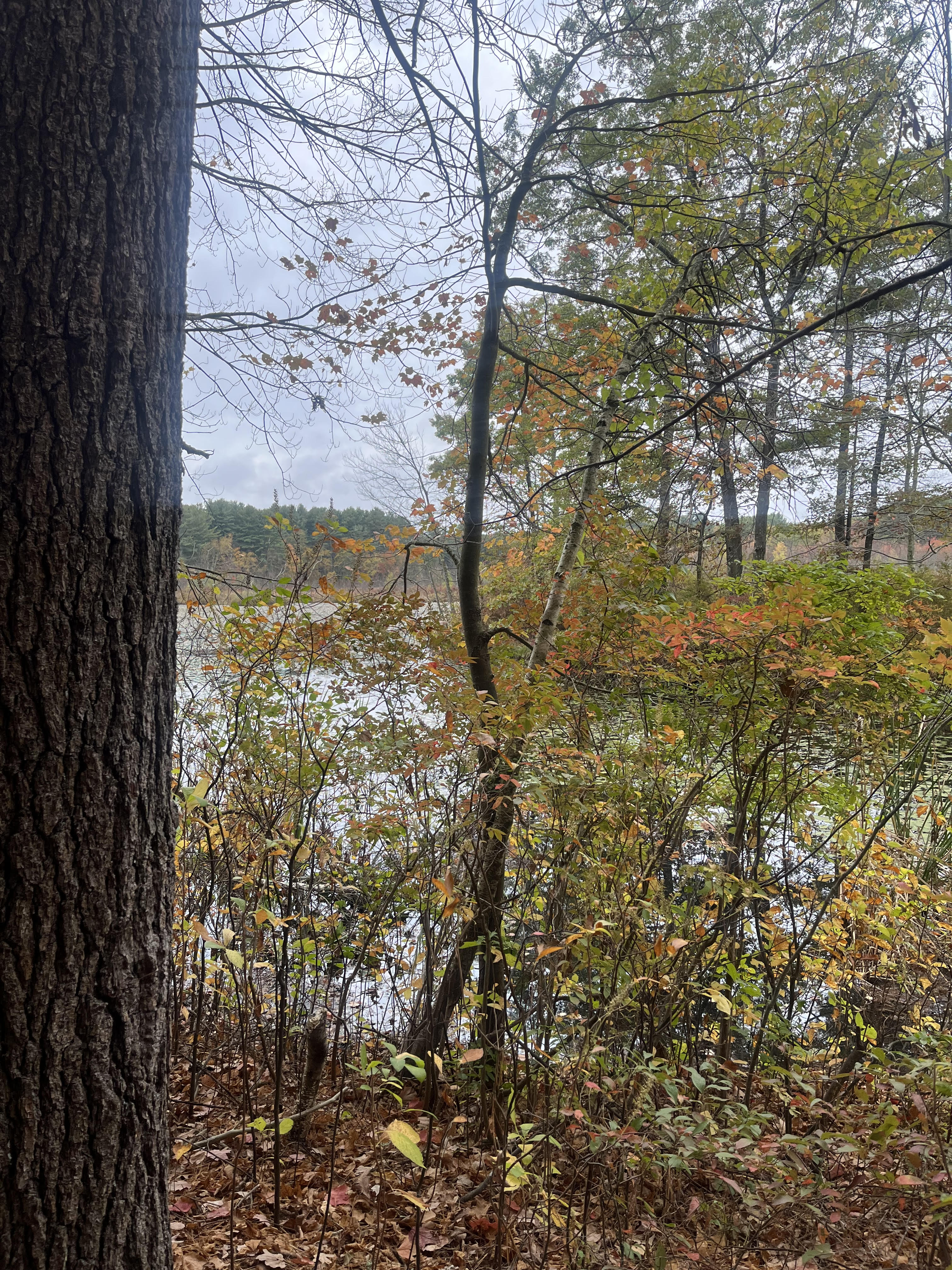
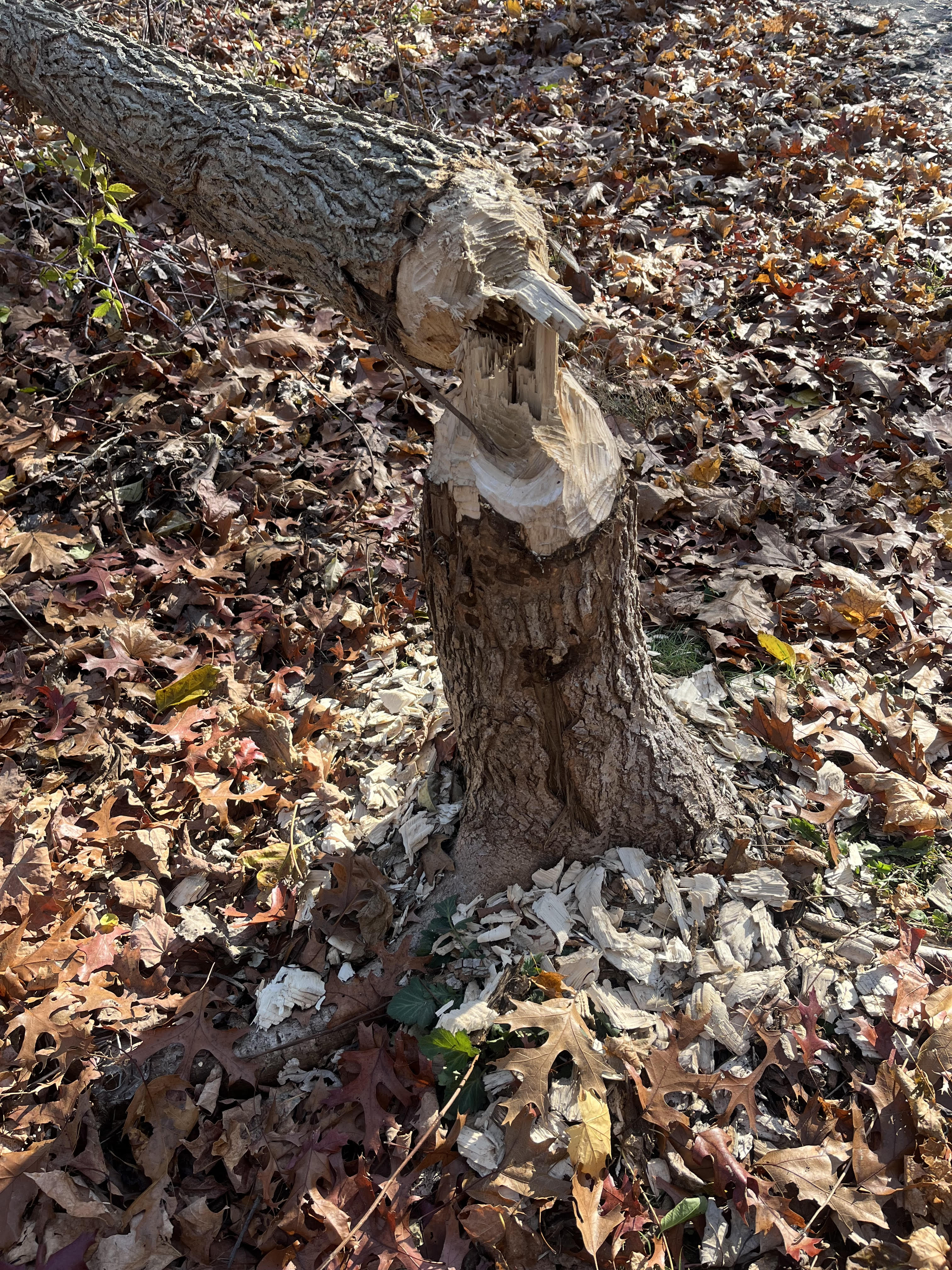
The day I was visiting them Lisa and I had a walk in the cranberry bog near her house. See the view through the trees. The gnawed tree that follows was along a well-traveled trail in a different town that seemed like a surprising place for a beaver to work.

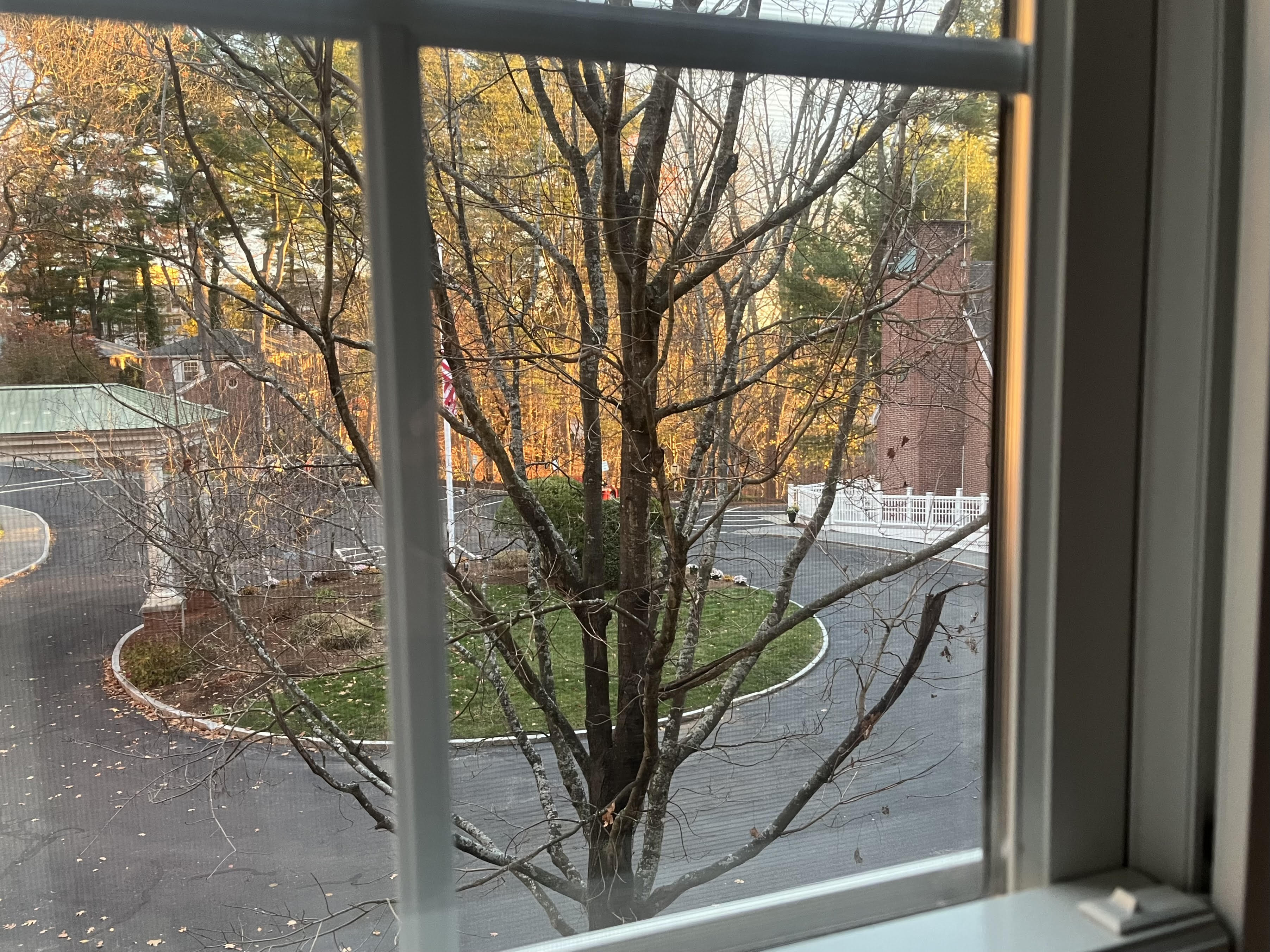
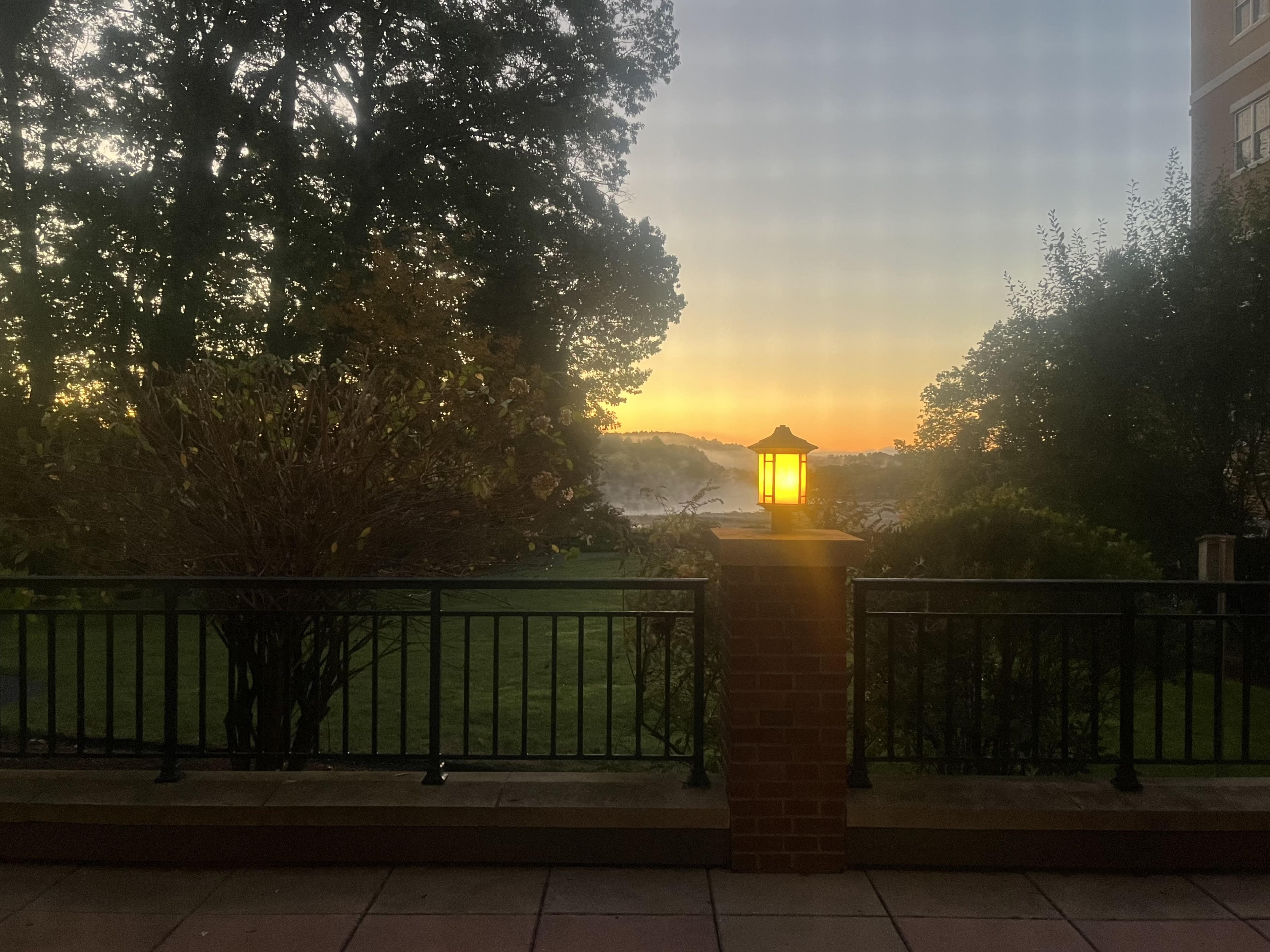
Also surprising to me is the way the sun seems to rise from a hole in the ground near our parking lot. A kind of cliff in that location creates the magical effect. It’s hard to capture the feeling.

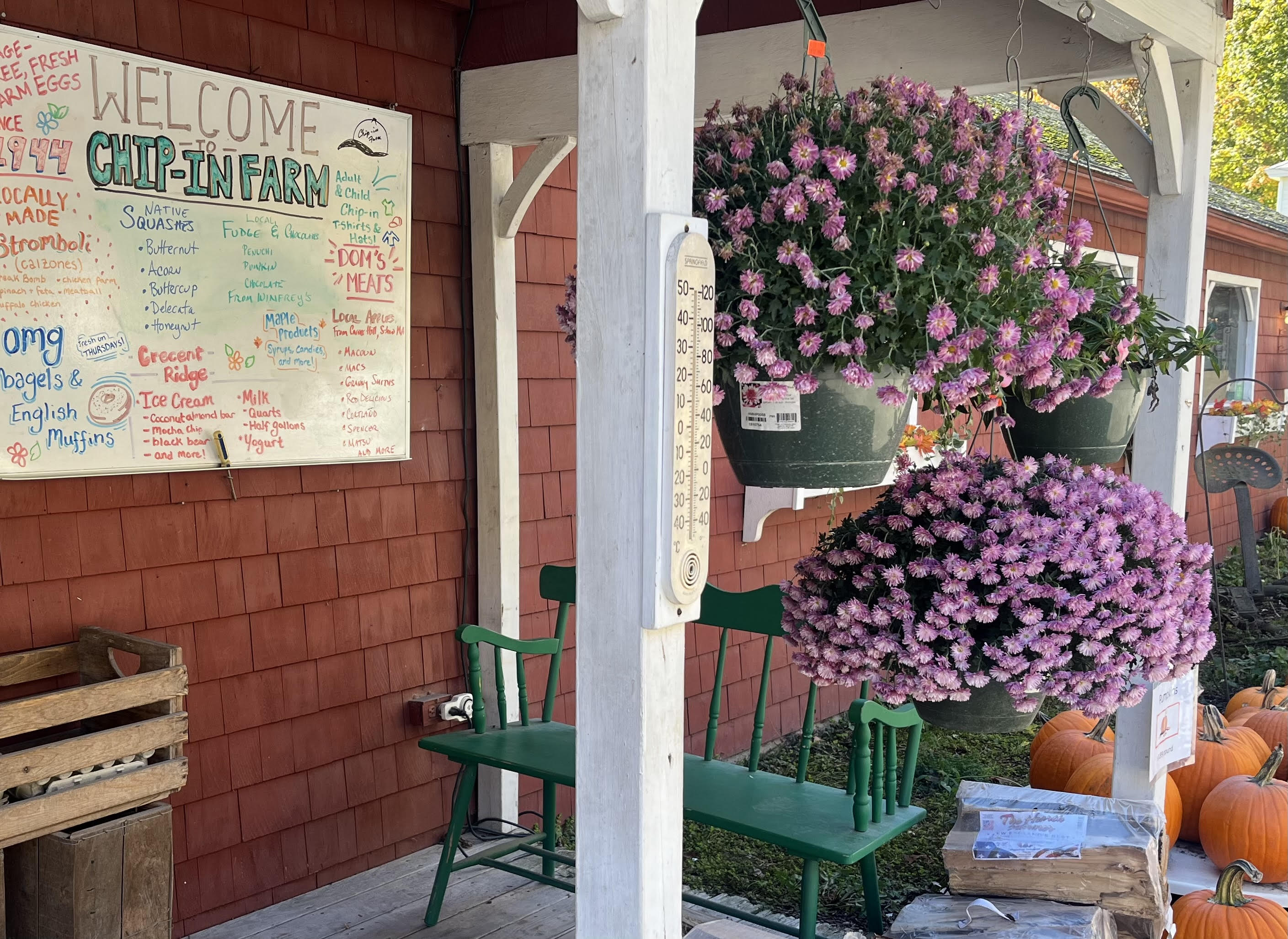
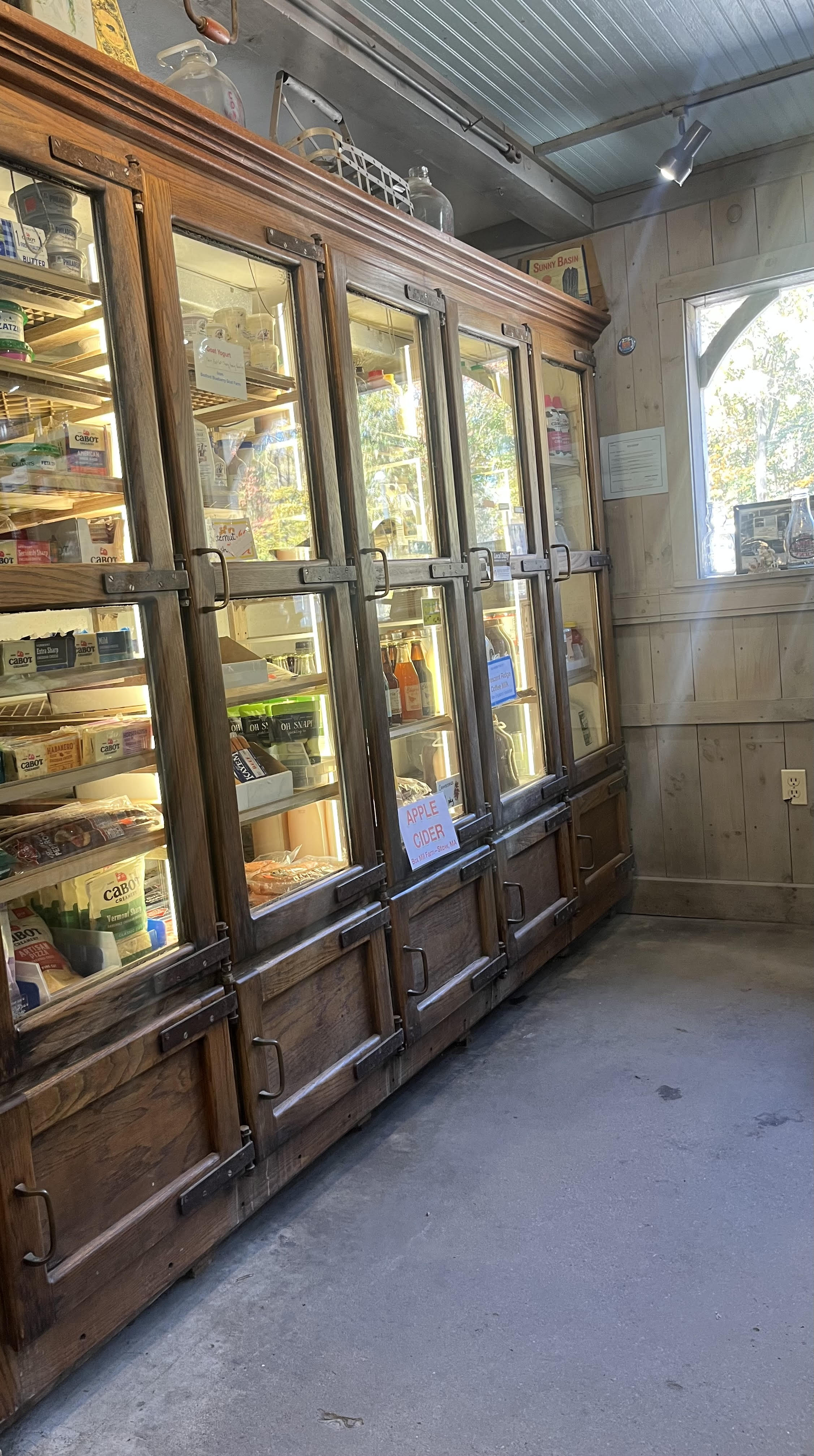
Near a big indoor rink where our granddaughter plays ice hockey, is an adorable little old-time farm we had never noticed, although it’s only one town away. Note the old-time refrigerator indoors.

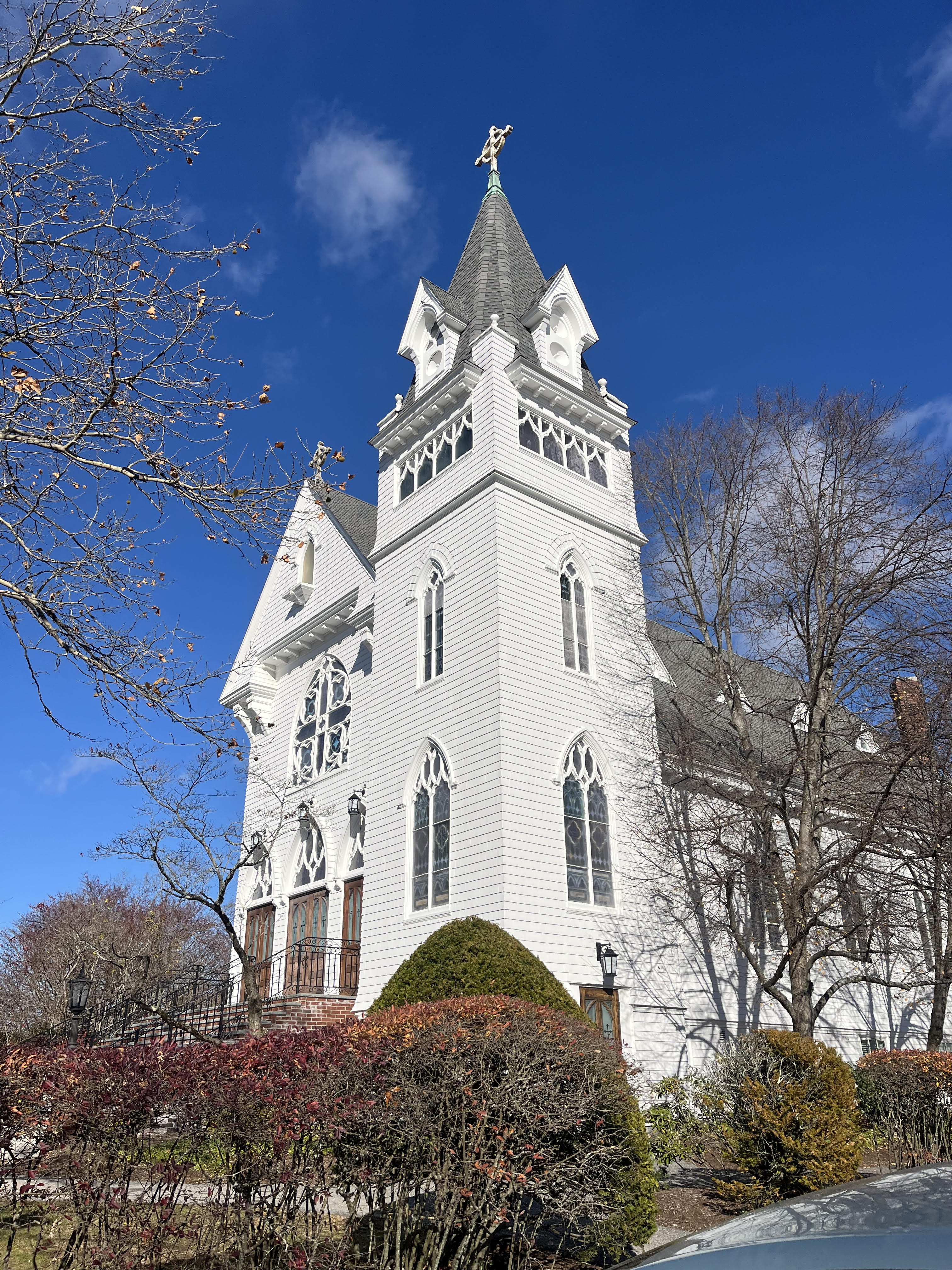
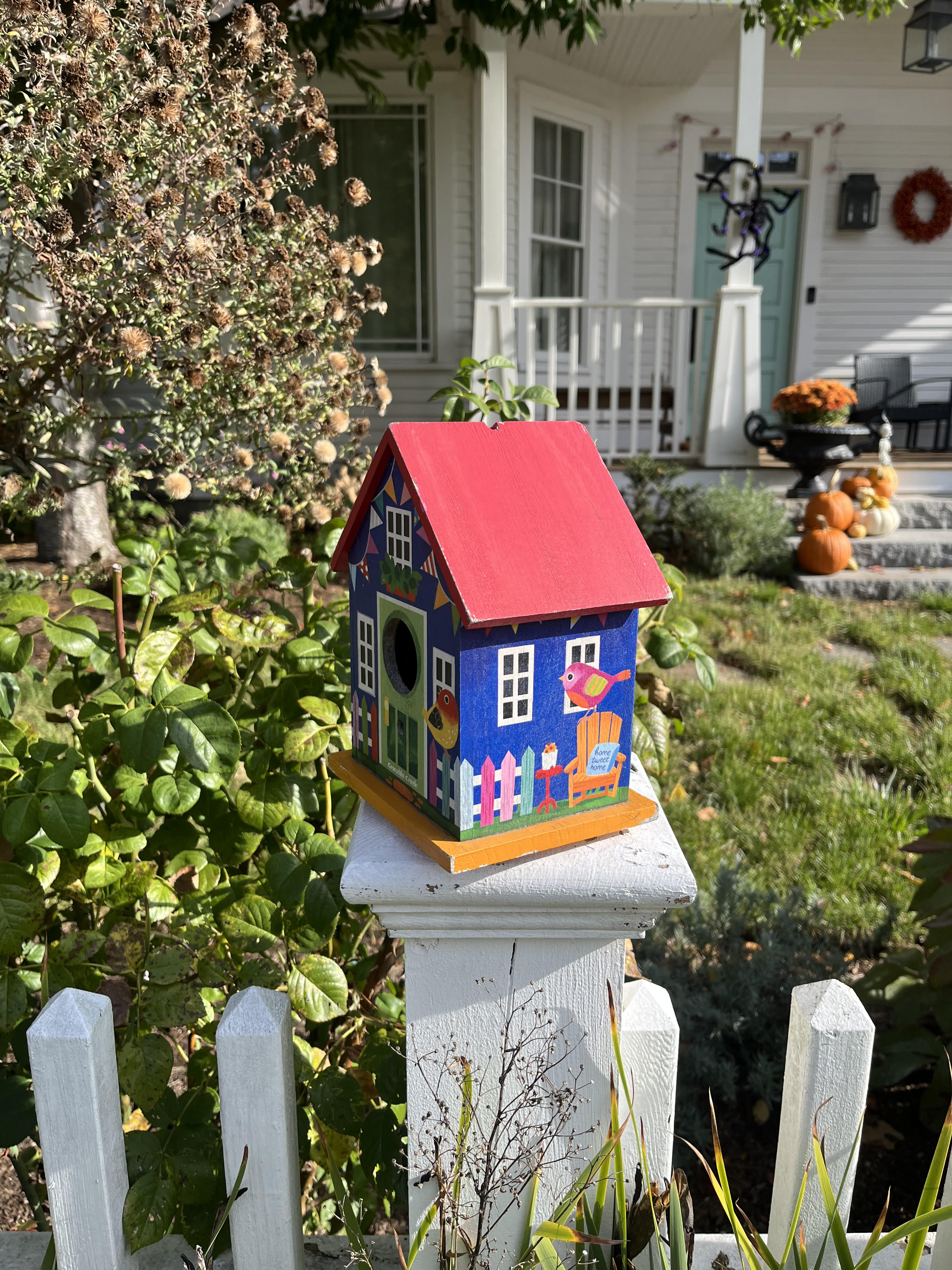
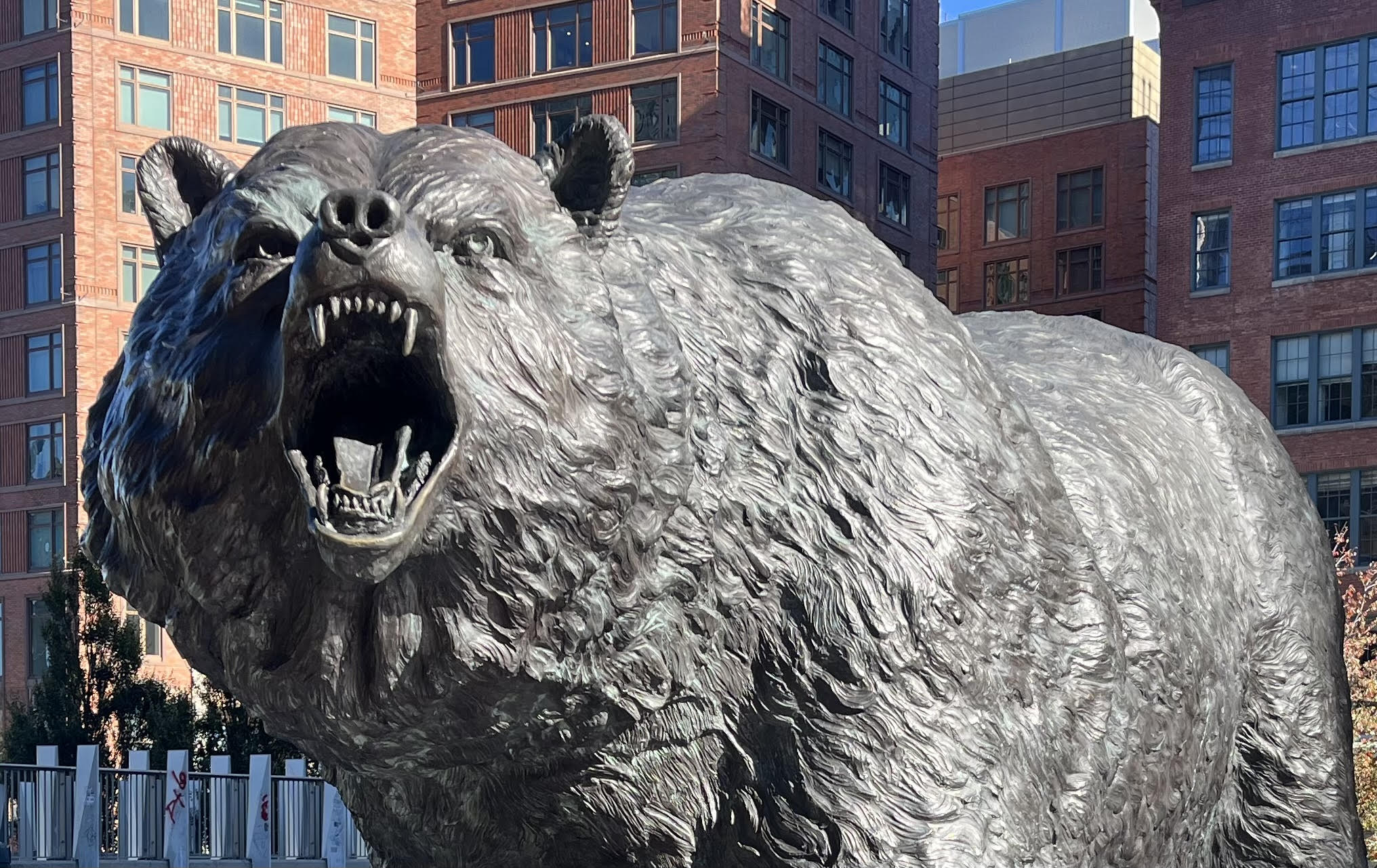
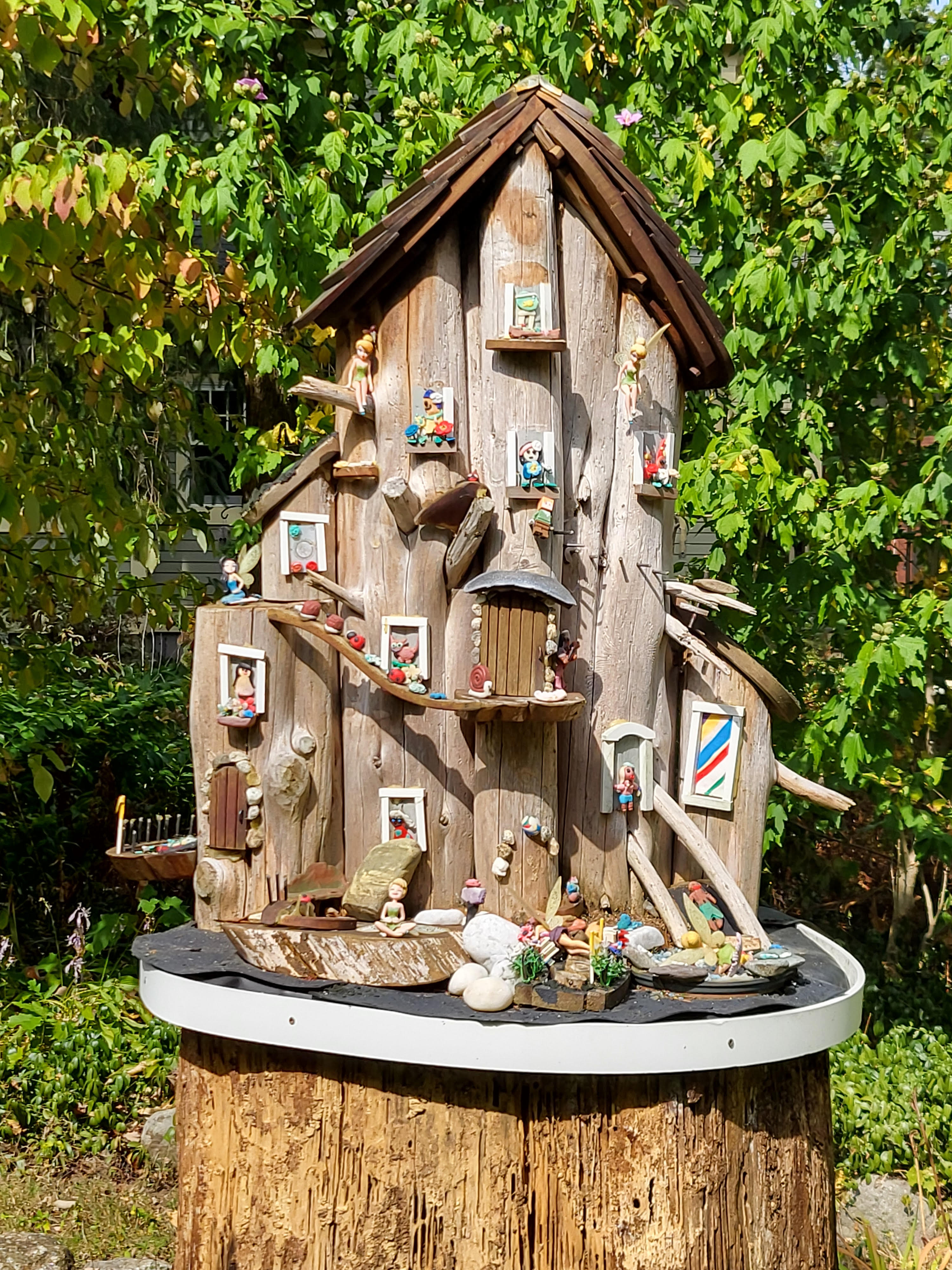
From my walks: a decommissioned church that is now a youth theater, a decorative birdhouse, a fierce sculpture in Boston honoring the Bruins, Boston’s ice hockey team, and a fire and rescue boat on Boston Harbor.

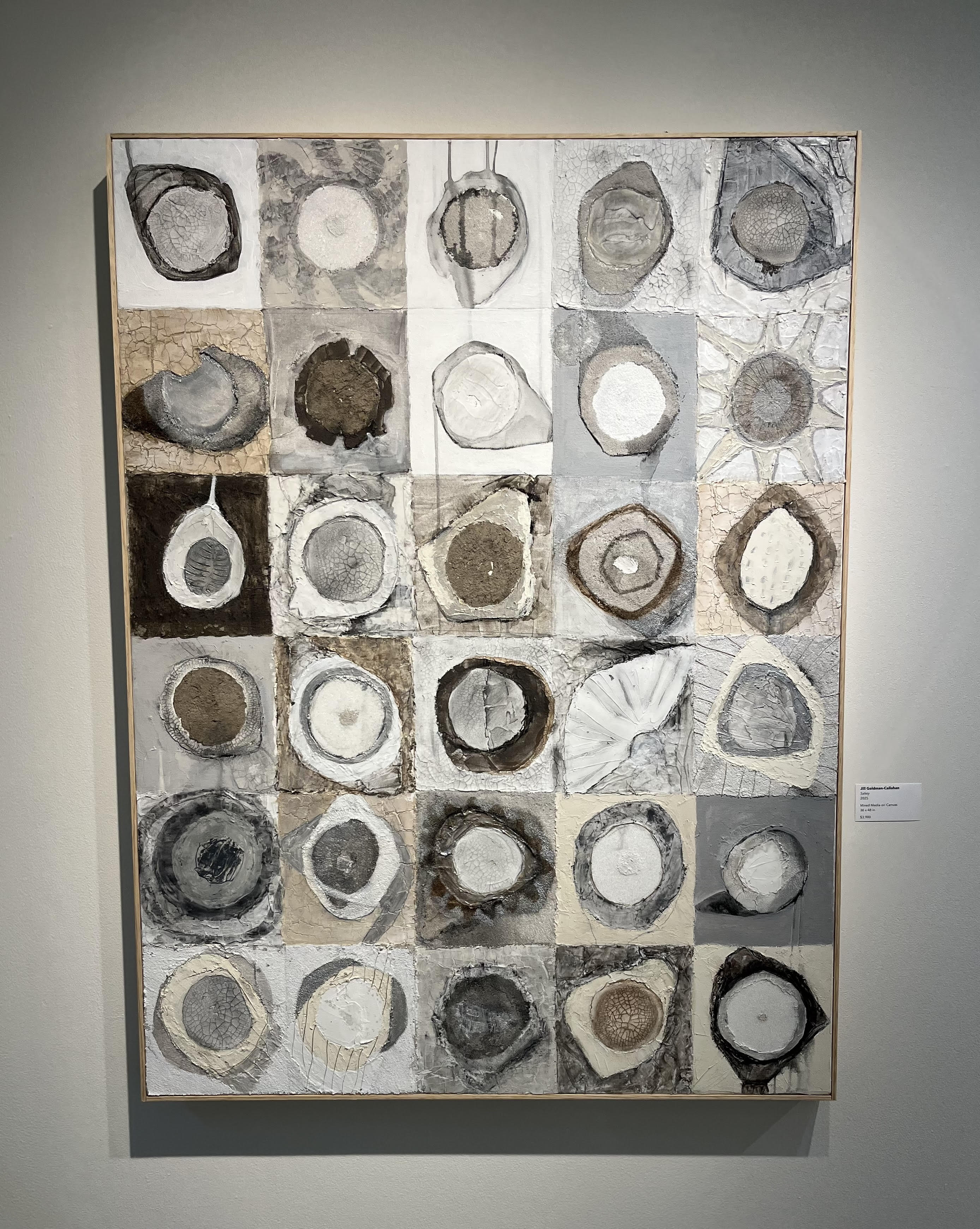
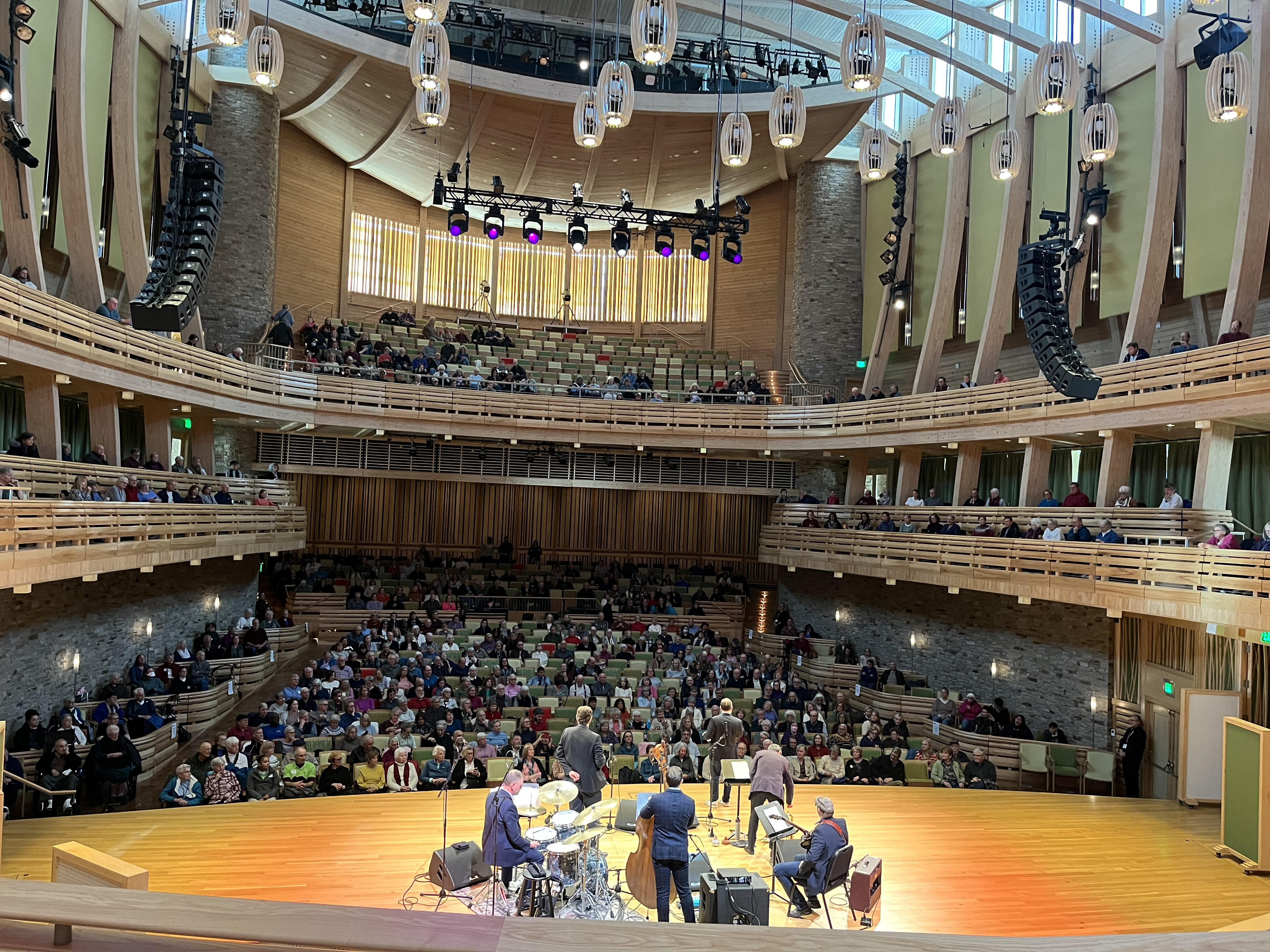
Next we have Jill Goldman Callahan’s hanging at a local gallery. She calls it “Safety,” a title I kind of get although she may mean something different. The impressive auditorium is in Groton, Massachusetts, where we went for a free lunchtime concert. On that particular day the concert was performed by five of the education wing’s jazz teachers.

Lastly, a scene I never tire of photographing: the view of dawn from our fitness center.

Read Full Post »

Astonishing Fingernails

Photo: Prestel Publishing.
Kumi Chantrill (@nailsbykumi on Instagram) is a resident of Queensland, Australia, She began her nail business in 2019.
People can create art that lifts up any aspect of life, and if they do, I want to write about it here.

Today it’s about miniature art on fingernails — intriguing in ways that most other art isn’t. It’s easily destructible but must be used in constantly in life. With nails like these, how do you not have a meltdown when you break one immediately after leaving the salon?

At Hyperallergic, Rhea Nayyar explains her own interest in the fingernail phenomenon: “As a small-scale painter, I’ve been interested in meticulous manicures since 2005, when my mom presented me with the holy text — Klutz’s Nail Art tutorial book with six peel-off nail polishes. Twenty years later, I’m pivoting into DIY gel nails and poring over beauty and culture writer Tembe Denton-Hurst’s Fresh Sets: Contemporary Nail Art from Around the World (2025), which contextualizes advanced manicures as a form of visual art and cultural expression. …

“Casting a wide net, Denton-Hurst included select interviews and work samples from 35 international artists from Mexico, India, Japan, Korea, and across the United States and Europe. In a brief introduction, she traces the exponential growth of salon culture and nail art in the last two centuries, highlighting how Vietnamese immigrants began to shape the industry in the United States in the 1970s and the historical significance of custom nail art as a form of personal style for Black women.

“In an interview, Denton-Hurst told me that the driving force behind the project was not only to get readers to appreciate their nail artists more, but also to call attention to both the fine arts and fashion applications of the form by highlighting artists who are doing boundary-breaking work in the field.

“  ‘The thing that was most interesting to me was the range of experience across each included artist,’ she said in a phone call. …

Denton-Hurst noted that many art and design workers ended up pivoting to nail art in 2020 during quarantine.

“I did, too. With the pandemic raging around us, nail art became an outlet for both anxiety and boredom, allowing artists to regain a sense of control and reignite their creativity during a time of uncertainty and limited resources. …

“This new era of avant-garde nails has continued to evolve in the last few years, as material science advances in tandem with human imagination. Denton-Hurst cites the 2017 inception of the Aprés Gel-X nail extension system as a catalyst for experimental nail art, and new products for two- and three-dimensional designs regularly shake up the industry. From 3D elements on natural nail foundations to what I could only describe as wearable sculptures sprouting from fingertips, nail art has far exceeded the boundaries of a curved millimeters-long canvas.

“Photographed in Fresh Sets, sculpted novelty nails by Juan Alvear and Nathan Taylor stand out as structurally and conceptually marvelous. Moscow-based artist Margarita Tsibizova embraces the grotesque with her signature ‘dirtycore’ claw extensions, while Tahvya ‘Tav’ Krok‘s fine-line precision makes references to art historical forms, from Manga to mandalas and Victor Vasarely’s Op art to Claude Monet’s Impressionism.

Fresh Sets ultimately emphasizes manicures as a medium for cultural and personal expression for artists and clients alike. Shirking racialized and gendered critiques of nail art as impractical, frivolous, and unprofessional, Denton-Hurst emphasizes that this wearable art form isn’t just an extension of our fingertips, but an extension of ourselves, our heritage, our interests, and our stories.”

See some fantastic photos at Hyperallergic, here. (No paywall, but please consider donating to keep their art coverage alive.)

I myself have always felt funny wearing nail polish. Like those baby turtles that ignorant five and ten stores used to paint with a kid’s name in the 1950s. I can feel the smothering quality of paint. And then, after chemo in 2002, my nails have been a mess anyway and definitely not worth decorating. But what about you? Have you ever tried nail art?

Read Full Post »

Photos: Suzanne and John’s Mom.
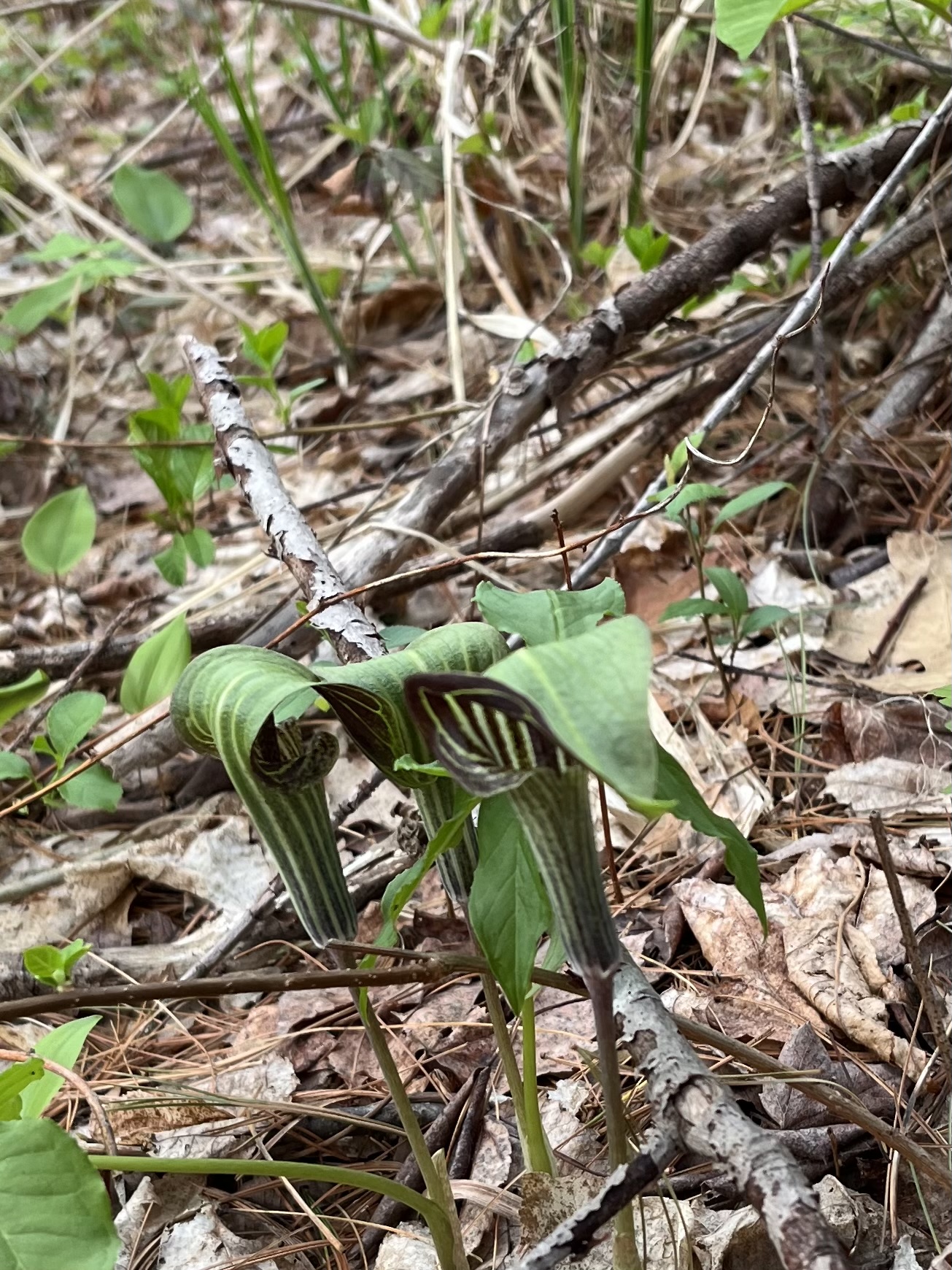
First Jack-in-the-Pulpit I had seen in years.

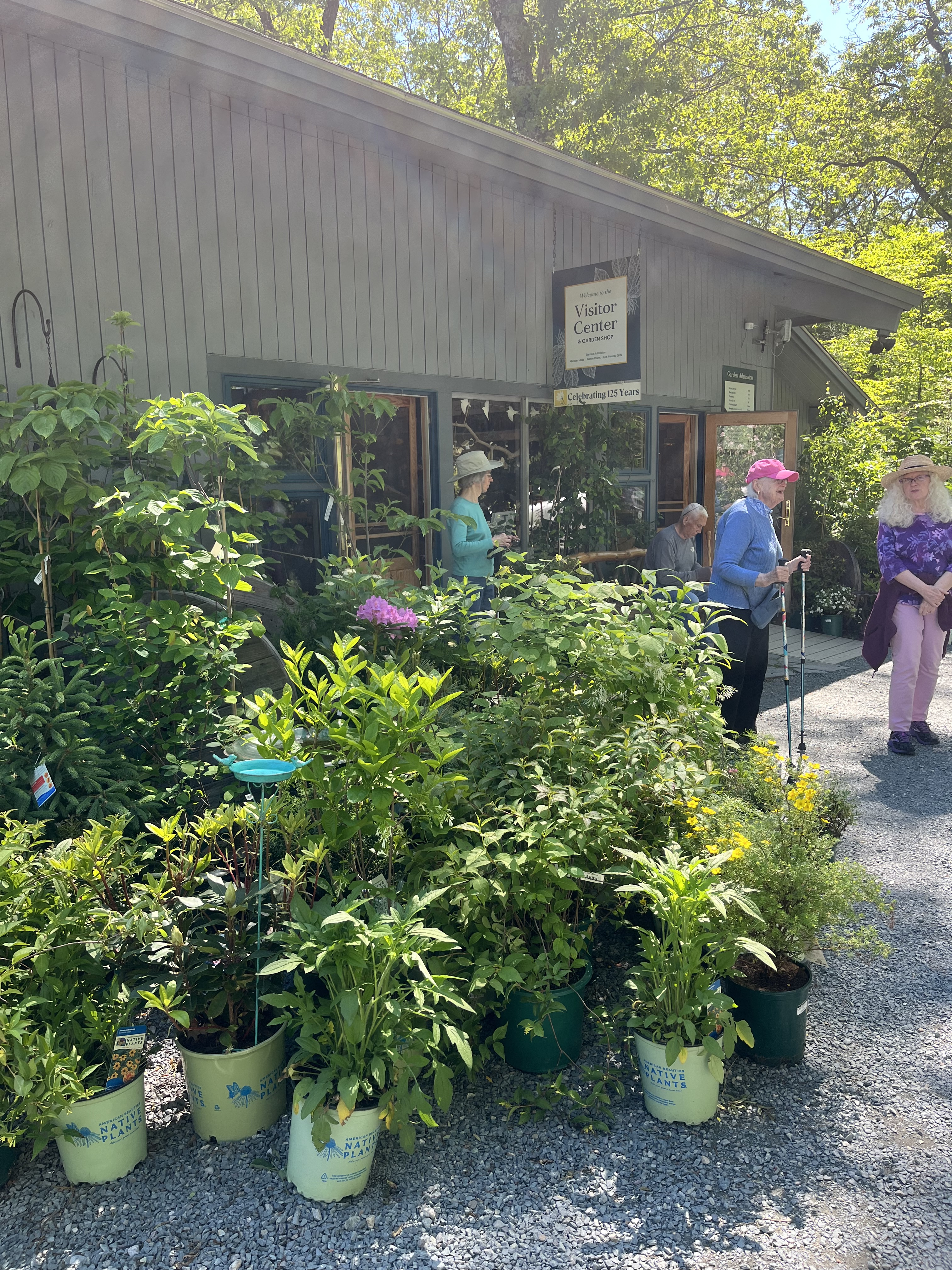
Today I’m sharing recent photos — mostly of Massachusetts spring flowers. One thing I’m especially enjoying this year is all the wildflowers. After my retirement community built a boardwalk that could accommodate walkers and wheelchairs, the administration and a group of residents started planting (ethically grown) wildflowers. Wonderful! And then we got a trip to the Native Plant Trust’s Garden in the Woods, which is entirely wildflowers.

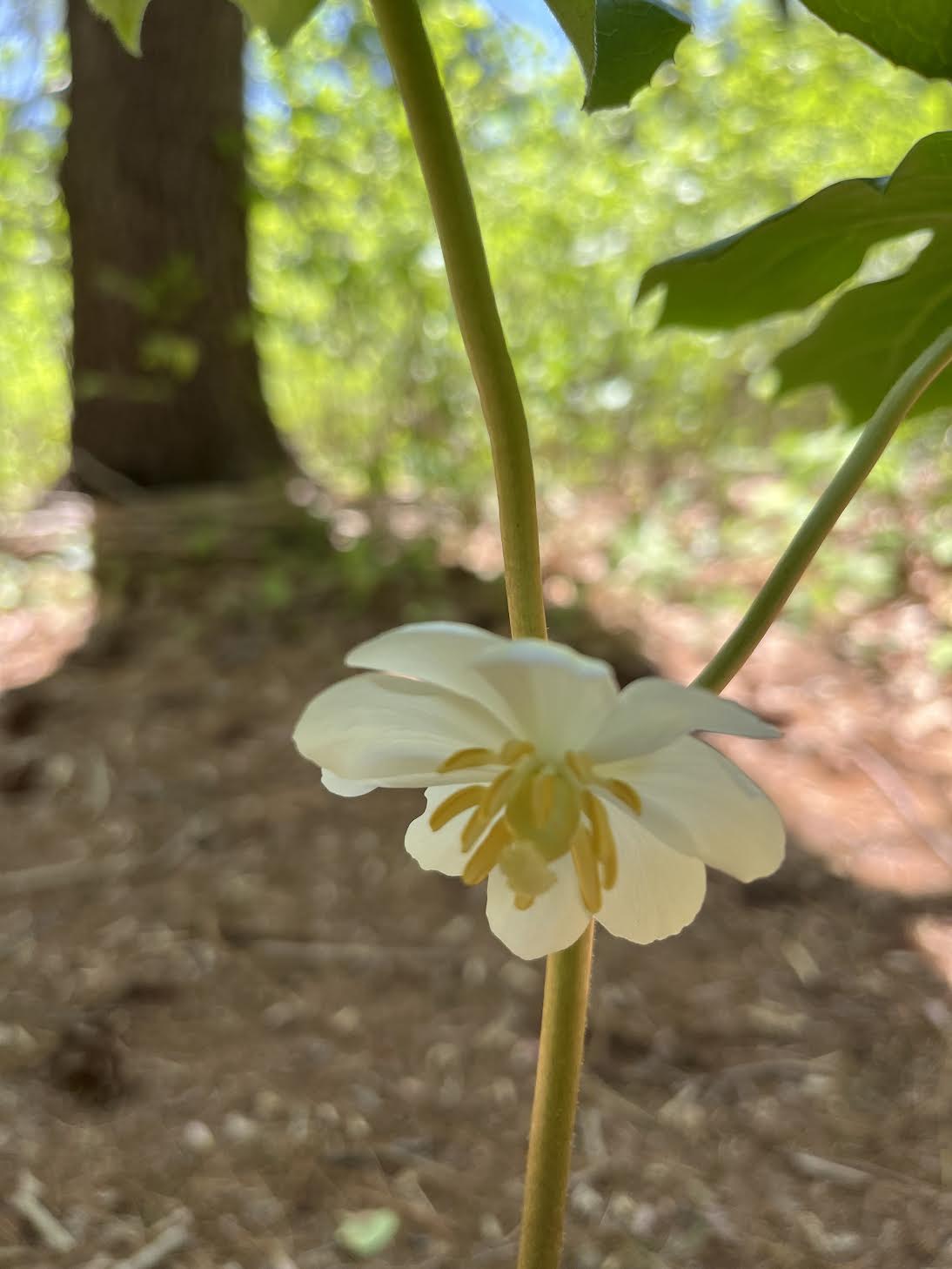
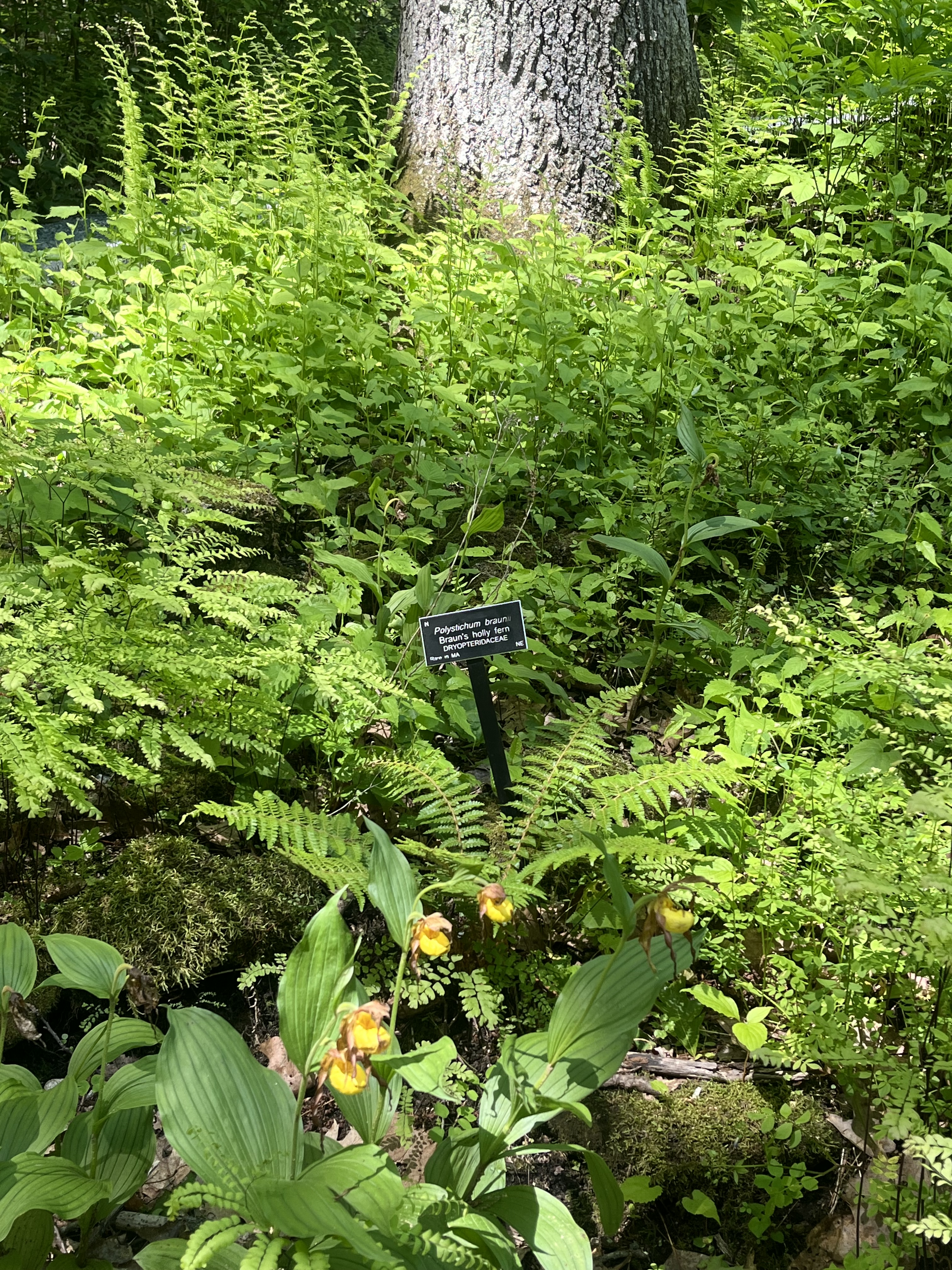
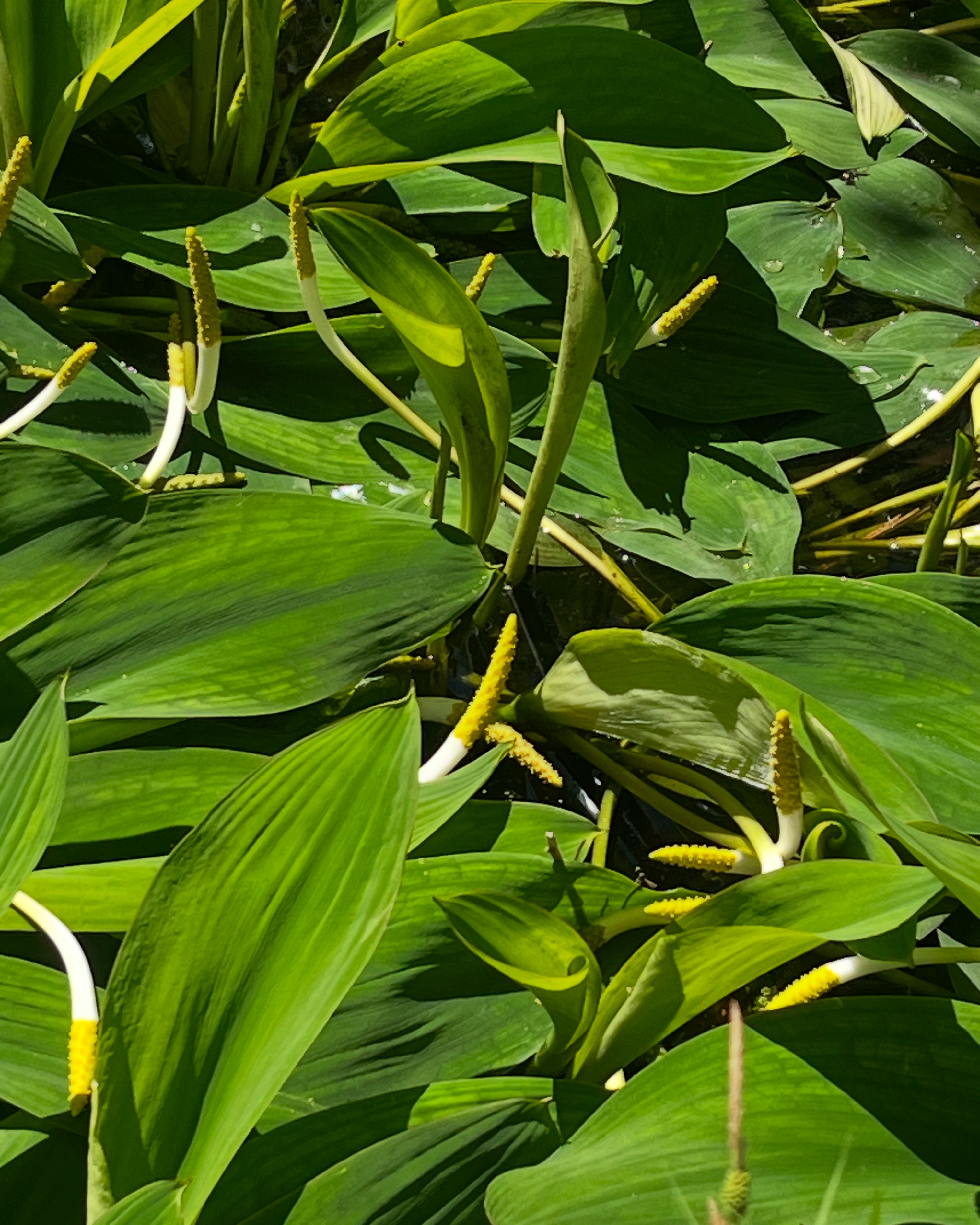
Below, note a flowering May apple near our boardwalk. It’s followed by yellow Lady slippers at Garden in the Woods. At the same nature preserve, we learned about Golden club, which is found in the wetland area. So unusual!

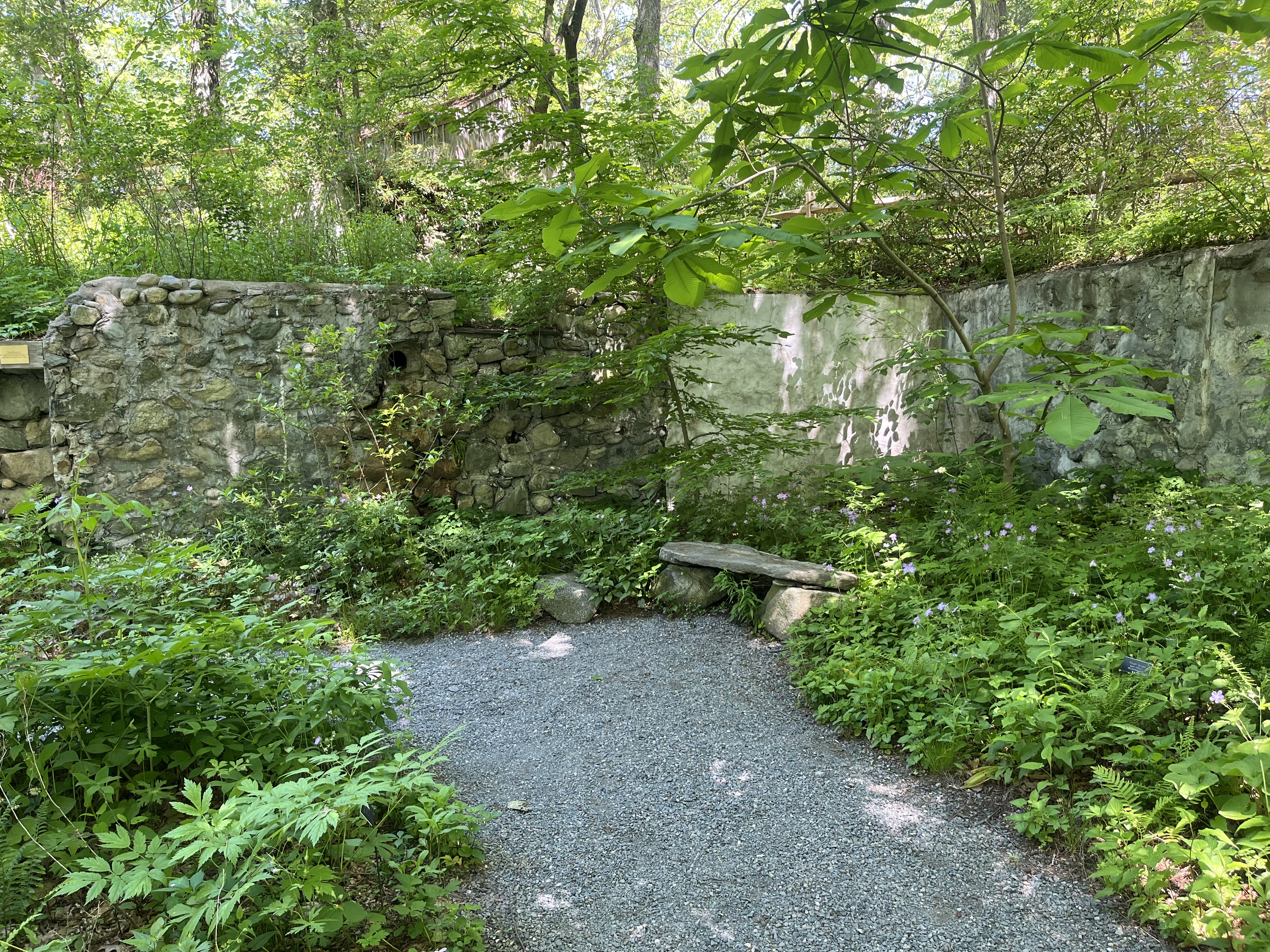
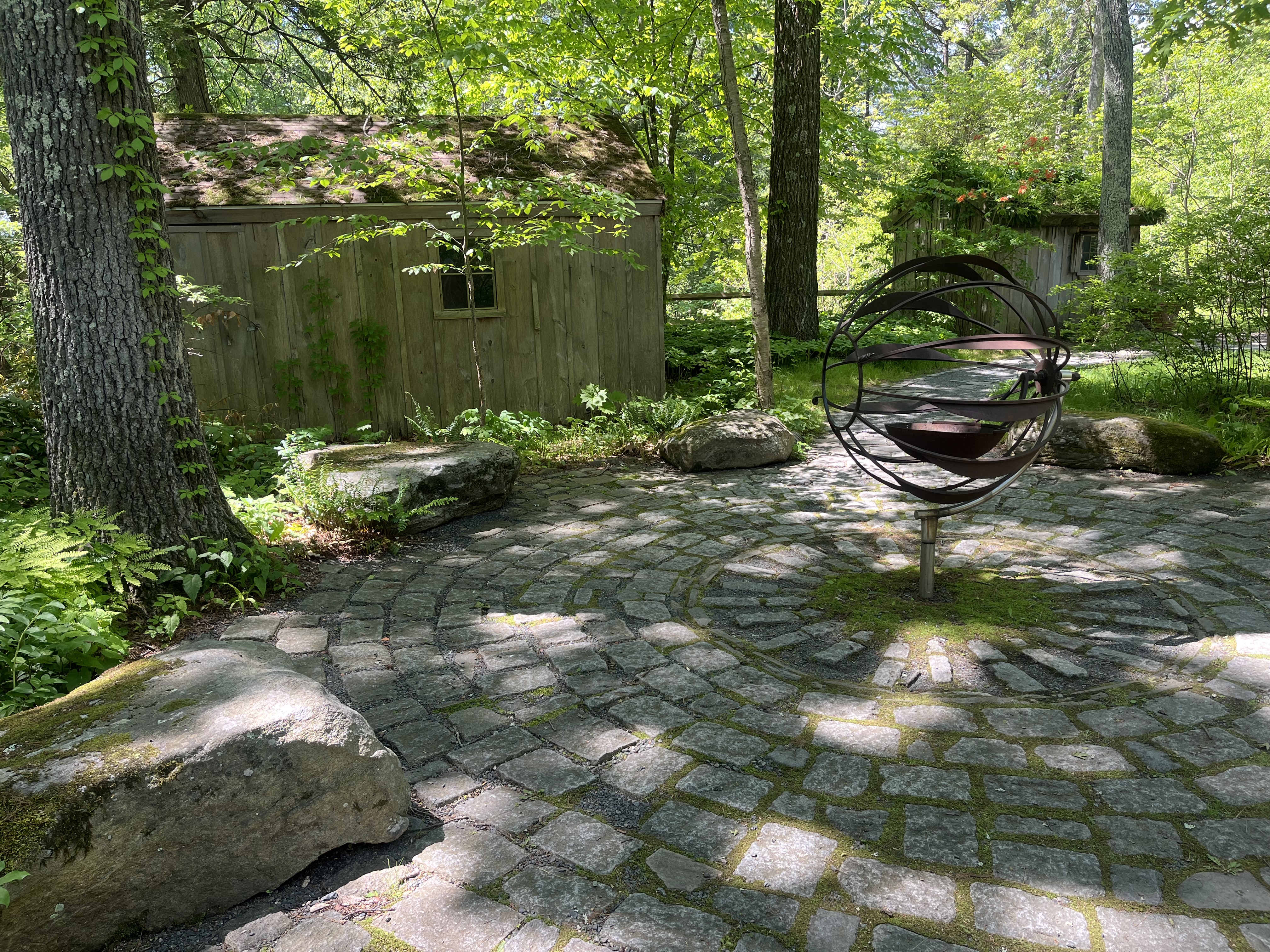
There are more pictures from Garden in the Woods after that.

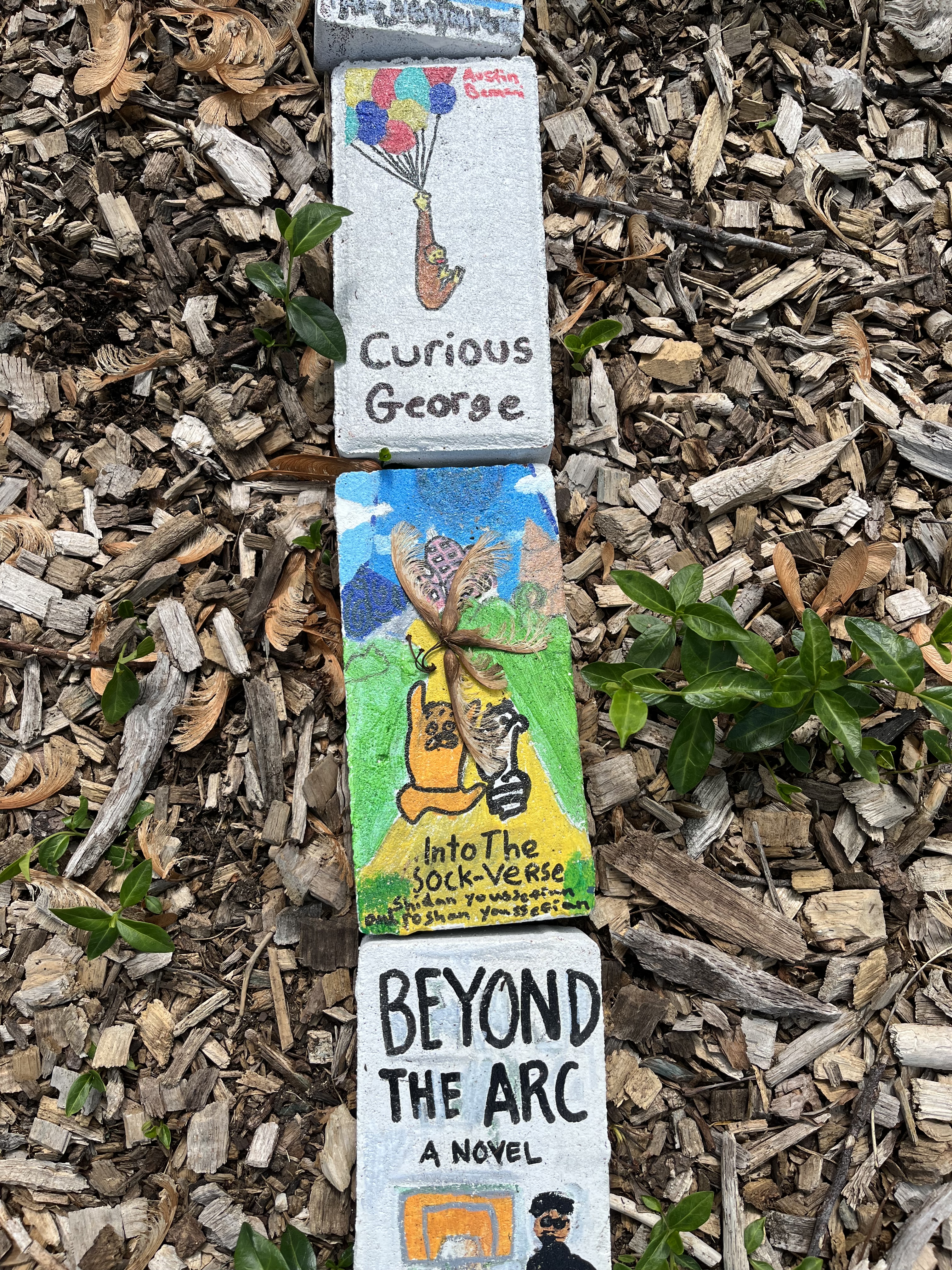
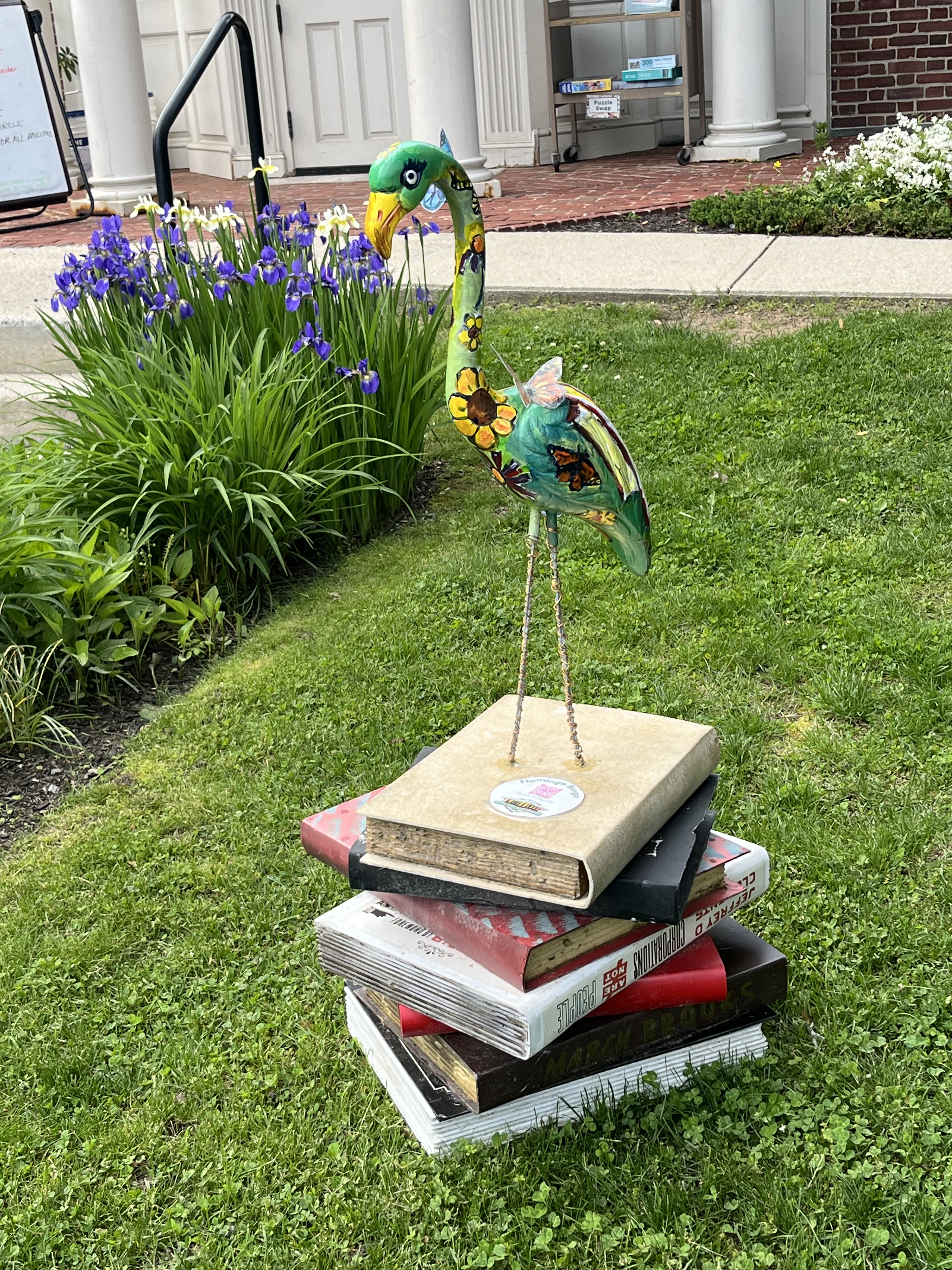
Next are a couple photos from our local library. The librarians love fun art projects, often involving child artists. They offer loads of activities for kids. For example: painting book bricks to border a garden.

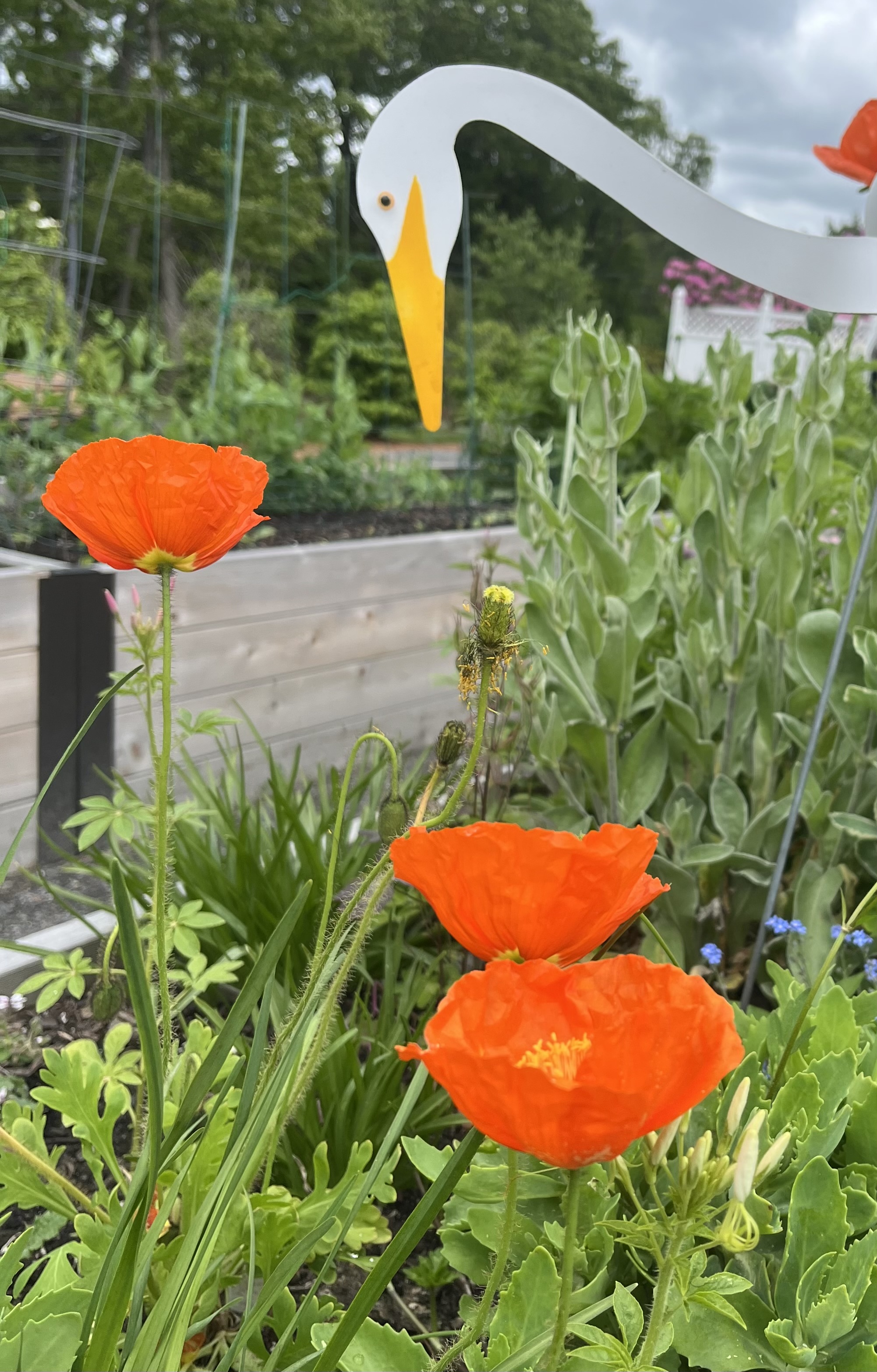
Next are Jane’s poppies. Jane has a variety of flowers and edibles in one of the raised beds in our community.

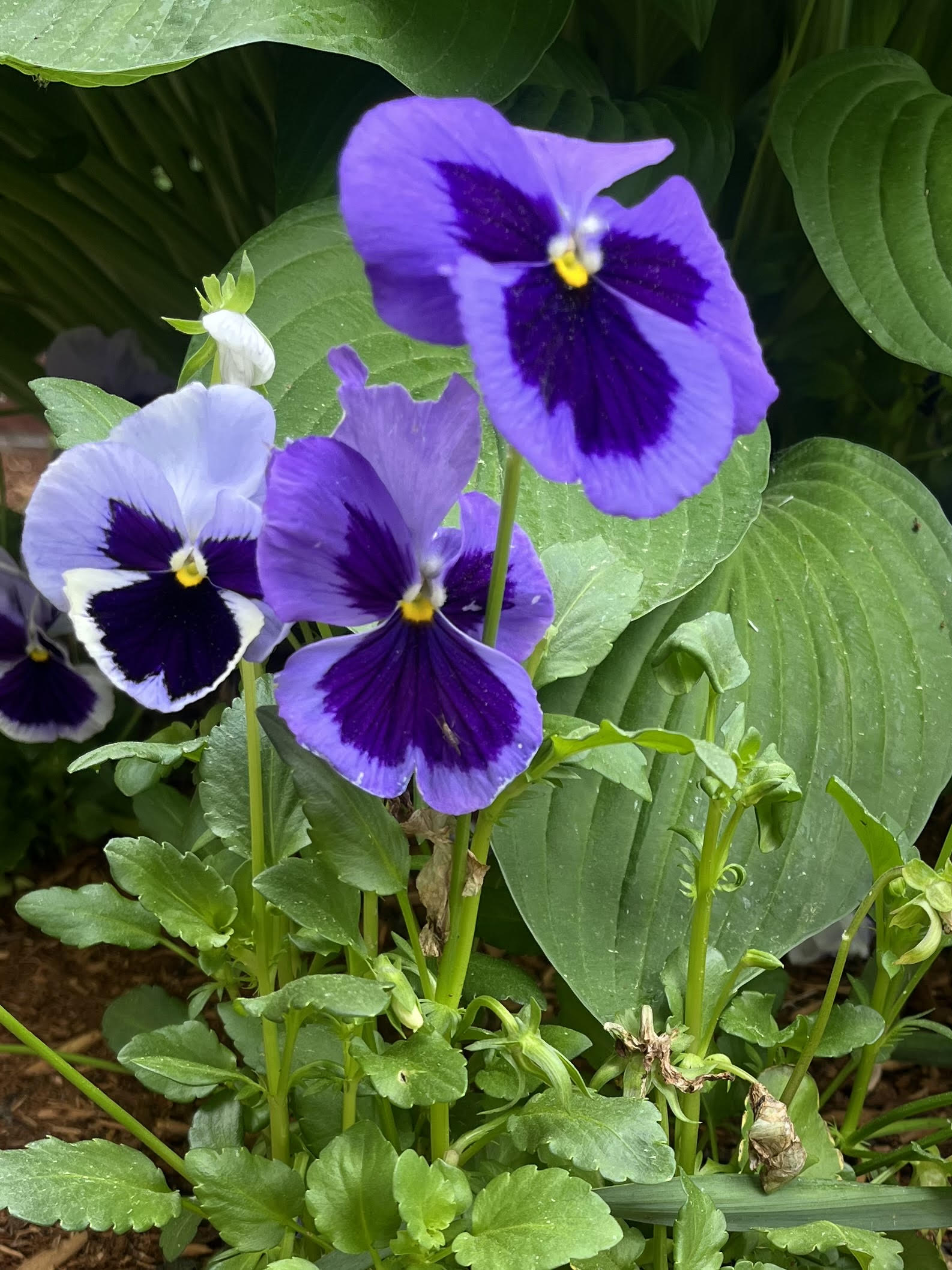
Finally, here are some pansies that seemed to sing, reminding me of the pansies in a wacky Disney remix I love.

Read Full Post »

Passover and Easter

Photos: Suzanne and John’s Mom.

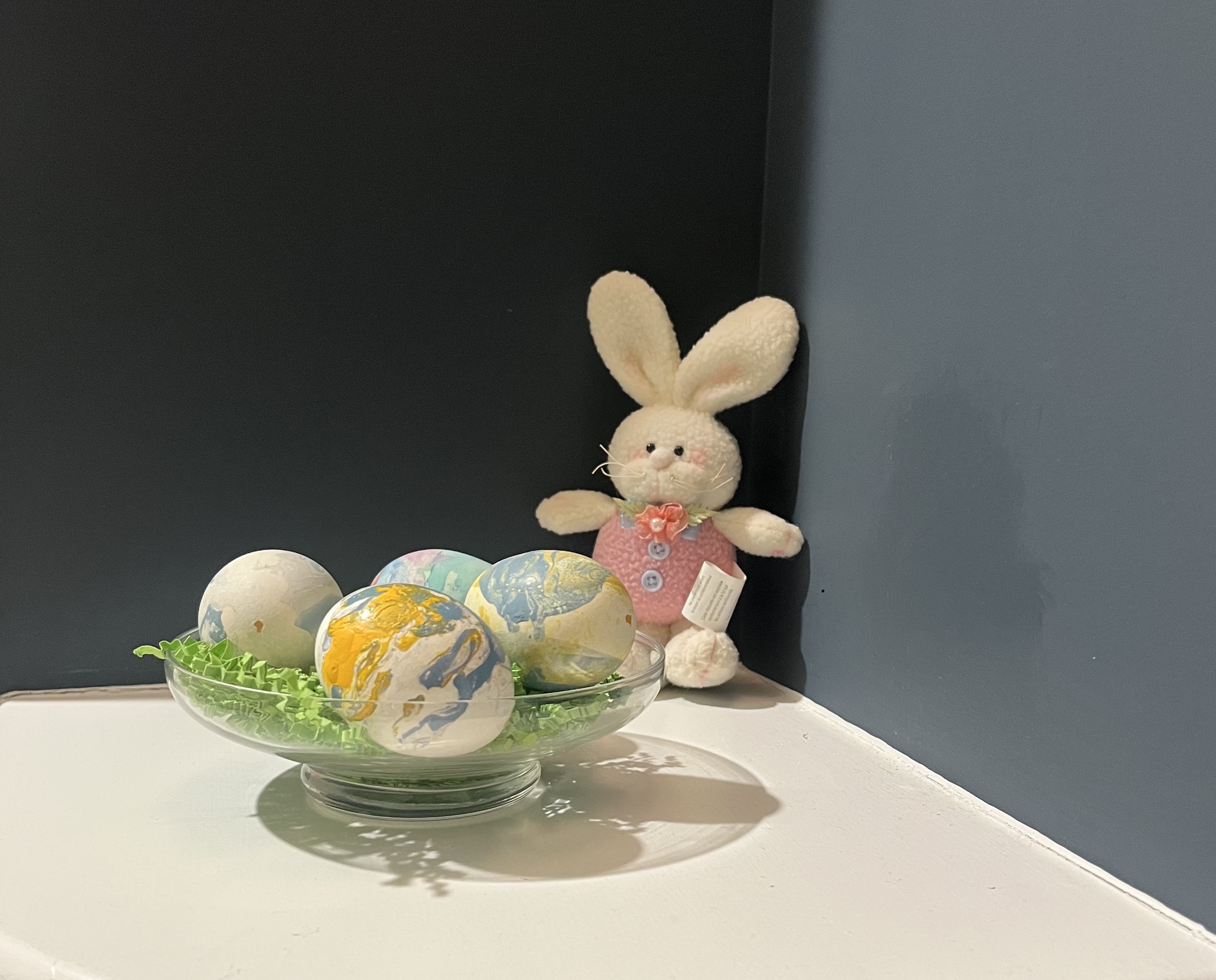
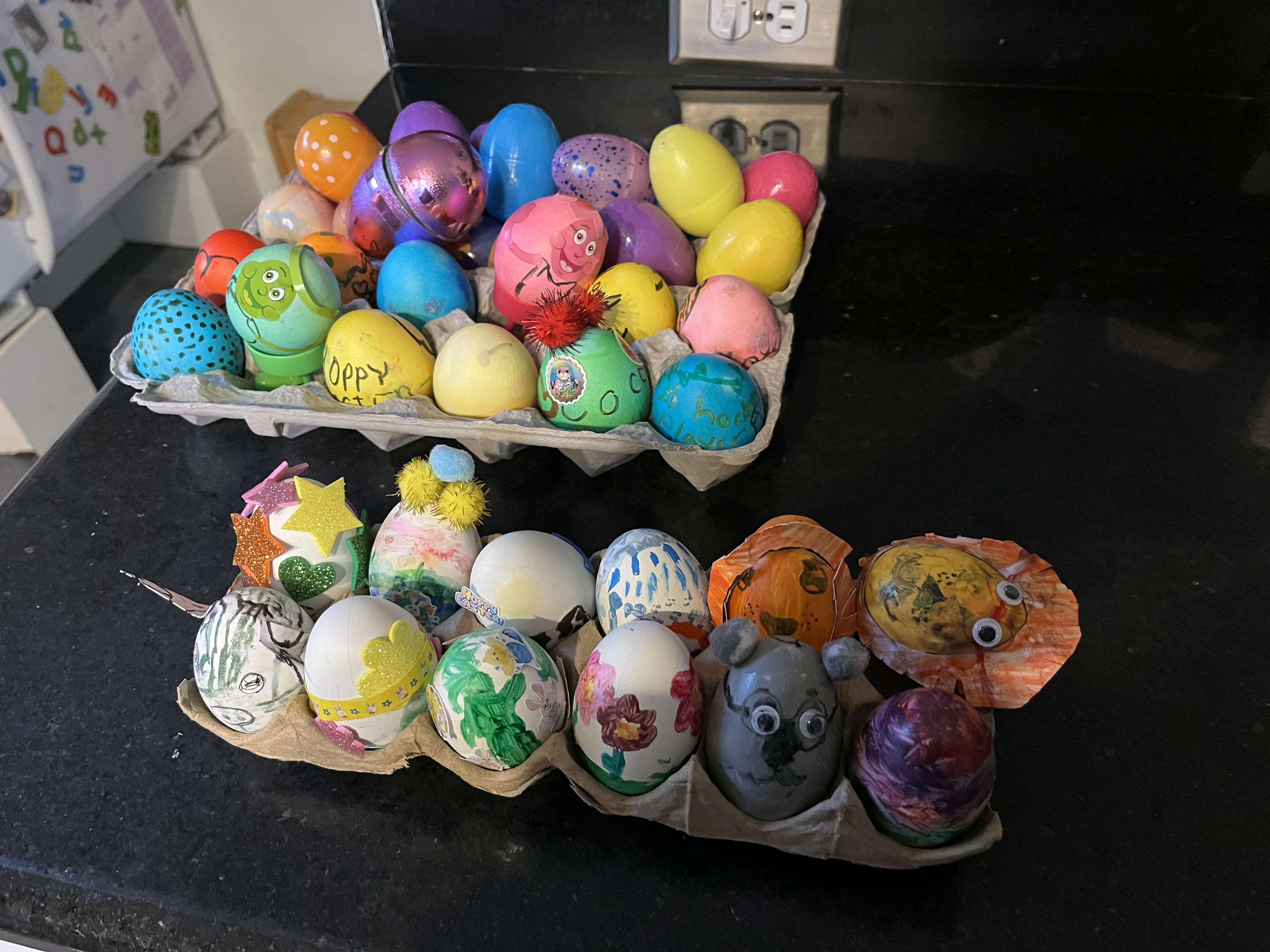
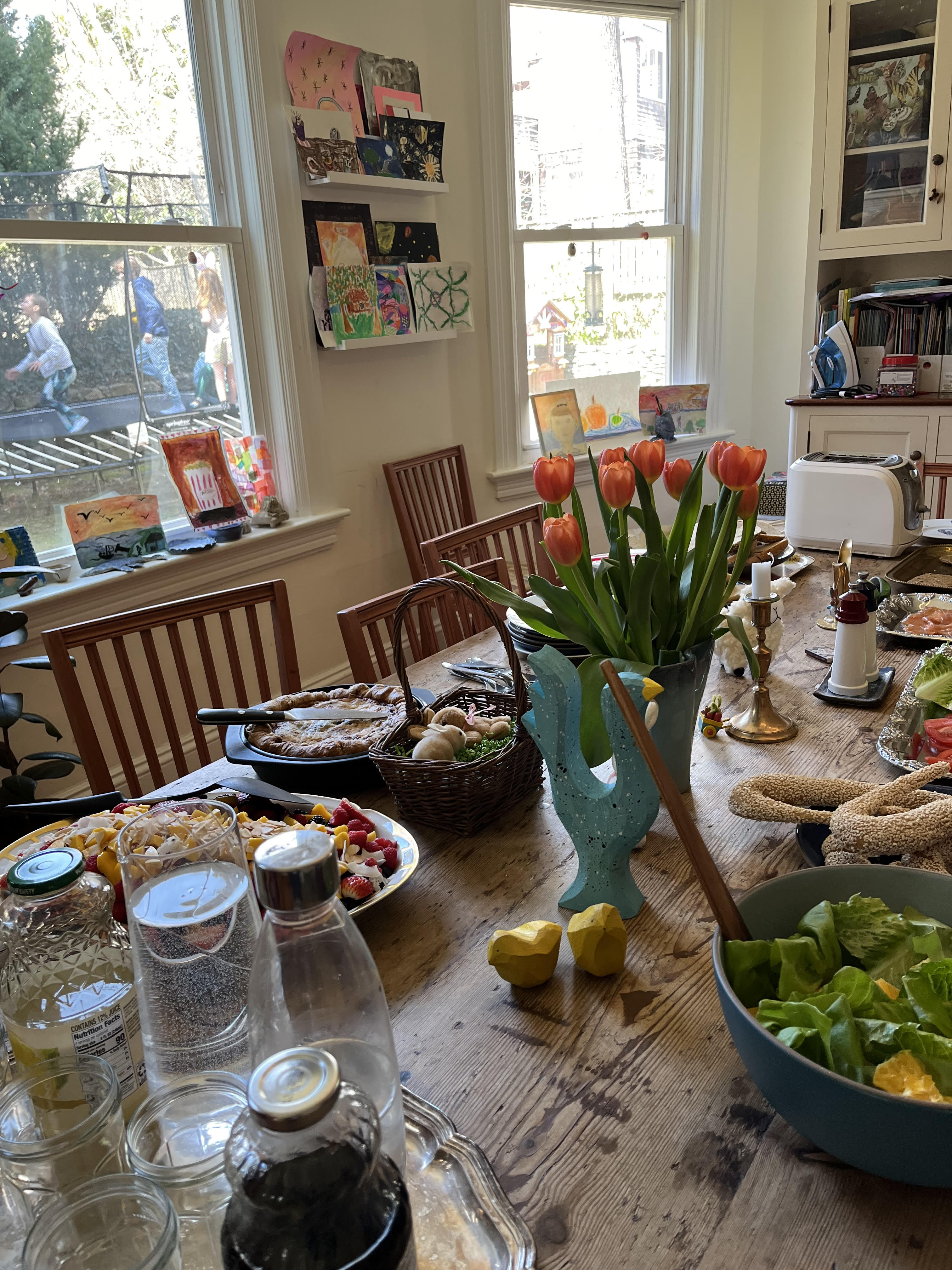
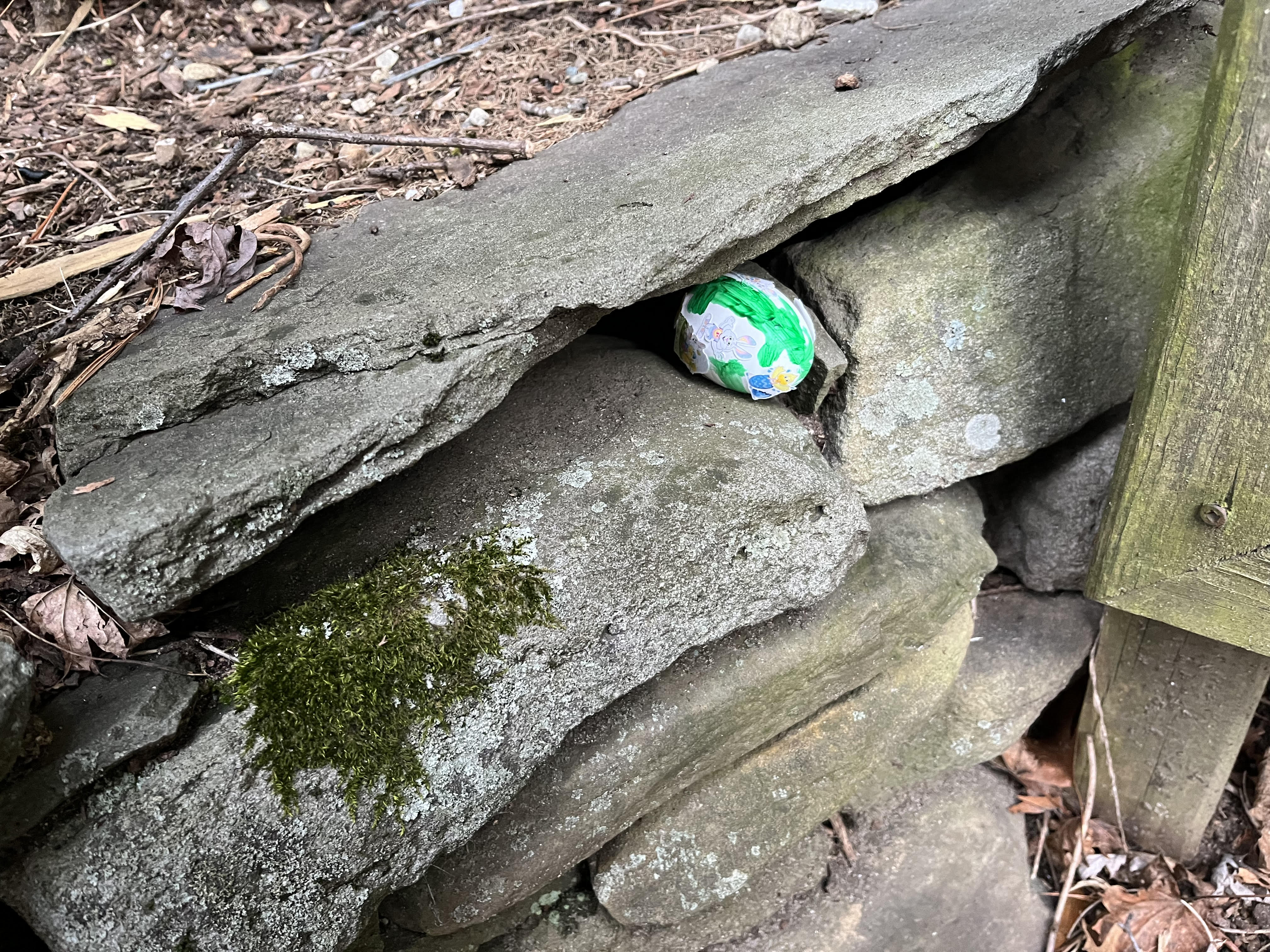
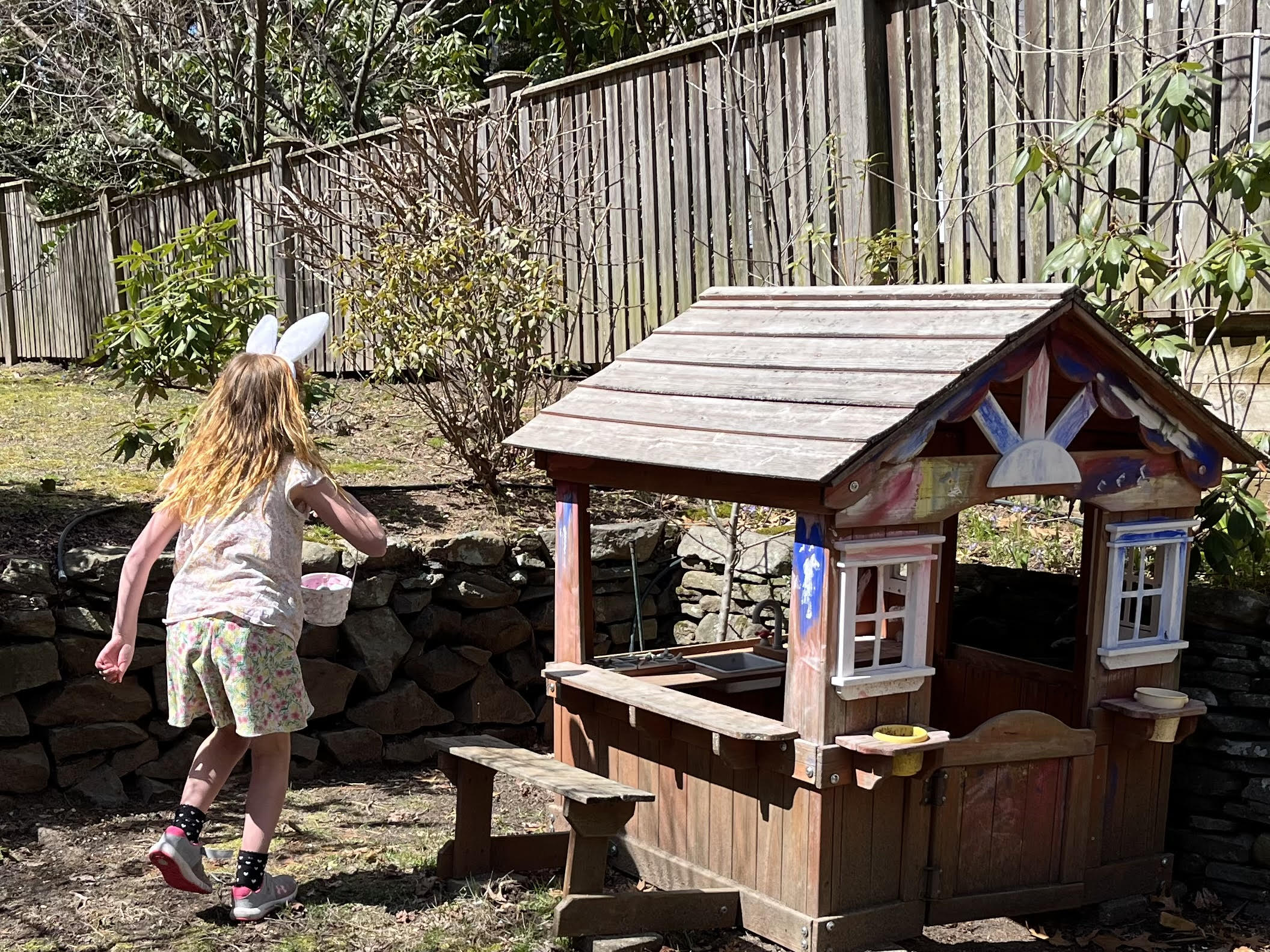
People are celebrating Passover and Easter in my retirement community.

Read Full Post »

Photo: Vishal Subramanyan/California Academy of Sciences.
“High up in the Sierra Nevada,” writes the Smithsonian, “the tiny Mount Lyell shrew has been shying away from cameras since it was first identified almost 100 years ago. Then three undergraduates hit the jackpot.

I’m not sure if I regard today’s update as more about a threatened mammal or about achieving something important when you’re still an undergraduate.

Here are two takes on the story of a rarely studied shrew that is threatened by climate change. First, an interview at National Public Radio (NPR).

“Juana Summers, Host
“For more than 100 years, scientists have known about a shrew living in the mountains around Yosemite National Park. California designated it a ‘species of special concern,’ but nobody had seen it.

“Vishal Subramanyan
“There’s never actually been even a confirmed sighting of the shrew alive, just because they’re almost always found dead.

“Sacha Pfeiffer, Host
“Vishal Subramanyan is a wildlife photographer and a recent graduate of the University of California, Berkeley. Back in the fall, he and two other undergraduate student researchers, Harper Forbes and Prakrit Jain, decided to find a Mount Lyell shrew. … So they set off into the Sierra Nevada mountains with a lot of plastic cups to set traps in the ground to try to catch this elusive creature.

“Prakrit Jain
“Shrews are quite fast and not very personable, at least at first. They’re always running away. If you try to pick them up, sometimes they might try to bite.

“Summers
“Prakrit Jain is still a student at Berkeley, and he says, before you can even think about the taming of the shrew, you’ve first got to catch one alive. …

“Pfeiffer
“Once you catch one, you have to act quickly because this shrew has a very fast metabolism. That means if they don’t eat every few hours, they can die in the traps.

“Subramanyan
“It was pretty much just go, go, go, and we never really slept for more than two hours at a time. And throughout the course of the three nights and four days, we probably never slept for more than eight hours ’cause we were just constantly trapping, photographing, then trapping again.

“Summers
“Their traps caught a lot of shrews — several different species, actually — but the researchers suspected that at least five of them were the ones they were actually looking for.

“Pfeiffer
“This month, genetic testing confirmed that these undergraduate students had indeed taken the first known photographs of the Mount Lyell shrew.

“Summers
“It may seem like a lot of work to snap a photo, but Subramanyan says it’s actually really important for the world to see these furry little animals. He points to studies that show how other small mammals in the region are at risk with their habitat rapidly warming. And this shrew and its long snout help put a face to the impacts of climate change on biodiversity.

“Subramanyan
“A majority of species that are disappearing aren’t these, you know, traditionally charismatic species you hear about like lions and wolves. But it’s often these smaller, often overlooked animals that are disappearing completely under the radar with no public awareness or attention.

“Pfeiffer
“These researchers say that they dream of exploring far off and distant places. But they realize that the breakthrough they made in what was already a well-studied part of the world shows there’s still a lot to learn closer to home.”

At the Smithsonian there’s a roundup of other interviews.

“Subramanyan, who graduated from the University of California, Berkeley, last year, is a wildlife photographer. Jain and Forbes, undergraduate students at UC Berkeley and the University of Arizona, respectively, made headlines in 2022 for discovering two new scorpion species. After receiving permits from California’s Department of Fish and Wildlife, the trio headed to the Eastern Sierra. They set up 150 pitfall traps near stream and wetland habitats and checked in on them every two hours. …

“They got set up, then they waited.

“ ‘I would love to say we spent three days waiting, and the shrew finally appeared at the last second,’ says Subramanyan to Astrid Kane at the San Francisco Standard. ‘But we got the Mount Lyell within the first two hours.’

“ ‘It just shows that it’s generally an underappreciated species in an underappreciated ecosystem, that people haven’t spent the time and been able to actually bring dedicated focus to the shrews,’ he adds to Issy Ronald at CNN.

“To photograph the shrews, the team had to work quickly. They continued to trap more of the animals, following their planned sleep schedule during the nights, when temperatures dropped to 15 degrees Fahrenheit. The researchers set up a white background and a terrarium for the imaging. ‘You trap some shrews, you photograph them, you release them, and by that time there are more shrews. So it was pretty nonstop,’ Subramanyan says to SFGATE’s Timothy Karoff.

“The animals run around a lot — and bite — making it especially hard to get good photos of them. ‘For every photo that we got in focus, we must have 10 or 20 photos where the shrew is running out of the frame,’ says Jain to Sabrina Imbler at Defector.

‘The students hope their work will increase public recognition for shrews and other less charismatic animals. ‘Many, many species of shrew are known from only a single specimen, or only known from a single locality, or have not been seen in decades,’ says Jain to Katharine Gammon at the Guardian. ‘So if we struggle to find a shrew in a place like California — one of the best studied places in the world — you can only imagine how the shrew diversity of places like southeast Asia and central Africa, for instance, can just be so under-appreciated.’

“Mount Lyell shrews are also extremely threatened by climate change — 89 percent of the animal’s habitat is projected to be lost by the 2080s, according to a statement from the University of California, Berkeley. …

“ ‘If we look at the extinction crisis and the types of animals it’s impacting, a lot of animals are disappearing without any documentation,’ Subramanyan says to the Guardian. ‘An animal like the Mount Lyell shrew, if it was not photographed or researched, could have just quietly disappeared due to climate change, and we’d have no idea about it at all.’ ”

More at NPR, here., and at the Smithsonian, here.

Read Full Post »

Most photos: John and Suzanne’s Mom.

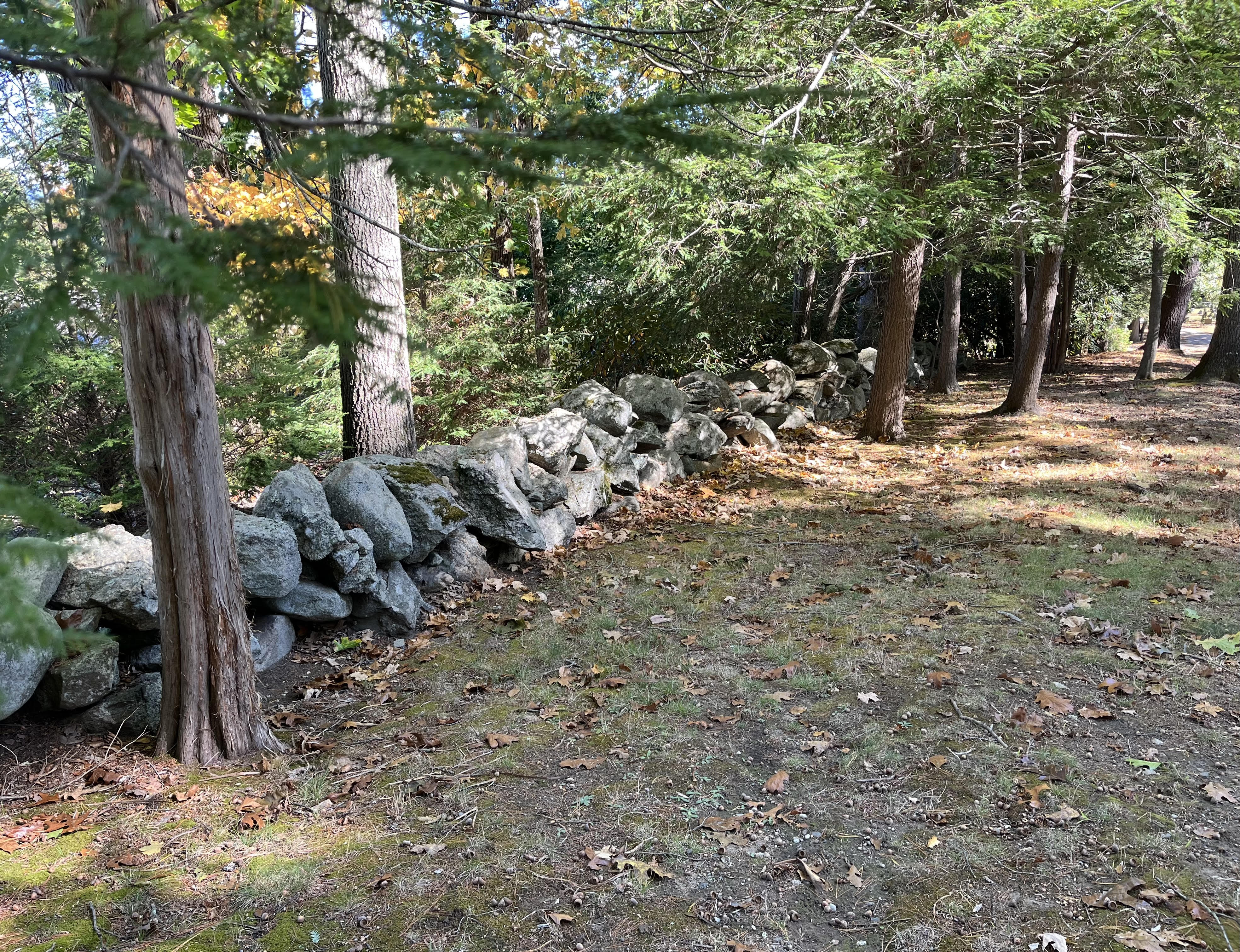
Time for photos from the last few weeks, starting with a typical New England sight — the stone wall. When my husband’s uncle visited us years ago, he couldn’t get over all the stone walls, having lived in a busy city or at the shore.

And you may remember all the stories of the early colonists not fighting “fair,” according to British soldiers used to marching in straight lines. Our side was unfairly fighting from behind stone walls.

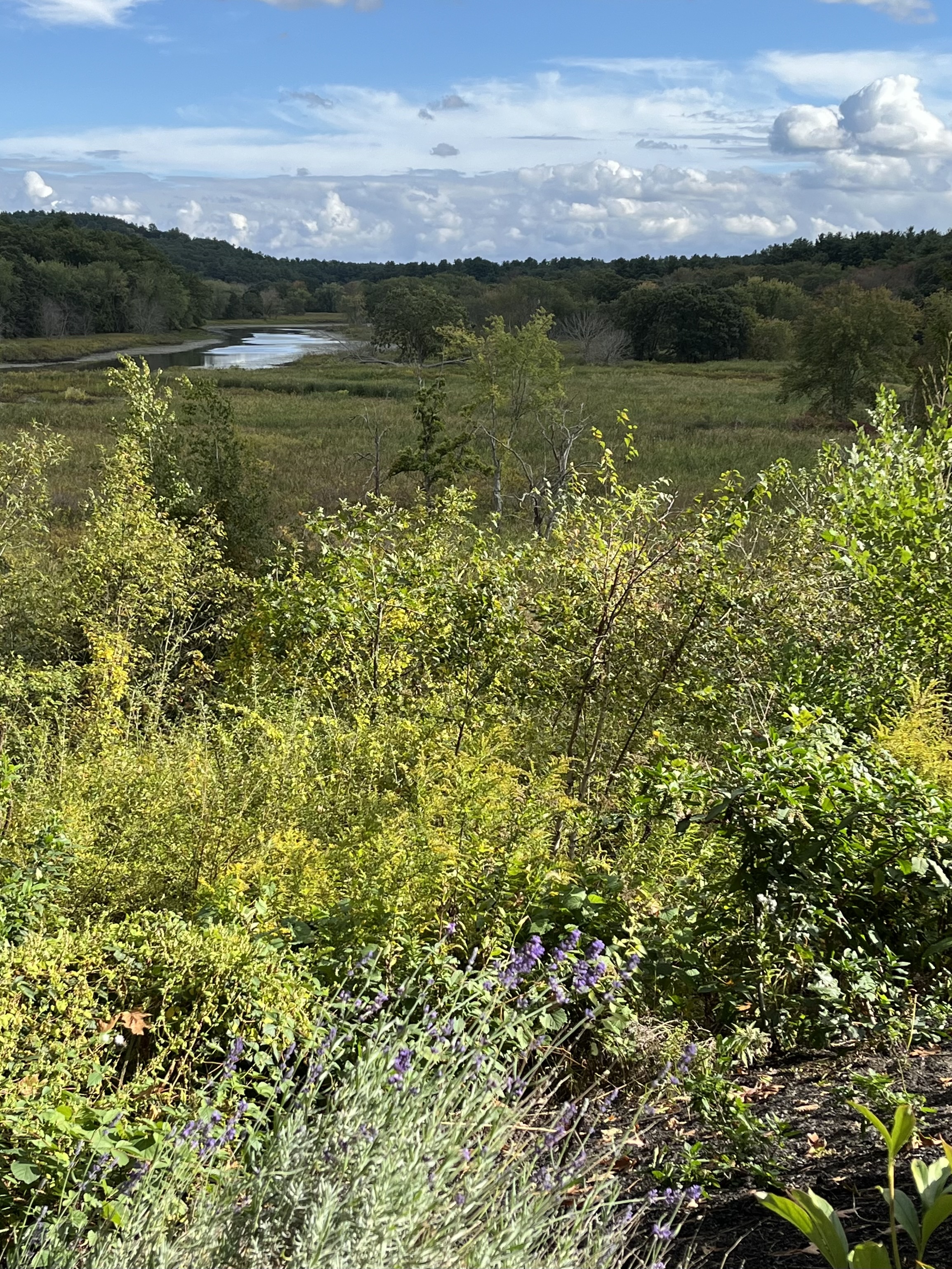
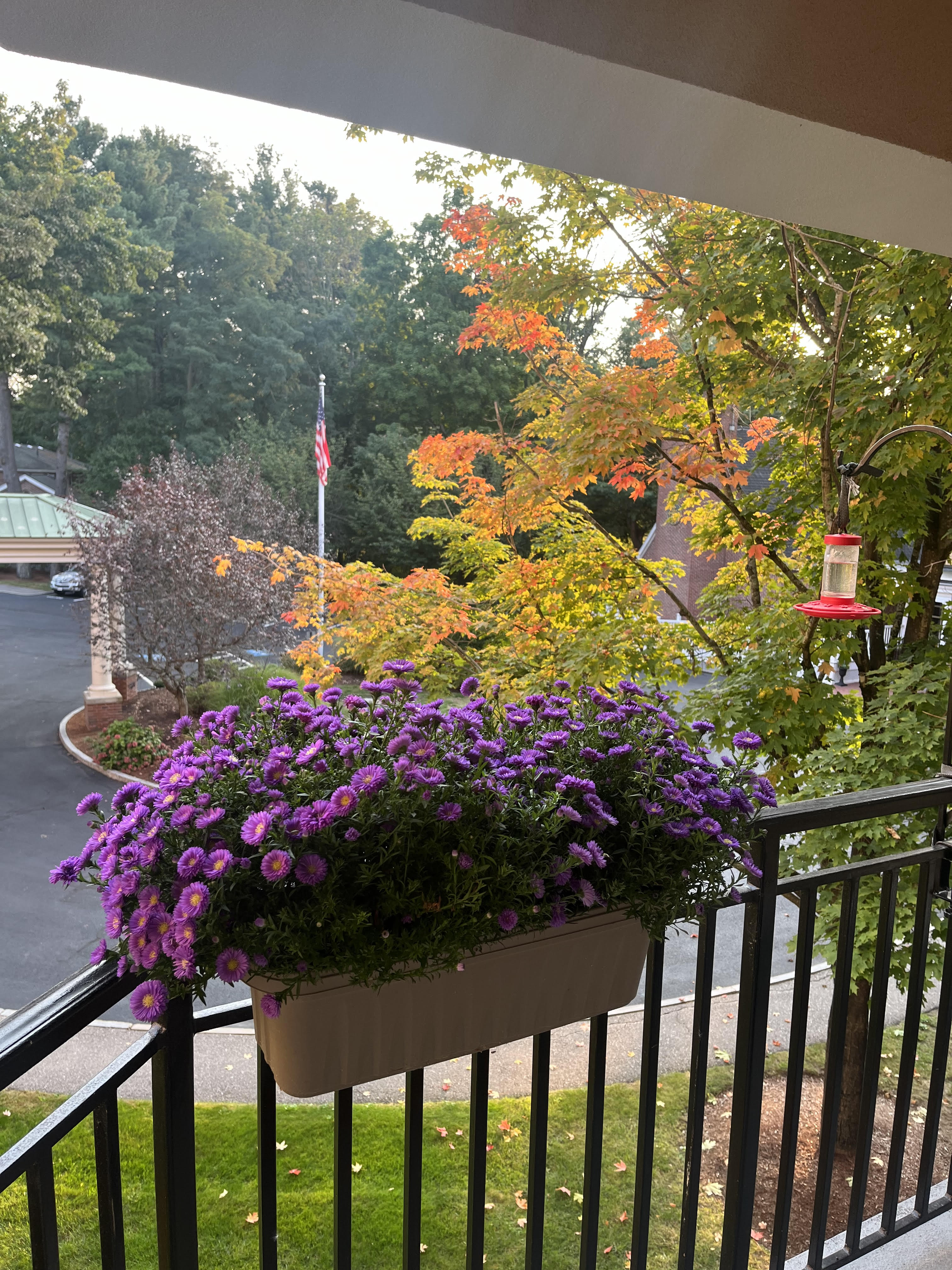
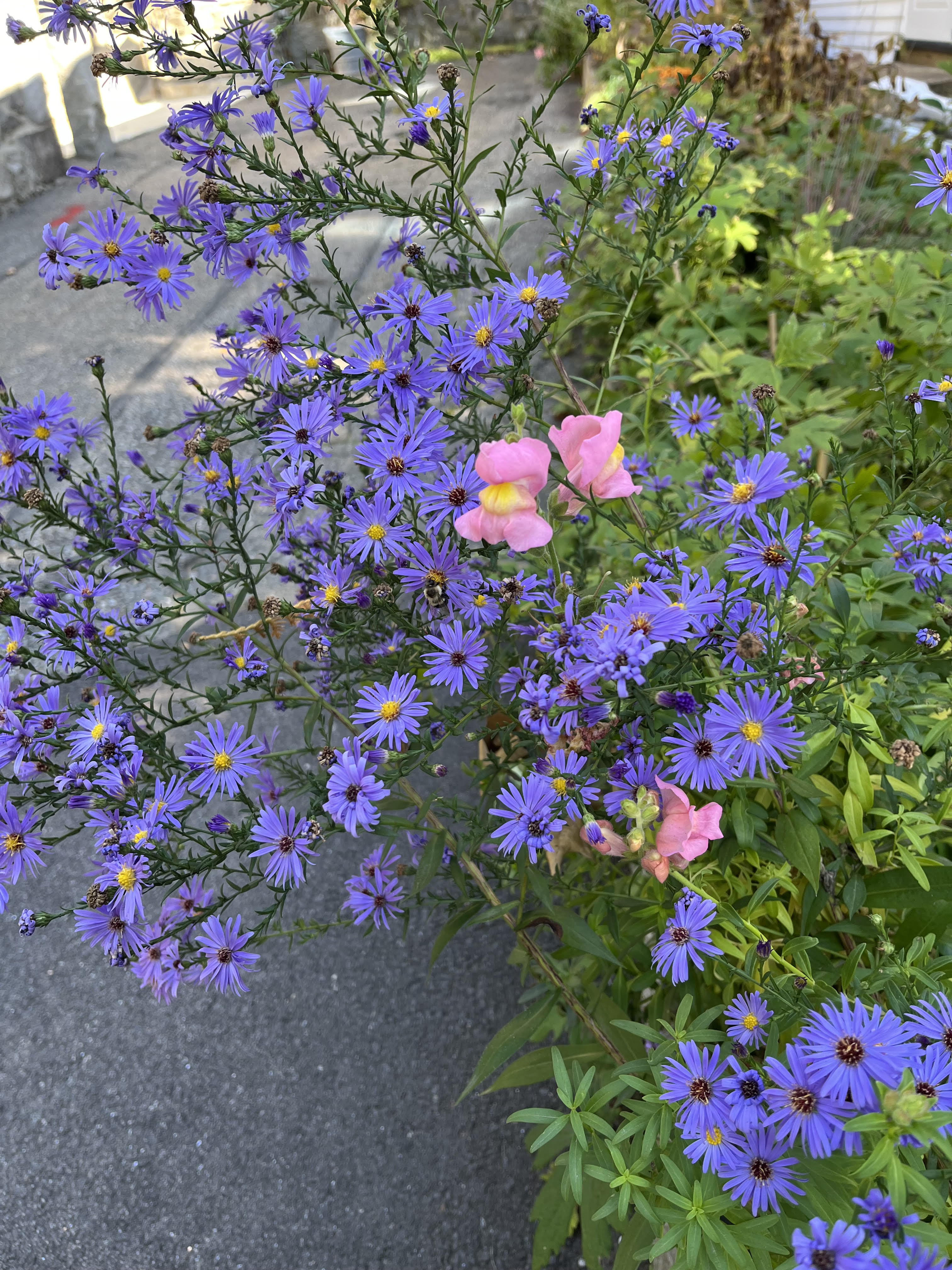
The next photo shows the dry Sudbury River out back of our retirement community. The asters on our balcony did not last long, but the asters in the wild flourished weeks after ours were all brown.

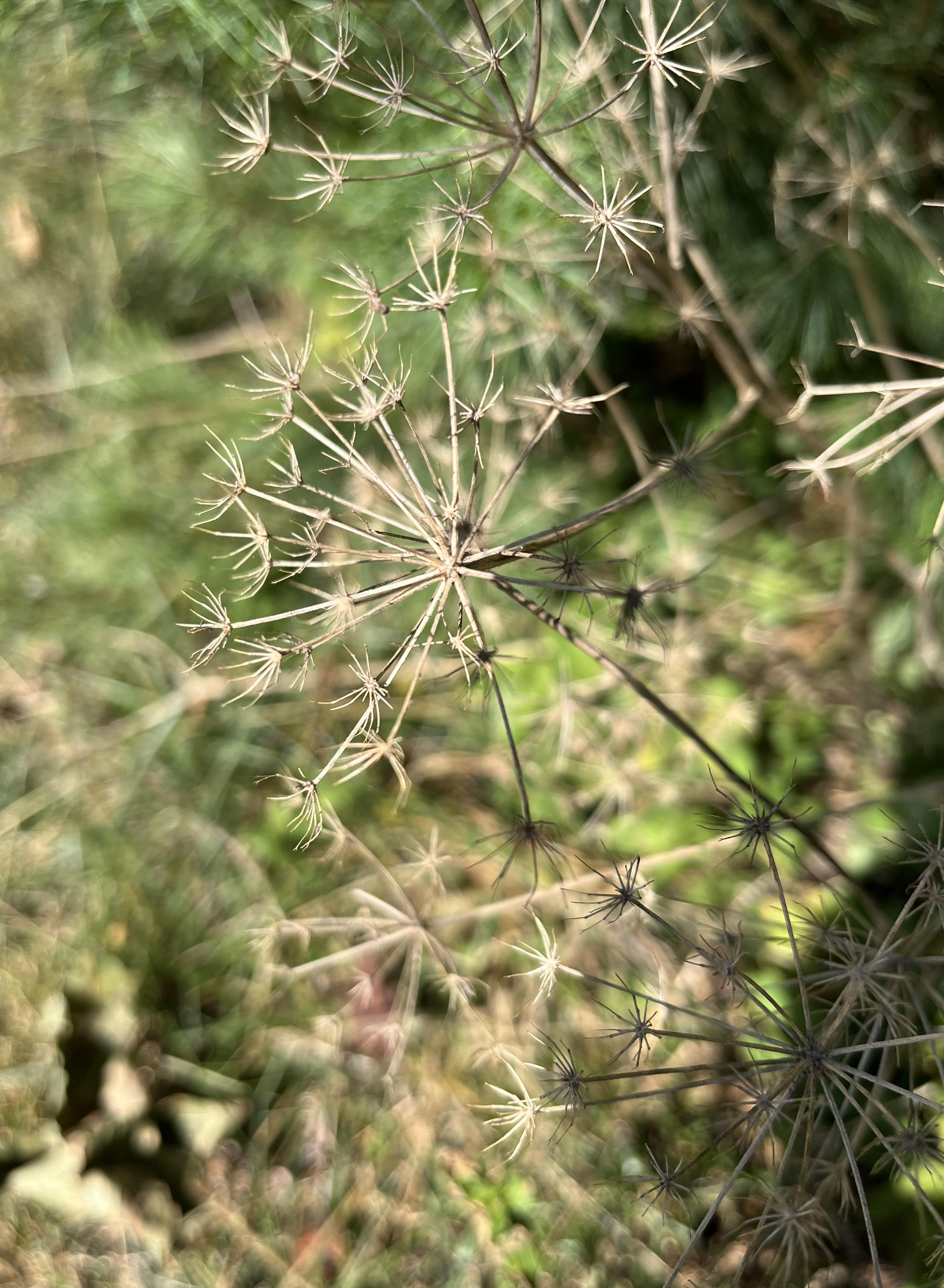
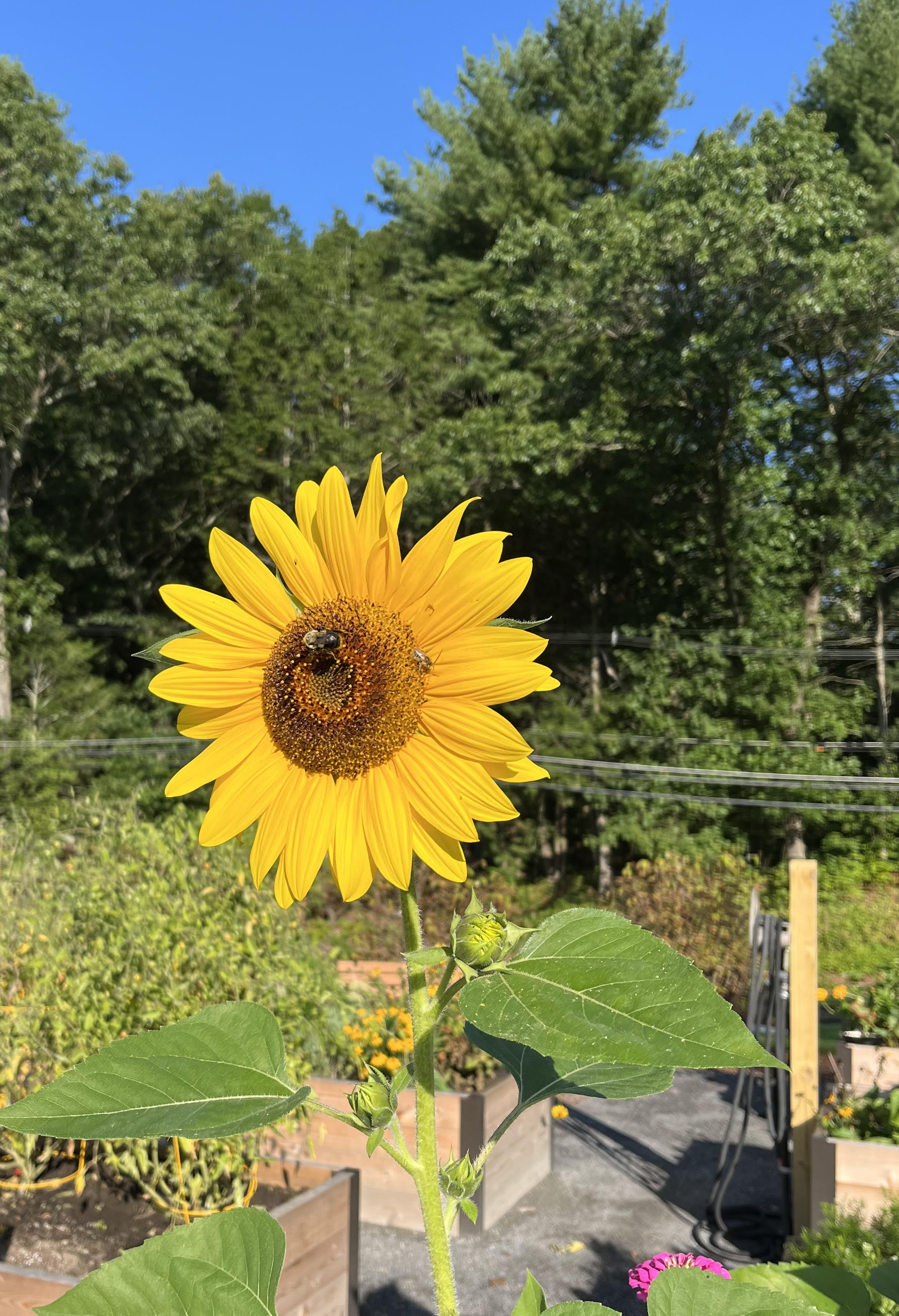
I liked the starlike effect of a dried weed. My PictureThis app says it’s a wild carrot. Next I show bittersweet. You can understand why people picked it for floral displays and wreaths — it’s so pretty. But inadvertently, they spread the seeds and it became a plague. Next is a bee, drunk on sunflower nectar.

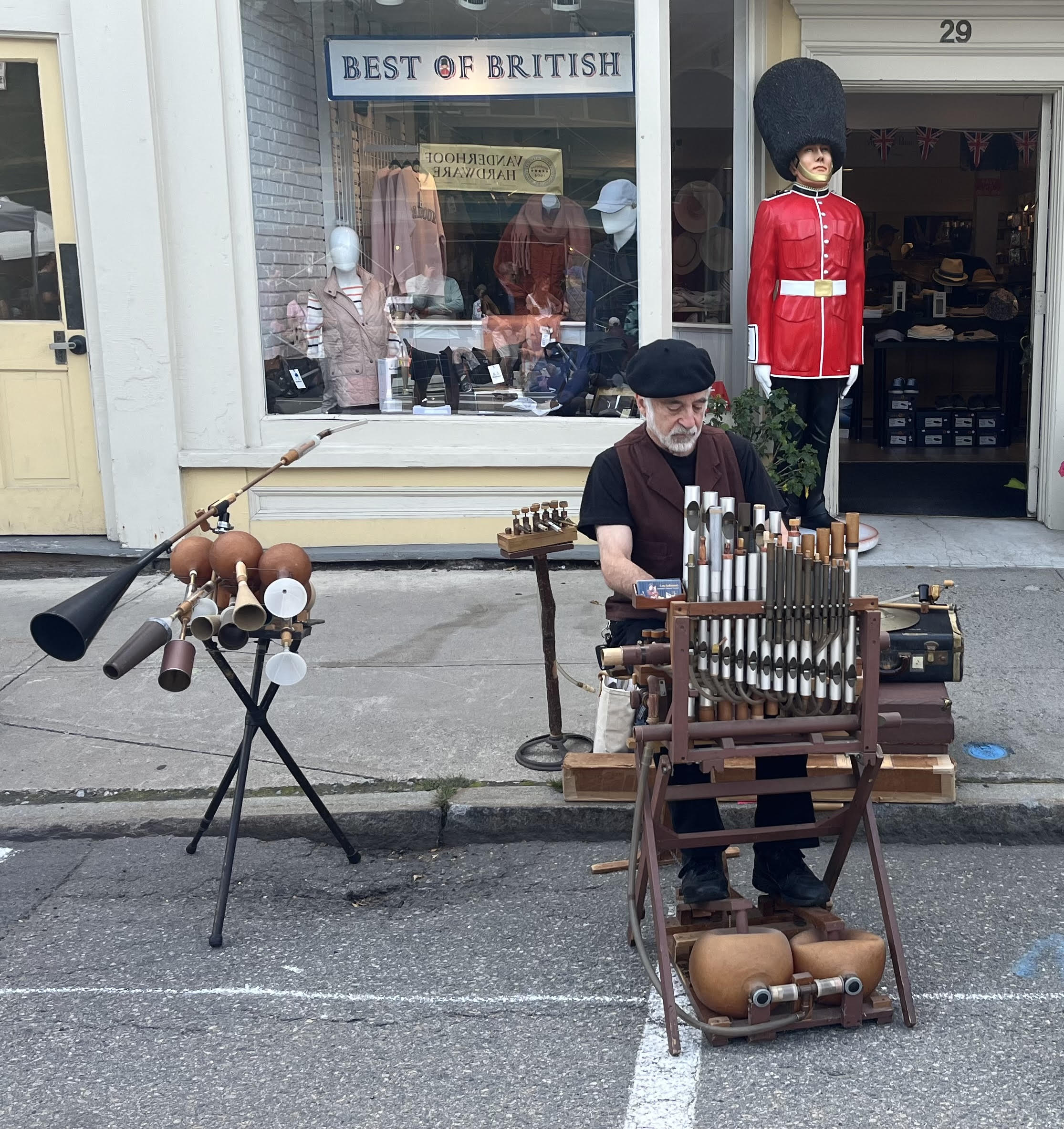
Musician Len Solomon plays his homemade pipe organ in front of the British shop at our town’s harvest market. Nowadays Americans love the British. We stopped shooting at them from behind stone walls.

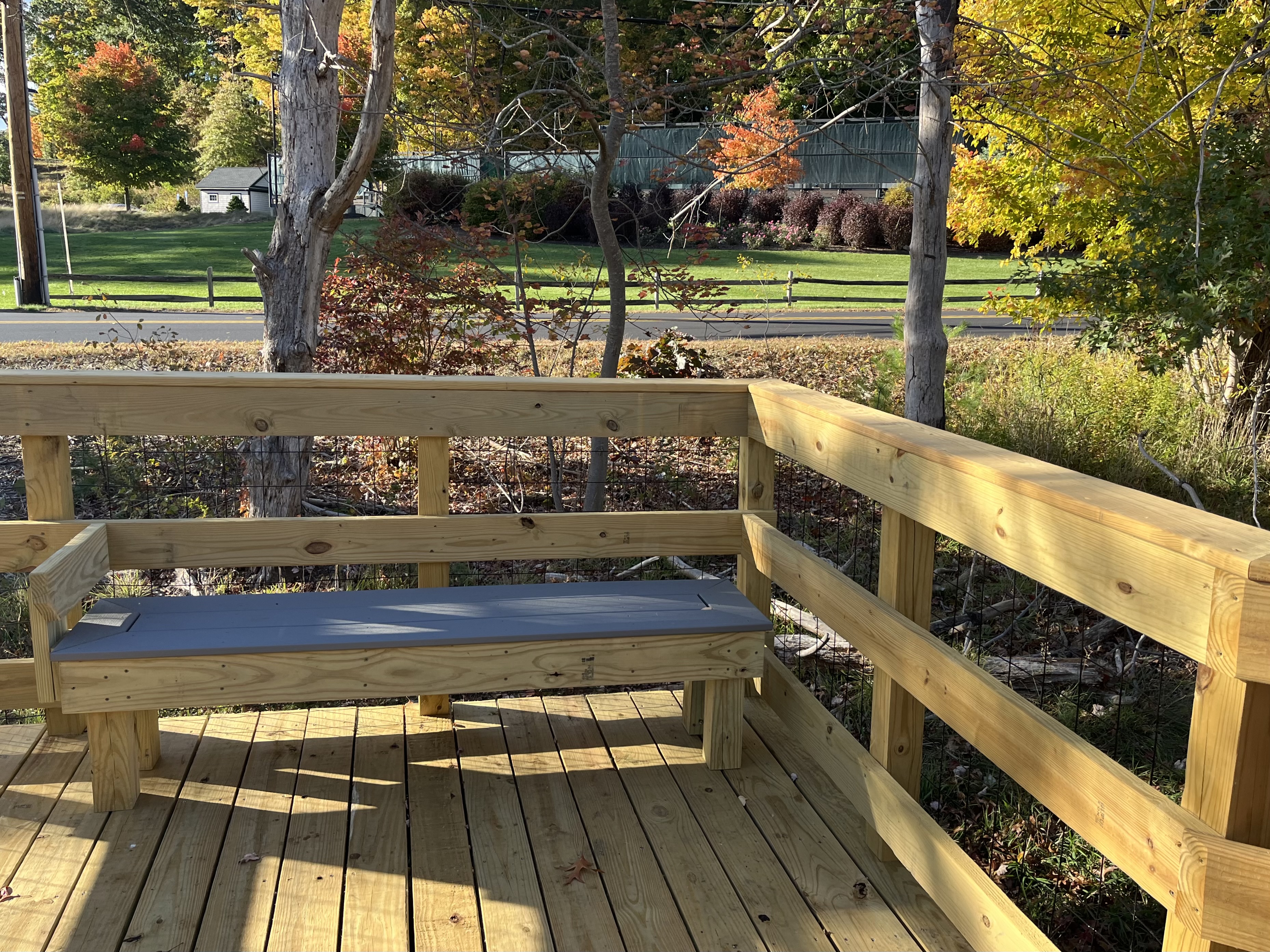
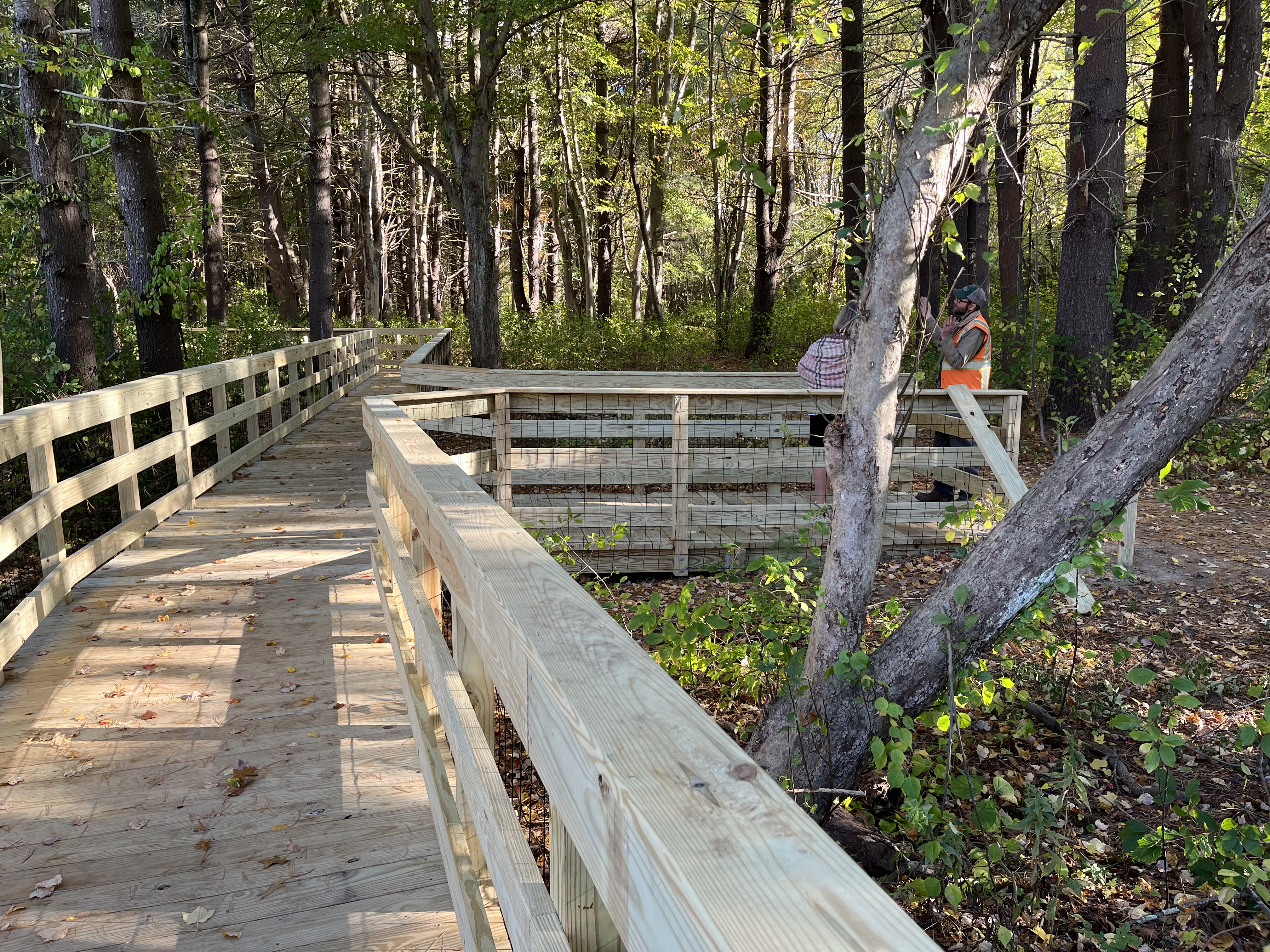
There are two photos of the new boardwalk where we live. Everyone was excited for the opening. The path accommodates wheelchairs.

Kristina Joyce took the picture of the little house Ralph Shaner built for his grandchildren to decorate in the height of the pandemic.

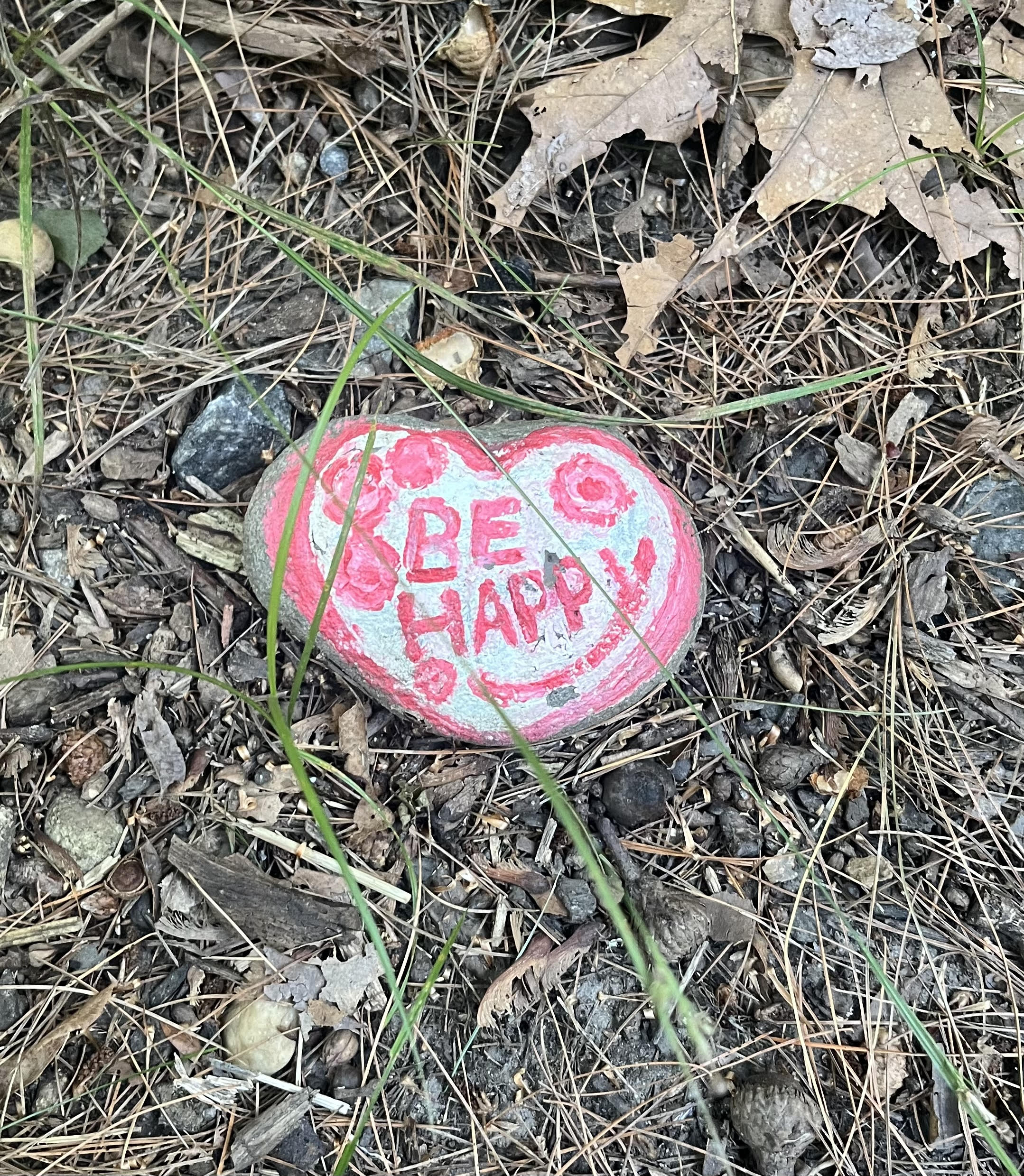
The little painted rock was along a trail in the woods.

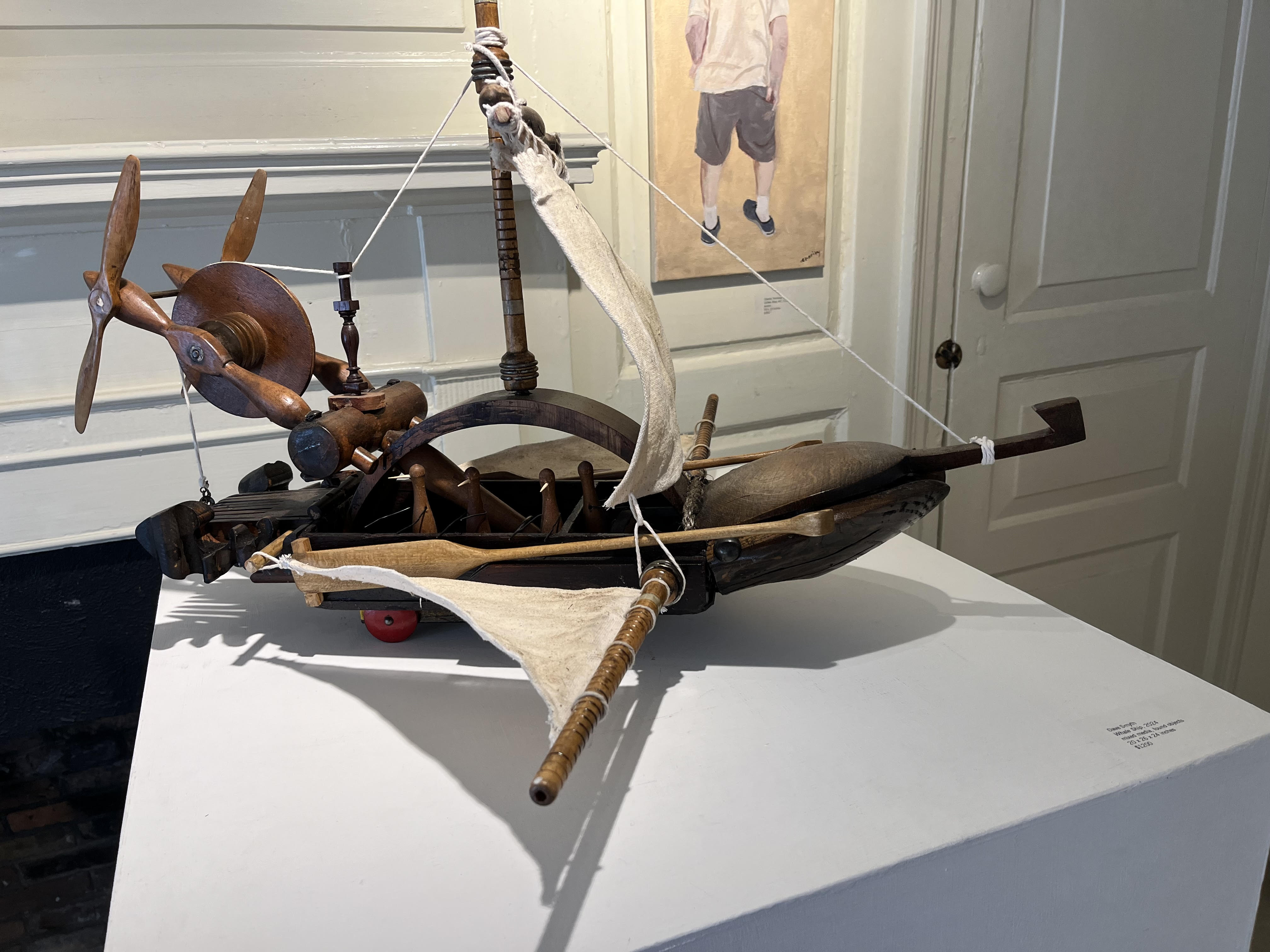
David Smyth created the whale ship for the juried show at Concord Art.

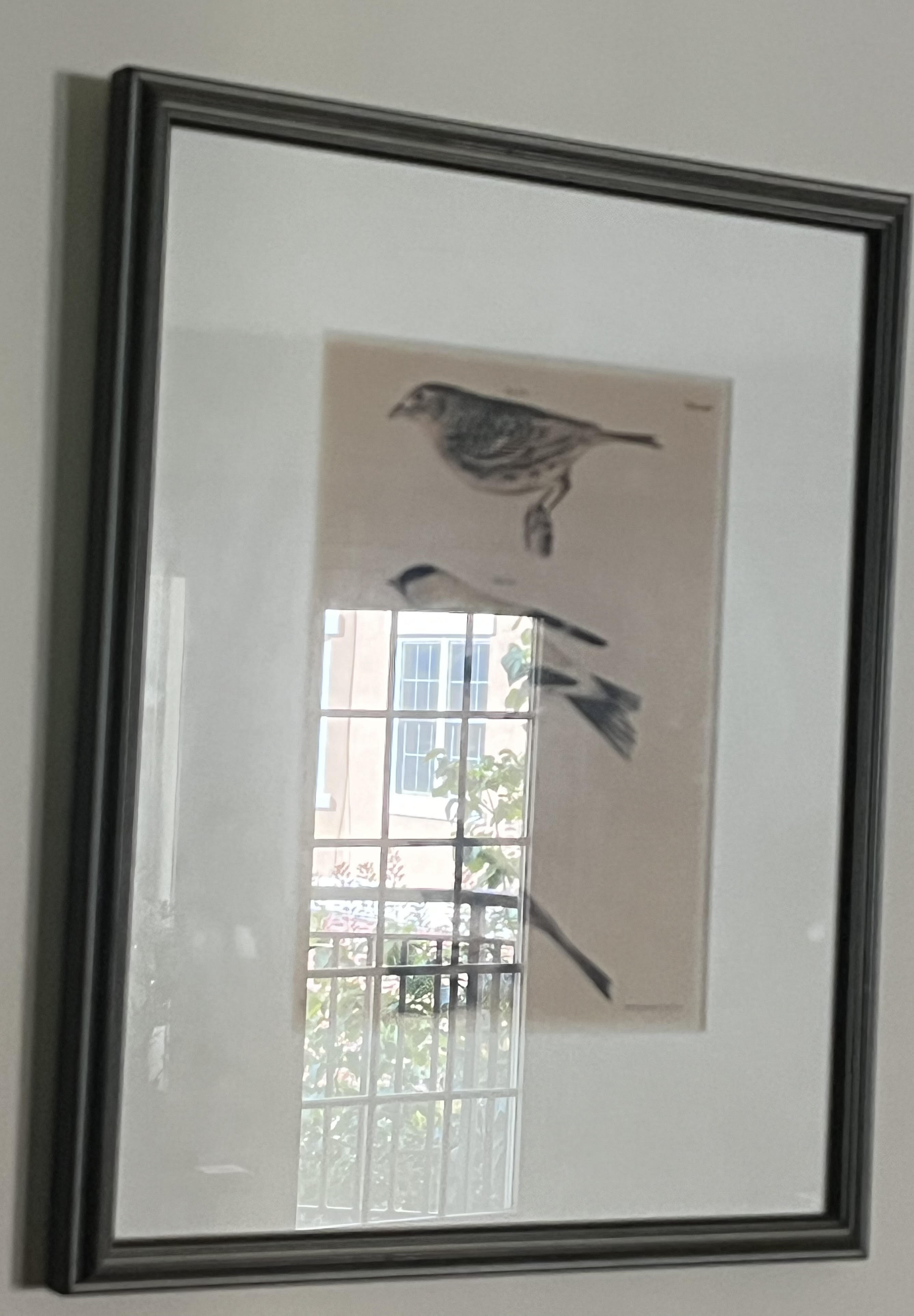
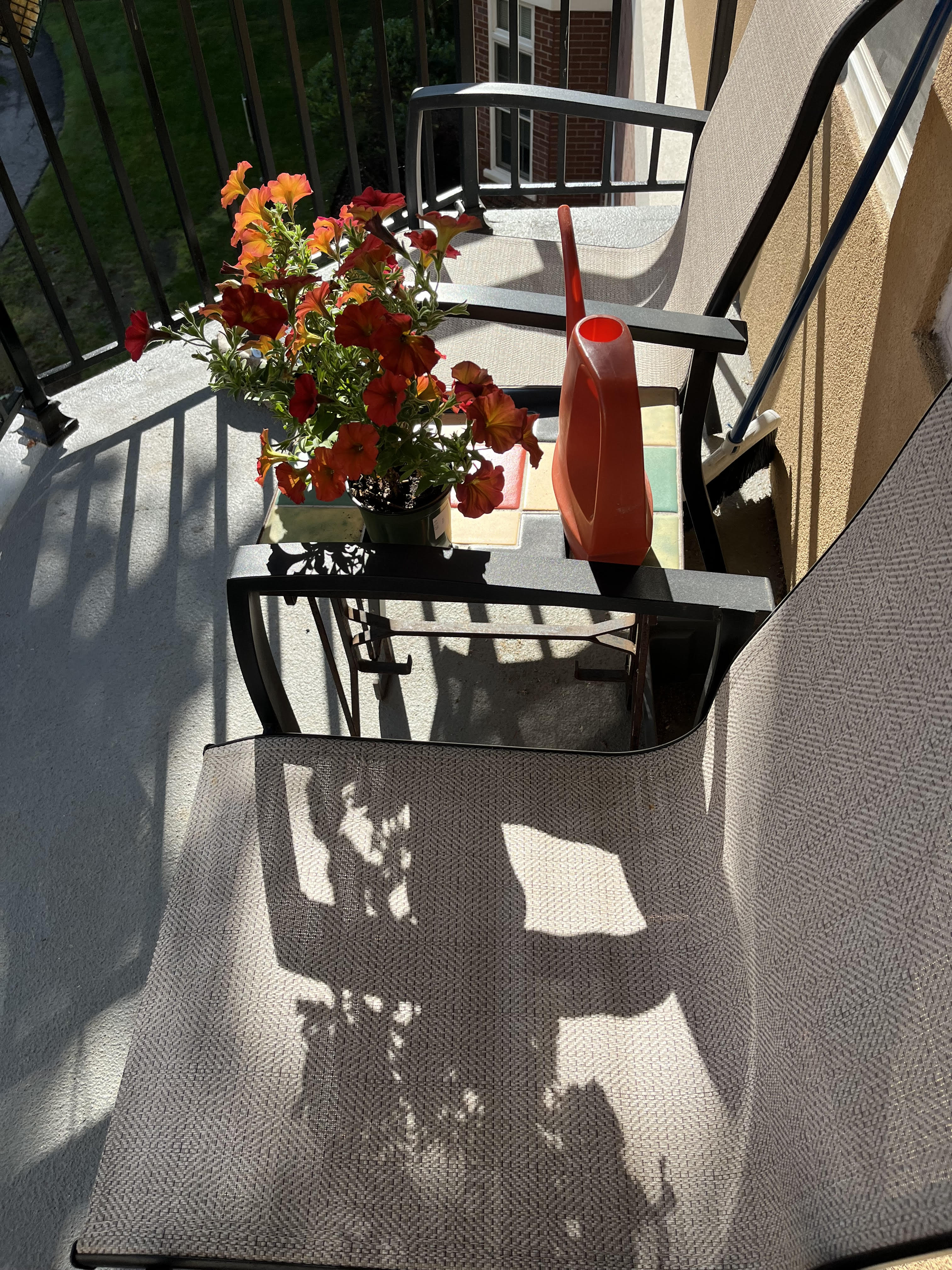
I wind up with a couple of my favorite photographic interests — reflections and shadows.

Read Full Post »

Clover photos: Suzanne.
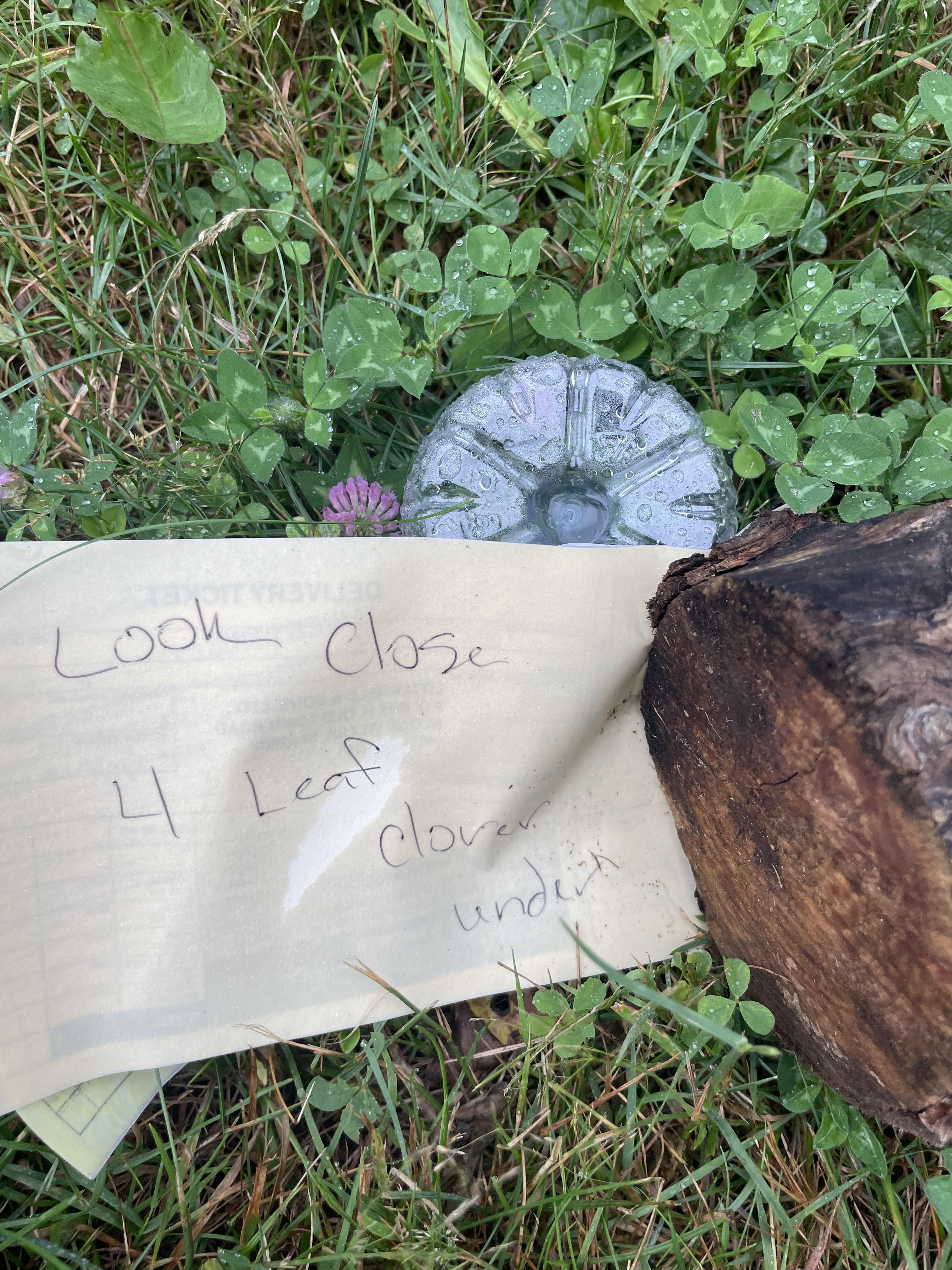
What the propane-delivery guy left for us.

Summer sunshine is always good for photos. And when we haven’t been swimming in a pea-soup fog here, we’ve had beautiful sunshine. A few of today’s photos have little stories that go with them, too.

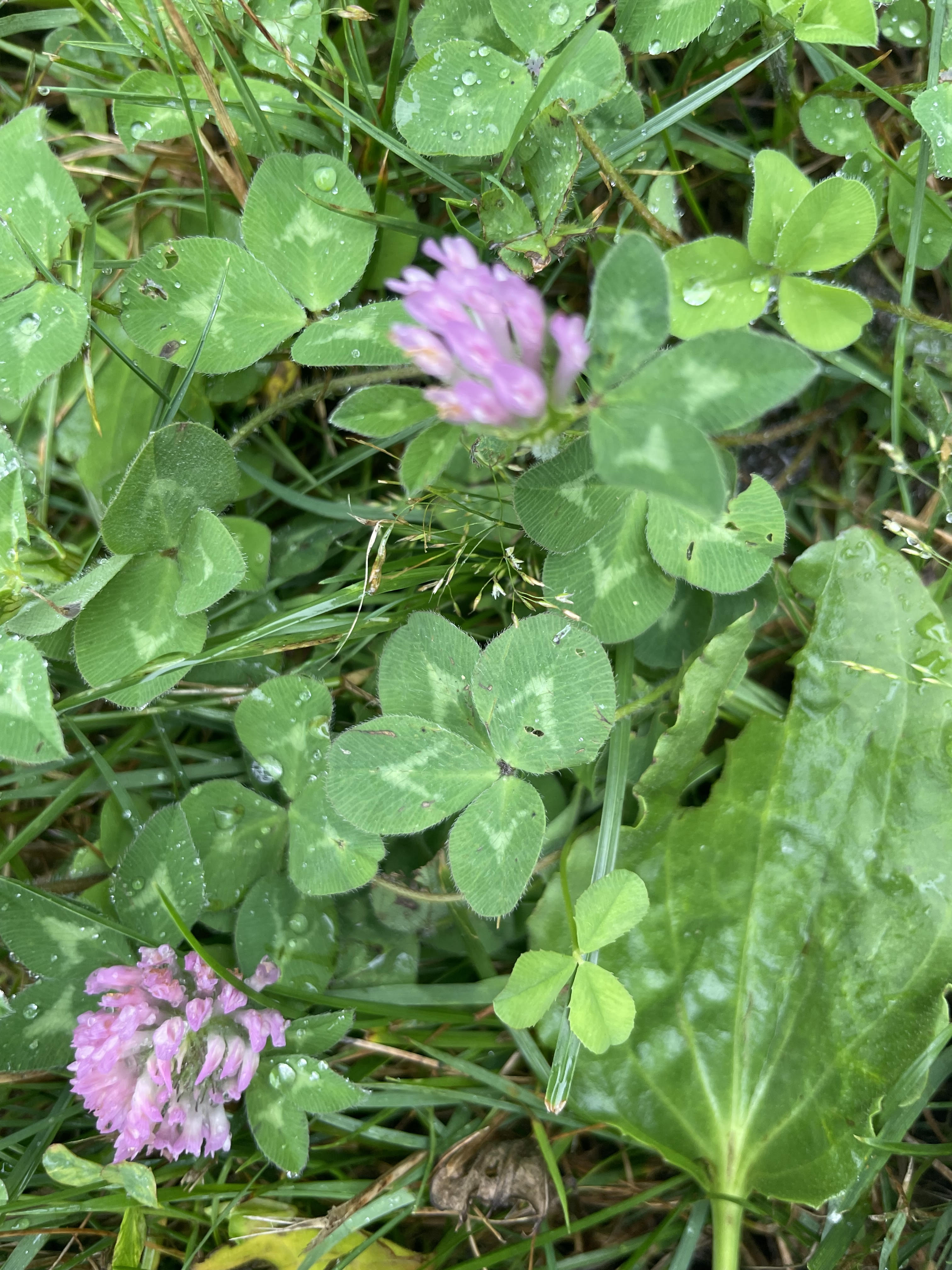
Here’s one. In New Shoreham, we still need propane. The person who delivered our last tank somehow noticed a four-leaf-clover in the grass by the garage. When we came back from wherever we were that day, we found a note and a small display under a piece of plastic bottle. How amazing is that? I called the propane company to say thank you.

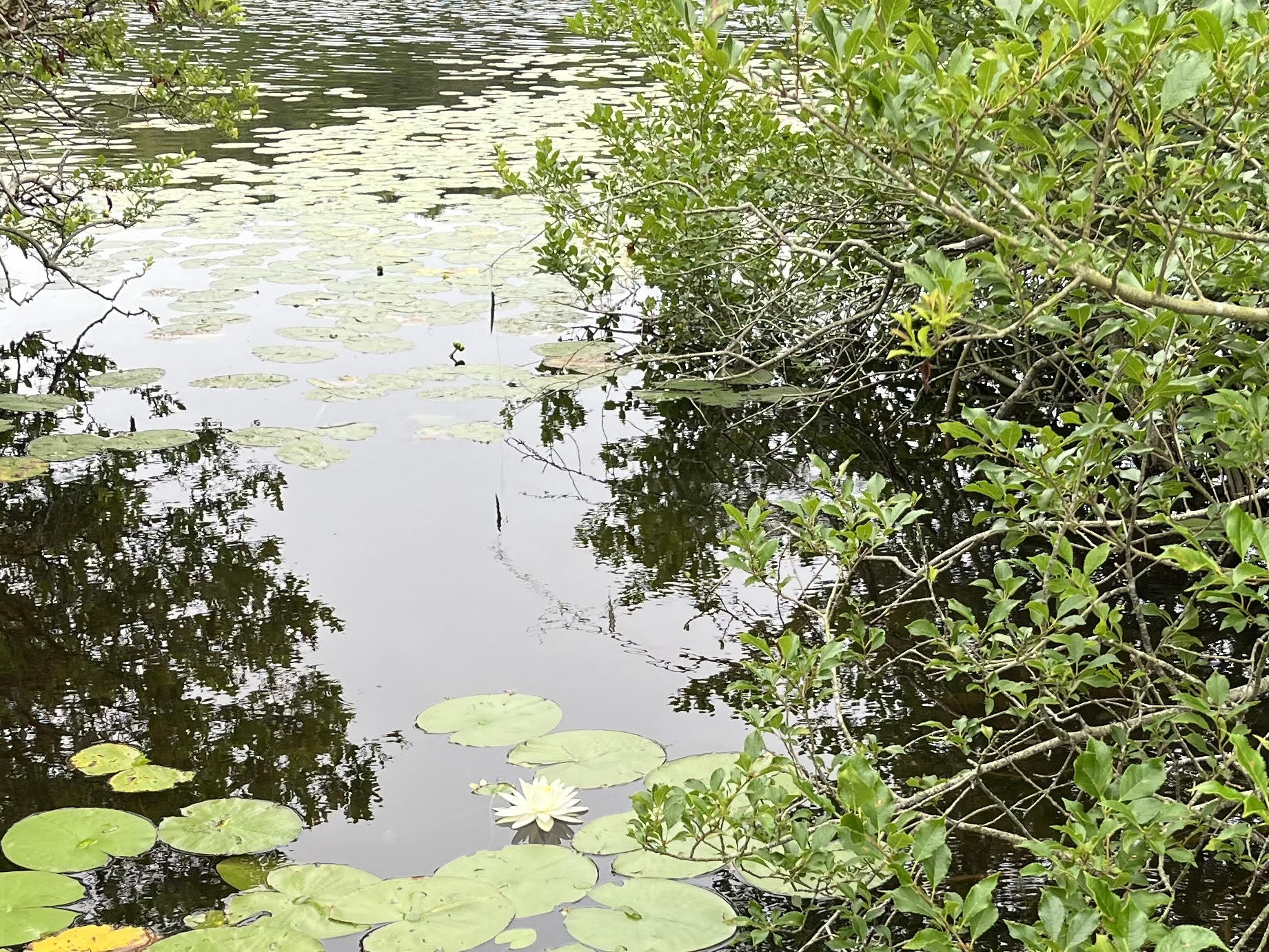
Water lilies are still the flower for July despite the changes to our climate.

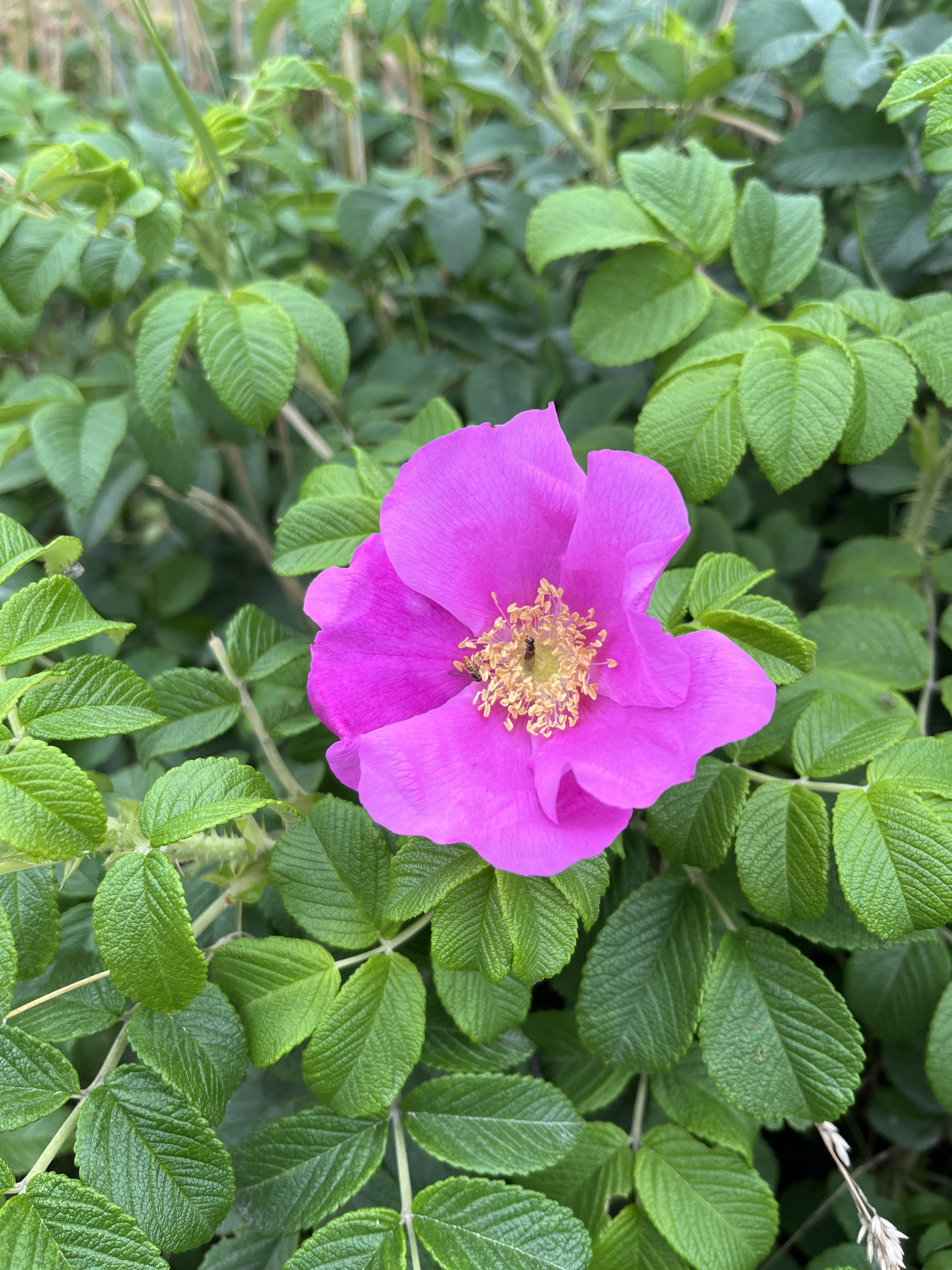
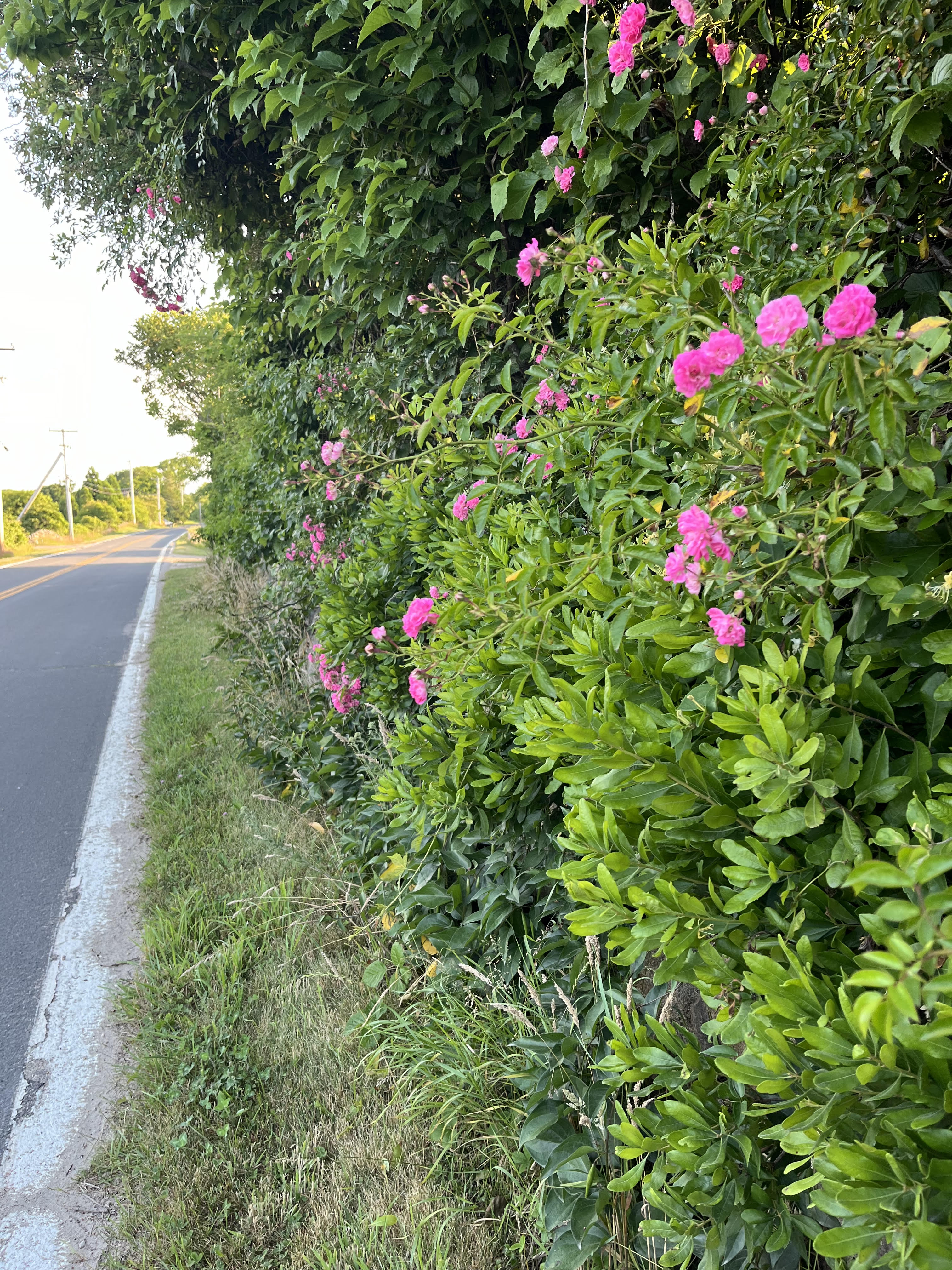
Rosa Rugosa grows everywhere. Also this other wild rose. My app calls that one a China rose.

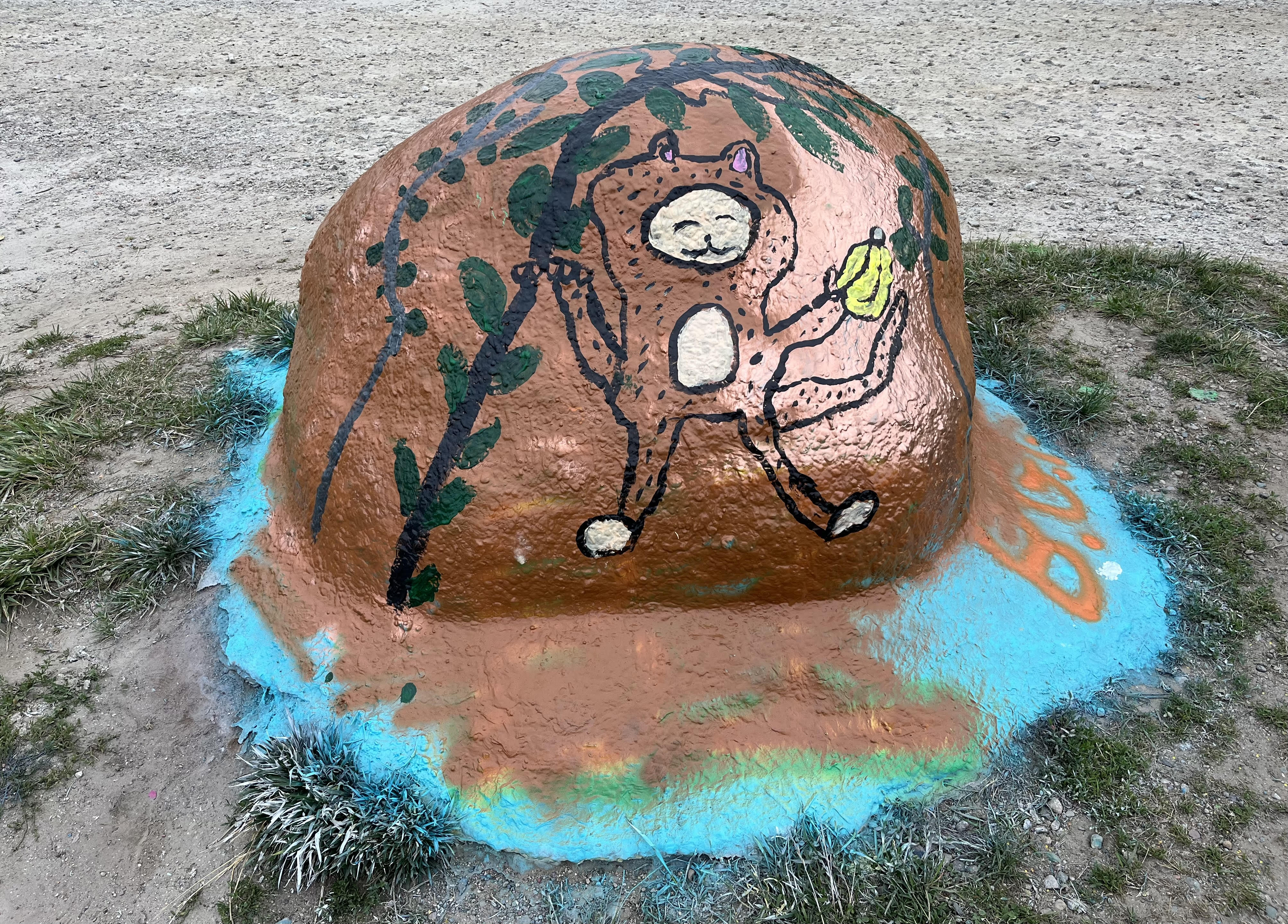
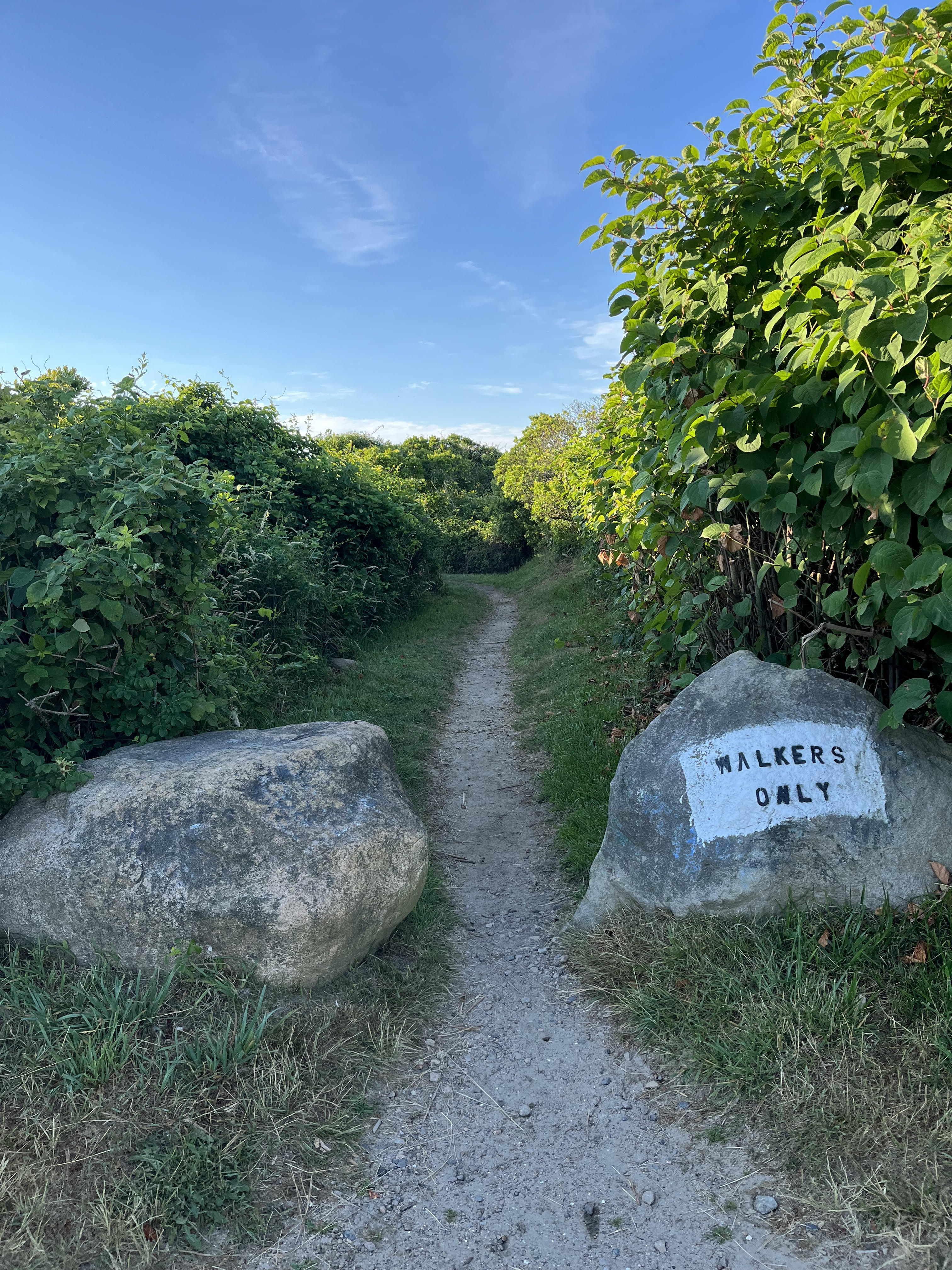
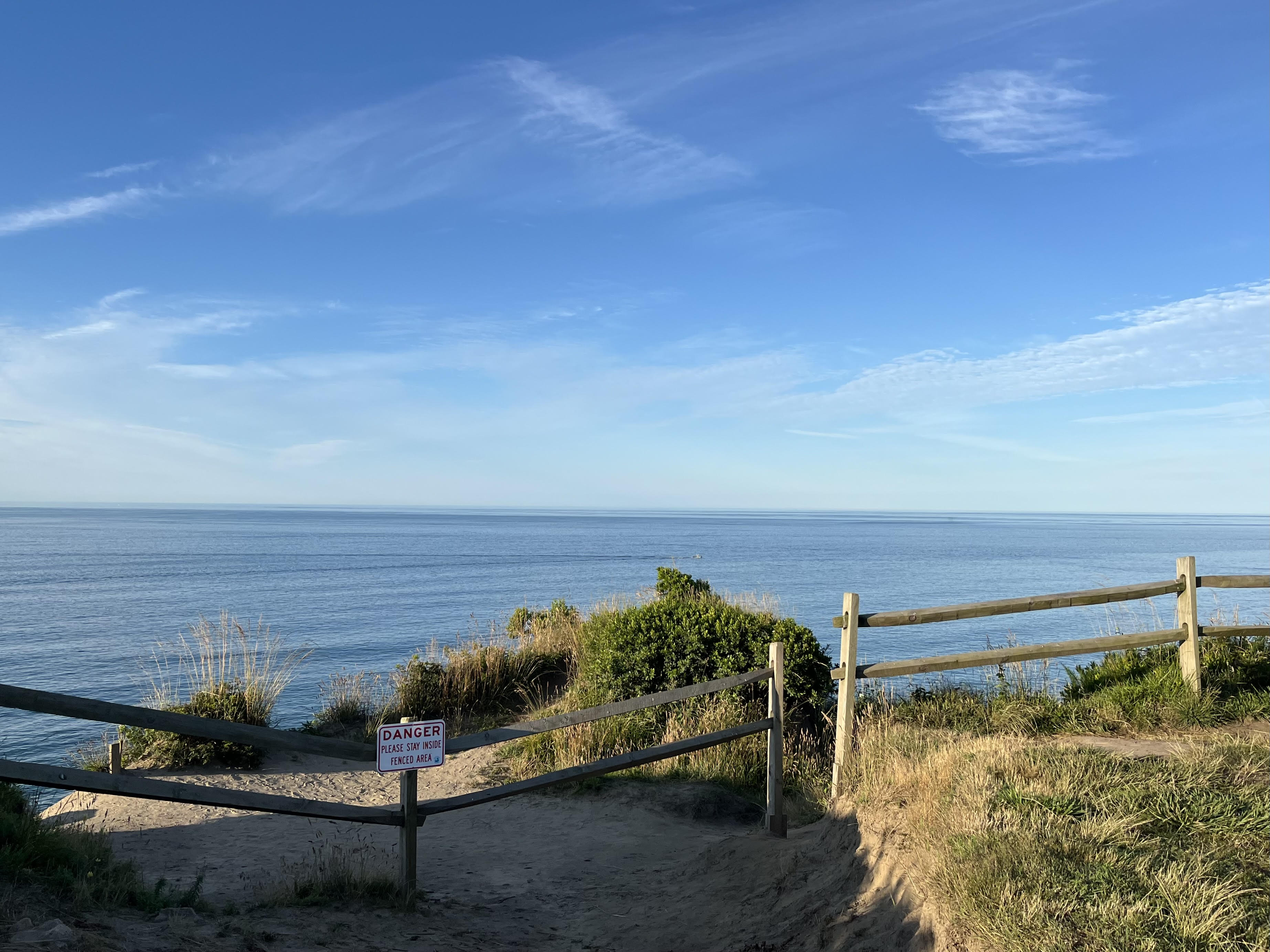
Next is the Painted Rock, a path to the bluffs, the eroding bluffs, a cactus (What? In New England?), and one granddaughter’s concept of a modern hotel. She tells me that there is a village in this hotel and a park with trees on top.

Boats in the harbor conclude today’s collection.

Read Full Post »

Photo: Mary Jo Hoffman.
Palourde clam shells from the Mediterranean Sea, part of Mary Jo Hoffman’s decades-long creative endeavor celebrating the beauty of the natural world.

I’m reading a lovely YA novel celebrating the wonder of the natural world (Gather), so my train of thought today fits right in with the topic of a recent New Scientist article. It’s about a woman with a huge collection of nature photos.

Gege Li writes, “Since 2012, Mary Jo Hoffman has taken one snap a day of the natural objects around her. She explains what lies behind two of them – and what the ‘art of noticing’ has brought to her life. …

“Since 2012, aeronautical engineer-turned-artist Mary Jo Hoffman has taken one photo a day of the natural objects around her. But what started out as a creative challenge to simply get better at art composition has now evolved into a ‘comprehensive way of being,’ she says.

“Twelve years and thousands of photos later, Hoffman still finds beauty in her surroundings, often no further away than her home in Saint Paul, Minnesota. Her book, Still: The art of noticing .. collects 275 photos from her project, two of which are shown [at New ScientistI].

“Pictured in the main image above, are an assortment of palourde clam shells from the Mediterranean Sea, the remnants of a spaghetti and clam dinner in southern France. Hoffman wanted to commemorate the varied coloration of each clam, and this aftermath proved too good an opportunity to pass up.

“[Another photo shows] a feather from a sandhill crane. Hoffman selected this downy number during the moulting season of a resident pair of cranes that have set up their summer nests next to her house.

“Hoffman’s background in aeronautics means her idea of beauty has always bent towards the mathematical – the intricacies of feathers, for example, seen with the naked eye or zoomed in to the finest details, illustrate ‘beauty at every level,’ she says.

“As for the project, ‘I truly feel I have stumbled onto an elegantly simple practice that lets me experience the sacred almost every day,’ she says.” More at New Scientist, here.

“The art of noticing” is also what you’re supposed to do in meditation and breathing exercises, am I right? That sort of thing really calms me down if I need calming down. Some instructors even enccourage noticing each of your five senses slwoly and thoughtfully because when you are just noticing your breath or your sense of smell, say, you don’t get overwhelmed by whirling thoughts.

By the way, blogger Rebecca Cuningham is another photographer who’s an artist at noticing. From Minnesota, too. Check her out.

Read Full Post »

Read Full Post »

We’re saying good-bye to our home of 42 years.

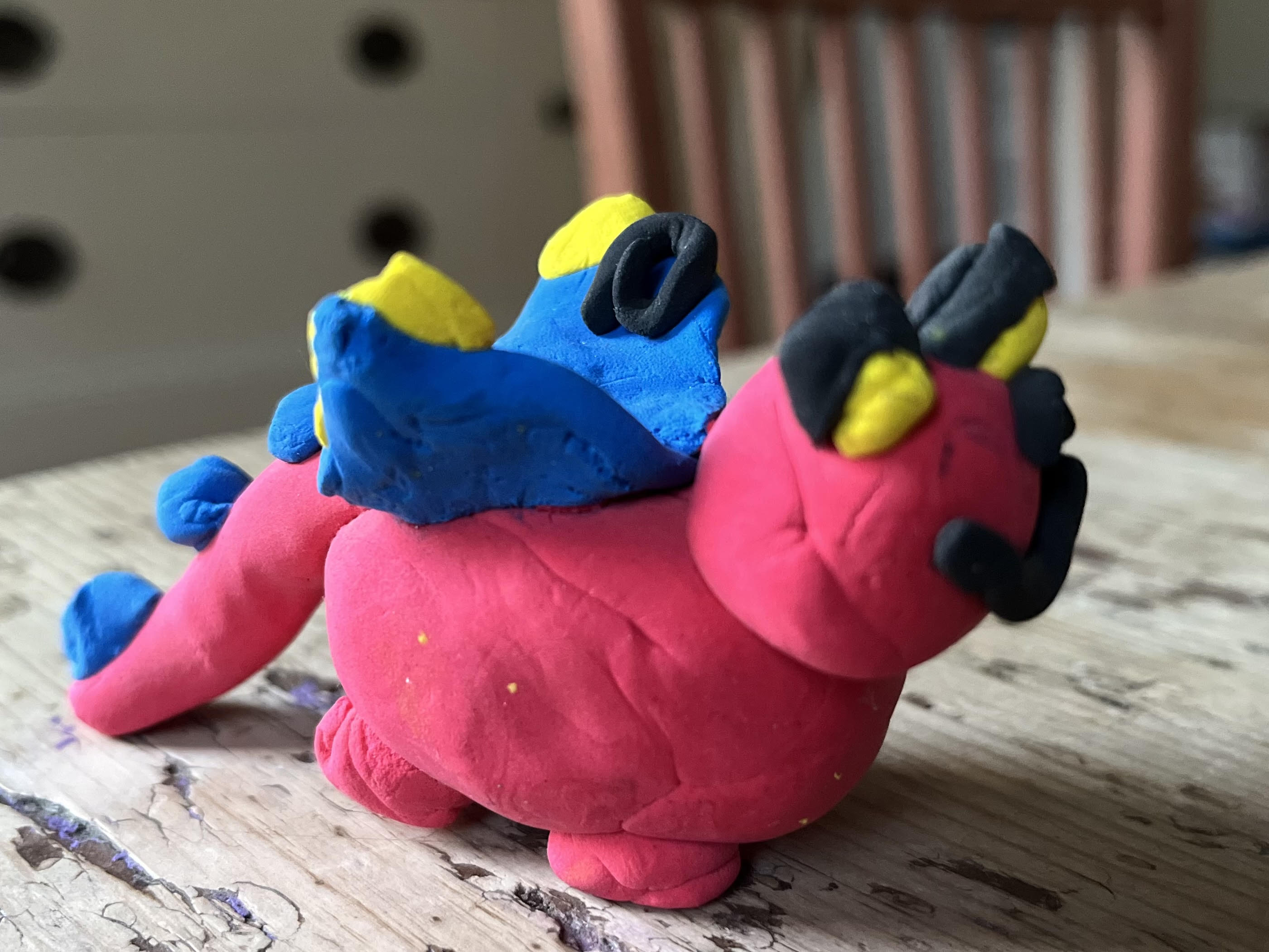
I haven’t posted photos for a while. Increasingly, I feel uninspired on cloudy, overcast days, and we have had a lot of those this winter. But here are the photos I did shoot. They were all all taken in Massachusetts, with the exception of the last one, my Providence granddaughter’s Model Magic dragon.

Happy Year of the Dragon!

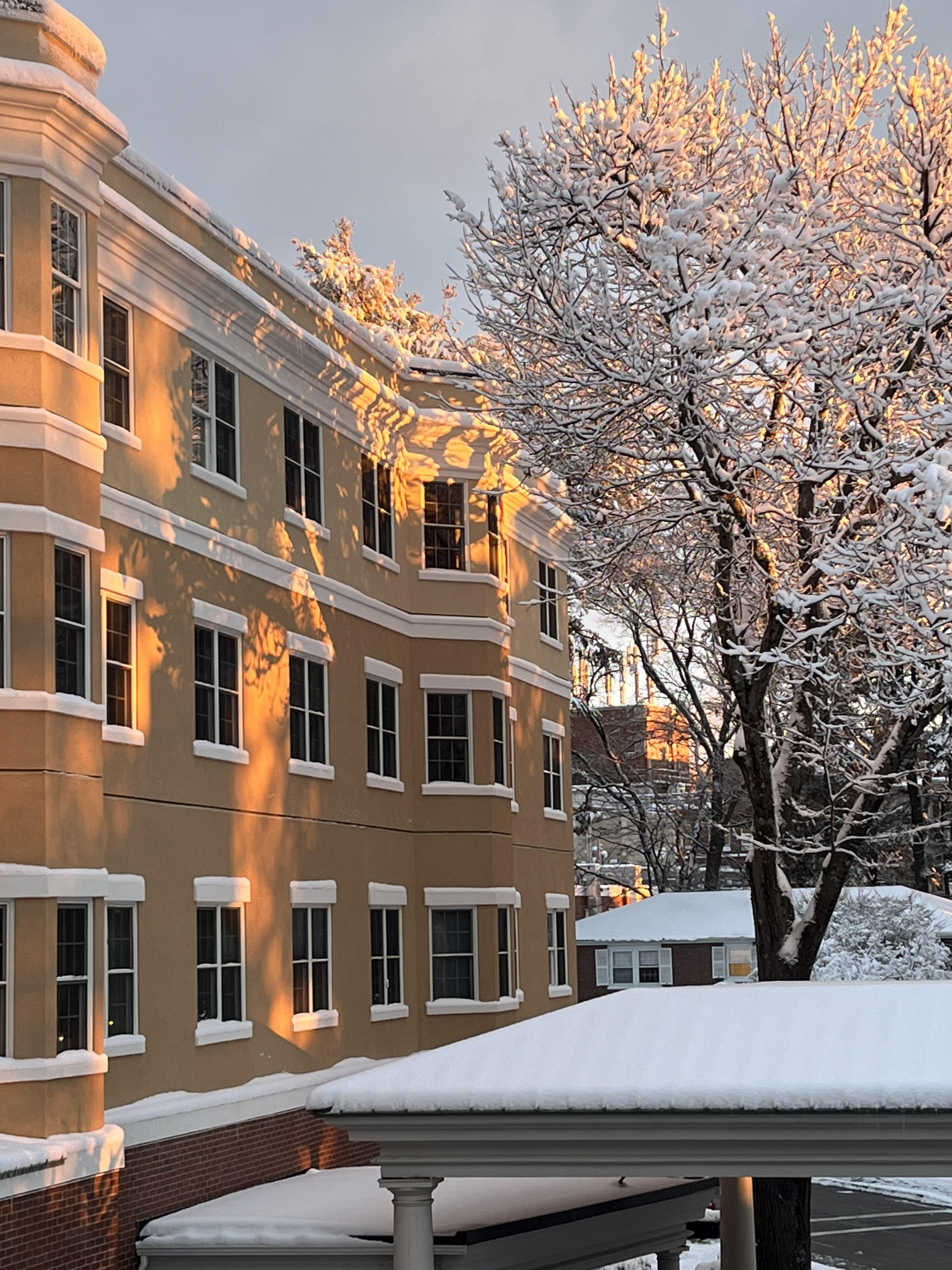
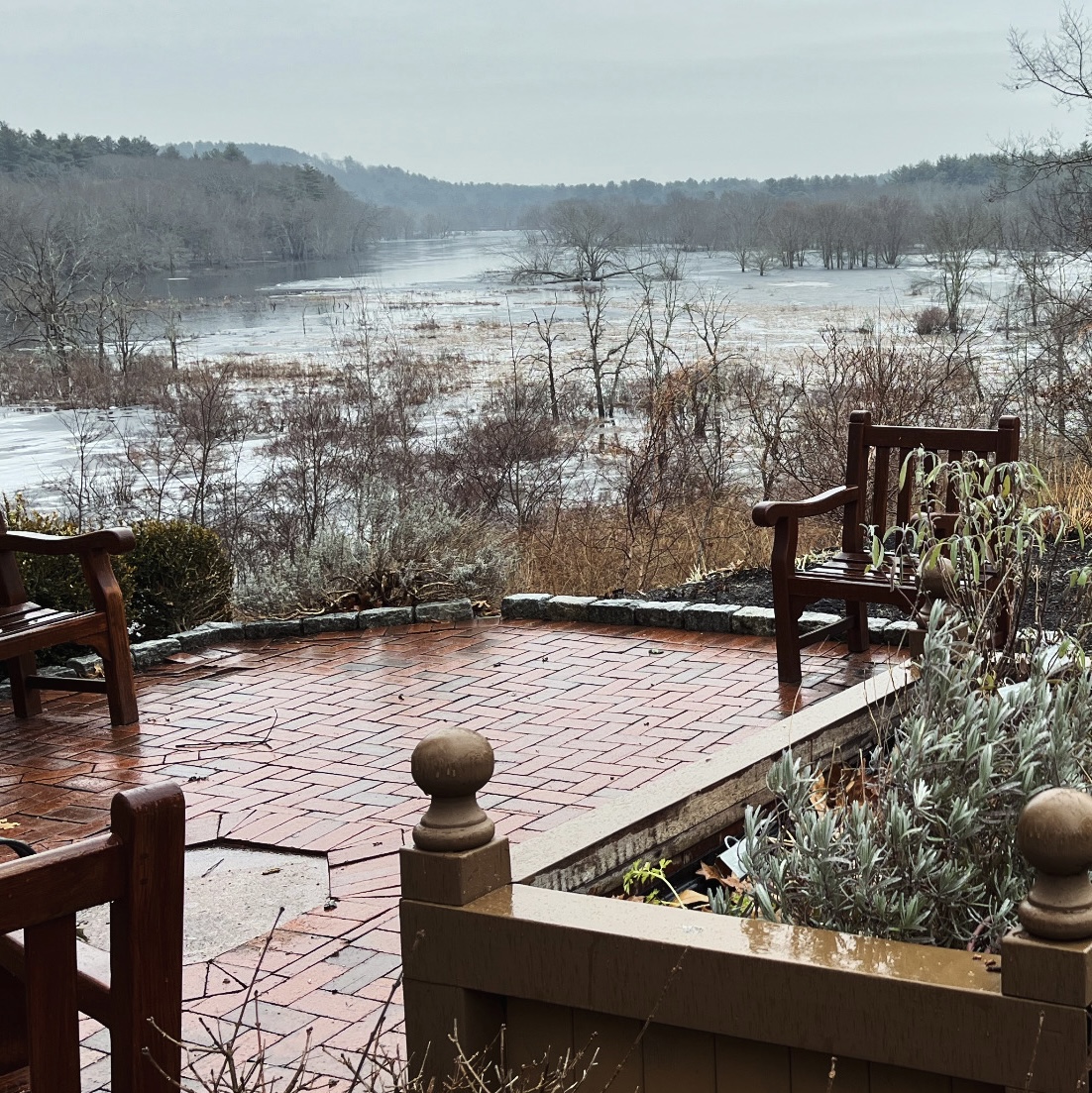
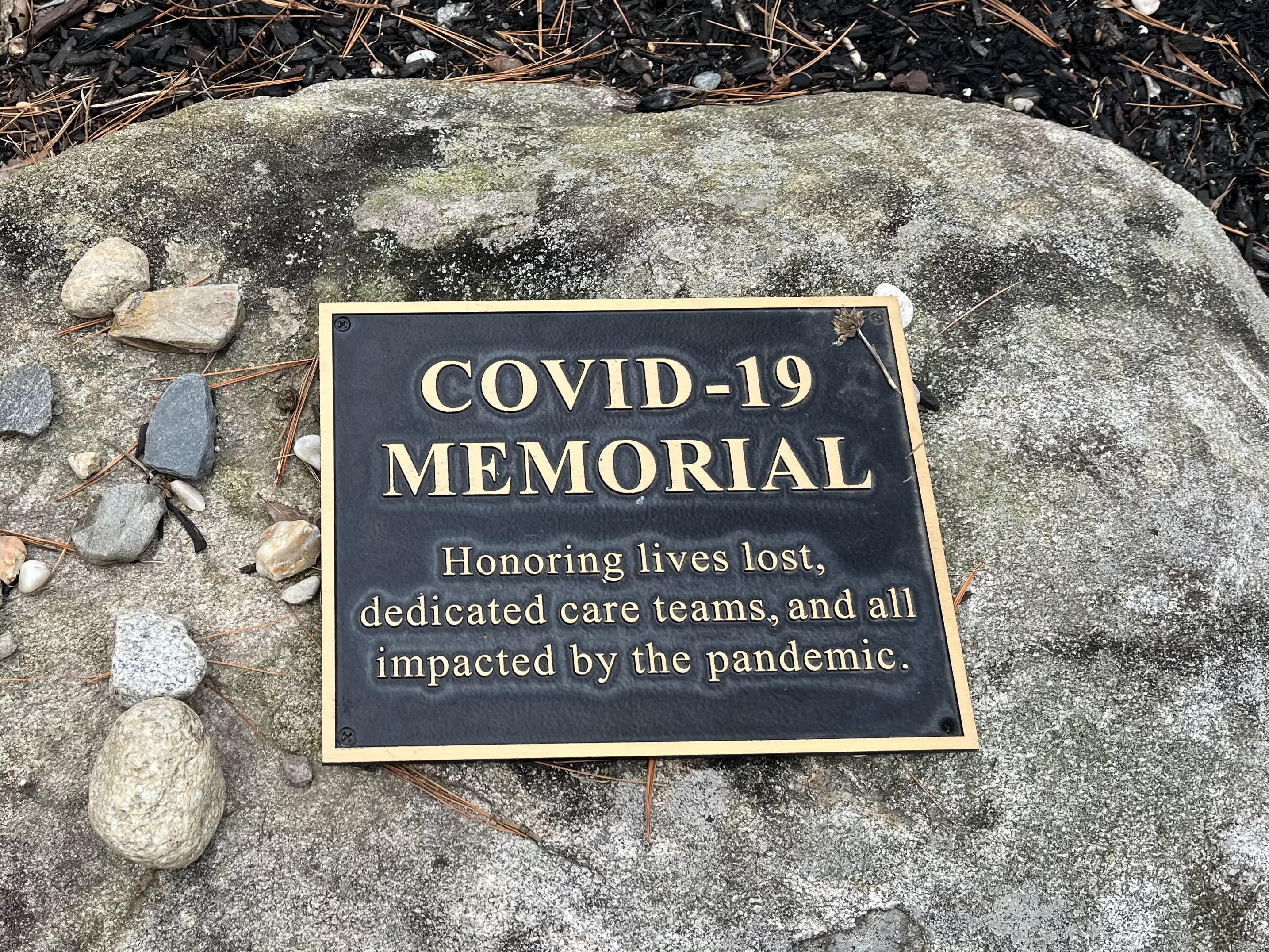
First comes the big snowfall we had in early January, then the bleak, rainy days that came after the snow melted. The river is the Sudbury. The river photo is followed by a memorial at the neighboring hospital, where everyone from our community goes, at least initially, when they have an emergency.

I think it’s good to be reminded what it was like in the early days of the pandemic.

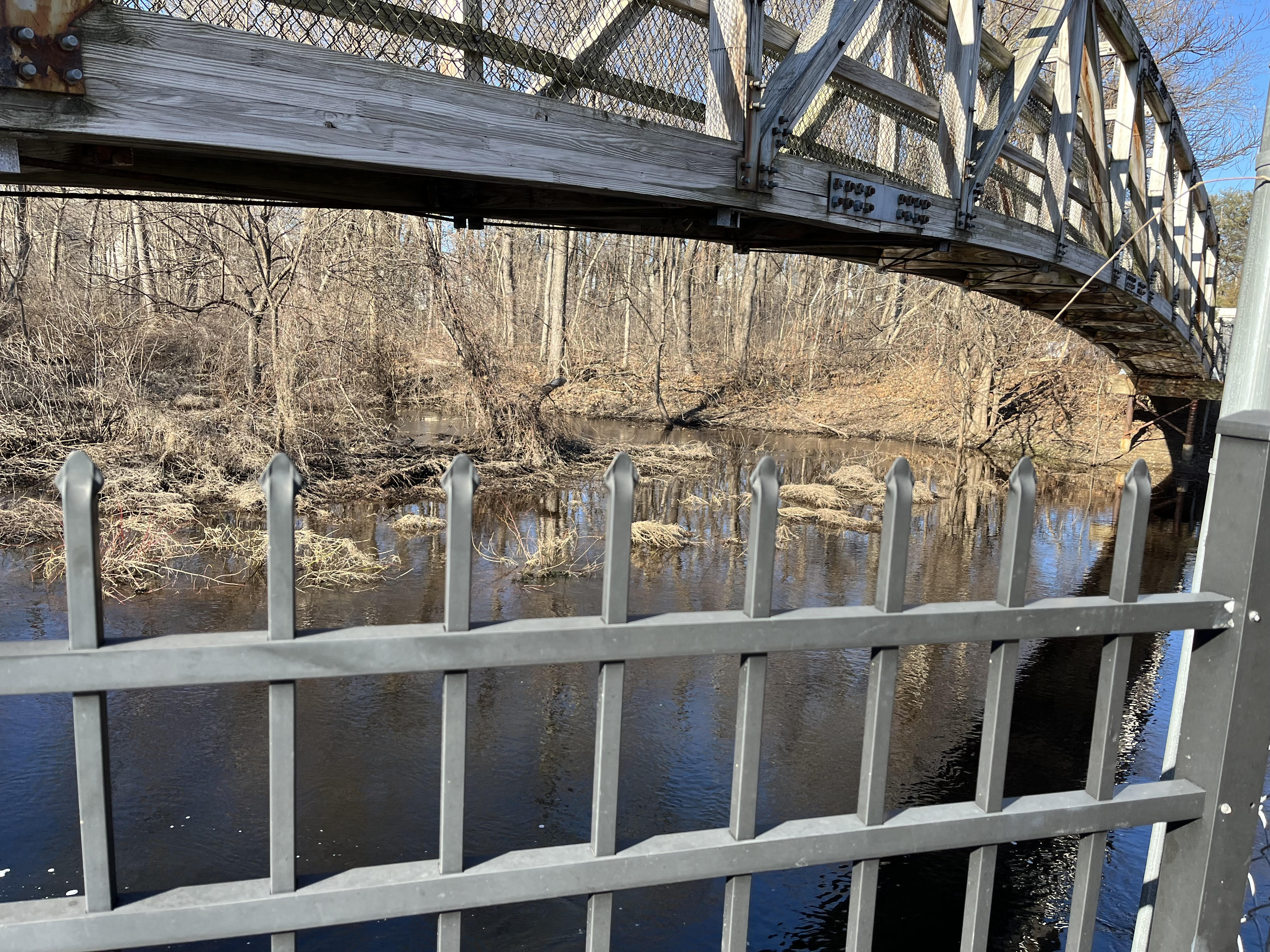
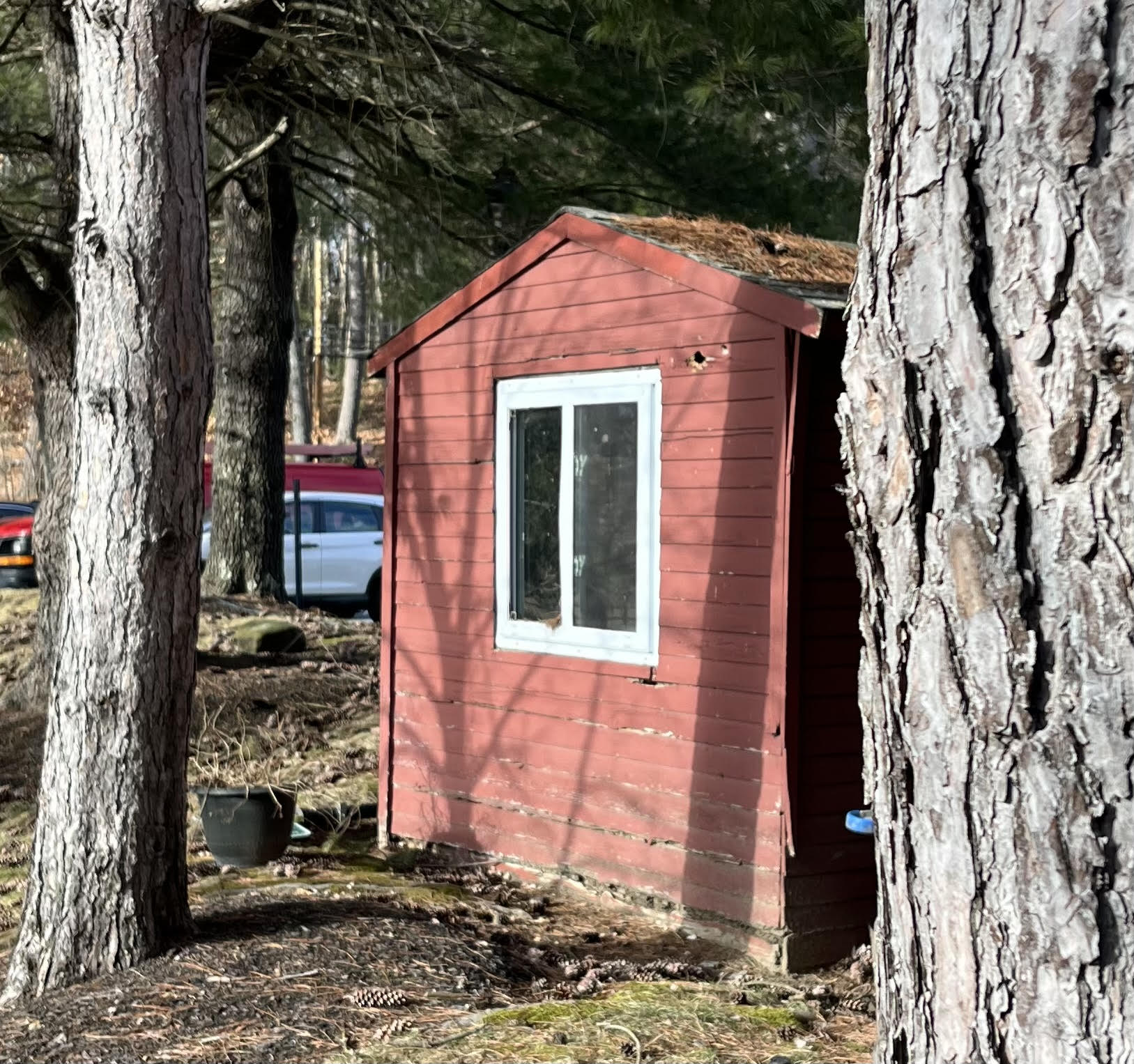
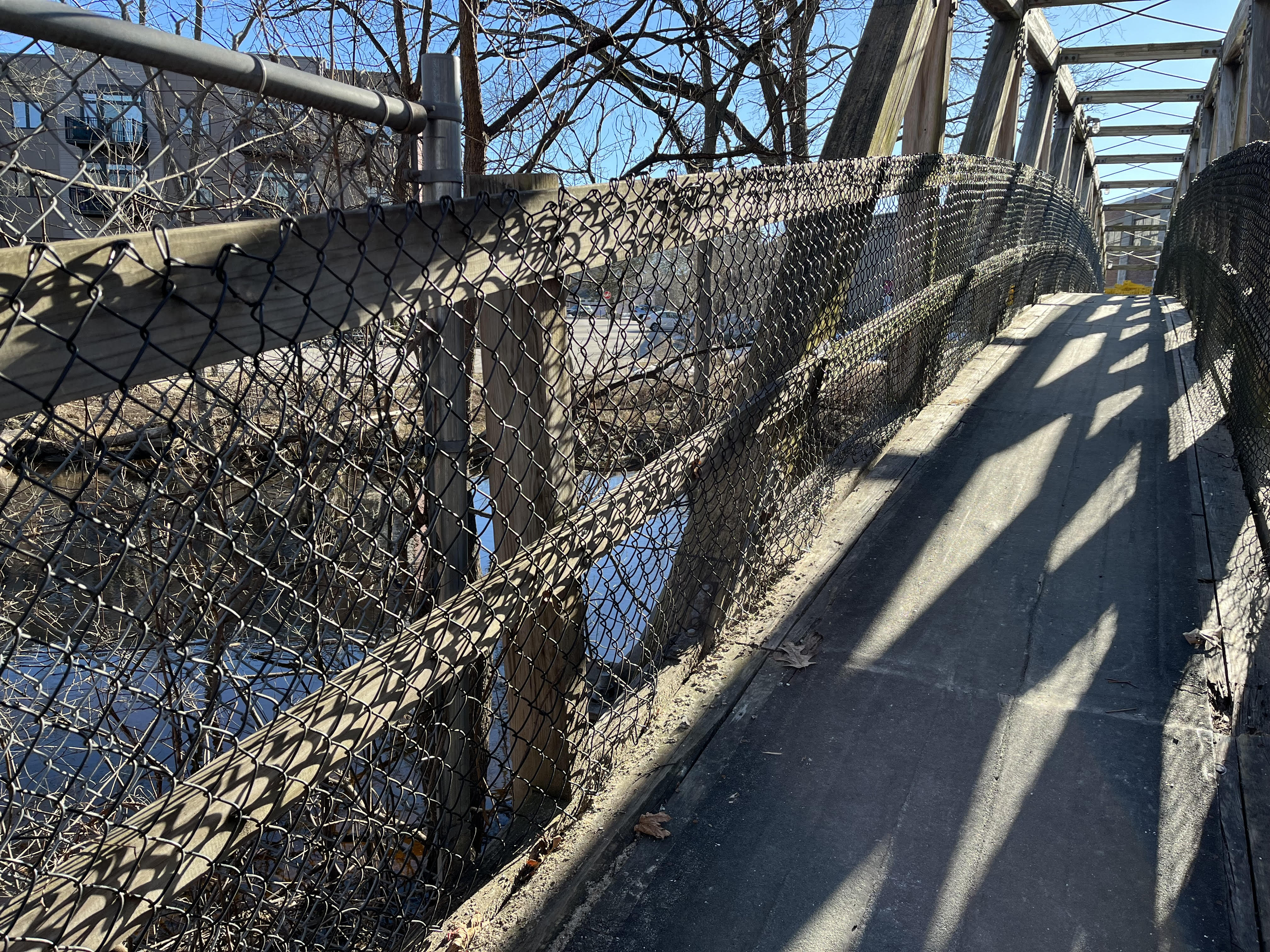
Finally the sun came out. I took photos of the footbridge over Nashoba Brook, which was hurrying along as if it were spring already. Also in sunshine, a mossy-roofed shed caught my eye.

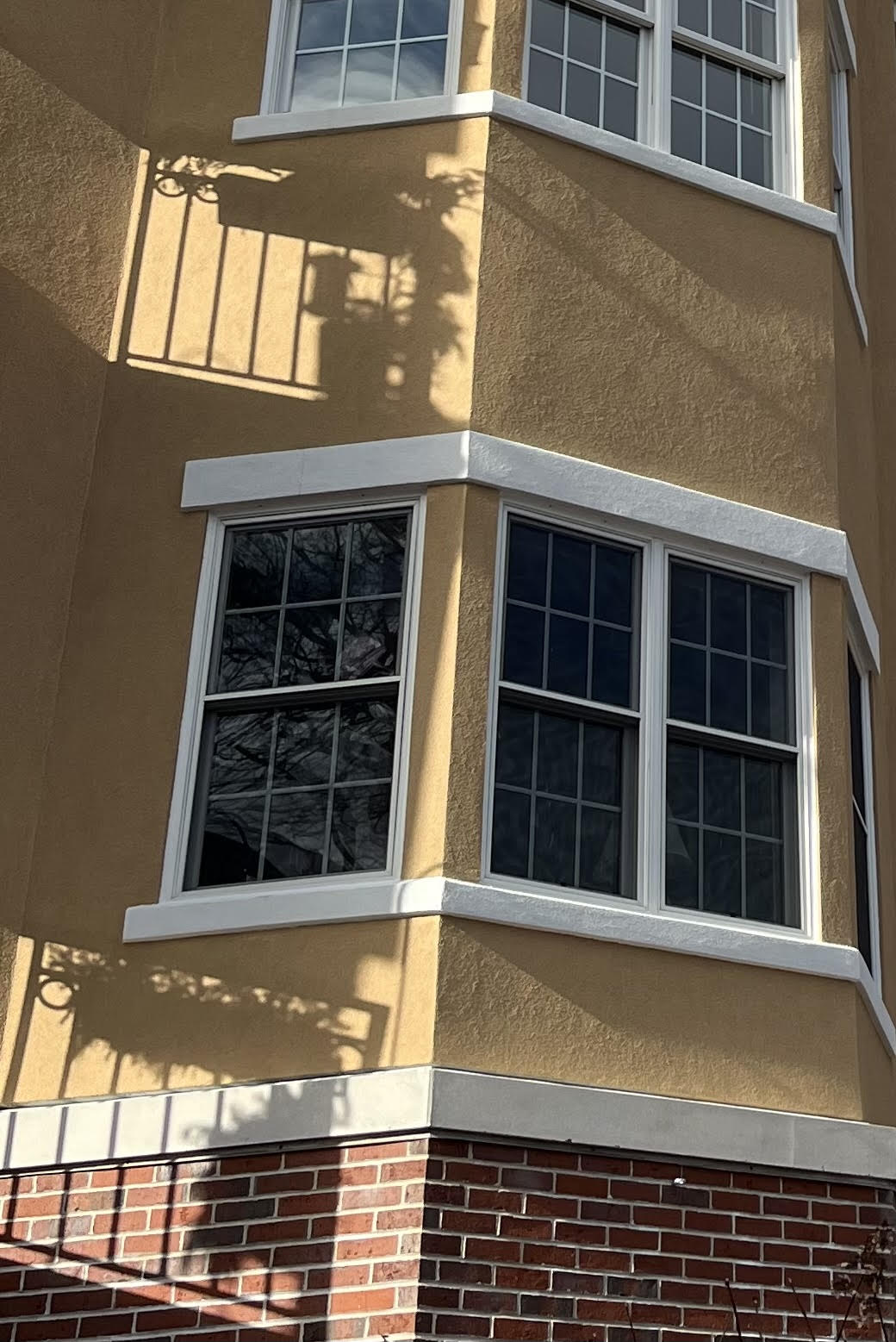
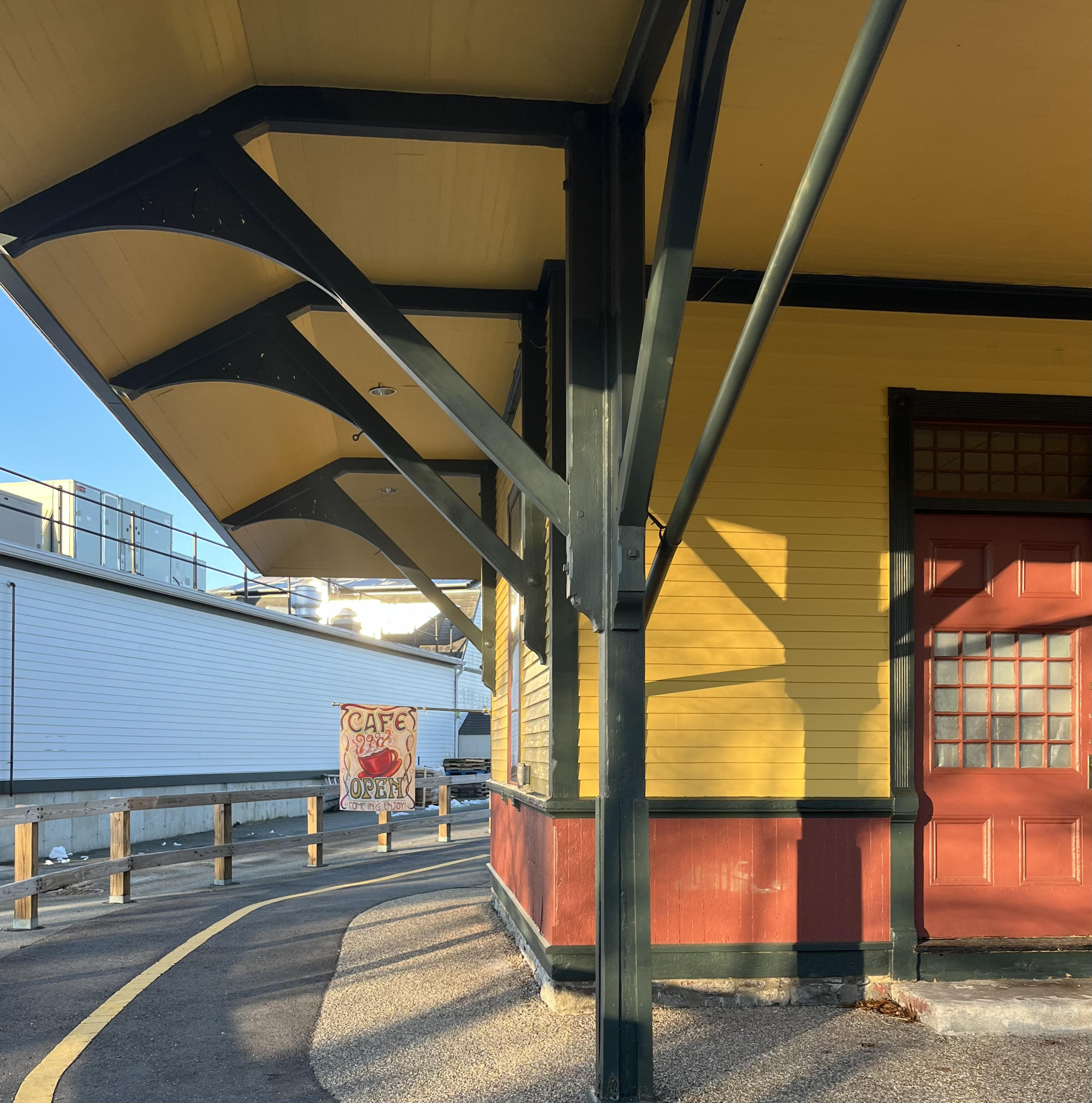
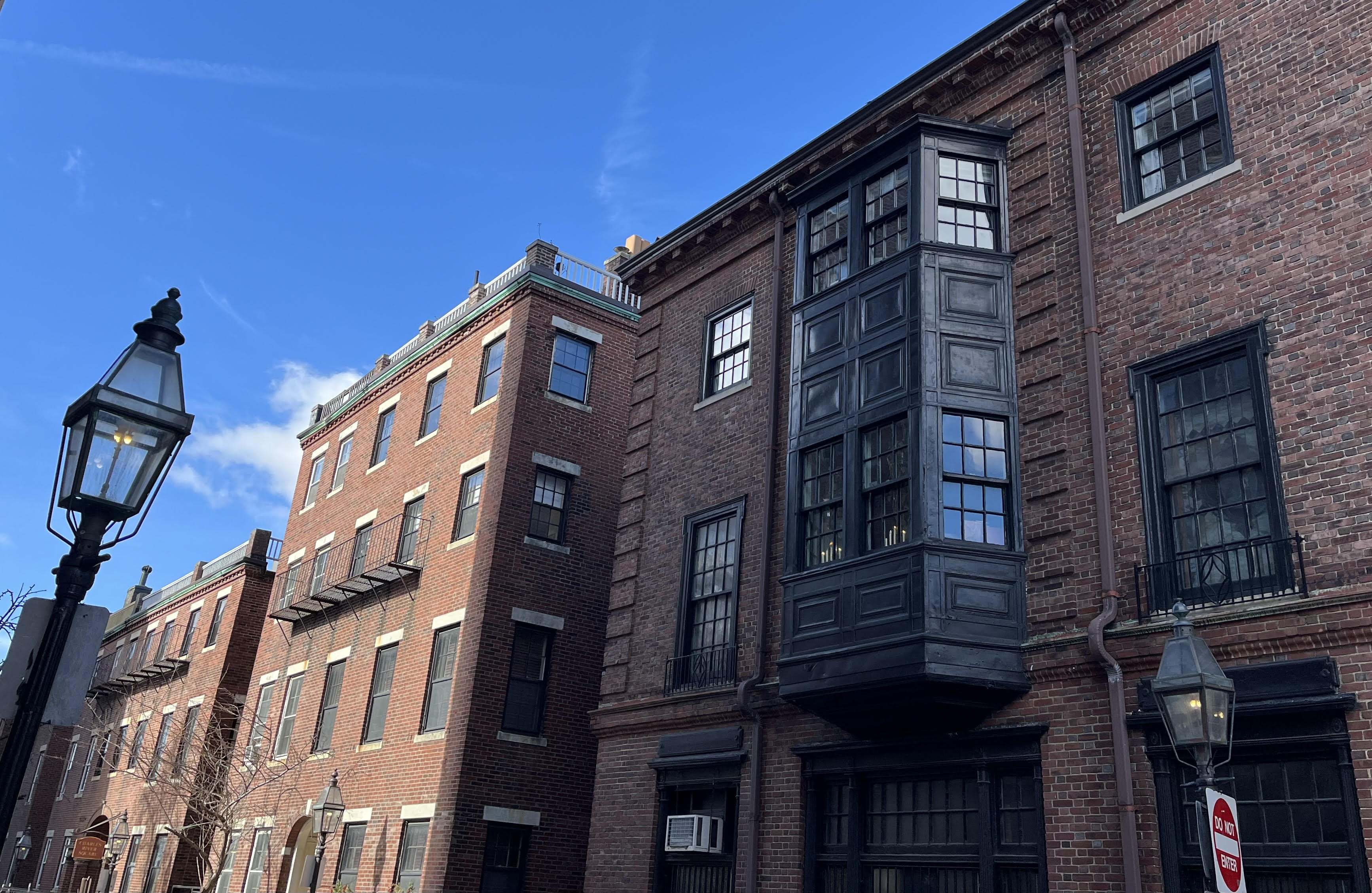
Do you see balconies next? After the balconies, is the train depot. I was there in the early morning to catch the train to Boston for annual checkups at MGH. While in town, I also took a shot of the Beacon Hill area off Charles Street.

PS All dragons smile, if we know how to look at them.

Read Full Post »

A Photo Roundup

Photos: Suzanne and John’s Mom.
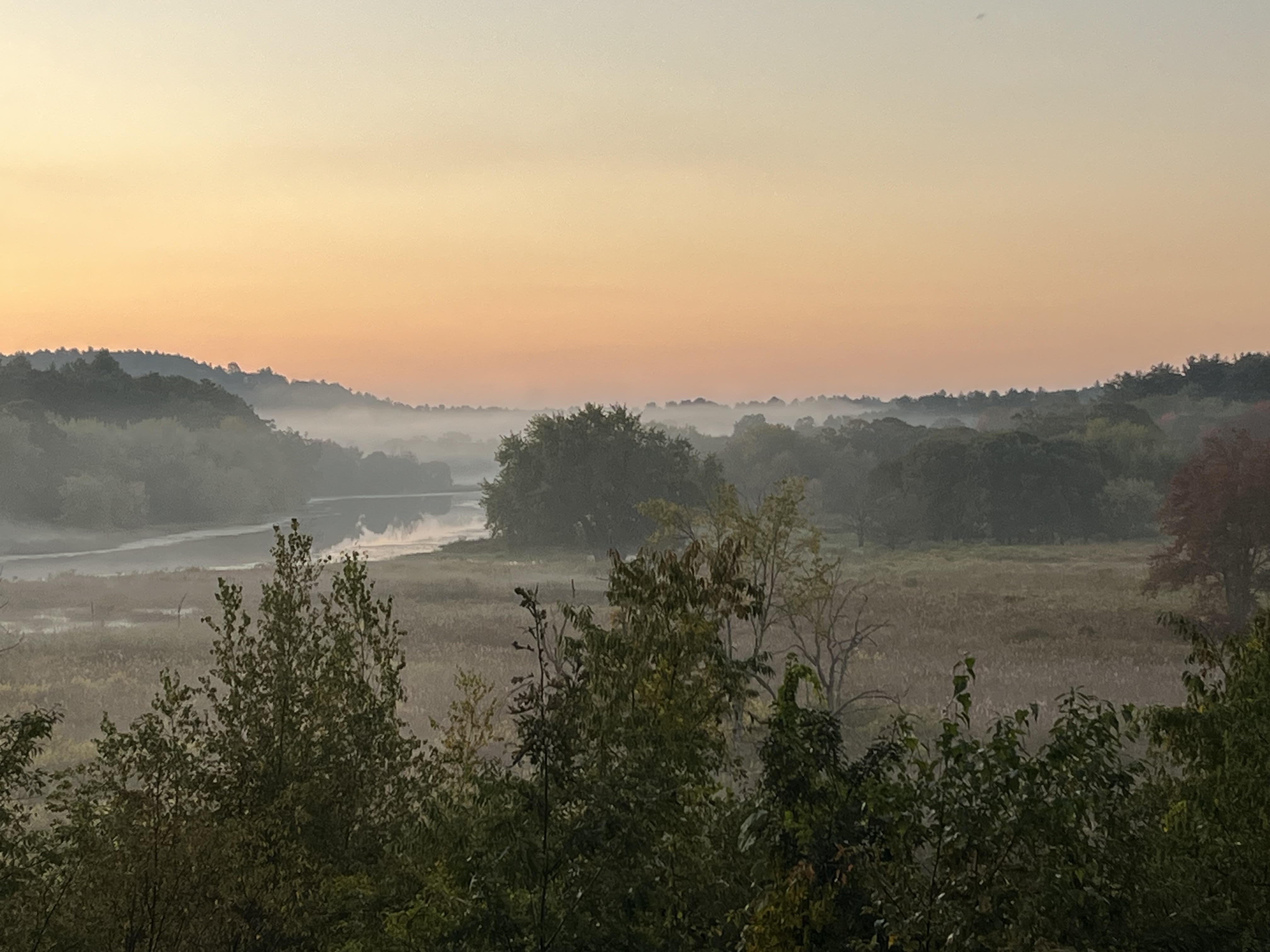
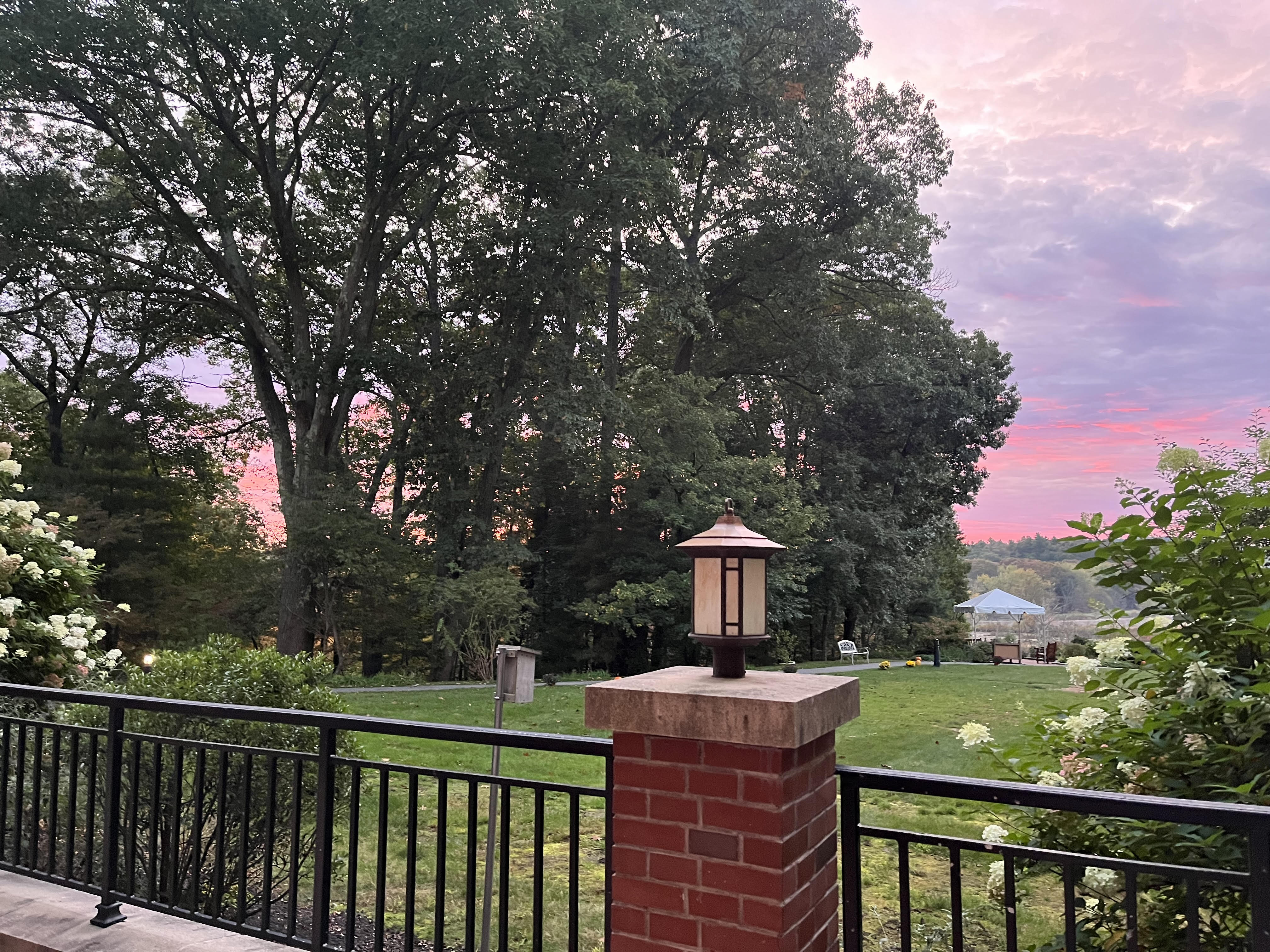
Above, early fall morning on the Sudbury River.

Leaves are falling like gold coins in New England and it’s getting cool enough for a wool scarf on early morning walks. When I wrap mine tightly around my neck, I think of my friend Pam, who died in April after a bad fall. So many things remind me of her, but the scarf reminds me how she said that if her neck is warm on cold days, she’s OK. I’m the same.

Where I live now, I have a nice view of the Sudbury River from the fitness center treadmill. The photo above cuts out the buildings that I normally see in the view. Isn’t it beautiful?

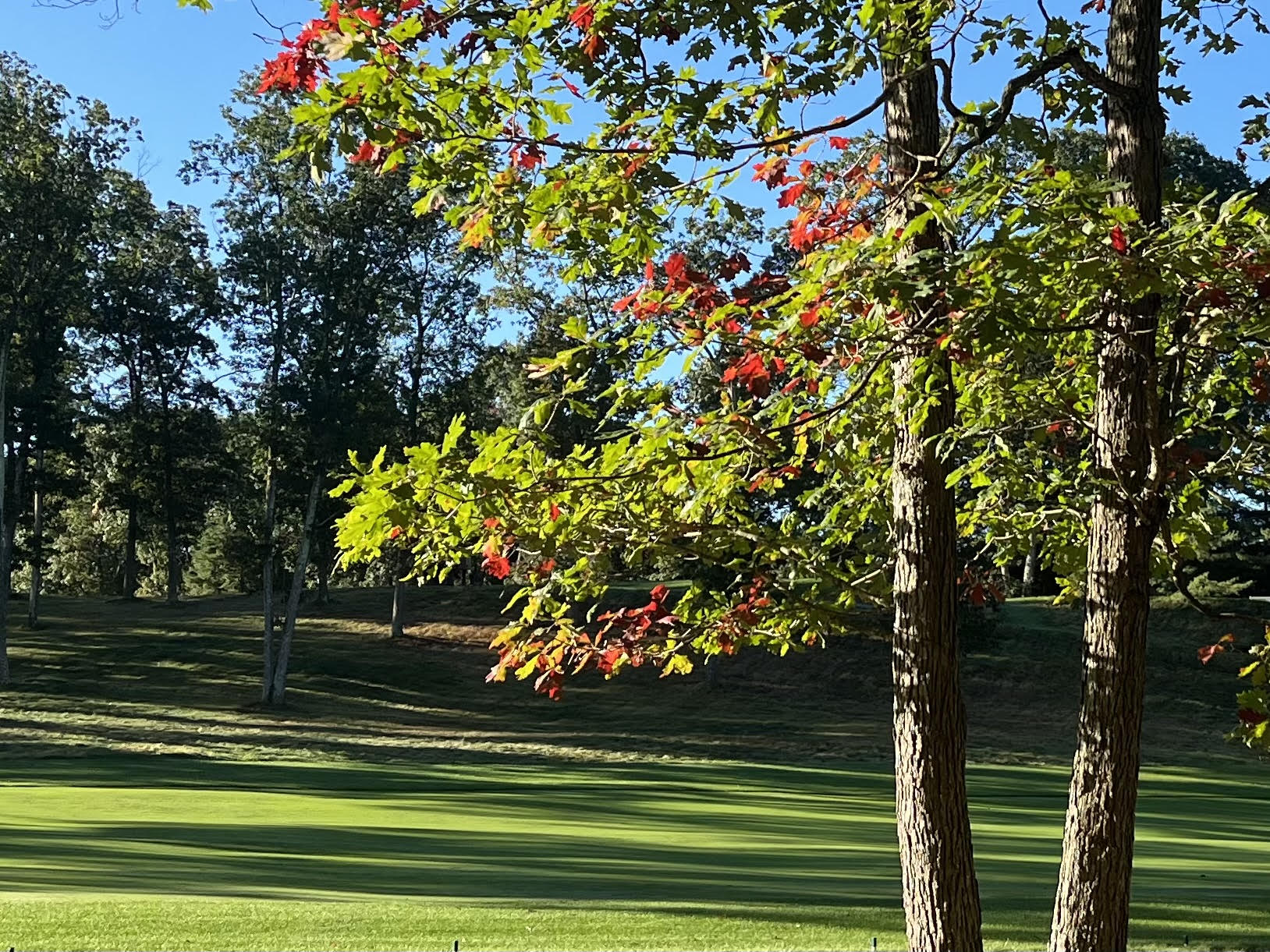
I take my usual walk past the local golf course, seen in the next picture. Golf makes me think of another friend, one who golfs almost every day in Florida. I sent her a picture, too.

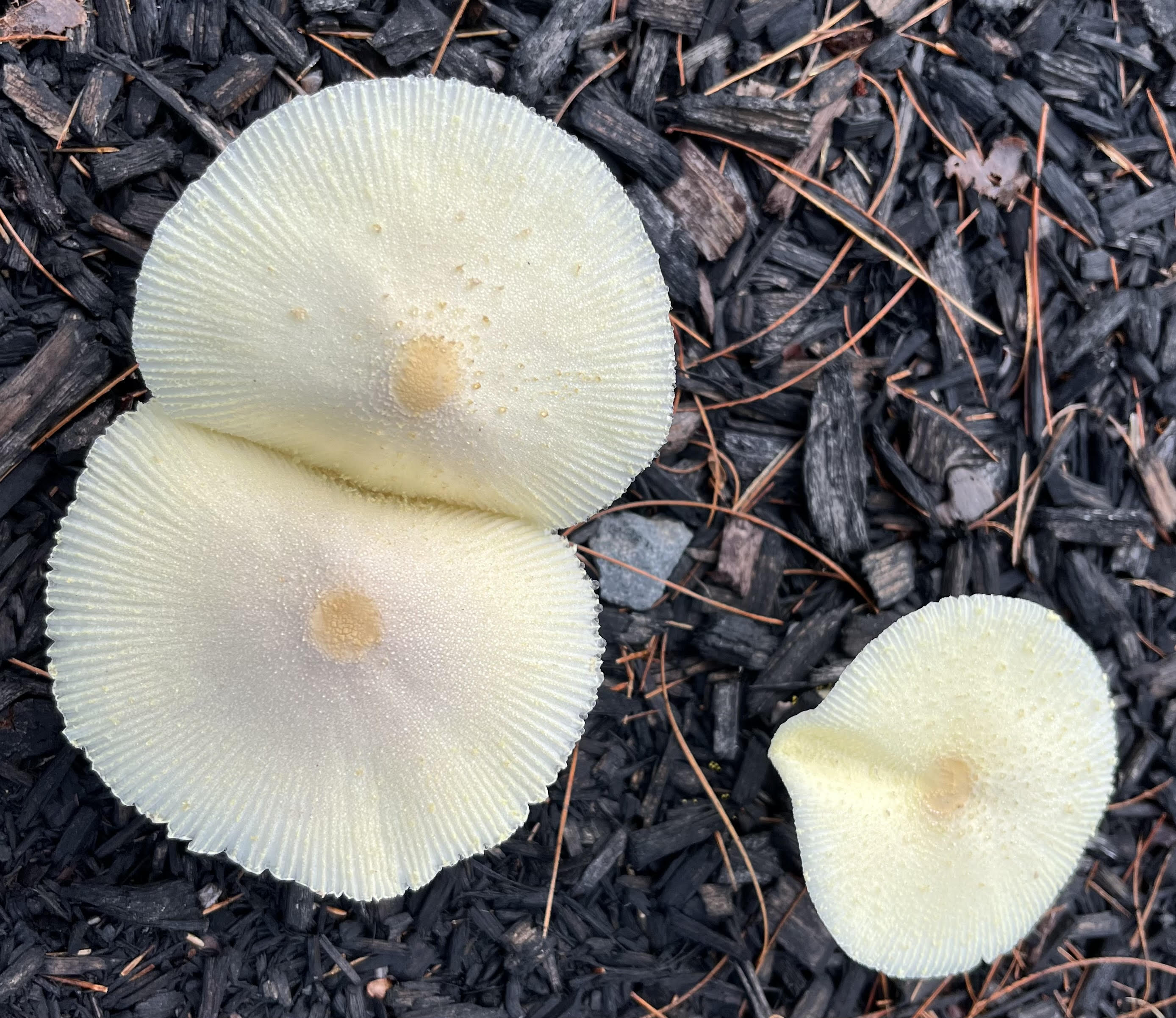
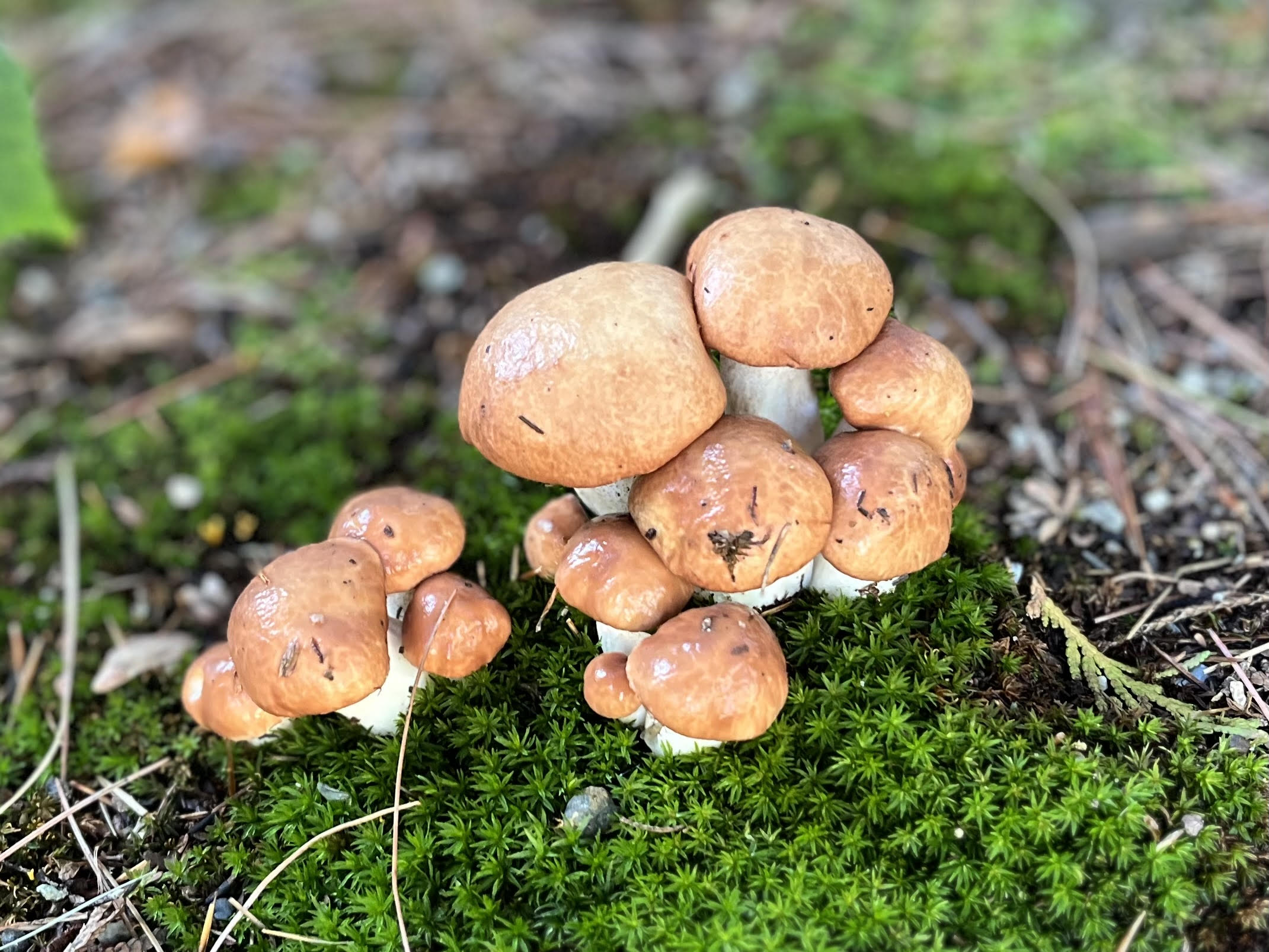
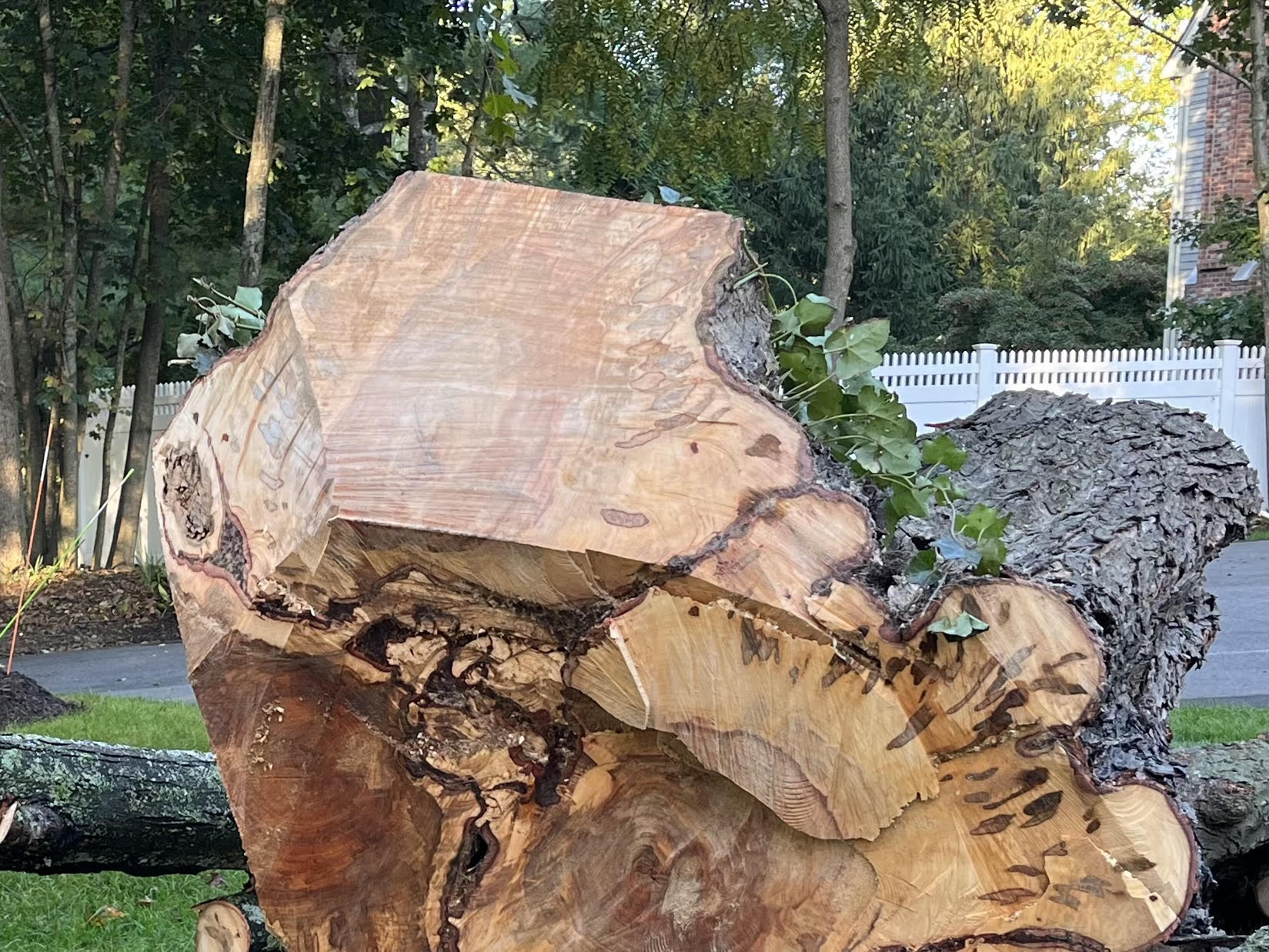
I’m seeing lots of pretty fungi and mushrooms and expect that before long there will be new and interesting ones emerging from the stump left behind by the monster tree below. I can’t help wondering why such a nice, big tree was cut down. I’m sure it didn’t want to be.

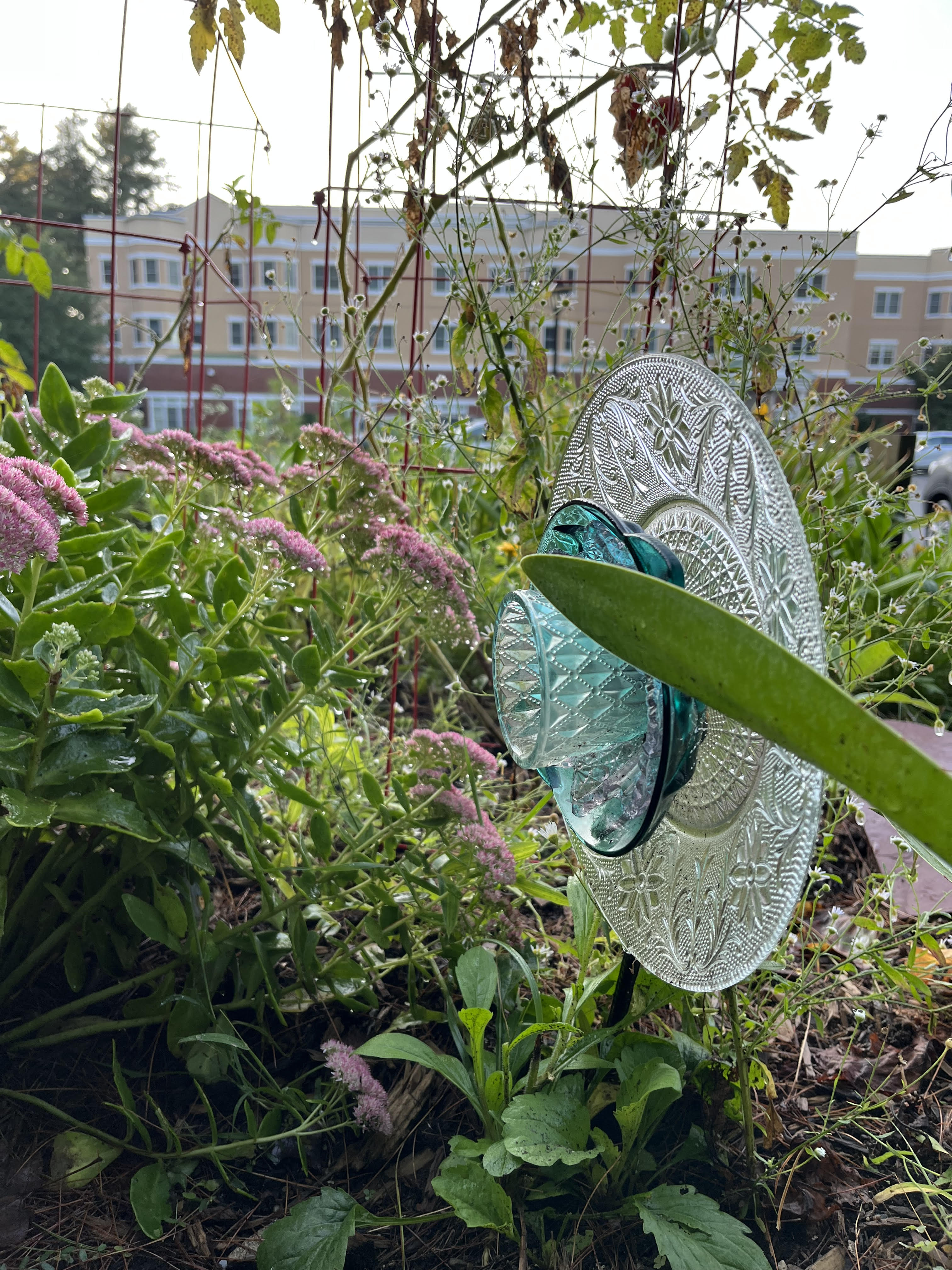
I don’t see fungi in the little garden plots where I take my compost offerings every few days. Just rich soil, flowers, tomatoes, and curious artifacts like the decorative tea cup in the photo.

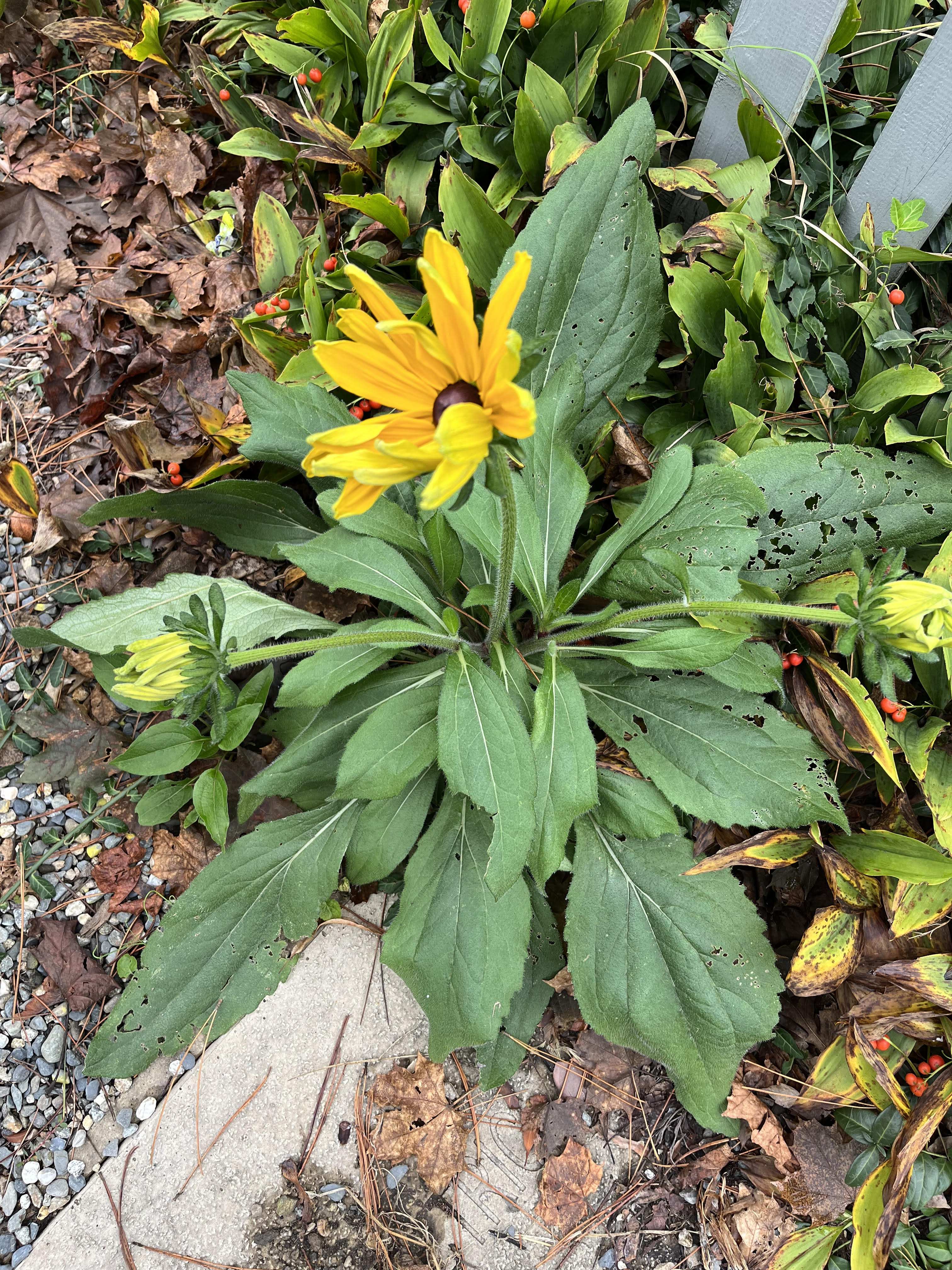
The big echinacea at the house we are selling took me completely by surprise. I don’t remember when I planted it, and I know it never bloomed before. It strikes me as something dropped in from outer space. And as my kids know, that is likely to remind me of the 1978 version of The Invasion of the Body Snatchers.

Because so many things do remind me of that movie.

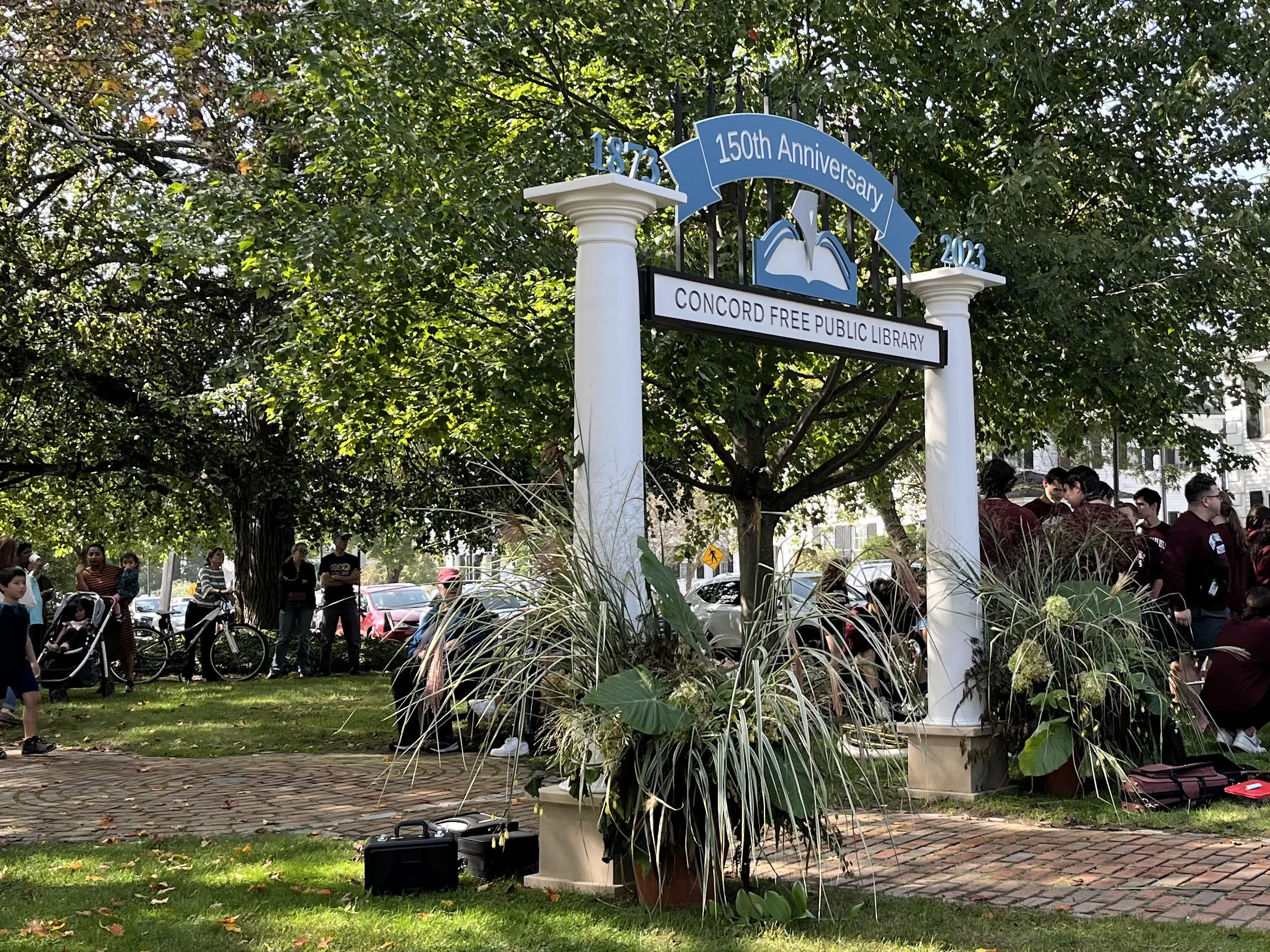
My next shot notes the 150th celebration of the local library, for which a beautiful day came through, as ordered. (Costume parade, Anyone? Speeches by Ralph Waldo Emerson?)

Next, there’s a photo of a typical sight near Boston’s North Station, where I went to have coffee with my friend Lillian one day. A number of tour businesses use Segways to get people from one historic site to another. Remember when Dean Kamen’s invention was going to revolutionize transportation? So far, it seems to have revolutionized only tourism.

Read Full Post »

Photo: Suzanne and John’s Mom.

Here it is August already and I haven’t even gotten to July photos. Some days it was just too hot to do anything, but as one internet Cassandra has predicted, 2023 will be remembered as cooler than any year to come. Oy.

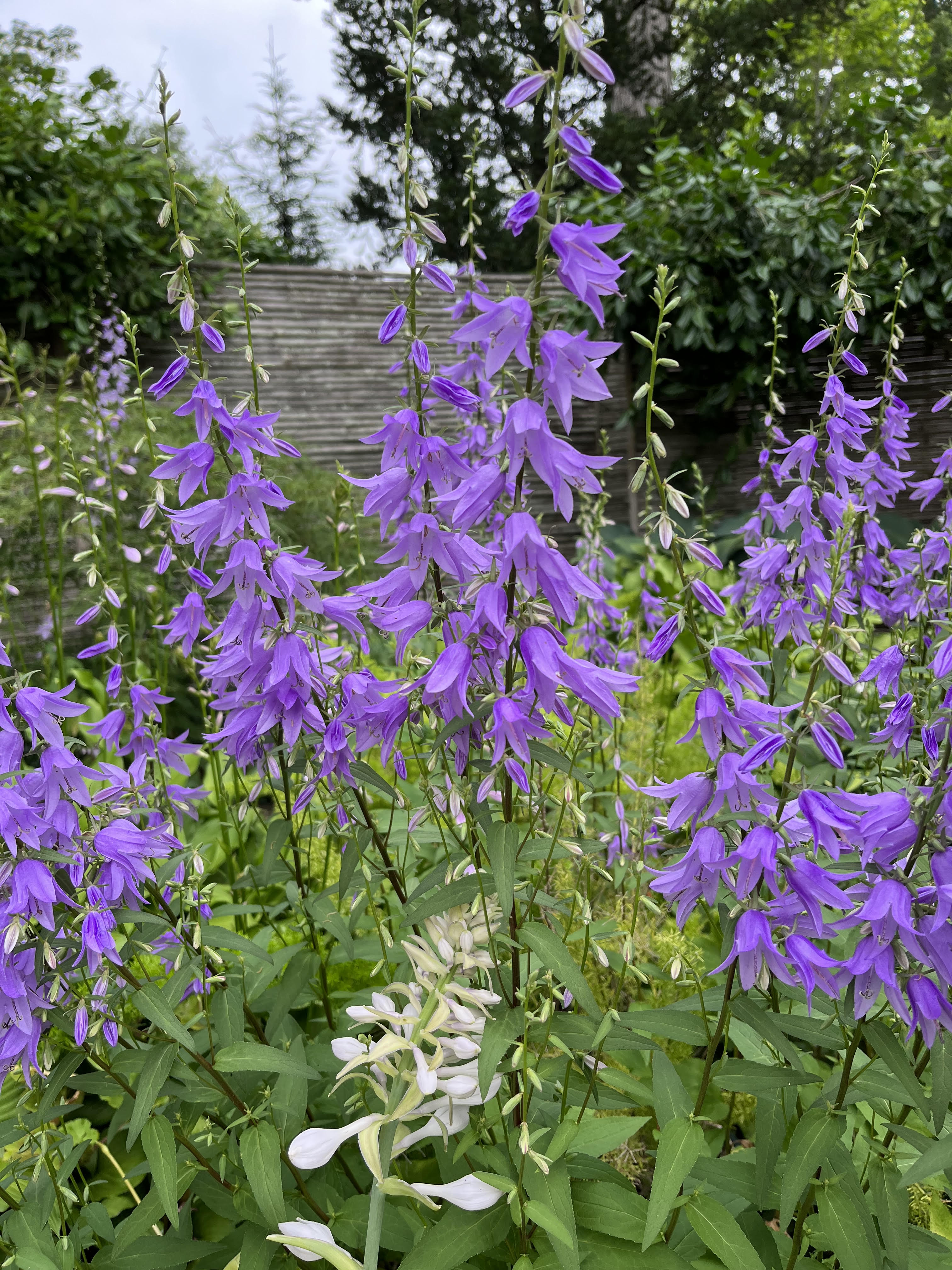
In the first photo, a little boy pops up from the family car like a turtle to observe the wake of the boat. Next we have Creeping bellflower, sometimes called “Evil Twin” because it is not a true bellflower.

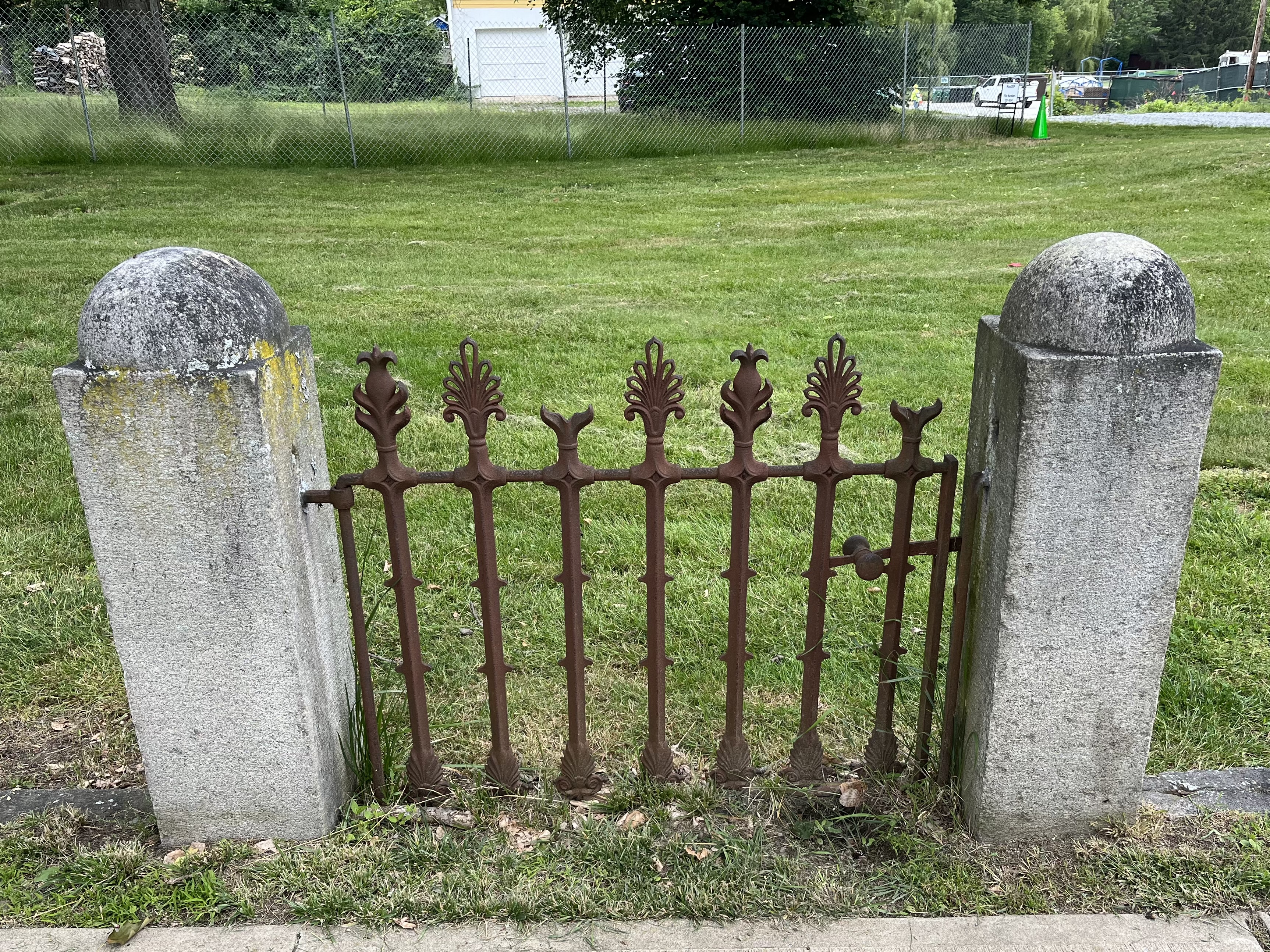
I’m amused by fancy gates that keep nothing in or out.

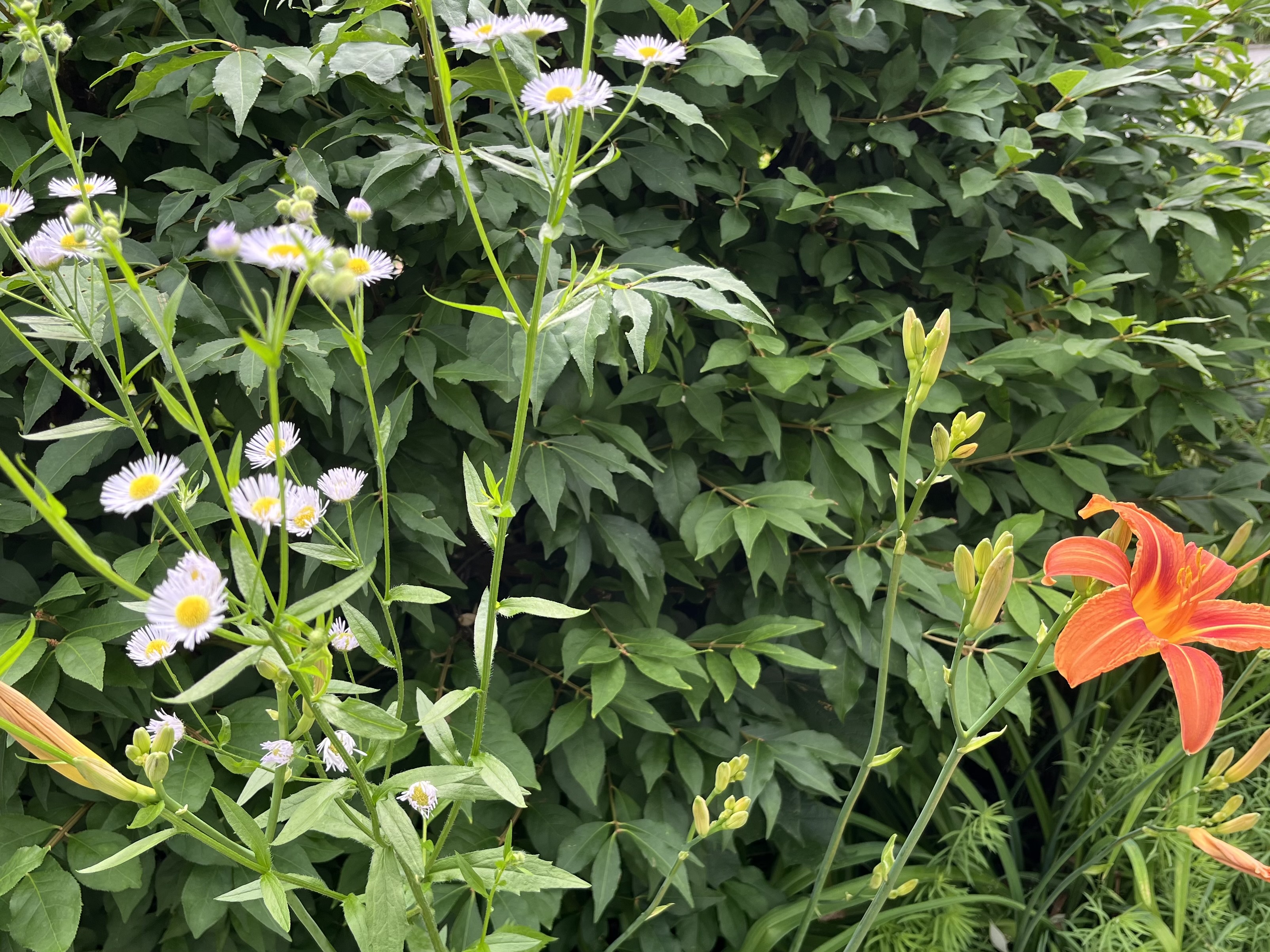
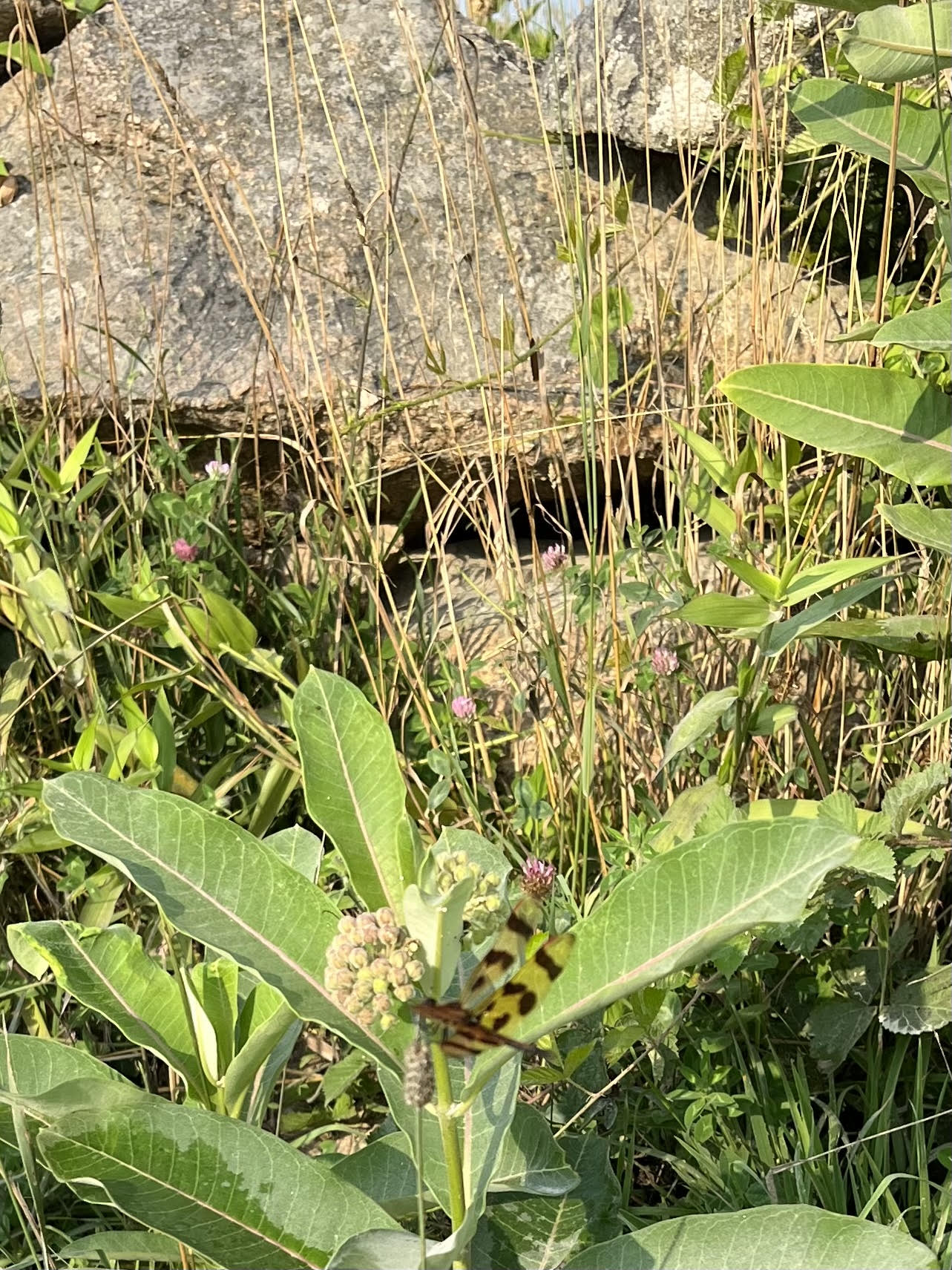
In the yard beside the orange daylily is Daisy fleabane, or so my app tells me. In the next photo, note the dragonfly trying hard not to be seen.

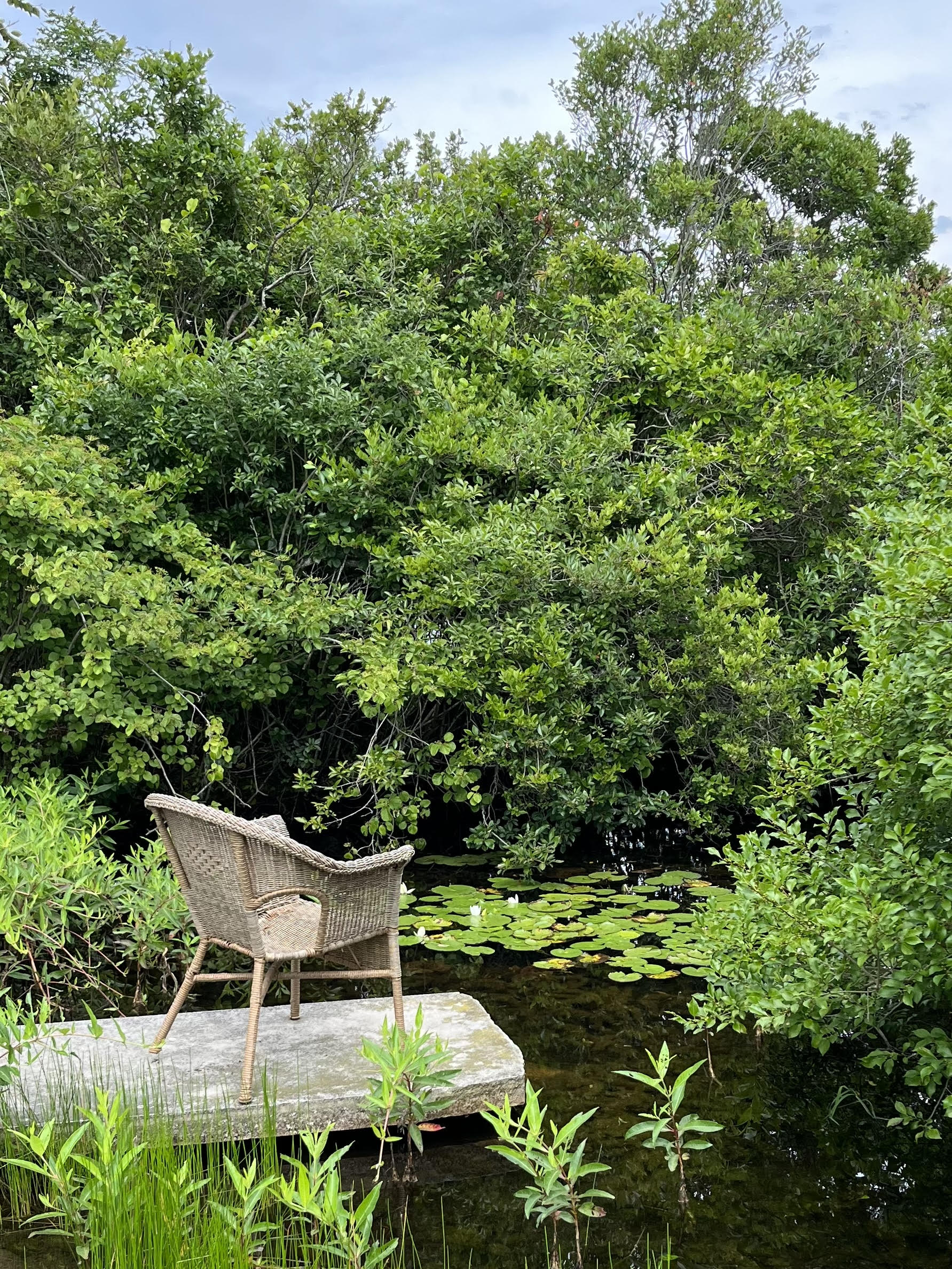
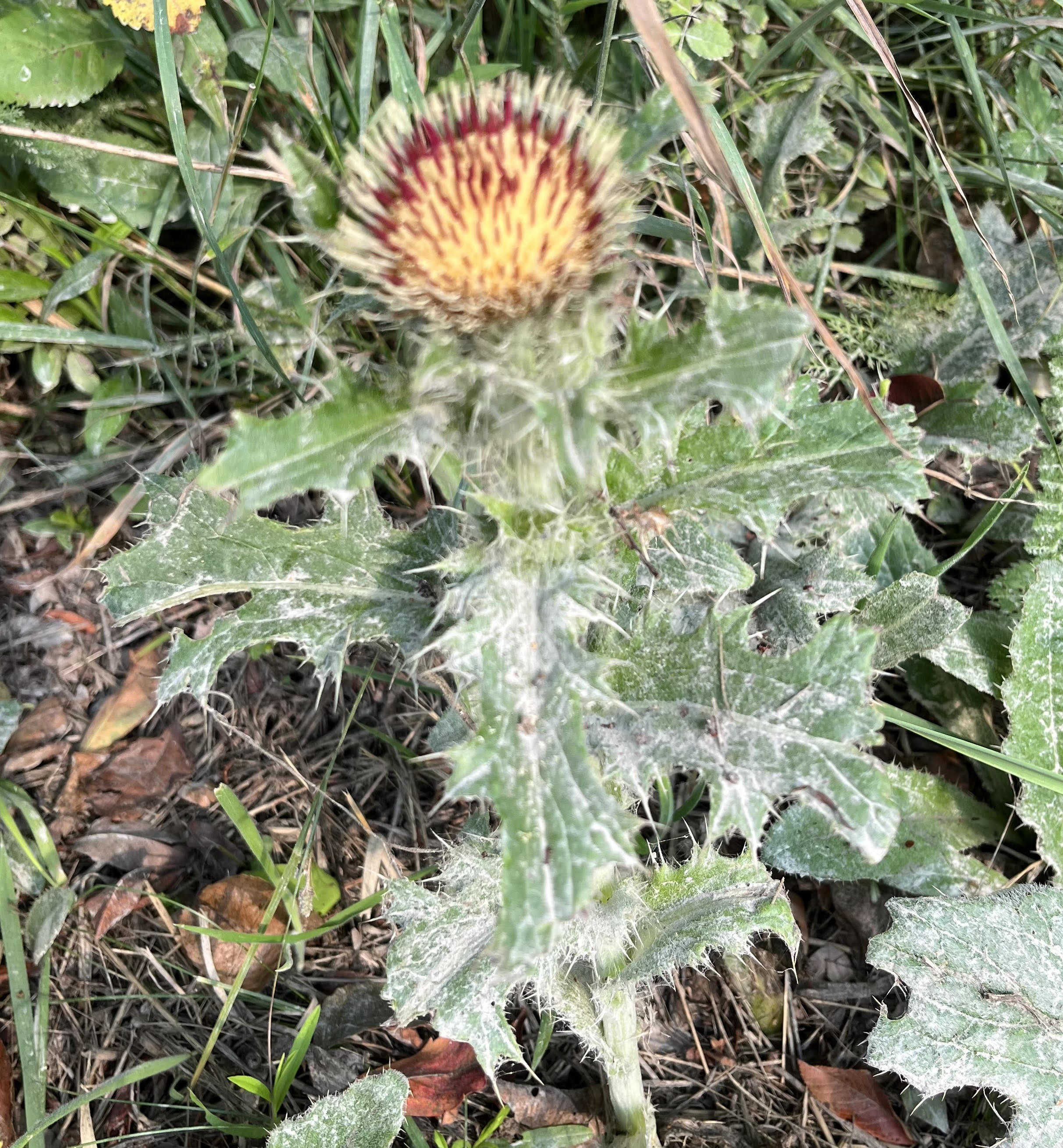
A comfortable chair sits by the summer-blooming water lilies. A mean-looking bull thistle aims to scare off all comers.

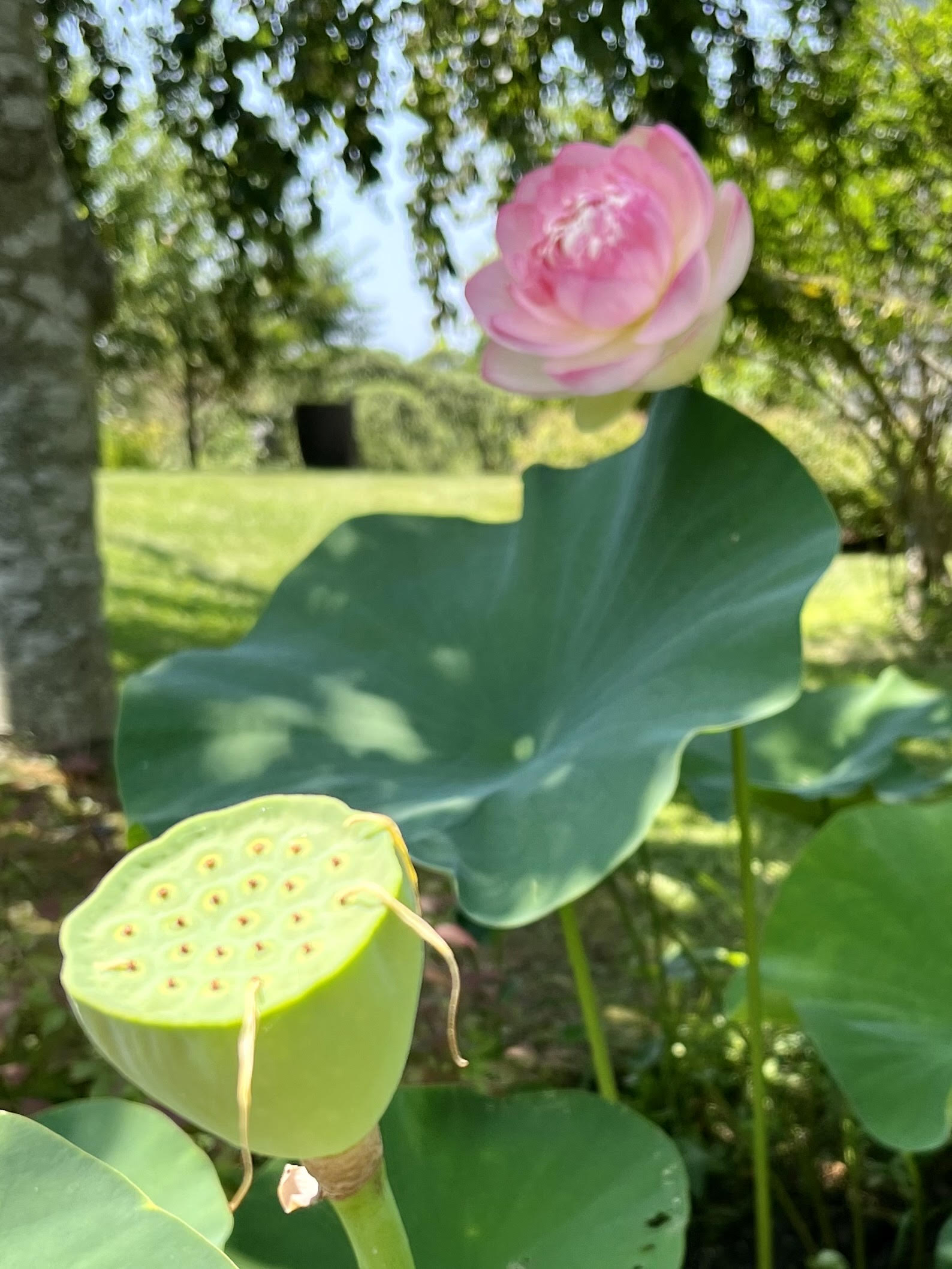
Now take a good look at the foreground of the lotus. This is what is revealed when the flower part dies: its inner self. I like to say that the inner self of a lotus is a shower head.

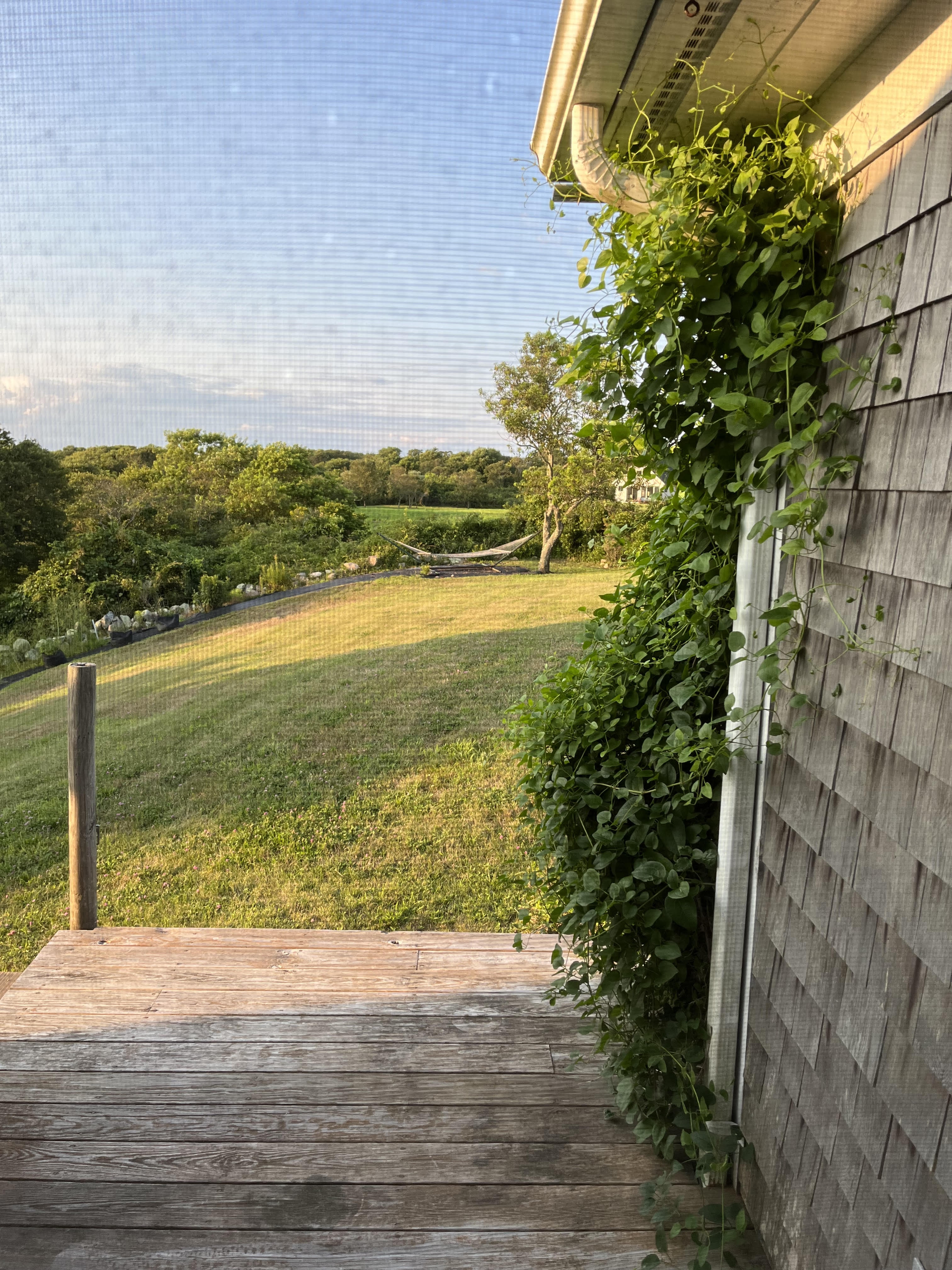
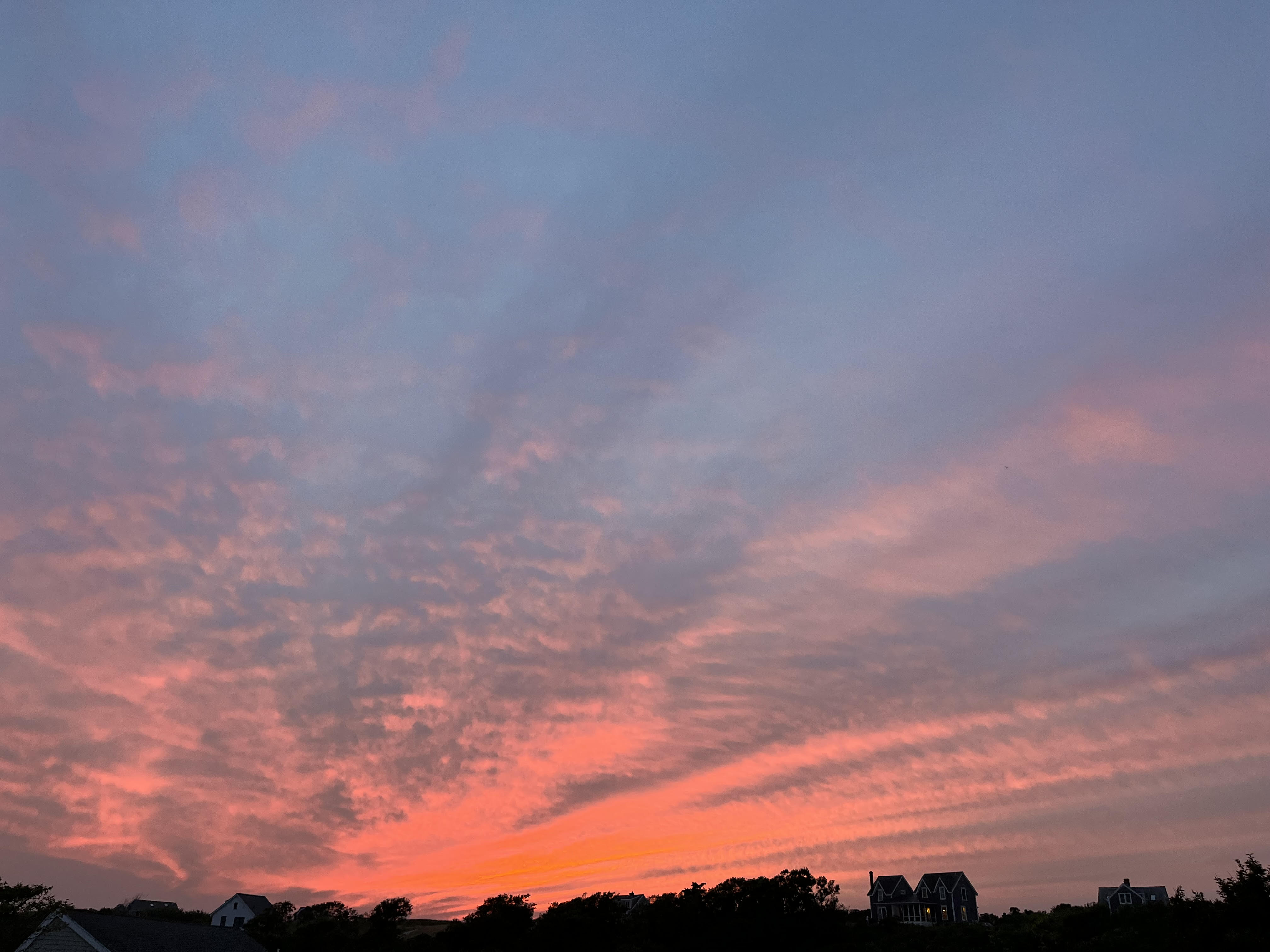
The next scene is dusk in a New Shoreham yard. Soon the deer will pop up from the other side of the stone wall and go looking for free snacks.

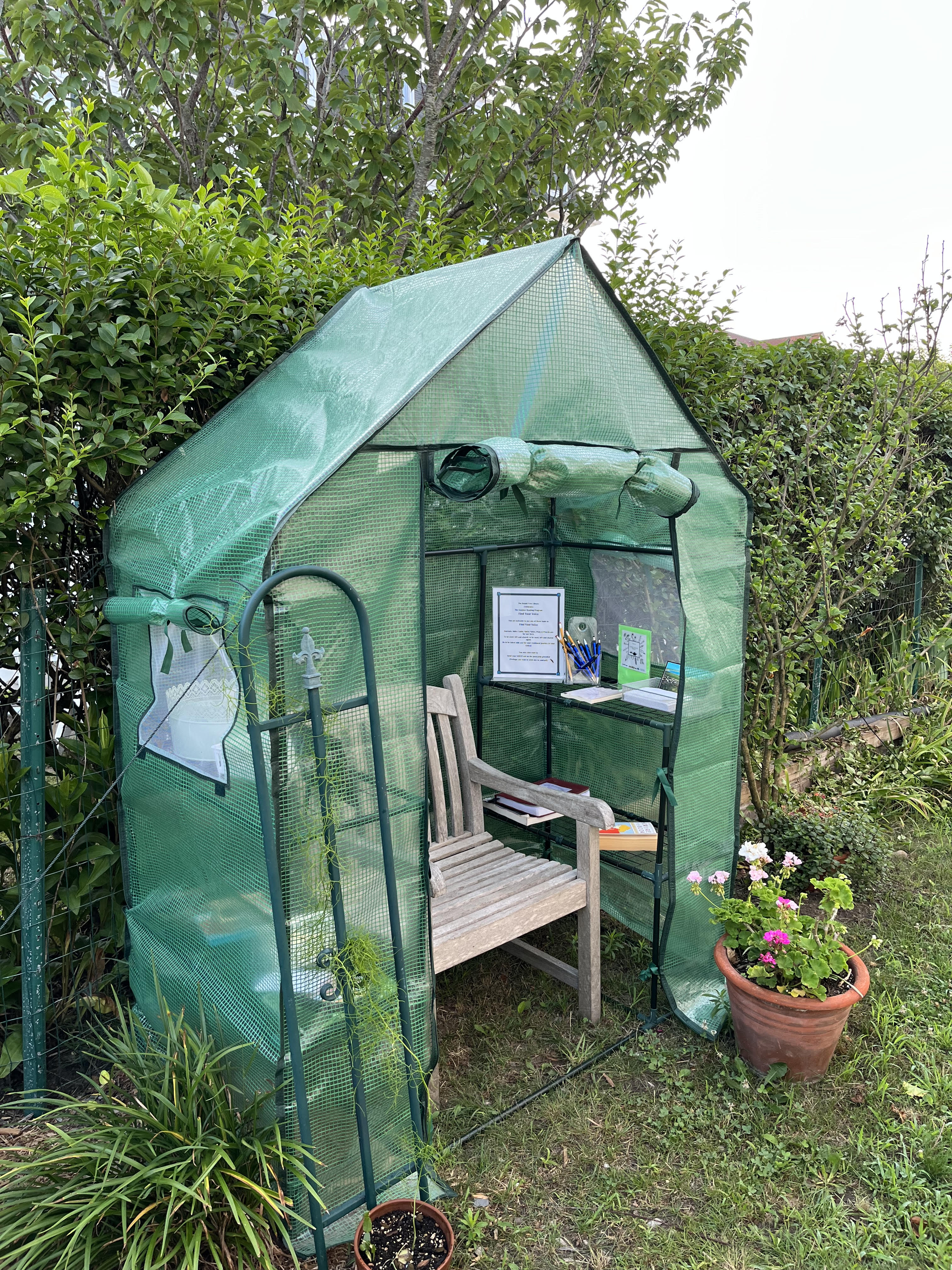
At the island library, where my younger grandson challenged all comers to a game of chess before he went to the nationals in Michigan, you can admire the little tent the librarians set out for quiet pondering and note-taking about books — or anything.

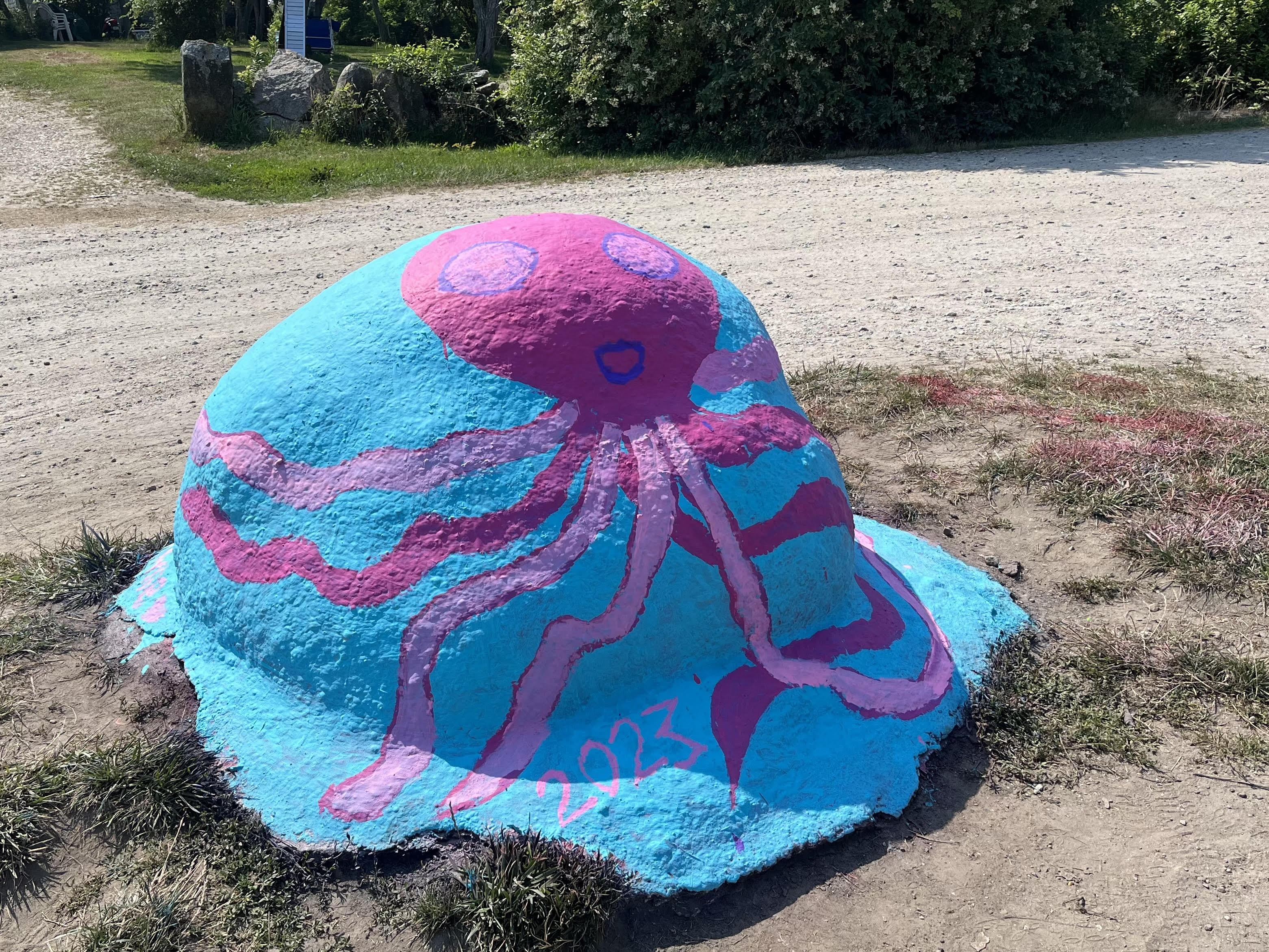
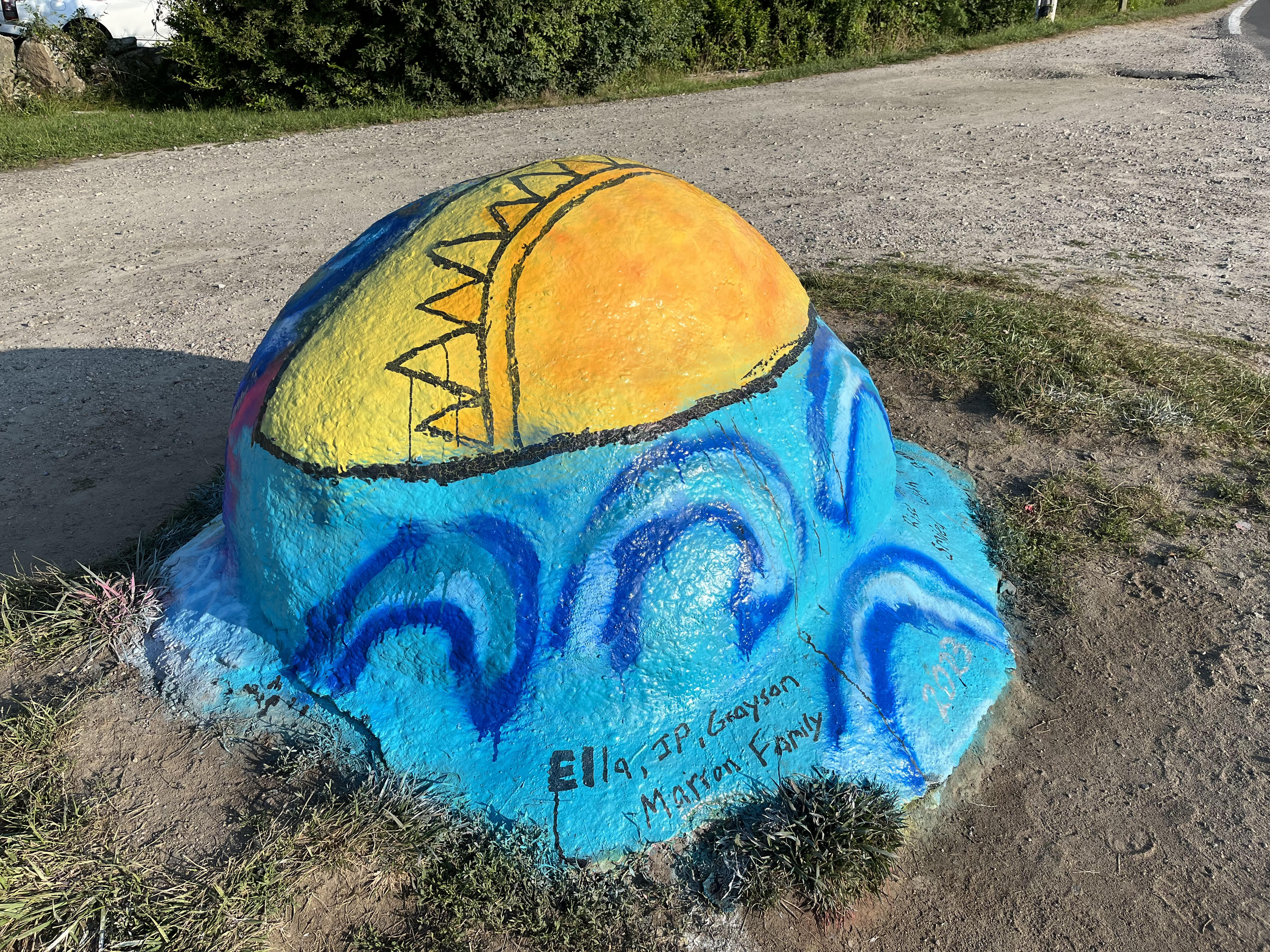
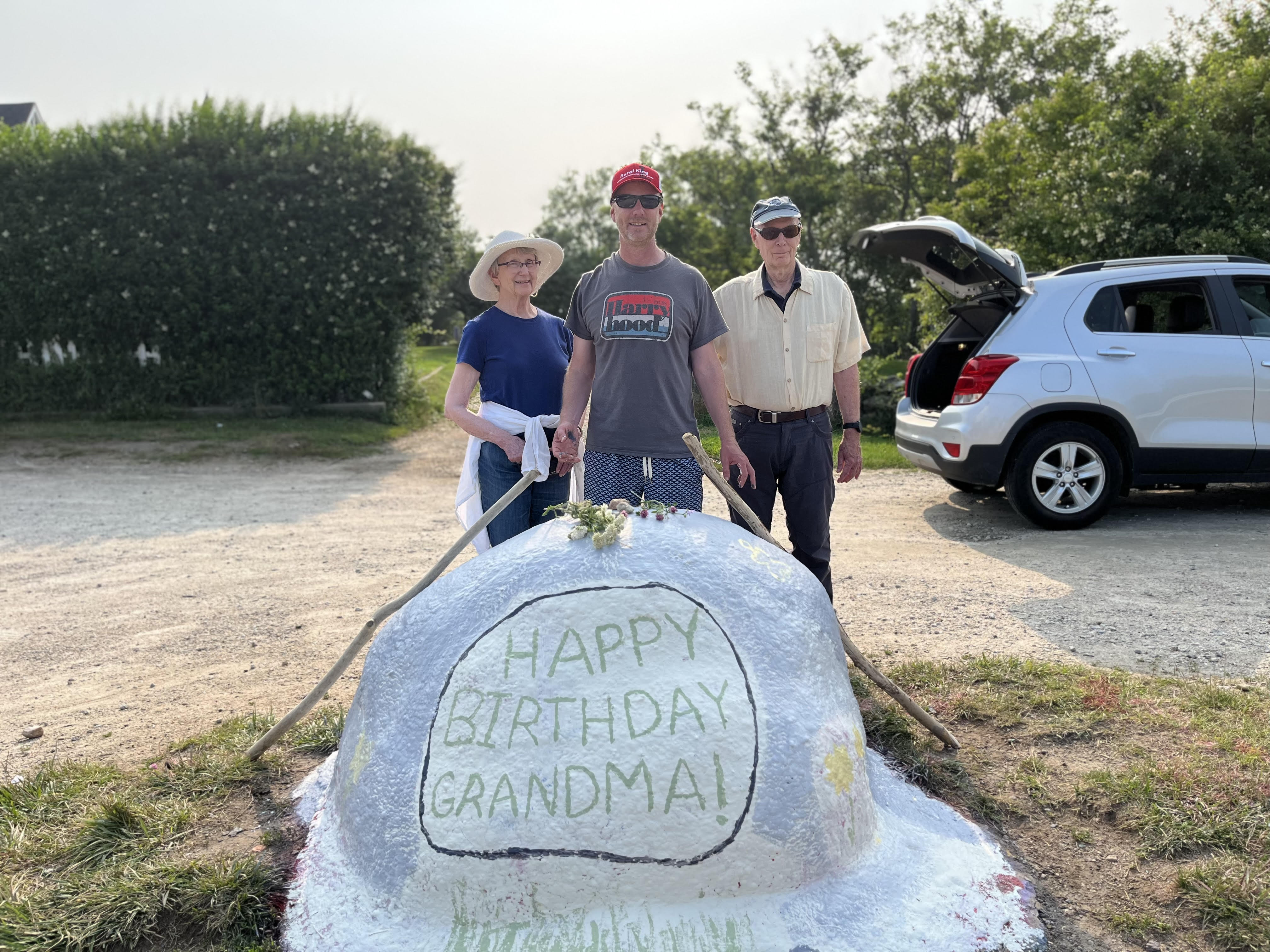
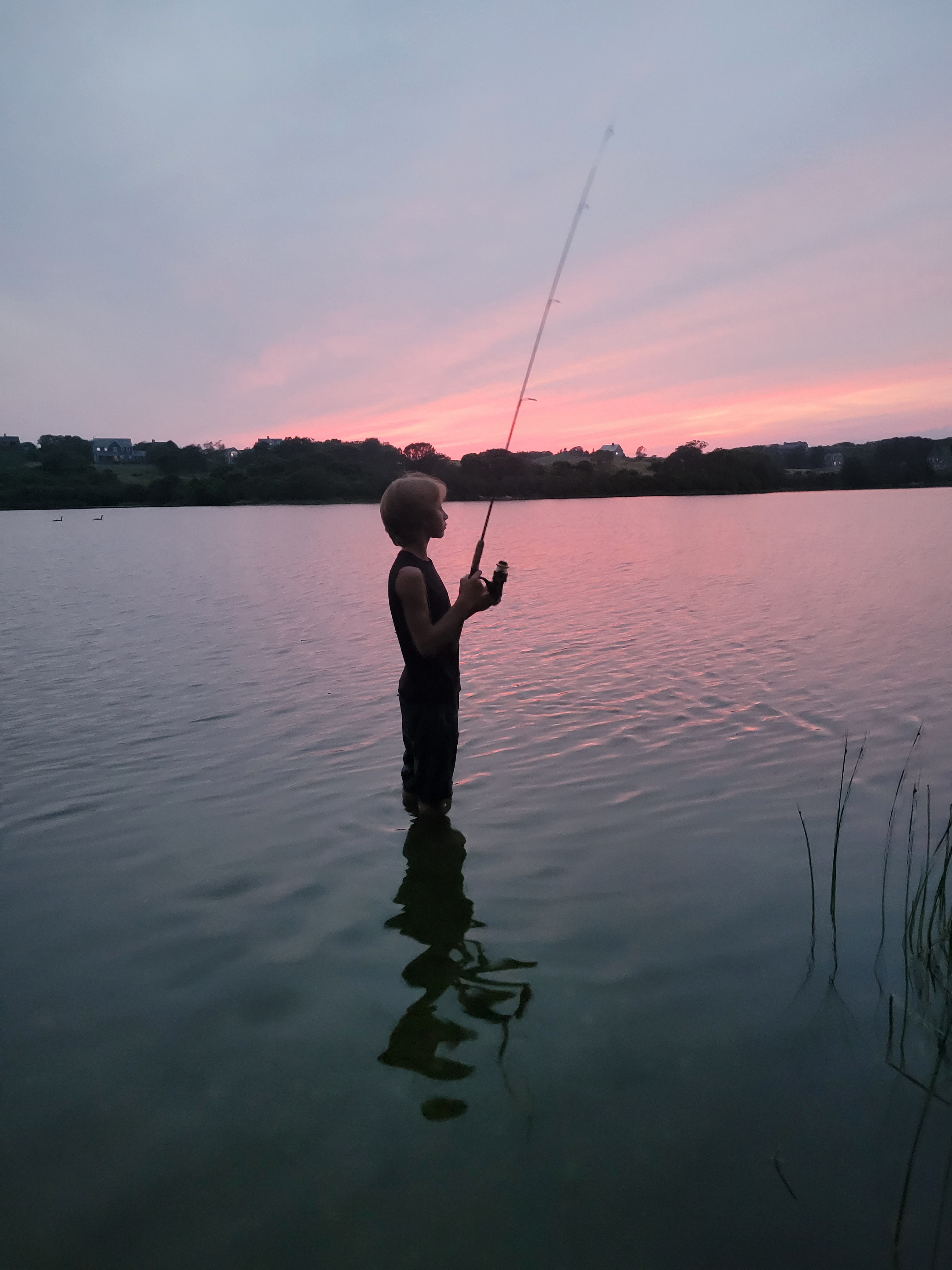
Moving right along, we can check on a few of the summer’s better painted rocks — a surprised-looking octopus, a celebration of sun and sea, and one of my birthday. Pretty much the whole family worked on that last one. My oldest granddaughter did the careful lettering. She also was the photographer for the picture below of her brother fishing at sunset.

Read Full Post »

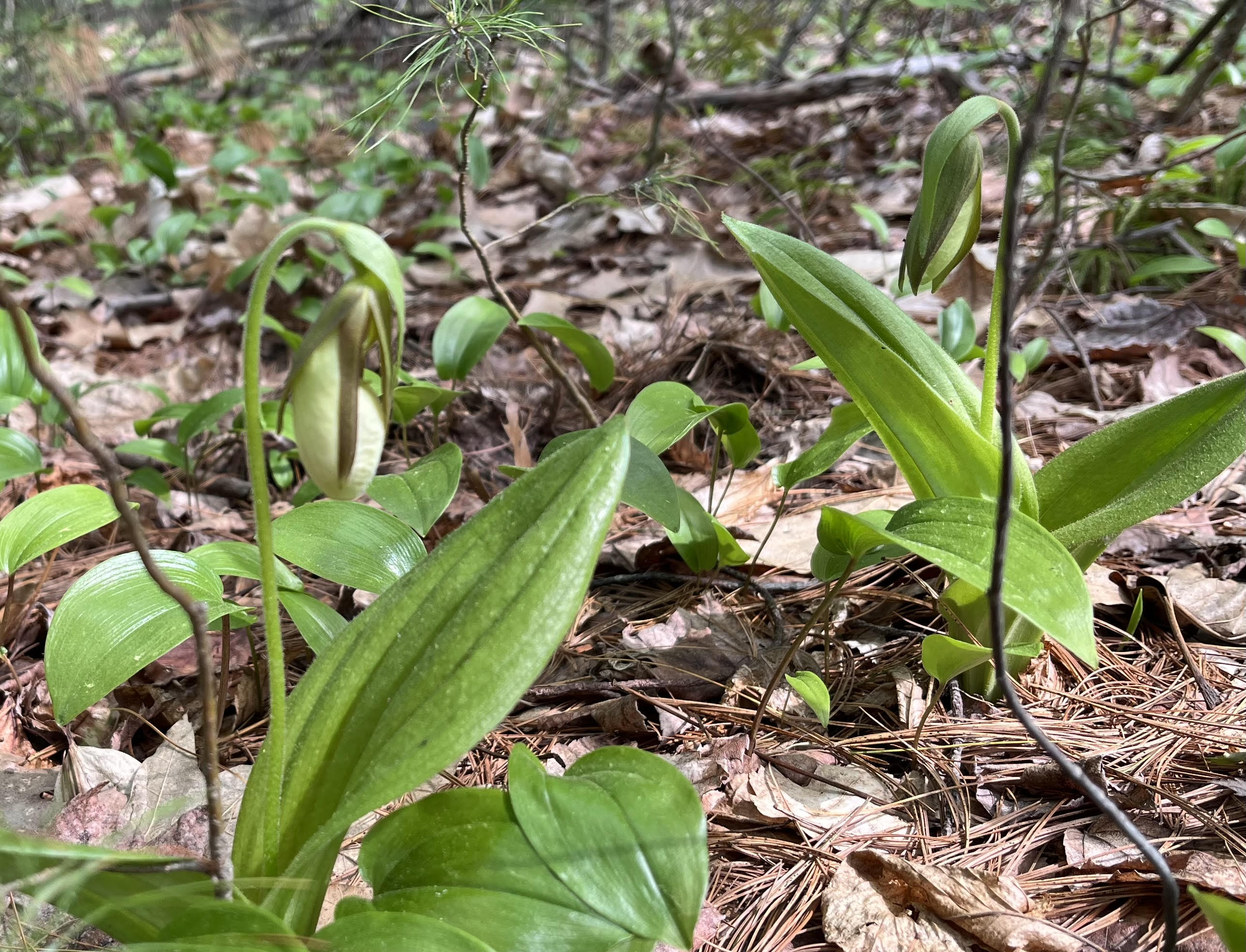
Lady Slippers in the wild will soon turn pink.

A real New England spring is tender, touching. The seasonal changes are not always dramatic or photogenic. I would have liked to share with you, for example, the carpets of tiny, blue forget-me-nots I saw all along the edge of a field yesterday, but my phone camera is not sensitive enough. In a photo, they would look like an undifferentiated smear of white.

Still, there is plenty to show, and I hope it’s all welcome, especially to those in the South who are already wilting in the heat of summer.

I found the Lady Slippers along a woodland trail. They will soon turn pink.

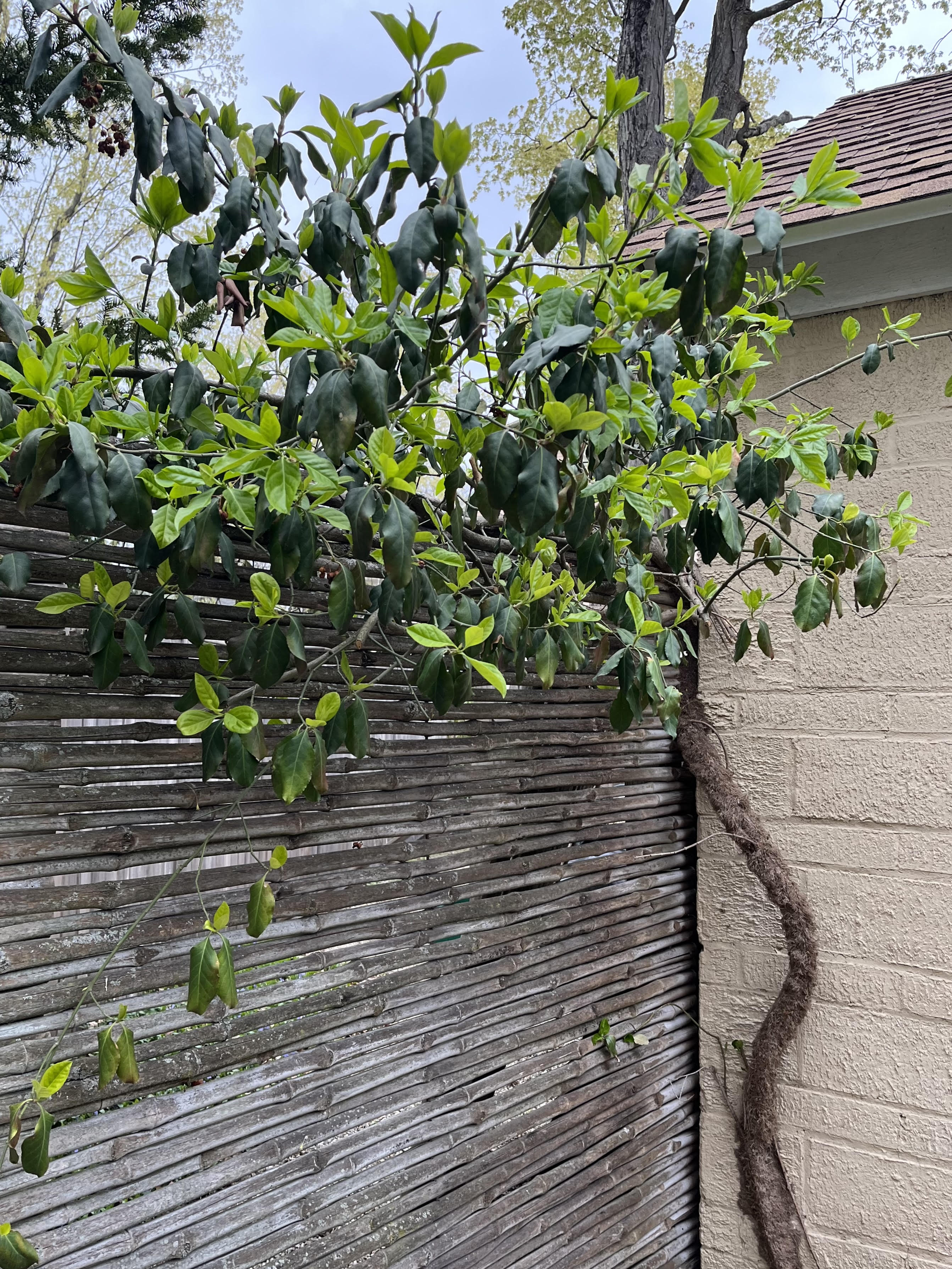
I liked the way the euonymus below spoke of new and old growing along together.

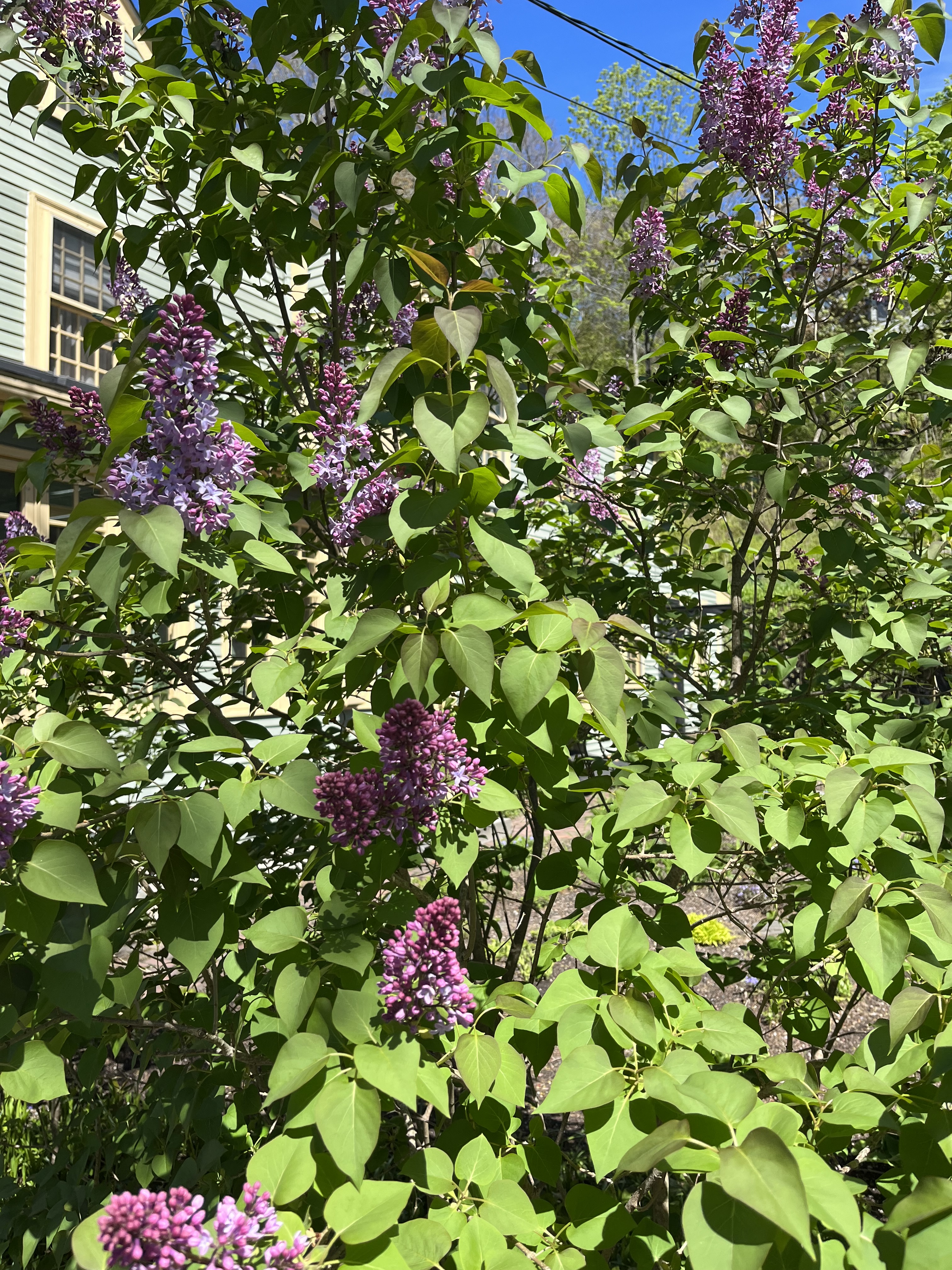
Wish I could share how wonderful those lilacs smell — or the fragrance everywhere of little lilies-of the-valley.

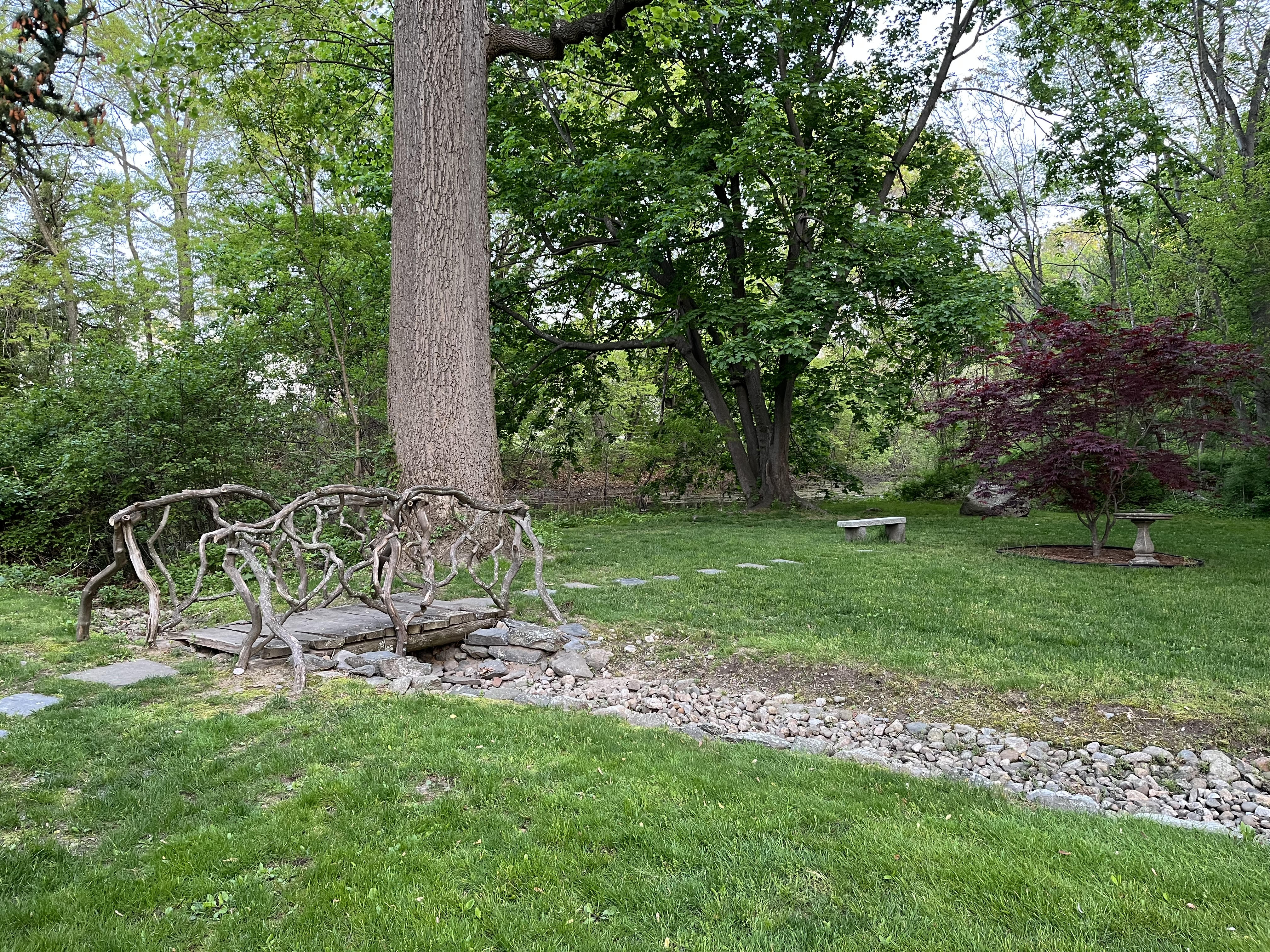
The quirky fairy bridge on the campus of Butler Hospital in Providence reminded me of similar ones in New York’s Central Park that filled me with delight during that sad year I was visiting my ailing sister.

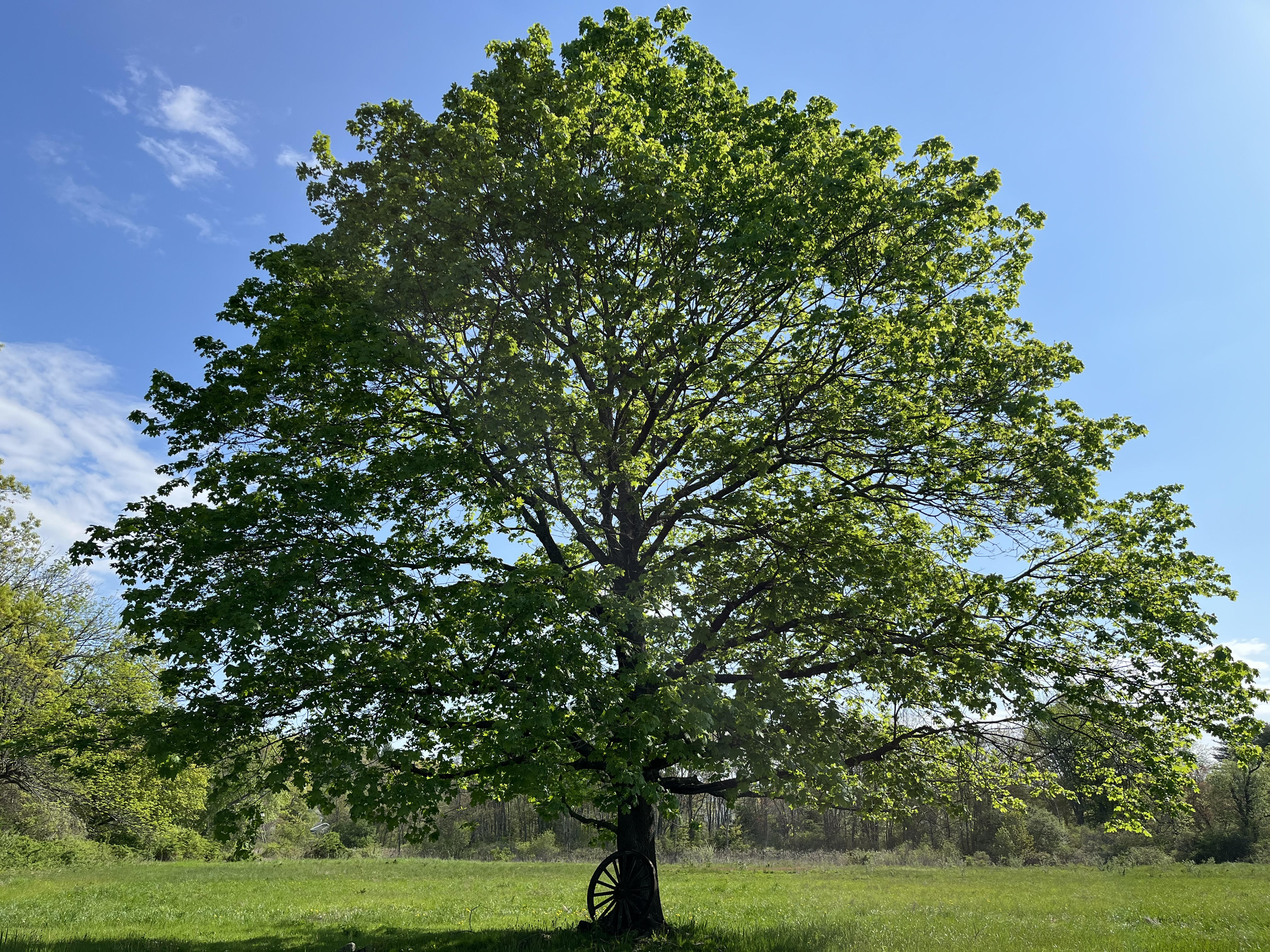
In the next photo, I wanted to capture how tired that old wheel looked in the energetic sunshine.

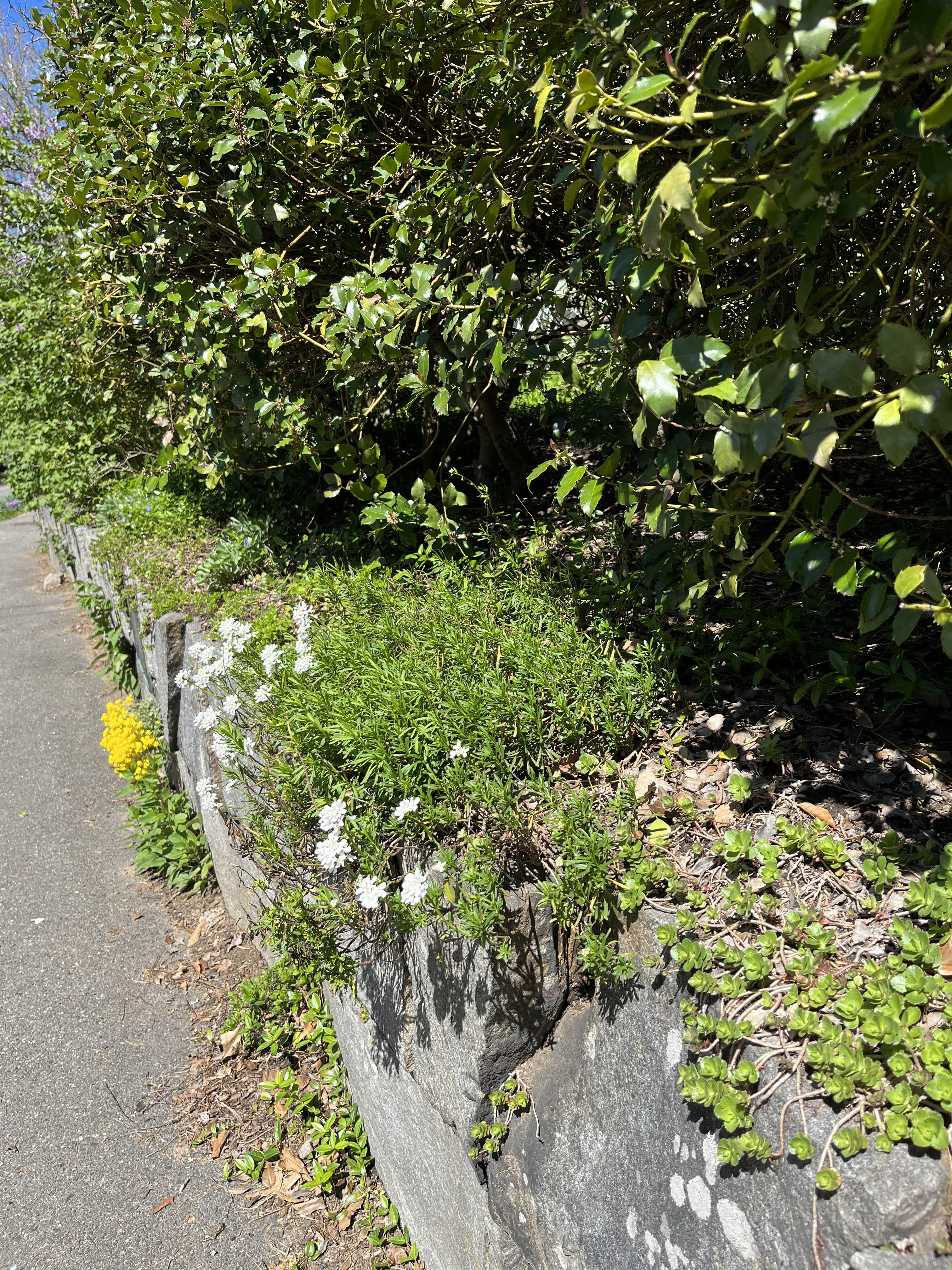
I liked how the stone wall nurtures its floral decorations.

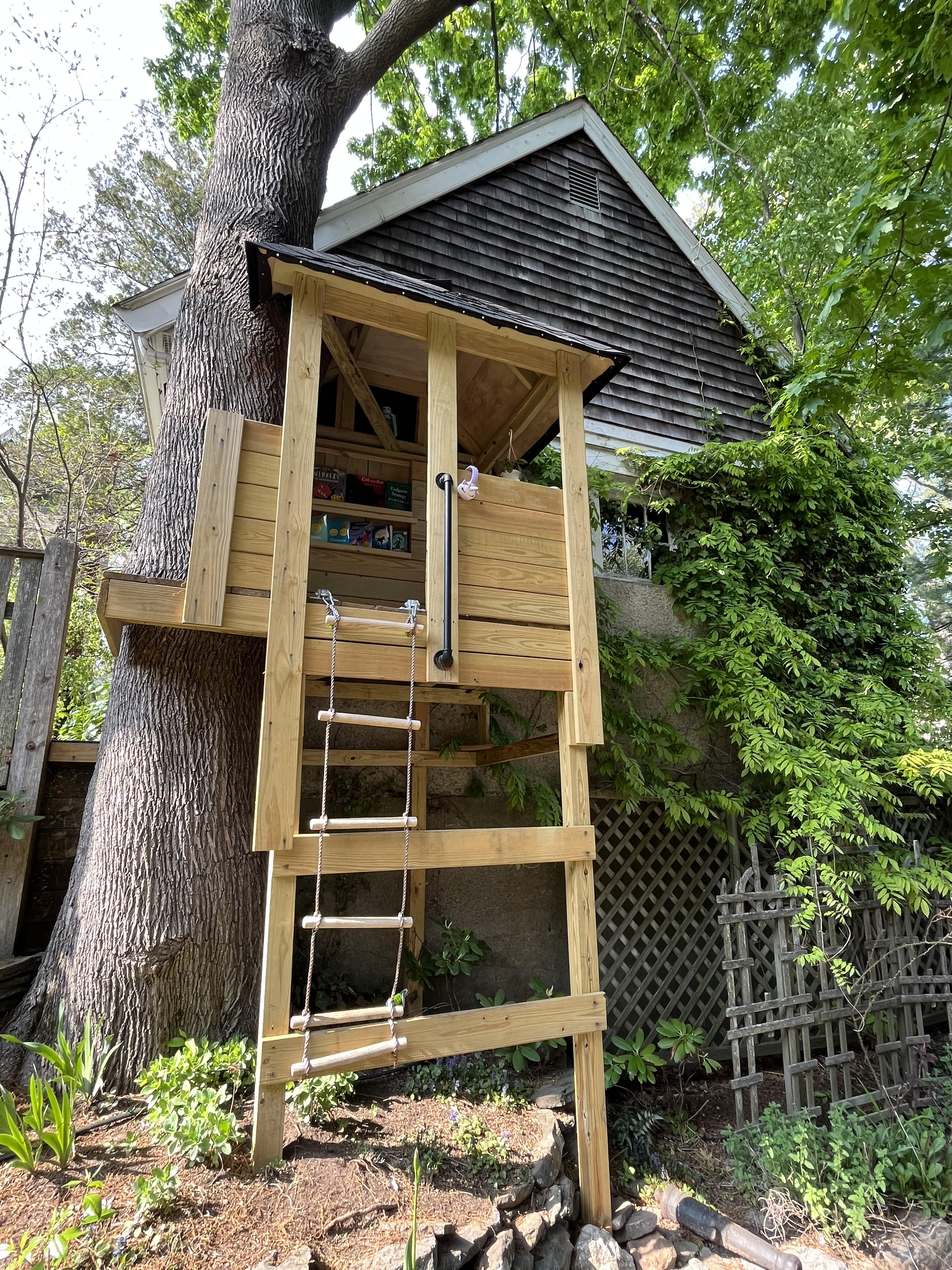
Erik finished the tree house — a triumph of his and a small child’s imagination and will.

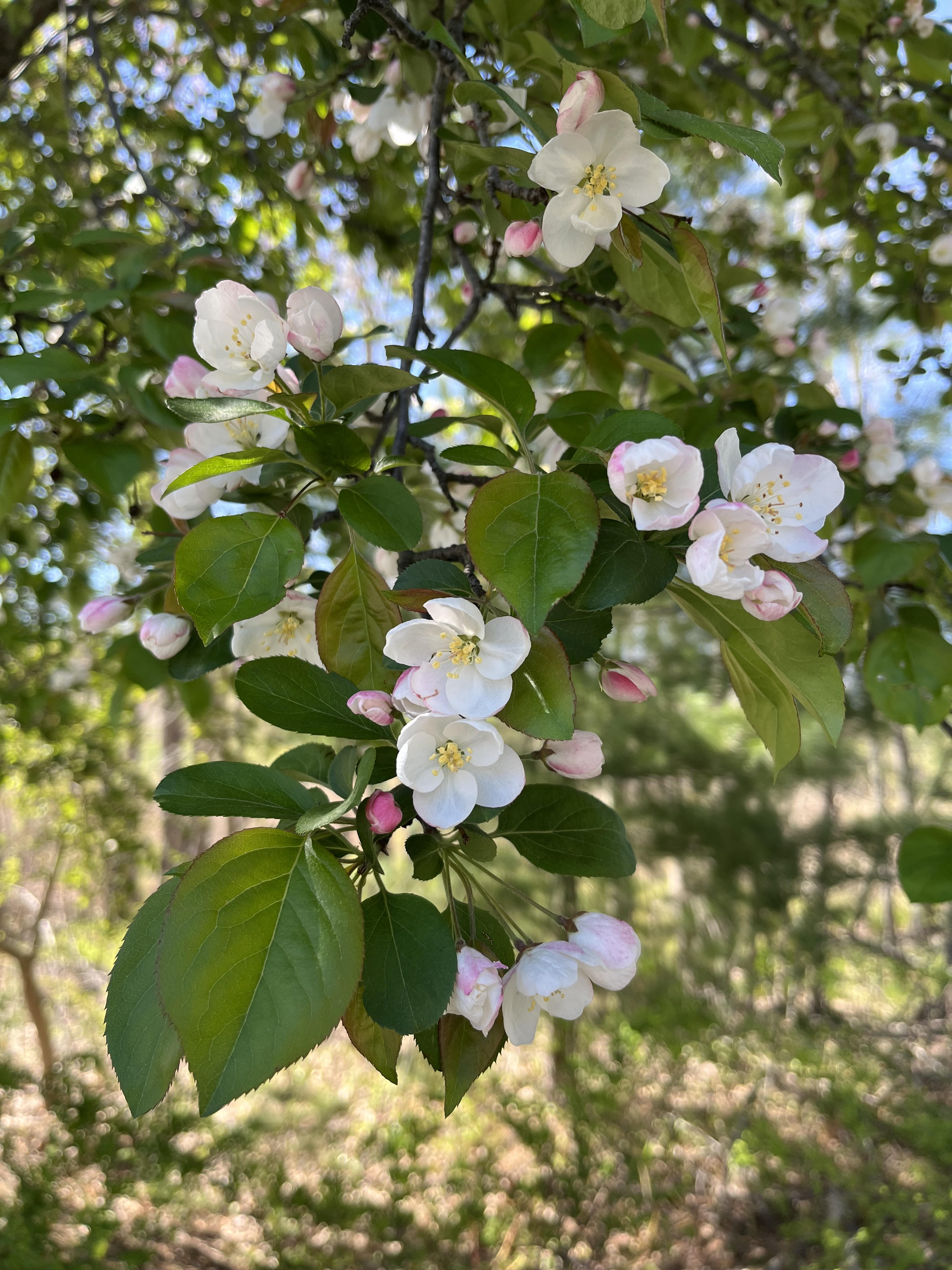
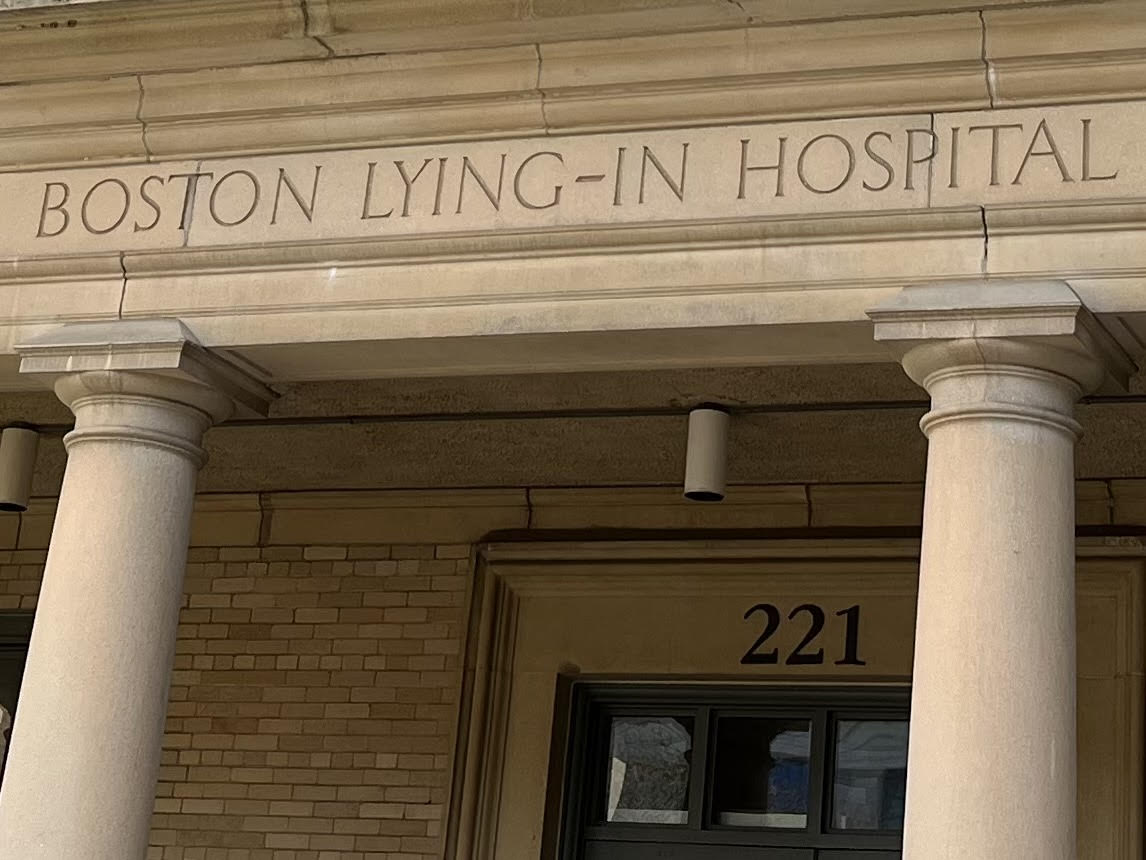
After the crabapple blossoms come a couple of the signs I can never resist, including one honoring a local Korean War hero, featured in the recent film Devotion.

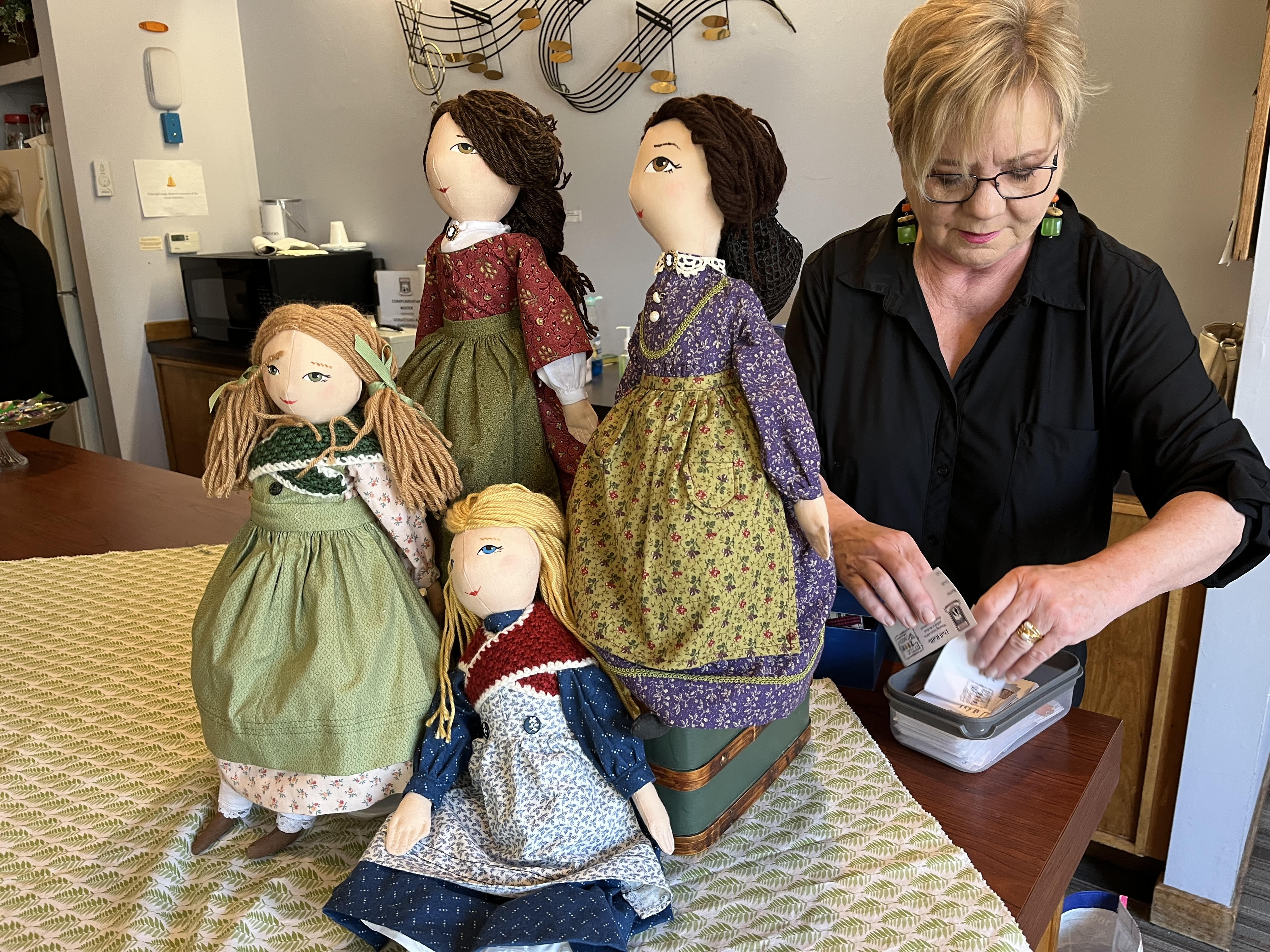
The talented costume designers for the decennial production of Little Women honored a local author with dolls featuring the main characters in her book. A lucky theatergoer with the right ticket number got the dolls after the show.

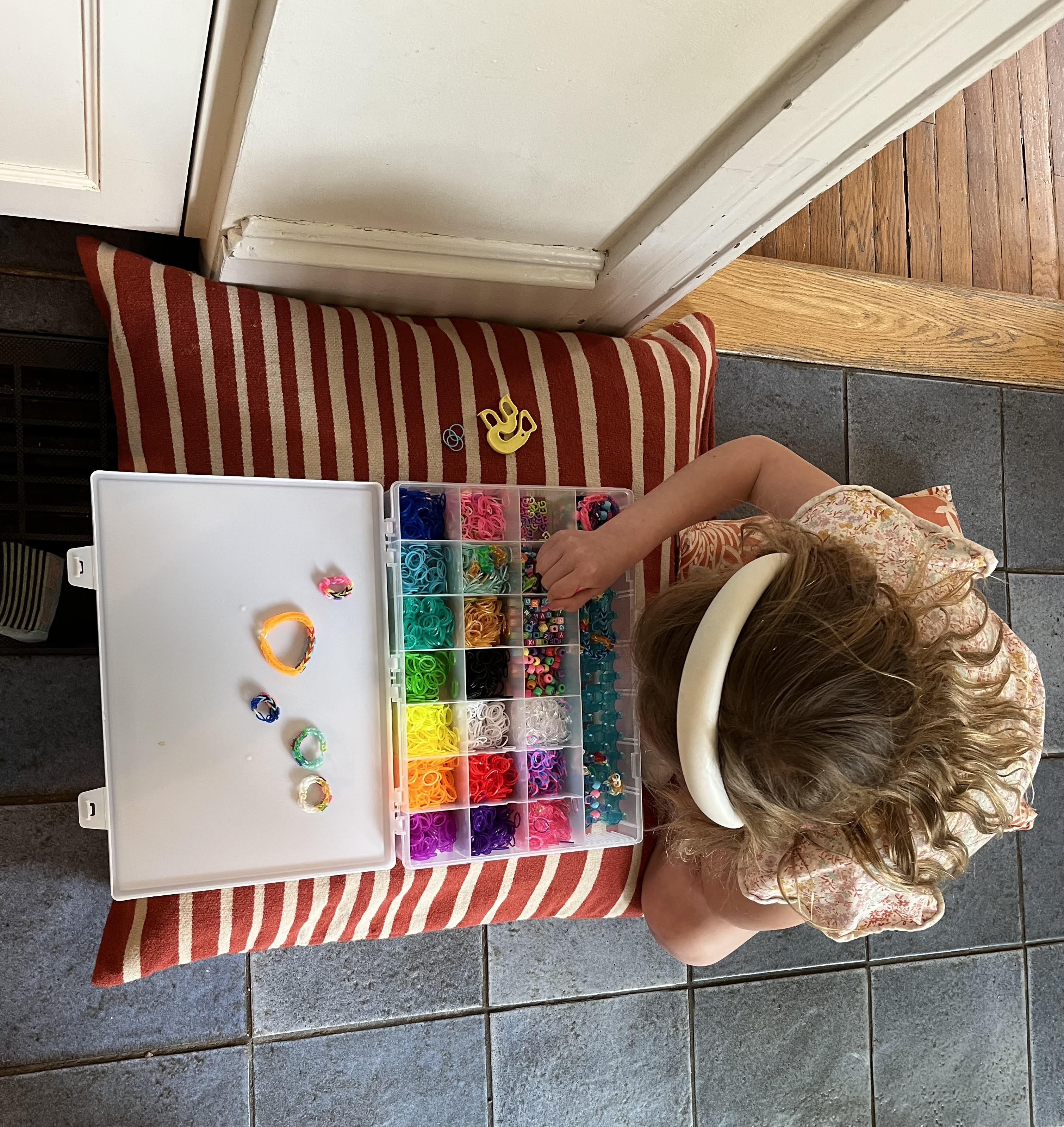
A little crafter is oblivious to all on a sunny spring day.

Read Full Post »

Photo: Suzanne’s Mom.
One of my granddaughters made this gingerbread house from a kit. The idea for a carrot was her own.

Time for another photo round-up.

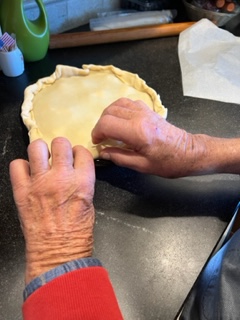
Sandra M. Kelly surprised us with a picture of Patrick making a mince pie for Thanksgiving. And, here, we thought Sandra was the only chef!

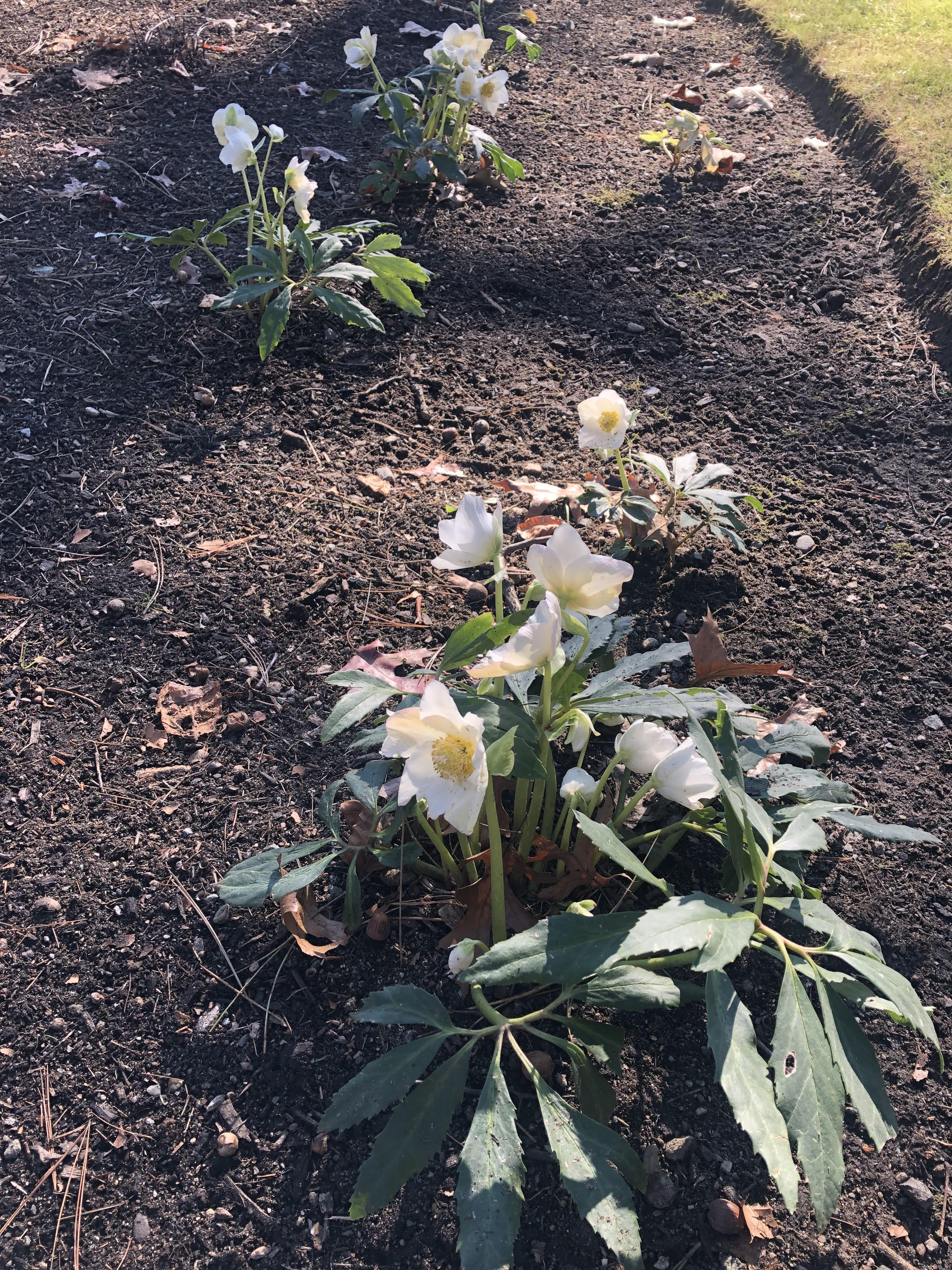
The hellabore below loves cold weather. You can understand why it’s sometimes called Christmas Rose.

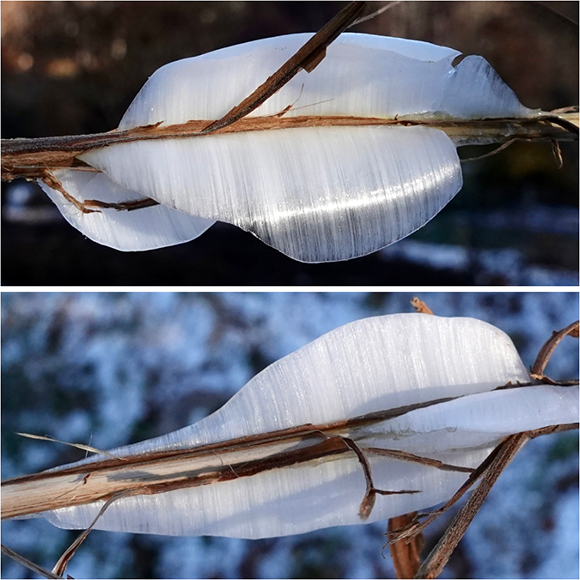
My husband sent me photos of mysterious “ice flowers,” taken by Ned Friedman, director of Harvard’s Arnold Arboretum. The flowers formed the other day on a herbaceous Chinese plant called Isodon henryi, and even Friedman doesn’t know for sure what conditions cause the phenomenon.

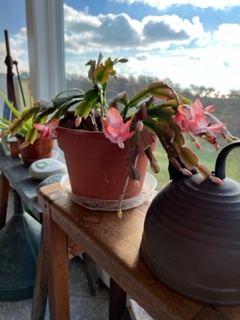
Sandra also sent the photograph of the Christmas cactus. She’s a genius at rescuing cacti that people like me can never get to bloom. I have her instructions if you want to try.

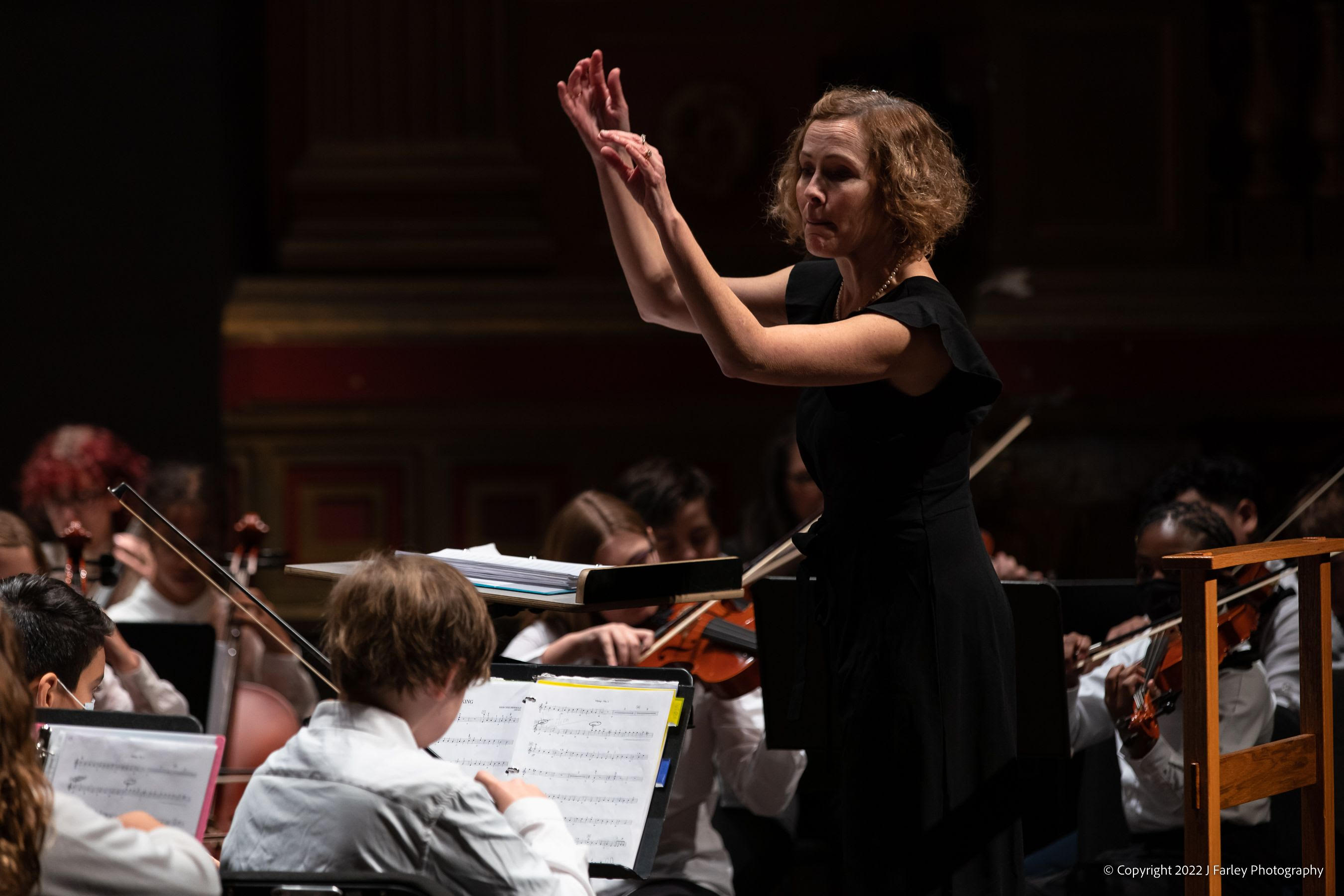
In the next picture, you see our niece, who’s a genius with youth orchestras in North Carolina. She gets pretty worn out with concerts at this time of year.

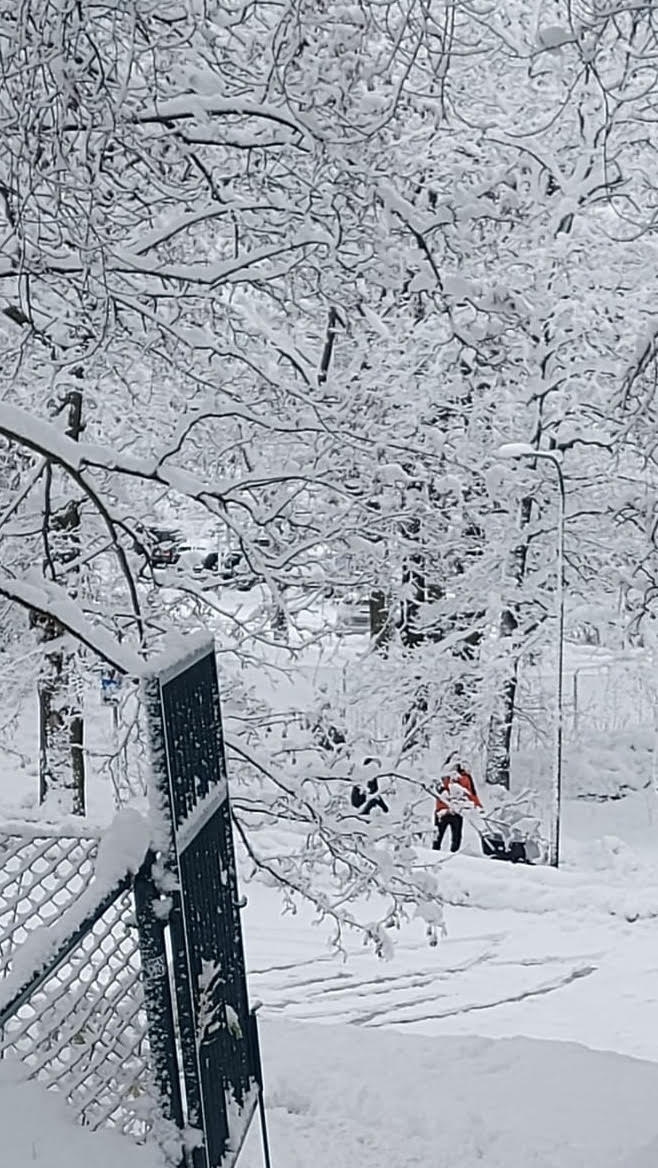
Stuga40’s snowy image was shot in Stockholm. She is now in New England for a visit with Erik, Suzanne, and our half-Swedish grandchildren. Maybe she’ll have other snowy photos after the family goes skiing in Vermont.

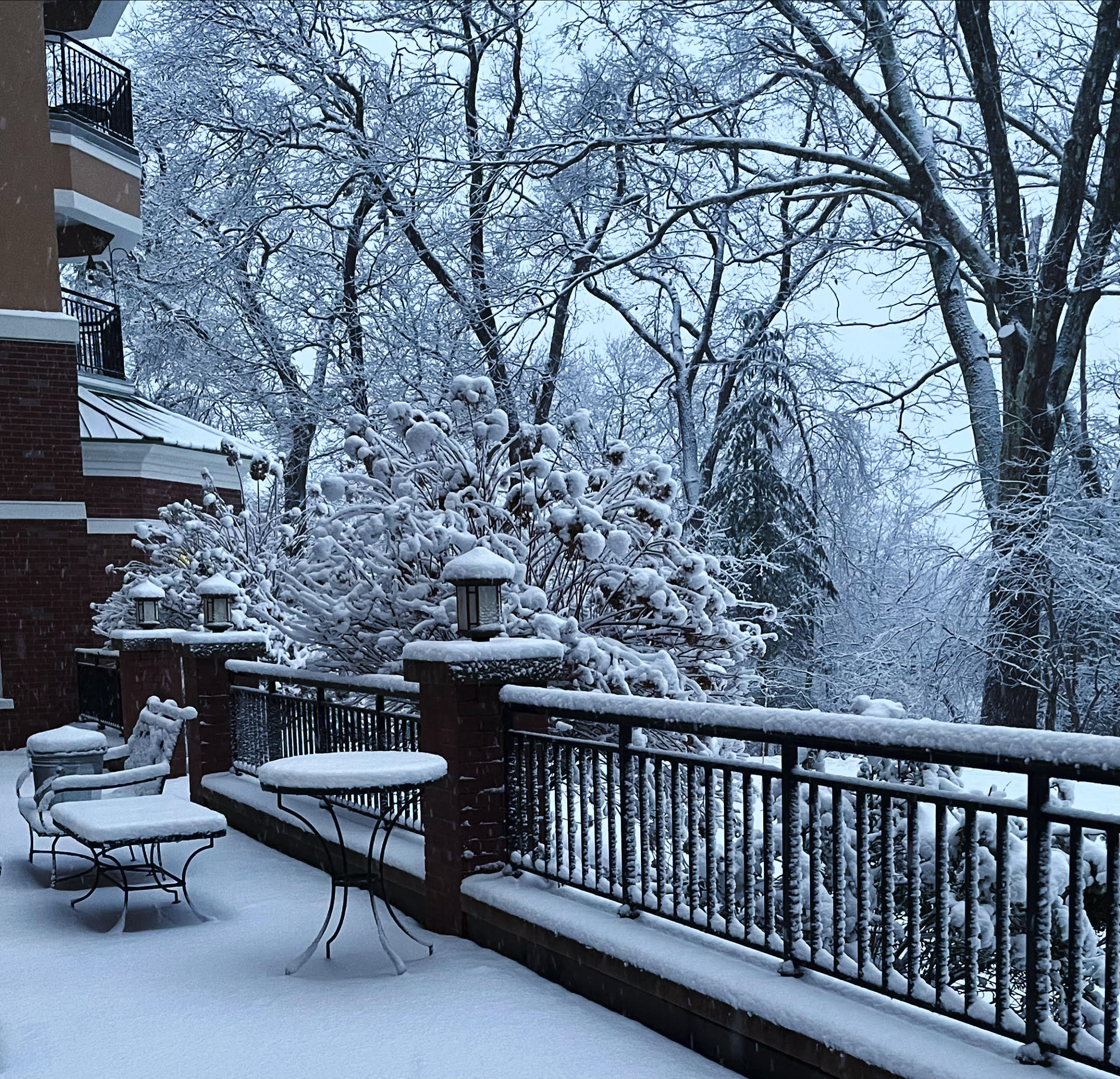
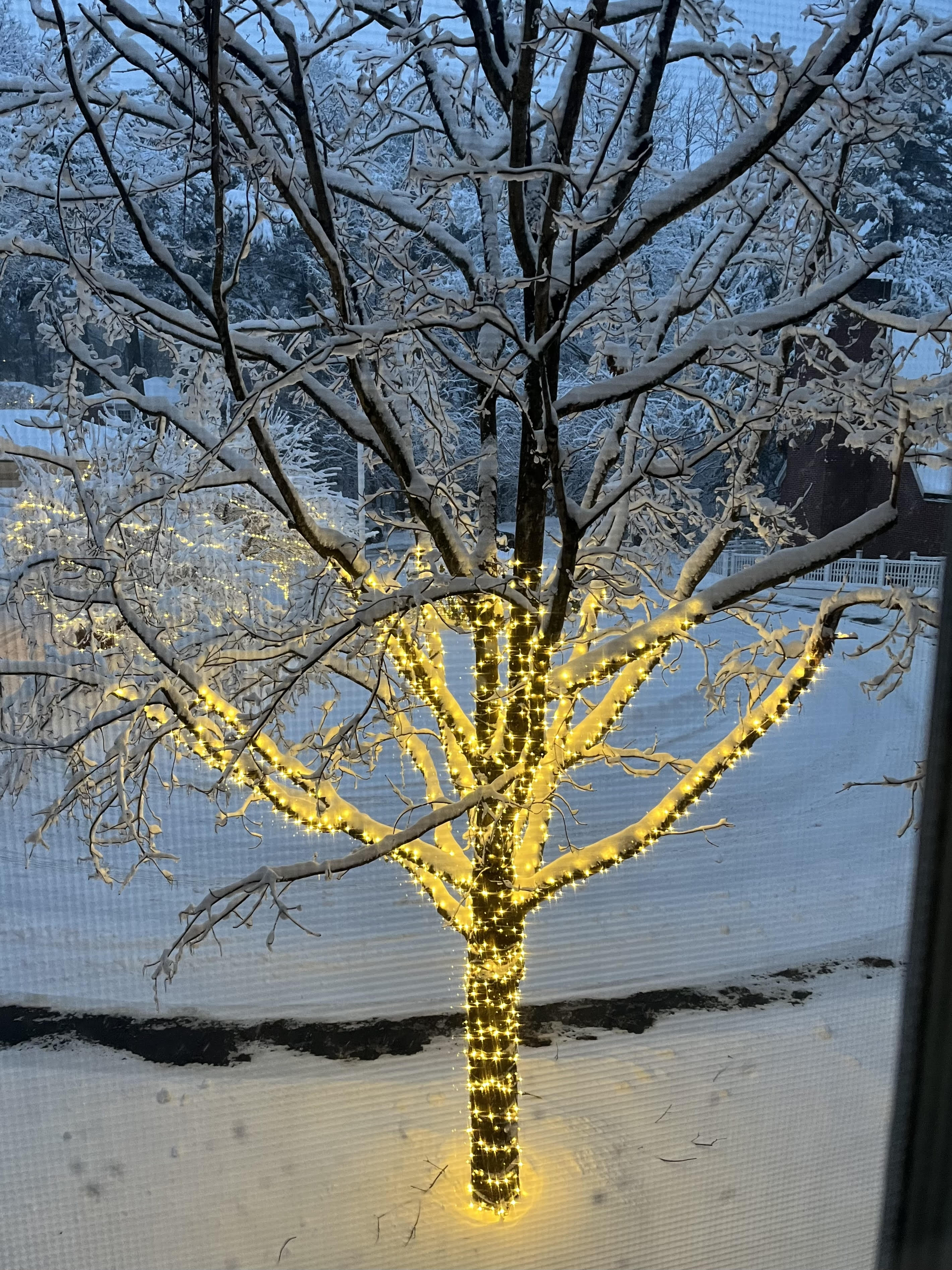
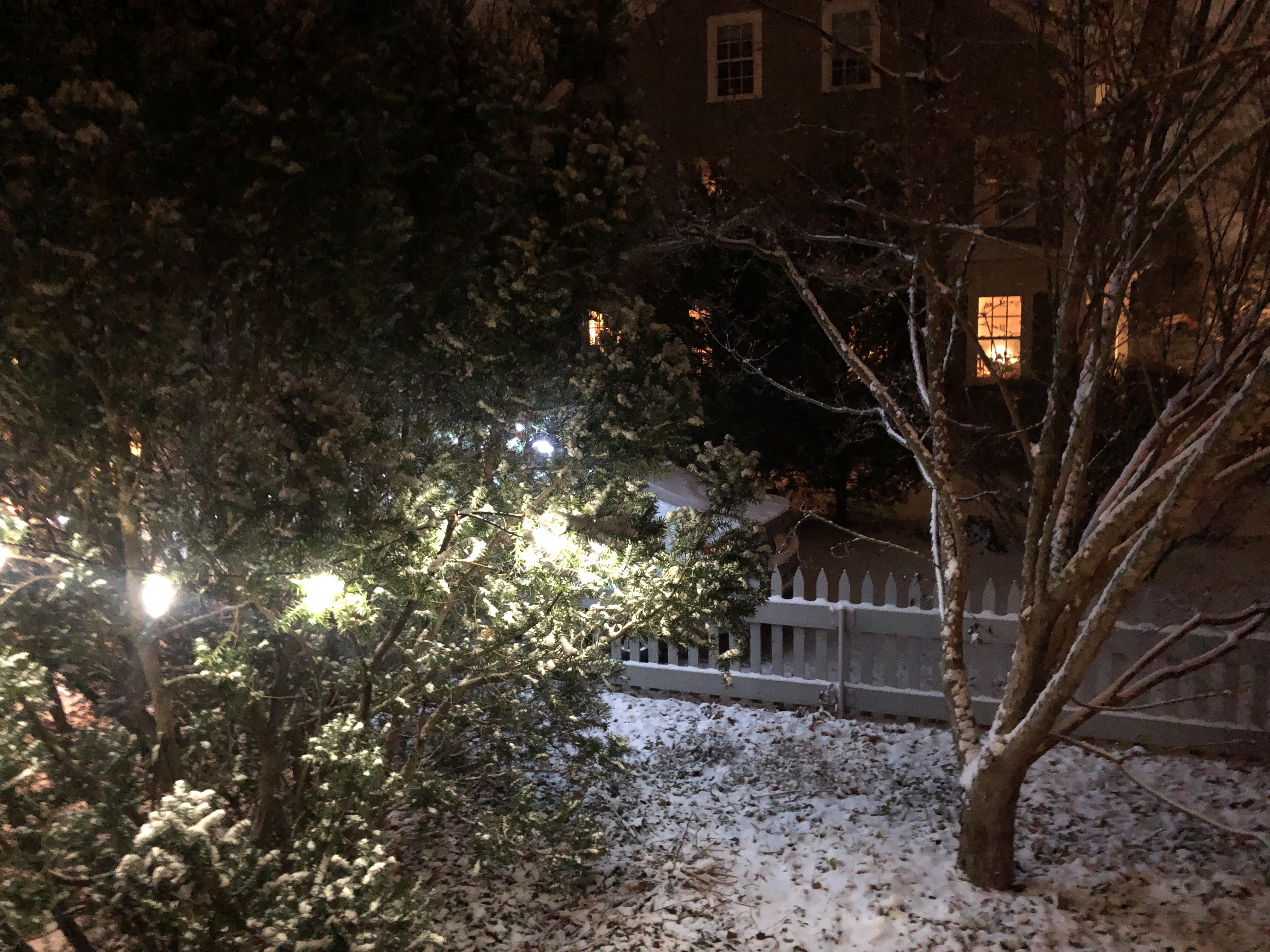
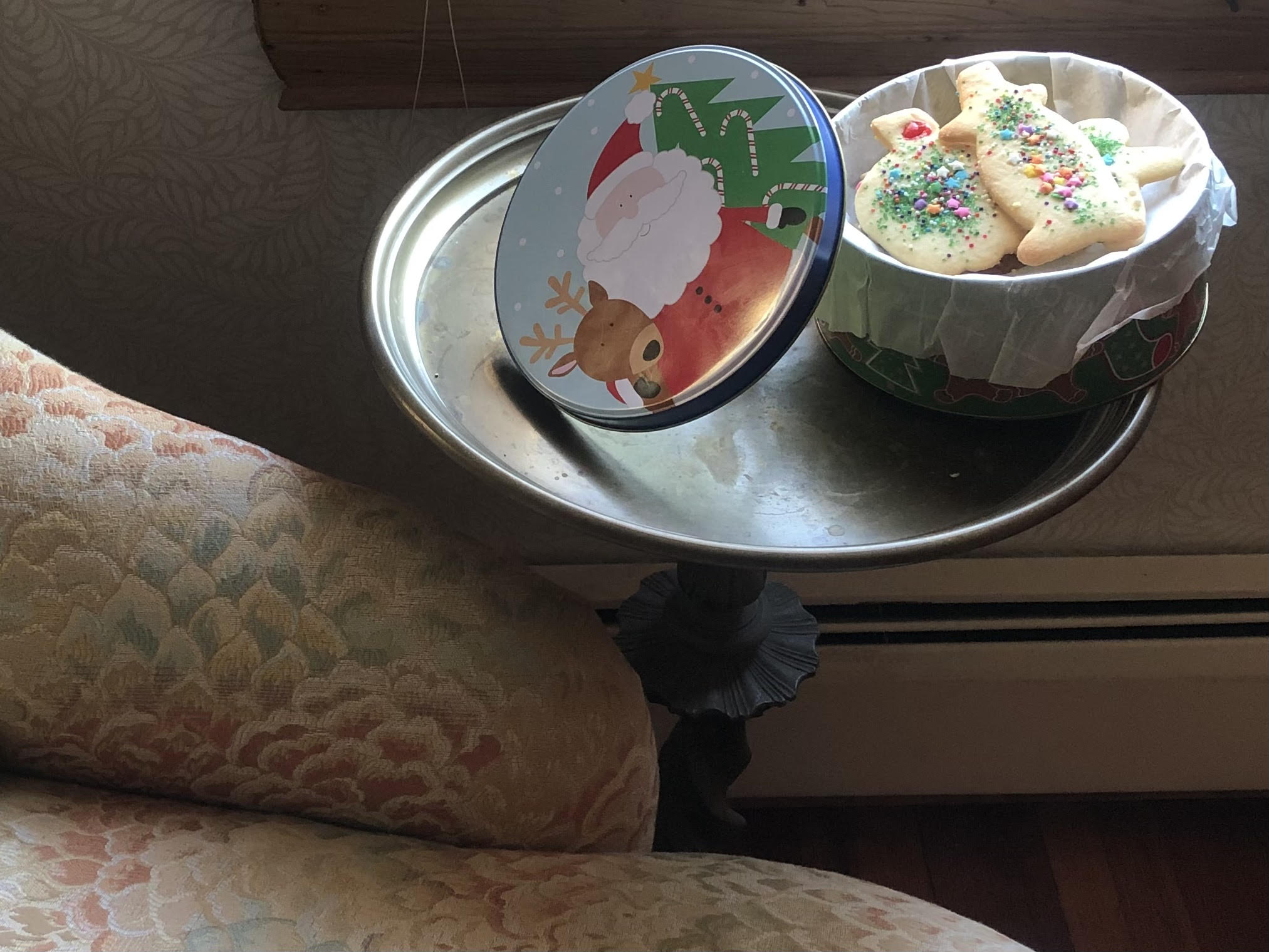
The next snow scene was shot in my own yard. Our first snow this year. The last two photos need no explanation.

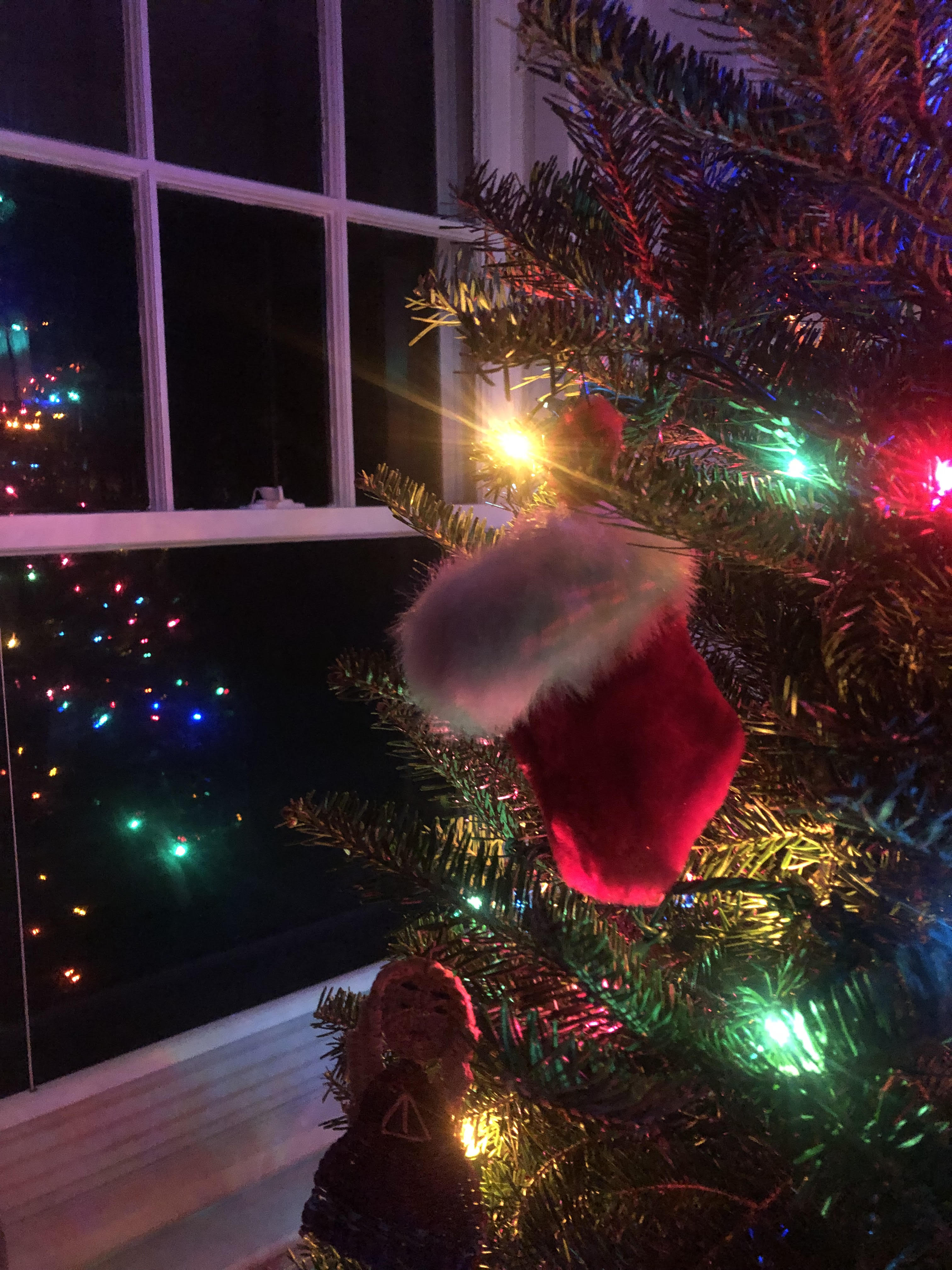
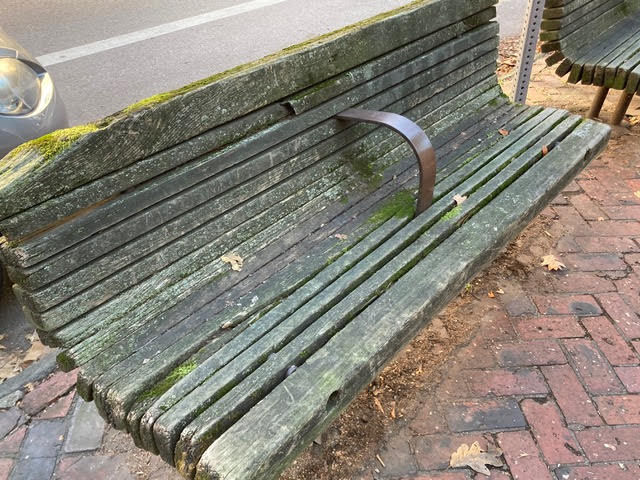
PS. 12/22/22. I’m sharing the worn bench at Hannah’s church in Philadelphia, because I love worn benches. I wish I had photographed the really beat-up one I admired on a train platform yesterday.

Read Full Post »

Photo: Suzanne and John’s Mom.
My teabag tag: “The difference between a flower and a weed is a judgment.” In fall, it hits us that wild asters are flowers. Bees go bananas for them. The bees knew all along.

Happy October. Time to gather recent photos to share. I use only my phone for photography, I’m sorry to say, so if you want to see what a real camera can do with nature scenes in my region, check out bloggers like jmankowsky and her site From My Window, here.

The first two pictures below are by Sandra M. Kelly and were taken at the Painted Rock in New Shoreham, Rhode Island.

In the Massachusetts town where I live, there are lots of painted doors, an Umbrella Arts initiative. The one pictured, over by the parking lot for two childhood homes of Louisa May Alcott (the Wayside and the Orchard House), features four kinds of poems for the four seasons.

The next two photos were taken at the Umbrella’s annual woodland art show. The theme this year had to do with getting out of balance with nature. The problem is, most of the artists thought they had to use a lot of plastic to express themselves on the topic. John and the kids and I really didn’t like all the plastic. The real-life frogs in the wetlands were fun though.

The mural off Thoreau Street has been wearing well. I wrote about its development in 2012, here.

I loved the sign at my older granddaughter’s soccer game. Also loved hearing blogger Will McMillan, Carole Bundy, and Molly Ruggles (not shown) singing at Porchfest.

In the second-to-last picture, Boston’s Post Office Square is a lovely urban oasis. And I close with shots of the boat house and the nearly dry Sudbury River in September.

Read Full Post »

Older Posts »